


As a proud millennial, I grew up watching technology evolve in drastic ways. I can remember how I started using technology in its early stages, and there was nothing but amazement. Back then, internet connection was through dial-up, and people used SMS to contact each other.
A lot has changed in recent years and we’ve witnessed how technology made our lives better. The popular adage was true: Necessity is the mother of invention. The technology I saw this past decade solved a lot of problems and offered convenience, efficiency, and improved productivity.
However, weird technology sprouted too, creating solutions for problems that weren’t exactly there. News about these “innovations” made you wonder: “Do we really need this?”
In true memetic fashion, literally no one asked for these things. Yet here we are, laughing while wondering who on earth needs these? Could it be the start of something new? A glimpse of what’s in store in the next decade to come? Or is it just a useless fad to make something seem “innovative” to keep the headlines humming? After all, technology is rapidly growing and it can be a challenge to keep up.
Tech companies should stop showing off products that won’t cater to anyone. I’ve grown tired of their charade, trying to be the first in everything when in reality, consumers — like us — would just want the best to accompany our lifestyle.
So here they are, the tech we don’t want to see anymore (unless it’s in perfect form).
Foldable Phones

When Samsung introduced the Galaxy Fold, many people thought it’s the future. Huawei, along with other companies, jumped on the trend Samsung started. Even Motorola made a comeback by reviving the razr as a foldable phone.
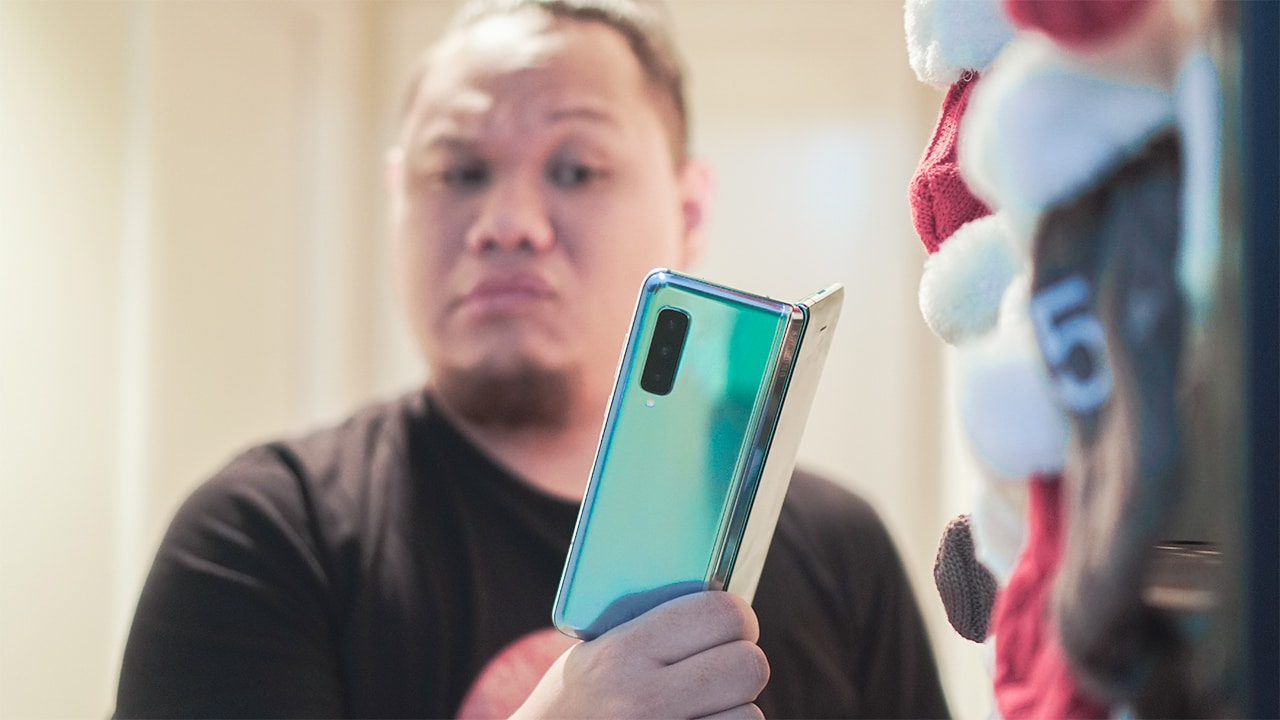
Foldable phones are still in their early stages. Even though I’m amazed by these innovations, let’s admit it: No one needs a foldable phone as they are right now. In our hands-on, we said the Galaxy Fold is perfect for those who want to be the first, those who are techies and geeks by heart. Don’t get us wrong. We like the attempt, but foldables — especially the ones announced in 2019 — could have been delayed for at least a year.
It’s merely a way for Samsung to show-off their innovative prowess. Props to them for being first to market, but I would’ve probably appreciated it if it was just a prototype for now and was launched later on when the tech is more mature.
Just like the Galaxy Note 10, the phone didn’t have any groundbreaking features but it’s a solid flagship phone that you would recommend for everyone looking for the best smartphone they can buy. I’m hoping for the day Samsung does the same for the Galaxy Fold. We need a perfected product before we consider getting one.
Headphone jack adapter
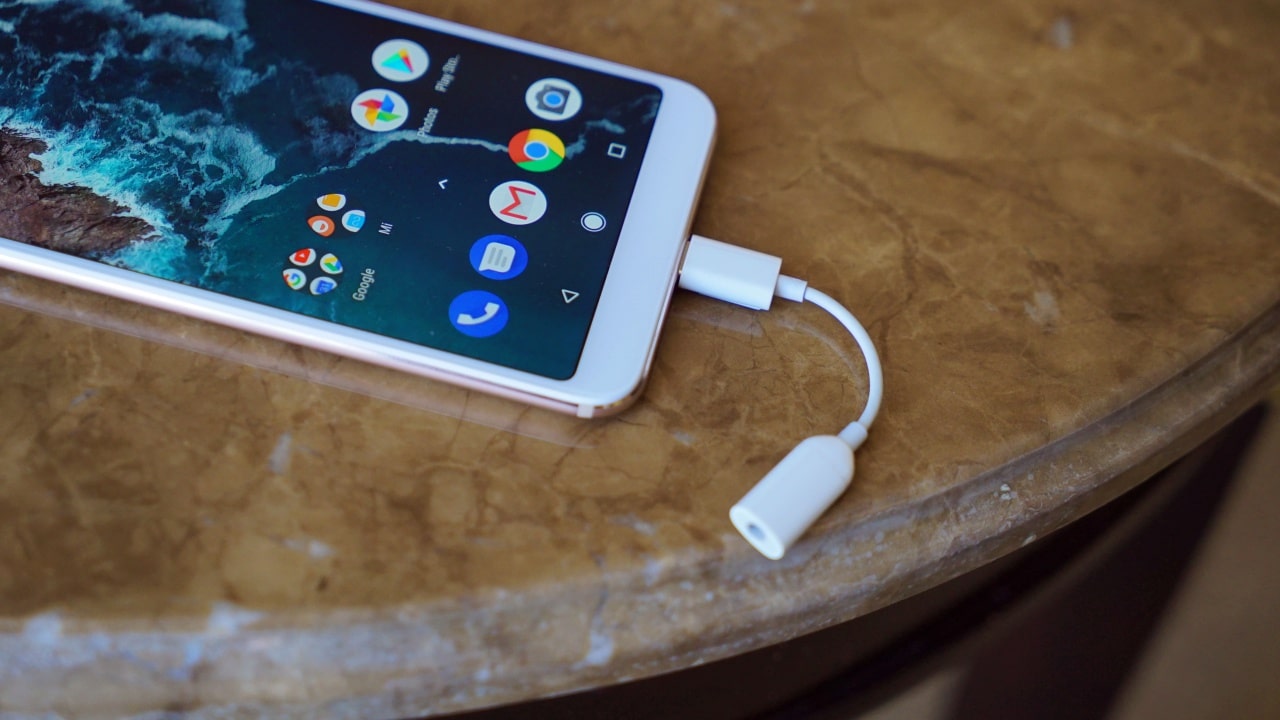
The removal of the headphone jack has sparked the outrage amongst headphone jack users, including me. I can’t seem to fathom why would these companies remove the very thing that connects people to music — their reason for living and being. It’s even more irritating when companies solved the problem with a headphone jack adapter. These companies shouldn’t have bothered with removing the headphone jack from the start! Now, we’re going backwards. Bring back the headphone jack!
Notch

The annoying feature from 2018 has carried over to 2019, and possibly until 2020. In the past two years, the notch has been one of the most controversial and hated feature. Despite this, it has become a norm in the smartphones being produced nowadays, especially the affordable ones.
When Essential first started the notch, we didn’t care enough. But having Apple do it and made it sound like a great solution to a non-existent problem of “wanting an all-screen phone,” everyone went crazy. Key word: wanting. Technological advancements should be done to solve a need, not a want.
If you don’t see the problem why the notch is annoying, you probably don’t have a penchant for anything aesthetic. For starters, the notch made screens asymmetrical. Aside from that, it was annoying to look at when you watch a movie or play a game, especially those who haven’t perfected the notch. Pop-up and slider mechanisms were also introduced as an alternative but honestly, the under-display camera seems a lot better as a solution to having an all-screen phone.
Waterfall Display
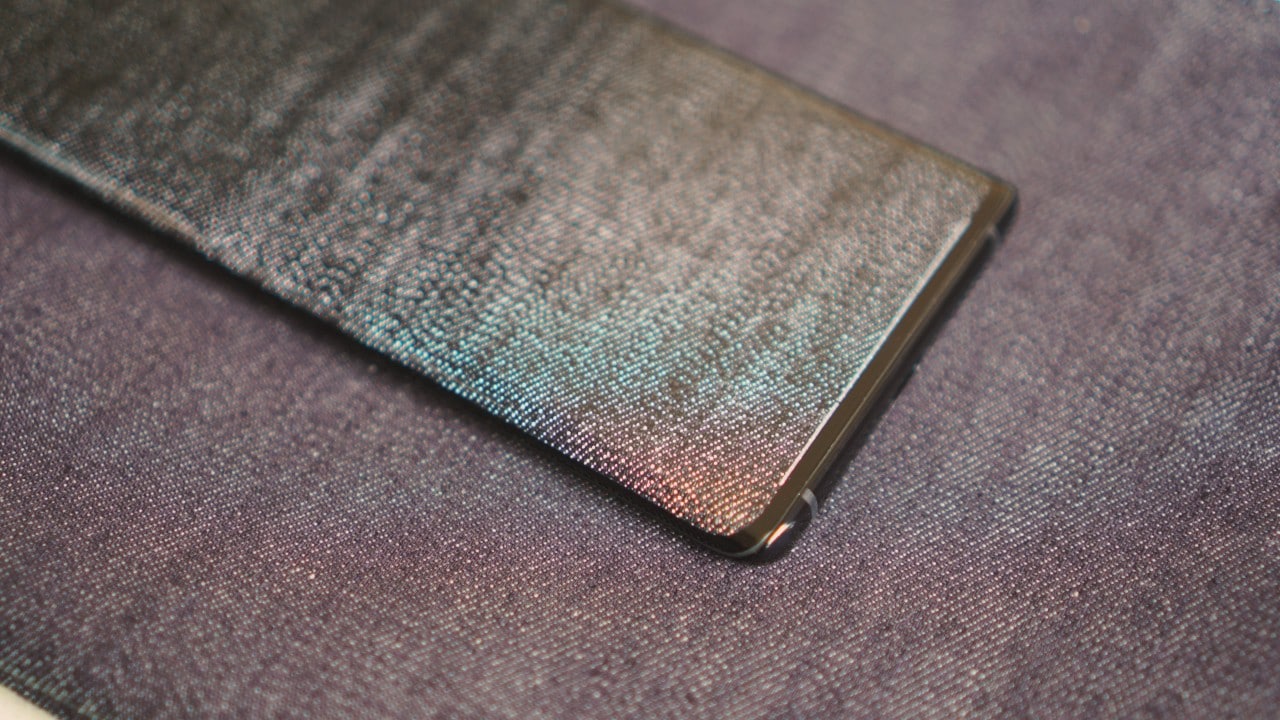
OPPO, Vivo, and Huawei introduced their waterfall displays in 2019 — for what reason? In my experience with the Vivo NEX 3 and Huawei Mate 30 Pro, the waterfall display is annoying to hold and use. To this date, curved edges are still better than having a display carrying over to the sides. Personally, Samsung’s Galaxy S8 and Huawei’s Mate 20 Pro are the best-curved smartphones, providing better grip for without bleeding the edge too much.

Back then, I was happy with bevels. Sony’s Xperia design was to die for, along with Samsung Galaxy Note’s boxy style. But suddenly you have displays staring to hug the entire sides of the phone. Let’s face it, the waterfall display is just another attempt for an all-screen phone. Honestly, we don’t need it. What we need is for OPPO, Vivo, and Huawei to create a solid smartphone — from a reliable battery, wonderful cameras, and a seamless user experience at an AFFORDABLE price.
Screens on bags, plates, and anywhere it can be placed

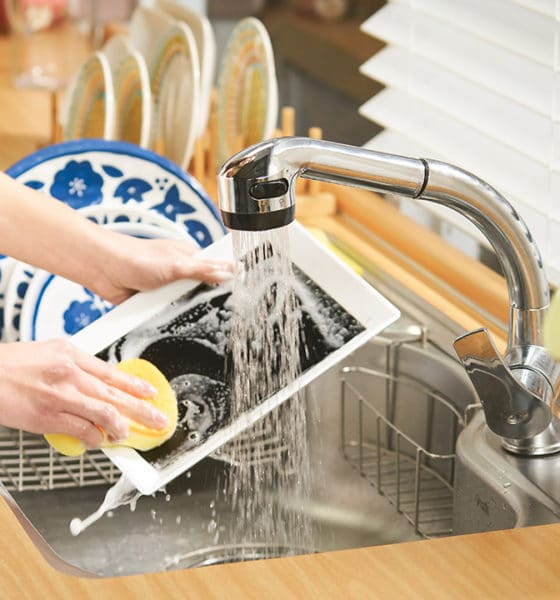
Whoever thought of placing a screen on bags, plates, and wherever it can be is a lunatic. Why would I need a screen on my bag?
Or on my plate where I eat my precious food? Why would I need a screen and technology plastered on my everyday items when my current gadgets are already too much. This is literally the biggest “thing no one asked for.”
Dual Display Phones

Yet another attempt for a brand to generate buzz and pioneer a concept in order to look cool, dual display phones should never return in the coming decade. Unless brands make a meaningful reason for people to use it, dual displays are just a fad that would make a perfect accessory to show off to people who don’t matter.
Palm Phone, Google’s Paper Phone, and other dumb phones
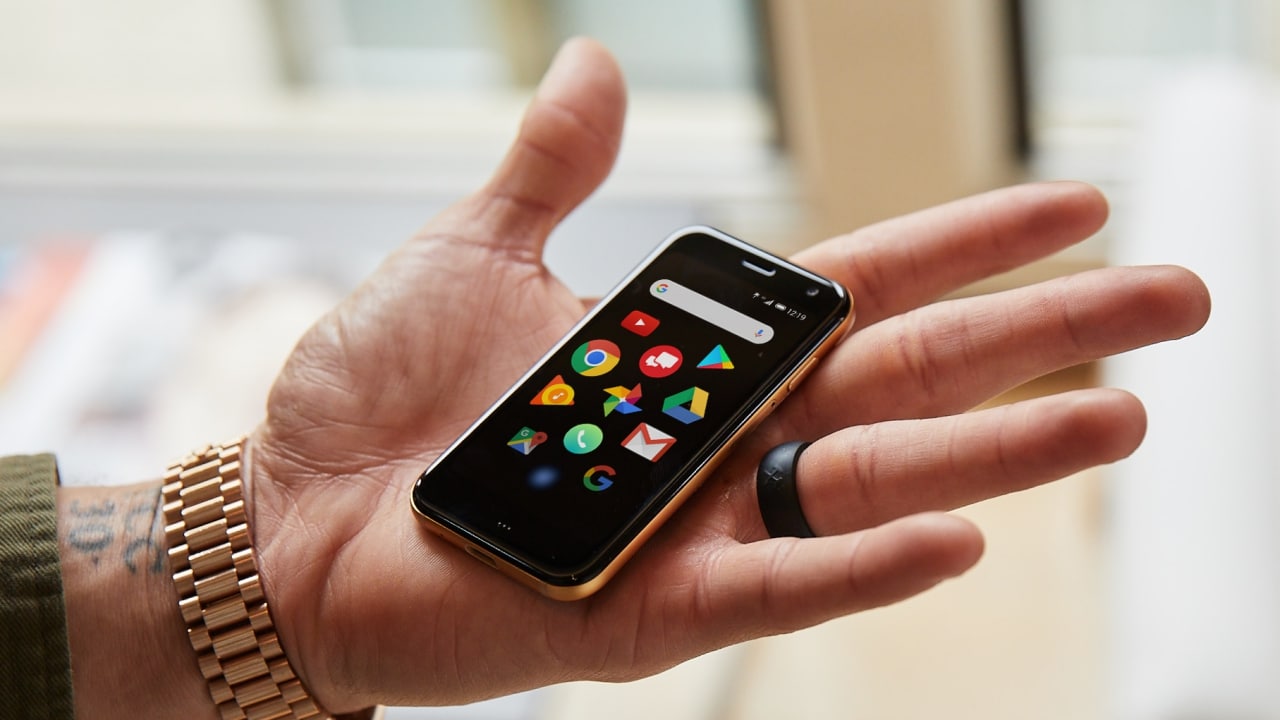
This era has cultivated a culture of people glued and addicted to their smartphones. To combat this, Palm has launched a minimalist phone to cover a user’s basic needs. It acts as your second phone because honestly, who can live without a smartphone today? Likewise, Google’s Paper Phone was developed to combat smartphone addiction, making you go old-school. Even Supreme has a dumbphone (the opposite of smartphones).
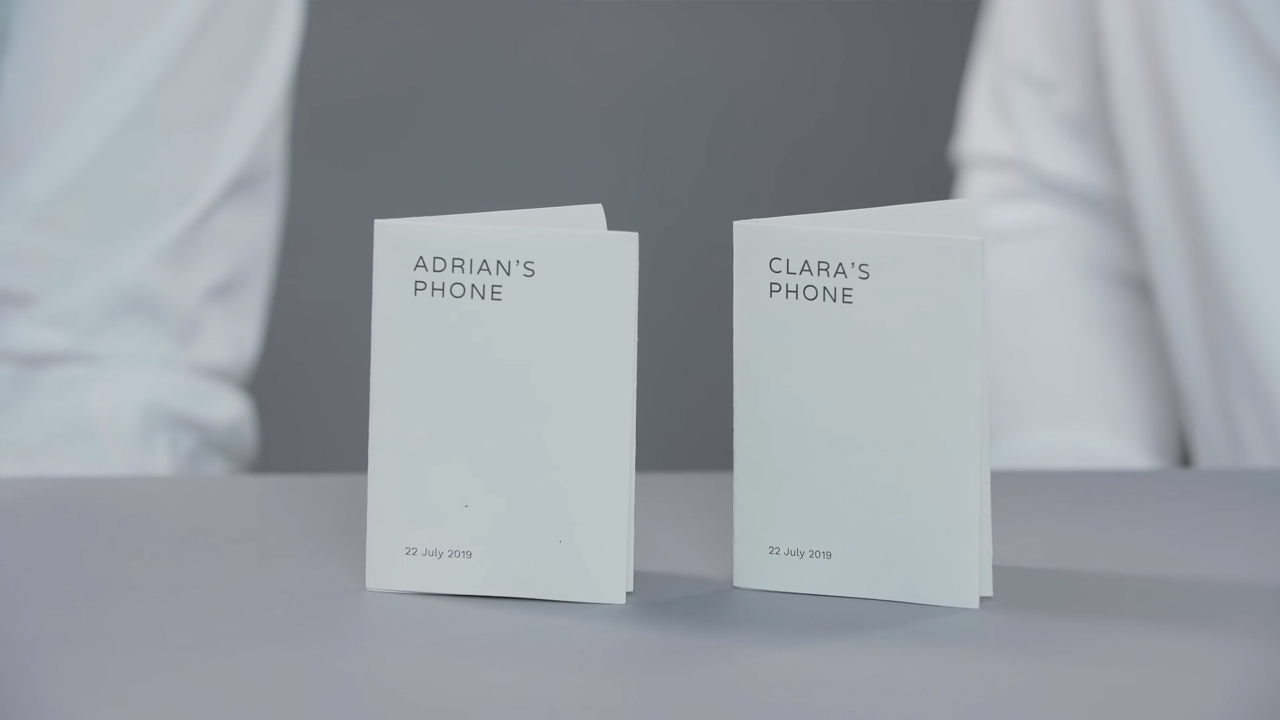
You see, the problem here isn’t creating more. These companies think they need to make more in order to solve a problem caused by technology’s rapid growth. As much as I love small phones like Palm’s and Supreme’s, the cure to smartphone addiction isn’t another “basic” phone.

We need discipline and a cultural fix. My cousins belonging to Generation Z have their phones at all times as if their life depended on it. As a millennial, it’s ironic for me to say that I require my loved ones to put their phones down so we can have a good time. People seem to have forgotten the value of connection, conversations, and being in the moment. If we’re looking for a solution, it’s highlighting the importance of living your life offline, not another phone.
Looking forward to more meaningful technology
Technology isn’t going to stop evolving, and we’ll see more groundbreaking features in the coming years — both useful and useless. However, I wish we’ll see more well-rounded technology built with the consumer in mind. The geeks are only a fraction of the population, and they’re the only ones appeased by these innovations.
Companies should talk to the general population and see what they need: a gadget or technology that will make their life more efficient, convenient, and productive. Yes, we’re amazed by your new technology, but no, we don’t need all these fancy things. We just need things that are smart enough to make things work.




Dating
Crossing an island to see if love would show up
A 24-hour detour in Cagayan De Oro, captured on OPPO Reno15
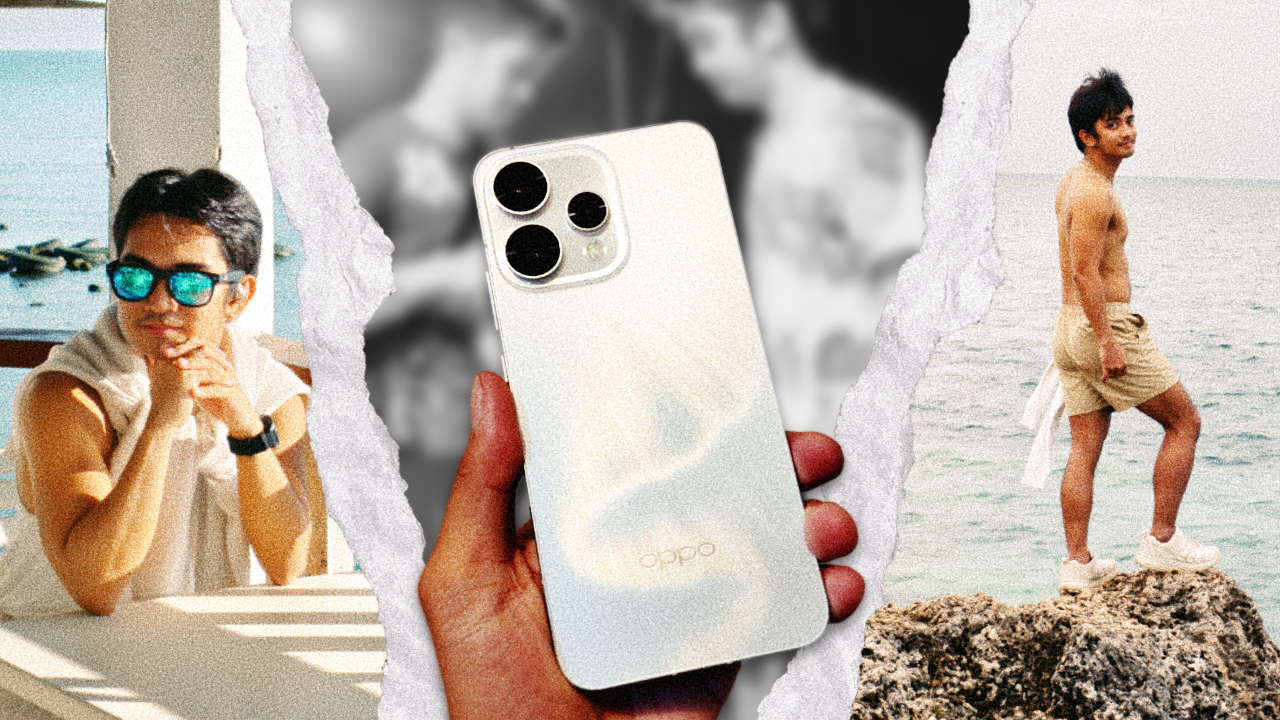
Doing things for the plot used to burn me badly. It always ended the same way: me lying on the floor, crying over choices I insisted were romantic when they were clearly reckless, while my cat stared at me with a look that suggested regret over choosing me as an owner.
I’ve gone through enough heartbreak that someone my age should have learned by now. I should know when to pause before making decisions that feel thrilling only because they are unhinged.
And yet, I still move through life the way I did in my early twenties, convinced that consequences can wait as long as I feel something in the moment.
I had always wanted to go to Cagayan de Oro. The city feels like a threshold, a gateway to Northern Mindanao, opening up to Camiguin and Bukidnon, two places I have romanticized endlessly through saved TikTok videos and screenshots meant for a future version of myself who finally had the time.
Travel felt like a good enough reason to go. It just wasn’t the real one.
It was for love
Four years ago, I noticed him after watching at finish line of an ultramarathon on one of the hardest trails in the Philippines.
There was something about that moment — about the way exhaustion and triumph lived in his body at the same time. That single image stayed with me. Attraction and curiosity followed.
After walking away from my “loml“, loss of my life, unfortunately, as Taylor Swift would put it, I decided to take a risk to start the year. I wanted to see whether my heart would open again, even slightly.

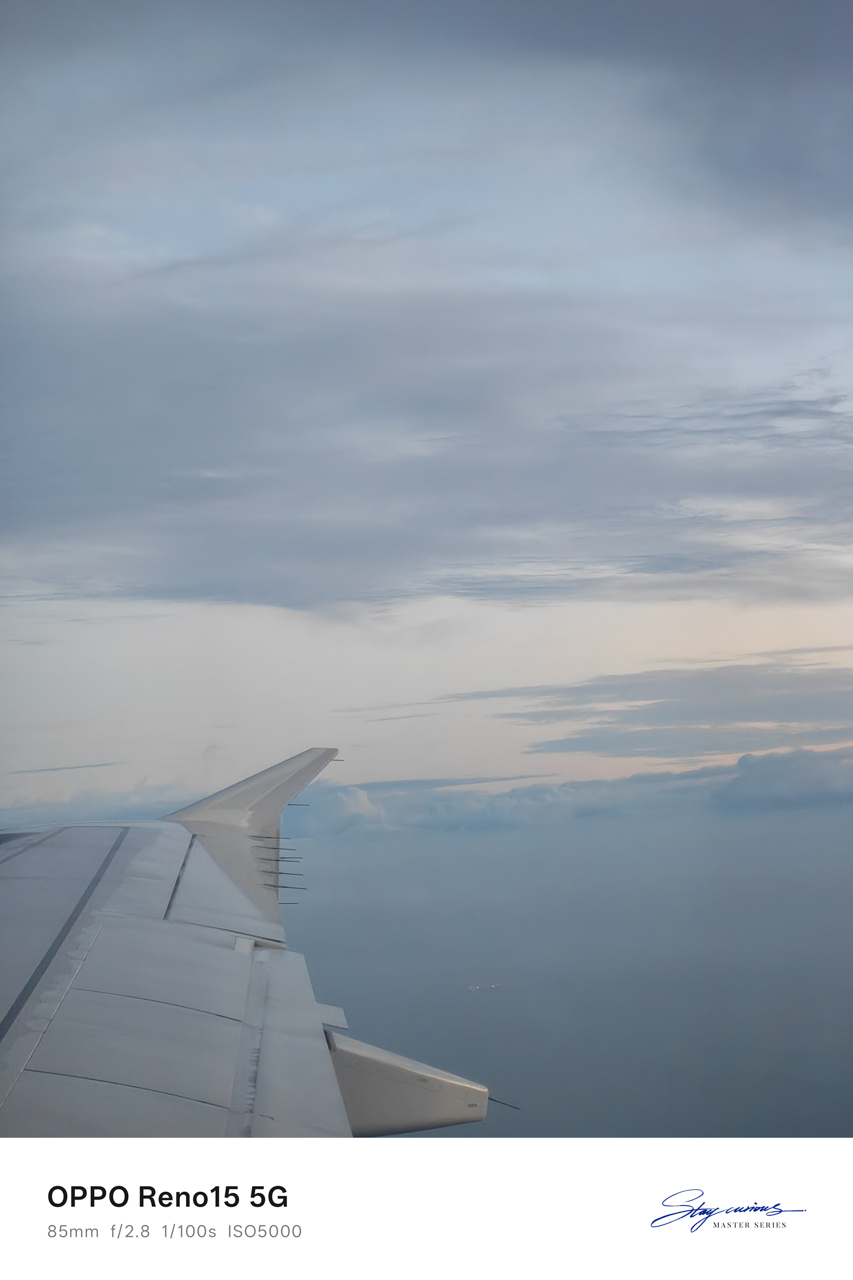
Armed with nothing but courage I wasn’t fully confident in and the OPPO Reno15 mounted on my Ulanzi tripod, I crossed 800 kilometers to see a “friend.”
I used the word carefully, knowing how much work it was doing. I also knew this trip would either become one of the best decisions I made this year or one I would have to process slowly over time.
Touchdown with intentions
I was already on assignment in Northern Mindanao. In almost a decade of traveling for work, I had never extended a stay. I flew in, did the job, and flew out because Manila always waited with something urgent.

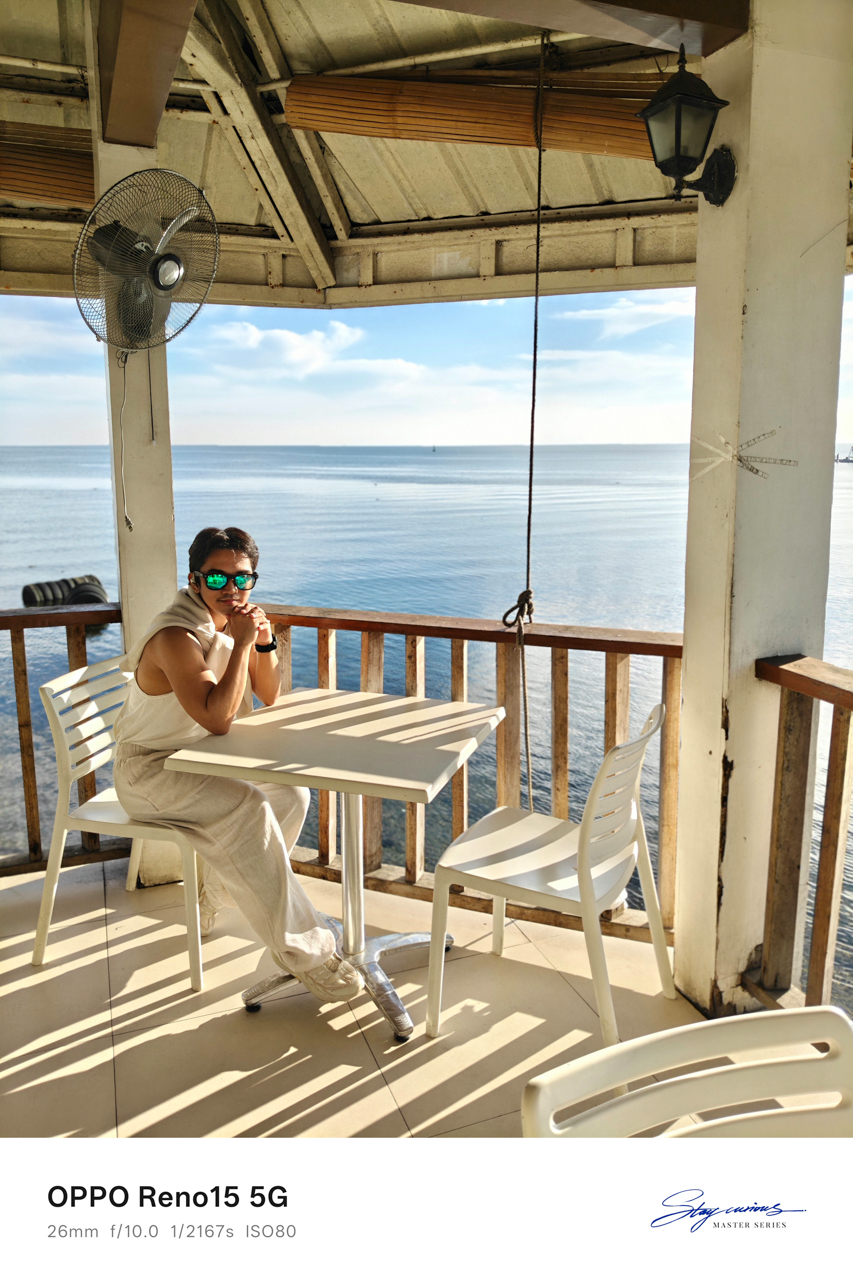

This time, I rebooked my flight for the next day, telling myself that one more day was reasonable. A stop at Panagatan Restaurant in Opol, Misamis Oriental made it feel like I had slipped into my own 1989 (Taylor’s Version)-coded vacation.
Blue skies stretched endlessly above a calm sea. The air felt cool against my skin, though there were no birds cutting through the frame.

I sat there soaking in sunlight, staring at the view as it unfolded in front of me. For the first time in a long while, I felt welcomed. I caught myself thinking that life might actually be okay. I could breathe.
Like in the song “Clean,” except this time I was twelve months sober from a love that almost broke me.
A table for one
I checked in at Red Planet because every hotel I genuinely wanted to stay at was fully booked. What remained were family rooms priced at over US$150.
The room I ended up with was simple, featuring a queen-sized bed and costing less than US$40. There was barely enough space for my drum-like American Tourister luggage, but the bed was wide and welcoming.
I spread myself out and slept like a starfish, the way you do when no one is watching.
Just under two kilometers away sat Cucina Higala, known for serving modern Filipino cuisine rooted in Mindanao heritage. A friend from Cagayan de Oro had told me never to miss it, no matter how packed it got.

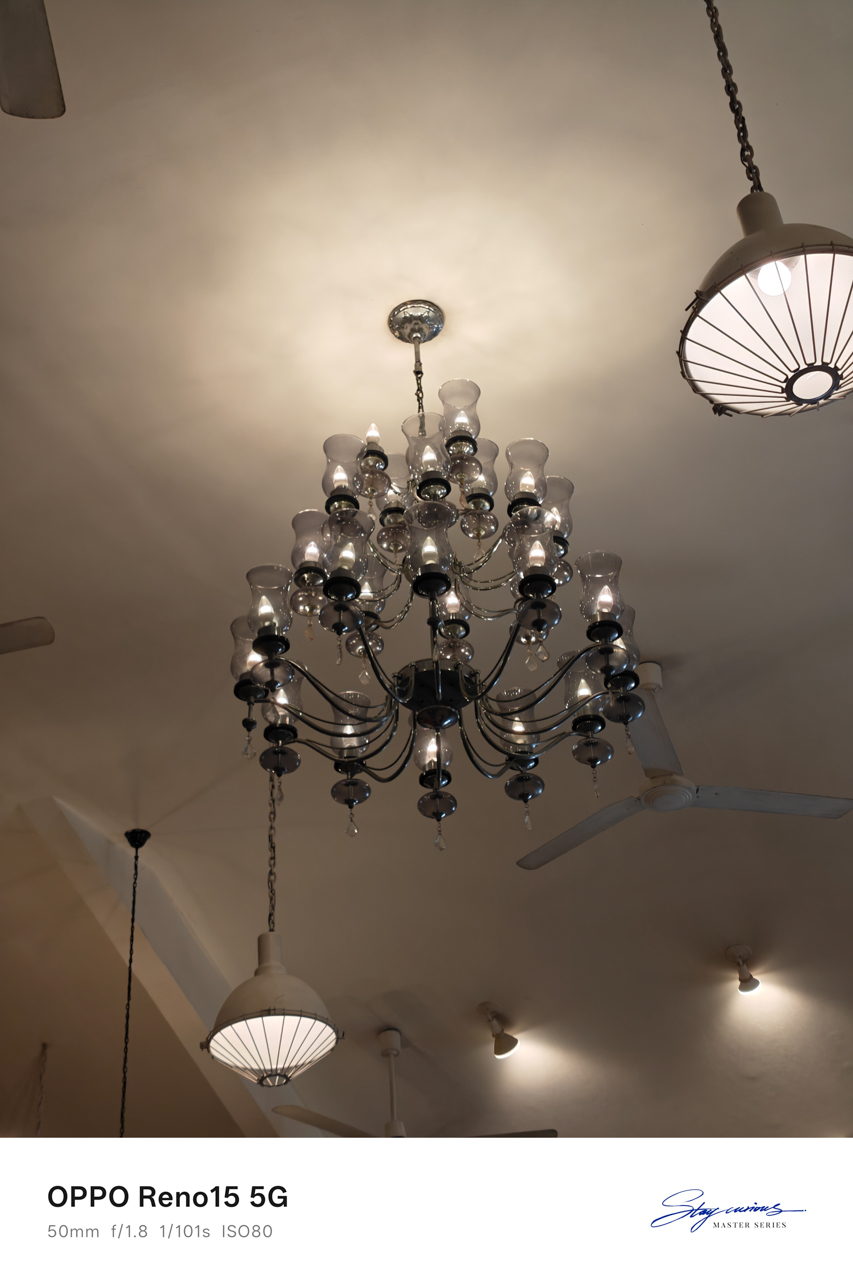
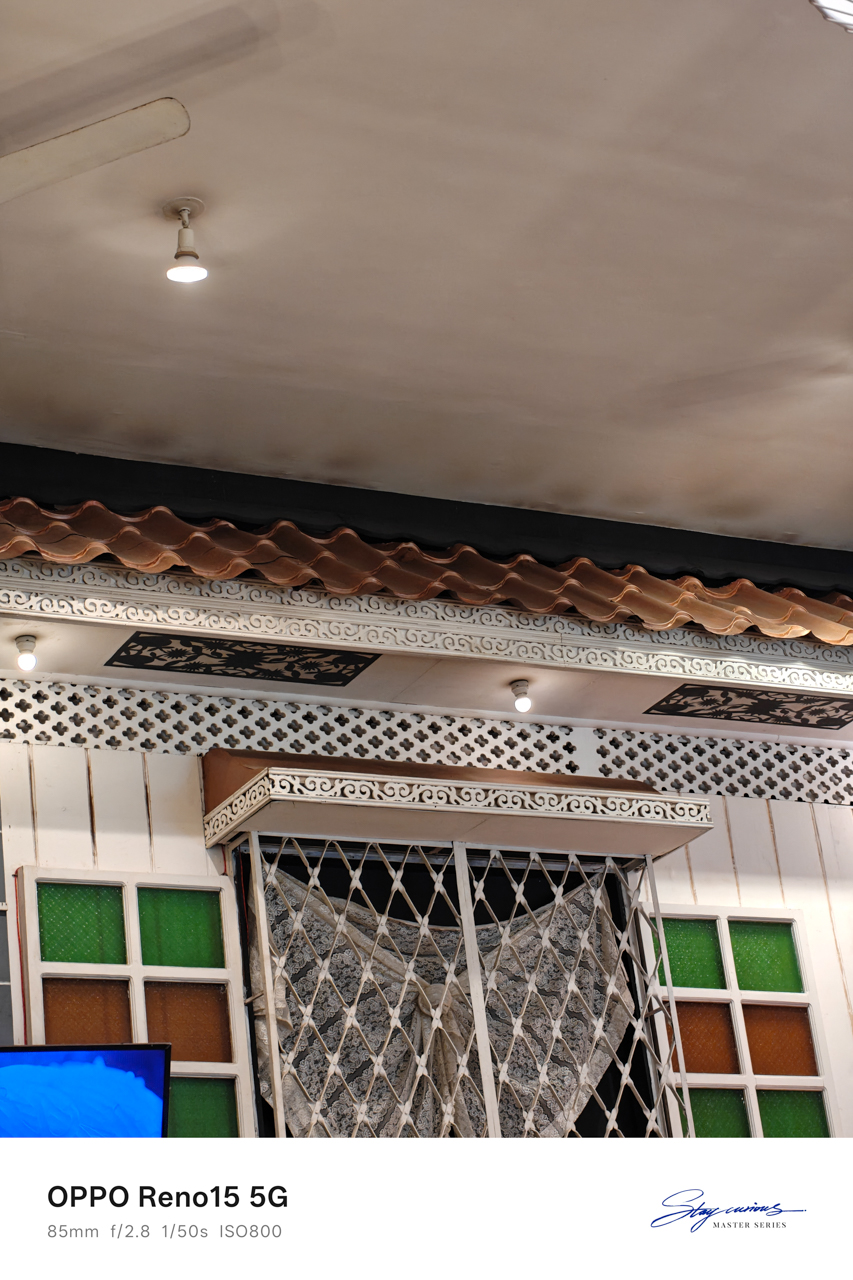
Of course, I listened.
Lunch there felt indulgent in the best way. The interiors made it feel like someone’s home rather than a restaurant. Even the bathroom caught my attention, tucked into a corner and washed in shaded daylight.
Everything worked together. The low murmur of diners layered with laughter; the smell of food arriving at nearby tables; the clink of cutlery against plates.

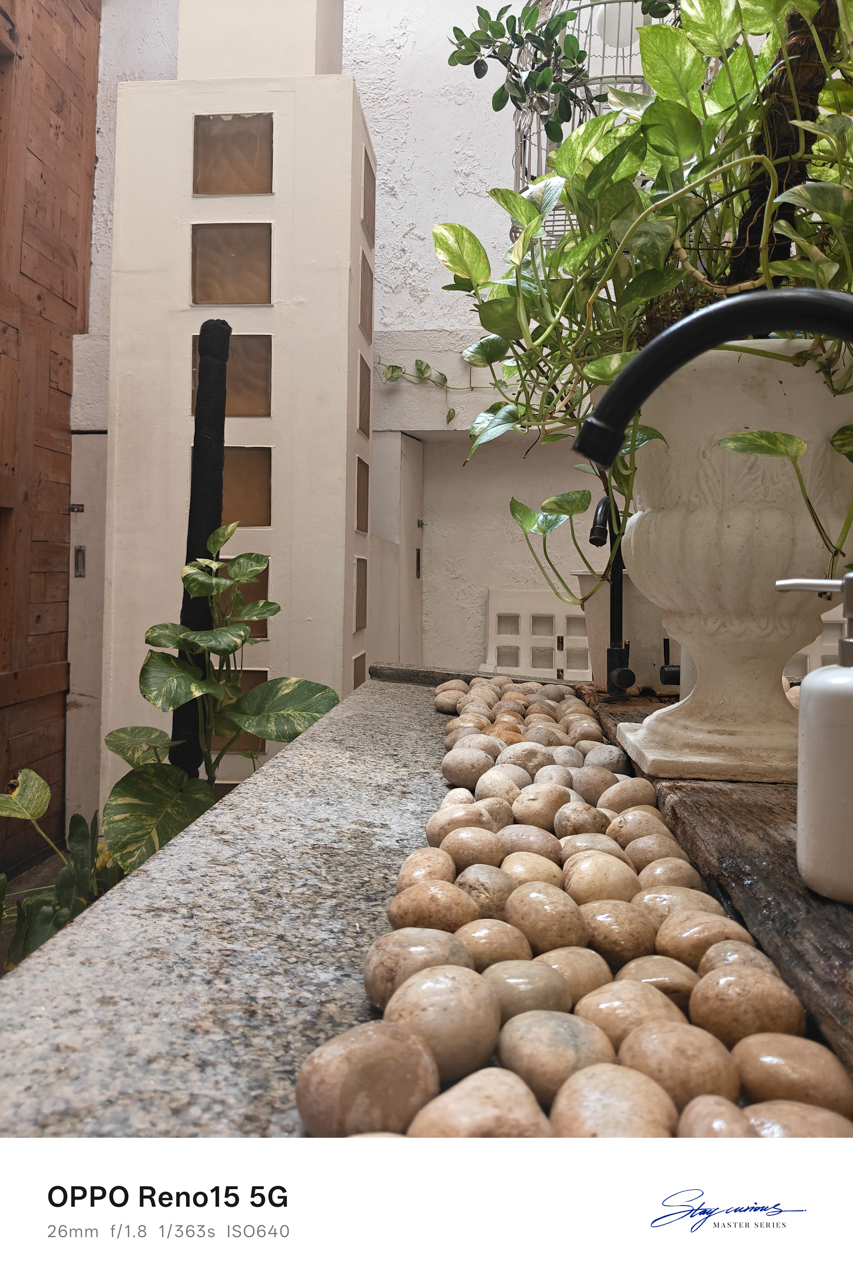
There was a sense that time moved slower here, encouraging you to stay longer than planned. I finally understood why the locals insisted going there.
Waiting at six
Before dusk settled in, I headed to Uptown to meet a friend. I wanted to catch up and ground myself. Eventually, I admitted why I was really in the city.
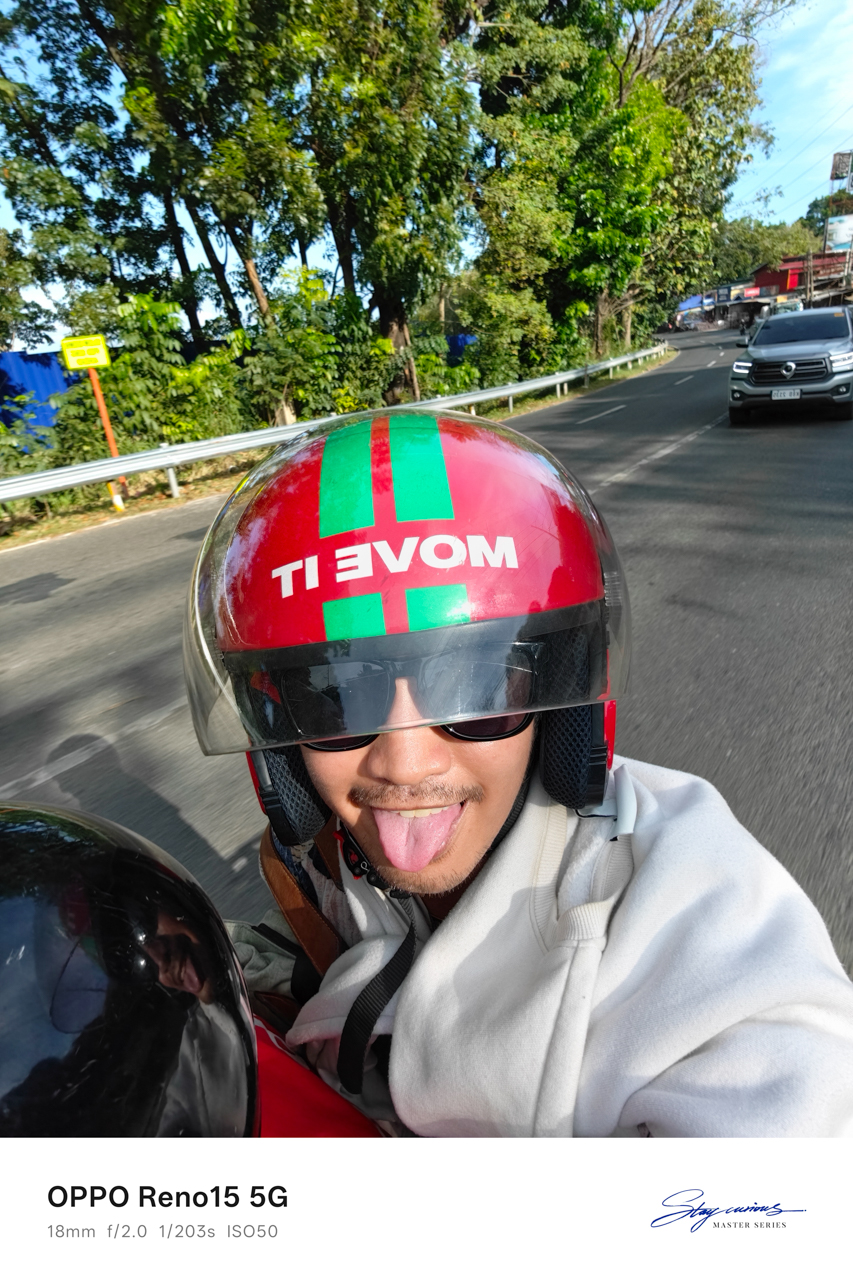
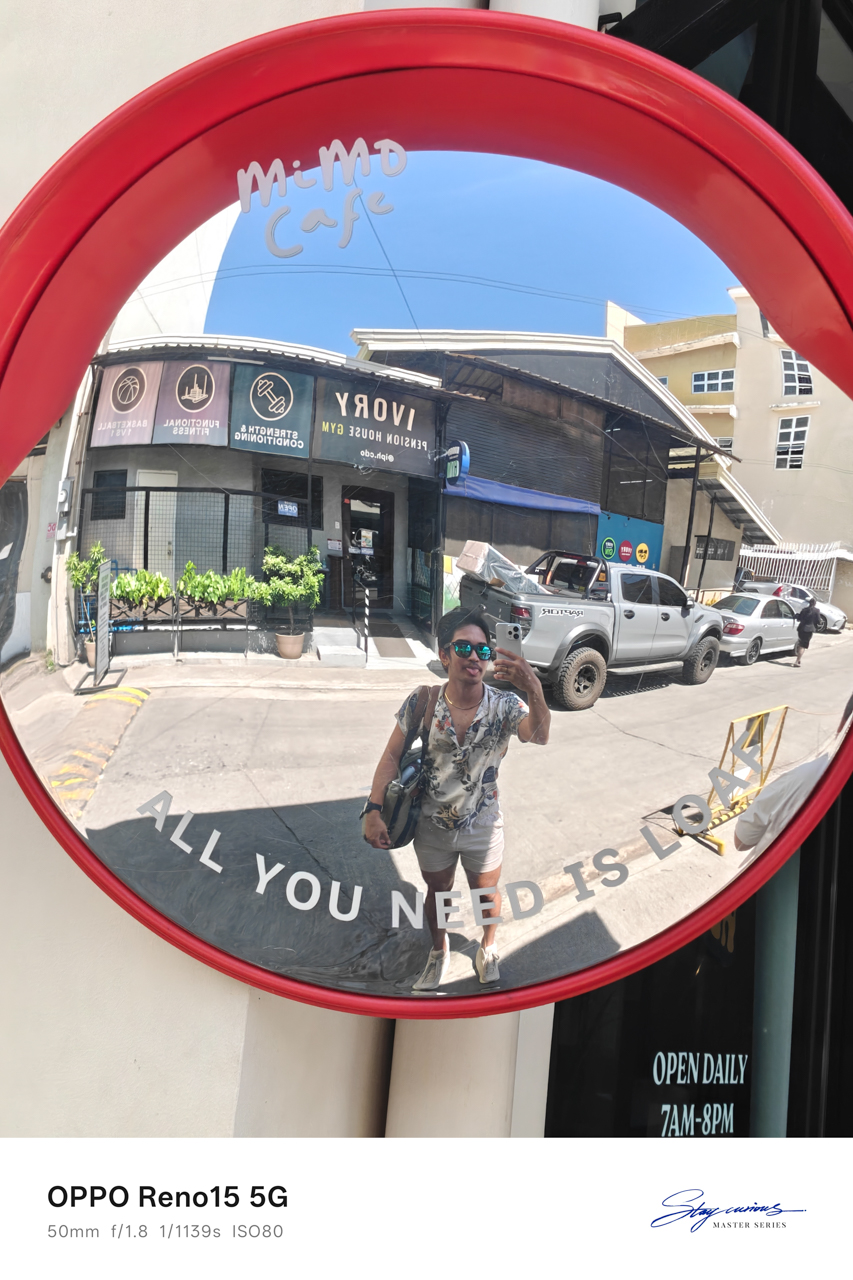
We sat at Milestone Coffee + Kitchen in Uptown, cups of tea and coffee between us. They also have a branch downtown, but Uptown felt easier, more relaxed, like the right place to unravel stories and gossip that carried weight.
The truth was simple: I was there to see someone I had an interest on for years, and we were supposed to meet at six.
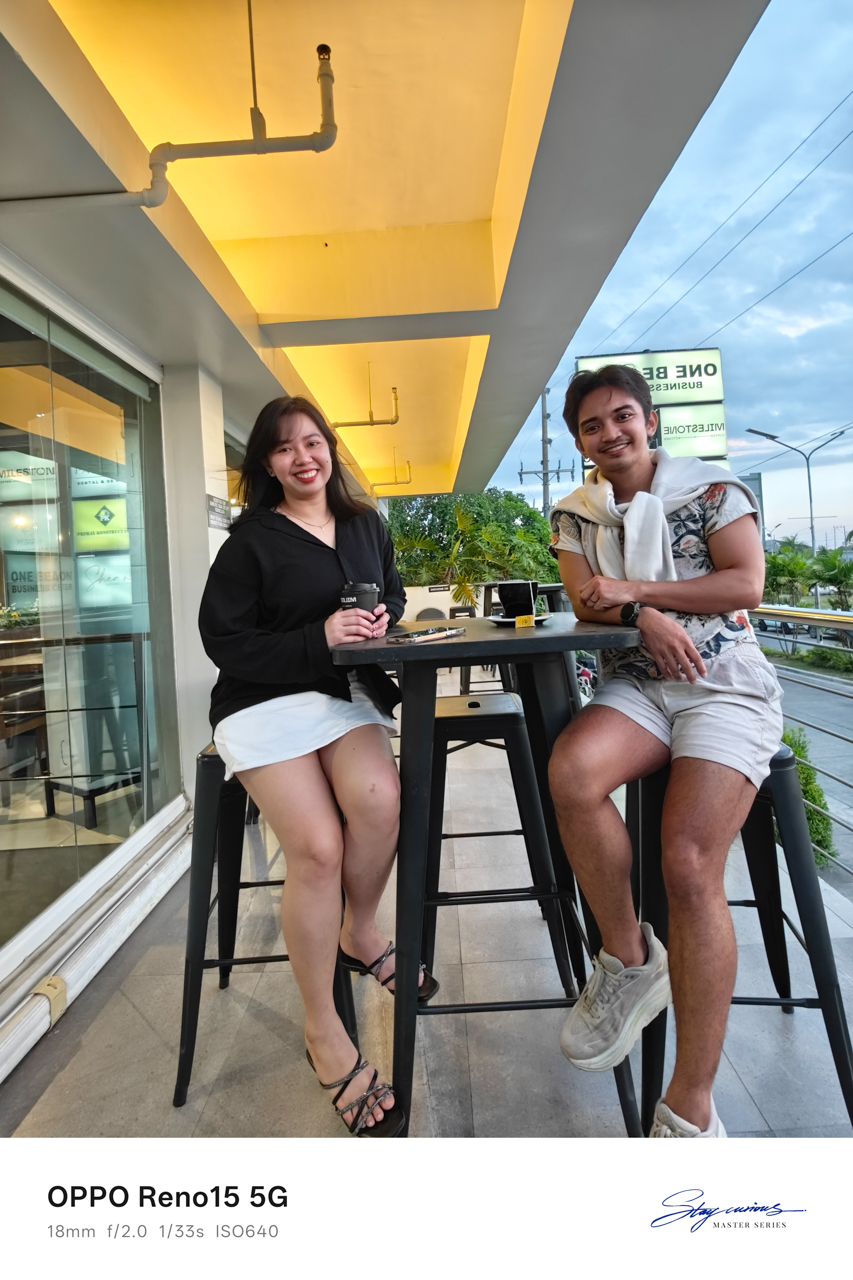
I was terrified of being stood up. Crossing land, sea, and sky for a man was something I had never done before. I believed we would meet because he said we would, but I still asked my friend for recommendations on where to go, just in case.
Backup plans felt necessary. I just needed to know there was something to hold onto if my heart cracked open in public.
After sunset
Thankfully, he picked me up at Milestone Coffee + Kitchen and met my friend. We rode back toward downtown through the diversion road, him on his brand-new Yamaha Fazzio in Matte Orange.
His motorcycle had a name. Ophelia. He bought it in October, right before Taylor Swift released her album The Life of a Showgirl and the single “The Fate of Ophelia.”
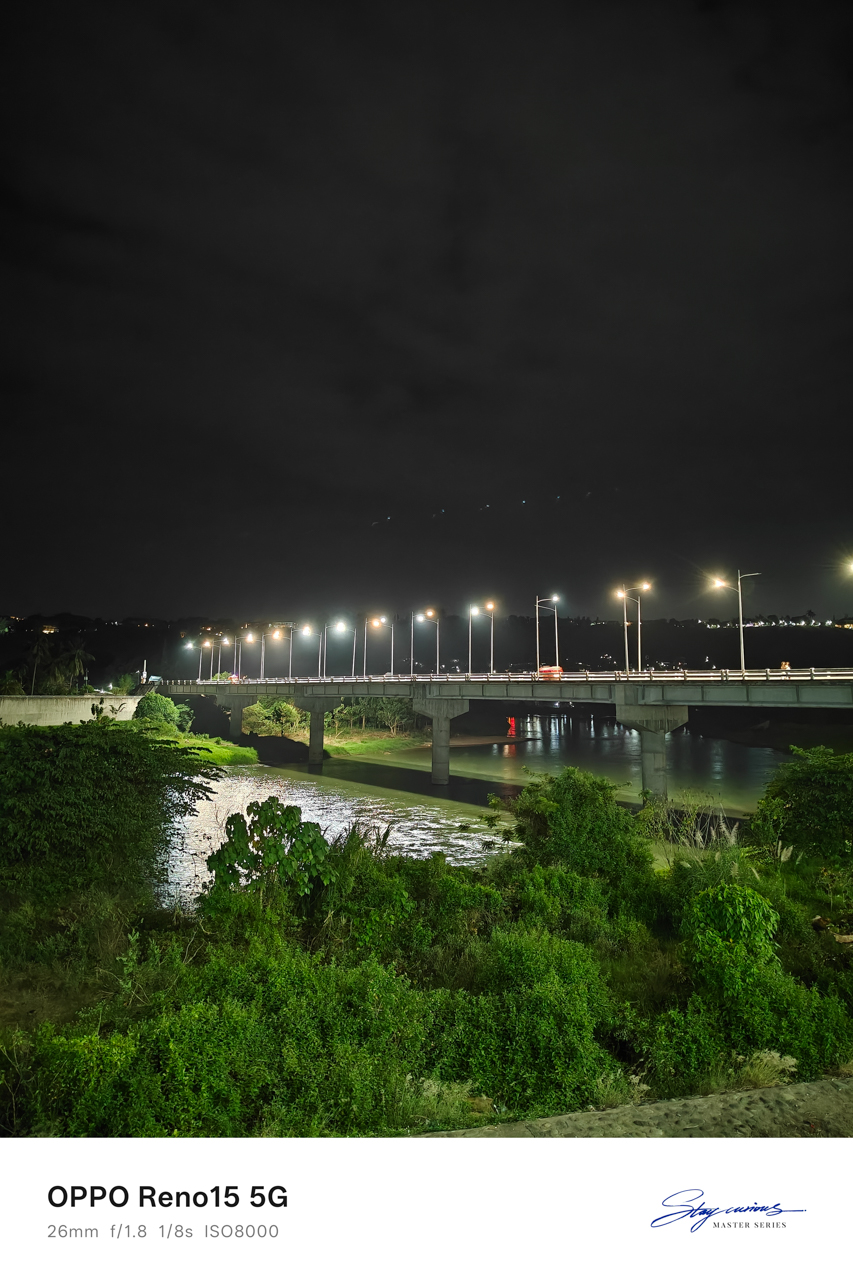
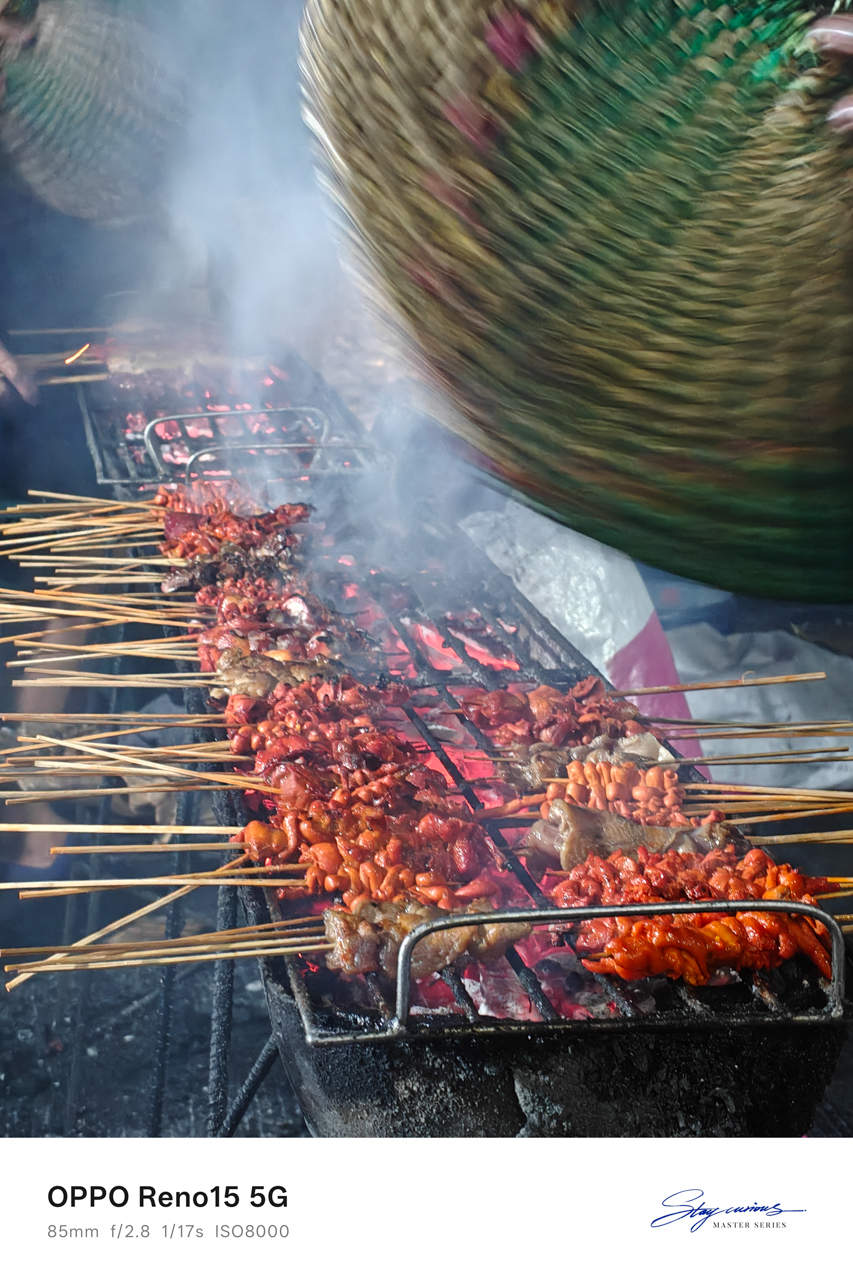
My 1989-coded escapade shifted into something “Opalite”-coded, as if I had wandered into a version of my own People We Meet on Vacation moment and somehow found my Alex Nilsen-slash-Travis Kelce.
We strolled along the boulevard where people walked, ate, laughed, and leaned into the night market energy. Some sat by the riverside, letting the evening pass without urgency.
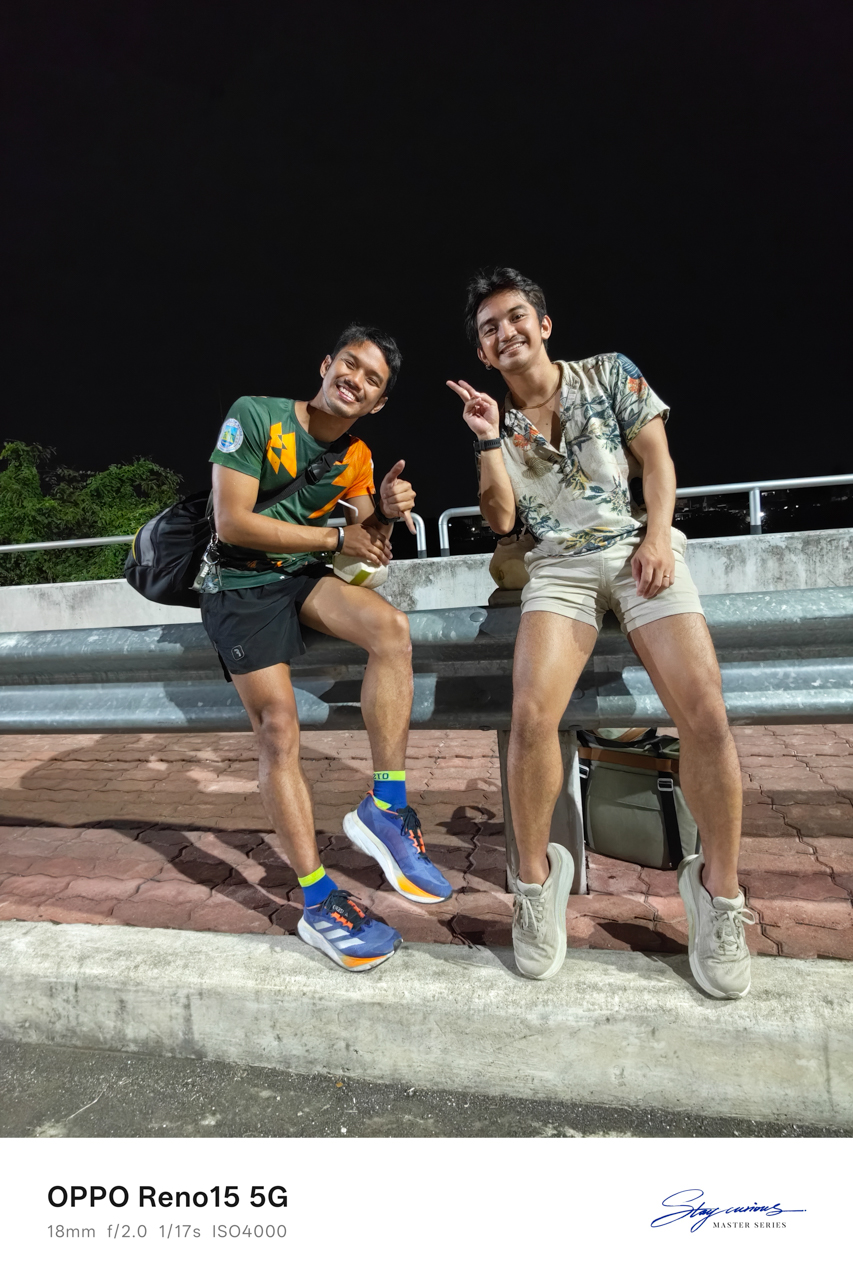
I drank fresh coconut juice from a stall that stayed busy even at ten in the evening, while everything across the street had already closed. It tasted exactly like the moment felt — unexpected and sweet.
We ended the night drinking beer we bought from a convenience store, like teenagers sneaking alcohol because our parents would disapprove. It was simple and familiar… and it tasted like home.
On borrowed time
The next morning, I knew it was already my last day in the city. While he was working, like actual adults and not the versions we see in movies, I packed up, freshened up, and walked to Limketkai to grab coffee and brunch.
I took my morning slowly. I journaled in my pocket notebook, listening to “Past Lives” by sapientdream and Slushii, sipping my coffee while watching people move through their own lives.
It felt grounding to exist without urgency, even if only for a few hours.
When my beau finally gave the signal to visit his farm, where I could leave my luggage before heading to the airport, I checked out of the hotel and went on what felt like an almost hour-long ride.
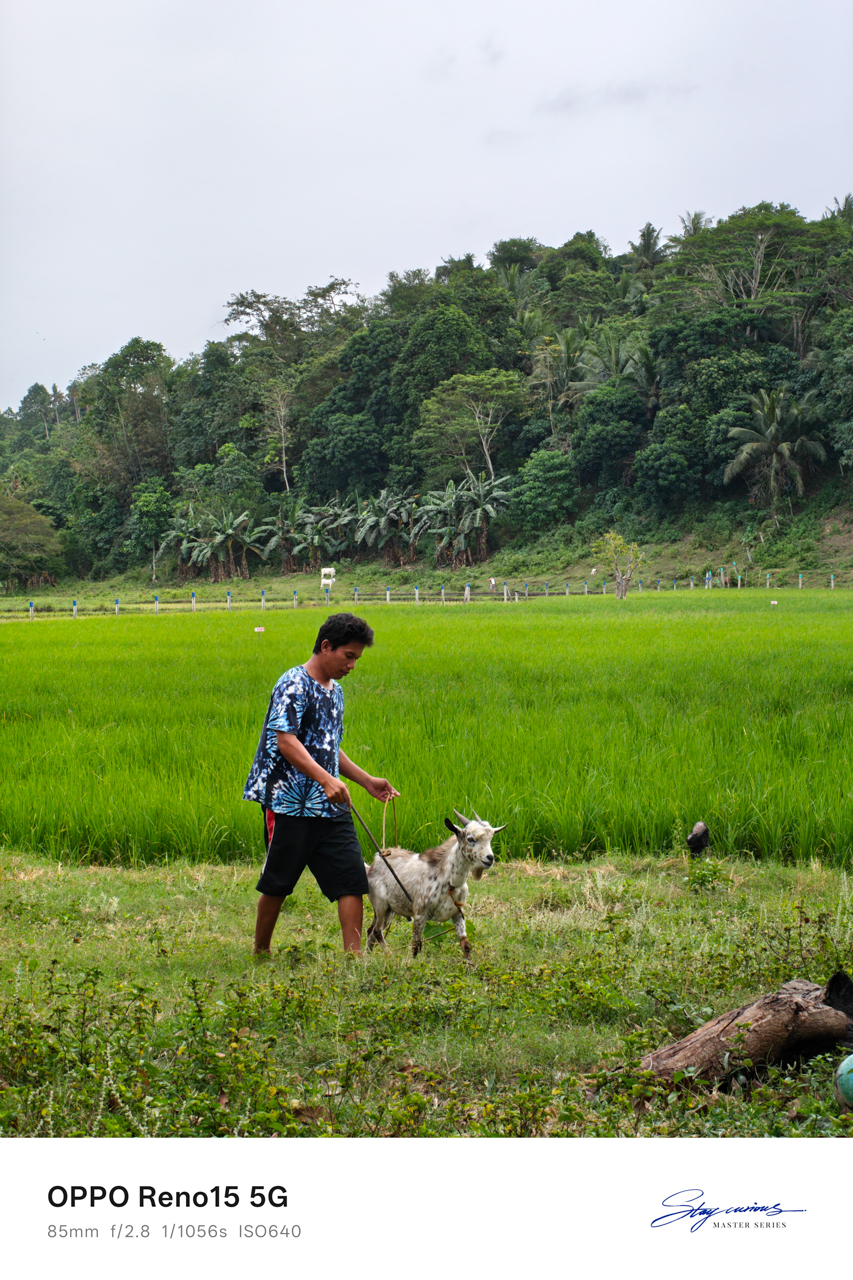
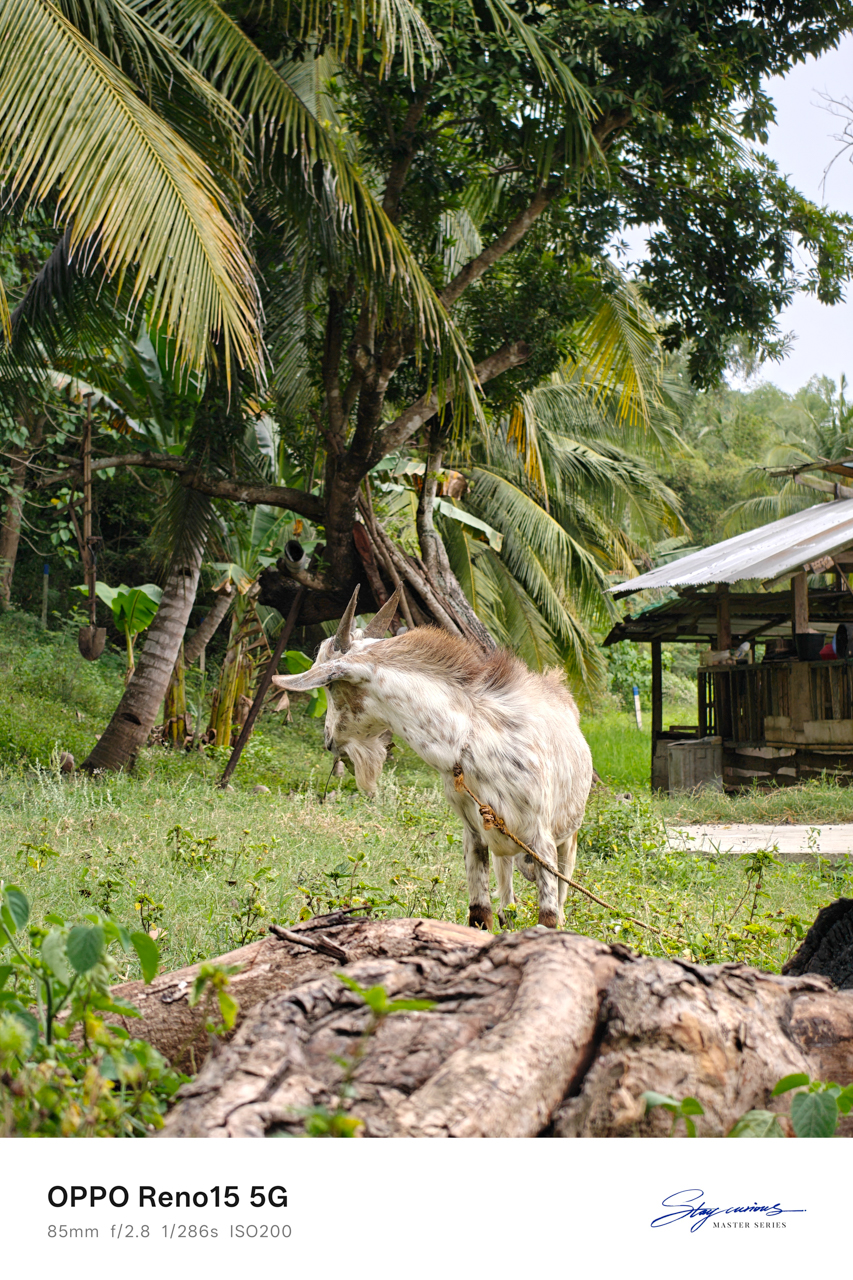
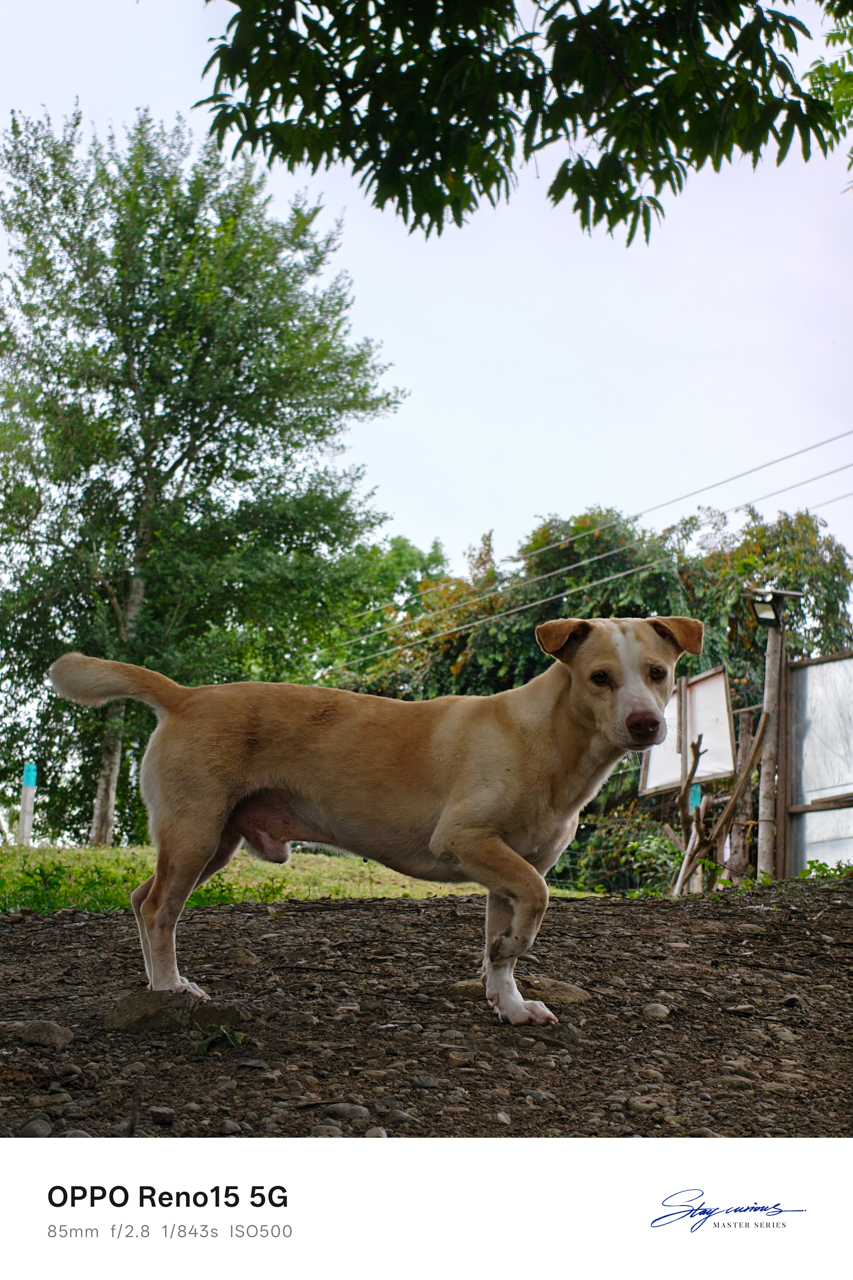
The farm was only about a fifteen-minute drive from the airport, which meant we still had time, real time, to spend the rest of the day together.
I toured his farm on foot and watched livestock being cared for with a gentleness that made me feel like I had stepped into a version of life far removed from mine.
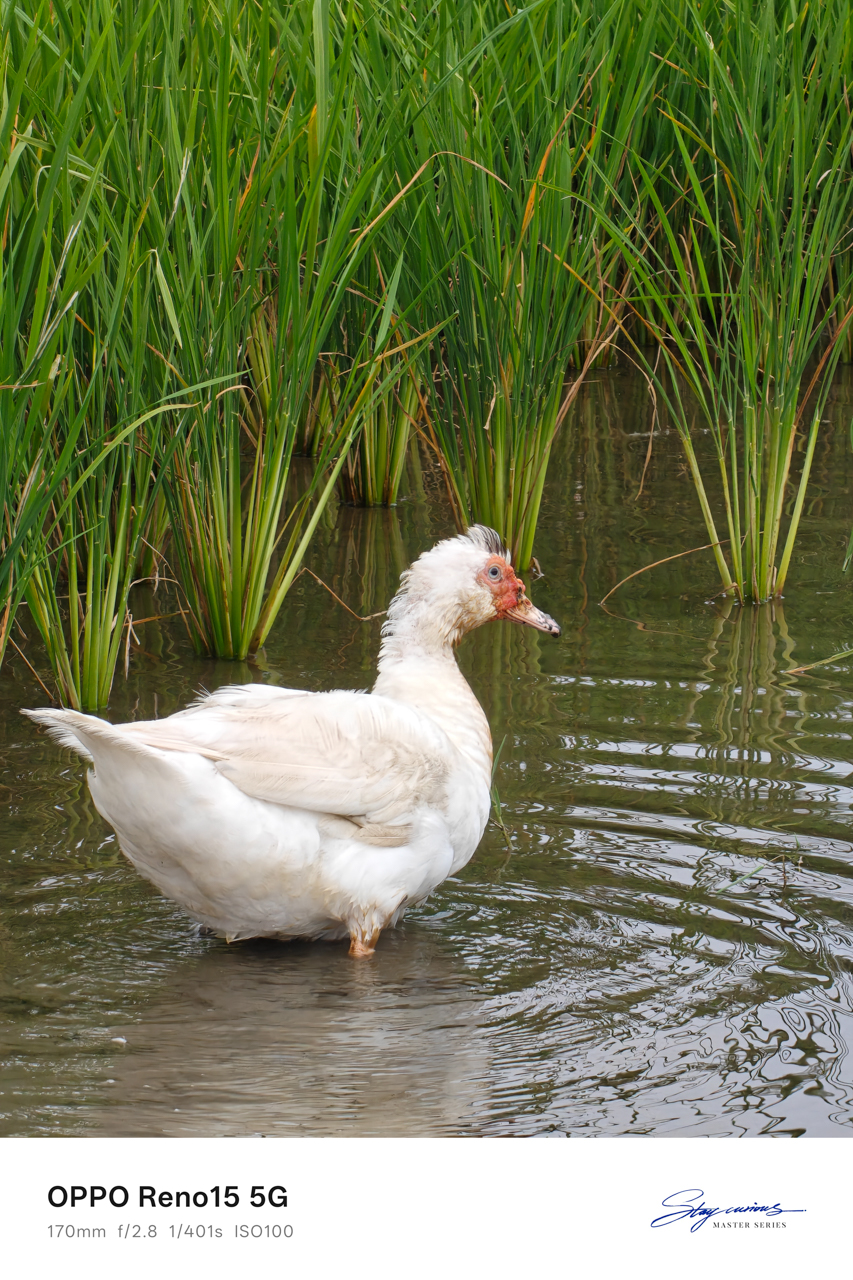

I felt like a Disney princess playing with animals, temporarily forgetting that I had a return flight waiting for me.
We ate together, and at some point I fell asleep on the hammock, only waking up when he gently shook me so we could go to his favorite place.

At the edge of the day
The beach was so close to the airport that my heart sank the moment I saw it. Leaving the city suddenly felt very real. Leaving him even more so.
The entire encounter felt People We Meet On Vacation-coded, and yet I kept hoping this was not just a vacation fling, that he wasn’t merely a vacation boyfriend meant to exist only within a fixed timeline.
I relished the sight of the sea, his favorite spot as he told me, where he went to clear his mind whenever life felt overwhelming.

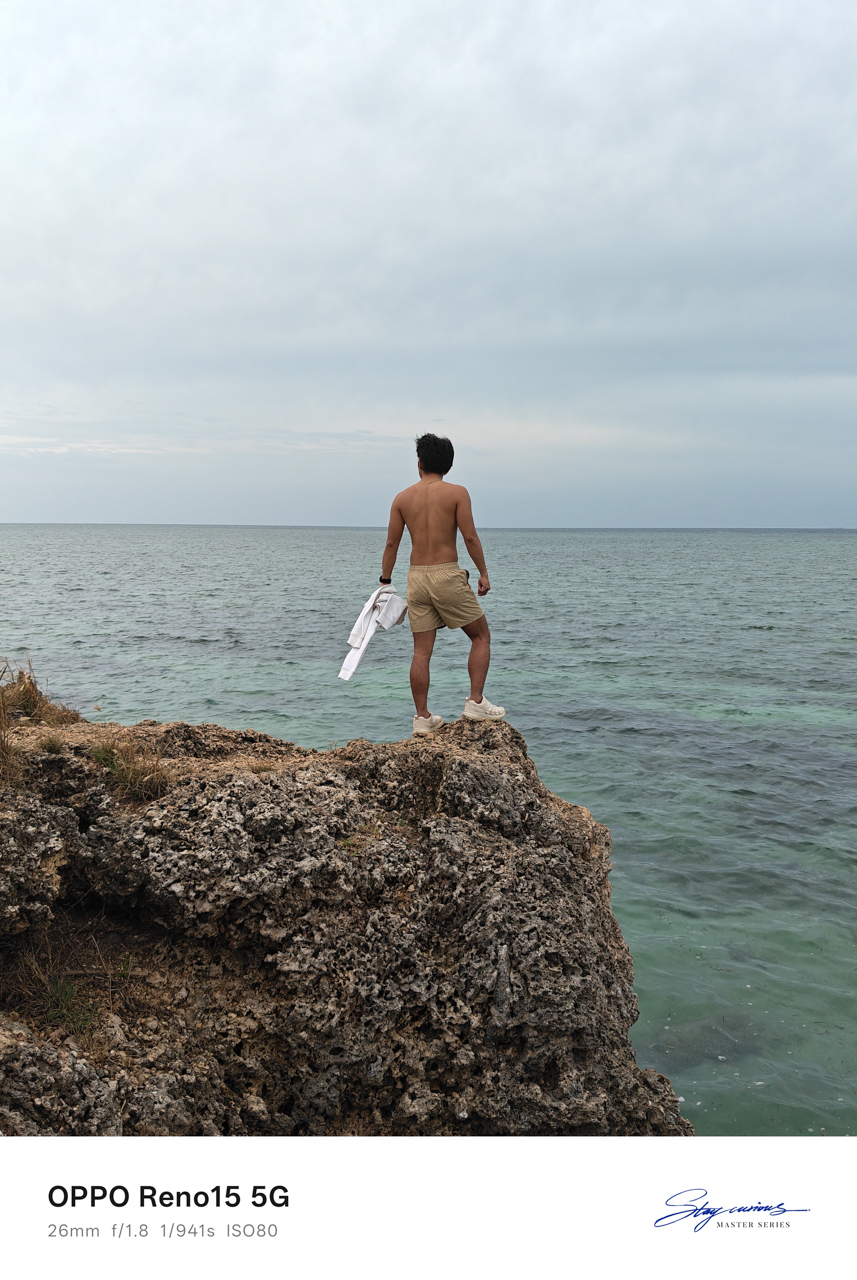
The water was turquoise, vivid against the rocks, and it was impossible to ignore. The sound of waves crashing against the cliffside rocks and the cool hum of the breeze wrapped around us as we talked.
We pondered about life, about where we were heading, about what this meant, and what it realistically could not be.
That was when I realized there was distance between us, not only measured in kilometers. We were two people meeting at different points in our lives, emotionally and mentally out of sync despite how naturally everything else fit.

We both rejected the idea of dating, even after acknowledging how rare it felt to find someone who matched our freak so effortlessly. I knew this could grow into something more if one of us was brave enough to go the distance.
I also knew that maybe neither of us was in the right place to choose someone else when our own dreams still demanded so much attention.
Goodbyes timed by the sky
The sky turned pink and purple as I headed to the airport. He followed behind me riding Ophelia, while I sat inside a tuktuk, a small motorized, three-wheeled rickshaw carrying me and my luggage through the last stretch of the city.


Rain had been forecasted all day. We both knew it. And yet somehow, the universe held it back, letting us have the beach, conversations, laughter, and pauses.
It waited until everything that mattered had already happened.
He made sure I got to the airport safely. Only after I gave him a tight squeeze and finally let go did the rain arrive, as if on cue, like it understood timing better than either of us.
It was an evening flight, and I looked like a deranged person wearing sunglasses, crying while sipping floral tea at Bo’s Coffee, staring out at the runway as planes lined up for departure.
I kept asking myself why distance suddenly frightened me when I had already crossed eight hundred kilometers for him.
Somewhere above the clouds, the answer floated heavily. I did love him. I just never said it out loud because I was afraid of what it would demand, and I was afraid of opening my heart again to someone I wasn’t even sure I would meet again.
For a moment, I felt loved and desired, and remembered what it felt like to be chosen, even briefly.
When I arrived in Manila, I looked through the photos captured on my OPPO Reno15 and smiled, seeing how a smartphone held on to a fleeting moment of love, written on sand and washed away exactly in time.

Believe me or not, I only had one encounter with an OPPO Reno phone, and it was the Reno10 Pro from 2021. However, my time it was very short.
Almost five years in, I was finally given the chance to hold the Chinese brand’s latest and greatest Reno.
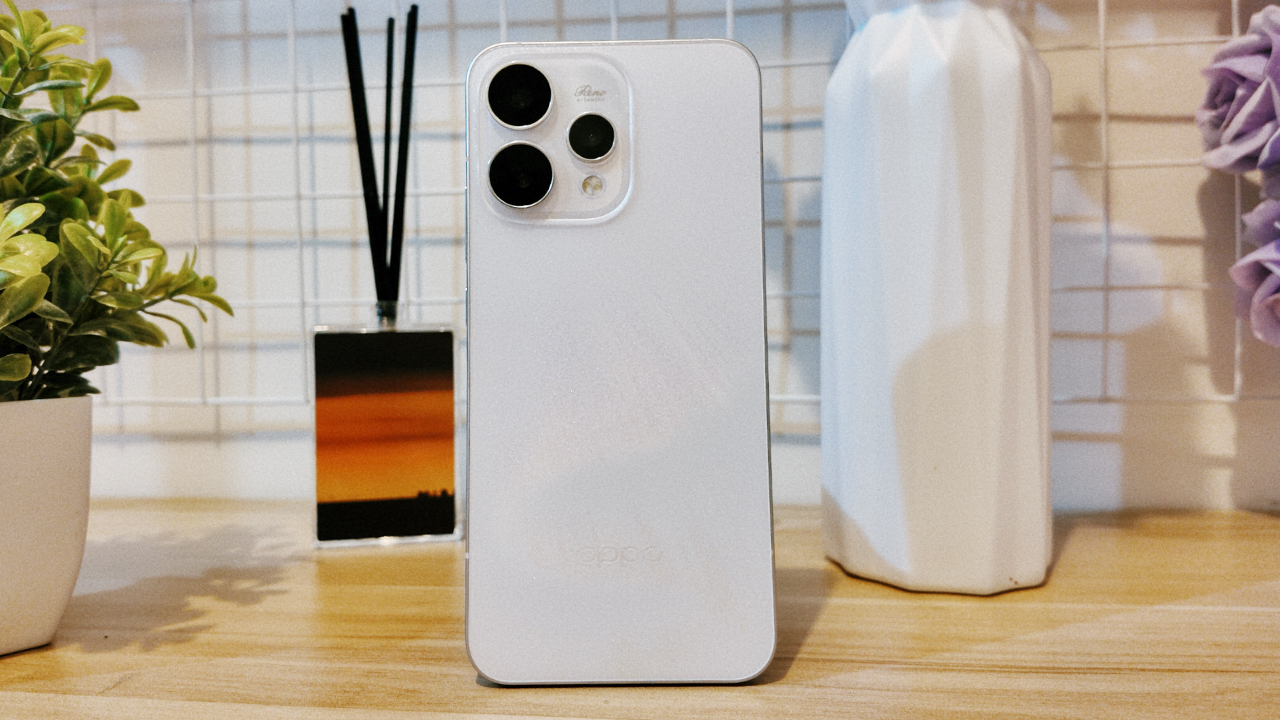
Without beating around the bush, here’s my first time with the OPPO Reno15 Pro.
First Look
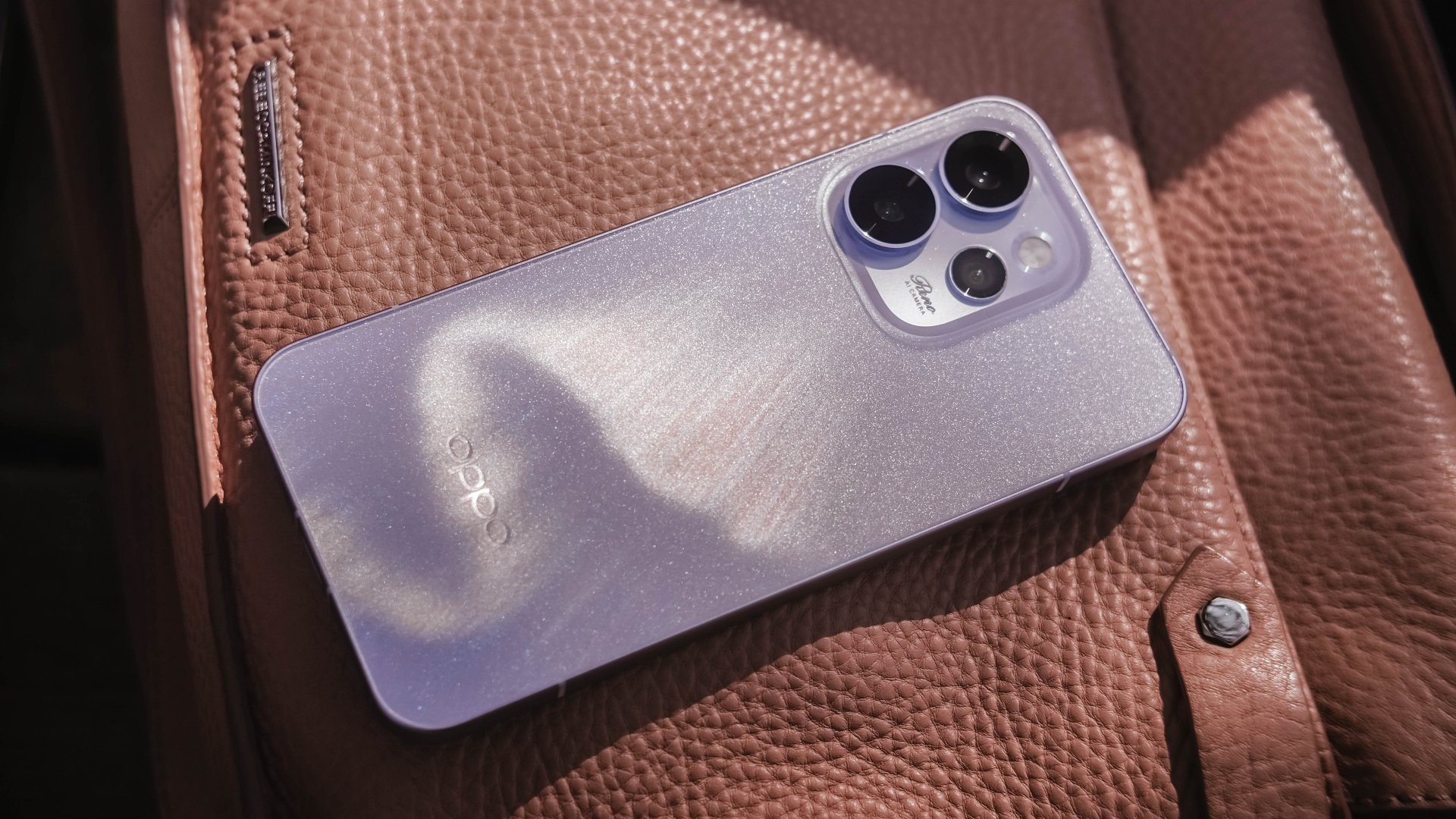
The moment I unsealed its sturdy packaging, the OPPO Reno15 Pro greeted me in this shining, shimmering blue backing.
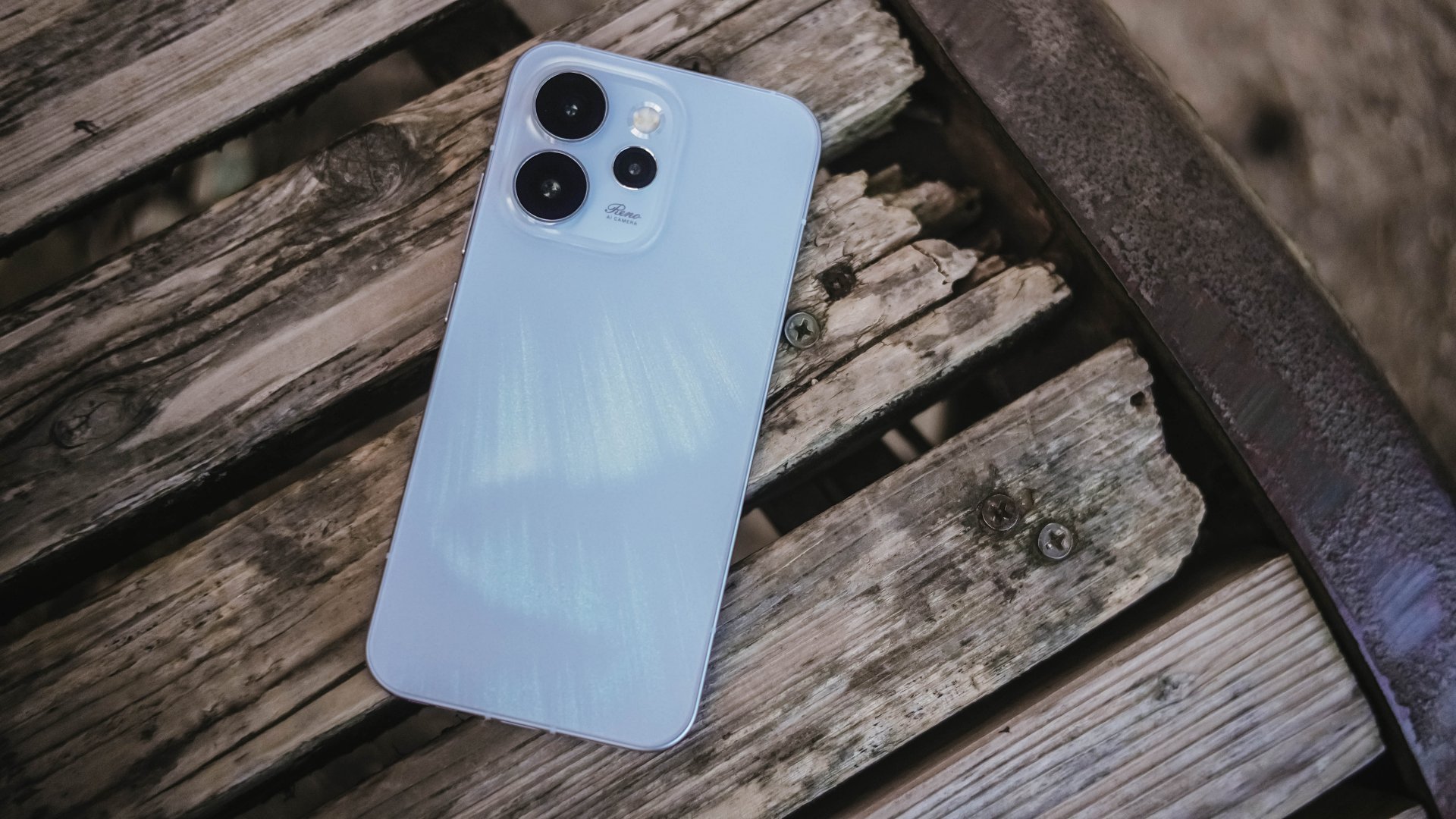
Dubbed as the “Aurora Blue” colorway, it instantly reminded me that I’m still not over that Aurora Borealis scene in the latest hit K-Drama “Can This Love Be Translated?” starred by Kim Seonho and Go Younjung.
I said it before and I’ll say it again, flashy finishes are the least of my options when choosing for a new phone. Still, this finish wins over the less impressive Dusk Brown shade.
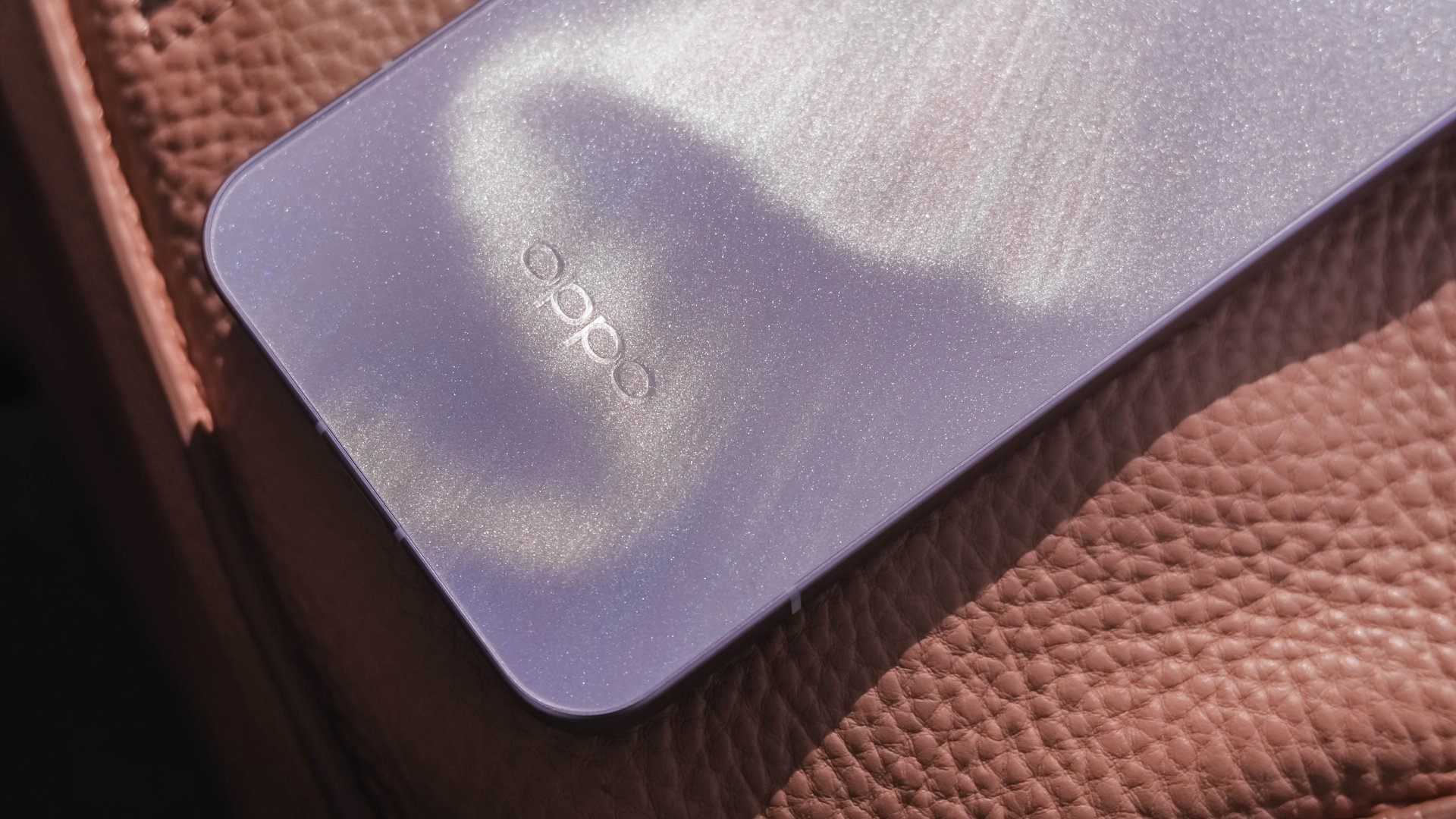
Just like that dazzling northern lights, the Reno15 Pro shows off its aurora accents depending on how the sun hits it.
In the faintest of light, that aurora simply vanishes. Even so, the OPPO Reno15 Pro still shines through with its specks of glitter.
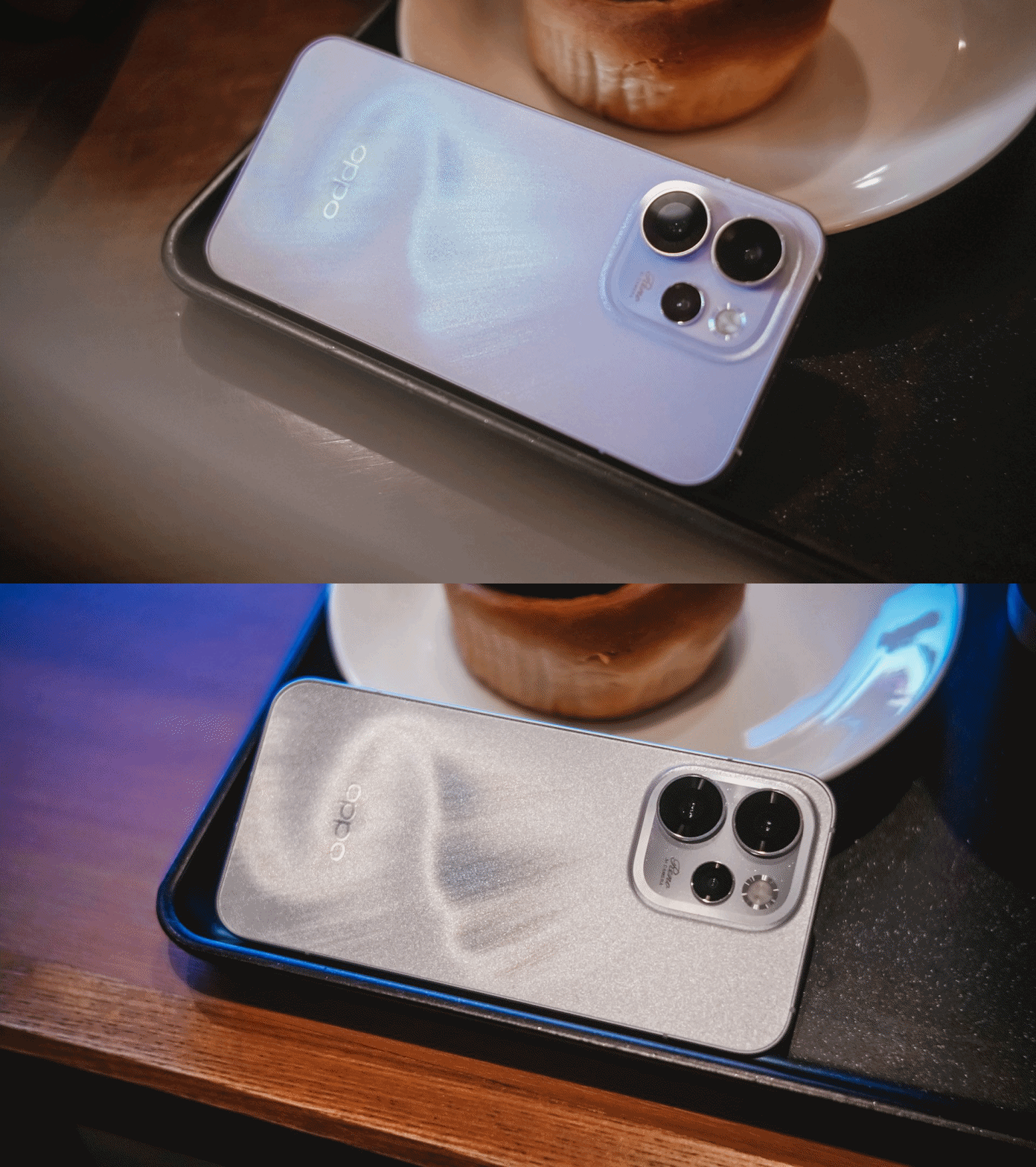
That’s more evident when you bring the OPPO Reno15 Pro indoors — be that your cool room (literally) or a warmly-lit café.
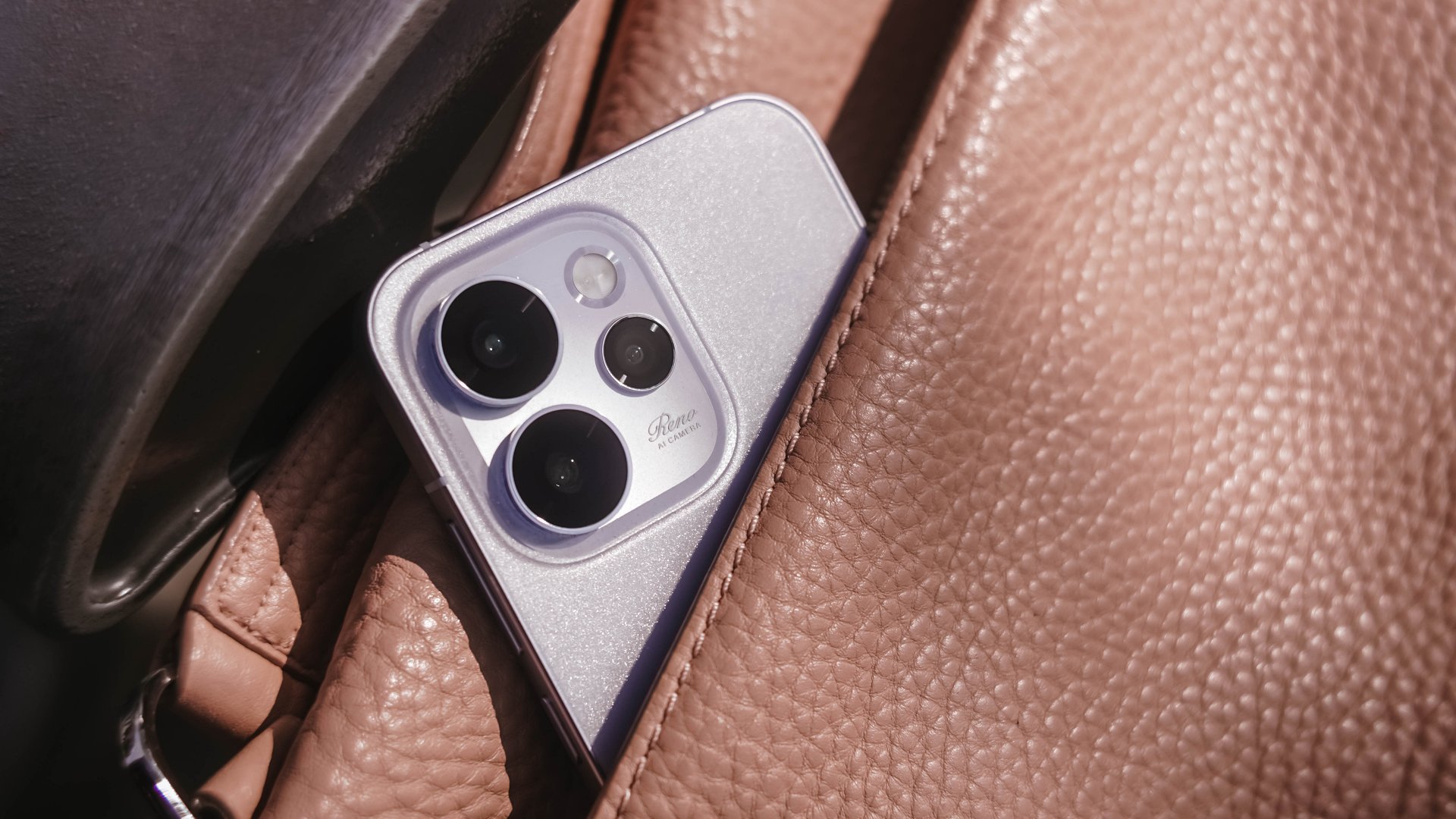
Its camera cutout may not be the most unique out there, but it’s uniformed enough to look clean. After all, a phone’s camera arrangement isn’t what defines the overall performance of its cameras.
First Date
Although 8.13mm isn’t “thin” in today’s standards, holding and keeping the OPPO Reno15 Pro for prolonged periods never felt a sore. Its aerospace-grade aluminum frame may just be one among many factors.

One after another, that 6.32-inch AMOLED 120Hz display is a huge complement to the hands. It fits my huge palms, more so, pockets of all sorts. This sweet screen size is also a breath of fresh air in a vast world of large slabs.
When hit by that harsh sunlight, it’s more than bright– up to 3600 nits of peak HDR brightness if I must insist. And, no matter what kind of content I consume, it’s truly crisp, clear, and even color-accurate.

Being powered by MediaTek’s Dimensity 8450 SoC alongside OPPO’s ColorOS 16 is what made me stuck longer. It honestly felt like I’m in a smooth ride without any road traffic.
The OPPO Reno15 Pro has a great harmony between its software snappiness and fluidity. Animations flow without feeling rushed — much like enjoying date nights without being pressured to catch the last bus trip back home.
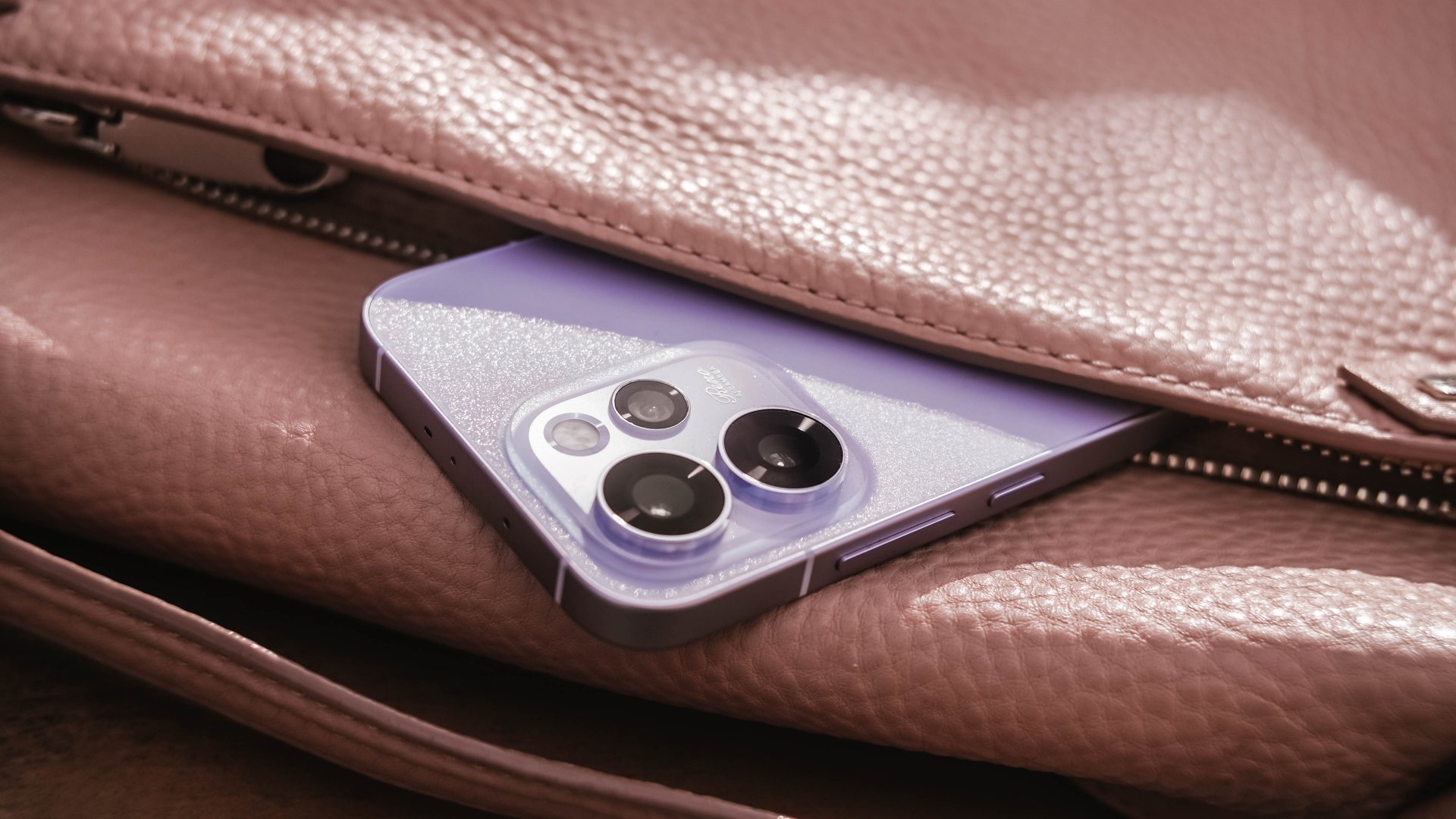
Speaking of staying out late for a date, the Reno15 Pro lasted me more than enough. And, despite its petite form, it managed to fit in a 6200mAh battery inside.
The screen size to battery ratio is just a perfect match. Not only it fits in most (if not all) hands and pockets, it also meant being able to squeeze in more battery to make the most out of your day, night, and even midnight.
If juice gets squeezed out, its 80W SuperVOOC charging will truly save the day!

That doesn’t even end there. With triple IP ratings (IP66, IP68, IP69), you’re more than assured that it’s durable enough in occasional (and accidental) phone drops.
First Impressions
The OPPO Reno15 Pro, despite being categorized as a midrange device, already feels like a solid vanilla flagship.
Much like any other first dates, its overall appearance is just on the surface level. What made me invested more to know the Reno15 Pro further are none other than its intrinsic qualities.
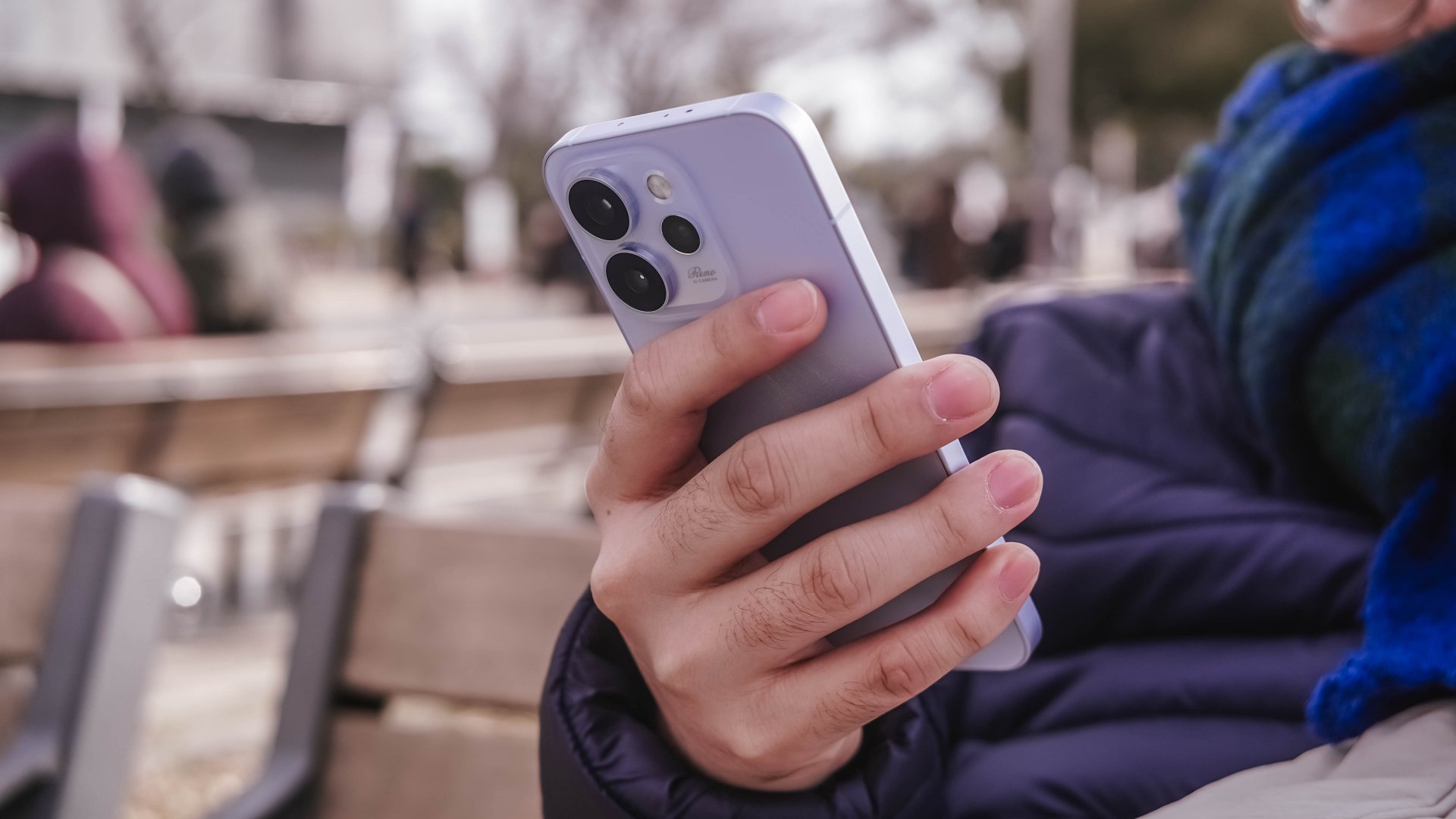
That includes that screen size (or form factor) on the sweet spot plus oh-so-fluid ColorOS. Moreover, its powerful core paired with a humongous battery that will truly last you long.
While I may not have included any photo sample in this early look, I can already assure you that it has one of the greatest camera performers for its class. And actually, it is for another story 😉.
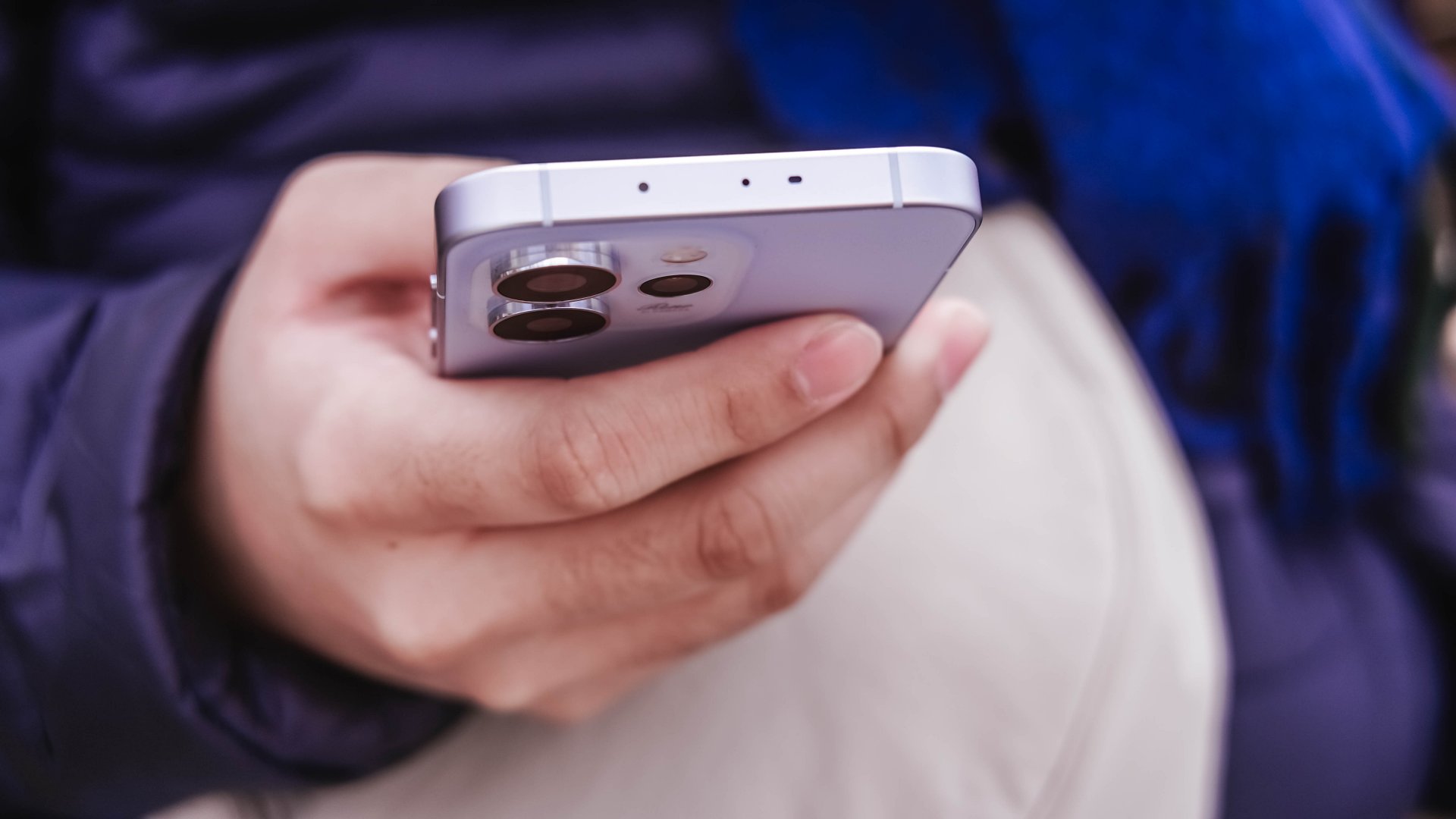
My first time with an OPPO Reno smartphone not only made me impressed. This phone also enticed me to consider switching to the OPPO system when another review opportunity arises.
Features
HUAWEI MatePad 11.5 S 2026: The better-than-ever 4-in-1 productivity tablet
Designed to do it all

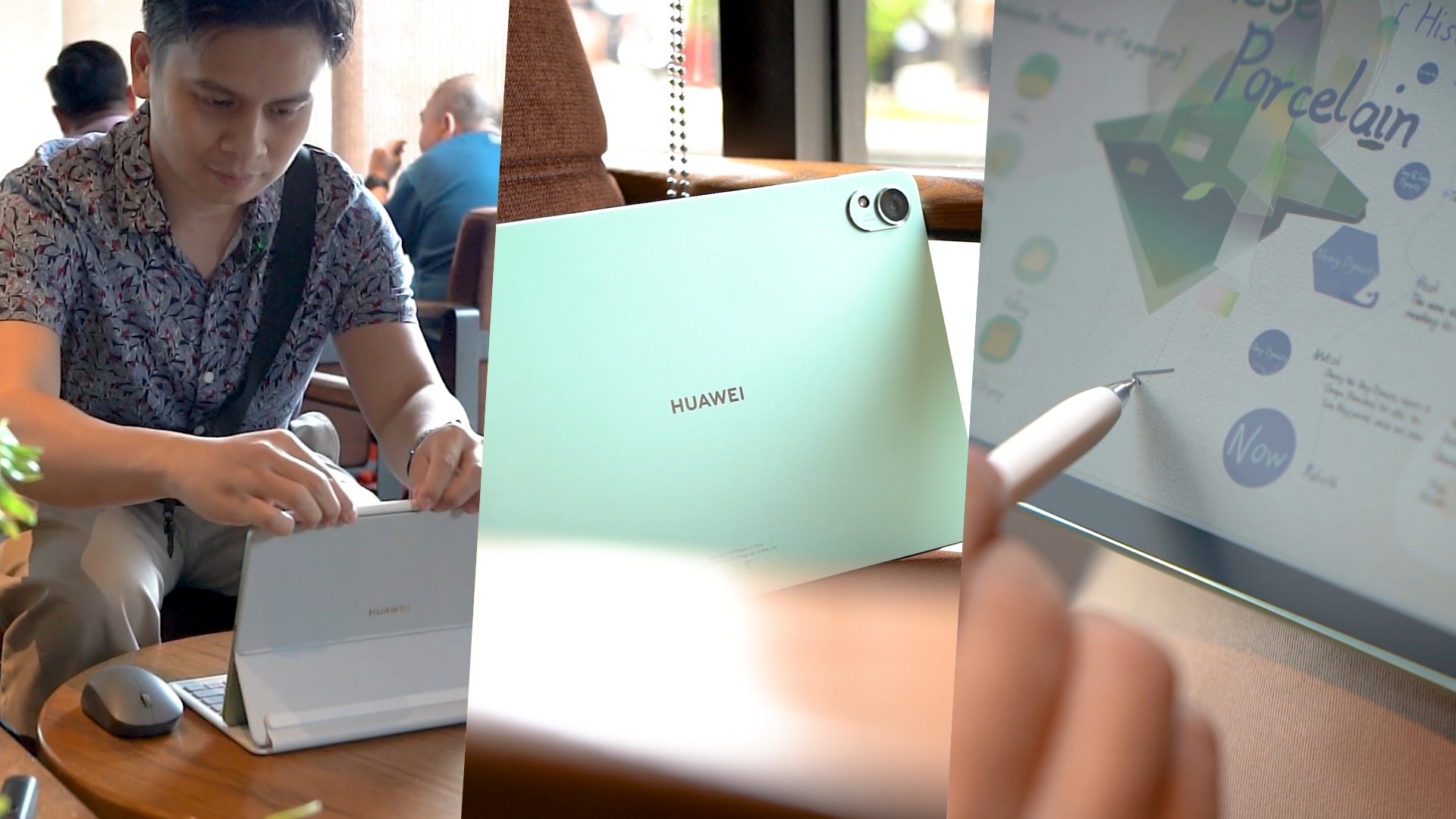
Do you ever get tired of carrying a heavy laptop and all its accessories every single day? Compare that with something as light as this. HUAWEI is back once again with the latest better-than-ever HUAWEI MatePad 11.5 S 2026.
HUAWEI calls this a 4-in-1 better-than-ever productivity tablet because it’s got four components in one convenient package.
You have the tablet itself, the Smart Magnetic Keyboard, the Mouse, and the M-Pencil 3rd Gen.
With the free Smart Magnetic Keyboard, you can use the MatePad in a variety of ways like laptop form, studio form, and split form. The Mouse completes the PC-like experience by letting you work in split-screen views. Finally, the M-Pencil 3rd Gen features 10,000+ levels of pressure sensing and ultra-low latency.
Especially in laptop form, one of the best ways to use the MatePad 11.5 S is WPS Office 3.0. I wish I knew about this sooner, because I still pay every year for Microsoft 365.
On the other hand, WPS Office 3.0 is a completely free suite of productivity apps. Plus, it’s 100% compatible with 42 filetypes, so you don’t have to feel that you’re switching to something new. You can work on documents, spreadsheets, presentations, and PDFs, just as you would a PC.
And you can handle them all at the same time.
In the Philippines, it gets really sunny. Using a screen outdoors or even by a window is impossible. Thankfully, HUAWEI is back with the improved 11.5-inch Ultra-Clear PaperMatte Display.
It’s also much clearer. You can hardly see the pixels even when you zoom in. Glare and reflections have been reduced by 50 percent, so you don’t strain your eyes after a long day.
Using the tablet’s screen is a breeze, since it’s compatible with the M-Pencil 3rd Gen and the M-Pencil Pro. And there’s so much you can do with the M-Pencil. It also feels and sounds like writing on actual paper.
You can also fulfill your need for creativity with the free GoPaint app, which even has pro features. I’m not even an artist, but this app can bring all my doodles to life. It features realistic brushes, an intelligent color card to grab the perfect colors, and an animation frame to liven up static images.
When you’re on break, the MatePad 11.5 S is just as good for entertainment.
The Ultra-Clear PaperMatte Display makes everything so alive whether you’re watching a show or playing games.
The new cooling architecture helps keep things in perfect shape for heavier tasks.
Finally, you don’t have to worry throughout the day because it has an 8800mAh battery and 40W SuperCharge. And it has all that juice even if it’s only 6.1mm thin and weighs only 515 grams.
Its premium metallic unibody design comes in two colors: green and gray.
With the HUAWEI MatePad 11.5 S, you don’t need to keep bringing a heavy laptop with you anymore. This can do everything already.
This 4-in-1 productivity tablet is all you’ll need to work, learn, create, and play.
This feature is a collaboration between GadgetMatch and Huawei Philippines.


ACMobility Launches ChargeFleet: Seamless solution for businesses

LG unveils UltraGear evo, redefines 5K gaming with AI Upscaling

Nothing confirms Phone (4a) launch by trolling Apple

Google I/O is officially confirmed for May 19

vivo V70 to release in PH with Pop Mart ZSIGA Golden Hour colorway

HONOR X9d 5G review: Tougher, more long-lasting and optimized

BYD expands PH presence with entry of DENZA luxury EVs

Now playing: Final Fantasy VII Remake INTERGRADE on Switch 2

Breaking up with Adobe Photoshop after 20 years

Razer fully unwraps these limited BLACKPINK Edition gaming gear


-

 News1 week ago
TECNO will showcase the CAMON 50 and POVA 8 series at MWC 2026
-

 Laptops1 week ago
TECNO MEGABOOK K16s 13th review: No-frills beneath those grills
-

 Gaming2 weeks ago
My Hero Academia: All’s Justice: A familiar Final War, made playable
-
 Features1 week ago
HUAWEI MatePad 11.5 S 2026: The better-than-ever 4-in-1 productivity tablet
-

 Gaming2 weeks ago
Overwatch reinvents itself with a new story and five new heroes
-

 Gaming2 weeks ago
Valve is delaying the launch of the Steam Machine
-
 Gaming1 week ago
Now Playing: Yakuza Kiwami 3 & Dark Ties
-

 Gaming2 weeks ago
Horizon Hunters Gathering is an upcoming co-op roguelite spinoff