


Whenever I get asked for smartphone recommendations, Xiaomi is always at the top of my list. At almost any price range, Xiaomi most likely has a contender for a device that has hardware which would likely top its competition. And they aren’t ending this habit any time soon, as they once again excite their fans with their new all-in-one tablet — the Xiaomi Pad 5.
Let’s see if this tablet really is worth getting hyped about.
Rigid and fashionable

As soon as you hold the Pad 5, you can already tell by the touch that it’s solidly built. I can assure you, you won’t feel any creaking or weird body flexing on this sleek aluminum body. The frame actually reminds me of iPads with its boxy metal construction and the exposed antenna bands. It does make me wish for an included case just in case I accidentally drop it as this tablet does feel slippery to the grip or may easily slide down on some surfaces.
The color variant we received is the classy looking Cosmic Gray color. But it’s also available in Pearl White.
We only get a single USB-C port for charging and plugging in other accessories. No SIM card slot, expandable storage or a 3.5mm headphone jack in sight.

You’ll also find at the back, the camera module that looks strikingly similar to Xiaomi’s camera design on their smartphones.
Weighing 511g, I would still consider the Pad 5 to be a handy device as its 11-inch size fits perfectly in my medium sized hands. I just feel that 8-inch tablets aren’t that much bigger than our phones and 12-inch tabs are too bulky and heavy for my taste.
Built to perform
An older yet still powerful Snapdragon 860 chipset, 6GB of RAM and 128GB or 256GB storage have been loaded in the Xiaomi Pad 5.
Mind you, this combination of specs still packs a punch as even heavier games like Genshin Impact play very smoothly at its default medium setting. I even tried maxing out every graphic setting available and discovered that it’s actually powerful enough to run it with only minimal loss in performance. And as you can see, it looks wonderful on the Pad 5.

As I would expect for a high end chipset, the staple Mobile Legends: Bang Bang test was a glorious experience and had all graphic settings unlocked for us to tinker with. There also weren’t any hiccups with FPS games like Call of Duty: Mobile at ultra settings and highest frame rate and feels fluid on this screen.
The device does feel a bit warm playing Genshin Impact and Call of Duty: Mobile at highest settings but nothing that I thought was alarming or would greatly affect its playability. Thankfully, this wasn’t present with our Mobile Legends: Bang Bang test, so fans of this game need nothing to worry about.

For the less demanding tasks like web browsing and watching YouTube videos and Netflix, everything ran cool and flawless all throughout our use.

Xiaomi left very minimal pre-installed apps on their MIUI skin on top of Android 11. Only the essential apps are present leaving it feeling clean and light and saves us the hassle of removing unnecessary bloatwares.
Visually immersive display

Playing games on mobile phones with higher refresh rates is a treat, but at 11 inches, the experience was brought to another level. And this delightful gaming experience on this tablet is hugely contributed by the 11-inch WQHD+ 120Hz IPS display.
Not as punchy as OLED panels but this IPS display maintains decent viewing angles and a color reproduction that’s pleasing to the eyes without being overly saturated. You’ll also notice the snappiness of its response even just as you navigate throughout its interface.
Though, running apps side by side does feel a little small compared to bigger tablets but the 2560×1600 resolution feels substantial enough for two window operations.
Run time and charging

Needless to say, you won’t be charging this device everyday. With an 8720mAh battery, the Pad 5 has enough juice to last you multiple rounds of Mobile Legends: Bang Bang before it reaches critically low levels. I took every opportunity I had just to use the Pad 5 to get the battery to give up but surprisingly after more than a day’s use, I still had 60 percent battery remaining. And that was me pushing it at above average scenarios.
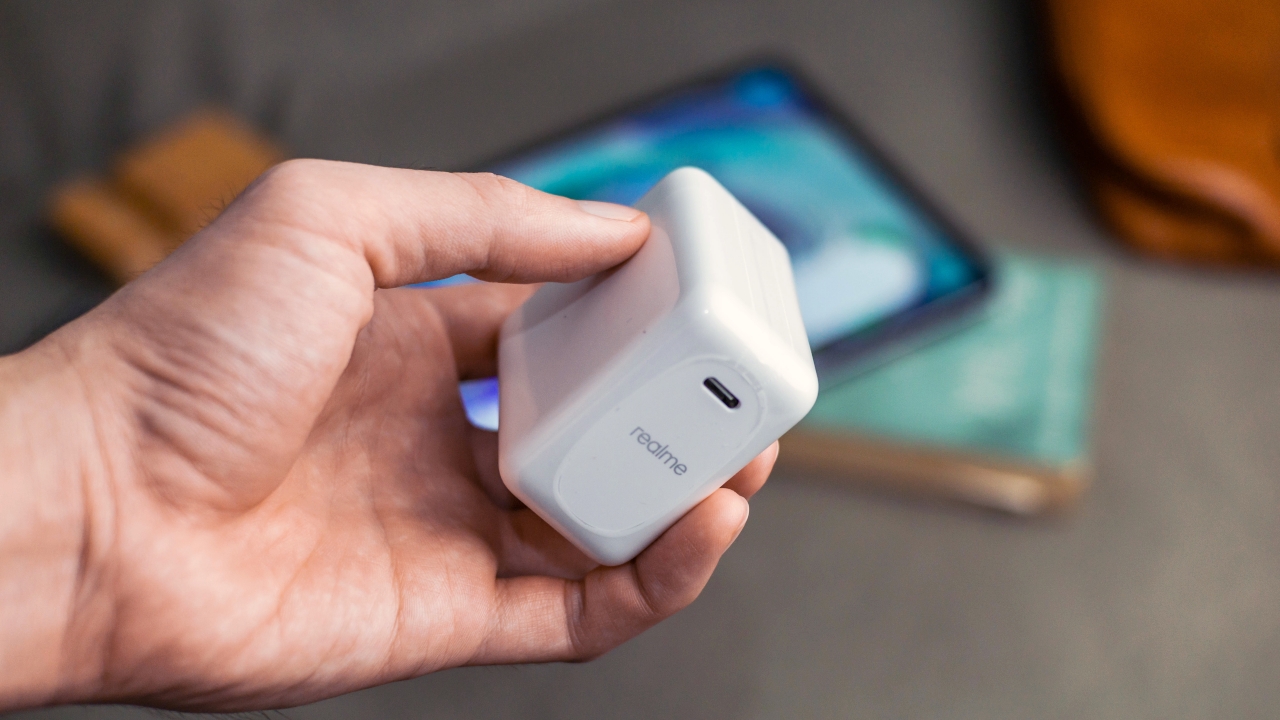
However, the 22.5W charger does take quite a while to get the Pad 5 fully charge. It took me an hour and forty eight minutes to bring it from 20 percent to 100 perecent. It isn’t really something to complain about since it does give us a reasonably long run time but a slightly higher wattage would have been very welcome.
Audio by Dolby

Incorporating the Dolby Atmos technology in this quad speaker audio setup on the Pad 5, the sound coming from this device has an immersing feel. Watching videos, playing games or the casual sound trip is joyful to our ears as it doesn’t feel like the sound is coming from a tiny source.
It may not be as heavy as we’d prefer it to be, but the bass response does have some presence on this speaker setup. There’s also some richness and warmth from its mid tones and its highs sound smooth and crisp that doesn’t feel like they’re piercing your ear drums.
Xiaomi Smart Pen sold separately

If you’re thinking of getting a tablet, you’re probably considering a stylus pen to partner it with. Xiaomi also offers an optional stylus pen for the Pad 5 — the Xiaomi Smart Pen. Unlike other stylus pens from the competition, this Xiaomi Smart Pen is mostly plastic. But that’s not necessarily a bad thing, as it does make it lighter for our hands to draw at only 12.2g.
The Xiaomi Smart Pen boasts a magnetic wireless charging system which is said to fully charge the pen in just 18 minutes. It also can be magnetically attached on both the left and right side of the device.

Surprisingly, the pen doesn’t feel like a plastic nib sliding on glass that I’ve experienced with other pens. There’s this observable friction that has a satisfying feel as you glide it along the glass surface of the screen. Accompanied by this is the 4096 levels of pressure sensitivity which adds to the more natural pen feel of the Smart Pen.
Tablet photography?

The Pad 5 comes packed with an 8MP selfie camera and a 13MP main camera which actually performs well for a tablet. Though, this probably won’t be your main camera for vlogging and TikTok as your phone likely has a better shooter than this but for documents and casual food photos, this camera can produce some decent looking shots.

I like how the photos are not overly processed which still leaves us room for some photo editing. With decent lighting, the images are clean, detailed and could potentially be considered Instagram worthy.

Is the Xiaomi Pad 5 your GadgetMatch?
I was surprised when I found out the price of the Xiaomi Pad 5. At PhP 17,990 for the 128GB variant and PhP 19,990 for the 256GB, the Pad 5 gives an immense value for your money.
An 11-inch, WQHD+, 120HZ display with a high end chipset and a firm build quality is just hard to beat at this price.
While it does lack some of the nicer features like faster charging, cellular connectivity and expandable storage, it surely excels in other fields it participates in.
No doubt, the Xiaomi Pad 5 greatly surpassed my expectations. It’s a well rounded device that would pair well with almost anyone looking to own a tablet. It would likely be my suggestion for anyone who would ask me for a tablet recommendation.






Reviews
TECNO POVA Curve 2 review: Munch That Power Crunch!
Unbelievably the slimmest 8000mAh phone you can buy right now

Like it or not, Chinese phone makers are unstoppable when it comes to unleashing smartphones beyond 5000mAh.
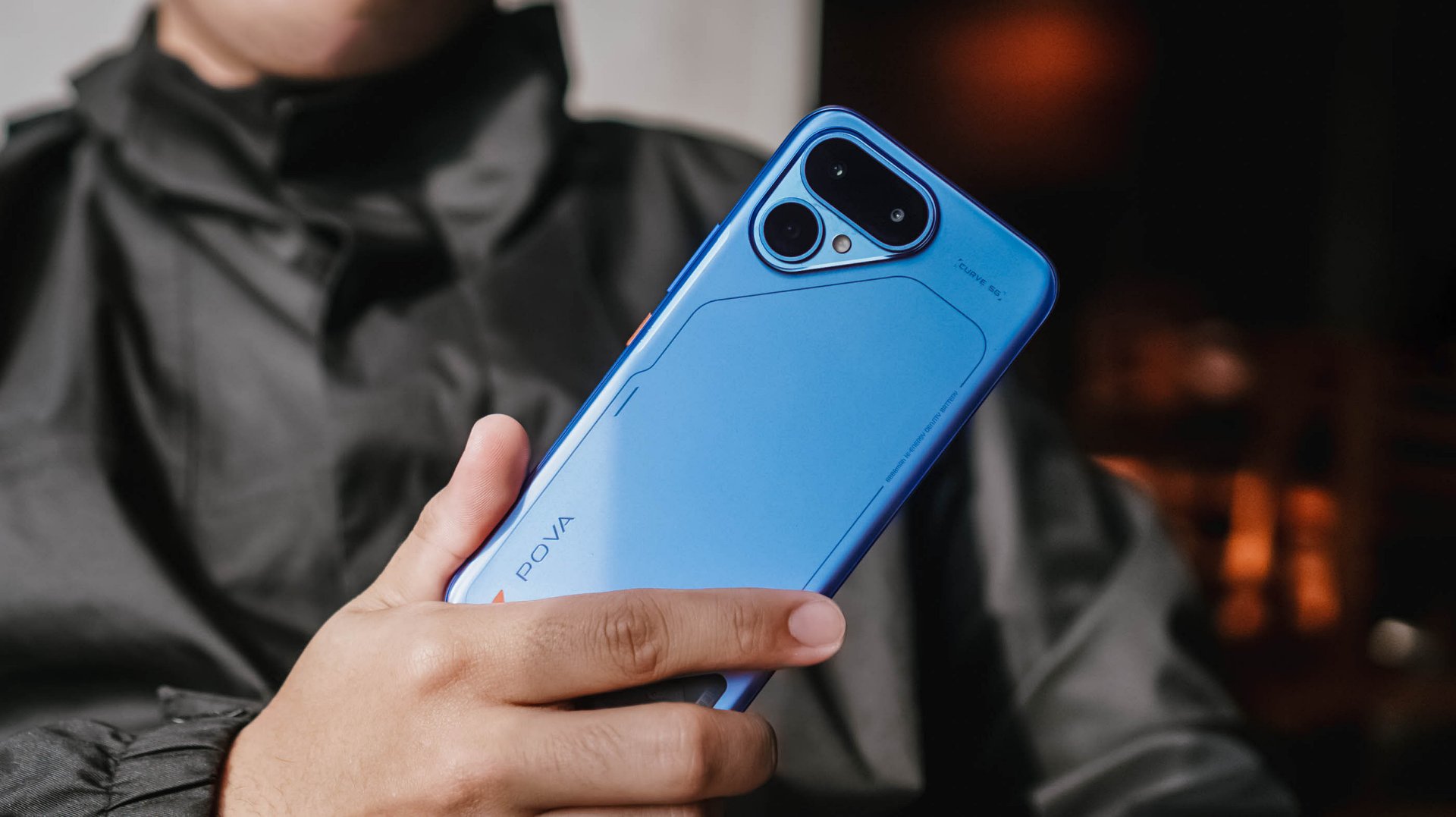
The latest brand to hop in is none other than TECNO with the POVA Curve 2 — currently the world’s slimmest 8000mAh smartphone.
Cyber-sthetic coolness
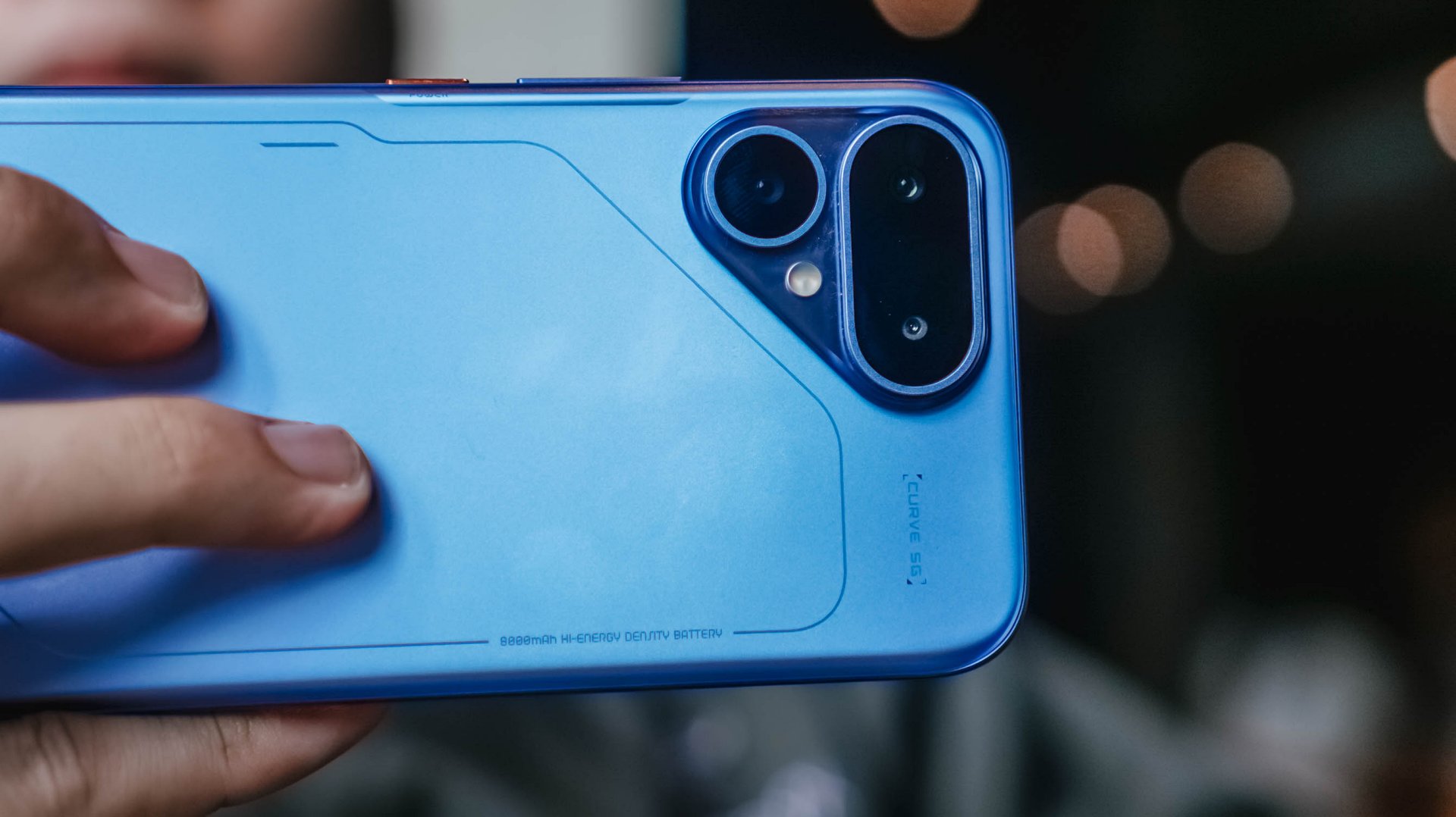
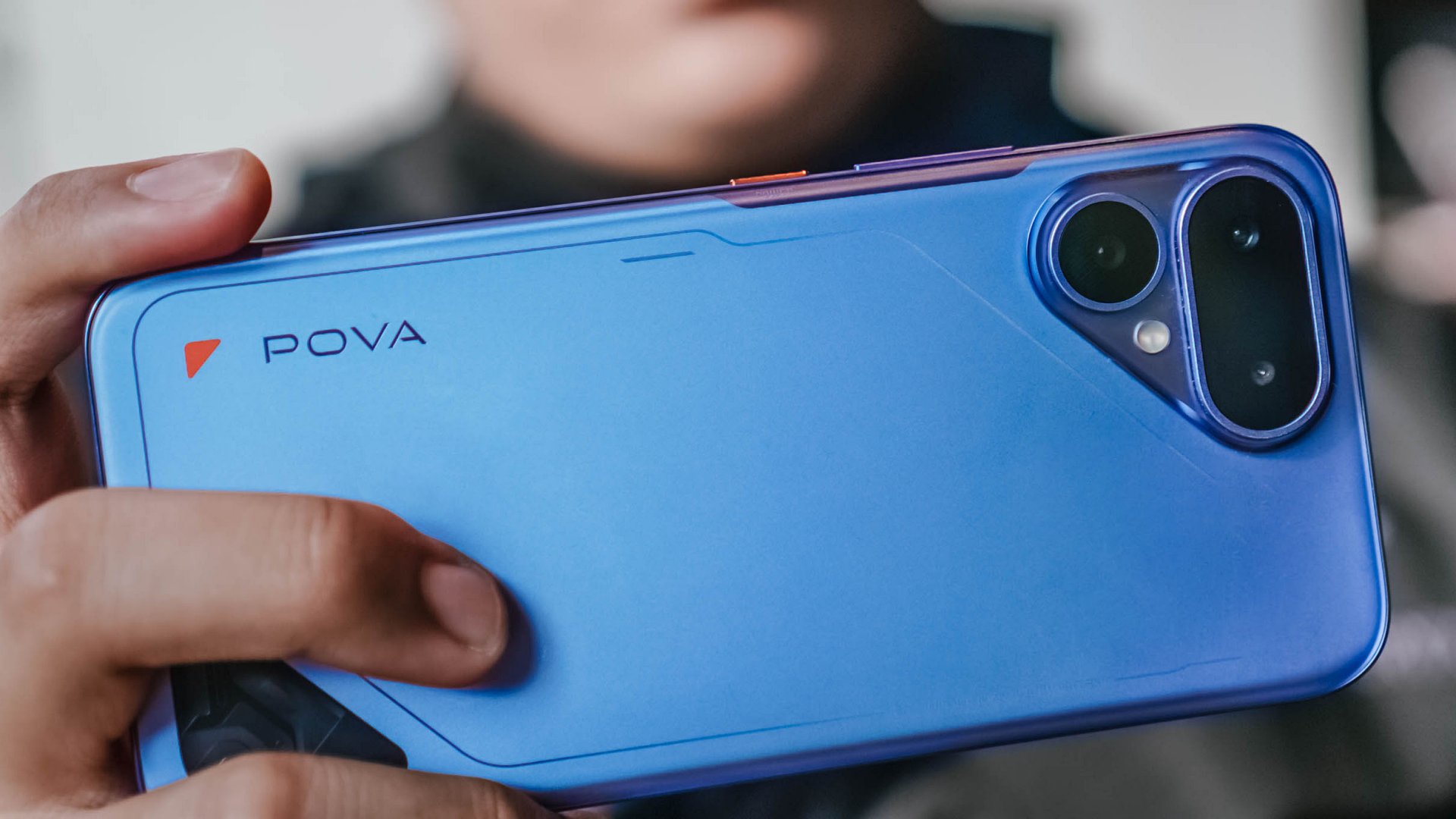
While the TECNO POVA Curve 2 isn’t as ambitious as other smartphones with flashy RGB / white light strips, LED matrix, or specific gaming detailing, it looks cool nonetheless.
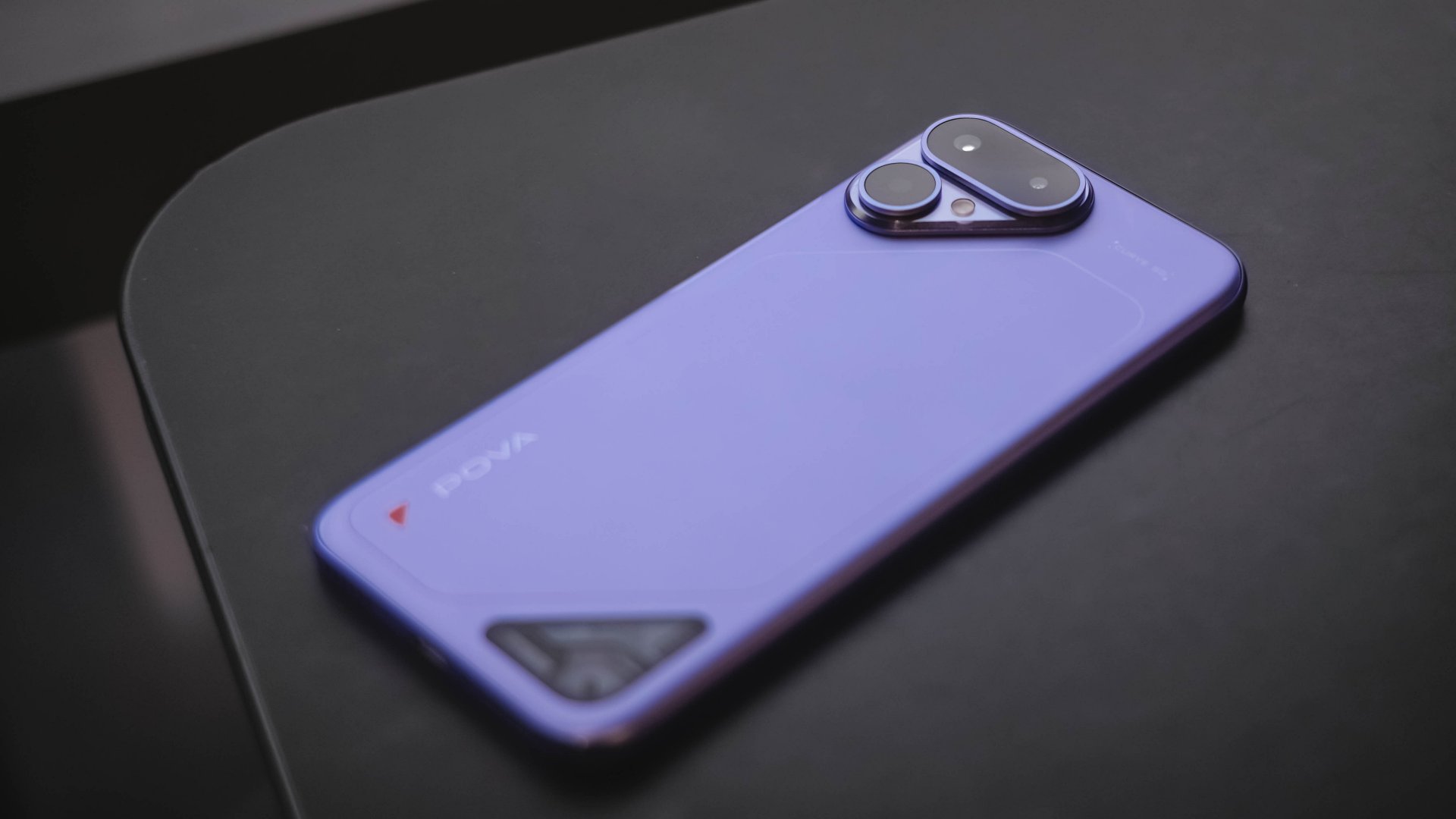
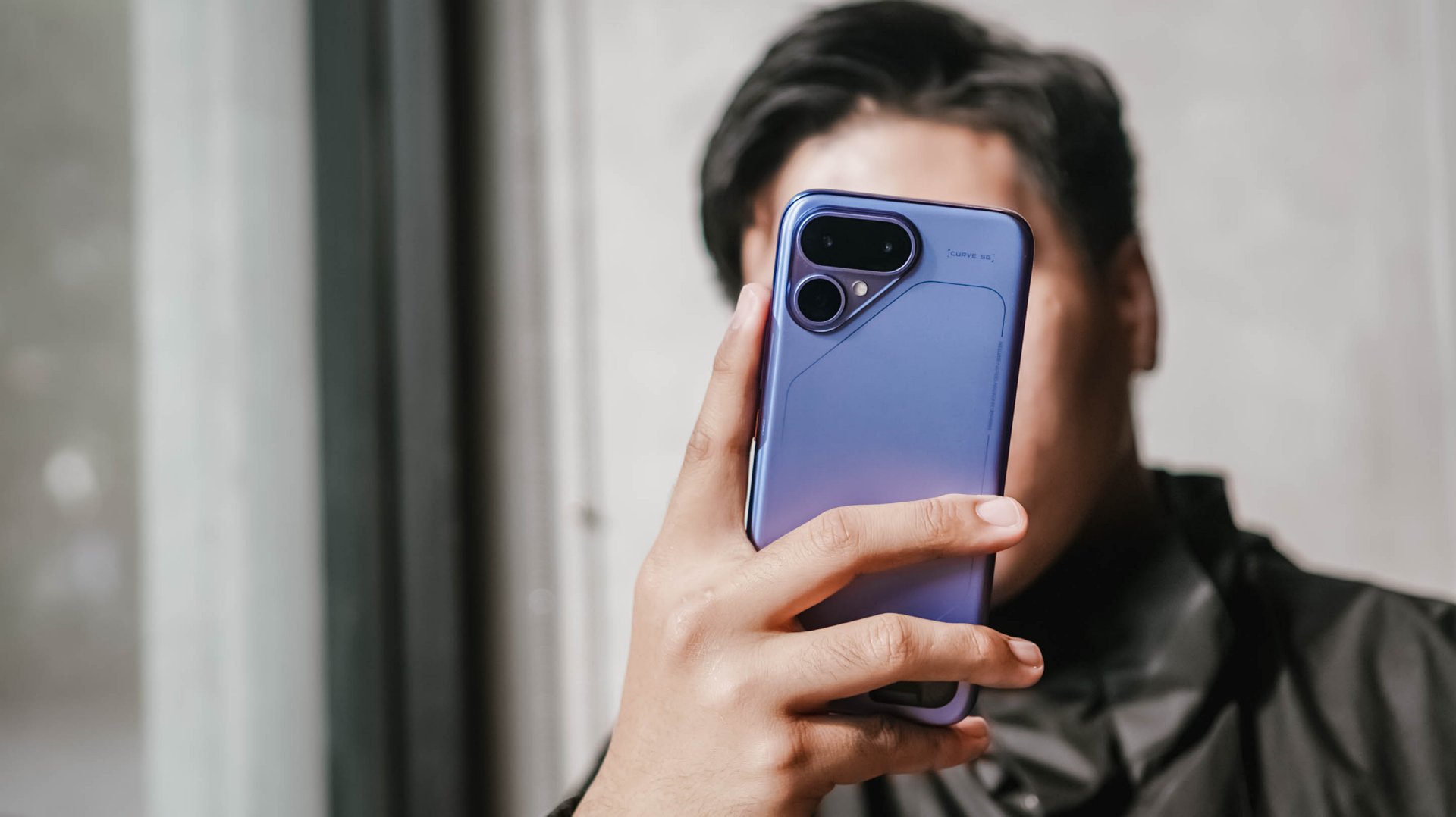
Rocking this Mystic Purple colorway, its vibrancy is the perfect contrast to the minute black and orange elements all around.
If this isn’t ideal for your taste, there are also the Melting Silver and Storm Titanium color choices.
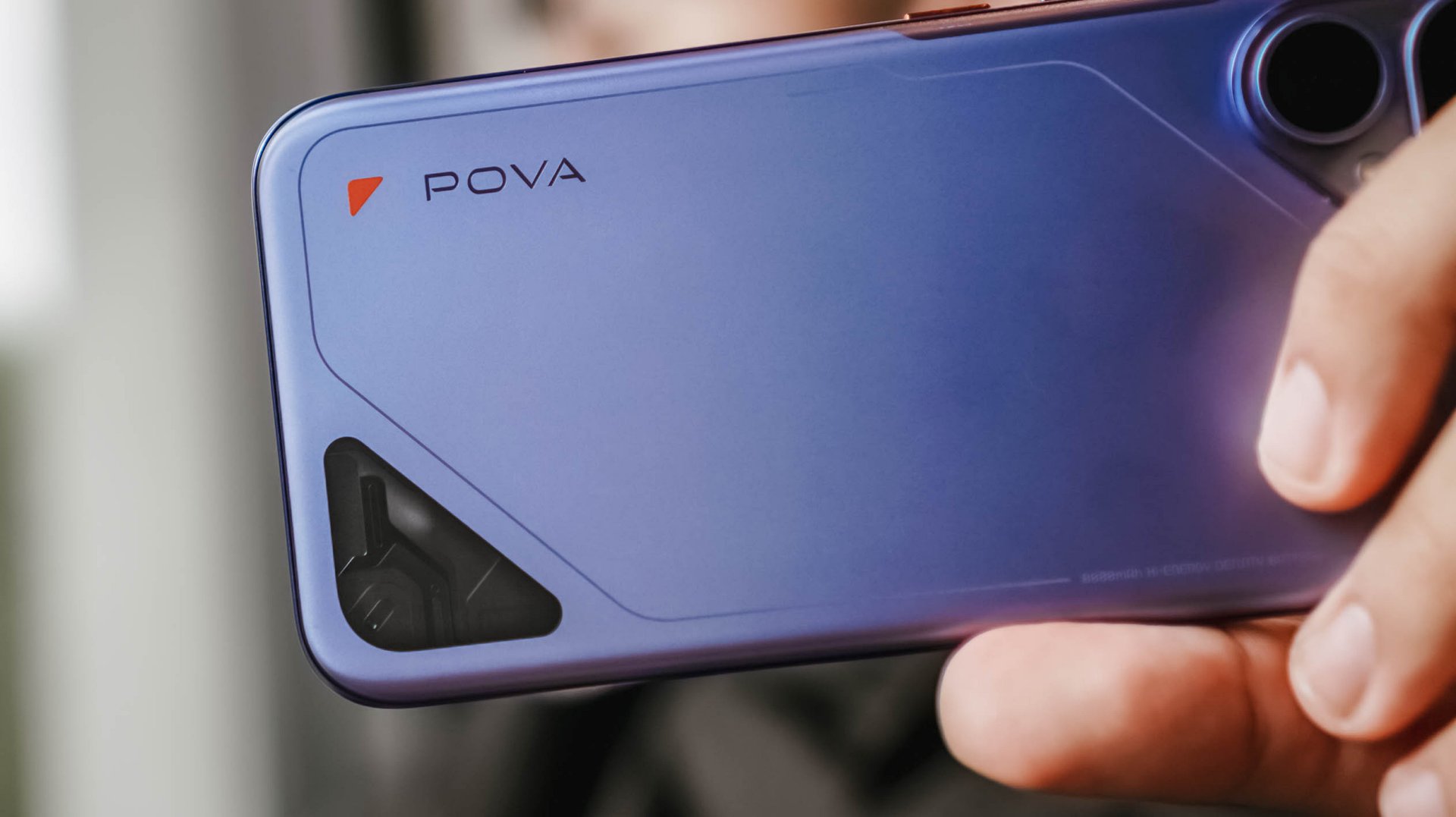
Looking closely, the lower right part is not an actual cutout that shows its internals. It’s more like a decal of some sort. Still, it makes the overall design as balanced as possible.
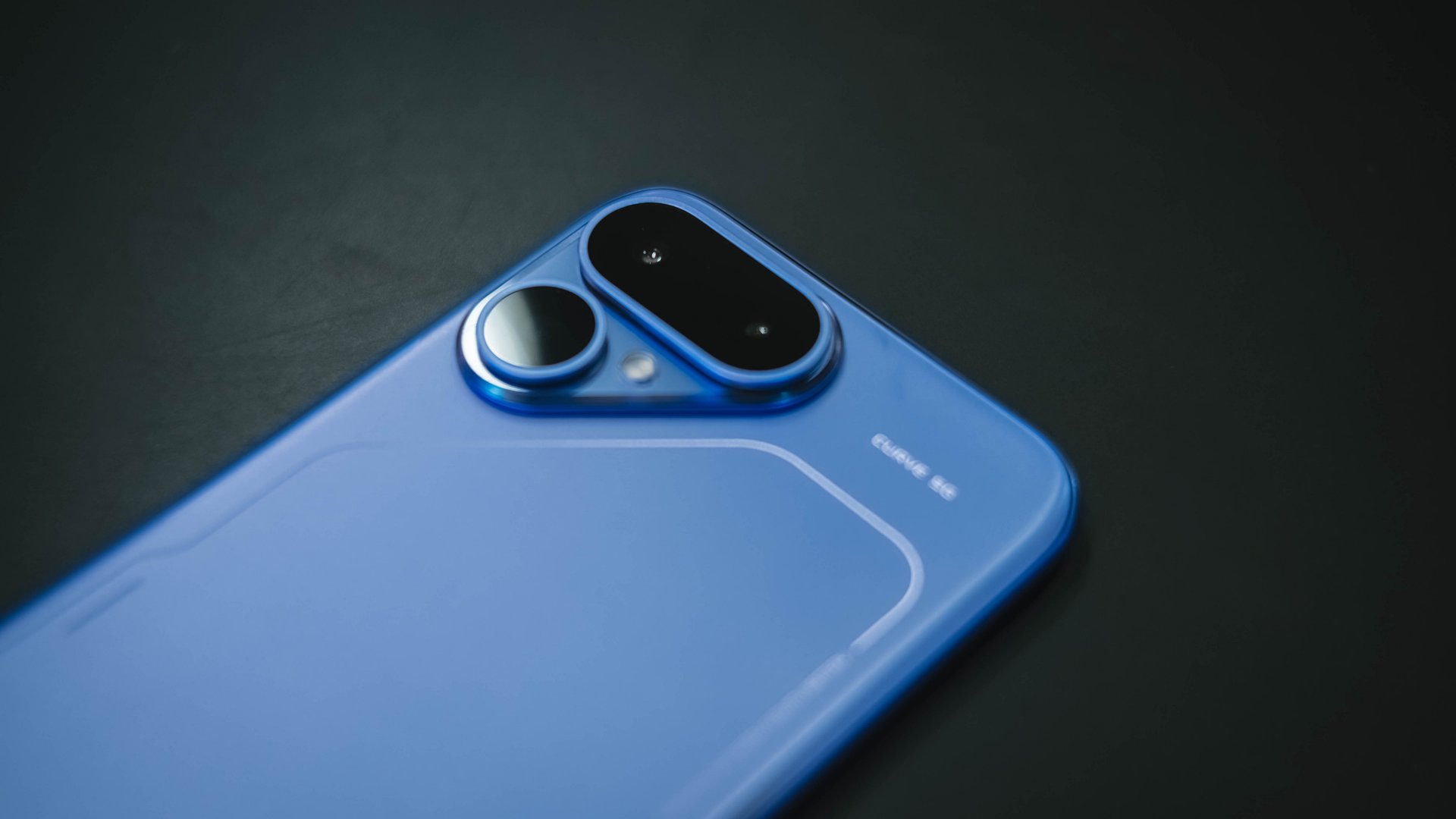
That goes along with its cyborg-looking (or starship-inspired, as they say) camera hump at the upper left corner. Thus, a cool-looking phone with cyber aesthetics — or cyber-sthetic in my vocab.
My fascination doesn’t end there.

With a thinness of a mere 7.42mm, I wasn’t kidding when I said this is the slimmest 8000mAh smartphone you can buy right now. As of this writing, it still is.
Other 8000mAh smartphones all range between 7.8mm to 8mm: OPPO K15 Pro+, realme Neo8, HONOR 500 series, nubia RedMagic 11 Pro. The list is short but it keeps growing.
While it’s not as record-breaking as the 5.93mm TECNO Slim, it still proves that TECNO’s consistent innovation push can lead you to making consumer products like this.

When held, the TECNO POVA Curve 2 has a solid yet justifiable heft to it.
Even with such thinness, it’s not super slippery. There’s enough grip to make you hold it for prolonged periods without actually dropping it.
But, in case you drop it, set your worries aside as it’s rated for SGS 5-Star Drop Resistance alongside an IP64 rating. Flipping to its front then reveals its Gorilla Glass 7i protection by Corning.
Now Playing: YENA, LATENCY
Recently, YENA’s latest “Catch Catch” has been playing in my mind non-stop — both the song and her visuals alike.

From that cat get-up reminiscent of T-ARA’s Bo Peep Bo Peep to IU’s iconic red dress in Good Day, it totally brings back the nostalgic 2009 look of the 2nd gen K-Pop I’ve witnessed in my teenage years.
The same can be said with the display of the TECNO POVA Curve 2.
While most brands have already moved over to flat displays, TECNO isn’t totally done with it. They are still keeping those dual-curved edge screens of the last generation.

For its class, it’s more than capable especially that it is a 6.78-inch AMOLED panel after all.
Colors pop with crisper details. That’s courtesy of its Full HD+ display resolution, 1.07 Billion Colors support, plus a 429ppi pixel density. It’s sufficiently bright outdoors too capping at 4500 nits.
Such nostalgia also reminded me that some of my 4th-gen K-Pop faves got reunited in the newer 5th gen by forming an all-new girl band dubbed as “LATENCY” with the same debut song title.
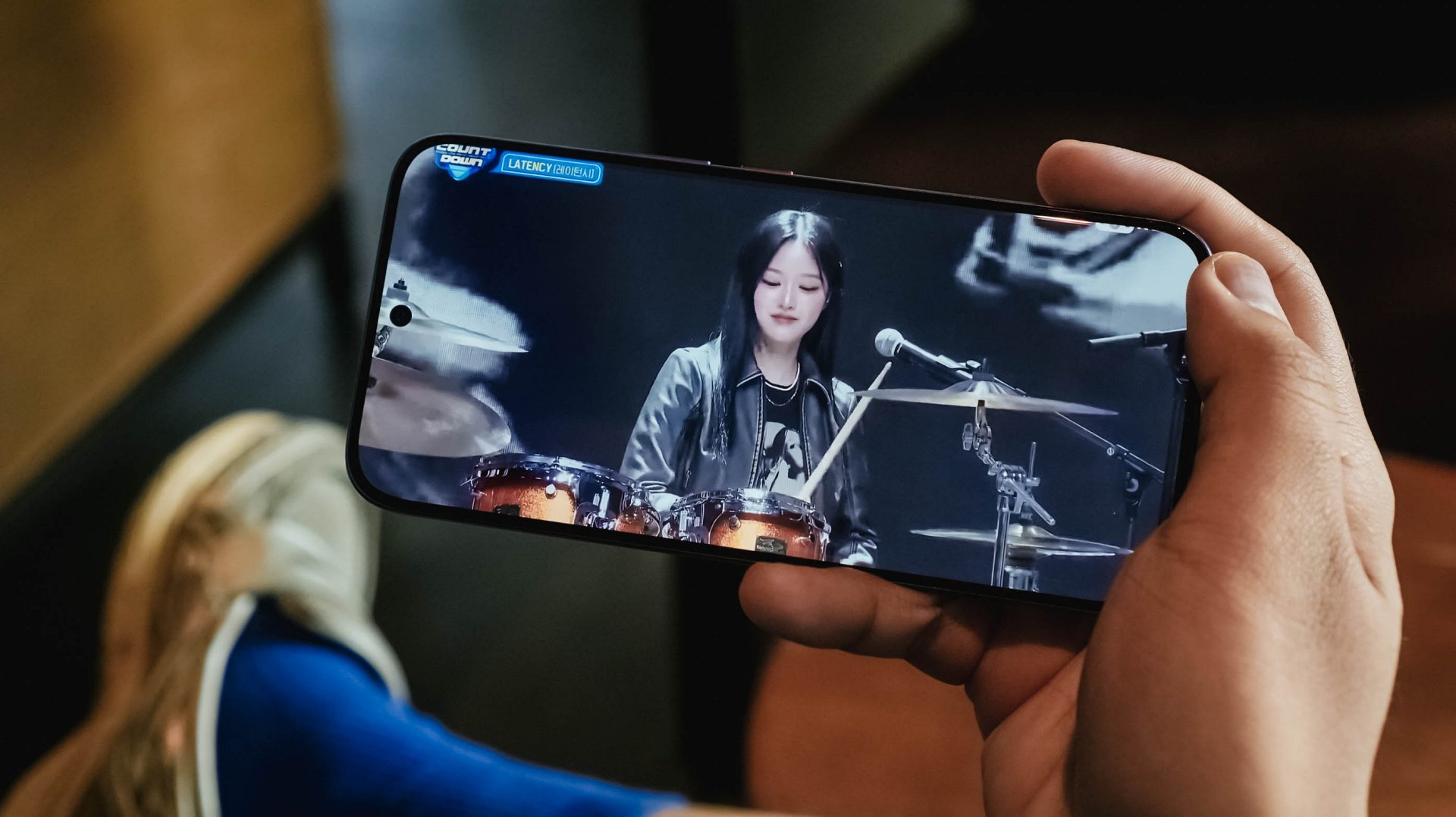
ICYMI, it’s composed of LOONA’s Hyunjin alongside three cignature ex-members: Jeewon (now ZZONE), YeAh (now Haeun), and Semi. That’s also the group where Hyeonju (UNIS) belonged to.
Enough geeking out. Even if we’re already bombarded by a lot of midrangers nowadays with oh-so-thin-bezels, this display won’t disappoint you.
Those curved edges with moderately-sized bezels are more than enough to make one mesmerized. It also won’t get in the way of your day-to-day usage.
On Queue: Archive. 1 by WOODZ
Content consumption doesn’t stop there.
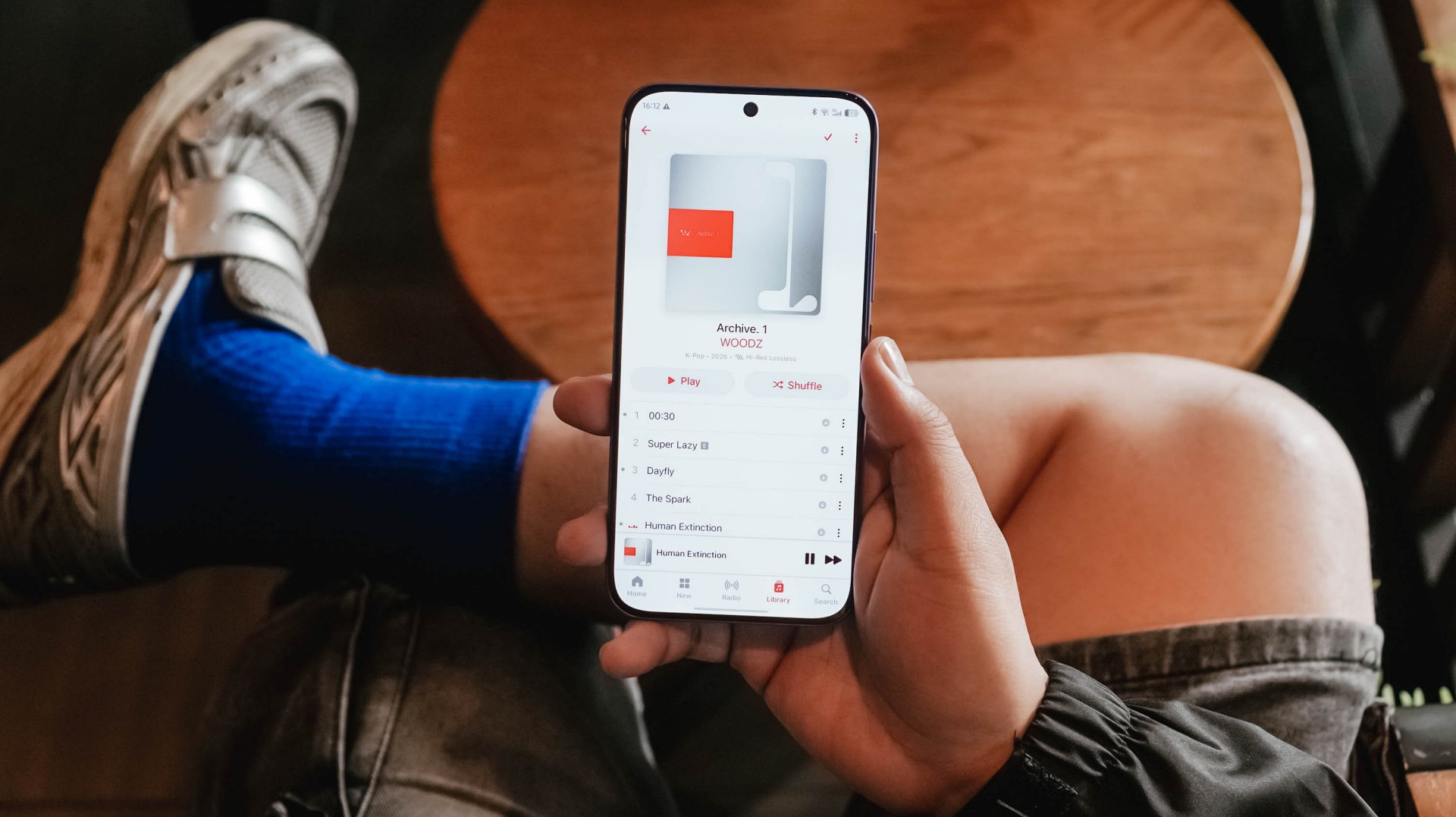
I’m also invested to the latest full album of WOODZ (or Cho Seungyoun if you knew him way back in X1 — or as a contestant in PRODUCE X 101 the way I did).
While he’s popularly known for his all-around versatility in the K-Pop world, the soloist leaning more into rock just means I can test out the Lossless quality of his latest album in a great measure.
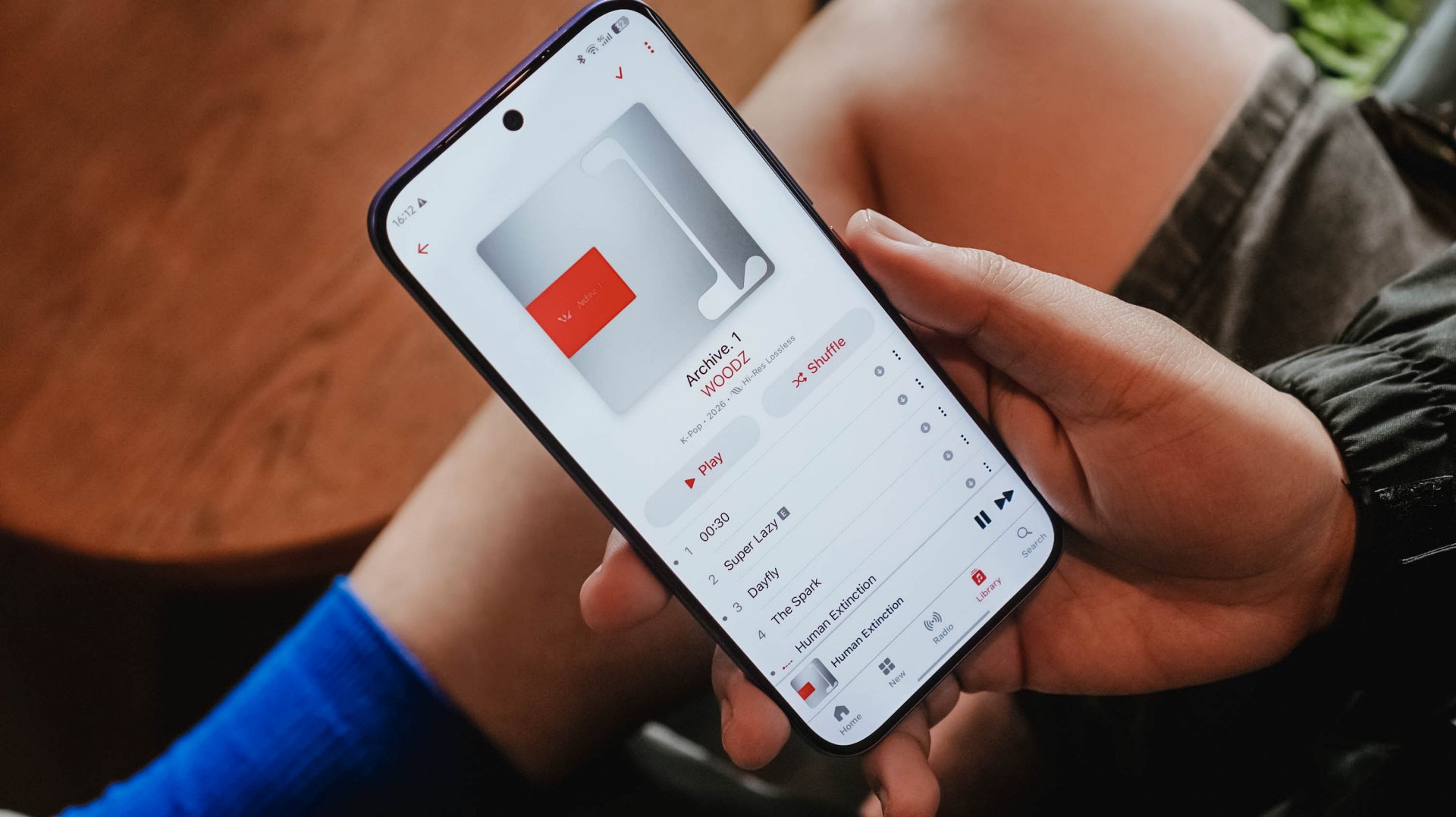
Much like most smartphones in this price point, its stereo speakers are loud to fill in those banging bathroom sessions. I felt the emotions most when I played CINEMA, GLASS, and STOP THAT.
That said, having Dolby Atmos doesn’t mean a fuller sound output. Like what I have experienced in my TECNO CAMON 50 Ultra review, sound is loud yet not separated enough to highlight the highs, mids, and the deeper bass altogether.
More so, not enough distinction of WOODZ’s power vocals against the rich rhythm of his band instruments — especially in Human Extinction, Bloodline, and The Spark.
Fortunately, the POVA Curve 2 natively supports Hi-Res Wireless Audio. This means I get to fully enjoy the feature whenever I connect my wireless earphones and headphones that also support LDAC.
Peak performance
The TECNO POVA Curve 2 is one of the very few handsets that rock MediaTek’s Dimensity 7100 SoC. That’s alongside the HONOR 600 Lite and Infinix NOTE Edge.
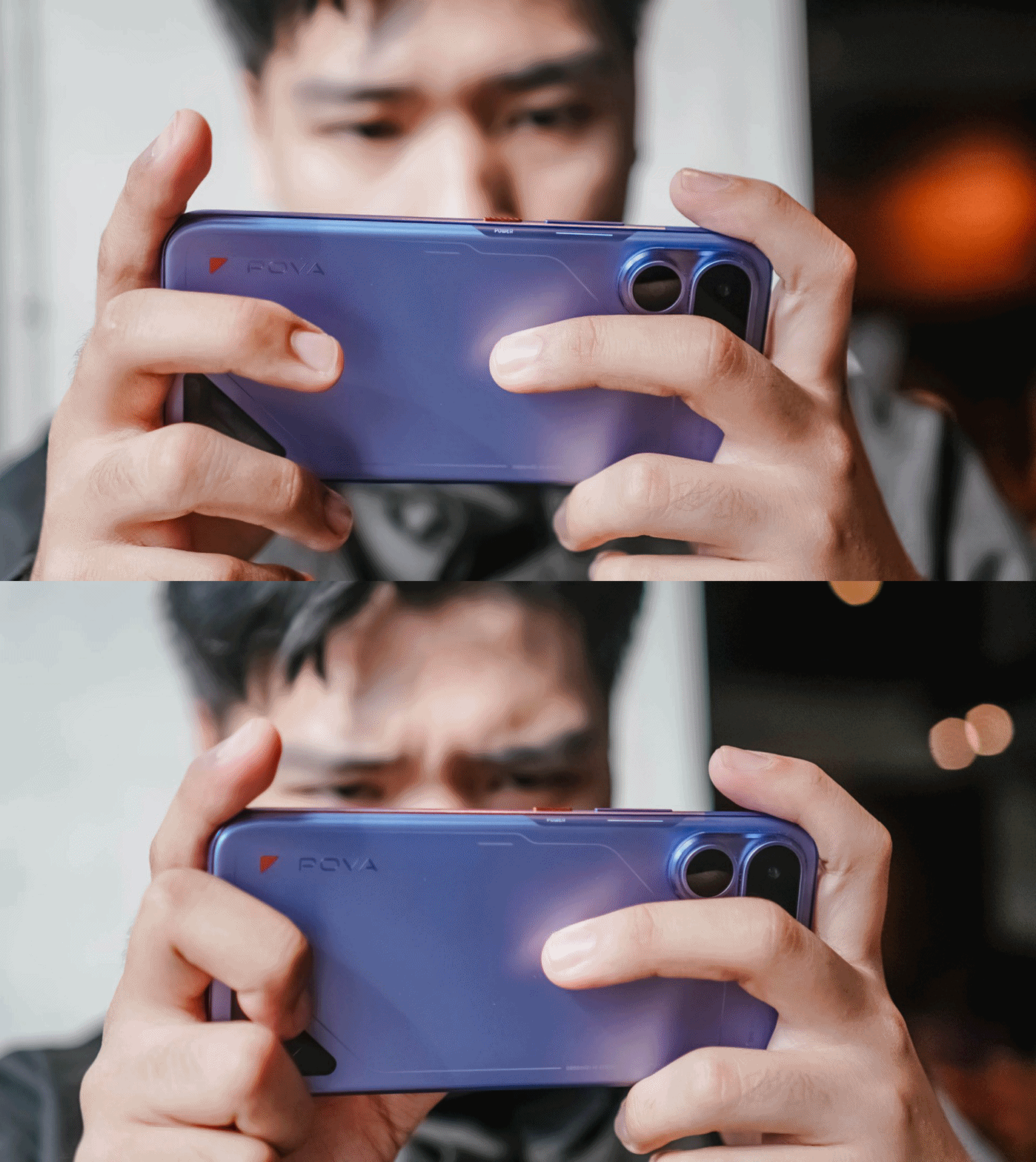
A chipset nestled in the middle of Dimensity 6500 and 7400 series means gaming performance isn’t as extreme as what you get in the 8- and 9-series.
Still, playing Call of Duty: Mobile (CoDM) was easy-peasy. It can run High settings with frame rate set at the Max level. It’s more enjoyable especially that this phone possesses 144Hz refresh rate.
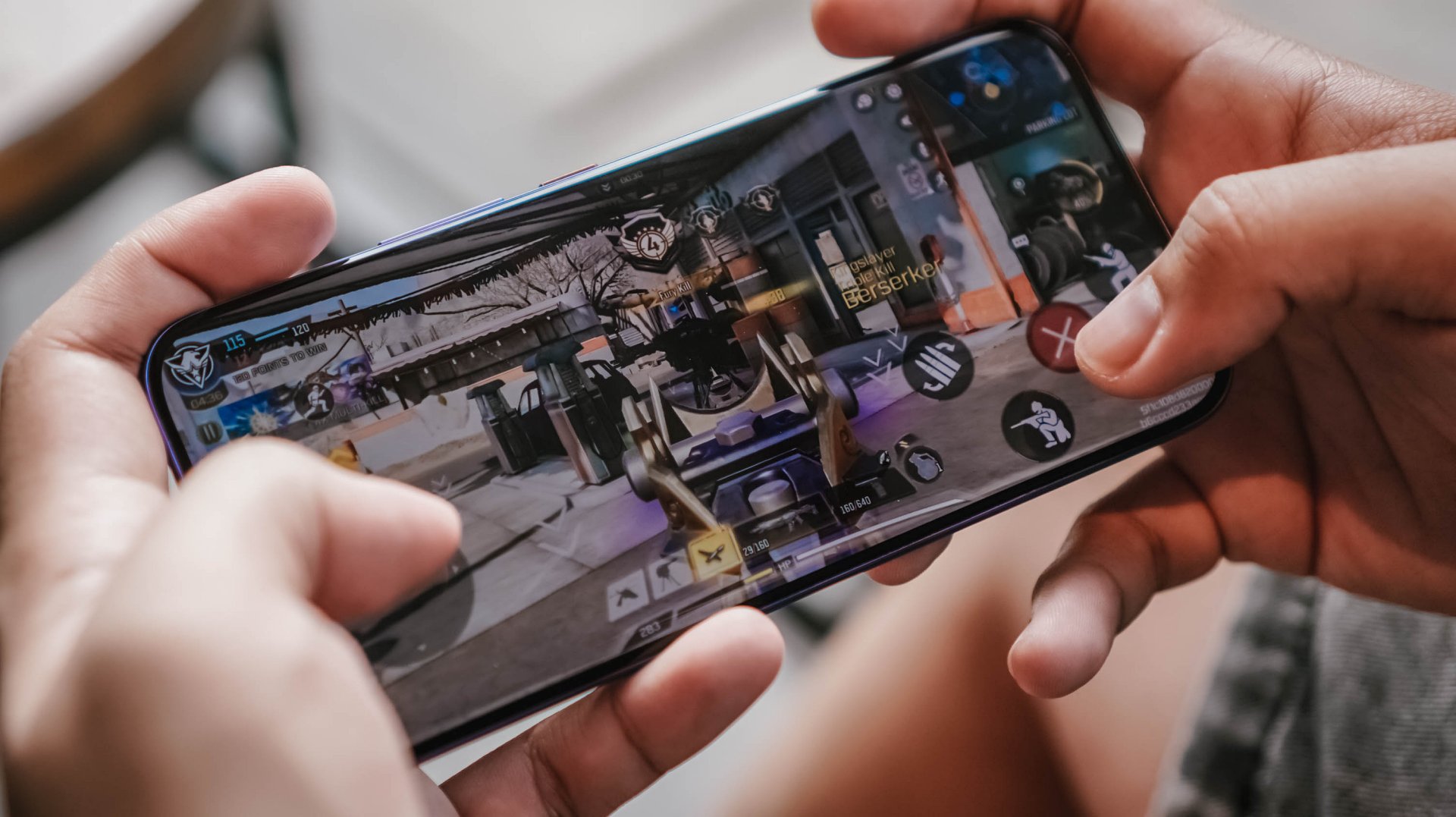
The more demanding Racing Master I love playing runs in Standard resolution + 30fps frame rate by default.
Overriding it to higher setting results to some game stutters — even when Performance Mode under High Boost gaming is enabled.

The opposite happens with the rest of apps. You can multitask and breeze through ’em without hiccups.
Thanks to the newer HiOS 16, overall UI experience felt smoother, faster, and more intuitive.
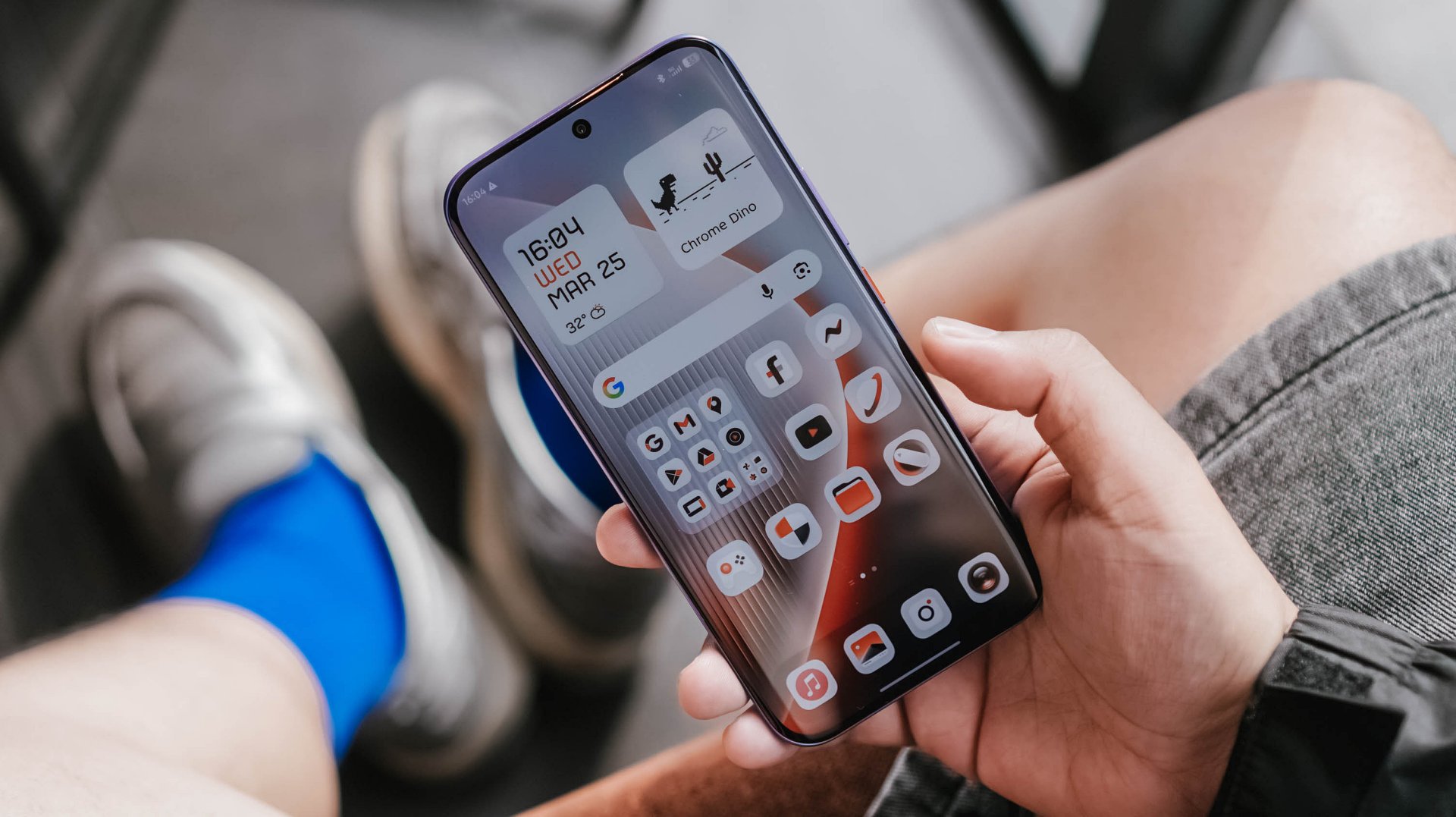
I also love how there’s a special skin on top of it. A cool way to differentiate it from the usual SPARK and CAMON series.
Of course, TECNO’s AI Tools weren’t left behind: Ella, Translation and Document Assistants, AI Writing, Note, Recording Summary, and many more in the list.

The POVA Curve 2 also promises connectivity in greater heights (literally and figuratively).
Not only is it the world’s first triple chipset smartphone, it’s also the first one to feature 20 5G bands.
As someone who’s living in an area where data reception can still be spotty, I can definitely attest that the POVA Curve 2 has the better network coverage compared to most smartphones.
Case in point: In a certain area of a transportation terminal I go to, the POVA Curve 2 detects 5G+ network with full signal bars. Whereas, the iPhone 13 Pro Max I have is only limited to a one-bar 4G / LTE.
The vivo X300 Pro I daily drive? Full bars but only limited to 4G+.
This totally makes the TECNO POVA Curve 2 ideal for being connected in crowded areas or even against building blind spots.
Assurance to endurance
As mentioned many times in this write-up, the TECNO POVA Curve 2 boasts a monstrous 8000mAh battery in it.
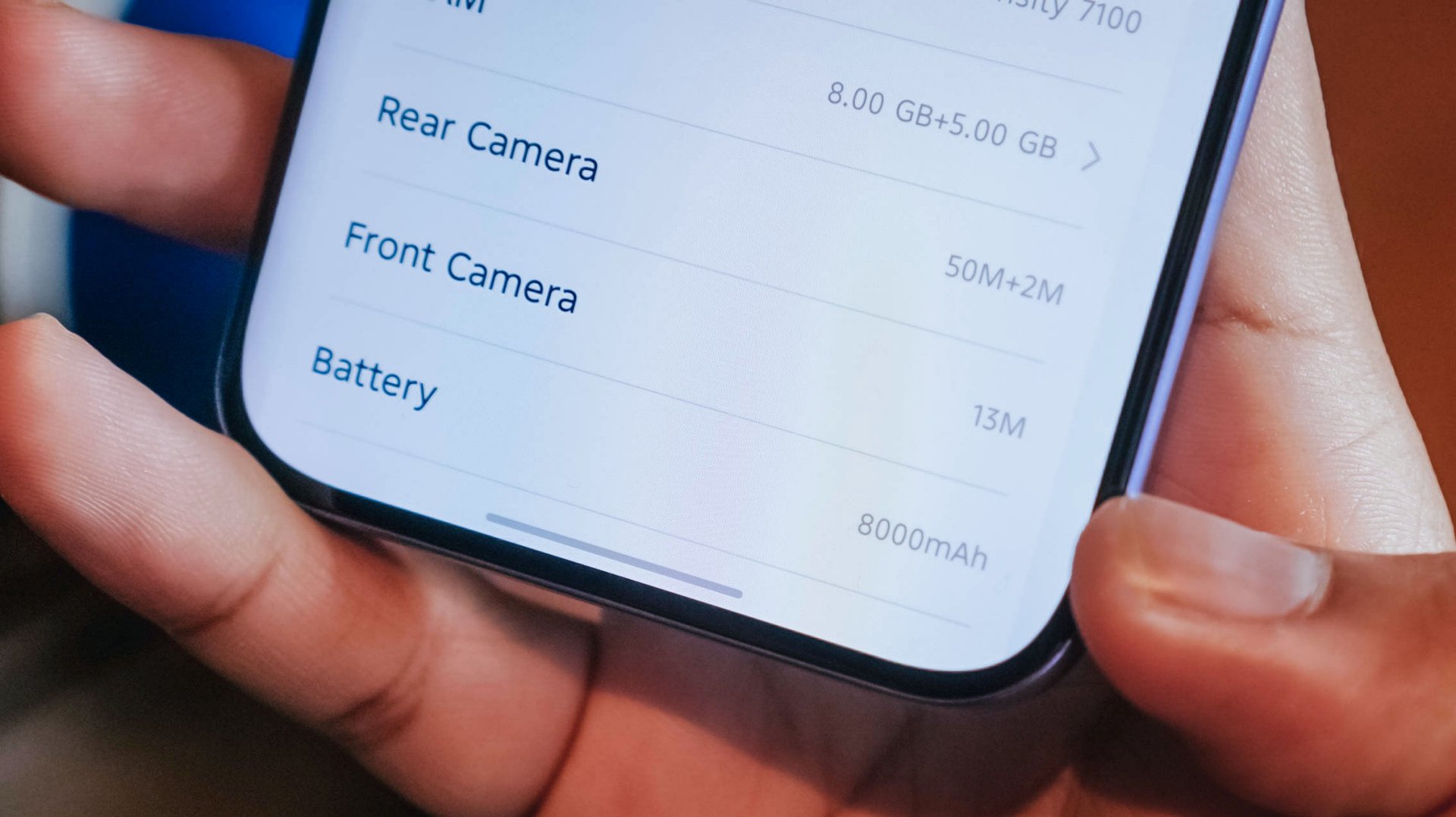
It’s a smartphone that’s really hard to kill. It reminds me of those corrupt government leaders who are still alive and kicking even after 20 years of bad service.
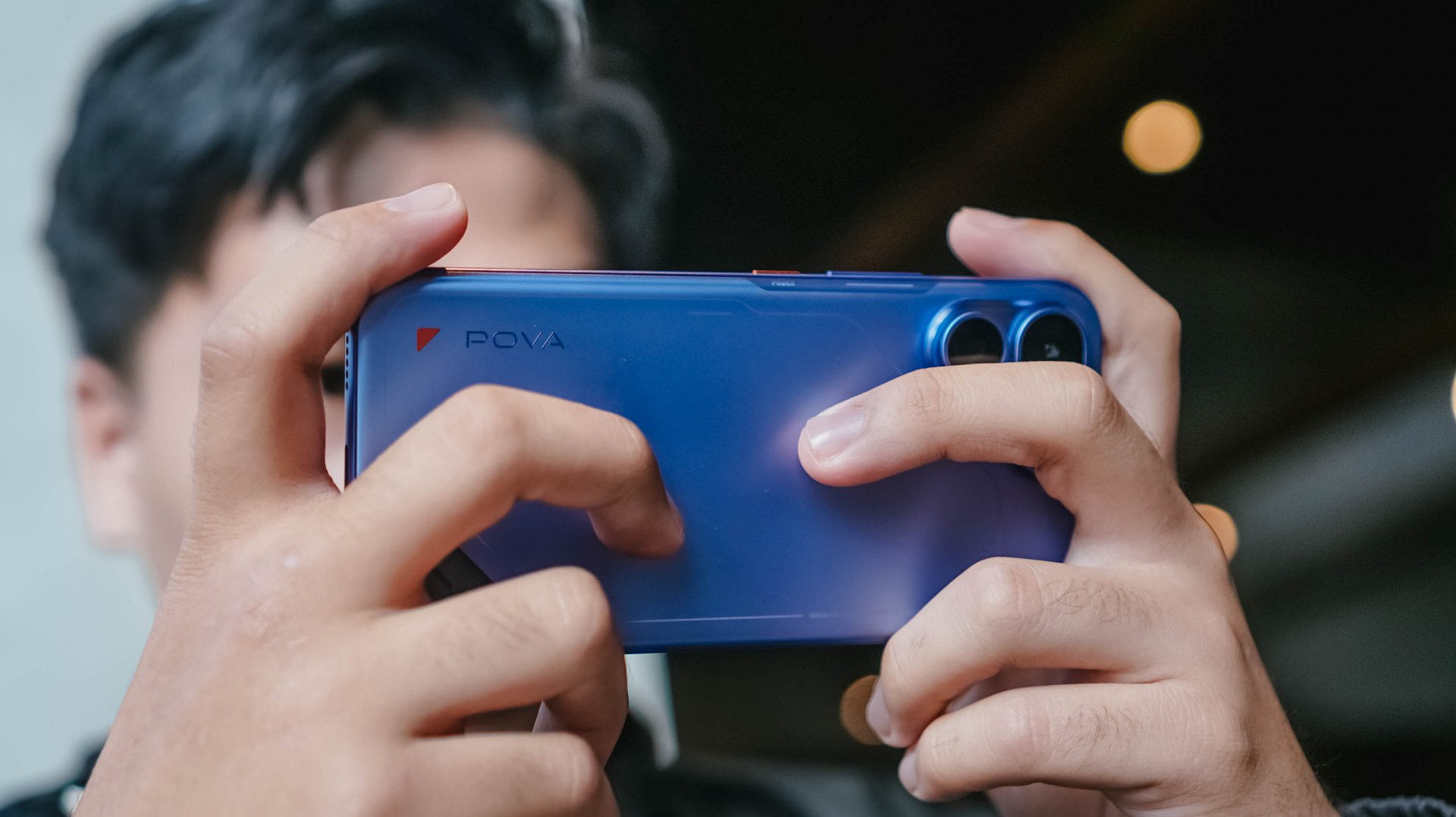
Sentiments aside, I’ve installed all the gaming resources for an hour and played for another hour. In other midrangers, that means a significant 20% decrease.
TECNO’s POVA Curve 2 only managed to shed around 8~10%.
Another example: Playing WOODZ’s album for 49 minutes accounted for only a 3% decrease — from 9% down to 7%.
I then played my 2.5-hour-long girl-group studded playlist:
Shockingly, the phone lasted up ’til CHUU’s XO, My Cyberlove before it ultimately died down. That’s 33 out of the 52 songs in the playlist I curated.
Additionally, the POVA Curve 2 lasts for more than a week when left in standby.
The POCO X8 Pro Max I held with an even bigger 8500mAh tank inside it can only last up to 4 days when untouched. The culprit? Its ever-plagued HyperOS.
This further justifies that TECNO’s revamped OS is more power-efficient compared to previous versions that drained battery a lot.
To save one’s battery anxiety, 45W wired charging is here. While it’s not the fastest out there, it’s definitely doable for under 1.5 hours.
My GadgetMatch Charge Test proves that compared to the TECNO CAMON 50 Ultra I held a month ago.
TECNO POVA Curve 2
|
TECNO CAMON 50 Ultra
|
|
START TIME (From 0%) |
8:16AM |
4:34PM |
3 minutes |
3% |
4% |
5 minutes |
6% |
6% |
10 minutes |
11% |
12% |
15 minutes |
16% |
21% |
20 minutes |
24% |
30% |
30 minutes |
34% |
43% |
45 minutes |
51% |
65% |
1 hour |
69% |
85% |
1 hour 15 minutes |
86% |
99% |
1 hour 30 minutes |
97% |
— |
END TIME |
9:50AM
|
5:51PM
|
Settled snapper
Despite that futuristic camera cutout, the POVA Curve 2 only has a single 50MP snapper.
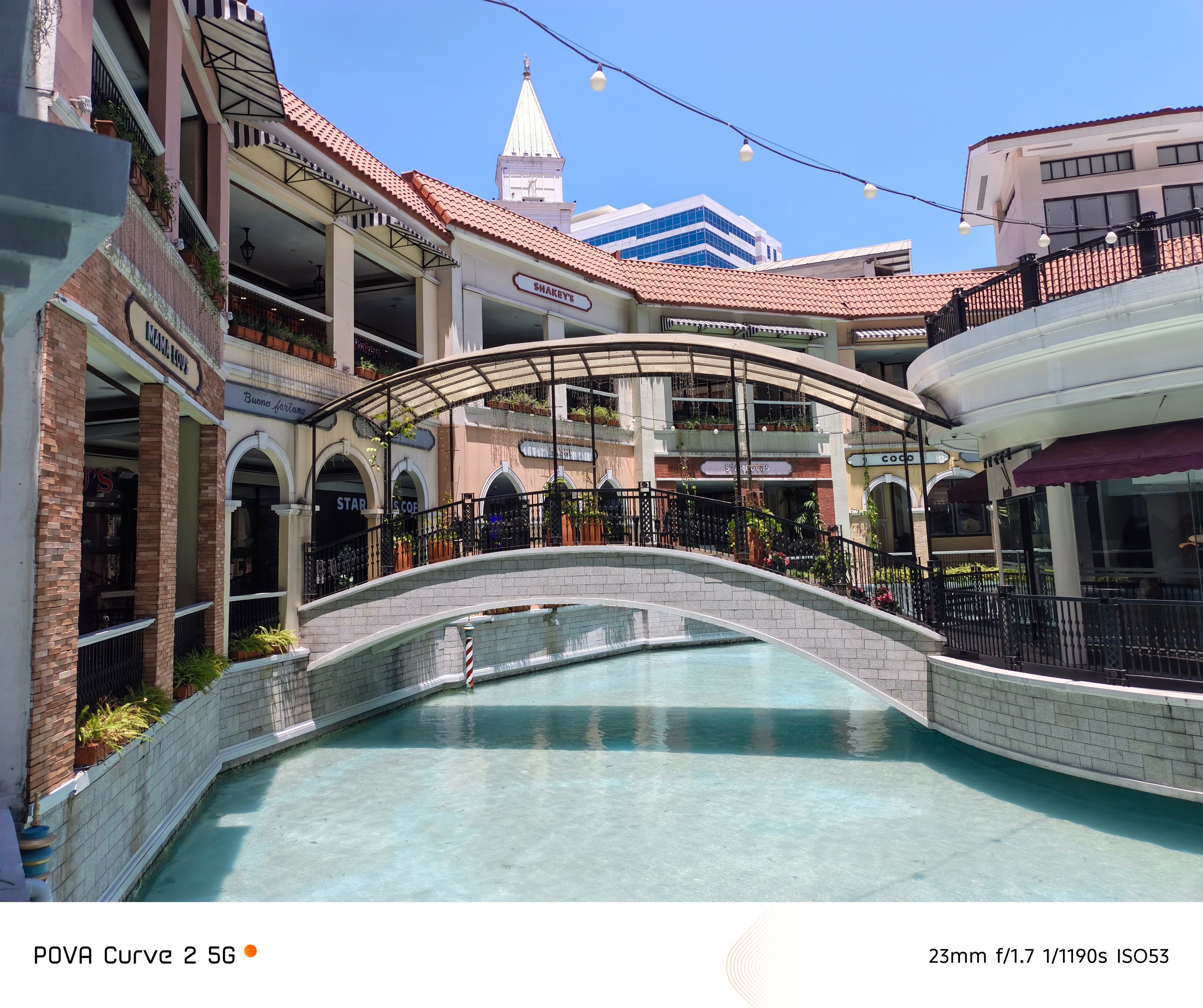
I can somehow say the quality is decent for what you get. That’s evident whenever you take photos in broad daylight.
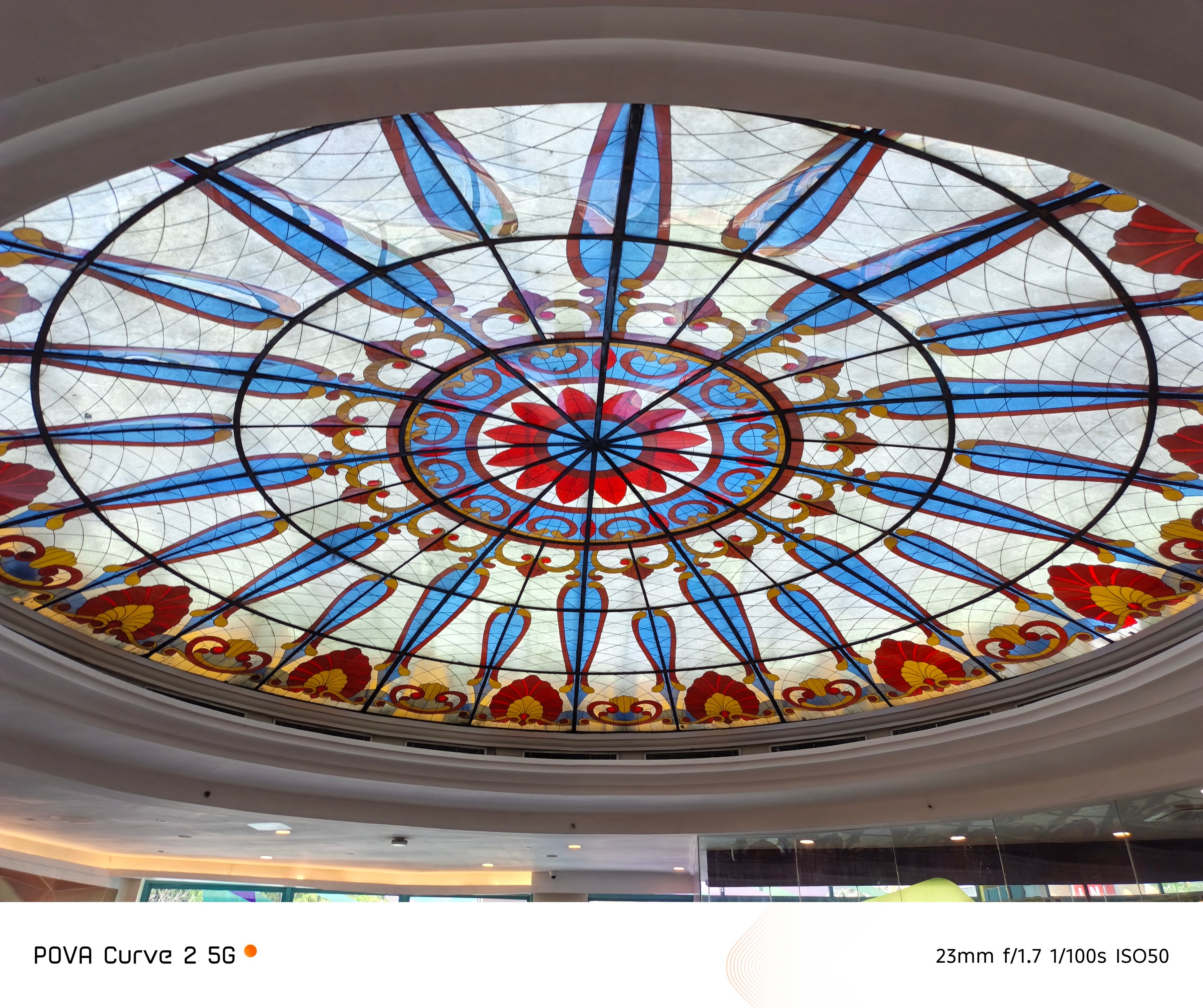
I value how TECNO included the versatility of 23mm, 28mm, and 35mm focal length through a series of taps.

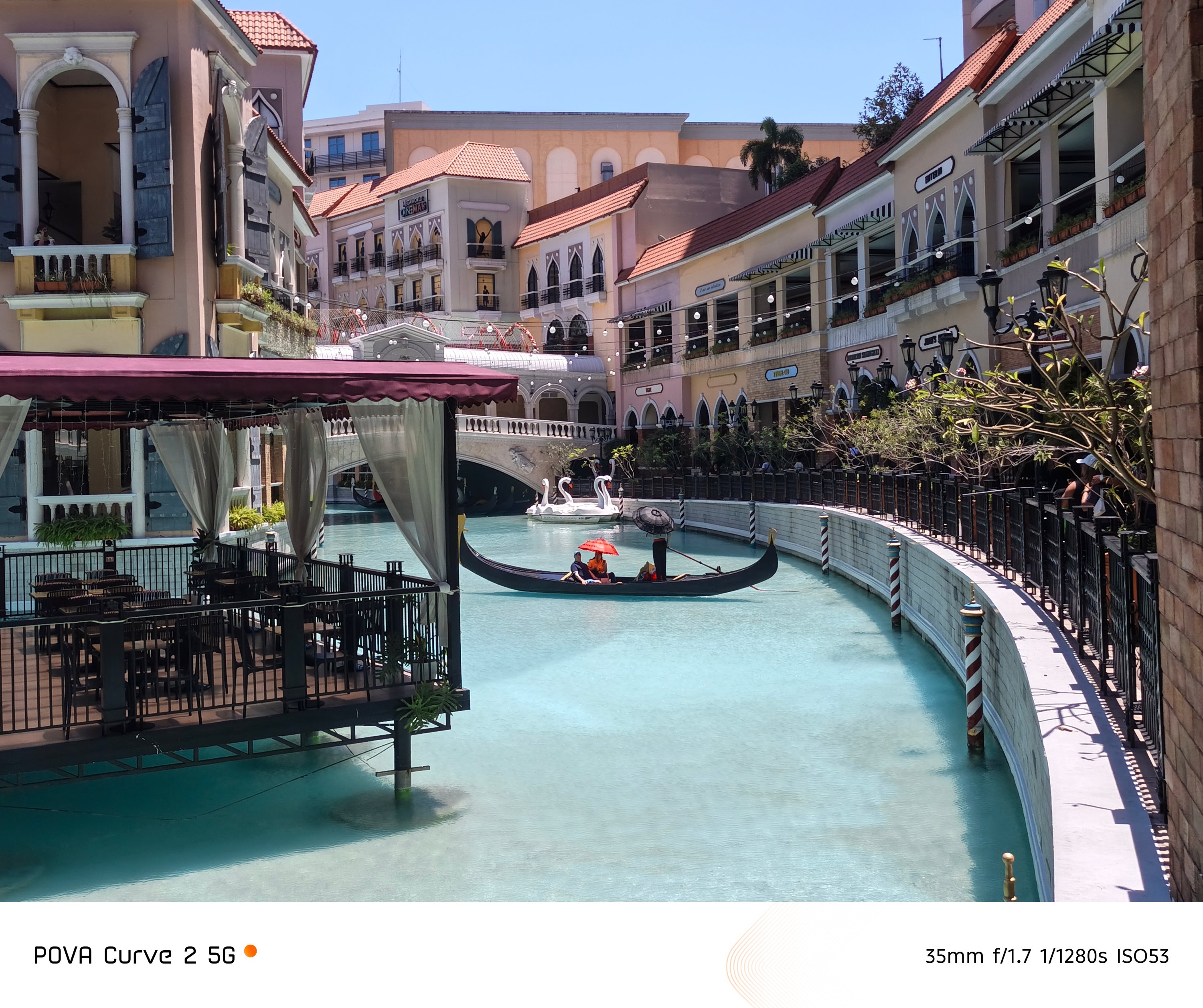
That main camera is also responsible for 2x zoomed shots through in-sensor cropping.
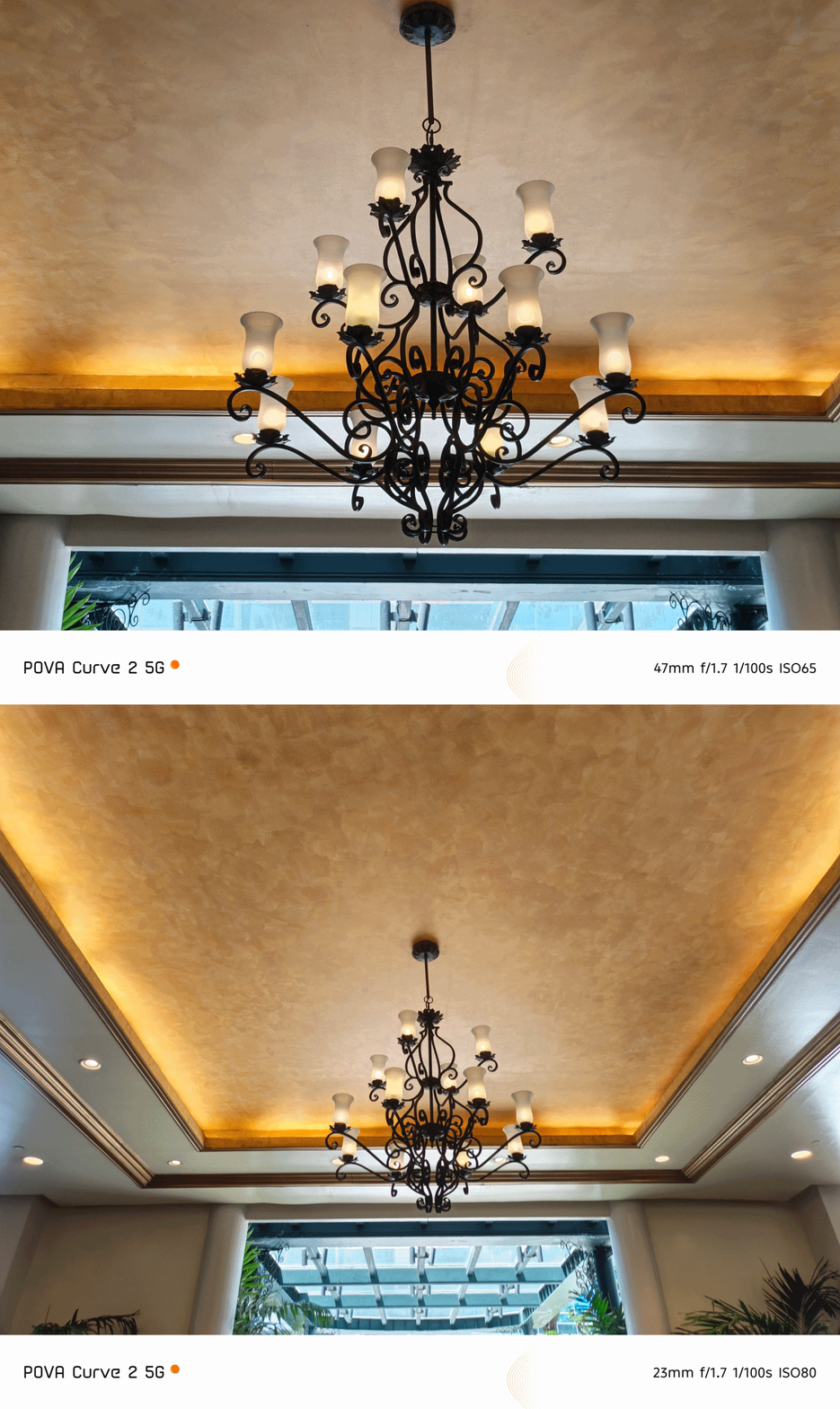
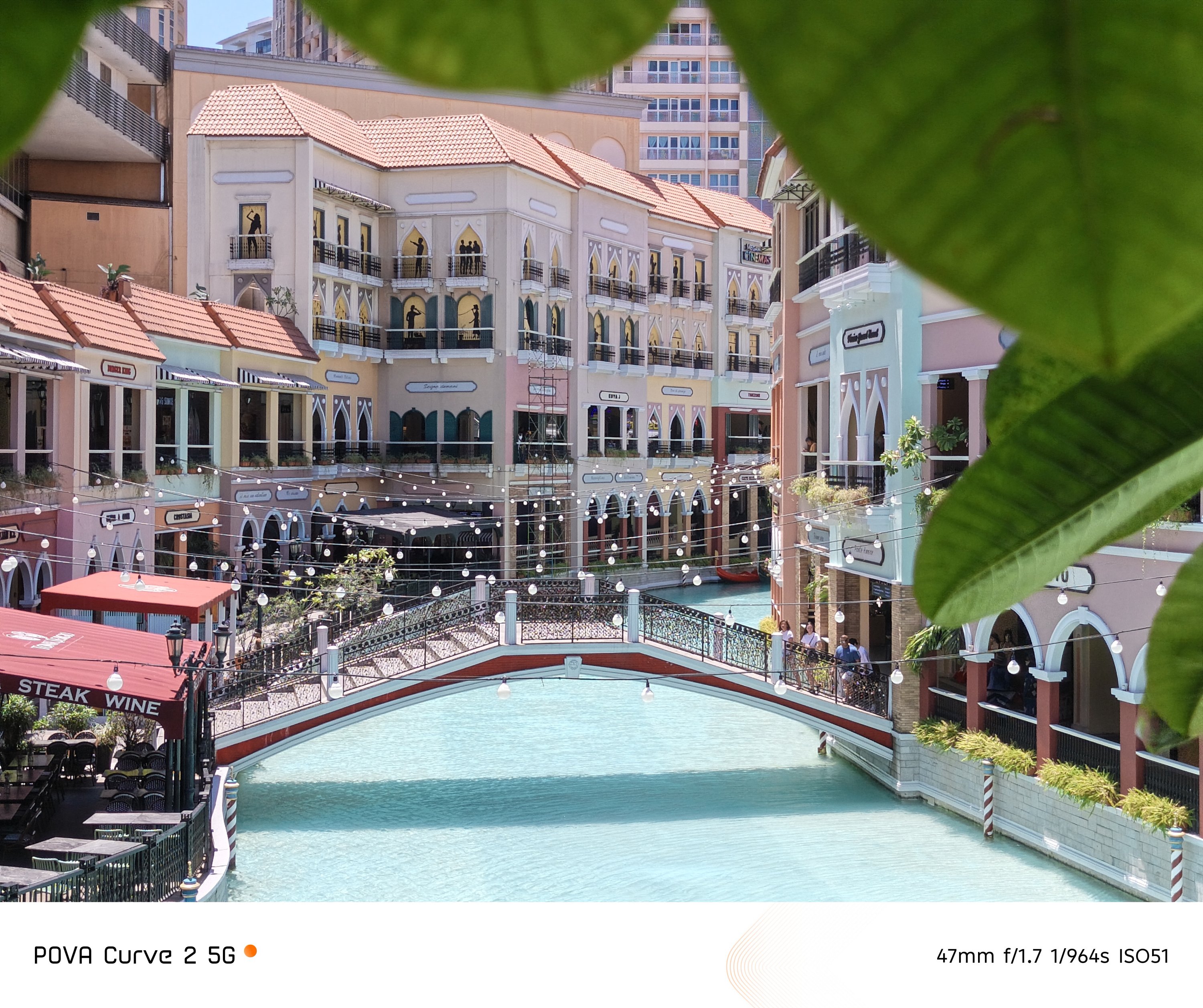
As obvious as it seems, this has been my most used mode more than 1x.

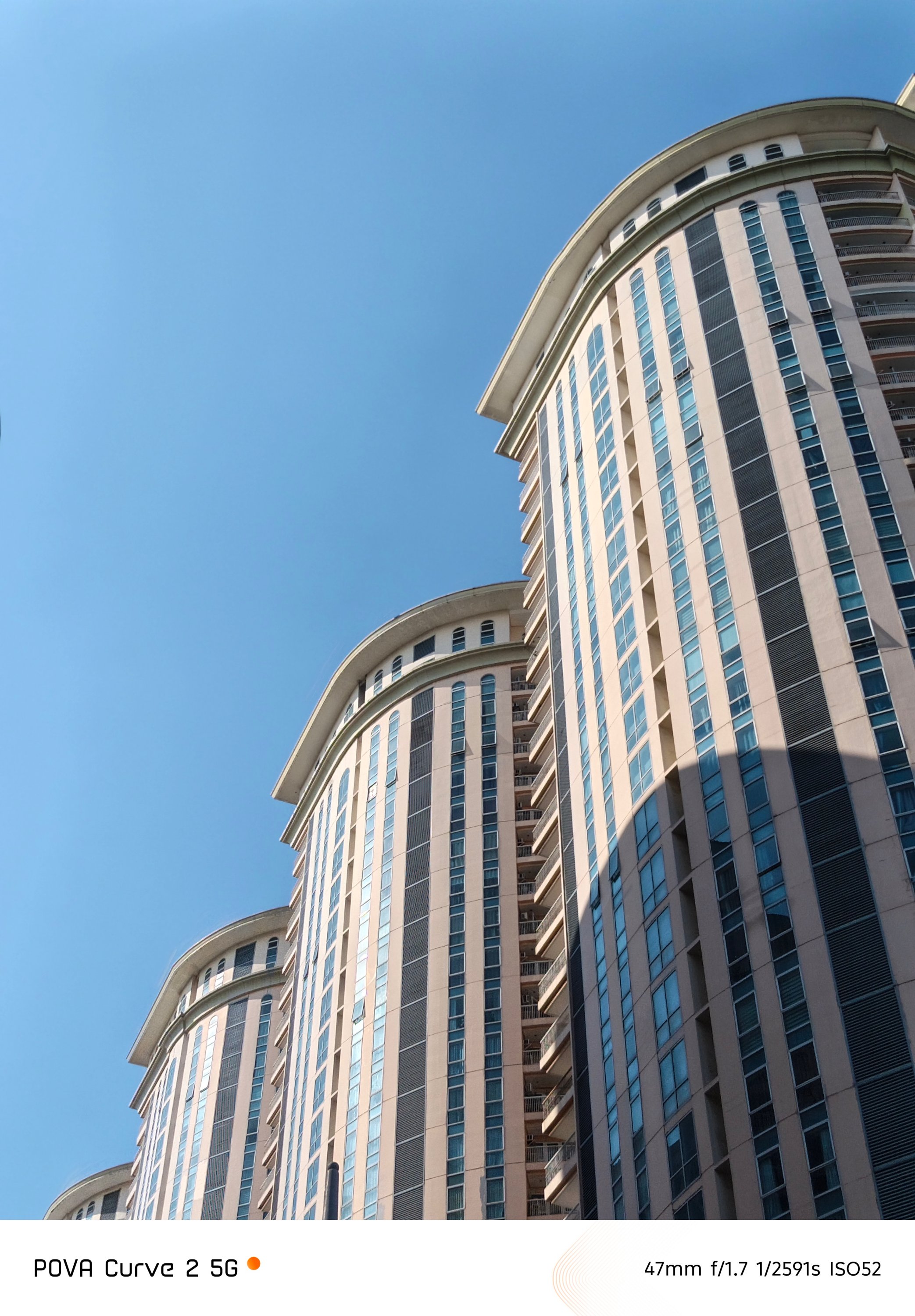
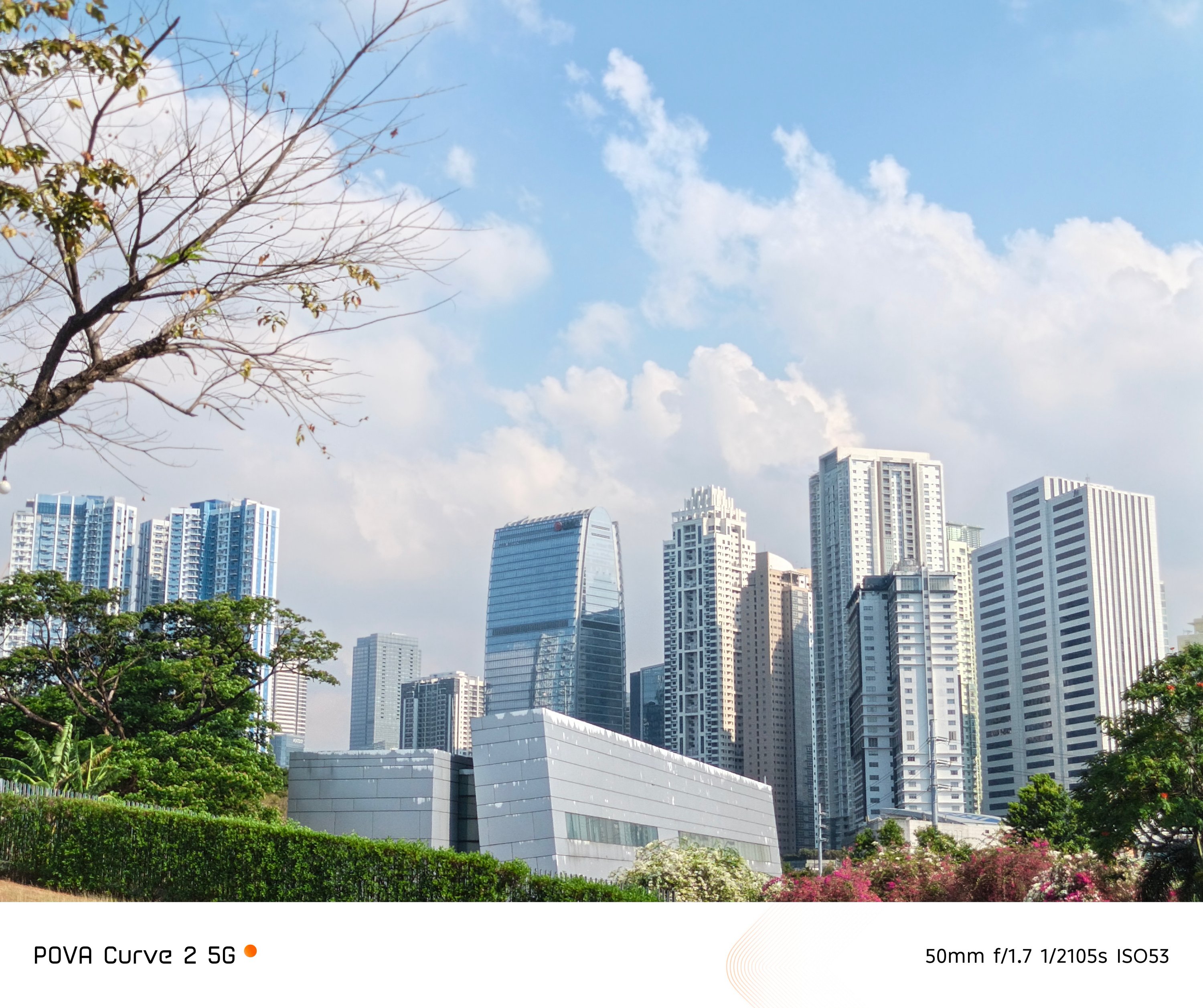

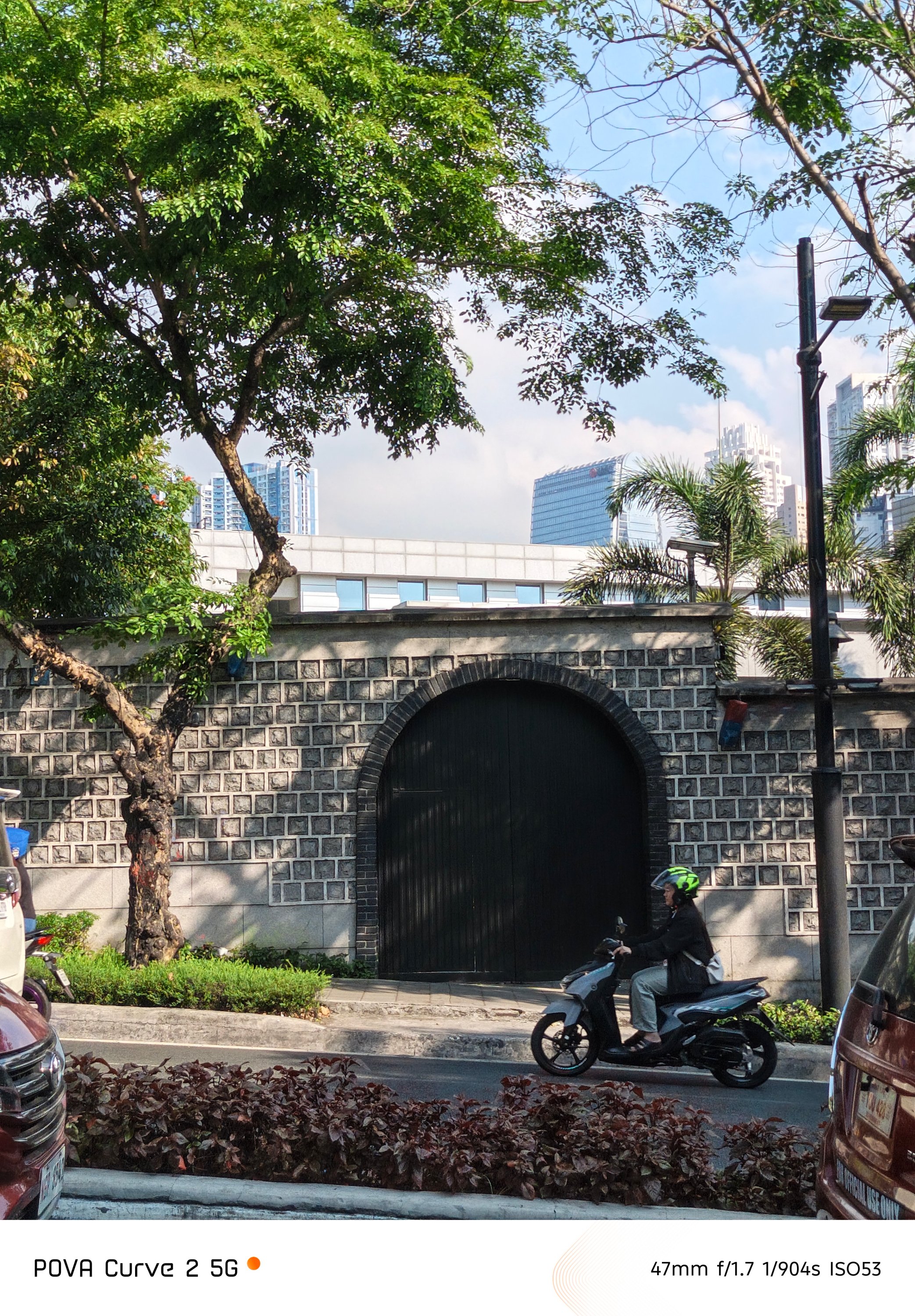

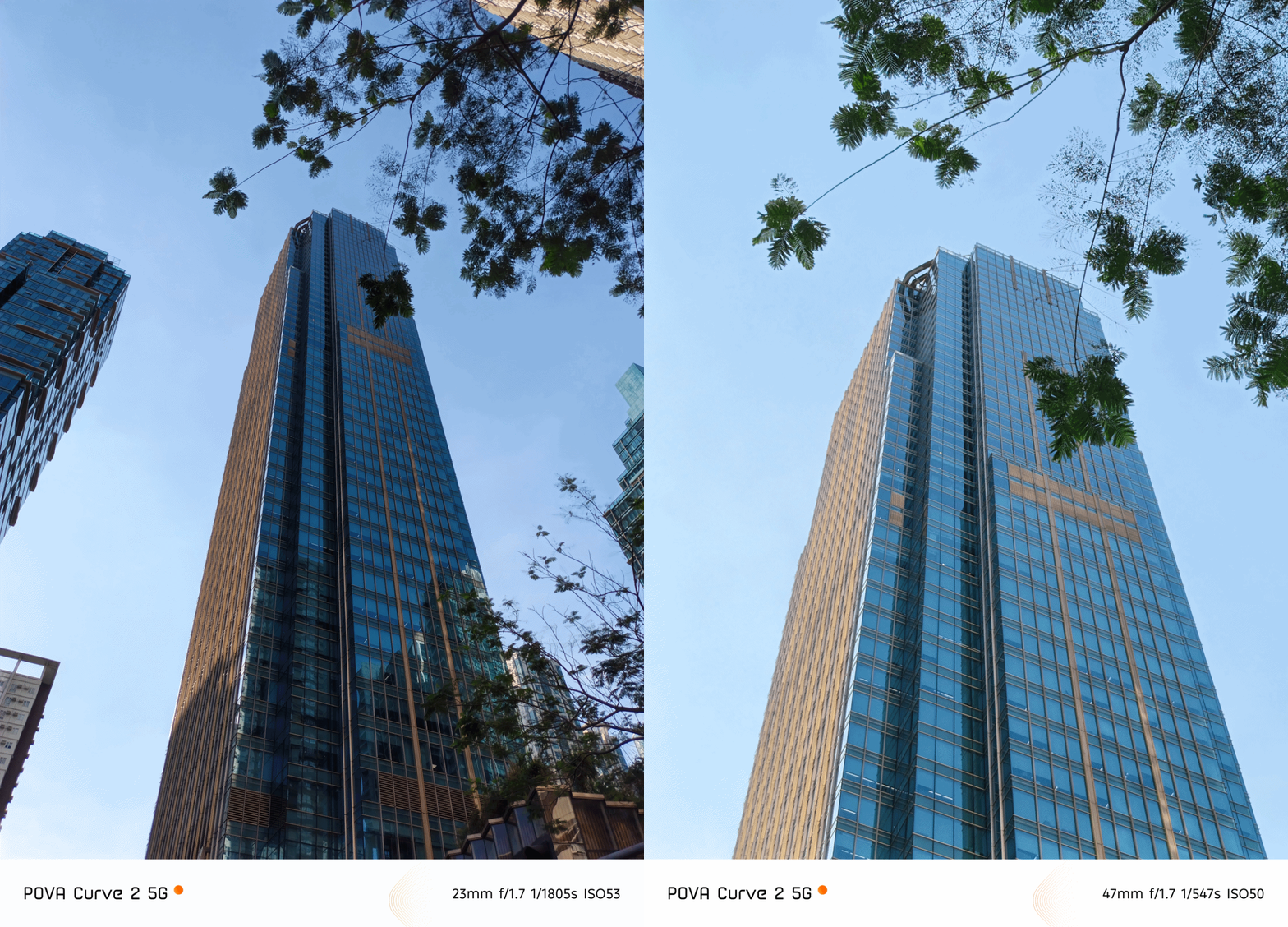
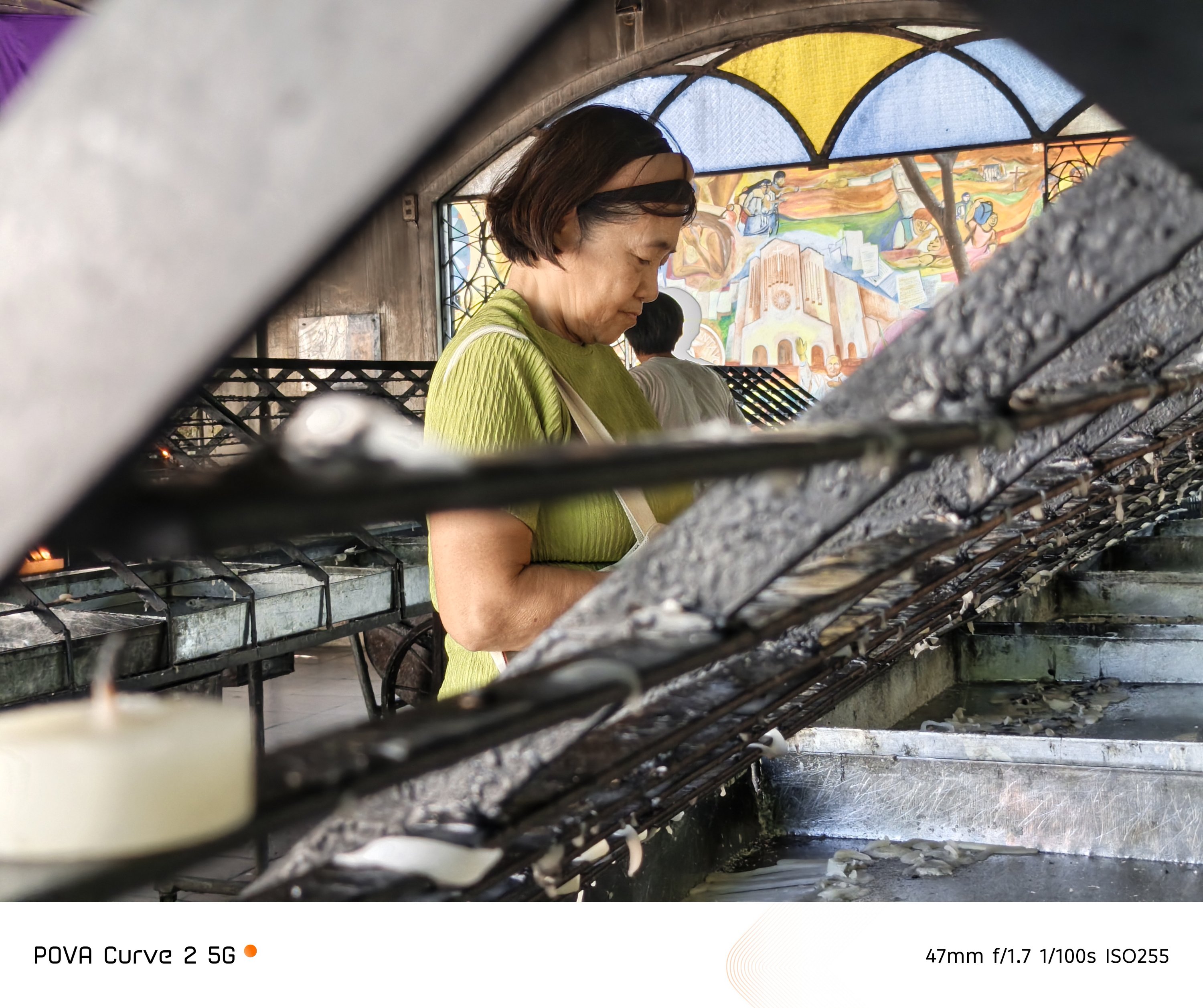
47mm is also the perfect focal length I consider for food shots.


The bokeh falloff looks right without looking too abrupt.



It can even capture way beyond its means through digital zoom (plus AI magic after the fact).




Albeit, the lack of an ultra-wide lens means you either have to back up to get your desired shot — or ditch it altogether.

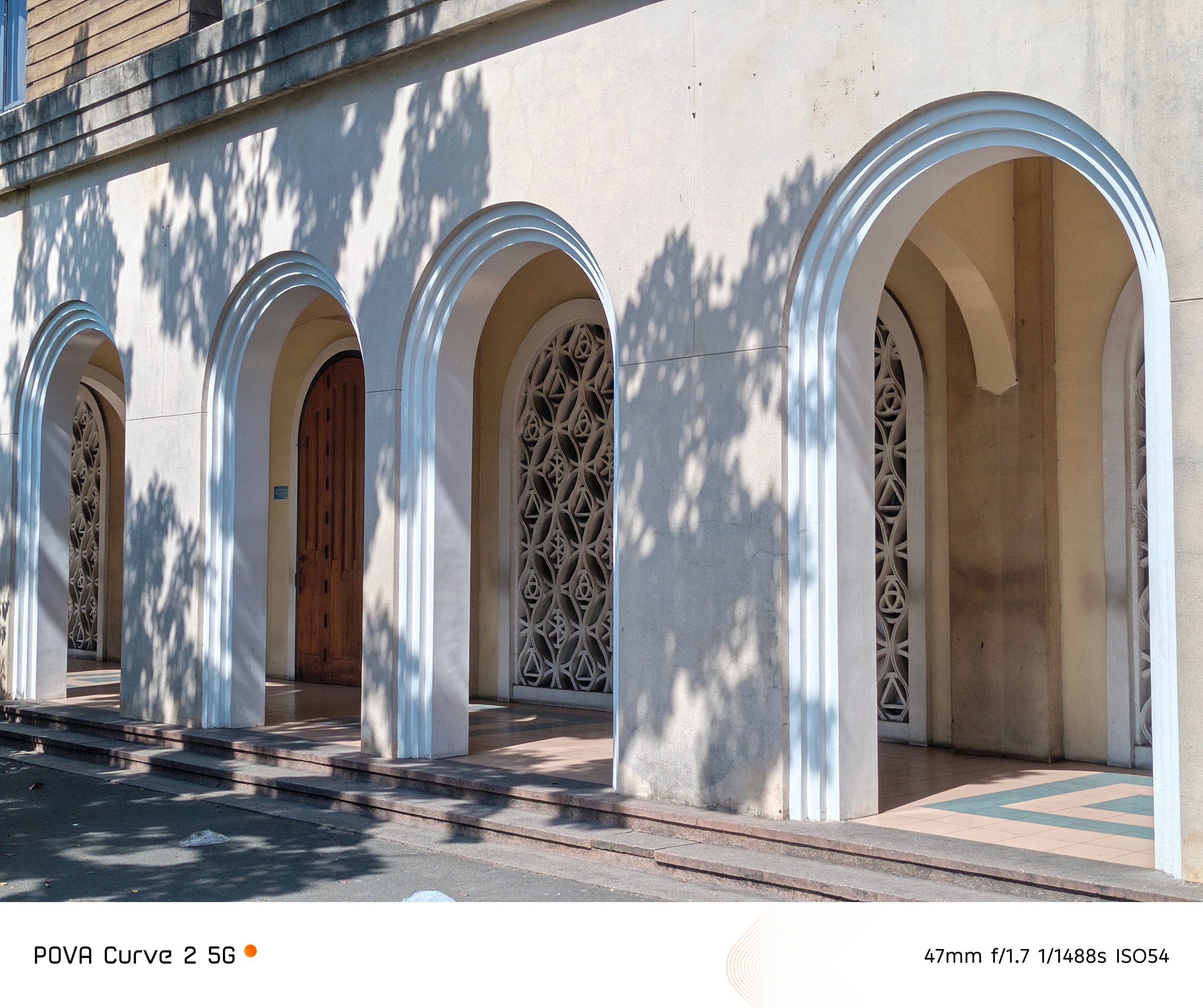
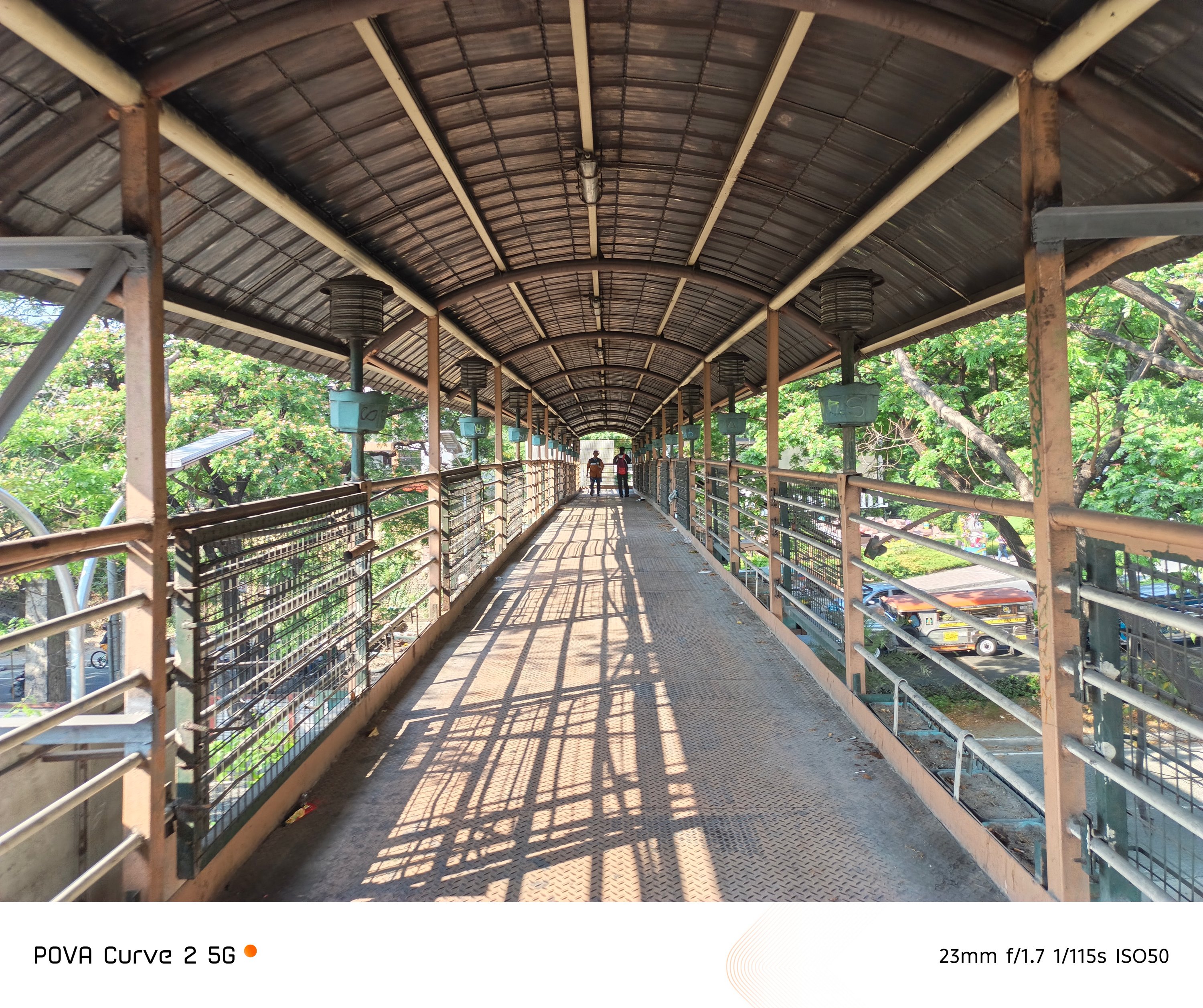
While the camera preview struggles when shooting indoors, the quality turned out to be decent after all.
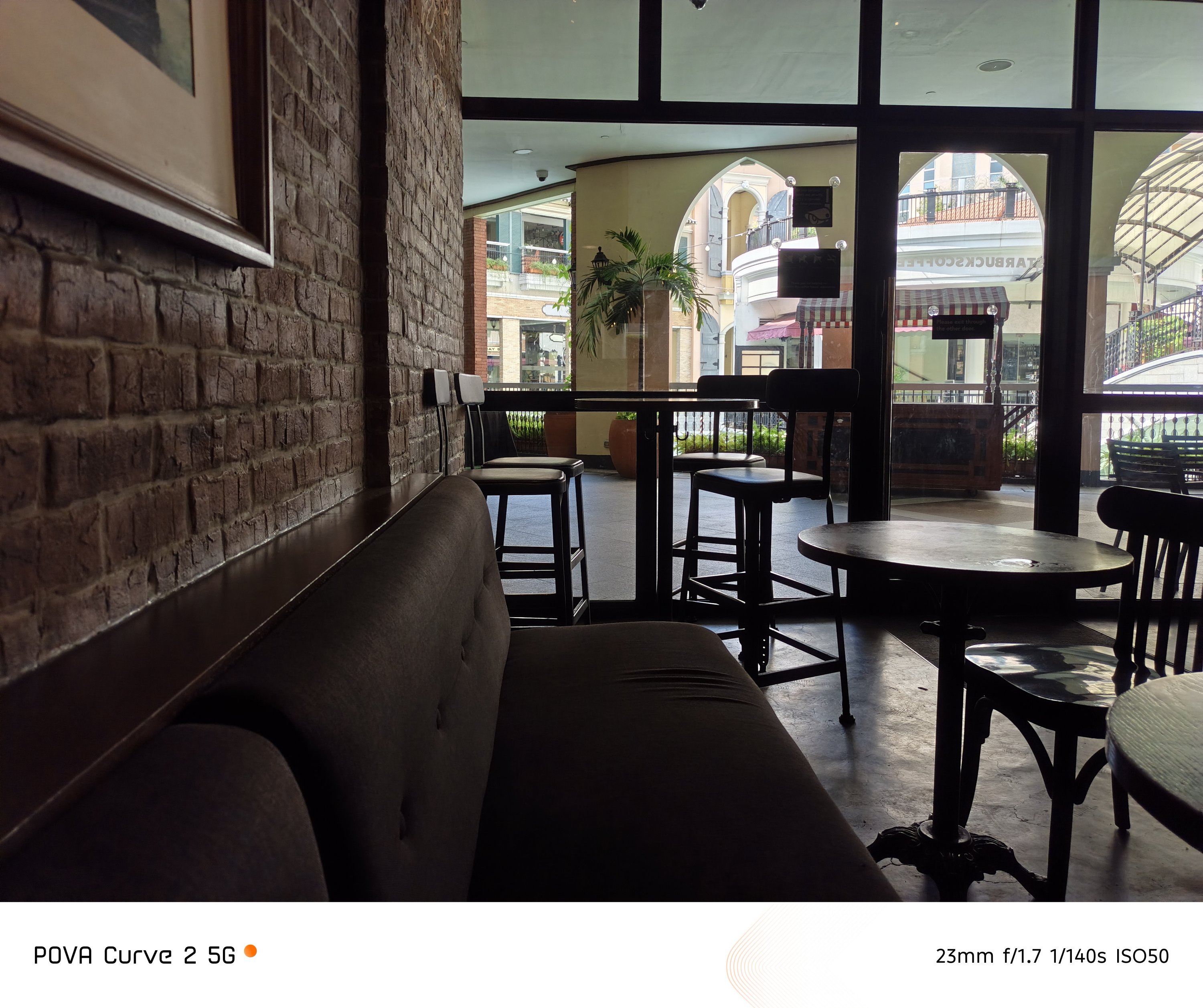



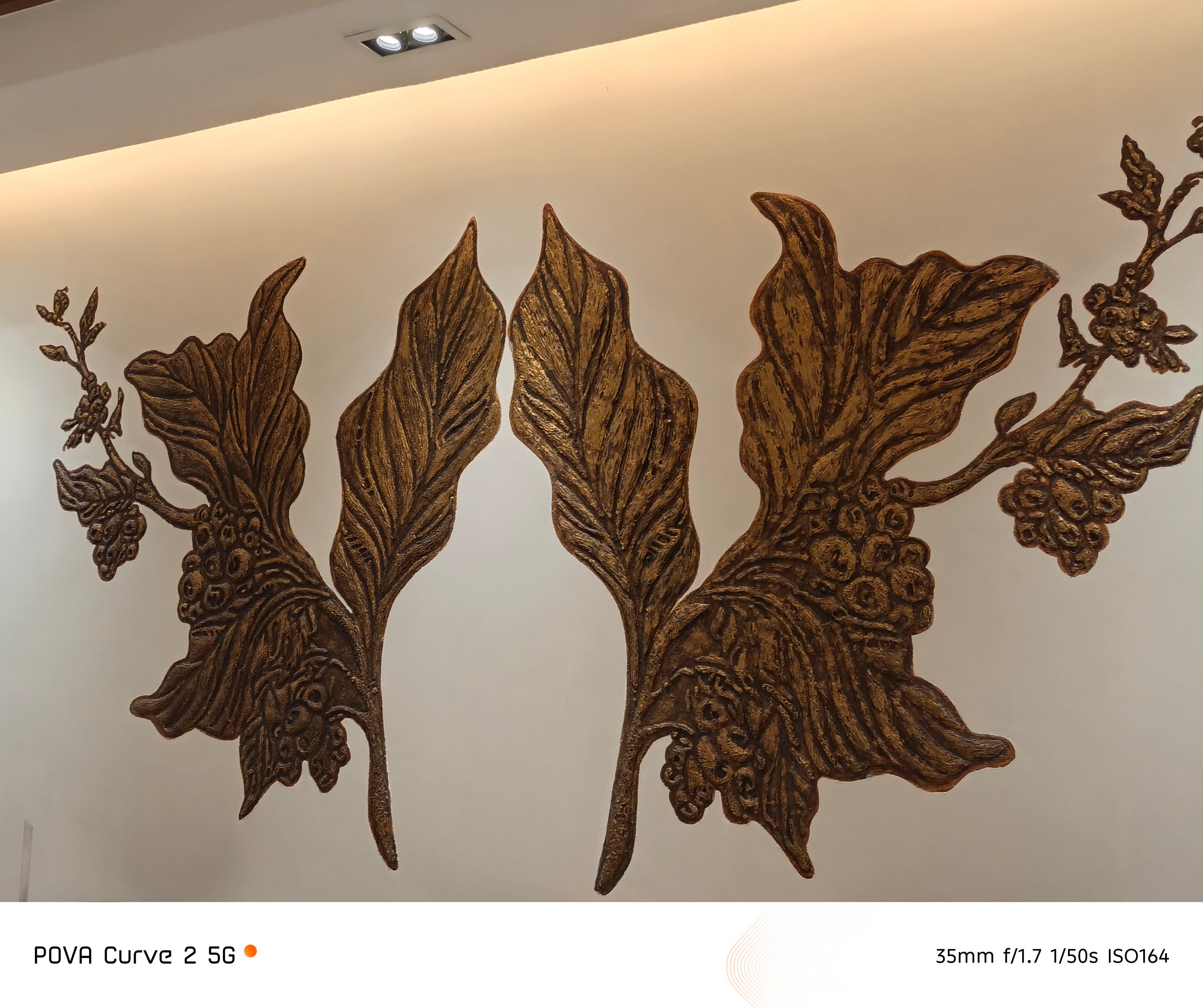
For low-light scenes, Super Night Mode helps take better snaps.
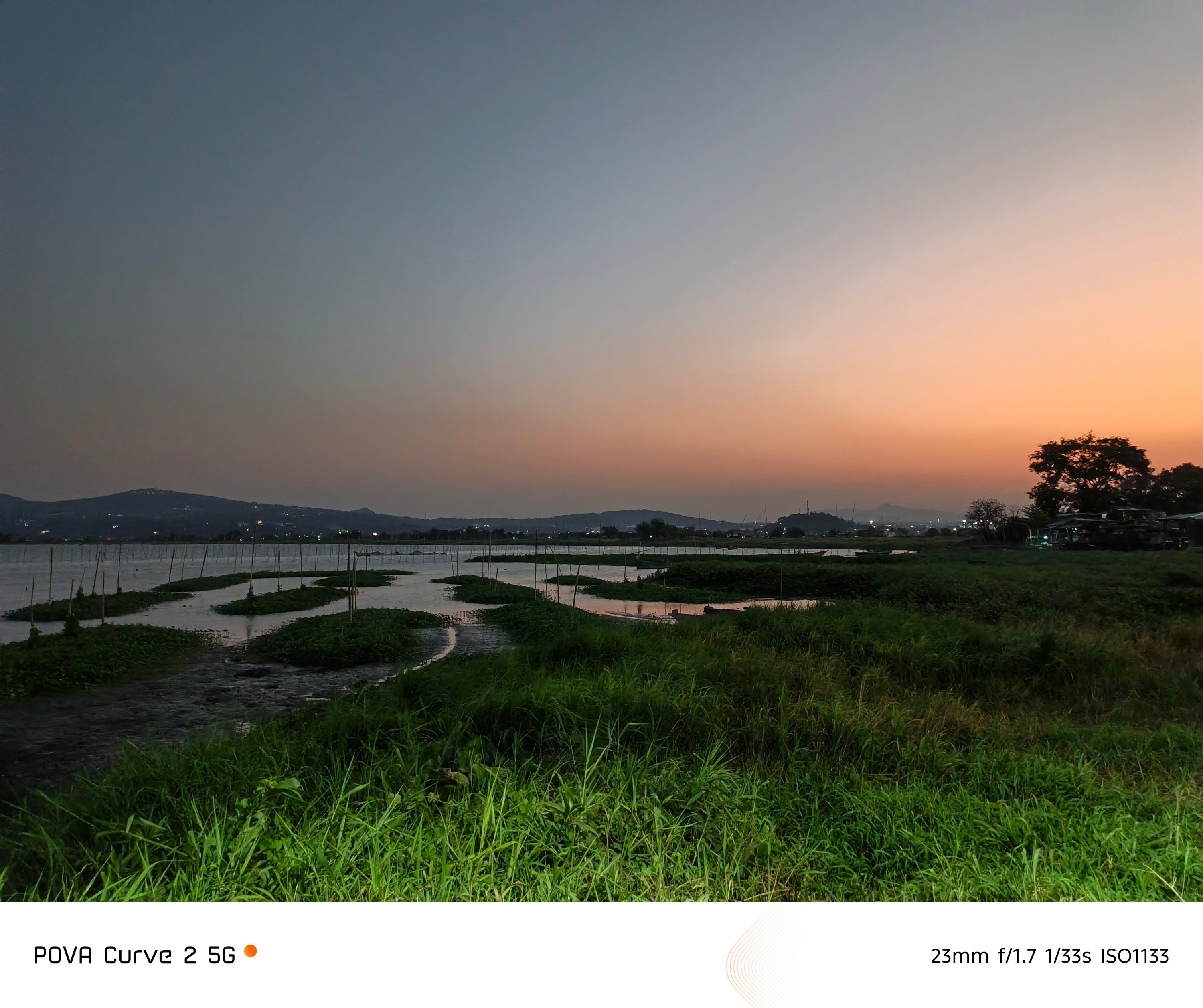
Just don’t expect an outstanding quality — especially in 2x with grain presence when you crop in.

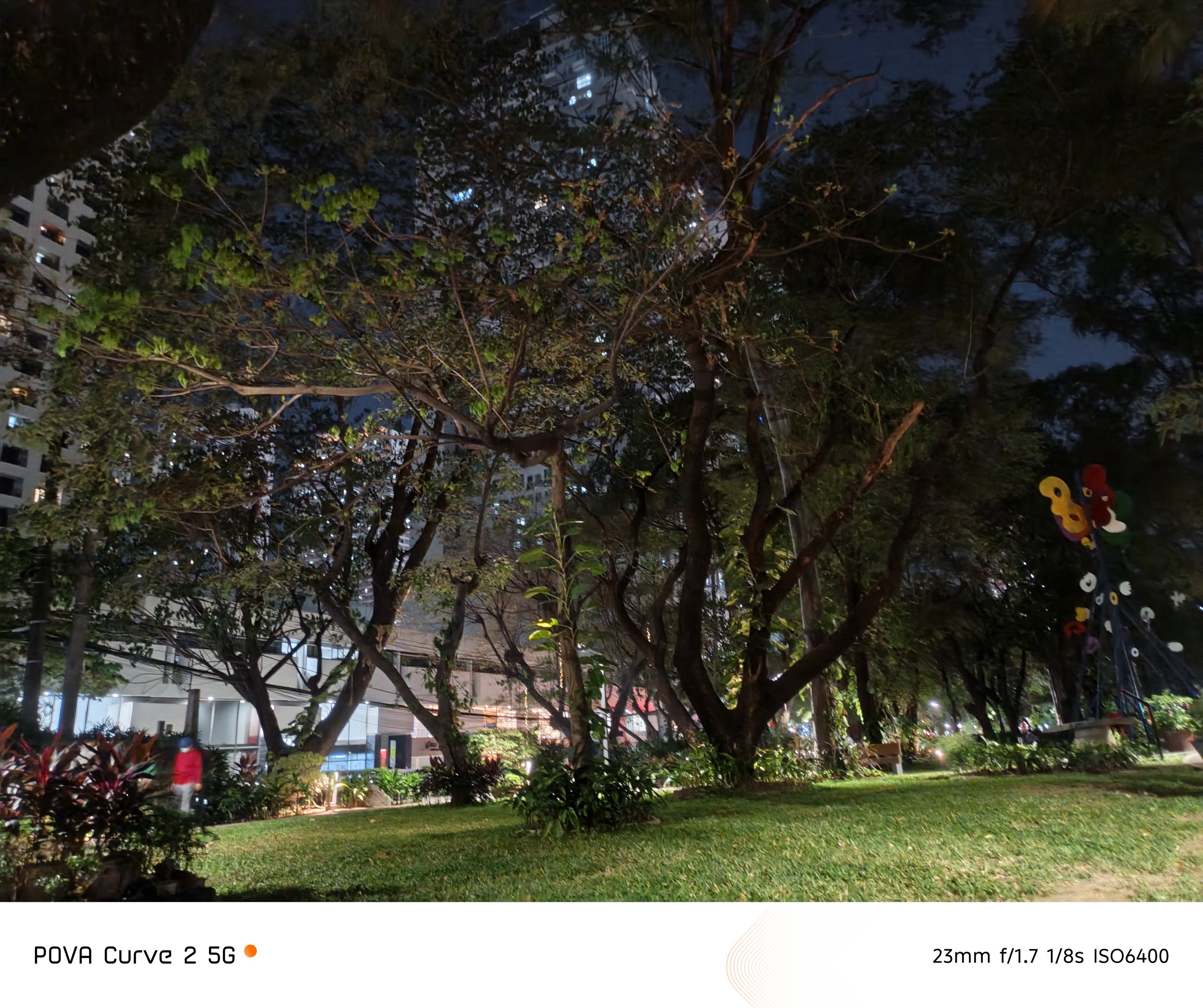
Before I forget, here’s a macro shot of a flower — just to prove that the extra 2MP macro camera has some purpose.

Is the TECNO POVA Curve 2 your GadgetMatch?
With prices of INR 27,999 and INR 29,999 for the 8+256GB and 12+256GB configurations respectively, the TECNO POVA Curve 2 is one among the ideal budget midrangers you can buy today.
In other regions, there’s even a 12+256GB model with pricing yet to be announced.
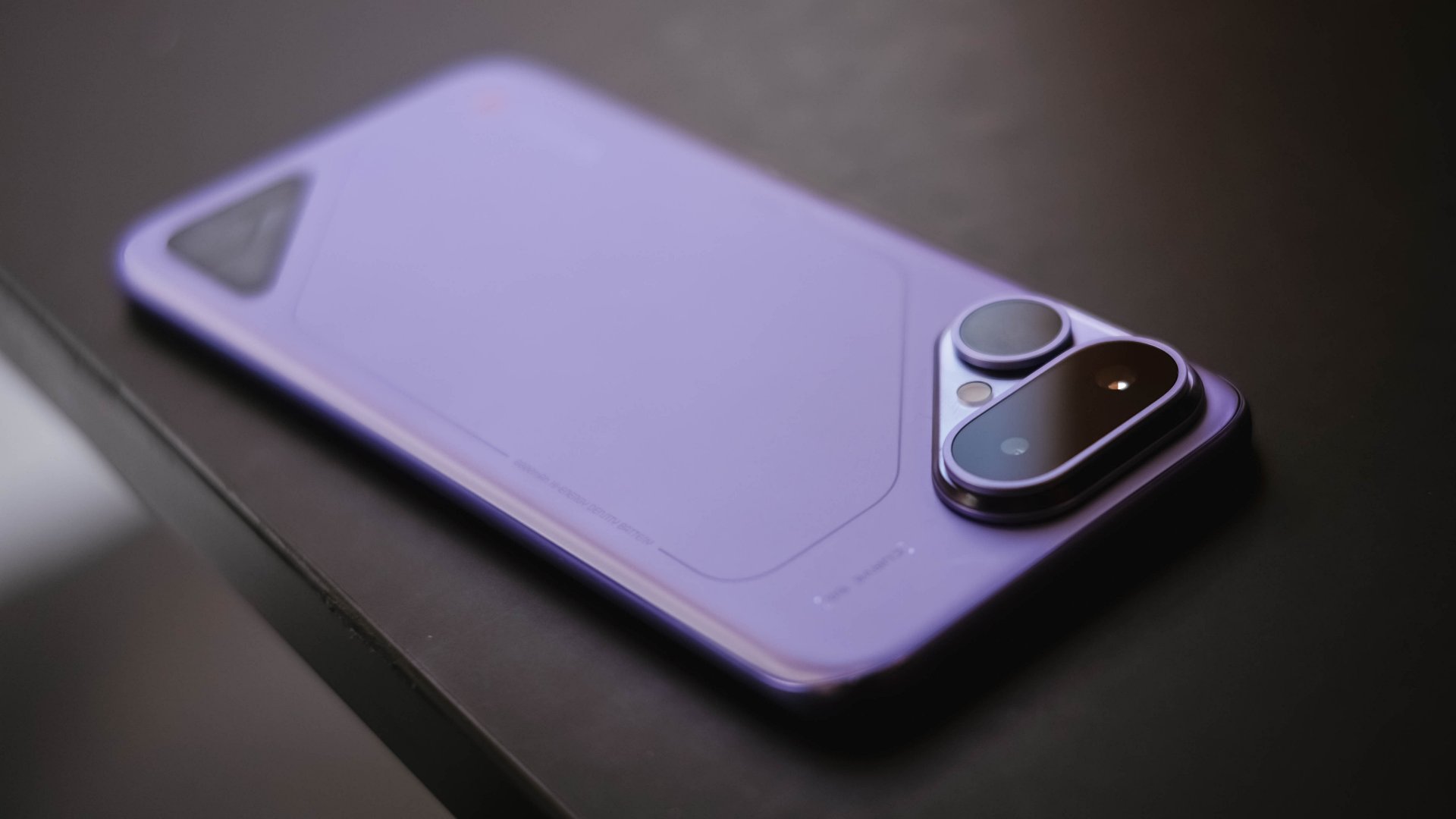
Swipe Left if you are the type of user who prioritizes gaming or camera needs.
But, for all things considered, the TECNO POVA Curve 2 is still a Swipe Right.
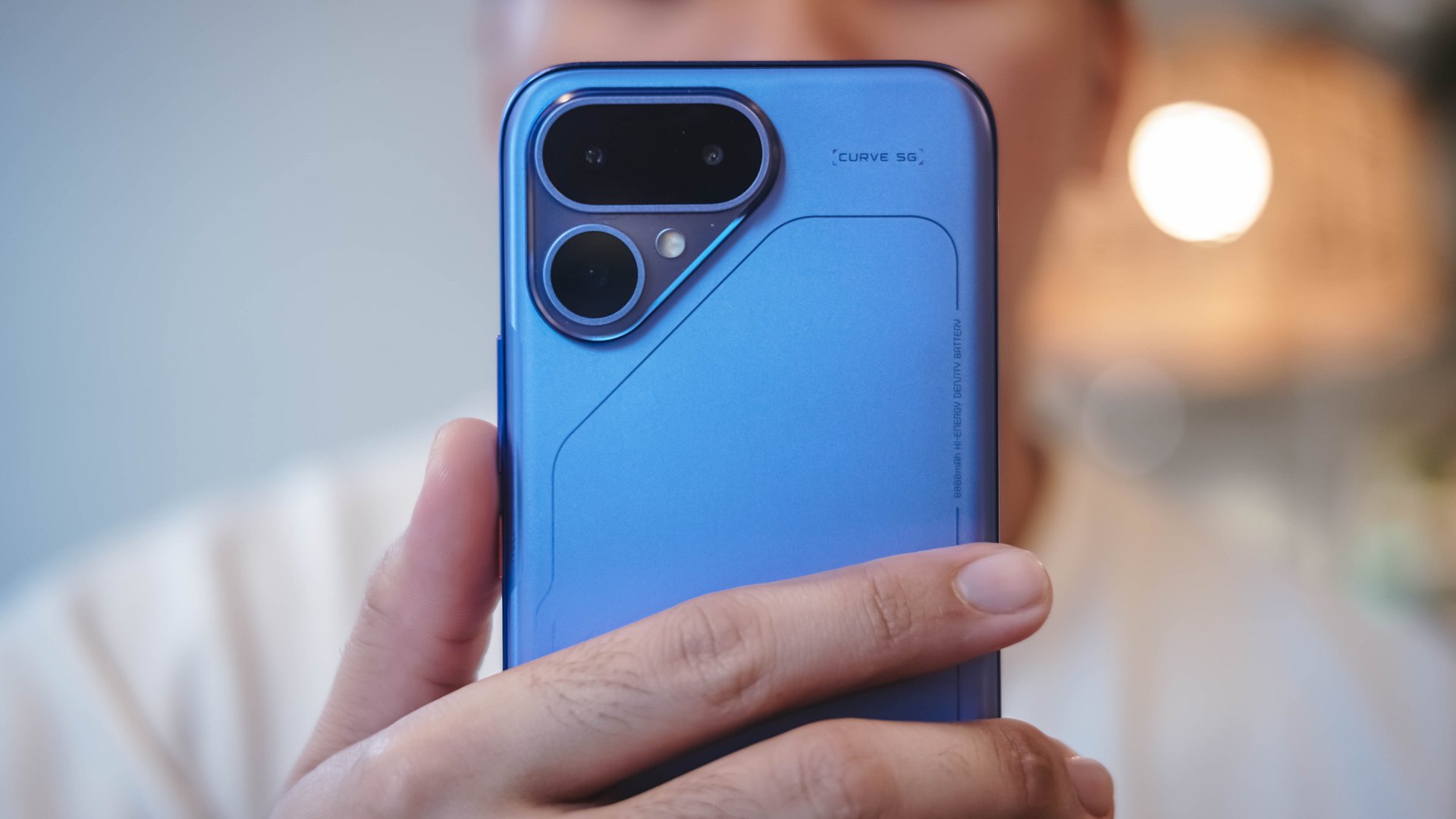
Its all-around versatility will still satisfy most users — especially those who want stylish aesthetics, bright and vivid display, plus performance decency at its core.
While other midrangers in the same range offer better specs such as a faster chipset or speedier wired charging, I can assure you that nothing beats its overall battery endurance.
The TECNO POVA Curve 2 is the truest definition of a battery champ.

More so, the aggressive network feats that cannot be achieved by other phones — regardless if they are in the same league or the class-leading flagships.
If only it had eSIM support and a larger 512GB storage, this would be an ideal smartphone to take with you as a frequent traveler. More so, a digital nomad.
Stopping at nothing
Let me get this straight. TECNO isn’t the first phone maker to bring in an 8000mAh smartphone to the table.
Still, the Chinese brand truly amazes me. In just a span of a year (or even less), TECNO has done drastic battery boosting among most (if not all) of their phones.
The first POVA Curve model from May 2025 already had an ample 5500mAh battery. In just nine months, they added 2500mAh more despite having almost the same thinness as its predecessor.
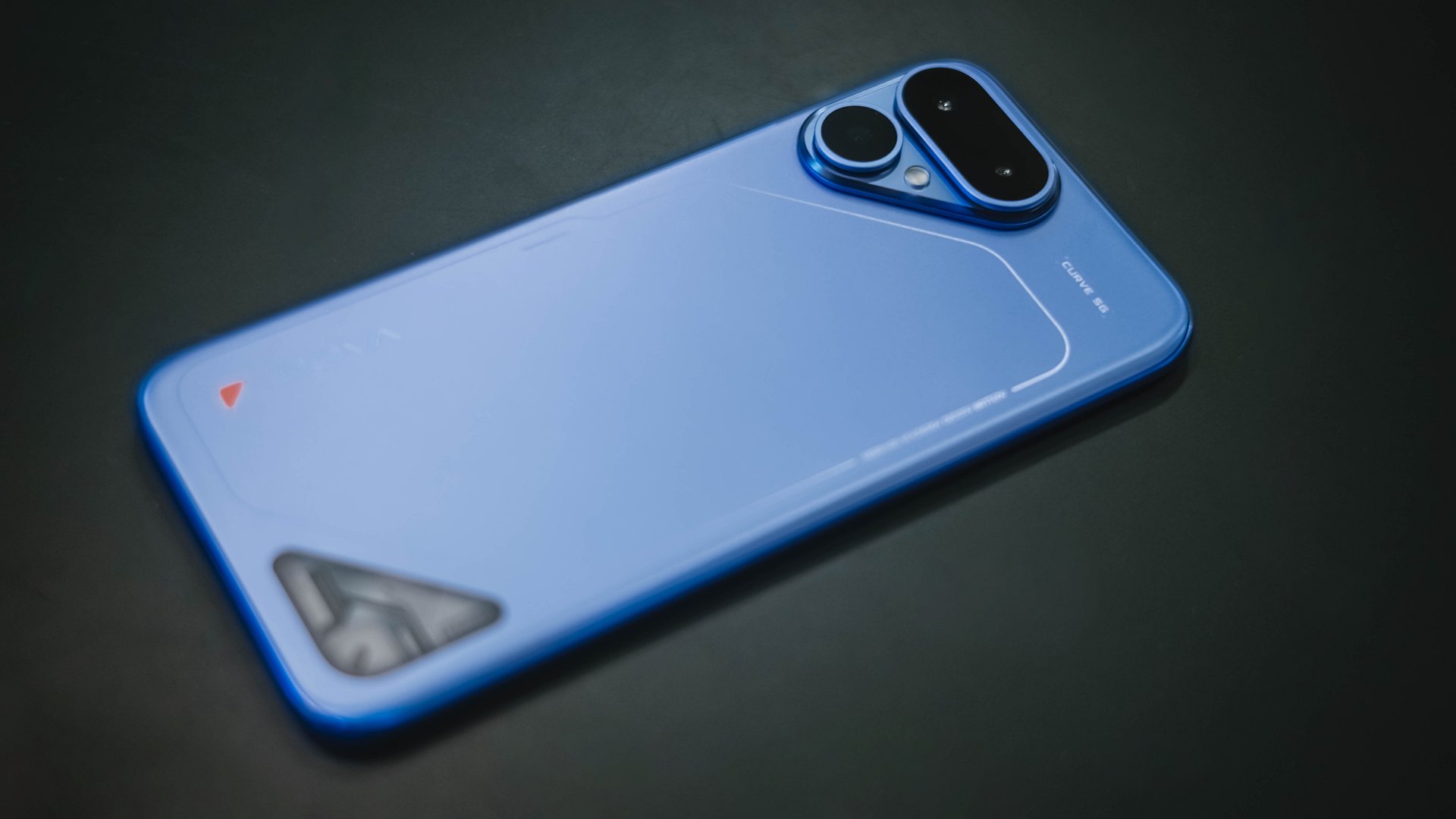
This justifies TECNO’s “Stop at Nothing” mantra — a true feat of engineering and a continuous strive for innovation, whereas brands like Samsung, a major tech component supplier, can’t even do the same, putting them to shame.

Samsung Galaxy S26 Ultra with 5000mAh battery
Their S Ultra models have been stuck in the same 5000mAh situation from 2020 up until this 2026 — that’s six years of consistency for the wrong reason.
It’s clearly a long overdue matter that was swept under the rug. But, maybe, they’re still trying to play it too safe. They want us to remember how the Galaxy Note7 fiasco shook the tech space a decade ago.
I just hope that we don’t have to deal with the same situation ever again — especially when everyone goes cray cray over this capacity craze.

It was a small bar gig. The kind where the music fills the room and the lights do just enough to set a mood without really helping you see.
We were standing just off to the left of the stage. Close. Not directly front row, but close enough that a few steps forward would’ve put us right in the band’s space. Close enough to get shots you normally wouldn’t.
That’s when I started using the vivo V70 the most. Because this is the exact scenario it’s built for.

On stage: Stonefree
vivo calls it a “concert buddy camera.” And while I didn’t take it to a full arena show, this felt like a fair test. Loud music. Unpredictable lighting. Moving subjects.
The kind of environment where most midrange phones start to fall apart. And for the most part, the V70 holds its ground.
Not perfectly. Not flawlessly. But close enough where it matters.
A lite version of something bigger
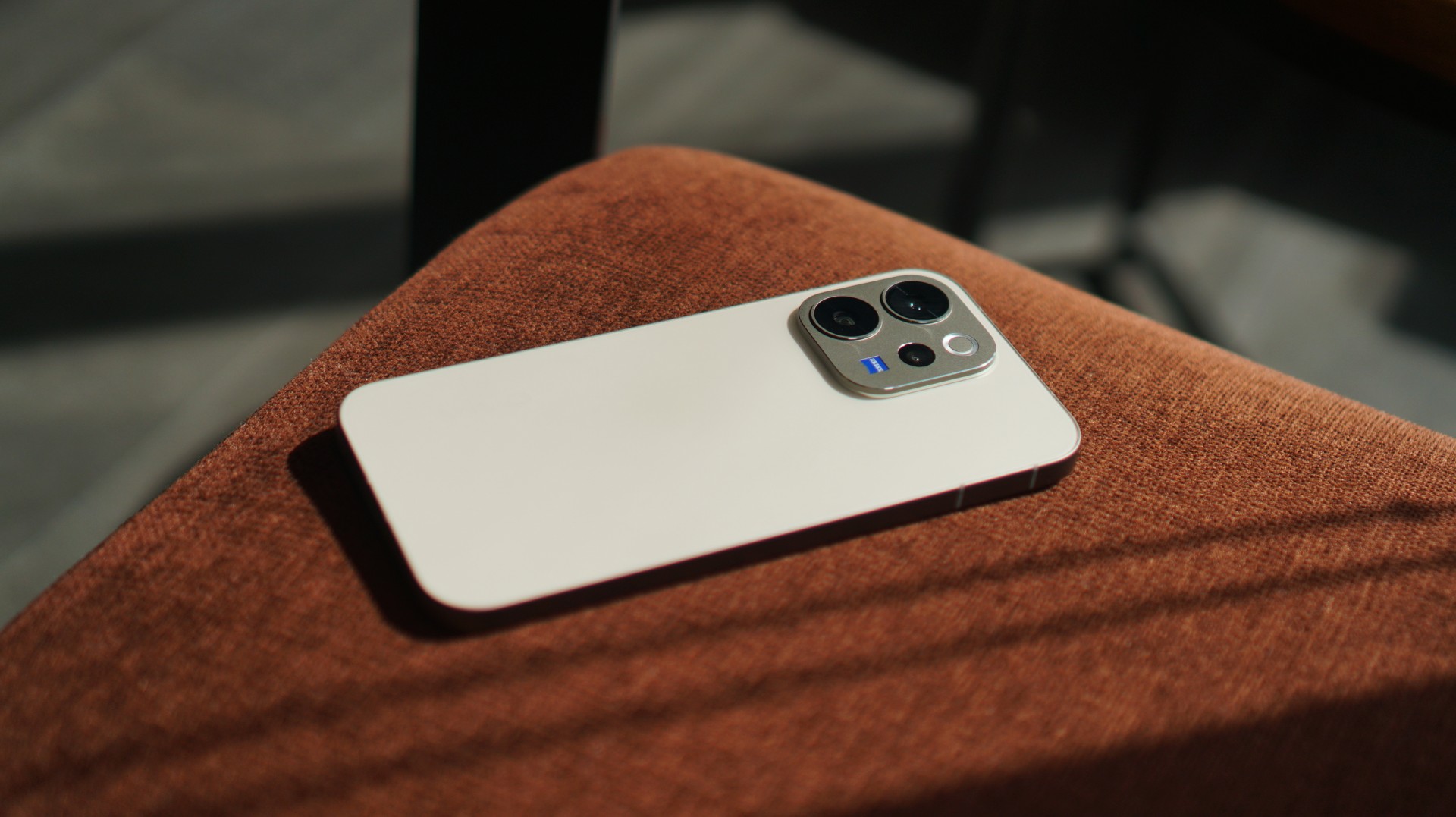
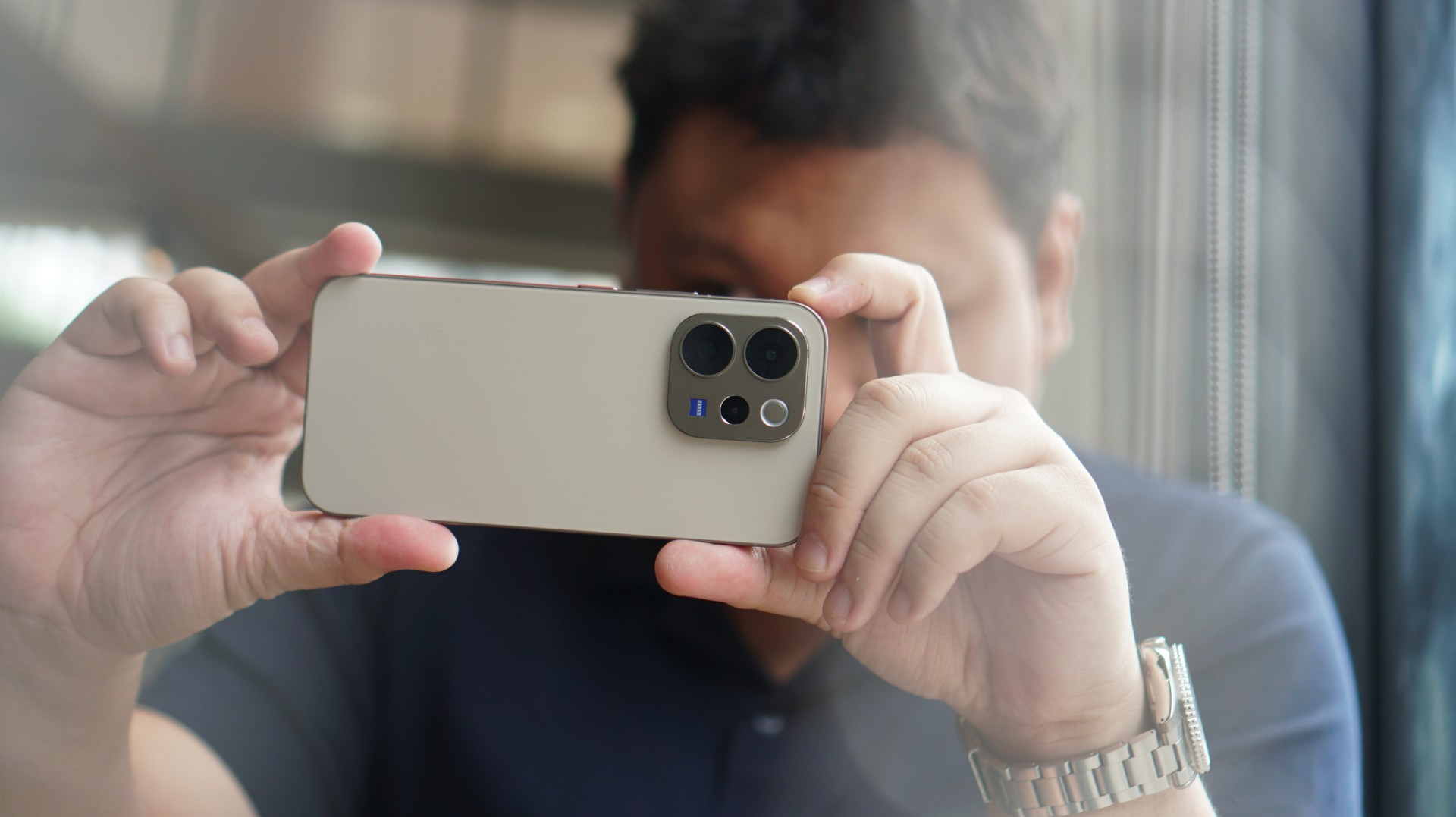
Before anything else, it’s important to frame what the vivo V70 actually is.
This isn’t trying to replace the likes of the vivo X300 Pro or vivo X300 Ultra. Those are still the phones you reach for if you’re serious about capturing concerts.
The V70 feels more like a lite version of that experience.
You get a taste of what vivo’s flagship imaging can do—especially with zoom and stage-focused shooting—but within the limits of a midrange device. Those limits show up exactly where you’d expect.
Shooting the stage
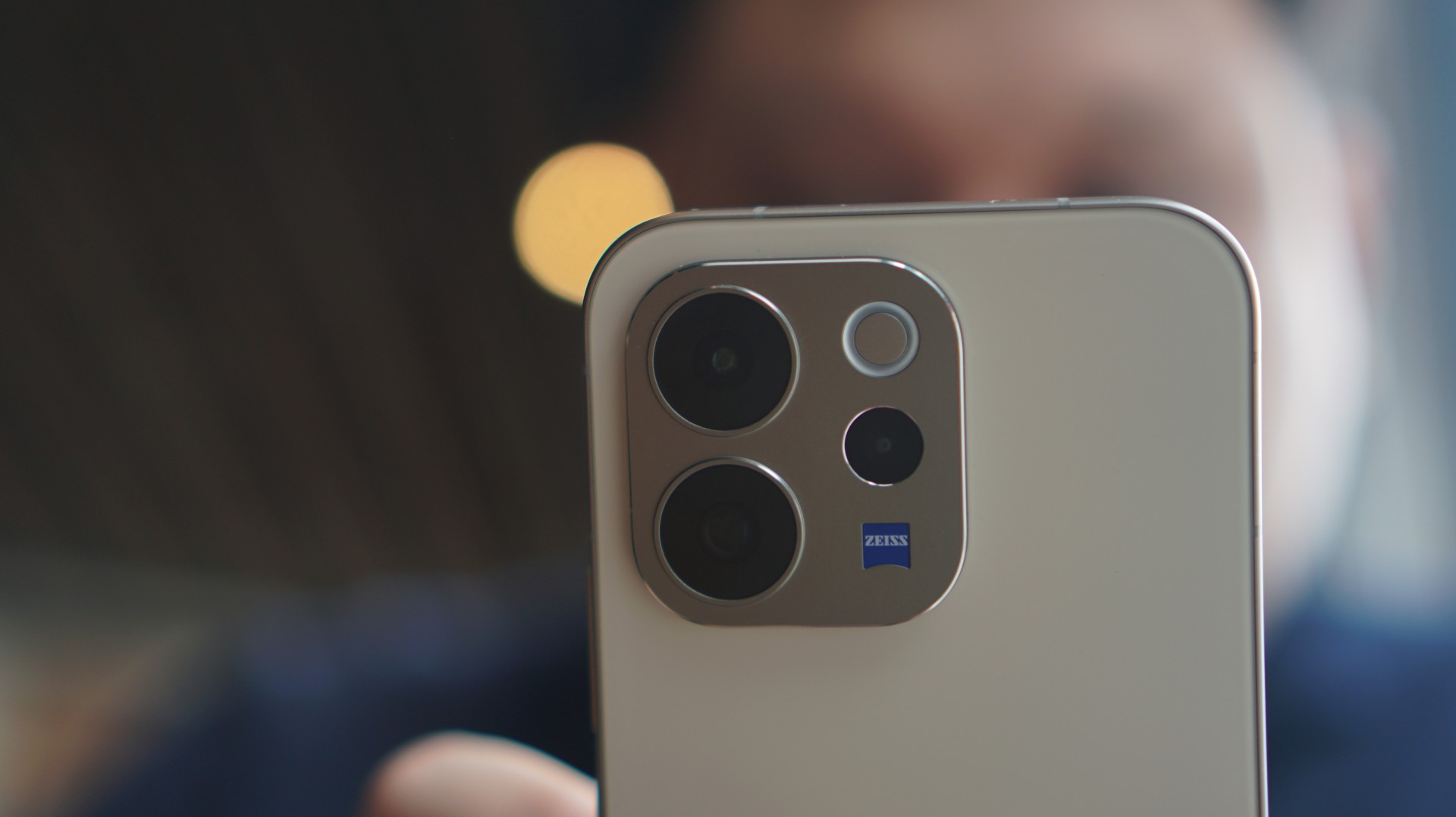
From where I was standing, I honestly didn’t need zoom.
At around 15 to 20 steps from the stage, the 1x camera already gave me solid framing. But what made the V70 interesting was how confidently it let me push in tighter.

I mostly stuck to the default Stage Mode focal lengths: 1x, 2x, 3x, and 10x.
Up to 10x, the results were surprisingly usable. This is where the phone really starts to feel like it’s doing something extra. You can isolate performers, get tighter compositions, and walk away with shots that feel more intentional.








Push it to 20x, though, and things start to fall apart. Details soften. Noise creeps in. It gets a little crusty—and that’s usually where I stop.
Stage Mode itself isn’t immediately obvious in how it works. It’s not like flipping a dramatic switch. But looking at the results, there’s clearly some tuning happening behind the scenes—especially in how it handles lighting and color under stage conditions.
It’s subtle. But it works. More importantly, it gives you that feeling that you’re closer than you actually are.
Handling light and motion

On stage: Letter Day Story
This is where most phones struggle.
Between shifting lights, fast movement, and a constantly changing scene, it’s easy to end up with blurry, unusable shots. But the V70 does a surprisingly good job here.
I was getting a lot of photos that were usable right away.
Not perfect. Not flagship-level. But consistently good enough that I didn’t feel like I had to fight the phone to get something decent.




There were still moments where I took multiple shots—but that’s more of a habit than a necessity. If anything, the V70 gave me confidence that at least one of those frames would turn out well.
Optical image stabilization does a lot of the heavy lifting here. As someone who isn’t the steadiest shooter, I leaned on it heavily—and it delivered.
Movement was handled well too. Not flawlessly, but better than most phones in this category. There’s no noticeable shutter lag, which helps a lot when you’re trying to catch moments as they happen.
Colors that match the night
The lighting that night leaned heavily into neon blues and violets. Very cyberpunk. The kind of lighting that can easily confuse a camera.
The V70 handled it well.
It preserved the mood without trying to “correct” it too much. Colors stayed true to what I was seeing, and skin tones didn’t go completely off under artificial lighting.
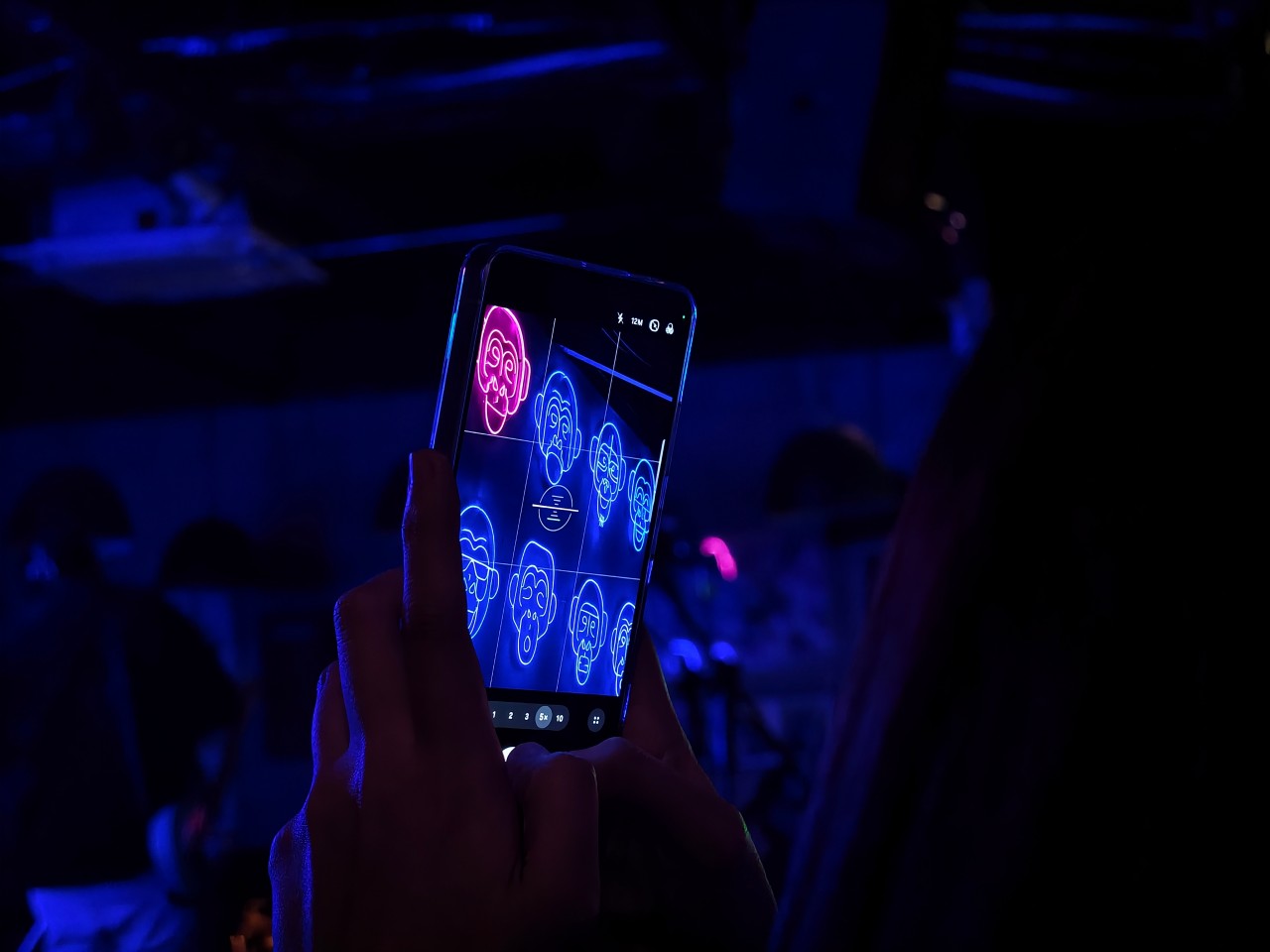



Highlights were controlled too. No aggressive blowouts. No overly processed look.
This is where vivo’s color science continues to stand out—it finds a balance between accuracy and aesthetic without overdoing either.
It looked like the night I experienced.
Video is good. Audio… could be better.
@rodneil vivo V70 sample photos and video. Feat. @stonefreeph and #letterdaystory #vivoV70 #vivo ♬ original sound – Rodneil
I spent most of the night shooting video.
Stability is solid. Even handheld, even with a bit of natural shake, the footage comes out clean enough to post without hesitation.
And that’s really the key metric here.
If you’re shooting for Instagram Stories or TikTok, the V70 gets the job done.
@rodneil “Sama-sama” by Letter Day Story 📹 vivo V70 #vivoV70 #vivo ♬ original sound – Rodneil
One thing to note: Stage Mode caps video at 4K 30fps. That’s a step down from flagship vivo devices that can shoot 4K 60fps in similar scenarios.
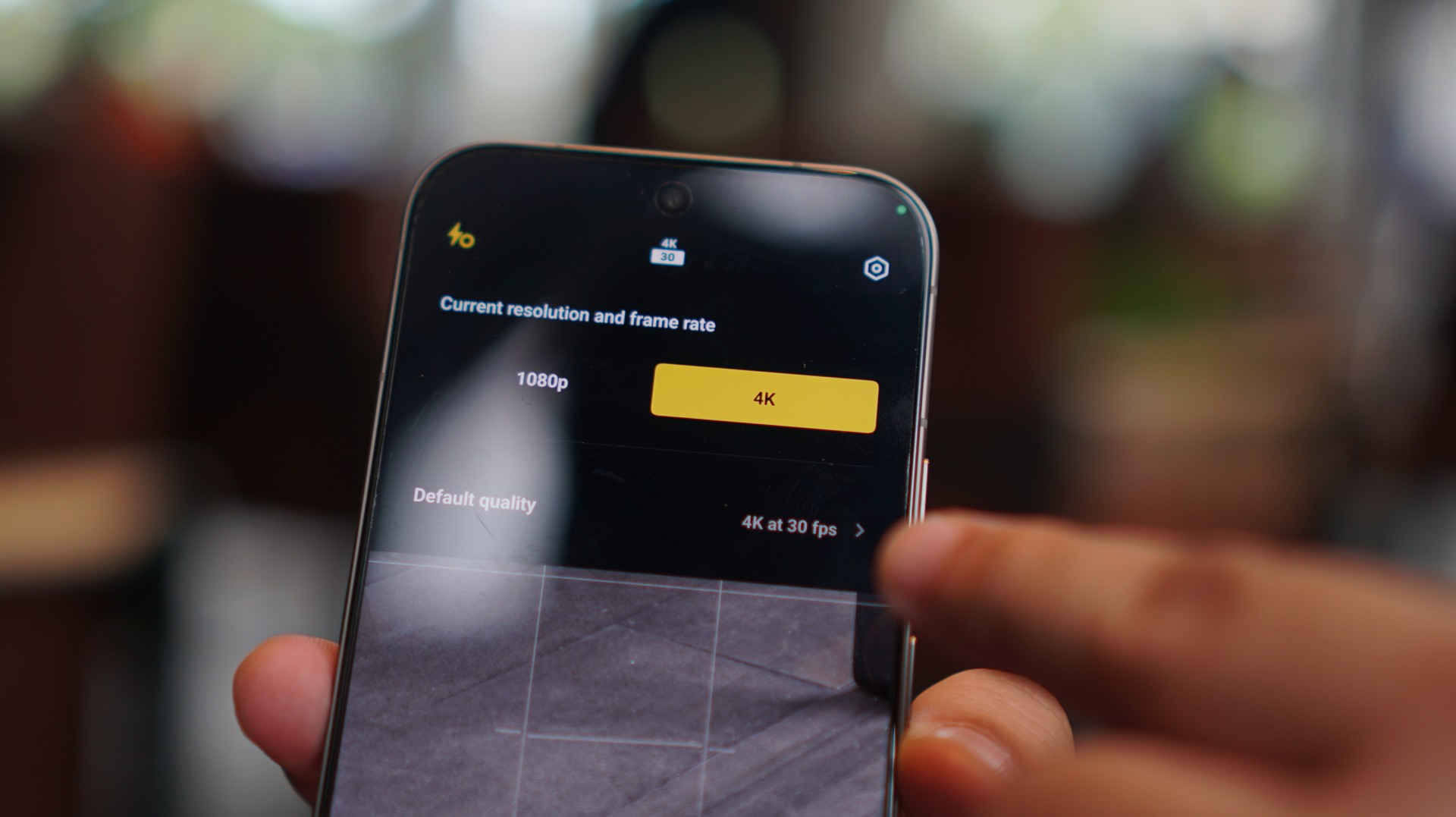
It’s not a dealbreaker—but it’s one of those reminders of where this phone sits.
Audio is where things get a bit tricky.
It’s not bad. You can hear the music clearly. It’s usable. But it has a slightly processed, contained quality to it—like listening through older budget headphones.
@rodneil “Tadhana” by UDD performed by @stonefreeph 📹 vivo V70 #vivoV70 #vivo ♬ original sound – Rodneil
There’s a good chance the AI Audio Noise Eraser is playing a role here. It helps clean things up, but it also takes away some of the rawness of a live performance.
So while the visuals feel immersive, the audio doesn’t quite match that same level.
A distance camera, not an everything camera
The telephoto lens is one of the V70’s biggest strengths. But it also comes with a limitation that’s hard to ignore.
When shooting the stage, it works great. That’s where it shines. That’s what it’s built for.
But try using it for closer subjects—like food or table shots—and things start to break down. Focusing becomes less reliable. Results feel less consistent.




It’s not a dealbreaker. But it reinforces a key idea: This is a distance camera.
It’s designed to bring faraway moments closer—not to replace your main camera for everything.
Portraits and people
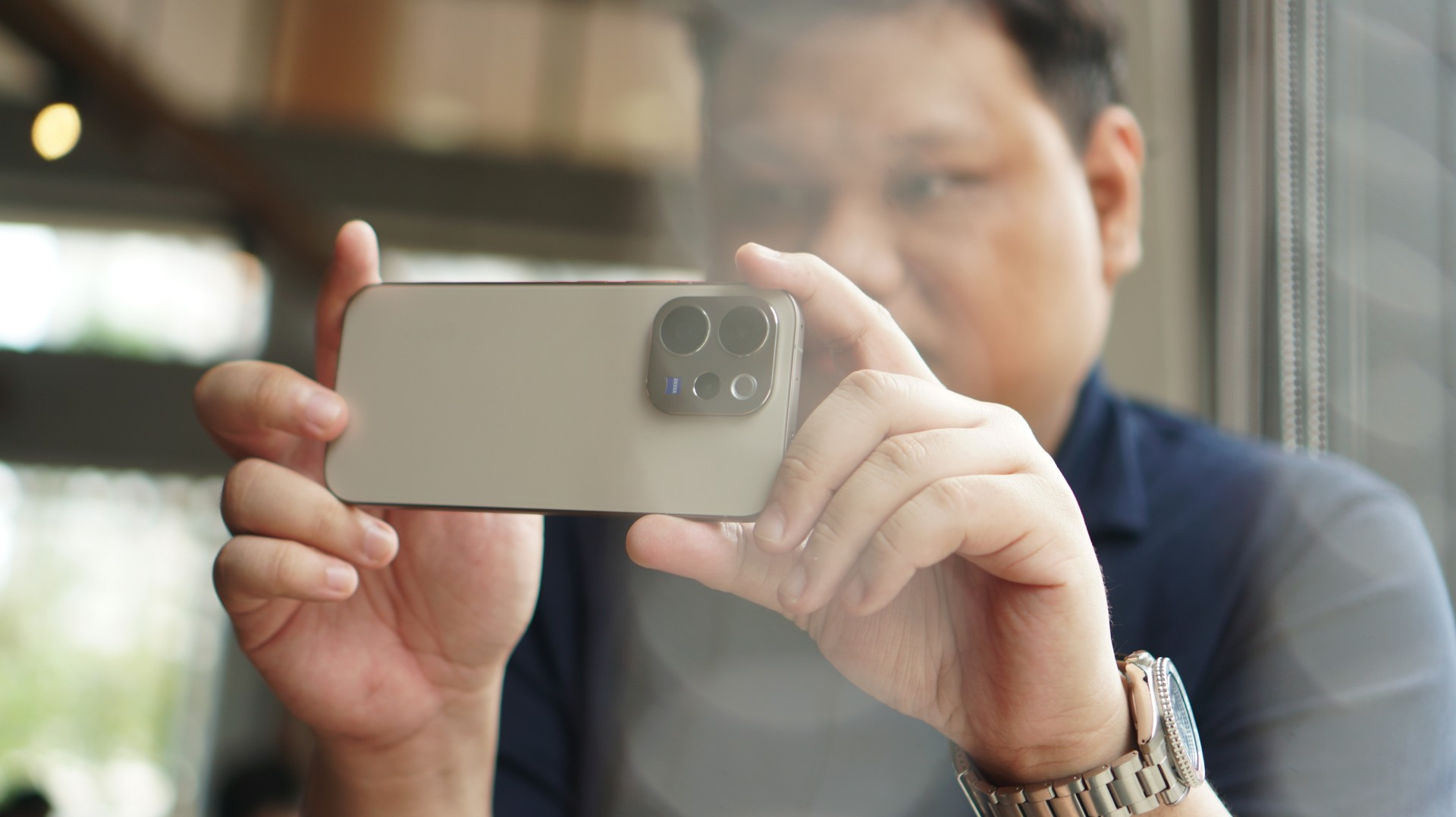
Away from the stage, the V70 still delivers solid portrait shots.
I took a few quick photos of a friend during dinner, and focal lengths like 35mm and 50mm felt the most natural. There’s a nice balance between subject and background, and the results lean more toward night out vibes than overly processed smartphone shots.


The absence of Aura Light is noticeable—but not necessarily a dealbreaker.
It would’ve been a nice touch, especially given how popular flash-style portrait photography has become. But if you’re used to phones without it, you won’t feel like you’re missing something essential.
Daily use

Outside of the camera, the V70 behaves exactly how you’d expect a modern midrange phone to.
Performance is smooth. Not blazing fast, but consistent enough for everyday use.
The display looks really good—made even better with tripleS’ Sohyun on screen. It’s sharp, bright, and easy on the eyes, especially when reviewing photos and videos.
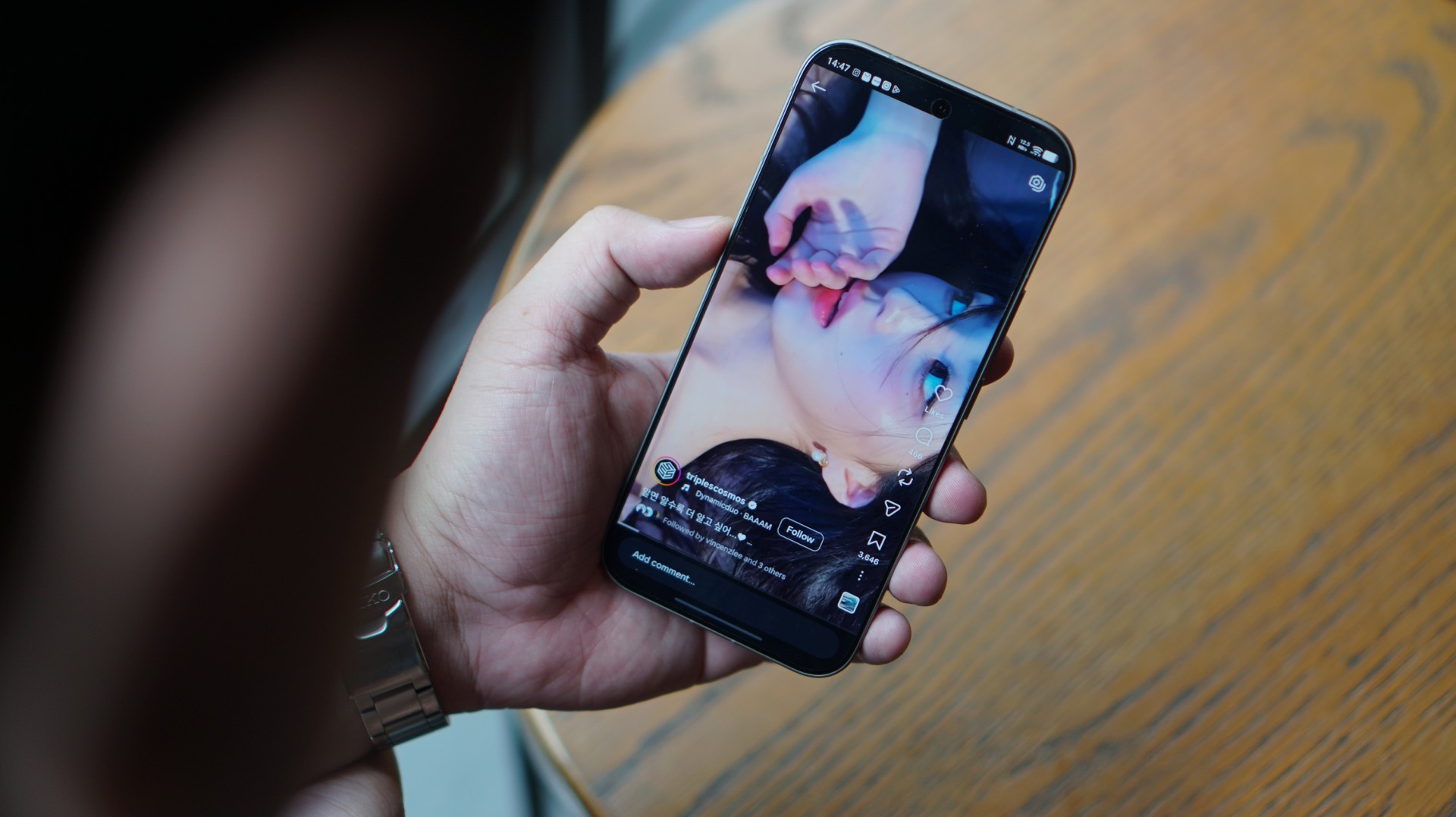
Editing on-device was surprisingly good too. There were a couple of hiccups with apps needing a restart, but overall it was smooth sailing.
Battery life holds up through a night out, but just barely. After a session of heavy shooting, I ended the night at around 20 percent. You’ll want to charge once you get home.

Charging itself isn’t something you think about much. Plug it in, and it’s handled.
In hand, the phone strikes a nice balance. Not too big, not too small. Easy to grip, easy to use one-handed.
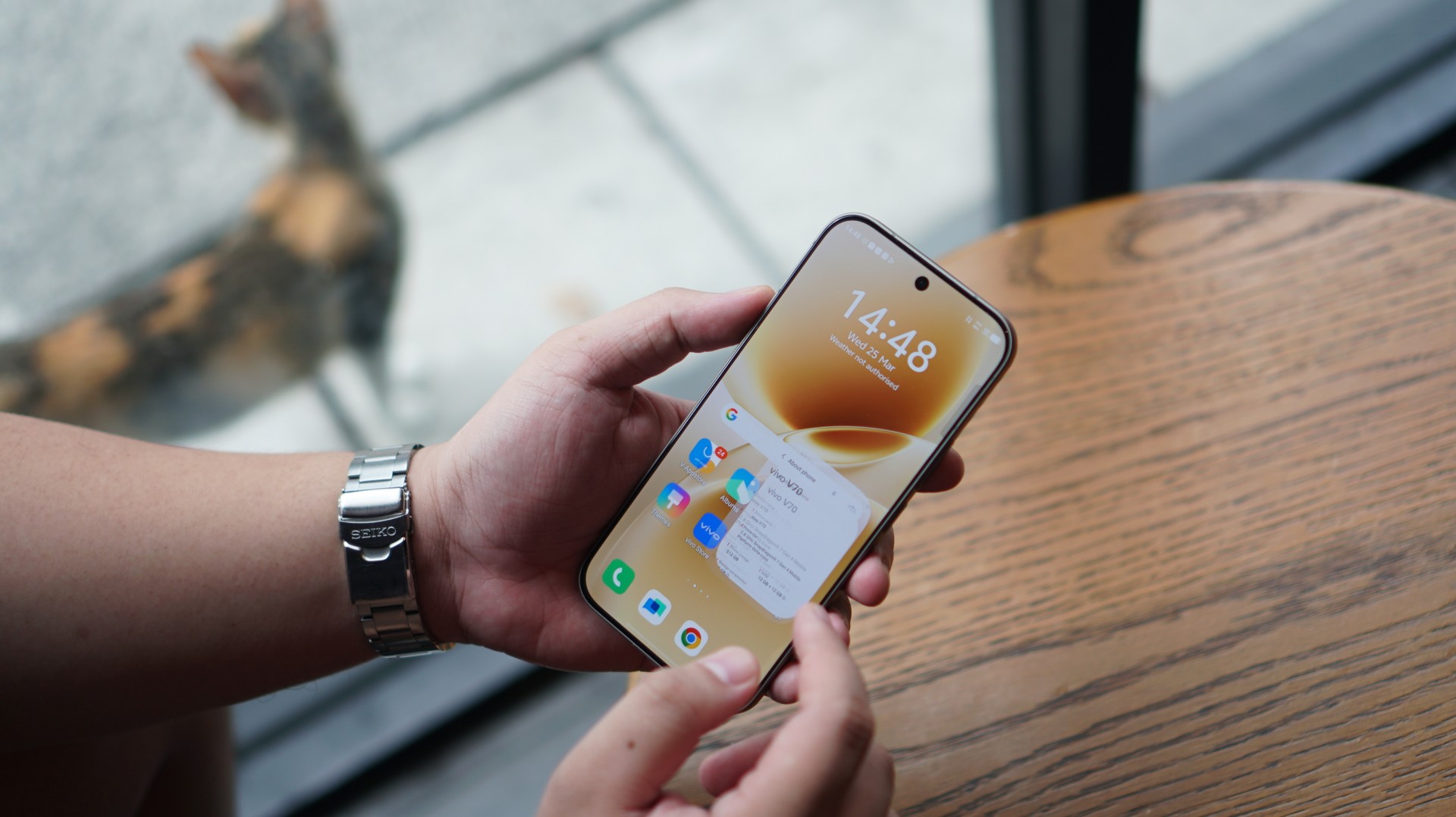
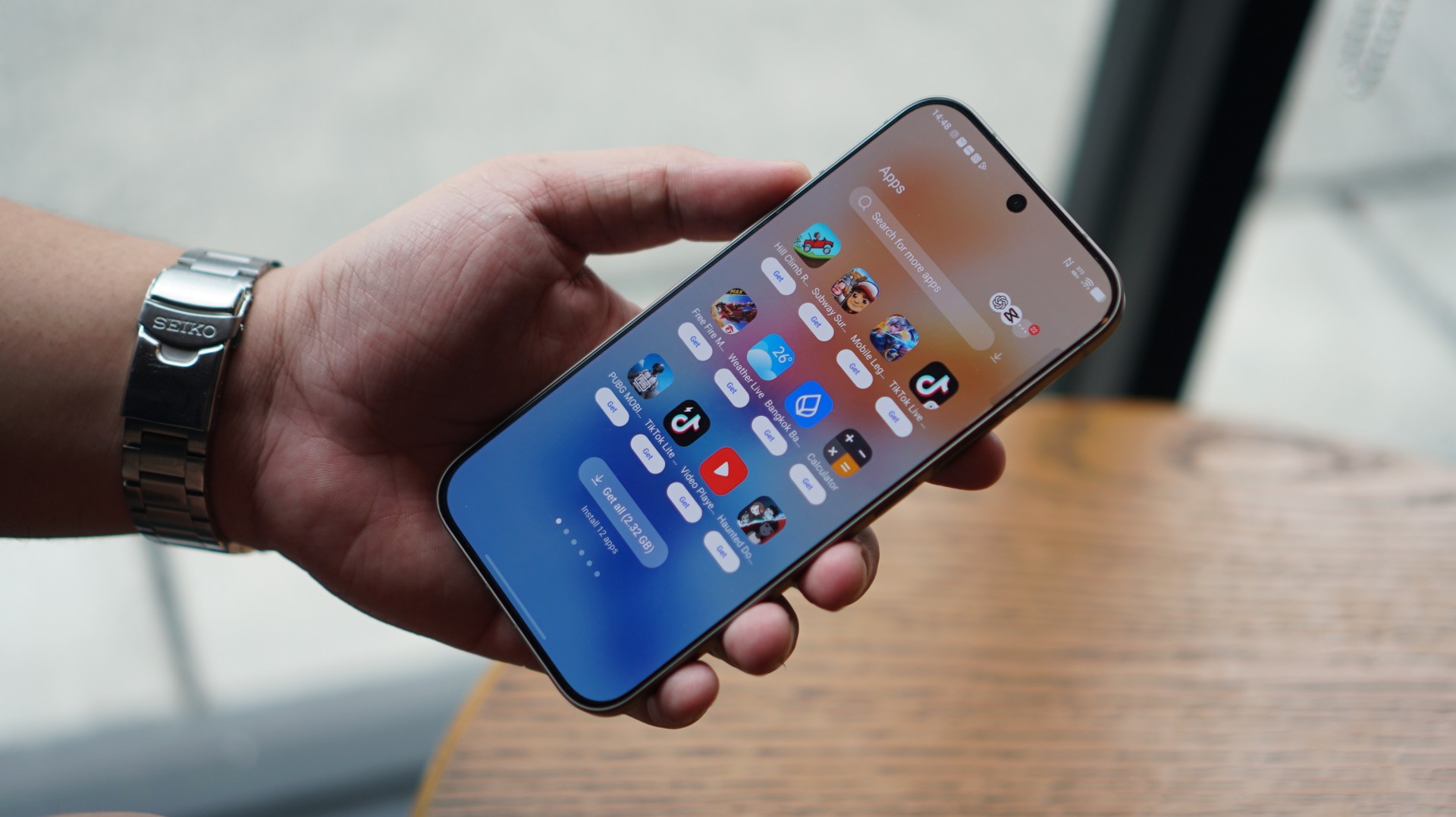
There are still some usual annoyances out of the box—suggested apps, extra notifications pushing new installs—but these can all be turned off. You just wish they weren’t there to begin with.
Is the vivo V70 your GadgetMatch?
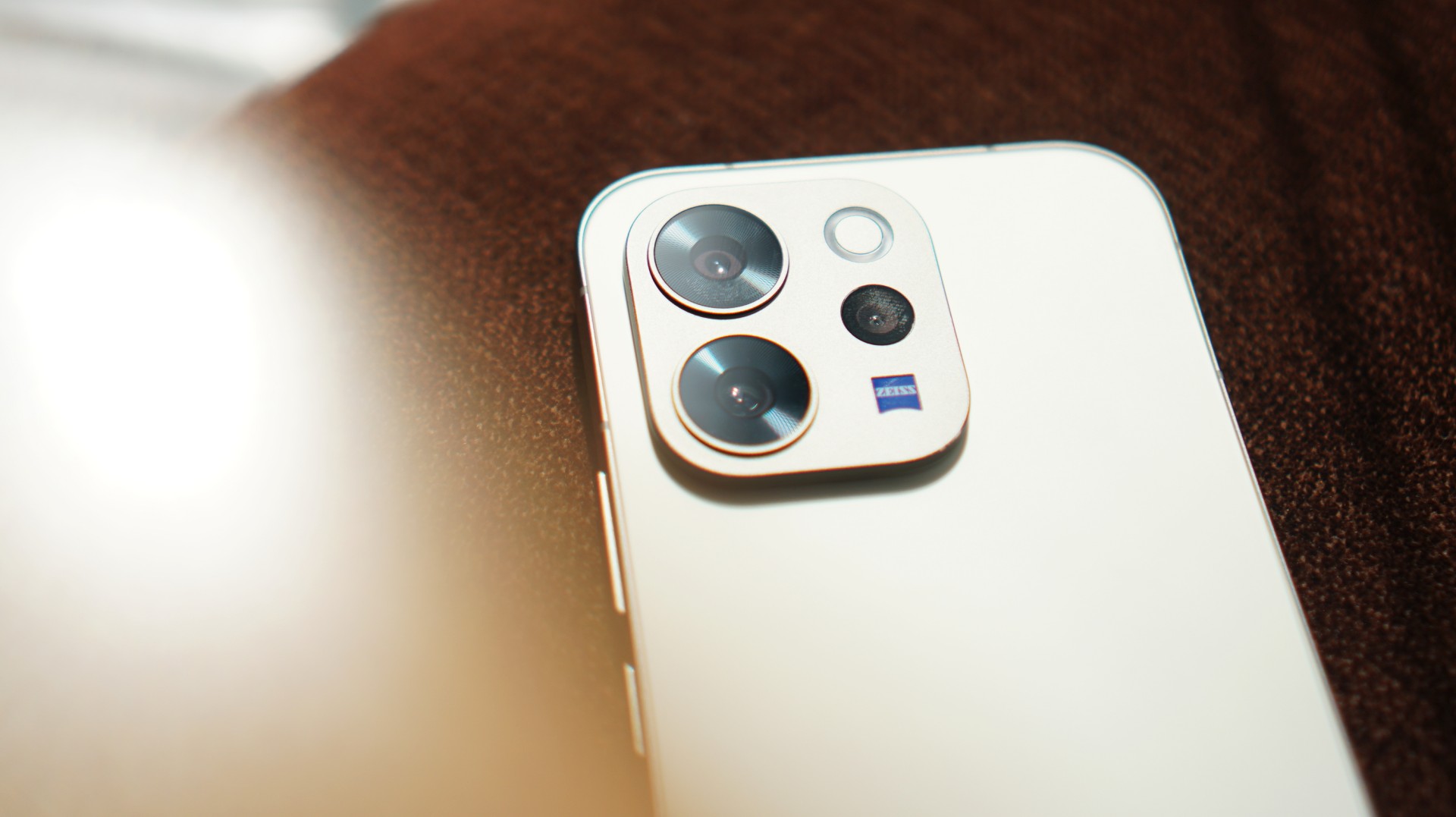
This is where things get interesting.
If you’re serious about shooting concerts, you’re still better off with something like the vivo X300 Pro. That’s still the safer recommendation. But not everyone needs that.
Not everyone is going to arena shows regularly. Not everyone wants to spend flagship money just to capture a few nights out.
That’s where the V70 makes sense. It’s for the in-between.



The spontaneous gigs. The lowkey bar nights. The moments where you didn’t plan to shoot—but end up wanting to anyway.
There are even people who rent flagship phones for big events. But you’re not always going to do that. Sometimes, you just want something reliable in your pocket. And for that, the vivo V70 works.
It’s not excellent. But it’s pretty darn good where it counts.
If your nights look anything like this—music, movement, unpredictable light—the vivo V70 is a soft Swipe Right.
Drones
DJI Avata 360 review: Capture now, decide later
Shifting the focus from technical precision to pure immersion!


I have never been particularly fond of heights, yet I always find myself pulled to stand on a mountain ridge. The world feels vast and slightly intimidating from that vantage point.
When I put on the DJI Goggles 3 and enable head tracking, that physical boundary disappears. I’m no longer standing on a ridge holding a controller. I’m inside the flight, soaring at an altitude that makes my stomach drop in a way that feels visceral and real.
This is the core of the DJI Avata 360 experience: It’s about piloting a machine while inhabiting a new perspective.
Seamless transition into flight
The first time you take the DJI Avata 360 up, it meets you where you are. Using the standard RC controller feels familiar right away because the system behaves exactly how a pilot expects it to.
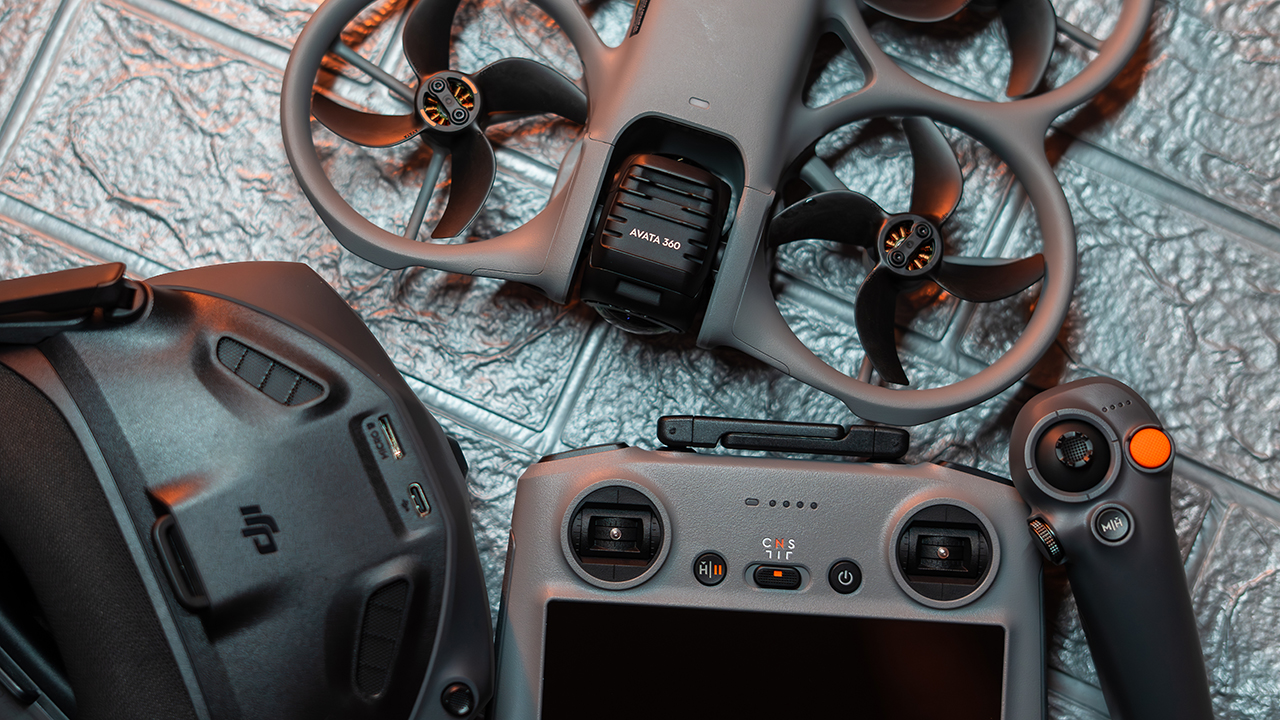
The flight remains stable and predictable, which allows for a high level of trust during the initial minutes in the air. Getting started follows a familiar routine of firmware updates and device pairing.
While the process is not instant, the interface is intuitive enough that most users will reach a comfortable flying state quickly.
Finding creative safety in the open sky
The experience shifts when you enable head tracking and unlock the full 360-degree view. You are no longer just watching the drone fly, but instead, you feel as though you are part of the movement.
This immersion is especially powerful at higher altitudes. This drone fundamentally changes the creative workflow because it allows you to capture the moment first and decide on the framing later.
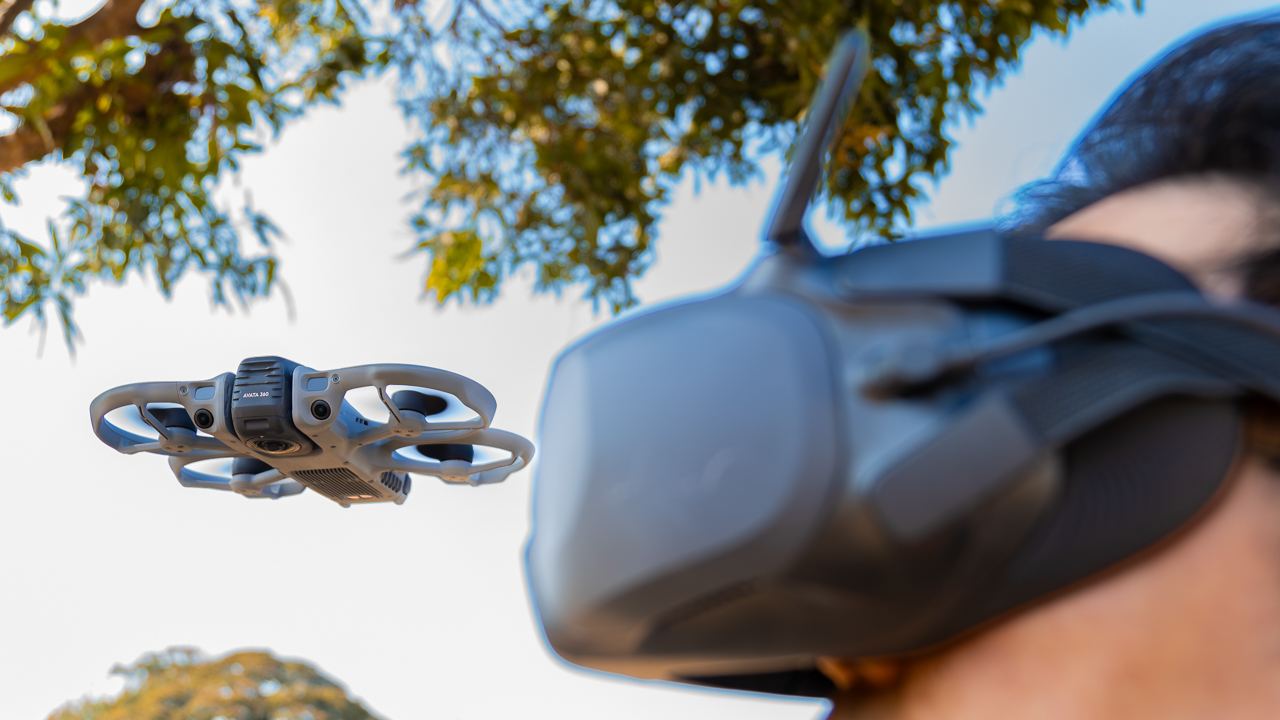
Traditional shooting requires careful planning and repeated takes to ensure you nailed the angle. With the Avata 360, that pressure is reduced.
Because the sensor captures everything, you can focus on the movement of the drone rather than the boundaries of the frame.
Each battery provides around 15 minutes of flight time, which sounds limiting on paper but proves to be manageable in practice.

Because the shooting style is so efficient, I often capture exactly what I need within a single flight. This drone is a partner for those who document fast-moving situations like races or extreme sports where moments happen only once.
View this post on Instagram
Refining the story in post-production
The visual output feels polished and gives the editor plenty of room to work. Colors are clean and balanced straight out of the camera, which provides flexibility during the grading process.
While the sharpness can lean slightly artificial, dialing it down creates a much more organic look. The inclusion of D-Log and 8K resolution at 60fps provides enough detail to build slow-motion edits without sacrificing quality.
Tracking remains reliable in good lighting, though the system requires more manual awareness once the sun goes down and the obstacle avoidance sensors lose their effectiveness.

Though, the flight experience is strong, but the editing workflow currently introduces some friction. Editing relies heavily on DJI Studio, and the lack of seamless integration with professional tools like Adobe Premiere Pro on Windows creates extra steps.
You often need to pre-render angles before you can bring clips into a main timeline. When compared to the Antigravity A1, the DJI ecosystem still feels more polished and easier to integrate into a working setup, yet the software gap remains a point of frustration.
Is this your GadgetMatch?
The DJI Avata 360 offers a different way to tell a story by shifting the focus from technical precision to complete immersion. It allows the creator to stop worrying about missing the shot and start thinking about how to feel it.
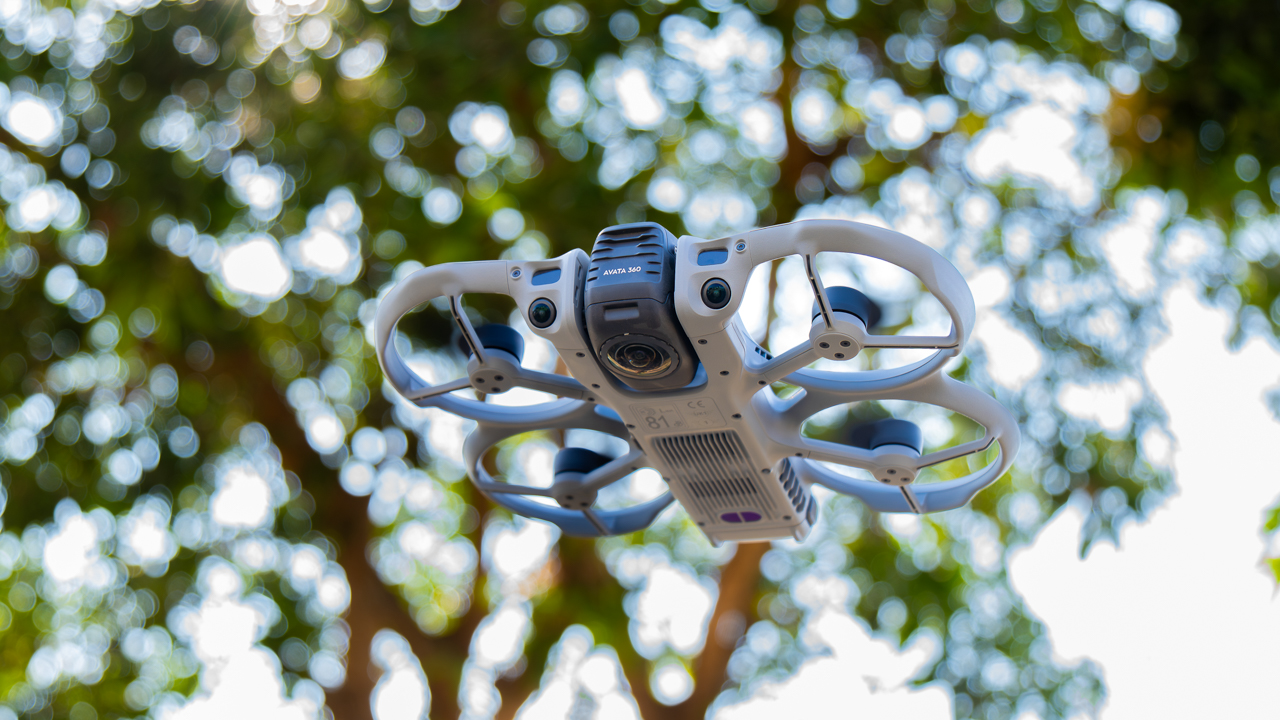
Swipe Right if your life involves fast-paced environments like extreme sports or travel where moments only happen once.
This is for the person who wants to feel like they are flying rather than just operating a camera. It fits the routine of a creator who values creative safety nets and the ability to reframe a story in post-production.
Swipe left if your workflow requires a fast, seamless turnaround on Windows without extra processing steps. It’s not the ideal choice for those who primarily shoot in low-light conditions or urban areas with high interference.
If you prefer the traditional control of a specification-heavy technical breakdown, the reflective nature of this system may feel less efficient.
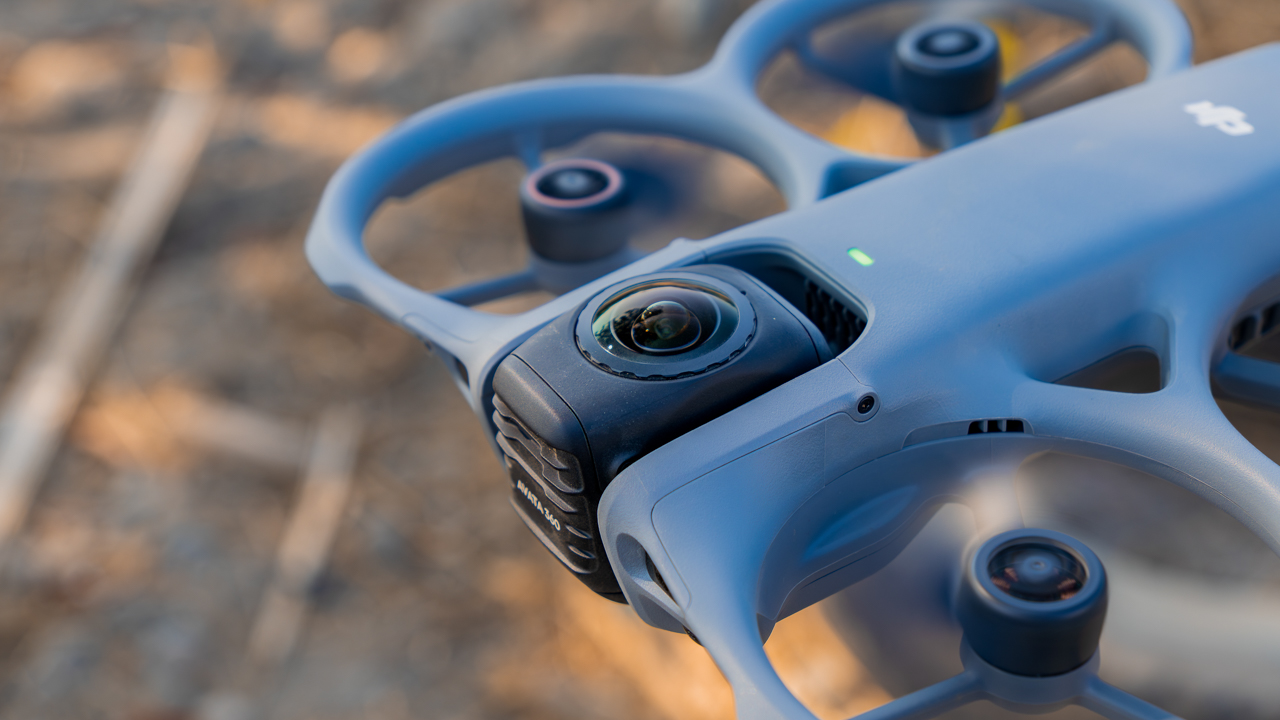
Price, availability
The DJI Avata 360 starts at PhP 38,290. With the Fly More Combo (DJI RC 2) or the Motion Fly More Combo (DJI Goggles N3), it retails for PhP 47,890.


TECNO POVA Curve 2 review: Munch That Power Crunch!
Unbelievably the slimmest 8000mAh phone you can buy right now


vivo V70 review: Pretty darn good for nights like this
A gig-ready camera


DJI Avata 360 review: Capture now, decide later
Shifting the focus from technical precision to pure immersion!
TECNO POVA Curve 2 review: Munch That Power Crunch!

Match Pulse: HONOR Pad X8b

HONOR Pad X8b launches with durable design

Bloodborne is getting an R-rated animated film adaptation

Honkai: Star Rail 4.2 launching next week

POCO X8 Pro Max review: A New Beast from the Far East

POCO X8 Pro Series: Price, availability in the Philippines

VinFast extends free unlimited charging in 3 markets amid rising fuel prices

nubia Neo 5 series launches in the PH, starts below PhP 12K

POCO X8 Pro Series launches in Singapore with early bird prices


-
 Reviews2 weeks ago
Infinix NOTE 60 Ultra: Not bad for a flagship push
-

 First Look2 weeks ago
Match Pulse: TECNO SPARK 50 5G
-

 Accessories1 week ago
GameSir G7 Pro ZZZ Edition: My default PC controller
-

 Gaming2 weeks ago
Dunk City Dynasty update adds new NBA stars, cosmetics
-

 Reviews1 week ago
Apple iPhone 17e review
-

 Gaming6 days ago
PlayStation can now scan you and put you inside a game
-

 Entertainment4 days ago
BINI, KATSEYE among top worldwide Google Searches ahead of Coachella
-

 Gaming5 days ago
Forza Horizon 6 already hits the mark