
Features
And the best smartphone camera is…


Mirror, mirror on the wall, which smartphone takes the best photos of them all?
If you’re looking for the best camera smartphone money can buy, look no further. We’ve rounded up the best, currently available smartphones in the world today, took them on a road trip, took plenty of the same photos, and evaluated the results.
Here’s what we found…
Mechanics and Disclaimer
But wait! Before we dive in, allow us to set the stage a bit.
First, it’s important to note that these smartphones were announced at different times of the year. It’s possible that phones released later could benefit from more advanced technology.
Second, this test wasn’t conducted in a controlled environment. We shot these photos in the real world, but did our best to keep shooting conditions as similar as possible, including framing and the position of the sun and clouds. All of these photos were taken handheld on Auto with high dynamic range (HDR) mode turned off (except, of course, for our HDR test).
And lastly the results were voted upon by the GadgetMatch team. The process involved a blind test where photos in a series were shown in random order. We had no idea which phones shot what until we reviewed the results. Some phones surprised us!
This feature is best viewed on a desktop computer or laptop.
Landscape

Winner: Google Pixel
2nd place: Asus Zenfone 3 Deluxe
3rd place: Samsung Galaxy S7 edge
In our very first comparison, we were already impressed by all the phones! Not a single one of them did poorly in the landscape test; each one presenting strong colors and wide dynamic range despite HDR being turned off. Still, we had to choose a winner, and it was the Pixel. Every element looked sharp, and colors popped more than the rest. The Zenfone 3 Deluxe and Galaxy S7 edge were a close second and third, but honestly, all phones passed with flying colors.
High-resolution images:
Apple iPhone 7 Plus, ASUS Zenfone 3 Deluxe, Google Pixel, Huawei Mate 9
LG V20, Moto Z, Samsung Galaxy S7 edge, Sony Xperia XZ
Dynamic Range (HDR Off)
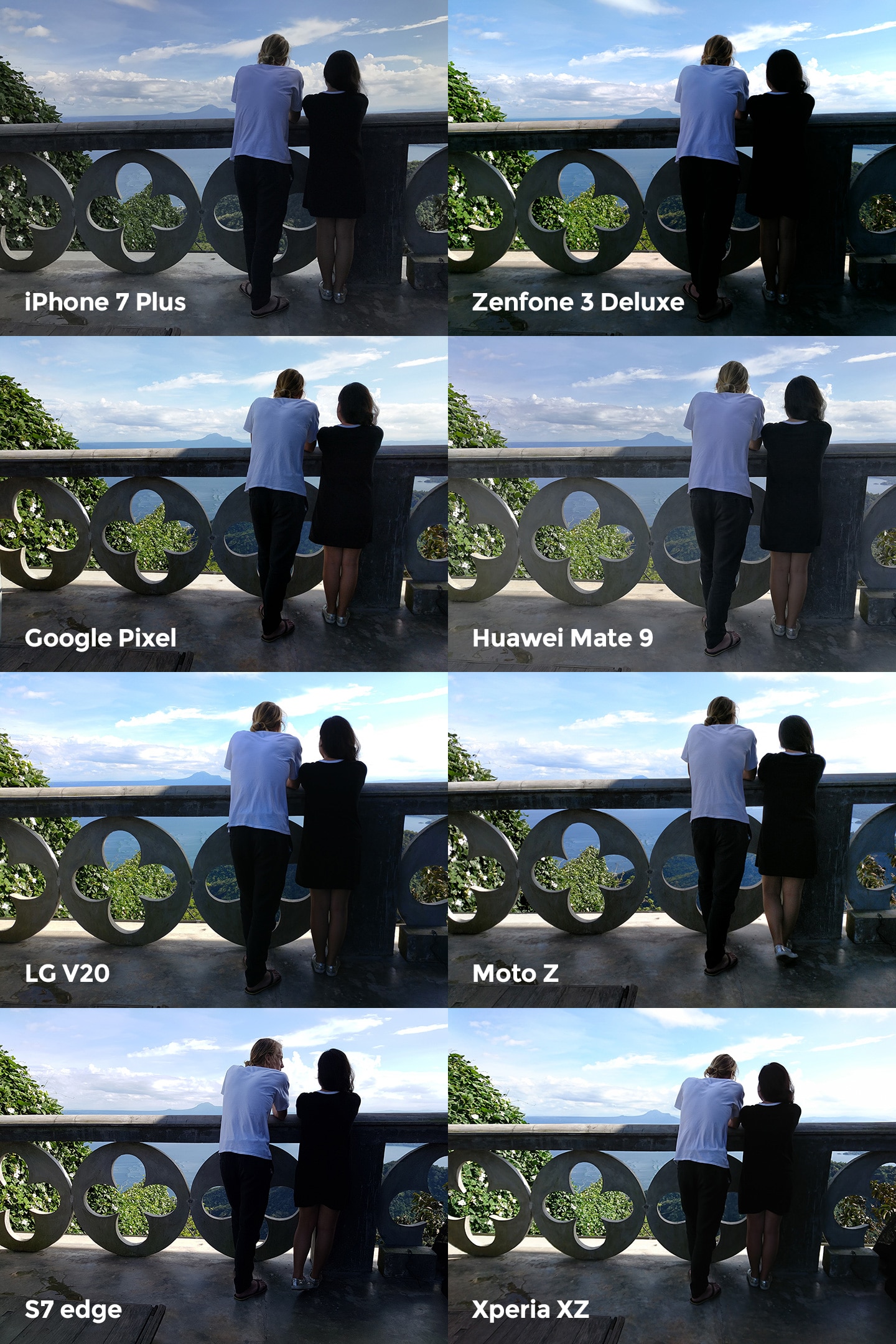
Winner: Google Pixel
2nd place: Moto Z
This was another tough call, but the Pixel won out in our dynamic range test sans any HDR tricks. Again, both the foreground and background looked great, and no details were lost in the darker regions. To our surprise, the Moto Z captured second place, mostly due to its accurate rendering of the bright areas — just look at how striking the sky and vegetation are!
High-resolution images:
Apple iPhone 7 Plus, ASUS Zenfone 3 Deluxe, Google Pixel, Huawei Mate 9
LG V20, Moto Z, Samsung Galaxy S7 edge, Sony Xperia XZ
Dynamic Range (HDR On)
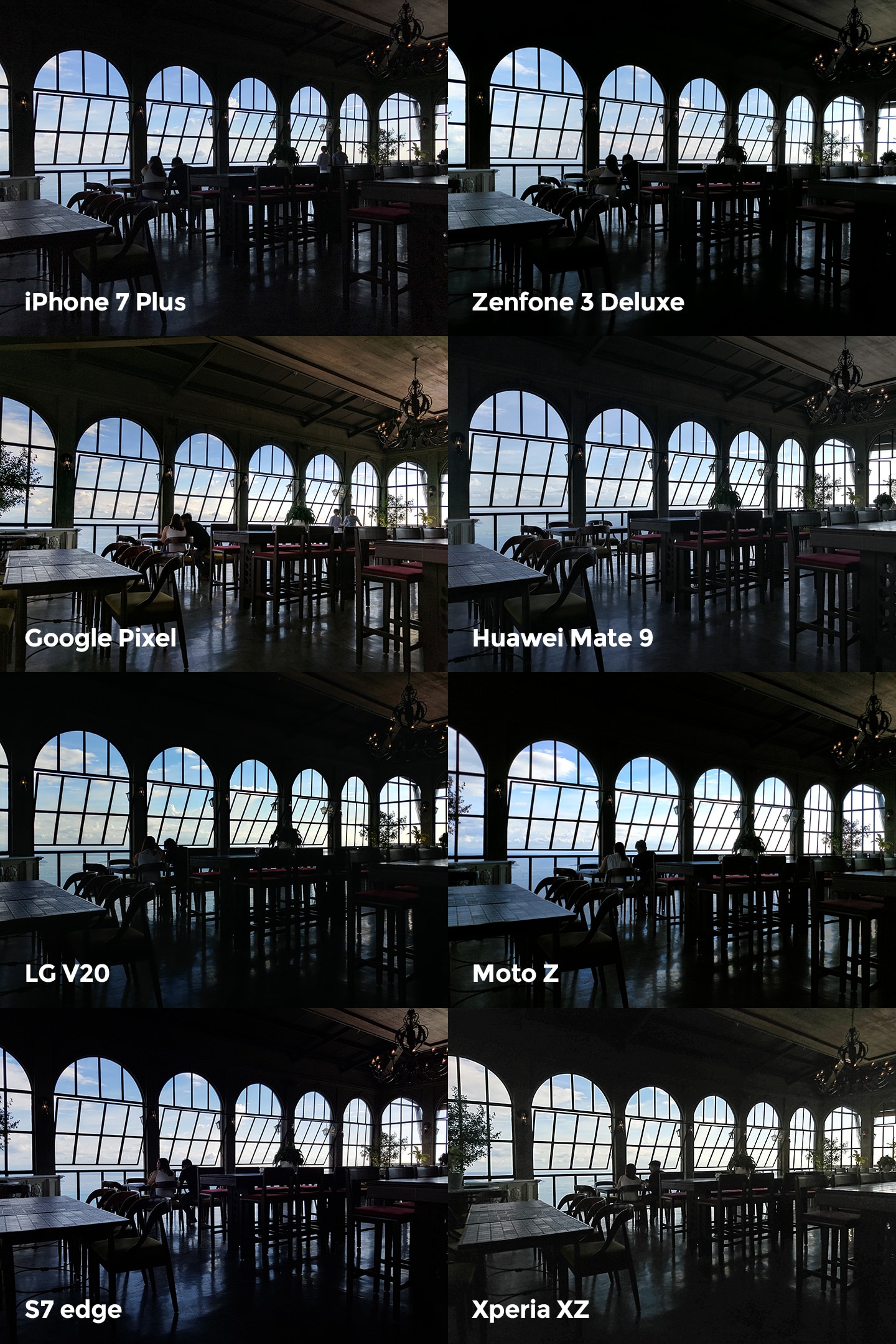
Winner: Google Pixel
2nd place: Samsung Galaxy S7 edge
Was this even close? Take one look at all the samples, and it’s clear the Pixel won without any doubt. When high dynamic range is needed, Google’s HDR+ mode shines like no other. If not for the Pixel, the Galaxy S7 edge would have been the winner. Despite being a year old, its HDR mode still leaves most phones in the dust.
High-resolution images:
Apple iPhone 7 Plus, ASUS Zenfone 3 Deluxe, Google Pixel, Huawei Mate 9
LG V20, Moto Z, Samsung Galaxy S7 edge, Sony Xperia XZ
Portrait

Winner: Google Pixel
2nd place: Samsung Galaxy S7 edge
3rd place: Moto Z
Yet another win for the Pixel! This phone does such a great job maintaining color accuracy while making everything look so crisp — check out the skin tone and details on the shirt to see what we mean. The Galaxy S7 edge did nearly as well, and the Moto Z once again impressed us despite being the oldest phone in this shootout.
High-resolution images:
Apple iPhone 7 Plus, ASUS Zenfone 3 Deluxe, Google Pixel, Huawei Mate 9
LG V20, Moto Z, Samsung Galaxy S7 edge, Sony Xperia XZ
Food

Winner: Google Pixel
2nd place: Samsung Galaxy S7 edge
Google’s flagship phone is making this look too easy. When it comes to food photography, we prefer the picture that makes the meal look the most appetizing, and the Pixel did just that. The Galaxy S7 edge did a fine job as well, producing colors that stood out but didn’t betray the actual look of the sumptuous shrimp.
High-resolution images:
Apple iPhone 7 Plus, ASUS Zenfone 3 Deluxe, Google Pixel, Huawei Mate 9
LG V20, Moto Z, Samsung Galaxy S7 edge, Sony Xperia XZ
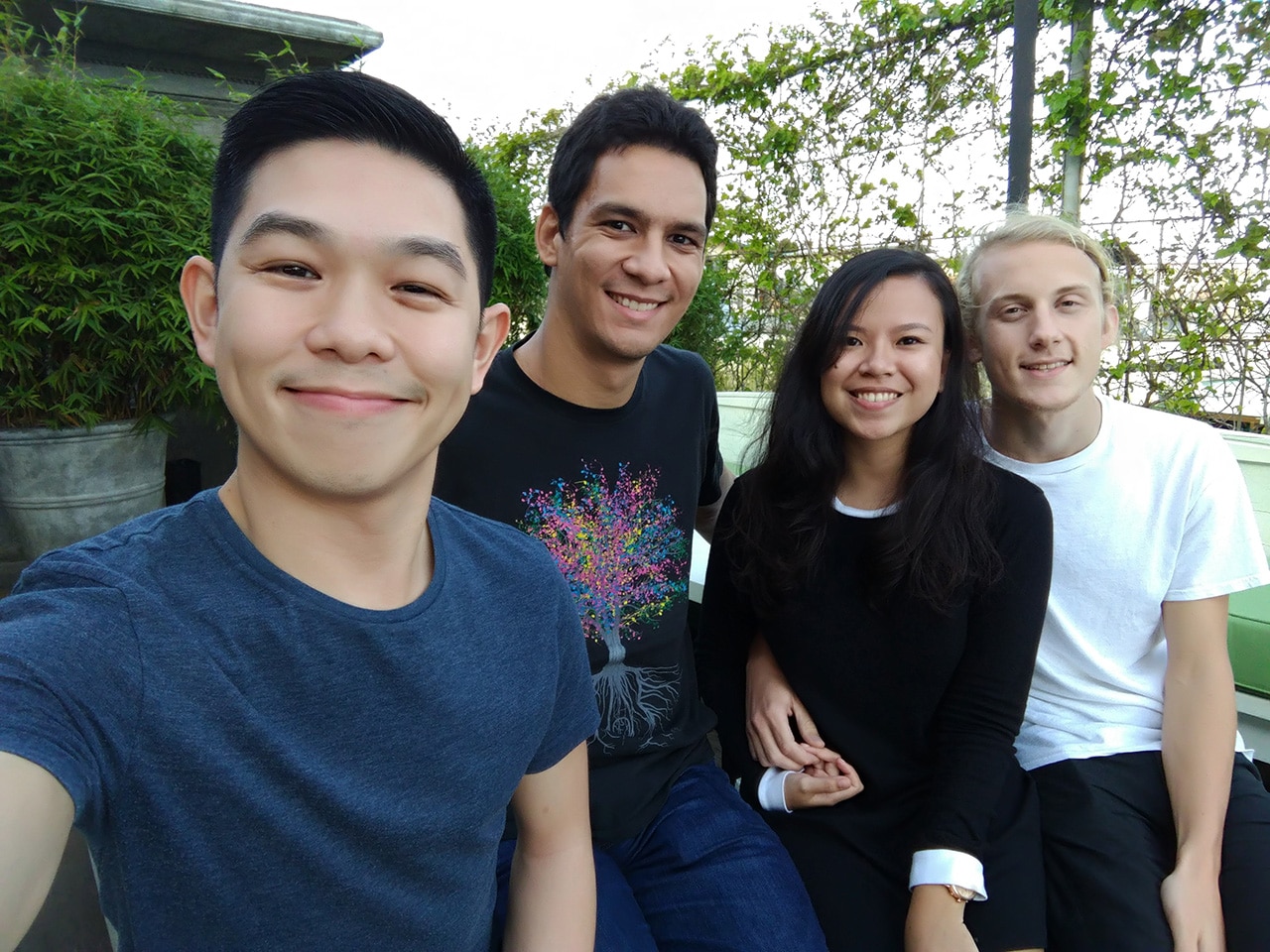
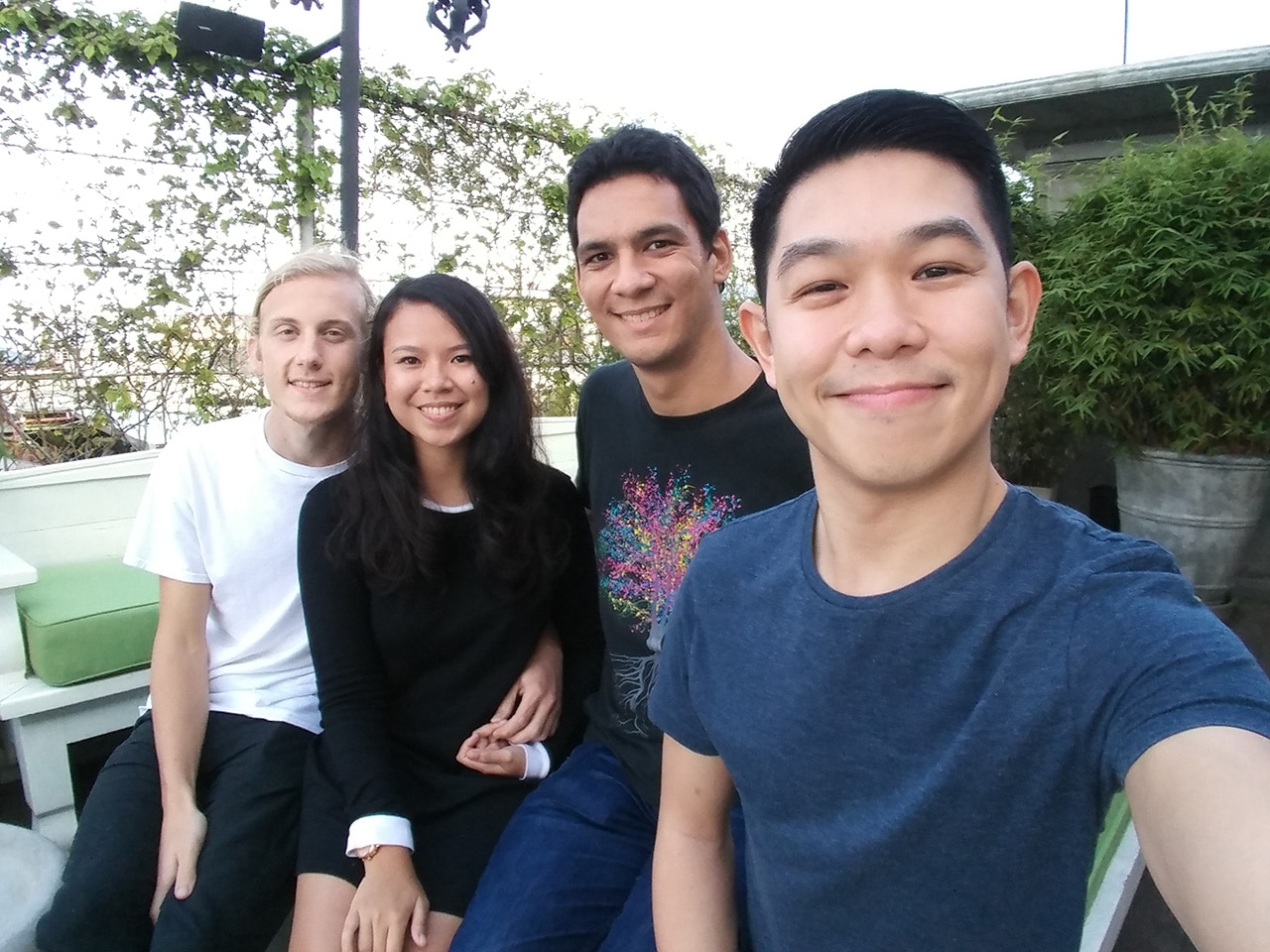
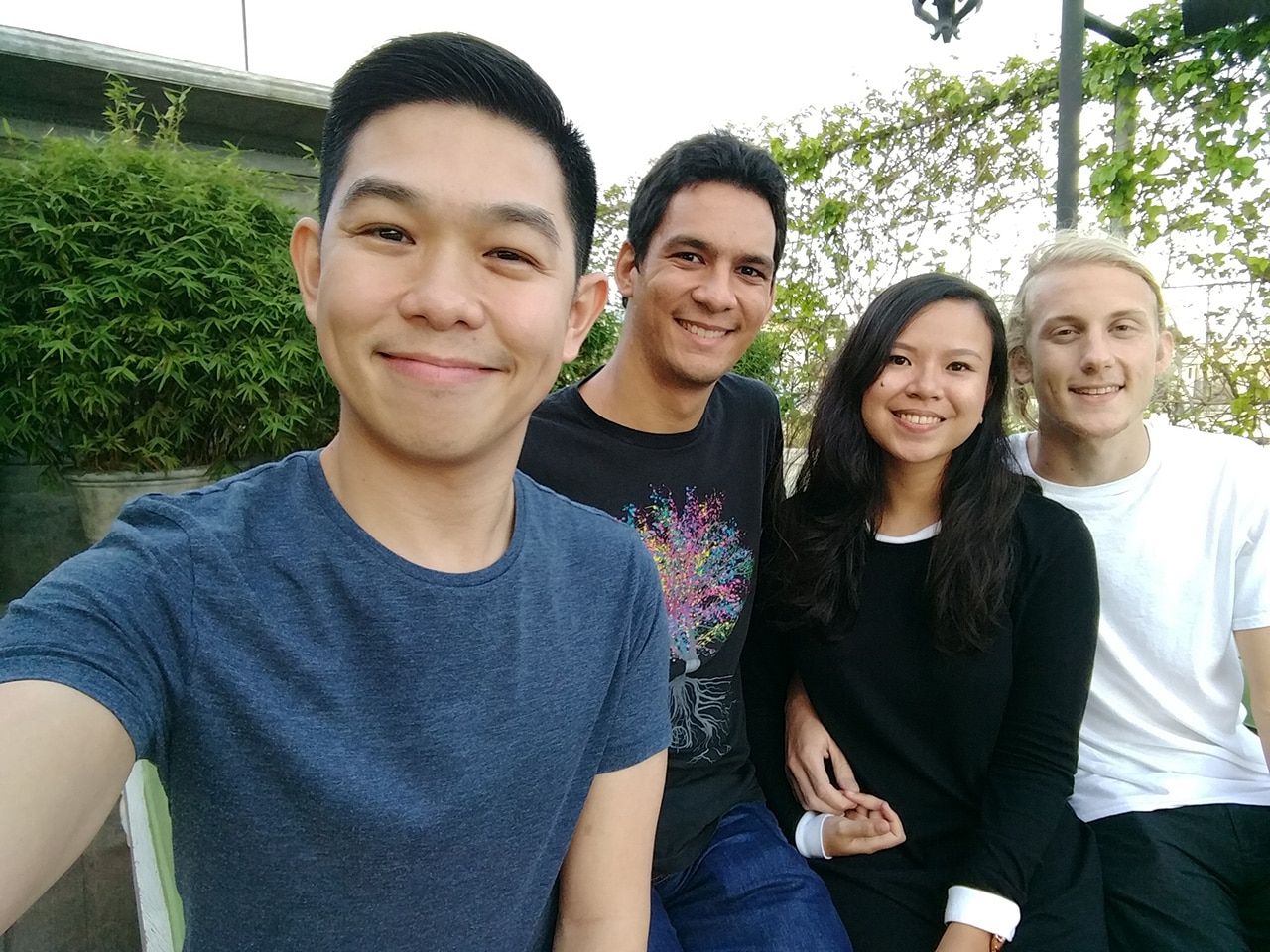
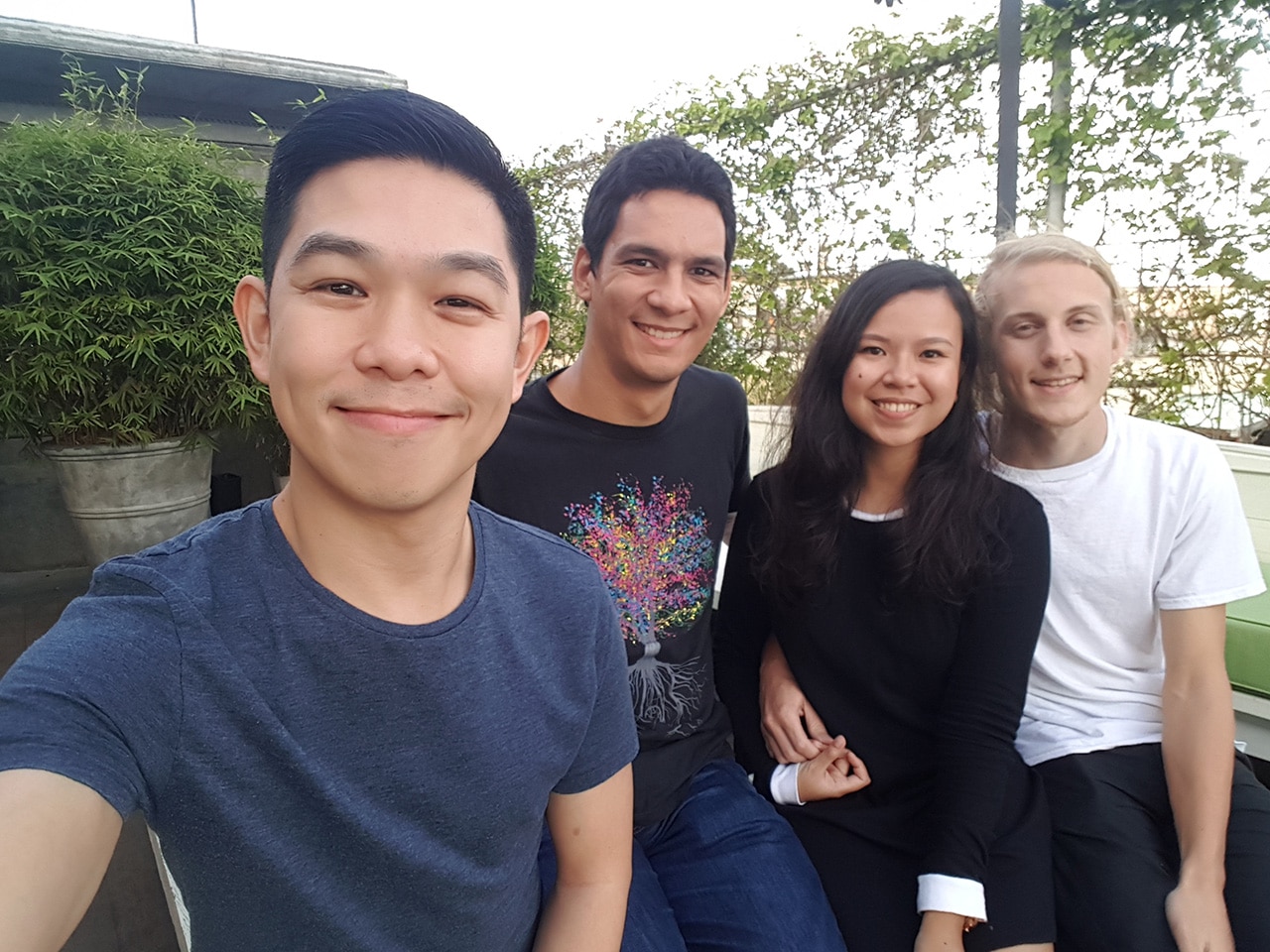
Group Selfie
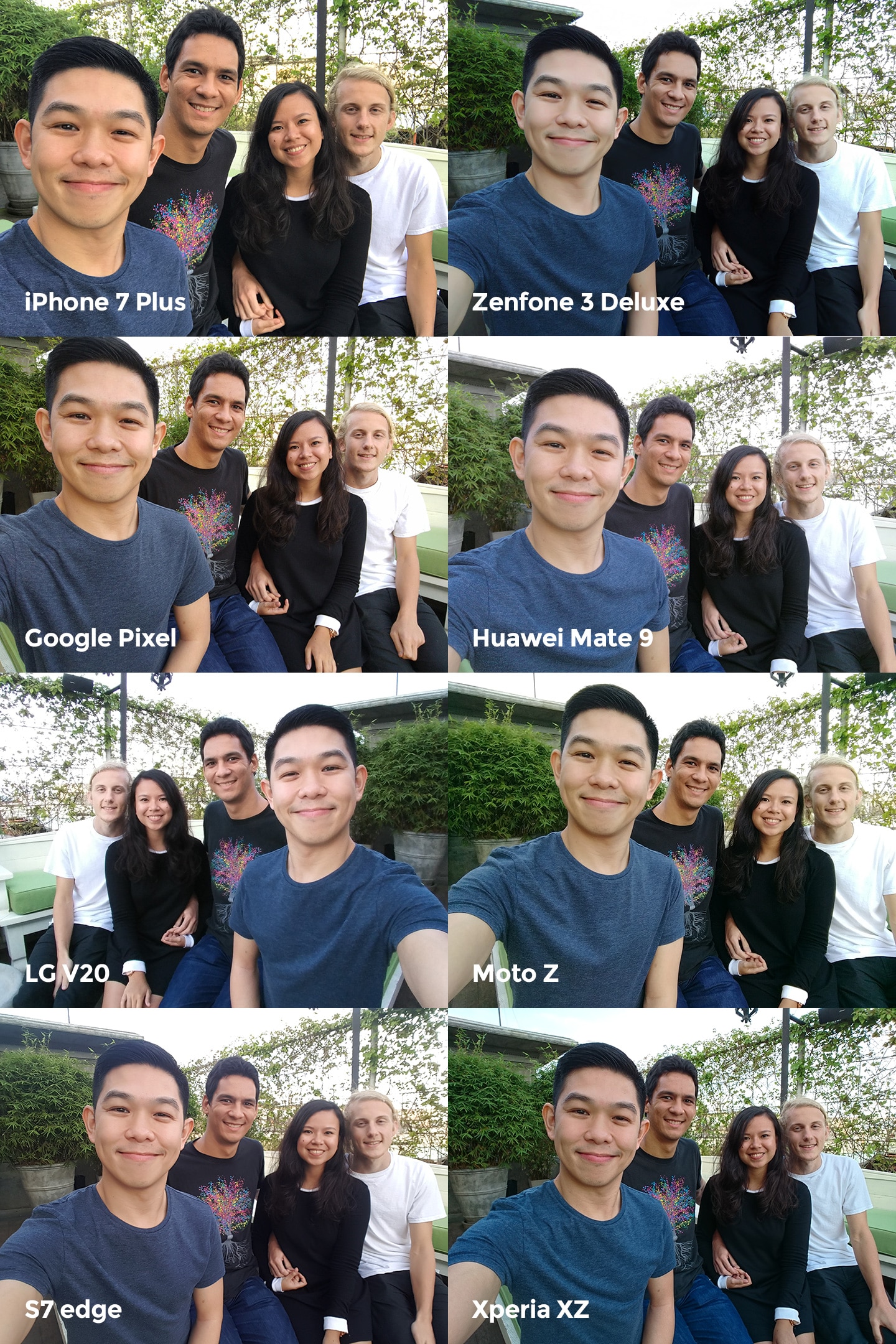
Winner: Moto Z
2nd place: Apple iPhone 7 Plus
Surprise, surprise — the Moto Z now has a win under its belt! We loved how everyone fit comfortably in its frame and looked lovely in the process. That’s its edge over the iPhone 7 Plus, although the latter produced our favorite shot when it came to saturation and skin tone. But we must say, the rest had their own strengths, too; it all boils down to personal preference.
High-resolution images:
Apple iPhone 7 Plus, ASUS Zenfone 3 Deluxe, Google Pixel, Huawei Mate 9
LG V20, Moto Z, Samsung Galaxy S7 edge, Sony Xperia XZ
Color/Macro
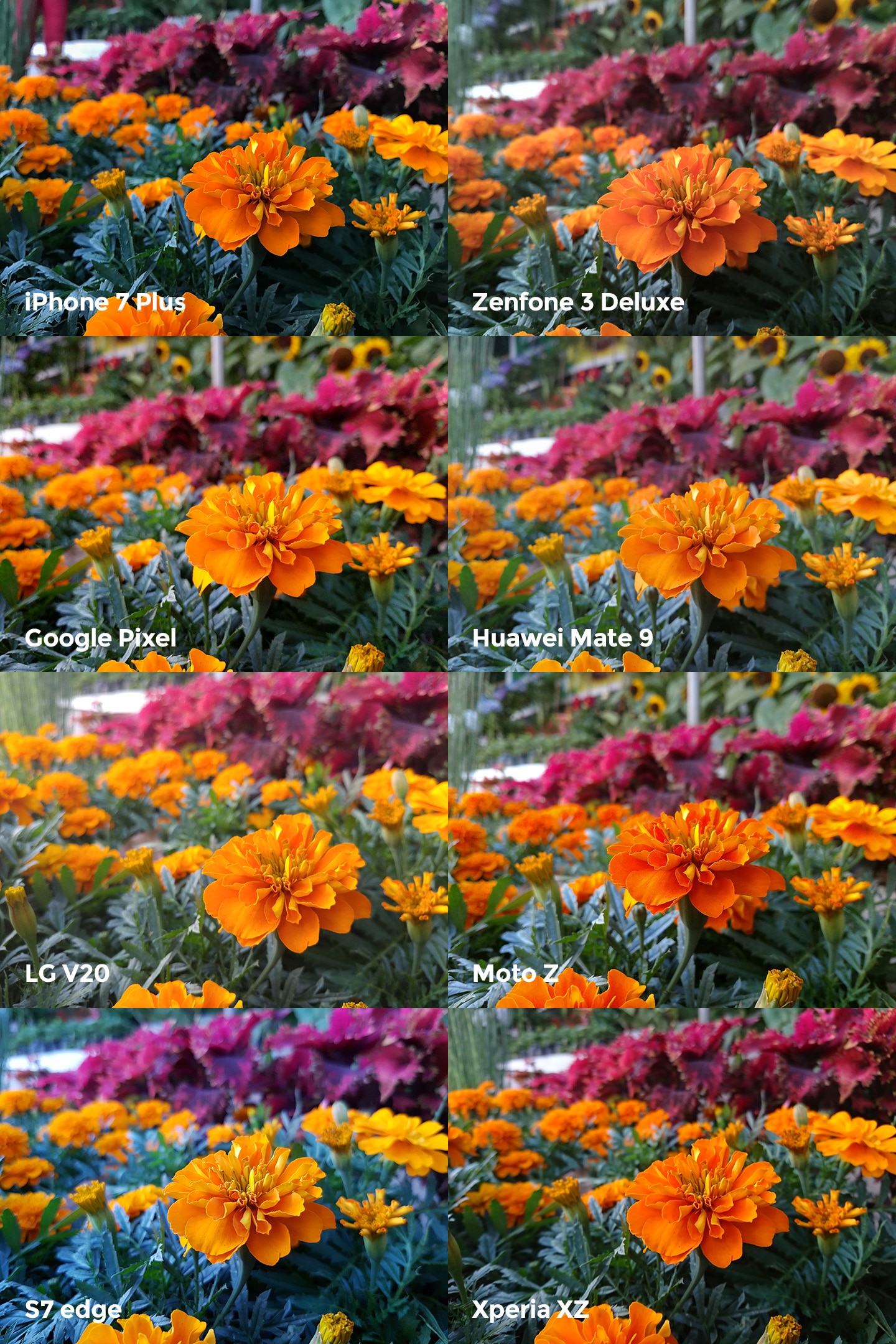
Winner: Apple iPhone 7 Plus
2nd place: Sony Xperia XZ
3rd place: Google Pixel
Add a check mark under the iPhone 7 Plus for this round. When it came to capturing the most amount of detail up close, none could match the iPhone’s output; however, we must commend the Xperia XZ for maximizing its subject tracking to stick to the swaying flower and maintain sharpness. The Pixel had an overall fine performance, and earned the third spot.
High-resolution images:
Apple iPhone 7 Plus, ASUS Zenfone 3 Deluxe, Google Pixel, Huawei Mate 9
LG V20, Moto Z, Samsung Galaxy S7 edge, Sony Xperia XZ
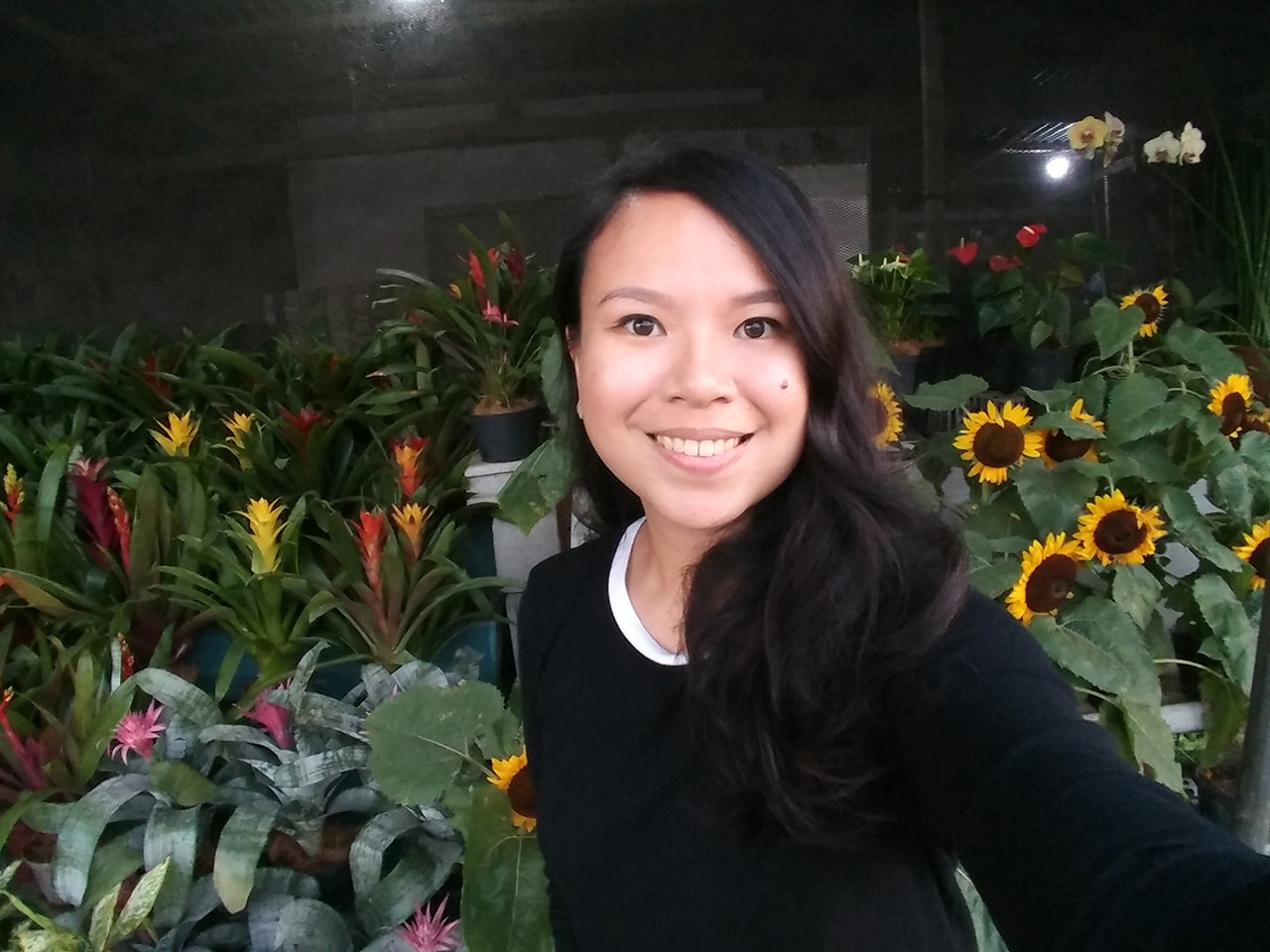
Selfie
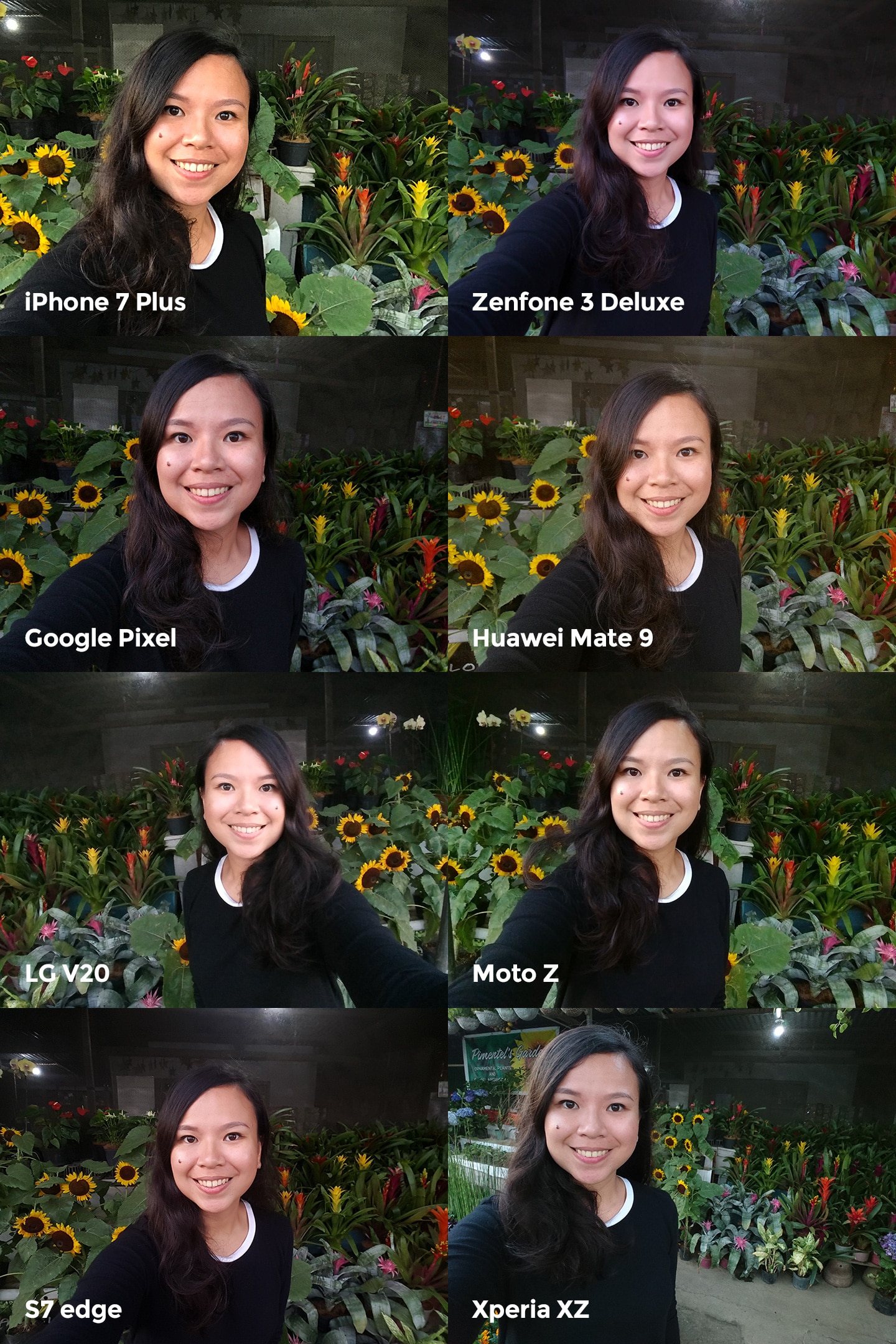
Winner: Google Pixel
2nd place: Huawei Mate 9
3rd place (tie): Samsung Galaxy S7 edge and Moto Z
Turns out the Pixel has a pretty good selfie camera, too! Our subject isn’t lost in the crowded background, and each strand of hair is distinguishable. The Mate 9 performed nearly as well, if only it didn’t slightly oversaturate some of the colors. The Galaxy S7 edge and Moto Z are tied for third, thanks to well-balanced contrast and a pleasantly wide angle.
High-resolution images:
Apple iPhone 7 Plus, ASUS Zenfone 3 Deluxe, Google Pixel, Huawei Mate 9
LG V20, Moto Z, Samsung Galaxy S7 edge, Sony Xperia XZ
Dusk

Winner: Samsung Galaxy S7 edge
2nd place: Apple iPhone 7 Plus
This had to be the most challenging scenario for all entries. There was lots of movement, colors were flashing from all directions, and the sun was setting quickly. With all these elements in place, the Galaxy S7 edge slayed the shot and brought home gold by taking in the entire scene without a hitch. We had to give second place to the iPhone 7 Plus for making the colors in the foreground look so attractive.
High-resolution images:
Apple iPhone 7 Plus, ASUS Zenfone 3 Deluxe, Google Pixel, Huawei Mate 9
LG V20, Moto Z, Samsung Galaxy S7 edge, Sony Xperia XZ
Night
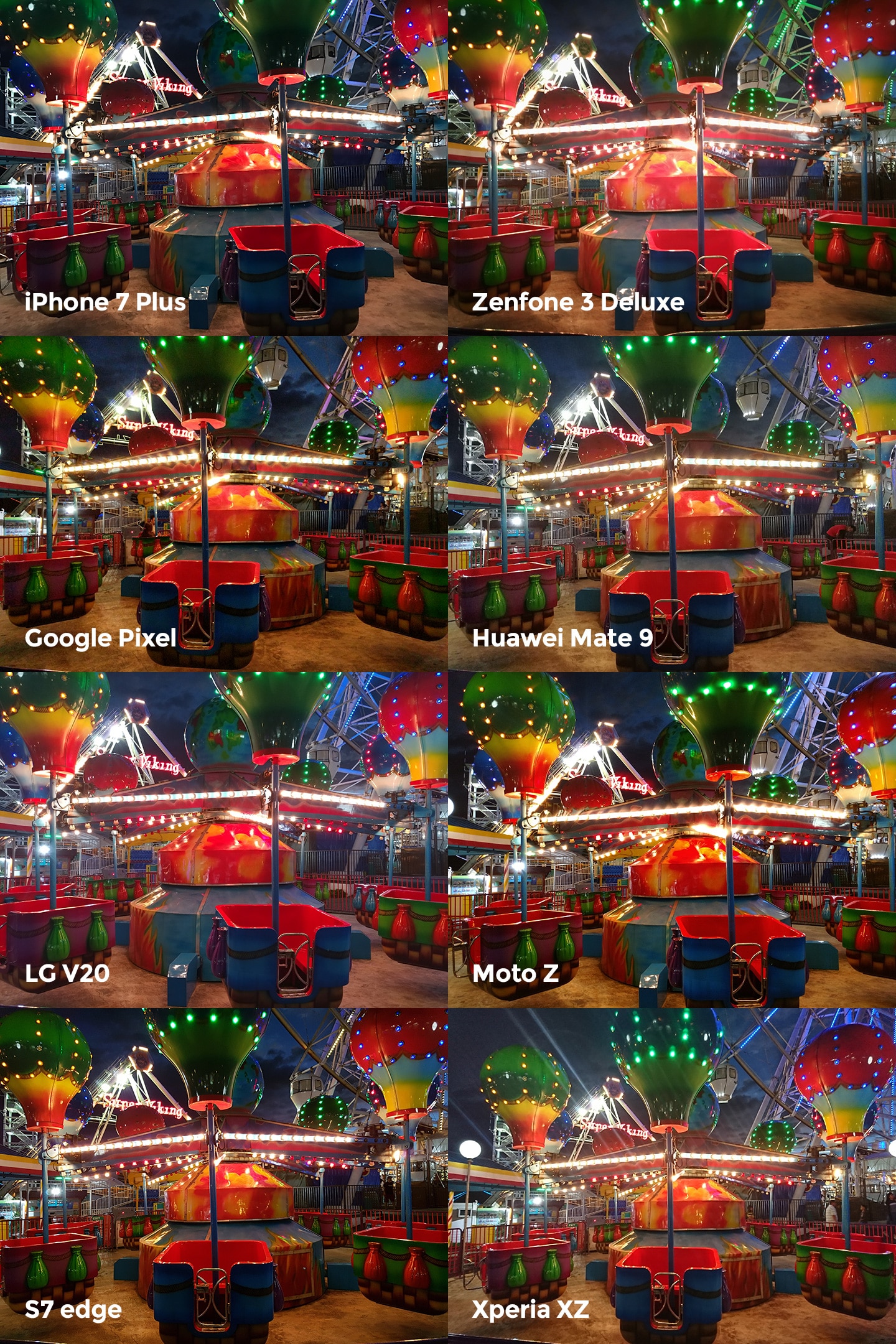
Winner: Samsung Galaxy S7 edge
2nd place: Apple iPhone 7 Plus
Here’s another tough situation in which the Galaxy S7 edge beat all its rivals. It’s clear Samsung’s specialty lies in nighttime photography, wherein all the glaring lights stay in check and scenes aren’t littered with unsightly noise. Choosing a second placer was tough, but we had to give it to the iPhone 7 Plus for nailing all the colors without blowing out the highlights.
High-resolution images:
Apple iPhone 7 Plus, ASUS Zenfone 3 Deluxe, Google Pixel, Huawei Mate 9
LG V20, Moto Z, Samsung Galaxy S7 edge, Sony Xperia XZ
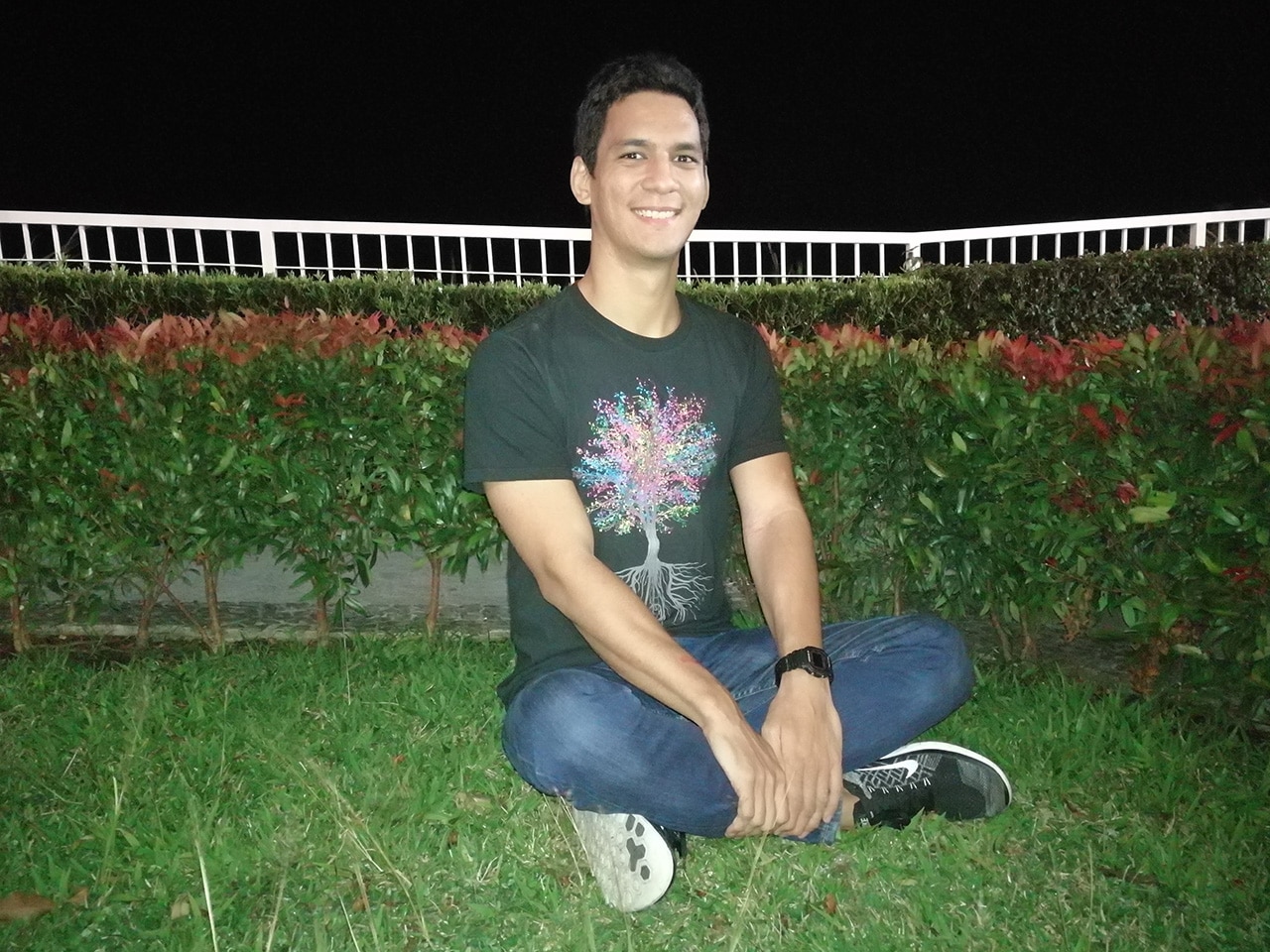
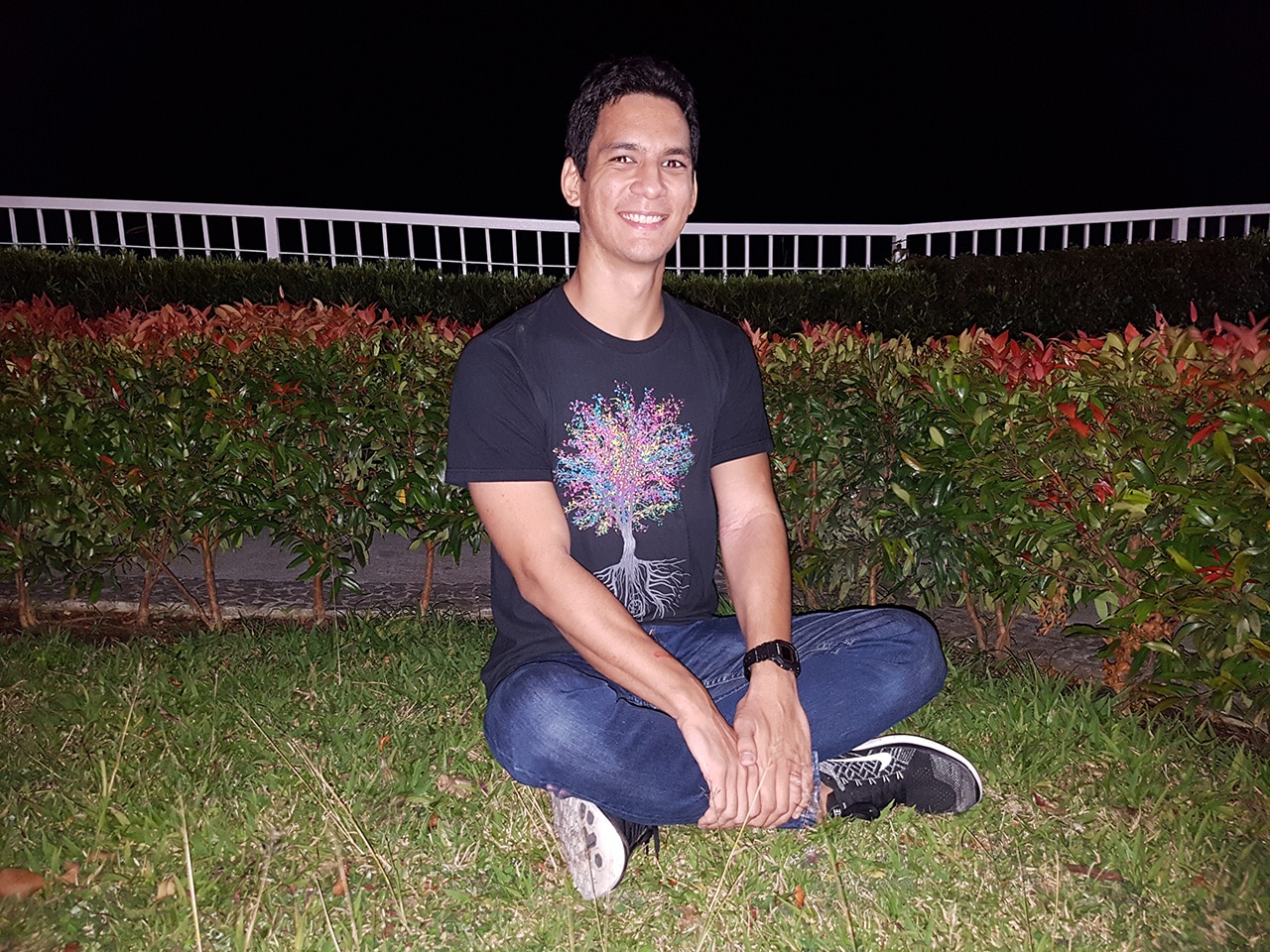
Low-Light Portrait (Flash Off)
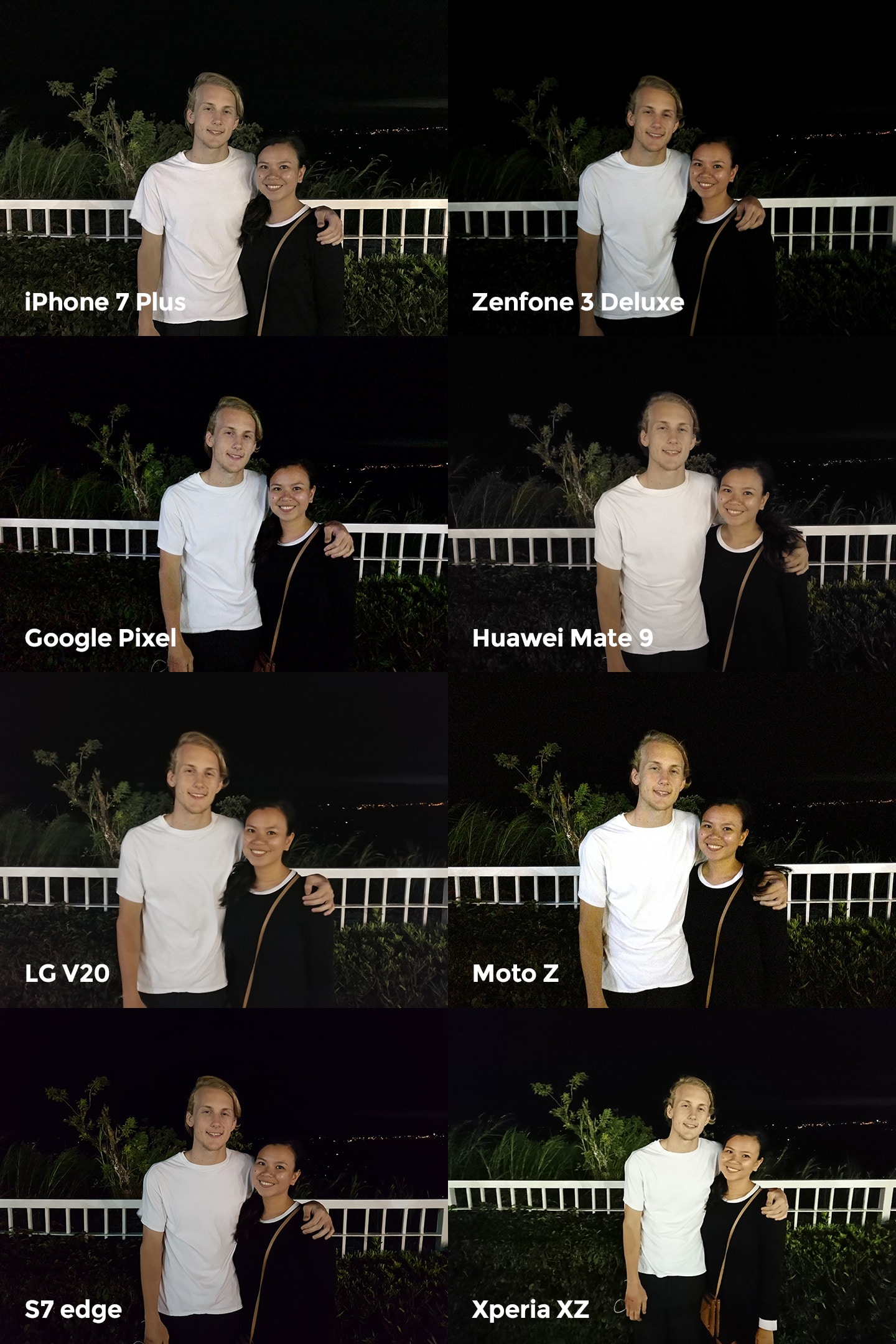
Winner: Samsung Galaxy S7 edge
2nd place: Google Pixel
When it comes to low-light portraits, we prefer leaving the flash off, so we’re glad all the cameras produced acceptable photos. What stood out the most, though, came from the Galaxy S7 edge. Nothing looked overly dark or bright, and the subjects didn’t turn into a mesh of lost details. Despite being one of the few phones here without optical image stabilization for night shots, the Pixel managed to secure the second spot.
High-resolution images:
Apple iPhone 7 Plus, ASUS Zenfone 3 Deluxe, Google Pixel, Huawei Mate 9
LG V20, Moto Z, Samsung Galaxy S7 edge, Sony Xperia XZ
Low-Light Portrait (Flash On)
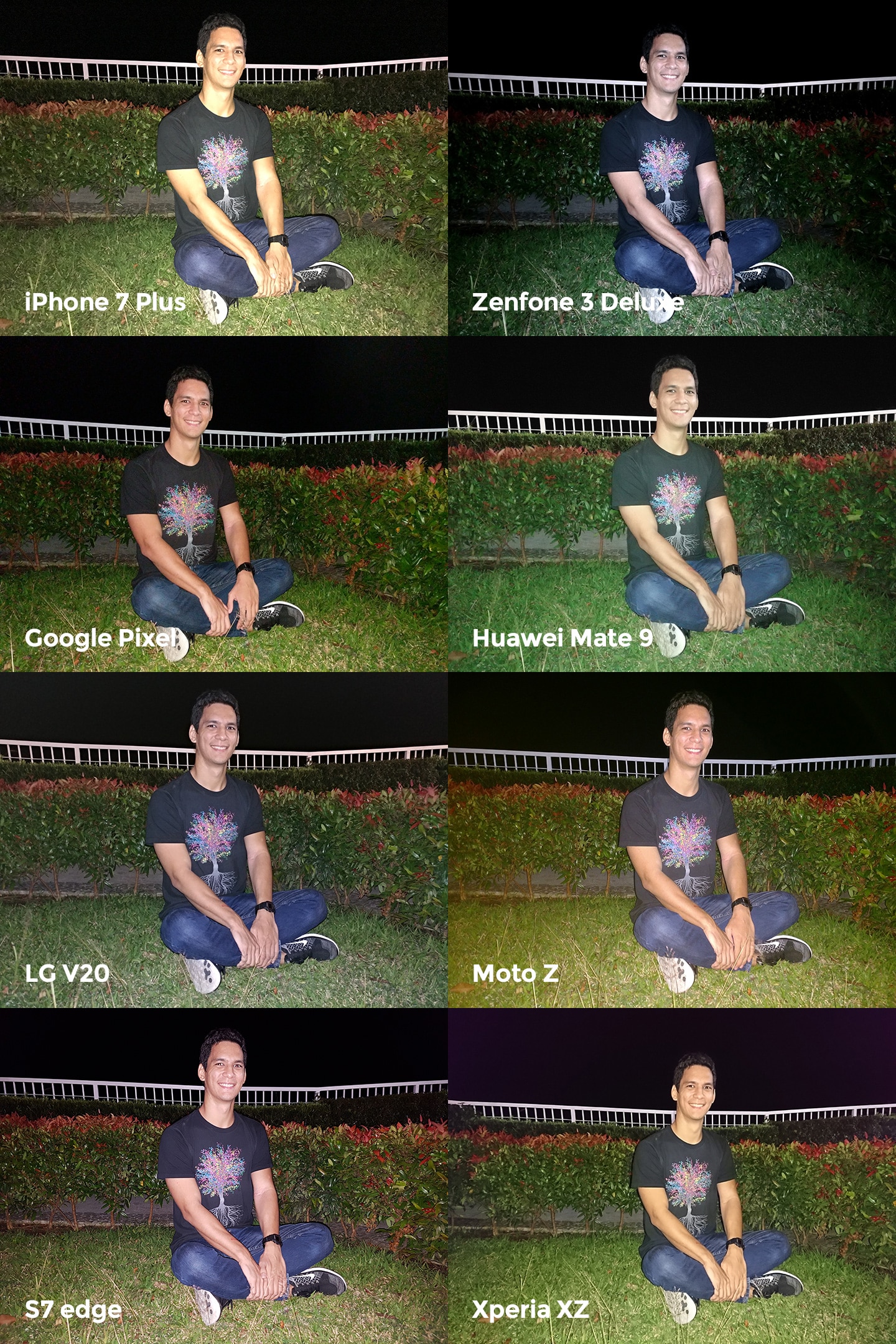
Winner: Google Pixel
2nd place: LG V20
3rd place: Samsung Galaxy S7 edge
Finally, we tested the flash capabilities of each camera. As you can tell, the results varied greatly from phone to phone, with the first-place finish going to the Pixel once more. It had the only photo with evenly distributed lighting and the most accurate skin tone. The V20 had a similar result, except colors were a lot more muted. Third place went to the Galaxy S7 edge for its smart illumination of the background.
High-resolution images:
Apple iPhone 7 Plus, ASUS Zenfone 3 Deluxe, Google Pixel, Huawei Mate 9
LG V20, Moto Z, Samsung Galaxy S7 edge, Sony Xperia XZ
And the winner is…
When the Pixel was launched back in October, one big claim was that it was the highest-rated smartphone camera on DxOMark, the world leader in camera, lens, and image quality ratings.
After 12 rounds of our own tests, we have to agree — the Google Pixel has, without a doubt, the best camera on a smartphone today.
Having said that, Samsung’s Galaxy S7 edge announced eight months prior, is a solid second and arguably still the best camera when it comes to low-light photography.
In a month, its successor the Galaxy S8 will also be unveiled; if Samsung sticks to its guns, the S8 may be the cameraphone to look out for in 2017.
Apple’s iPhone 7 Plus is third on our list. It may not have come out on top as many times, but it was a consistent performer overall, and shot some of the most color-realistic photos of the bunch.
The Moto Z also deserves an honorable mention. It’s the oldest of all the phones tested and in a slightly lower price point, but it held its own and even ruled its own category. It was definitely a pleasant surprise.
The blind test was tough and our choices highly subjective. If you see things differently, that’s okay; it boils down to your own taste in photos. Some of us like nice saturated colors, some prefer warmer tones, and when it comes to selfies, some like the softening a good beauty mode provides.
Either way, all of the phones tested did great — a testament to how far technology has come. While thousand-dollar professional cameras will always take the best photos, when it all comes down to it, nothing beats the camera in your pocket.
SEE ALSO: Best Premium Smartphones (February 2017 Edition)
[irp posts=”10008″ name=”Best Premium Smartphones (February 2017 Edition)”]







Phones flip and fold. Now webcams do too.
Foldable screens have found their way into phones, tablets, and laptops in recent years. Now, OBSBOT is taking that idea in a considerably smaller direction: the webcam.
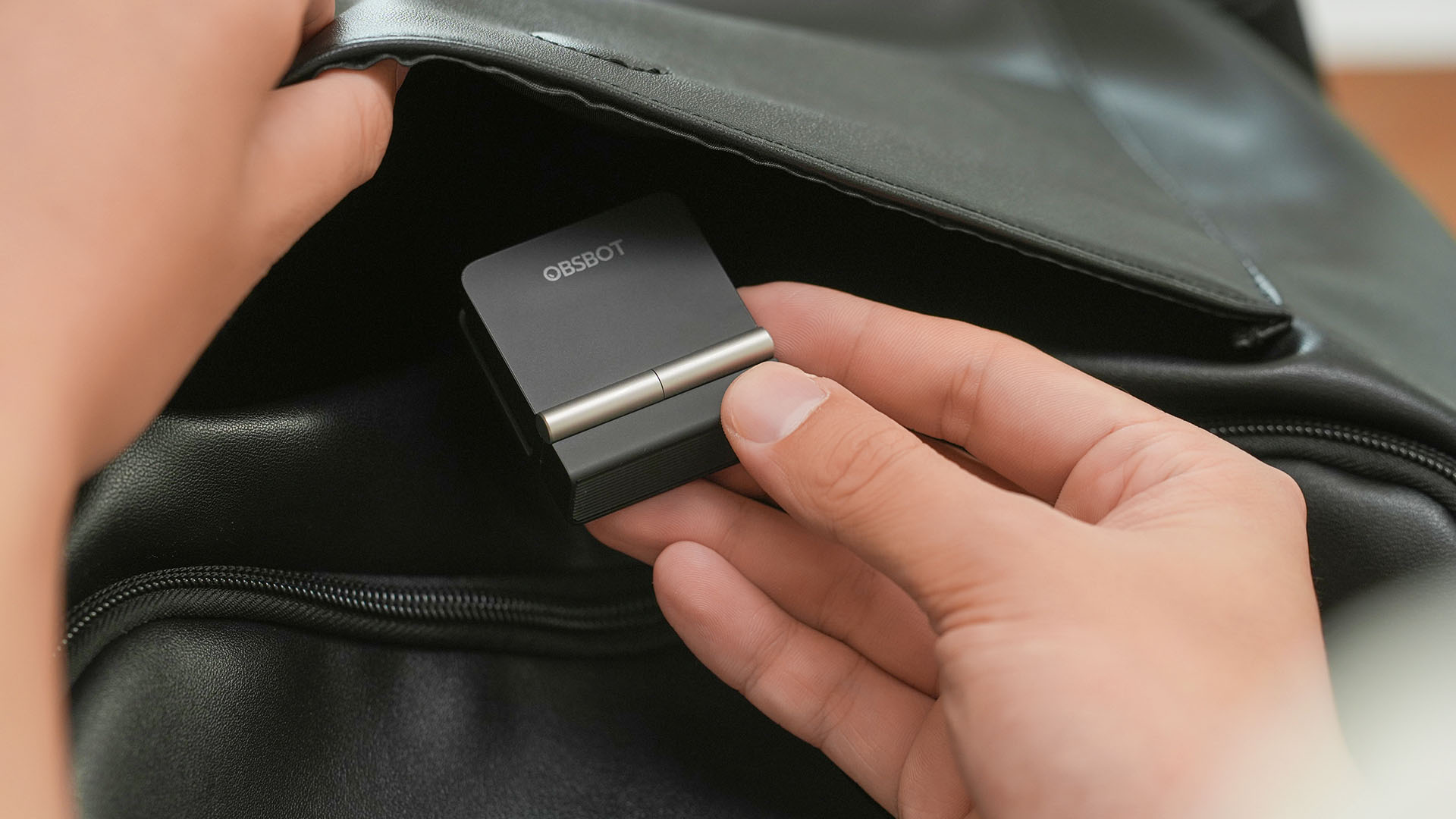
The OBSBOT Meet Flip is the company’s first foldable 4K webcam packing:
- 1/2-inch stacked CMOS sensor
- intelligent audio
- a collection of AI-powered meeting tools
All of these inside a body weighing just 37.7 grams.
A fold that does something, not just a gimmick
The OBSBOT Meet Flip isn’t foldable just to make it easier to throw into a bag.
Closing the webcam physically blocks the lens and puts the device into sleep mode. Open it when you want to be seen, flip it shut when you don’t.
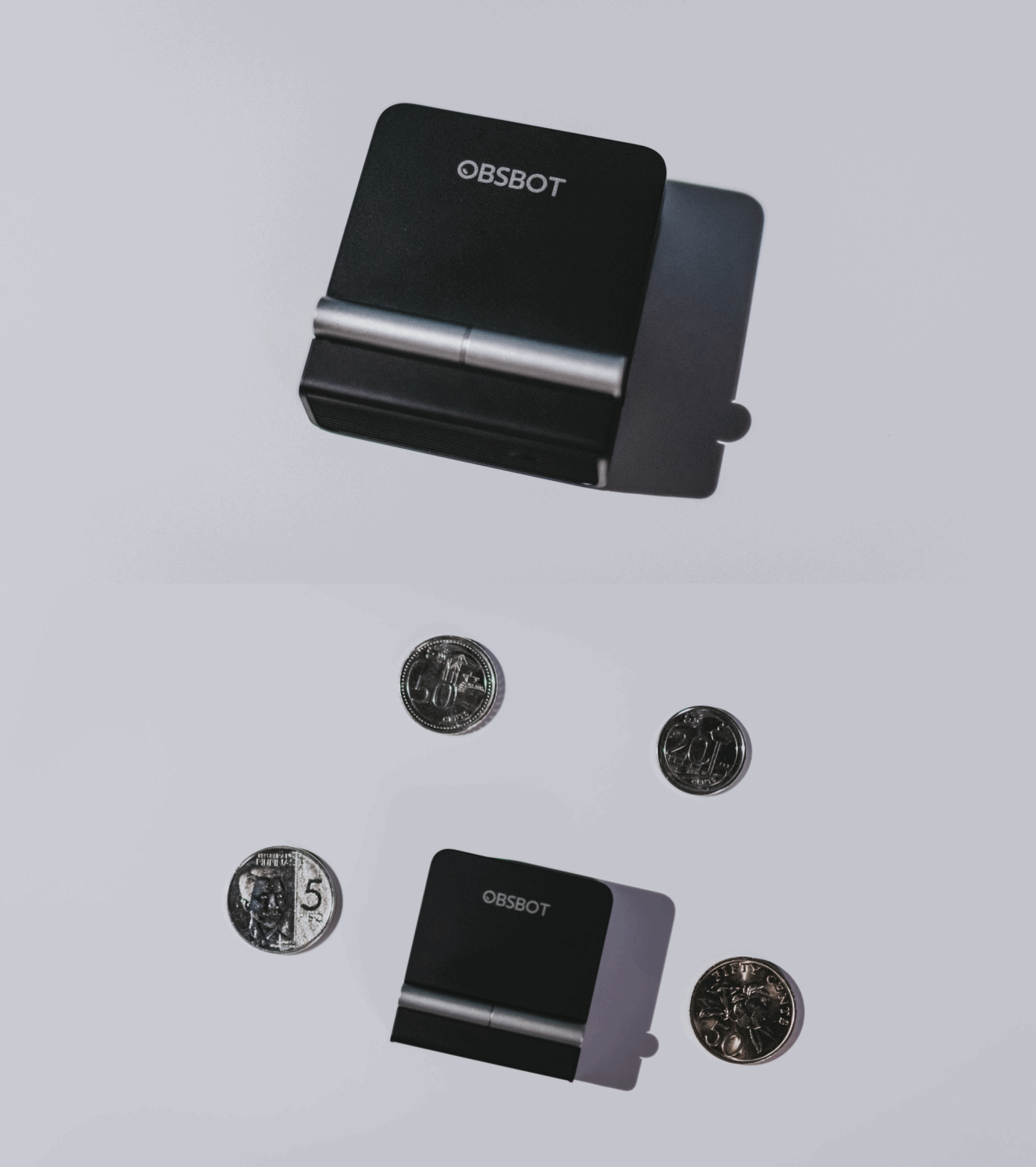
A physical privacy cover isn’t novel in itself. What’s clever here is how it’s part of the folding design.
As someone with a love-hate relationship with data privacy, I almost always keep some physical barrier over my laptop webcam. And if I can avoid having a webcam there entirely, even better.
Serious camera hardware in a pocket-sized webcam
Despite its size, OBSBOT hasn’t treated the Meet Flip like a basic laptop-camera replacement.
Inside is a 1/2-inch Exmor RS stacked CMOS sensor with Quad Bayer technology, capable of recording 4K UHD at 30 fps or 1080p at 60 fps. It also packs an f/1.8 aperture, HDR, PDAF autofocus, ISO 100–6400, and up to 4x digital zoom.
At its core is a 1/2-inch Exmor RS stacked CMOS sensor with Quad Bayer technology.
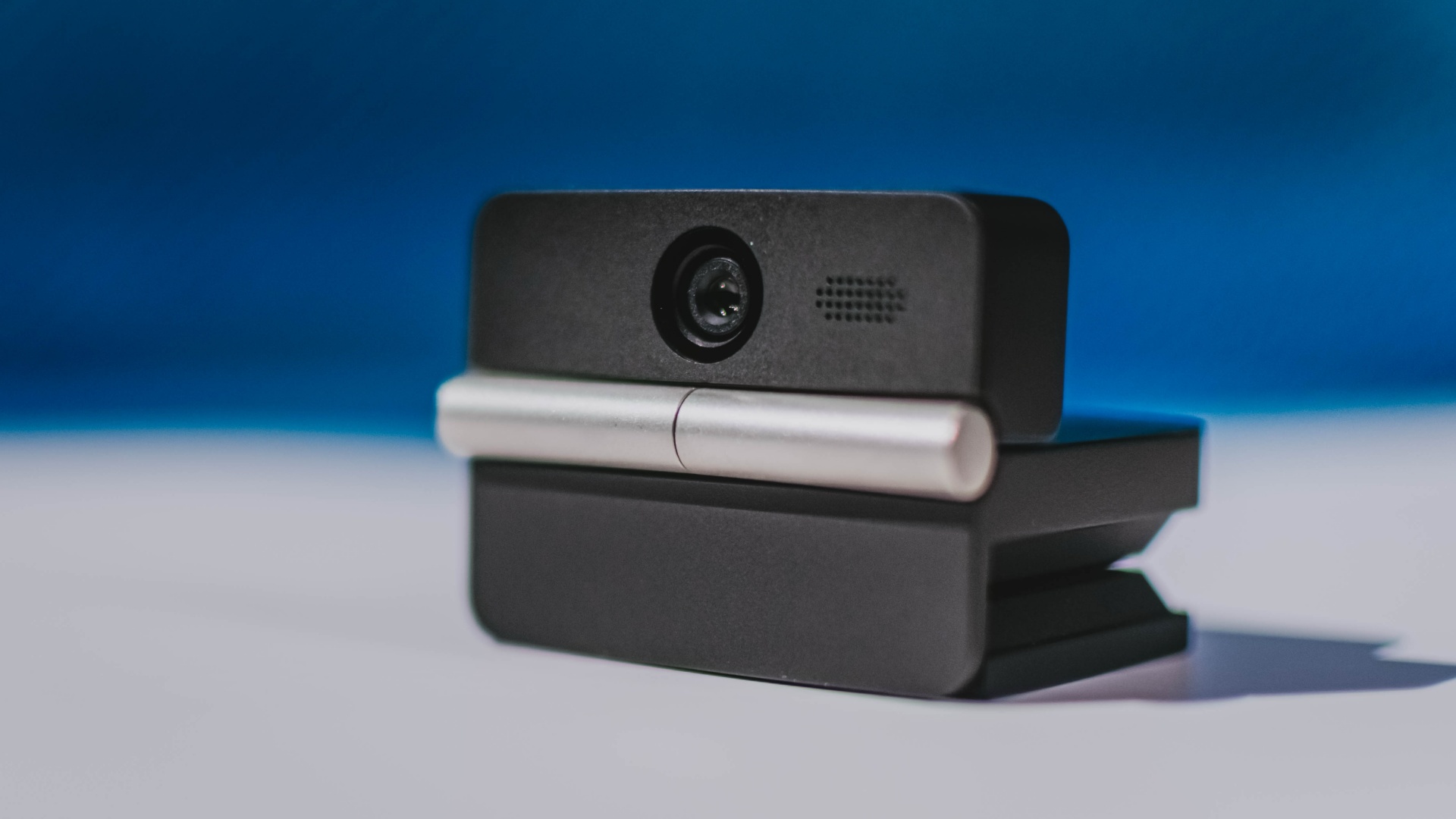
It can record:
- 4K UHD at 30fps
- 1080p at 60fps
You also get:
- f/1.8 aperture
- HDR
- PDAF autofocus
- ISO 100–6400
- up to 4x digital zoom
On paper, that gives the Meet Flip a better shot at handling the situations built-in laptop webcams often struggle with: dim rooms, harsh backlighting, changing lighting conditions, or simply moving around in front of the camera.
HDR helps keep faces visible against bright backgrounds, while PDAF autofocus continuously adjusts focus as you move closer to or farther from the lens.
The wider f/1.8 aperture should also help in less-than-ideal lighting.
The point is that once the Meet Flip is set up, you shouldn’t have to spend much time thinking about the camera itself.
It listens differently depending on the room setup
The Meet Flip also uses an intelligent dual-microphone system combining omnidirectional and directional microphones.
Instead of relying on one pickup pattern for every situation, it offers four audio modes for different setups:
Directional Mode focuses on sound coming from the front, making it the obvious choice for solo calls.
Dual-Directional Mode listens to both the front and rear of the webcam, which could be useful for interviews or conversations between two people sitting across from each other.
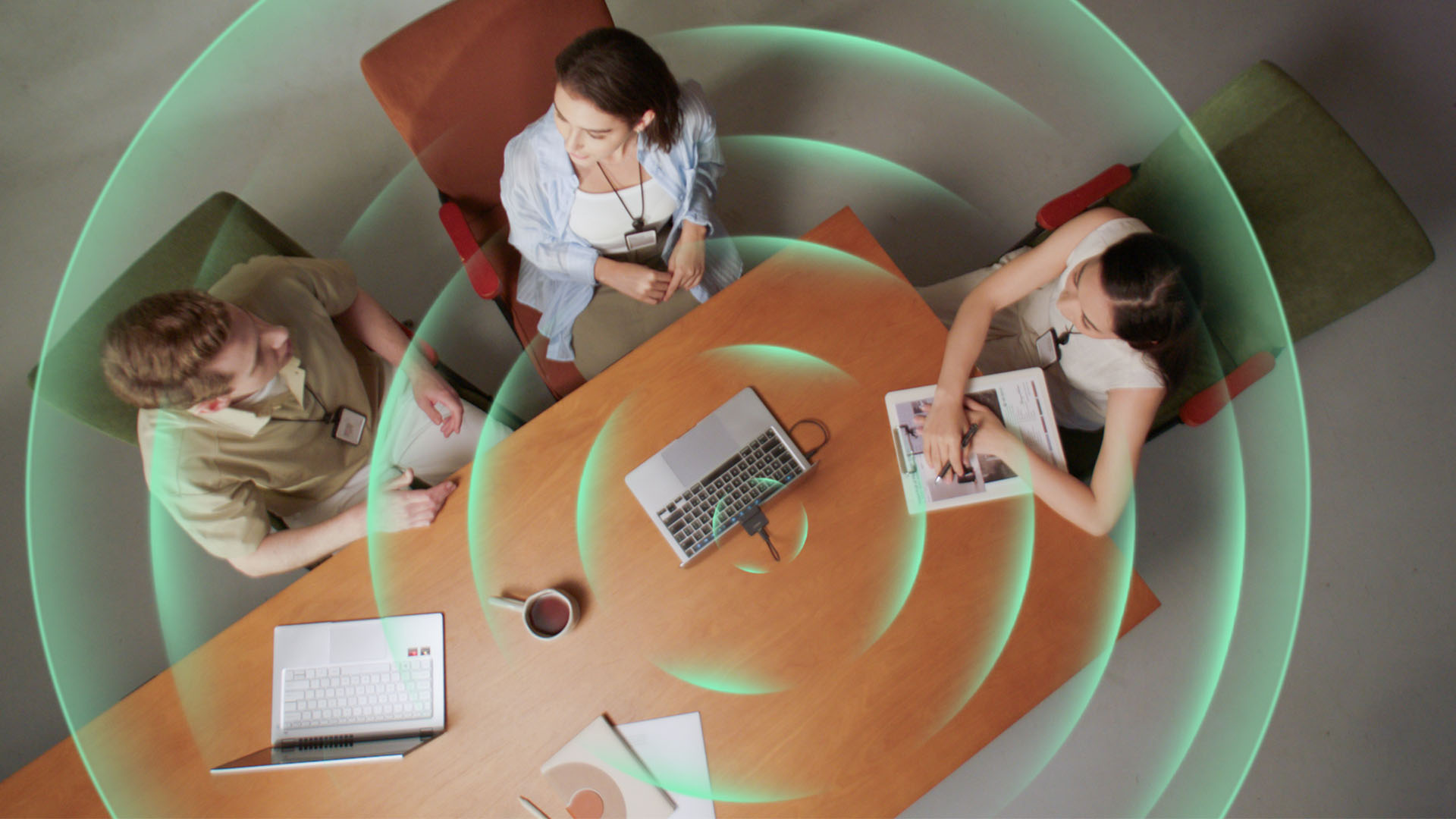
Smart Omni Mode is designed for group meetings, picking up voices from around the room.
And Pure Audio Mode provides unprocessed left and right stereo channels for users who would rather handle the audio themselves in post-production.
Auto Gain and AI Noise Reduction also work across the first three modes, helping clean up audio without requiring much manual adjustment.
It gives the Meet Flip more flexibility than a typical webcam microphone, especially if you regularly switch between solo calls, interviews, and group meetings.
AI that doesn’t intrude
AI has become an almost obligatory addition to new hardware in 2026, but several of the Meet Flip’s features put it to work on real-world meeting annoyances.
AI Auto Framing keeps you in frame, with options for:
- Group
- Single Close-up
- Upper Body
- Full Body
Gesture controls can also toggle Auto Framing or adjust the zoom without reaching for a keyboard or mouse.
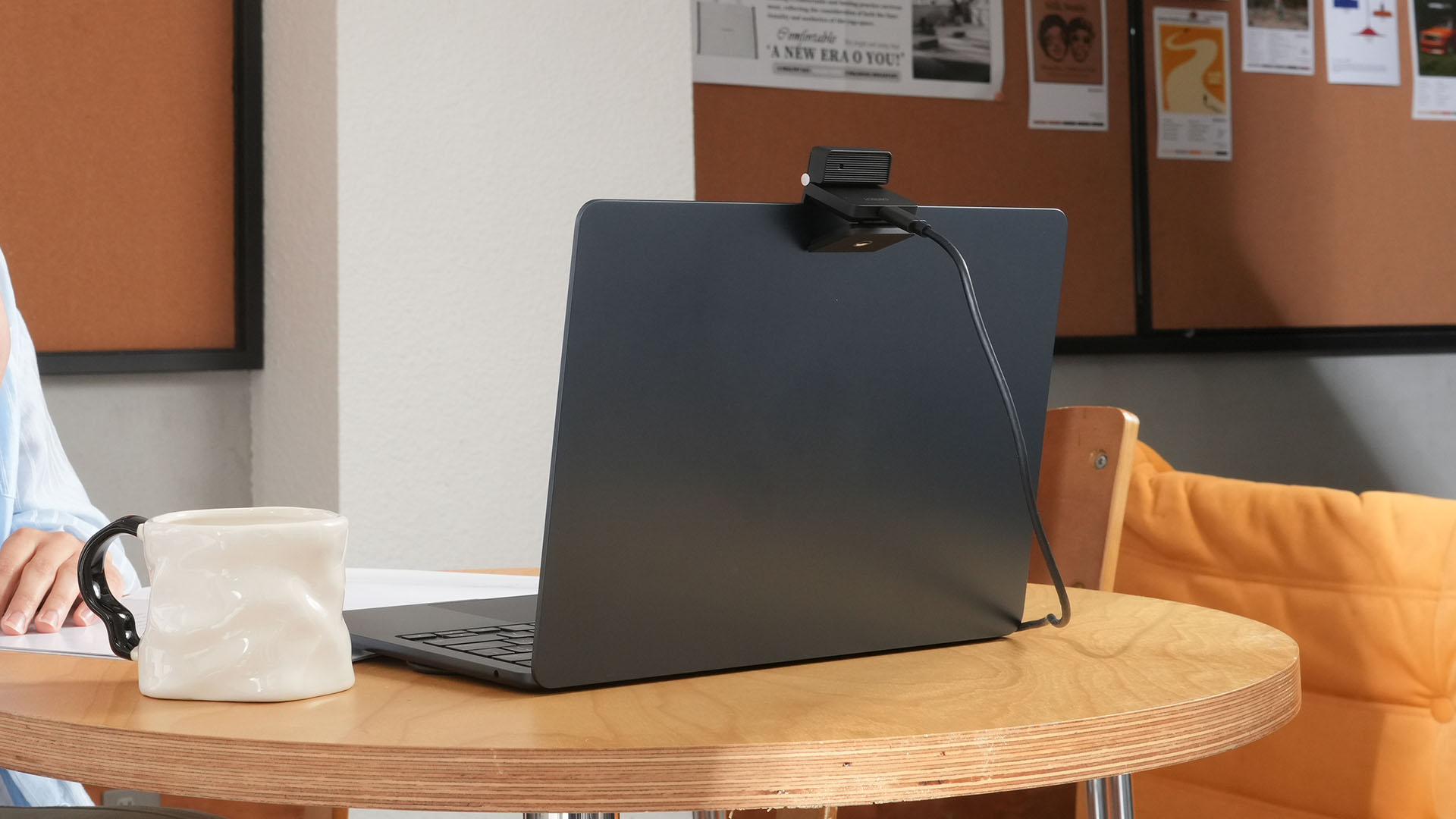
More interesting is AI Magic Notes.
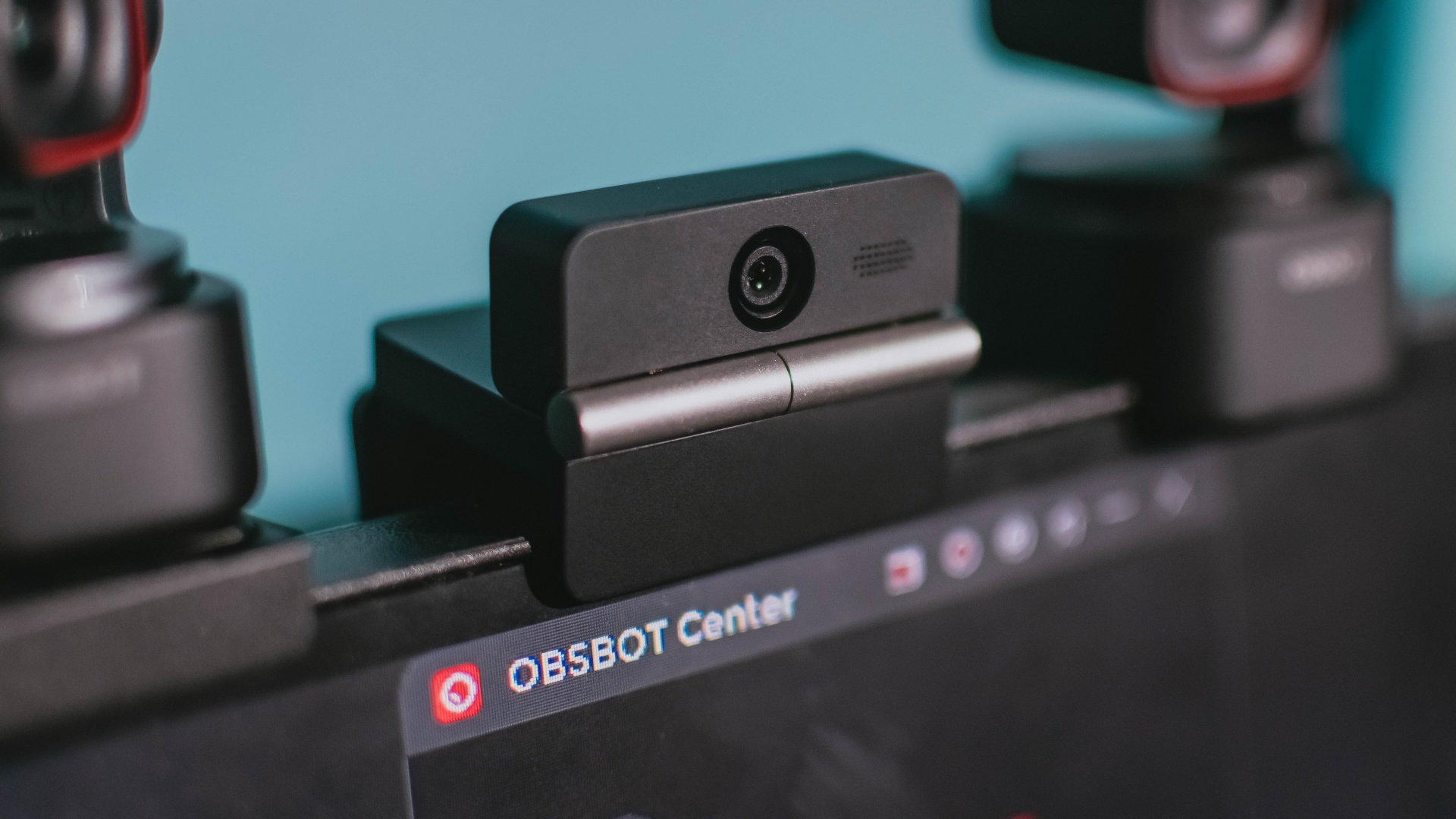
Through OBSBOT Center, it provides real-time transcription and can automatically generate meeting summaries with key points, decisions, and action items. It works across Google Meet, Zoom, and Microsoft Teams.
Although AI Magic Notes is offered as a subscription service, every Meet Flip includes 120 complimentary minutes to get started.
MORE with OBSBOT Center & OBSBOT Live
There are plenty of other software features as well. OBSBOT Center includes:
- Background Blur and Background Replacement
- Real-Time Beauty Mode
- Picture-in-Picture overlays
- Smart Eye Tracking
- Teleprompter support
- Detailed image adjustments
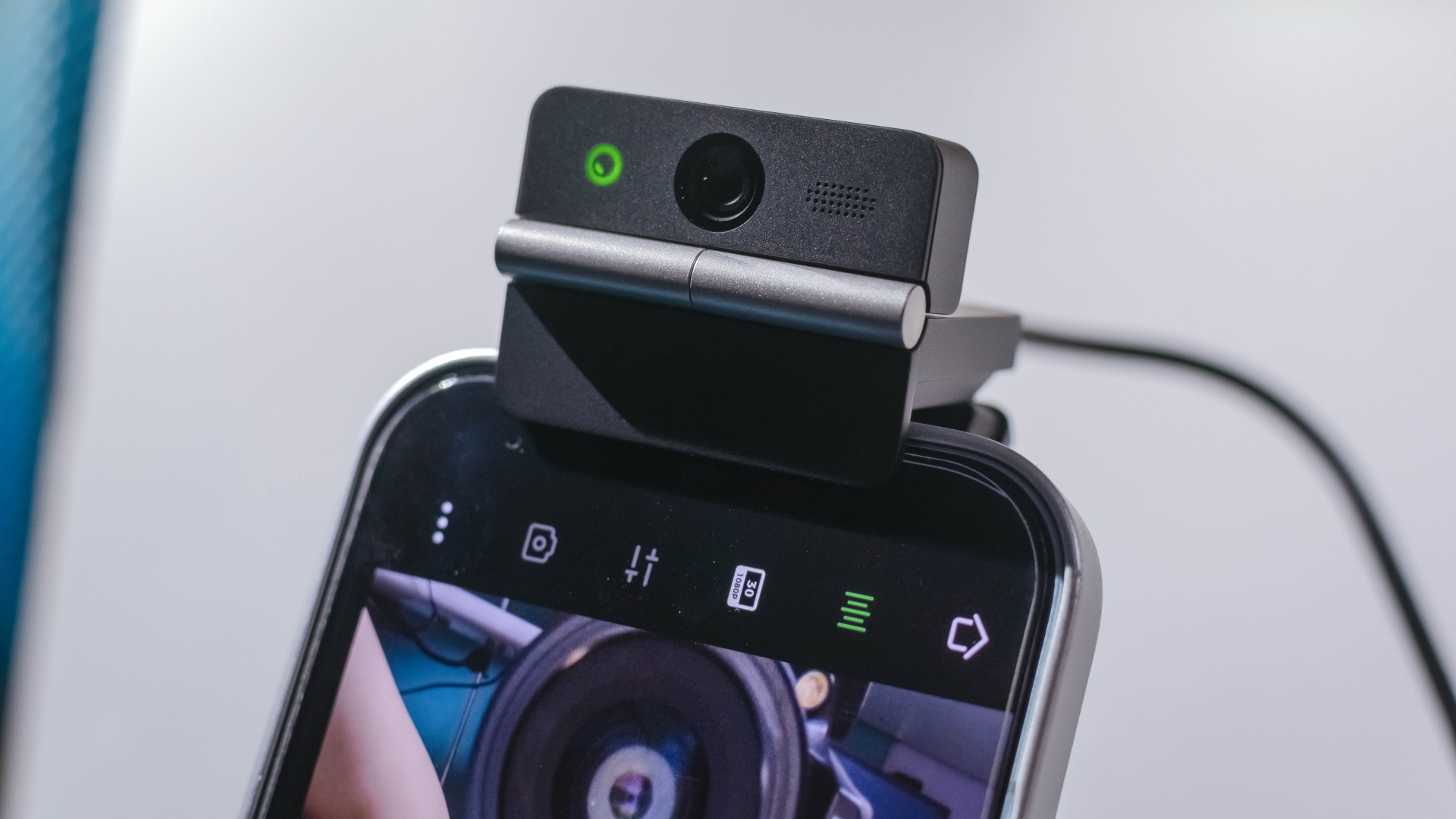
The Meet Flip isn’t limited to laptops or desktops either. Through OBSBOT Live, it can connect directly to smartphones and tablets over USB-C for mobile streaming and content creation.
Flip it open. Fold it away.
None of those features reinvent the webcam on their own.
Taken together, though, they make the Meet Flip a more thoughtful take on a piece of hardware whose basic design and features have barely changed.
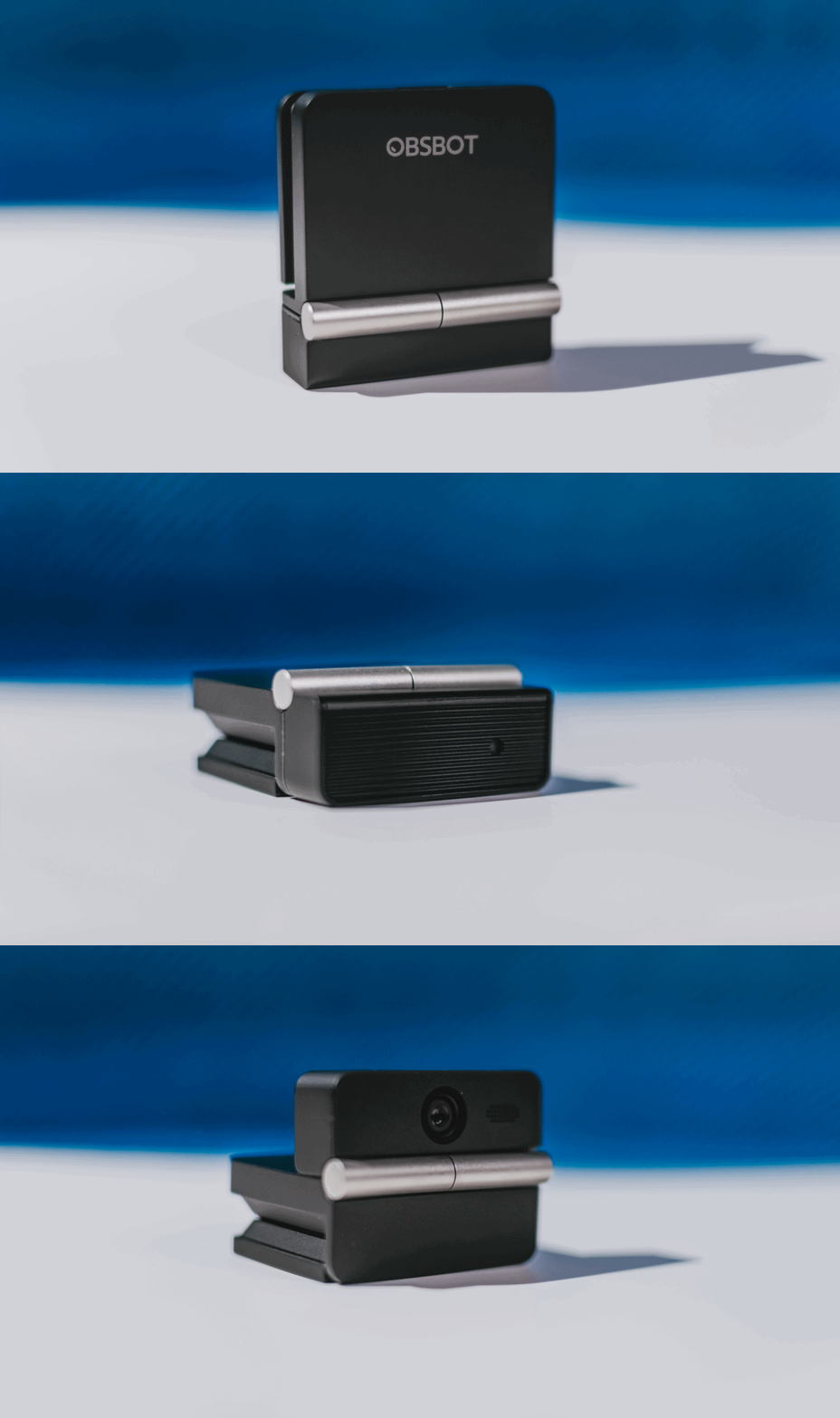
The flip may grab your attention first, but it’s how OBSBOT uses that design alongside its camera, audio, and software features that makes the Meet Flip interesting.
The OBSBOT Meet Flip is now available at US$ 119 and is currently available through OBSBOT’s official store, Amazon US, and select retailers.
Features
Getting the latest Samsung Galaxy Z Flip8 at 0% Interest with Maya Mini Payments
What convinced me to upgrade and how Maya Mini Payments made paying for it easier~

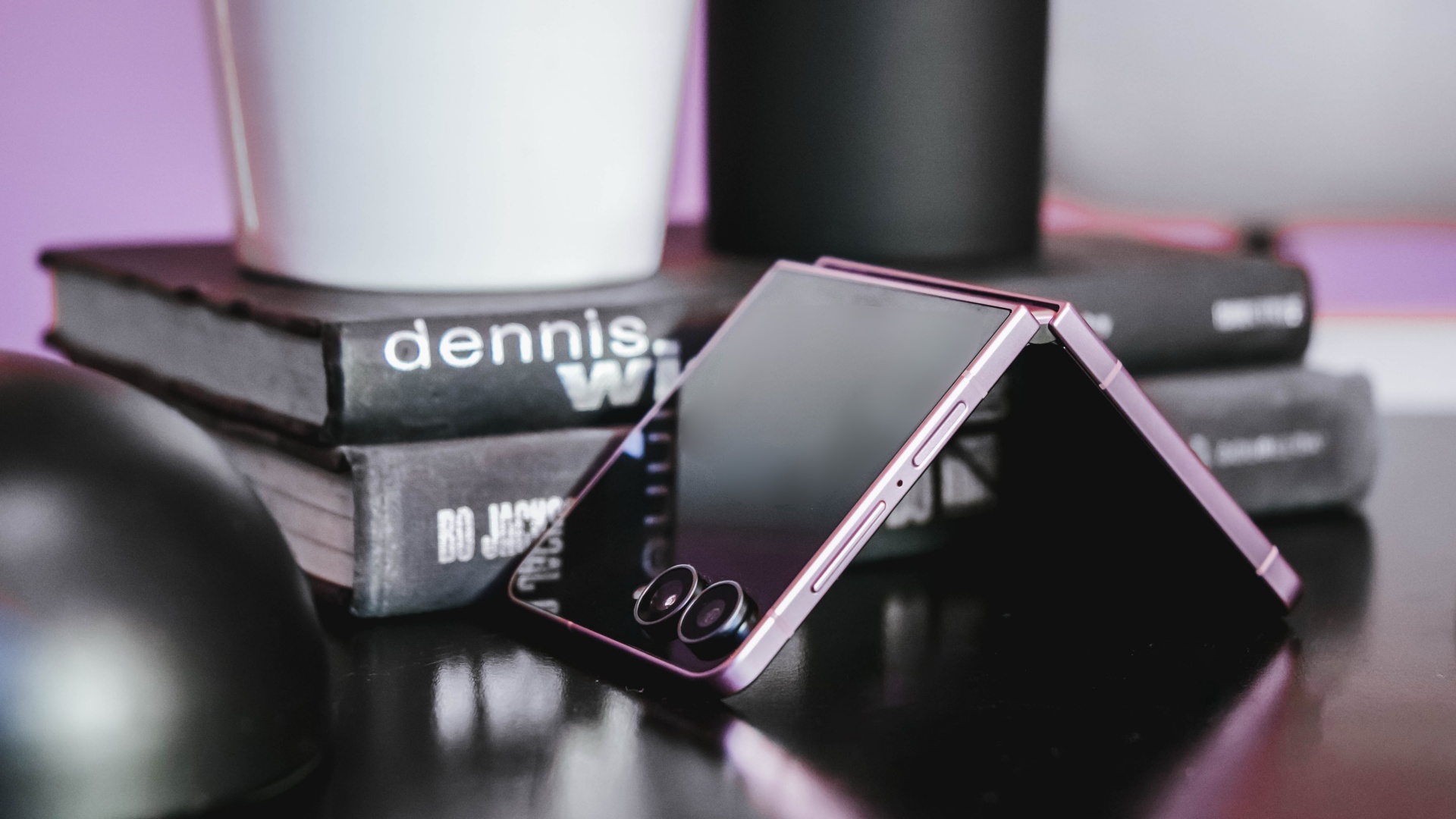
I don’t upgrade simply because there’s a newer model on the shelf.
Last year, I upgraded to the Samsung Galaxy Z Flip7 after spending three years with the iPhone 13 as my daily driver.
Even then, the decision wasn’t about chasing the latest release. It was about finding a device that better matched how I work.
I’m a firm believer that every upgrade has to earn its place in my pocket, especially when there are already perfectly capable phones sitting on my desk.
So when I decided to pre-order the Samsung Galaxy Z Flip8, the decision wasn’t simply about getting the newest device.
It came down to two questions: It came down to two questions: Is this a smart upgrade? And if it is, what’s the smartest way to own it?
The first question was answered by the device itself. The second is where Maya Mini Payments entered the conversation.
For me, the Flip8 addresses the reasons to upgrade. Maya Mini Payments addresses one of the biggest reasons people hesitate: big purchases that could be paid in 3, 6, 9 or 12 monthly payments.
Changing how I shoot and use my phone
I spend most of my day switching between shooting, editing, and posting, sometimes all within the same hour.
One of the biggest reasons the Galaxy Z Flip8 caught my attention is the cover screen. It’s finally useful enough that I can shoot, preview, and interact with content without constantly opening the device.
That may sound like a small change, but it makes a difference when you’re trying to capture candid moments before people notice a camera pointed at them.
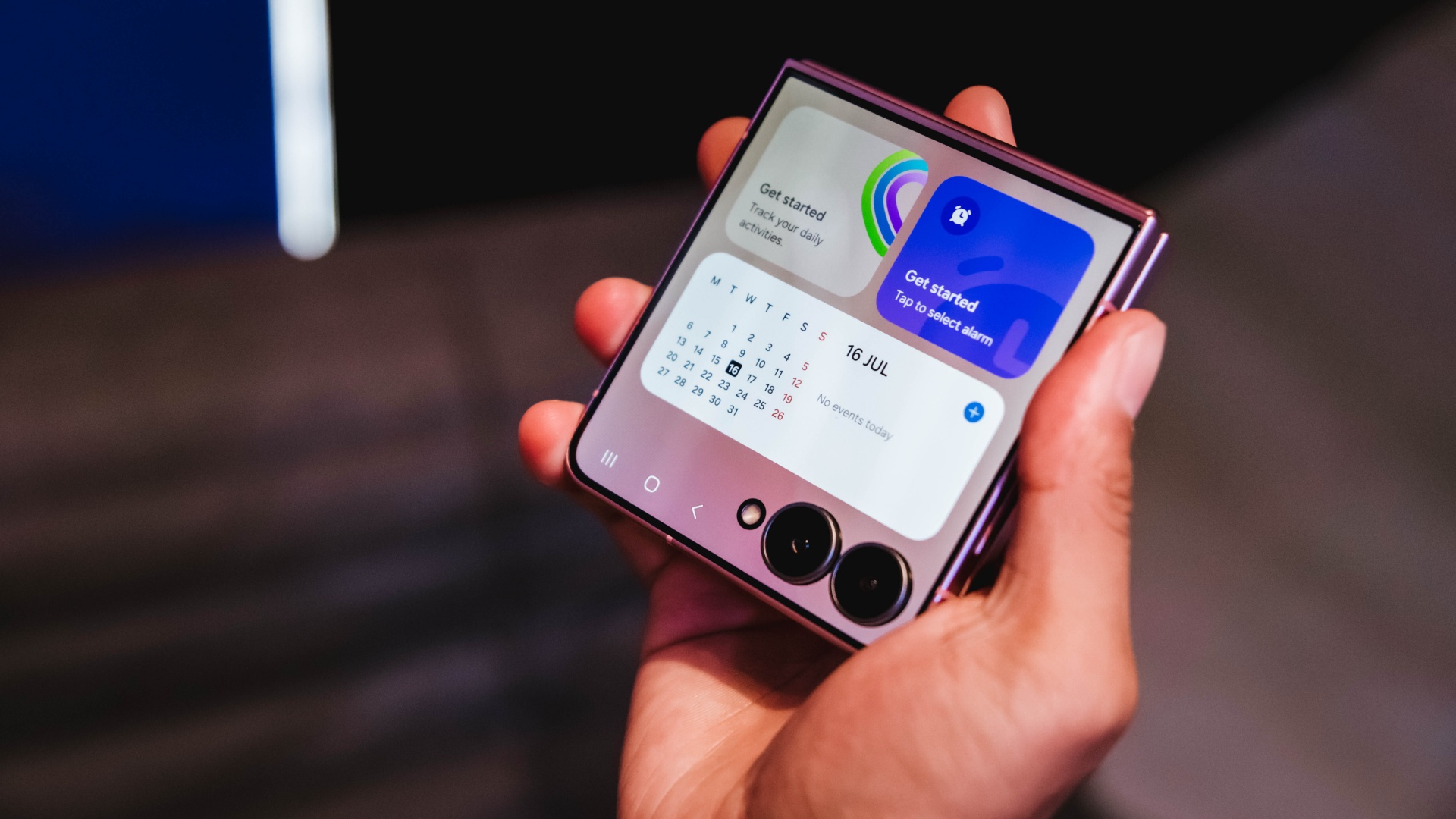
It also makes everyday tasks easier. I can check a script, review a shotlist, reply to messages, or glance at notifications without unfolding the phone every few minutes.
For years, foldables often felt like they required some compromise. You gained a unique form factor and flexibility, but sometimes gave up a little on the camera experience. The Flip8 feels like it’s closing that gap.
Samsung’s improvements in low-light performance and stabilization are especially noticeable for the kind of run-and-gun content I create.
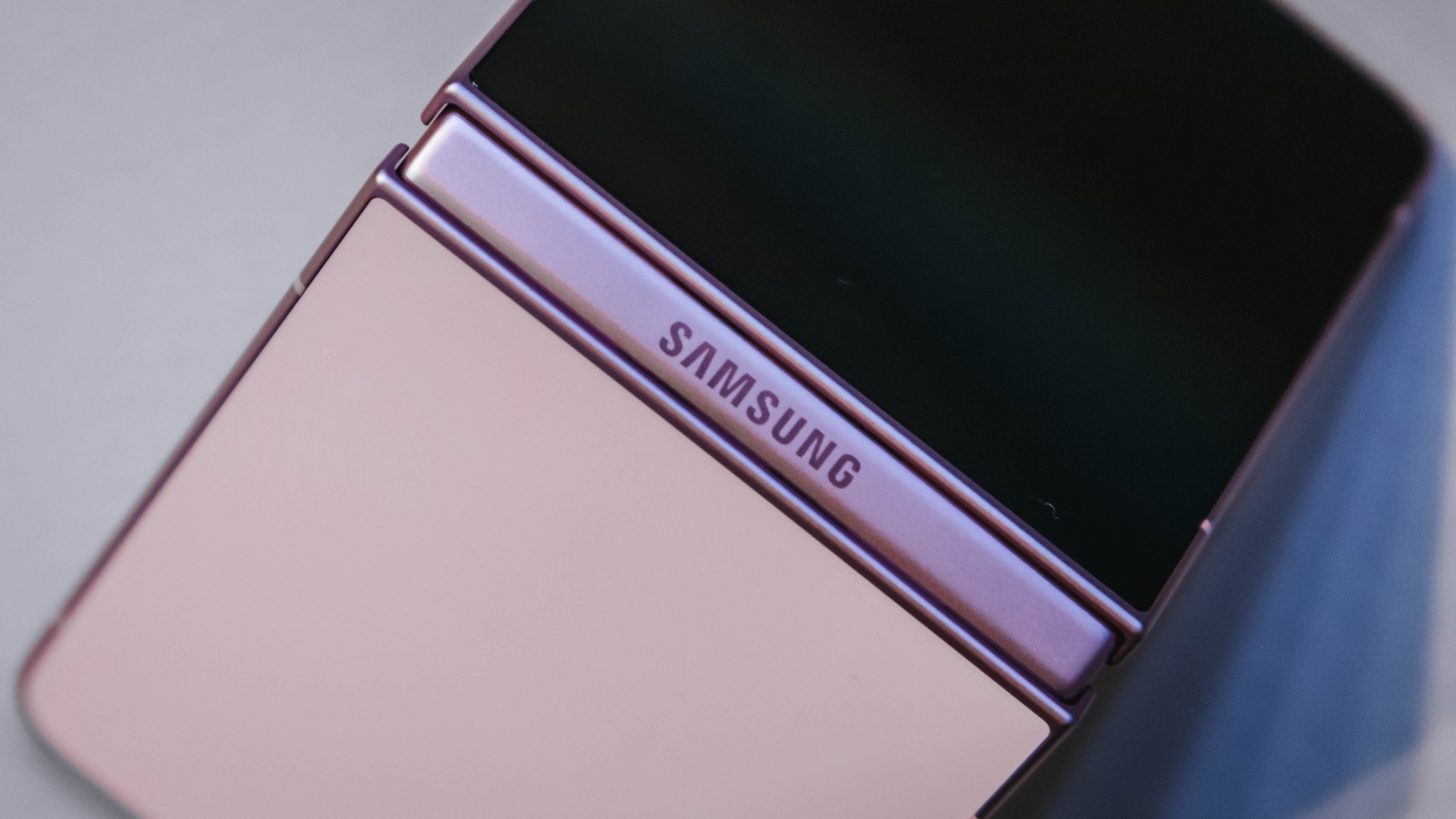
I haven’t spent enough time with it to call this a full review yet, but my first impressions have been positive. The experience feels more refined and more dependable than previous generations.
Features alone don’t convince me to upgrade. They have to solve a real problem. The more useful cover screen, the improved camera experience, and the overall refinement were the first signs that the Flip8 was offering something I’d actually use every day rather than another feature to add to a spec sheet.
The battery and multitasking finally match my day
The less exciting reason I’m upgrading is also the one that affects me the most.
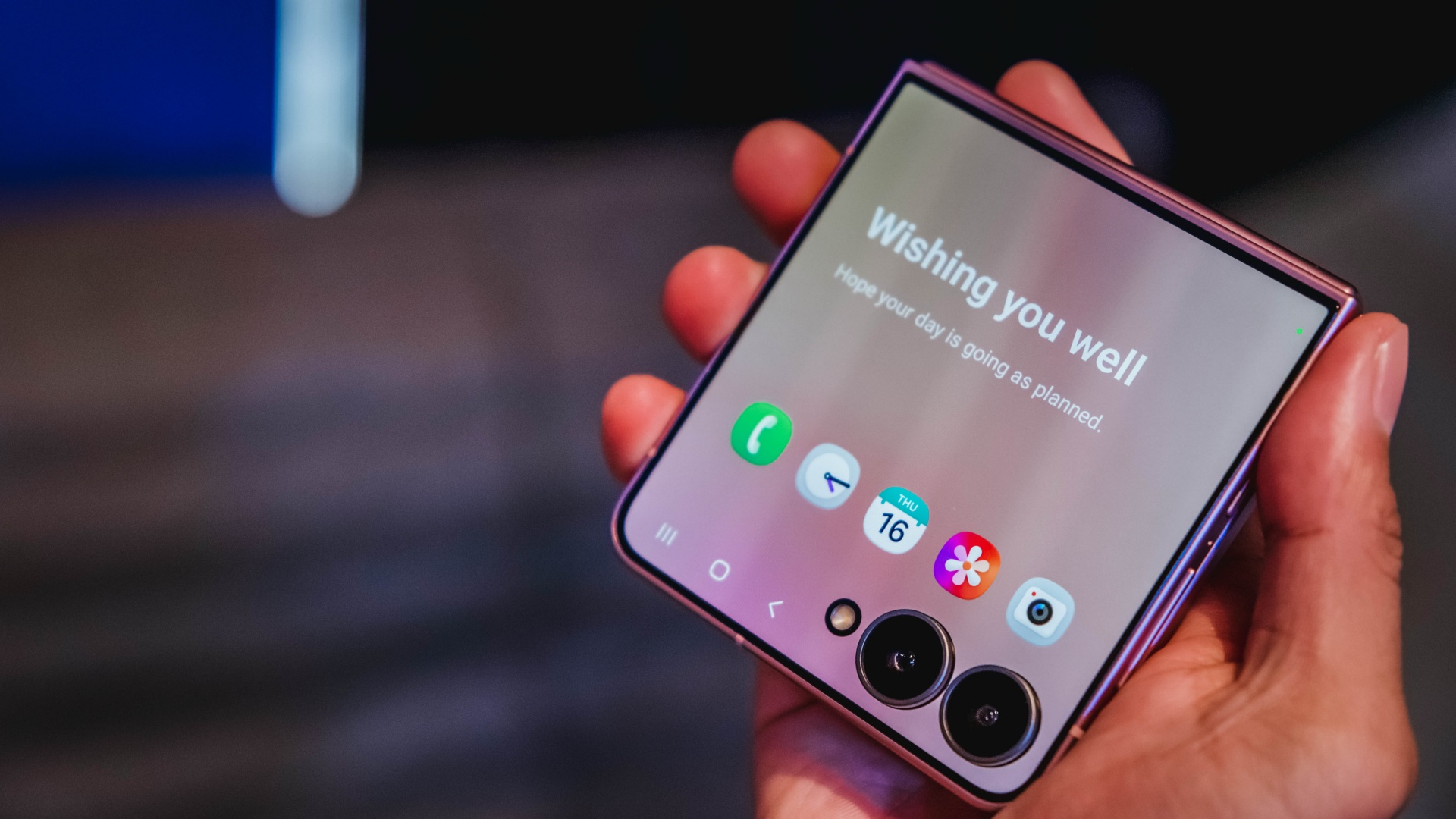
Between filming, reviewing footage, answering emails, coordinating campaigns, and managing social media, my phone is constantly working.
My old device usually drops into battery-saving territory before dinner. It gets the job done, but I spend too much time thinking about charging instead of working.
The Galaxy Z Flip8 feels better equipped for that reality. The battery efficiency is improved, and multitasking feels more natural when juggling multiple apps throughout the day.
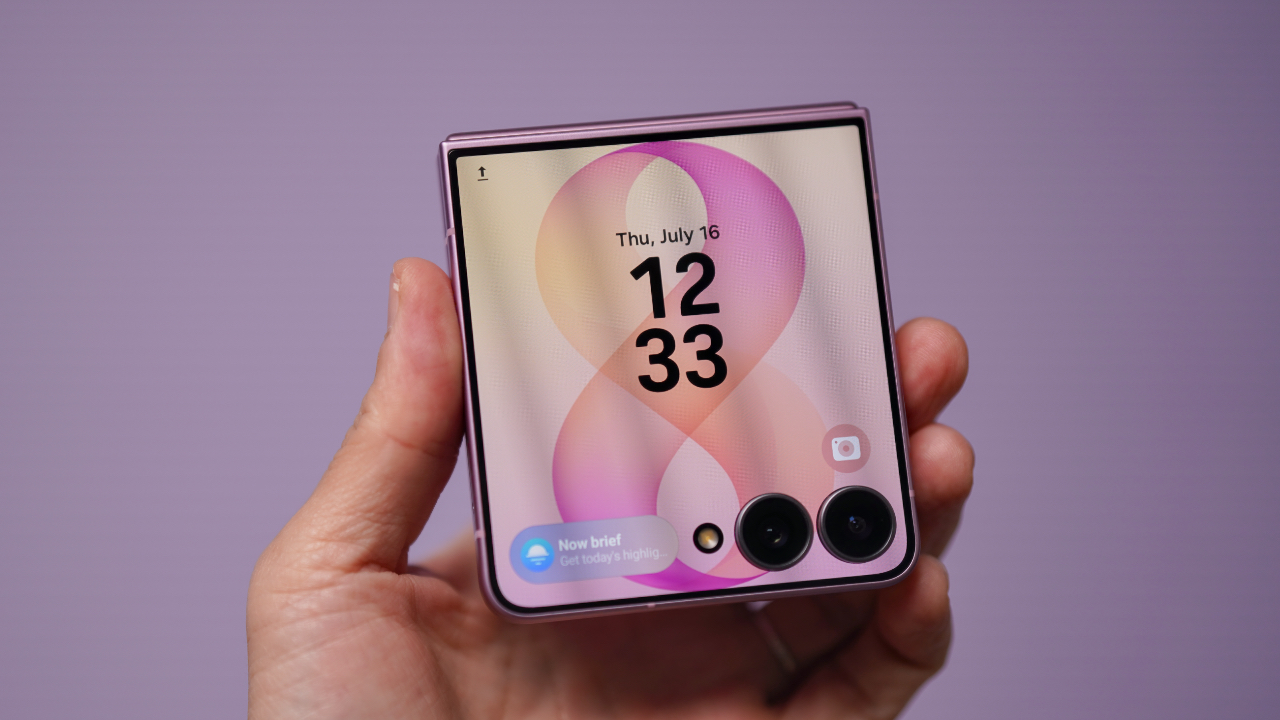
Those aren’t flashy features, but they’re the kinds of upgrades that quietly improve everyday productivity. They’re also the features that convinced me this wasn’t simply a want. It was an upgrade I could actually justify.
Once I was convinced the Flip8 was worth upgrading to, I realized the decision wasn’t really over. A smart upgrade also deserves a smart way to pay for it.
Making a big upgrade more manageable
Of course, deciding a device is worth upgrading to is only half the equation. The other half is figuring out how to pay for it.
The Galaxy Z Flip8 is a premium device, and for most people, the upfront cost is what gives them pause. That’s often where upgrade decisions get delayed, even when the device itself makes sense.
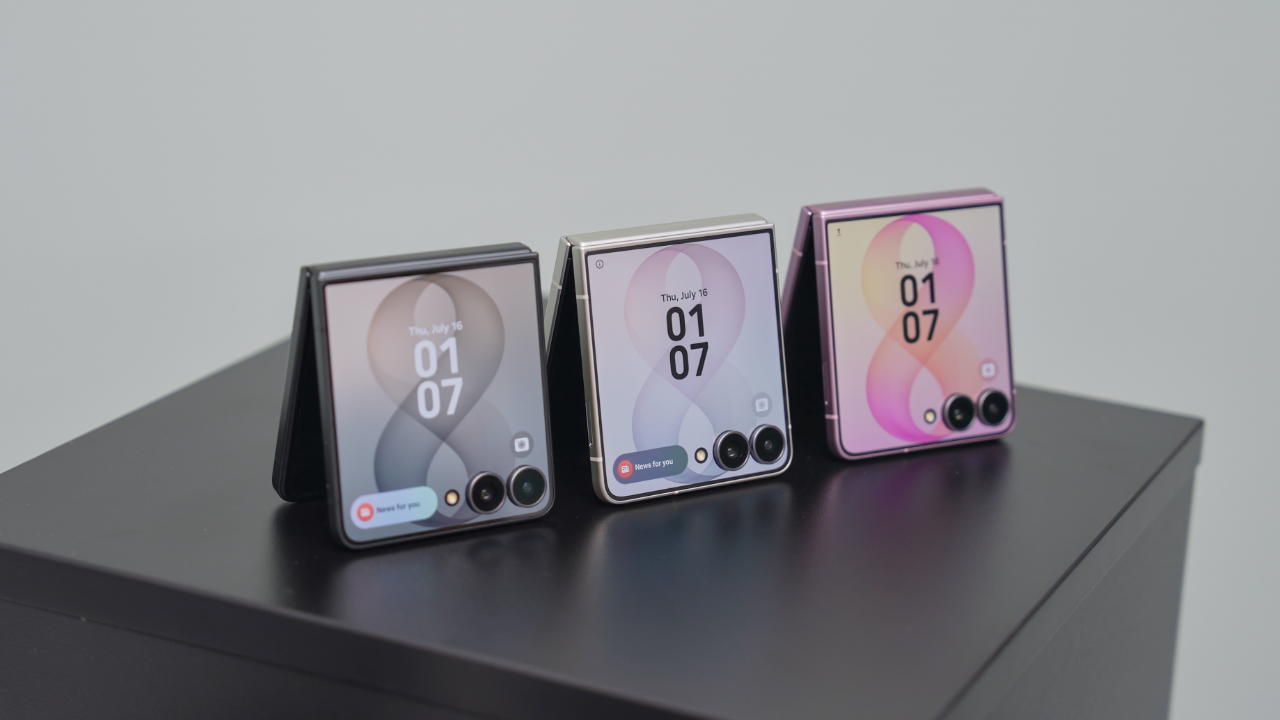
That’s why Maya Mini Payments stood out to me. Any Samsung purchase paid with a Maya Credit Card can be converted into Mini Payments directly through the Maya app, making it easier to spread the cost into monthly installments instead of paying for everything upfront in one go.
You can choose installment plans of up to 12 months at a fixed monthly add-on interest rate of 1%.
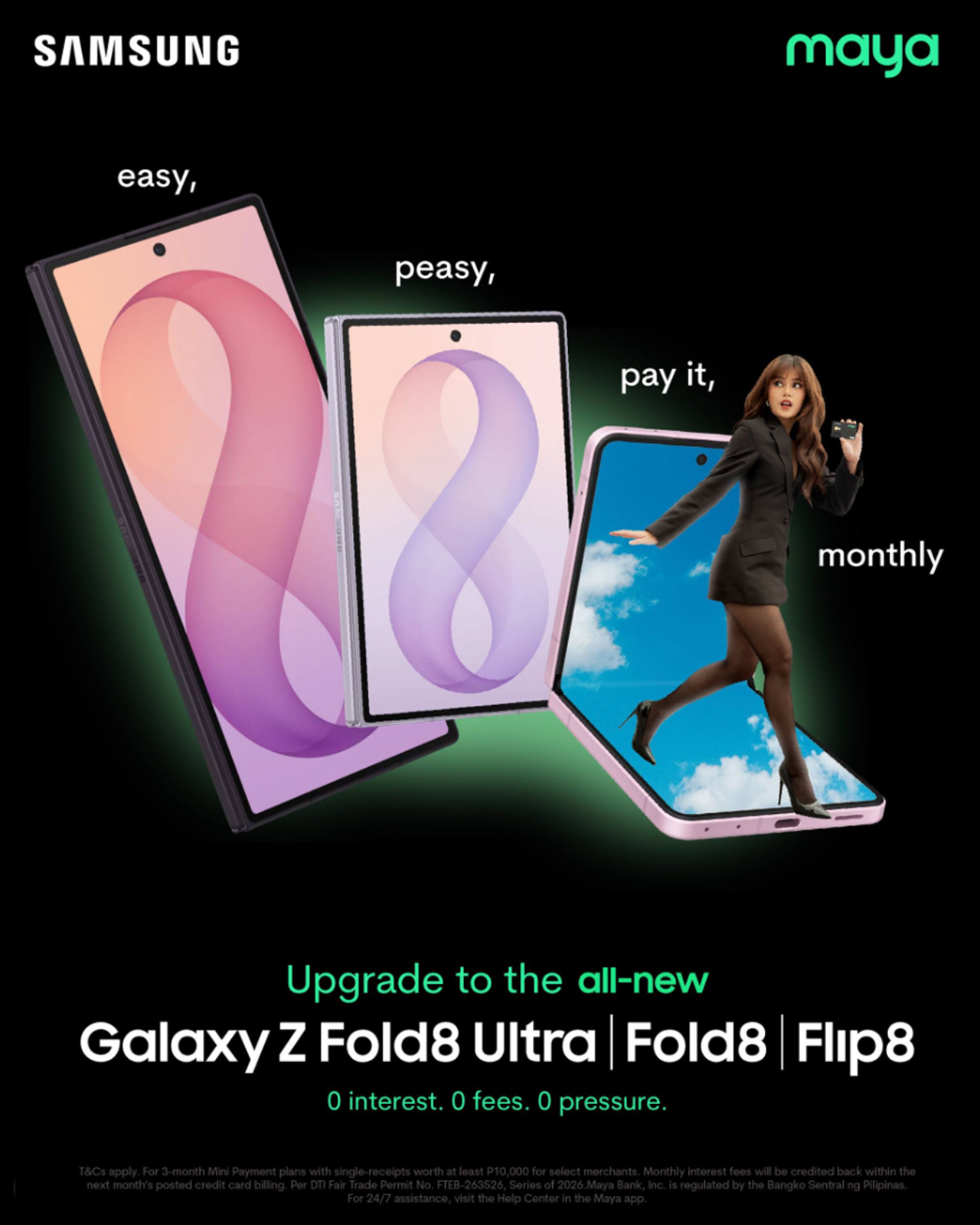
For Samsung Galaxy Z Fold8 and Galaxy Z Flip8 purchases, cardholders can enjoy a 3-month Mini Payment plan at 0% interest, making the upgrade more manageable without additional interest costs on the installment plan.

What I like about the concept is that it mirrors the reason I like the Flip8 itself.
The Flip8 makes it easy for me to shoot, edit, communicate, and multitask throughout the day. Maya Mini Payments makes it easy to purchase by turning one large expense into a payment plan that fits more naturally into a monthly budget.
Both are practical solutions to real-world problems. Also, the entire process can be managed directly within the Maya app, making it easy to track and manage installment conversions without additional paperwork.
View this post on Instagram
Still on the fence?
The Samsung Galaxy Z Flip8 feels like one of the strongest cases yet for upgrading to a foldable.
For me, the cover screen is more useful, the camera experience feels more capable, and the battery and multitasking improvements better match how I actually work every day.
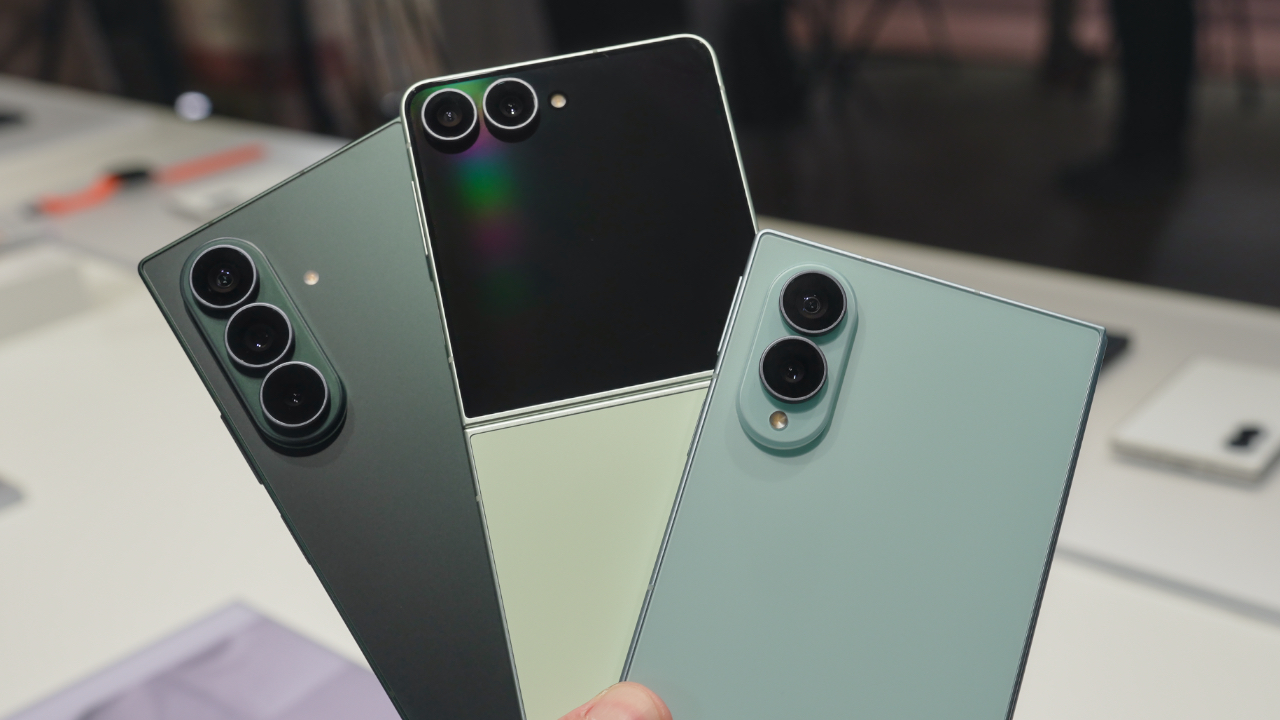
If you prefer a larger screen for productivity, the Samsung Galaxy Z Fold8 follows the same philosophy while giving users even more room to multitask and create.
If you’ve already decided Samsung’s latest foldables are your next devices, there’s also a smarter way to make that upgrade happen.
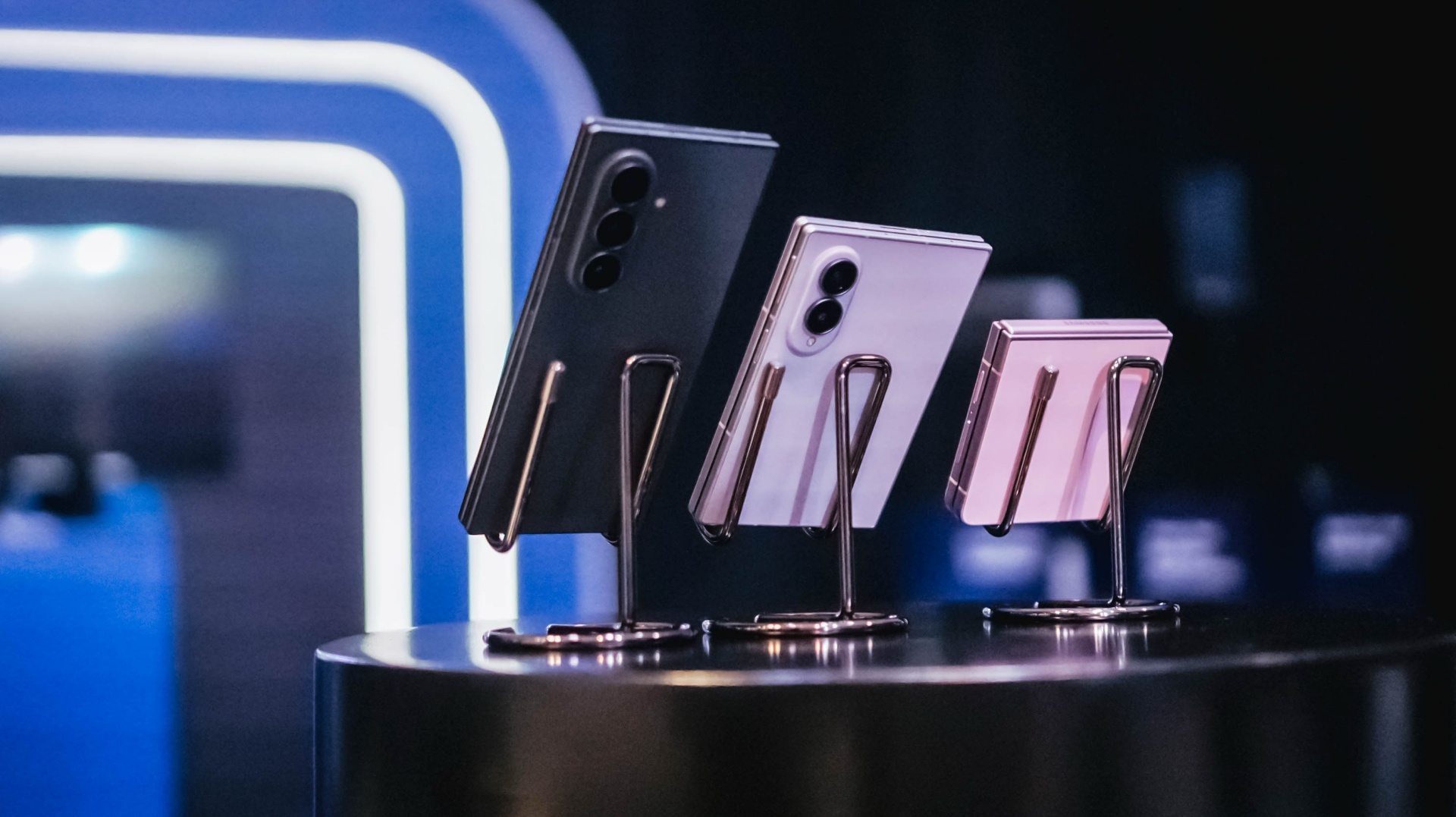
All your Samsung purchases made using a Maya Credit Card can be converted into a 3-month Mini Payment plan at 0% interest, with zero processing fees until September 30, making it easier to enjoy Samsung’s latest innovations without one big upfront payment.
Pre-orders run until August 13, with devices available in-store beginning August 14.

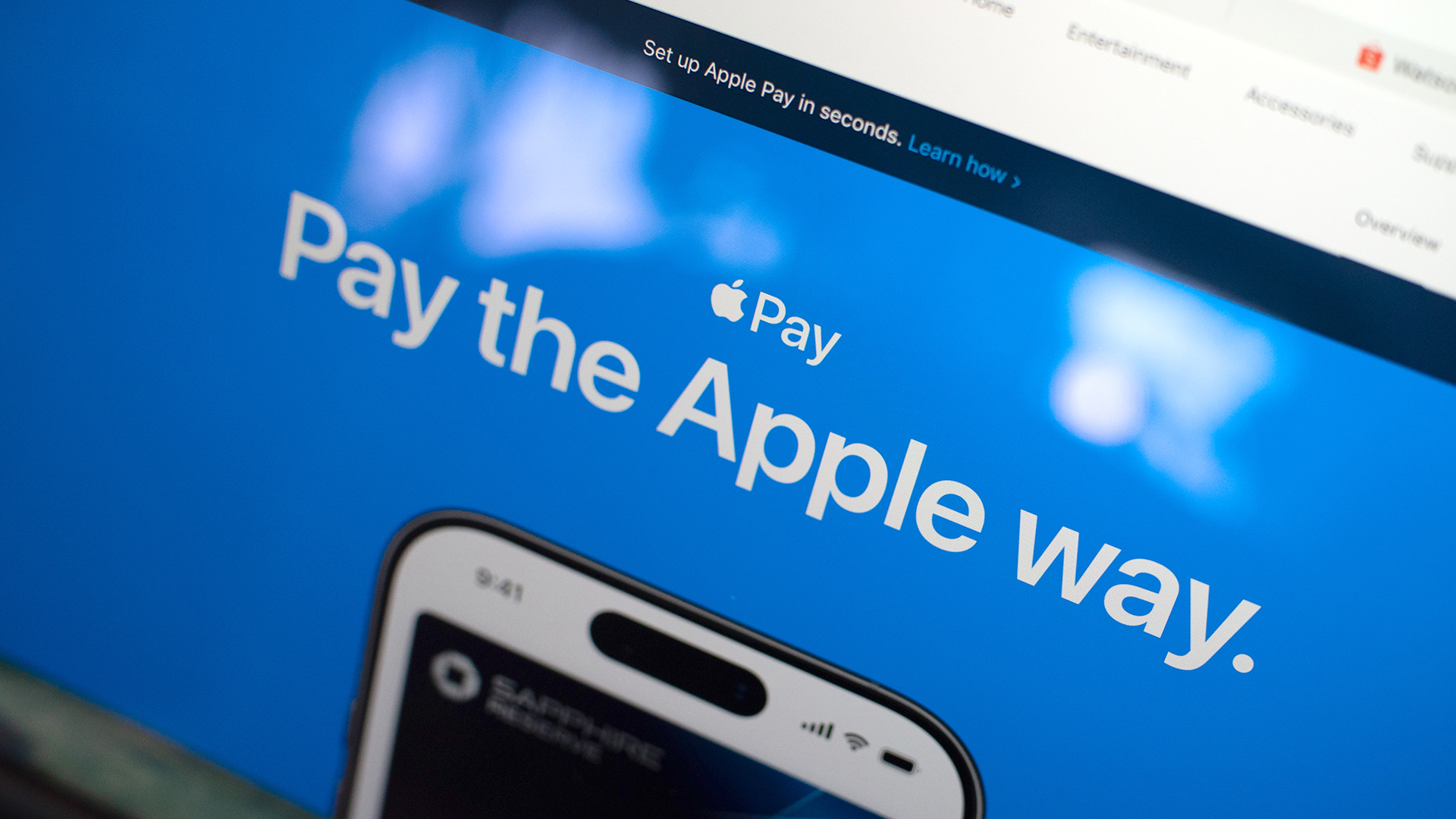
Apple Pay is officially in the Philippines!
Pushing the country forward into a cashless and cardless future, Apple has now brought its contactless payment system to the Philippines. As with other countries, Apply Pay will work seamlessly and easily even for those who have problems with technology.
Now, despite how easy it is, sometimes we need to be pointed in the right direction. Here’s how you can set up Apple Pay on your iPhone:
Everything starts with the Wallet app. First, open your Wallet app. Tap the “+” button on the top and select “Debit or Credit Card.”
Normally, this is where you can input your card details (which you can still do, by the way), but the default method now is to just tap your card on the back of your iPhone. Your phone does the rest. You might need to confirm with your bank, but it’s as easy as a single tap.
Pick which cards to use. Once you have your cards online, you might need to change which one is the default card. Again, it’s easy. Just drag your preferred card to the front.
Afterwards, you can tap to pay in supported stores by priming the Wallet app for use. Tapping to pay is also available for Apple Watch. Meanwhile, online transactions can also work on MacBook.
Secure, all the time. If you’re worried about your security especially with online transactions, Apple keeps your information only between you and the seller. They don’t store your data.
Also, it’s not easy to make a transaction without your consent. You need Face ID, Touch ID, or your password. If you lose your phone, you can easily shut your phone down with the Find My app to prevent malicious parties from making transactions.

Samsung Galaxy Z Fold8 Review
8 Galaxy Folds later, Samsung finally nailed It!


30 days later with the ASUS ExpertBook Ultra: Like seeing an ex
Felt exactly as I remembered.


ROG STRIX G16 Review: Building for the moment
Setting it up however you want to make the most out of it

OBSBOT Meet Flip Hands-on
Samsung Galaxy Z Fold8 Review

Smart showcases cloud gaming platform in partnership with Blacknut

What your smartphone color choice reveals about you

New EV player XPENG to launch in the Philippines in September

Hands-on: Samsung Galaxy Z Fold8, Flip8, Ultra

VinFast debuts two-wheeler models, opens 21 e-motorcycle showrooms

Garmin launches its first screenless fitness band

Samsung releases teaser with Spider-Man: Brand New Day Easter eggs

Sony announces new FX5 full-frame camera


























































































-
 Automotive2 weeks ago
VinFast debuts two-wheeler models, opens 21 e-motorcycle showrooms
-

 Automotive2 weeks ago
Xiaomi debuts SkyNomad Series featuring new Kunlun platform
-

 News1 week ago
OnePlus officially leaves the United States and Canada
-

 Gaming2 weeks ago
Call of Duty: Modern Warfare 4 clip shows Losing Ground 1st look
-

 Automotive2 weeks ago
GAC launches new trio of MPVs
-

 Gaming2 weeks ago
Genshin Impact opens Snezhnaya in Version 7.0 this August 12
-
 News1 week ago
Google will force Android users to use Gemini next month
-

 Gaming1 week ago
Tides of Annihilation opens first public demo at Gamescom 2026