
Wearables
Apple Watch keeps wrongfully detecting heart problems
According to newly published medical study

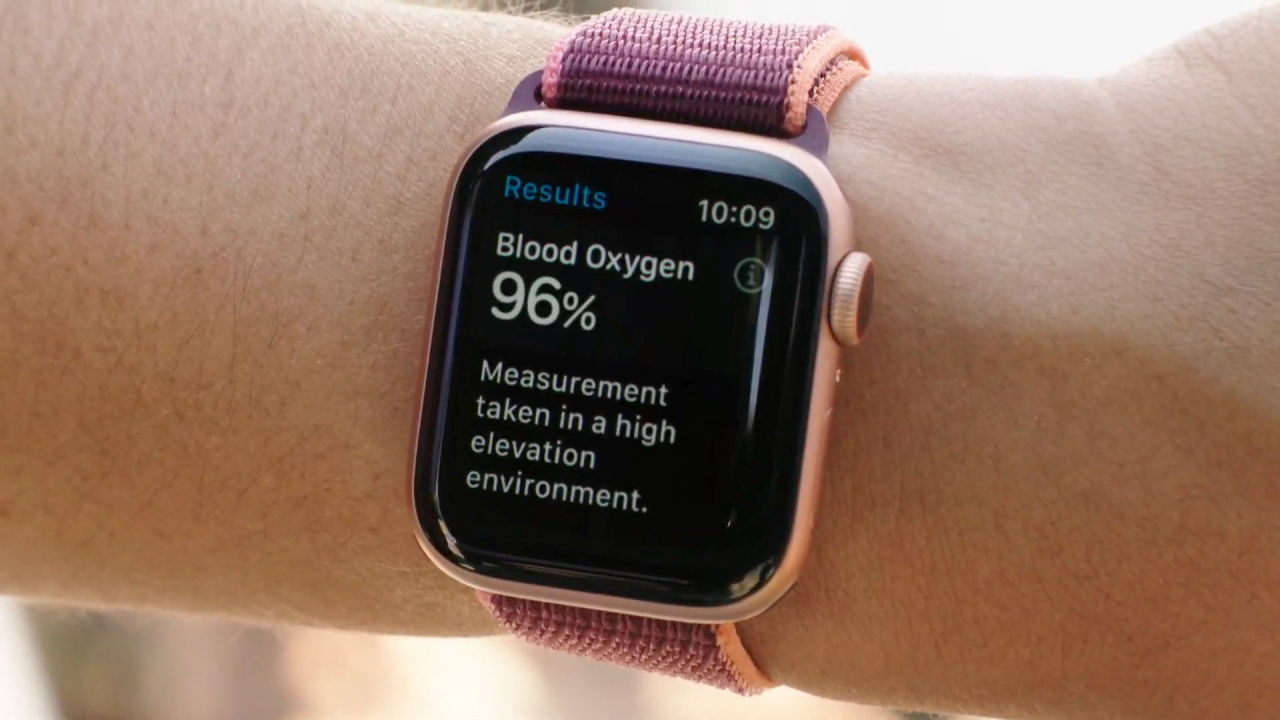
This year, smartwatches became a lot more health conscious. For example, both Apple and Fitbit unveiled more health trackers to help users detect unseen medical conditions. Of course, early technologies also come with a few glitches. According to a new medical report, the Apple Watch keeps wrongfully detecting heart problems.
The scientific study states that only around ten percent of the Apple Watch’s detections resulted in actual heart conditions. As a result, most of the users mistakenly went to the hospital after the Apple Watch’s warning, ending up with unnecessary hospital fees. In a statement to The Verge, the false positives also result in an overburdened healthcare system.
The false positives came from the Apple Watch’s tracker for atrial fibrillation, one of the more recent additions to the fitness tracker ecosystem. As such, some of the detections came from those already diagnosed with the condition.
The study monitored findings between December 2018 and April 2019. The monitored users came from several states: Arizona, Florida, Iowa, and Wisconsin. Though the study is in the United States, the fitness tracker community spans across the globe.
Despite the study’s findings, it’s difficult to ignore a warning pushed on your wrist. Despite the burgeoning of current technology, a fitness tracker or a smartwatch primarily focus on activity during physical activities like working out. It still remains unknown how accurate a fitness tracker can help a user’s healthcare program.
That said, the study’s monitoring period ended last year. Since then, Apple launched the Apple Watch Series 6; Fitbit launched the Fitbit Sense; and Samsung launched the Galaxy Watch 3. Only further studies will tell if the current generation is more accurate.





Accessories
Father’s Day gift guide: Gadgets for every kind of dad
Dad deserves a gift that won’t collect dust after Father’s Day

As we get older, Father’s Day shopping gets a lot easier when you stop thinking about the typical dad gifts. Especially since it’s not always your dad you’re shopping for anymore. It could be your grandfather who insists he doesn’t need anything. Maybe it’s your brother who just became a dad and is running on three hours of sleep. Maybe it’s your father-in-law.
Whoever it is, here are some of my favorite picks to give them this year. Spoiler alert: there are no “World’s Best Dad” mugs included in this list.
For the dad who wants a smarter home
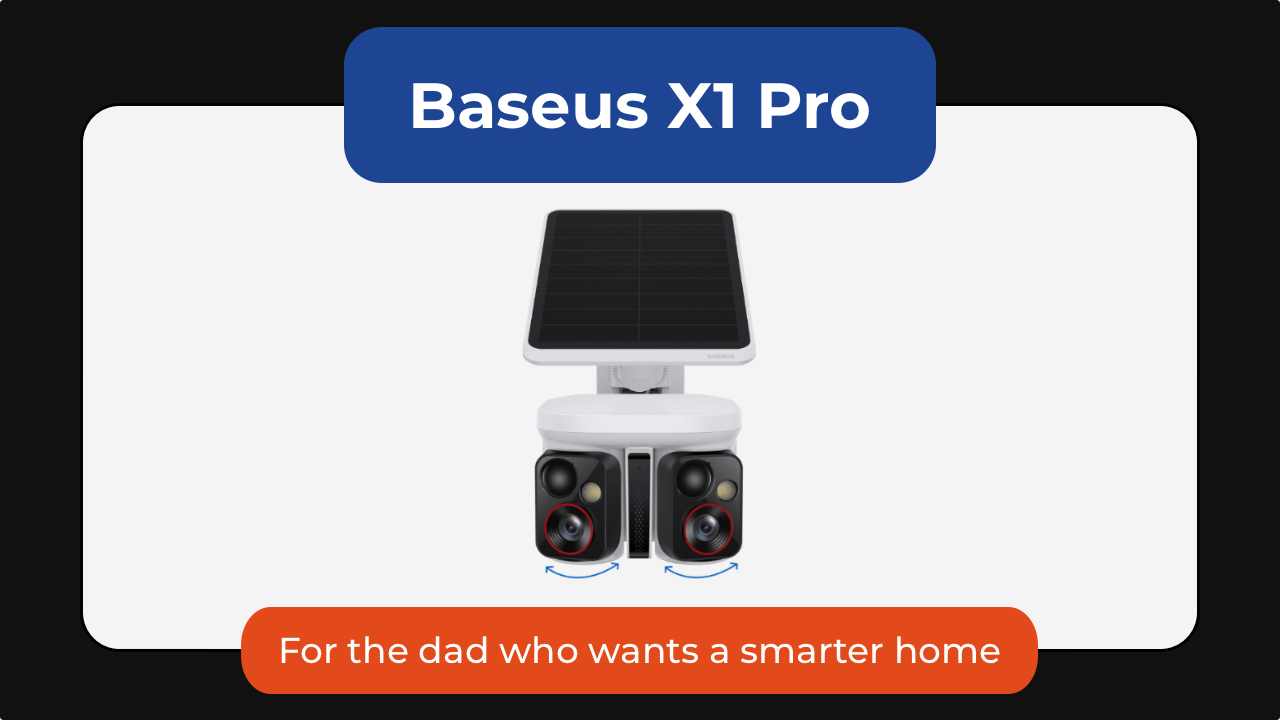
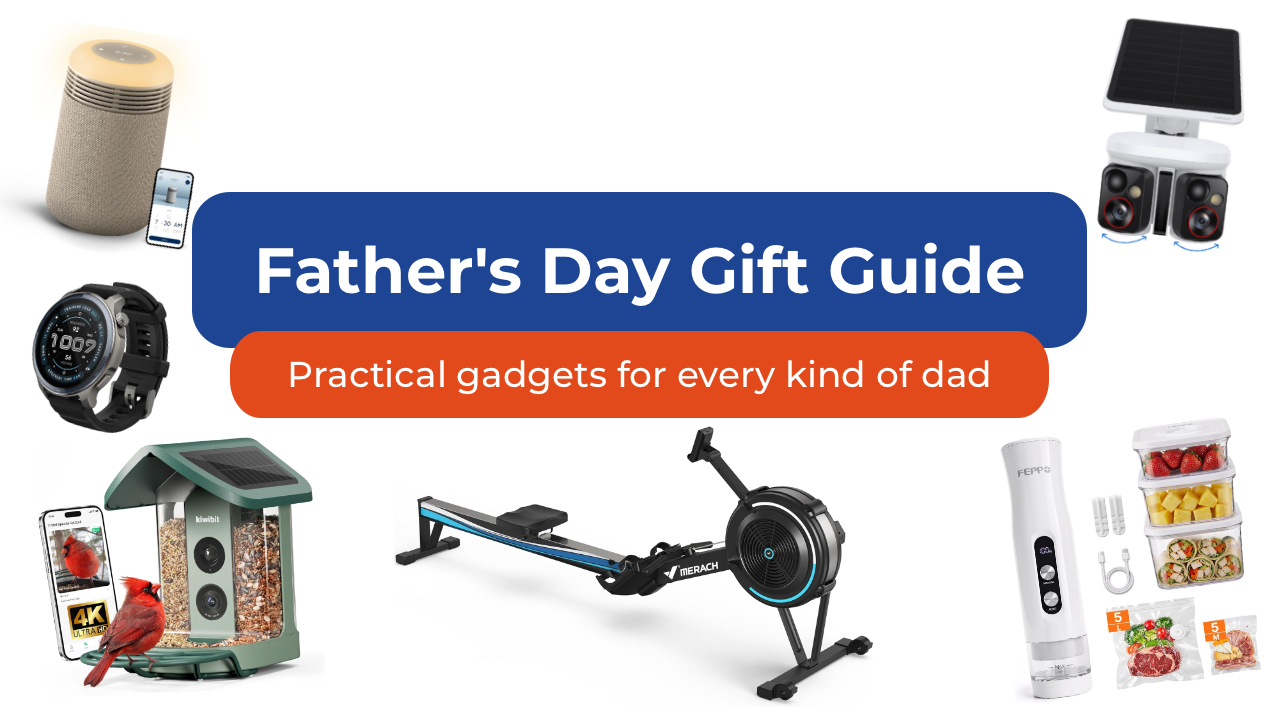
Some of the best tech is the kind you stop noticing because it just runs in the background. The Baseus X1 Pro dual security camera is one of those. It combines a dual-lens design with a wide 210-degree field of view and 300-degree motion tracking, allowing it to cover areas that would normally require multiple cameras.
What makes it stand out is its ability to track two subjects at the same time. Unlike traditional security cameras that can lose sight of one person while following another, the X1 Pro’s dual-lens system can independently follow both, creating a more complete picture of what’s happening around his home.
Its dual 3K cameras capture plenty of detail during the day, while color night vision and 8x zoom make it easier to identify visitors, vehicles, and other activity after dark.
The included solar panel means less maintenance for dad. As little as 20 minutes of direct sunlight can provide enough power for a full day of operation. It’s also got local storage with no monthly subscription fees.
You can get the Baseus X1 Pro for as low as US$119.99 using the code X1PROPRNO1 until June 30th.
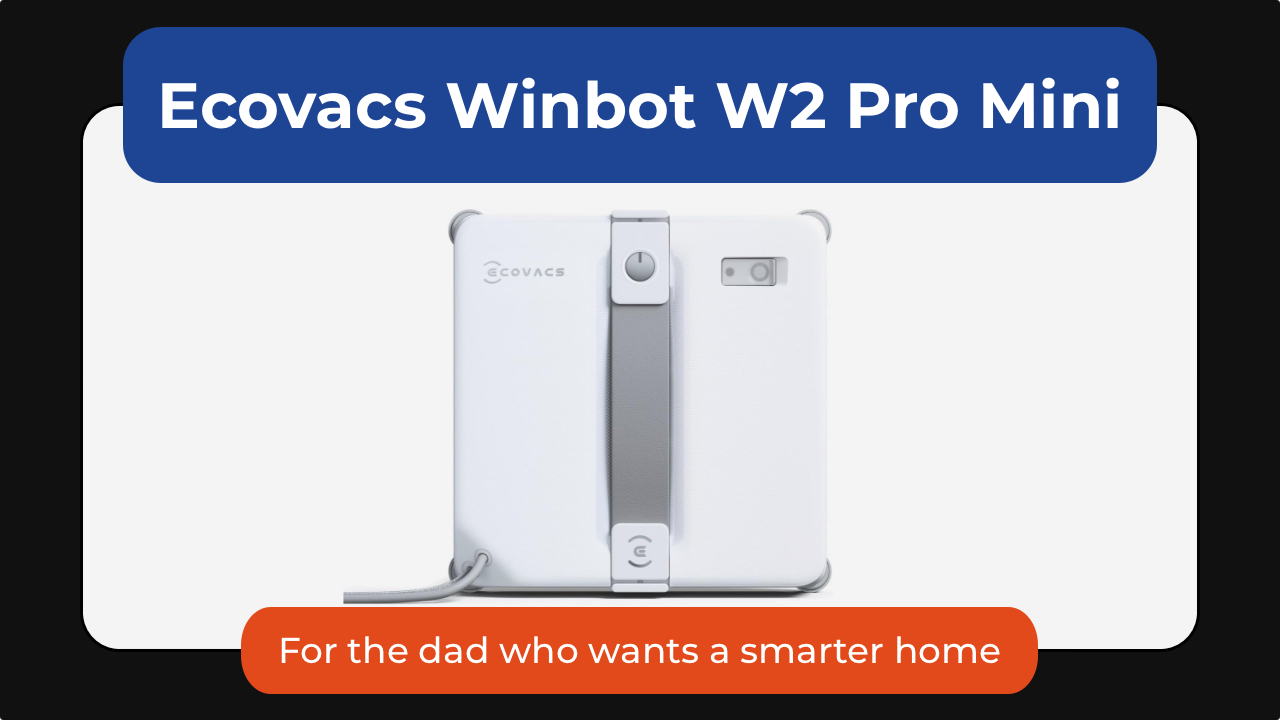
And then there’s the Ecovacs Winbot W2 Pro Mini, which solves one of the most ignored chores in any home: cleaning windows. Dad can attach it, let it run, and something everyone’s been avoiding for months just disappears from their mental checklist.
From large glass panels to smaller apartment windows, the compact robot cleaner uses intelligent WIN-SLAM 4.0 navigation to map out the most efficient cleaning path and avoid missed spots. Multiple cleaning modes let you choose between a quick refresh, deep cleaning, edge cleaning, or targeted spot cleaning depending on what the glass needs.
Hard-to-reach windows become less intimidating for dad to clean. Whether it’s a second-story window, a glass door, or a large mirror, the Winbot stays securely attached while it works, turning a tedious chore into a hands-free task.
You can get the Ecovacs Winbot W2 Pro Mini for just under US$240.
For the dad who’s always in the kitchen

Every family has someone who treats grocery shopping like strategy. If that sounds like your dad, then the FEPPO compact food vacuum sealer is a great addition to the family.
It keeps food fresher longer, makes bulk buying from Costco more practical, and turns freezer storage a lot more organized.
Unlike traditional countertop vacuum sealers, the FEPPO is compact, cordless, and rechargeable, making it easy to store when not in use. Despite its size, it delivers strong suction and can seal food in just a few seconds with a single button press.
The included kit comes with 10 reusable BPA-free vacuum bags and three storage containers. The bags and containers are washable and reusable, s not only are you saving space in the fridge or freezer, you’re also helping reduce waste.
I also like that FEPPO designed it with a detachable water tank that collects excess moisture during the sealing process, making cleanup simpler and helping keep the machine running smoothly over time.
It doesn’t look exciting on paper, but once it’s part of dad’s kitchen routine, they’ll wonder how they managed without it, and thank you later.
Get the FEPPO Compact Vacuum Sealer for Food for under US$70.
For the dad who needs any excuse to be outdoors
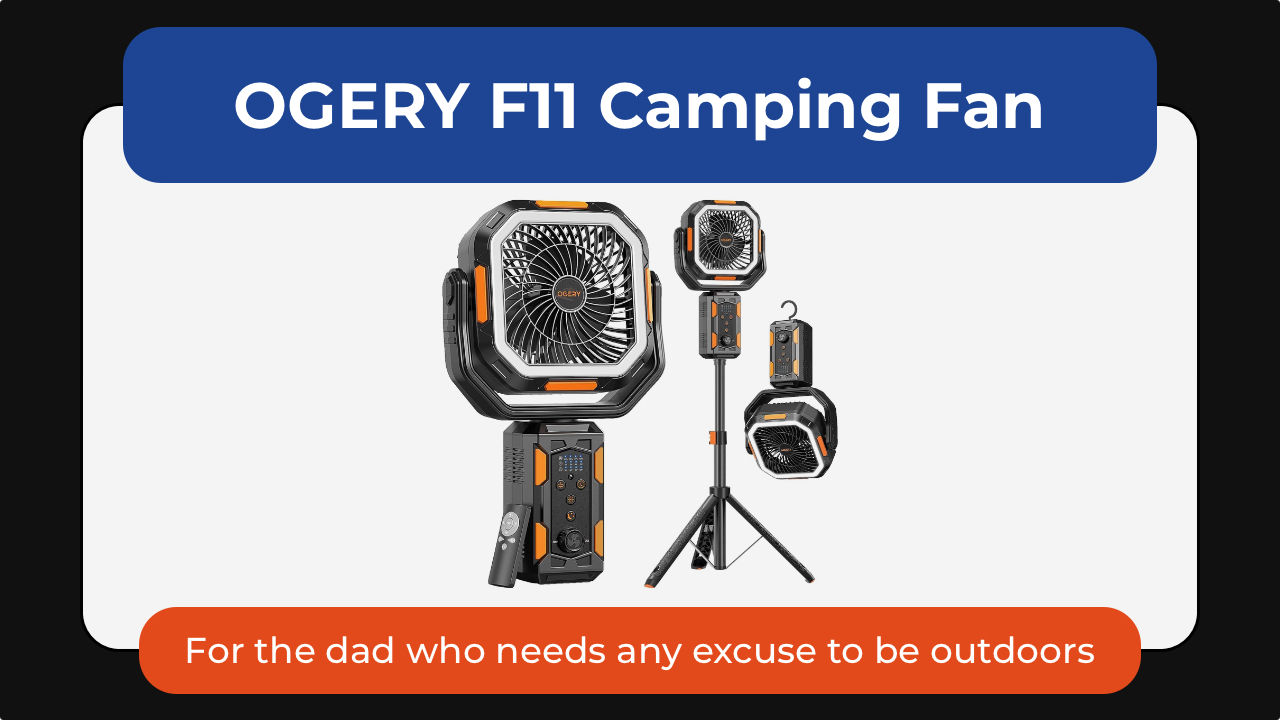
Some dads are indoors dads. Others will take any excuse to be outside. The OGERY F11 camping fan is one of those small upgrades that makes outdoor time noticeably more comfortable—not just for them but for the whole family. Whether it’s camping trips, backyard BBQs, RV adventures, or just surviving peak summer heat, it’s a gift dad would surely appreciate.
What makes it stand out is its versatility. The adjustable tripod lets it work as either a floor fan or desktop fan, while the massive 30,000mAh battery can keep air moving for days on lower settings. It also doubles as an LED lantern and emergency power bank, perfect for camping camping and even power outages.
Dad will love the wide-angle oscillation and the included remote control so he can sit back and relax while cooling down.
The OGERY F11 Camping Fan is available for US$89.99.
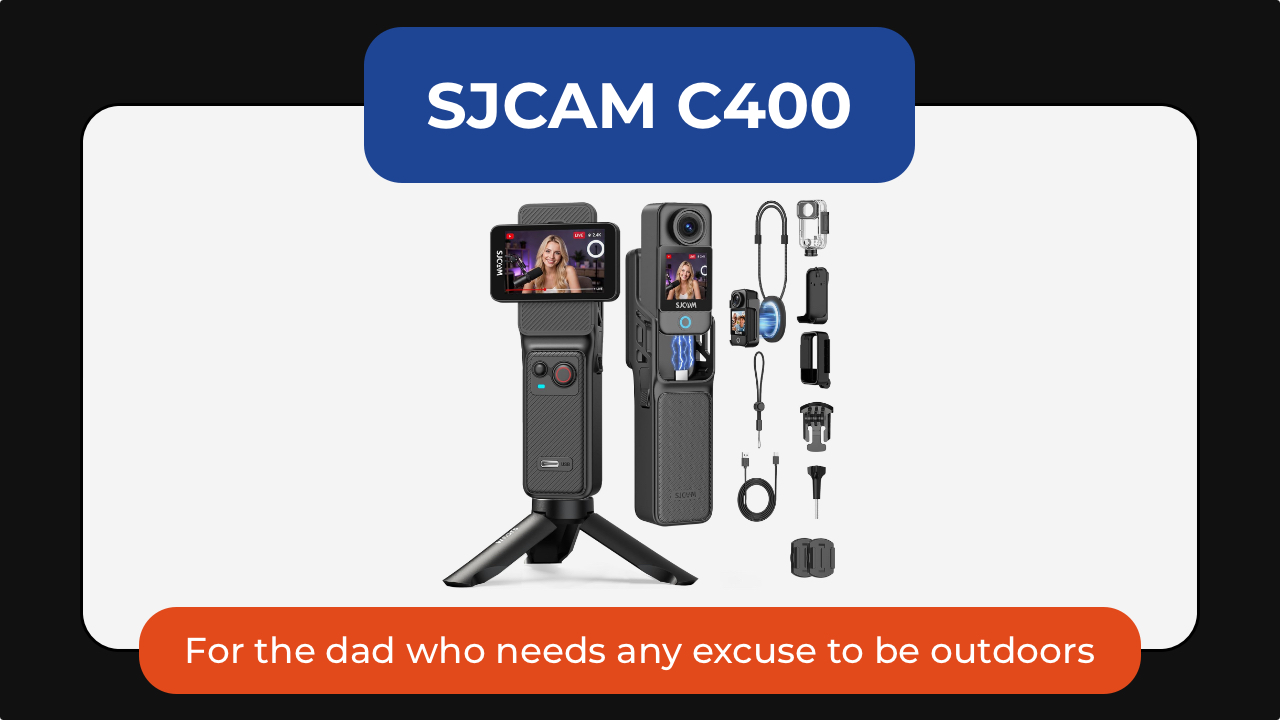
The SJCAM C400 action camera is for the dad who is always doing something worth remembering: biking, fishing, hiking, skiing, traveling, or just being the unofficial family photographer.
It captures 4K video through a wide 154-degree lens, making it easy to record everything from scenic landscapes to fast-moving action. Built-in 6-axis image stabilization helps keep footage smooth even when the camera is mounted to a bike, helmet, or backpack. Its battery life is rated to last up to seven hours so his adventures get documented before needing a top up.
The C400 also supports features like slow motion, time-lapse, and wireless app control, making it equally useful for adventure loving dads or one who simply wants a hands-free way to capture family memories.
Get the SJCAM C400 Action Camera for US$179.99.

And the Kiwibit smart bird feeder turns into something unexpectedly addictive. It’s the perfect gift for the dad who enjoys slowing down and appreciating the little things.
The built-in camera captures 4K video and 8MP photos through a wide-angle lens, allowing you to watch visiting birds up close and even check in after dark with infrared night vision. Two-way audio also lets you listen in on the activity happening outside.
For dads who enjoy learning, Kiwibit’s AI can identify more than 10,000 bird species and send alerts whenever a new visitor arrives. The companion app automatically creates galleries and summaries, making it easy to keep track of backyard regulars.
The feeder itself is thoughtfully designed, too, with a solar-powered roof, removable battery, and a dual-compartment seed hopper that can attract a wider variety of birds. It’s the kind of gift that would keep delivering small moments of joy long after Father’s Day is over.
For the dad who treats his car like a second home

Cars collect everything. The FEPPO cordless vacuum handles the everyday mess: crumbs, dust, snack debris, pet hair, and whatever else somehow finds its way into the car. Powered by a brushless motor, it delivers strong suction while remaining cordless and easy to maneuver around tight spaces like dad’s car.
What makes it particularly useful for busy households is its thoughtful design. The anti-tangle brush helps prevent hair from wrapping around the roller, while a multi-stage HEPA filtration system captures fine dust and allergens before recirculating cleaner air.
Long battery life means it’s ready for quick cleanups without constantly needing a recharge. The different attachments make it easy to clean around the house or car.
The best part is you can get the FEPPO Cordless Vacuum Cleaner for under US$200.
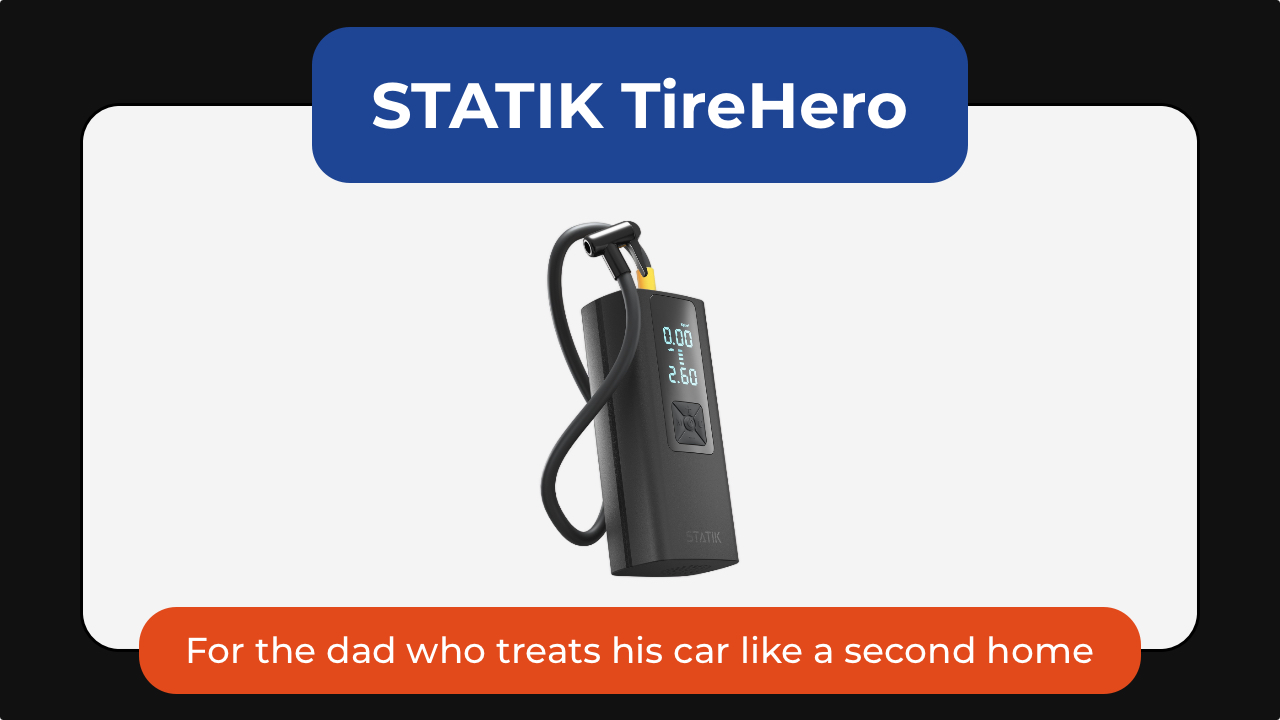
The STATIK TireHero tire inflator is the tool you never think about until you reallyy need. It lives in the glove box until the exact moment it saves you from a low-pressure warning, a road trip delay, or a late-night stop at a gas station air pump.
Beyond inflating car tires, it can also handle bike tires, sports balls, paddleboards, air mattresses, and other inflatables, making it surprisingly versatile for road trips, camping, and family outings. It even doubles as a portable power bank for charging a phone in an emergency and includes a built-in flashlight for nighttime use.
It’s a practical gadget that may not feel exciting when dad unwraps it, but becomes invaluable the first time he actually needs it.
The STATIK TireHero is available for US$59.99.
For the dad who brings people together

Some of the best gifts will keep on giving. The XGIMI MoGo 4 portable projector turns any blank wall into a movie screen. Dad can set up backyard movie nights, World Cup watch parties, or casual weekend hangouts without needing a dedicated entertainment room.
What makes the MoGo 4 special is how portable it is. About the size of a tumbler, it’s easy to toss into a bag for camping trips, vacations, or visits with family. The built-in battery provides up to 2.5 hours of viewing time so you can enjoy a movie without needing to plug it in. It’s also got a 360-degree adjustable stand and automatic image correction to make setup almost effortless.
Despite its compact size, it delivers Full HD 1080p visuals, built-in Harman Kardon speakers, and Google TV with licensed Netflix support.
The XGIMI MoGo 4 is now US$469.

The Liiton American Peaks whiskey decanter set is for dads who have had a stressful year. It helps them slow down, unwind, and appreciate the ritual of pouring a drink at the end of a long day.
Inspired by some of the most iconic mountain ranges in the US, the set includes a crystal decanter and four whiskey glasses featuring detailed 3D mountain impressions molded into the base. Beyond looking beautiful on a bar cart, the mountain design helps chill and aerate the drink. Place the glass in the freezer and in just 18 seconds he gets a drink that stays cold until the last sip, thanks to its proprietary X1 Crystalline Chill Charge System.
Made from heavy lead-free crystal with a weighted base, the glasses feel substantial in the hand and elevate everything from bourbon to tequila. The included gift-ready presentation box also makes it feel like a truly special Father’s Day gift.
And because the set includes four glasses, it’s just as much about sharing a drink with friends and family as it is enjoying a quiet moment alone.
The American Peaks Whiskey Decanter Set is available for under US$130.
For the dad who likes to express himself
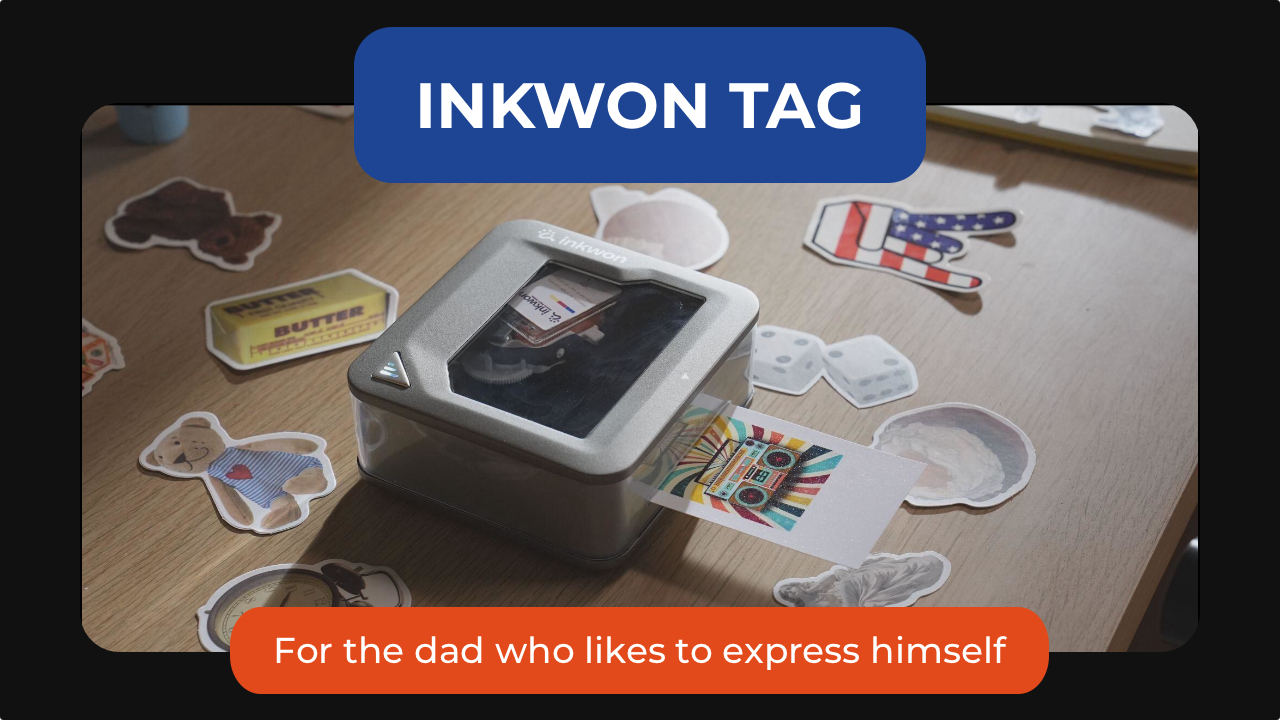
The INKWON TAG is probably the most unexpected product in this entire list. This pocket-sized printer can create stickers, temporary tattoos, iron-on transfers, and photos directly from a smartphone. Paired with the INKWON app, it can turn almost any image into something physical within minutes.
That’s where it gets fun. One day it might be custom stickers for a water bottle. Another day it’s temporary tattoos for his kids. It can even be used to create personalized shirts, tote bags, and keepsakes. For dads who enjoy making things, it’s the kind of gadget that sparks creativity long after Father’s Day is over.
The INKWON TAG starts at US$199.
Not every gift needs to change someone’s routine. Some just make it slightly better.
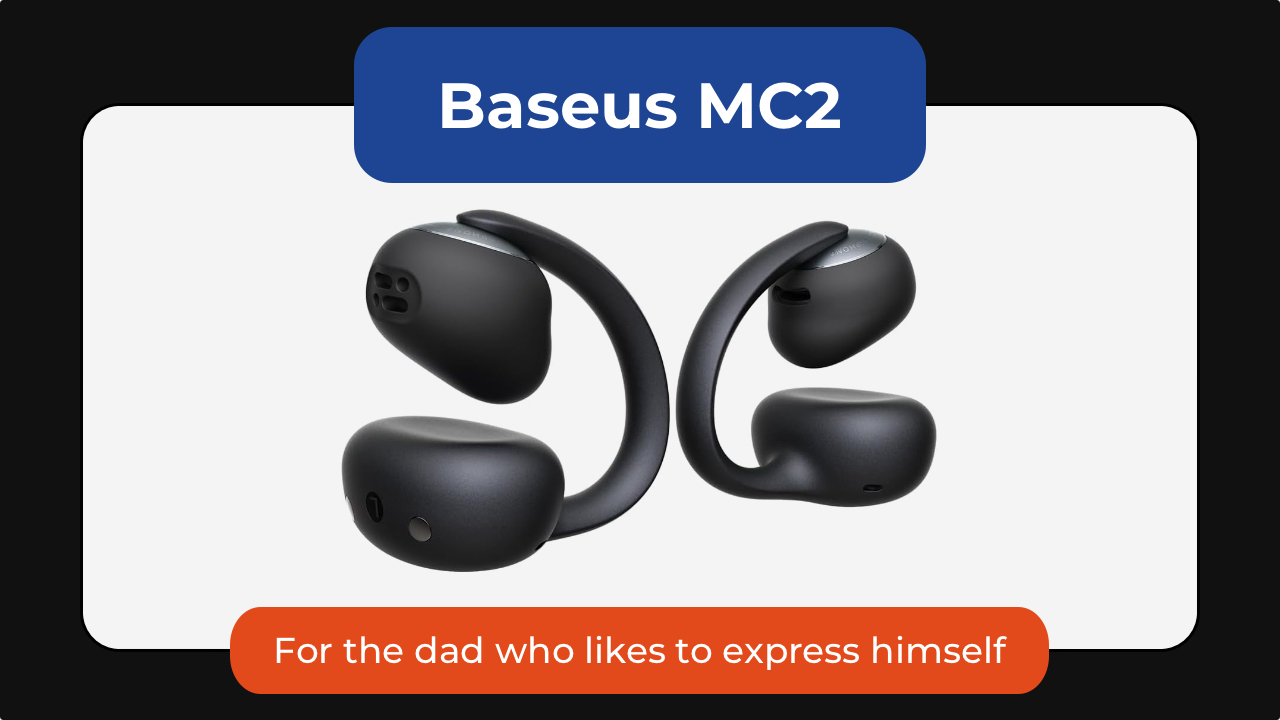
The Baseus MC2 open-ear earbuds are for dads who always have something playing in the background. Unlike traditional earbuds, the open-ear design lets them enjoy music, podcasts, or audiobooks while staying aware of traffic, conversations, and everything happening around them.
They’re lightweight enough to wear for hours, offer impressive battery life, and deliver surprisingly rich audio despite their compact clip-on design.
Get the Baseus MC2 open-ear earbuds for US$49.99 using the code MC2OWSPR.
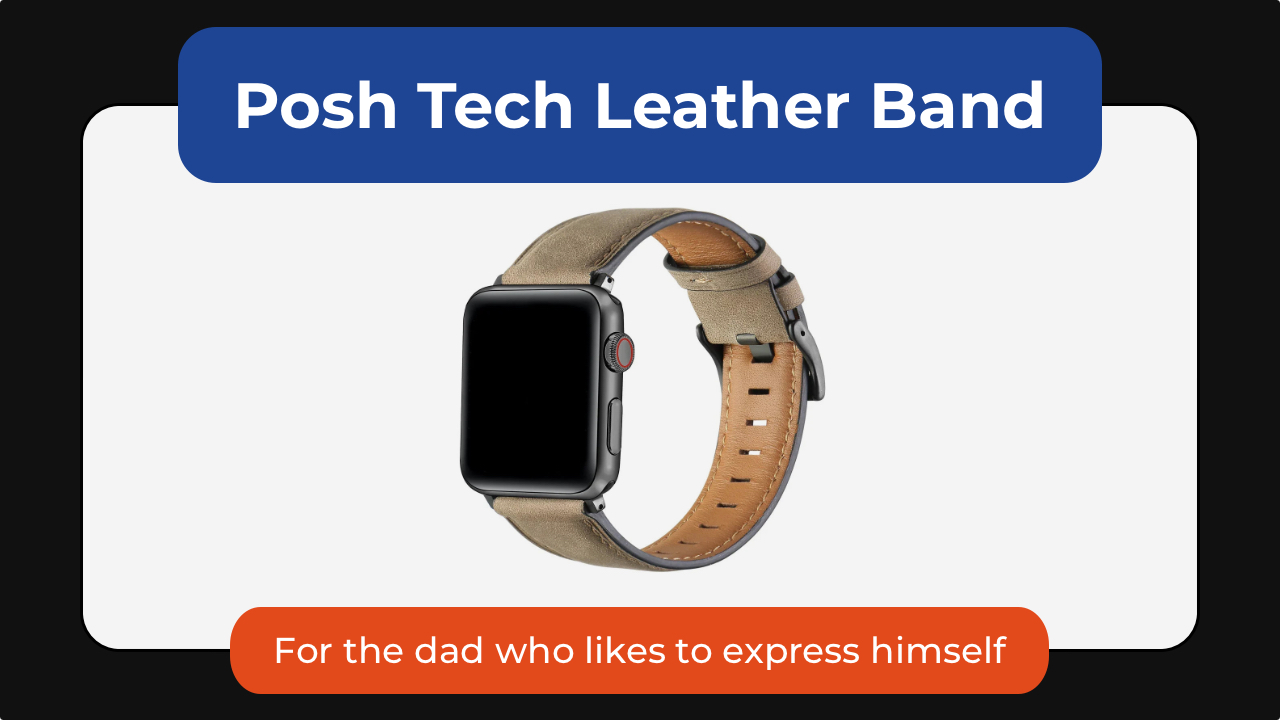
Then there’s the Posh Tech Hunt distressed leather Apple Watch band, which transforms one of the most common pieces of tech into something with a little more character.
Made from genuine distressed leather, it develops a worn-in look over time that feels more personal. It’s a simple upgrade, but one that can make an Apple Watch feel less like a gadget and more like an everyday accessory. It’s available for US$35.
For the dad who’s focused on staying well
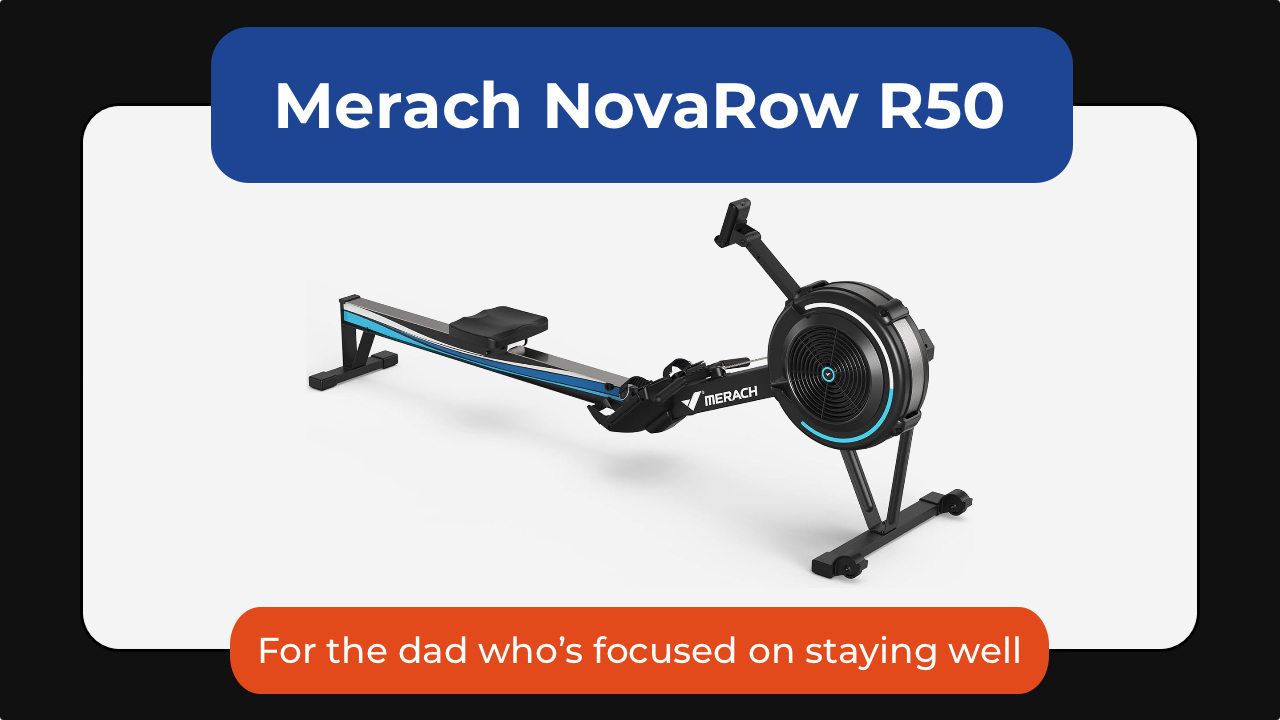
The Merach NovaRow R50 rowing machine is one of the best examples of low-impact fitness that can stick. It’s a full-body workout that engages his legs, core, back, shoulders, and arms, all while being easier on his joints than running or other high-impact exercises.
What makes it work isn’t intensity; it’s consistency. The movement is smooth, the setup is simple, and the Merach app adds guided workouts, performance tracking, and scenic rowing routes that make it easier to show up again tomorrow.
With 10 levels of air resistance, it can grow alongside dad’s fitness journey, whether he’s just getting started or looking for a more challenging workout. It also folds for easier storage, making it a practical option for apartments and home gyms alike.
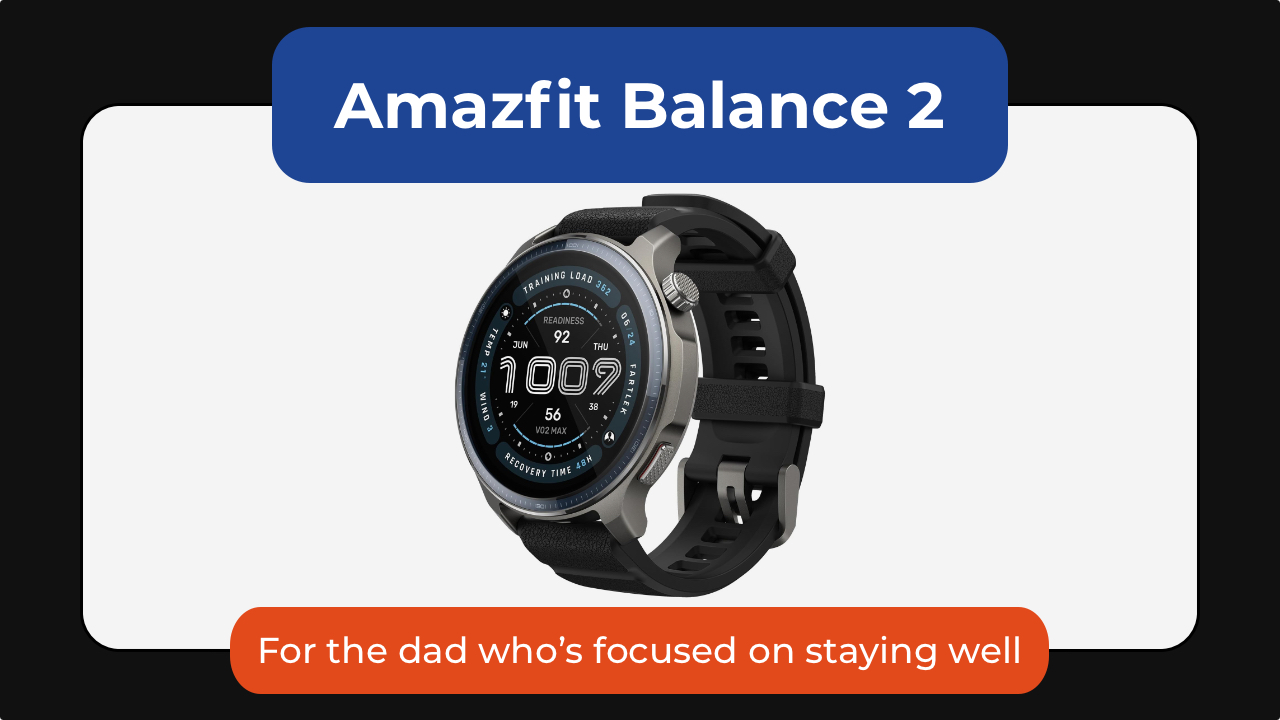
The Amazfit Balance 2 is one I gave to my dad, who’s almost 70. He’s not training for anything nor is he tracking performance. What the smartwatch has done is he is paying a little more attention to himself.
He checks how much he’s moved. He looks at his heart rate. He notices patterns he wouldn’t have thought about before.
At the same time, it scales up for someone who is more active. With over 170 sport modes, recovery insights, golf mapping, scuba support, and up to 21 days of battery life, it’s a great smartwatch no matter the recipient’s fitness level.
Get the Amazfit Balance 2 for US$299.99.
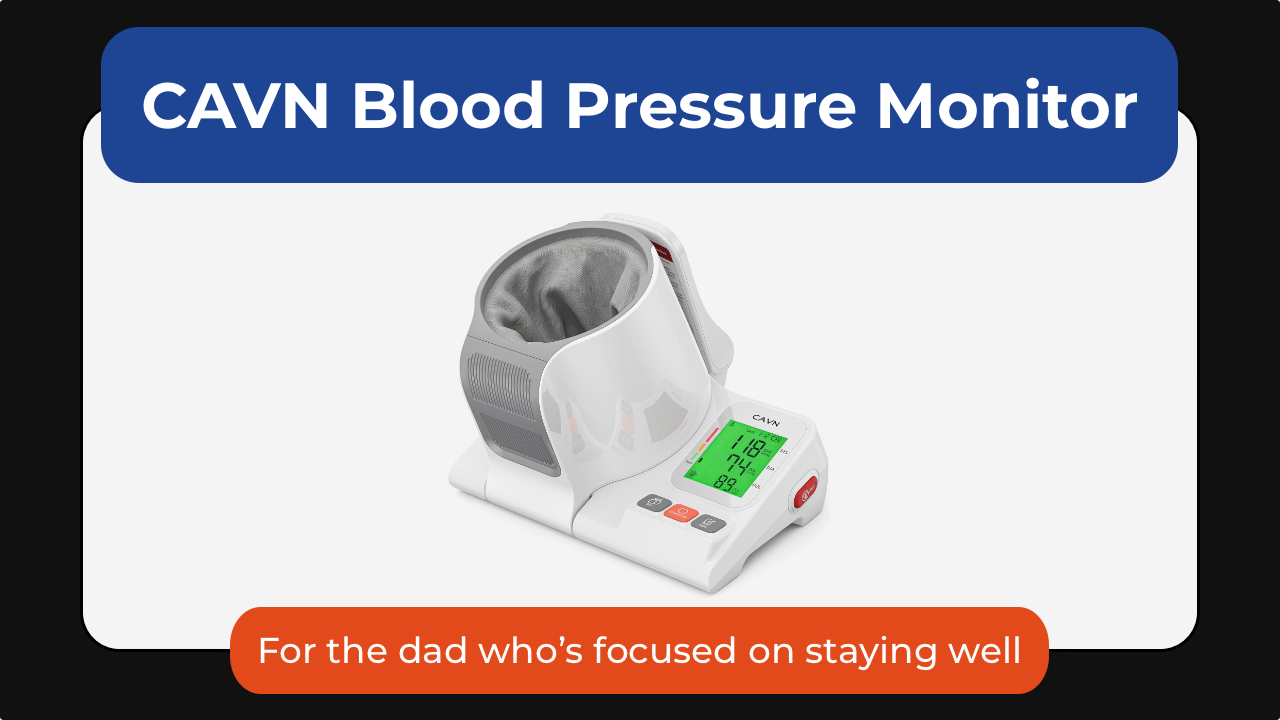
And then there’s the CAVN blood pressure monitor.
Instead of being intimidating or clinical, it’s designed to be simple enough for everyday home use. It’s got a barrel-style design with one-touch operation that removes the hassle of wrapping a cuff properly. Dad can just slide his arm in, press a button, and it does the rest.
It also supports multiple users, stores readings over time, and makes it easier for families to track trends. The large display and color indicators also make it more accessible for older users, too.
The CAVN Blood Pressure Monitor is available for US$179.99.
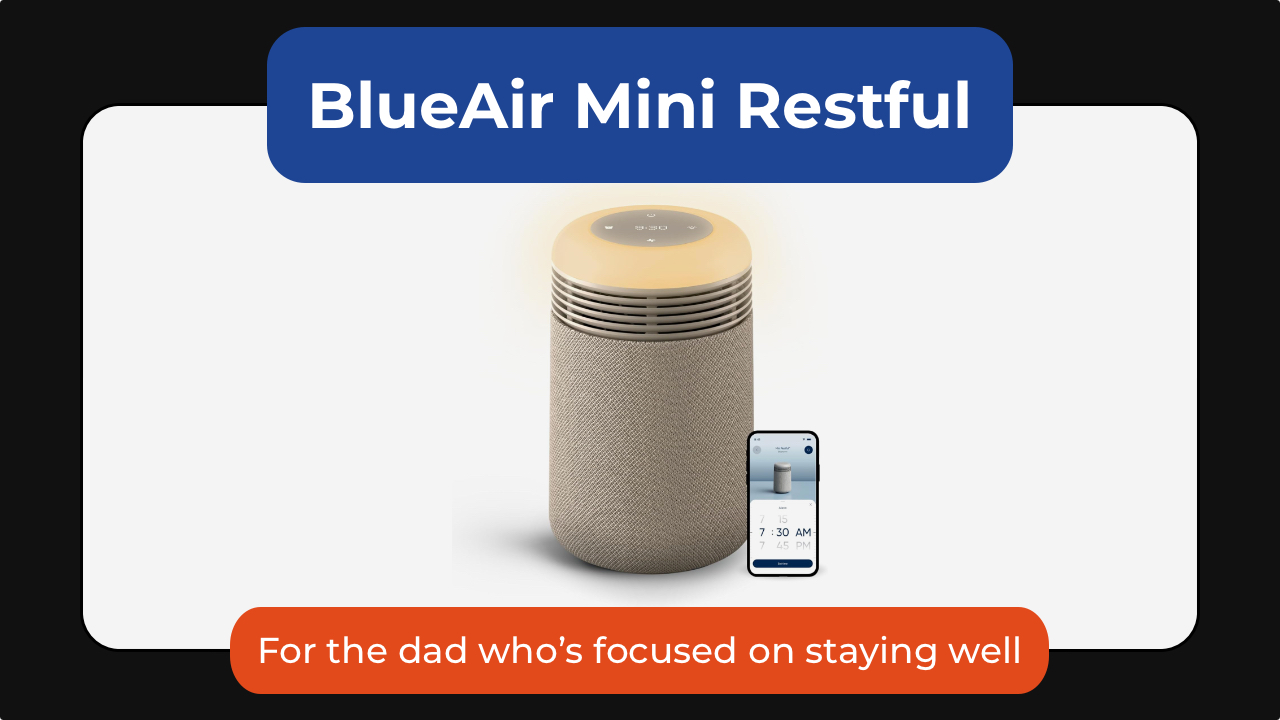
The Blueair Mini Restful sunrise clock air purifier takes a different approach to wellness by improving the environment dad sleeps in.
It combines a medical-grade air purifier, warm evening lighting, and a sunrise-style alarm clock into a single bedside device. Blueair’s HEPASilent filtration technology removes airborne particles like dust, pollen, pet dander, and smoke while operating quietly enough not to disturb sleep.
In the evening, the warm amber lighting helps create a more relaxing wind-down routine, while the sunrise alarm gradually brightens before wake-up time to make mornings feel less abrupt.
Thoughtful extras like soothing wake-up sounds, app controls, and a built-in USB-C charging port make it an easy addition to any nightstand. It’s an all-in-one device for cleaner air, better sleep, and calmer mornings.
The BlueAir Mini Restful is available in Coastal Beige and Midnight for US$199.99.

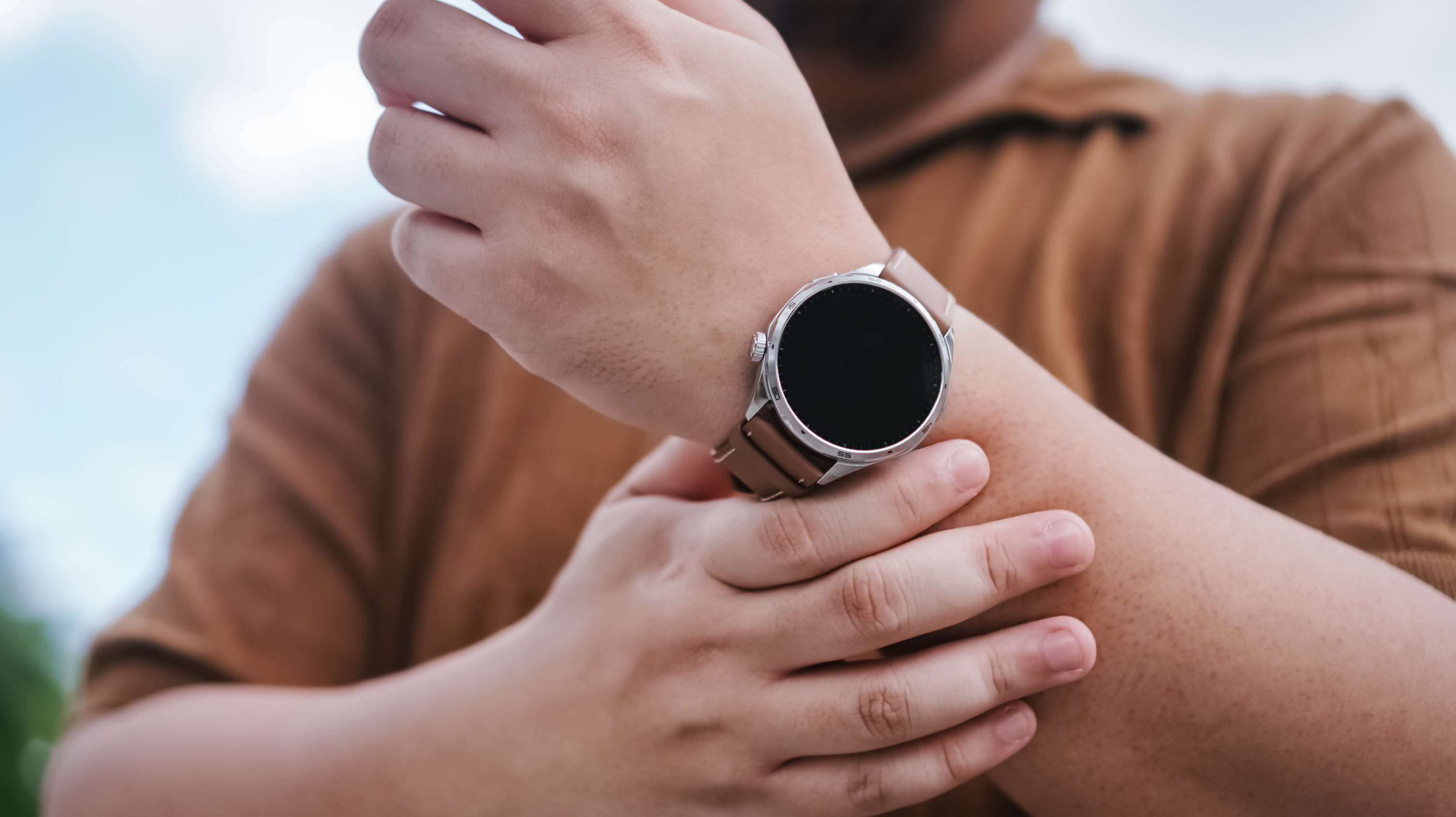
After a week with the HONOR Watch 6, I realized I liked having data on things I normally would just leave to uneducated guesses.
I love seeing my sleep metrics, knowing if my heart is actually racing, and seeing notifications on the fly. These are things I find truly helpful in how I go about life currently. That’s why I can already see myself using the watch beyond the review period.
The thing is, I wasn’t expecting any of this.

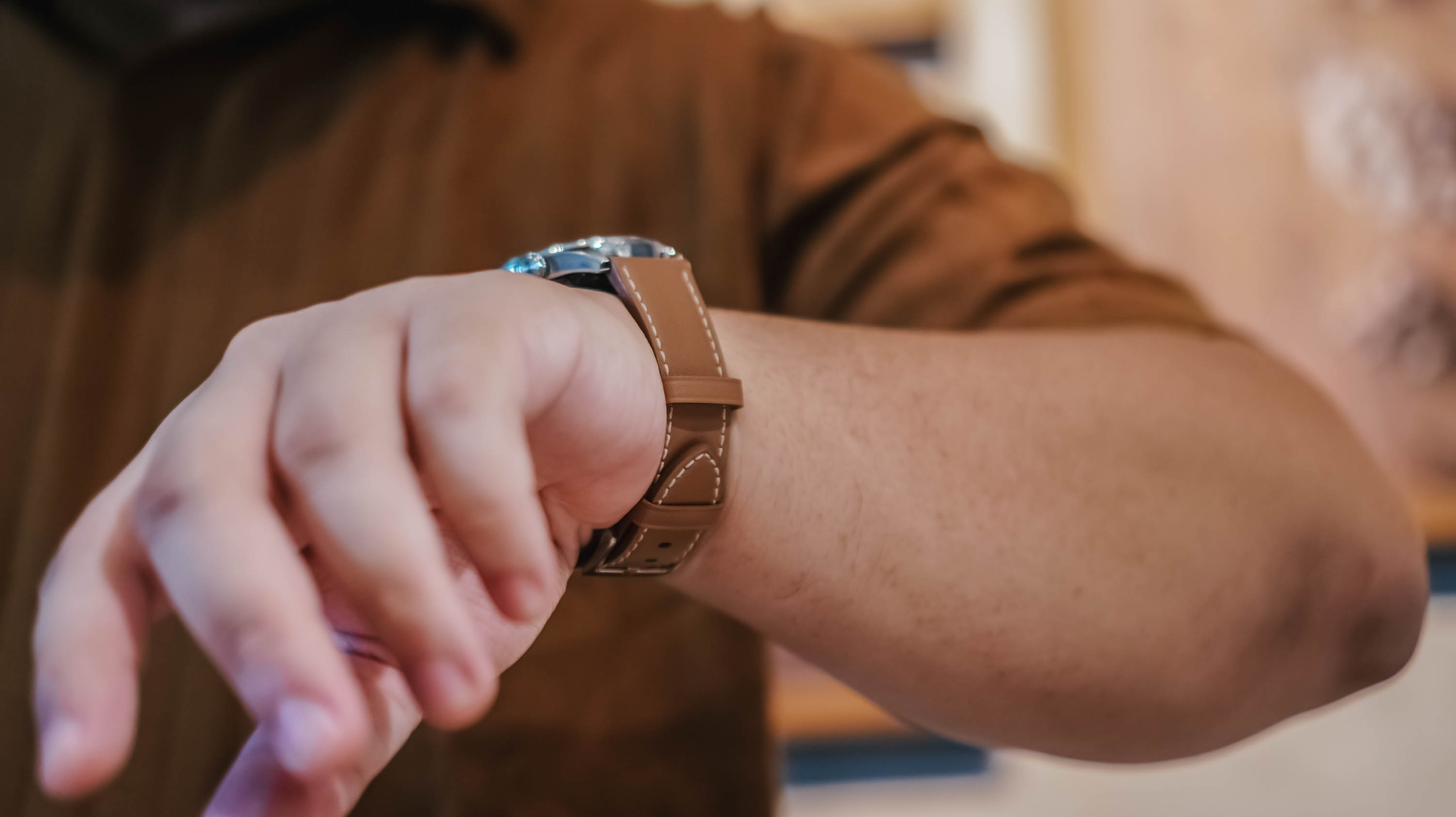
The first thing that jumped out at me when I first wore the HONOR Watch 6 was that it barely felt like it was there. I was half expecting it to be this chunky-feeling thing. But it wasn’t. I was pleasantly surprised.
I have the silver model with the brown leather strap, and it feels light to wear. That was key for me because what I really wanted to track more than anything was my sleep.
The only time I really started to notice that I was wearing it practically all the time was around the fifth or sixth day. And honestly, that says a lot because I tend to want to take off most of the smartwatches I’ve used in the past.
A smartwatch that fits daily life

The brown leather strap is inoffensive in the best possible way. It blends well with both casual wear and smart casual outfits, which made it easy to keep on throughout the week.
In fact, I think it looks more at home during everyday life than during intense workouts.
That’s why I found myself looking at the HONOR Watch 6 less as a fitness watch and more as a health tracker that looks nice and tells me if there’s a proverbial fire I need to put out — or if she remembered me that day.
The display also quietly did its job.
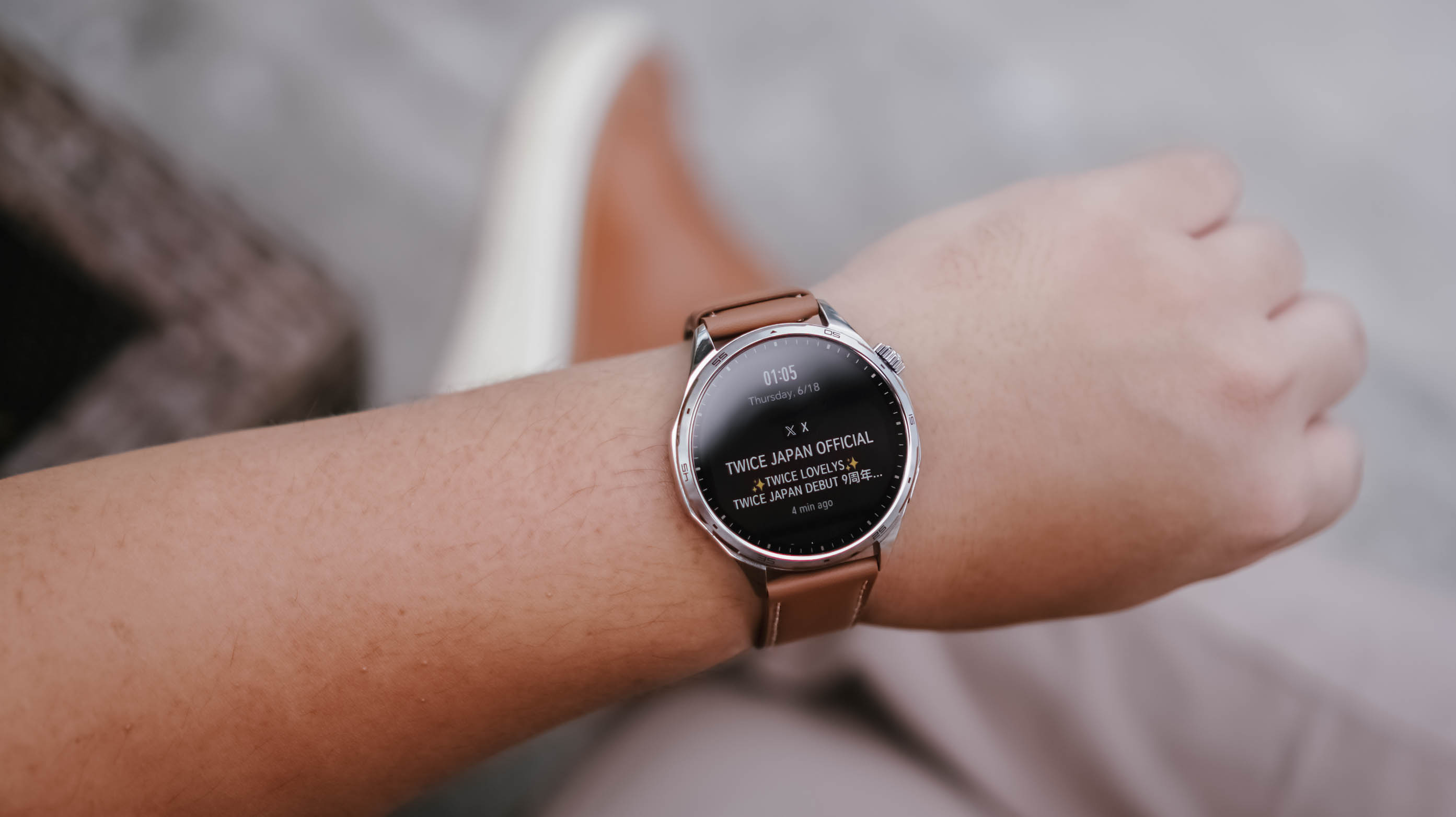
Of course it’s a TWICE notification
You know, I didn’t even think about it. Whenever I needed to check the time or glance at a notification, I simply gestured as anyone would to look at their watch. No matter where I was, what I needed to see was readily visible.
That’s probably the highest compliment I can give a smartwatch display. It never gave me a reason to think about it.
Managing attention without reaching for my phone
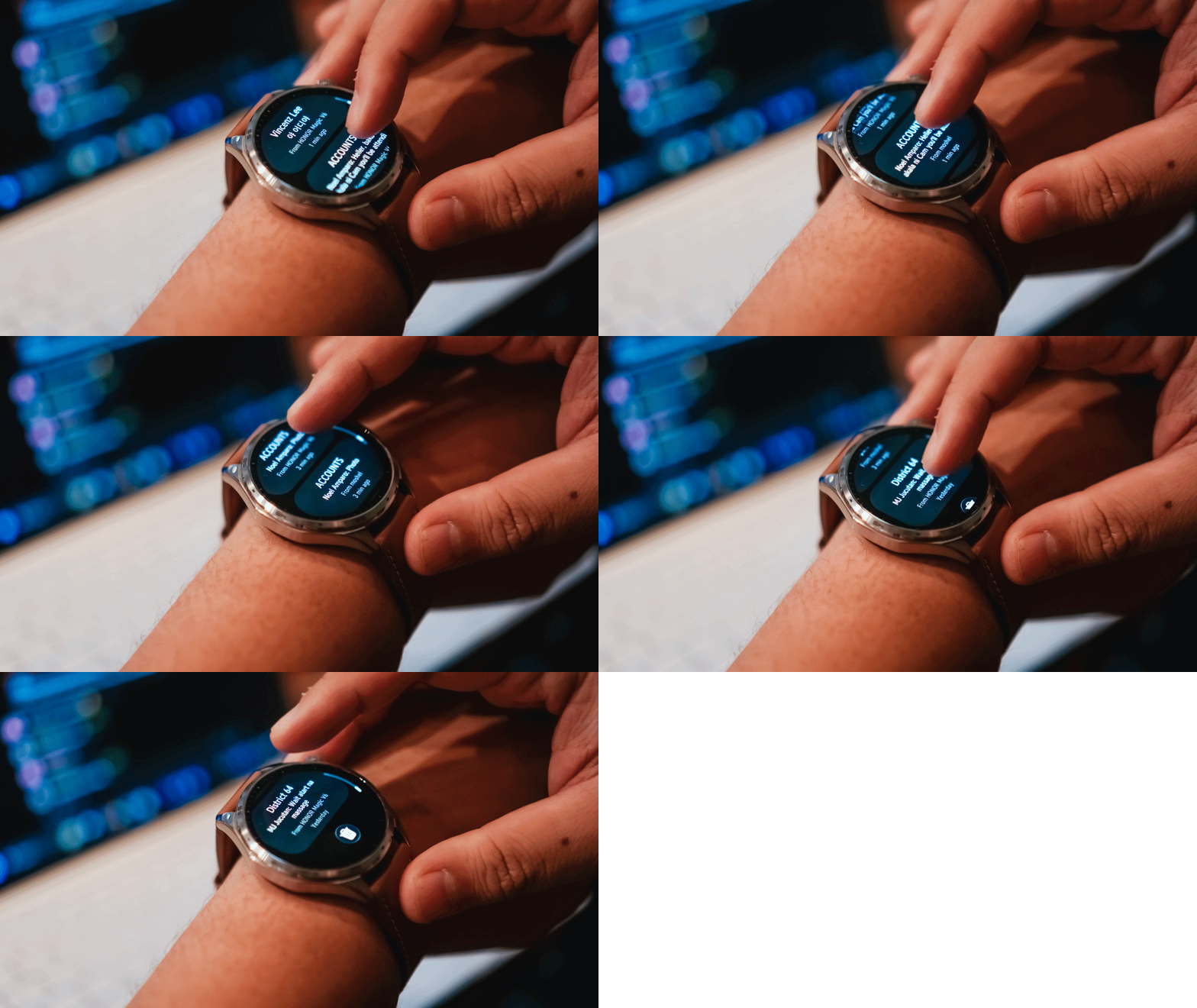
Oof. I cannot overstate how many notifications I get on any given day.
As a Managing Editor with occasional side hustles, notifications come from multiple messaging apps. One moment I’m tracking production progress on WhatsApp, the next I’m checking what the team is discussing on Telegram. Then there are the emails, Messenger messages from friends, and the “… sent you a reel” notifications that have recently dropped in frequency to my dismay.
I don’t always want to pull out my phone to check these.
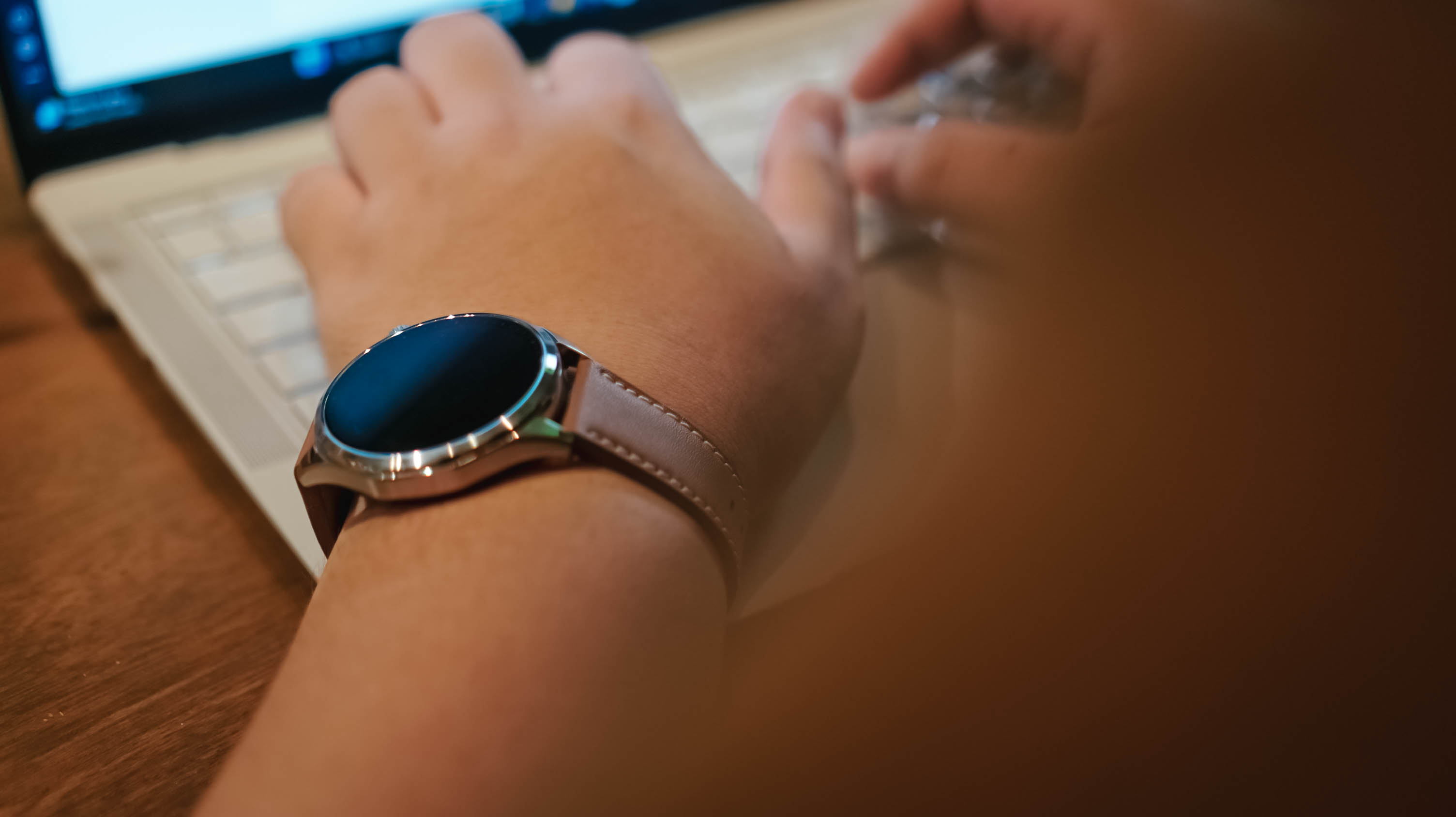
What I appreciated most about the HONOR Watch 6 is that notifications are grouped by app, and each one provides a clean preview. It gives me enough information to quickly assess what needs attention and what can wait.
For someone who is constantly juggling attention, that proved surprisingly useful.
Replacing guesses with data
The feature I was most interested in wasn’t fitness tracking.
It was sleep tracking.
Some time ago, a friend of mine started tracking her sleep and it helped her better regulate her energy throughout the day. I am nowhere near that level of discipline, but I was curious.
Between traveling across time zones, late-night coverage, doomscrolling, revenge bedtime procrastination, and everything else life throws at us, I honestly wasn’t sure if I was getting enough sleep.
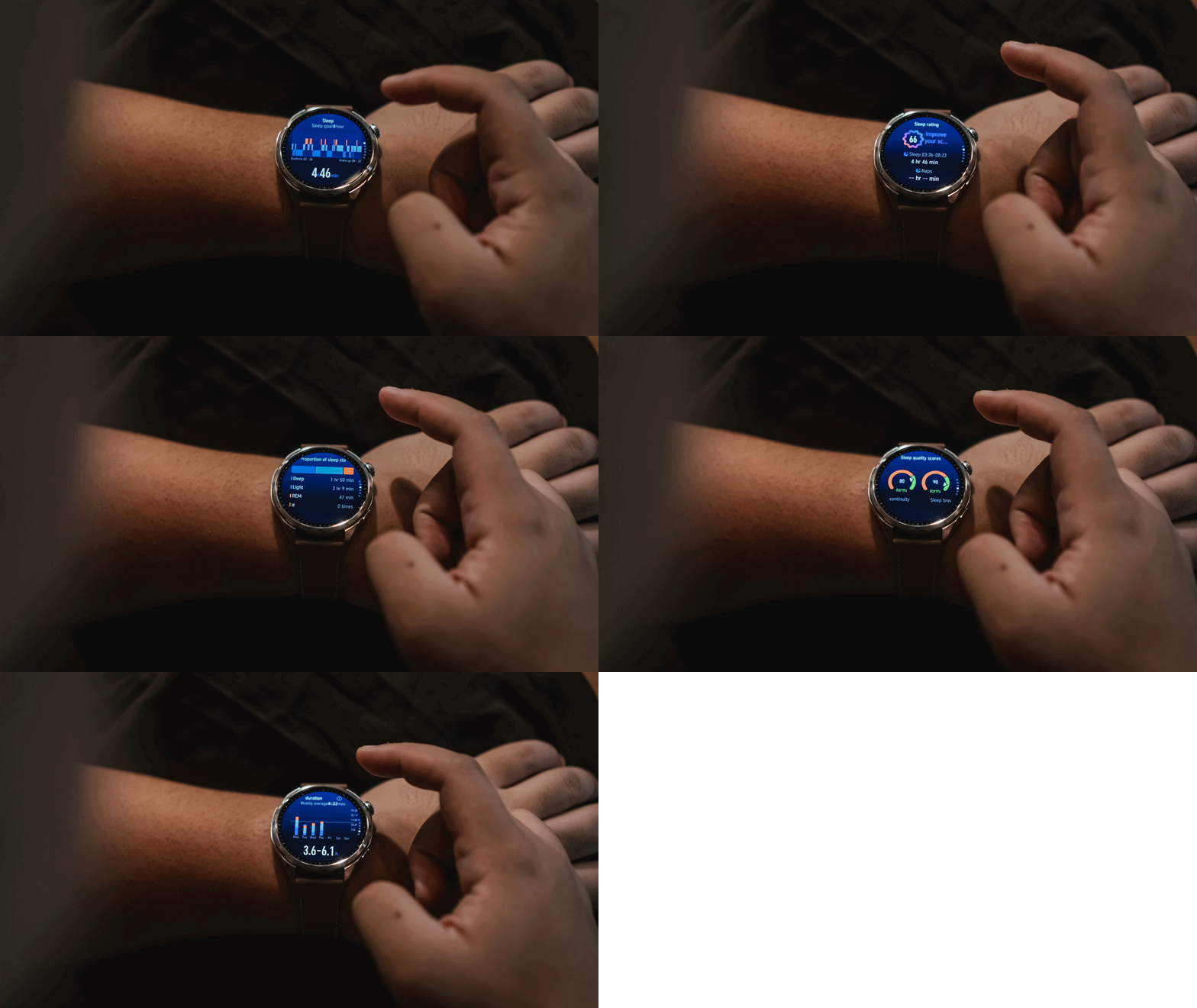
What I learned is that I tend to wake up at least once in the middle of the night. Not for anything, really. I just do.
The mornings that felt best were often the nights where my sleep wasn’t interrupted. I know that sounds obvious, but if you’re not actively paying attention, these are the kinds of patterns you can easily miss.
The same goes for heart rate tracking.
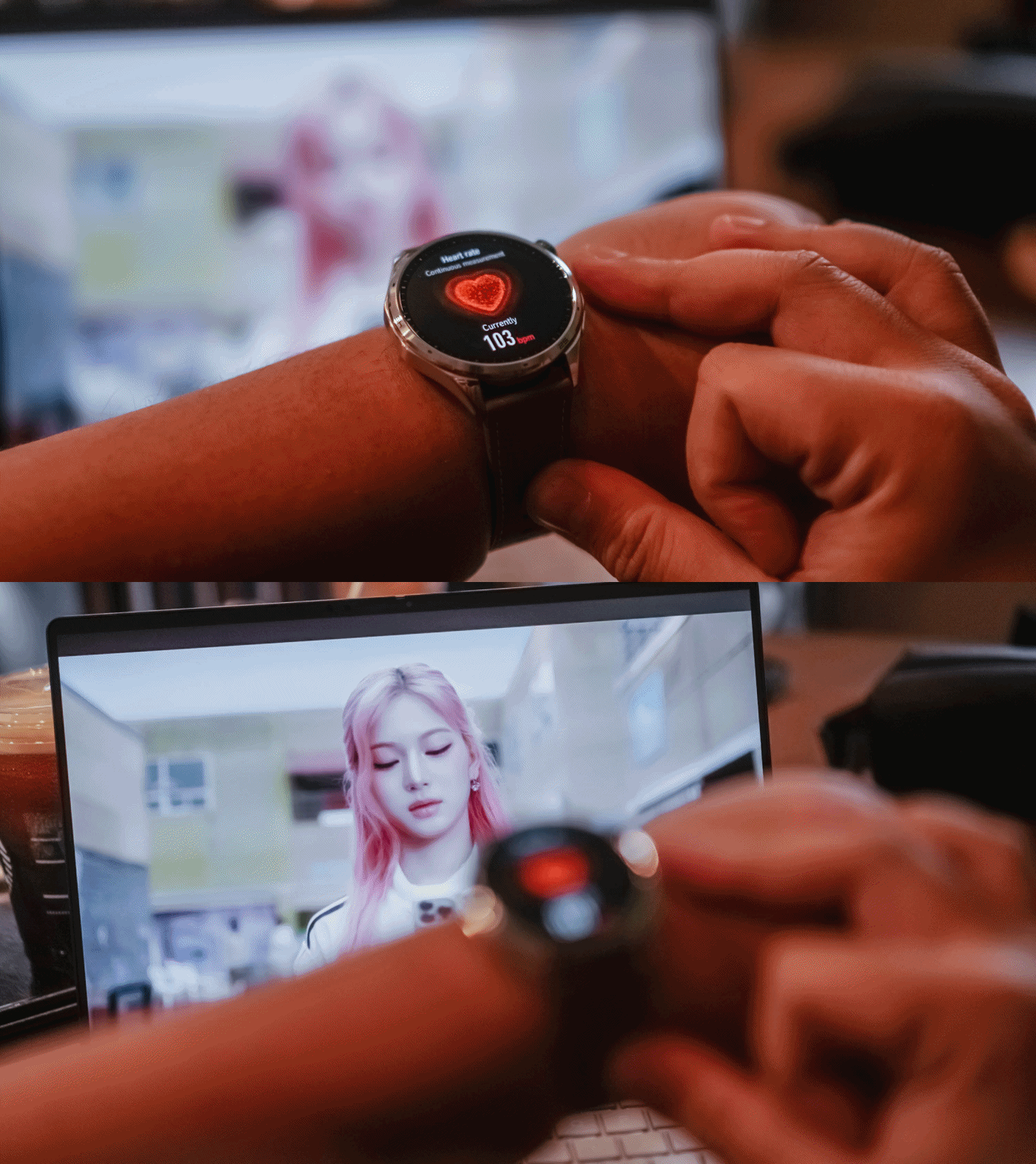
During a particularly stressful stretch, I noticed my heart rate was consistently elevated. It wasn’t exactly surprising, but seeing the data attached to the feeling made it feel more real.
That’s what I found myself appreciating most about the HONOR Watch 6. It didn’t magically solve anything. It simply helped me replace assumptions with information.
Battery life that quietly impressed
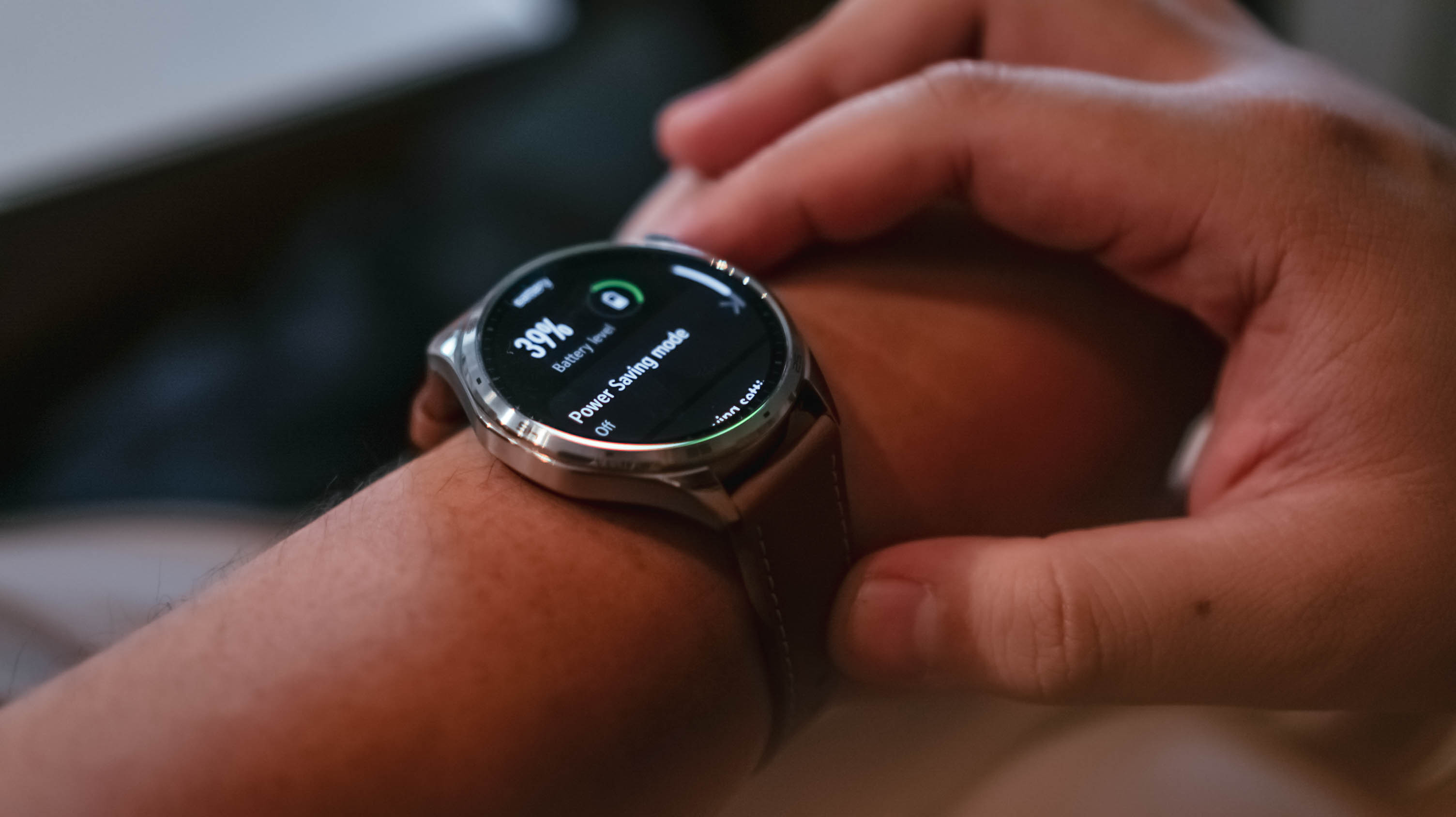
As of taking the photos, the battery life is at 39% – still coming off the first initial charge.
I charged the watch the moment I unboxed it. Seven days later, it was sitting at 59%.
During that time, I wore it constantly. Notifications were enabled. Health tracking was enabled. I tracked a handful of kettlebell workouts and wore it while sleeping.
I wasn’t exactly pushing the watch to its limits, but I also wasn’t babying it.
The result was a battery experience that quickly faded into the background. That’s exactly what I want from a smartwatch.
Everything else
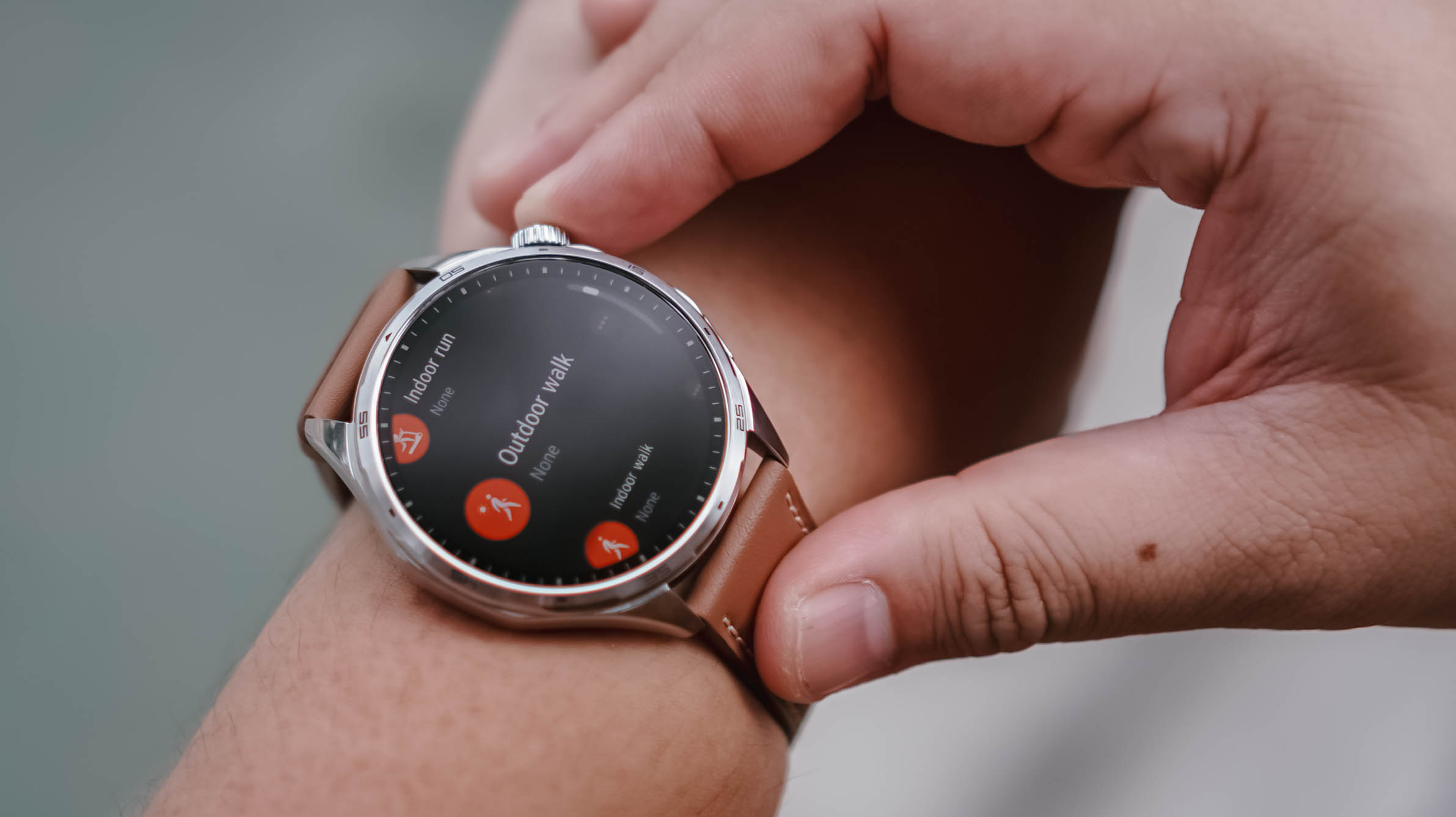
To be completely honest, I didn’t have the time or bandwidth to thoroughly test every feature.
My workout sessions were limited to a few kettlebell workouts and my usual walking. That said, the breadth of sports tracking available here is impressive. If you can think of an activity, there’s a good chance the HONOR Watch 6 can track it.
Pairing was also straightforward. The initial setup process and software updates went smoothly, even if updates immediately after unboxing remain one of my least favorite parts of testing any device.

My one annoyance came from using the watch with multiple HONOR phones. At times, notifications would arrive twice or arrive at slightly different times depending on which device was relaying them. There’s probably a setting that solves this. I just didn’t have the opportunity to dig deeper.
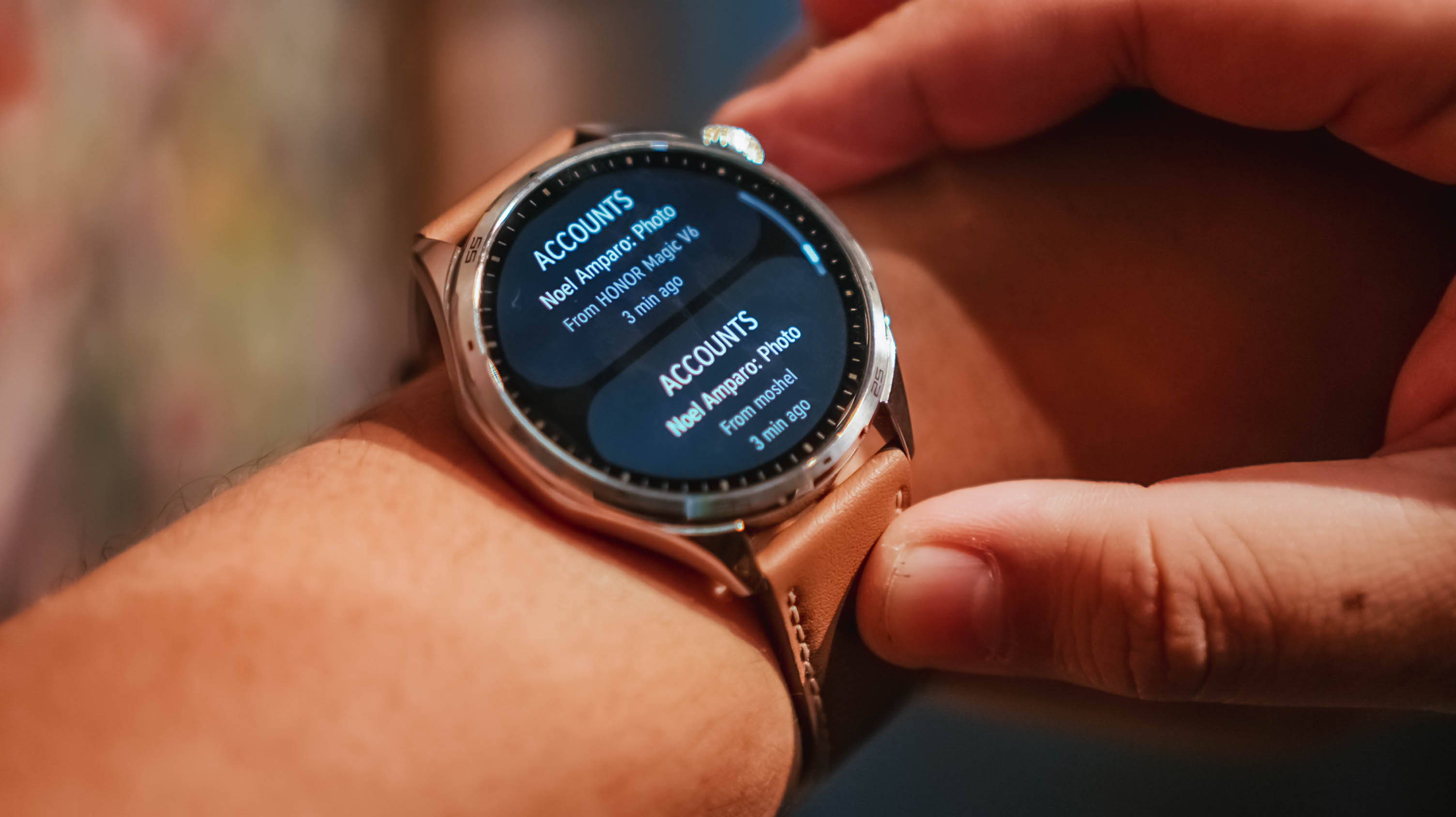
Same notification, two different phones
As for features like AI Recorder and NFC payments, I simply didn’t encounter situations where they became essential to my routine. That’s not necessarily a criticism. It may simply reflect how different people use smartwatches.
Is the HONOR Watch 6 your GadgetMatch?

Something I don’t think we’ve talked about enough is that the HONOR Watch 6 also works well with an iPhone.
If you don’t particularly like the look of the Apple Watch but still want a smartwatch on your wrist, this is a viable alternative.
The HONOR Watch 6 is for people who want useful technology that blends into everyday life. It looks good enough for casual outings and nicer occasions alike, while still offering the usual smartwatch essentials like health tracking, workout monitoring, notifications, and long battery life.
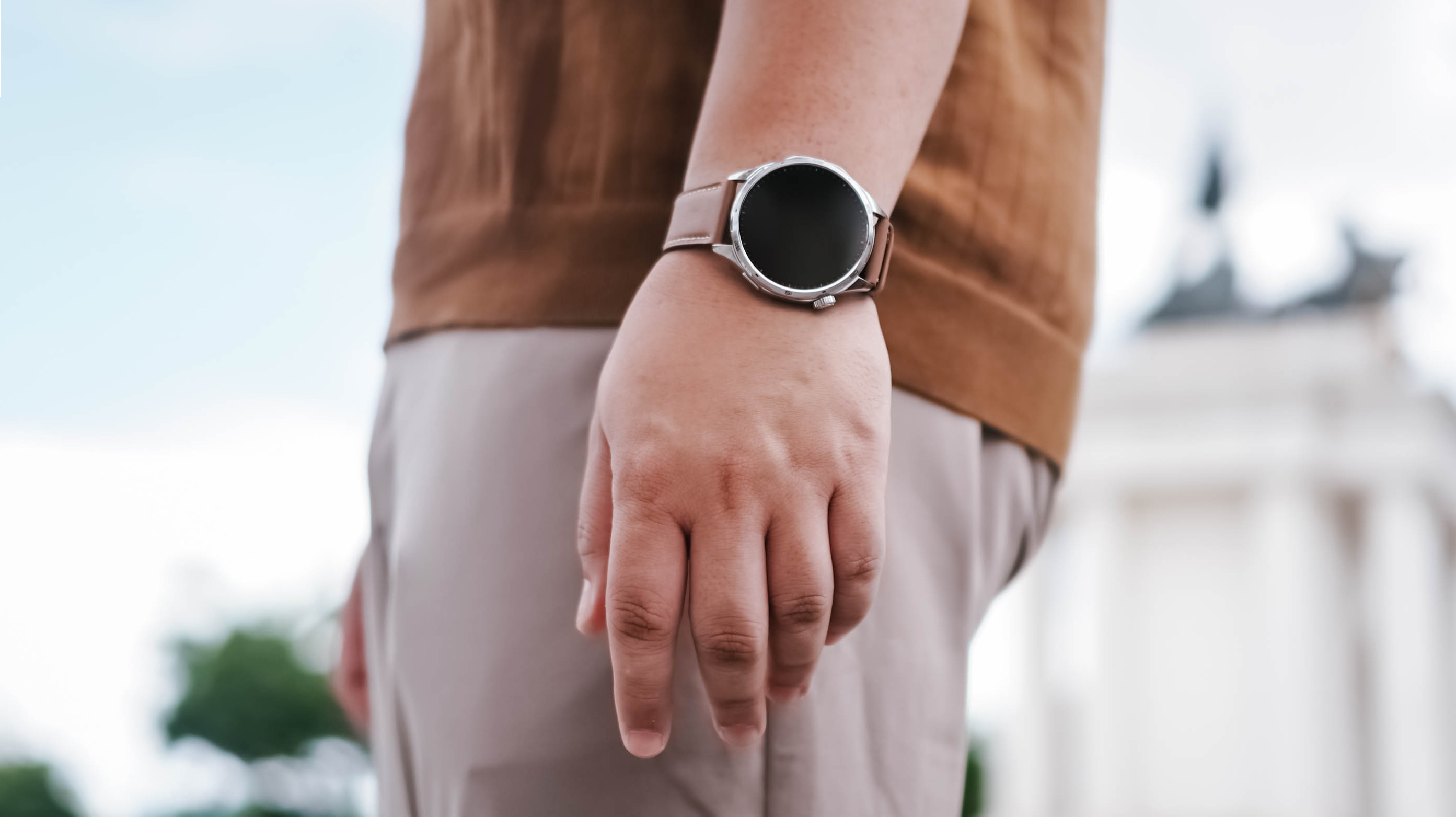
After about a week with the HONOR Watch 6, I realized I liked having data on things I normally would just leave to uneducated guesses.
Smartwatches aren’t for everyone. But if you fancy having one, the HONOR Watch 6 is an easy swipe right.
It has the right features, excellent battery life, and a design that fits comfortably into many parts of daily life.
That’s really all most people need.


HONOR has launched the HONOR Watch 6 in the UK, bringing a lightweight design, advanced health tracking, and up to 35 days of battery life.
Built for sports and outdoor activities
The HONOR Watch 6 features a Racing Dashboard Design inspired by high-performance air intakes. It uses a recyclable aluminum alloy body and weighs as little as 41g.
HONOR says the smartwatch supports more than 120 sports modes, including dedicated modes for trail running, badminton, and football.
Trail runners can take advantage of an AI running coach, route deviation alerts, climbing metrics, and dual-band six-star GPS tracking. Meanwhile, badminton players can track smash speeds and rally statistics, while football players get access to heat maps and trajectory maps after matches.
The smartwatch also features IP69 water and dust resistance alongside 5ATM water resistance for added durability during outdoor activities.
One of the headline features is battery life. HONOR claims the Watch 6 can last up to 35 days on a single charge thanks to its 980mAh battery.
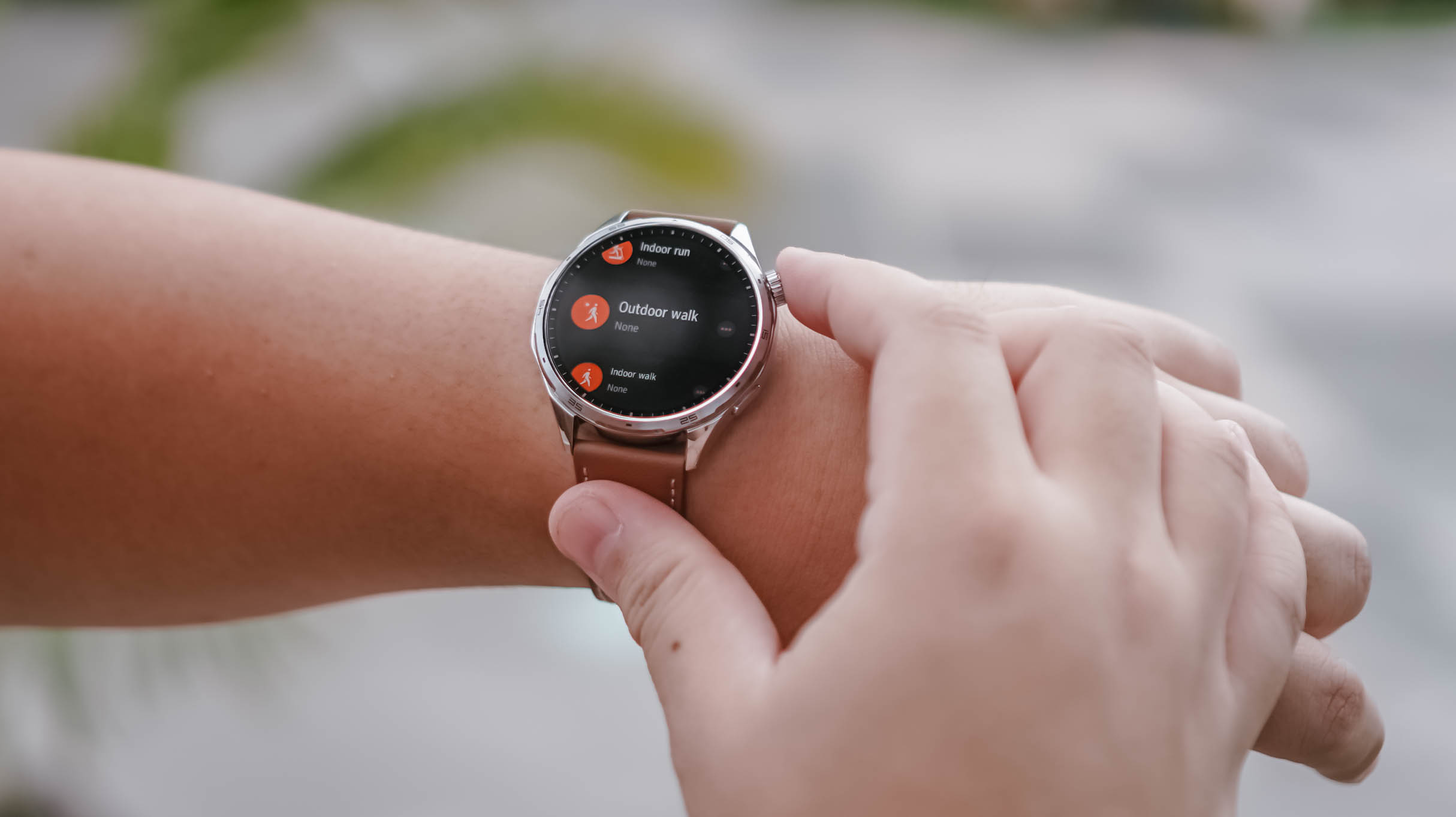
Health tracking and smart features
The HONOR Watch 6 includes continuous monitoring for heart rate, blood oxygen, stress levels, and sleep tracking.
Users can also perform a Quick Health Scan to generate a snapshot of key health indicators. An automatic daily report summarizes health data collected throughout the day.
According to HONOR, its IntelliSense system improves signal acquisition for more precise heart rate and blood flow monitoring.
The smartwatch also packs several productivity-focused features.
These include dual-phone pairing, an AI Recorder capable of generating voice notes and summaries, wrist-twist gesture controls, and NFC support for Mastercard and Visa payments.
Meanwhile, the display reaches up to 3,000 nits of brightness for improved visibility outdoors. Users can also personalize the watch using Video Watch Faces created from short videos or live photos.
Price and availability
The smartwatch starts at £169.99 (around US$230) beginning June 18, 2026. As part of an early bird promotion, HONOR is offering an £80 discount plus a free pair of HONOR Choice Earbuds Clip, valued at £59.99. The HONOR Watch 6 carries a regular retail price of £249.99.
The smartwatch will be available in Twilight Brown and Shadow Black.






Steam Machine was supposed to be much, much cheaper

Now Playing: Toy Story 5

Epic Games Launcher is getting a huge update to make it faster

Steam Machine price, reservation system revealed

Mercedes-Benz holds a Welcome Home campaign to celebrate 140 years

TECNO’s POVA 8 5G is both futuristic and future-ready

Close without crossing: A Xiaomi 17T Pro photo essay

realme launches P4 Series 5G, including Power with 10,001mAh battery

The Xiaomi Watch S5 proves you don’t have to take it off

Buyer’s Guide: Xiaomi Pad 8 Series


-
 India2 weeks ago
TECNO’s POVA 8 5G is both futuristic and future-ready
-
 Reviews2 weeks ago
HONOR Magic V6 review: The best version of a book-style foldable?
-

 Gaming2 weeks ago
Kingdom Hearts IV gets new trailer, confirms Switch 2 release
-

 Gaming2 weeks ago
Final Fantasy fans have two big reasons to look forward to 2026
-
 Smartphones2 weeks ago
Upcoming realme C100 series to feature 8,000mAh battery
-

 Gaming2 weeks ago
Nintendo officially announces Ocarina of Time remake
-
 News1 week ago
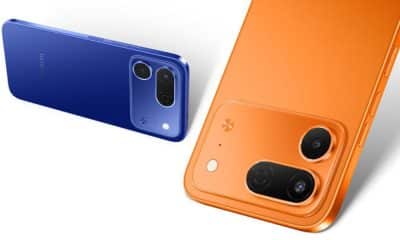
TECNO’s SPARK 50 Pro is the latest budget smartphone battery beast
-
 Buyer's Guide5 days ago
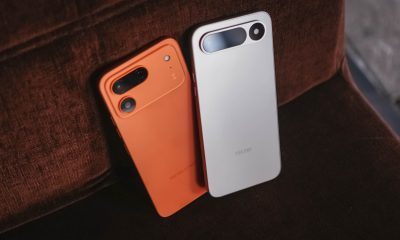
Buyer’s Guide: TECNO SPARK 50 Pro vs SPARK 50 5G