
Computers
AMD launches Ryzen 5000 desktop processors with major generational improvements
Available on November 5


AMD recently took the wraps off its Ryzen 5000 desktop processors. The new processors tout improvements across the board, from improved performance-per-watt to increased instructions-per-clock.
The processors are still using the same 7nm node used in the Ryzen 3000 CPUs. However, as compared to the previous CPUs, Ryzen 5000 boasts a new design that further reduces latency and gives cores more access to the L3 cache. Improvements in design also translate to 24% more performance-per-watt for the new Ryzen processors compared to its predecessor.
Gamers will really benefit from these improvements with AMD touting a 19% generational increase in instructions-per-clock on Ryzen 5000 processors. The company says that it is their largest increase yet since the introduction of Zen processors.
Now, there are no Ryzen 4000 desktop processors since AMD wants to streamline its processor offerings. Ryzen 4000 mobile processors — the one used on laptops — use Zen 2 architecture while Ryzen 5000 desktop processors use Zen 3. As such, the naming also signifies generational improvements across architecture and performance.
Headlining the Ryzen 5000 processors is the top-of-the-line Ryzen 9 5950X. It comes with 16 cores and 32 threads, having a base frequency of 3.4GHz, and a boost frequency of 4.9GHz. Meanwhile, its total cache is 72MB while its TDP is rated at 105W.
Then, there’s the rest of the lineup. AMD Ryzen 9 5900X has 12 cores, 24 threads, and a base frequency of 3.7GHz with a boost frequency of up to 4.8GHz. Its total cache is at 70MB, and its TDP maxes out at 105W. For this processor, the company touts 7% faster 1080P gaming than its closest competitor, Intel Core i9-10900K.
There’s also the AMD Ryzen 7 5800X which is an 8-core, 16-thread CPU with a base frequency of 3.8GHz and goes up to 4.7GHz. The TDP is the same with other higher-end processors, clocking in at 105W. Meanwhile, its total cache maxes out at 36MB.
Finally, there’s the Ryzen 5 5600X. It is a 6-core, 12-thread CPU with a base frequency of 3.7GHz and maxes out at 4.6GHz. The total cache is 35MB. Its TDP is significantly lower than the three, coming in at 65W.
Pricing and availability
All Ryzen 5000 processors are will be available to order on November 5. The top-of-the-line Ryzen 9 5900X starts at US$ 799. Meanwhile, the Ryzen 9 5900X will retail at US$ 549. The Ryzen 7 5800X and Ryzen 5 5600X will come at a much affordable price of US$ 449 and US$ 249, respectively.
It’s worth noting that AMD will also launch the AMD Radeon RX 6000 GPUs sometime before the Ryzen 5000 processors hit the shelves. These GPUs are expected to use RDNA 2 GPU architecture, which is the one used for Xbox Series X and Sony Playstation 5. An October 28 announcement is already set in stone for the Radeon GPUs.
Source: Niche Gamer and Neowin






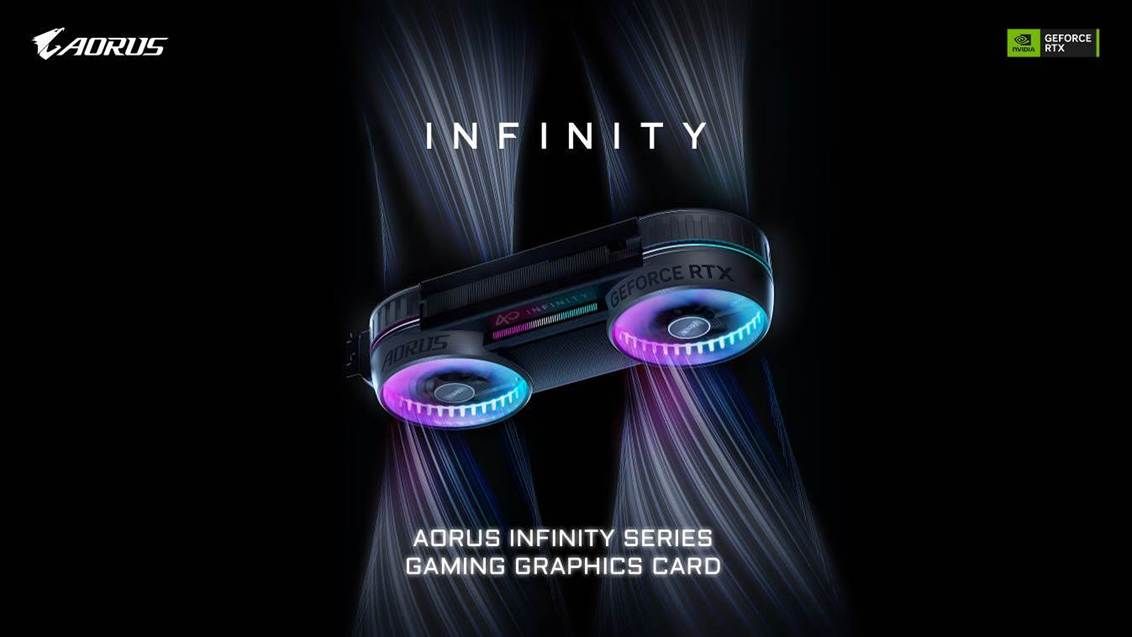
GIGABYTE has launched two new AORUS INFINITY graphics cards in celebration of its 40th anniversary, giving PC builders more options for their custom builds.
These are the AORUS GeForce RTX 5080 INFINITY 16G and the unique, nature-inspired AORUS GeForce RTX 5080 INFINITY WOOD 16G.
These high-end components are genuine design objects meant to elevate the look of one’s entire setup, while also providing topnotch GPU performance.
The new models build on the design language of the AORUS GeForce RTX 5090 INFINITY and further evolve the signature aerospace turbine-inspired aesthetic with integrated RGB lighting elements.
Particularly, the WOOD edition integrates wood-grain elements as its core design language, blending the warmth of natural textures with high-performance hardware.
As such, it is a crown jewel for lifestyle-focused users and interior design lovers, bringing a sense of warmth and emotional resonance.
At the same time, both are absolute powerhouses inside. GIGABYTE packed the new AORUS INFINITY models with the WINDFORCE Hyperburst cooling system.
The patented Hawk fan design minimizes airflow turbulence and noise while achieving higher air pressure and greater air volume.
In the thermal design is a large vapor chamber making direct contact with the GPU. This is paired with composite copper heat pipes to effectively accelerate heat transfer efficiently.
Both new AORUS INFINITY graphics cards support the Project Stealth series for a streamlined building experience.
The concealed power connector design neatly hides cables within the graphics card structure for a cleaner, less cluttery look.

At WWDC 2026, Apple unveiled Siri AI, a smarter version of Siri powered by Apple Intelligence, with personal context, onscreen awareness, deeper app integration, and a brand-new experience across iPhone, iPad, Mac, Apple Watch, and Vision Pro.
Apple also announced new Apple Intelligence features, Google Gemini-powered foundation models, smarter photo editing tools, improved parental controls, faster performance across iPhone and iPad, and the next version of macOS: Golden Gate.
In this WWDC 2026 Rewind, Michael Josh breaks down the biggest announcements, what actually matters. And, whether Apple finally delivered on the promises it made last year.
Computers
ASUS at COMPUTEX 2026
NVIDIA RTX Spark ProArt laptops, Zenbook 14, ROG XBOX Ally X20 Bundle, and more!

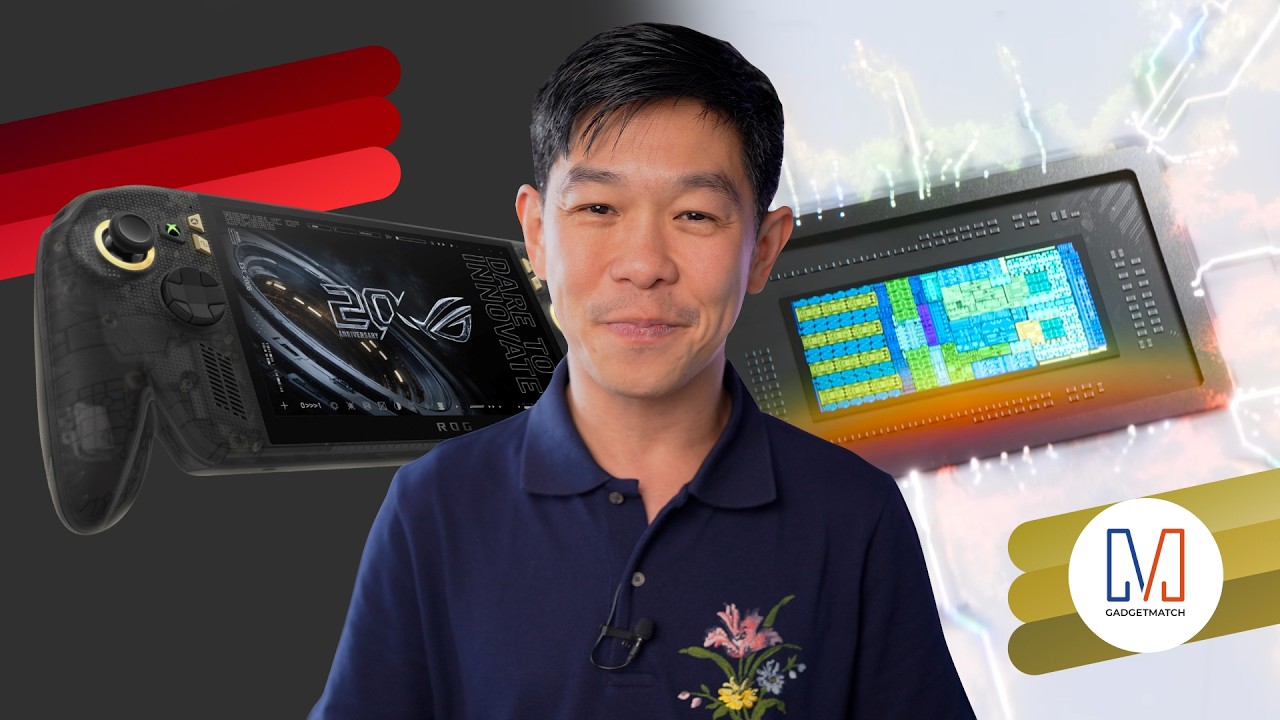
ASUS had a packed COMPUTEX 2026.
in this video we’re taking a look at our favorite announcements from the show: the ultra-portable and colorful Zenbook 14 all the way to the practical Vivobook S series.
There are also some cool new stuff including the debut of NVIDIA RTX Spark-powered ASUS ProArt laptops. PLUS, ROG’s 20th Anniversary!
To celebrate that, they announced a whole bunch of Edition 20 collection — including the nostalgic yet futuristic ROG XBOX Ally X20 with a bundled XREAL R1 Edition 20 Gaming AR Glasses.
Check them out here:




Microsoft dictates that a new Fallout game is coming

New York becomes first state to ban smart glasses

HoYo FEST 2026 details announced; tickets on sale from July 16

GIGABYTE releases new AORUS RTX 5080 INFINITY graphics cards

Assassin’s Creed Black Flag Resynced available worldwide now

TECNO’s POVA 8 5G is both futuristic and future-ready

Buyer’s Guide: TECNO SPARK 50 Pro vs SPARK 50 5G

TECNO’s SPARK 50 Pro is the latest budget smartphone battery beast

DJI Osmo Pocket 4P launches with dual lenses and a 1-inch sensor

vivo X300 Ultra review: A “Whole Different Animal”


-
 Cameras2 weeks ago
DJI Osmo Pocket 4P launches with dual lenses and a 1-inch sensor
-

 News2 weeks ago
Lenovo says RAM prices are not coming back down again
-

 Laptops1 week ago
The ASUS ExpertBook Ultra wins you over
-
 News13 hours ago
New York becomes first state to ban smart glasses
-

 Gaming1 week ago
PlayStation goes all-digital in 2028
-

 Gaming1 week ago
Xbox might get rid of physical discs too
-

 Laptops1 week ago
ASUS launches the ExpertBook Ultra
-

 Enterprise1 week ago
Google ordered to pay EUR 4.1 billion in fines