

Reviews
Samsung Galaxy A21s: Heavy duty but not heavy on your pocket
Budget-friendly and gets the job done

At times like these that we’re highly dependent on our gadgets for work and play, it’s a big advantage to get a decent performing phone that doesn’t break the bank.
Samsung gave an answer to that need as they added a new member to its A-series, the Samsung Galaxy A21s. Let’s first have a quick rundown of its specs to see how it fares with other budget-friendly smartphones.
| Samsung A21s | |
| Display | 6.5” PLS TFT LCD |
| Processor | Octa Core 2.0Hz |
| RAM + ROM | 6GB + 64GB |
| Cameras | Quad rear (48MP Main Camera + 8MP Ultra-wide Camera + 2MP Macro camera + 2MP Depth Camera)
13MP Front Camera |
| Battery | 5,000mAh |
| Unlock | Rear fingerprint scanner |
| Other connections | USB-Type C, 3.5mm jack |
You already get an indication here on what you can expect from the A21s and what are its weak and strong points, but let’s dig in deeper on what you’re getting if you decide to snap up this phone.
Premium design for its price
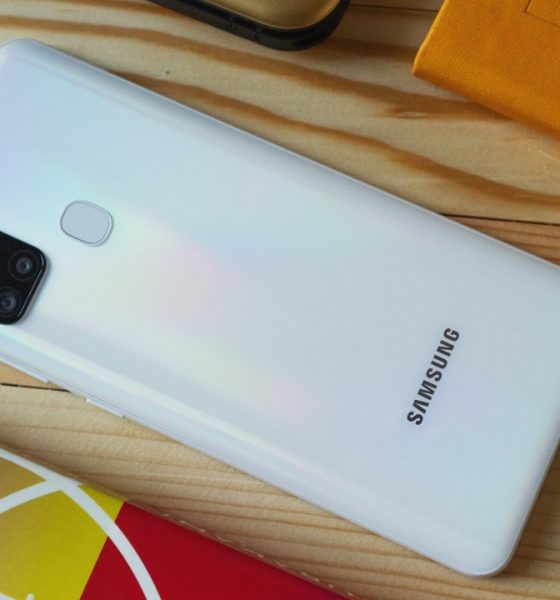
As a budget-friendly phone, the Galaxy A21s is definitely as striking as Samsung’s other recent releases from the A-series. Like the Galaxy A51 and A71, it is a sleek-looking phone. It may be made of poly-carbonate material sandwiched between layers of glass, but it looks and feels premium. Its glossy finish even hinders smudges when you have to use your phone for hours.
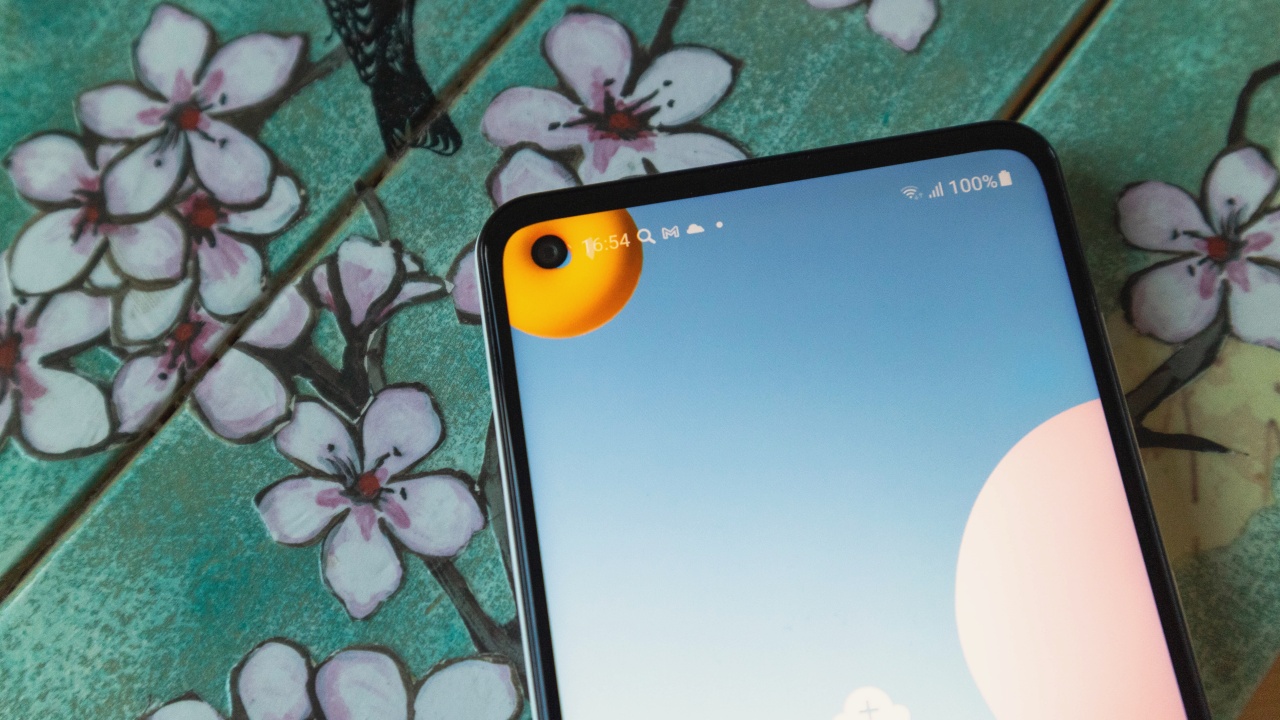
Looking up front, I appreciate how the front camera is unintrusive so you can enjoy watching videos or playing games on your phone without being distracted.
At the back, you’ll see a reflective rear panel with an L-shaped quad camera setup beside an LED flash.
A rear-mounted fingerprint sensor is positioned on the upper center of the phone. I think this is more reliable and convenient since you can already place your finger on it while getting it from your bag or your pocket for quicker unlocking.

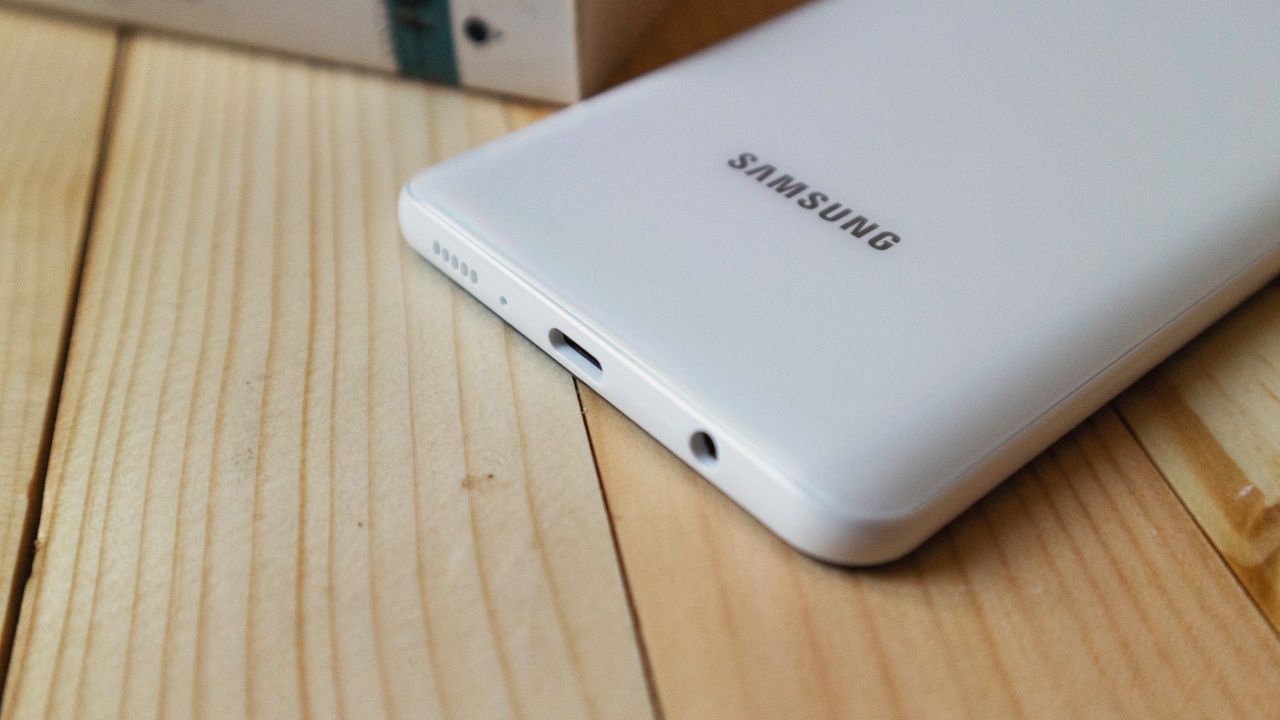
Also, a considerate design decision for the Galaxy A21s is a 3.5mm audio jack at the bottom of the phone so you can still use your existing headphones or if you still don’t have the budget for wireless headphones. You can find this beside the USB-C port for charging and speaker grilles.
Just right for entertainment
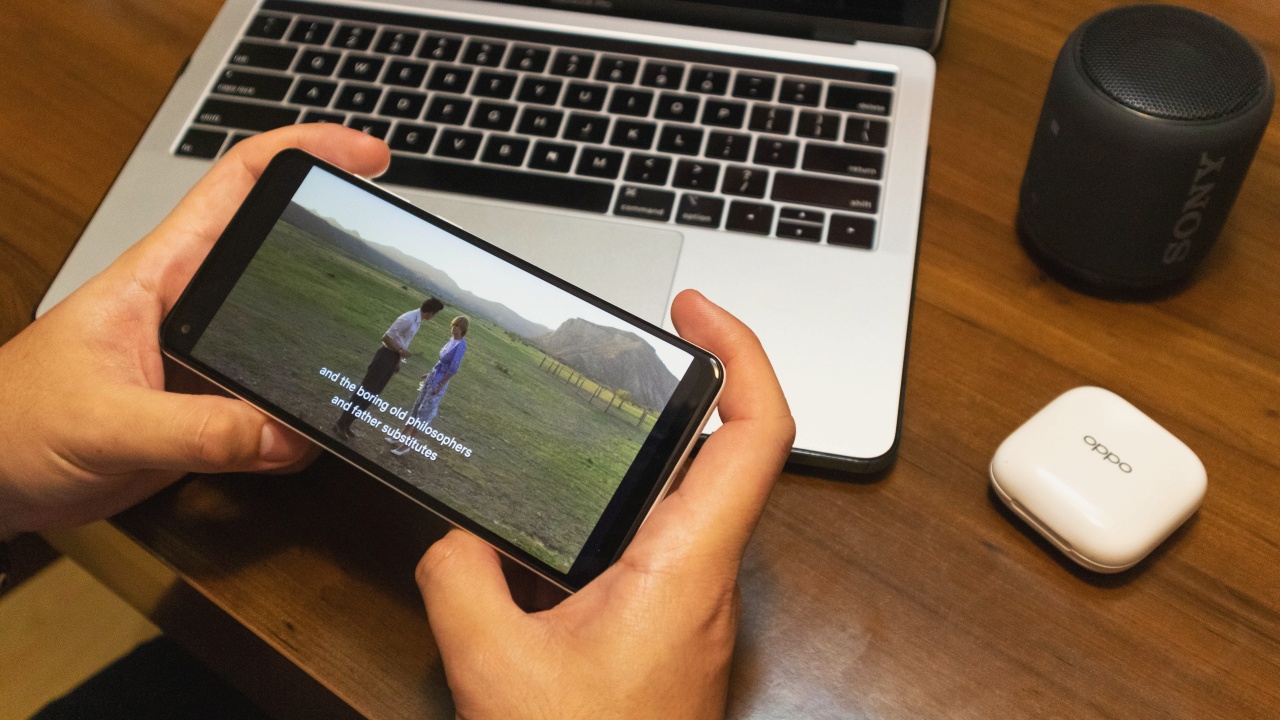
The display on the Galaxy A21s is a good size at 6.5-inch Infinity-O PLS TFT LCD. If you’re just into Netflix for casual watching or games that you just play on your short breaks, you’re already in for a treat as this wide aspect ratio fills your screen with content from edge to edge.

But if you’re someone who highly values watching with high resolution video or graphics, display isn’t one of A21s’ strongest features. Since it uses LCD rather than an AMOLED panel which Samsung is known for, the sharpness of the images is mediocre and displays just a decent amount of brightness and saturation.
As for its performance, the A21s just does the job with its Octa Core 2.0GHz Processor, 6GB RAM and 64GB expandable storage. Apps run well even when moving from one social media platform to another, videos play without stutter and you can play your usual mobile games smoothly.

Bet it on the battery
Now what I think Samsung Galaxy A21s’ strongest suit is its battery life. This phone is equipped with a massive 5,000mAh battery capable of 15W fast charging via USB-C which endured more than what I expected.
I used it for 48 hours for emails and video meetings, a few episodes of The Crown on Netflix, binge watching hilarious Youtube videos, some casual Spotify sound trip and the battery was still at 38 percent.
Just to further test how the battery can last, I left it open overnight. I used it when I woke up for my morning jam playlist and by the 60th hour, the battery was just down at 21 percent. This just proves that it’s impossible to drain the battery for a single day use even if you’re a heavy user.
Capture more than expected
These days, it’s valuable to have a handy phone with a camera that can capture the few but meaningful moments you get to have while there’s still a pandemic.
Gladly, Samsung has managed to squeeze in a 48-megapixel main camera, an 8-megapixel ultra-wide camera, a 2-megapixel macro camera, a 2-megapixel depth camera and a 13-megapixel selfie camera.
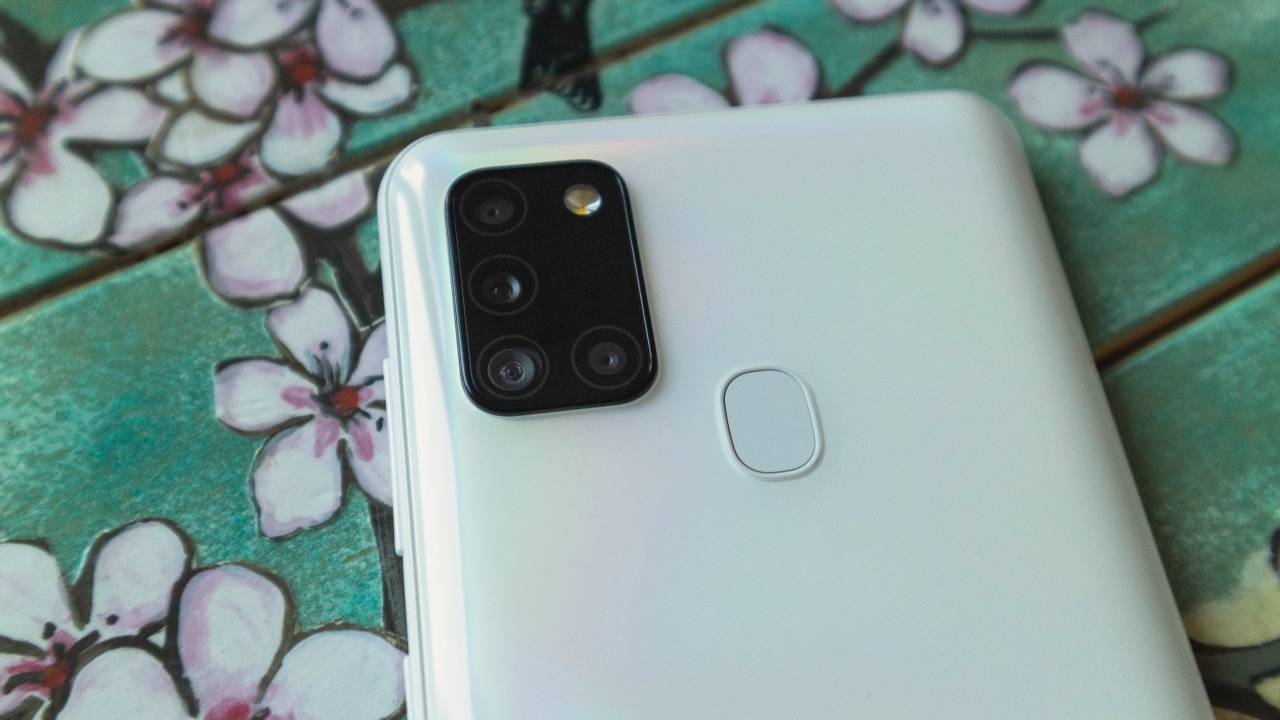
I tested all cameras while taking a short walk around the area and the Galaxy A21s did not disappoint.
What I found most impressive was its ultra-wide camera. The Galaxy A21s had a more dynamic range and a wider field of view compared to my Huawei Nova 5T which is actually considered a midrange phone. (Left is Nova 5T, Right is Galaxy A21S).


Its main camera also took pretty decent photos either indoors or outdoors. There’s good color, contrast and sharpness.

It was also fun playing around with the Galaxy A21s’ Live Focus mode which gently blurs the background and makes the subject stand out. The phone just struggled a bit when I tried this mode for a selfie. It wasn’t able to detect that I was already the subject in the picture mainly because I was wearing a mask and a face shield.

Is this your GadgetMatch?
Summing it up, the Samsung Galaxy A21s is the kind of mobile phone that gets the job done especially if you’re someone who uses his or her mobile phone both for work and leisure all day.
It may not have a stellar display and built and the best processor but it makes up for what it lacks through its modern and sleek design, dependable battery and versatile cameras.
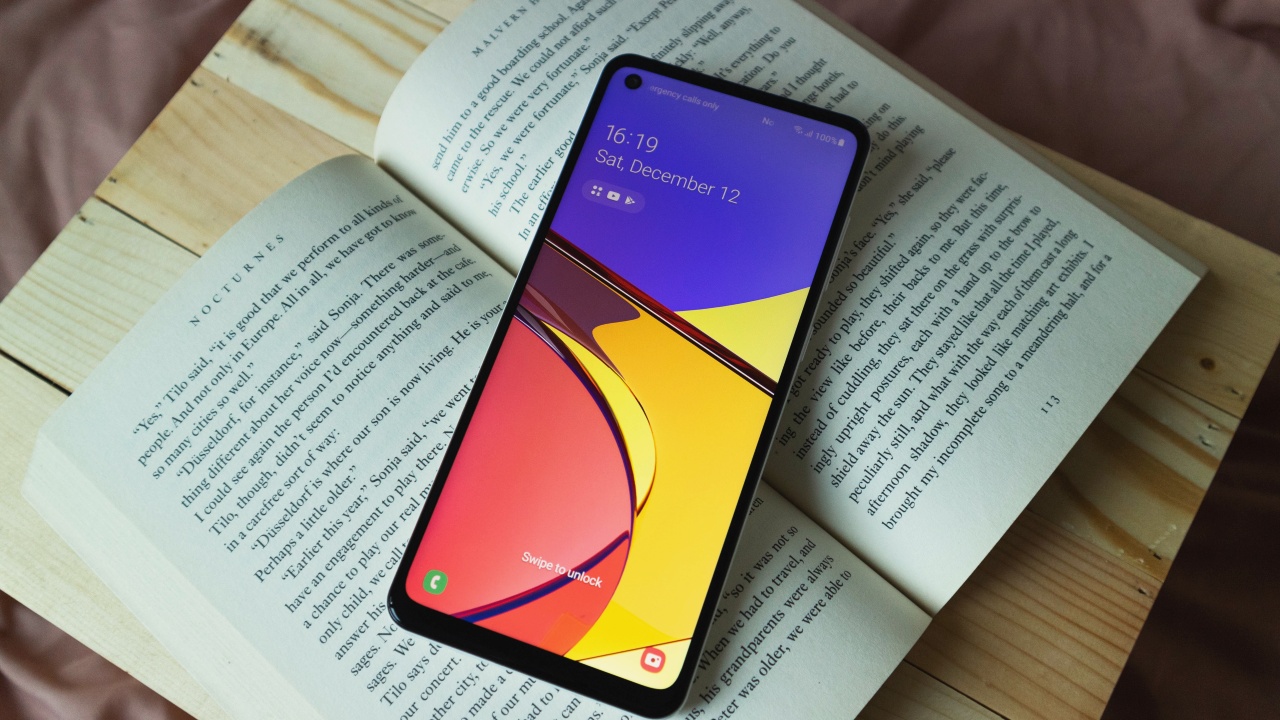
Get it this December as Samsung is heavily discounting its products for the Holiday season, dropping the Samsung Galaxy A21s’ price from PhP 11,990 to PhP 9,990 due to their PhP 2,000 discount for select A-series smartphones.






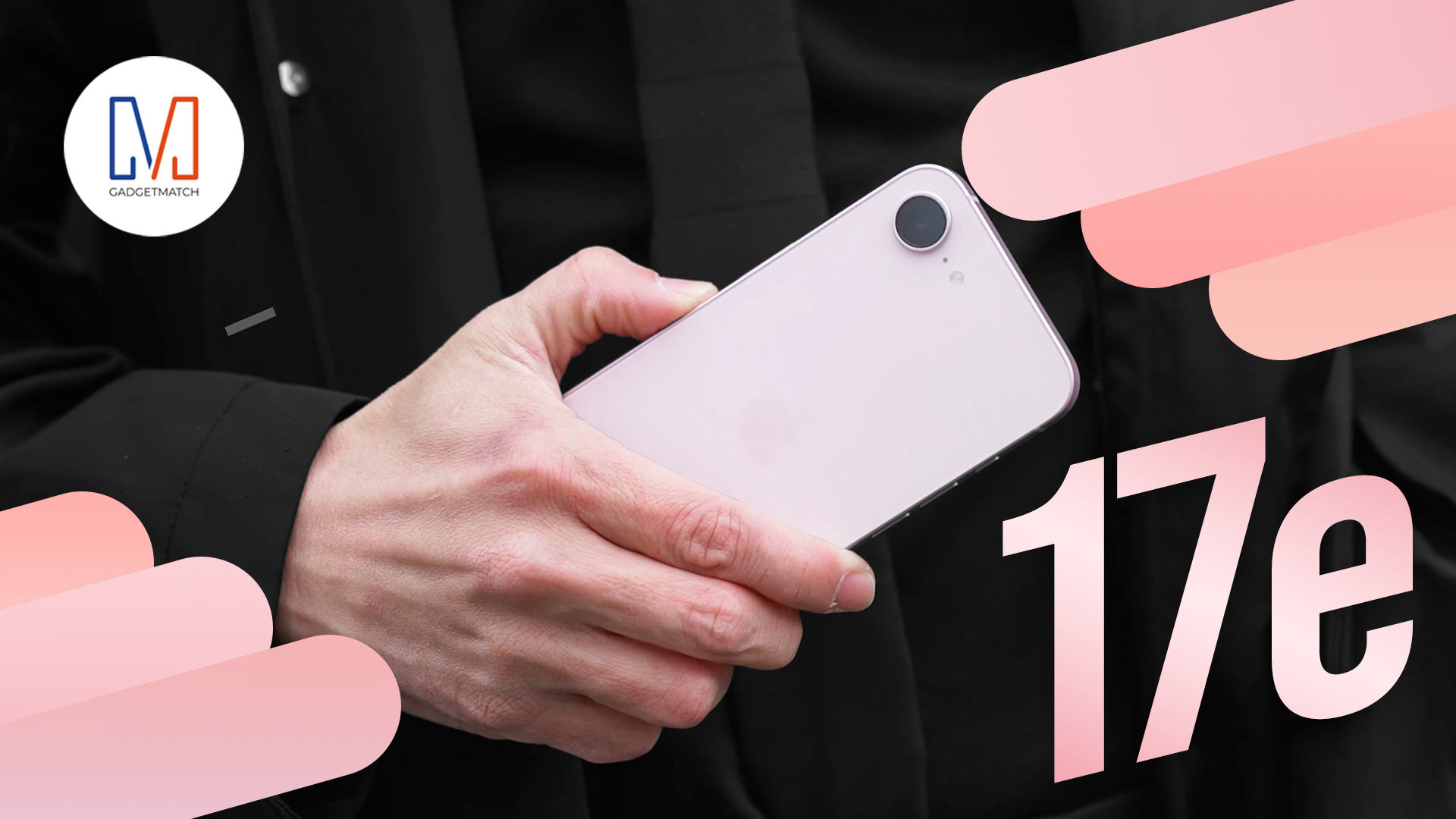
Apple has never made it easier to get into their fruit ecosystem.
At US$ 599, the iPhone 17e sits right beside the M4 iPad Air and the all-new MacBook Neo.
There’s a lot to love about it. It’s got everything you need, and nothing you don’t.
What’s the justification? Head over to our in-depth review of the latest Apple iPhone 17e to know more.


Why are some of today’s smartphones enamored with rear-mounted lighting systems? ASUS, Nothing, and Infinix all have recently released devices that show off with LEDs at the back. To me, a good number of these phones are either tacky or too gimmicky to be of any practical use. One, however, stands out as a true premium offering for the segment: the Infinix NOTE 60 Ultra.
Smartphone meets supercar
Designed with Pininfarina, the NOTE 60 Ultra subtly mixes the contours of a premium car with the curves of a flagship phone. The result of this pairing is an artistic piece that shines in its simplicity but also stands out in an industry inundated with over-large camera islands.
The rear offers a subdued carbon fiber pattern. The included case accentuates this even further in a tactile sense. Reminiscent of other premium phones, the metallic sides have the usual array of buttons and design quirks, except for a sparkling Pininfarina logo and an optical fingerprint sensor.
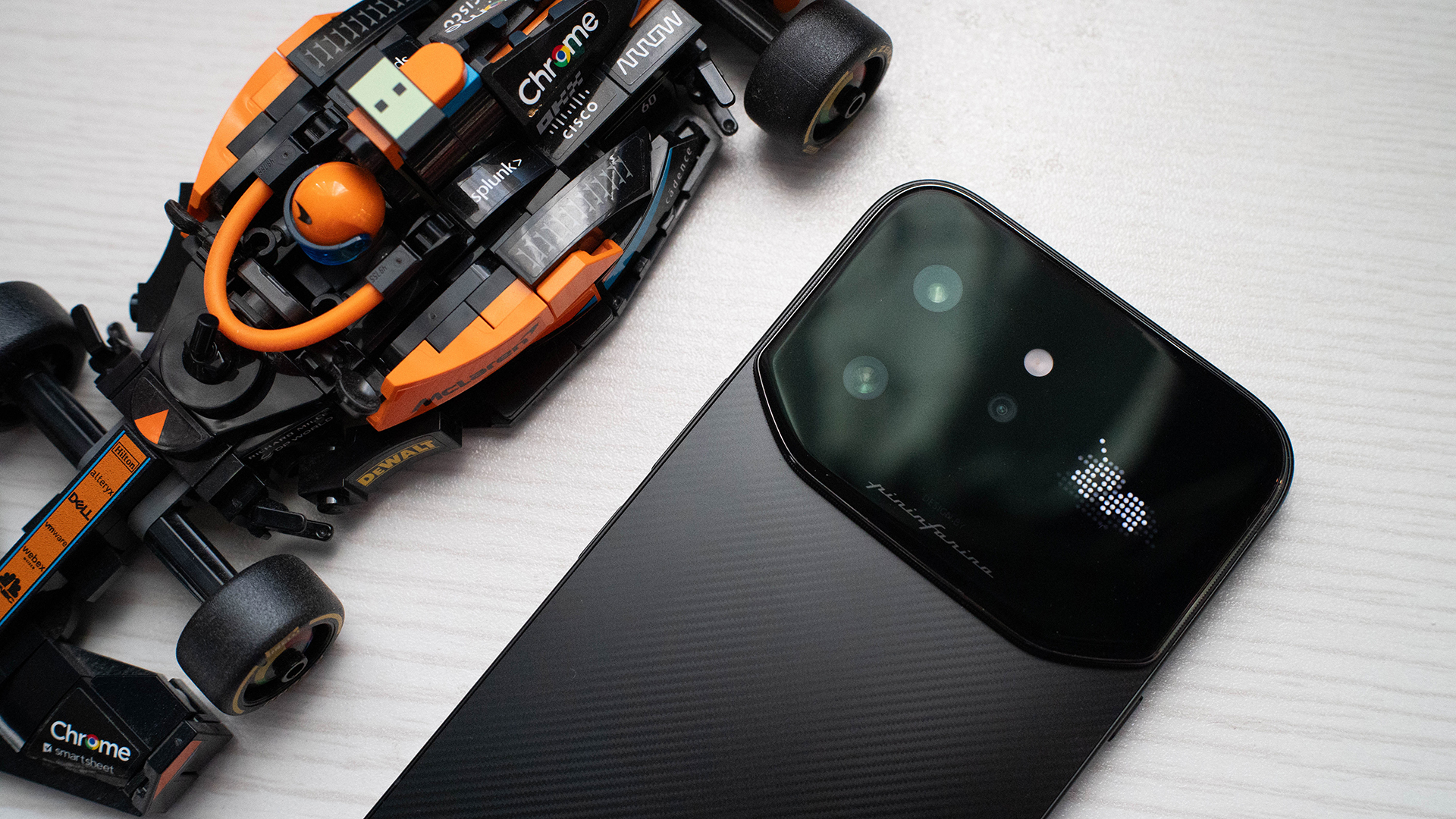
Meanwhile, the camera island embraces the current era by extending itself from end to end. A full fourth of the rear is enclosed in glass just for this area. It’s surrounded by pleasantly tactile grooves. The area itself contains the camera system, the Active Matrix Display (which we’ll get into later), and a floating taillight.
Overall, the NOTE 60 Ultra’s design is amazing in its uniqueness. I’m tired of the same-old. Infinix’s latest offering doesn’t break away from the ongoing tradition of over-large cameras but instead pushes the trend to its capacity without ruining its premium feel.
Active Matrix Display: Feature or gimmick?
The last Infinix phone I reviewed was the NOTE Edge. That particular midranger had the Active Halo Lighting, a simple ring that breathes in and out to signify notifications. Though the oddity was largely unobtrusive, I still thought that it was too much of a gimmick to be of any use to most users.
On the other hand, the NOTE 60 Ultra’s Active Matrix Display is something entirely new. Instead of just a notification ring, it’s an actual display. It also has a plethora of uses, including icons for notifications, a graphic for music playback, a quirky “screensaver,” and a few minigames.
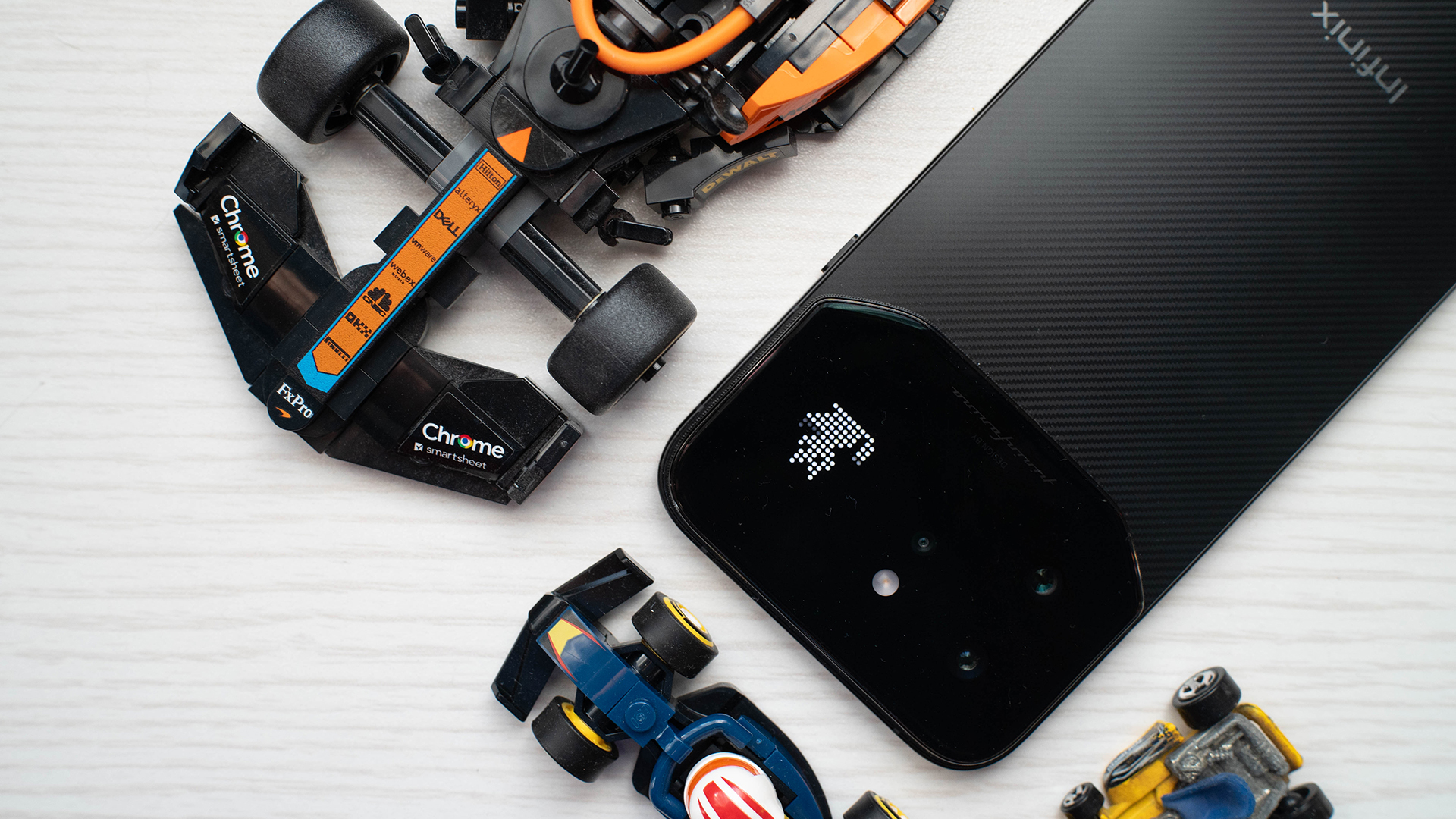
Just by sheer numbers, the Active Matrix Display feels more useful than most rear LED systems including my own Nothing Phone 3. Though there were still moments when I ignored the feature, there were more times when I engaged with the interface. The games weren’t difficult but were great ways to pass a few minutes of boredom. The light effect widget, which includes a few personas, looked visually interesting enough to be kept on all the time.
This doesn’t even include the aforementioned floating taillight yet. Much like the NOTE Edge’s Active Halo Lighting, this one breathes in and out. However, the NOTE 60 Ultra’s version is shaped like a car’s taillight and more effectively melds into the contours of the island. This makes it even less obtrusive than the Halo and adds to the phone’s premium feel.
I’m still on the fence about these lighting systems, but the NOTE 60 Ultra actually complements its design and offers something unique. For me, it’s the best version of this ongoing trend.
A set of peepers
The huge camera island isn’t just a gimmick; we’ve established that much with the Active Matrix Display. But besides the LED display, the island also houses a ginormous 200-megapixel Samsung ISOCELL HPE sensor, paired with a 50-megapixel Samsung ISOCELL JN5 periscope telephoto lens and a 112-degree ultra-wide camera.
Just on paper, this feels like overkill already. Do you really need a camera that can zoom in on your blackheads? Well, even if you don’t use the 100x zoom, the camera combination helps eke out so much more detail from moderately distanced subjects. Just take a gander at this bird I took.

The camera is also great at close subjects. It added so much juicy bokeh to focus on this flower. And it doesn’t look too artificial.

Wide-angle photos aren’t too bad, either. Personally, I’m not a fan of the format, but if you are, it’s a great shot.

Can we measure this in horsepower?
Under this supercar-slash-smartphone’s hood, you’ll get a Dimensity 8400 chipset from MediaTek. For all of its looks as a premium phone, the NOTE 60 Ultra misses out on a true flagship chipset. It’s still only a step behind, though.
It’s also adequate enough to play my HoYoverse vice of choice, Zenless Zone Zero. Though the phone put my settings under low to medium graphics settings by default, it had no complaints when I pushed everything to high at 60 frames per second.
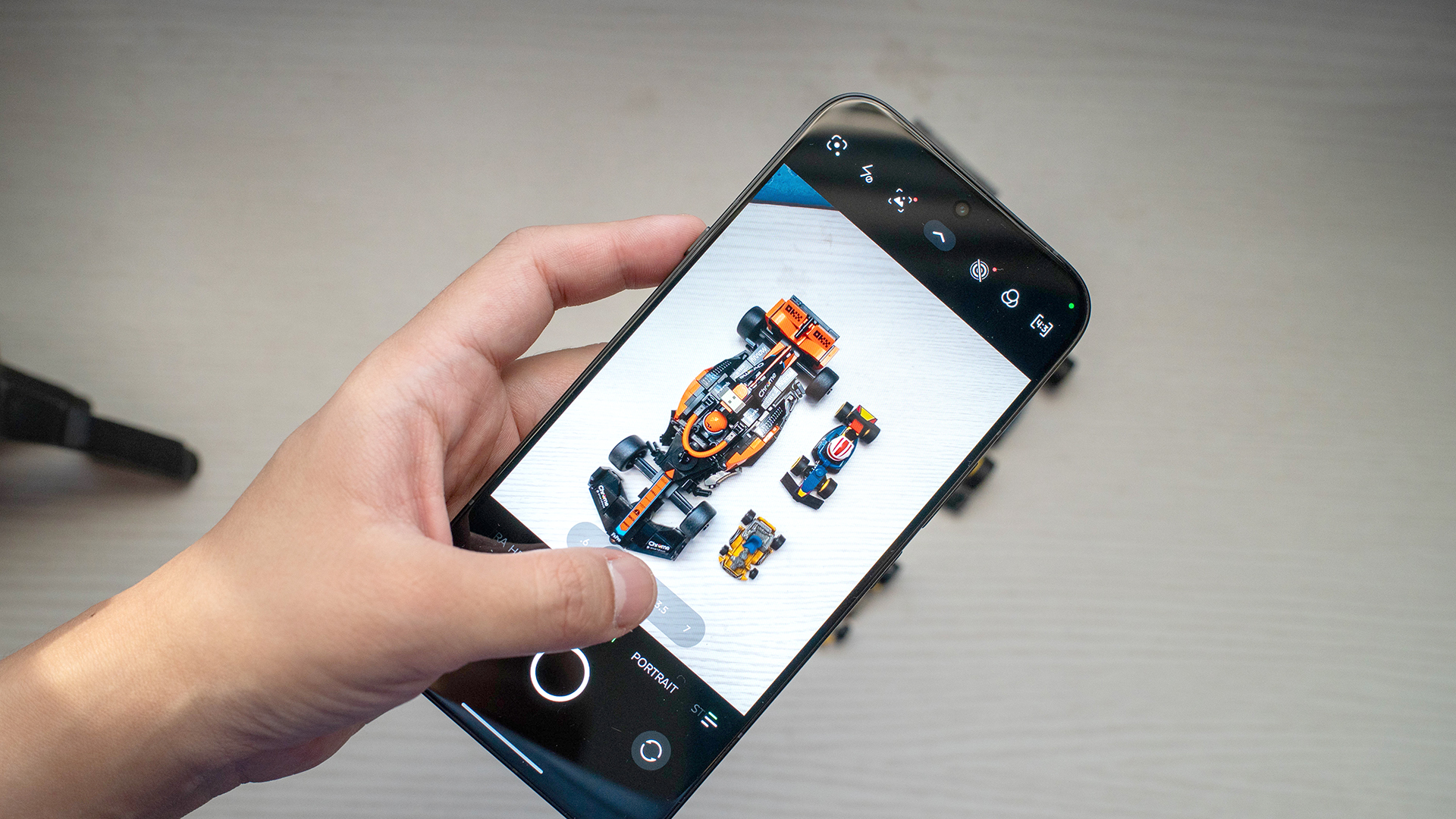
My only problem was the immense coverage area of the camera island. Because of how huge it is, no case can ever cover the island completely. So, when you hold the phone horizontally, your hands are making bare contact with the phone.
This is naturally terrible for smudges, but it also doesn’t protect your hands from the phone heating up. And it does heat up after around 40 minutes. Though this ultimately depends on how you use the phone, playing ZZZ for an extended period of time was scalding.
The NOTE 60 Ultra has all the capabilities of a true powerhouse, despite lacking a true flagship chipset. It just gets too hot for comfort. Maybe for the next iteration, this supercar can get some air conditioning.
Now Playing: Steel Ball Run
Jojo’s Bizarre Adventure wouldn’t have lasted seven seasons (or nine, if you count the manga) if it weren’t a good series. Having read the manga, Steel Ball Run, the seventh part, is my favorite one, and it’s finally getting an anime adaptation.
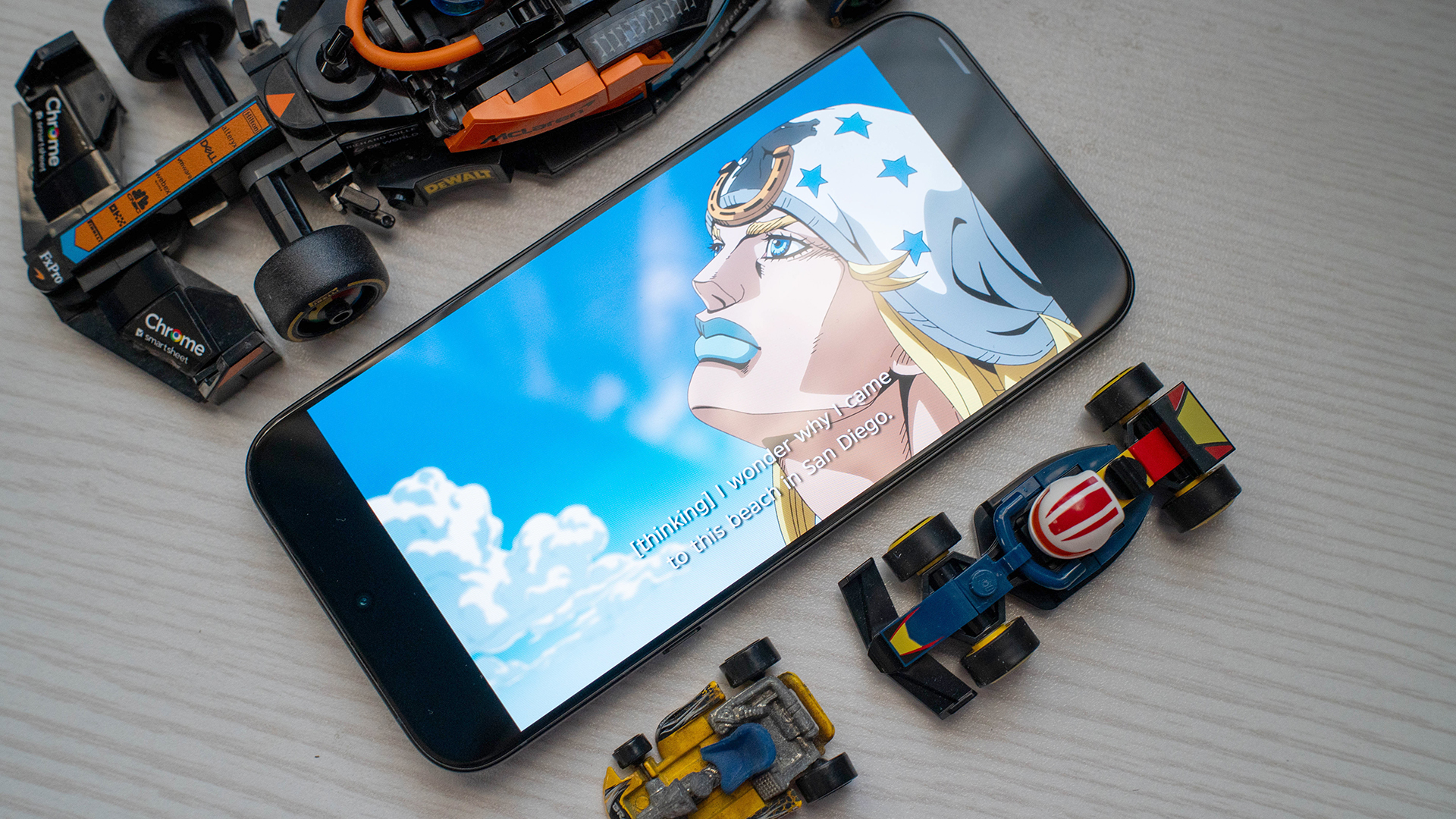
It’s apropos that I’m watching a racing anime on a motorsport-themed phone. With the NOTE 60 Ultra’s 6.78-inch 1.5K Ultra HDR display, Gyro Zeppeli bounces to life in full color. Every character — Johnny Joestar, Diego Brando, Sandman, and Pocoloco — looks amazing in the anime’s signature style. It’s less shadowy, more vibrant and smoother.
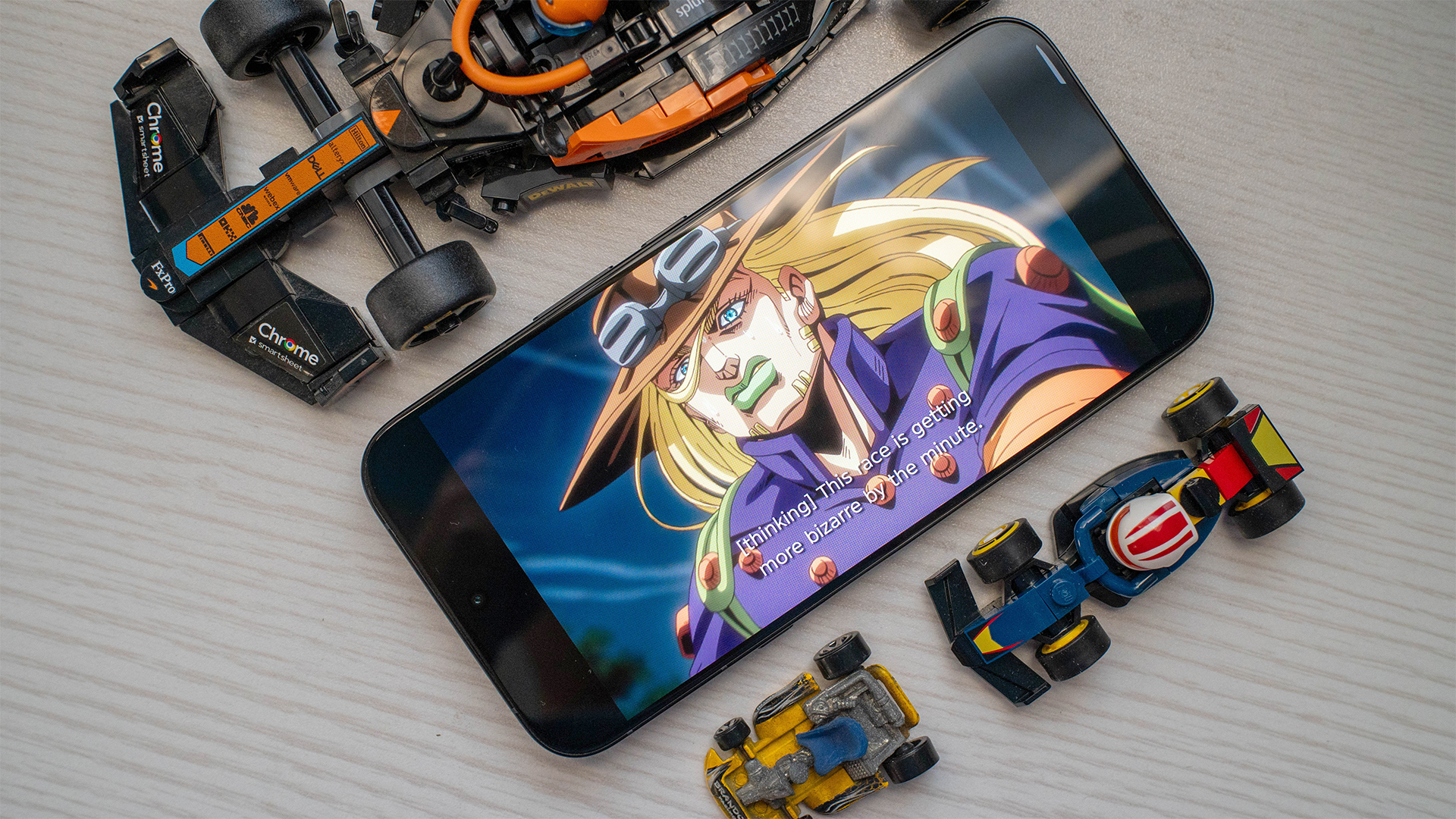
Hearing Gyro’s signature “Nyo-ho!” was likewise great. The phone’s JBL-tuned speakers made it seem like I was holding my own mini cinema.
It was a bonus treat that the first episode was double the length of a traditional one and included everything in the first leg of the race. Unfortunately, the second episode still doesn’t have a schedule. Plus, who knows if the second “batch” will include more than just one episode? Netflix has been atypically cagey with this release.
Finally, some good mileage
The NOTE 60 Ultra has an impressive 7000mAh battery. A single hour of ZZZ used up only 18 percent of the battery, despite being on the highest possible settings. Following this trend, it took four hours with the game up before the battery dropped to concerning “I need to find a charger” levels, which was around 25 percent to me.
There was no reason to worry at all, though. The battery has spare juice left in the tank even if it’s low. It took an absurdly long time to completely drain the battery from 1 percent. I even turned ZZZ on again to speed things up, but it still lasted around 30 minutes on a single percent.
Because of how big the battery is, it also supports 100W wired charging. To be transparent, I don’t have a 100W charging brick, but I do have a 90W one. It took me 1 hour and 6 minutes to fill the tank from empty. If you’re not particular with filling the battery to full, a short 7.5-minute charge was enough for 10 percent.
Midrange software inside a premium package
When I buy a premium phone, I expect a premium-looking phone when I power it up for the first time.
To be fair, the interface’s custom theme does exude an expensive-seeming feel. However, it prioritizes being thematic over being functional. This isn’t something I expect from a flagship. To me, a flagship should have the easiest interface to use with no bloat or unnecessary frills.
Infinix’s XOS is blatantly unused to the flagship segment. The interface has rolls of suggested apps and games that clutter the home screen. It also has a bunch of pre-installed apps (like Facebook, Instagram, TikTok, and Shopee) and proprietary software.
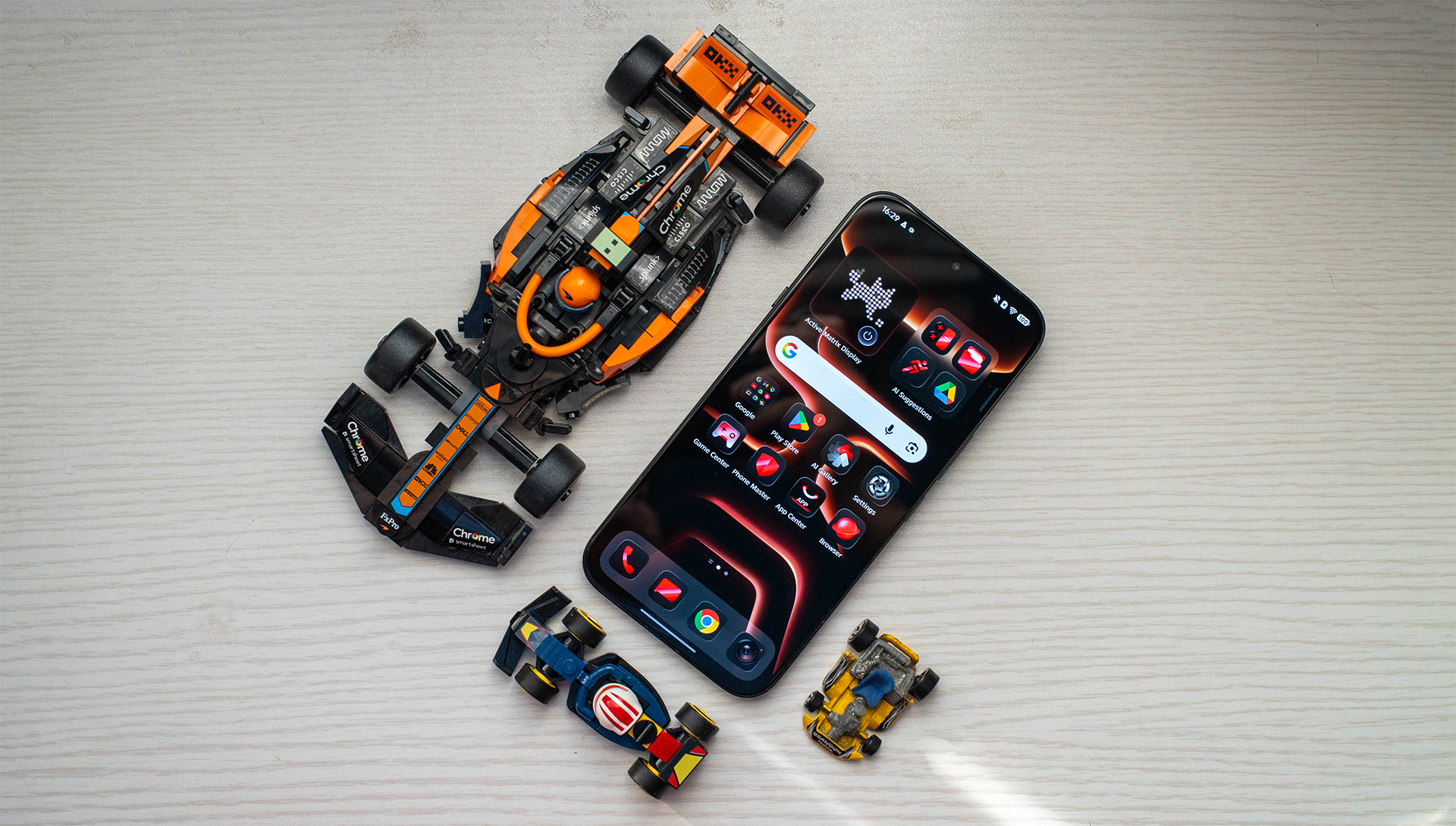
This was the same problem I had with the NOTE Edge. Since it’s a midrange phone, it was a lot more forgivable, though. After all, that much bloatware usually lets the brand price their lower-end products more competitively. That shouldn’t be the case for flagships.
There is some leeway because it’s Infinix’s renewed shot at the premium flagship market, but hopefully it’ll be fixed in the second go-around.
Is the Infinix NOTE 60 Ultra your GadgetMatch?
For a flagship product, the Infinix NOTE 60 Ultra is a worthy try. It looks and feels premium out of the box. However, the brand clearly has some work left to do on the inside. It’s a tiny step behind on performance, and its interface doesn’t reflect the advertised flagship status.
Still, it’s a Swipe Right if you’re looking for the best version of over-large camera islands today. The NOTE 60 Ultra’s design philosophy should be an inspiration to today’s trends. Indeed, it’s a supercar packed into a smartphone.
However, Swipe Left on this phone if software is just as important to you as a phone’s looks. Though it’s strong enough to perform like a flagship, the phone’s operating system makes it harder to use than most of its contemporaries.
Lifestyle
JBL Sense Pro review
My daily driver met a loud and capable rival in this quest for a superior training companion.

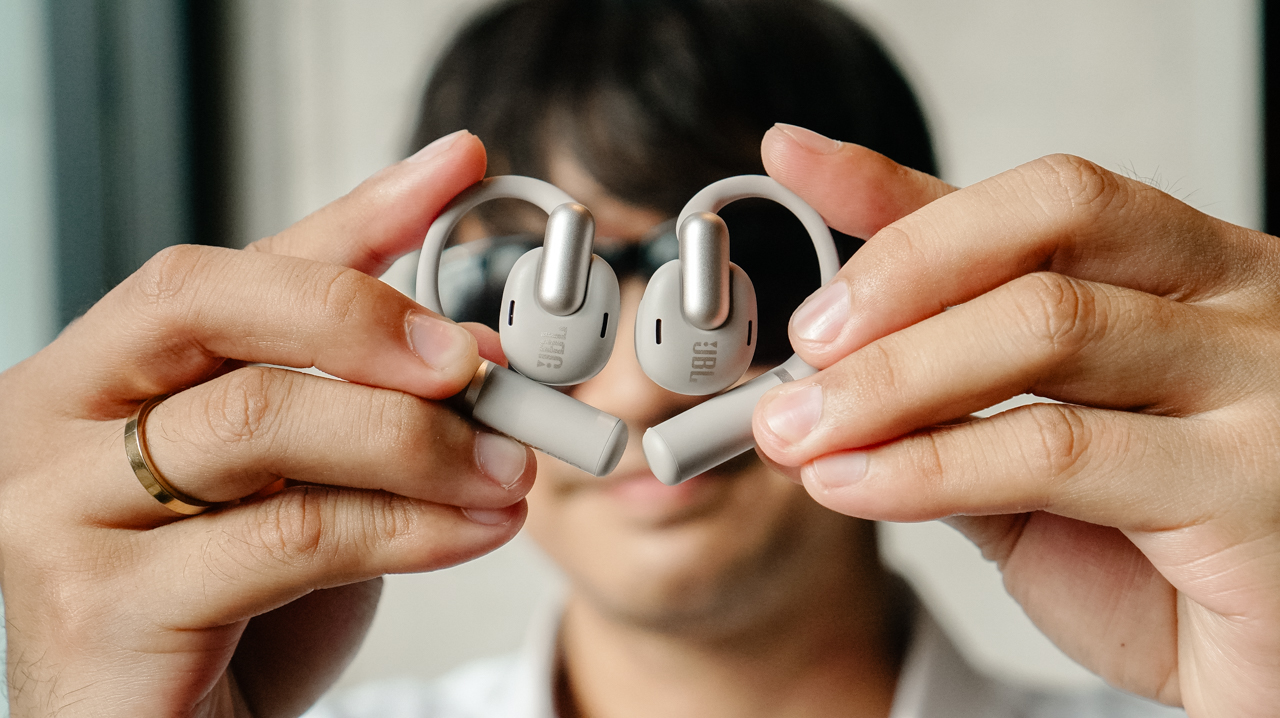
I consider my relationship with my workout gear to be a very serious, long-term commitment.
I’m a creature of habit when a product truly understands my everyday life. For the past year, I have depended on my Shokz OpenFit 2+ as if it were a physical extension of my morning.
When I lost my original pair, I didn’t even browse for alternatives before I secured a replacement. I knew exactly what worked for my ears and my life.
When the JBL Sense Pro arrived, it didn’t feel like a necessity so much as a very expensive curiosity.

I wanted to see whether the “Pro” label could actually offer more than the weightless comfort I already loved. I decided to treat this as an essential research project into whether my standards could actually be raised.
Weight of a secure fit
I find that gear often reveals its true character at the exact moment I am negotiating with my willpower to finish a final rep.
This is the time when I realize if my earbuds are truly supporting my ambitions or if they are simply getting in the way of my progress.
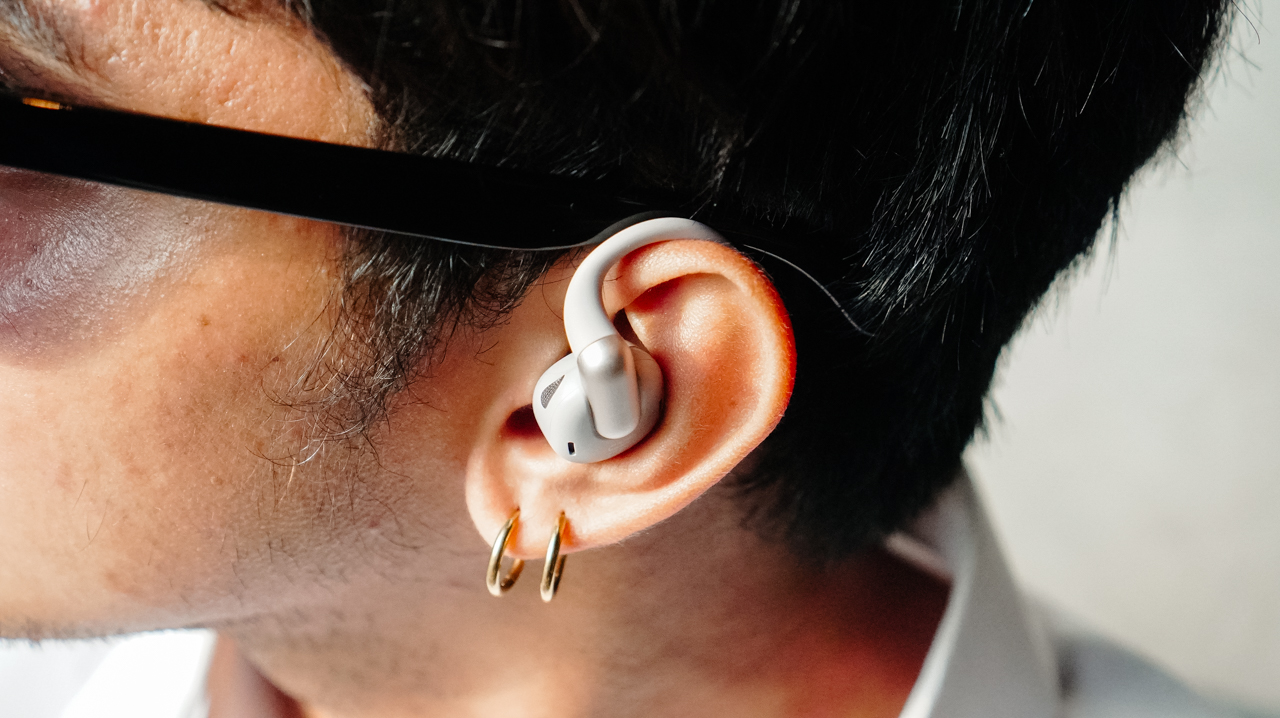
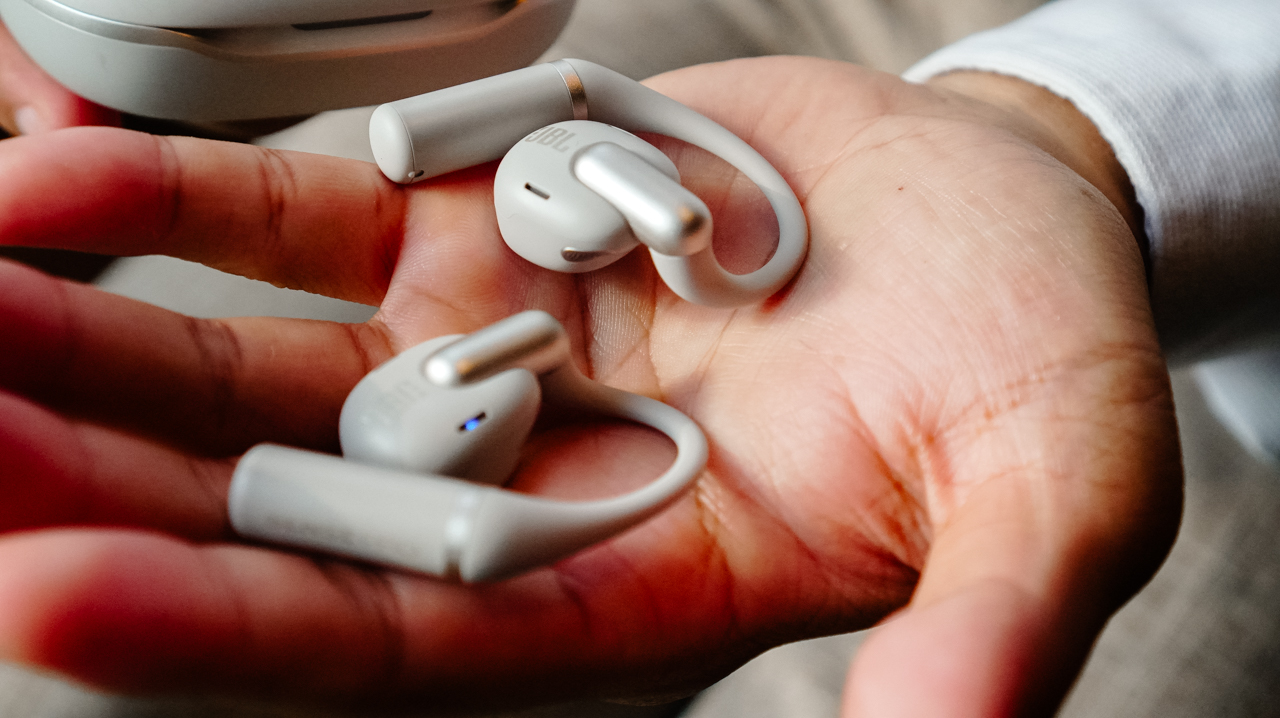
The JBL Sense Pro surprised me with its 20-degree adjustable hinge. During a light warm-up, the fit sits relaxed on my ear and feels remarkably airy.
However, when I transition into high-intensity movements like box jumps or plyometric exercises, I instinctively click the buds closer to my ears to ensure a tight grip.
The titanium memory wire wraps around the ear with a firm security that avoids the suffocating pressure I often feel with standard in-ear buds.
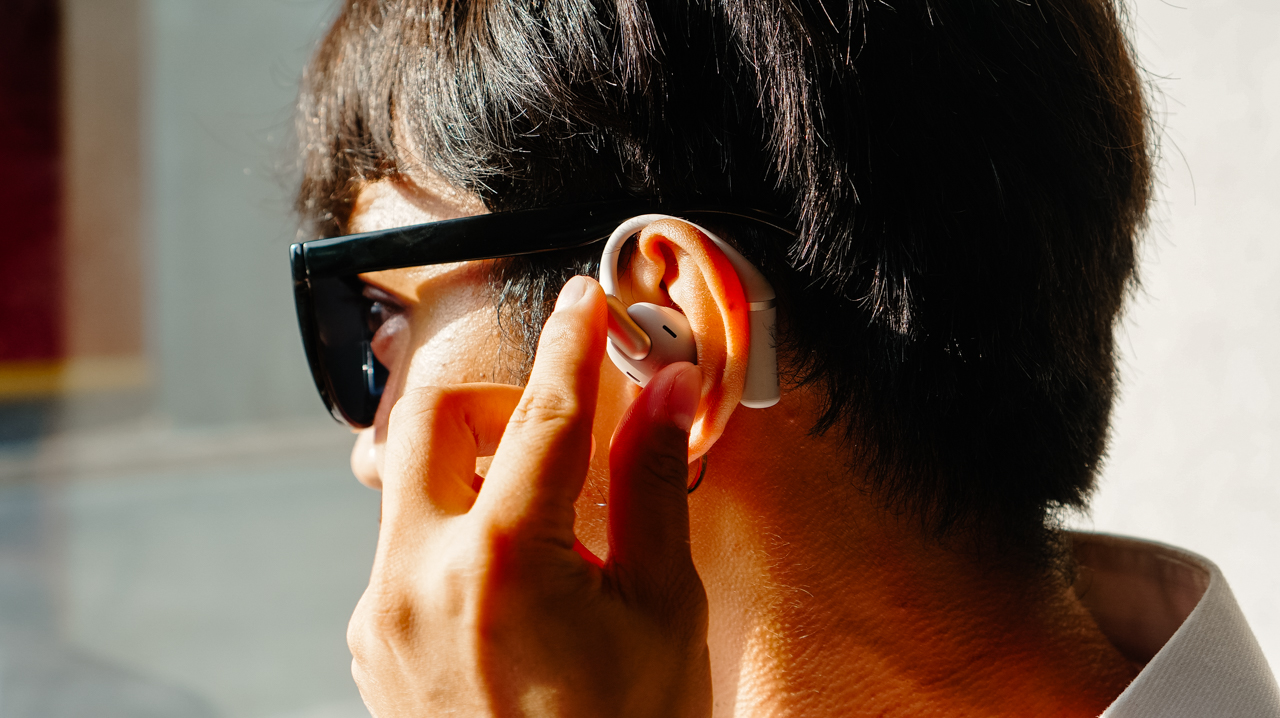
Even with that clever hinge, the presence of the device remains noticeable to me. After an hour of movement, I begin to feel the weight of the buds sitting against my skin.
Unlike my Shokz OpenFit 2+, which disappears even during long sessions, the JBL Sense Pro reminds me that it’s there.
I find myself adjusting the buds in between my sets to keep it snug, which is a small interruption I never experienced with my Shokz or even my previous Xiaomi OpenWear Stereo.
Soundstage for my private performance
Open-ear audio is usually a lesson in compromise where I expect to trade deep bass for environmental awareness.
Most music sounds thin and distant in these designs, which is why I was skeptical of the performance claims.
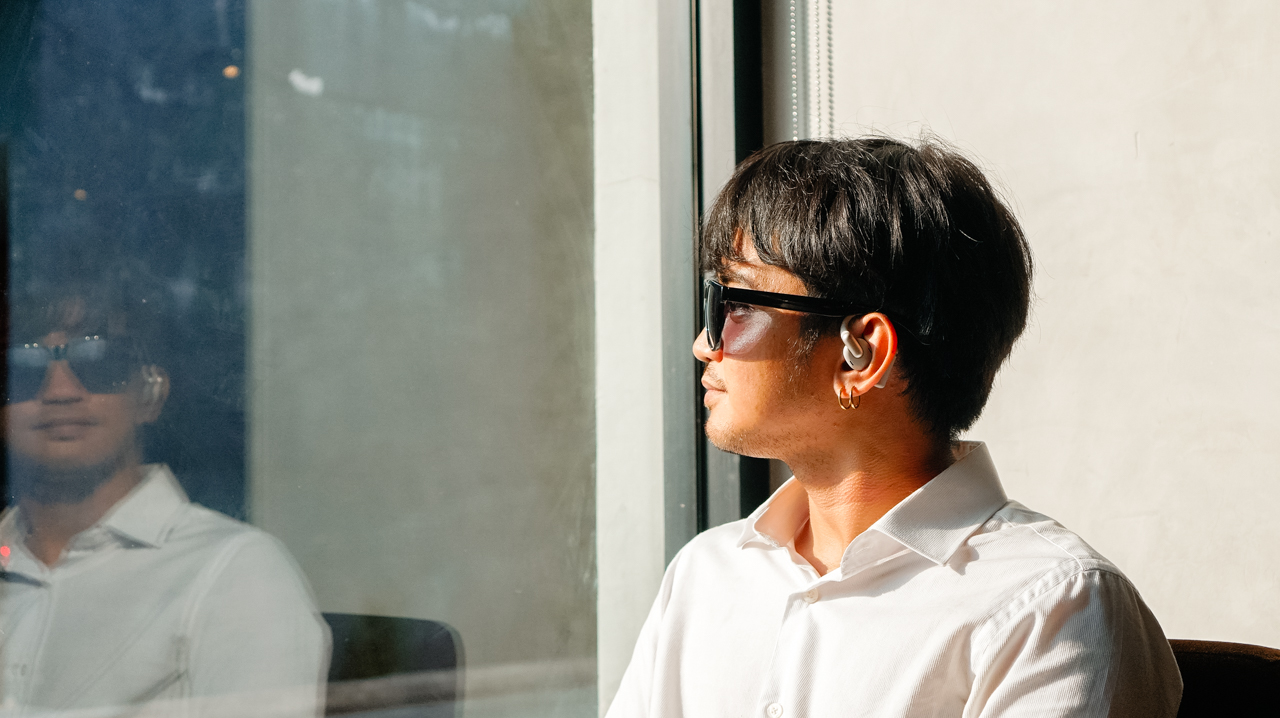
JBL is known for bass, and the 16.2mm drivers combined with LDAC support ensure the sound carries a level of authority I did not expect. The audio feels full and lush even when I am running on a busy street with heavy traffic.
The adaptive bass boost compensates for the wind and noise in real time so my power songs, specifically “Breaking Dishes” by Rihanna, never lose their emotional impact.
I appreciate hearing the full range of a track while remaining completely aware of the world around me.
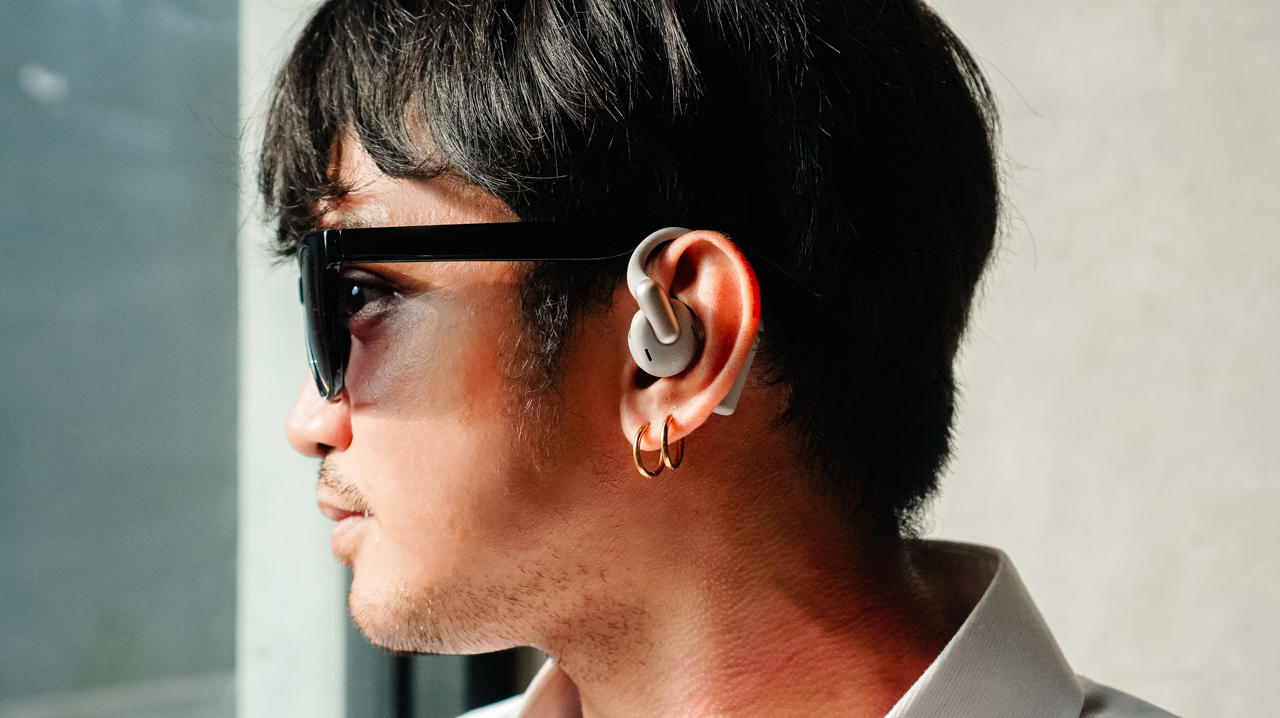
The spatial audio feature turns a standard gym session into something that feels like a professional sports film shooting.
It creates an atmosphere where the music feels like it’s following me from one weight station to the next rather than just playing in my ears.
One thing I did notice is the occasional static during my tests, which served as a tiny reminder that I was dealing with a complex piece of technology rather than a seamless part of my body.
Technology that understands my hustle
The real value of a professional device lives in the features I don’t see… until I actually need them.
For the Sense Pro, the bone vibration sensor is that essential investment. It sounds quite technical until I have to take an urgent client call while I’m huffing and puffing on the treadmill.
Instead of relying on microphones that catch every gust of wind, the sensor reads vibrations from my jaw to ensure my voice remains clear.
My Accounts Team was actually surprised to learn that I was running during our last meeting. They didn’t notice the gym environment at all when I told them I would send the presentation deck after my workout.
The sensor understands my voice even when I am in the middle of a busy setting. That said, its battery life supports my busy schedule without requiring constant attention.
The 38-hour total capacity means I can go an entire week without looking for a charging cable. Meanwhile, the quick-charge feature provides four hours of playback from just ten minutes of charging, which is my ideal safety net for those mornings when I’m rushing out the door.
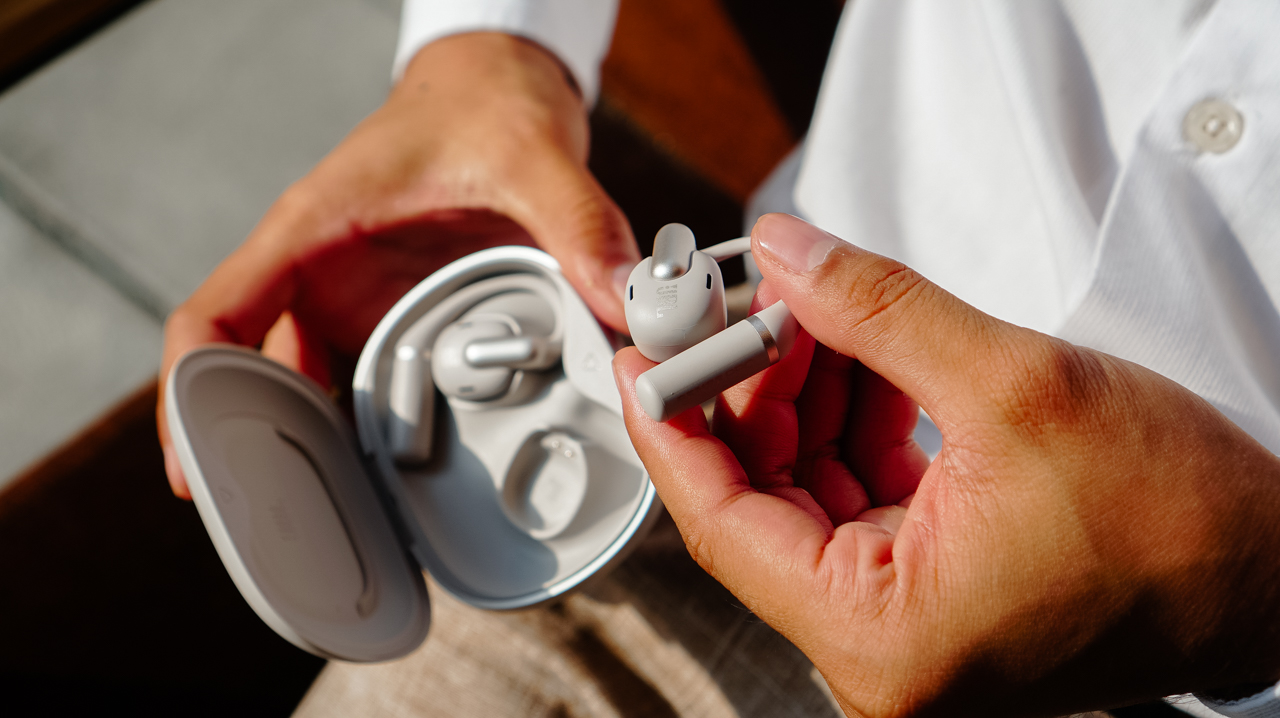
On top of that, I can easily monitor my juice through the JBL Headphones app along with the various settings I like to tweak.
Is this your GadgetMatch?
The JBL Sense Pro is a serious piece of equipment for those who need their audio to perform in loud, chaotic environments.
It offers a richer sound and better call quality than almost anything else I have tried in the open-ear category.
However, it cannot quite match the weightless comfort that makes the Shokz OpenFit 2+ (or the cheaper Xiaomi OpenWear Stereo) so easy to live with day after day.
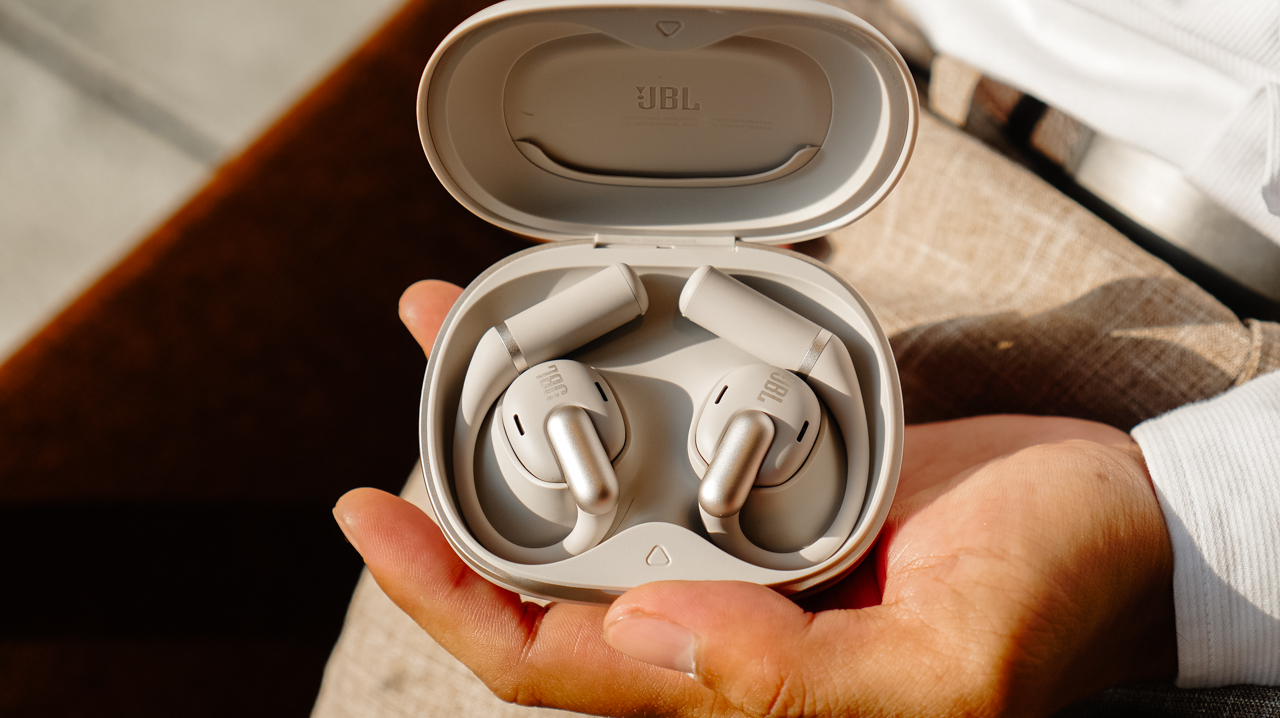
Swipe Right if you prioritize deep, immersive audio and need a secure, adjustable fit for explosive workouts. It’s a good choice if you take frequent professional calls outdoors and want a battery that can keep up with a high-performance lifestyle.
Swipe Left if you have sensitive ears and want a weightless, invisible feel for long hours of wear. If you already own Shokz or Xiaomi’s Open-ear wearables, you might find the JBL feels a bit too present for a routine that you might have already perfected.
The JBL Sense Pro retails for PhP 9,599 and is available in official JBL stores and authorized retailers.


Apple iPhone 17e review
Everything you need for US$ 599?

Infinix NOTE 60 Ultra: Not bad for a flagship push
It's definitely got the looks, though.


JBL Sense Pro review
My daily driver met a loud and capable rival in this quest for a superior training companion.

Why a dedicated mattress vacuum is the allergy season upgrade you need

Apple’s iPhone Fold reportedly hits engineering delays

PlayStation can now scan you and put you inside a game

Grab moves beyond the ride to become a companion for the life in between
Apple iPhone 17e review


-
 News2 weeks ago
nubia Neo 5 series launches in the PH, starts below PhP 12K
-

 Gaming2 weeks ago
Razer Blade 16 (2026) packs more cores, faster memory
-

 Automotive2 weeks ago
The Changan Eado Plus officially lands in the Philippines
-

 Gaming2 weeks ago
Nintendo will make it cheaper to buy digital games than physical
-

 Gaming2 weeks ago
Life is Strange: Reunion now available on consoles and PC
-
 News1 week ago
vivo X300 Ultra wants to beat the iPhone 17 Pro Max in pro video
-

 Accessories2 weeks ago
Razer sharpens its competitive edge with Viper V4 Pro and Gigantus V2 Pro
-

 Luxury Smart Home2 weeks ago
Sony brings cinema home with new BRAVIA 3 II TV, BRAVIA Theatre lineup