
Laptops
Mi Notebook Pro 14, 15 are Xiaomi’s new high-end laptops
With 11th-gen Intel Core H processors and stunning displays


Xiaomi’s grand unveiling event not only saw the launch of high-end smartphones but also high-end laptops. The new Mi Notebook Pro 14 and 15 are premium laptops from the brand, packing the latest Intel processors along with stunning displays in a slim form factor.
Mi Notebook Pro 15: Premium in a slim form factor
Starting off with the more premium variant, the Mi Notebook Pro 15 boasts a 3.5K 16:10 E4 OLED display with a size of 15.6 inches and a 16:10 aspect ratio. The display really gets the attention here, since it also boasts DisplayHDR 500 certification and up to 100 percent DCI-P3 coverage. Take note of the last sentence, since most laptops usually boast 100 percent sRGB coverage which is a step below what this laptop offers. The display also offers 600 nits of brightness, as well as Corning Gorilla Glass for wear-and-tear resistance.
The laptop is also no slouch in the performance department. Inside it is an 11th-generation Intel Core H processor. Xiaomi also paired the Intel processors with the latest NVIDIA MX450 graphics card on some variants for extra oomph in graphically-intensive tasks. RAM and storage configurations go up to 16GB and 512GB, respectively.
Like most other laptops in the market, the Mi Notebook Pro 15 takes pride in its sleek form factor. Despite its form factor though, it doesn’t sacrifice the keyboard quality with a 1.5mm of key travel. It also packs two 2W speakers for a much louder audio output and 720p front-facing camera for day-to-day conferencing needs.
The port situation, however, could frustrate some users. It has one Thunderbolt 4, two more USB-C ports, a 3.5mm audio jack, and not much else. There is also a fingerprint sensor and it comes integrated into the power button.
Powering the laptop is a 66Wh battery that charges up to 50 percent in 35 minutes. That is all thanks to the 100W power adapter that comes in the box. For connectivity, it comes with WiFi 6 and Bluetooth 5.1 support.
Mi Notebook Pro 14: the same package in a smaller body
Xiaomi has also launched the Mi Notebook Pro 14 for those who want power and performance in a smaller body. However, there are a few differences also between its bigger sibling. The most obvious here is the display, which is now a 14-inch 2.5K IPS display but still packs a 16:10 ratio. Instead of full DCI-P3 coverage, it settles for up to 100 percent sRGB coverage which is common for its category. This laptop’s display comes with up to 120Hz refresh rate though.
Performance is more or less the same with its bigger sibling, with an 11th-gen Intel Core H processor and an option for an NVIDIA GeForce MX450 graphics card. It also maxes out at 16GB of RAM and 512GB of storage.
The design, keyboard, camera, speakers, ports, and connectivity options are all the same on the Mi Notebook Pro 14. Since this is a smaller laptop, it comes instead with a 56Wh battery which is still big compared to most competitors. That battery charges through a 100W power adapter too.
Price and availability
Both laptops are available to pre-order now in China through Xiaomi’s official website. Here are the prices for the different configurations, lifted straight from the website:
Mi Notebook Pro 15
- Intel Core i5 + Iris XE graphics, 16GB RAM / 512GB storage — CNY 6,499 (approx. US$ 989)
- Intel Core i5 + NVIDIA GeForce MX450, 16GB RAM / 512GB storage — CNY 6,999 (approx. US$ 1065)
- Intel Core i7 + NVIDIA GeForce MX450, 16GB RAM / 512GB storage — CNY 7,999 (approx. US$ 1217)
Mi Notebook Pro 14
- Intel Core i5 + Iris XE graphics, 16GB RAM / 512GB storage — CNY 5,299 (approx. US$ 806)
- Intel Core i5 + NVIDIA GeForce MX450, 16GB RAM / 512GB storage — CNY 5,999 (approx. US$ 913)
- Intel Core i7 + NVIDIA GeForce MX450, 16GB RAM / 512GB storage — CNY 6,999 (approx. US$ 1065)
Global availability and pricing are yet to be revealed. However, these laptops are expected to hit other markets later this year.





Computex 2026
Here’s all the RTX Spark notebooks announced at COMPUTEX 2026
We got notebooks from ASUS, Dell, HP, Lenovo, Microsoft, and MSI.

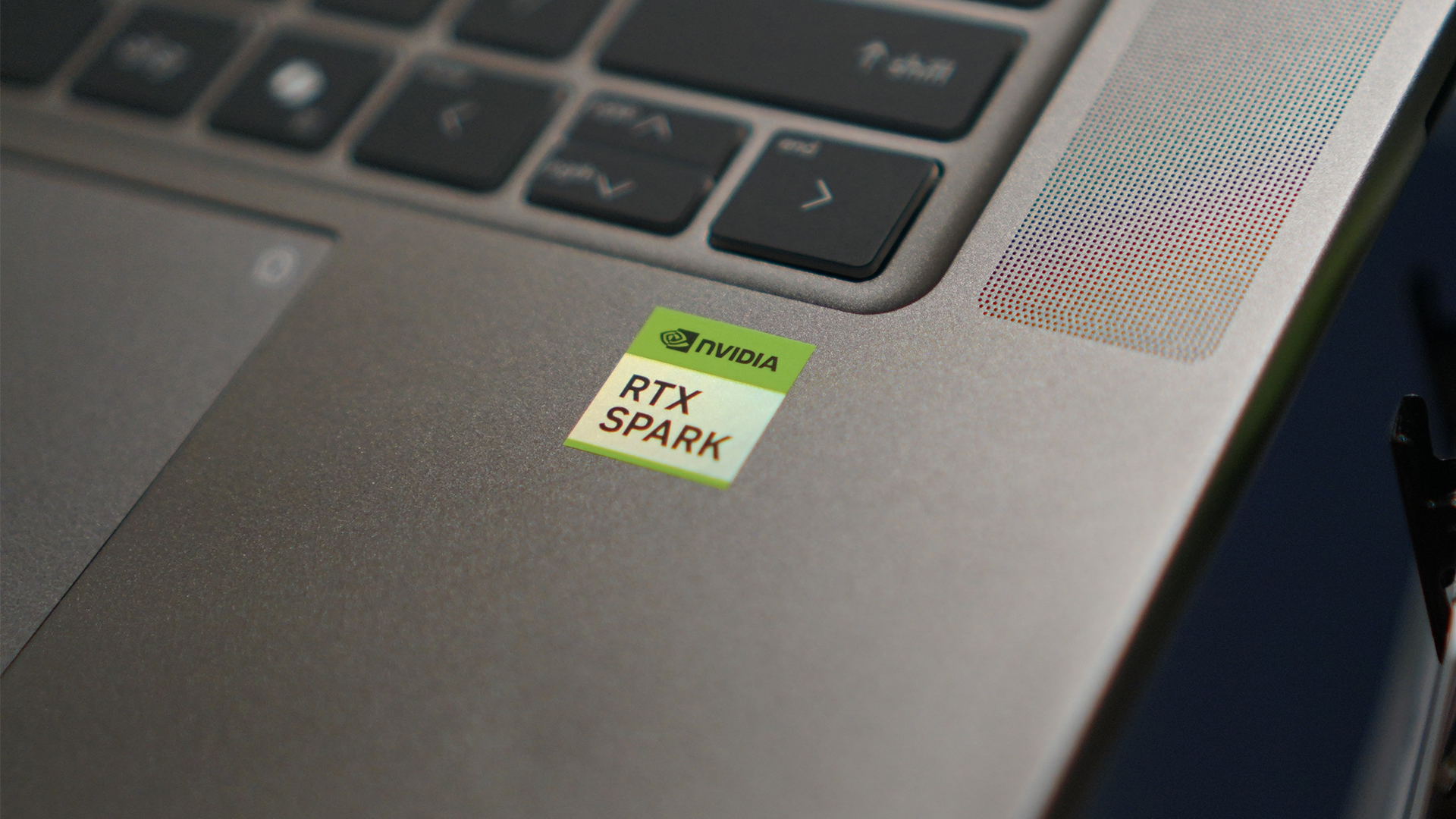
There’s been much ado about the NVIDIA RTX Spark. By now, you’ve probably heard a lot about the upcoming reinvention of PCs. But, as a regular consumer, it’s hard to visualize just how this revolution looks like. Thankfully, in NVIDIA’s demo suites, a few manufacturers got to showcase their take on an RTX Spark notebook. And all of them are coming out in the fall.
ASUS ProArt P14 and P16
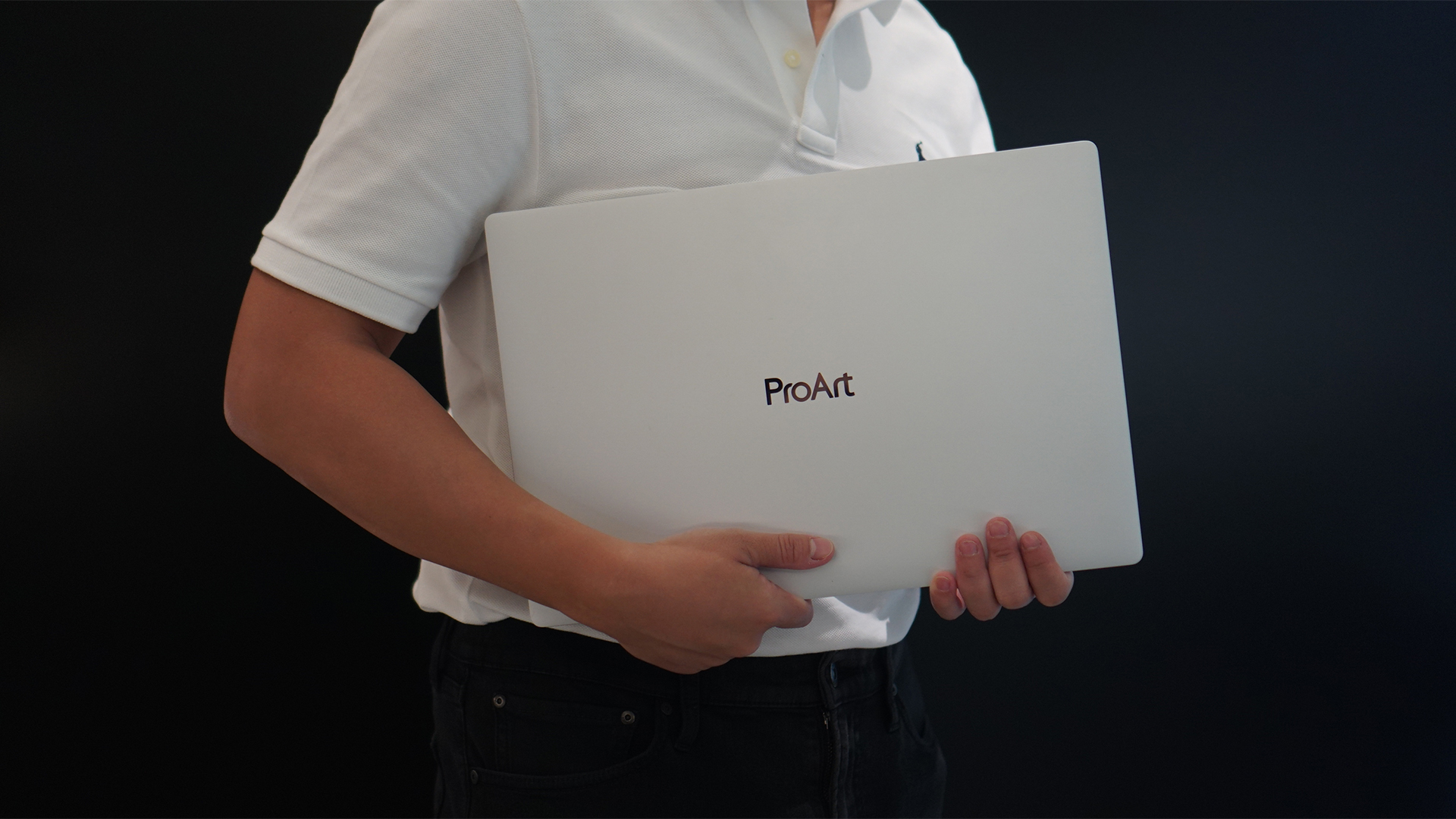
ASUS ProArt P16
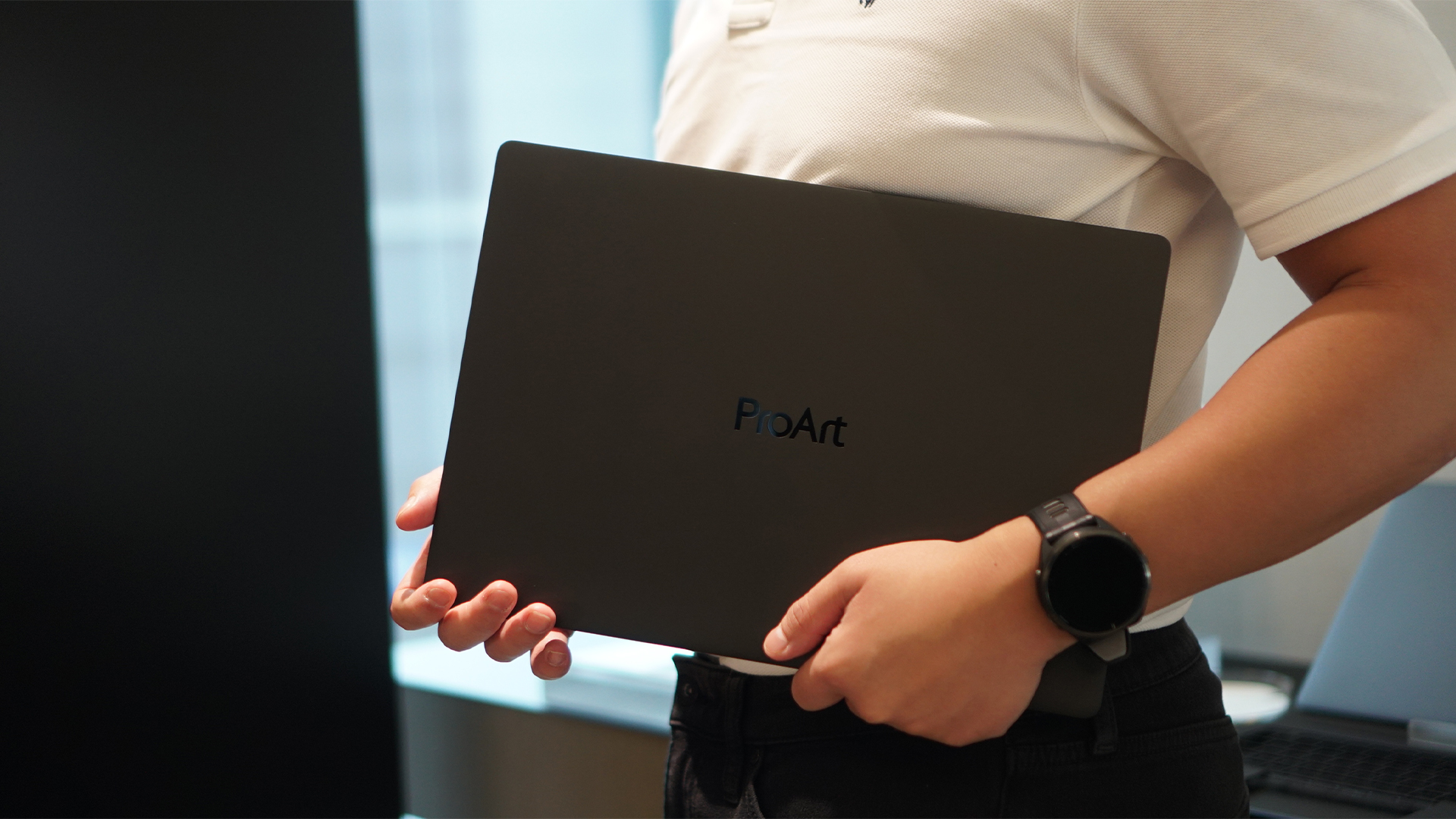
ASUS ProArt P14
Dell XPS 16 Creator Edition
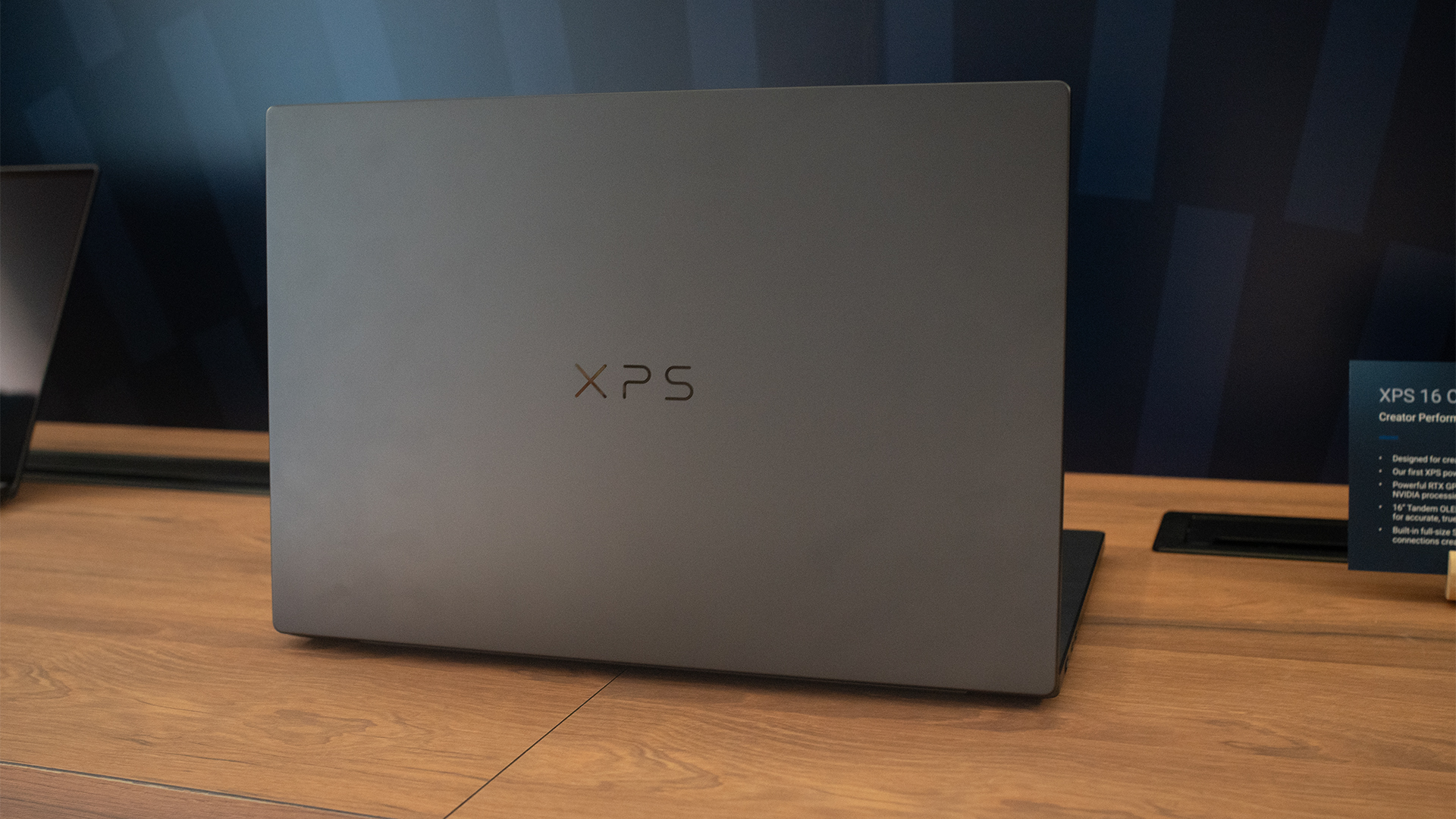
Dell XPS 16 Creator Edition
HP OmniBook X 14 and Ultra 16
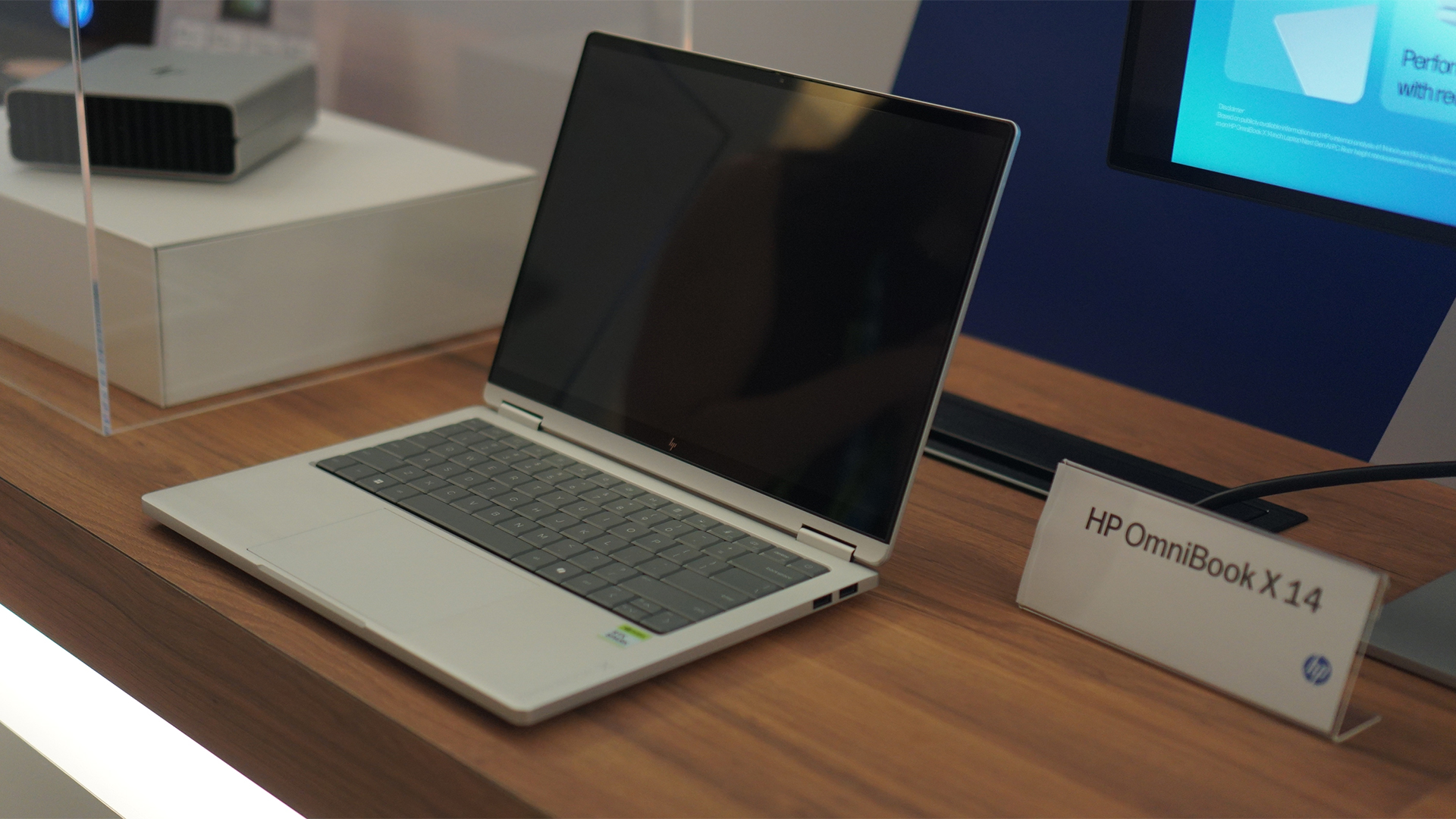
HP OmniBook X 14
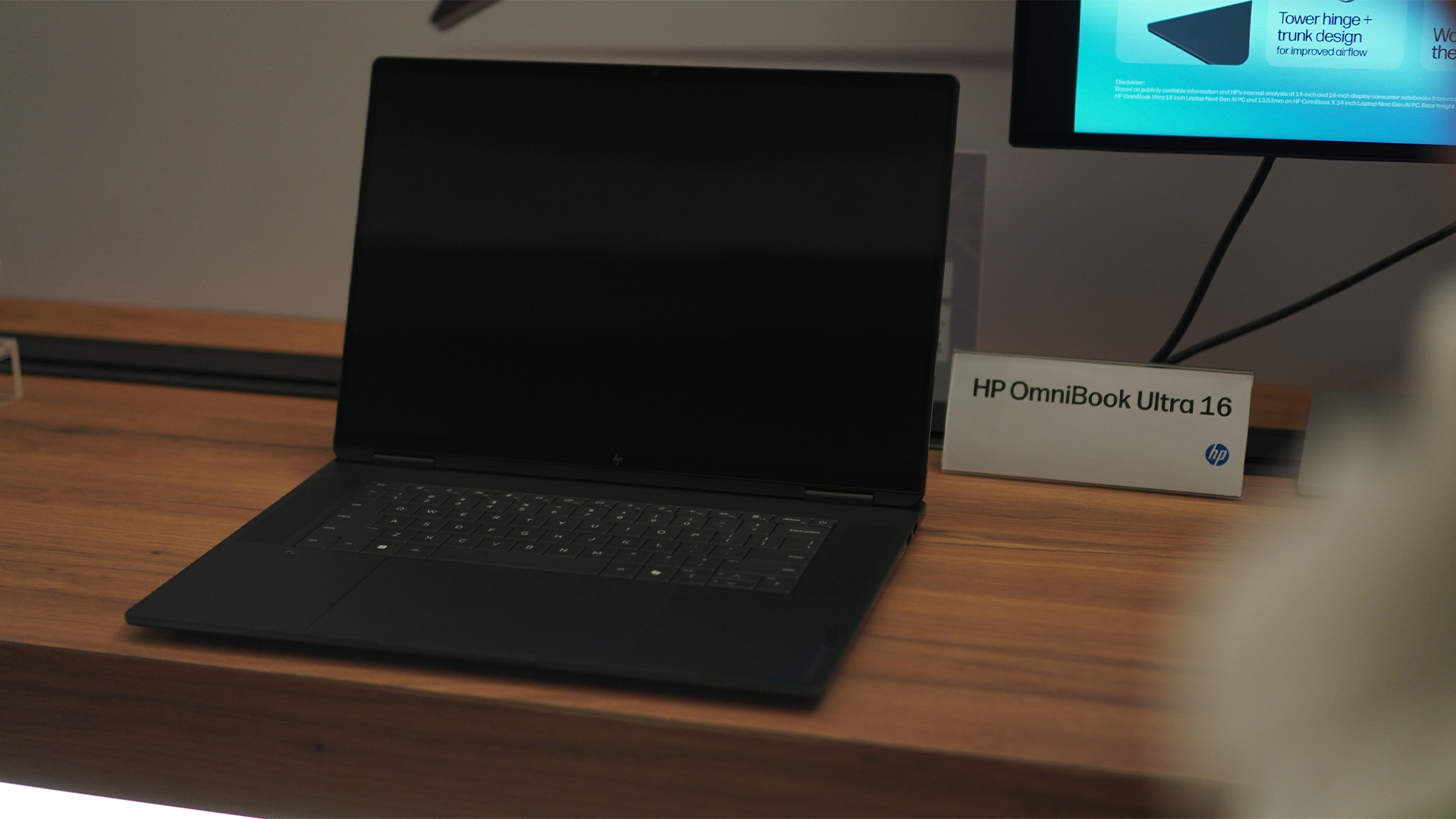
HP OmniBook Ultra 16
Lenovo Yoga Pro 9n
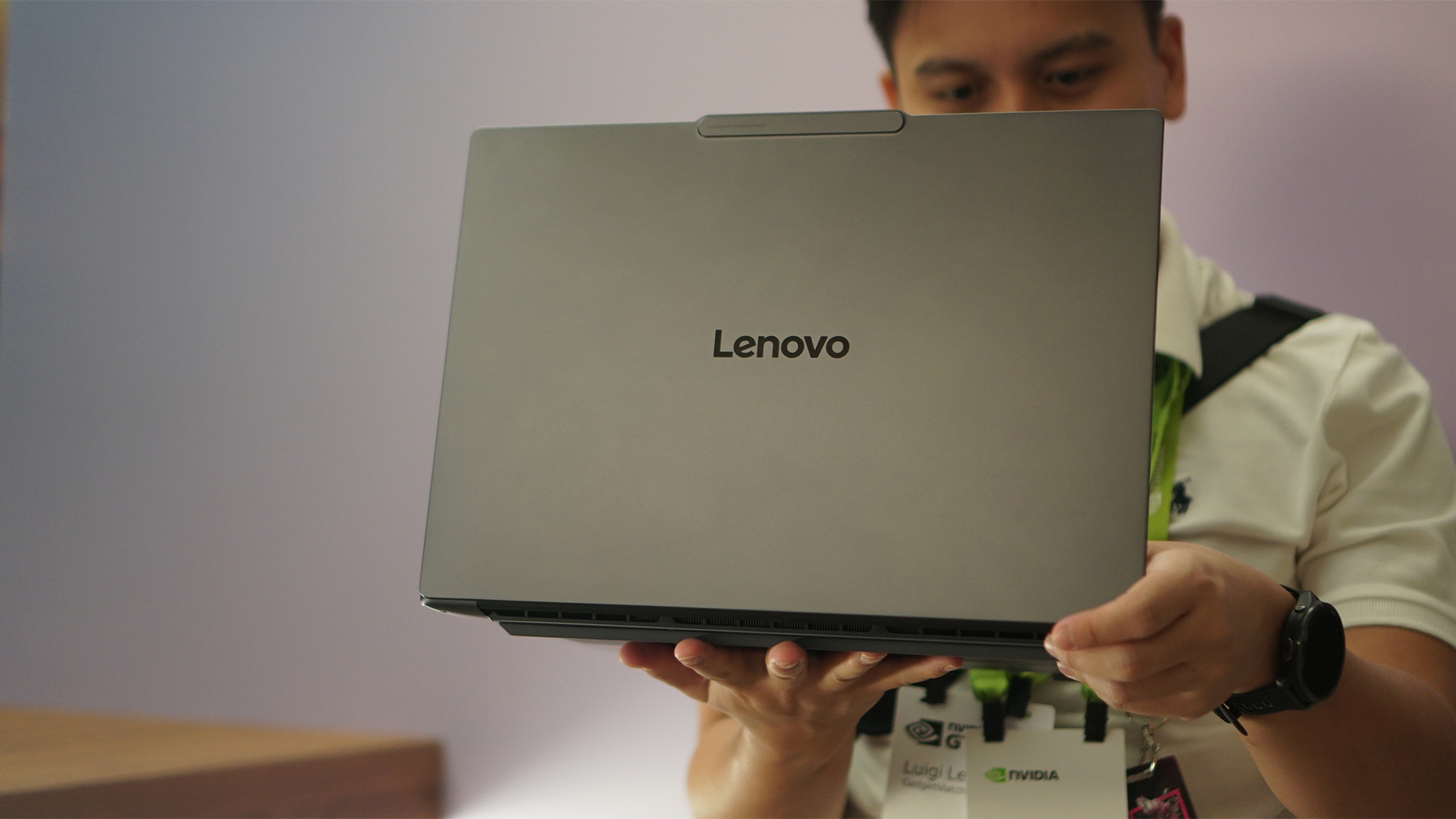
Lenovo Yoga Pro 9n
Microsoft Surface Laptop Ultra
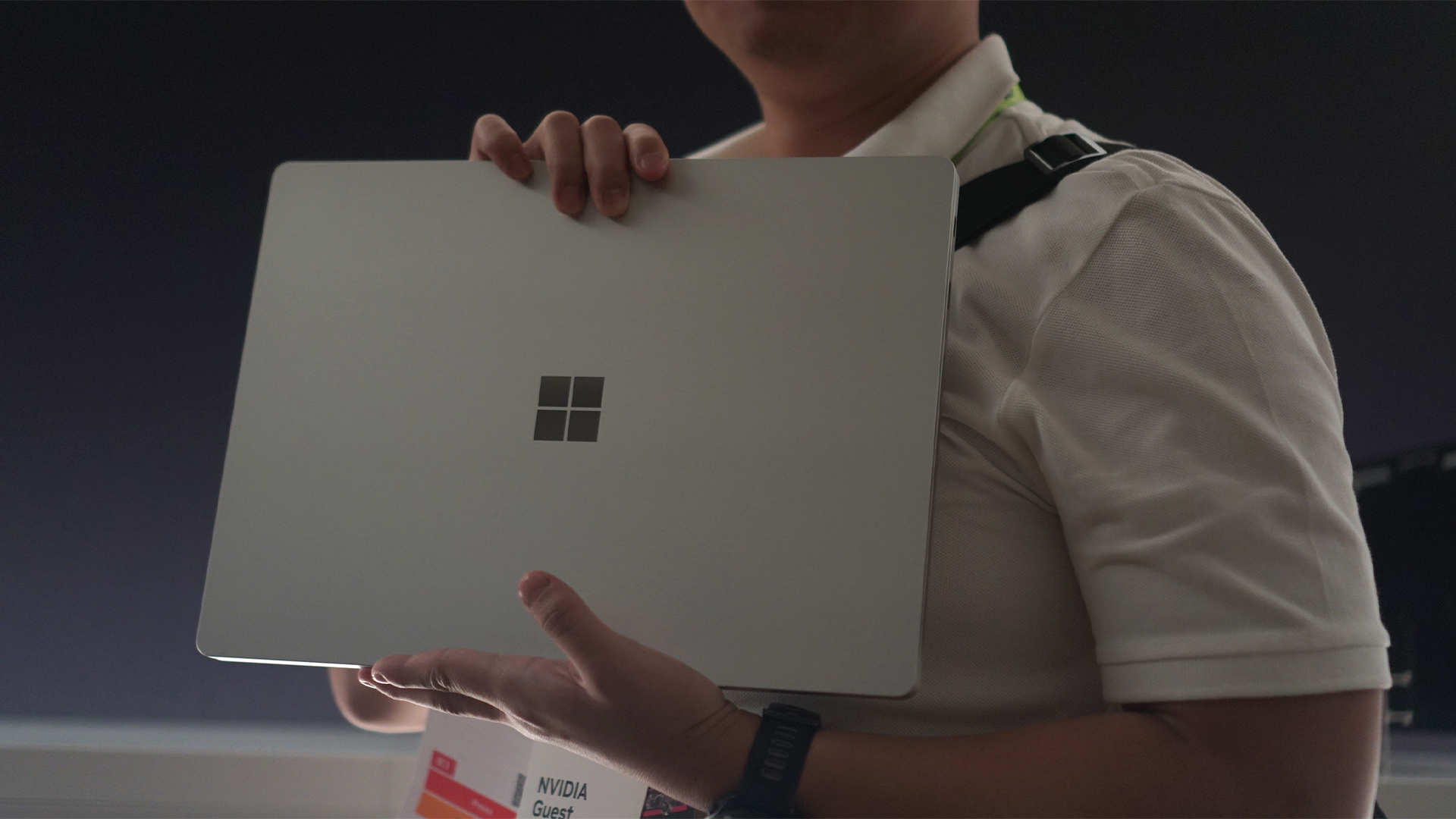
Microsoft Surface Laptop Ultra
MSI Prestige N16 Flip AI+

MSI Prestige N16 Flip AI+
Unfortunately, none of these brands could share comprehensive details about their laptops beyond a promise for raw power. All of these models aren’t the final version yet.
However, just from what we can tell, these notebooks do feel different from the standard fare of laptops today. For one, they are deceptively heavier. Though all of the OEMs promise a much thinner profile, they’re either packing a lot of tech inside or are using denser materials for their chassis. But again, these are engineering units, so who knows how heavy these things will actually be?
Secondly, based on NVIDIA’s demos, they can do a lot of heavy lifting. NVIDIA says that these superchips are meant for developers and creators, but gamers will also find joy in their performance. DLSS 4.5, in particular, feels like a true revolution in terms of graphics.
Thankfully, fall isn’t too far away. If you can wait, the next evolution of PCs is just around the corner.
Computex 2026
The Dell XPS 13 is the lineup’s thinnest notebook to date
It’s only 12.7mm thin and 2.2lbs light.
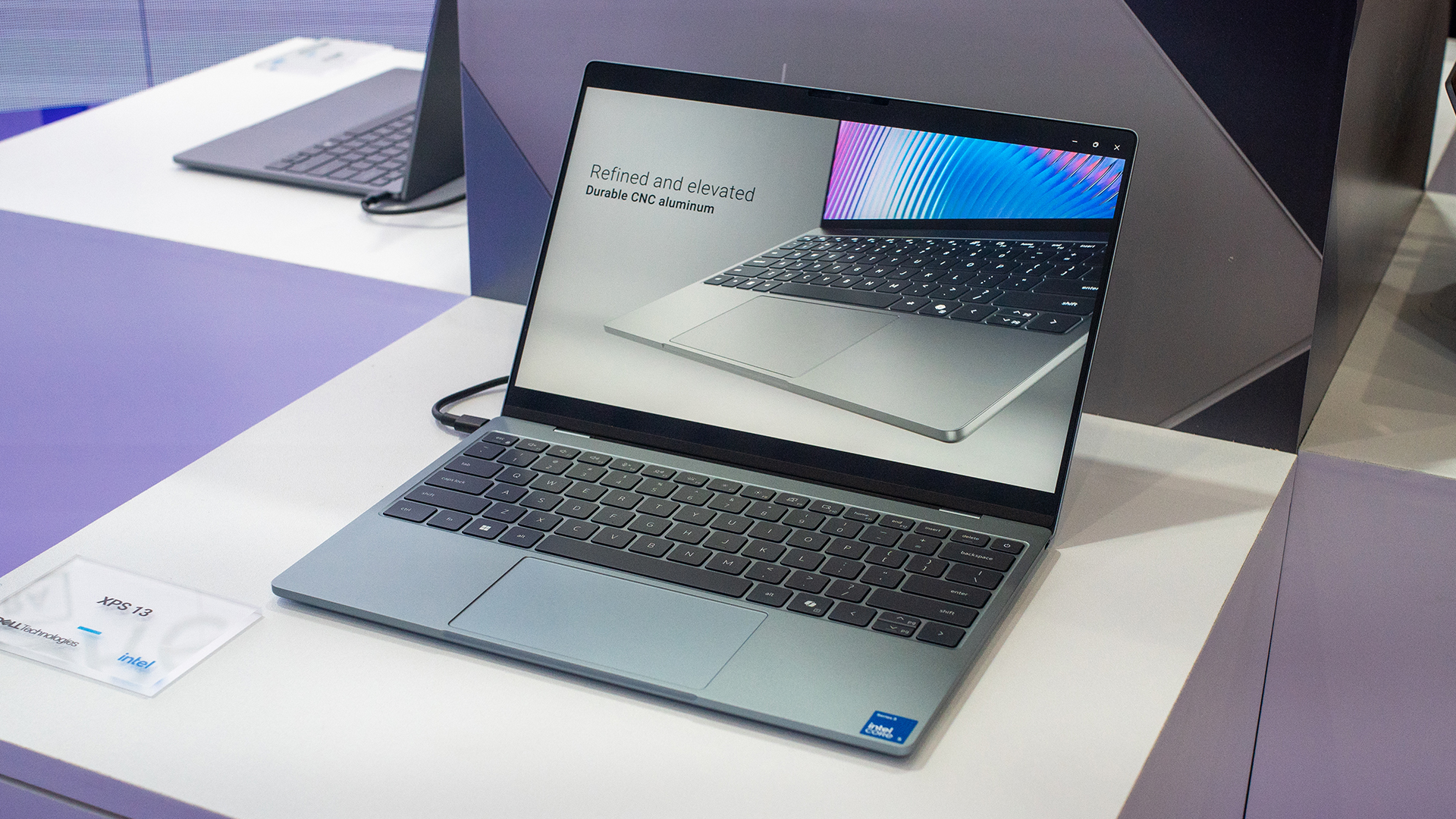
Last year, Dell killed off the XPS lineup. However, the brand quickly learned the error of its ways and resurrected the lineup this year. When the XPS 14 and 16 launched last January, the XPS 13, touted as the lineup’s thinnest laptop to date, made some interesting teases. Now, at COMPUTEX 2026, the new 13.4-inch notebook finally made an appearance.
Though the number in the name says “13,” the XPS 13 is defined by more than just its screen size. It’s the thinnest notebook in the entire XPS lineup, measuring at only 12.7 millimeters and weighing only 2.2 pounds. And yet it’s still remarkably durable with a premium CNC aluminum construction.
Inside, the XPS 13 can carry up to a Series 3 Intel Core Ultra 7 chipset. This is paired with up to 32GB of memory and up to 1TB of storage.
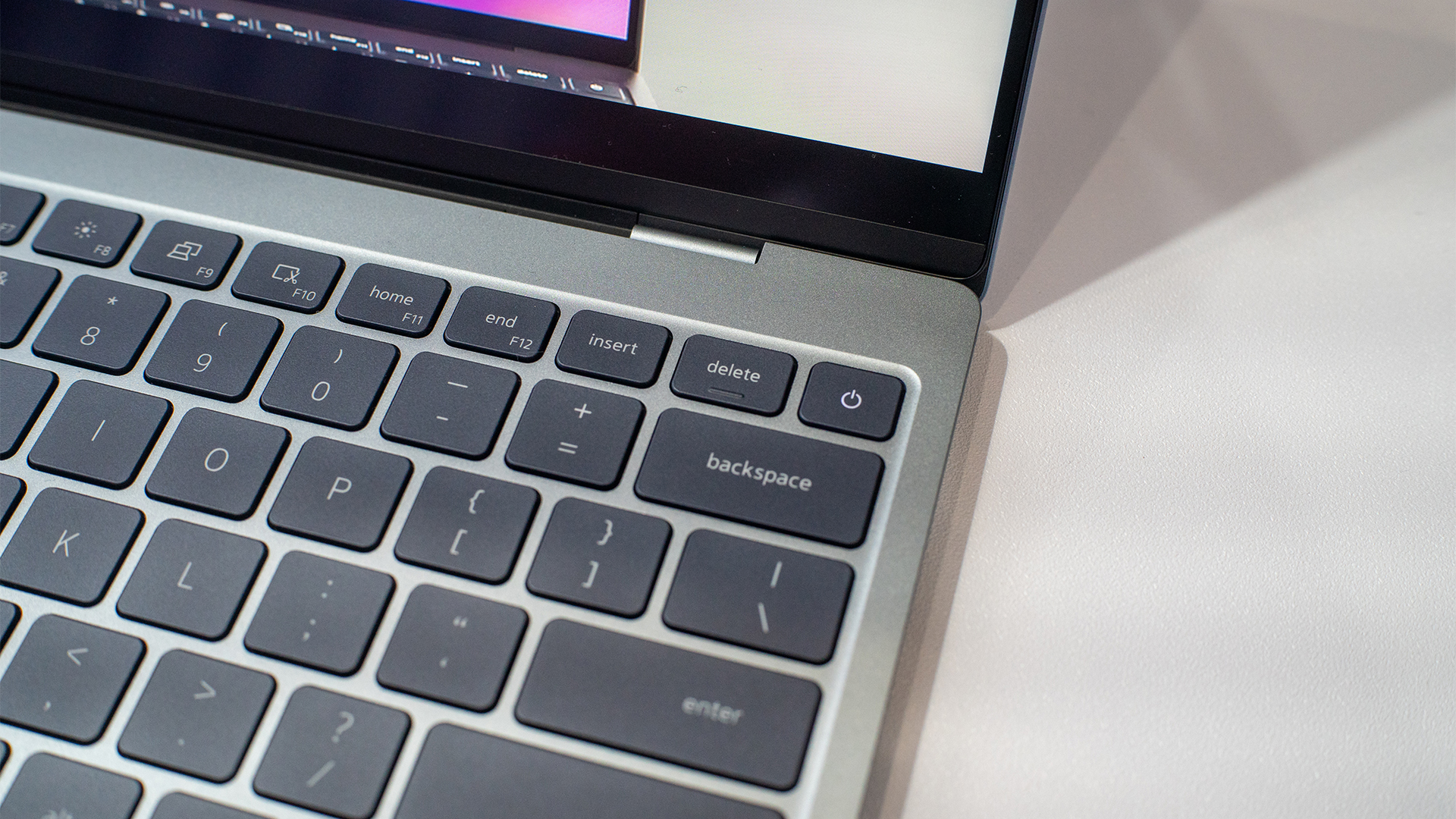
Meanwhile, the 13.4-inch display touts 2.5K resolution and an InfinityEdge touchscreen display. It has a 500nit typical brightness, up to 120Hz VRR, and Dolby Vision. You’re also getting a quad speaker setup with two main speakers and two tweeters, all of which are compatible with Dolby Atmos.
Despite its size, the notebook is fitted with 2 USB-C ports with DisplayPort 2.1 and power delivery. Finally, the XPS 13 comes with a 52Whr battery, providing up to 17 hours of charge and is compatible with the included 65W charger.
It will start at only US$ 599 for eligible students.

“Useful AI has arrived,” NVIDIA CEO Jensen Huang proclaimed in his monumental keynote speech to kick off COMPUTEX 2026, essentially admitting to the state of AI prior to today. But don’t let the past mess with how you view the present. AI today, according to the graphics-turned-AI company, will now serve everyday users, rather than procuring abstract and intangible benefits. For us normal people, it all starts with the new RTX Spark.
Rarely does a new product claim to reinvent the entire industry. Confident in its own abilities, that’s just what the RTX Spark wants to do. But what is it exactly?
Think of it like Microsoft’s Copilot+ PCs but on AI-powered steroids. NVIDIA wants to bring the power of a supercomputer into the hands of regular consumers, just like how the personal computer (PC) brought gigantic computers to the comfort of everyone’s homes.
Co-engineered with Microsoft, RTX Spark will run autonomous AI agents the entire day. The agent is tied to you and your intent but will orchestrate all your devices under one roof.
Let’s get down to the nitty-gritty. The new series will leverage a Blackwell RTX GPU and a 20-core Grace CPU from MediaTek. It can also support up to 128GB of unified memory, delivering several of the most powerful (and most expensive) PCs available to consumers today. With the capabilities comparable to an RTX 5070, the series can supposedly play modern games with ease.
Inside, it will come with CUDA, the trove of information that powers AI technology today. Finally, despite how slim NVIDIA promises the series will be, the RTX Spark should come with a battery that lasts the entire day.
The first NVIDIA RTX Spark laptops will launch later this fall with six premium laptops for various brands. This, along with the 30 models launching soon after, will include Acer, ASUS, Dell, HP, Lenovo, and MSI. No word yet on how much these will cost, though.


Close without crossing: A Xiaomi 17T Pro photo essay
Distance and closeness are not always opposites.


Spring reset: Growing more at home with Auk Mini
From kitchen counter experiment to everyday habit


UGREEN MagFlow Air review: Airy Yet Mighty
Slim and light power bank with a strong suit and core

Apple has essentially confirmed the launch of the iPhone Fold

Apple Intelligence gets smarter across apps

Siri AI can now understand your screen, apps, and personal context

WWDC26: Siri AI, parental controls, and more

ACE COMBAT 8: WINGS OF THEVE launches October 2

HONOR 600 Pro review

The Infinix GT 50 Pro has the most inspired design for a gaming phone

Sony Xperia 1 VIII arrives with AI Camera Assistant, bigger telephoto sensor

vivo X300 FE review: Don’t judge the camera by its cutout

The UGREEN Nexode Air 65W is the only charger I travel with now


-
Reviews2 weeks ago
Close without crossing: A Xiaomi 17T Pro photo essay
-

 Accessories1 week ago
UGREEN launches FineTrack Series with Apple Find My support
-

 Philippines2 weeks ago
Xiaomi 17T series Philippines price, availability, offers
-

 Gaming2 weeks ago
Acer unveils Predator Atlas 8 handheld with Intel Arc G-Series power
-

 Computex 20261 week ago
ASUS ROG XBOX Ally X20 debuts at COMPUTEX 2026
-

 Gaming2 weeks ago
Valve just announced a massive price hike for the Steam Deck
-

 Hands-On7 days ago
The Xiaomi Watch S5 proves you don’t have to take it off
-

 Gaming2 weeks ago
Call of Duty: Modern Warfare 4 has been officially announced