



Joining a Spartan race was one of the pivotal moments in my life. It changed my lifestyle, shaped my character, and brought me lessons and experiences that redirected the course of my life.
Back then, the goal was to complete the Trifecta by collecting all three wedges from Spartan’s races: Sprint/Stadion (5KM with 20 obstacles), Super (10KM with 25 obstacles), and Beast (21KM with 30 obstacles).
This year, I obtained a double Trifecta and even pushed myself to conquer Spartan’s challenge of Trifecta Weekend where you’ll complete all three races in one weekend.
To prepare for my most ambitious goal (so far), Garmin Philippines equipped me with a smartwatch that became the perfect companion in my training.
Armed with the second-generation Garmin epix Pro, I also enlisted the help of Coach Genaro Sabile of G Performance and Fitness to ensure I have the mind and body suitable to compete for Trifecta Weekend.
Gear On: Garmin epix Pro (Gen 2) – 42mm Sapphire
Most sports smartwatches come with bulky sizes that would make me look like I’m Ben Tennyson from the animated series Ben 10. It’s hideous, right?
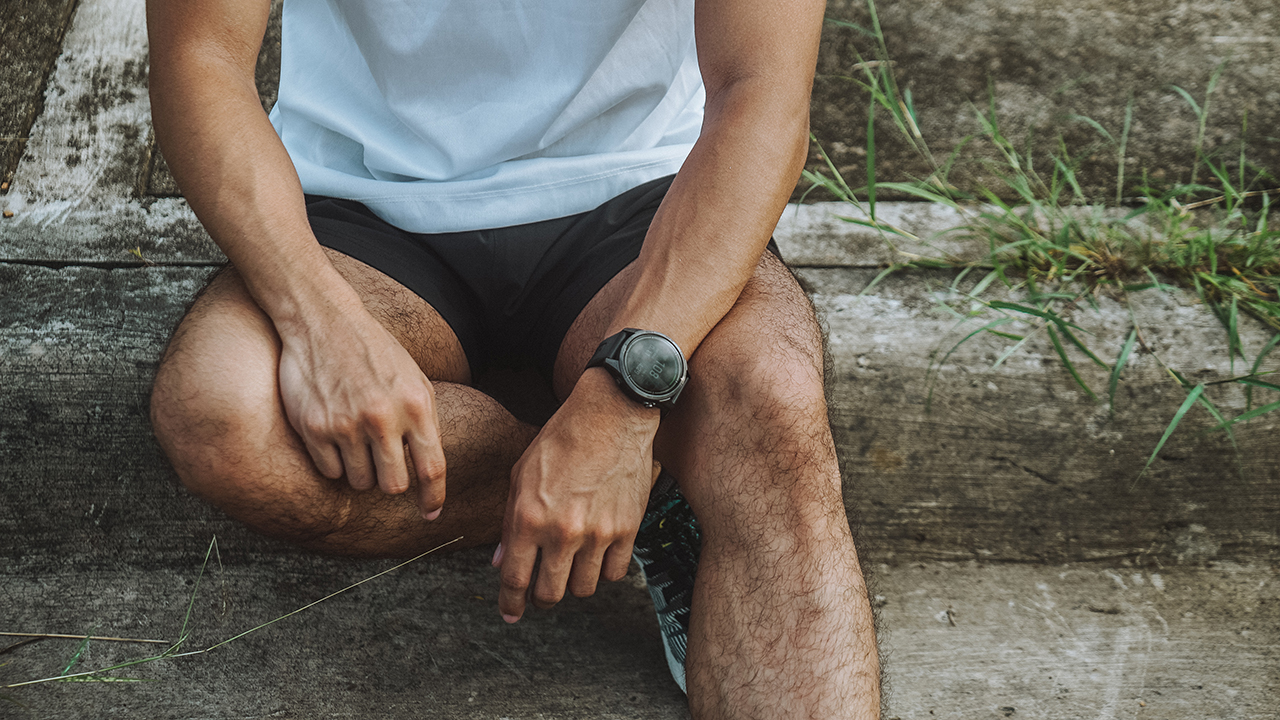
The Garmin epix Pro wasn’t anything like it. The first time I laid my eyes on it at an event at The Manila Padel Club, I knew I wanted it.
I liked how it used Sapphire Crystal on its lens, accented by a Titanium bezel supported by a fiber-reinforced polymer case. Even for a Carbon Gray colorway, the design exudes a tough aura geared towards athletes.
It’s heavier compared to the Apple Watch, but still lighter than the Huawei Watch GT 4. I’d still count it as lightweight, at least for me.
Moreover, it comes in a 42mm variant which wraps around my wrist perfectly. My only gripe is itching from the silicone material used on the strap that came with the device.
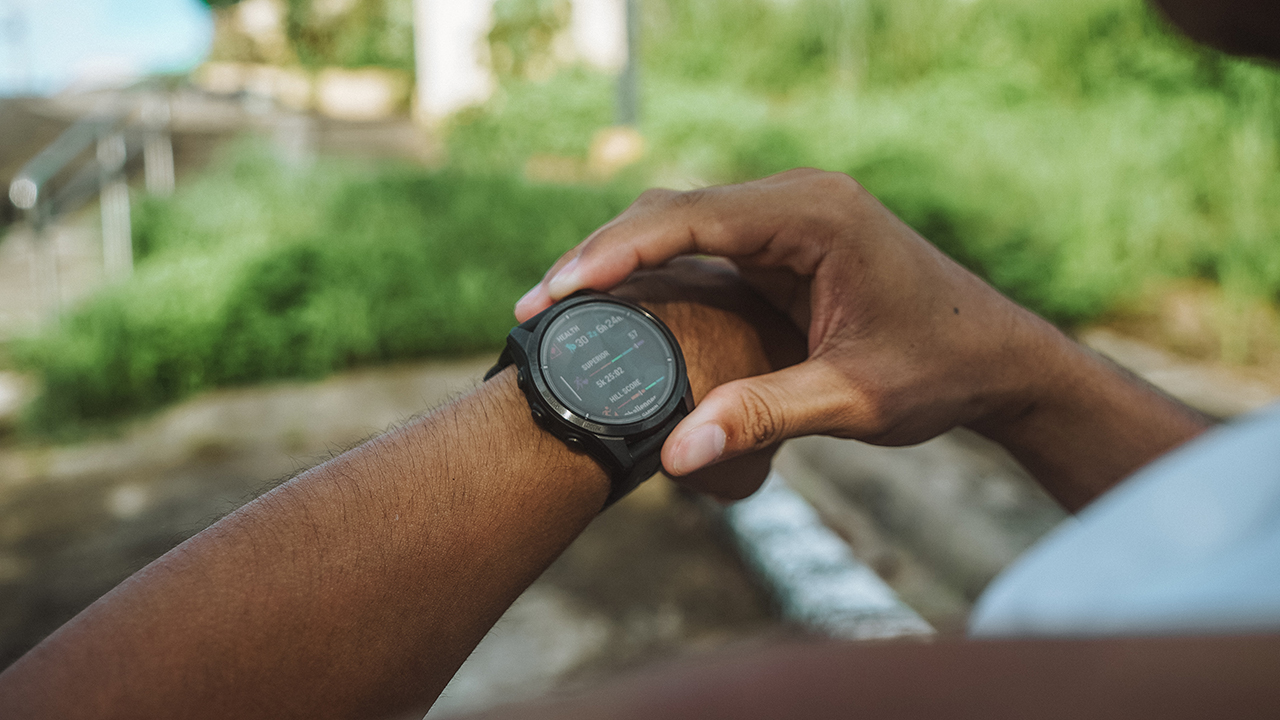
Nevertheless, the epix Pro came with an AMOLED touchscreen that makes it feel like an actual smartwatch. You can smoothly glide to take a preview of your data, but there are also corresponding buttons with respective functions that aid in navigating the device.
Garmin’s DNA is all over the epix Pro. It’s their premium smartwatch, after all.
Are you ready for a workout?
After an extreme awakening in July when I ditched my Apple Watch, I prepared myself for a grueling four-month hardcore training regimen.
My coach and I had to follow a six-day workout plan consisting of strength training, power endurance, and a structured running program. Hybrid athlete in the making, yes?
I’d say that it was tough trying to balance my program, personal affairs, work, and a few other things. It’s even tougher when you don’t get to complete the weekly workouts because life got in the way.
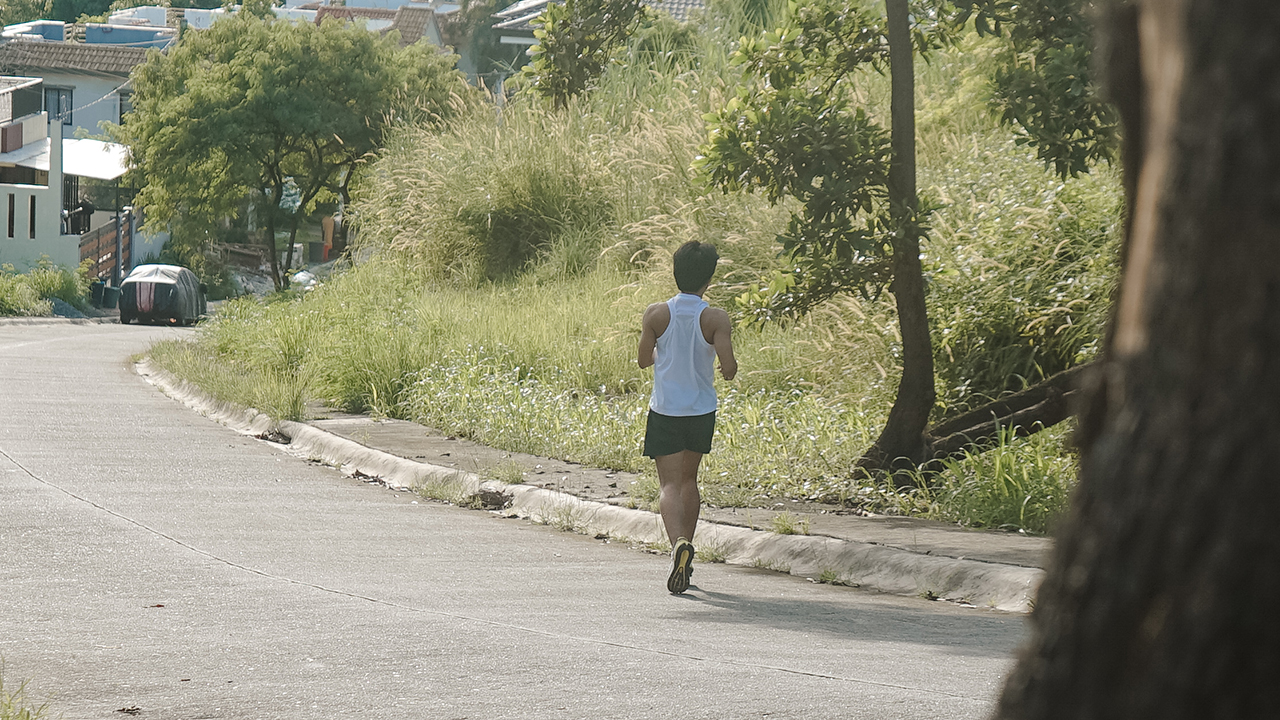
Still, I tried my best to show up on days that I felt like I couldn’t. My Garmin epix Pro came with morning reports indicating my training readiness and my training status.
Rest is crucial in helping your muscles grow and recover. Most of the time, when my smartwatch says I shouldn’t be working out and I should listen to my body, I heed the warning.
Sometimes, you don’t have the energy to perform your best, especially when doing squats, presses, and deadlifts.
Along with my body’s readiness, Garmin’s smartwatches also come with Body Battery energy monitoring. I get to see if my energy levels can handle my upcoming training for the day or I should just opt to recharge by getting sleep.
9 out of 10, I usually sleep. This usually happens when my stress score for the day is unbelievably high, I just need to make a restful recovery.
And speaking of sleep, I usually wear my smartwatch while recovering to allow the device to capture necessary data.
By morning, I get a detailed report on my body’s recovery through sleep score, the breakdown of my sleep stages, my sleep quality, and my heart-rate variability (HRV) status.
Check your heart rate
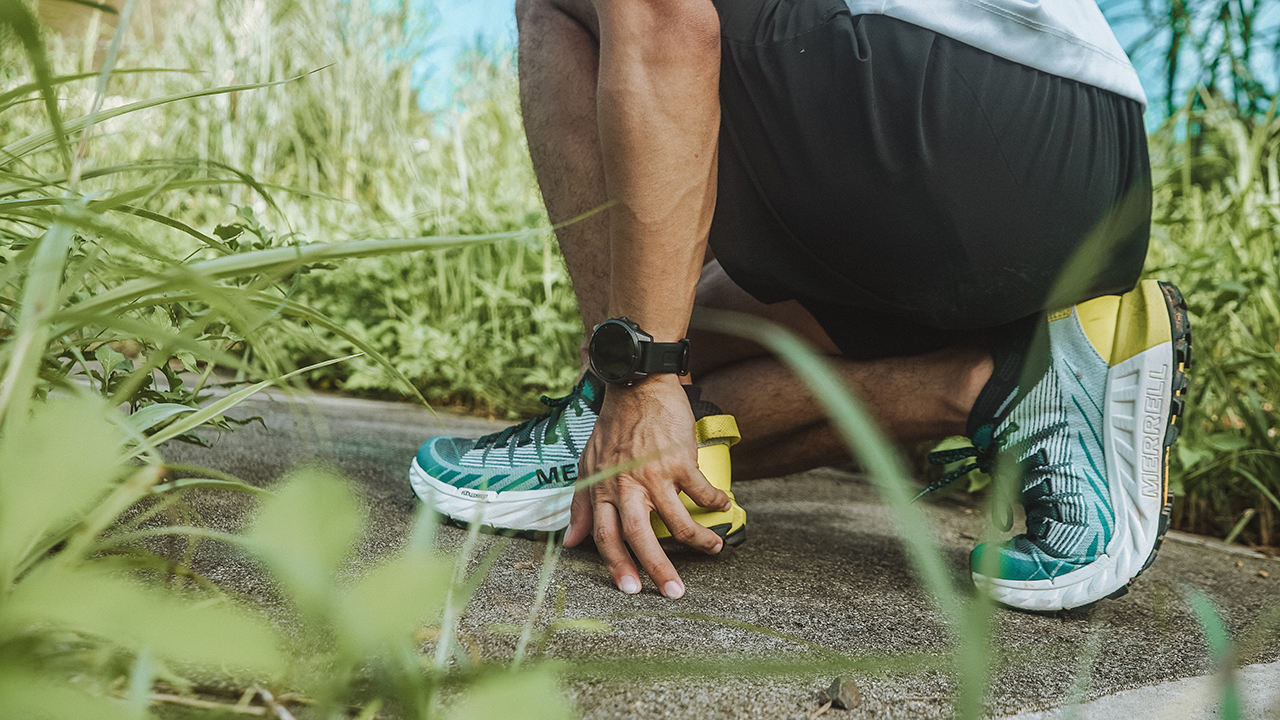
Aside from my strength and muscle endurance training, I spend a lot of my days outside going for a run.
The majority of my runs are divided into building my already high aerobic base, doing speed work, and improving my lactate threshold to last well in a race.
When running, I usually follow my heart rate zone and try my best to stay in Zone 2 for aerobic building. When I do threshold runs, I make sure it’s between Zone 3 and 4, while speed work pushes me to the edge of Zone 4 and up to Zone 5.
Sprinting takes a lot of power, which is why you need to push yourself to reach the fastest you can.
But of course, heart rate isn’t everything. During my slow and long runs, I was usually tuned in to my smartwatch. I check my pace, speed, cadence, power, and stamina — monitoring them while ensuring I maintain my form and rhythm.
Running on roads and trails
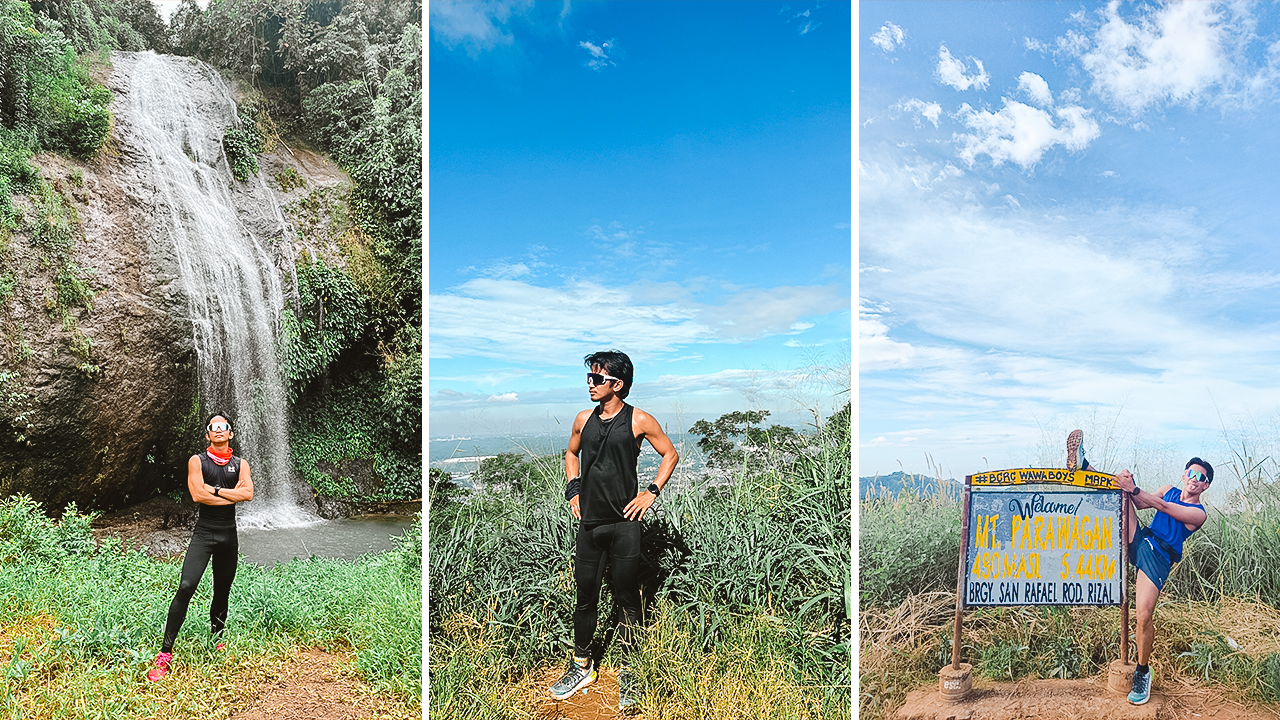
In four months, I only racked up five to ten kilometers of weekly mileage on road runs, which is unbelievably low for someone who competes in an endurance race.
But what can I do? My schedule doesn’t allow me to go out for longer runs. My best option was taking on the trails during the weekend. I switch up now and then running at Mt. Ayaas and Mt. Parawagan, accumulating a total of 10-15 kilometers, depending on the route we take.
At some point, we got lost traversing the secret river which racked us a total of 17 kilometers. 14 kilometers of assaults, slopes, uneven terrains, and 3 kilometers of crossing a knee-deep river with strong currents.
I feared for my life, yes. But the Garmin epix Pro’s GPS mode came into play, providing hope that we are taking the right trail going back to the town.
Race simulations
What I liked the most about my Garmin smartwatch was having it help me plan my upcoming races. When I joined the Xiaomi Pop Run, I used both the Smart Band 8 (which I did for a review) and the Garmin epix Pro on my other wrist as part of my training plan.
Since I always ran on the slopes of my village located on the hilly side far east of the Metro, the epix Pro managed to get valuable data that would help with my race simulations.
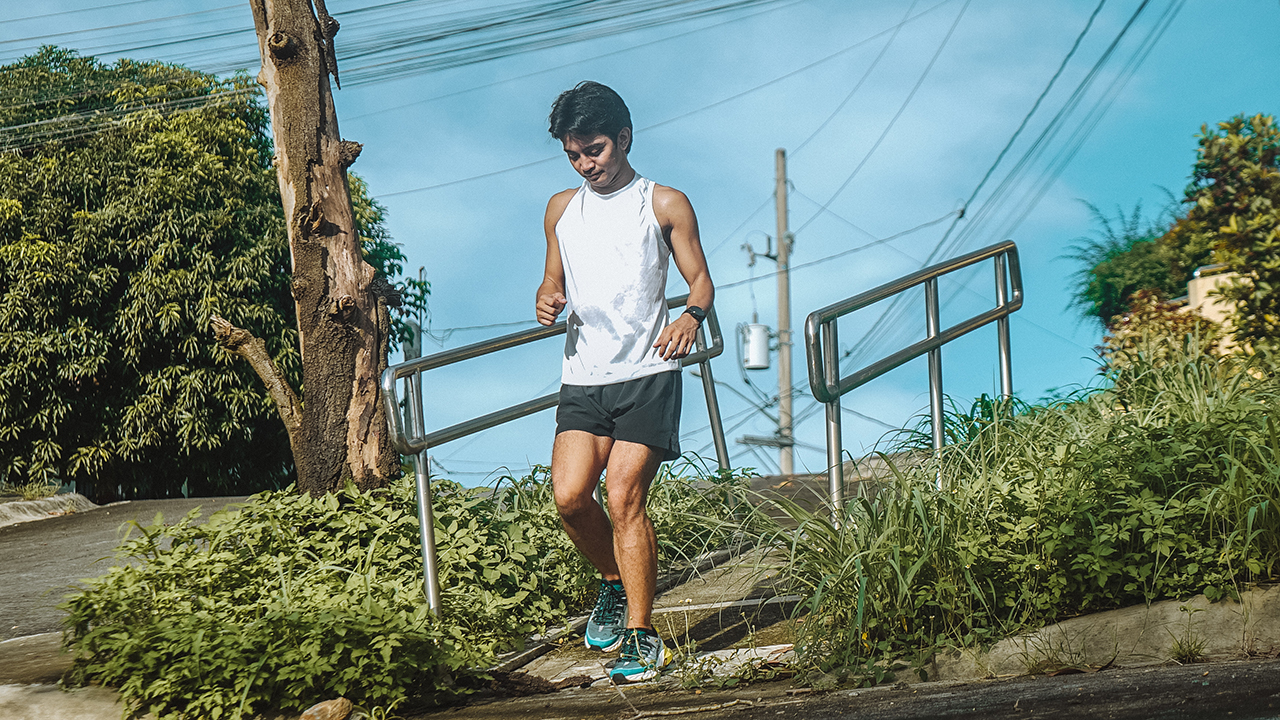
My VO2Max amounted to 57, which is then used alongside my training history, to measure my Hill Score and Endurance Score.
Both features measure my capability for my ability to run and sustain my prolonged efforts, whether on an uphill training or any other athletic pursuits.
It’s also used to get an estimate of my pace through the race predictor feature. Whether it’s a 5K, 10K, half-marathon, and a marathon.
There’s also an option to plan a race-day strategy with the PacePro Pacing Strategies. However, during the Xiaomi Pop Run, I opted to create a training plan to follow. Instead of aiming for a SUB1 finish, I put in a heart rate zone to follow for every kilometer.

This ended in a 1 hour and 4 minutes finish. I was disappointed that I was four minutes late, but I reminded myself that the training was more important. After all, the bigger event was the Spartan Trifecta Weekend.
Eventually, it paid off. Doing simulations at Obstacle Central allowed me to perform a clean execution of all obstacles in a short amount of time. Knowing full well that even with inconsistent training, I progressed a lot. I’m well-equipped to take on the Trifecta Weekend.
Ready for the Spartan Trifecta Weekend
I arrived the day before the Trifecta Weekend to do my duty as a race photographer for the 3K Elite race. It’s a different format requiring athletes to compete with speed and explosive power.
Being in the field gave me a huge advantage, seeing how the terrain would look like if the weather remained the same. Hot and humid, but still bearable for someone who’s acclimated to a never-ending summer weather.

The event took place in Montclair Destination Estate, an upcoming property development near Clark City. Having participated in races near the area, I know fully well what was waiting for me as a racer.
Sand, smog, a barren wasteland, uneven terrain of grass and rocks, a lahar-filled trail, and short slopes. Most of all, there are no shaded areas along the race course.
Spartan Beast

The first day of the Trifecta Weekend hosted the Spartan Beast race. A grueling 21-kilometer trail packed with 30 obstacles. I signed up for the Age Group category since it was the last leg of the Philippine National Series, and I intended to give my best in the last competitive heat that would require my mind, heart, and soul.
I finished my last Beast race back in May at around 4 hours and 36 minutes. This happened because I cramped at every obstacle on the last stretch of the race. I almost cried and it broke my spirit, knowing I could’ve finished in less than four hours.
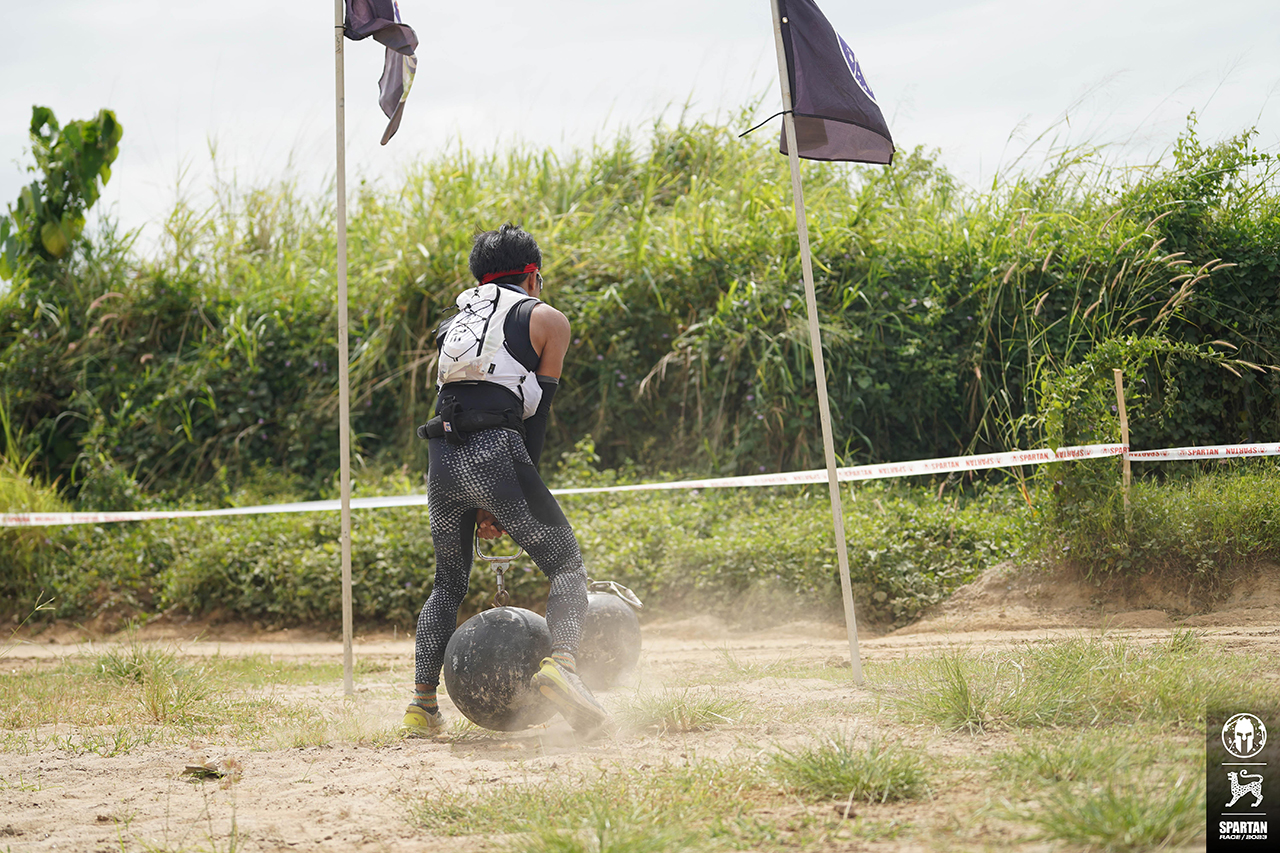
This time around, I was determined to beat my time while performing a clean execution of the race. Funny enough, the only time I was penalized was when I dropped the Atlas Carry and Hercules Hoist.
Both obstacles require intense strength since they’re both around 50kg, and completing it would give me intense muscle cramps.

I already had two intense leg cramps. One was when I jumped at the eight-foot wall placed on a slope, making it ten feet high. One was when I ran after crossing an obstacle that required jumping over a three-foot wall and crossing bars as a stair going down.

Nevertheless, I finished at 3 hours and 47 minutes with 28 obstacles cleared. Far from my original goal, but better than my previous race even if I had various leg cramps along the way.
Moreover, my official ranking from my Age Group’s leaderboard jumped from 28th to 13th. A big jump, considering that my age bracket (25-29 yo) is among the most physically strong and in peak condition.

It was a tough battle and I’m proud of myself.
Spartan Super
The next day, I was hesitant to participate in the second day of the Trifecta Weekend. The muscles all over my body were stiff and aching from taking on the Spartan Beast race.
Still, I managed to get up since I remembered the costs of everything I paid for the race. Training, gear, nutrition, and countless days spent in the gym and on the trails.

I took on the Elite category for Spartan Super, a 10-kilometer trail with 25 obstacles. The obstacles are pretty much the same as the Spartan Beast, which gave me an inkling of what to do next.

I was excited since it was my second time participating in the elite category. I had to race toe-to-toe with national athletes, personnel of the Philippine Military Academy (PMA), and strong, competitive racers who decided to level up.
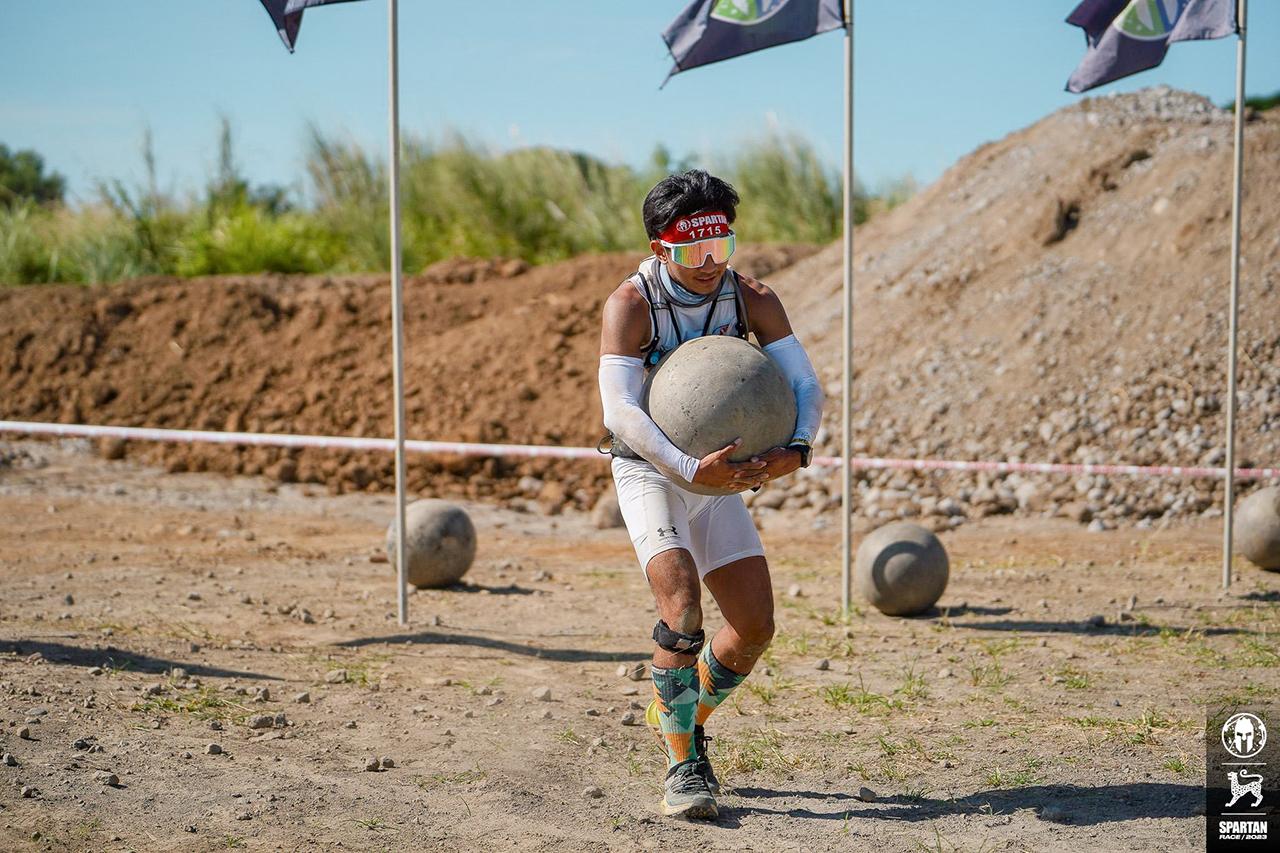
My last elite race flunked and I was thrashed because I was unprepared. This time around, I redeemed myself. Though far from going head-to-head with the national athletes, I was happy that on the first few kilometers, I was butting heads with the athletes from PMA.

I ended the Spartan Super in 1 hour and 36 minutes with 24 obstacles cleared out of 25. Again, I dropped the Hercules Hoist since my legs showed signs of cramping and I still had to take on a race afterward. Playing smart is the key.
Spartan Sprint
Having completed a double trifecta for the year with the Spartan Super medal, taking on the Spartan Sprint meant getting an extra medal. But finishing it meant also completing the Trifecta Weekend challenge.
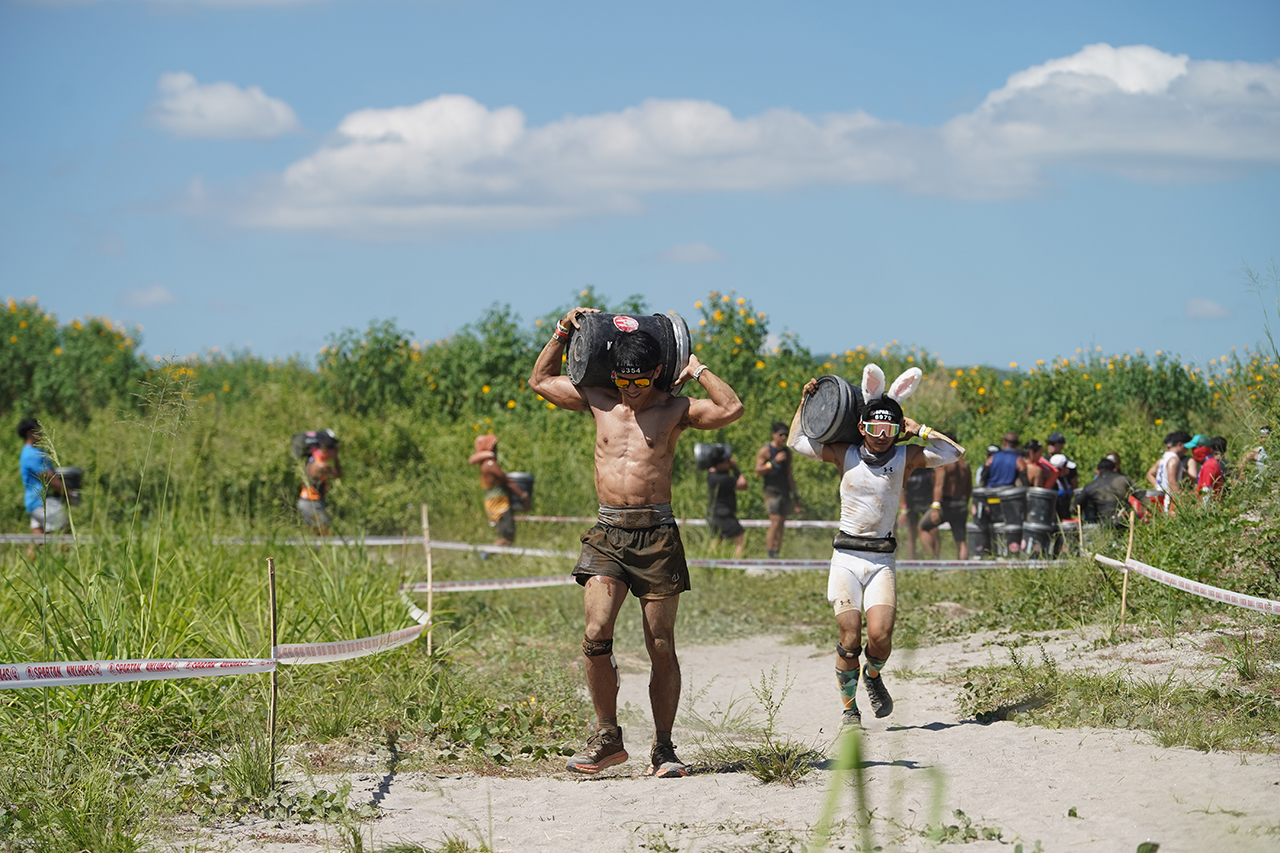
Knowing that it was an Open category and a short, 5-kilometer trail with 20 obstacles, I decided to play around. I have friends who are taking on their first race, and I joined them while wearing bunny ears. Just for fun, you know.

Racing with friends is a lot more fun than going competitive, creating new memories that I will forever cherish. I didn’t mind the time, and instead, helped my friends conquer the obstacles and the race.
Aside from being the cheerleader, I lightened the mood on the race course since most people were surprised to see me dressed in an all-white outfit, dirty, and wearing bunny ears.

Moreover, I didn’t require any help. Even with a tired body, I knew that preparing for the Trifecta Weekend gave me a strong, enduring mind and body that could take three races in one weekend. And it was all thanks to the dedication I put in for four months.
A Spartan’s GadgetMatch

Switching to the Garmin epix Pro was the best decision I made this year. Not only did it help me improve my athletic performance, but it also helped push me to make healthier habits.
Having a premium multi-sports smartwatch on your wrist will make you think about what you are doing with your life if you’re just sitting on a couch, doom-scrolling on TikTok. It will make you get up, and put in the work because it’s expensive AF.
The Garmin epix Pro Sapphire 42MM and 47MM retail for PhP 62,780. Meanwhile, the epix Pro Sapphire 51mm is priced at PhP 69,050.
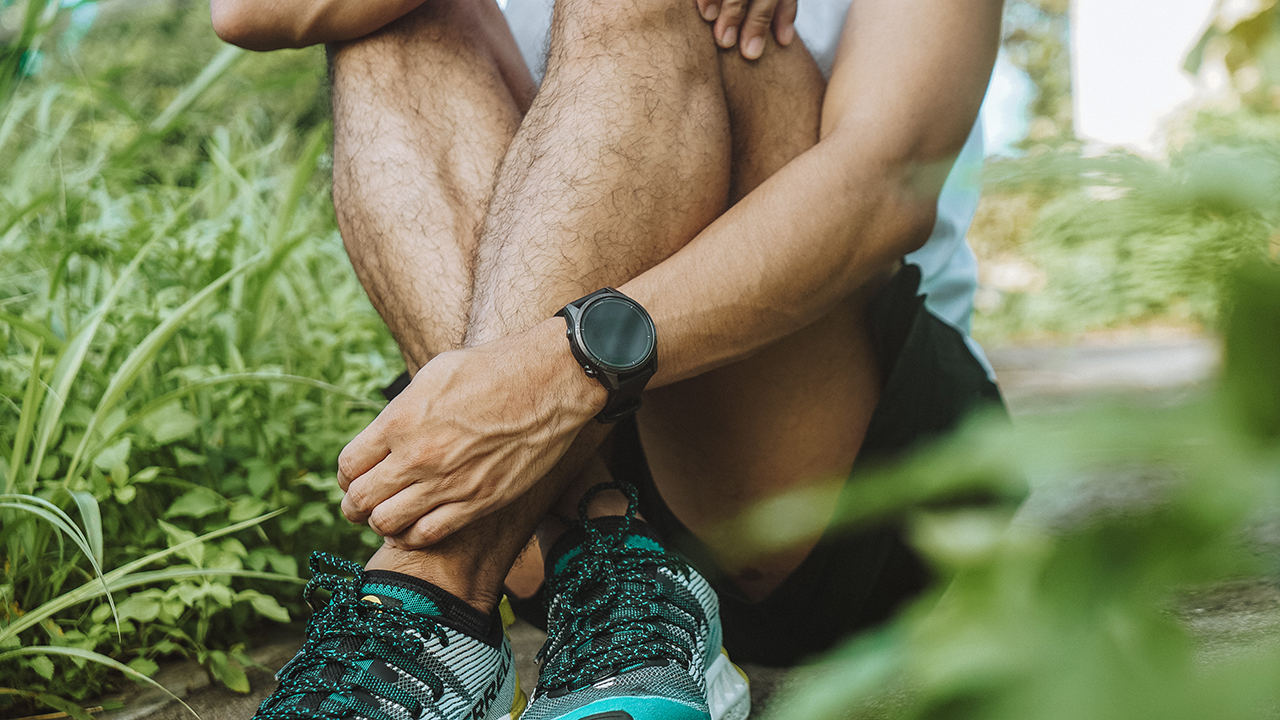
The price alone would mean it’s an investment to make, but a worthy one because it’s for your health, fitness, and overall improvement of your life.
As a Spartan, it pushed me to face obstacles not just on the race course but in my life — head-on. Knowing I have a smartwatch to keep track of my progress, I know I’ll do better one obstacle and 10,000 steps at a time.

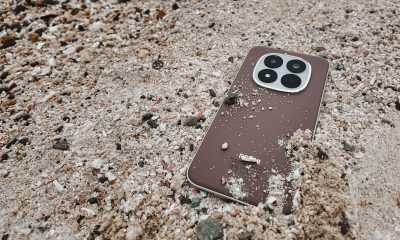







Not every tablet needs to win you over in the first five minutes.
Some are just meant to ease you in—to see if having a bigger screen actually changes how you use your tech day to day.
Instead, it feels like it’s asking a quieter question: Do you even need a tablet?
That’s the space the HONOR Pad X8b seems to occupy. Not a productivity machine. Not a performance-first device. But something that lets you test the waters—see if a tablet fits into your everyday routine at all.
And for a lot of people, that might be exactly the point.
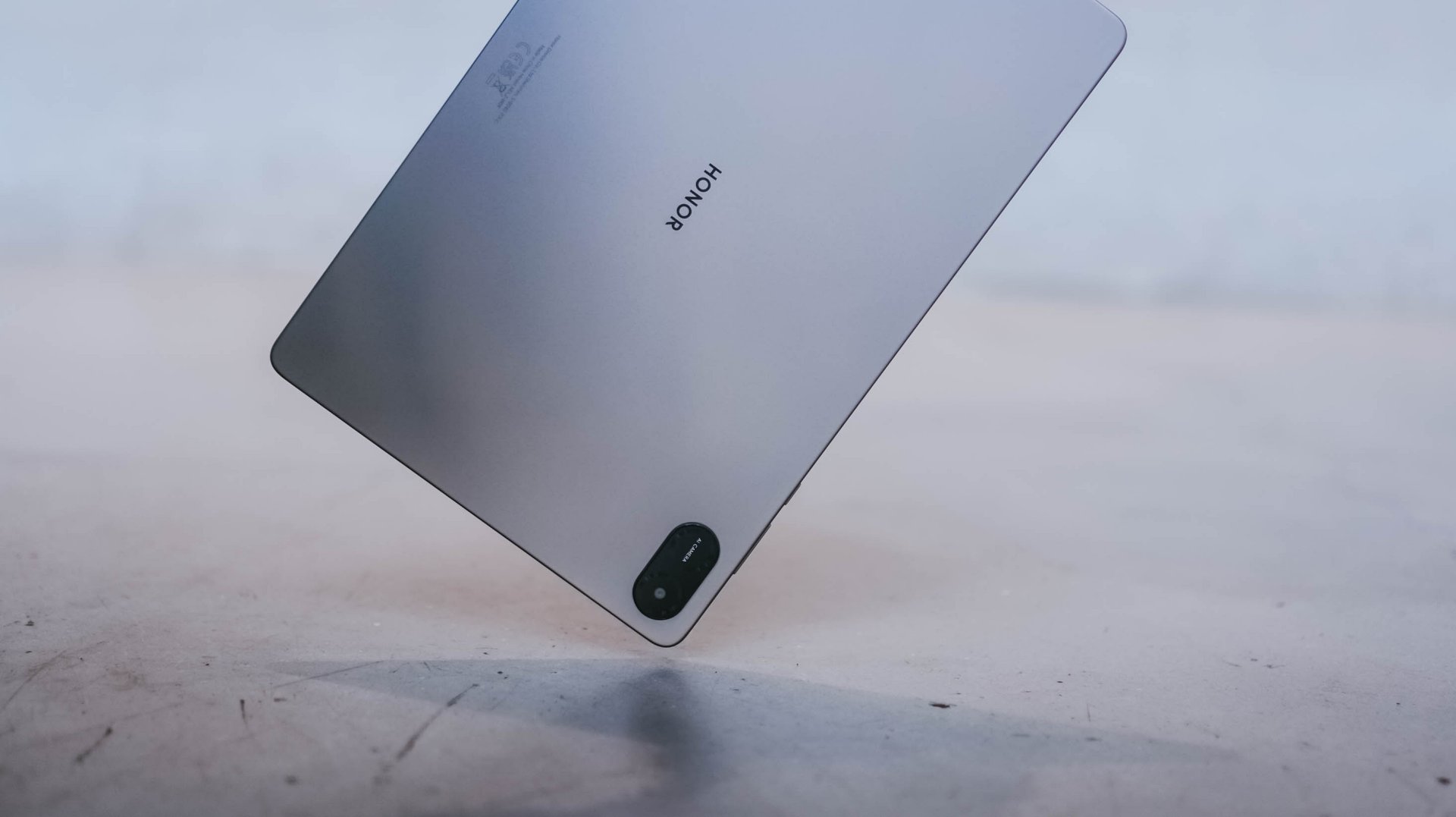
It’s positioned as a “Tablet Made Tough,” and that framing makes a lot of sense here. Because if you’re just starting out, or buying for someone who’s still getting used to tech, you don’t want something fragile. You want something you can be a little careless with—throw in a bag, hand to a kid, leave on a table—and not worry too much about it.
And that’s exactly the kind of role this tablet is trying to fill.
Who this is really for
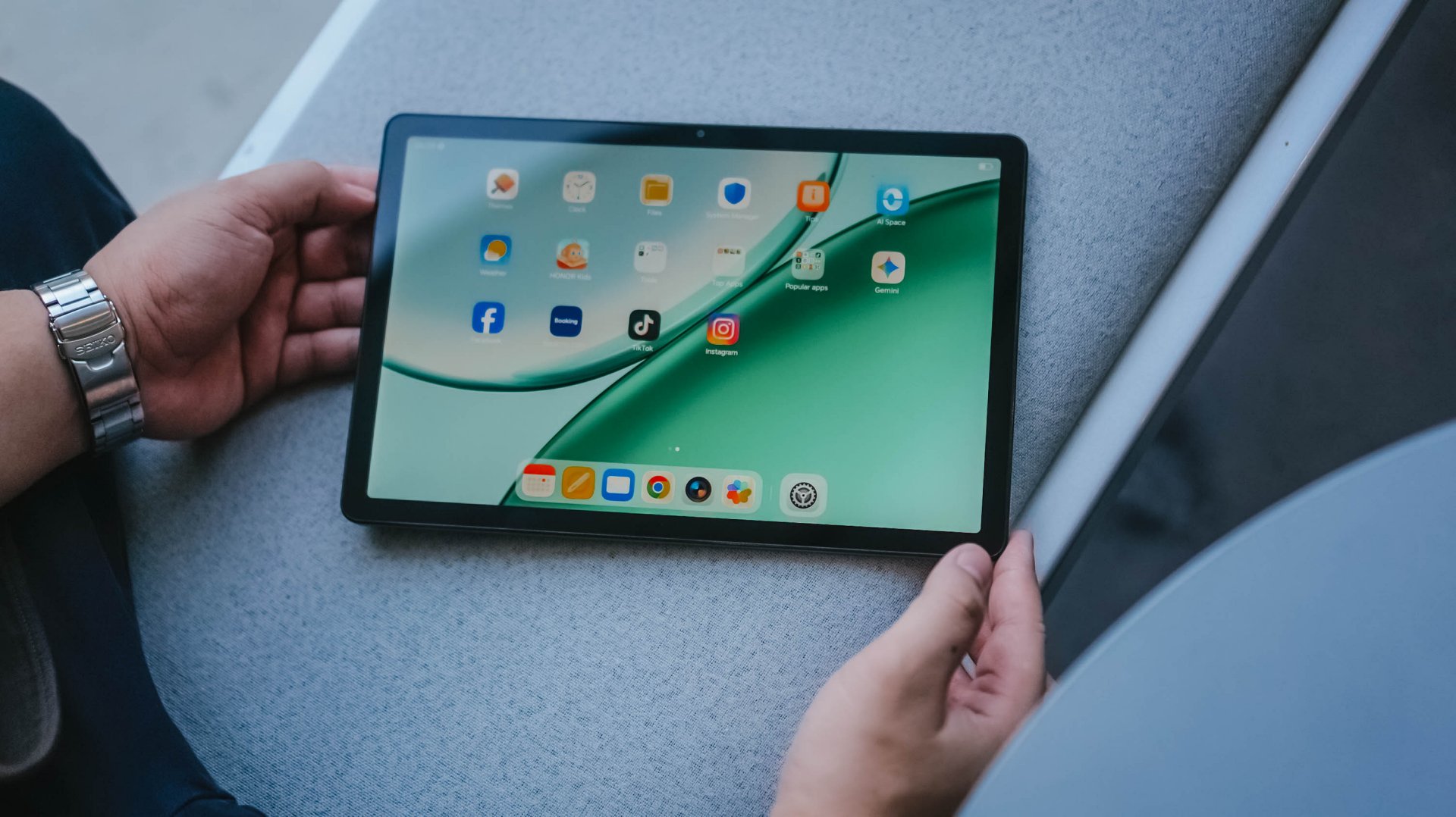
You can feel pretty quickly who this tablet is designed for.
Kids are an obvious fit. Something they can use in short bursts—for watching videos, light learning, or just getting familiar with tech without handing them a more expensive device. The durability angle plays a big role here too. It’s the kind of tablet you won’t panic over every time it slips or gets handled a bit roughly.
But it’s not just for kids.

This also makes sense for first-time tablet users in general. If you’ve never owned one, or you’ve always wondered if a tablet fits somewhere between your phone and laptop, this feels like a low-commitment way to find out.
Not a big investment. Not a big adjustment. Just something to try.
Built for watching, not pushing

Julie freaking Han
Most of that experience revolves around media consumption.
The display is… nice enough. It gets the job done. Colors are decent, viewing is comfortable, and for videos, it holds up better than expected.
Case in point: I watched KISS OF LIFE’s “Who is She” music video on this—mostly for miss freaking Julie Han, if we’re being honest—and it looked good.
That may not be what you want your kids watching. But for actual use, it gives you a good sense of what this screen can deliver.
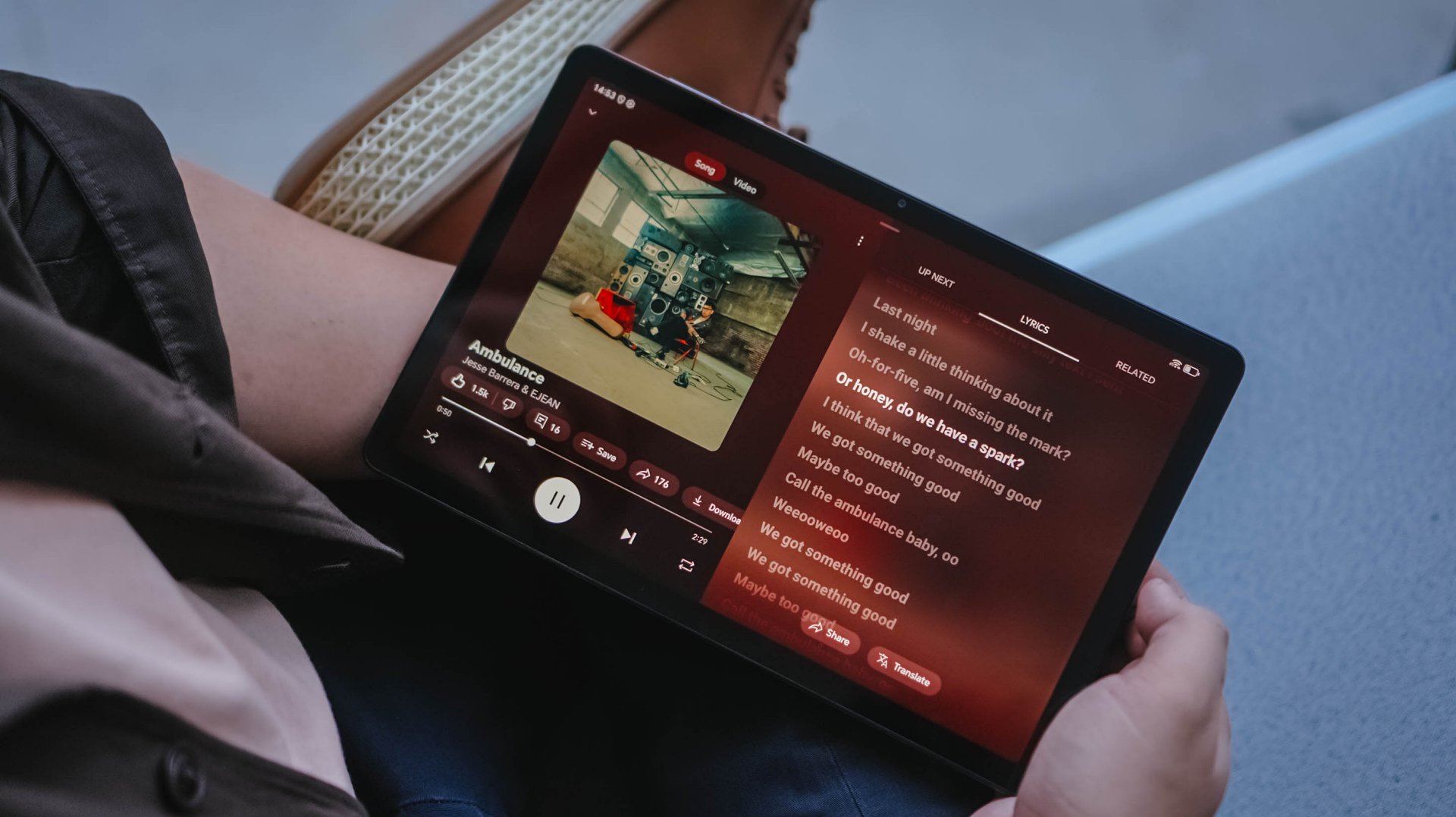
This has been on consistent rotation lately
Audio is also decent. Not groundbreaking, but not thin either. I ran AMBULANCE by Jesse Barrera and EJEAN through it, and it had enough body to feel enjoyable without immediately reaching for headphones.
Put those together, and you get a tablet that’s easy to pick up for Netflix, YouTube, or Spotify. The kind of device that lives on a coffee table or bedside, ready when you just want a bigger screen for casual viewing.
Where you feel the limits

But it doesn’t take long before you notice where things slow down.
Even just swiping around the interface, there’s a certain lack of fluidity. Nothing completely breaks, but it’s not the kind of experience that disappears into the background either. You feel it.
Apps open fine. Navigation works. But everything carries a slight hesitation that reminds you this isn’t built for speed.
And that’s really the trade-off.
This tablet leans heavily into light use—watching, browsing, maybe some casual apps. The moment you expect more responsiveness or try to push it harder, the limits start to show.
What you’re actually getting
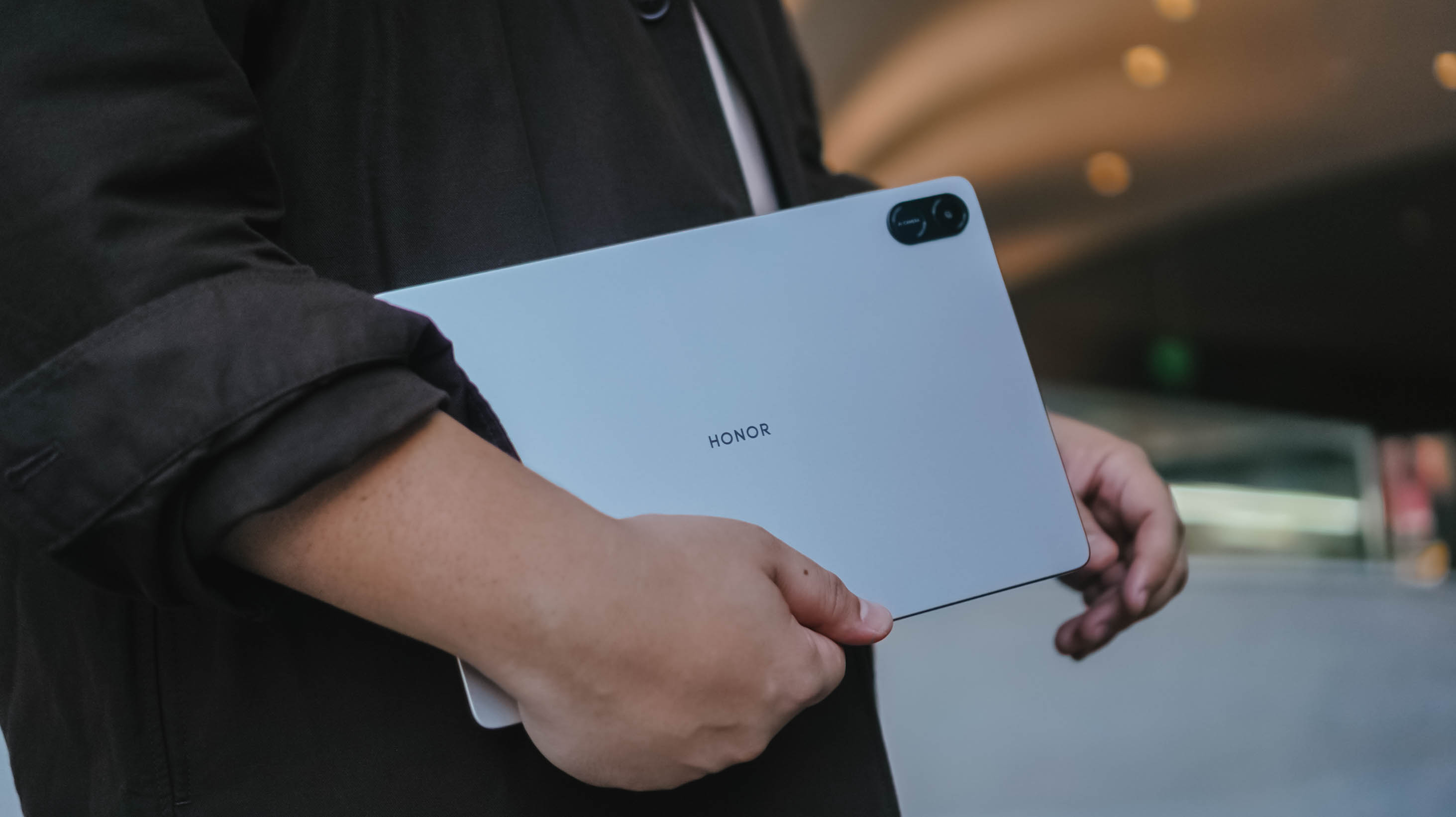
Before we get into pricing, here’s a quick look at what the HONOR Pad X8b brings on paper:
- 11-inch HONOR Eye Comfort FullView display
- 10100mAh battery (up to multiple days of light use)
- Qualcomm Snapdragon 680 processor
- Quad-speaker system
- Storage options up to 256GB with RAM expansion
- Metal body with drop and crush resistance focus
- MagicOS 10 (Android-based)
- HONOR Kids Edition with parental controls
It’s a spec sheet that prioritizes the basics—big screen, long battery, and durability—over outright performance.
So where does it land?

At PhP 9,999 (special TikTok shop price in the Philippines, the HONOR Pad X8b lands exactly where it needs to. Not cheap enough to ignore—but accessible enough to try.
At the end of the day, this isn’t trying to be more than it is. It’s a starting point. A way to figure out if a tablet fits into your routine.
If you’re curious about tablets, this tells you real quick if it’s for you.


It might be an exaggeration but, never have I ever dreamt of stepping onto the Land of the Rising Sun anytime soon.
Financial instability is one. Tedious visa application process for another. Don’t even get me started with all the daunting stories of denied applicants.
But, as luck would have it, I was still granted a single-entry visa. A year’s worth of preparation didn’t go into waste.
It’s not because I’m an anime fan (because I ain’t one). As much as everyone else, Japan (日本) is a legitimate dream destination for all the sights and wonders it offers.
After all, being able to experience the rich nation from the Far East has been dumped in my travel bucket for more than two decades — way before this trip became a reality.
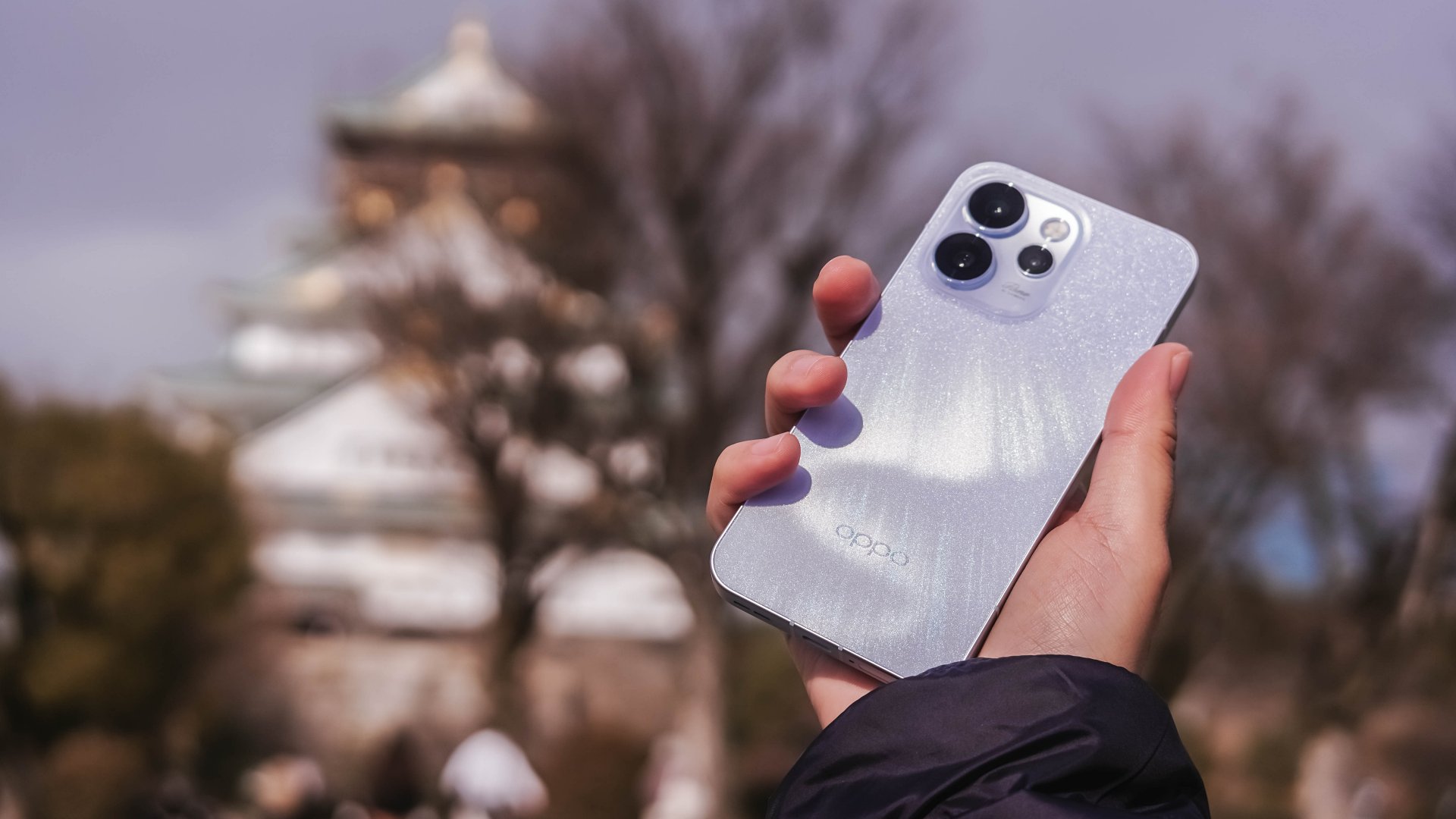
While coincidental, the OPPO Reno15 Pro 5G was lent to me just a day before our departure. This made the perfect opportunity to showcase both Osaka (大阪) and the phone’s prowess with its cameras.
The Kitchen of Japan
Let’s start with what the city is best known for.
Osaka isn’t called “the kitchen of Japan” or the nation’s “food capital” without any meaningful reason.
Other than its culinary delights alongside that rich cuisine presence and history, the city is also popular for the kuidaore (食い倒れ) expression, or eating ’til it fills your heart and stomach’s desires and empties your pockets all at once.
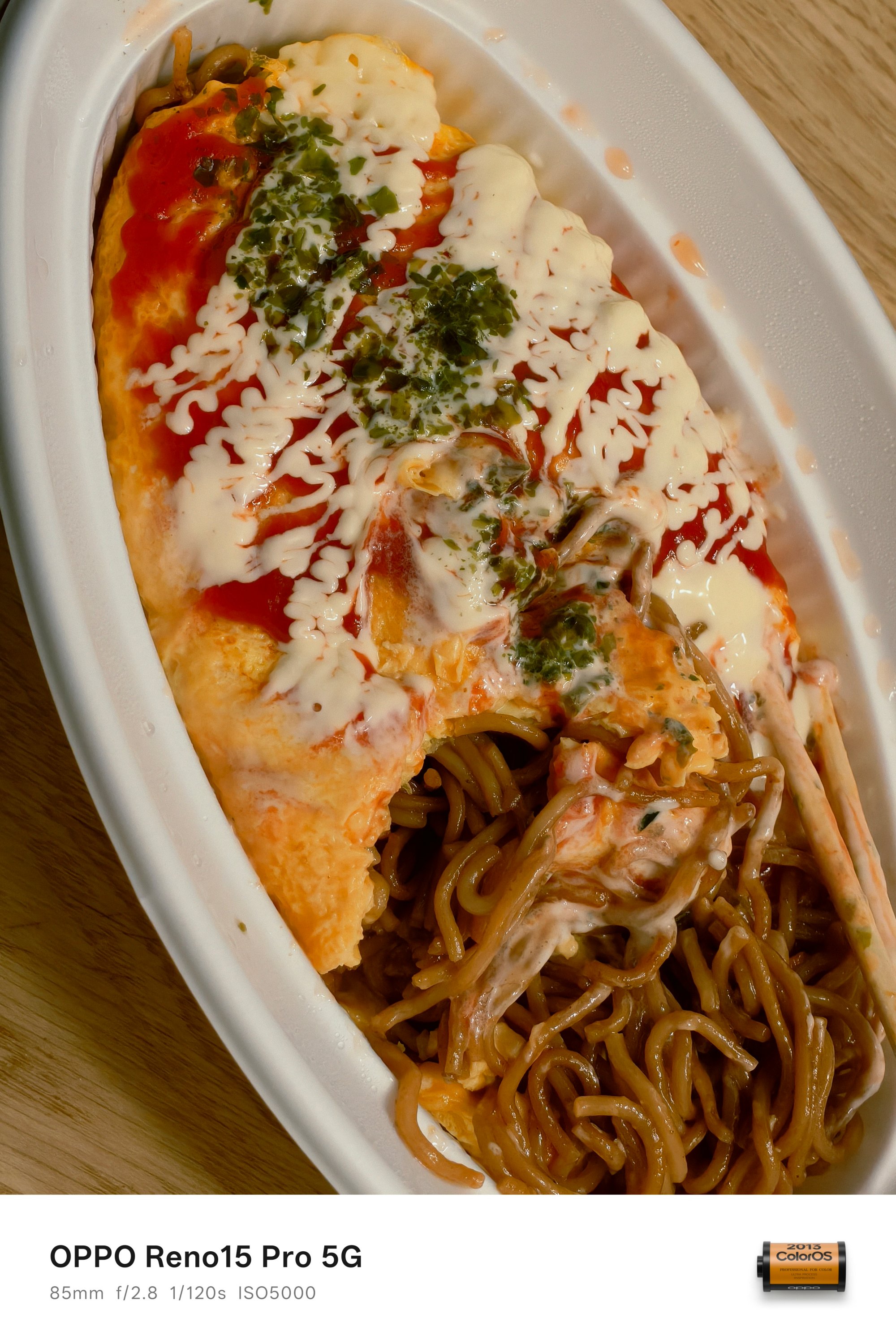
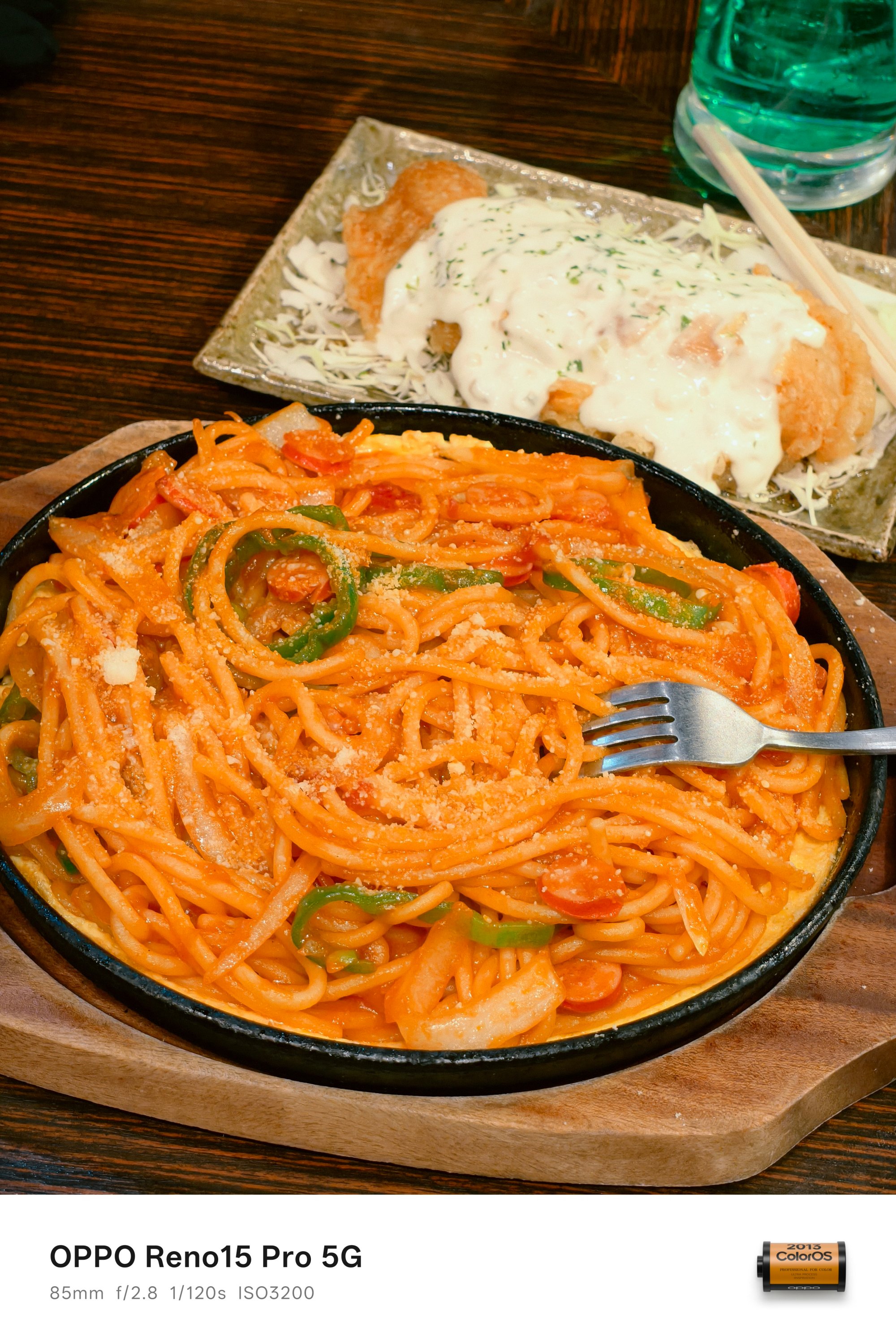
Although I haven’t tried each and every Osaka delicacy available, I still enjoyed all the great delectables during the course of the trip.
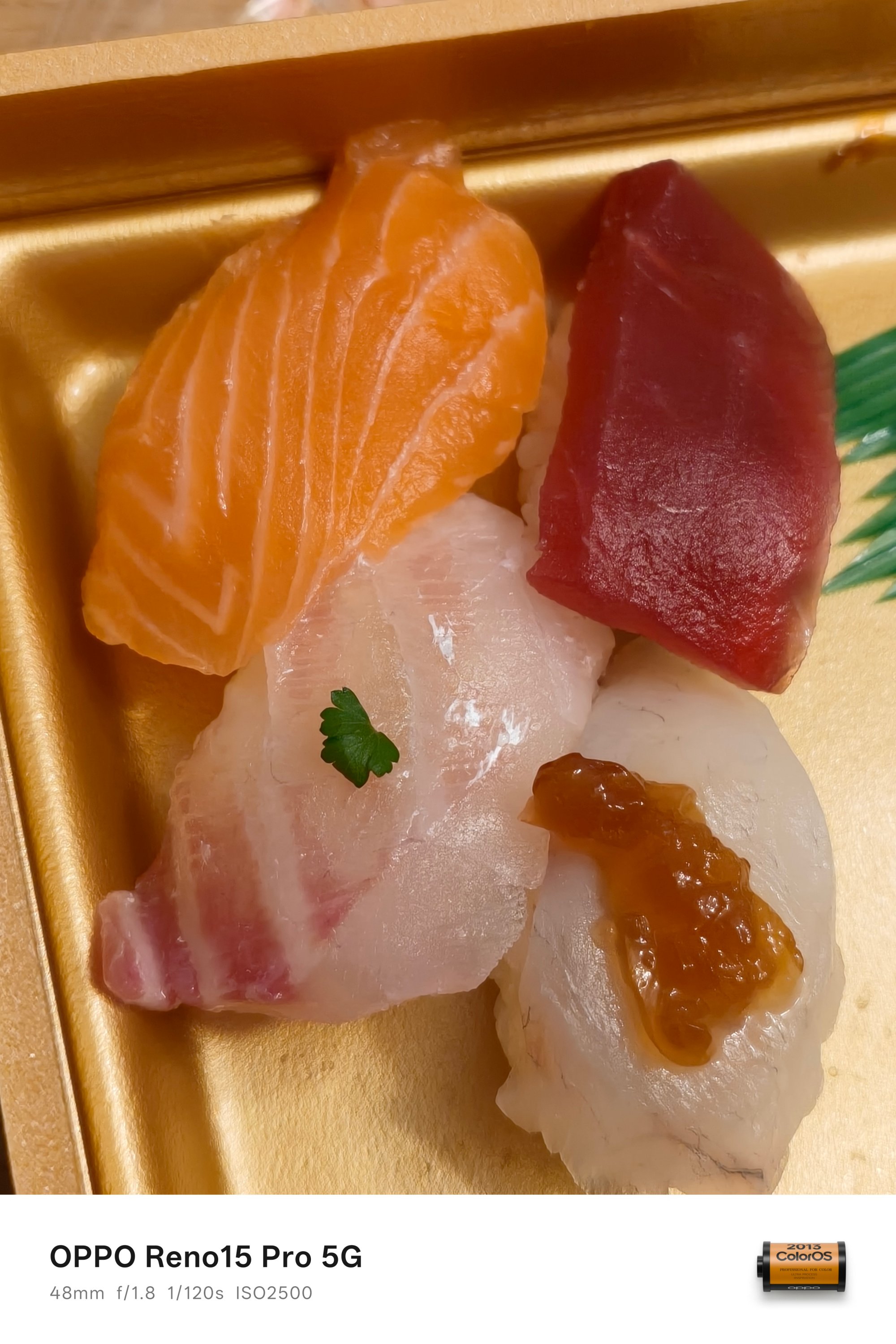
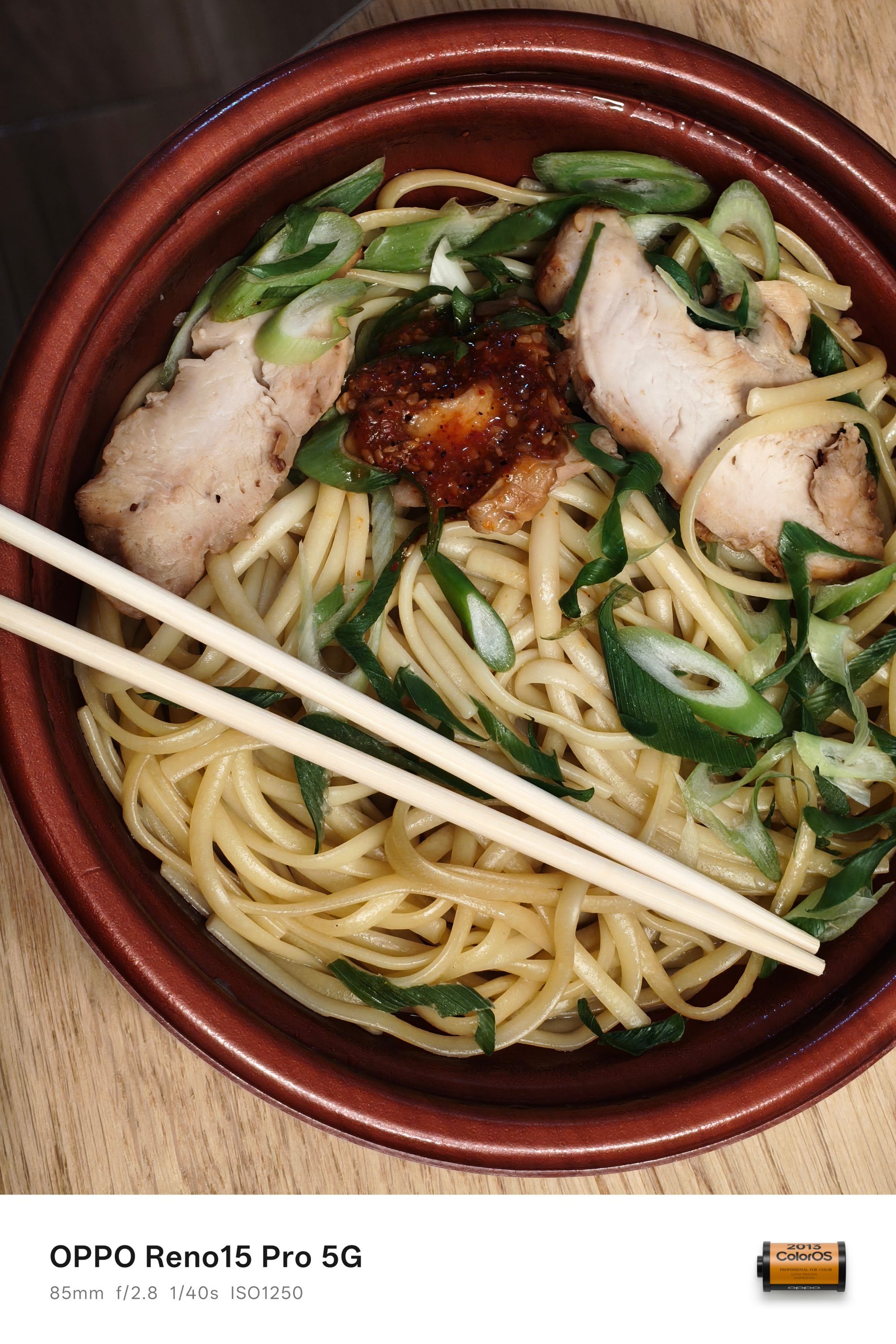
From the Okonomiyaki and sushi from a konbini, all the way to that Karaage and Naporitan combo near Tsutenkaku area. They all taste shockingly delicious for such value.
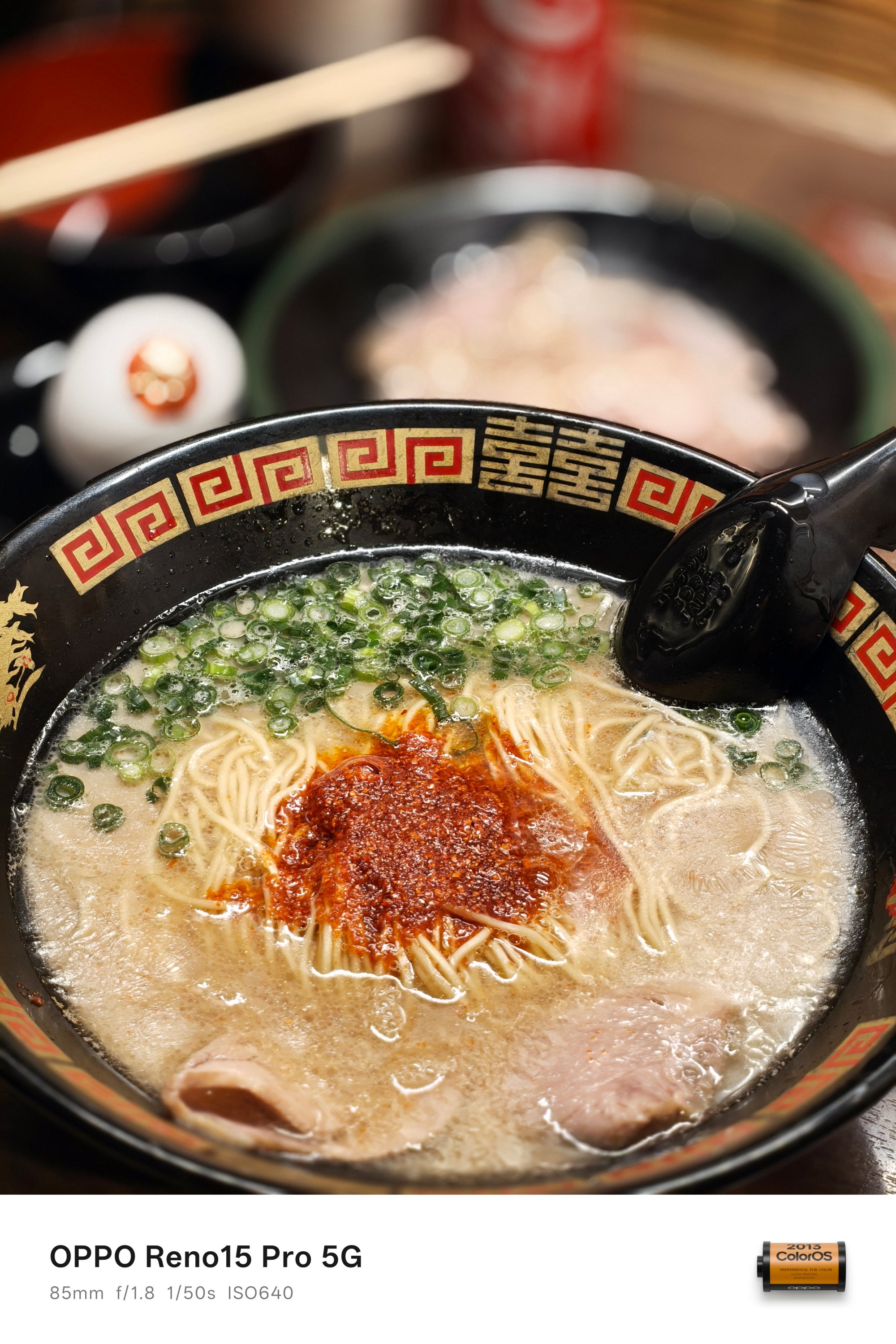
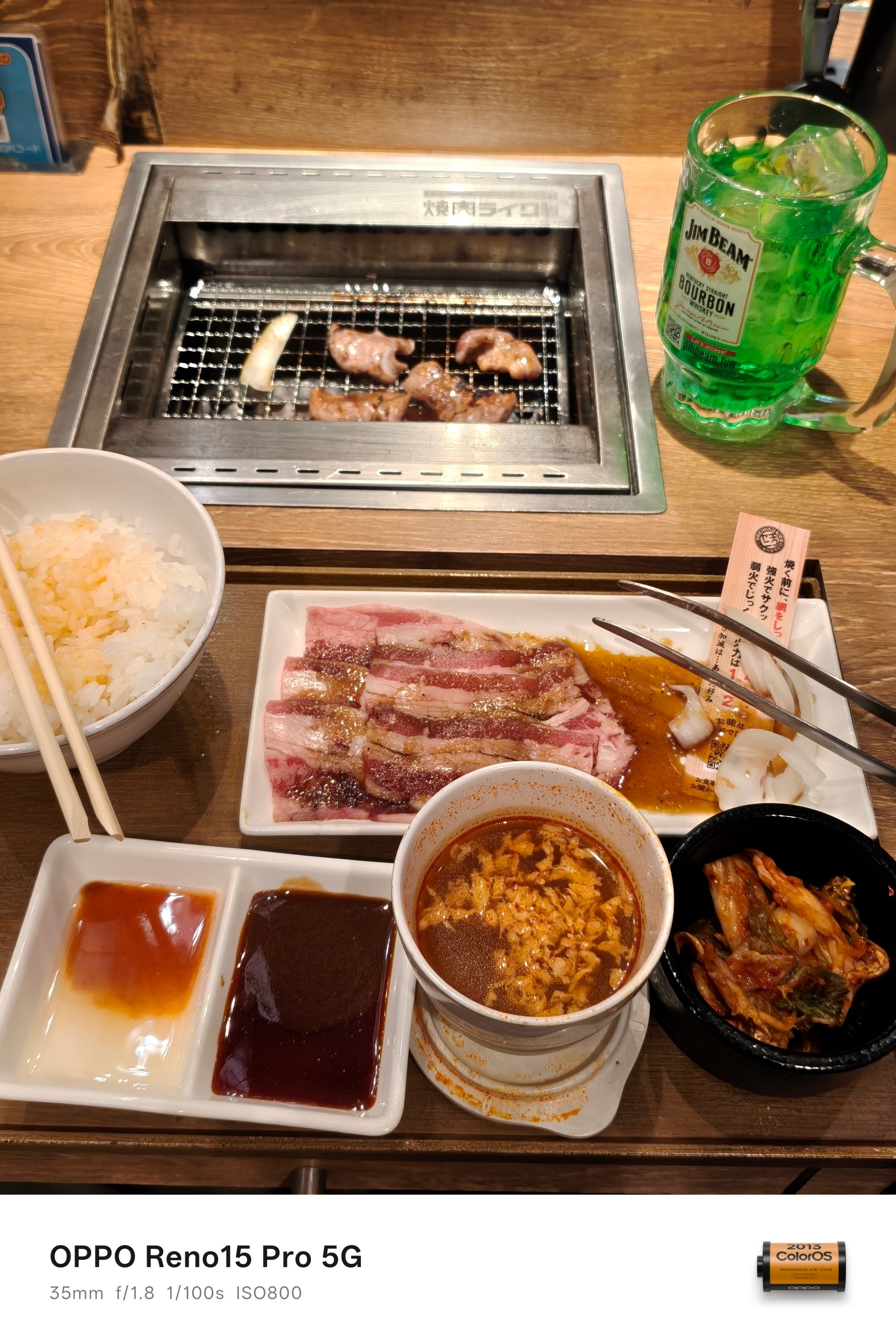
Of course, not everything is specific to Osaka, such as the much-raved ramen by Ichiran or the tender meat cuts in Yakiniku Like.
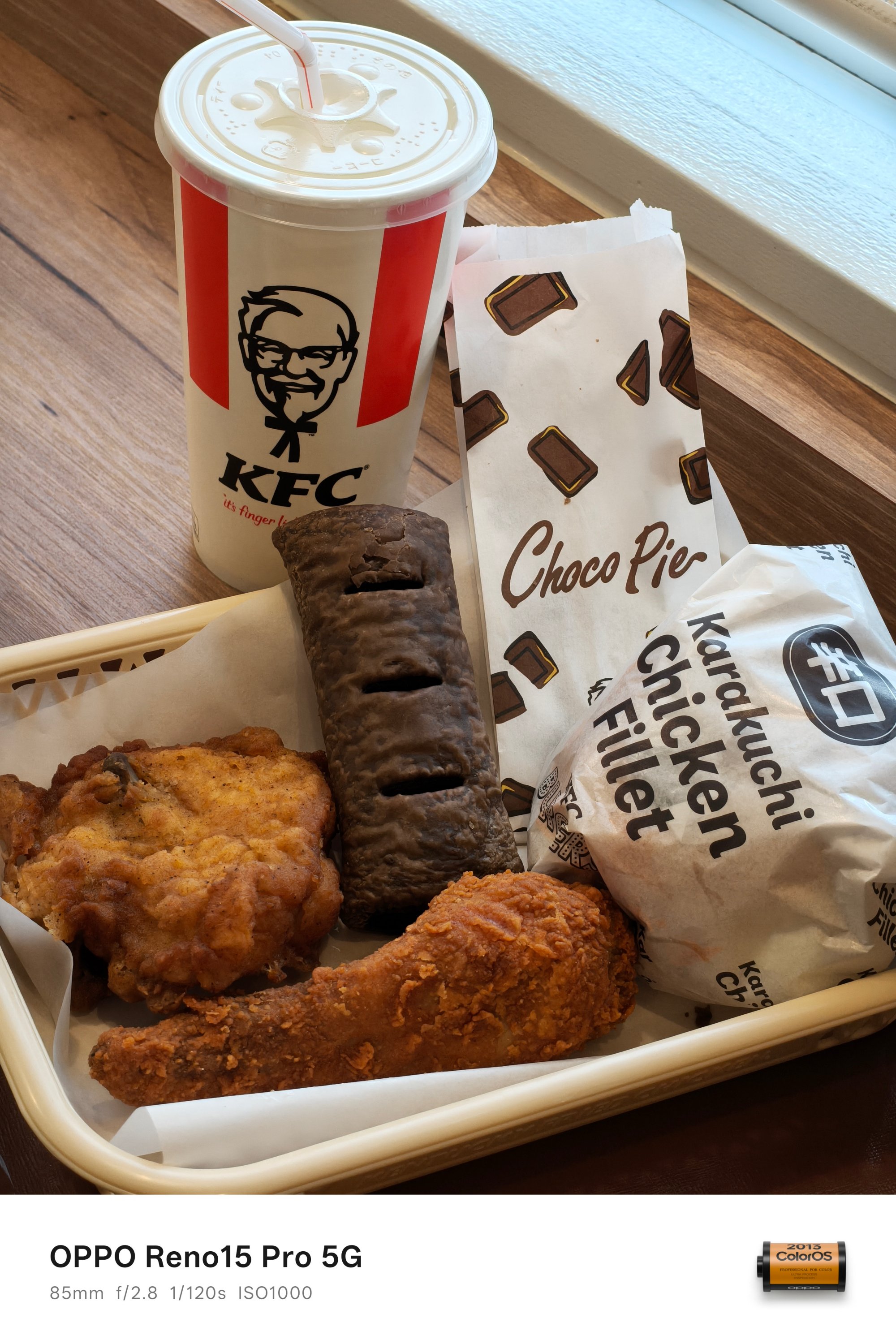
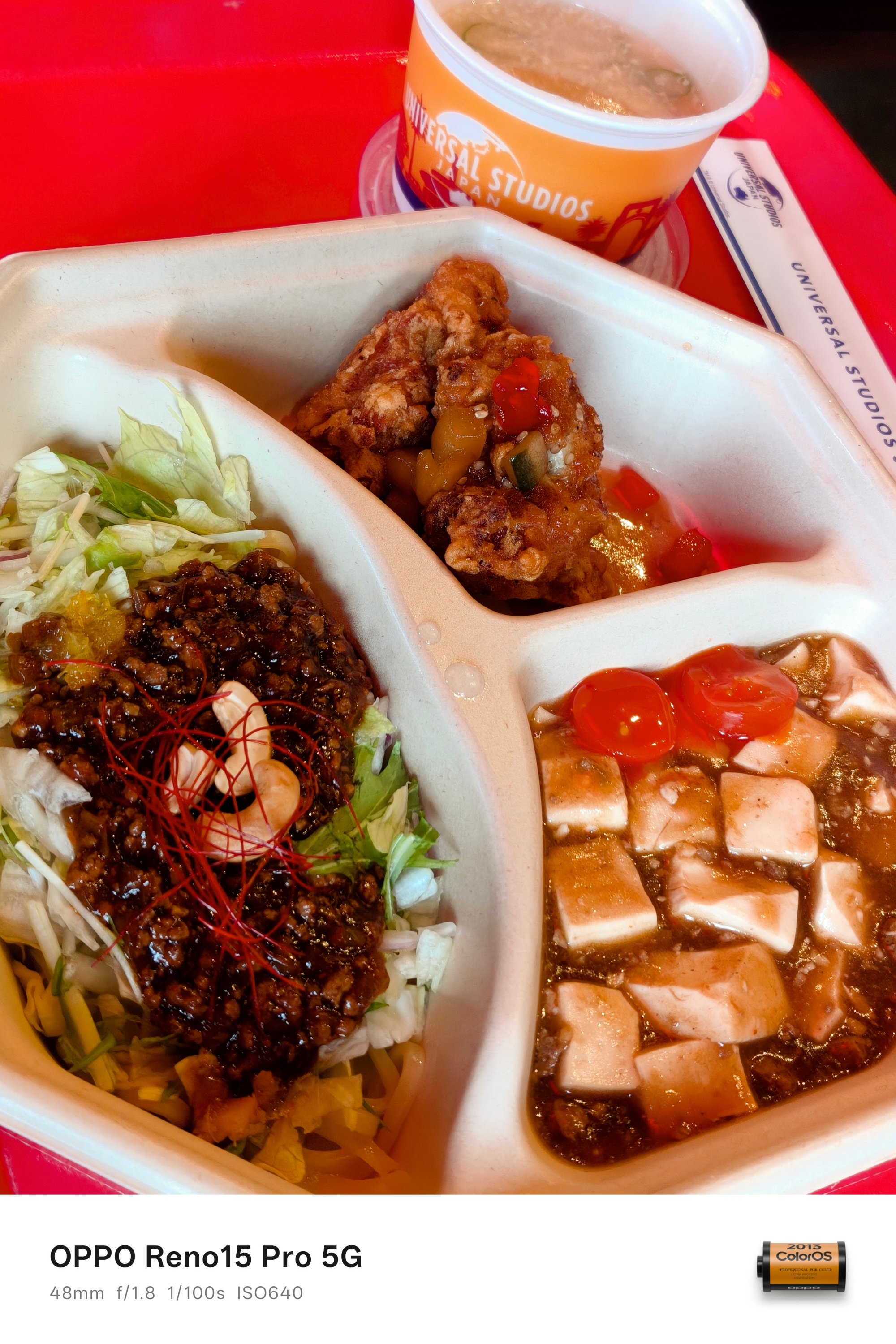
On slow days where I felt not spending a lot, all I ever craved for were these fast food delights — such as this Japanized combo meal from KFC or the simple ol’ Chinese lunch at Universal Studios Japan.

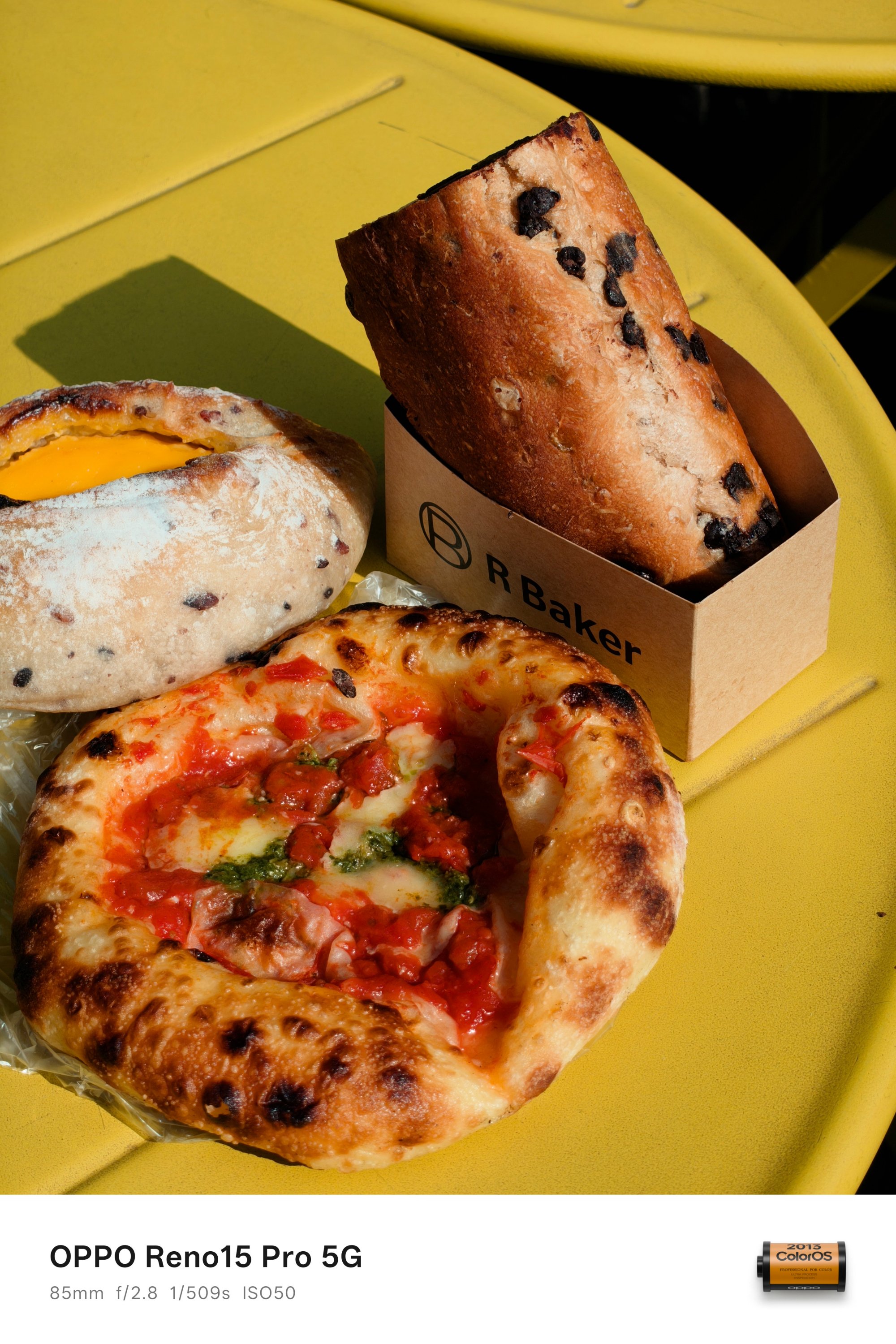
Lastly, it would be a huge miss not to try out the Osaka-blend Iced Americano by the home-grown brand MUJI as well as those big yet affordable pastries found inside R Baker — with a popular branch located beside the Osaka Castle Park.
Leaving marks in these landmarks
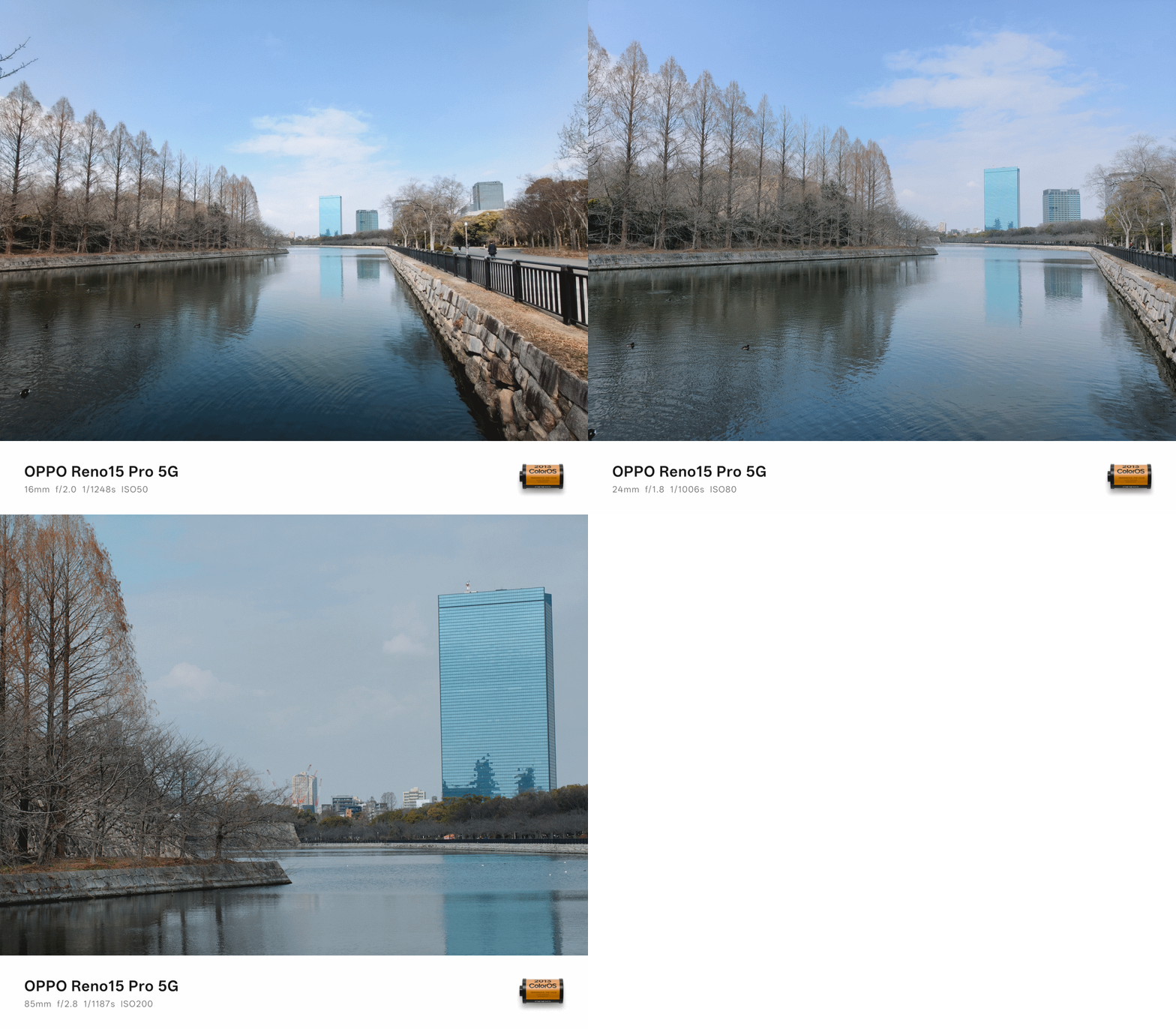
Now that we’re at it, I must say it is mandatory to see Osaka Castle (大阪城) by the time you visit the city. It’s a key landmark for Japan’s unification during the 16th century.

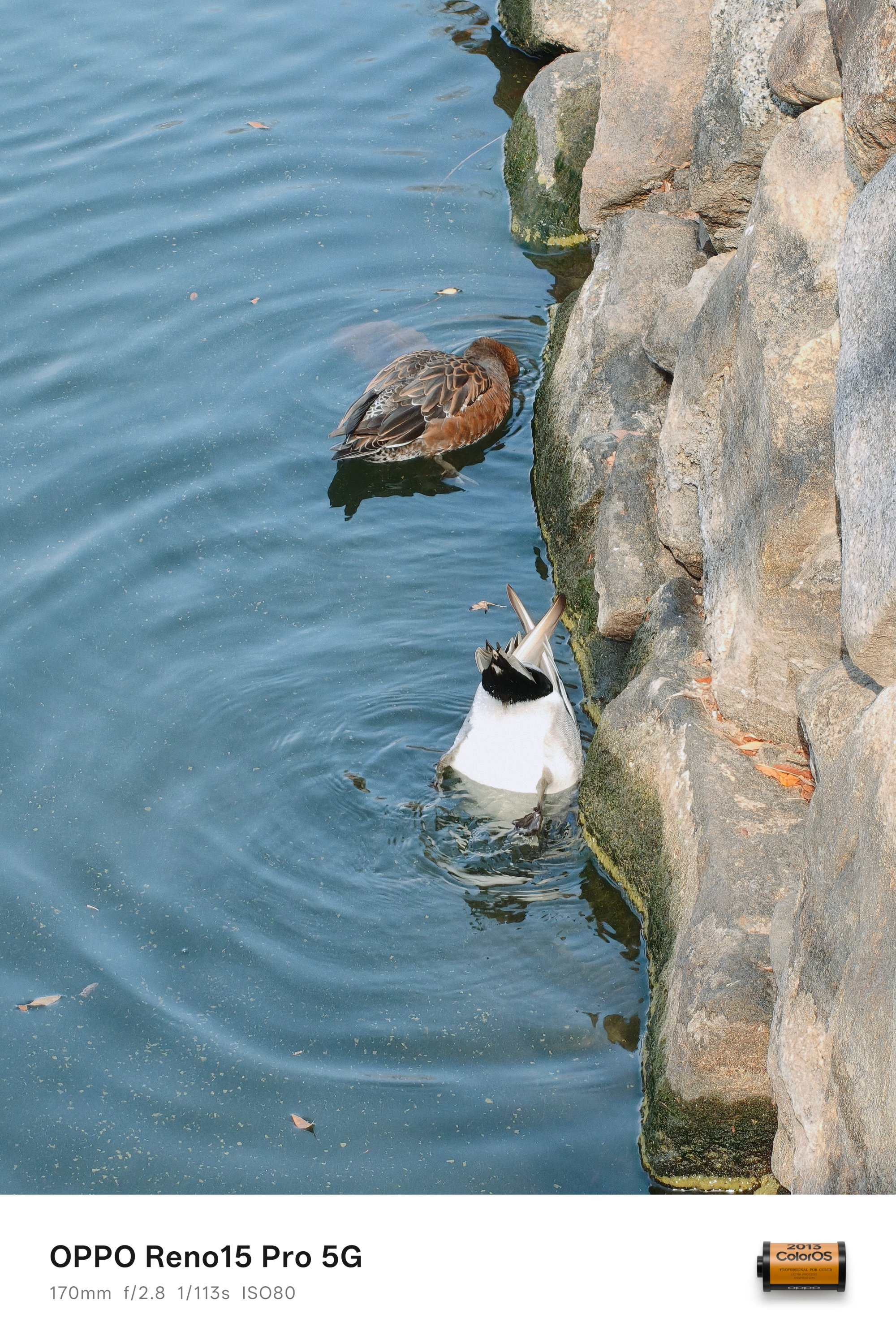
Although it has been destroyed several times since 1583, the excellence and perseverance of the Japanese actually made a perfect reproduction of the majestic castle.
Admittedly, we didn’t go inside and up. Still, it’s a beautiful sight to see so you have a glance of Osaka’s history.
Another popular must-visit spot in Osaka? None other than the Glico Man billboard along the Dotonbori (道頓堀) area.
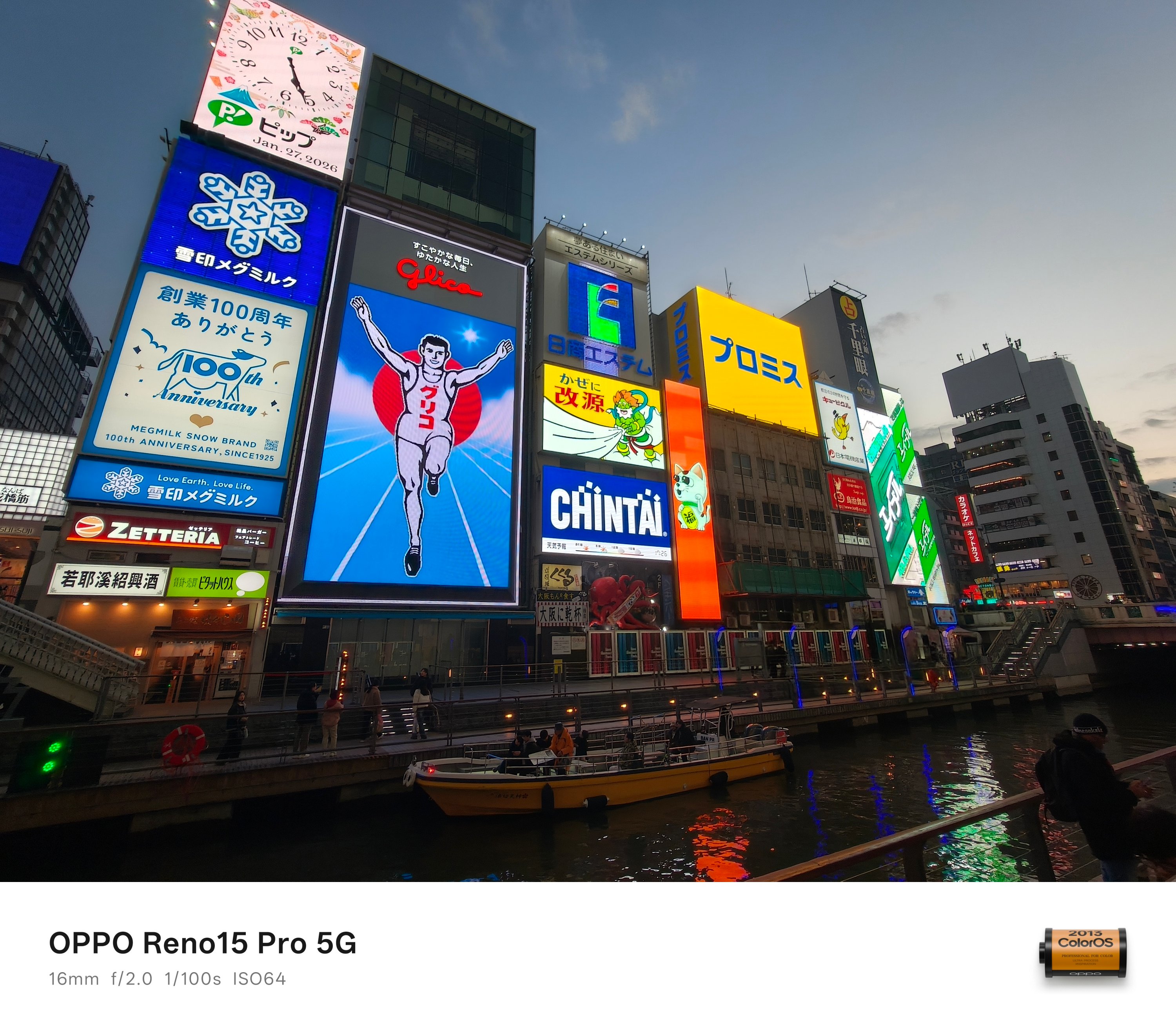
For everyone else, it’s just like any other regular digital billboard. However, something that’s only shown here makes it uniquely Osaka.
And now that we’re here, it’s a real heaven for any shopaholic — my friends included in that narrative.
That’s a long, loooong strip of hundreds of shops ever imaginable with items being sold at slashed prices. Be it gadgets, watches, clothes, sneakers, bags, luggages, chocolates. Gashapons even!
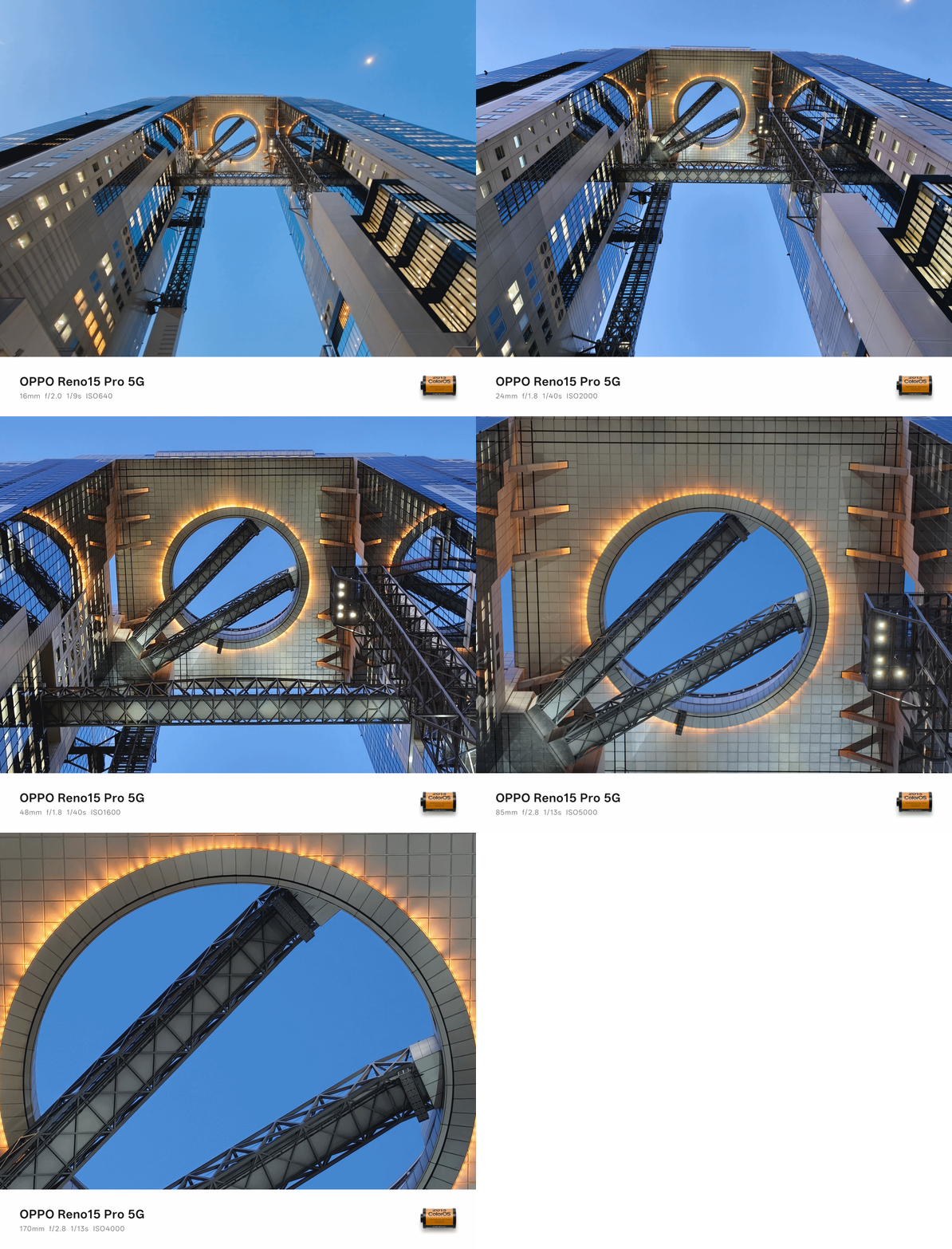
If you want to see the Osaka Bay Area up and above, going on top of the Umeda Sky Building should be in your itinerary.
The best thing here is that, you can still buy souvenirs and see parts of the Osaka Bay coastline through its windows even if you don’t pay for the entrance going to the rooftop — just like how we did.

As mentioned, here’s the Osaka Bay from the ground — captured in a place found at the latter part.
Maybe we got lost in translation
This write-up seems too smooth to be true. But, I have to be realistic and break it in the middle. Traveling, especially in a foreign country, isn’t always an easy-breezy ride.
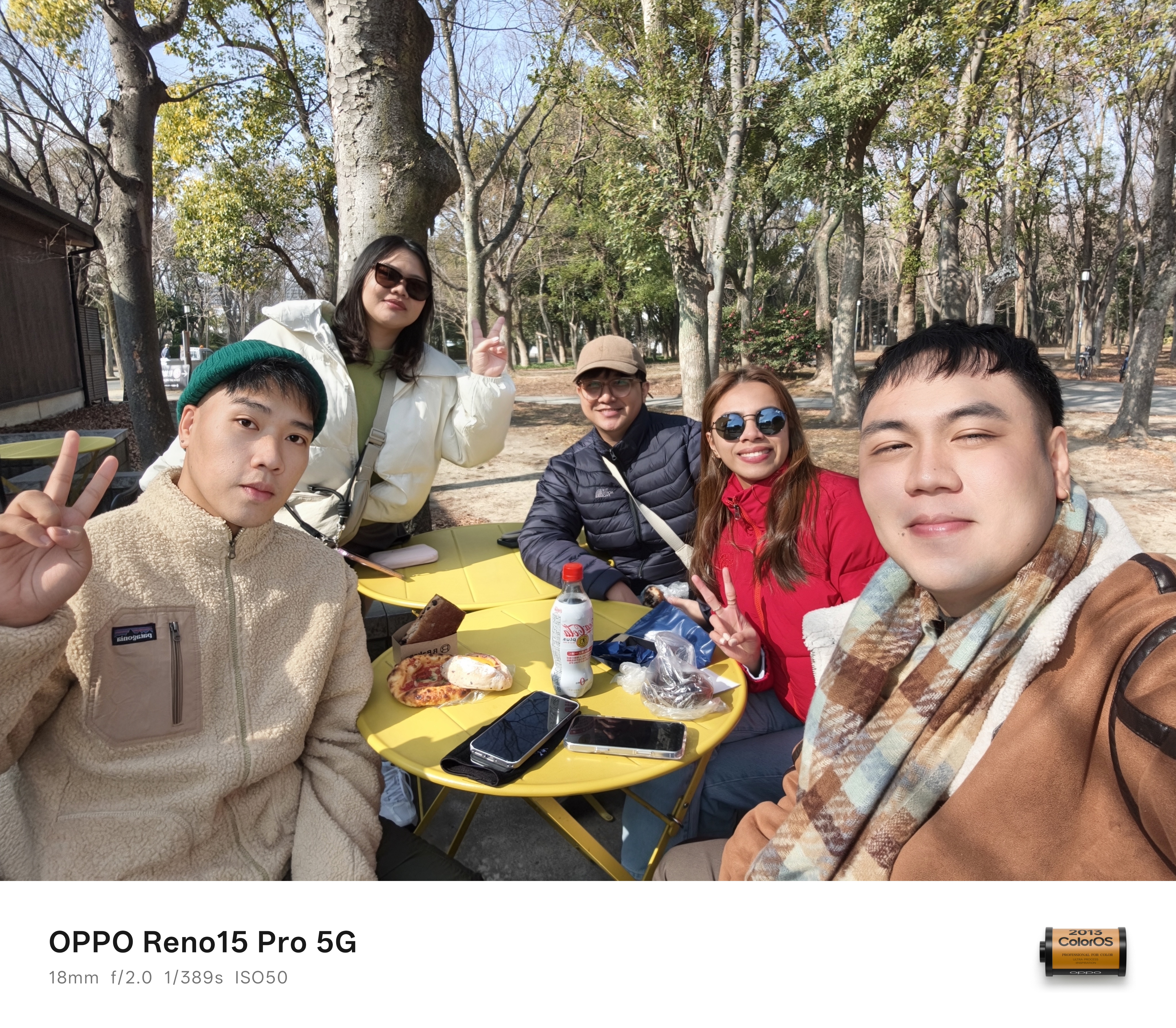
Unlike most of my international trips where I go and enjoy being solo, I went here with my long-time high school buddies.
Back in our Taipei and Hong Kong trips, I was the tour guide of the gang. This time, Osaka was a first for all of us.

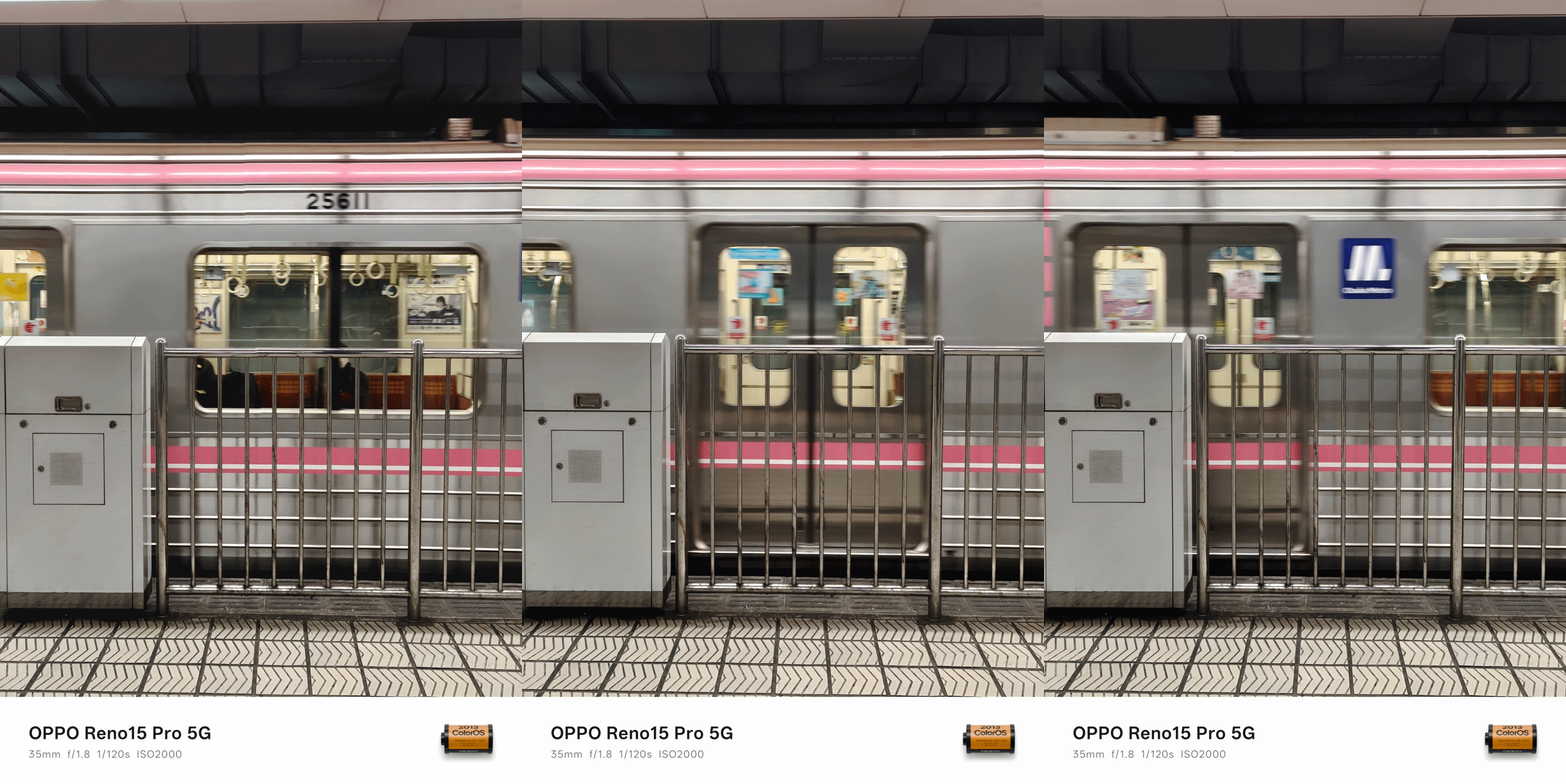
The moment we landed at KIX / Kansai International Airport (or the world’s first airport built above a man-made island), there were already struggles — even if we did our research months prior this trip.
ICYMI, Osaka has two separate train systems managed by two different companies.
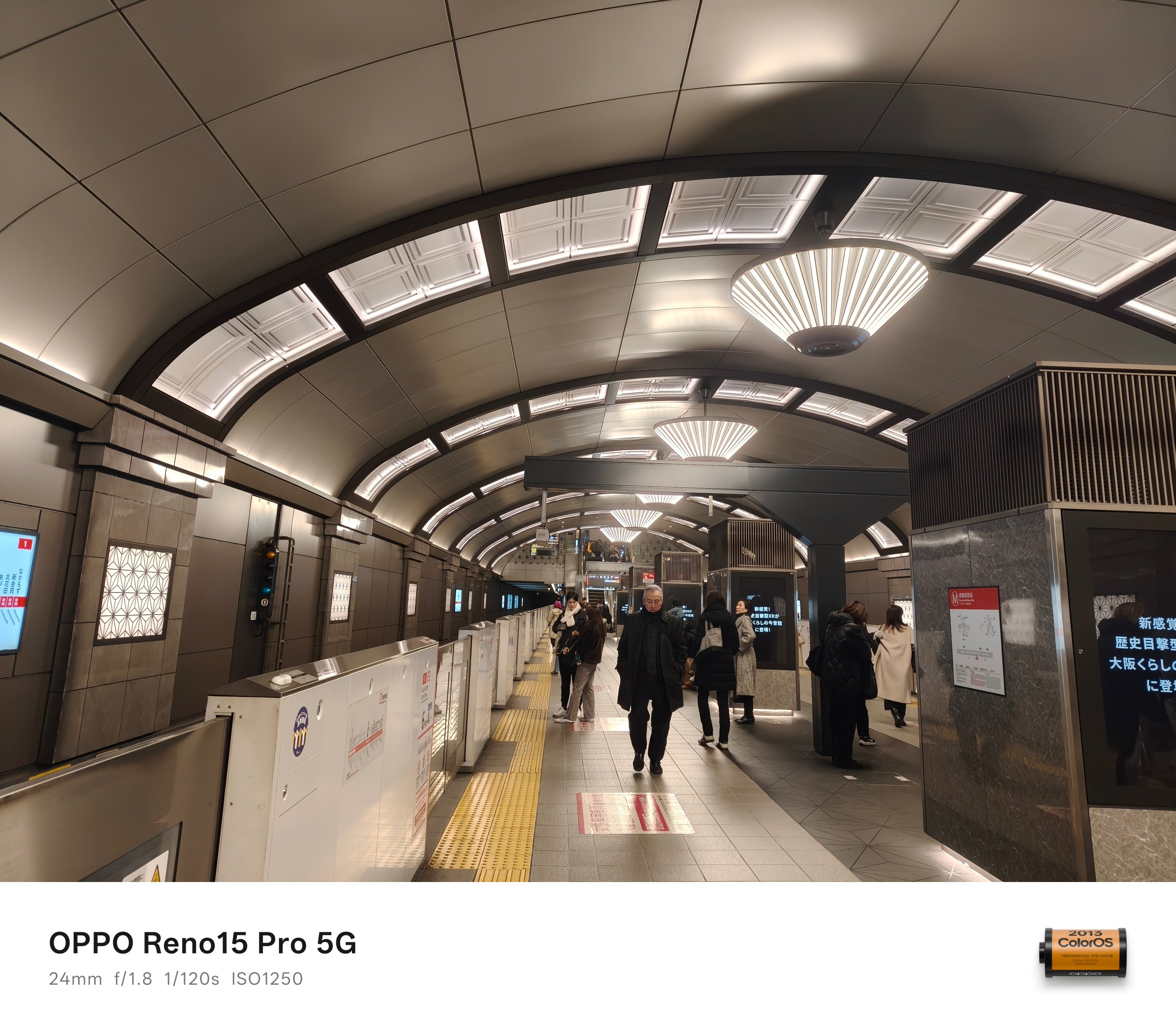
Underground relies on Osaka Metro. Ground and above is where JR-West prevails.
The former is more welcoming for tourists as the machines accept foreign credit/debit card payments. The latter only works with Japan’s smart cards: namely ICOCA and Suica.
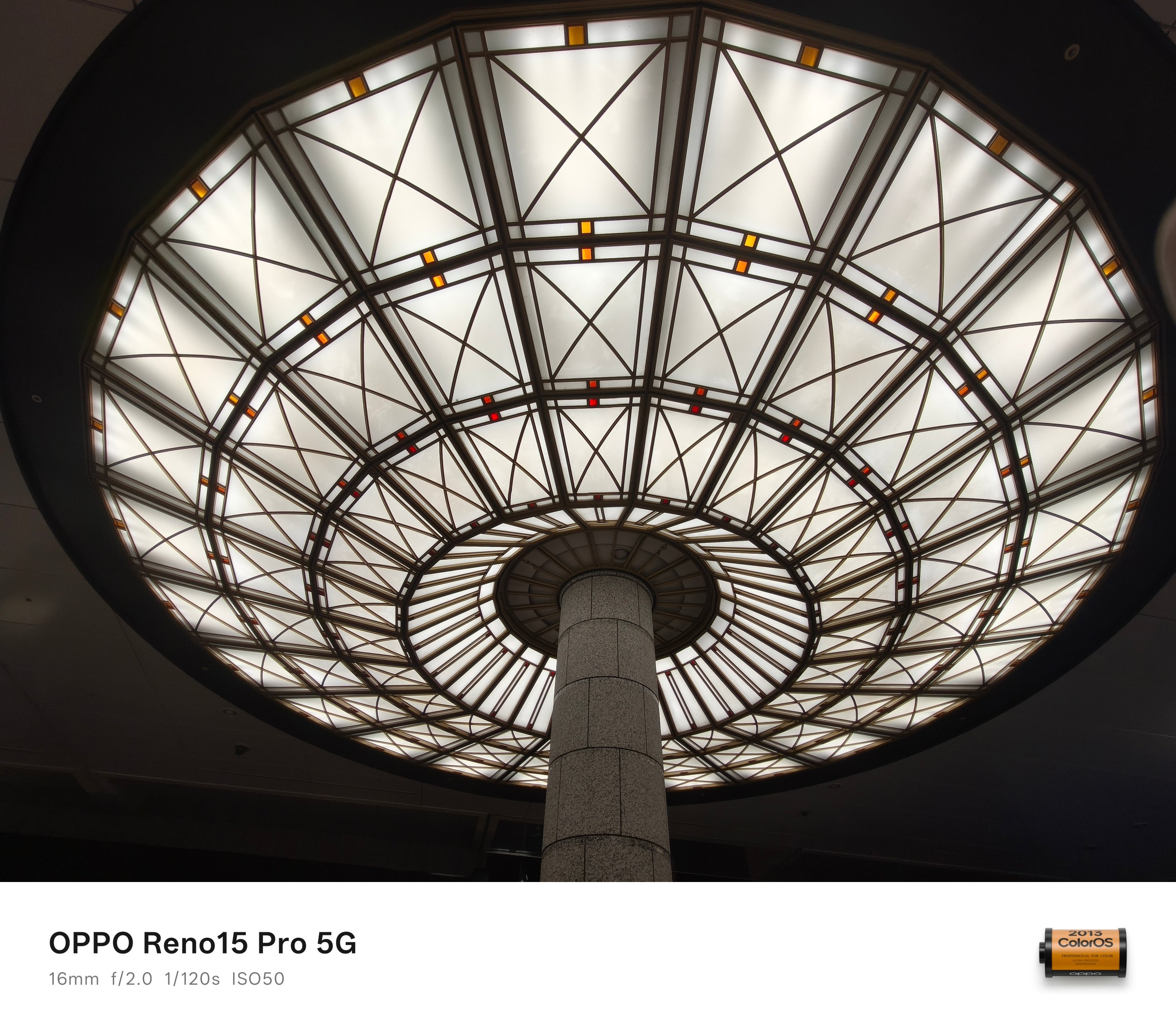
To make things more complicated, buying an ICOCA card for the first time (and reloading it) only accepts cash and coins. That’s a huge bummer for a tech-driven nation.
While the smart card dispenser wasn’t hard to find once you go out of the airport, looking for a tourist-friendly ATM machine (with minimal to no foreign fees) was.
It took us some back and forth moment just to realize it was inside the airport all along. Third floor to be very specific, not the ground floor.
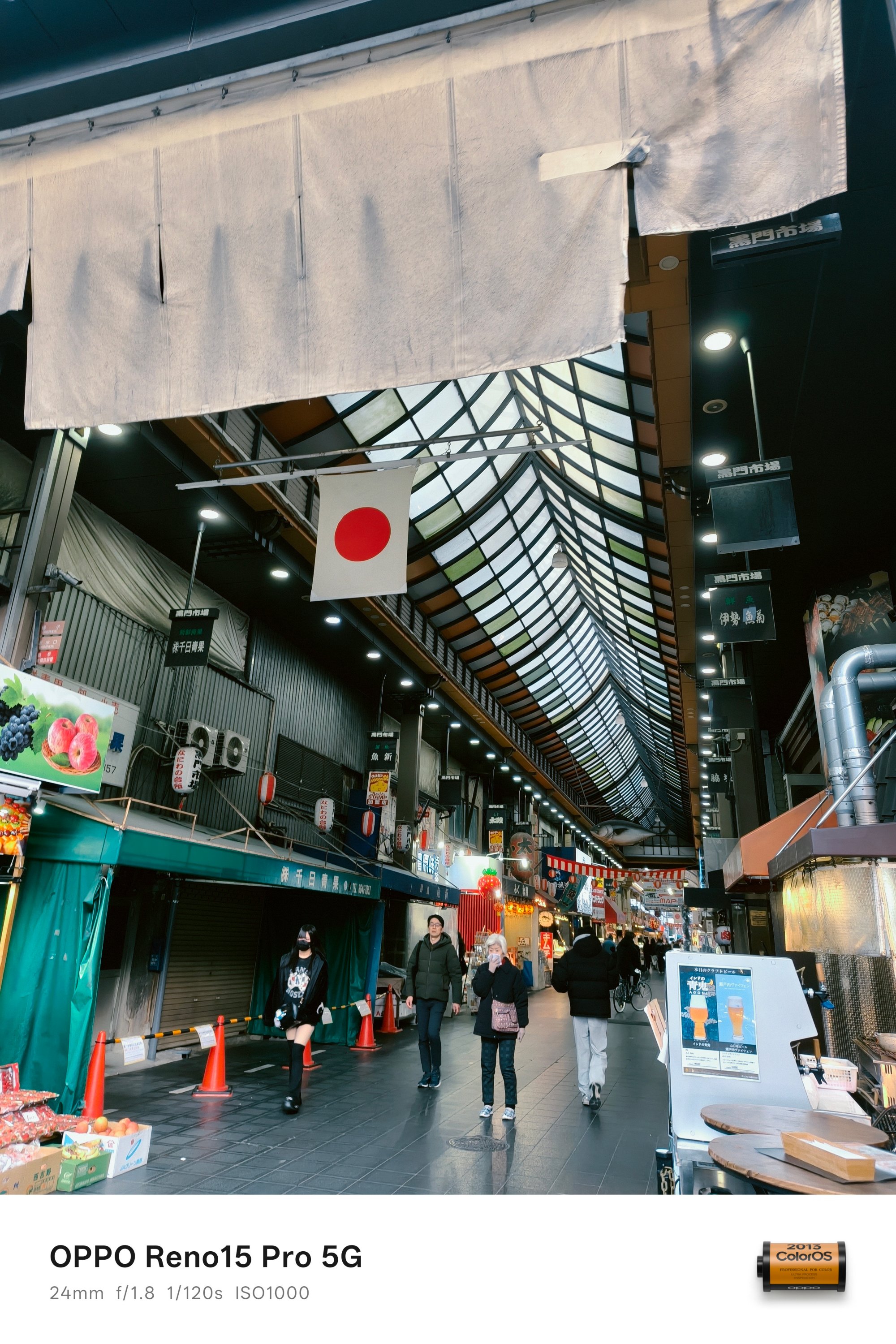
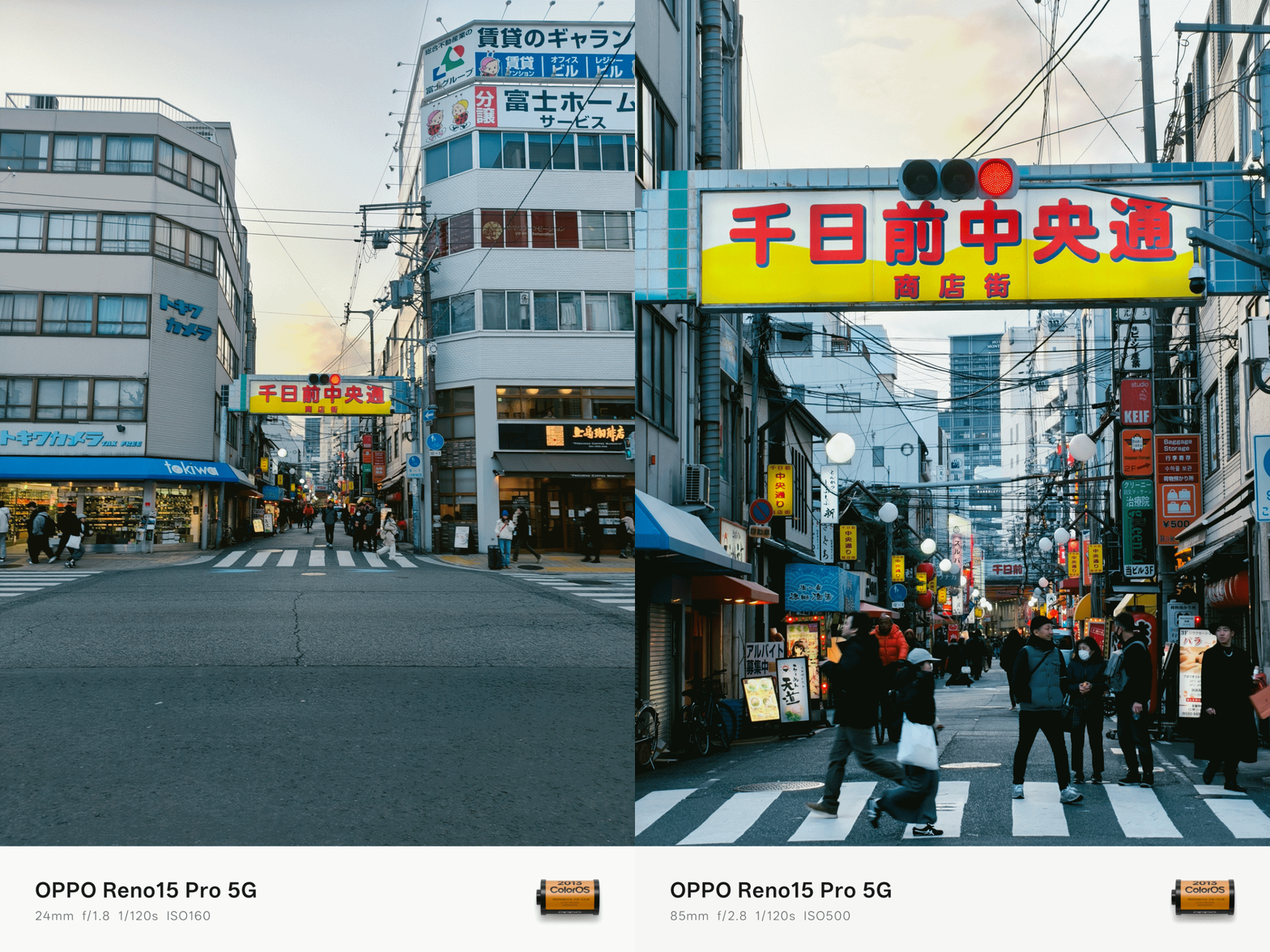
Problems don’t end once you figure out how to enter the train station. Japan has a lot of trains. Emphasis on A LOT.
Now, if you’re like my three friends who usually grasp for the right directions when roaming around with Google Maps, confusing station exits plus various train sets can still make one lost.
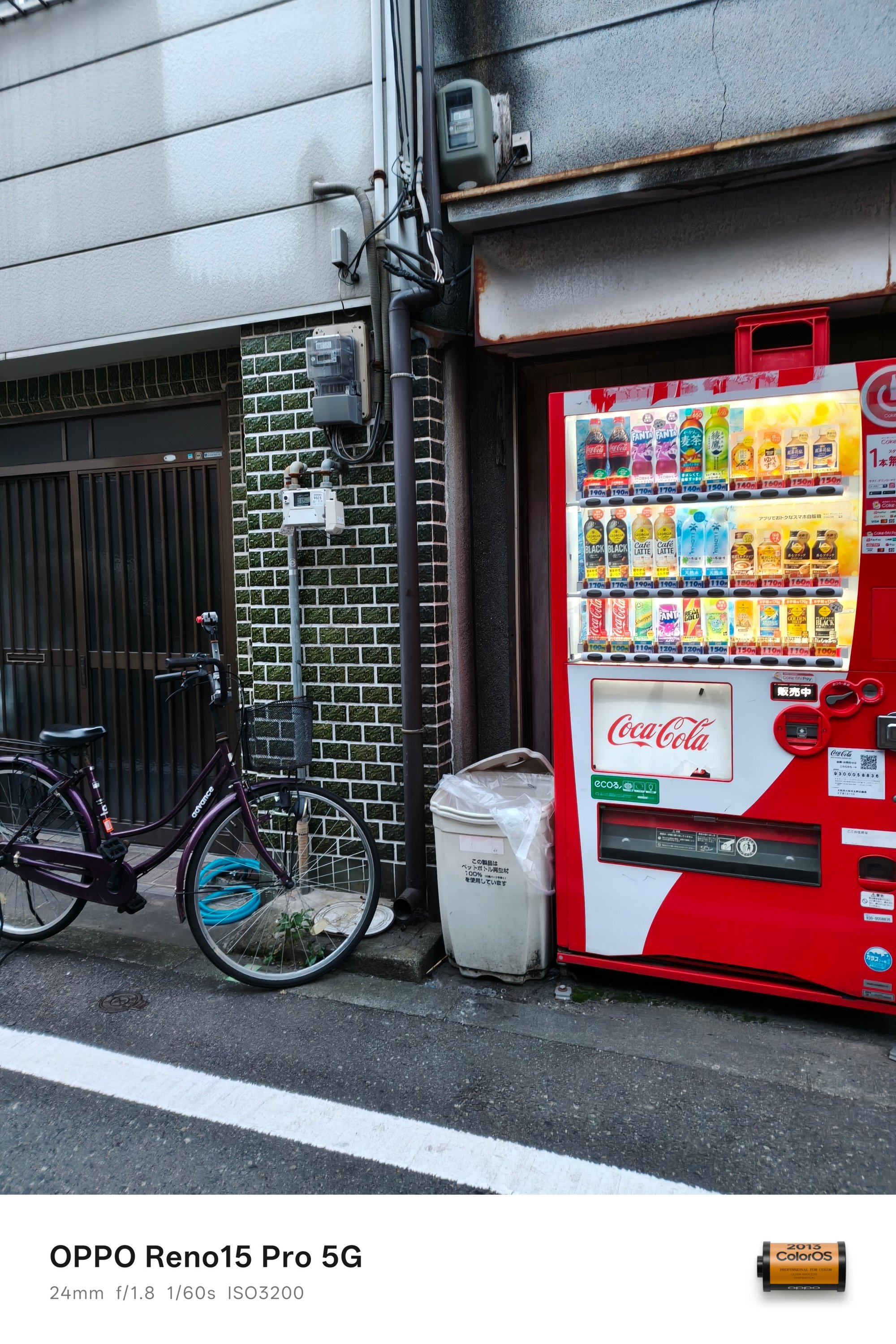
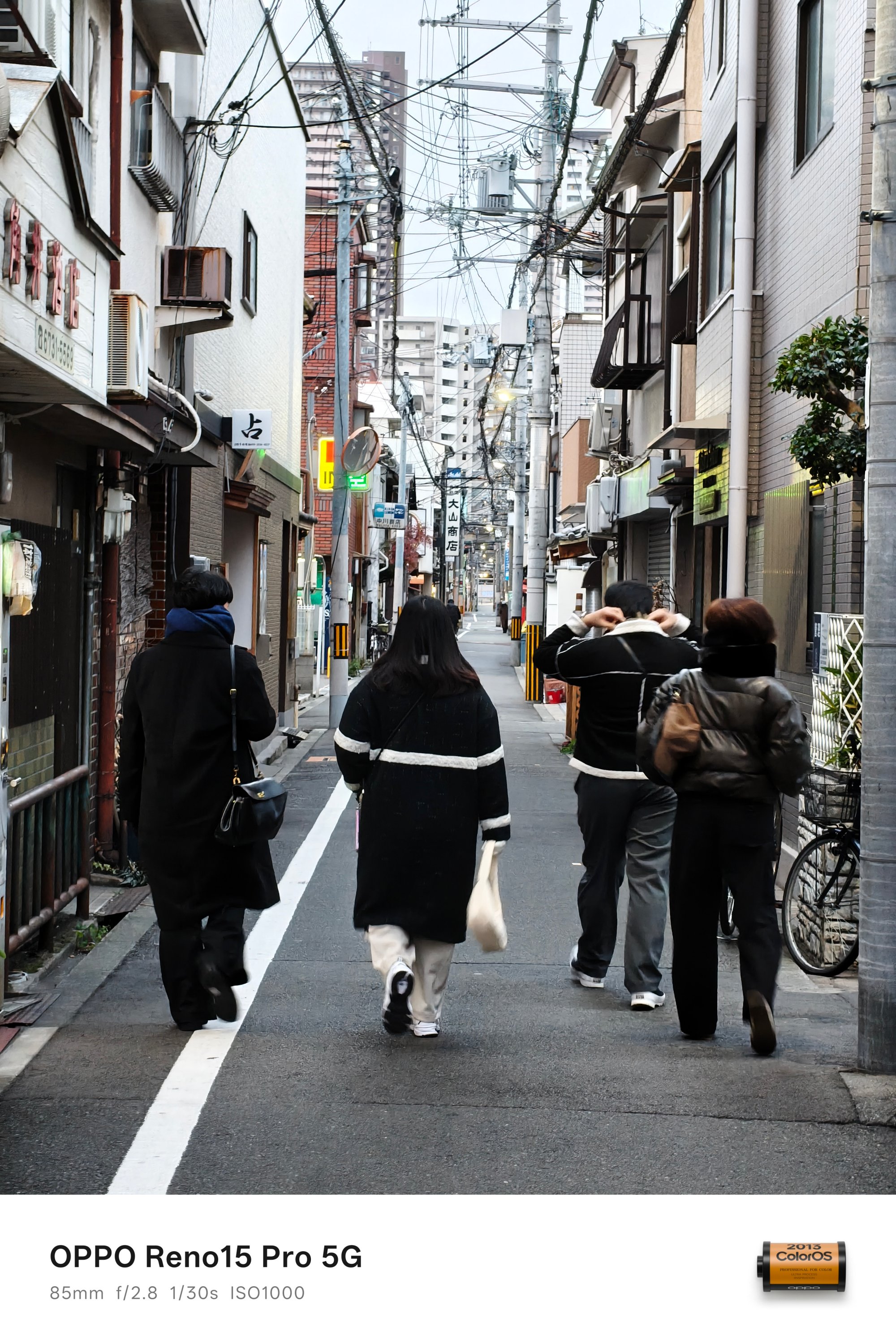
It’s just a good thing that two of us are map-proficient.
During those times when I wanted to explore parts of the city all by myself, another one could lead the circle without me sorting out how to meet them afterwards.
Exciting and exhilarating
Now back to regular programming.
For a die-hard theme park fan like yours truly, it’s mandatory to see what Universal Studios Japan (USJ) has to offer.
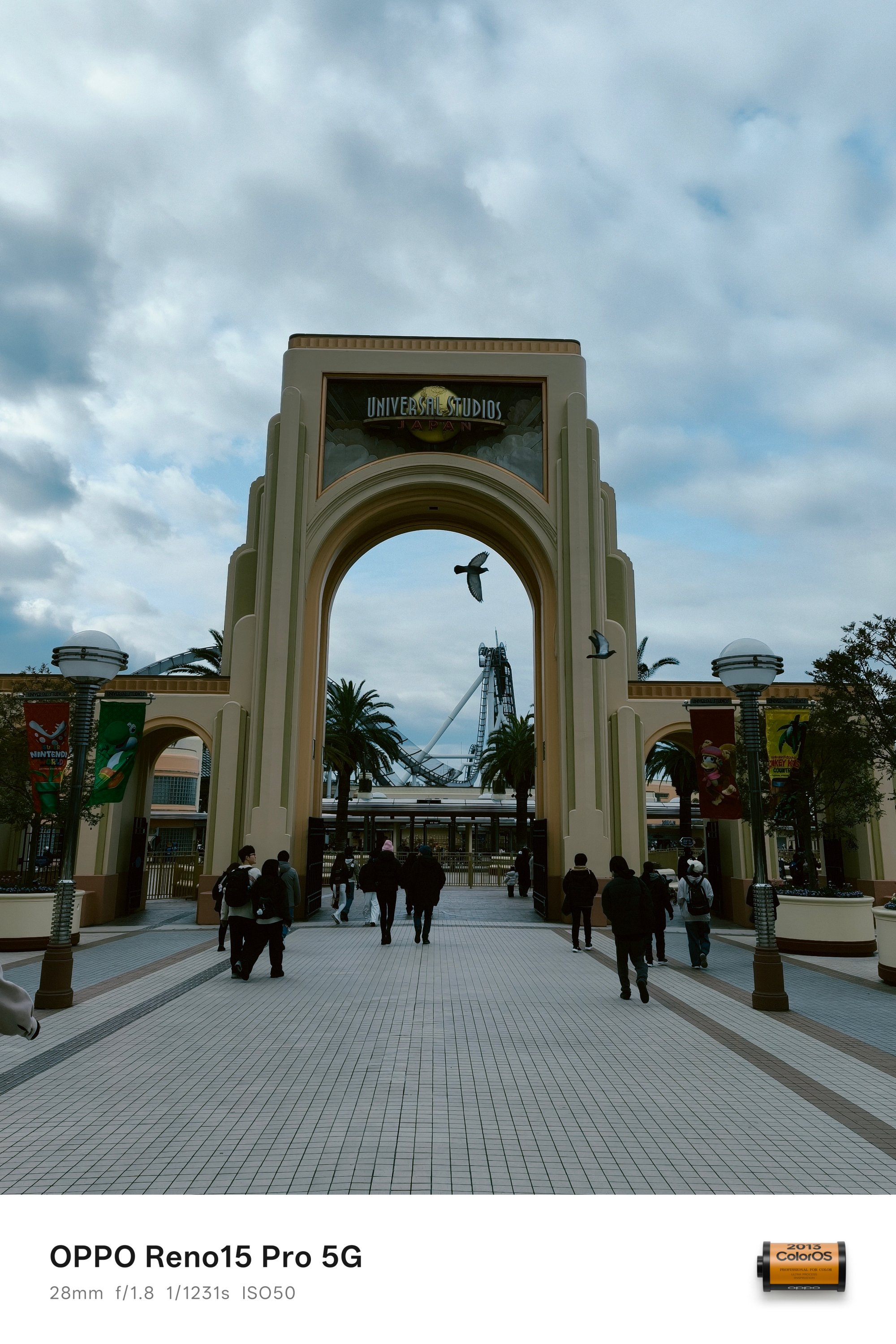
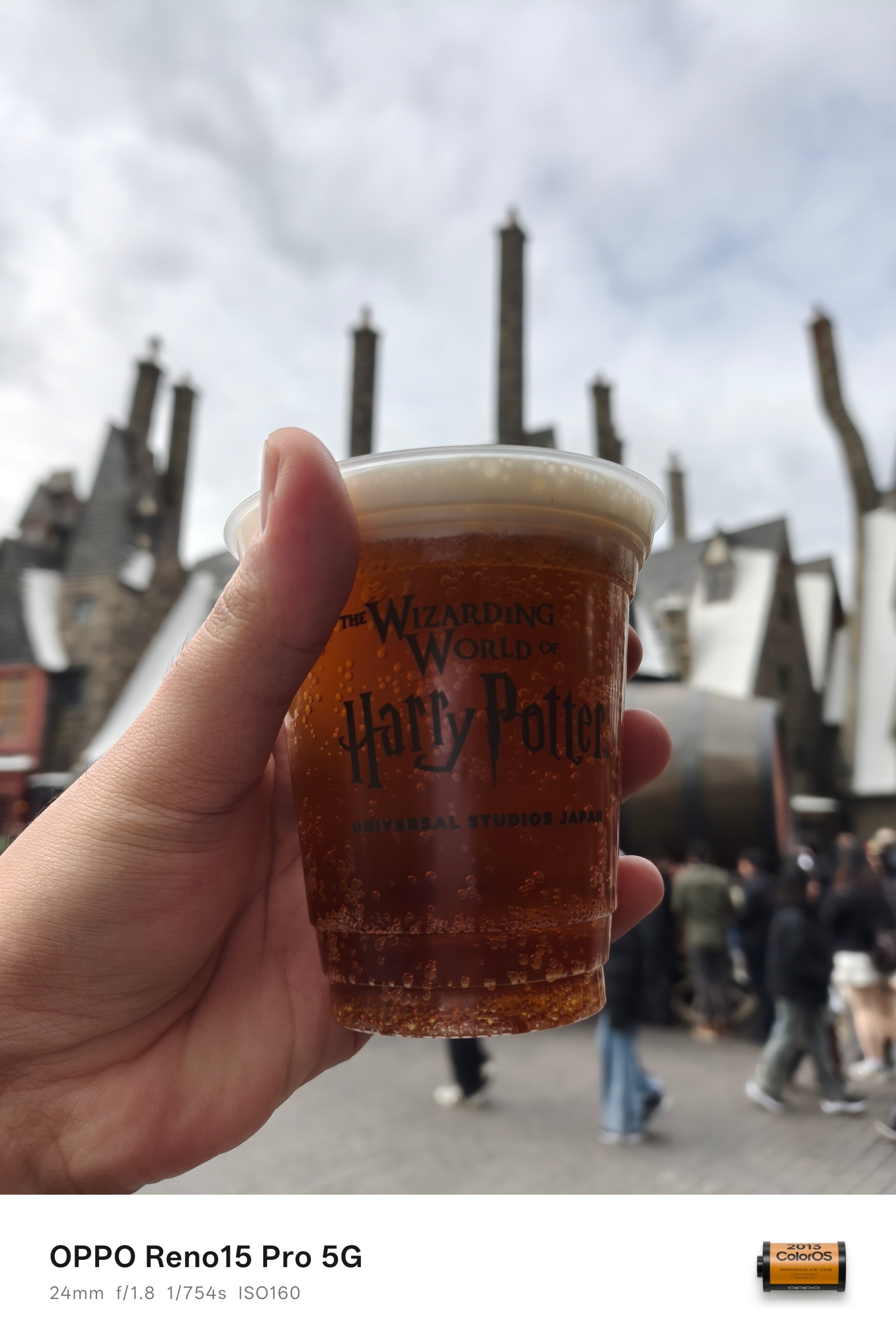
Ain’t even a Potterhead but, trying out that signature Butterbeer from Harry Potter shouldn’t be left out.
The cold 9ºC temperature never stopped me from ordering the iced version — and I prefer it over the hot ones that my friends ordered.
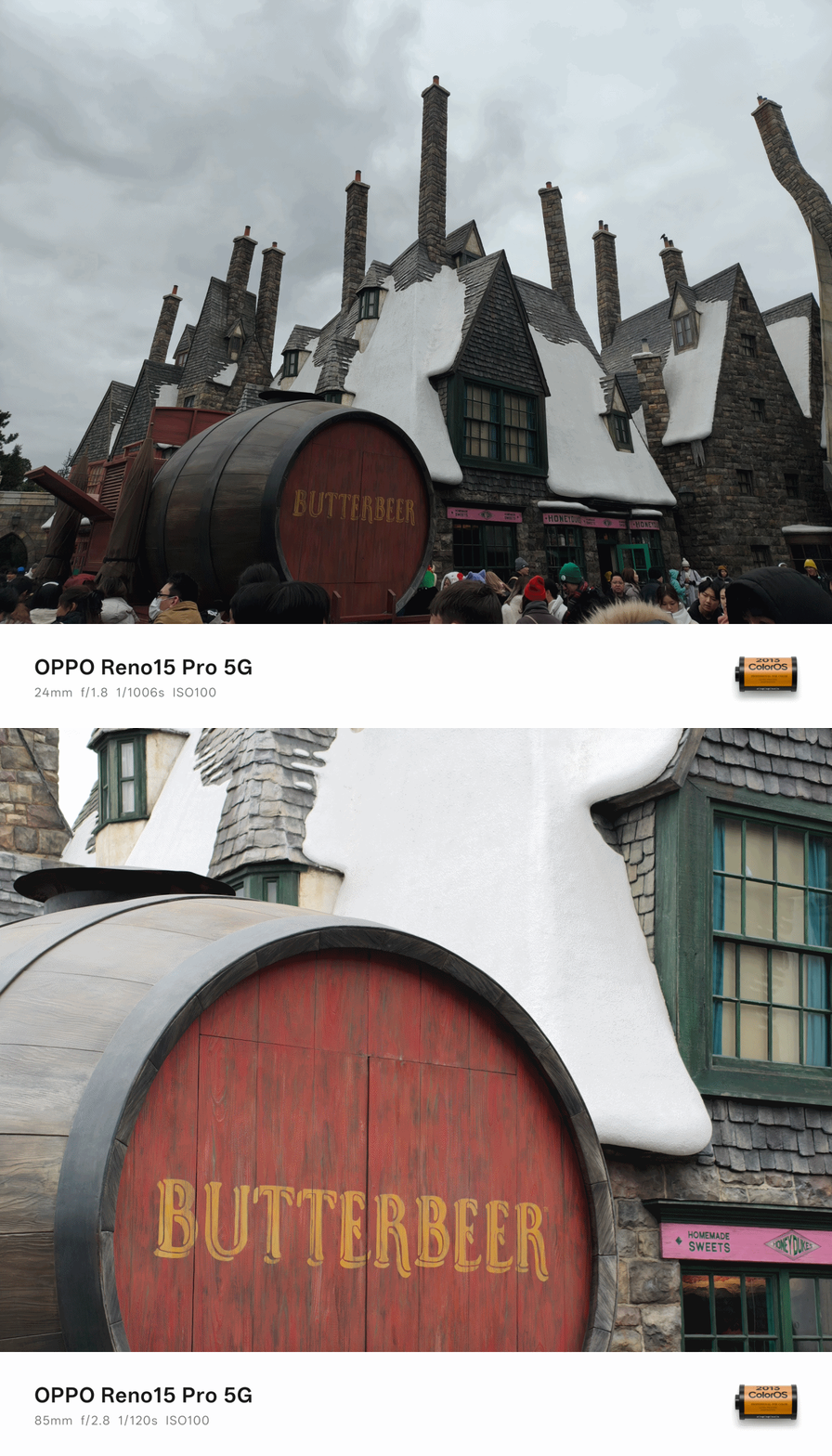
For all the Potterheads out there, it’s truly a remarkable sight to see the Hogwarts Castle. It was also a great example to justify the ultra-wide power of the OPPO Reno15 Pro.

Whether you’re a millennial, Gen Z, or a sandwiched MZ like me, these characters don’t need any introduction.
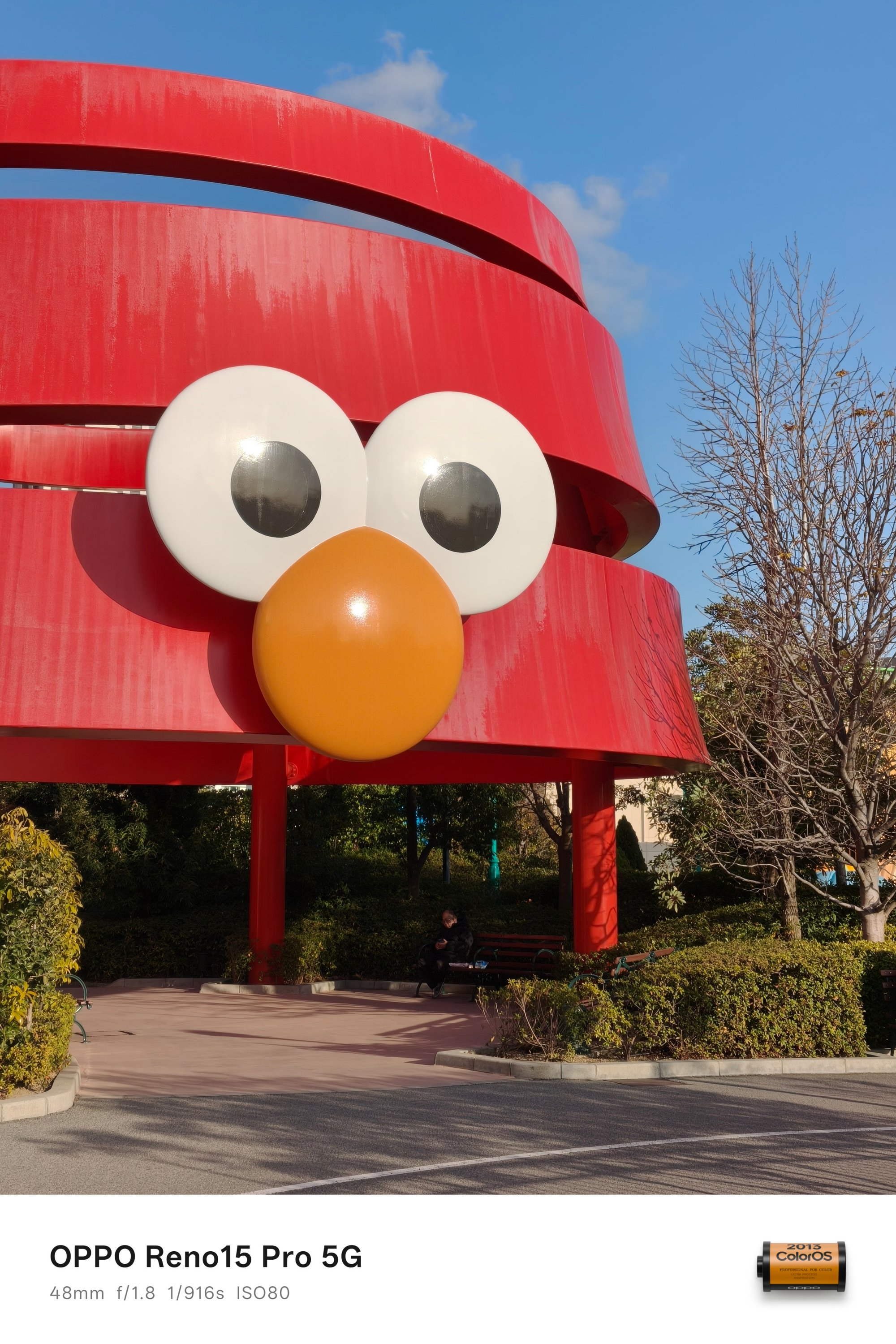


And, even though I’m born between the two aforementioned generations, I’m still glad I grew up watching Despicable Me.
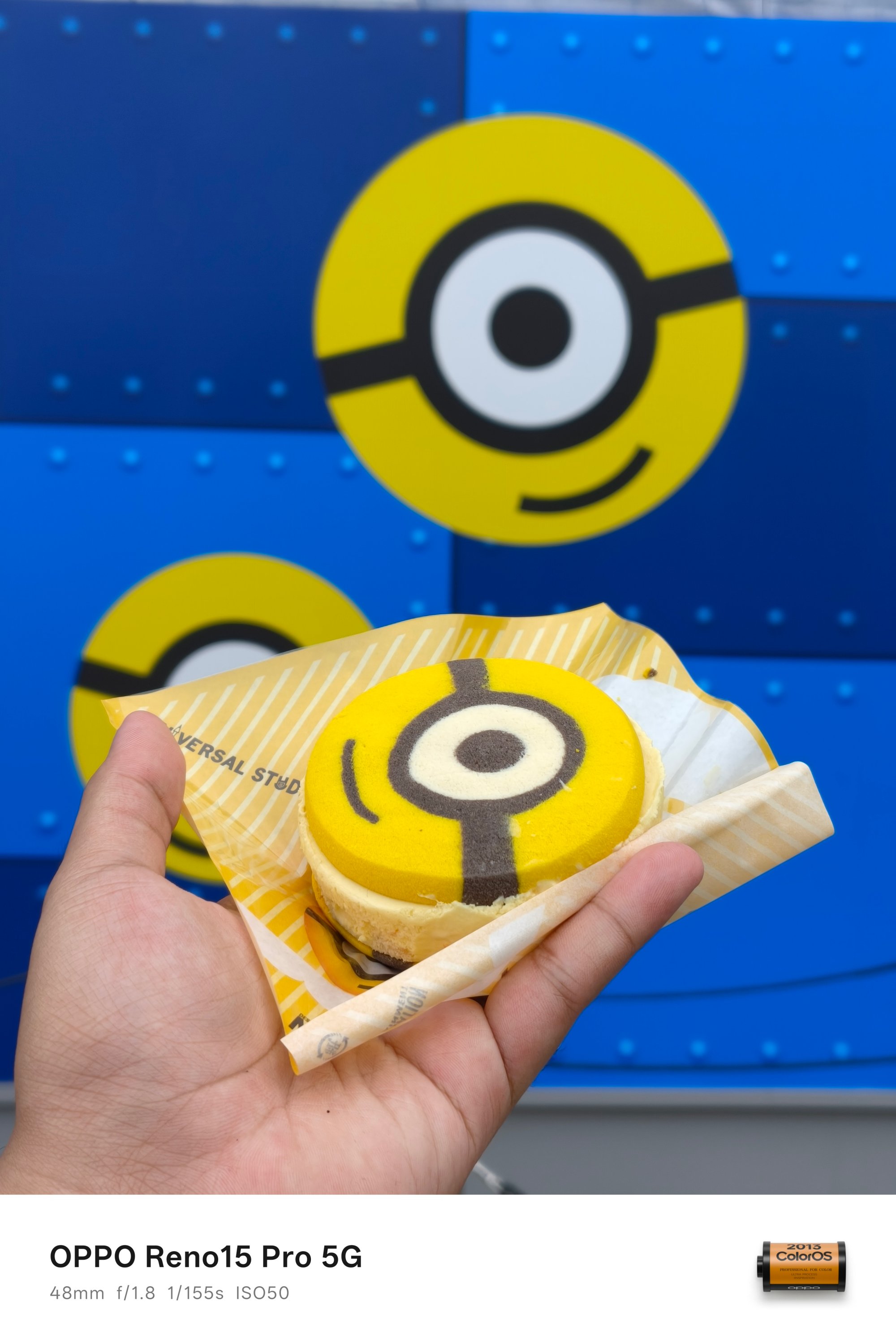
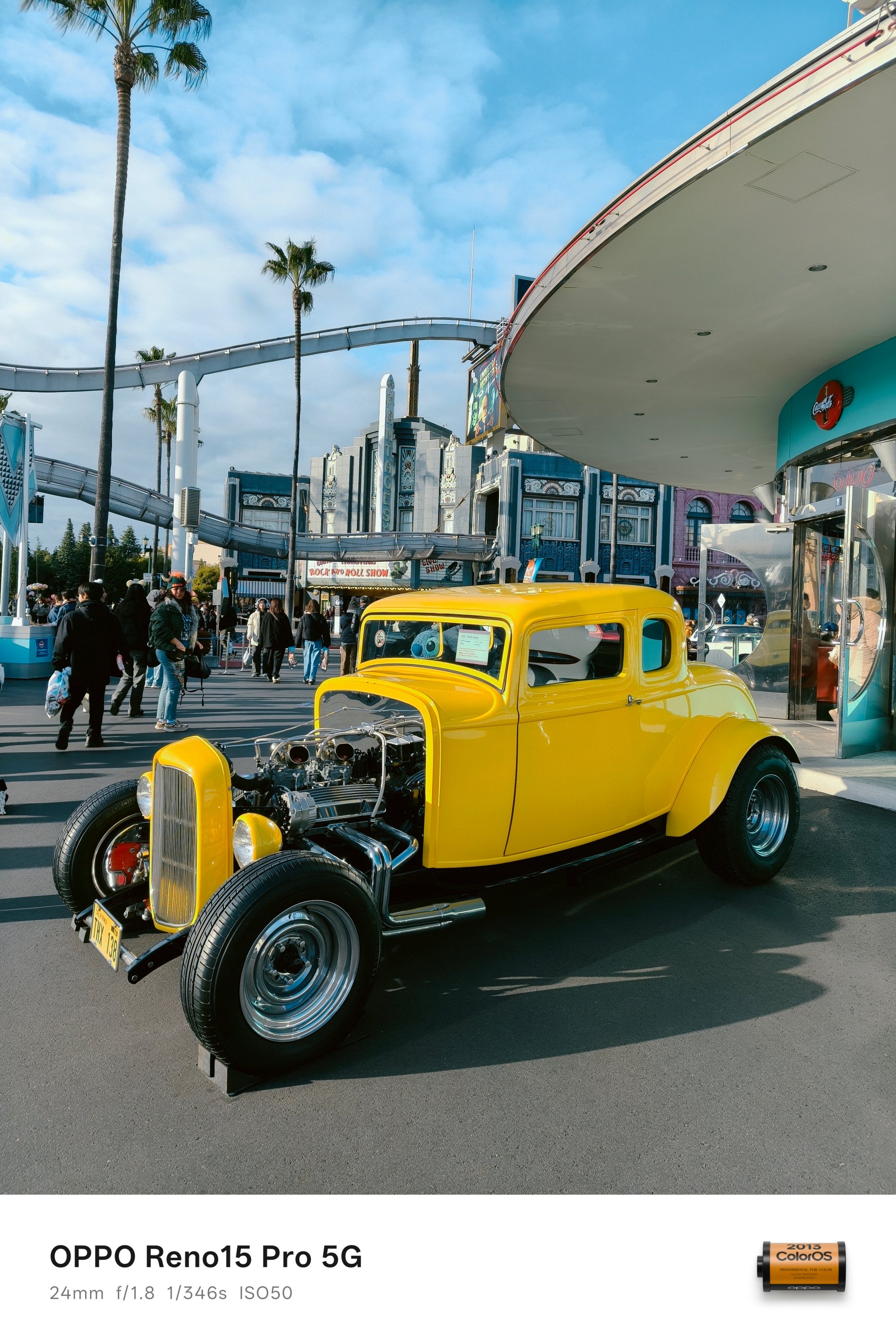
I’ve gushed over these cute Minions during my adolescence — even if it’s more relevant to Gen Alphas now.
Gen MZ yappin’ thru
As I already told a glimpse of my childhood (and puberty), I also wanted to come clean against the stereotypical millennials who made ’90s their whole personality.
Despite being part of the Gen Z, I grew up knowing diskettes, Walkmans, VHS tapes, and not-so-surprisingly, Nintendo’s Game Boy.
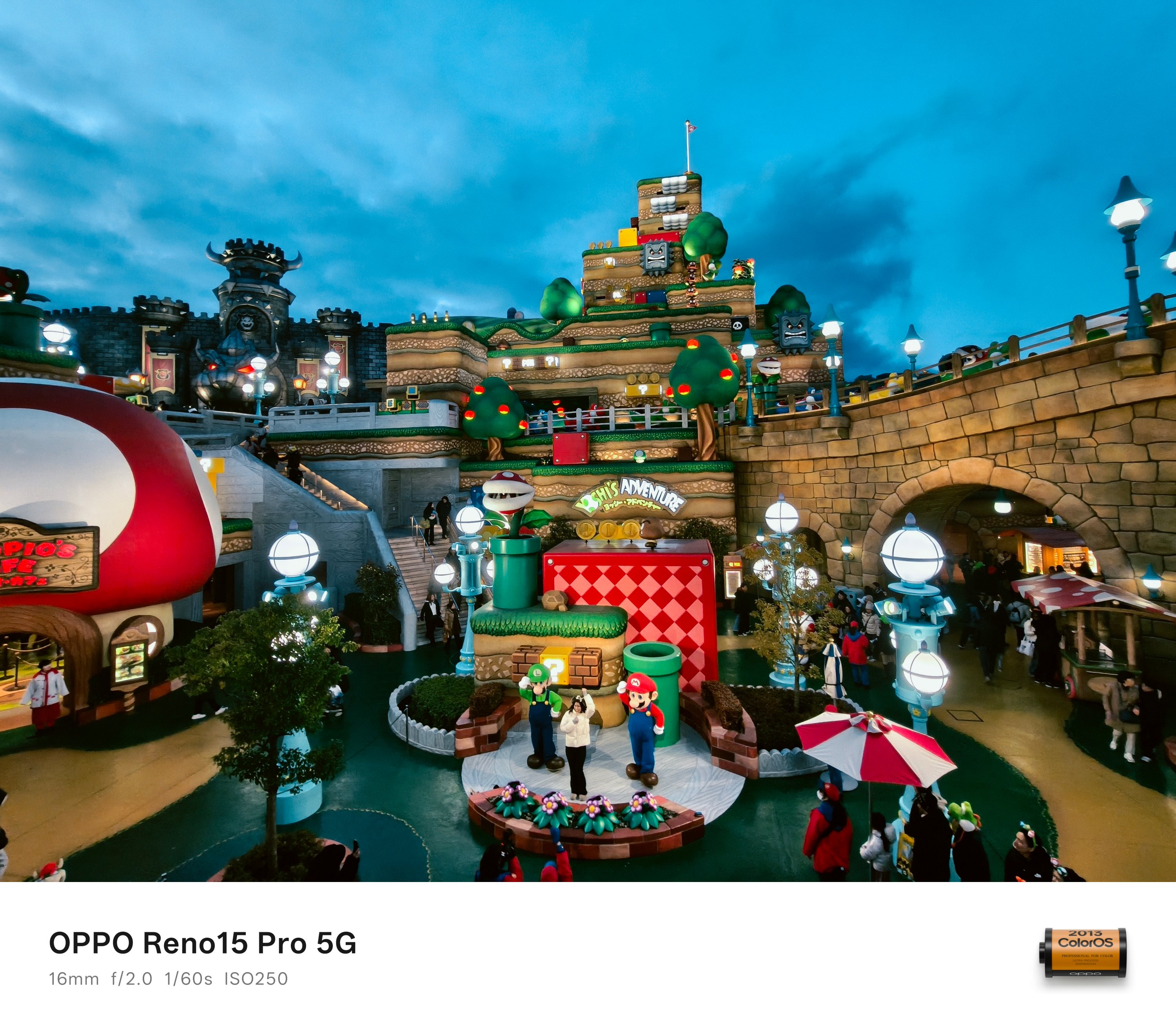
It so happened that my cousin had the first-gen console with Super Mario in it. It’s been an integral part of my childhood alongside the classic Sony PlayStation x Crash Bandicoot.
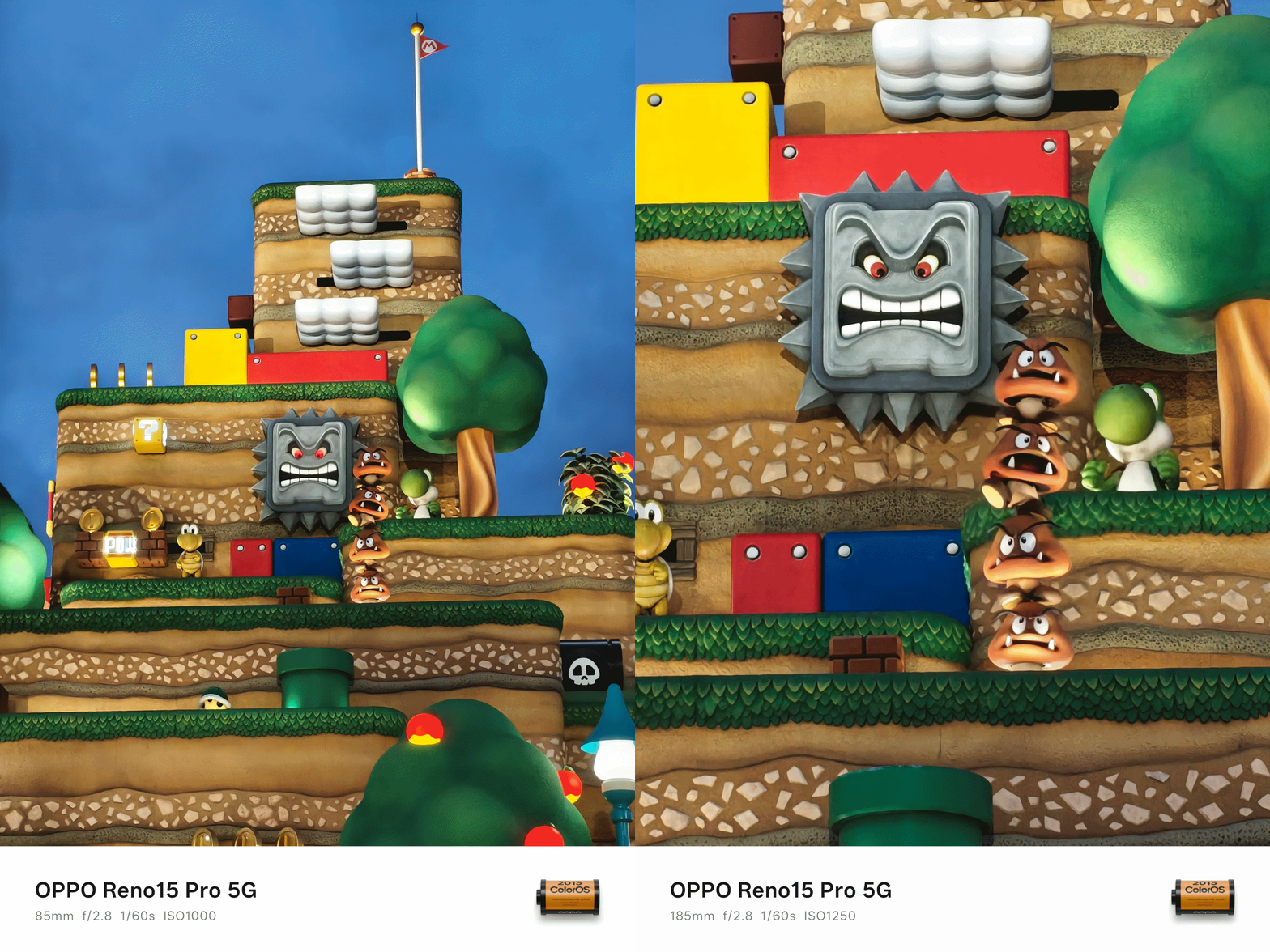
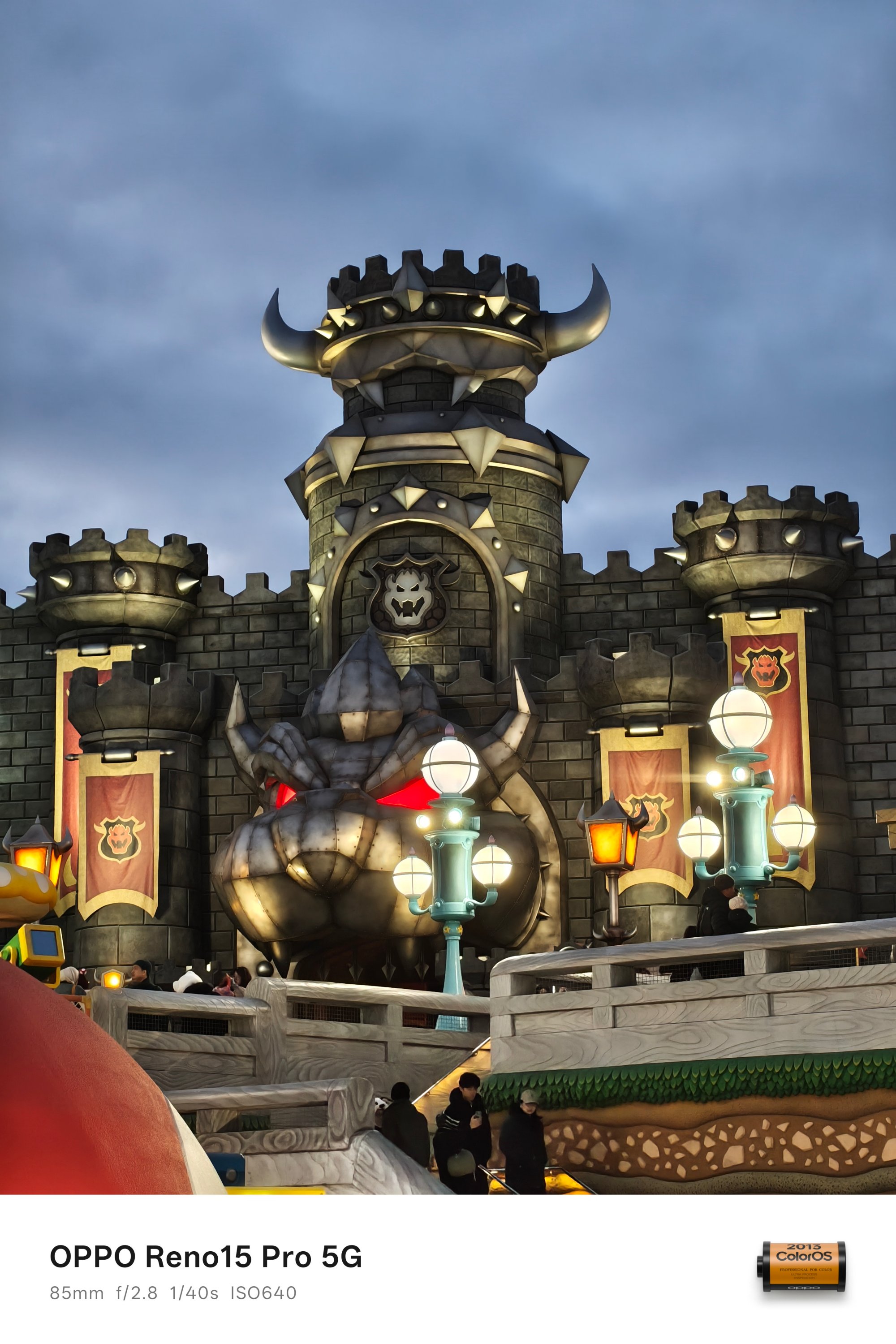
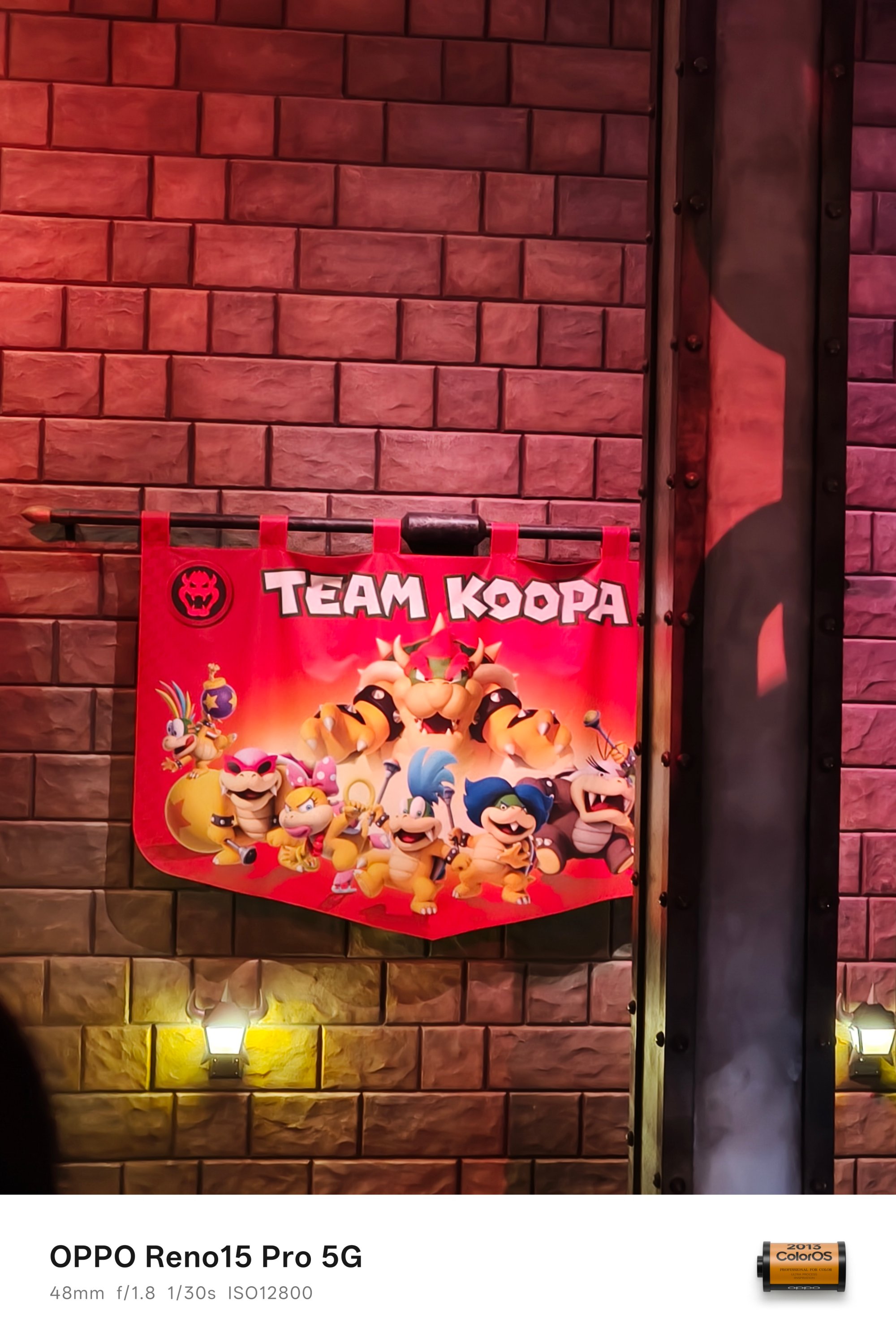
It might not show on my face but, witnessing the Super Nintendo World IRL was a huge achievement.
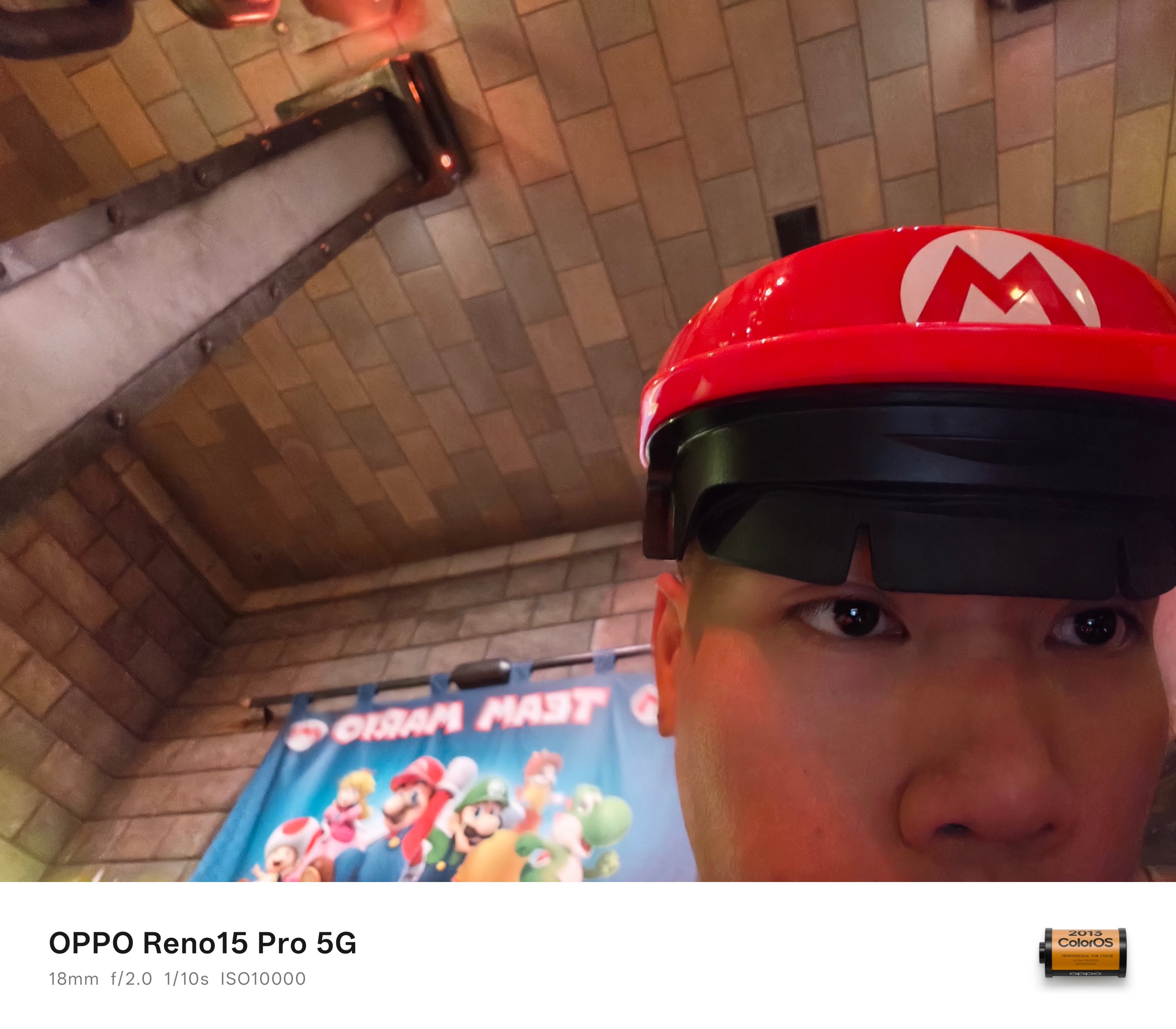 As fortunate as it was, I was able to visit without applying for a special pass. It even looked like I was in the actual video game when I entered the area even after the sun has already set.
Love at First Night
Osaka during the winter day was already a breath of fresh air. How much more during the night?
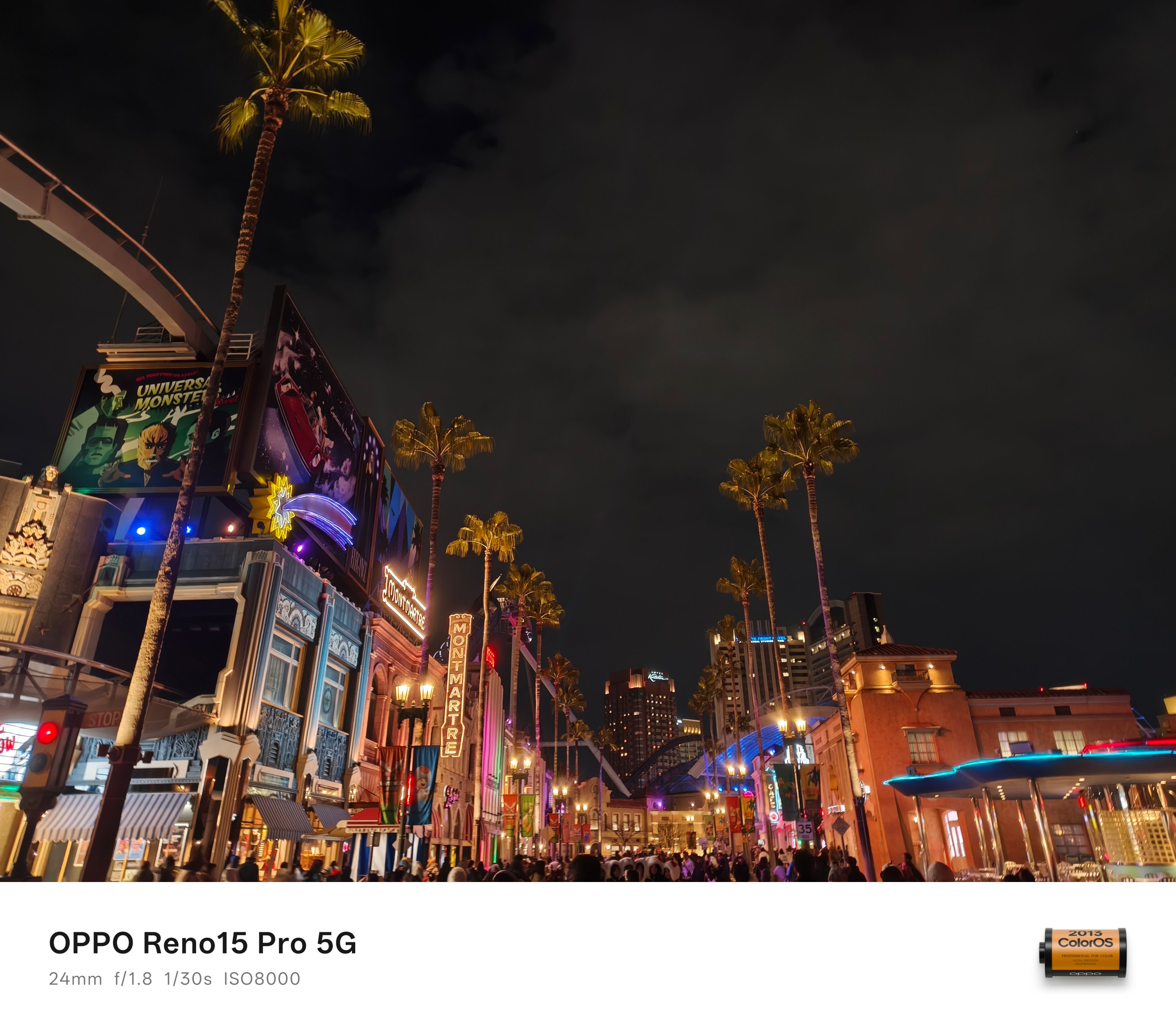
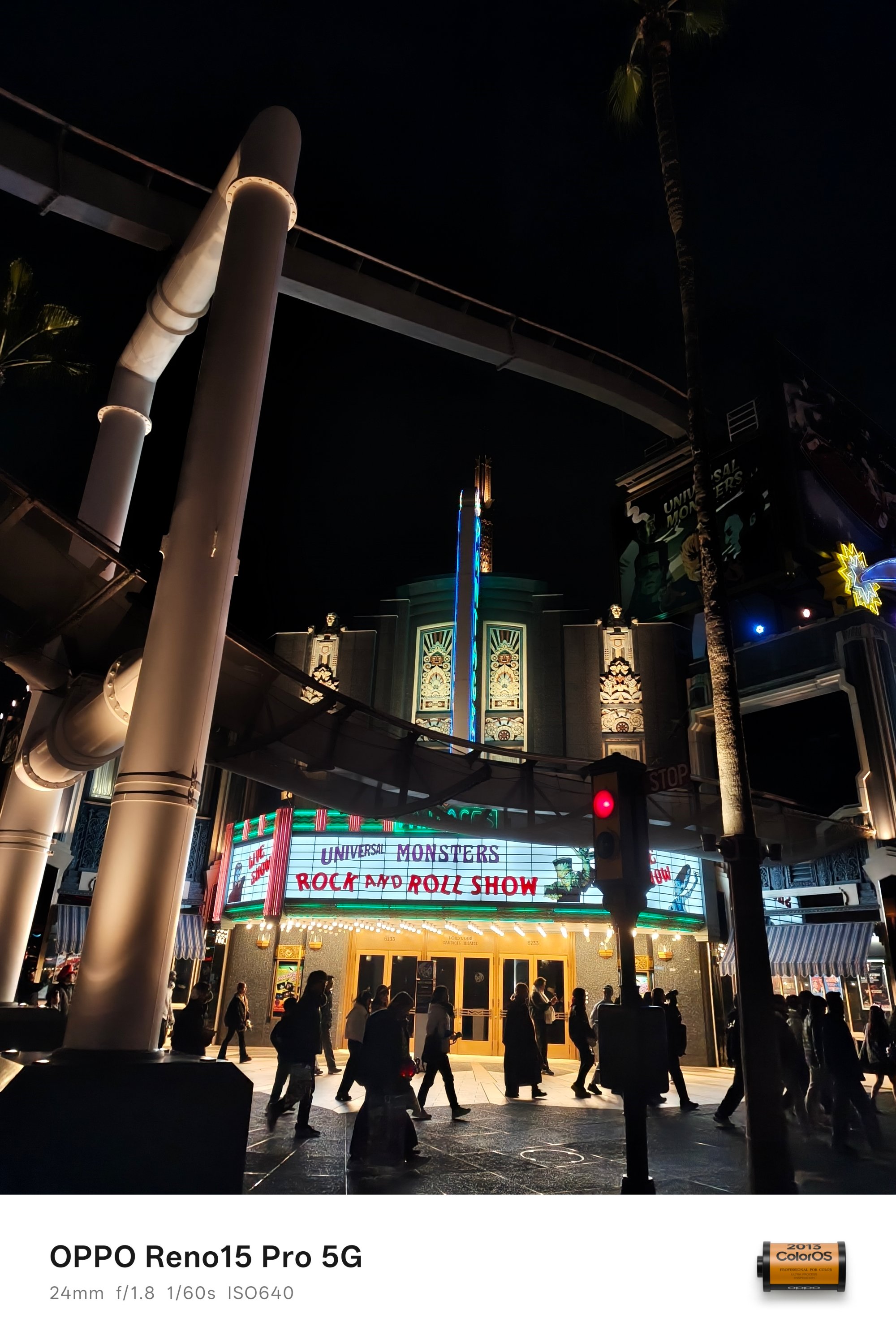

Nostalgia aside, the theme park doesn’t only revolve in the mentioned characters above as there’s so much more to see.
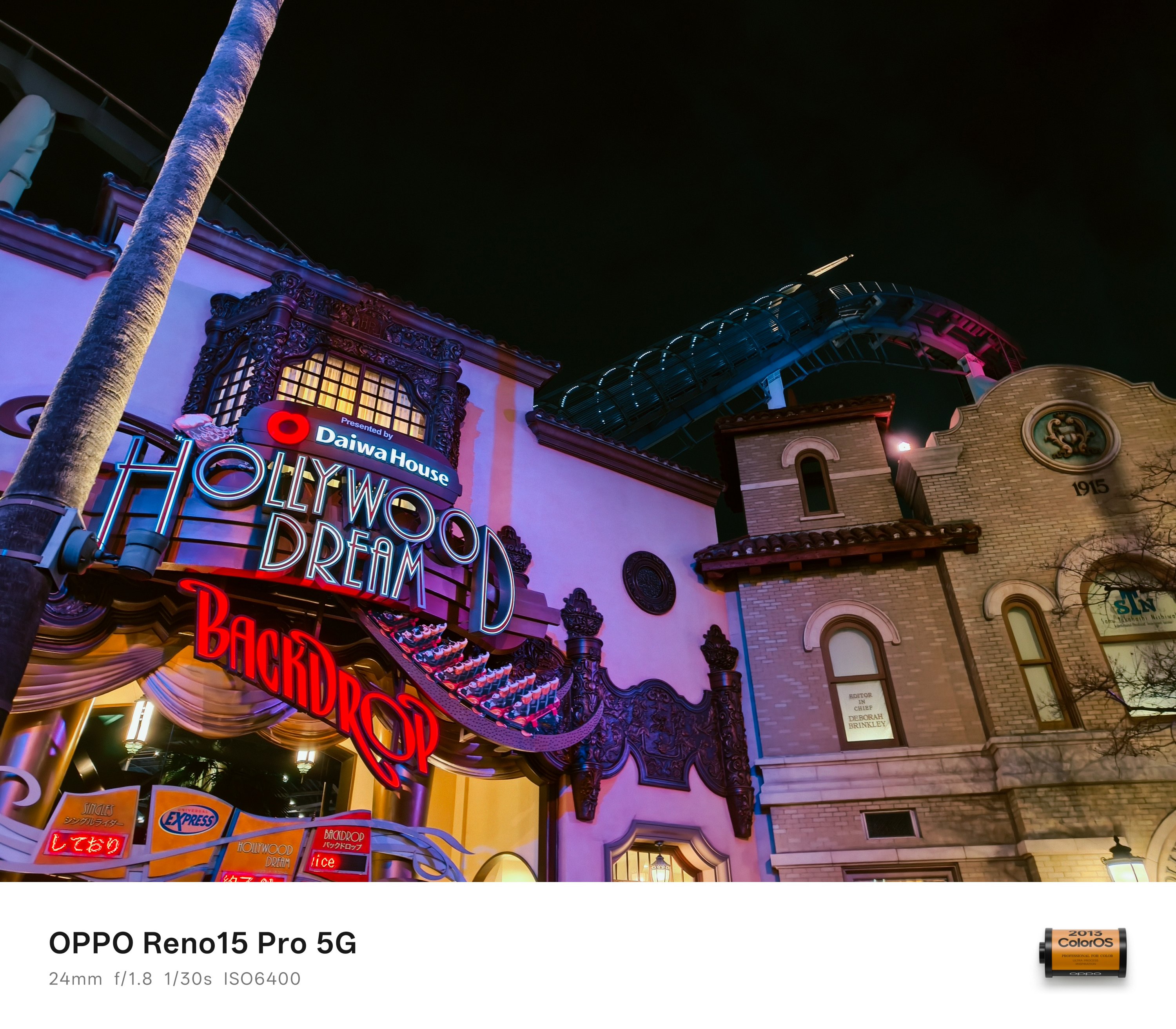
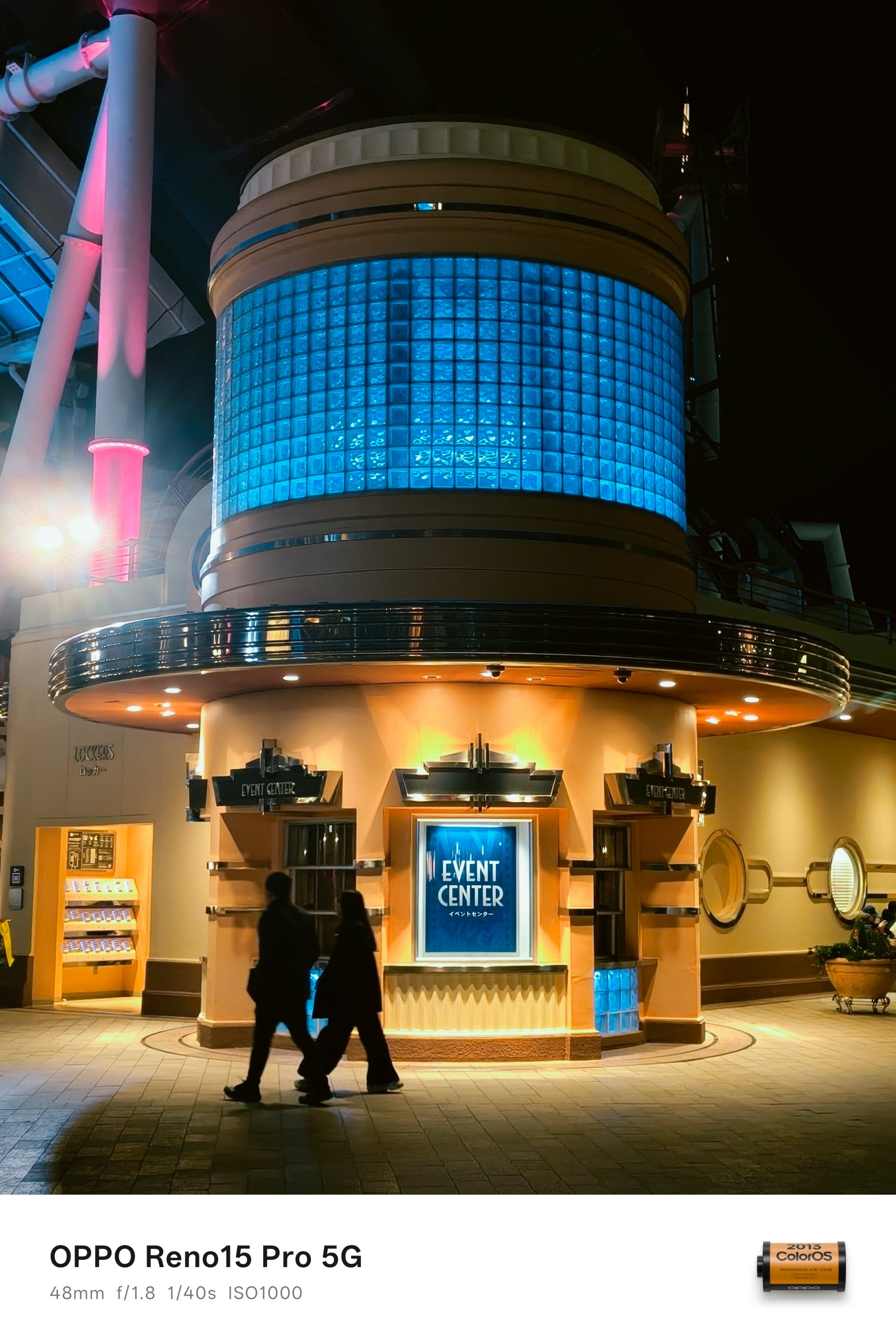
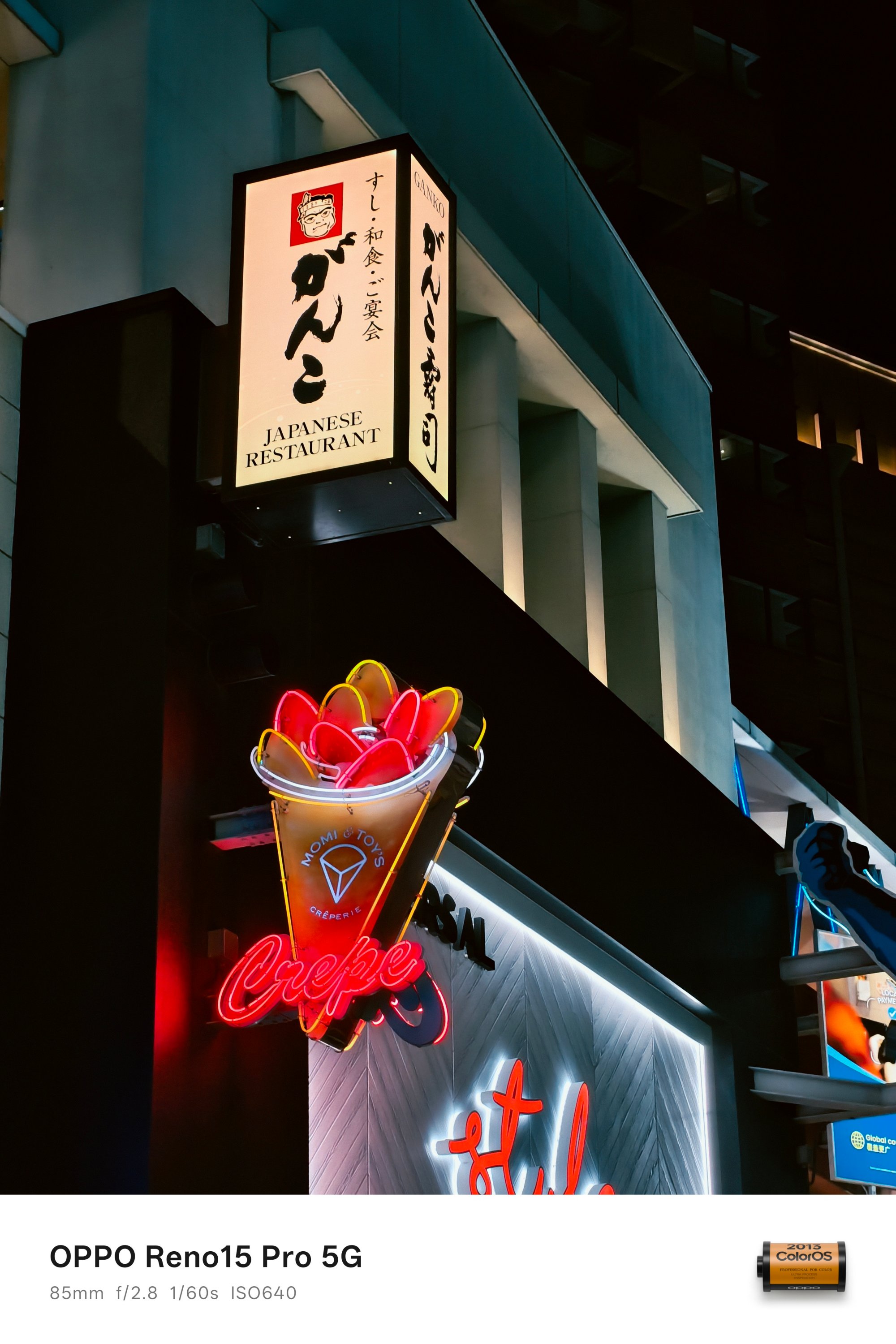

I want to end my USJ photo dump with Jurassic Park’s The Flying Dinosaur — a.k.a the best rollercoaster ride I’ve ridden so far.
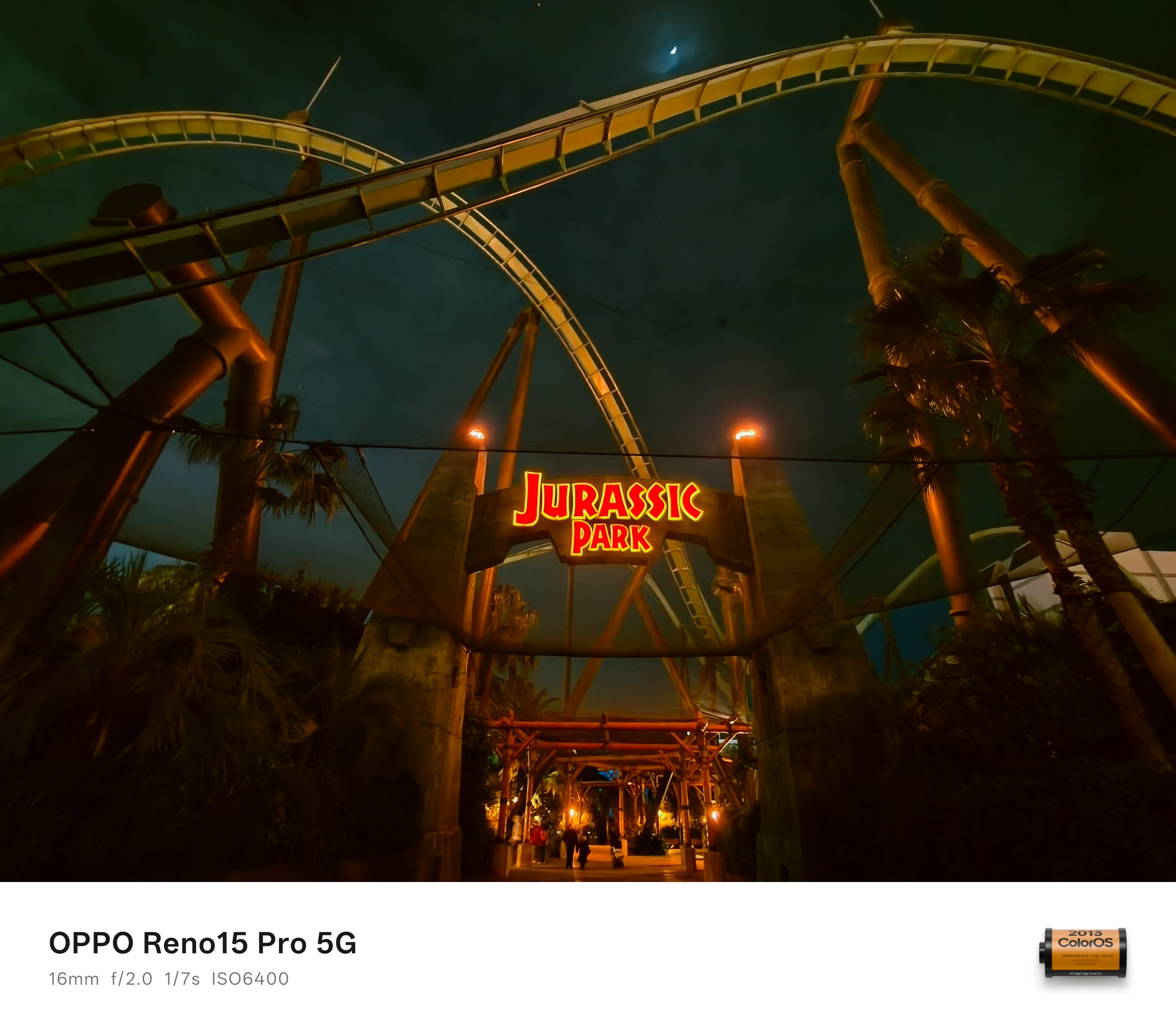
The only proof I can provide as phones were not allowed the moment you queue up to the stairs 😭
That’s in comparison to Universal Studio Singapore’s Battlestar Galactica: Cylon, Everland Korea’s T Express, and Shanghai Disneyland’s TRON Lightcycle Power Run — which I all fully enjoyed riding for more than thrice.
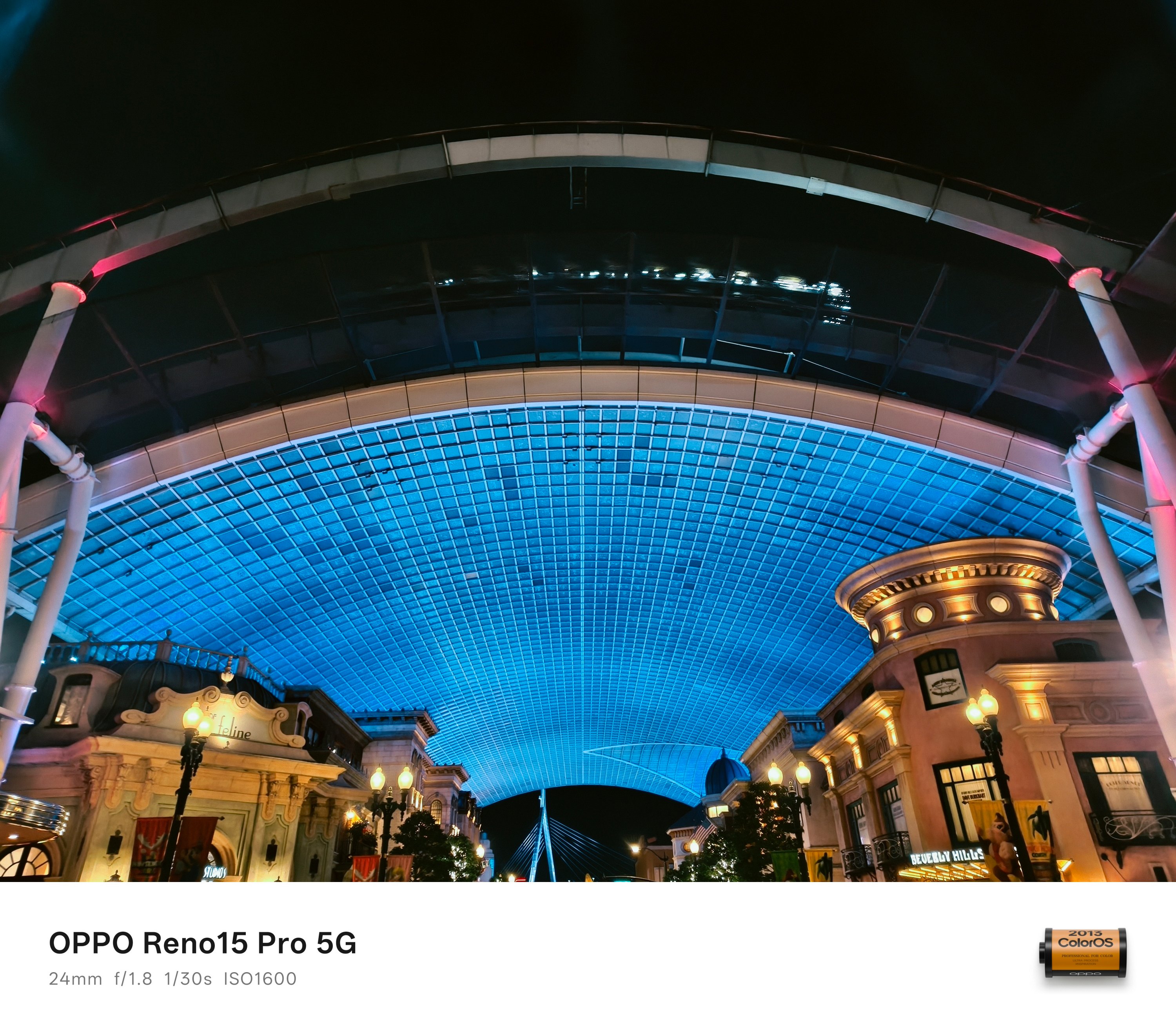
A segment of the ride can actually be seen the moment you enter (and exit) the theme park.
Now, to cap off this portion, there are two more highlights that truly show off Osaka’s night life.
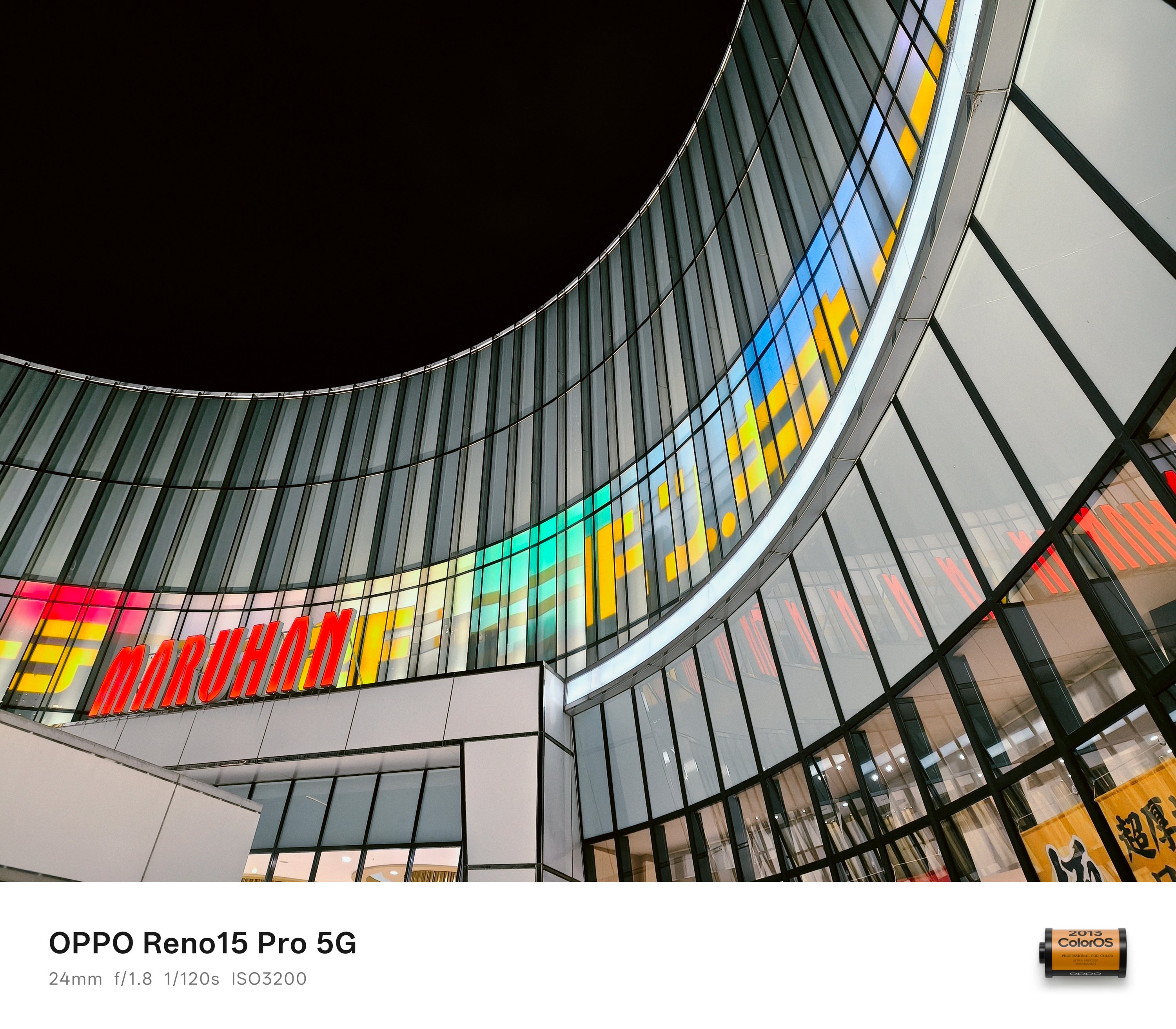
Other than the Dotonbori area, Shinsekai (新世界) is gleaming. It was inspired by Paris and Coney Island to make Osaka a “New World” in 1912.
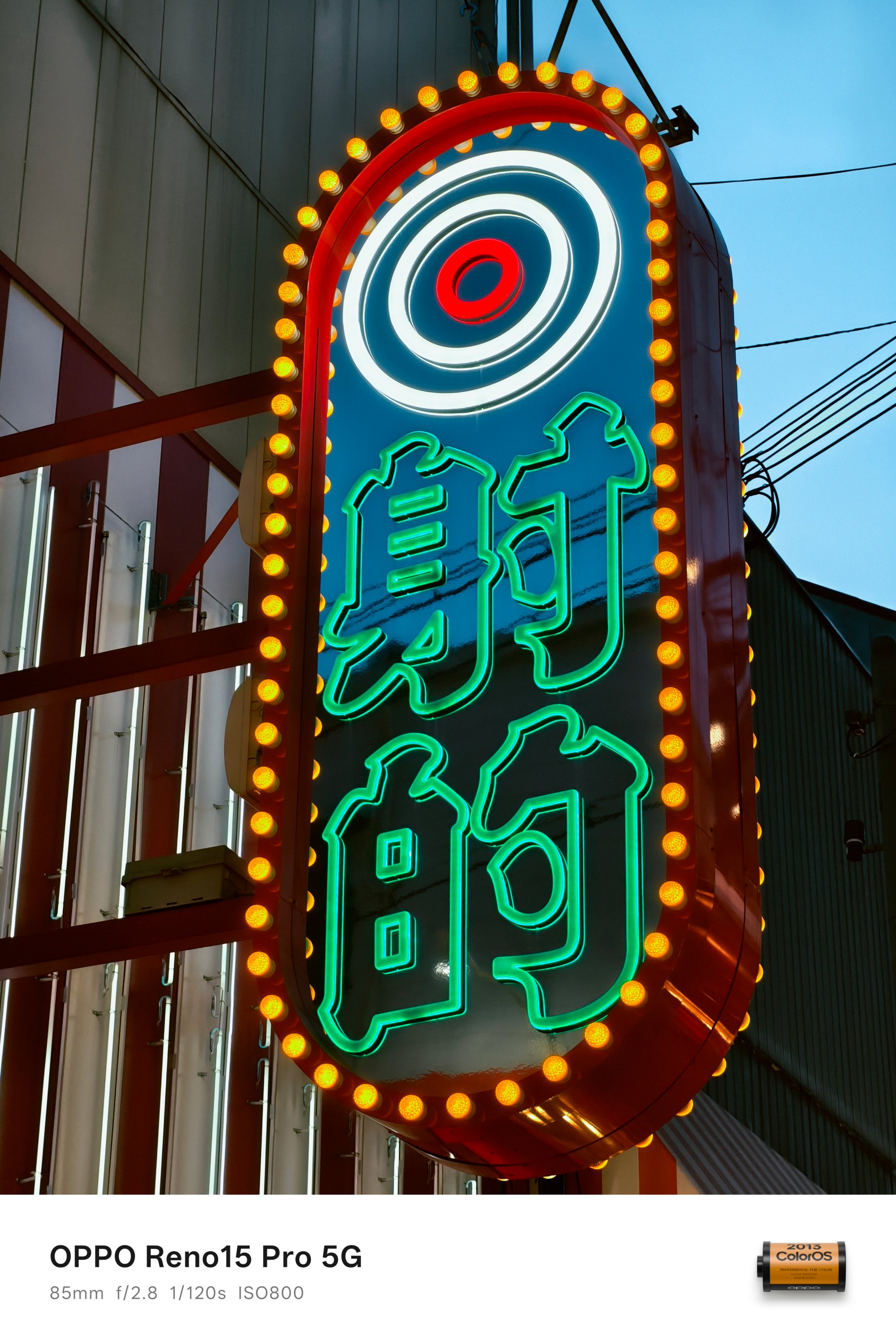

From the neon signs and vibrant night light displays, such retro vibe will make your visit truly warm and cozy. Even if it was freezing cold.
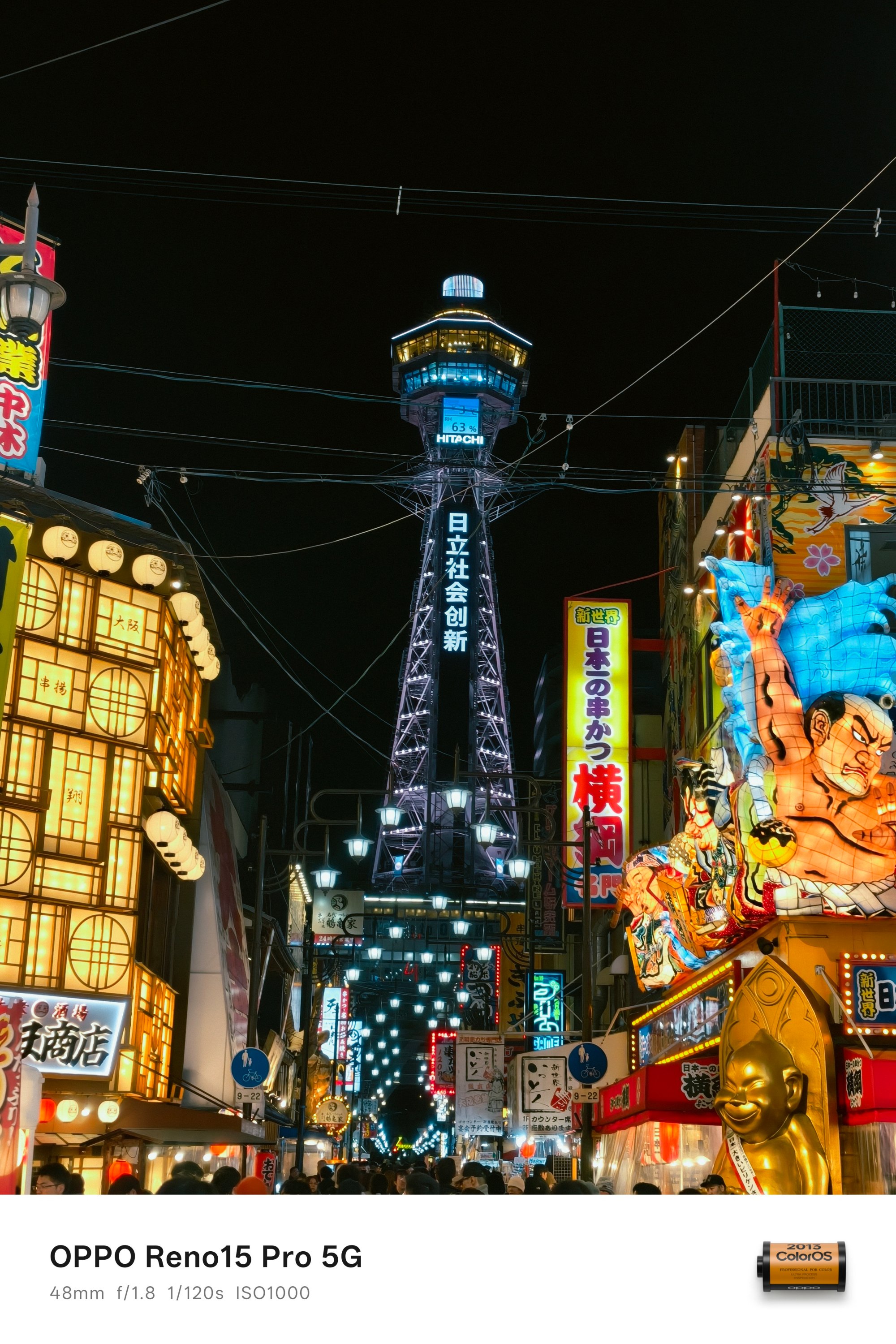
At the heart of the district is where the Tsutenkaku (通天閣) stands high. That now translates to a “tower reaching heaven.” Albeit, it’s nowhere near that achievement in today’s standards.
And even when it can’t even go against Eiffel nor Tokyo Tower, it’s still a center piece of its own.
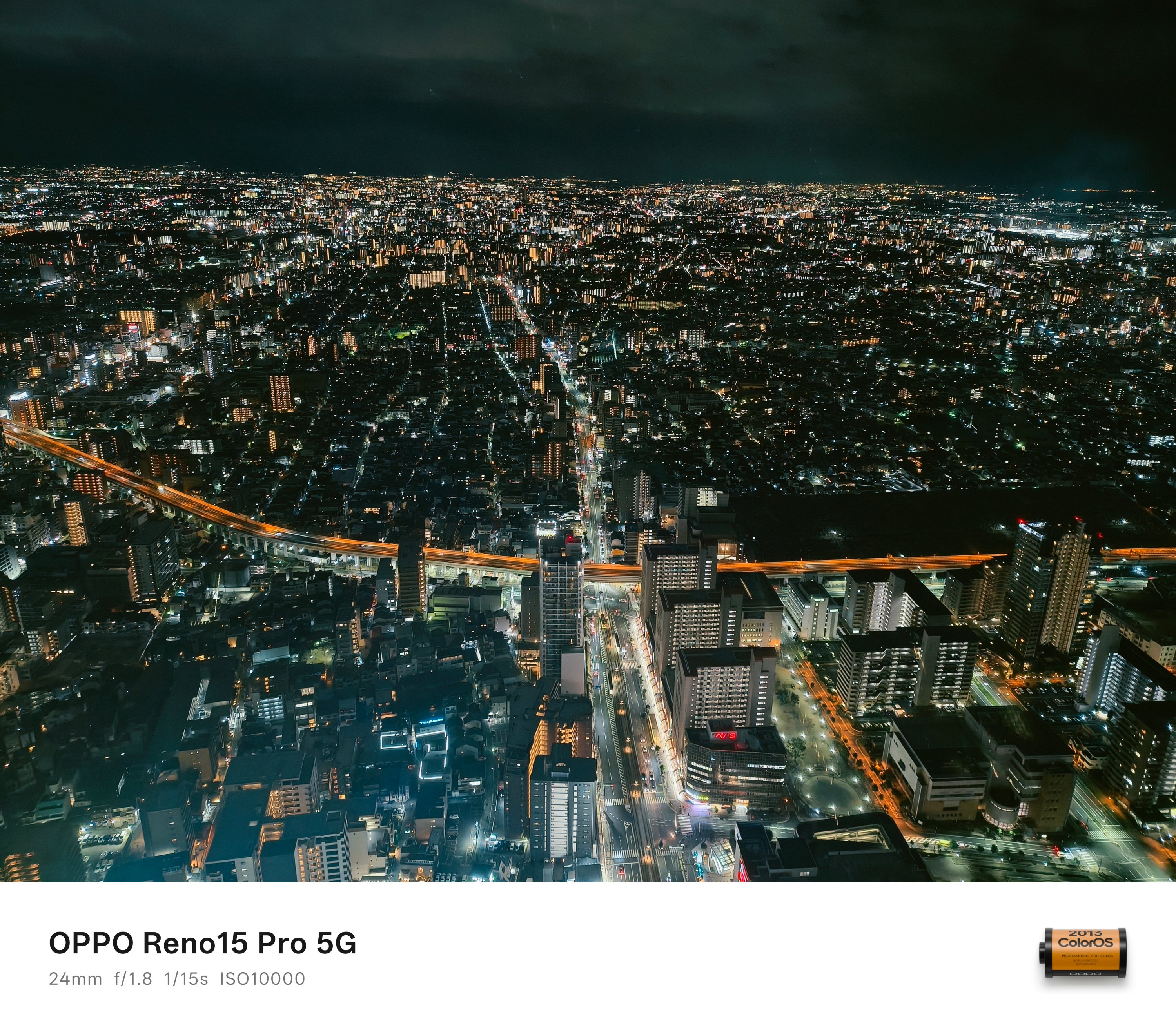
Now, if we’re talking about Osaka’s tallest, the Abeno Harukas 300 holds that title.
From the building name itself, it’s exactly 300 meters tall. It also holds the record for being Japan’s second tallest structure after Azabudai Hills Mori JP Tower in, you guessed it, Tokyo.
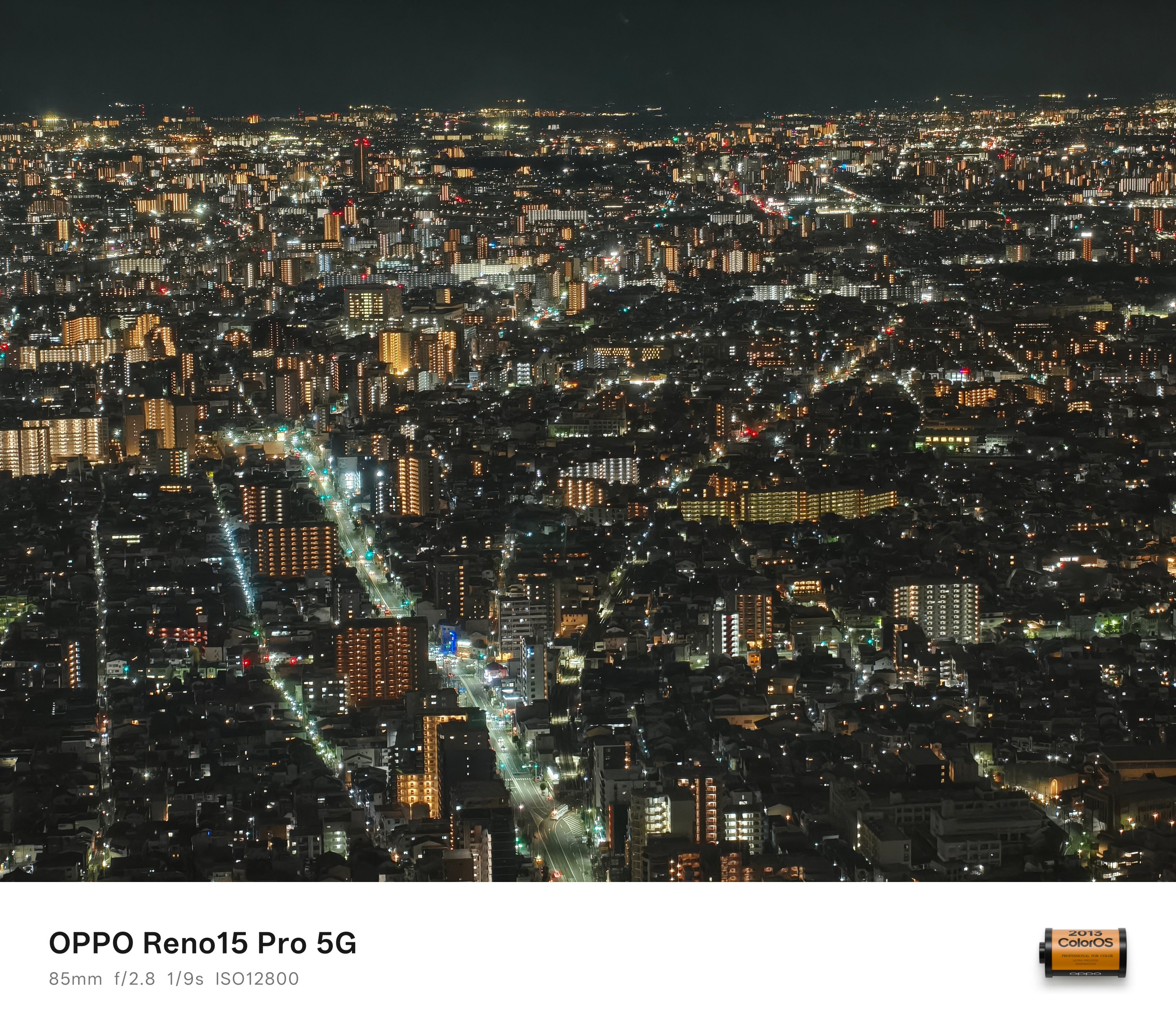
While you can go inside for free as there’s a mall below it, you can see Osaka’s breathtaking night sky only if you pay for the entrance fee. Honestly, the price is worth the sight.
Much awe in Osaka
Although Tokyo comes first when you think about Japan, Osaka has its own distinct charm.
The same thing can be said with the OPPO Reno15 Pro in a sea of very-capable midrangers. While it’s just another camera-centric smartphone for most, its cameras have that irresistible, special sauce in it.

Personally, I enjoyed my time more in Osaka. People are warmer and more welcoming. More so, that pretty chill vibes and laid-back nature kept me attached against the stricter plus fast-paced life in Tokyo.
With all that said, I’m not trying to pit two cities against one another as both are truly worth visiting. However, I regret having a shorter trip duration here. I’m just wishfully thinking (and manifesting) that I can re-visit the city sooner than later.
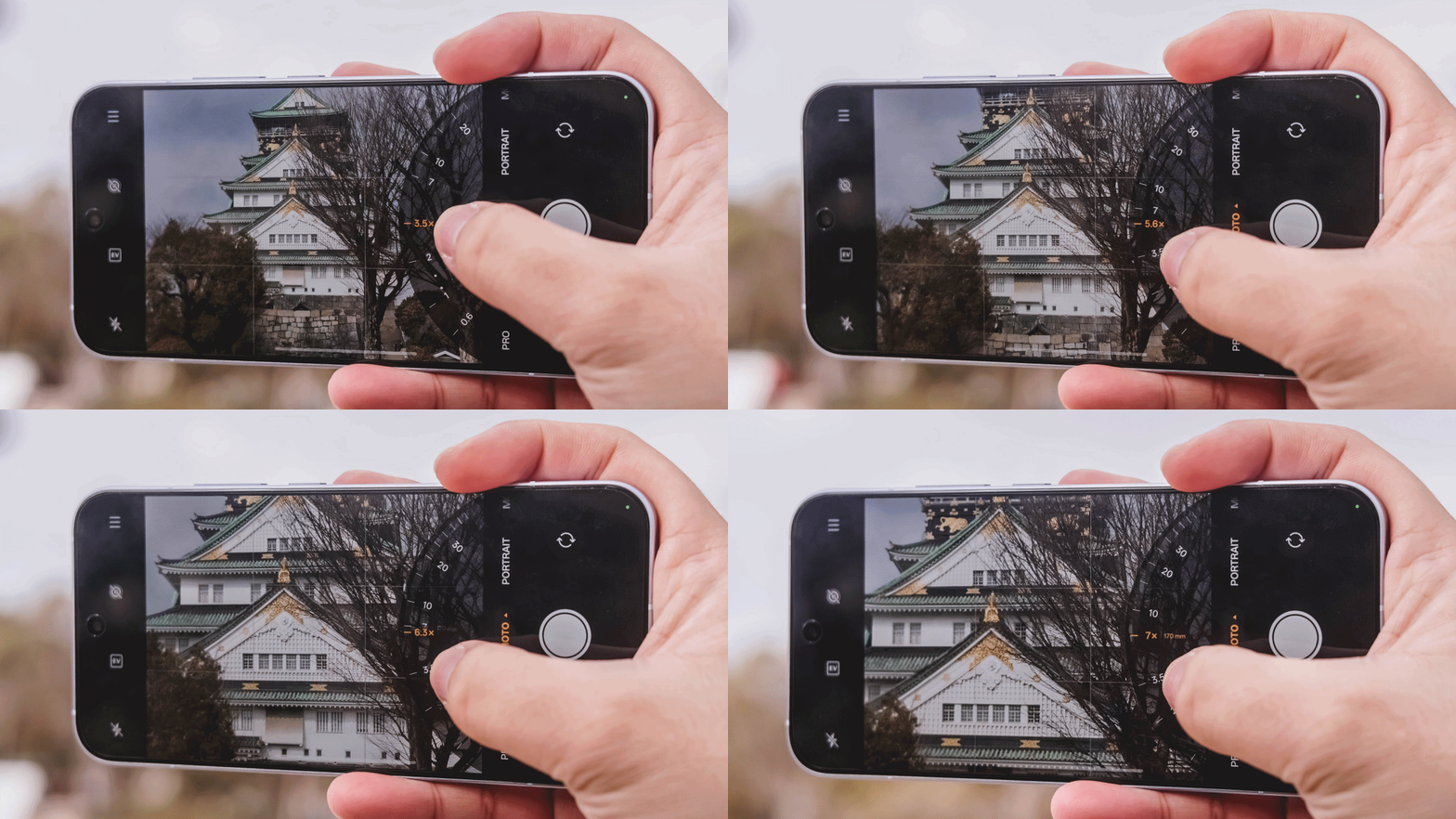
If you haven’t seen the other side of my Japan journey — from Tokyo, Kyoto, all the way to Mt. Fuji — the rest can be found in my in-depth camera analysis of the OPPO Reno15 Pro.
In a modern world dominated by flagships and midrangers, budget smartphones are often undervalued just because of the mere value they bring to the table.
But, let’s be real. Not everyone chases specs. There are users who simply need a phone they can afford without all the best-in-class bells and whistles often glorified but spec-obsessed nerds.
Well, the TECNO SPARK 50 5G might just be that handy-dandy everyday companion you need.
First Look
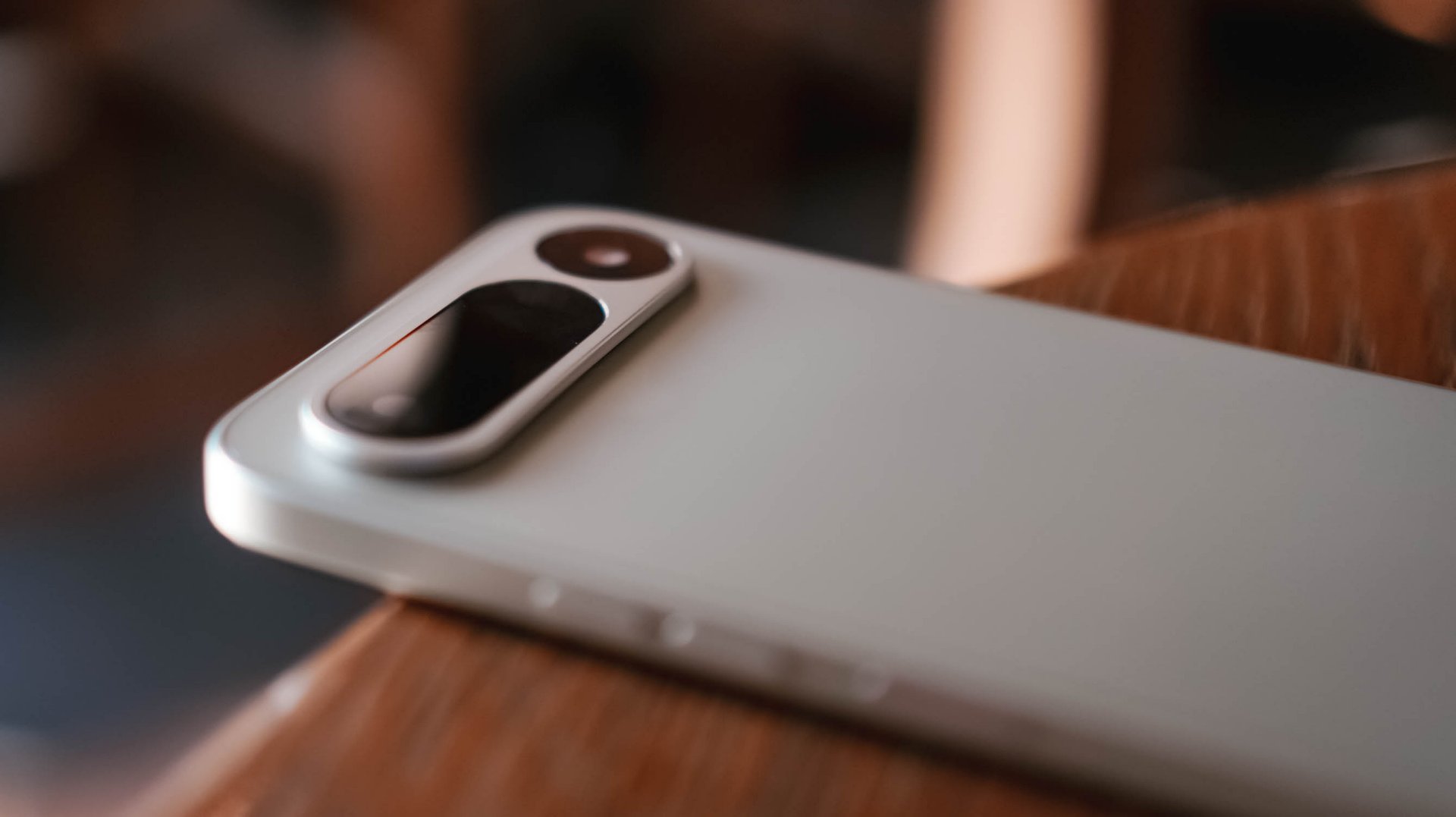
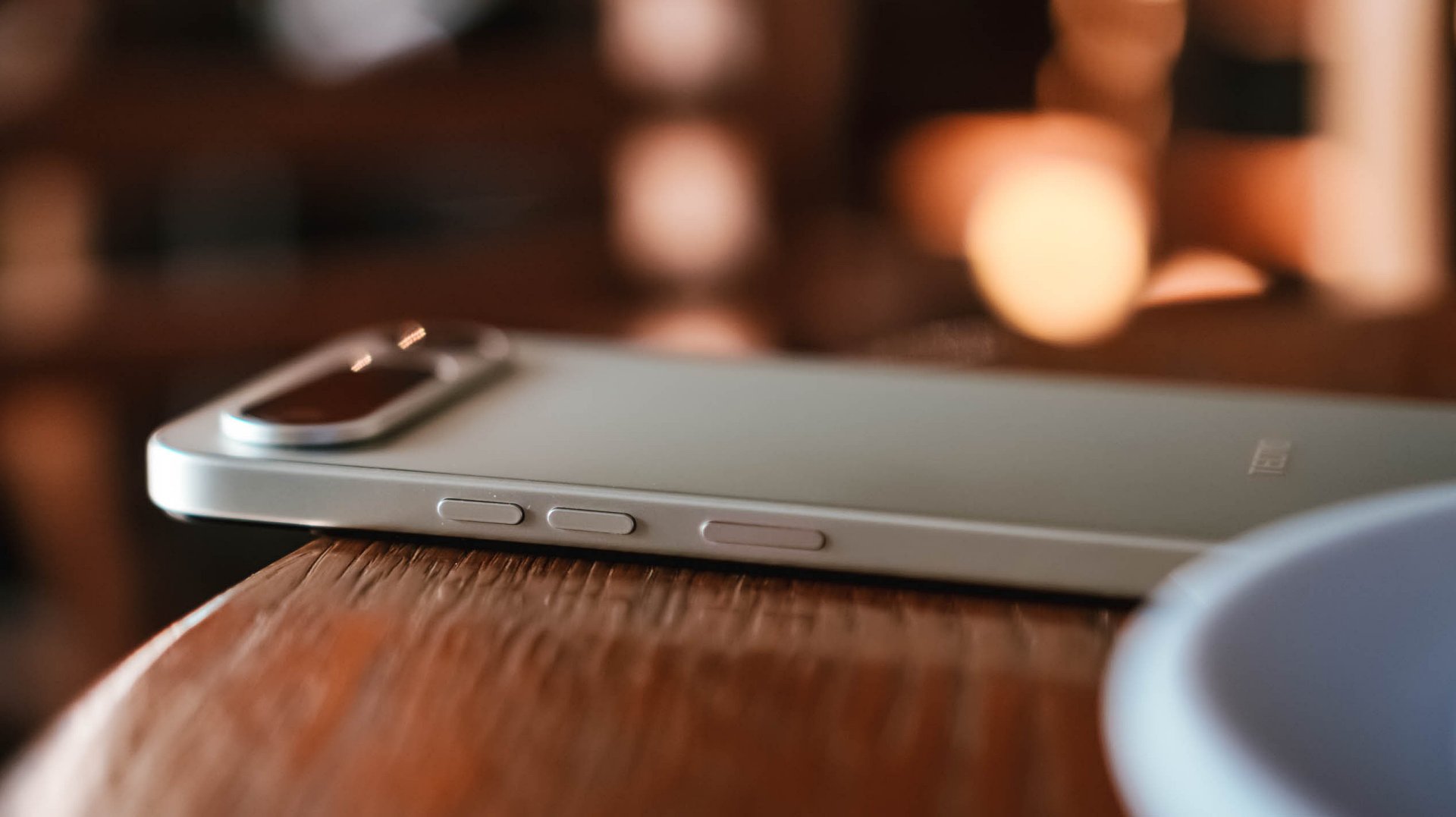
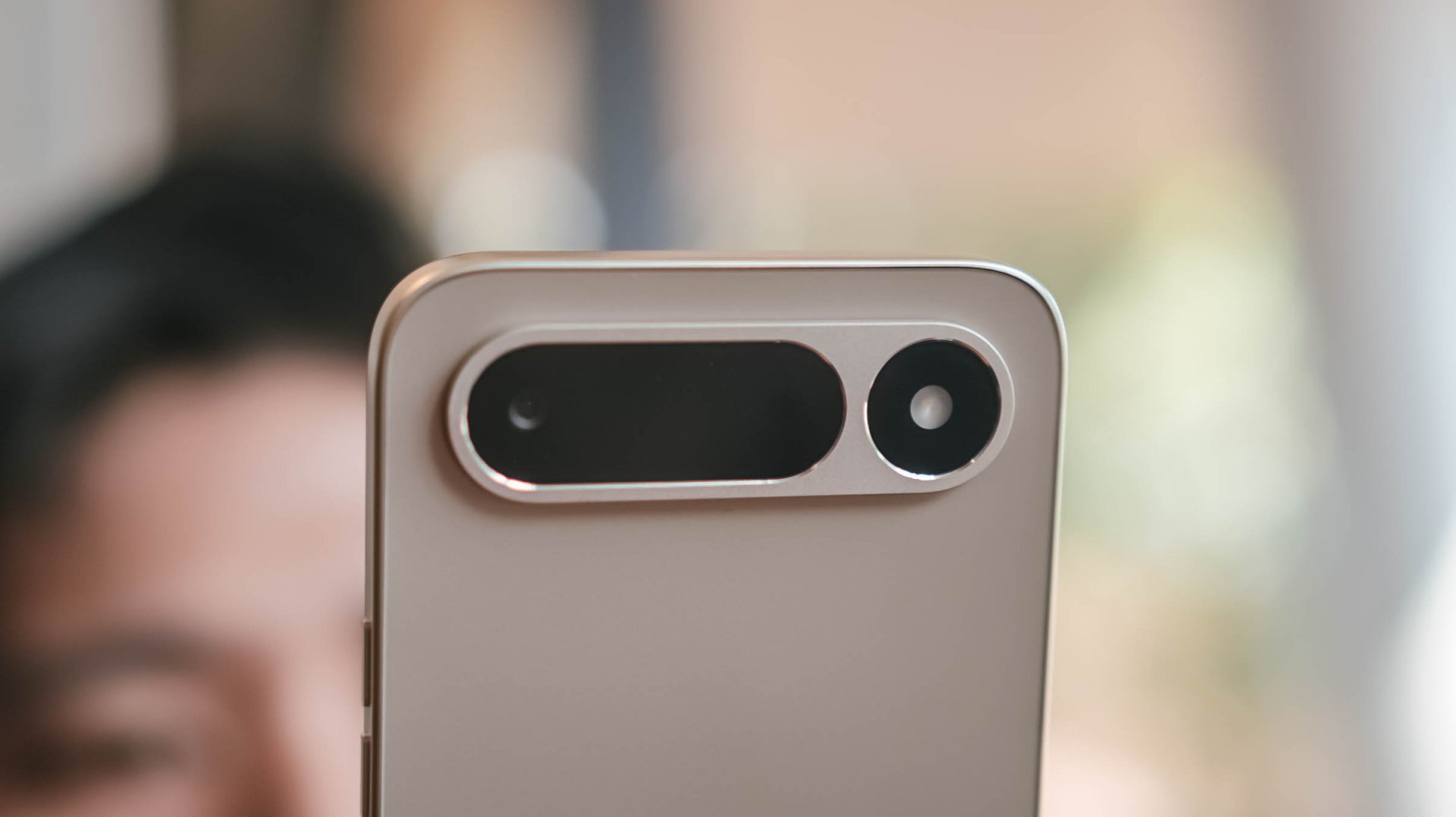
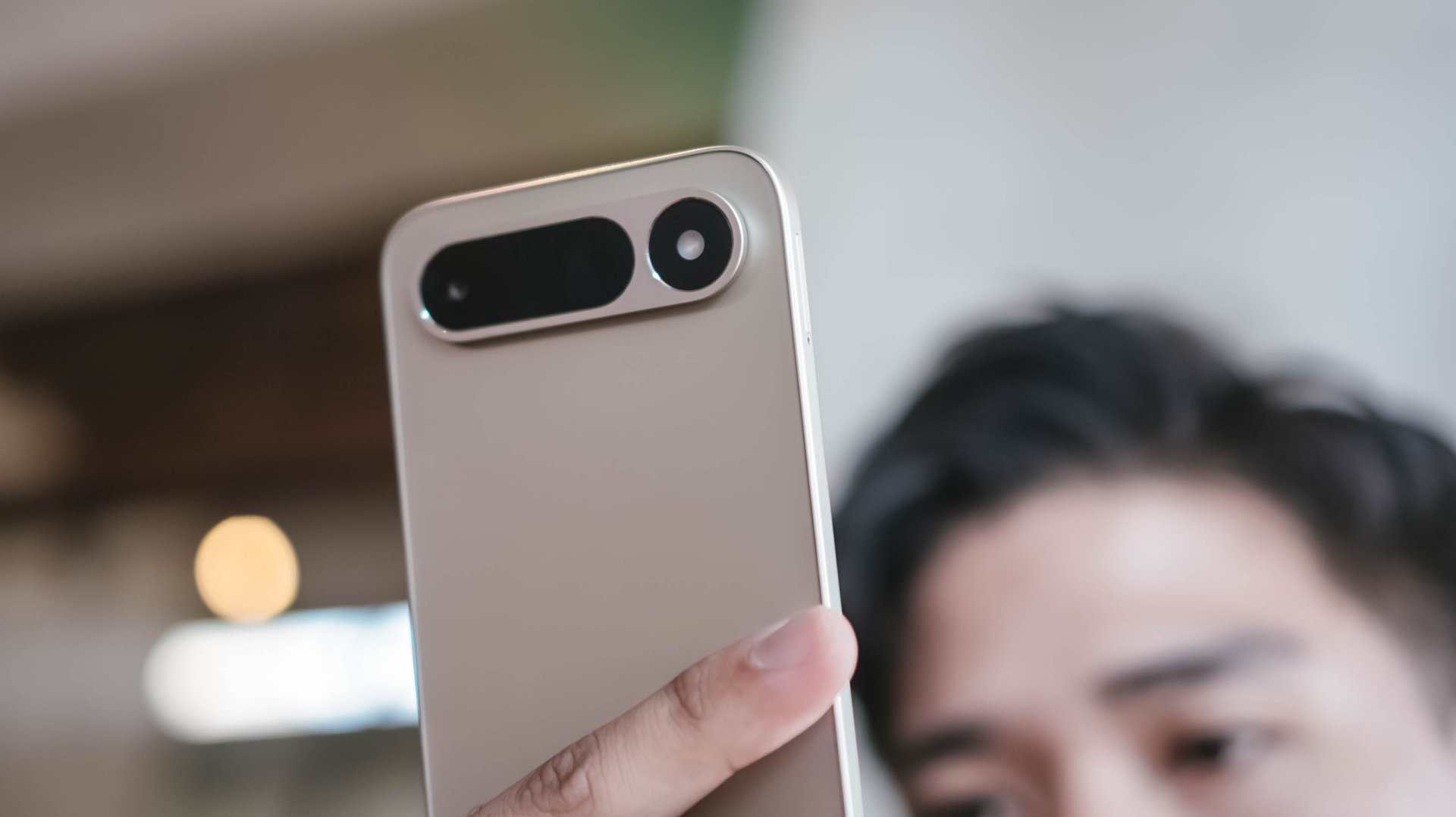
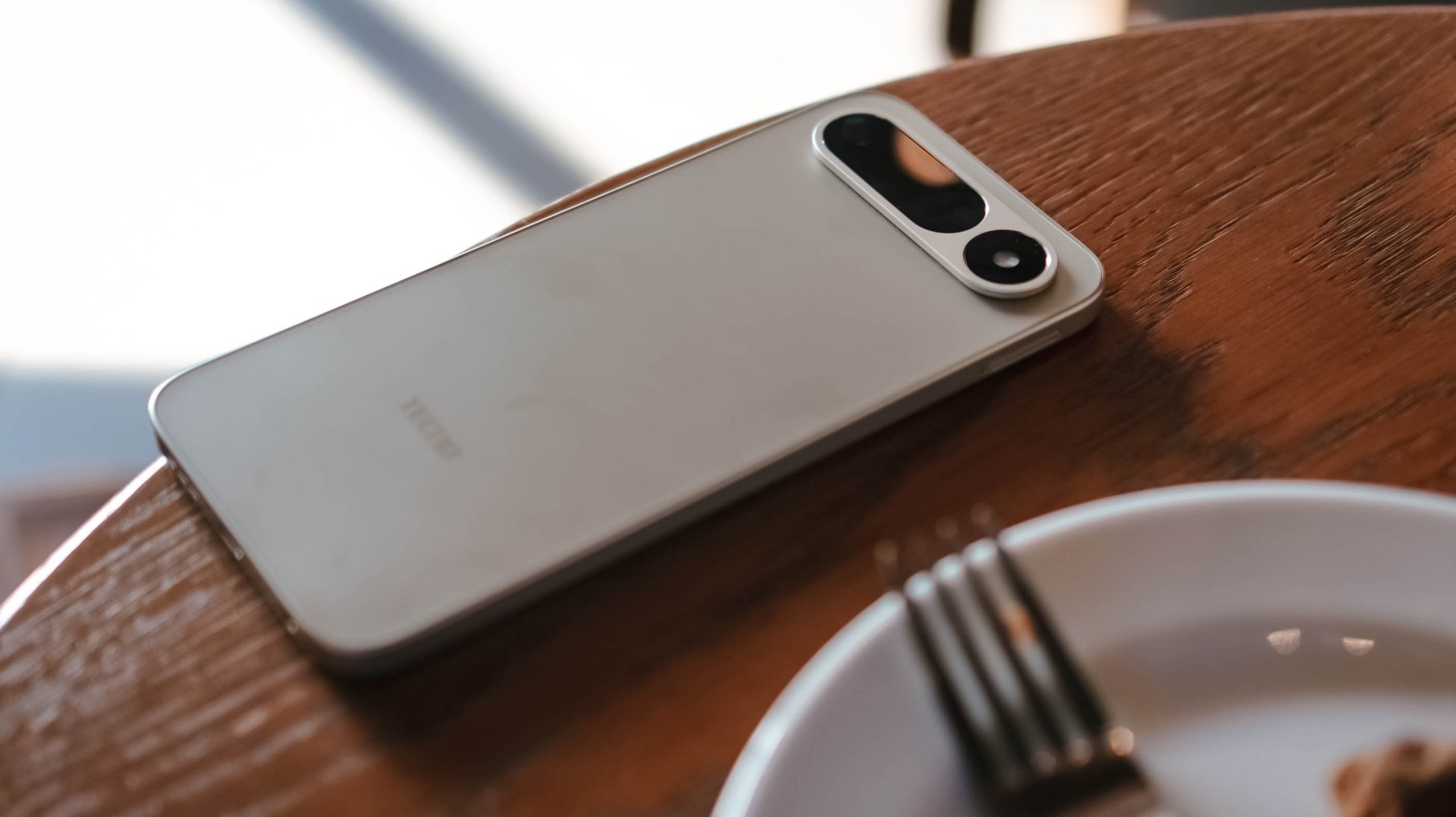
Right off the bat, the TECNO SPARK 50 5G will instantly remind you of Google’s recent Pixel phones. That camera bar is very reminiscent of the Pixel 9 and 10’s camera “visor.”
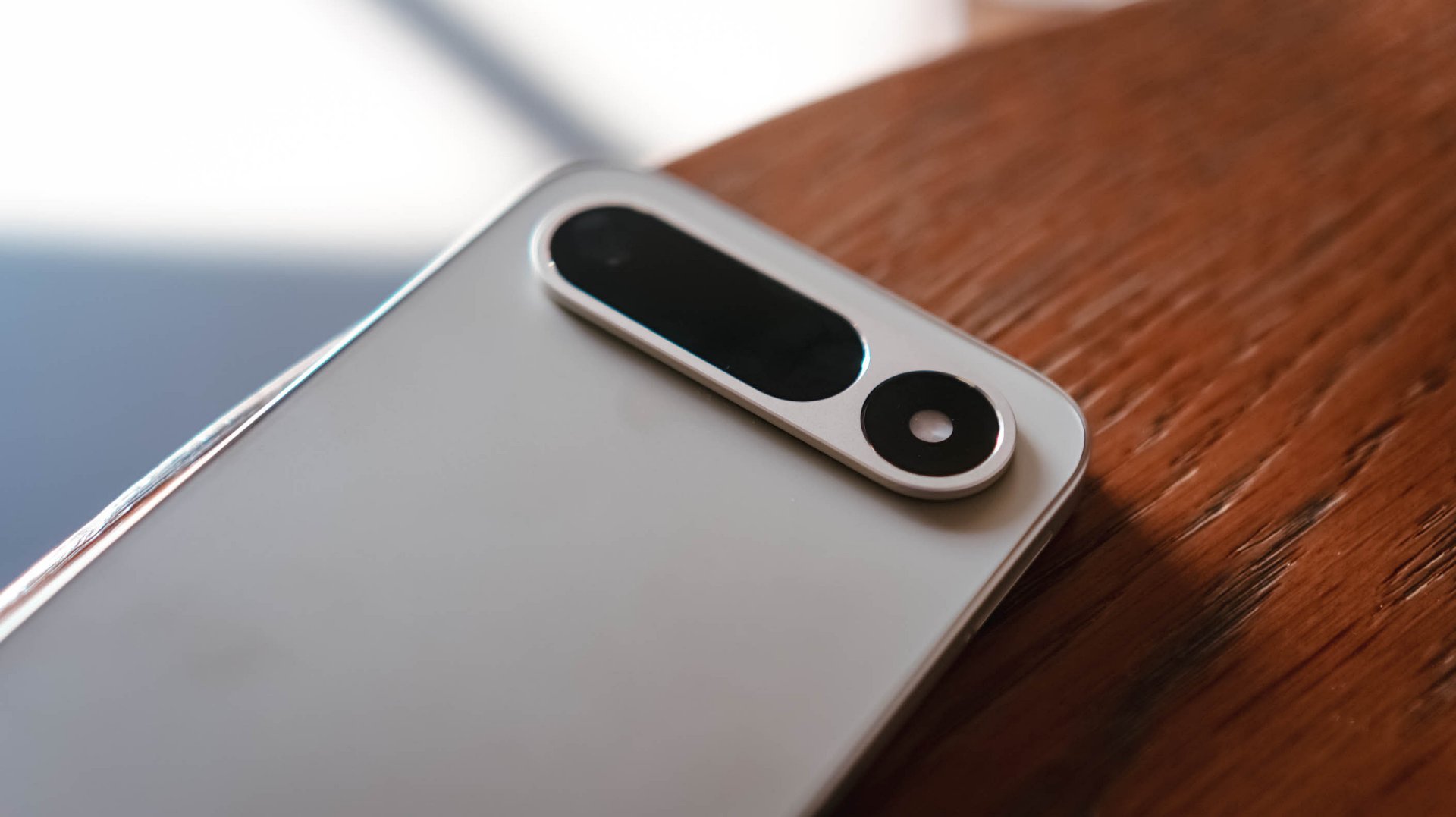
This isn’t a complaint. SPARK 50 5G’s camera island looks cleaner than that overly-used, left-justified square camera cutout popularized by Apple during the reign of their iPhone Pro series.
More so, it avoids joining the bandwagon of phones imitating the all-new “camera plateau” of the iPhone 17 Pro series.
Coincidental or not, it even reminds me of Apple’s pill-shaped Dynamic Island — or that interactive area around the punch-hole cutout that’s found among newer iPhones.
And now that we’re at it, let’s flip the SPARK 50 5G to its front.
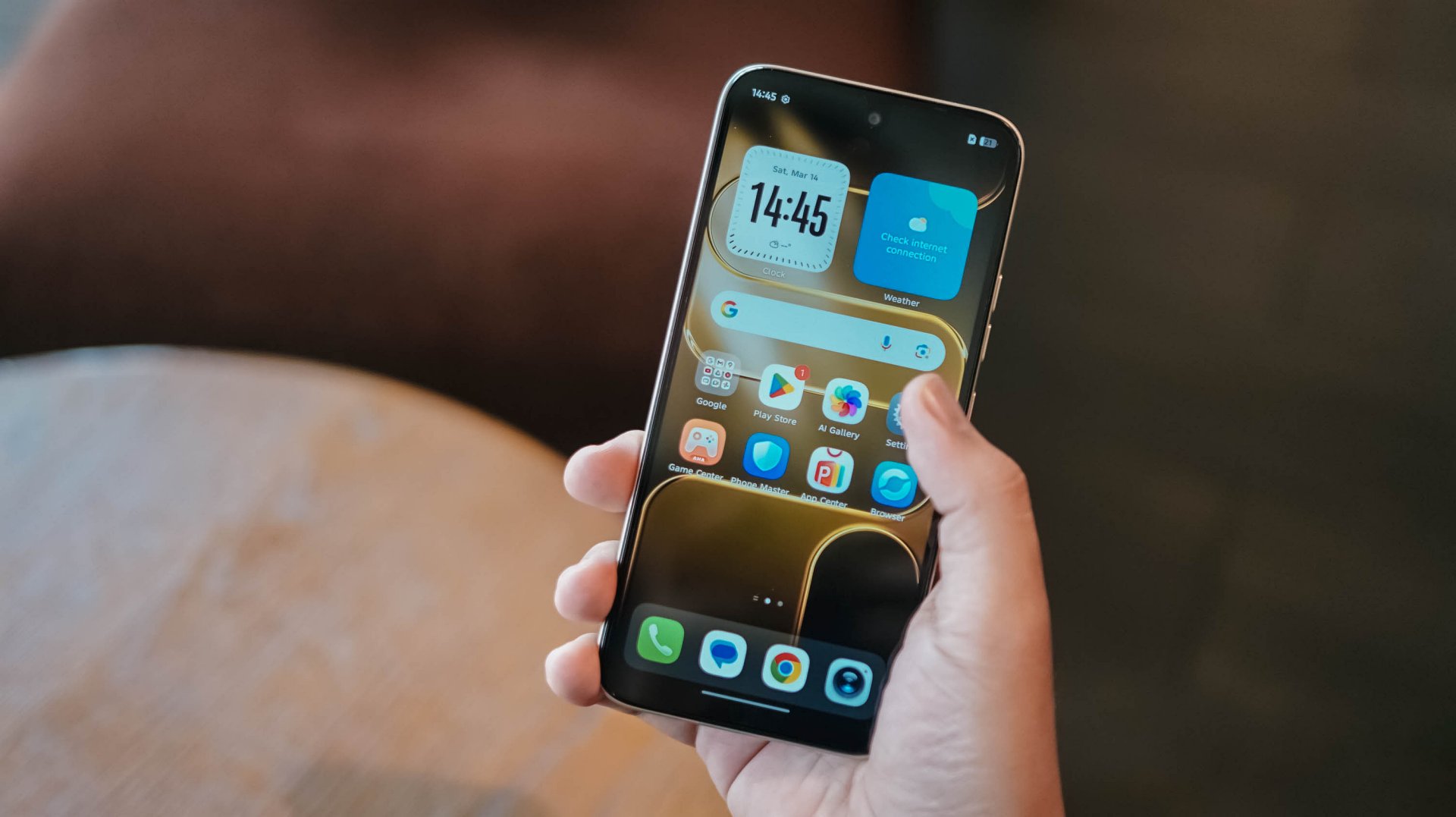
The moment you power on the device, you’d be welcomed by its large 6.78-inch punch-hole display. However, bigger doesn’t always mean better.
Not-so-thin bezels and that awfully-thicc bottom chin aside, I’m more concerned about its display quality.
I’m not trying to be very nit-picky but, my clear eyes can easily distinguish that its 720p screen resolution is quite a stretch for a screen this big.
Ain’t even expecting a class-leading OLED display (this is an IPS LCD type, BTW). However, a 1080p Full HD would have been more plausible.

Don’t even get me started with that subpar max brightness, backlight bleeding, alongside poor viewing angles and legibility.
And, even if it features a 120Hz refresh rate that smoothens day-to-day scrolling and switching, it doesn’t totally override the fact that the display is not up to par.
Still, the choice of punch-hole is heaps better than other phone makers continuously making phones with teardrop notches — which is turning almost a decade next year.
I’m just glad TECNO halted (if not completely stopped) putting it among their recent budget offerings.
First Date
While I have strong feelings against its display, the overall feel of the SPARK 50 5G is of the opposite. Holding the phone for the first time barely looked and felt cheap at all.
Setting the bar high, TECNO’s SPARK 50 5G is made from aviation-grade aluminum — which some other plasticky budget phones can only dream of.
With that durability talk, it’s also worth noting it’s also IP64-rated as well as MIL-STD-810H certified.

Personally, I love the classy and luxe Champagne Gold colorway that I’ve dated.
There are bolder colors too such as Mint Green and Fantasy Purple. More so, the subdued Titanium Grey and Ink Black options.
After setting everything up, the phone greets you with TECNO’s latest HiOS 16 based on Android 16.
Despite its price point, TECNO didn’t leave out all the usable AI feats originally announced in the recent CAMON 50 series.

Not only it includes the usual AI Tools and Ella (or its smart AI Assistant), the newer AI FlashMemo as well as AI MindHub are ever-present as well. These intelligently discern content you consume or whatever you’re curious about.
I’m not a total h-AI-ter as I believe that AI, when used responsibly, gives much leverage to users. It balances an individual’s time so s/he can work and focus more on things that need to be prioritized.
Still, I blame AI for the sharp price rise of components among all consumer devices imaginable.
Now that I’ve mentioned it, TECNO’s SPARK 50 5G comes in either 128 or 256GB of storage and memory choices between 4/8/12/16GB (region-dependent).
At its core lies MediaTek’s Dimensity 6400 SoC. For the market it tries to lure, this is a chipset capable of handling most tasks.
It’s a better option if you’re someone like me who relies on 5G connectivity most of the time. Its Helio G200 counterpart, while speedy and reliant, has 4G as its biggest drawback.
Gaming? Well, it’s obviously not built for that.
Still, it’s playable for the not-so-demanding-games: 60fps in PUBG while 90fps with the widely popular Mobile Legends: Bang Bang (MLBB).
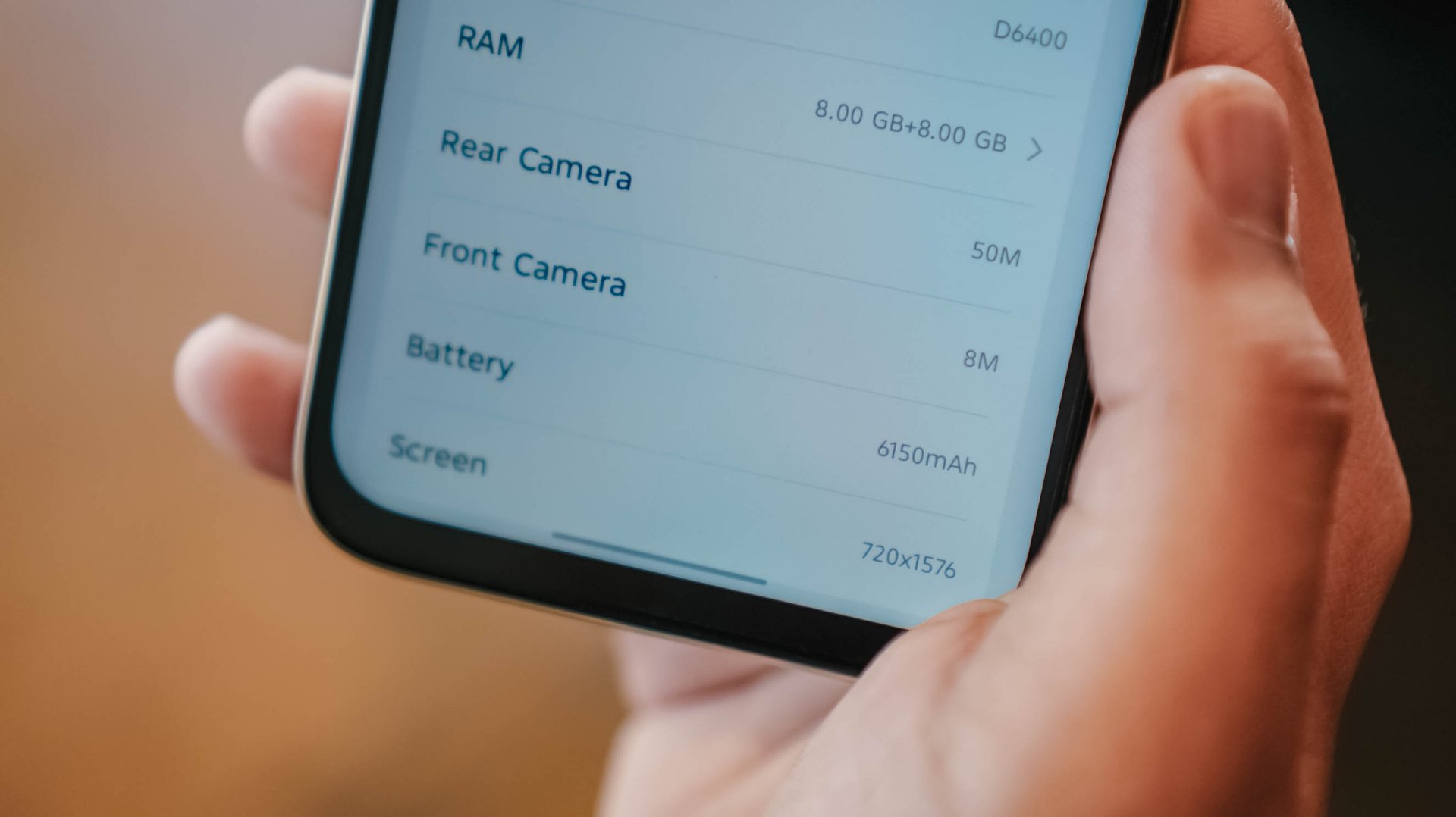
Even with just a chassis of 8.18mm, TECNO has managed to put in a 6500mAh single-cell battery (or a lesser 6150mAh dual-cell variant that I have with me).
Still, the TECNO SPARK 50 5G has outlasted me more — way past midnight after that full-day first date.
If you’re already in a pinch, the phone can be charged through its 45W fast-charging adapter bundled in its box. ICYMI, last year’s SPARK 40 5G relied on a painfully-slow 18W charging.

And, before I forget, I just missed the novelty of side-mounted fingerprint scanner. I still consider it better than the optical ones.
Lastly, despite that elongated camera bar at its rear, the SPARK 50 5G is only equipped with a lone 50MP camera.

Although AI FlashSnap exists, the camera app being somewhat sluggish evades the purpose of that camera feature per se.
While cameras have never been the strong point of the SPARK series, it should be enough for users who just want a functioning rear camera not just for document-scanning, but for life moments as well.
Its 8MP shooter can still capture selfies — or just be used for those unavoidable school and/or work video calls.
First Impressions
With a starting price (4+128GB base config) of INR 16,999 (approx. US$ 180 / EUR 160 / GBP 135 / SG$ 235 / MYR 735 / PhP 10,995), the TECNO SPARK 50 5G isn’t the most well-rounded budget smartphone around.
Still, this phone will satisfy the general, non-tech-savvy population. That sophisticated design, solid build quality, ginormous battery with reliable fast charging, smart AI-powered OS. Even 5G-capable chipset in this price range?
Did I even mention that it still rocks the almost obsolete microSD card slot and 3.5mm audio jack?
Obviously, I’m not the target user of this phone. Especially as a creative guy who values display and cameras a lot.

However, technophobes might get the hang of this phone when they take it out on a lovely, more intimate date more than twice. The phone is as straightforward as it can get. Sans, exploring the more complex AI tools within.
Still, this is a phone suitable for a wider range of user base consisting of kids, young students, the elderly, or even everyday workers who just need a reliable phone that they can bring around without sacrificing too much of their hard-earned savings — especially in an economy we live in right now.

5 games with the nubia Neo 5 GT 5G
Niche device, but is worth the price?

Giving up counter space for reverse osmosis: Living with Waterdrop M6H in NYC
A 7-stage filtration system


Saros review: Returnal’s difficulty is back and better than ever
Although, it loses the memorable storywriting.

The VinFast VF6 is perfect for urban travelers

Apple reportedly gives up on the Vision Pro

YouTube makes picture-in-picture mode free for everyone globally

OnePlus has reportedly merged with realme

Now Playing: The Devil Wears Prada 2 — Still sharp, still human


-

 Reviews1 week ago
HONOR 600 review: A taste of more
-

 Laptops1 week ago
ASUS Zenbook S14 (2026) review: The perfect portable buddy
-

 Automotive2 weeks ago
Luxury you can ride: The Vespa 180cc Collection
-
 News6 days ago
OPPO Find X9 Ultra lands in PH: Price, availability, pre-order perks
-
 Malaysia1 week ago
The OPPO Find X9 Ultra is Galaxy S26 Ultra’s biggest enemy
-
 News1 week ago
Forget the Pro+ and Ultra! HUAWEI unveils the Pura 90 Pro Max
-
 News6 days ago
OPPO Find X9s now official in PH: Price, availability, pre-order info
-

 Luxury Smart Home2 weeks ago
Spotlight: Amazon Ember Artline TV + New Fire TV Stick HD