
News
TECNO promises advanced AI-powered smartphone cameras for 2025
Plus a glimpse of how everything runs in TECNO’s cutting-edge factory in Chongqing

TECNO held its fourth Future Lens event this December 2024.
As a refresher, last year’s Future Lens 2023 is where the company has announced camera improvements both in the hardware and software side such as the Liquid Telephoto Macro Lens, W-Shaped Adjustable Aperture, and Universal Tone (UT) technology.
In this year’s Future Lens 2024, we get to see AI-driven imaging solutions that will power cameras in TECNO smartphones in 2025 and the years to come.
AI in Imaging
Dubbed as the “TECNO Image Matrix” (TIM), this is the brand’s all-new “brain” for AI-powered imaging processes. This new AI vision strategy aims to implement the brand’s practical AI capabilities straight to imaging.

It’s pretty hard to say each and every process in simpler terms. But to sum these all up, the new process ensures that future TECNO smartphones will deliver fast yet high-quality image quality without actually consuming and compromising the overall computational power of the camera hardware and the device as a whole.
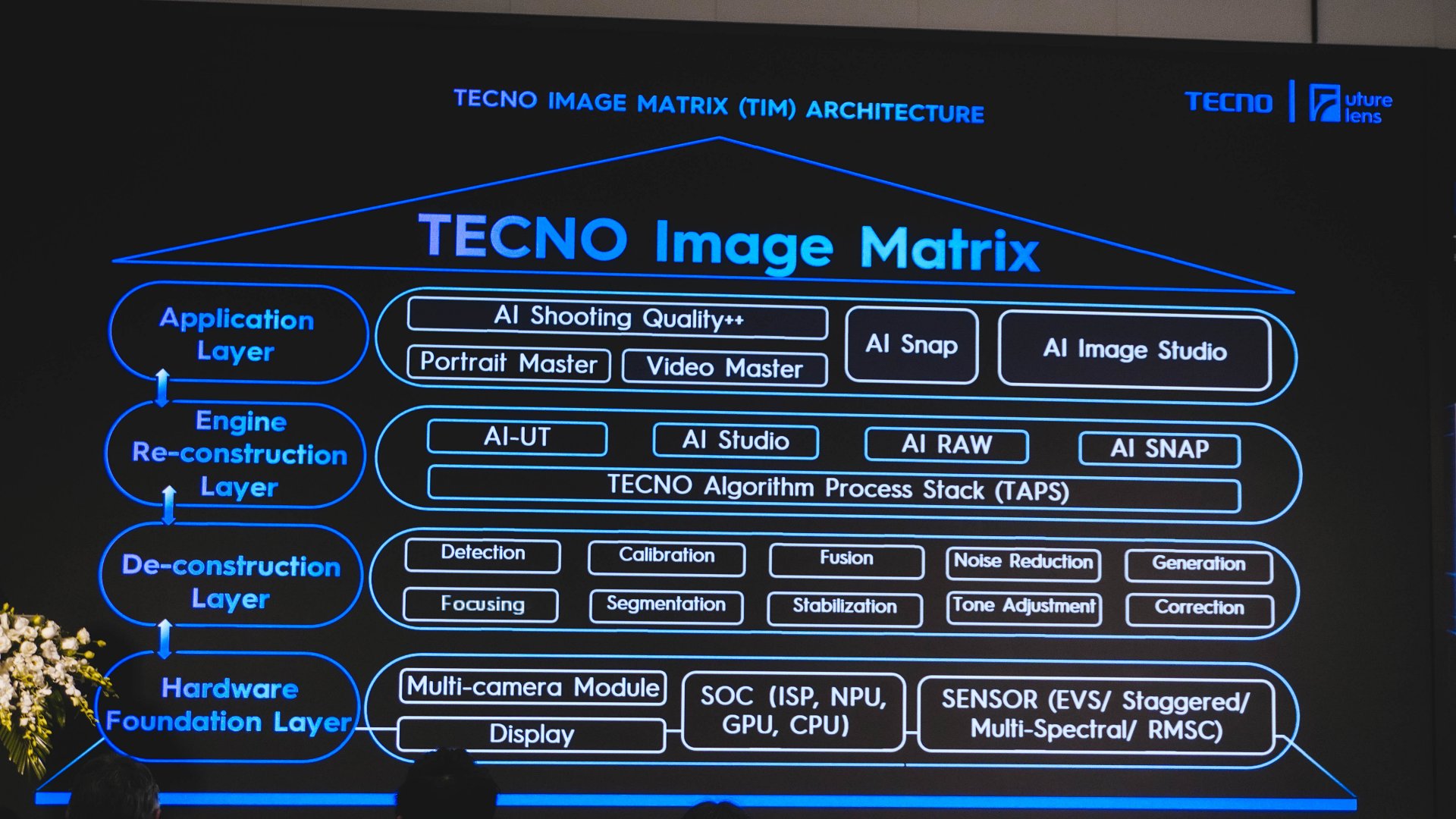
The combination of four engines stated above make the AI-powered imaging experience unparalleled and seamless for actual users — especially in terms of optimizing color, scene, and image quality. It even promises high dynamic prowess during low-light / night time.
The TECNO Image Matrix will be the foundation of the brand’s new and optimized AI-powered functions — AI Shooting Quality++, Portrait Master, Video Master, AI Snap and AI Image Studio.
EVS Dynamic Snapshot
Another AI-powered functionality introduced by TECNO is the EVS Dynamic Snapshot.
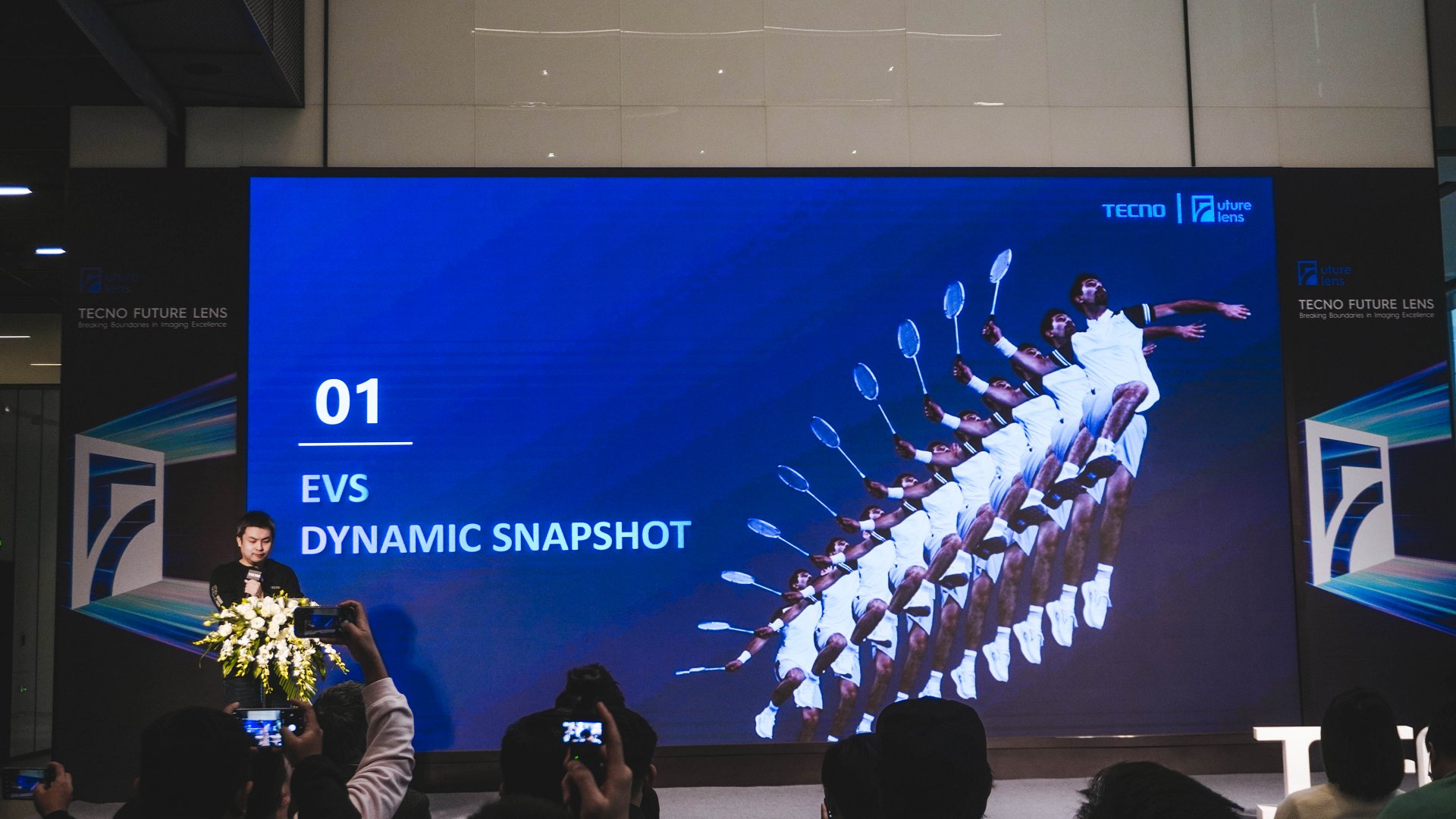
This is basically TECNO’s answer when capturing fast-moving subjects — which is still one of the pain-points in modern smartphone cameras.
To alleviate this type of concern, most brands tend to collect pixels frame-by-frame. But, TECNO’s approach is different.
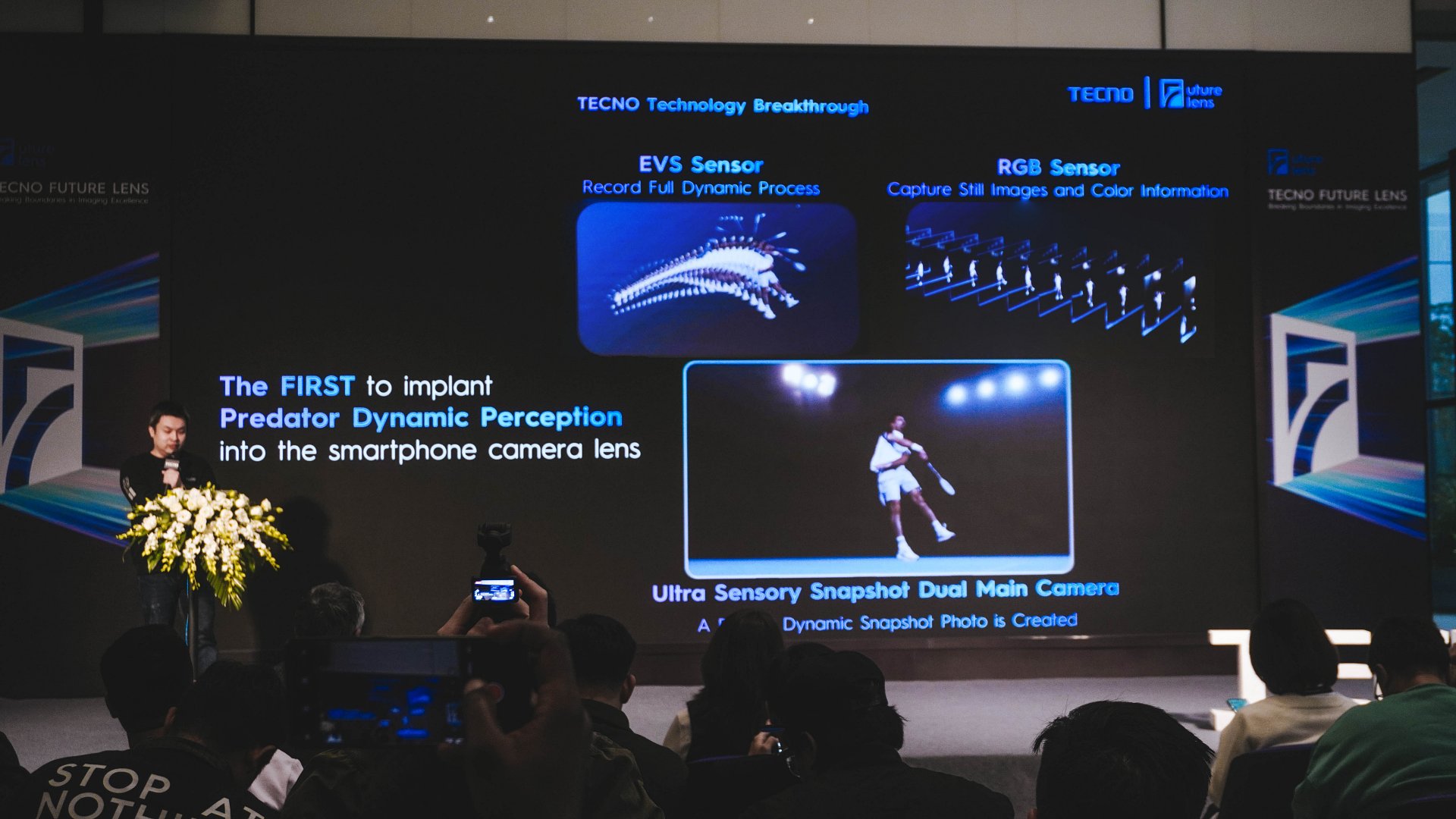
This technology uses high dynamic tracking to intelligently lock onto fast-moving subjects. At the same time, the tech pinpoints the pixel changes at an ultra-high frequency.
These are all possible through specific AI algorithms made by TECNO combined with the power of RGB camera sensor to capture static objects. At the same time, the EVS sensor detects those function and keeps all the motion data intact.
The result? Sharp, blur-free, and crystal-clear photographs without the need for professional cameras and lenses — regardless if it’s about taking a photograph of a flying bird or a fast sports car in action.
Tap Any Zoom Dual Prism Telephoto
The annual event would not be complete without announcing an imaging capability with the power of hardware in it.
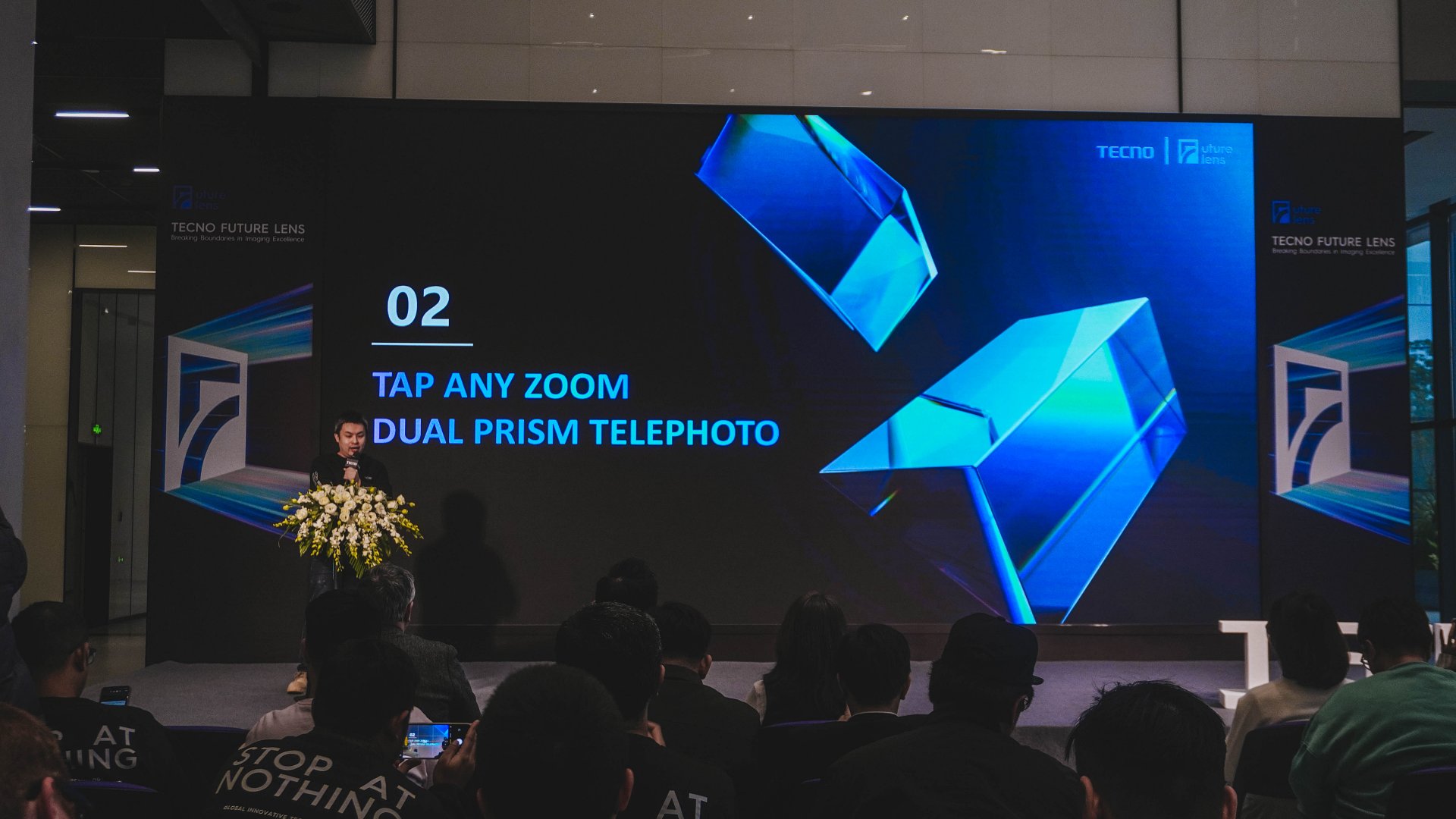
While it sounds complex (and mouthful), TECNO’s Tap Any Zoom camera tech solves three major challenges experienced when using any modern telephoto lens: focusing difficulties, frequent blurring, and re-framing issues.
As simple as double-tapping any subject that you want to capture (either from the 1x wide or ultra-wide angle mode), the camera instantly zooms to the optimal level (up to 30x) for fast and precise framing.

The lens-shift OIS (Optical Image Stabilization) as well as the dual-prism wide swing angle effectively reduces impact from external vibrations. This further ensures sharp and stable shots.
Moreover, the dual prism lens offer a wider range of shooting area. It has the ability to take images up to with 14 times the zoom of a standard 125mm focal length lens. This new hardware gives the ability to take ultra-wide-angle photos with an even greater perspective.
The combination of long-range scanning function and 400MP pixel auto-assembly ensure perfect high-resolution imagery altogether.
There’s even a telephoto sweep function that stitches full-frame shots without distortion — which is often overlooked in panorama shots.
Stop At Nothing
The whole Future Lens 2024 event was introduced by Nicole Scott — currently a producer for BloombergTV as well as an Award-Winning Documentary Maker.
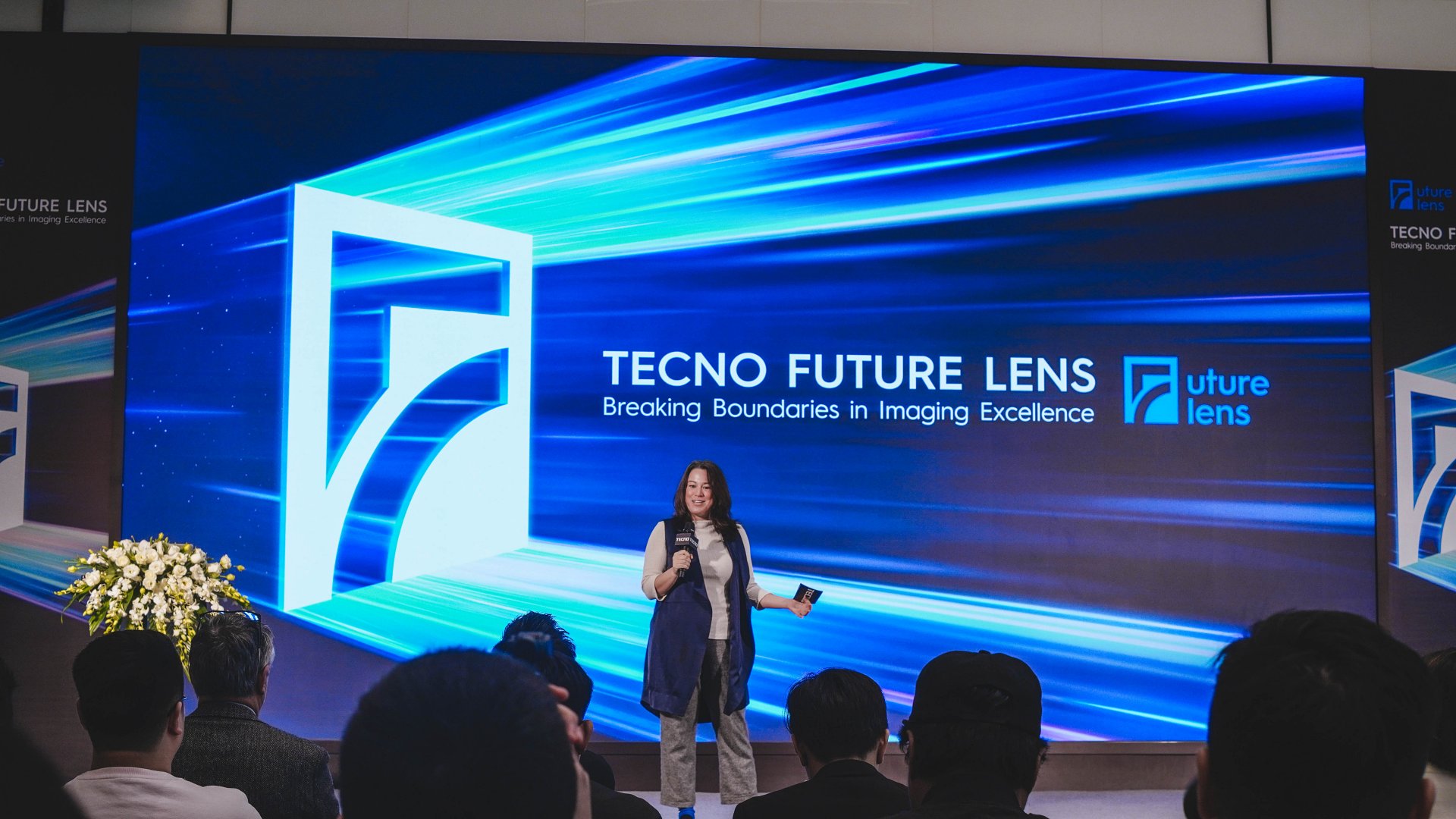
She is actually close to our hearts as she had several appearances in some of our YouTube videos and write-ups during her prime in MobileGeeks.de.

There’s also Laury Bai, TECNO’s CMO (Chief Marketing Officer) who presented all the imaging possibilities through the all-new TECNO Image Matrix.
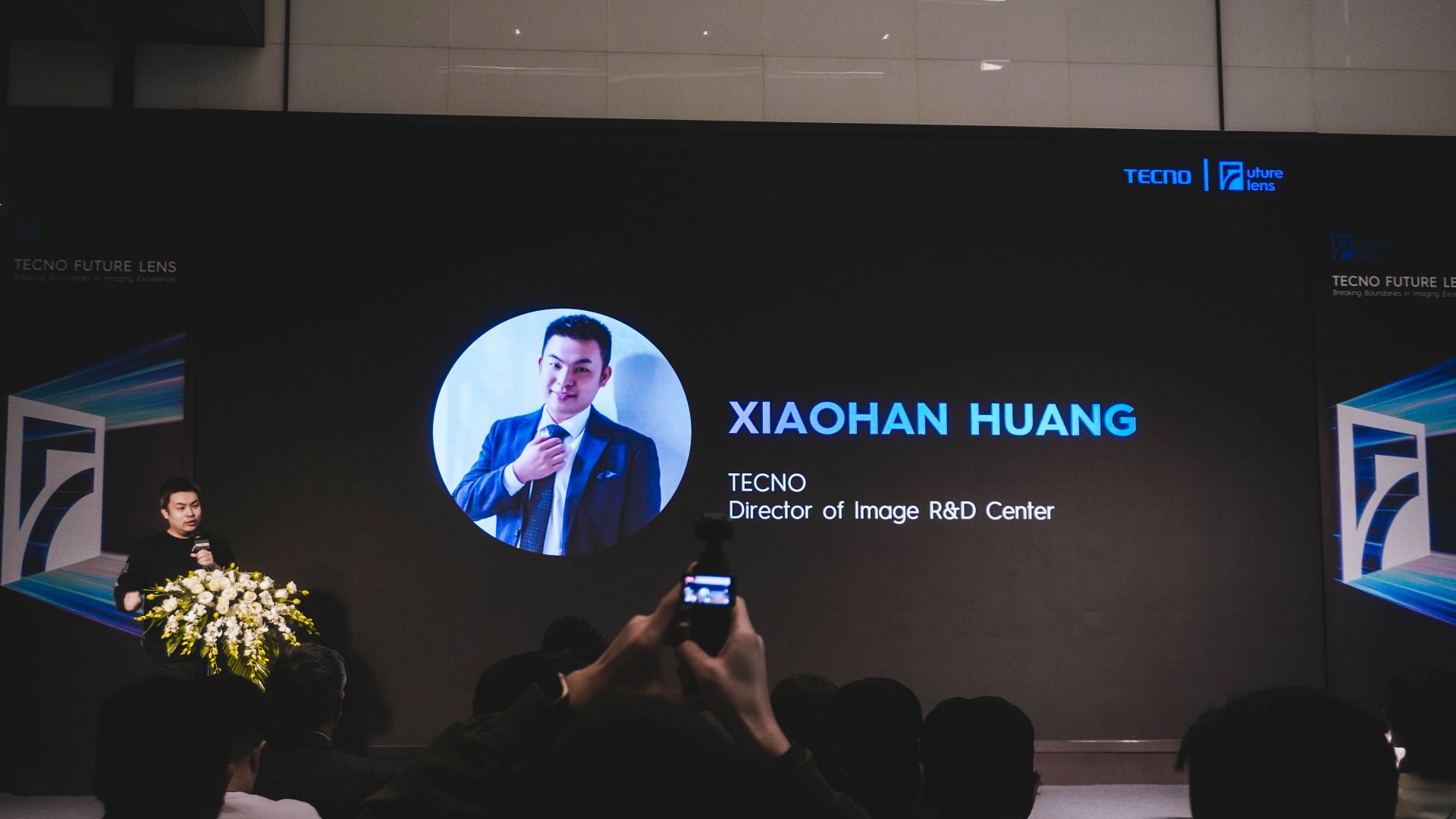
It would also be amiss without Xiaohan Huang’s presence — TECNO’s Director in Image R&D Center.

The first half of the event was concluded with a panel discussion between the media together with Nicole, Xiaohan, and Nigel Atherton of Amateur Photographer.
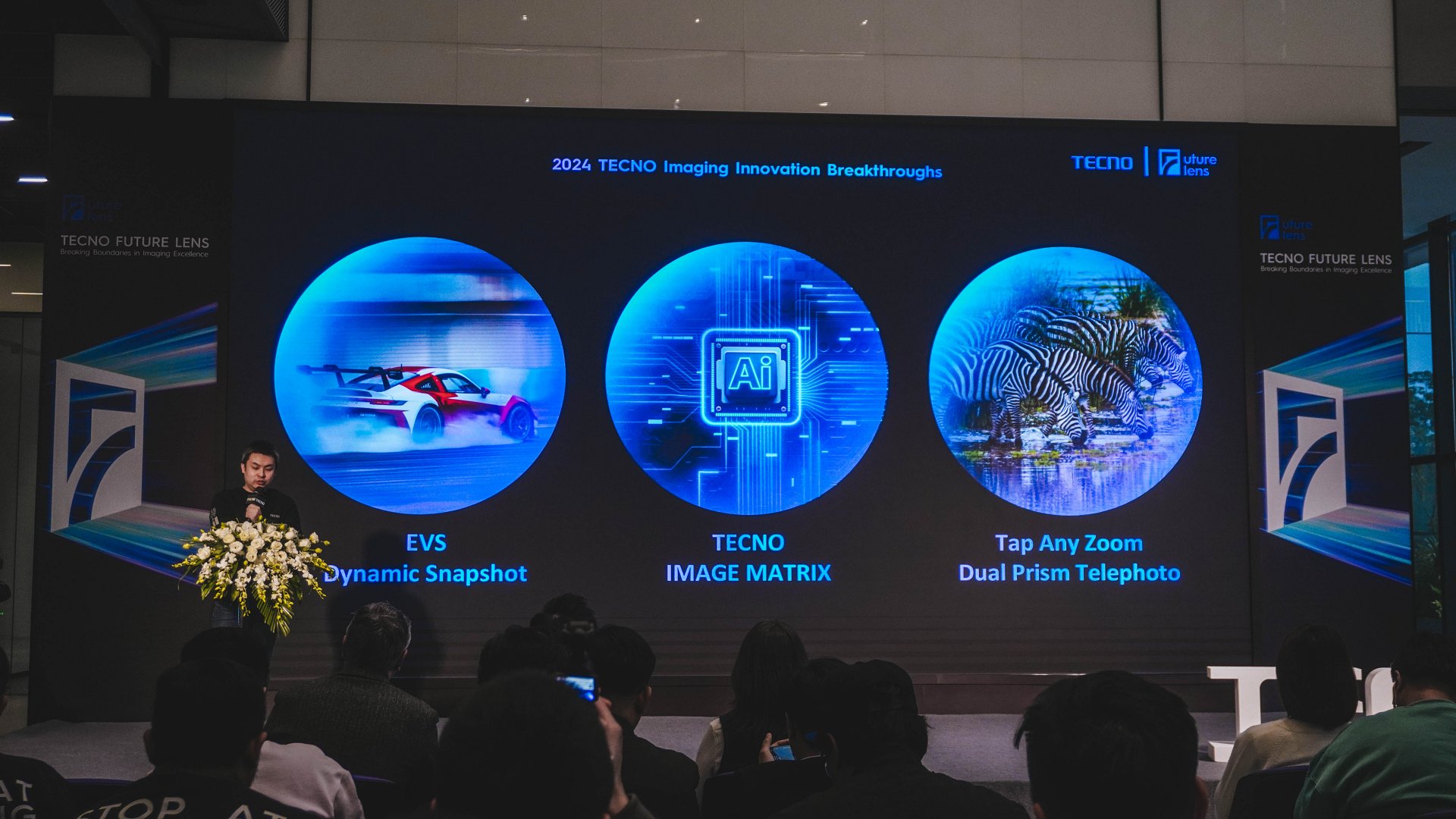
Some of the questions and curiosities were asked and answered during this segment. These were all connected to the new imaging features aforementioned as well as TECNO’s concrete plans of implementing these camera features in their upcoming products.
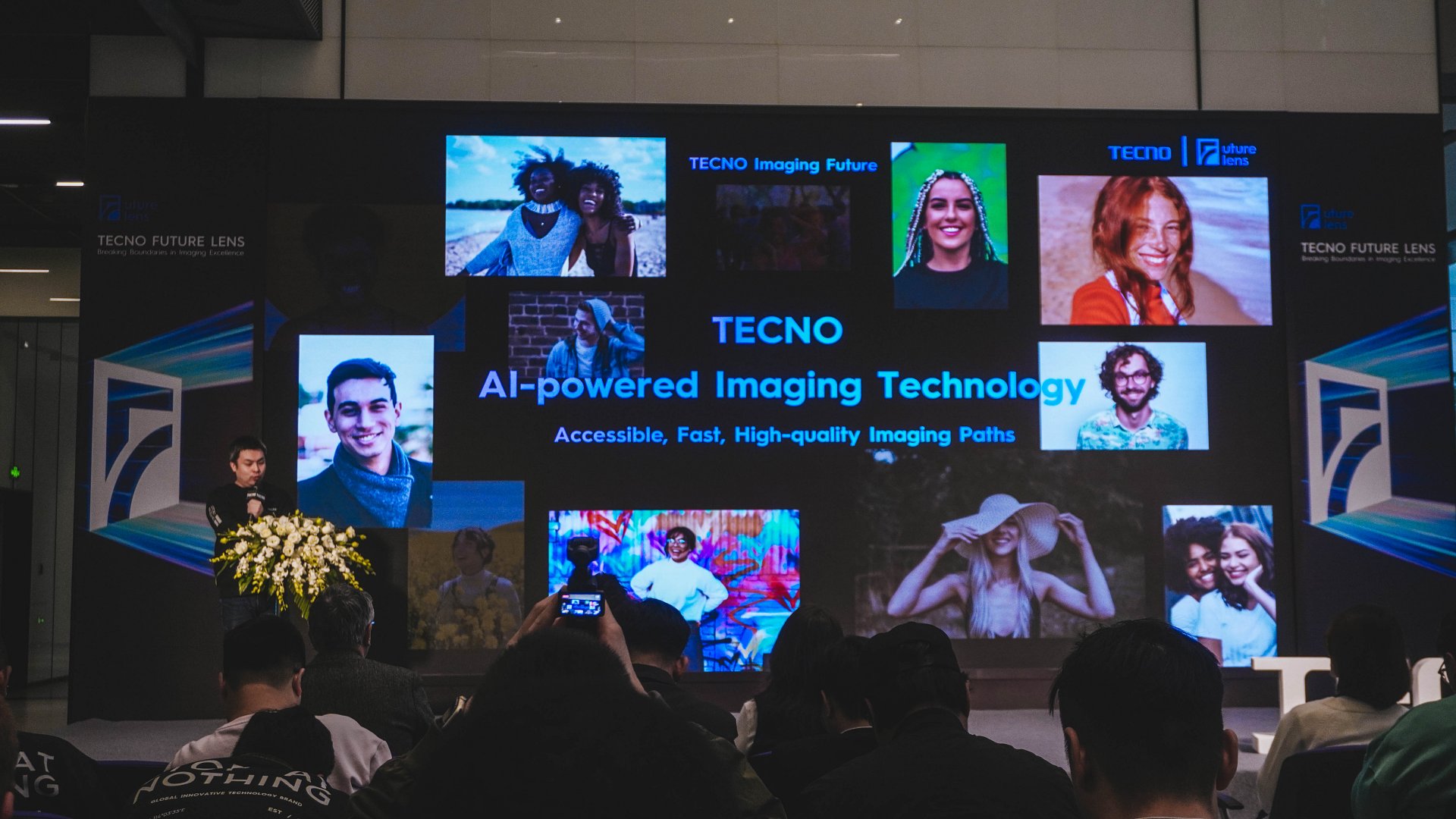
Moreover, this further proves and solidifies TECNO’s vision of breaking boundaries in imaging through cutting-edge camera hardware and practical yet responsive software — especially with the emergence and power of AI in ever-growing world of tech.
The brand’s “Stop At Nothing” philosophy might sound challenging and too ambitious for such a rising brand. However, it also serves as a motivation for them to deliver and innovate more powerful, intuitive, and creative imaging solutions each year — especially in emerging markets where it’s often overlooked.
Smartphones: Assembled, Tried, and Tested

In my six years working for GadgetMatch, I never had the chance to witness how production and assembly work in a smartphone company. Not until TECNO provided us a glimpse of their cutting-edge factory in Chongqing without recording restrictions.

Mind you, my colleague MJ told me it was surprising that they allowed cameras inside the production factory. This means TECNO is confident to show how they assemble, try, and test the smartphones they make.
From manufacturing and completing the actual components needed…


Testing each and every crucial part…


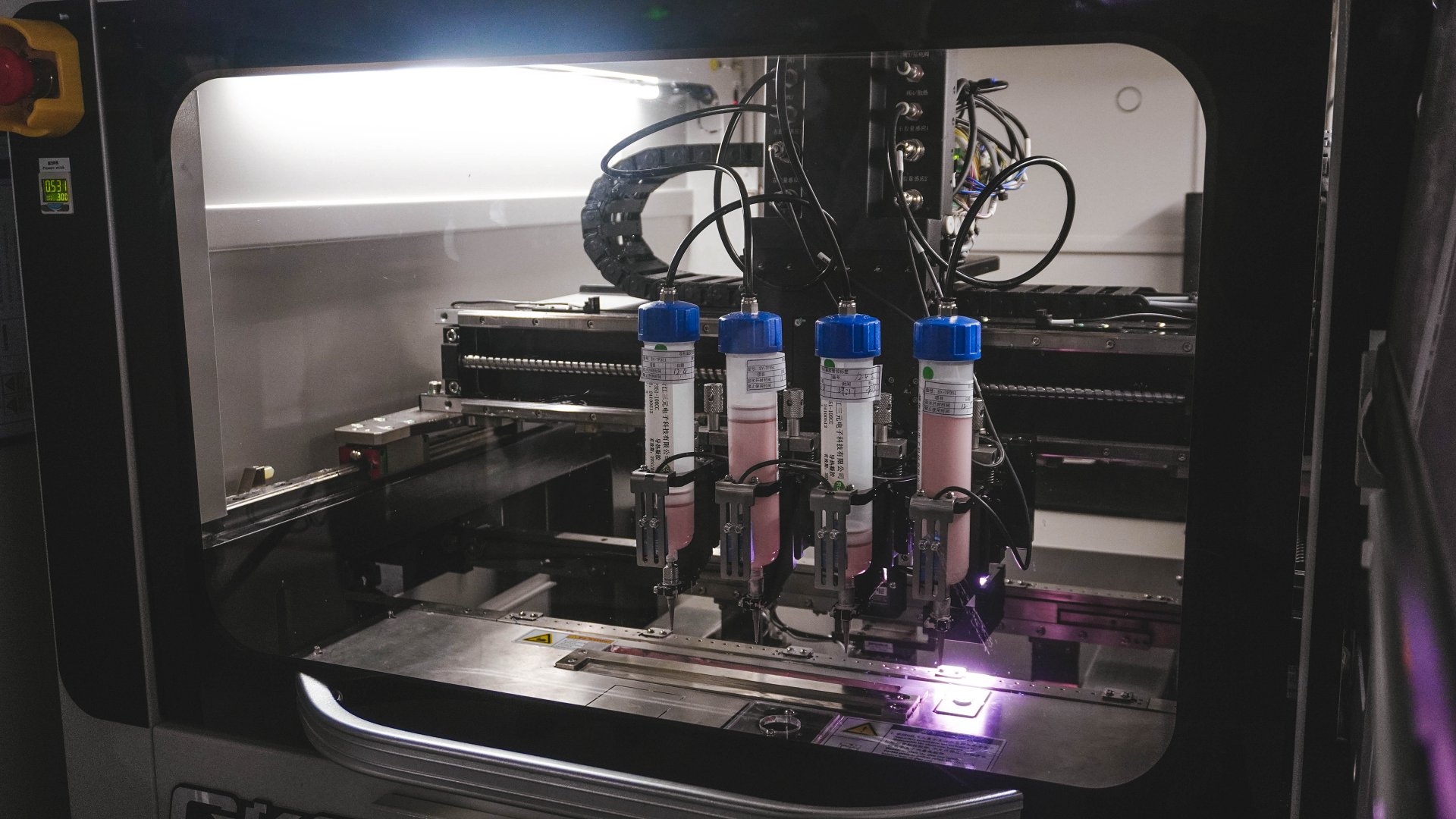
And even assembling everything in place.
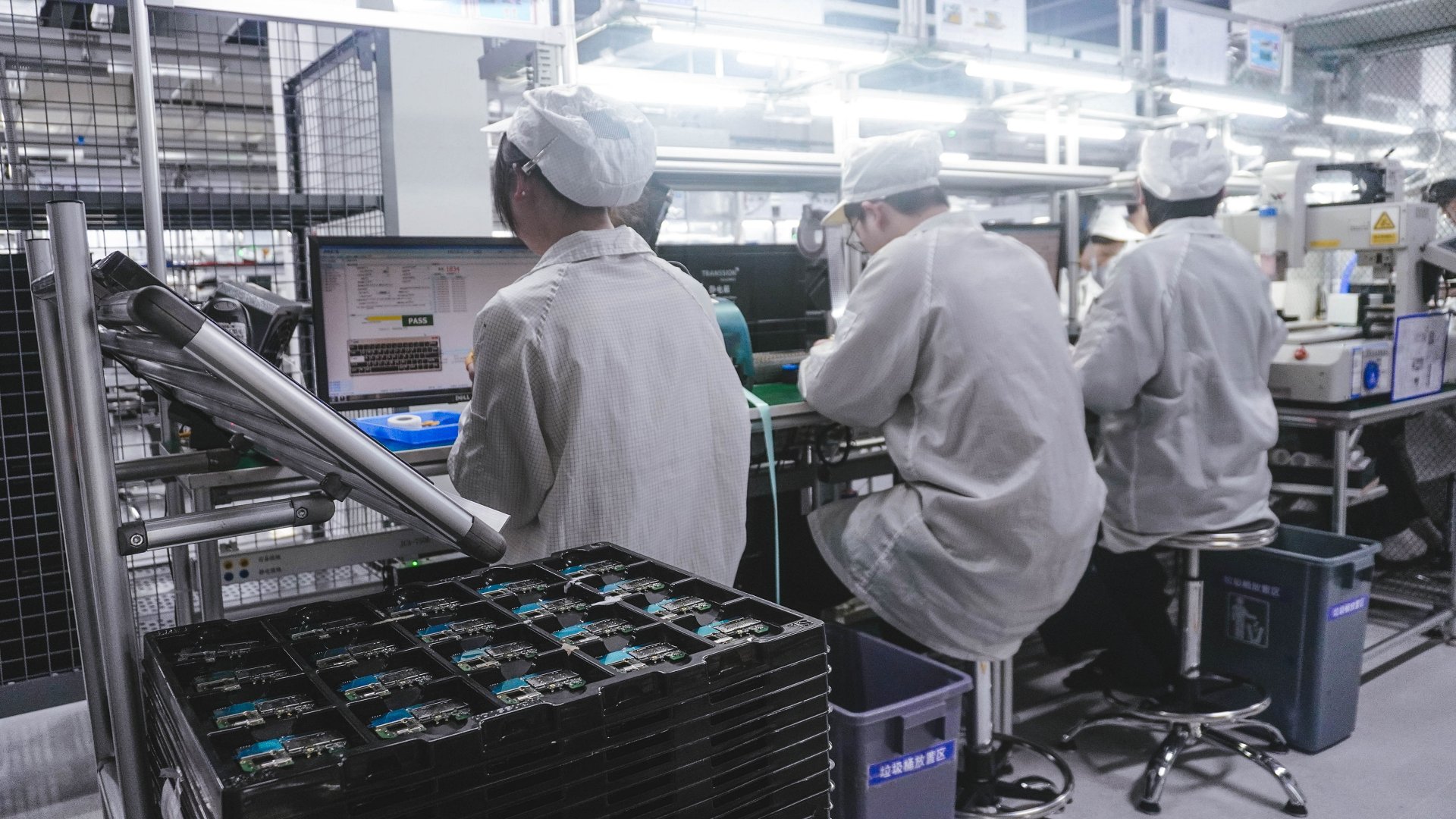

In another part of the plant is where we get to see how the phones get tried and tested in terms of overall usability and durability.


Camera works even after repeated dust resistance test
Those include various tests such as dust resistance, water splashing plus immersion, and even repeated drop tests for several times.

TECNO CAMON 30 during the water IPX8 water resistance test
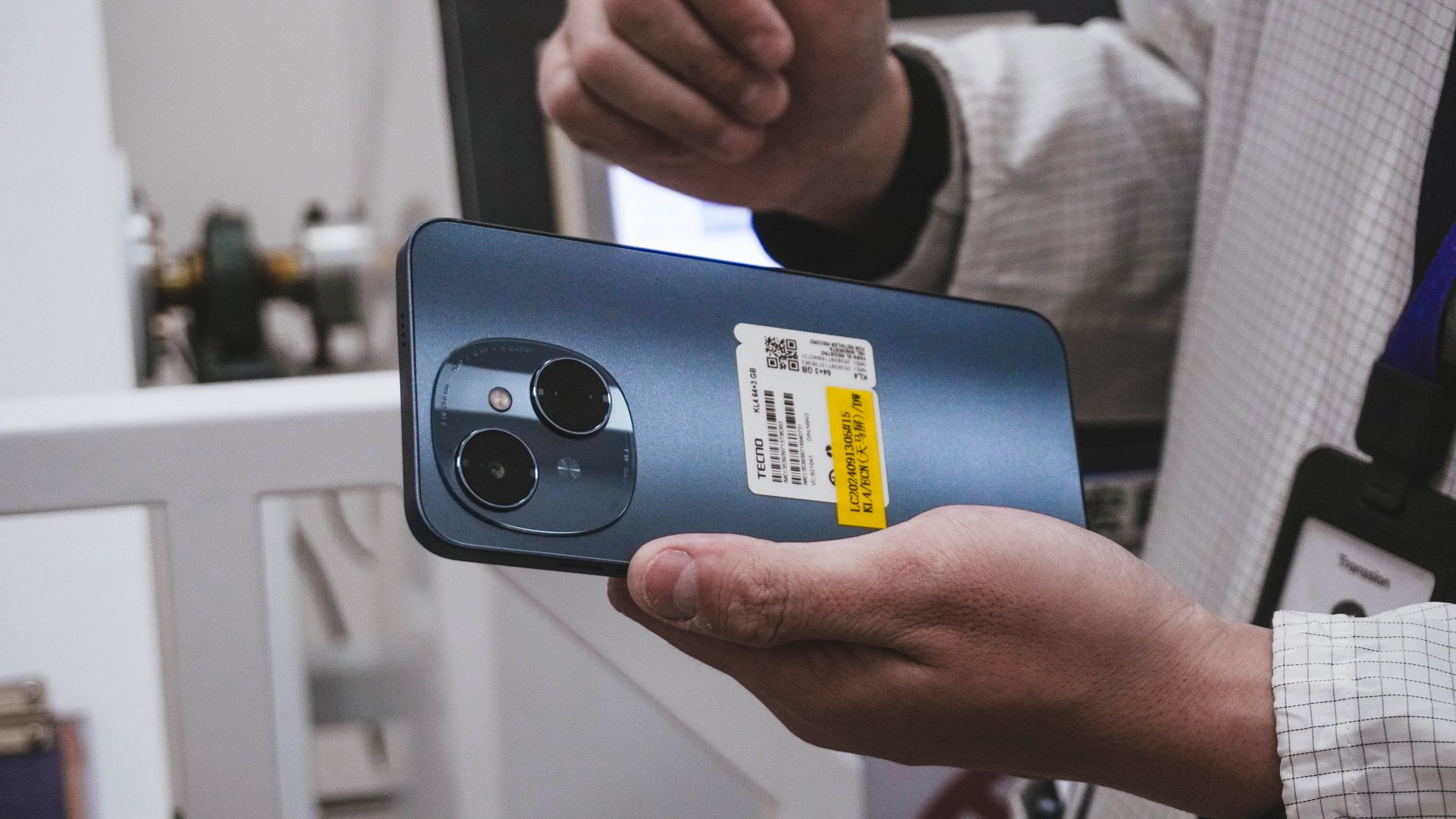
TECNO Spark Go 1 unscathed after repeated drop test
This just shows that TECNO has a tedious, rigorous, yet systematized process when testing their smartphones — regardless if its a budget, midrange, or a flagship smartphone.
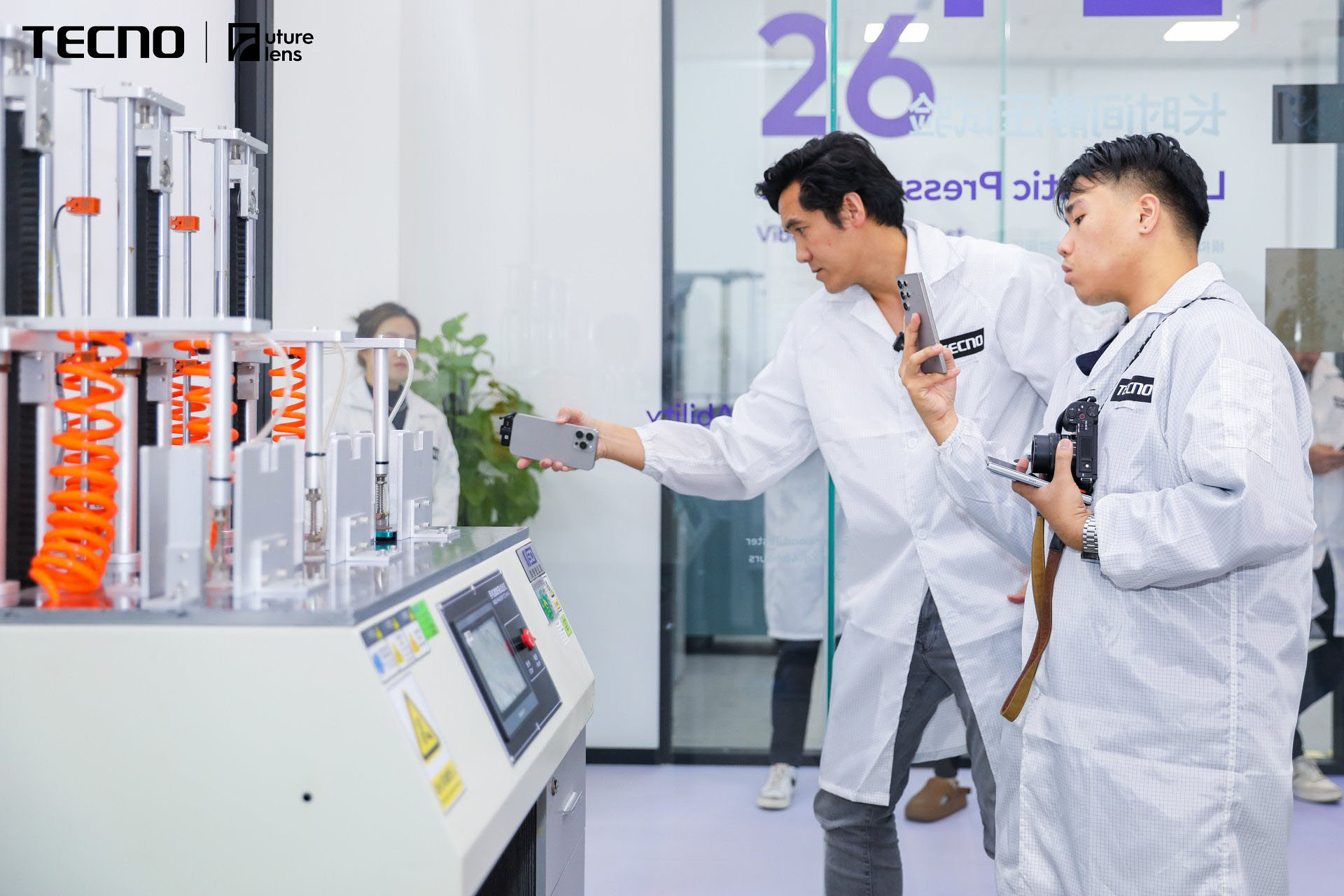
Two Vinces, One Photo: Here’s GadgetMatch’s Vincenz and Yanko Design’s Vincent capturing that phone drop test in action
Photos and words aren’t enough. Here’s a 60-second round-up I did of the actual factory tour.
@gadgetmatch Tried & Tested: This is how TECNO smartphones are made #TECNOFutureLens2024 #foryou #fyp ♬ original sound – GadgetMatch
BONUS: TECNO Coffee?!
TECNO has also showed us how they produce coffees in another production facility.
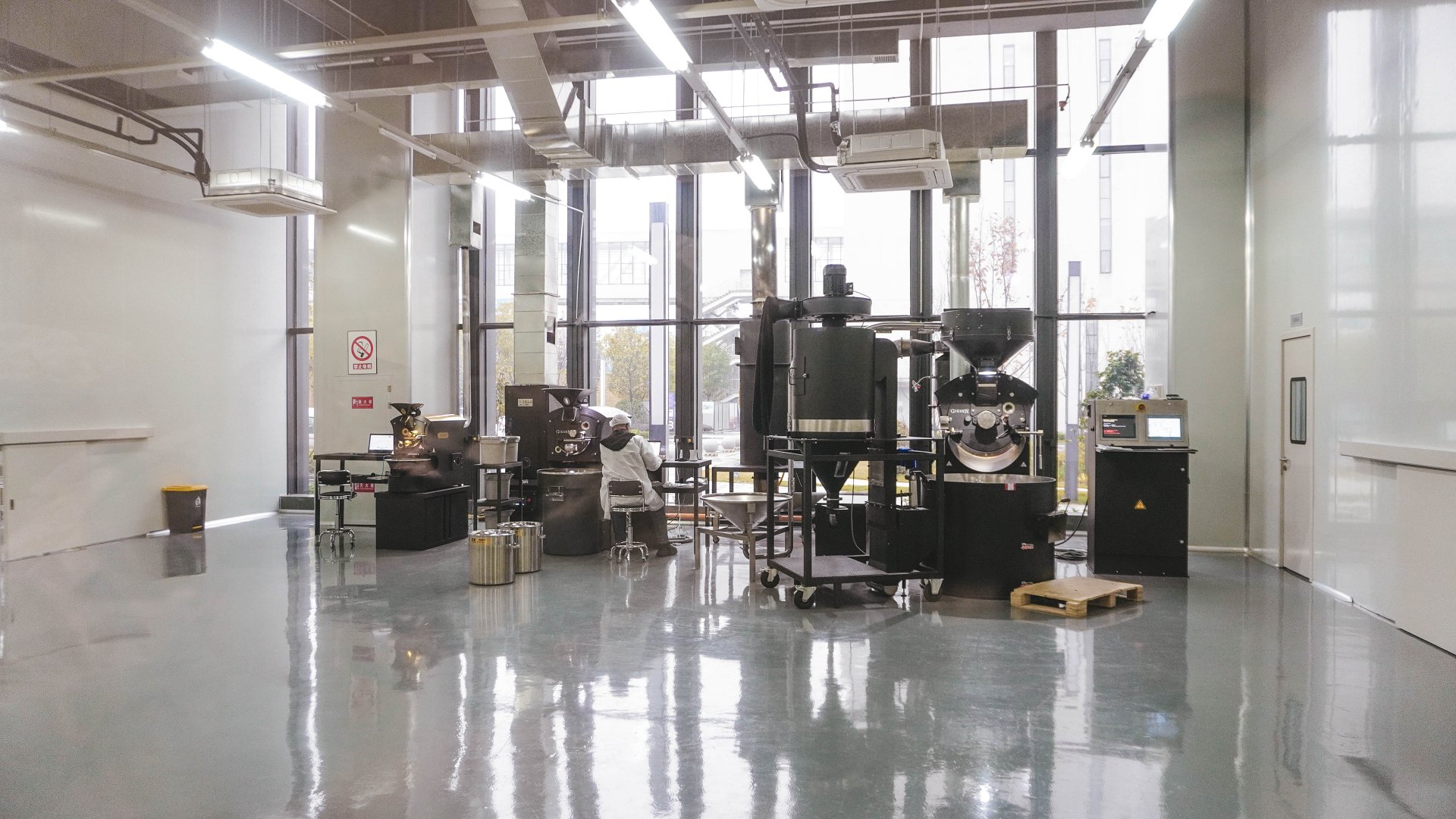
These beans were ethically-sourced from Ethiopia. The boxes weren’t lying as Gesha Village is popular for its coffee beans.
And ICYMI, TECNO tops Africa’s smartphone brand ranking.

That’s not all. They even let us know the actual taste of just one among the various coffee products they produce.

While there’s no official word during the tour talk, I’m just assuming that the LOEWE. Design Edition of the CAMON 30 series is where they got their discarded coffee beans in order to manufacture the actual backing of the phones.

Photo by TECNO
The result? These Yirgo-branded coffee products that they also sell for a surprisingly wallet-friendly price.






News
Xiaomi 18 Pro series is launching globally, Xiaomi confirms
Xiaomi’s phone with two screens is finally going global.

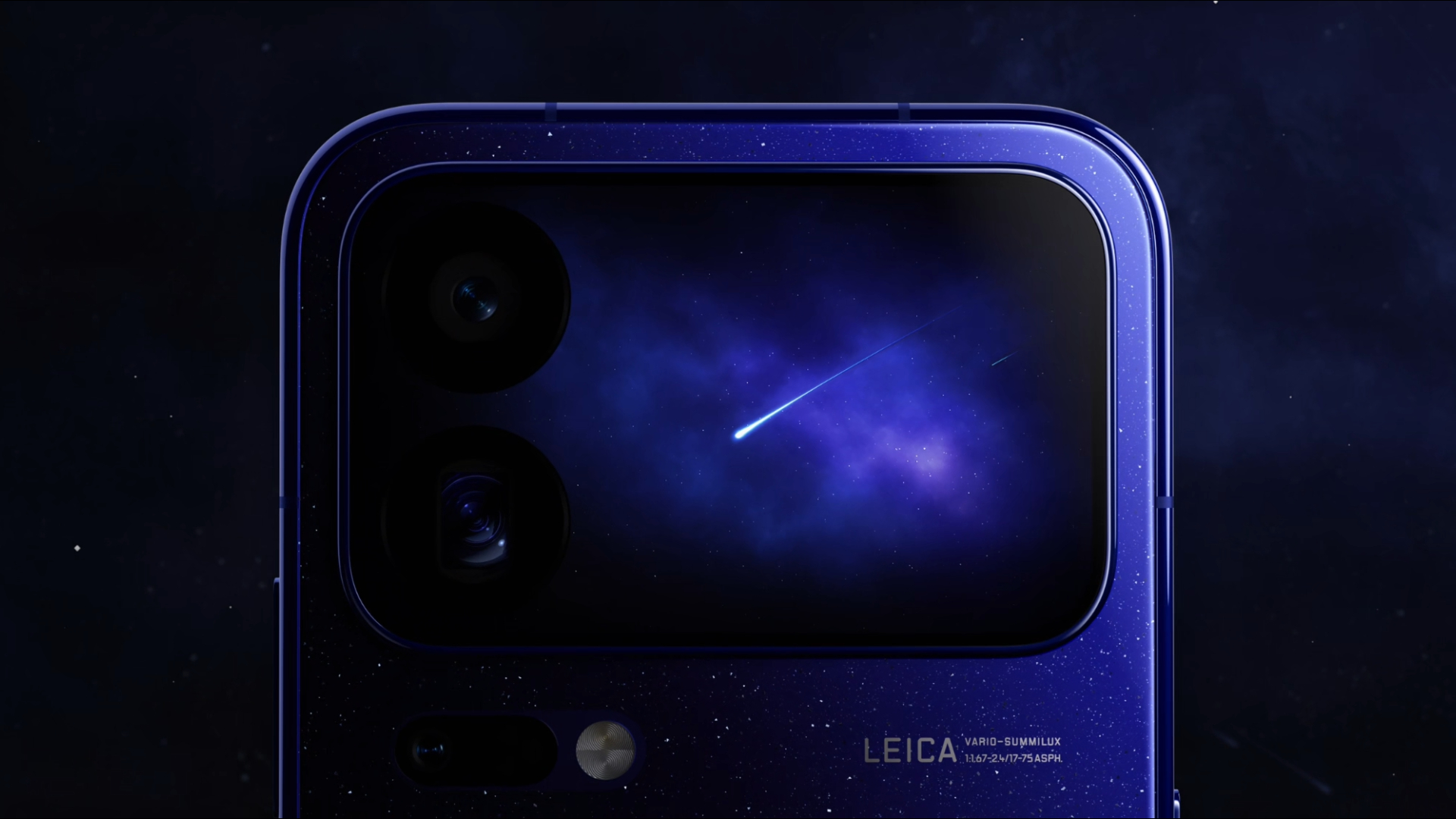
As you can probably read from our reviews, we were impressed with the Xiaomi 17 series. Like previous years, the Chinese brand knows how to make impressive flagships. Unfortunately, despite our raving, the world didn’t get the complete flagship experience because the Xiaomi 17 Pro and Pro Max were exclusive for Chinese users. This year, however, the Xiaomi 18 Pro and Pro Max will finally grace the entire world with their presence.
Recently, Xiaomi unveiled the Xiaomi 18 Pro duo. Normally, the launch of the Pro series doesn’t make waves outside of China because of the exclusive release. However, soon after the series’ debut, Xiaomi CMO Xu Fei officially confirmed that the duo will make a global debut sometime this year.
Now, the launch of the two smartphones should catch your eye. While the regular Xiaomi 18 series belongs to the more traditional form factors for smartphones, the two Pro models feature a smaller 2.7-inch (or a 2.9-inch) LTPO AMOLED rear screen, adding that extra bit of spice even if the phone is facing downwards. Other than that, the series comes with up to a Snapdragon 8 Elite Extreme Gen 6 chipset, up to 16GB of RAM, and up to 1TB of storage. It also features a trio of rear cameras including a 200-megapixel main sensor, a 200-megapixel periscope lens, and a 50-megapixel ultrawide sensor. In front, it has a 50-megapixel selfie shooter. Finally, the series goes up to an 8500mAh battery.
To be clear, there is a chance that the global version won’t match these specs. Regardless, it’s surely an impressive phone when it does launch elsewhere.
Apps
Google Photos can now censor your kid’s face better
The new Redact feature can censor sensitive information.

Censoring photos is heavy work. Either you stick on random emojis or draw an indiscriminate splotch of doodles to cover sensitive information. It’s an imperfect art but an essential one to protect privacy. Today, Google Photos is getting a Redact feature which can censor sensitive bits with pixelated blocks.
An addition to the Markup tool, Redact acts like a nifty pen that can hide information that you don’t want seen. Unlike a ghastly emoji or a splotch, the censored bar mixes better with the surrounding elements. In the example that Google used, a censored license plate blends well with the car it’s attached to, making the photo look more cohesive. Besides license plates, it’s the perfect tool for covering other information like phone numbers, addresses, and the faces of your loved ones.
Google Photos is also rolling out Moods, a set of filters that give photos a nostalgic look, including a 2000s night digicam vibe that’s popular today. There are also 15 new Remix templates to add more creation options.
Both the Redact and the Moods features will roll out to Android users starting today. The new Remix templates, however, will be limited to some countries on both Android and iOS.
SEE ALSO: Google will force Android users to use Gemini next month
News
Power Mac Center SM Aura is now an Apple Premium Partner store
With a new protection plan dubbed as “1Protect” for your precious new iPhones

Power Mac Center has upgraded its SM Aura branch into an Apple Premium Partner (APP) store. The “APP” designation is the highest tier for reseller stores worldwide.
Originally opened in 2014, the redesigned store now houses its retail space, training center, and a service center in one.

The new space also puts more emphasis on learning. Free group demos will be held every Friday to Sunday. These will cover topics such as iPad creativity, or camera features, personalization, and Continuity for the latest iPhone series.
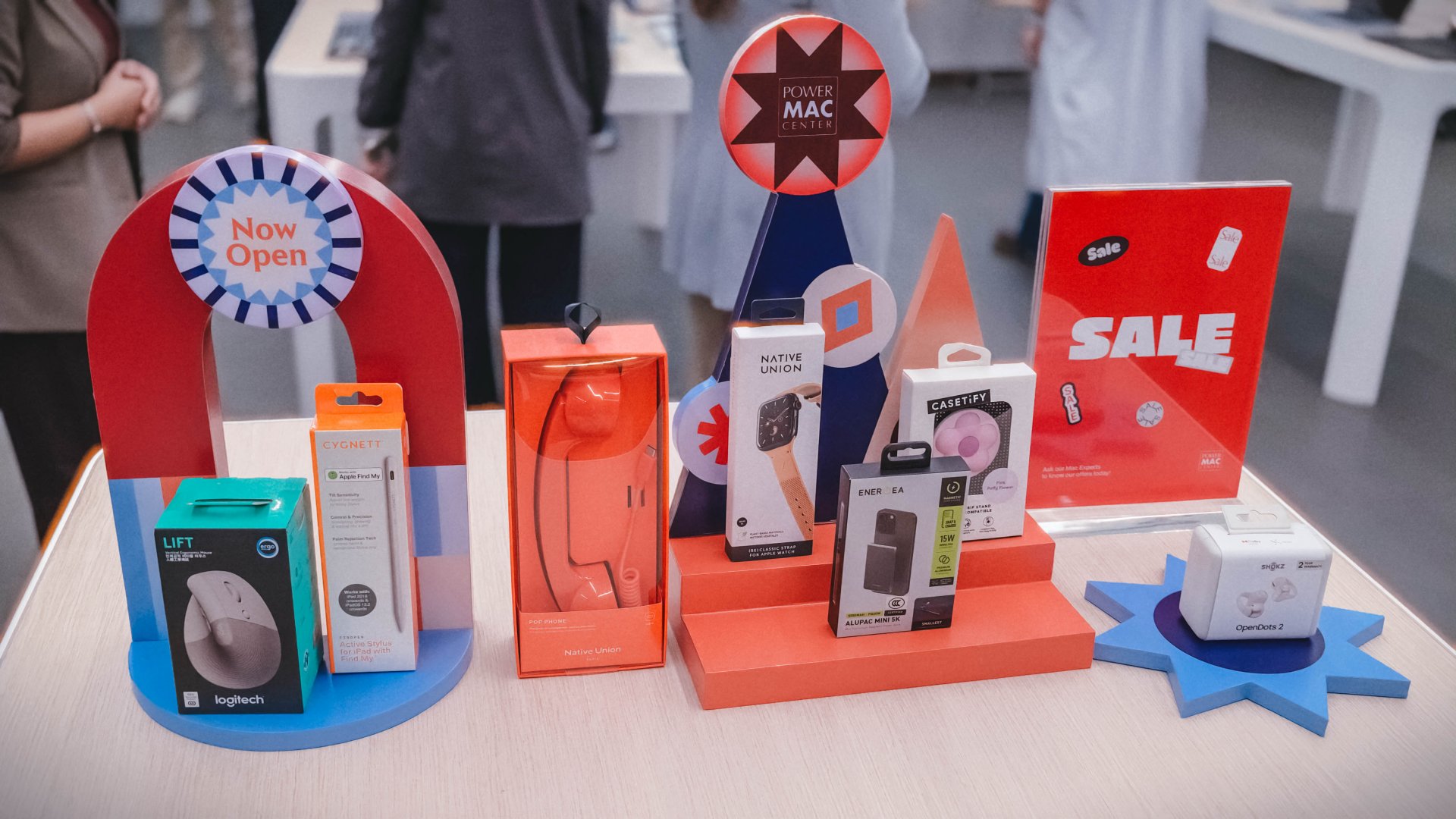
To celebrate the opening, customers can also score discounts on select Apple devices and accessories until September 27, 2026.
Deals include up to:
- ₱PhP 36,000 off MacBook Pros
- PhP 19,500 off iPads
- PhP 3000 off Apple Watches; and
- PhP 11,000 off iPhone models
There are also service discounts until September 25. Plus, new iPhones purchases here are also covered with 1Protect device protection.
ICYMI, it’s a partnership between PMC and Bolttech. It’s basically a new way to protect your precious new iPhones.

Your regular one-year warranty does not cover accidental drops and water damage. Purchasing this new device protection plan (good for one year) gives you an unlimited dose of that.
Parts are guaranteed original and is an official part of AppleCare Services.
This protection program also covers one-time unwarranted exchanges (or change of mind returns) from micro scratches to color options. It will even replace your iPhone (of the same model and configuration) if it was stolen once.

There’s also the 1 Infinite loyalty program. Members can earn points from purchases and redeem them for devices, accessories, services, and training.
The Power Mac Center SM Aura APP store is located on Level 2 and is open daily from 10AM to 10PM.


DJI Lito X1 review: Is this the best lightweight drone for creators?
Making a strong case as a travel companion and a capable B-cam!


REDMI Note 17 Pro Max review: A new breed born from AI greed
Welcome to the new normal


Marvel’s Wolverine review: When the claws come out
A brutal, cinematic superhero adventure

Spotlight: Amazon Kindle Scribe Colorsoft

Chimelong’s newest attraction might be the robots themselves

Xiaomi 18 Pro series is launching globally, Xiaomi confirms

Google Photos can now censor your kid’s face better

CRISIS CORE -FINAL FANTASY VII- REUNION physical edition now available for Switch 2

realme 16T 5G with 8000mAh battery, IP69 Pro rating launches in PH

HUAWEI Pura X View is 2026’s first WIDE slab-type smartphone

REDMI reveals the refreshed Note 17 and Note 17 Pro series

REDMI Note 17 Series: Price, availability in Singapore

The CAMON Slim 5G is TECNO’s latest ultra-slim smartphone


-

 News5 days ago
vivo X500 Series launches with major imaging upgrades
-

 Hands-On2 weeks ago
Apple iPhone 18 Pro Series Hands-on
-

 Gaming2 weeks ago
BlizzCon 2026 announces World of Warcraft: Forever and Diablo V
-

 News4 days ago
OPPO Find X10 Pro Max is the first phone with a triple 200MP camera system
-
Reviews2 weeks ago
REDMI Note 17 Pro Max review: A new breed born from AI greed
-

 Singapore7 days ago
Epson Lifestudio Grand Plus EH-LS970B with 4K projection, more launches
-

 News5 days ago
vivo introduces OriginOS 7 with smarter multitasking and AI features
-

 Gaming2 weeks ago
Valve unveils price of the Steam Frame