
News
vivo X300 Pro headlines Dimensity 9500 and Sony’s LYT-828 image sensor
Alongside Samsung’s custom-engineered ISOCELL HPB sensor


In line with vivo’s annual product roadmap lies the refresh of their grandest smartphone line.
The vivo X300 and X300 Pro were finally revealed in China as the industry’s newest smartphones leading the mobile photography and Dimensity 9500 race.
Two Flavors, One Flagship
Qualcomm already announced their first Snapdragon 8 Elite Gen 5 phones with the Xiaomi 17, 17 Pro, and 17 Pro Max. vivo then pioneers the X300 series as the first batch of Dimensity 9500-running flagships.
Unlike last year though, there are only two models in the X300 lineup instead of three.
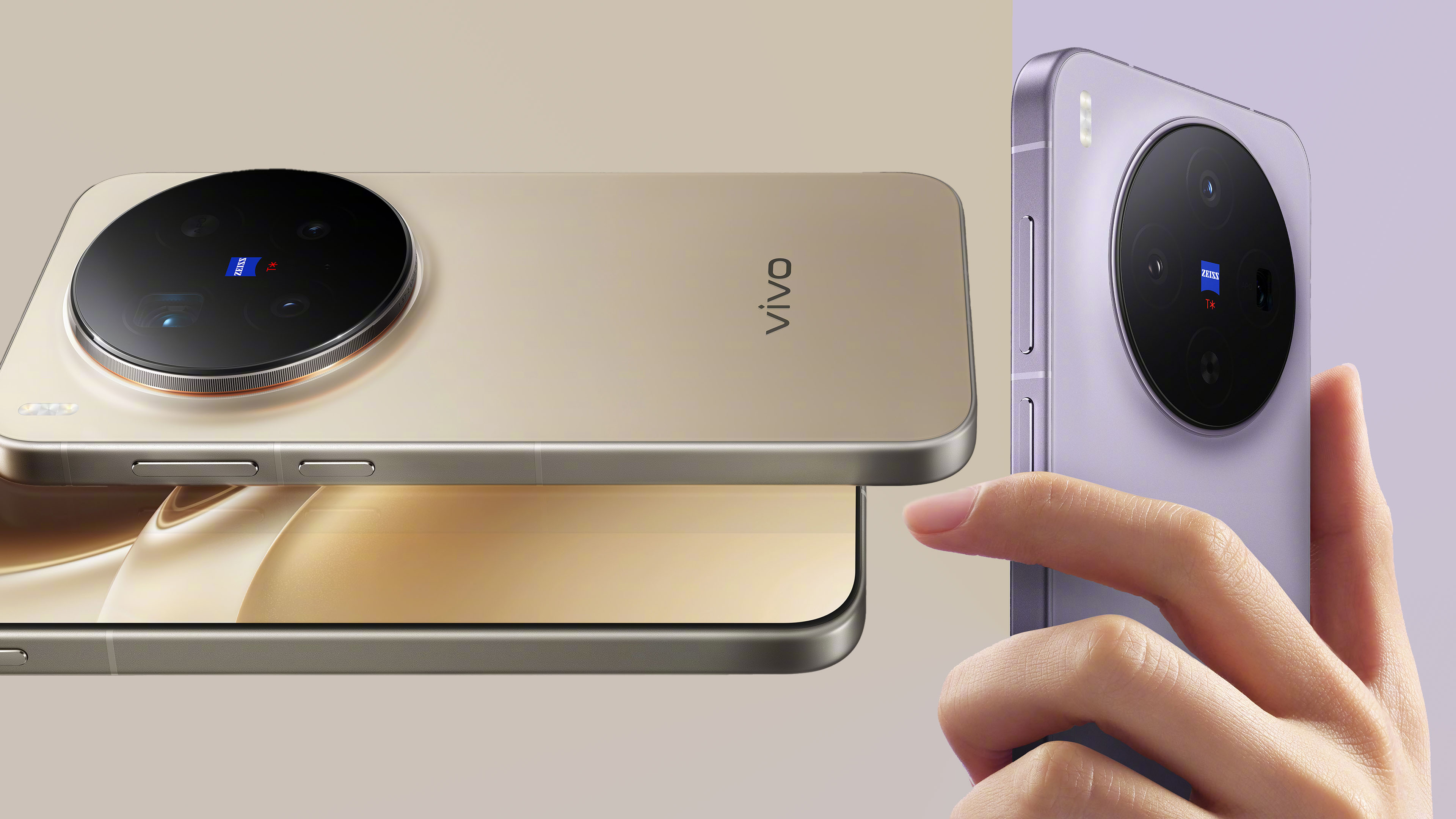
Graphics by Vincenz Lee | GadgetMatch
The vivo X300 adapts a smaller 6.31-inch flat screen, ditching the 6.67-inch of X200 last 2024. This not only is the “mini” successor of the X200, it also effectively replaces last year’s X200 Pro mini altogether.
Moreover, the Pro variant still rocks the same 6.78-inch panel as last year’s X200 Pro with “finely curved straight-edged bezels.”
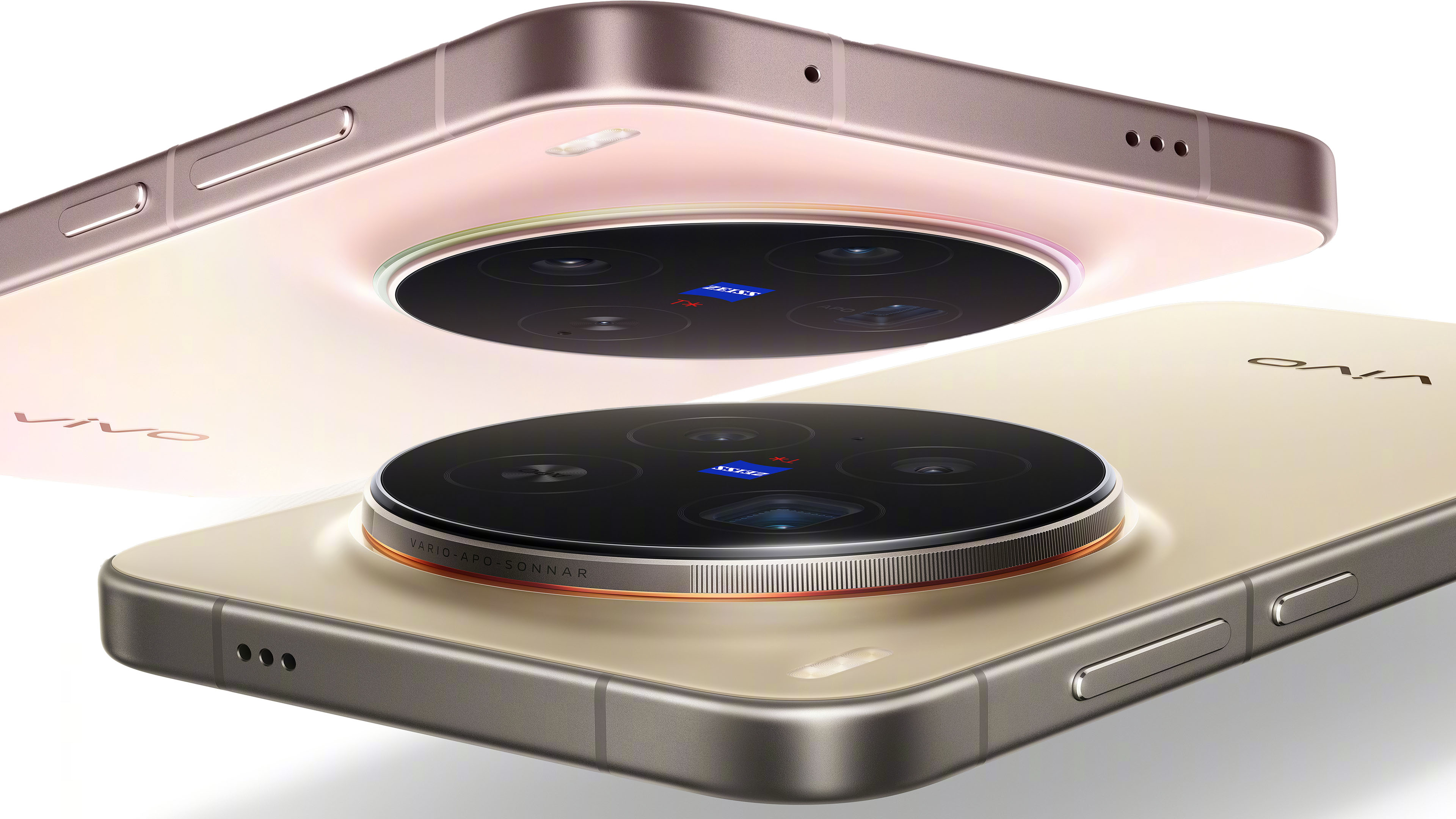
Graphics by Vincenz Lee | GadgetMatch
These ZEISS Master Color displays are 8T LTPO 120Hz displays based on BOE’s Q10 AMOLED. Both support HDR10+, Dolby Vision, and Netflix HDR content as well.
They also feature eye-protection features like 2160Hz PWM Dimming, TÜV Rheinland Flicker Free and SGS Low Blue Light certifications, and as low as 1 nit of screen brightness.
Finally, the base vivo X300 adopts an ultrasonic in-display fingerprint sensor that was previously exclusive to the Pro and Ultra models.
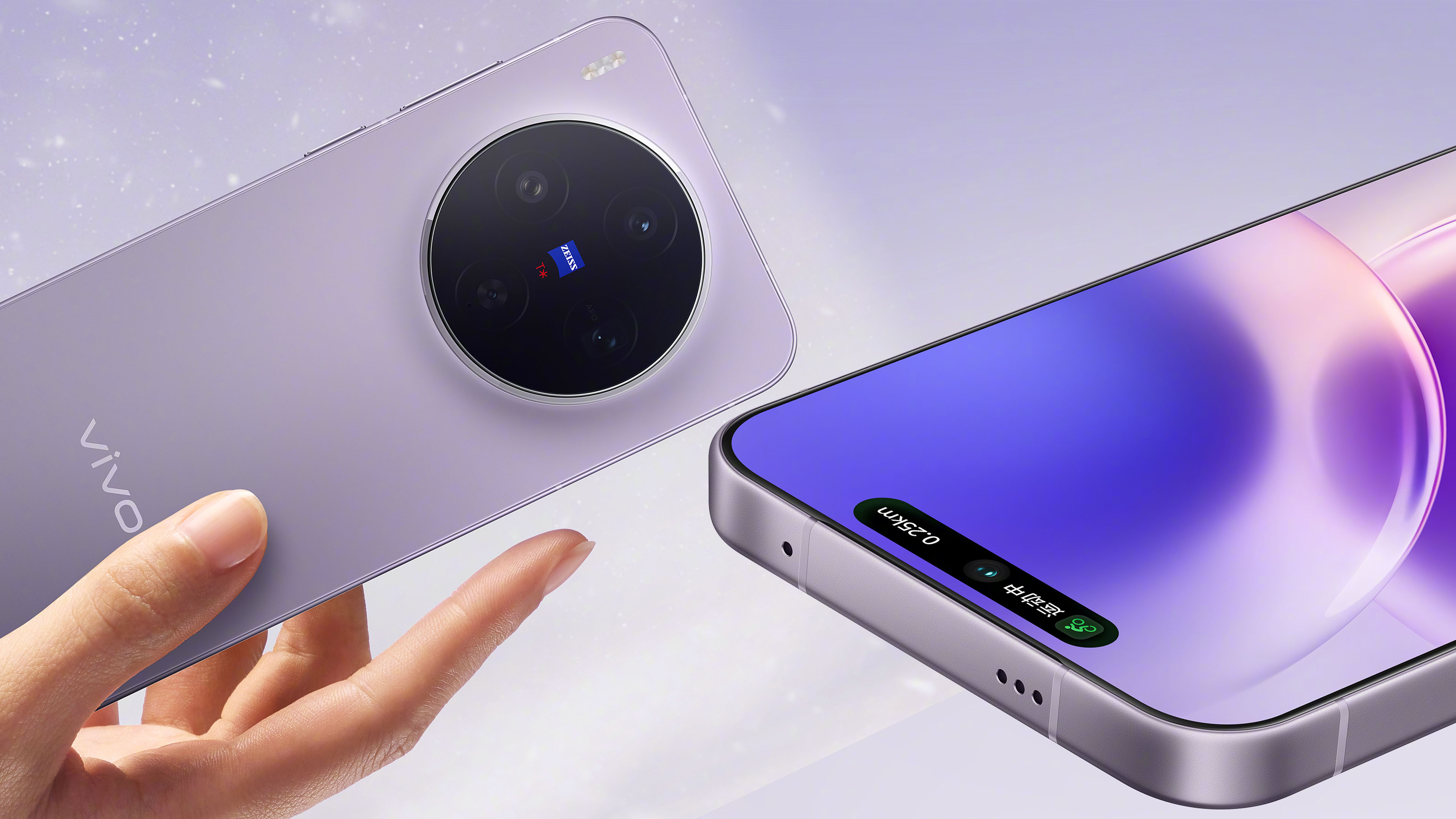
Graphics by Vincenz Lee | GadgetMatch
When it comes to battery, the X300 has a 6040mAh battery while the Pro variant packs a bigger 6510mAh capacity.
vivo boldly claims that these Silicon-Anode BlueVolt batteries are comparable to phones with 7000 and 7500mAh batteries through software and hardware energy optimizations.
Both support 90W FlashCharge plus 40W Wireless FlashCharge standards.
Pocket Pro-tography
The X300 phones wouldn’t be complete without their revolutionary flagship-grade camera system.
| vivo X300 Pro | vivo X300 | |
| Wide | 50MP f/1.57 1/1.28” Sony LYT-828 sensor |
200MP f/1.68 1/1.4” Samsung ISOCELL HPB sensor |
| Ultra-Wide | 50MP f/2.0 1/2.76” Samsung ISOCELL JN1 sensor |
50MP f/2.0 1/2.76” Samsung ISOCELL JN1 sensor |
| Telephoto | 200MP f/2.67 ZEISS APO 1/1.4” Samsung ISOCELL HPB sensor |
50MP f/2.57 ZEISS APO 1/1.95” Sony LYT-602 sensor |
| Selfie | 50MP f/2.0 1/2.76” Samsung ISOCELL JN1 sensor |
50MP f/2.0 1/2.76” Samsung ISOCELL JN1 sensor |
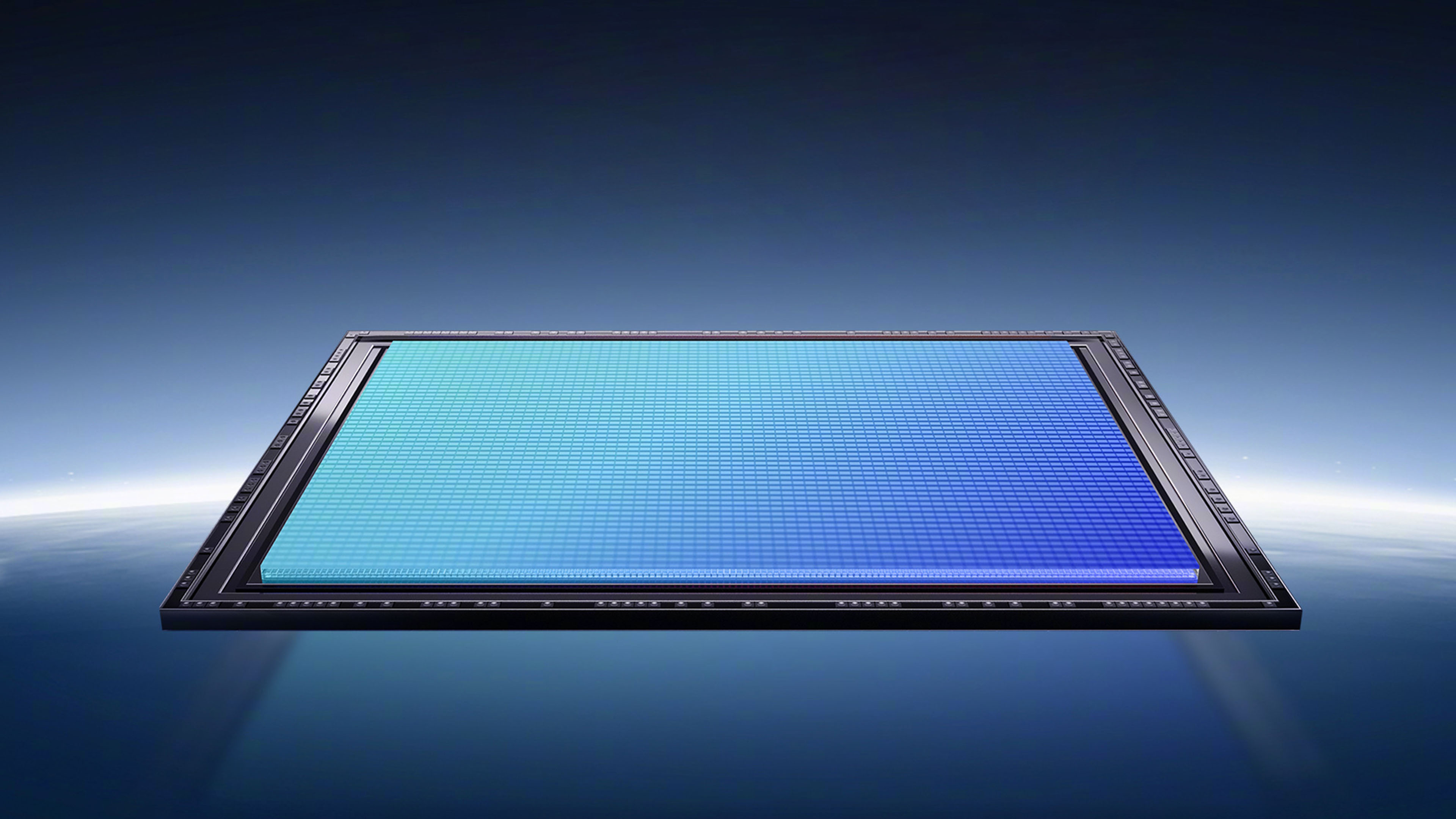
While both phones possess an identical ultra-wide and selfie shooters, the biggest differences can be seen between their wide and telephoto modules.
The X300 Pro headlines the all-new Sony LYT-828 1/1.28-inch image sensor together with vivo’s self-developed VCS 3.0 imaging technology. That’s then partnered by Samsung’s custom-engineered 200MP ISOCELL HPB sensor for its telephoto shooter.
Interestingly, the same sensor is also being utilized by vivo as the main camera sensor for the base X300. In return, the X300 packs a different 50MP telephoto module based on Sony’s LYT-602 with VCS technology.

Other than the power of MediaTek’s Dimensity 9500, the X300 series achieves an efficient “Dual-Chip Integration” with vivo’s in-house V3+ imaging chip (plus VS1 in the X300 Pro).
This further provides robust computational power for both advanced imaging processing and system operations.
With their long-lasting partnership with ZEISS, stylized portrait features still remain. Aside from the new Style Portrait and ZEISS Natural Portrait, the X300 Pro also has an added a newer ZEISS Mirotar Telephoto Style Bokeh that wasn’t found on previous models.
Graphics by Vincenz Lee | GadgetMatch
There’s even the Adaptive Zoom Flash feature as well as other enhancements that solves night-time portraits against complex lighting setups.
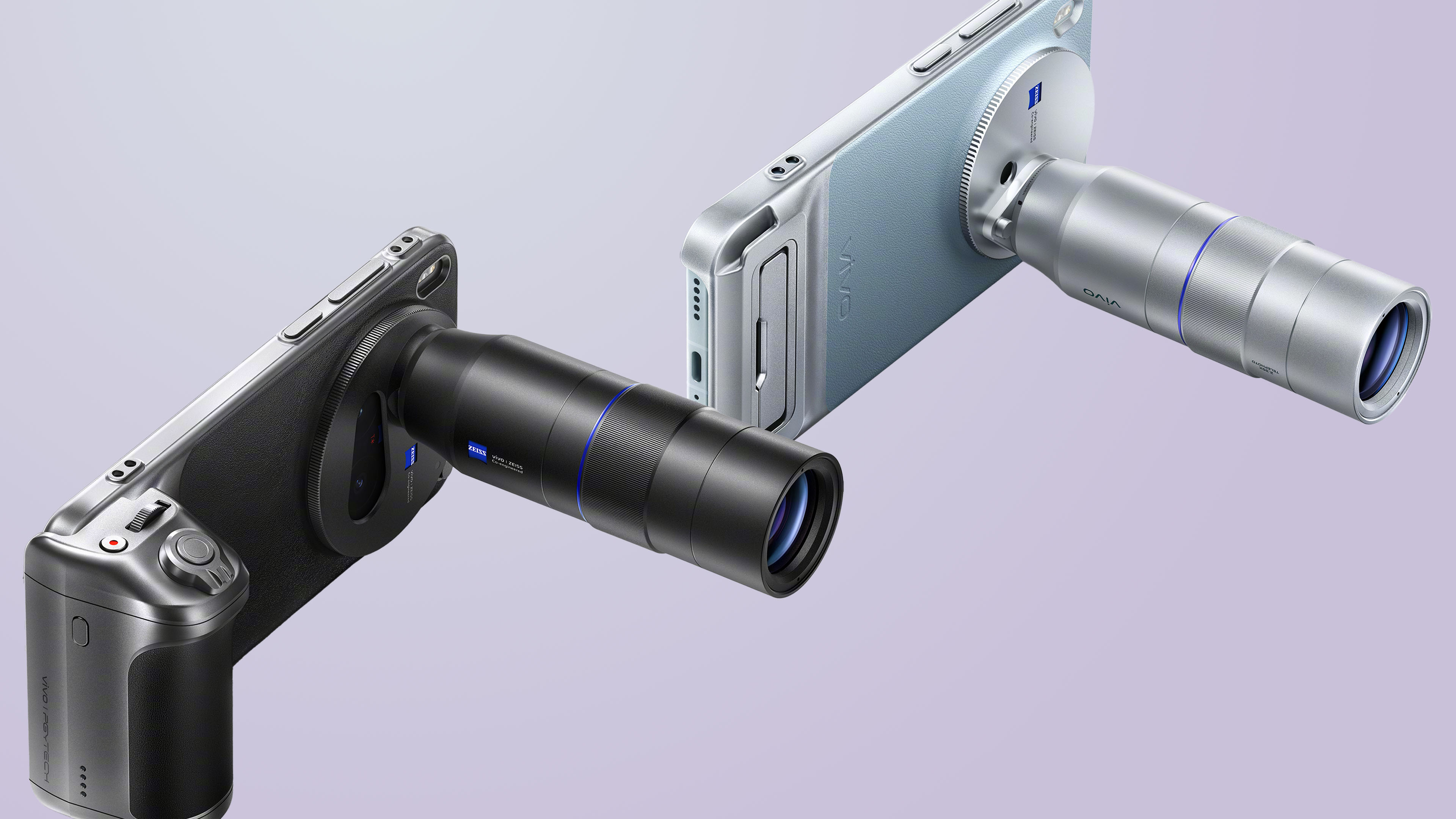
Last but definitely not the least, both the X300 and X300 Pro have their own Photography Kit — including that 2.35x Telephoto Extender that was only exclusive to the vivo X200 Ultra.
Video Mastery
That pro-tography prowess doesn’t end there.
The X300 Pro alone is finally capable of shooting up to 4K/120fps footages in 10-bit Log format across all focal length options. The X200 Pro can only manage to shoot 4K / 60fps Dolby Vision in 1x wide or 3.7x zoom.
For shake-free footages, vivo also promises gimbal-grade stabilization with an upgraded ±1.5-degree stabilization angle aside from the Dual-Channel EIS feature.
ACES Workflow was also incorporated for better color management and seamless color grading in editing software when synced across multiple devices.

Portrait Video was also improved to 4K / 60fps (previously limited to 4K / 30fps). vivo’s custom styles such as Cold -White or Classic Negative can also be applied when shooting in this mode.
On the other hand, the vanilla X300 is also capable of recording 4K / 120fps clips through Pro mode.
With the special camera kit in mind, it complements the 4K Stage All-in-One Recording found on the X300 Pro together with 20x Long-Range Motion Snapshot and Dual-View Stage Video add-ons.
These might make the X300 Pro the bestest compact concert companion just yet.
Refinements Within
Both of the X300 phones feature a Unibody 3D Glass Design that seamlessly blends the camera hump towards the rear cover.
There’s also the Coral Velvet Glass Technique for that fingerprint-resistant back design that’s also pleasant to the touch.
Both models are also slim just below the 8mm mark (7.95mm and 7.99mm respectively). Durability-wise, these X300 phones still rock dual IP68 and IP69 water and dust resistance ratings.
Other notable improvements include USB-C 3.2 Gen 1 port standard, UFS 4.1 storage protocol, as well as Bluetooth 6.0 and Wi-Fi 6G support for the X300 Pro.
Graphics by Vincenz Lee | GadgetMatch
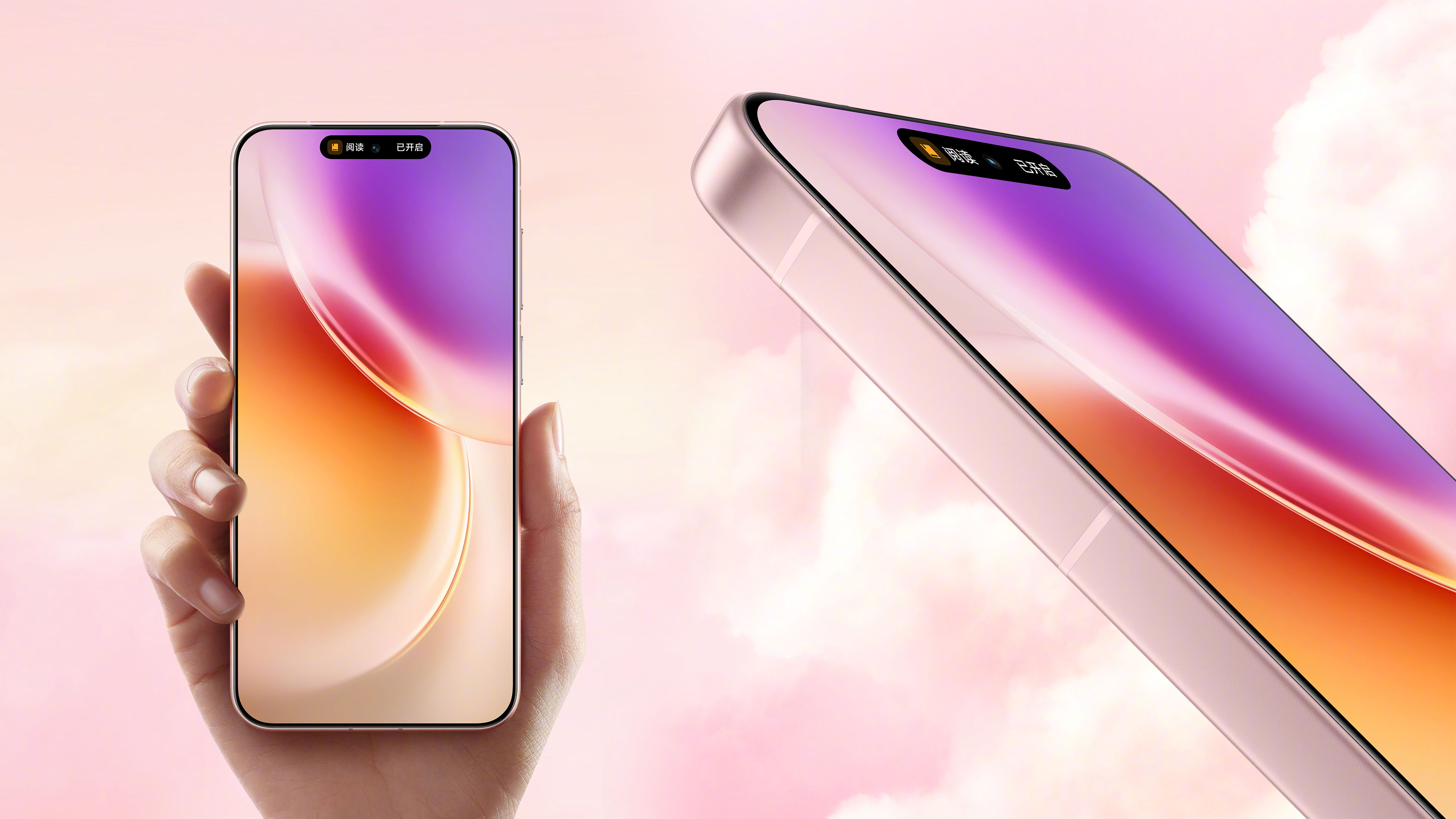
Lastly, the X300 series will premiere the latest OriginOS 6 based on Android 16 with a revamped look a la Apple’s Liquid Glass as well as seamless Apple Ecosystem integration — much like any other Chinese phone brands these days.
It’s said that this version will (finally) kill the long-running Funtouch OS and will be launched in India on October 15.
Pricing and Availability
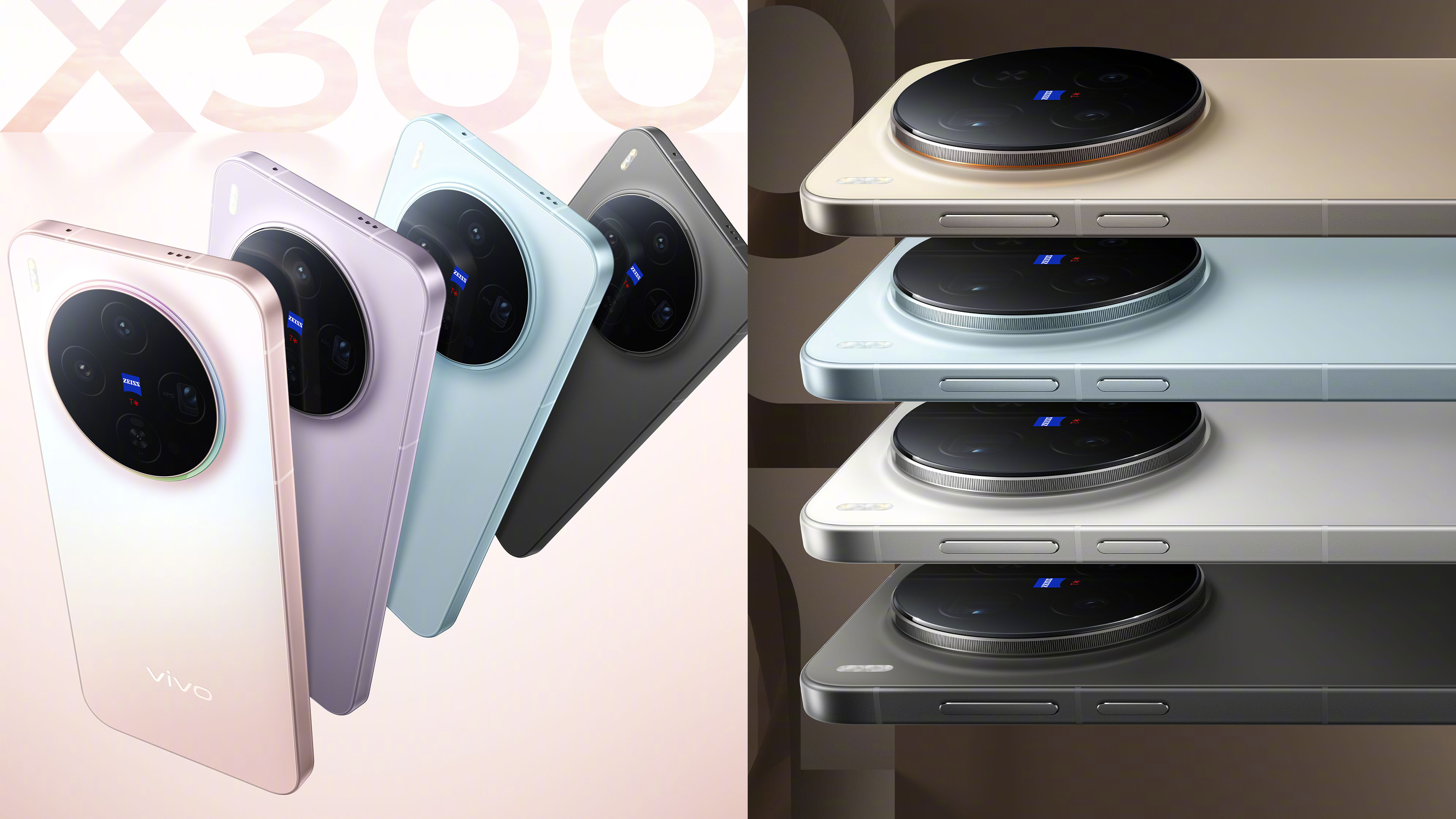
The vivo X300 is available in Black, Blue, Pink, Purple, and Red colorways.
Meanwhile, the X300 Pro is available in four shades: Black, Brown, Blue, and White.
Graphics by Vincenz Lee | GadgetMatch
Pricing and configuration in China are as follows:
- 12+256GB = CNY 4399 (US$ 620 / EUR 535 / GBP 465 / SG$ 800 / MYR 2610 / PhP 36,000 / INR 54,790)
- 16+256GB = CNY 4699 (US$ 660 / EUR 570 / GBP 500 / SG$ 860 / MYR 2790 / PhP 38,490 / INR 58,530)
- 12+512GB = CNY 4999 (US$ 700 / EUR 610 / GBP 530 / SG$ 910 / MYR 2970 / PhP 40,900 / INR 62,260)
- 16+512GB = CNY 5299 (US$ 745 / EUR 645 / GBP 560 / SG$ 965 / MYR 3145 / PhP 43,360 / INR 65,995)
- 16+1TB = CNY 5799 (US$ 815 / EUR 705 / GBP 615 / SG$ 1060 / MYR 3440 / PhP 47,450 / INR 72,230)
- 12+256GB = CNY 5299 (US$ 745 / EUR 645 / GBP 560 / SG$ 965 / MYR 3145 / PhP 43,360 / INR 65,995)
- 16+512GB = CNY 5999 (US$ 845 / EUR 730 / GBP 635 / SG$ 1095 / MYR 3560 / PhP 49,085 / INR 74,715)
- 16+1TB = CNY 6699 (US$ 940 / EUR 815 / GBP 710 / SG$ 1220 / MYR 3975 / PhP 54,815 / INR 83,435)
- 16+1TB Photographer Kit Edition = CNY 8299 (US$ 1165 / EUR 1010 / GBP 880 / SG$ 1520 / MYR 4930 / PhP 67,910 / INR 103,360)
* These are only rough, rounded-off price estimates
There’s no word on global availability just yet but it’s expected to rollout months after the Mainland China launch.
Press materials also suggest that global versions will only come with a maxed out config of 16+512GB as opposed to China’s 1TB variants.






Gaming
Xbox saves Kojima’s PHYSINT after PlayStation drops support
PlayStation says the separation was mutual, but Kojima hints otherwise.


Things aren’t going well in the PlayStation camp. After two months of frankly questionable decisions, the company adds another to the pile by dropping support for Hideo Kojima’s PHYSINT.
For a while now, Kojima and PlayStation were in a very productive relationship with the Death Stranding duology, a critically acclaimed collection of titles for the platform. When things looked like they were going well, Kojima announced PHYSINT, an espionage-themed game which reminded fans way too much of Metal Gear Solid.
If you were investing in a PlayStation 5 to play Kojima’s latest thriller, you might want to move your chips elsewhere now. PlayStation has just dropped support for the espionage game, meaning PHYSINT will no longer be a first-party title for the platform.
Though PlayStation claims that the decision came after “careful consideration,” Kojima himself has said that the move was “unexpected,” going against PlayStation’s assurance of a mutual separation.
Very quickly, Xbox has announced that their platform will support PHYSINT instead. It’s a big get for the competing brand because Xbox Game Studios is already supporting OD, Kojima’s other upcoming horror project starring Sophia Lillis.
Unfortunately, it’s difficult to say more. As is tradition, Kojima will not explain much more about his upcoming titles. In fact, OD’s trailer barely says anything. One thing’s for sure, though: we’re all in for quite a ride.
Entertainment
PH to celebrate 1st ever National Cinema Day; movies start at less than $2
Watch a movie on September 12 for a fraction of the cost

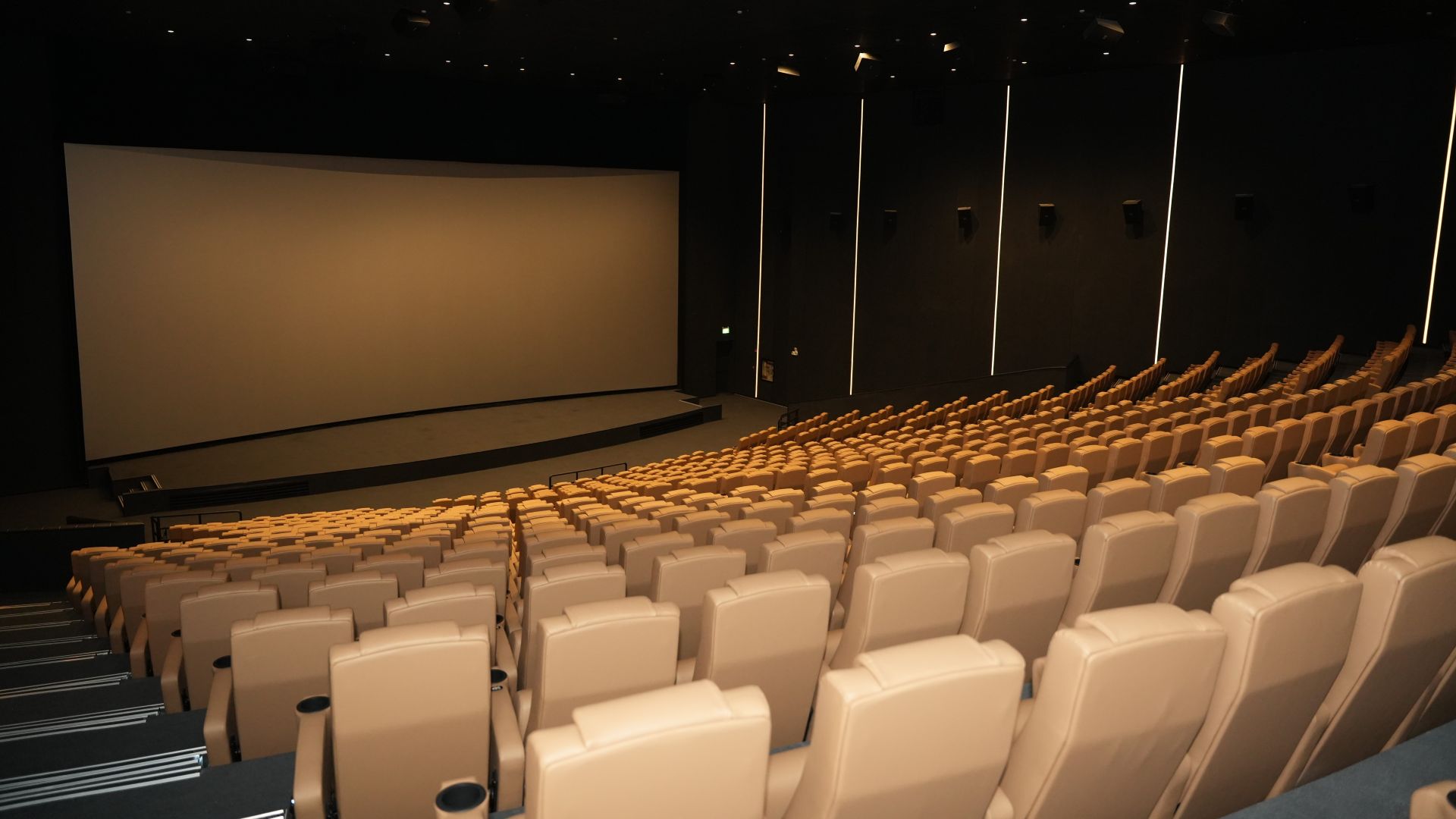
The Philippines will be celebrating its first ever National Cinema Day on September 12. On this day, movie tickets will go for as low as PhP 100 (US$ 1.60) at regular 2D cinemas.
The campaign aims to make moviegoing more accessible to audiences. This includes families, friends, students, and cinephiles in general.
Such initiative has been a staple in other countries, like the United States, United Kingdom, Spain, Germany, Australia, New Zealand, and more. The same concept applies, with movie tickets going on sale for a lot less.
What’s great about the celebration is that all movies scheduled for exhibition on September 12, whether local or international, shall get the special admission price.
Advanced tickets sales have already begun. Customers can purchase through participating box offices, official websites, mobile apps, and authorized platforms.
Tickets will be sold on a first-come, first-served basis and remain subject to theater capacity. Prices vary for other viewing formats like Director’s Club or IMAX, for instance.
The campaign is organized by the Cinema Exhibitors Association of the Philippines (CEAP), along with industry and government partners.
The initiative is supported by the Film Academy of the Philippines (FAP), Film Development Council of the Philippines (FDCP), Movie and Television Review and Classification Board (MTRCB), and the Metro Manila Film Festival through the MMDA.
Participating cinemas include Ayala Malls Cinemas, SM Cinemas, Robinsons Movieworld, CityMall Cinema, Megaworld Cinemas, and more.
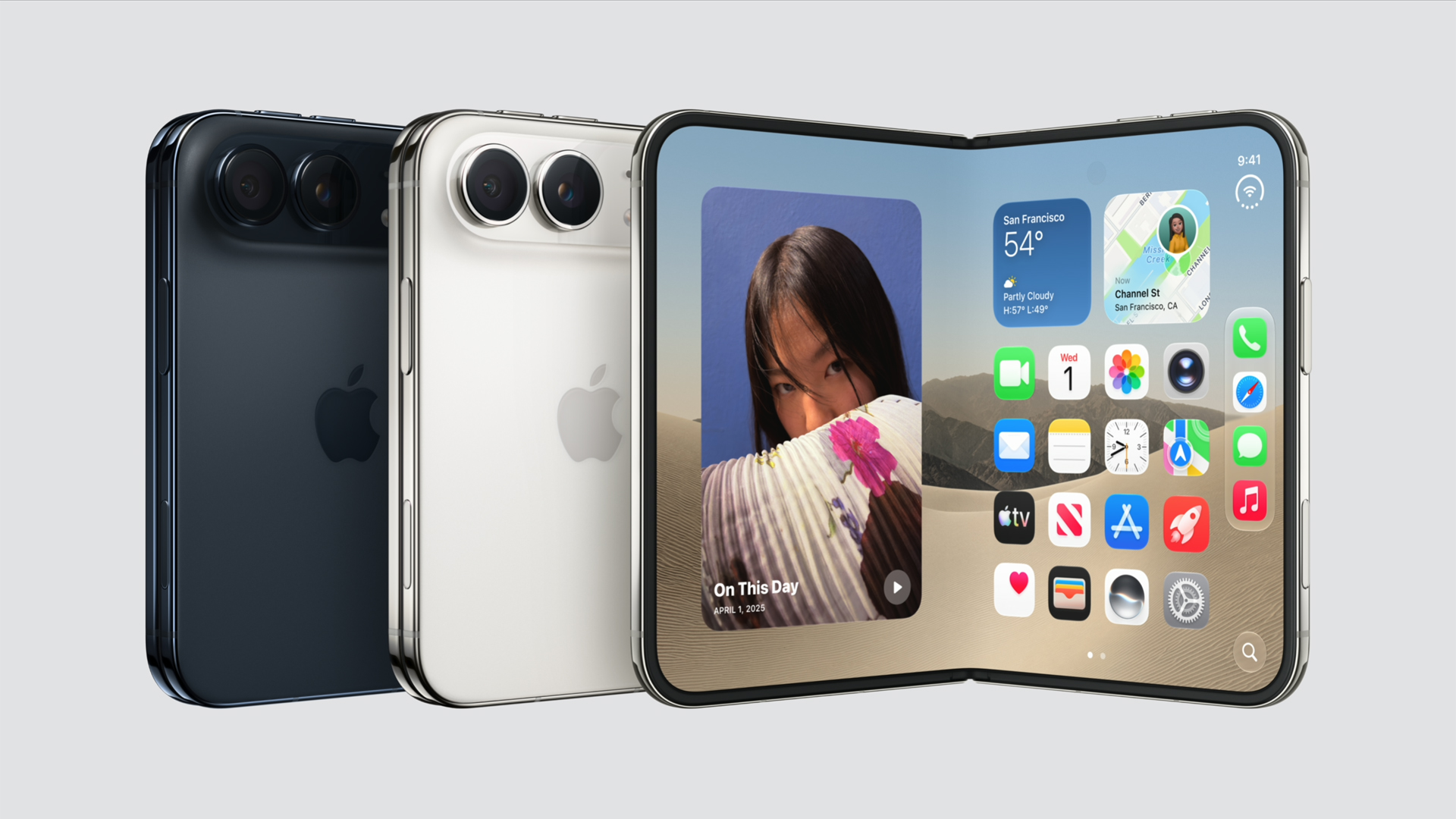
Apple has officially entered the foldable smartphone market with the iPhone Duo, its first foldable iPhone. It uses a passport-style design that opens into a larger display while retaining a more conventional smartphone experience when folded.
Price and availability
The iPhone Duo starts at PhP 159,990 in the Philippines for the 256GB model as listed on the Apple website.
Here’s the full local pricing:
- 256GB — PhP 159,990
- 512GB — PhP 175,990
- 1TB — PhP 207,990
- 2TB — PhP 254,990
The iPhone Duo comes in Star White and Night Sky.
Actual availability in the Philippines has yet to be officially announced.
A foldable design with two displays
The iPhone Duo has a 5.4-inch outer display when folded and expands to a 7.6-inch main display when opened. Both orientations use the same aspect ratio, allowing iOS to transition between them seamlessly.
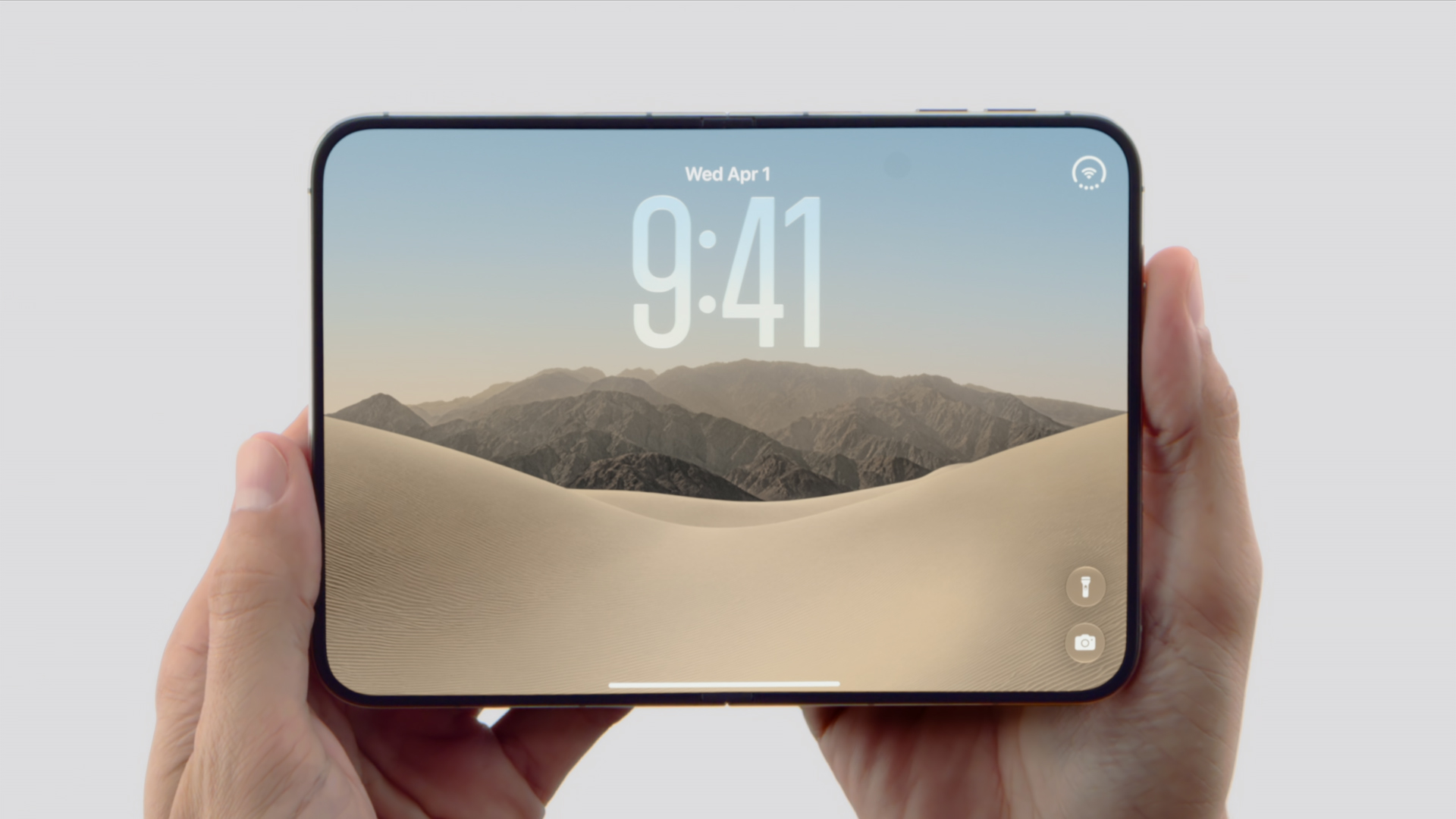
The rear chassis uses Ceramic Shield, while the front display gets Ceramic Shield 2. The device is also IP68-rated for dust and water resistance.
Its hinge uses carbon fiber supports and magnets that produce an audible click when the phone is folded.
A20 Pro brings flagship performance
The iPhone Duo is powered by the A20 Pro, the same chip found in the iPhone 18 Pro series. Apple says the chip delivers 35 percent better sustained performance than the iPhone 17 Pro.
It also comes with the new C2 cellular modem, which provides up to 50 percent faster uploads. Like other foldables, the Duo can be used in different configurations, including tent mode and a partially folded book-like position.
48-megapixel camera system
The iPhone Duo gets a 48-megapixel Fusion Main camera alongside a 12-megapixel 2x telephoto camera.
For selfies and video calls, it has a 12-megapixel Center Stage camera. The inner display also uses an under-screen camera for a cleaner look.
Battery life goes beyond a day
The iPhone Duo offers up to 31 hours of video playback using the inner display and up to 44 hours using the outer display.
Charging is also quick. Apple says a 20-minute charge can replenish half the battery, while a five-minute charge can provide up to five hours of video playback.
For the complete specifications and first-look details, check out our main iPhone Duo launch coverage.


Marvel’s Wolverine review: When the claws come out
A brutal, cinematic superhero adventure

Setting your bedsheets ablaze with the Lovense Solace Pro
The closest proxy I could find where I'm guilty as sin


Now Playing: Elden Ring Tarnished Edition
Is the Switch 2 port worth the price?

First Look: Apple iPhone Duo

Xbox saves Kojima’s PHYSINT after PlayStation drops support
Marvel’s Wolverine review: When the claws come out

PH to celebrate 1st ever National Cinema Day; movies start at less than $2

New AGON gaming monitor features up to 1000Hz refresh rate

TECNO MEGAPAD 2 review: Eyes on the size

realme 16T 5G with 8000mAh battery, IP69 Pro rating launches in PH

HUAWEI Pura X View is 2026’s first WIDE slab-type smartphone

REDMI Note 17 Series focuses on long-term reliability

REDMI reveals the refreshed Note 17 and Note 17 Pro series


-
 News2 weeks ago
realme 16T 5G with 8000mAh battery, IP69 Pro rating launches in PH
-
 News4 days ago
HUAWEI Pura X View is 2026’s first WIDE slab-type smartphone
-
 Cameras1 week ago
DJI Osmo 360 II review: Going all-in on the ecosystem
-

 Features2 weeks ago
The designated photographer’s new favorite phone: OPPO Reno16 Series 5G
-

 News4 days ago
The CAMON Slim 5G is TECNO’s latest ultra-slim smartphone
-

 IFA 20261 week ago
TECNO MEGABOOK T15 360 unveiled at IFA 2026
-

 Gaming1 week ago
NBA 2K27 review: A two-way All-Star
-
 Reviews1 week ago
Samsung Galaxy Z Fold8 Ultra review: It’s time to get a foldable