
Features
Top 9 tech predictions for 2018


The year 2017 is about to close, and we have seen a lot of innovation that have been fruitful and useful to our lives. Some are still taking their precious time before maturing, and 2018 could give them their moment.
With what we saw this year, here are our tech predictions for 2018 which we hope will materialize.

Non-humanoid AI robots
Future robots (or at least those in our home) will not be the same as the ones in the movie iRobot, but rather more like in Her. If you haven’t watched these films, I suggest you do because both have a different take on how artificial intelligence will take form.
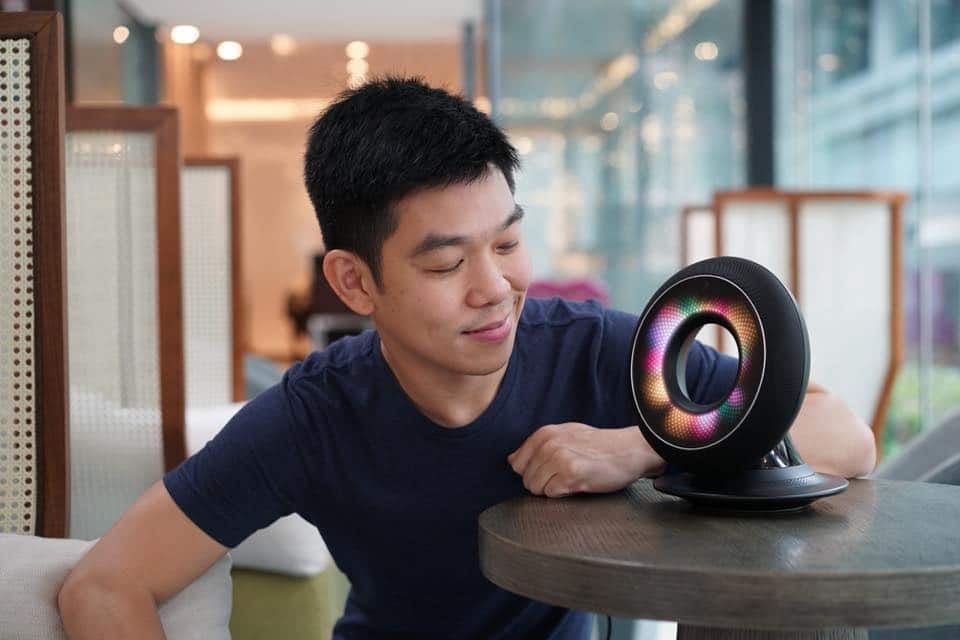
Michael Josh with Olly Robot
When our Chief Content Officer Michael Josh went to Singapore, he sat and talked to the guys of Olly for their device called Olly Robot. It’s a Google Home-like device but with emotions. Imagine a home companion that’s more conversational and proactive, which will then learn more about your routines and be ahead of everything you have to do.
It might be scary, but since the device looks far from a human clone like Sophia, it’s not intimidating. That’s how we see the future of households, and it’ll also make us less lazy by doing the physical actions by ourselves. Linking (or bonding) with our virtual assistants will give us faster access to whatever information we need.
Bezel-less display on budget phones
With the iPhone X and Galaxy Note 8 leading the pack, the bezel-less trend on smartphones is here to stay. Unlike other features which tend to be gimmicky, having more screen real estate on mobile devices is preferred by many. Borderless (or near-borderless) displays have even found their way to midrange phones for as low as US$ 300! Manufacturers have 12 months to bring this trend to budget devices, and we’re on board this. The shift to the 18:9 aspect ratio is also part of this change, and developers will have to keep up and experiment more with this taller ratio.
More AI-powered phones are coming our way!
The launch of the Mate 10 and Mate 10 Pro brought Huawei’s own Kirin 970 processor to consumers with artificial intelligence and a neural engine. Some phones may claim to have AI, but unless they have a dedicated processing unit to handle its computations, they’ll not reach their peak. AI will be able to make our phones even smarter; however, manufacturers and developers will take advantage of this differently. This will benefit consumers even more.
Smart home devices working locally
Google Home with Google Assistant and Amazon Echo with Alexa are fantastic smart home speakers you can already buy, but they need the internet to be able to execute actions. Even Apple’s Siri, despite its access to the iPhone’s processing chip, needs a lot of data from the internet to respond to our queries. Hopefully starting next year, we’ll have digital assistants equipped to perform deep learning tasks locally. These AI tasks like natural language processing and facial recognition will be done instantly and more efficiently. A few privacy issues could also be addressed.
Augmented reality will go full mainstream

Augmented reality on the Apple iPhone X
Augmented reality is nothing new, even on mobile phones. But when Apple formally announced their full support for the platform, we knew it could go mainstream. Niantic Labs even announced their upcoming AR game which will bring the wizarding world of Harry Potter to our real-world pockets. We don’t have the specifics about the game yet, but we could see it doing well. One doesn’t need additional hardware (remember Google’s Project Tango?) to make AR work on mobile, which is a major leap.
Asia further embracing digital payments
Here in Asia, we like to transact in cash. We do have our plastic cards to go cash-less, but digital payments done through our mobile phones are even better. With everything going mobile, transactions should also be mobile and secure, too. Digital payments from companies like Samsung, Google, and Apple have already found their way to Asia, but next year, we’d see them in more countries in the continent. Even smaller players in select countries are starting to make waves before big players arrive.
Wearable implants and fitness trackers on every watch
Smartwatches didn’t become as popular as we had expected, but what if these devices were built into our bodies? Wearables aren’t mainly for notifications and fashion; they may be better applied in medicine. The goal is to have real-time diagnostics of our health which can be easily downloaded and read by doctors for more accurate reading. Preventive healthcare is always the best, so this an important application of available technology. For now, we have smart fitness trackers which automatically record our physical activities, and soon, implants will be able to look at internal readings.
Wireless charging becoming a thing
Wireless charging isn’t exactly new, but it’ll become more popular since Apple introduced it with the new iPhones. While Android fans will be quick to react that this has been around for years, wireless chargers are slower compared to traditional USB charging, which is why power Android users prefer using quicker wired chargers instead. Fast wireless chargers have started hitting the market, and with Apple using the wireless charging standard Qi, you’ll be able to lend your iPhone’s wireless charger to Android phones and vice-versa.
Bendable display on mobile computers

Lenovo’s concept notebook
Coming from edge-to-edge displays, we’re now going to bendable screens. We’ve seen bending panels in concept during tech shows, but no actual product has come to the market. The closest we got are fixed curved displays on Samsung phones, but Lenovo is planning on releasing a laptop with a bending display. It’s like the future of notebooks but with the bezel-less screens we love so much.
SEE ALSO: 8 borderless flagship phones you can buy now
[irp posts=”23724″ name=”8 borderless flagship phones you can buy now”]


As someone who travels and is outdoors a lot, THE Michael Josh will be the first to admit that he is NOT gentle with his phones.
They live in his pockets, bags, hands. They get dropped, they get wet, and they get dusty.
So when REDMI asked him to test something they call “REDMI Titan Durability,” he figured the only fair way to do it was to put the REDMI Note 15 Pro+ 5G to the ultimate durability test.

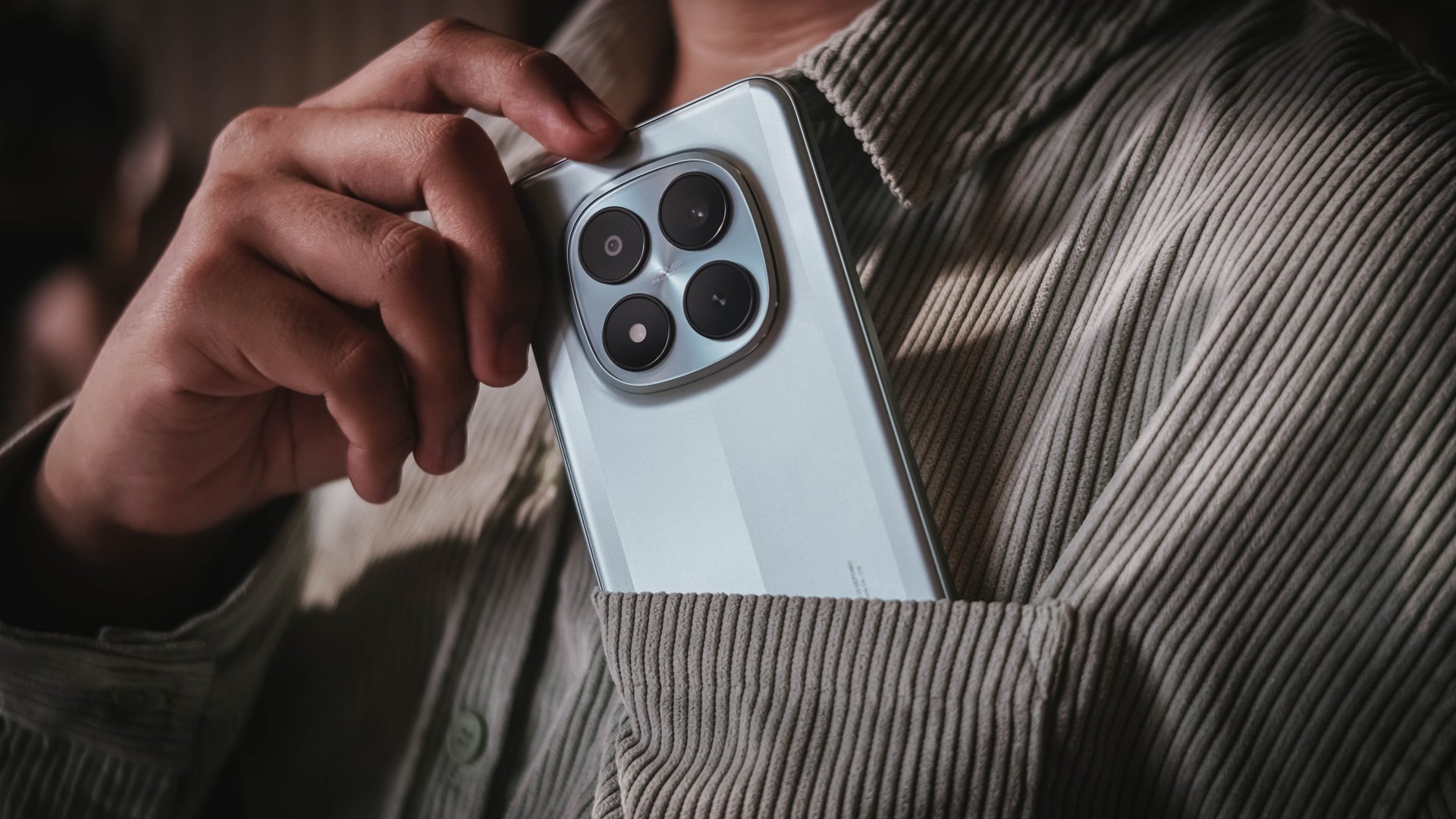
Looking back at my first few months with GadgetMatch back in 2018 nostalgically evoked my Pocophone F1 core memory. It was touted as THE “flagship killer for less.”
Pre-pandemic, that “Pocophone” simply became “POCO” and became an “independent” kiddo who moved out of its parent’s house.
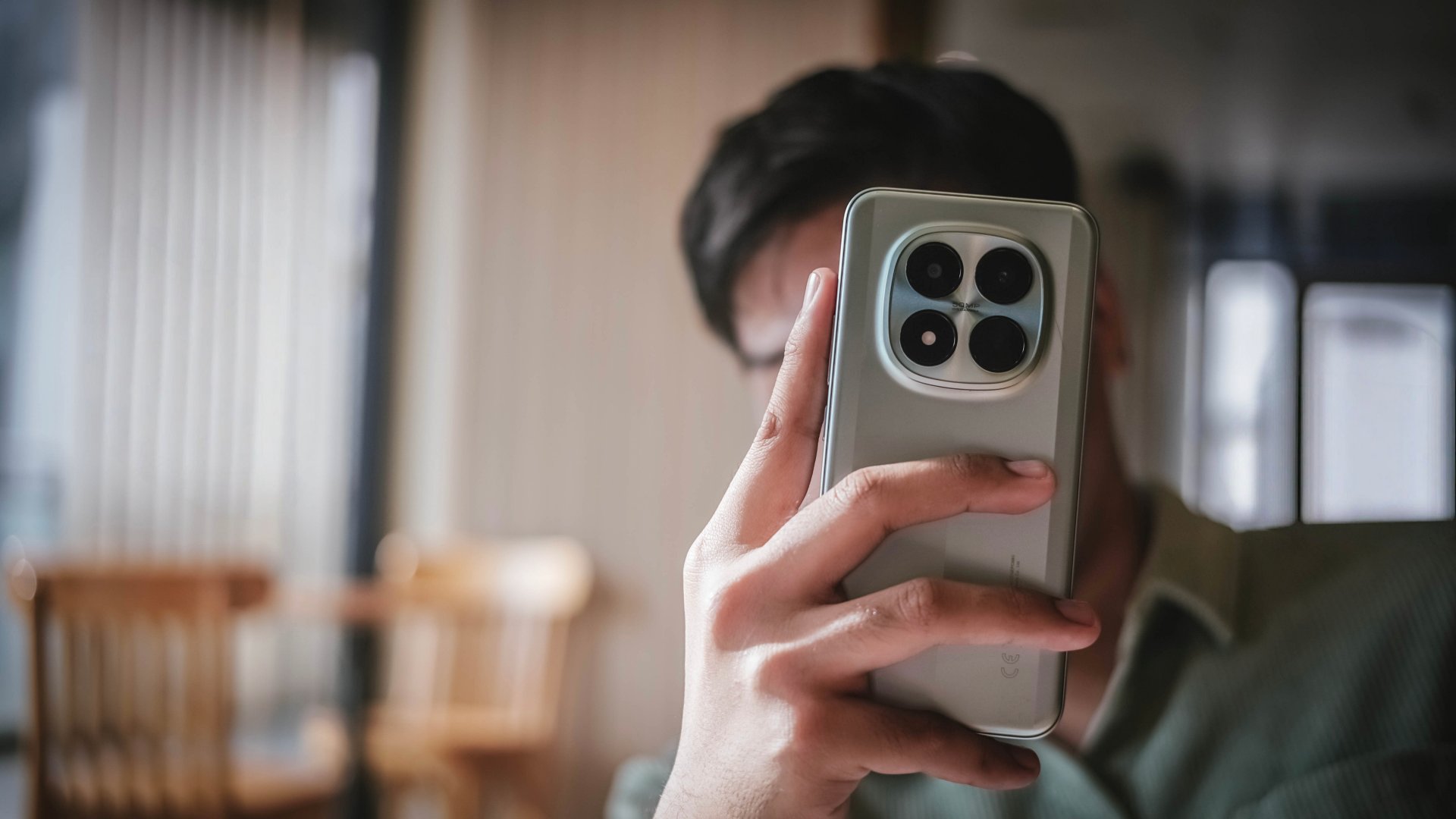
Almost eight years after that very first iteration, I’ve finally had my first (and long overdue) POCO-perience with the latest POCO M8 Pro.
Design: Repurposed with a purpose
While I have not held a POCO phone until very recently, I am still aware of the brand’s offerings over the years.
Seeing the POCO M8 Pro for the first time instantly reminded me of last year’s Redmi Note 14 Pro series. That’s not me saying POCO blatantly ripped the aesthetics as the POCO X7 also had the same design language.
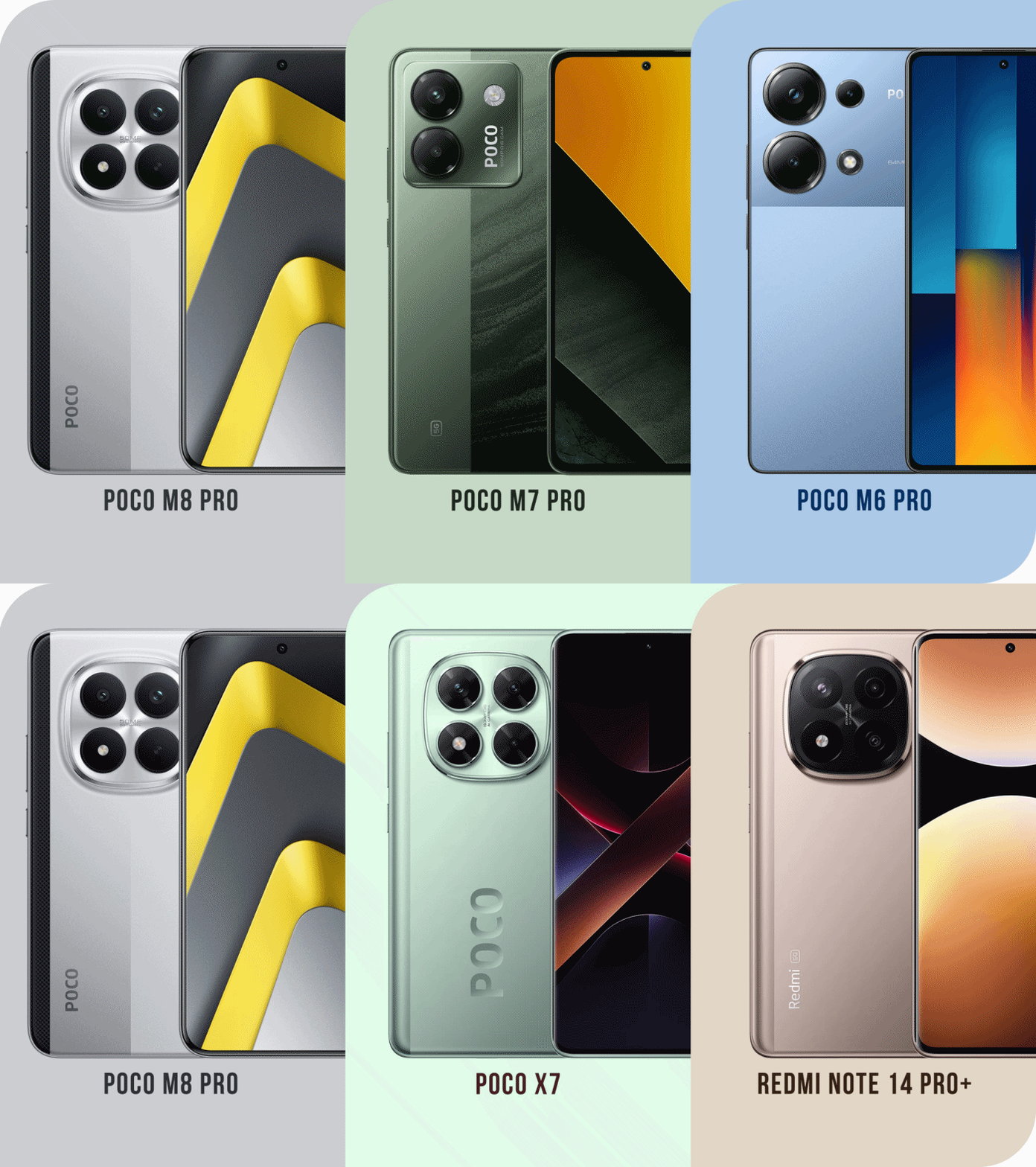
Graphics by Vincenz Lee | GadgetMatch
Like a full circle moment, the aforementioned phones were launched back a year ago.
In all honesty, it still confuses me which direction Xiaomi is heading, especially with the non-stop rebadging of existing POCO and REDMI phones — just with scrambled internals and CMF (color, materials, finish).
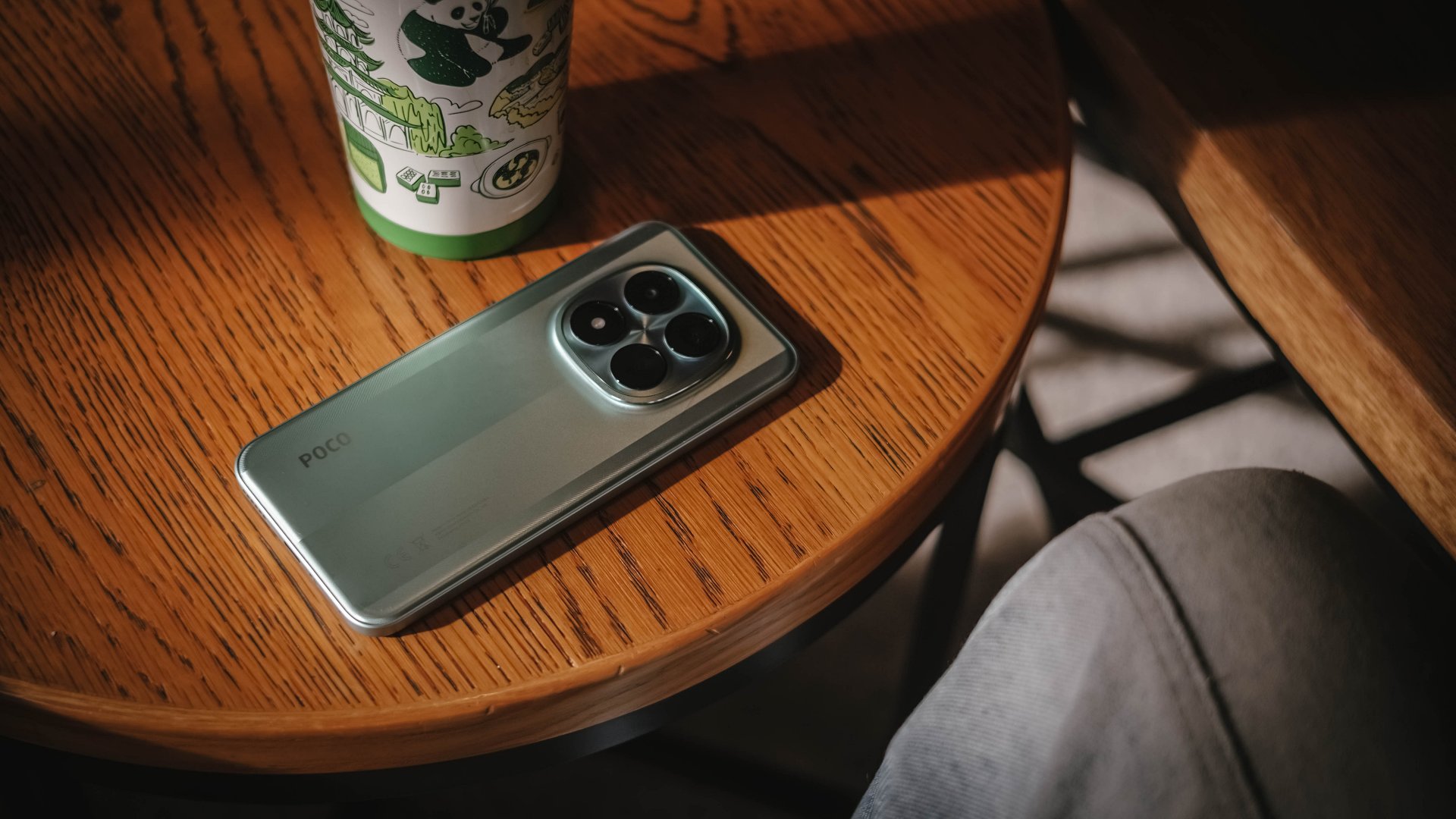
Having said that, I still consider the M8 Pro a level up from the last M7 Pro. The former’s design felt like it was not given much importance.
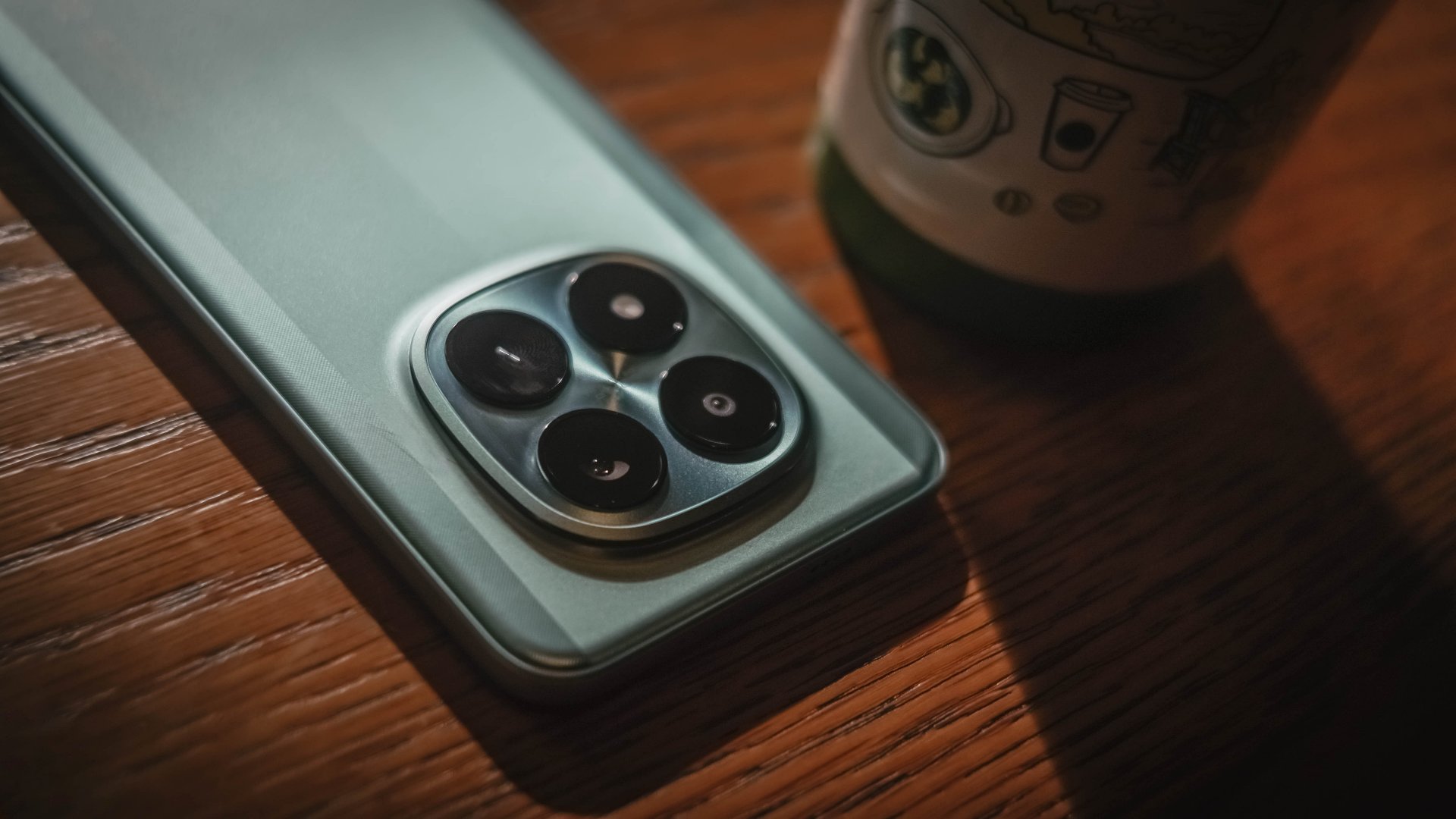
The centered camera island with a squircle cutout seemed like a signature design element of Xiaomi’s newer midrange line moving forward.
I also love how the phone felt in my hands. Even with that plastic back, it felt grippy enough when held.
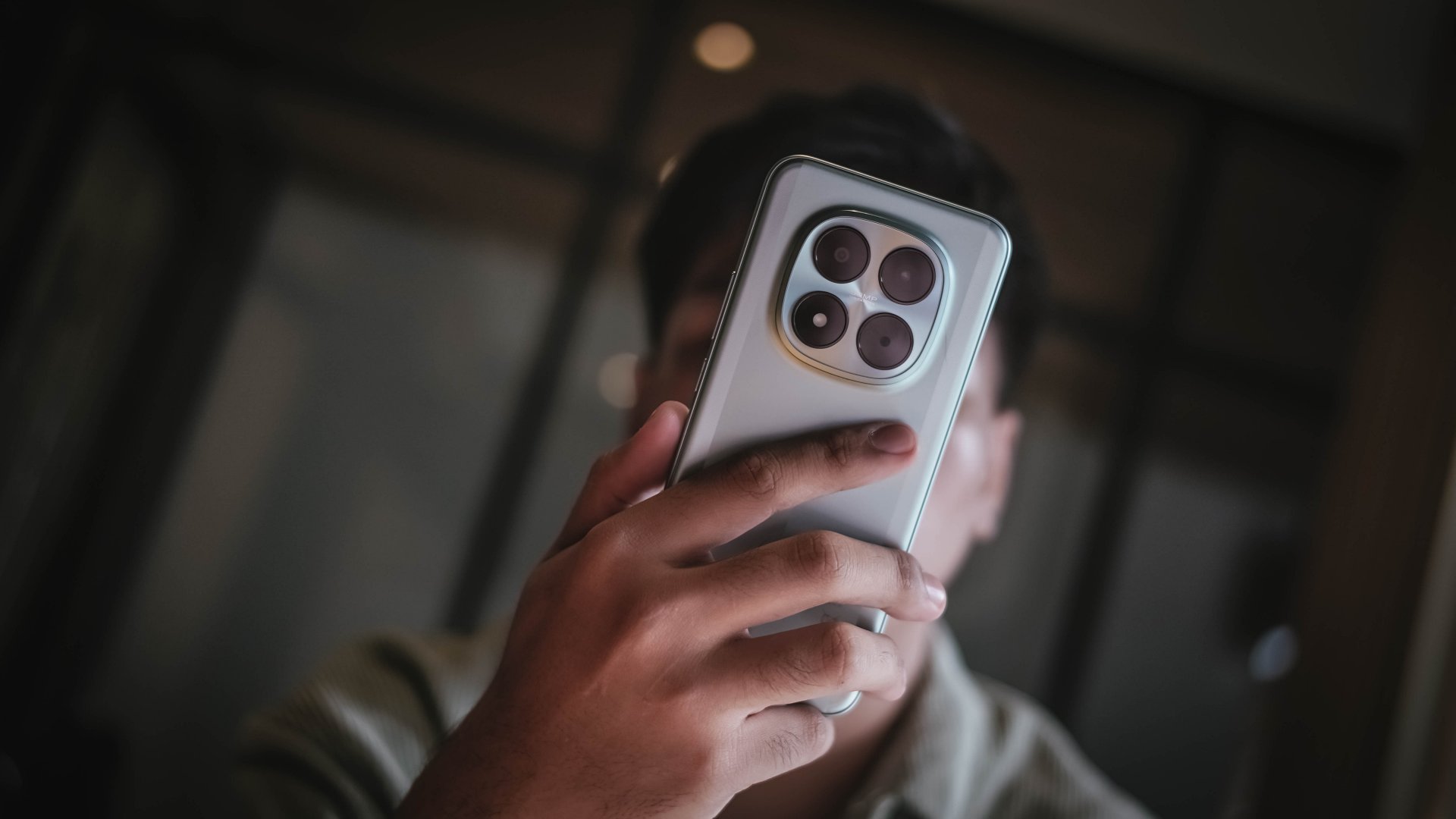
You have to be wary of fingerprint smudges though — especially if you rock the black colorway. Luckily, the green shade I have still looks clean despite those unwanted smears.
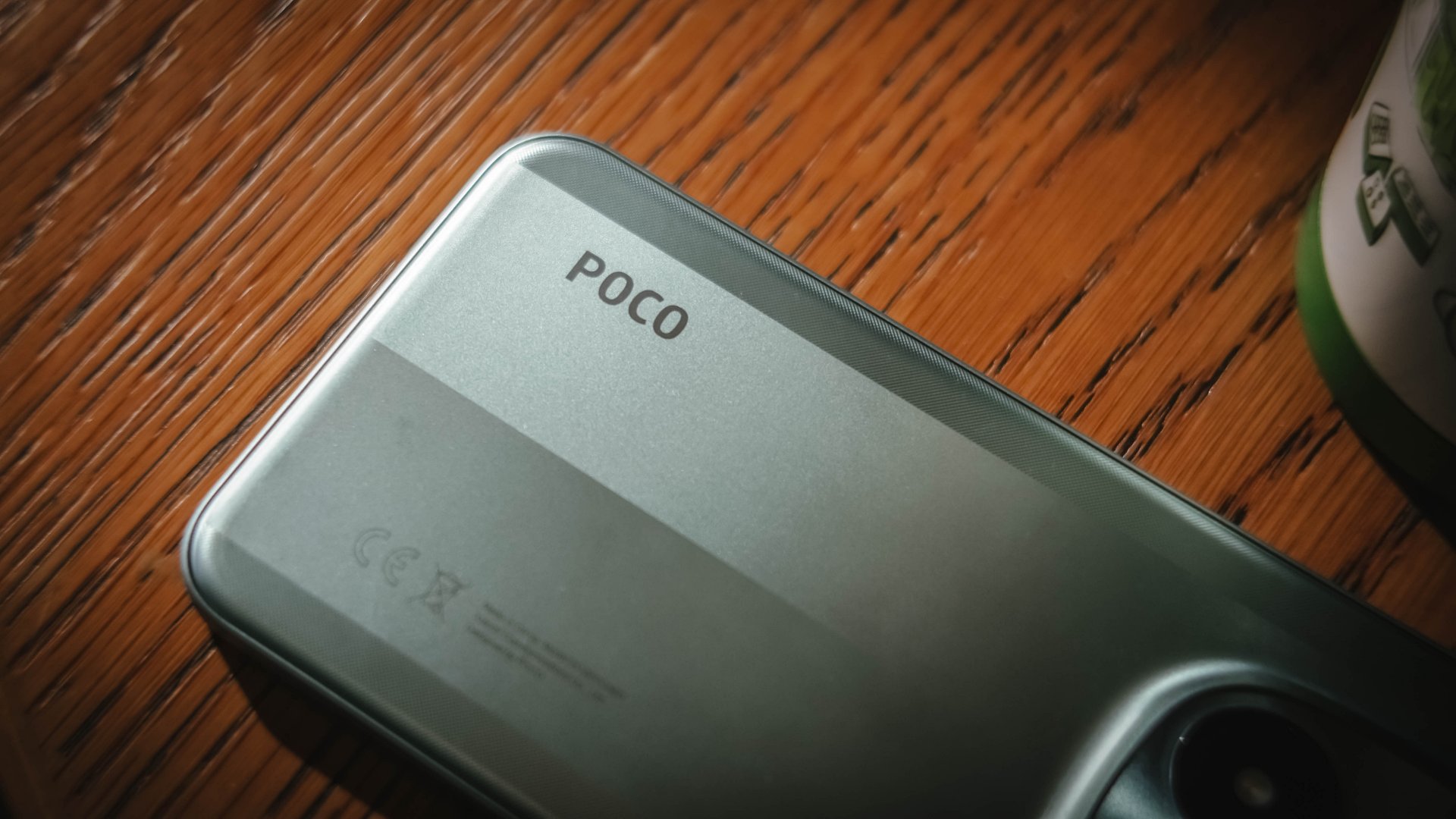
And, if you’re brave enough to clean it in running water, the POCO M8 Pro boasts not just one, not two, but quadruple IP ratings: IP66, IP68, IP69, and even IP69K. These used to be exclusive only among 2025 flagships.
Now Playing: IDOL I
Much like my fanaticism to anything tech, the same can be said with Korean Pop Stars. More known as “K-Pop Idols”, I have been a huge geek of K-Pop for 16 long years (and still counting).
Interestingly, after finishing a series that just ended in Netflix, IDOL I swiftly came by. Even if I am the type of viewer who values the drama’s synopsis more than the cast involved, this K-Drama instantly hit two birds in one.
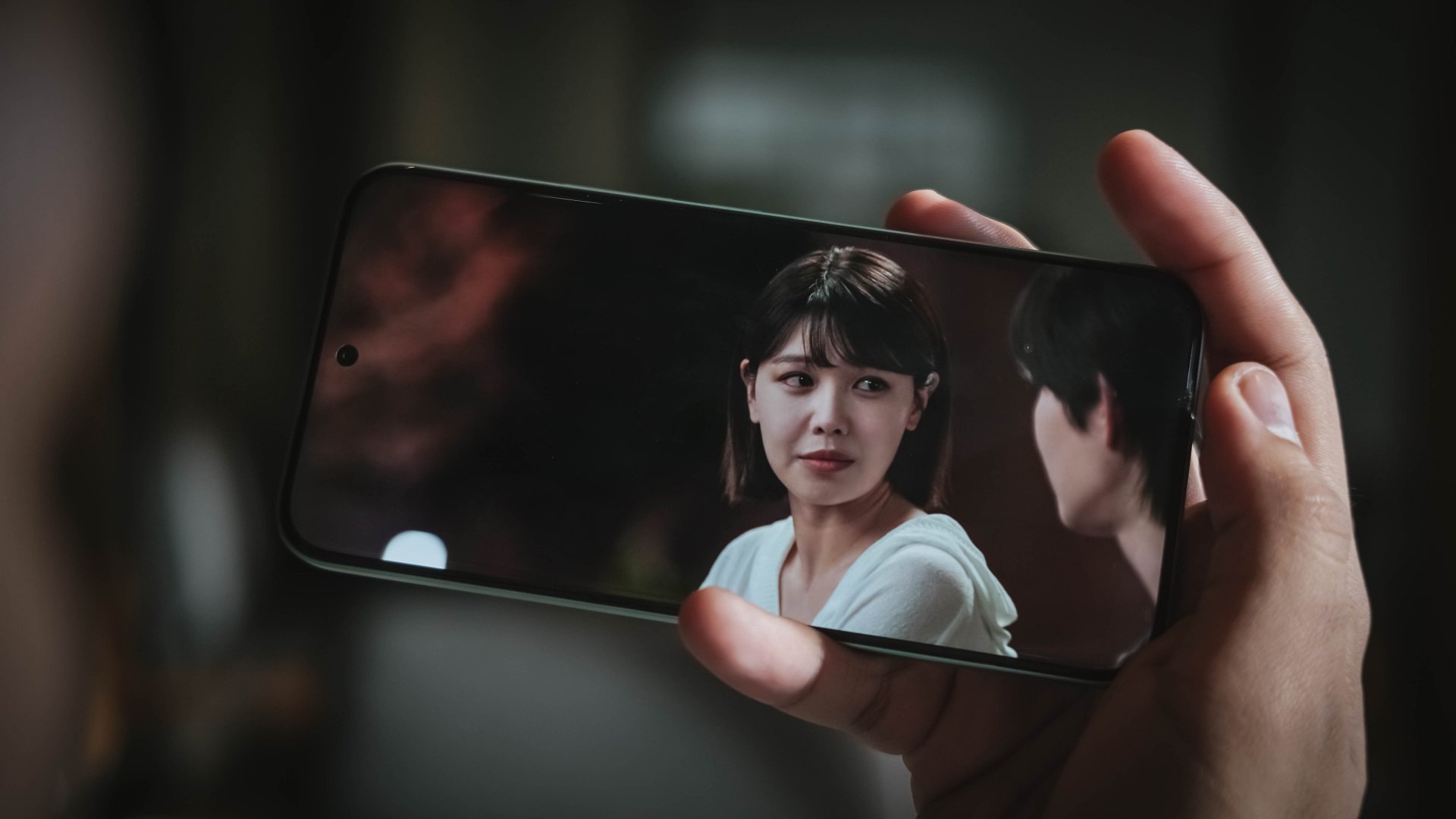
For one, its starred by a true iconic idol herself: Choi Sooyoung — or one of the nine members of SNSD / Girls’ Generation a.k.a the ultimate 2nd generation K-Pop girl group I’ve been stanning since my youth.
Although Maeng Se-na here is a heartless and “selfish” lawyer, she is the opposite for being a huge (yet silent) fan of “Gold Boys” with Do Ra-ik as his “Ult” (or Ultimate Bias).
In a wild turn of events, the idol became a “murderer” overnight — blaming him for the sudden death of his co-member after waking up from their drinking session.
But, no matter how the general public looks at him as the prime suspect, finding faults against Ra-ik is difficult. That’s pointing out the fact that he was just sleeping in his bed while his former bandmate slash loyal friend got stabbed without clear answers.

I can pretty much say the same thing with the 6.83-inch screen of the POCO M8 Pro: I cannot see any fault at all.
For one, it’s an AMOLED display that made me enjoy binging the first four episodes non-stop. But, being able to display 68.7 billion Colors and 12-bit color depth aside from the usual HDR10+ and Dolby Vision support? That’s likely unusual for a phone in such price point.
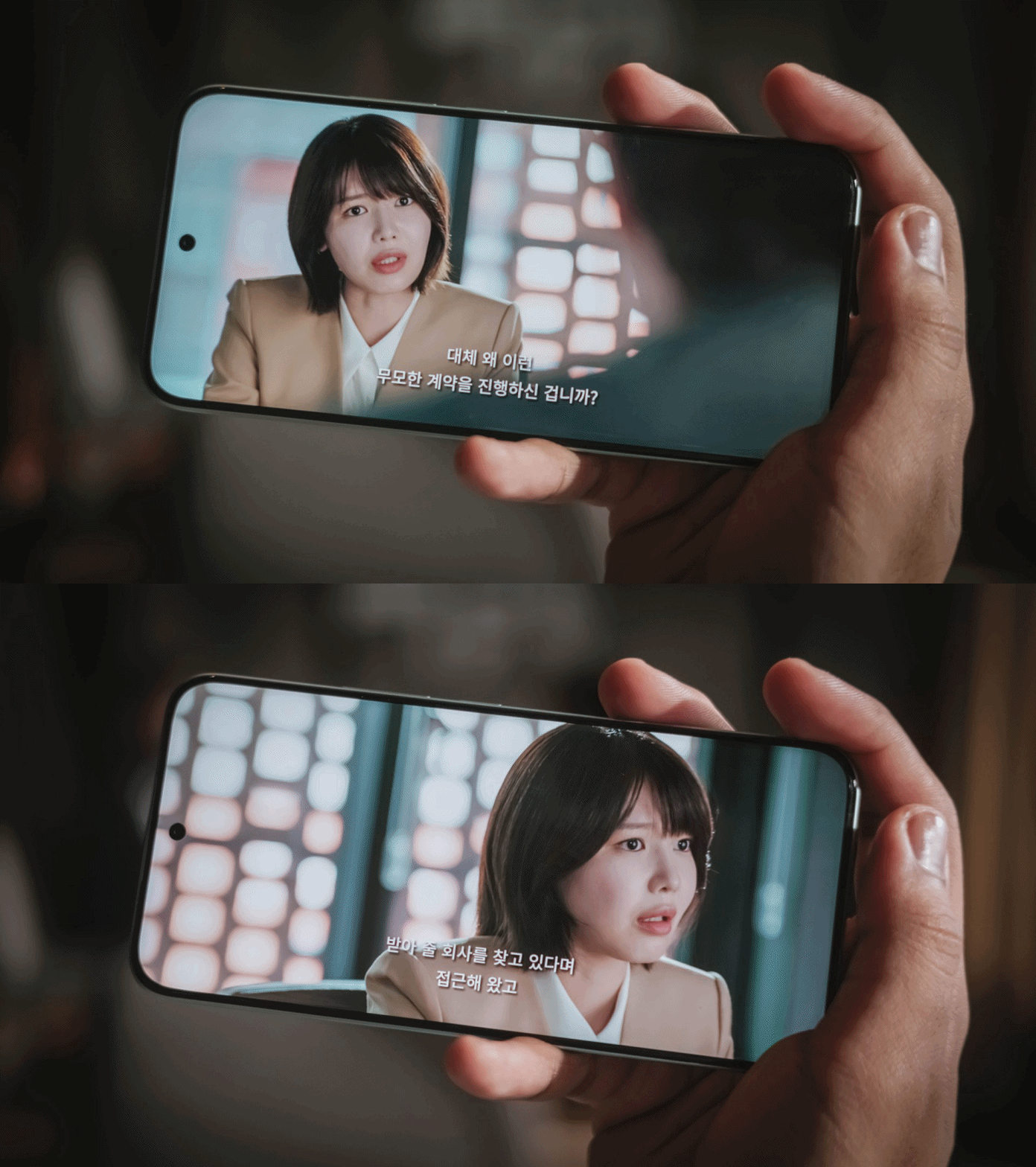
And, with a 1.5K display resolution plus a pixel density of 447 ppi, it’s as crisp as it could get. Watching it outdoors is neither a problem with its mighty 3200 nits peak brightness.
While my eyes aren’t very sensitive to light and flicker, its 3840Hz PWM dimming and TÜV Rheinland Flicker-Free and Low Blue Light certifications are still worth mentioning — especially if you stay up all night binge-watching hours worth of titles like yours truly.
On Queue: Apink’s RE:LOVE + Chuu’s XO, My Cyberlove
Pumping up the volume by 60%, it’s expected that the POCO M8 Pro possesses a louder than ever sound output. However, my audio assessment doesn’t end just there.
Just like POCO starting the year with a bang, the K-Pop scene in January 2026 has already exploded with real hit bangers.
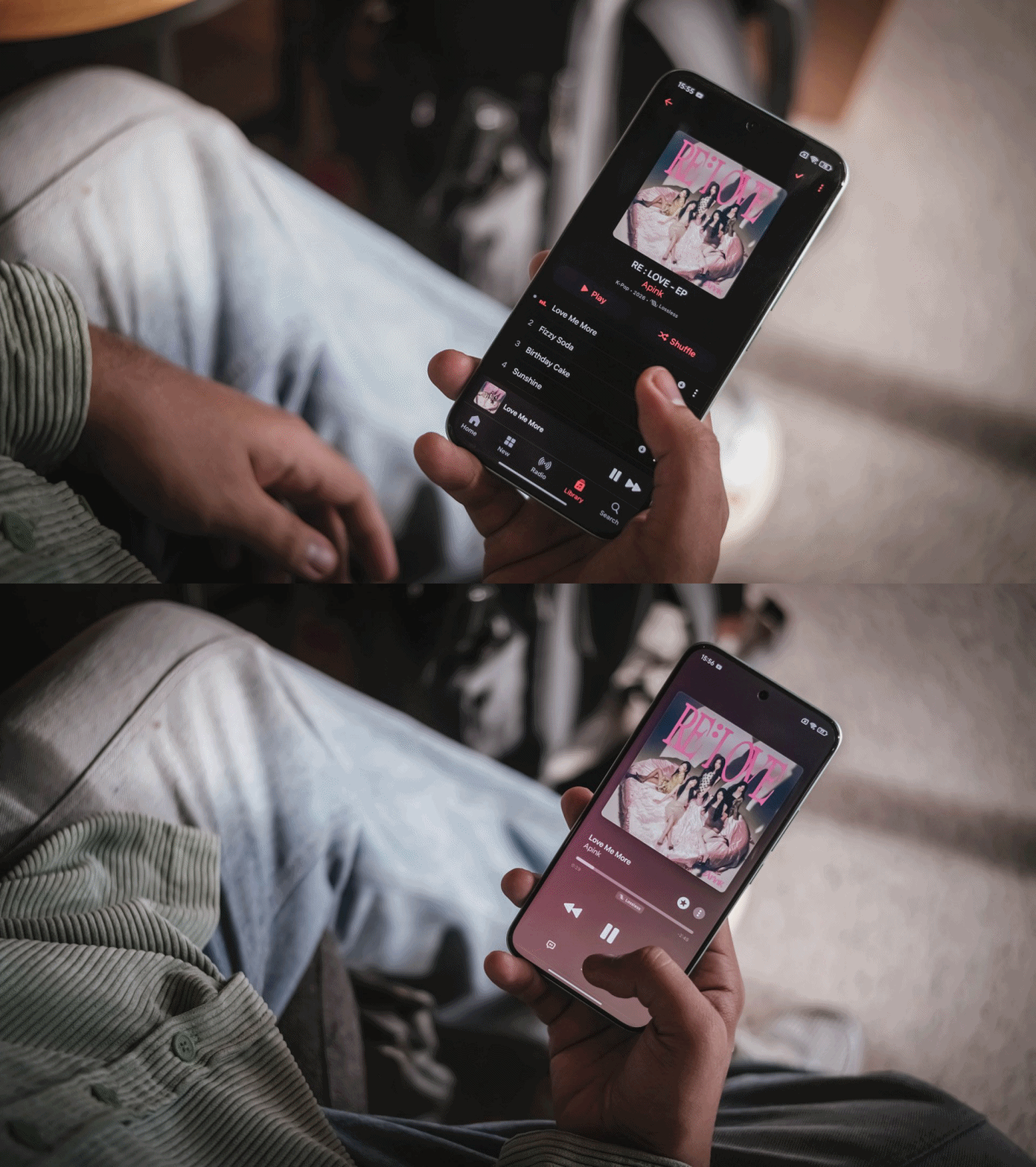
First and foremost, Apink finally gathered again to released their 11th Mini Album (their previous Mini Album dates back to 2020). As per usual, I used Apple Music to take full advantage of that Lossless format.
Their title track “Love Me More” not only brought a lot of the group’s nostalgic intro and dance break instrumental during their early days in the industry, it also reminded me of the pre-millennium K-Pop era back in the early 90s.
Pair that with b-sides such as “Sunshine” that sounded pure and soulful, this latest mini album will truly make Pink Pandas’ hearts flutter.
In addition, Chuu (LOONA) finally releases her 1st Full Album titled “XO, My Cyberlove.” It is a complete opposite of her first ever solo song “Heart Attack” almost a decade ago which highlighted her cutesy, innocent charms.
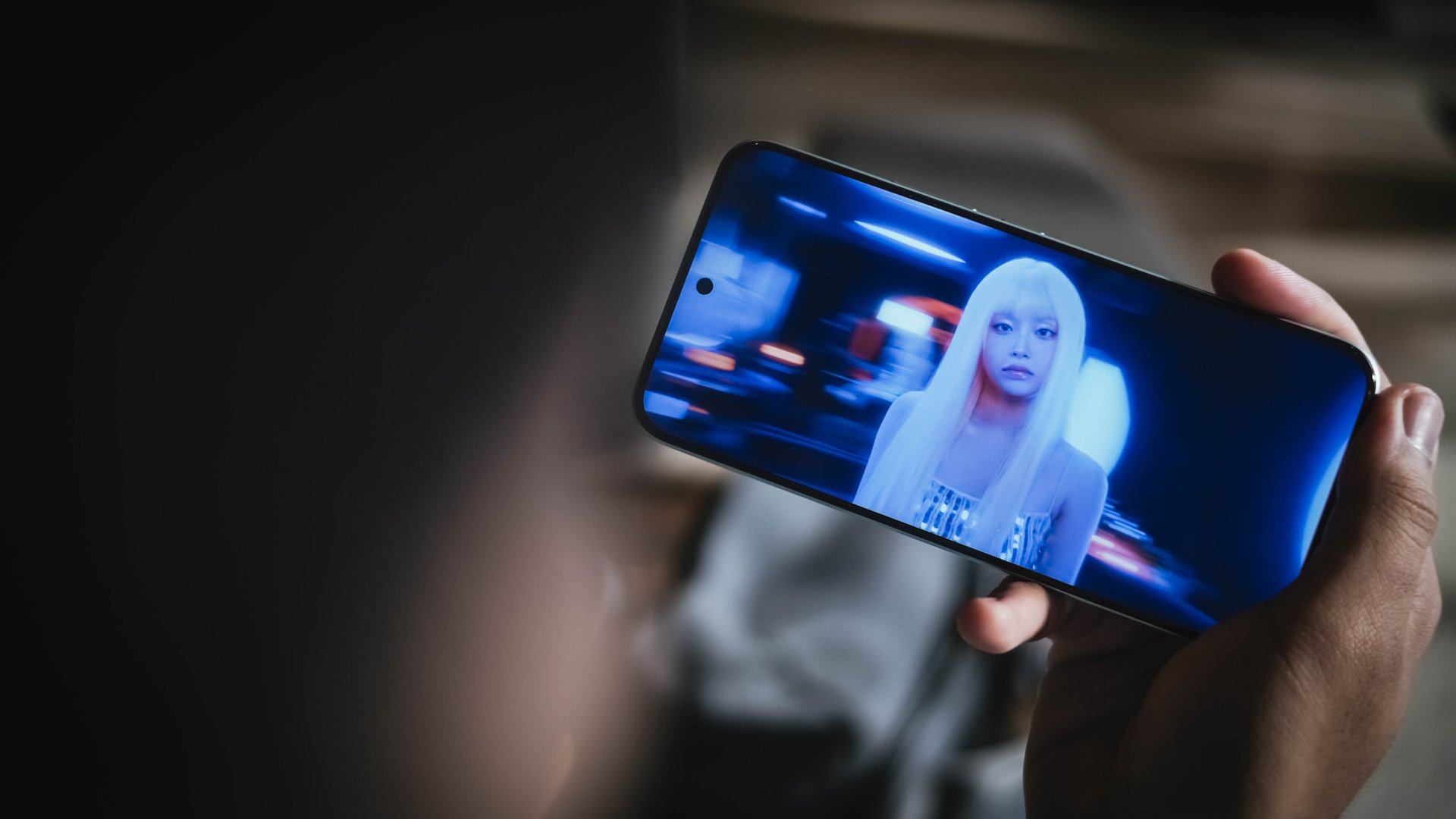
The comeback track of the same title is as quirky and whimsical as it gets. Not only does it highlight Chuu’s light yet ethereal vocals, but it shows her newer, more mature side.
Furthermore, lyrics that evoke unexpected budding love in this digital era where everyone enjoys making connections through the cyber world.
With POCO M8 Pro’s speakers, I fully enjoyed playing the entirety of her freshly-baked album while I was writing this piece. Teeny Tiny Heart and Love Potion are currently my fave b-sides from this release.
Such music fulfillment was possible with the Dolby Atmos stereo speaker setup and Hi-Res Audio support of the M8 Pro. Not only its proudly loud, the audio produced is full and immaculate with clear line between its highs, mids, and lows.
Performance: Adequate for most
On paper, the POCO M8 Pro runs Qualcomm’s latest Snapdragon 7s Gen 4 SoC based on a 4nm process. As confusing as it seems, this is different from the more powerful Snapdragon 7 Gen 4.
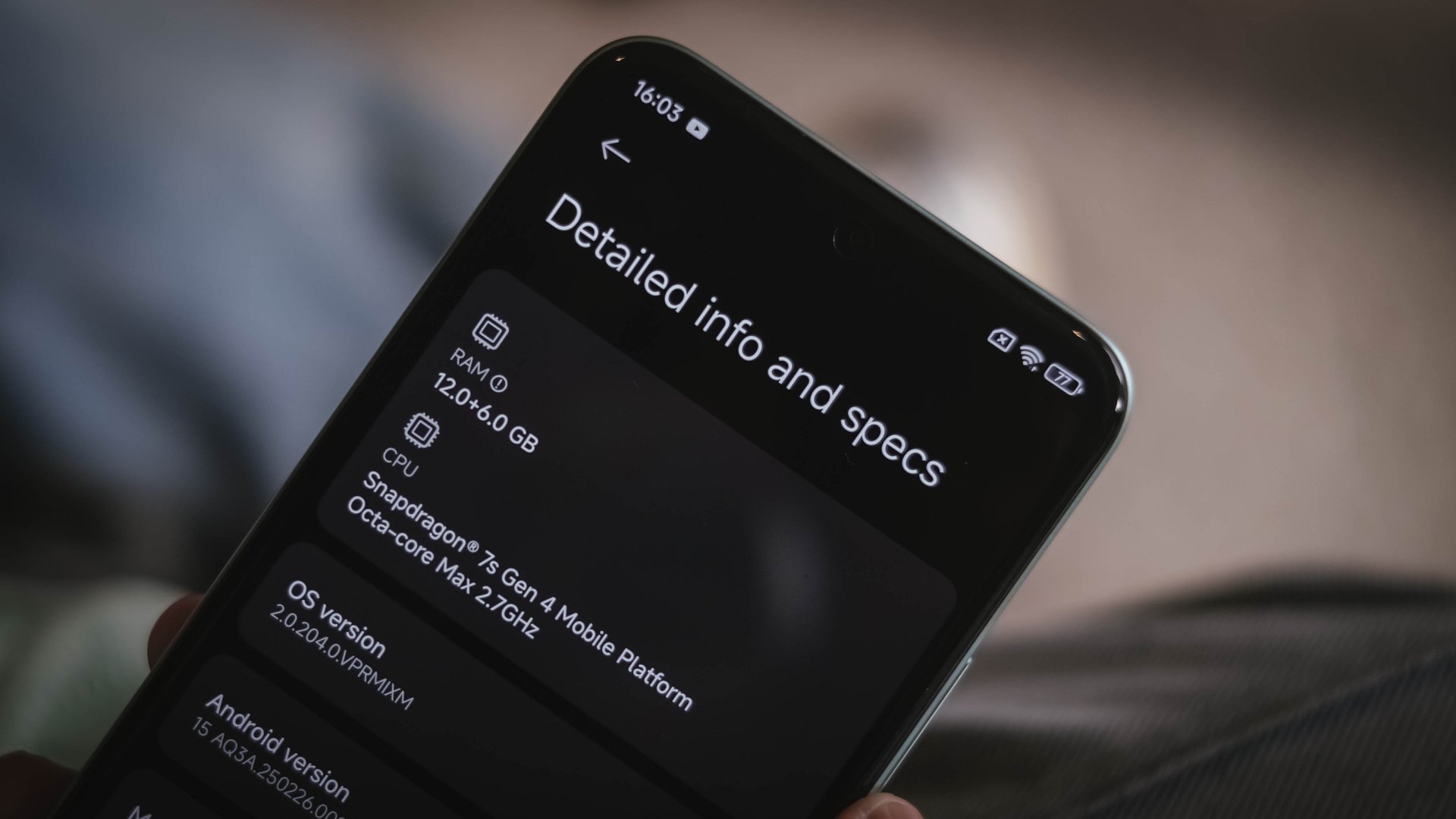
That being told, game settings will vary depending on how demanding one is.

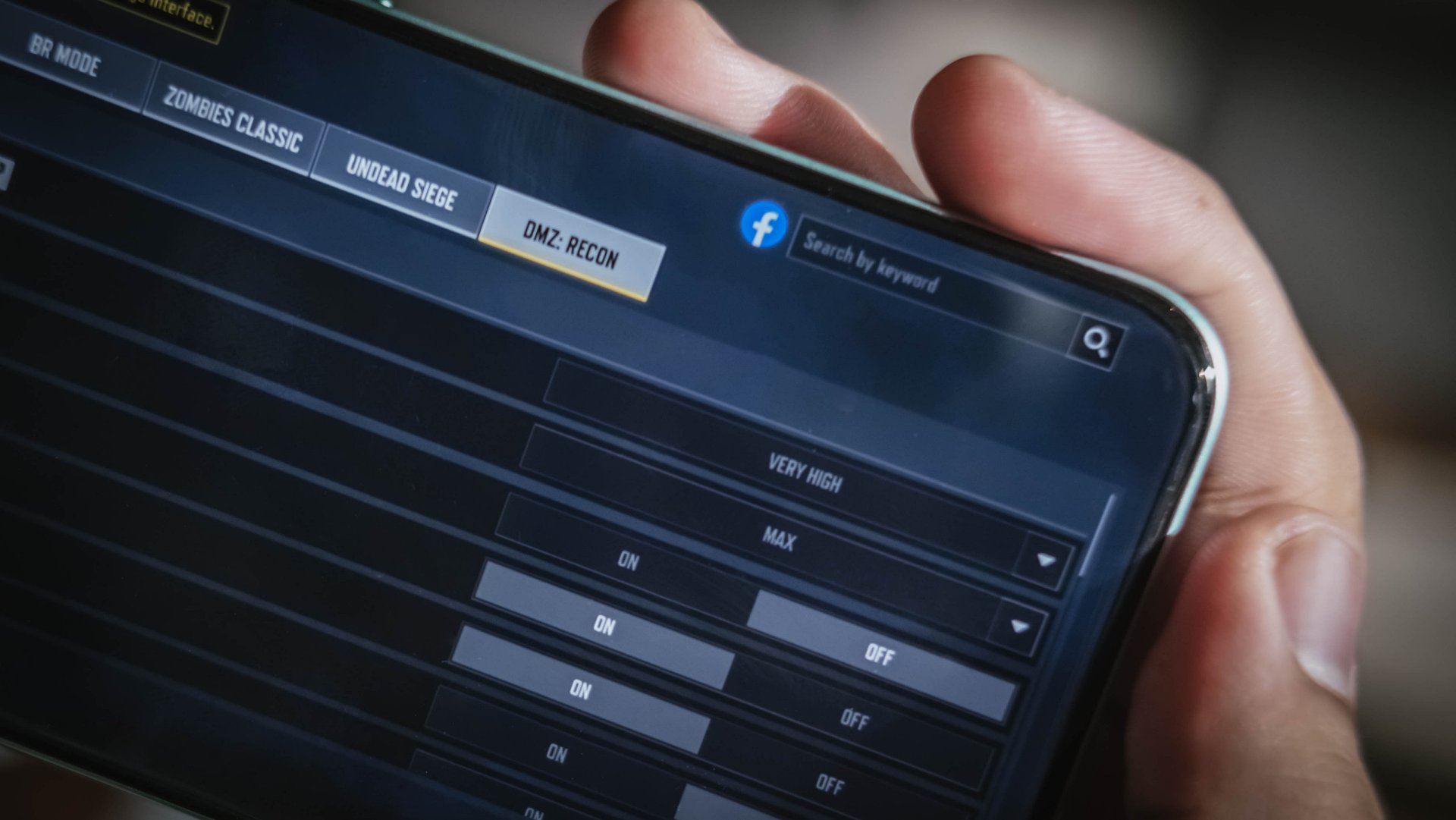
For instance, CoDM (Call of Duty: Mobile) runs in Very High and Max settings upon first set-up.
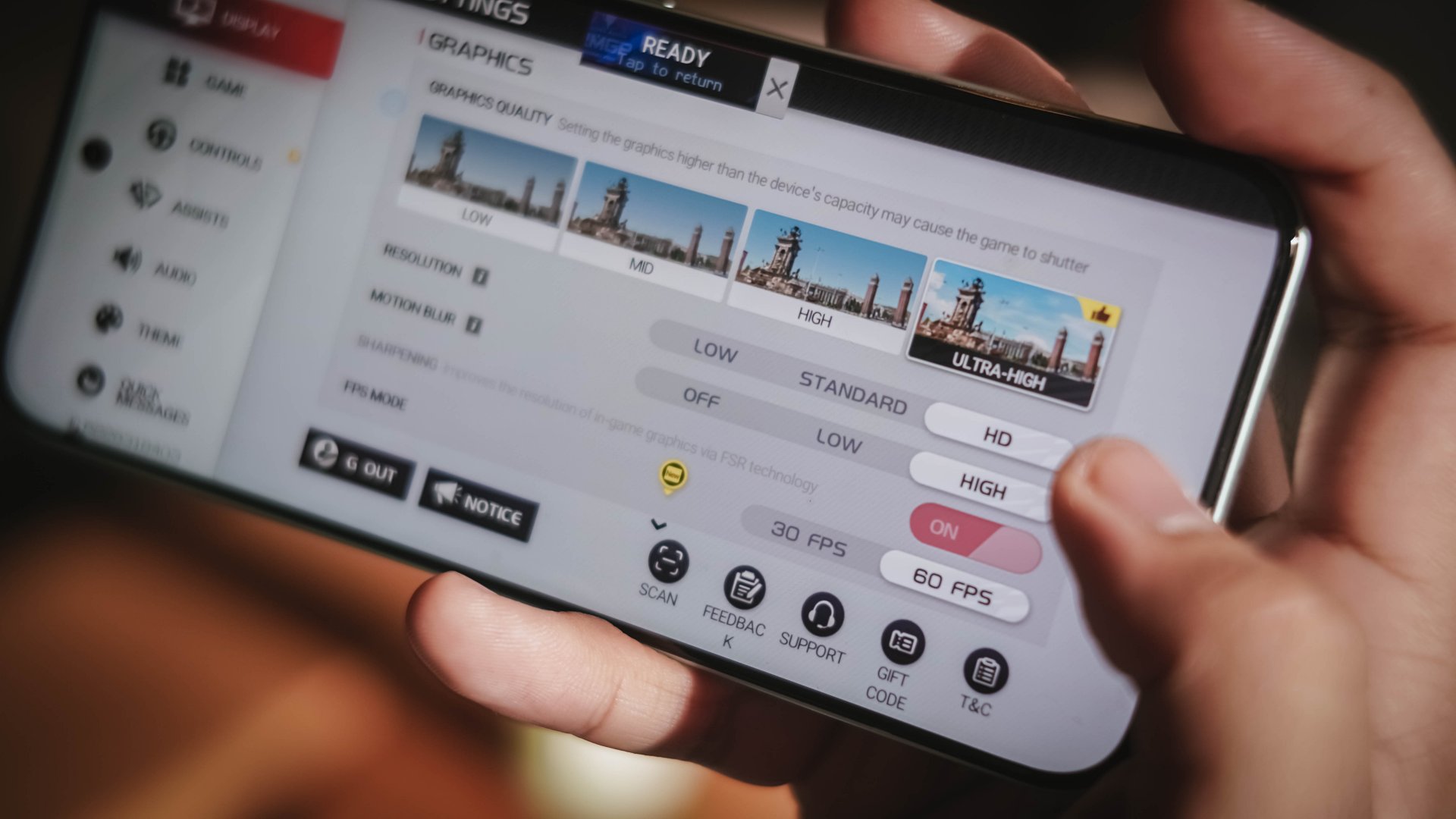
Meanwhile, Racing Master (based on NVIDIA’s PhysX engine) can run Ultra settings at 60fps.
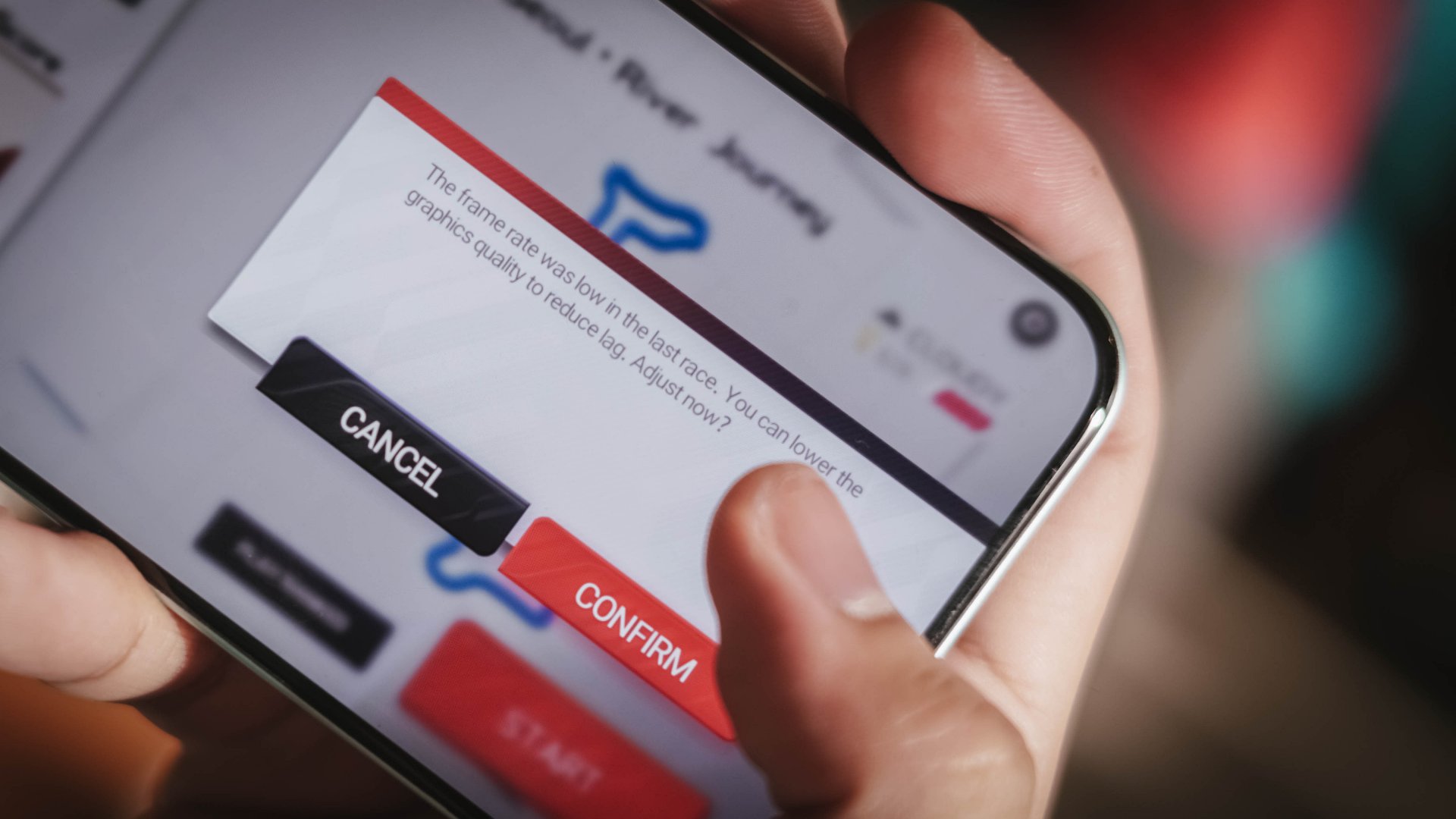
However, it throttles during the first two ranked races.

Fortunately, the game detects if it gets sluggish — suggesting lowering down the settings altogether.
Lastly, playing Zenless Zone Zero is doable but, at the lowest graphics by default.

You wouldn’t dare to go past it as Combat Mode will literally feel like combatting the phone itself due to how heavy the game is.
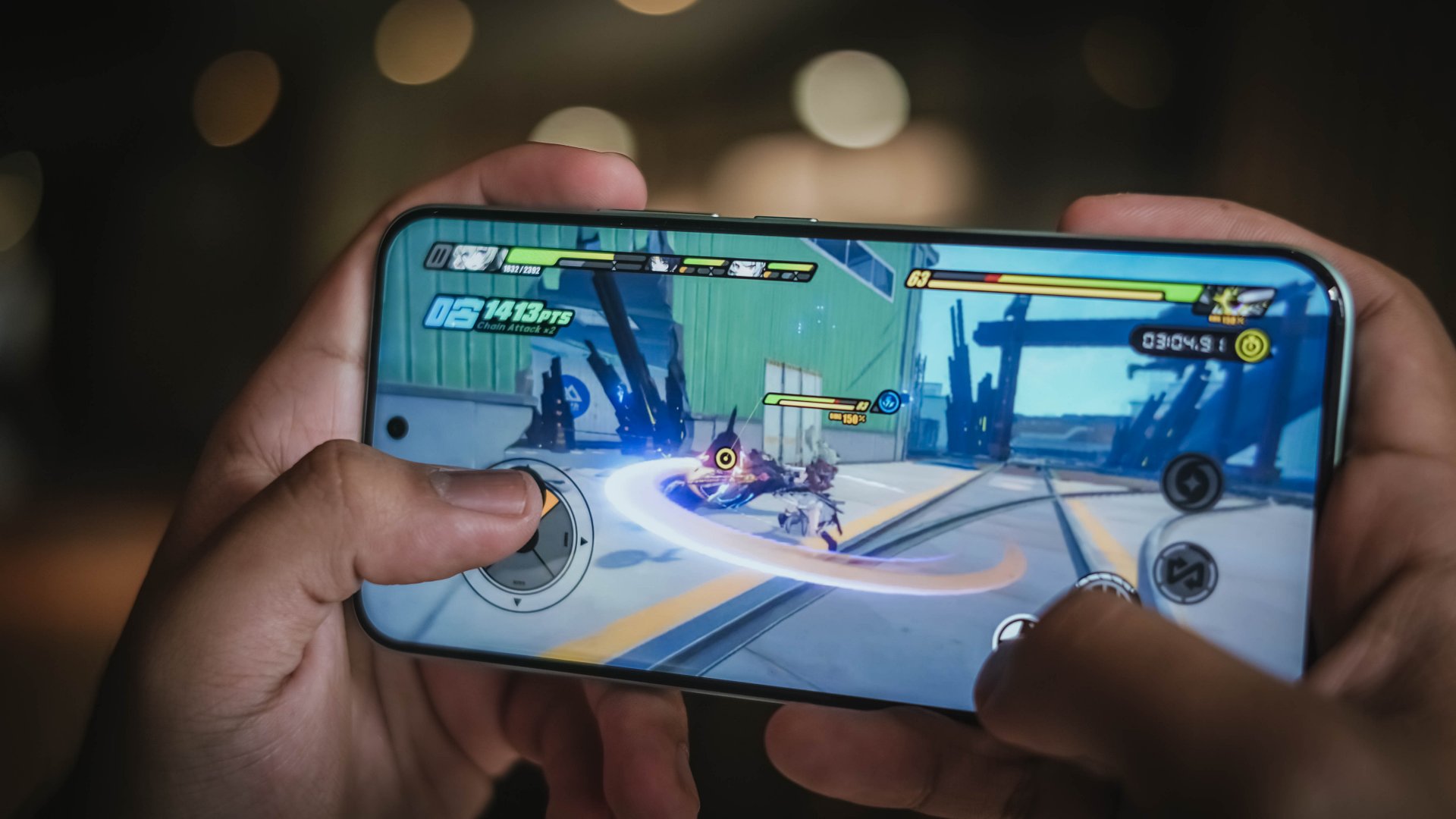
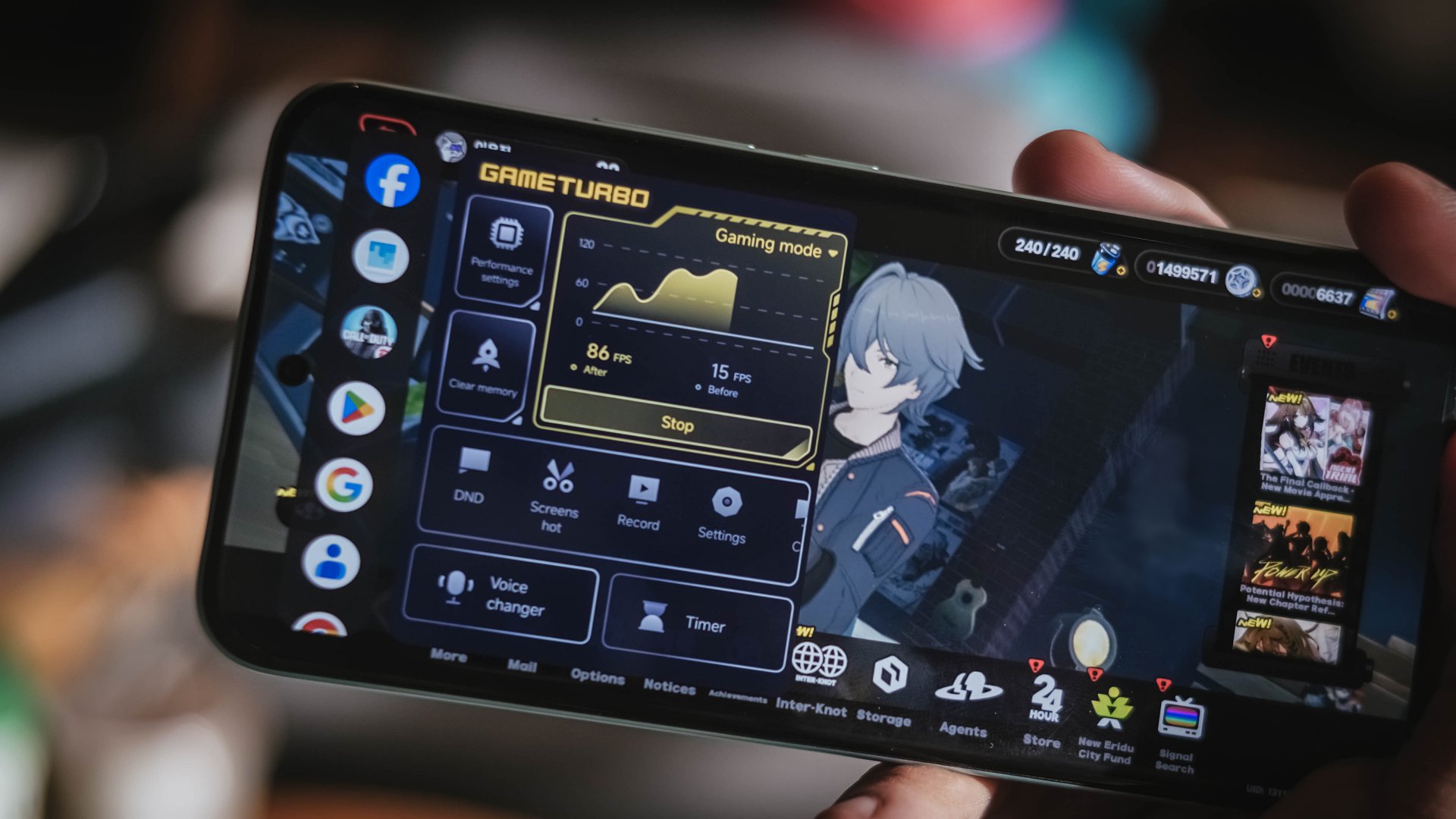
The only “remedy” for these hardware limitations? It’s none other than the Game Turbo mode that boosts graphics performance and input through Xiaomi’s software advancements. And it sort of helped make the gameplay smoother, but not fully.
For the rest of apps that are not graphics-intensive, the M8 Pro can breeze through various apps without hiccups, do split-screens, or multitasking along floating windows with ease.
I can truthfully say that the only thing dragging the POCO M8 Pro down is the software as a whole.

After experiencing the beauty of vivo’s OriginOS 6 and HONOR’s MagicOS 10, Xiaomi’s HyperOS still feels like an after-thought. While it can keep up with the modern-day Android features, its stability and optimizations simply don’t make the cut.
Besides, its built-in AI tools, device ecosystem, as well as cross-compatibility functionality aren’t as polished as what you get on other Chinese brands. Let alone, a rip-off from everyone’s fruit rival without much feature improvements.
Seriously, Xiaomi?
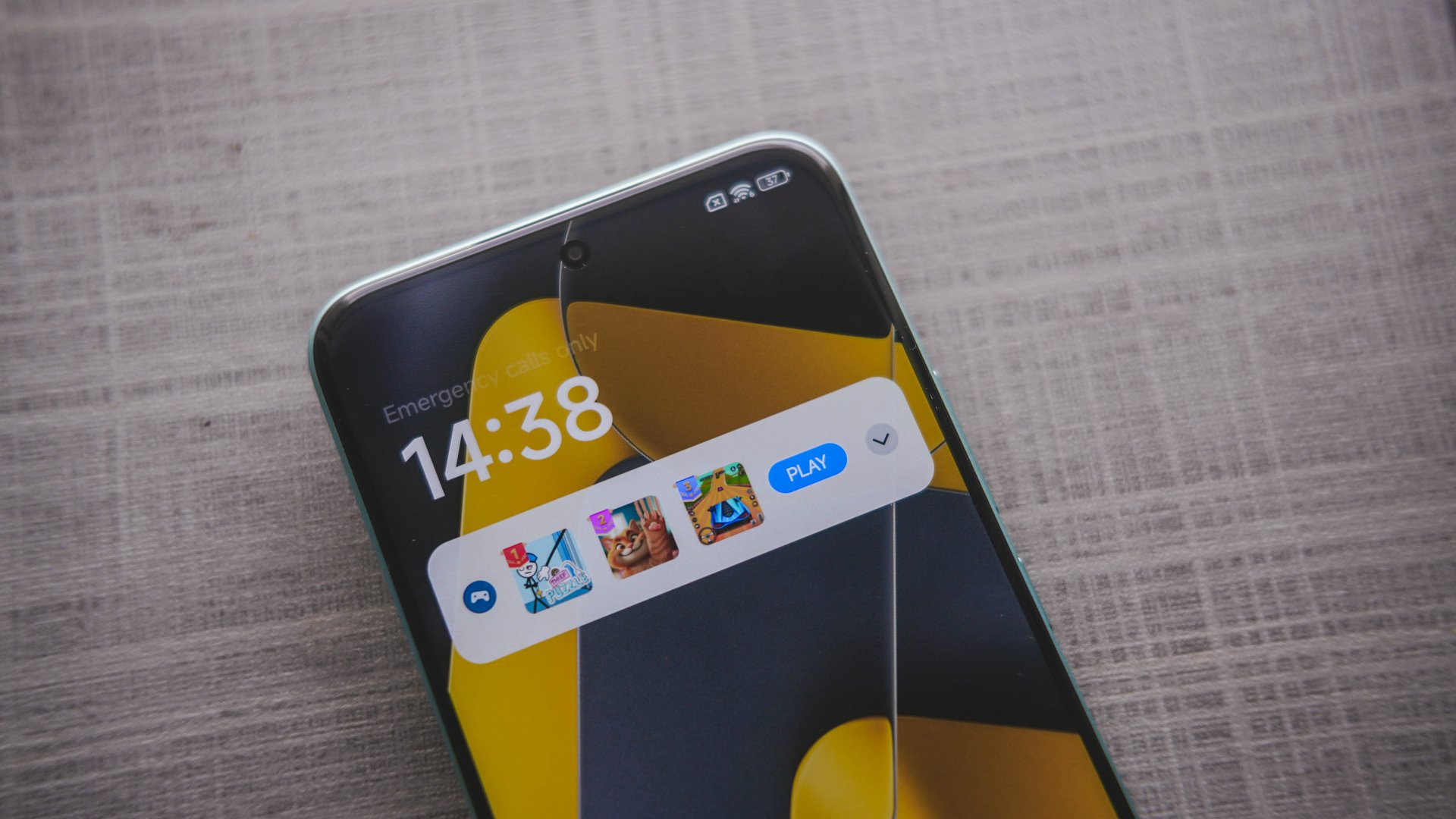
Worst thing? Maybe the ad slash bloatware infestation found not just on the lock screen. Even transferring personal files through Xiaomi’s native File Manager app plays an unskippable ad.
Battery: Eat it up! Eat it, eat it up! 🍝🎶
At 8.31mm, the POCO M8 Pro is as slender as it can get. How they were able to fit a 6500mAh battery inside its chassis is a true feat of engineering.
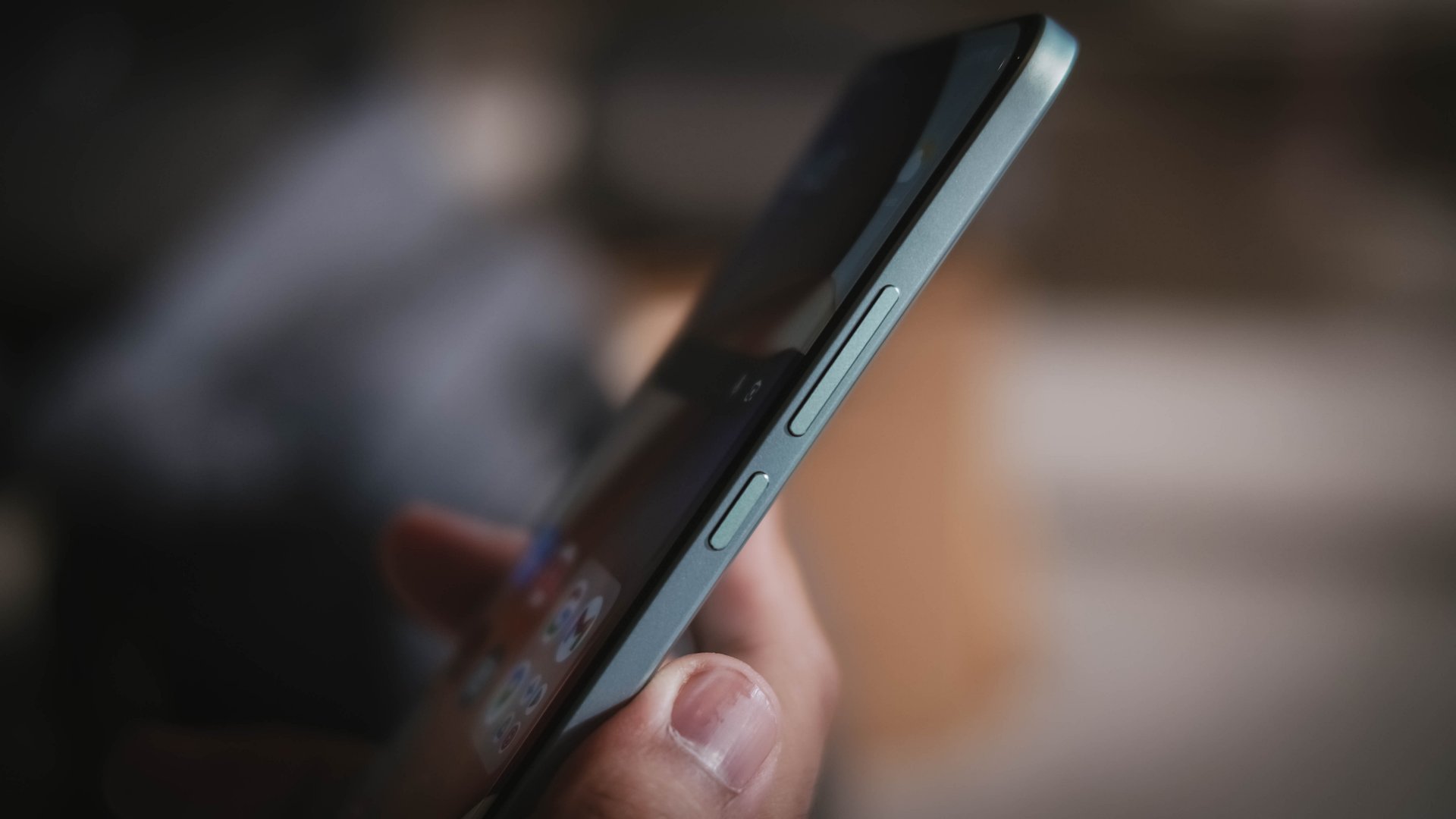
For the record, this is the first POCO M-series smartphone to have such a ginormous battery. It joins the same league as the POCO F8 Ultra, F7, and the X7 Pro (in India).
For added context, the M7 Pro, as well as the X7 with a similar form factor, only had a 5110mAh battery. But, numbers are just part of the story.
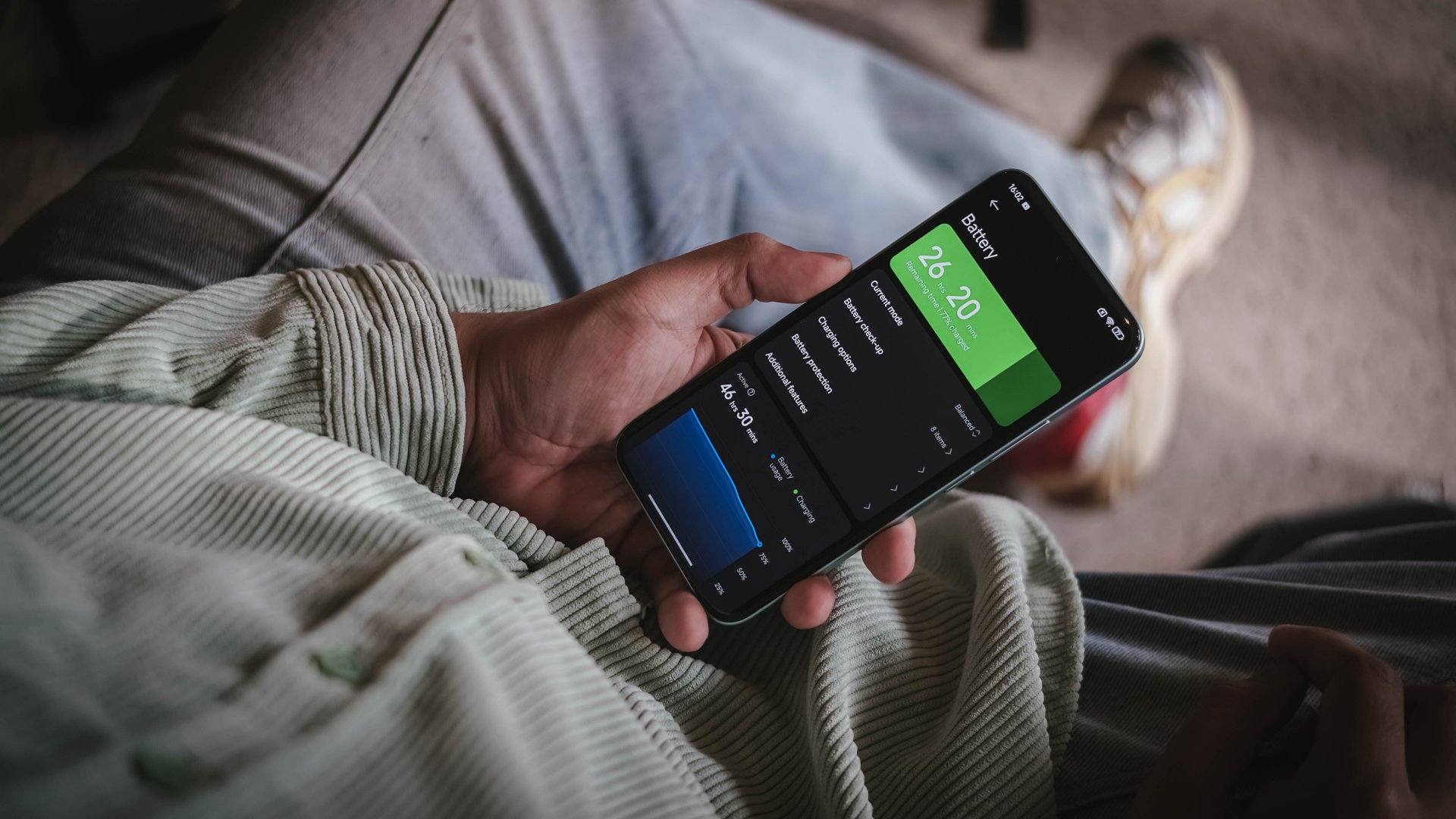
In day-to-day scenarios with light to moderate usage, the POCO M8 Pro can last you a full day — even more when you hit the bed with around 30% to spare.
As one would expect though, the biggest hogging can be felt when playing games.
During my gameplay stress test, downloading resources in Racing Master for about 30 minutes already consumed 5% charge (92% down to 87%). An hour of racing ate up 11 percent — from 87% down to 76%.
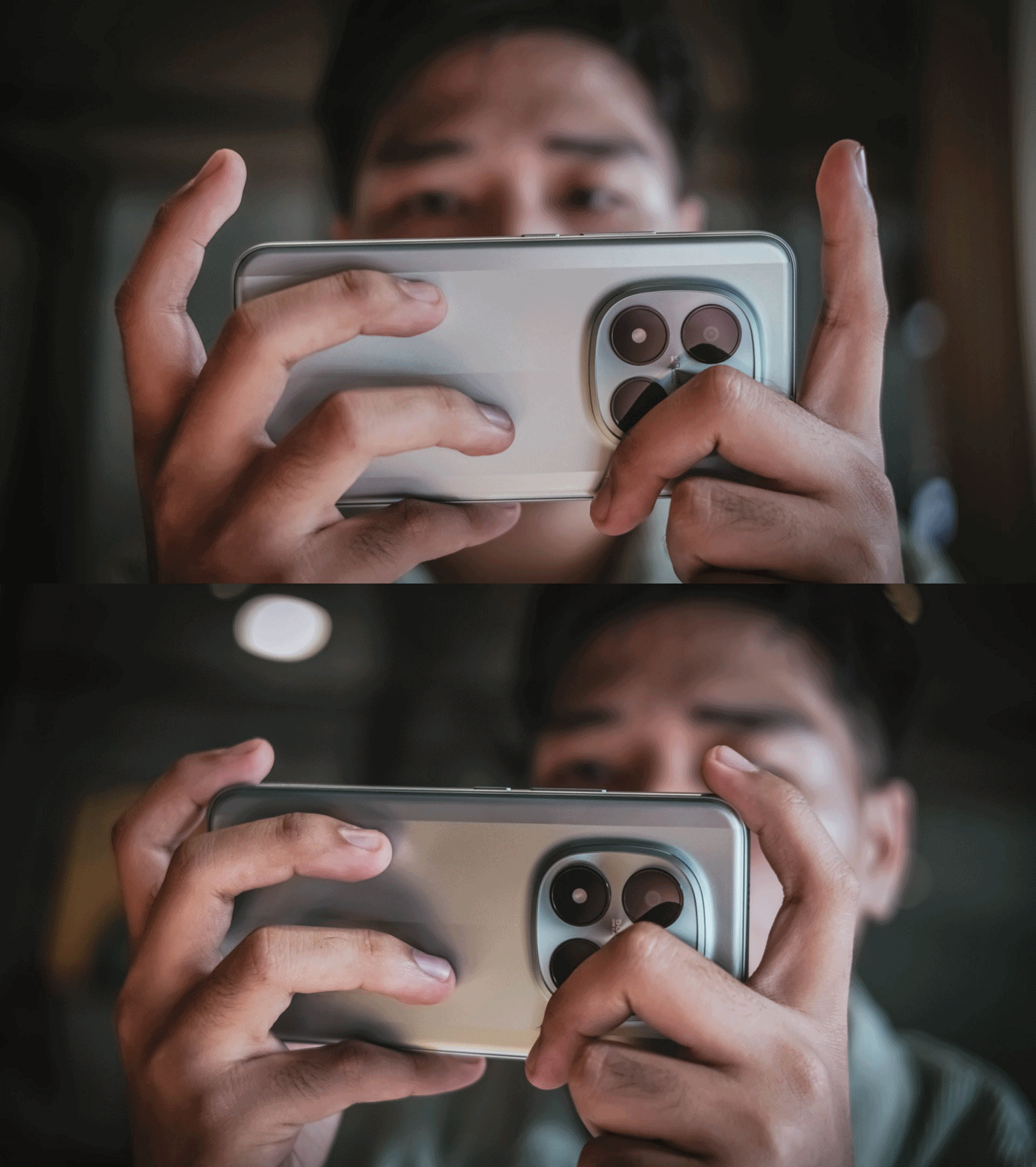
Letting it rest on my desk for 18 hours, the phone depleted to 51%.
At around 9 in the evening, I then started playing HoYoverse’s Zenless Zone Zero for exactly an hour. Battery charge went down further to 36%. Then, a 1.5-hour game in CoDM resulted to a 28% battery percentage. And, as of writing, the POCO M8 Pro still had a 3 percent charge left in its massive tank.
That said, the POCO M8 Pro comes with Xiaomi’s 100W wired HyperCharge speeds — adapter still bundled in the box.
By default, the battery charging speed is set in regular with the prompt / option to enable boosting.
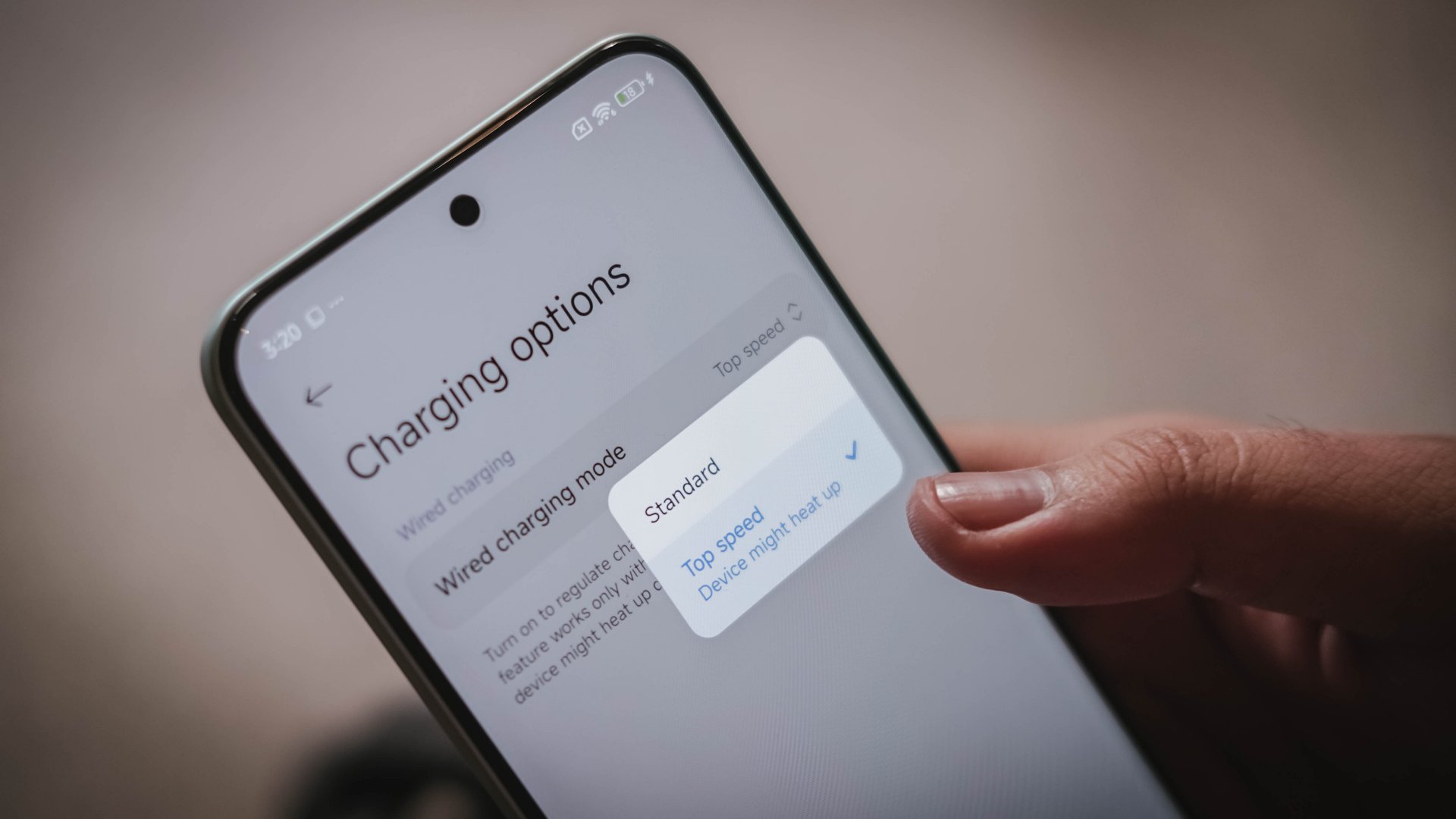
In my GadgetMatch Charge Test results, it can be seen that the difference isn’t too far off.
Boosted HyperCharge |
Regular HyperCharge |
PPS Charging
|
|
START TIME
|
1:11AM |
3:10PM |
4:06PM |
3 minutes |
10% |
8% |
1% |
5 minutes |
17% |
11% |
4% |
10 minutes |
25% |
18% |
13% |
15 minutes |
40% |
23% |
21% |
20 minutes |
46% |
32% |
28% |
30 minutes |
70% |
50% |
46% |
45 minutes |
88% |
71% |
67% |
1 hour |
99% |
91% |
84% |
1 hour 15 minutes |
– |
99% |
96% |
END TIME
|
2:14AM
|
4:27PM
|
5:30PM
|
PPS Charging is also possible. Although the device only showed “Quick Charge” while being filled up, it’s safe to say that it performs as fast as Xiaomi’s regular HyperCharge with a super close margin of only seven minutes.
Cameras: Surprisingly Satisfying
Prospective buyers of the M8 Pro wouldn’t have a hard time dealing with its conventional camera configuration: a 50MP f/1.6 main (wide) camera based on Light Fusion 800’s 1/1.55-inch sensor. That’s paired with a less outstanding 8MP f/2.2 UWA (ultra-wide angle) camera.
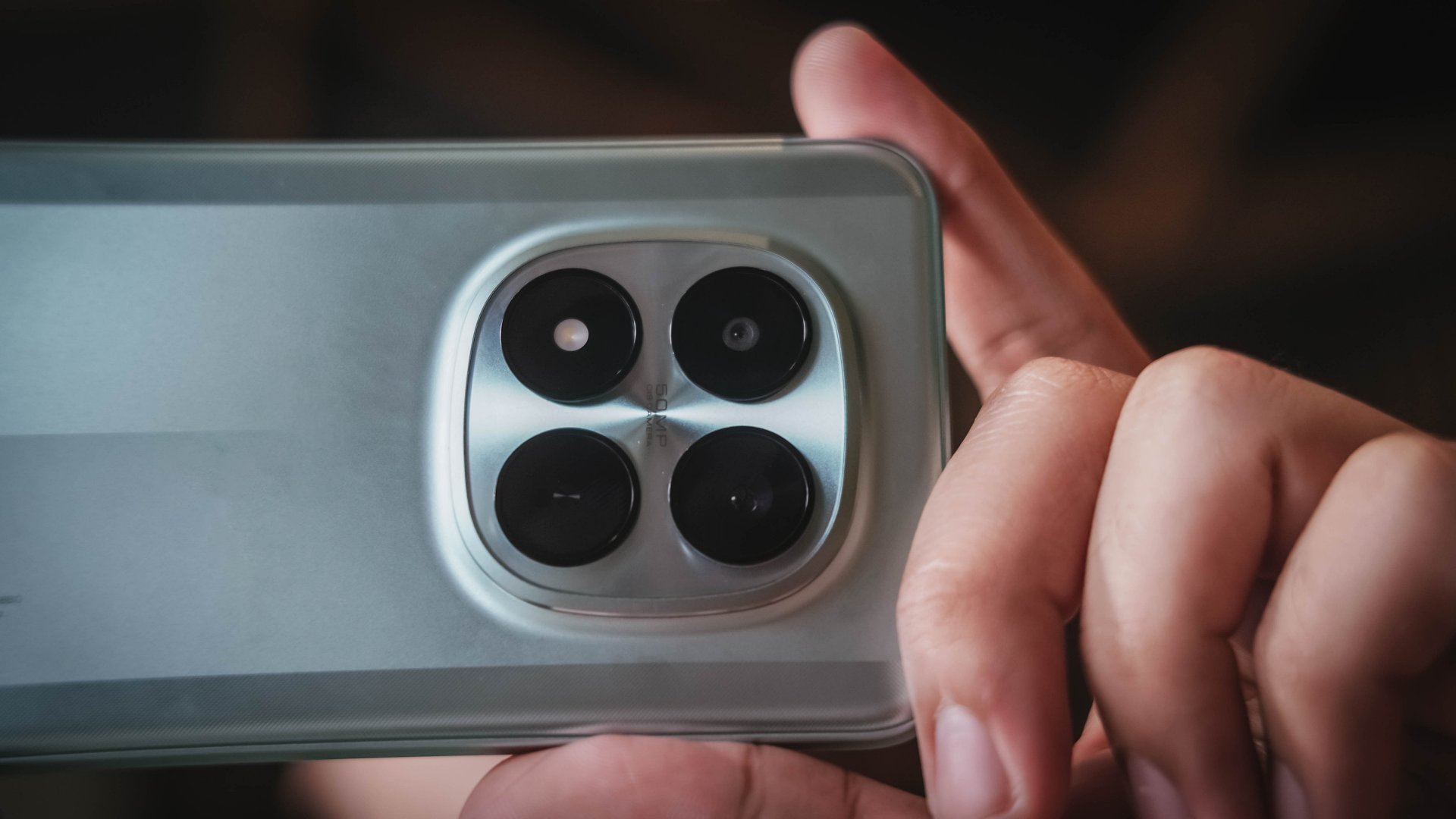
For the most part, the main camera does its job very well considering this type of device.

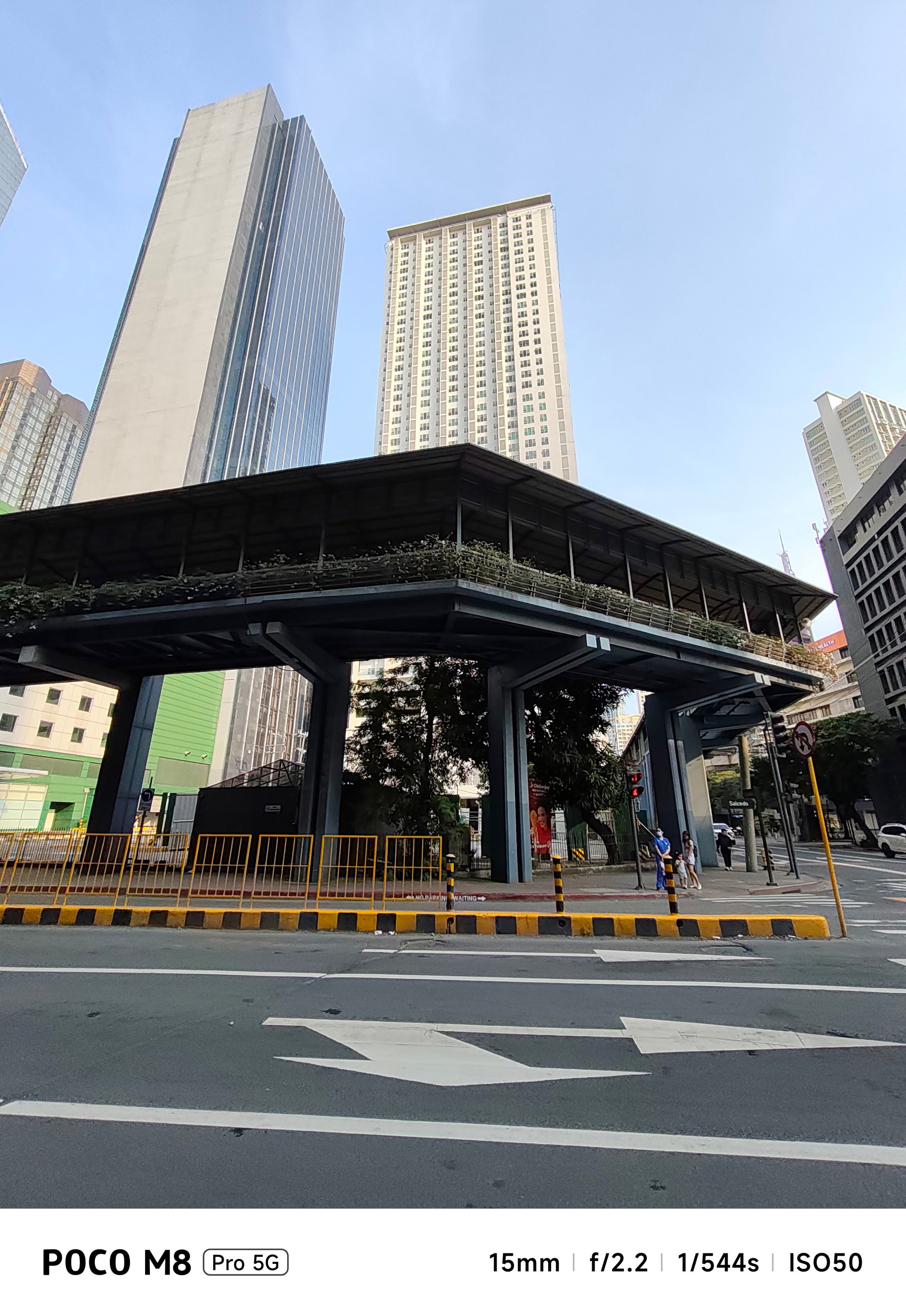
With the satisfactory 1x image sensor, 2x zoom is also possible, thanks to in-sensor cropping.
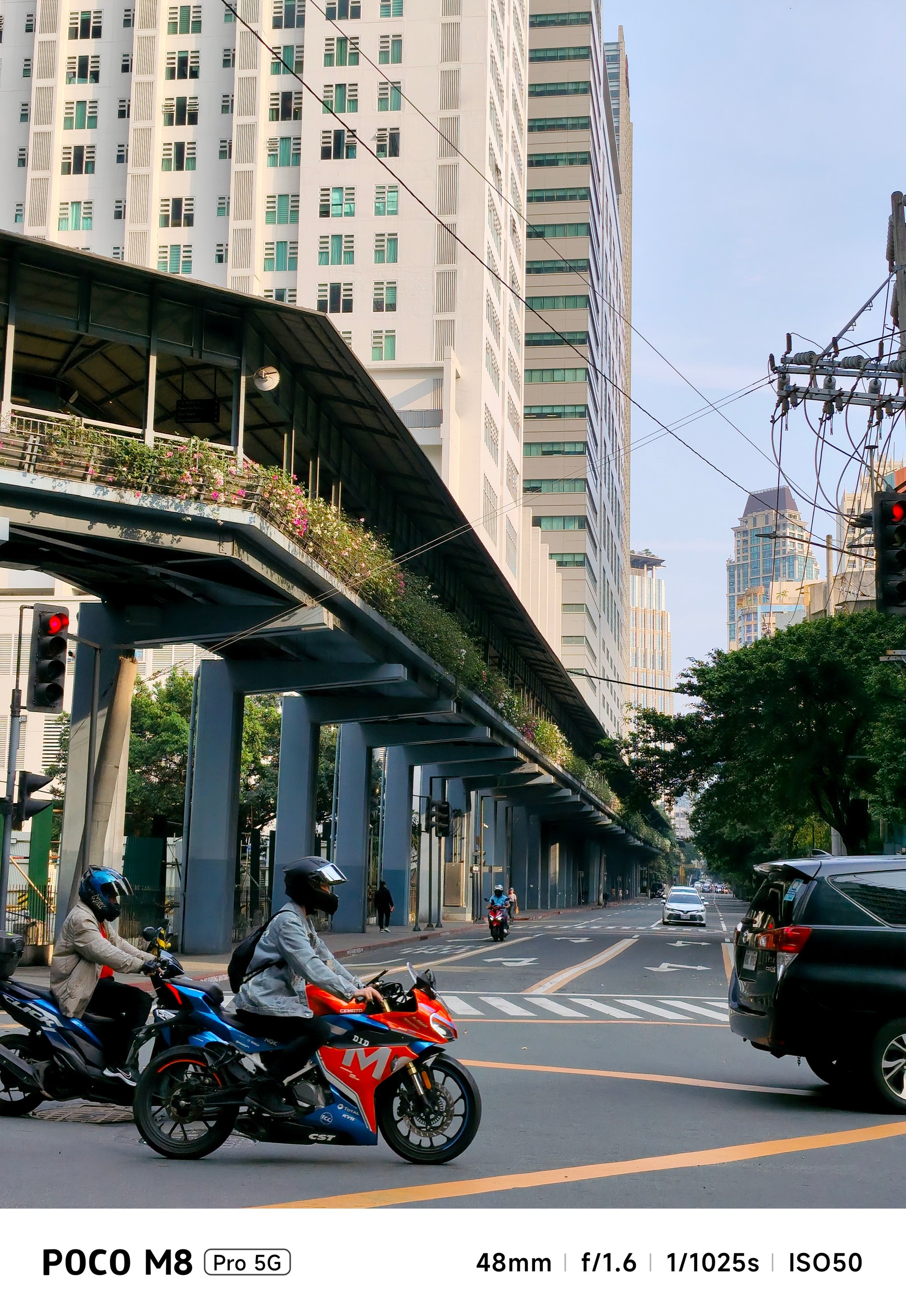

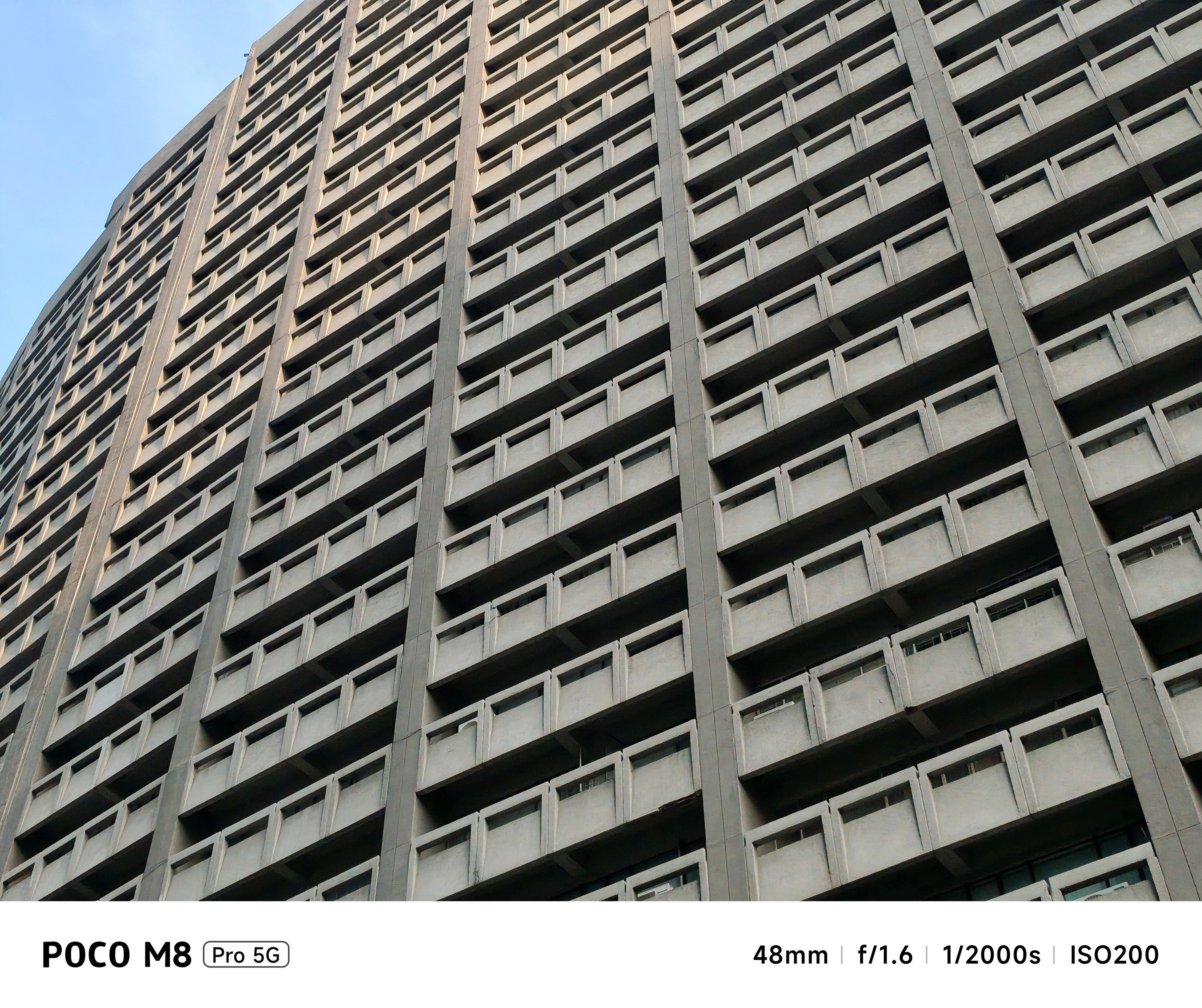

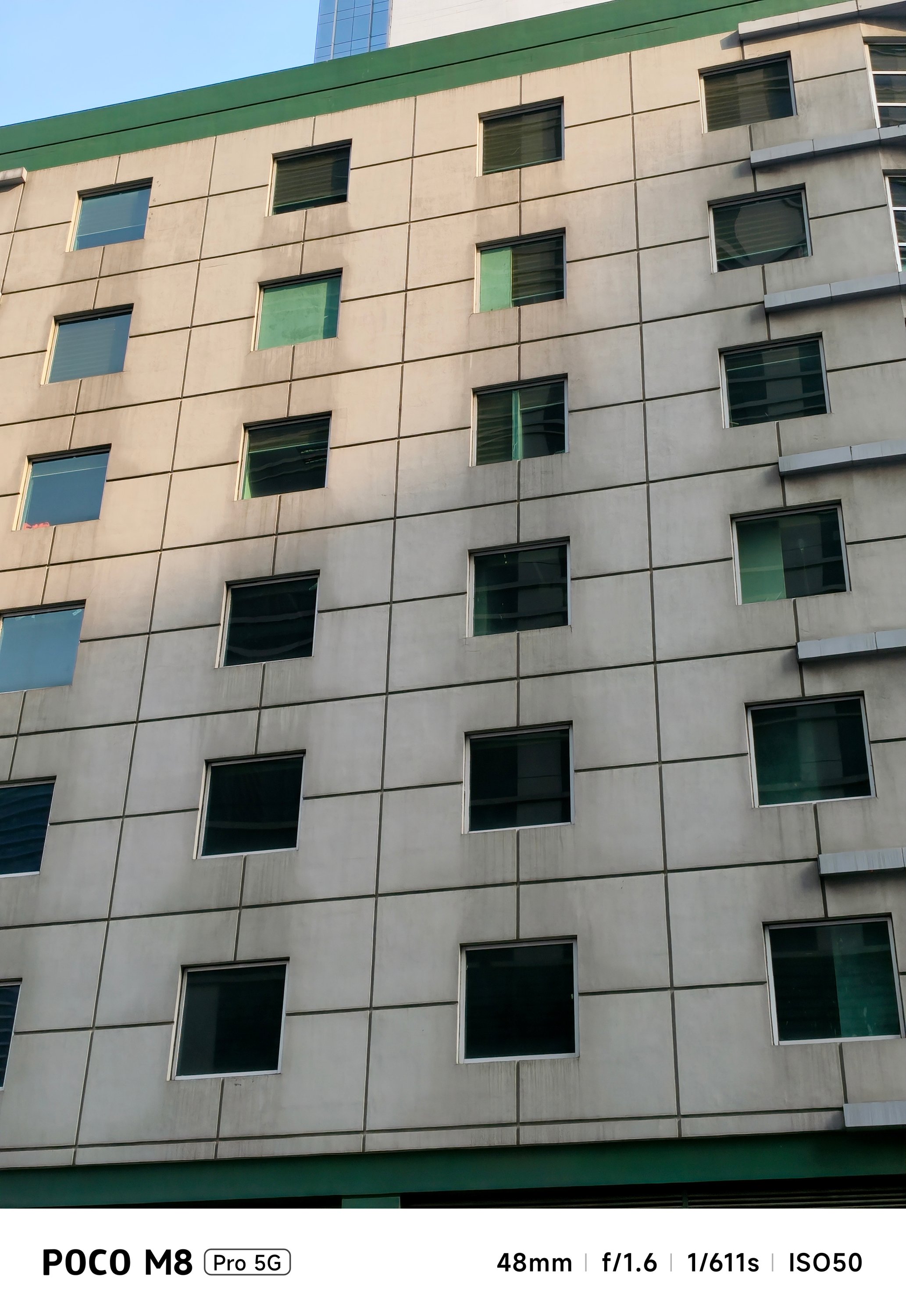
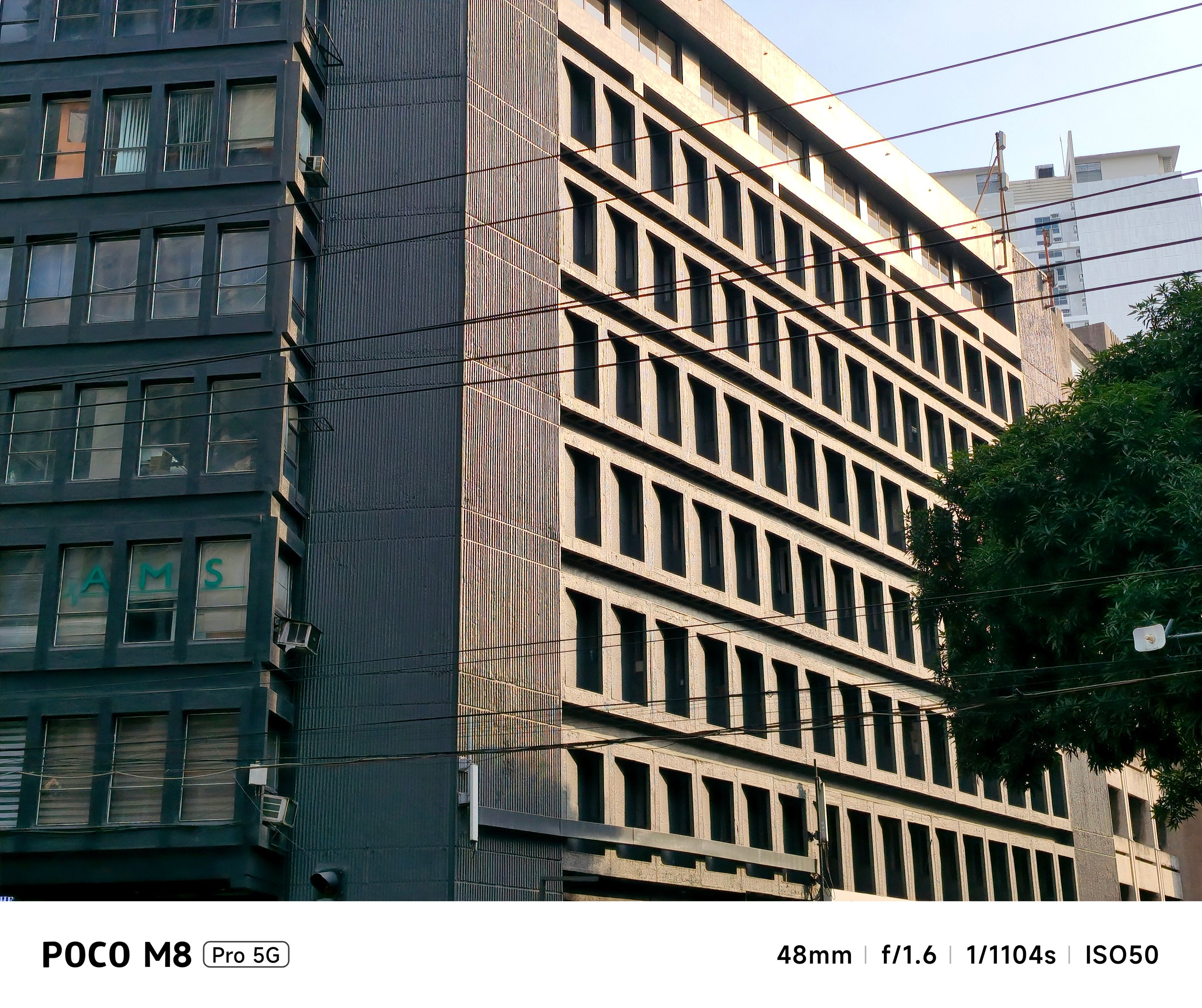
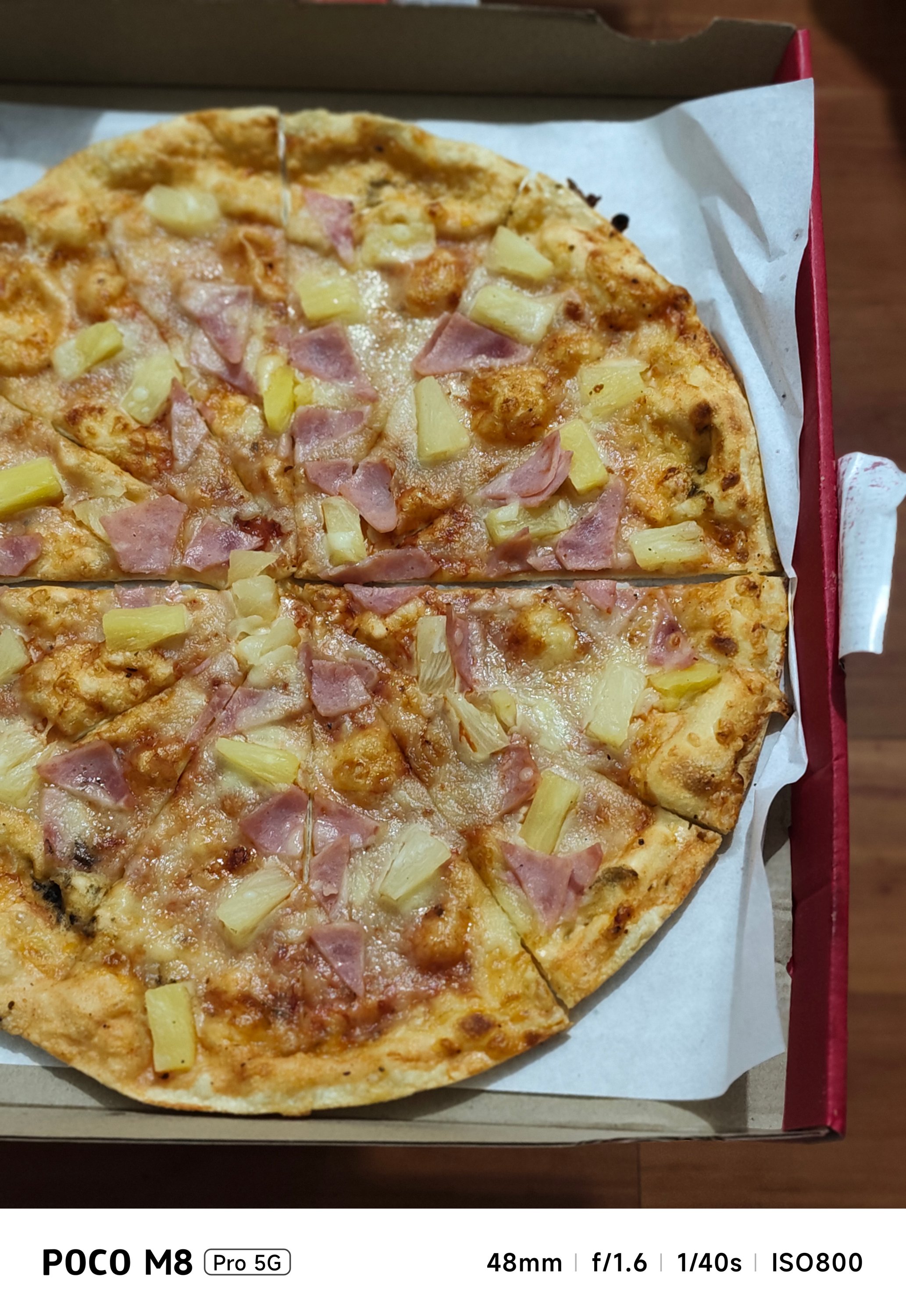
I honestly used the 2x mode more than I thought — especially when capturing my cats and food I devour.








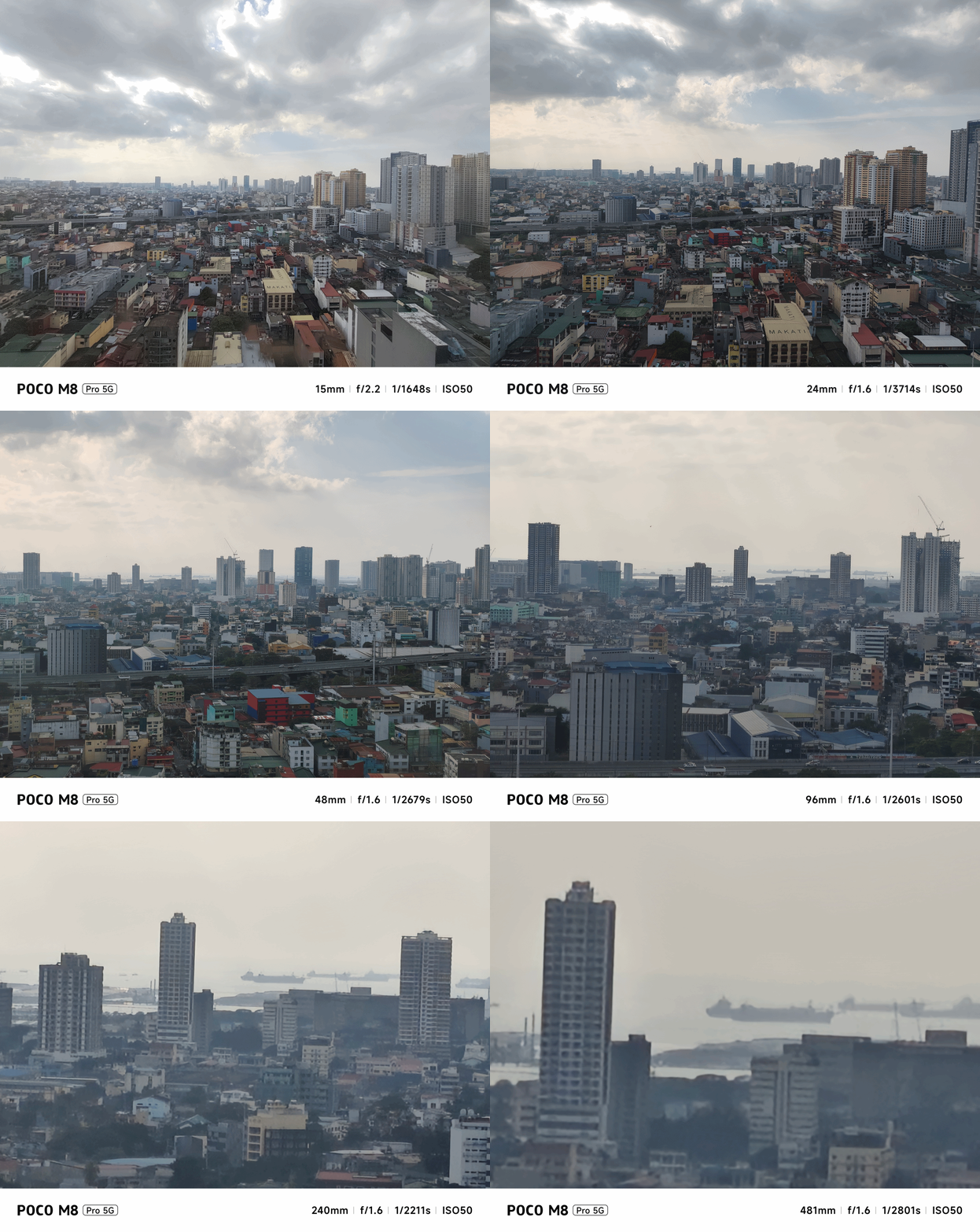
You can go beyond the bounds. But, with obvious hardware limitations, the camera processing can only do so much.
Once that natural light disappears, it will be tricky to take low-light shots as this has NO dedicated Night Mode feature. No luck if you are using them indoors with artificial light around.






Instead, regular Photo Mode automatically detects a low-light subject and toggles Night Mode processing by itself.


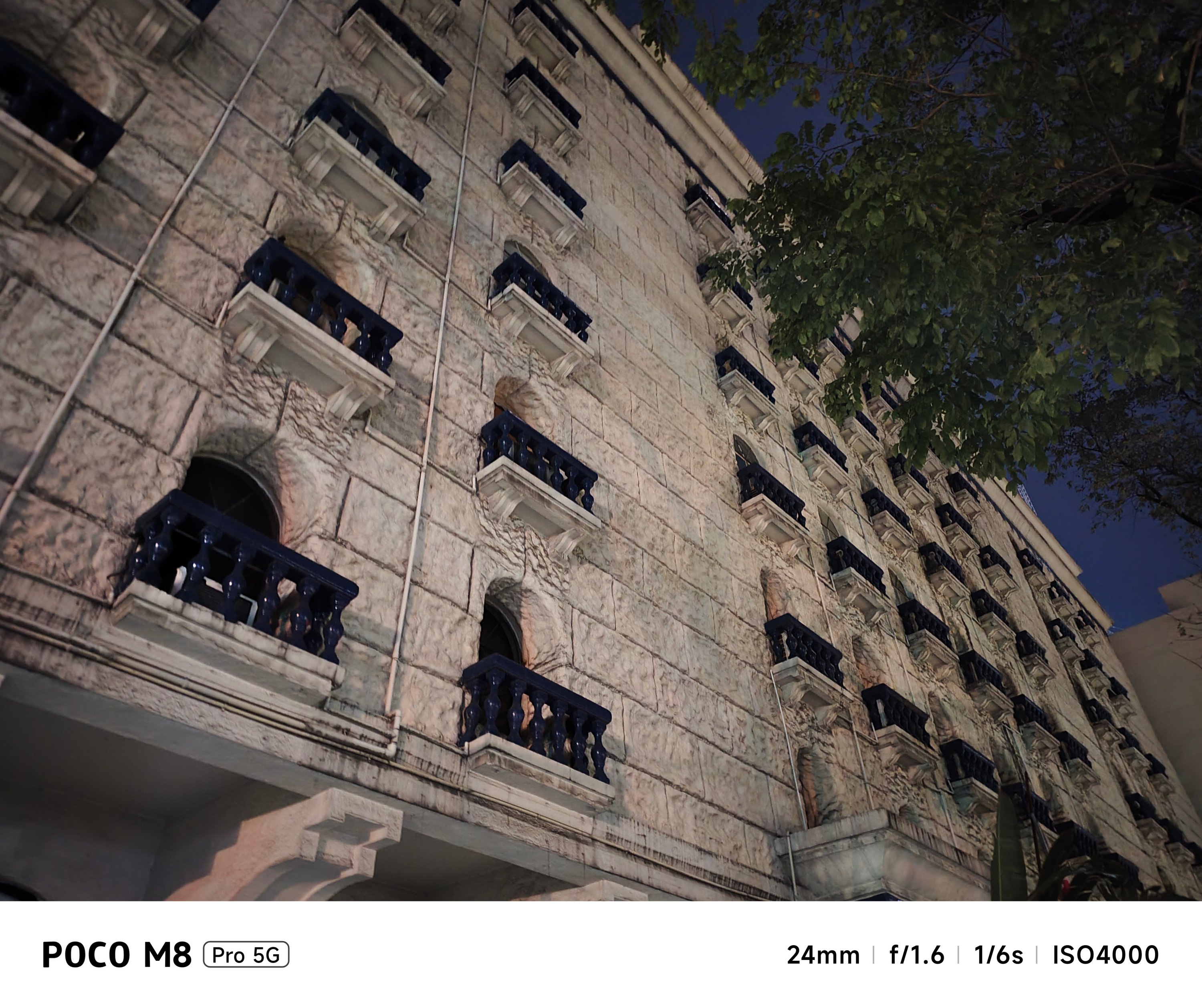

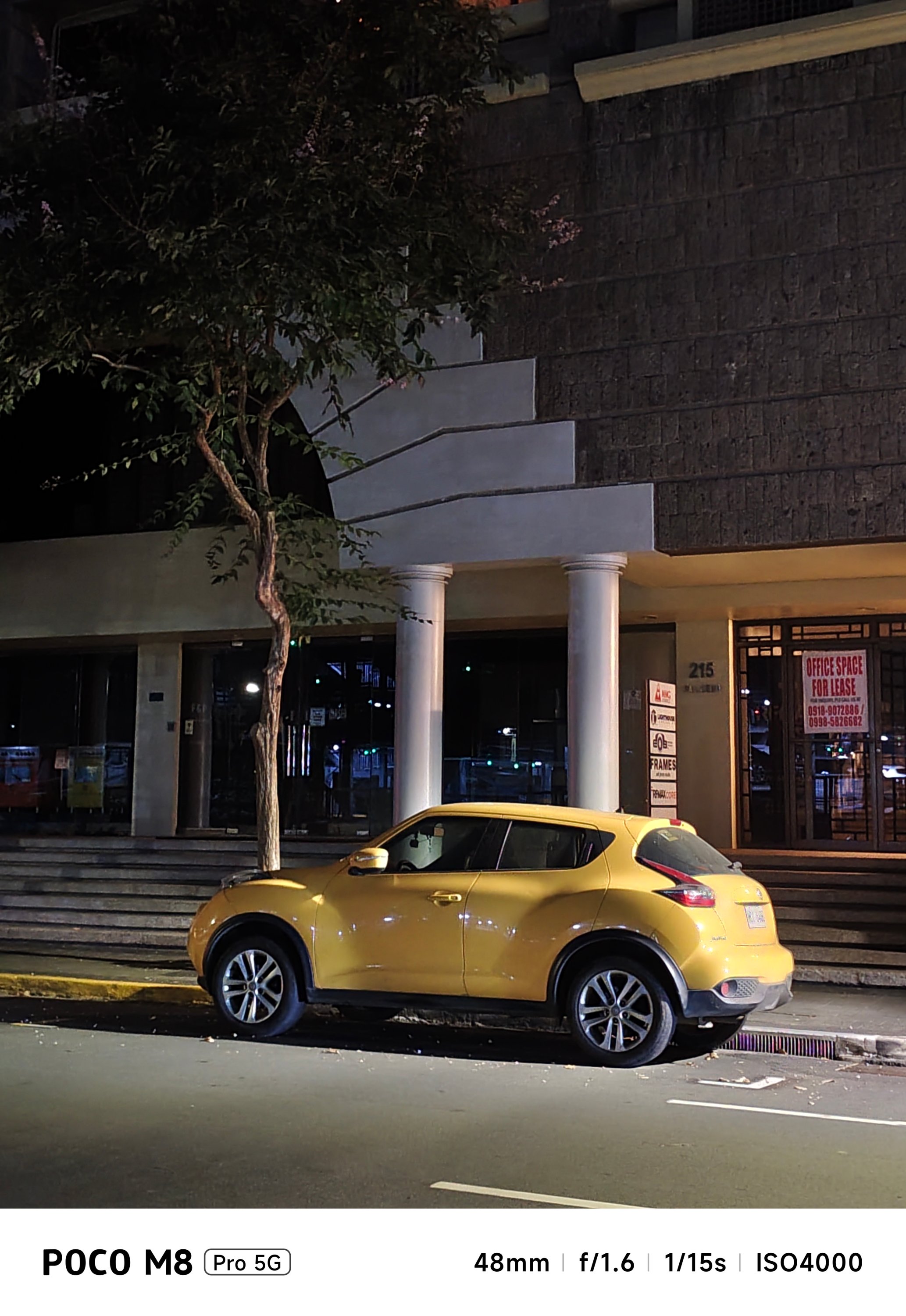


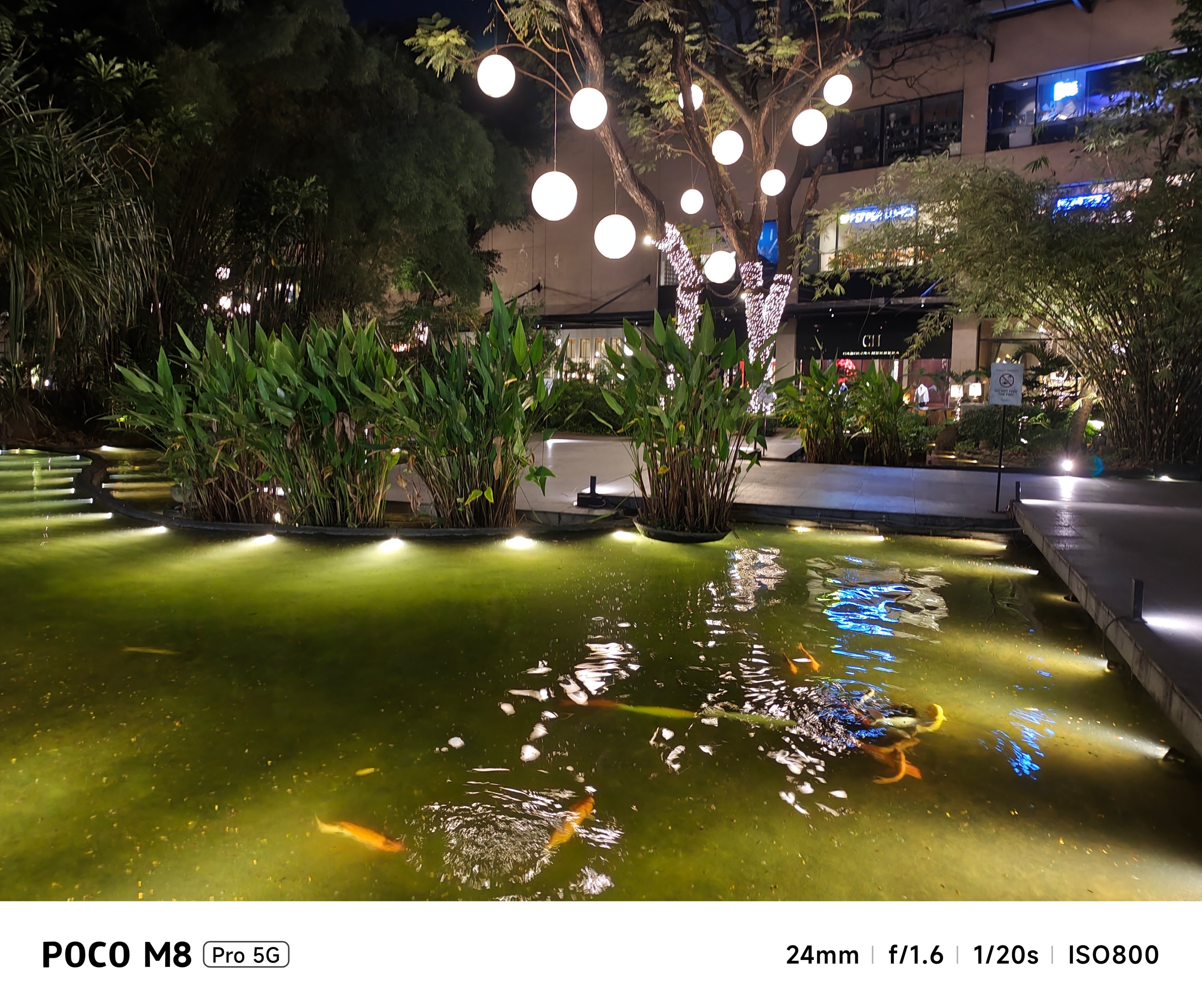


While most results are satisfying, it’s also a testament that its cameras are far from being flawless.
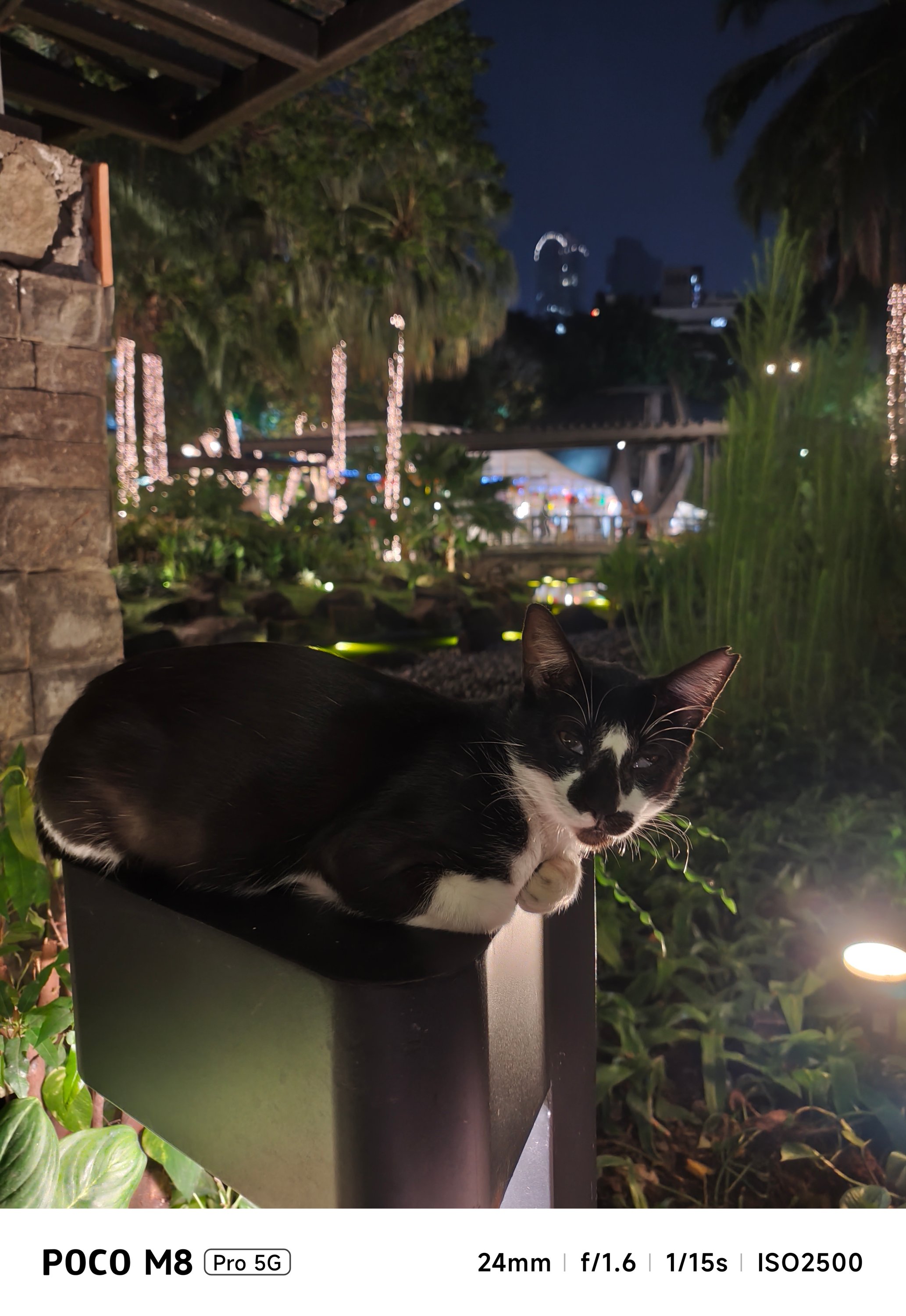



Good thing, the flash exists for a funkier look in subjects that suit it — food specifically.


Portraits weren’t missed. Although it only relies on some software-based processing, it still gets the job done of separating the subject away from the background — humans and pets alike.



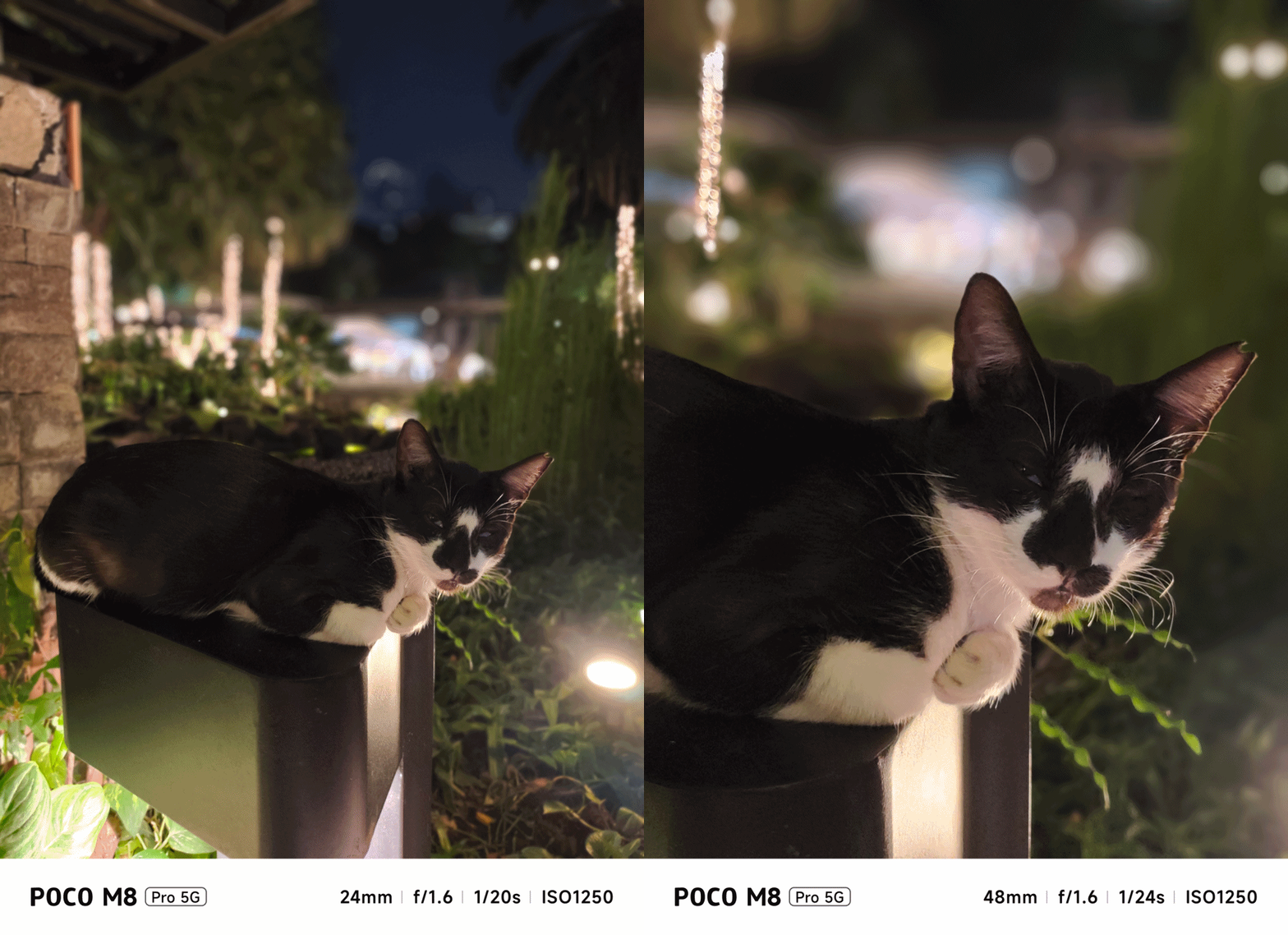

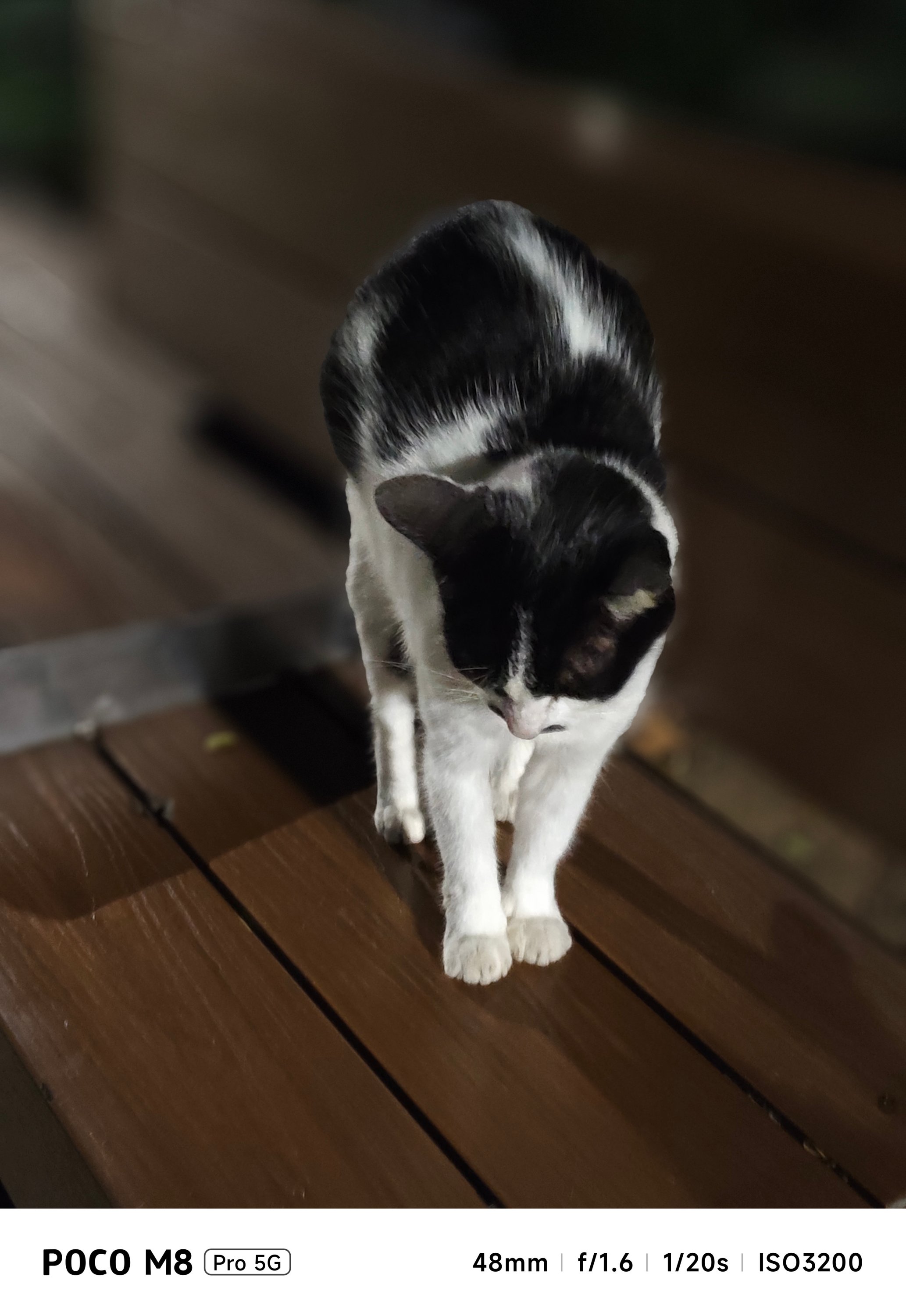

Personally, the aperture function was a bit of a nuisance.
For context, these shots were set to a low “f/1.8 aperture.” But, the M8 Pro rendered DoF (Depth of Field) that isn’t as shallow as what it’s supposed to show.
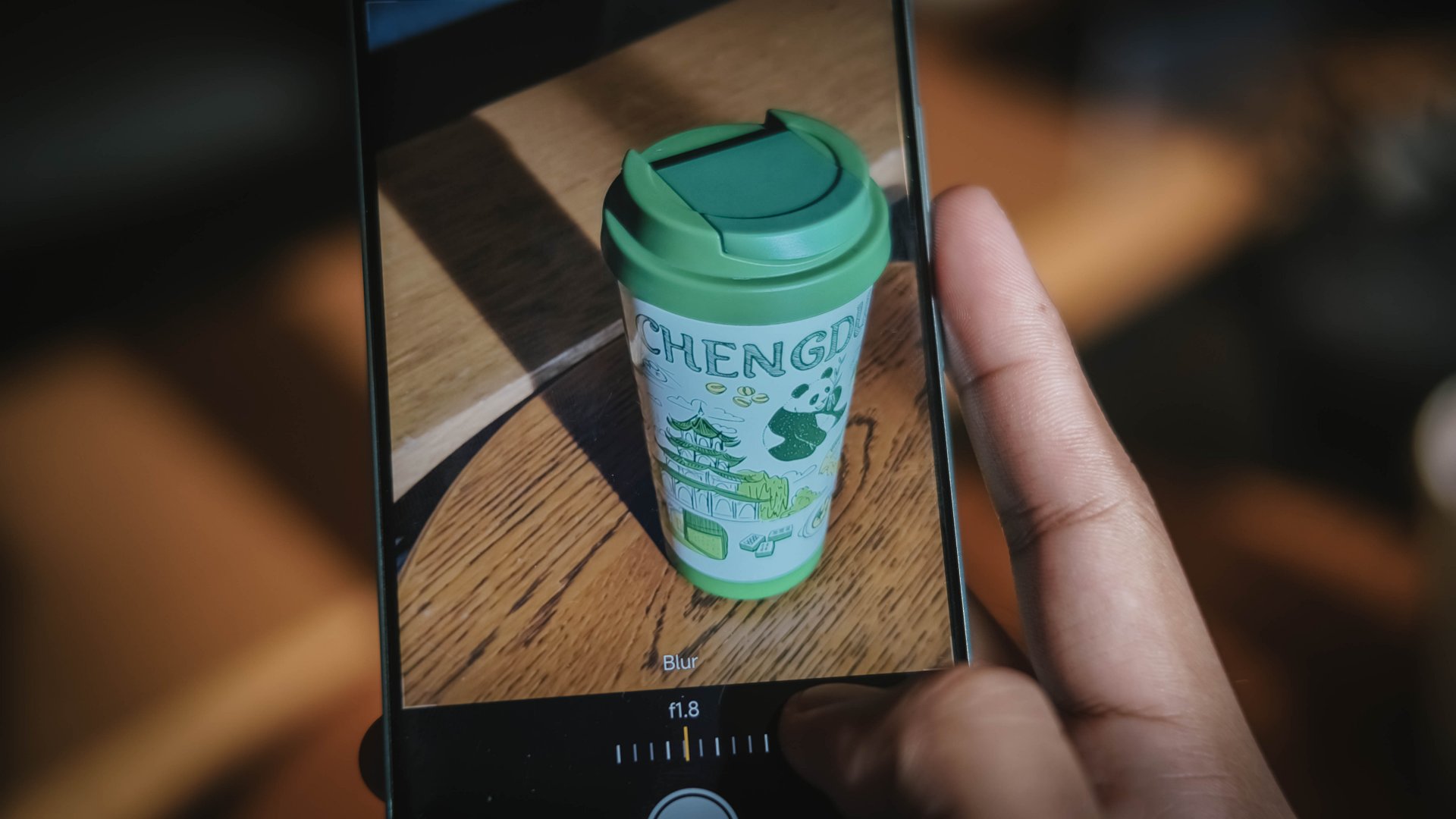
My frustration continues as the setting defaults back to f/4.5 after quitting and re-opening the camera app. That’s not even the standard lens opening when taking portrait photos.
And while we’re already here, selfies taken with its front-facing shooter.



Is the POCO M8 Pro your GadgetMatch?
While this isn’t the “flagship killer” most expect from a POCO phone, it’s hard not to go loco over how well-rounded yet wallet-friendly this POCO phone is — especially in the year 2026 where inflation is still unstoppable alongside the almost instantaneous and ridiculous RAM price hike.
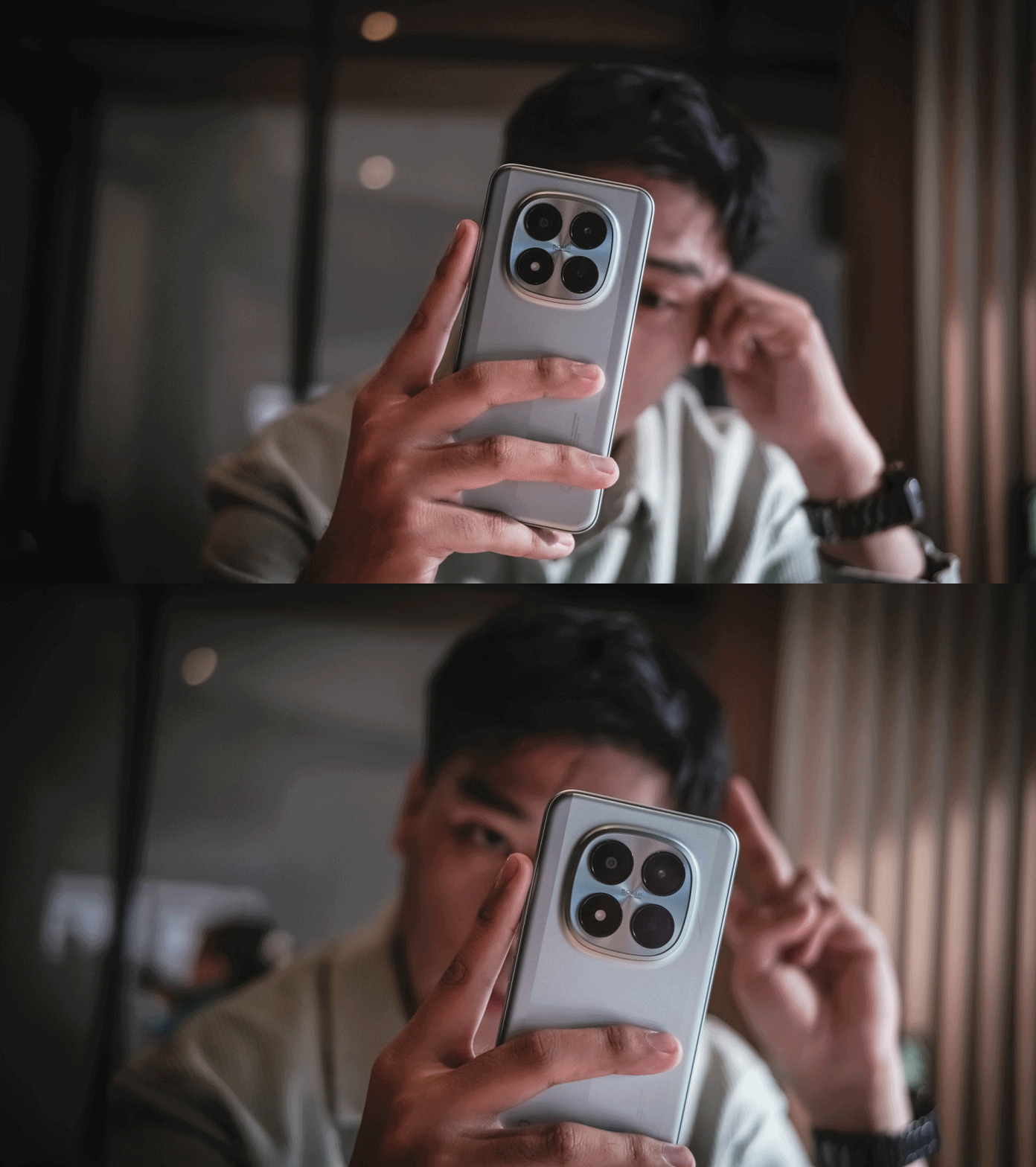
ICYMI, the POCO M8 Pro has a starting price of GBP 299 / SG$ 389 / RM 1199 / PhP 16,999 (around US$ 279) for the 8+256GB configuration.
Meanwhile, the 12+512GB variant that I handle is priced at GBP 349 / SG$ 449 / RM 1499 / PhP 19,999 (approx. US$ 359).
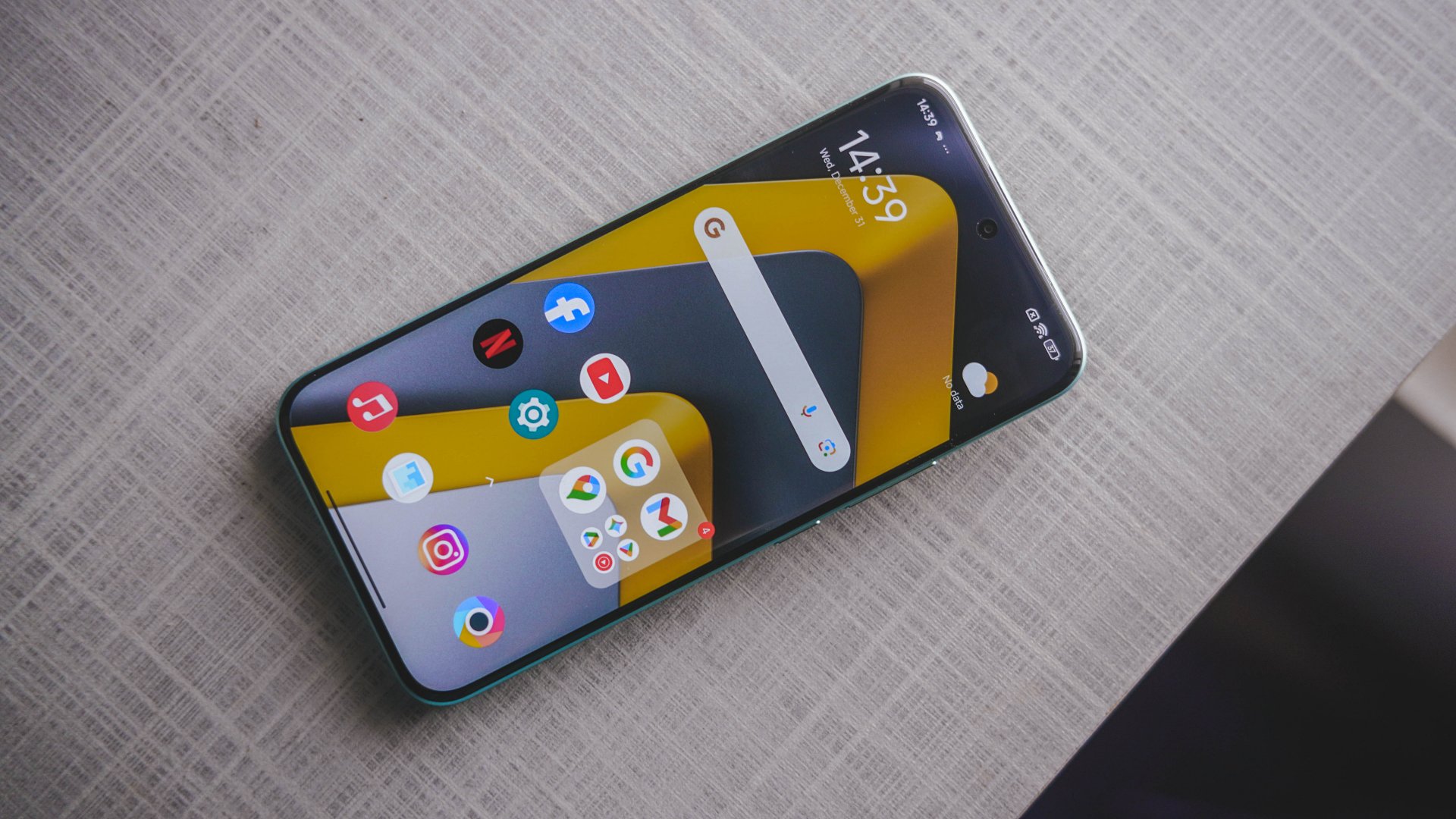
Its closest rival is none other than the HONOR X9d. Coincidental or not, it was launched just a day after the unveiling of the M8 Pro.
Frankly, the only thing you’ll let go from HONOR’s sweet treat are its monstrous 8300mAh battery and more polished OS. This POCO-ffering blows it out of the water with a greater chipset, faster wired charging, bigger and better display, capable cameras, durability never forgotten.
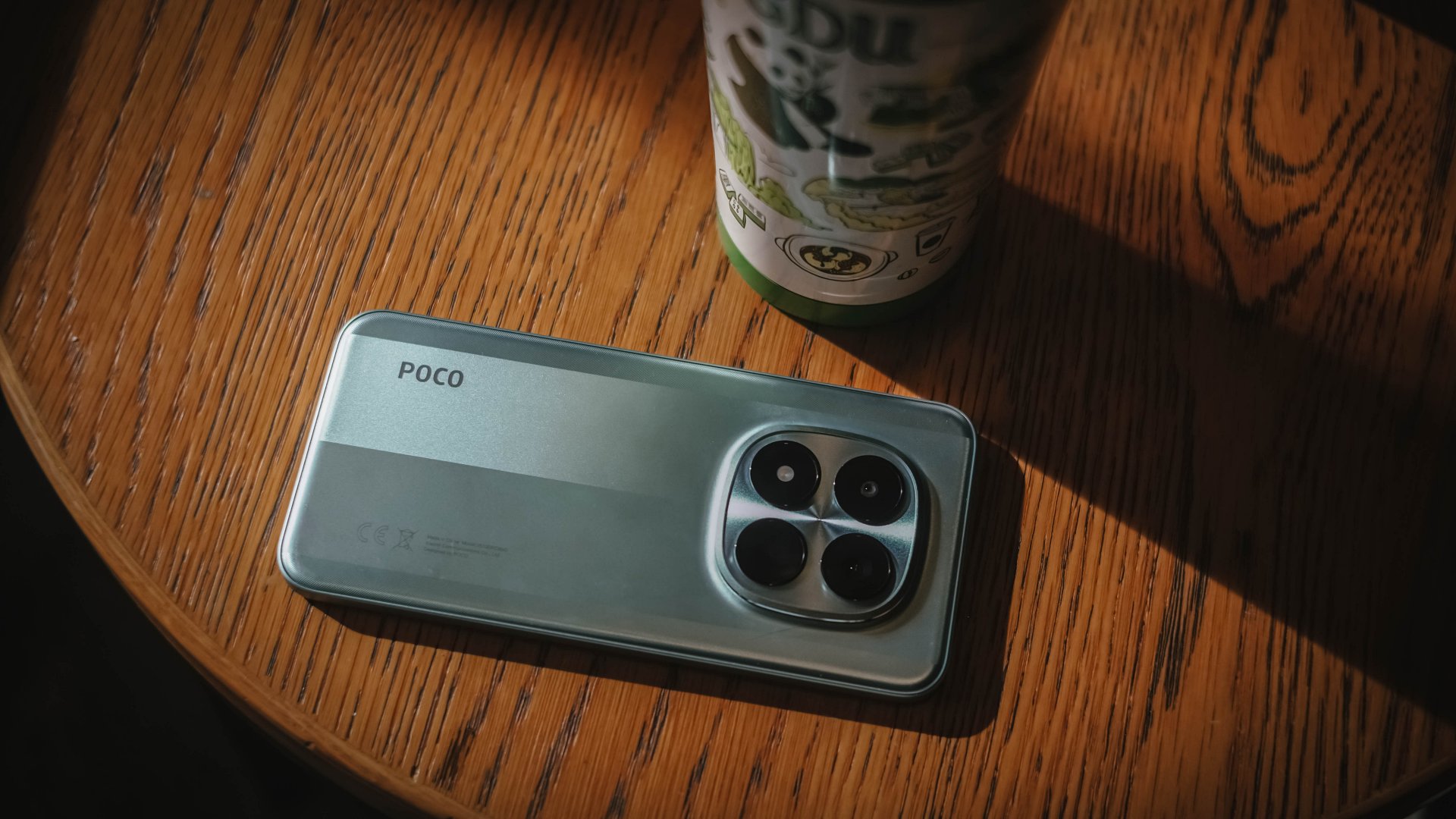
Although it wasn’t totally highlighted, the POCO M8 Pro is undoubtedly a rebadged REDMI Note 15 Pro+ — Xiaomi’s midranger that heavily markets its “Titan Durability” capabilities.
The POCO M8 Pro has them all: from its sturdy aluminum frame, four IP ratings, even the fully-shielded front glass care of Corning’s Gorilla Glass Victus 2. The biggest disparity? REDMI has a 200MP main camera over POCO’s 50MP shooter.
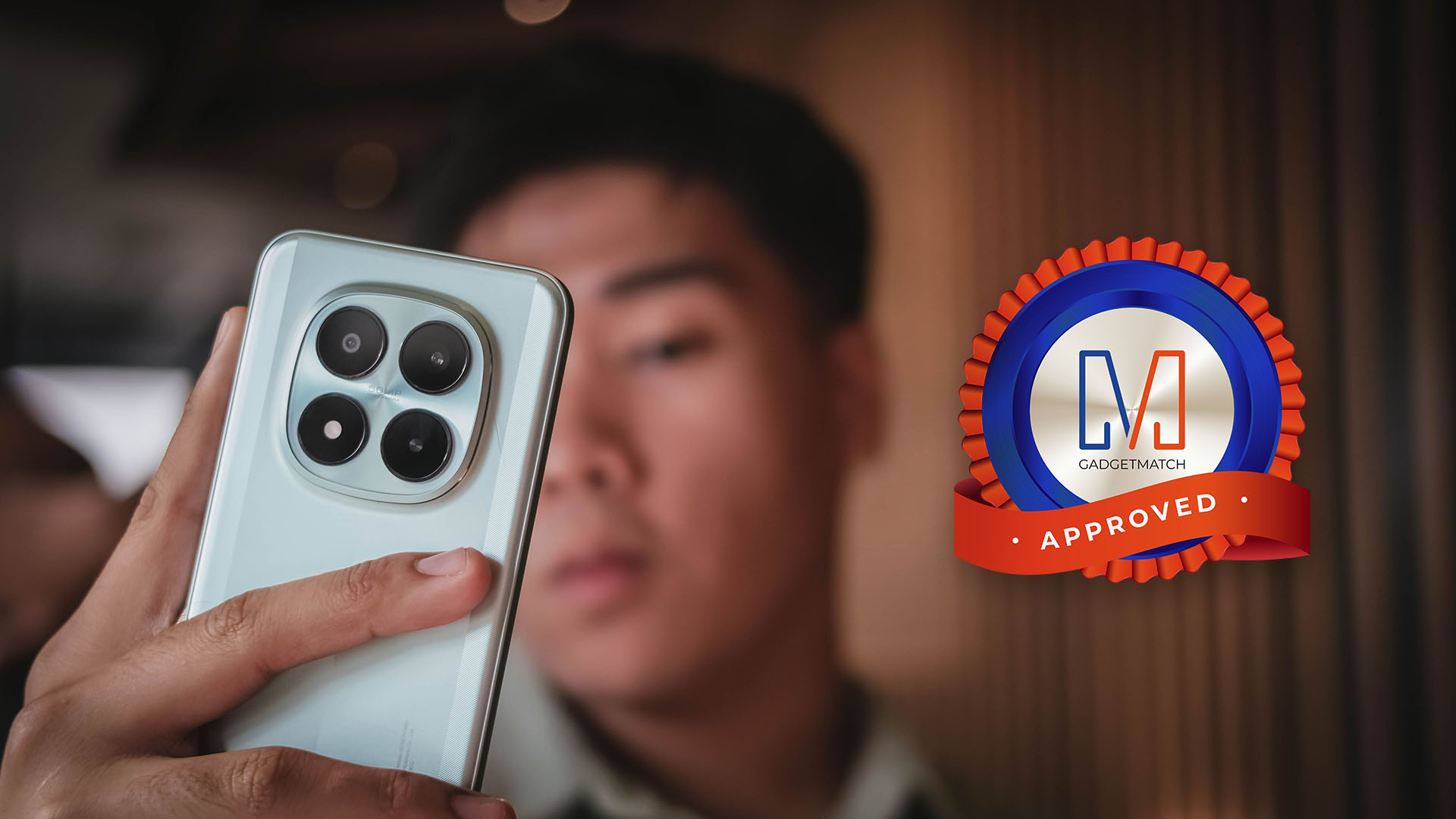
Despite some inconsistencies, the POCO M8 Pro is still an all-around midranger that will satisfy most users who want to purchase a shiny new smartphone without burning holes in your pockets.
It is a Swipe Right, Super Swipe, and a worthy recipient of the GadgetMatch Seal of Approval.
AI, displays of many different kinds, and a whole bunch of cool gadgets — that’s what CES is all about.
And just like we do every year, we’re in Las Vegas to check them out.
Head over to our Best of CES 2026 video to find out which gadgets made the cut.
MemoMind https://bit.ly/4qOJ9jq
XGIMI at CES https://bit.ly/49zE4oa
Euhomy https://bit.ly/3N89T01
Pre-order IceLeopard: https://bit.ly/3Nd1cl2
Govee’s new products in 2026 https://bit.ly/goveeces2026
UGREEN NAS iDX! Reserve with $30 and save up to $1040: https://nas.us.ugreen.com/CLeXc6
UGREEN’s new products in 2026: https://official.ugreen.com/PPcJvF


Now playing: Final Fantasy VII Remake INTERGRADE on Switch 2
Final Fantasy VII Remake, handheld again


HONOR X9d 5G review: Tougher, more long-lasting and optimized
Beyond all the marketing, it's a compelling all-around smartphone that actually works well


Redmi Note 15 Pro+ 5G review: The midrange fashion piece
Work-ready and style-friendly!

nubia joins durability competition with launch of V80 Max

How a low-impact workout can turn your resolution into a habit

Nintendo’s latest toy is Super Mario Wonder’s Talking Flower

You can now race as teams in Mario Kart World’s Knockout Tour
Now playing: Final Fantasy VII Remake INTERGRADE on Switch 2

Razer teams up with BLACKPINK for limited-edition gear

HONOR X9d 5G launches in the Philippines: Price, preorder, availability

HONOR WIN headlines the first 10,000mAh smartphone with built-in fan

Xiaomi 17 Ultra debuts as 2025’s last full-fledged flagship

OPPO A6 Pro: Adequate tool, no definitive punch


-
 Reviews1 week ago
POCO M8 Pro review: Goin’ loco over this POCO
-
 News6 days ago
Infinix NOTE Edge debuts: High-end features for accessible pricing
-
Reviews1 week ago
Redmi Note 15 Pro+ 5G review: The midrange fashion piece
-

 Reviews1 week ago
Mijia Smart Audio Glasses review: Immerse yourself in the music
-

 CES 20262 weeks ago
Best of CES 2026: AI Everything!
-
 Features1 week ago
Can the REDMI Note 15 Pro+ 5G Survive?
-
 News1 week ago
REDMI Note 15 Series unveiled: Price, availability in the Philippines
-

 CES 20261 week ago
Spotlight: ASUS Zenbook at CES 2026