
News
Only Huawei sees growth as China’s smartphone shipment growth stalls
Everyone else got hit hard


Canalys, an independent research company based in Singapore, published the list of smartphone brands that dominated the Chinese market during the fourth quarter of 2017.
Huawei, with its sub-brands Nova and Honor, had their best ever quarter in China with more than 24 million smartphones shipped. Huawei grew by 9 percent in a market that declined by more than 14 percent, effectively outperforming the overall market. Honor, especially, continued to establish its importance for Huawei by contributing more than half of the unit volume or 12 million shipped phones. Honor and Nova gained market share from smaller vendors like Gionee and Meizu.
OPPO shipped 19 million smartphones, a decline of 16 percent, and Vivo shipped 13 million smartphones, which also declined by 7 percent. Even though their shipment volume declined, OPPO and Vivo were able to hold on to their respective second and third spots. The flagship stores both vendors opened in China’s biggest cities allowed them to boost their brands and drive home an image of value for money that Chinese consumers bought into.
Apple was capable of delivering more than 7 million iPhone X into the Chinese market during the fourth quarter of 2017. This, together with the more reasonably priced iPhone SE, 6s, 7, and 8 models, was enough for Apple to secure the fourth spot, pushing Xiaomi to number five overall.

For the first time ever, China saw a decline in year-over-year unit volume shipments for smartphones — down to just 459 million. This was mainly due to a steep decline by 4 percent. Therefore, Canalys predicts a major market shake-up in China in 2018.
Things aren’t looking good for Gionee and Meizu should they not be able to pull off a turnaround, especially as other brands like Lenovo and ZTE refocus on the Chinese market. Lenovo, in particular, has had the advantage of owning Motorola’s smartphone technologies. Bringing all this know-how back to their home country could spell trouble for these smaller companies.
Let’s sit back and enjoy the benefits we as consumers will see from the battle of smartphone vendors in the Chinese market, shall we? Popcorn, anyone?





News
Lionel Messi’s face just unveiled the Galaxy Z Fold 8 Ultra early
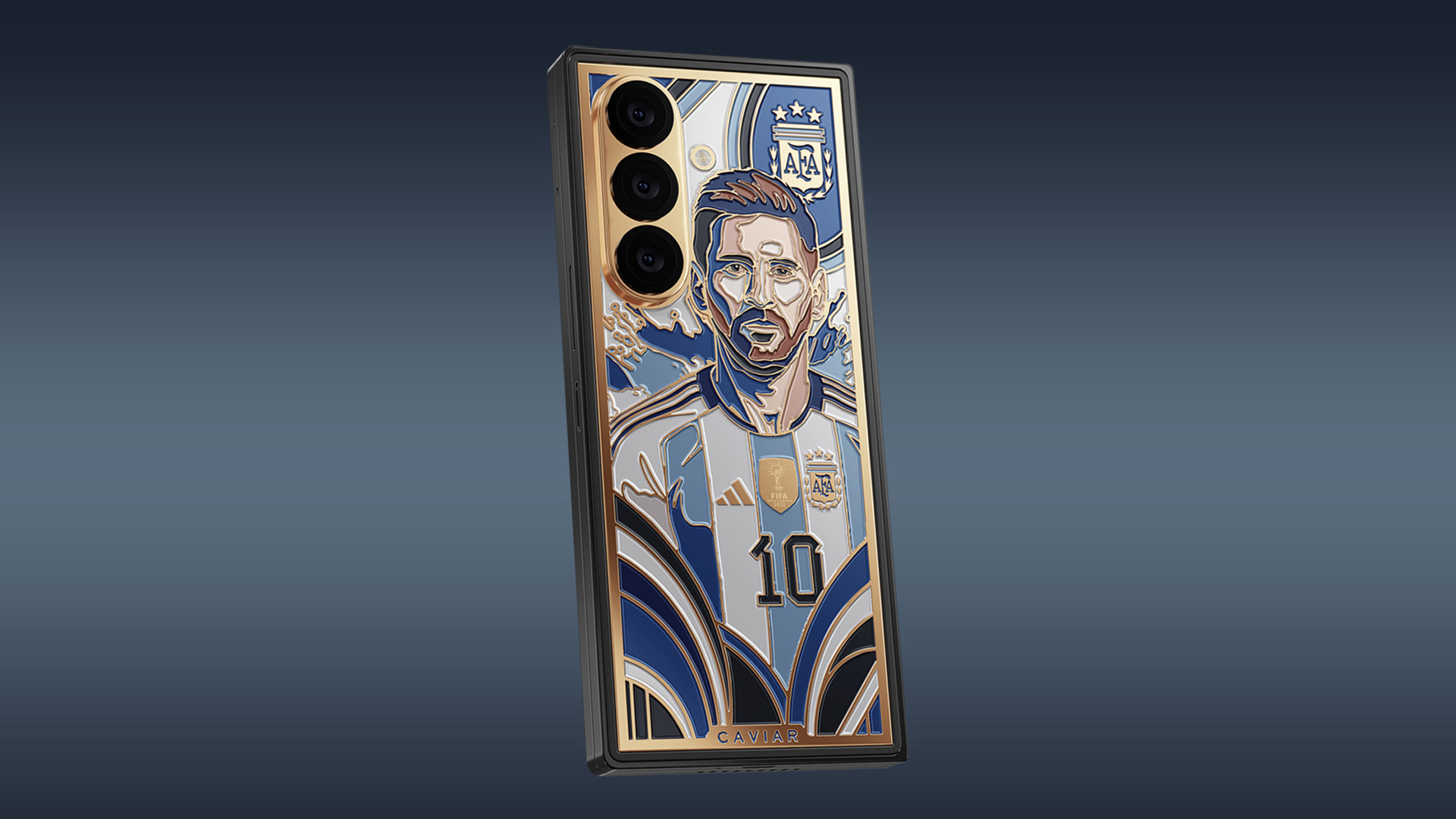
Technically, it’s a custom Caviar phone with Messi’s face on it.

And just like that, the World Cup season is over. Spain prevailed over Argentina in a 1-0 caper. Despite the loss, however, Argentinian superstar Lionel Messi is (indirectly) leaving us a little surprise by spoiling the Samsung Galaxy Z Fold 8 Ultra a few days early.
Technically, it’s not Messi himself doing the spoiling. Caviar, the infamous luxury smartphone company, has revealed an extravagant Lionel Messi-themed edition of the unannounced Galaxy Z Fold 8 Ultra.
As with the brand’s other creations, the special smartphone is covered in 24-karat gold plating. The design is styled to look like Messi and the colors of the Argentinian football team.
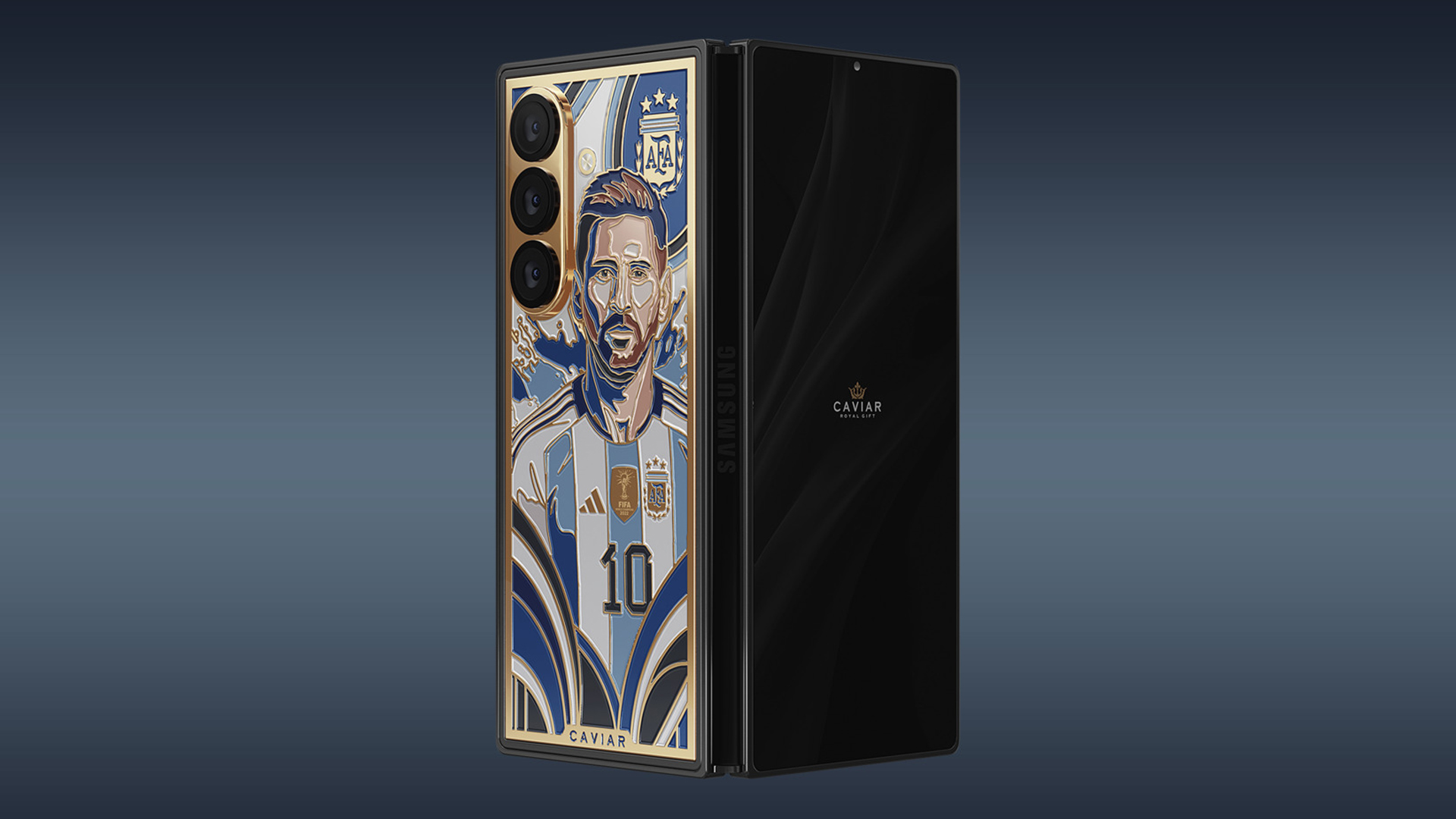
Image source: Caviar
Now, before you say that this design is worthless now after the loss to Spain, the edition is meant to celebrate the 2022 win, exemplified by the badge on Messi’s shirt saying “2022”. And even then, Messi is still one of the most globally recognized sports personalities in the world, making this quite the collector’s item.
However, if you’re looking for any hardware leaks, you’re out of luck. The listing has no mention of specs, except for the storage, which includes options for 256GB, 512GB, and 1TB. Other than that, you’ll have to wait like the rest of us.
Additionally, if you’re interested in the Messi-themed edition, it will cost you a fortune. Caviar’s Galaxy Z Fold 8 Ultra will start at a whopping US$ 13,130.
Besides its nature as a special edition, this phone is the most official thing we’ve seen of the Galaxy Z Fold 8 Ultra. Samsung is still scheduled to launch the new foldable, along with other models, in a few days. The brand is also rumored to launch a wide version of this model.
SEE ALSO: New leak reveals first look at Samsung’s wide foldable
Automotive
Mercedes-Benz celebrates 140th anniversary at the Presidential Car Museum
A generation’s worth of presidential Benz models under one roof
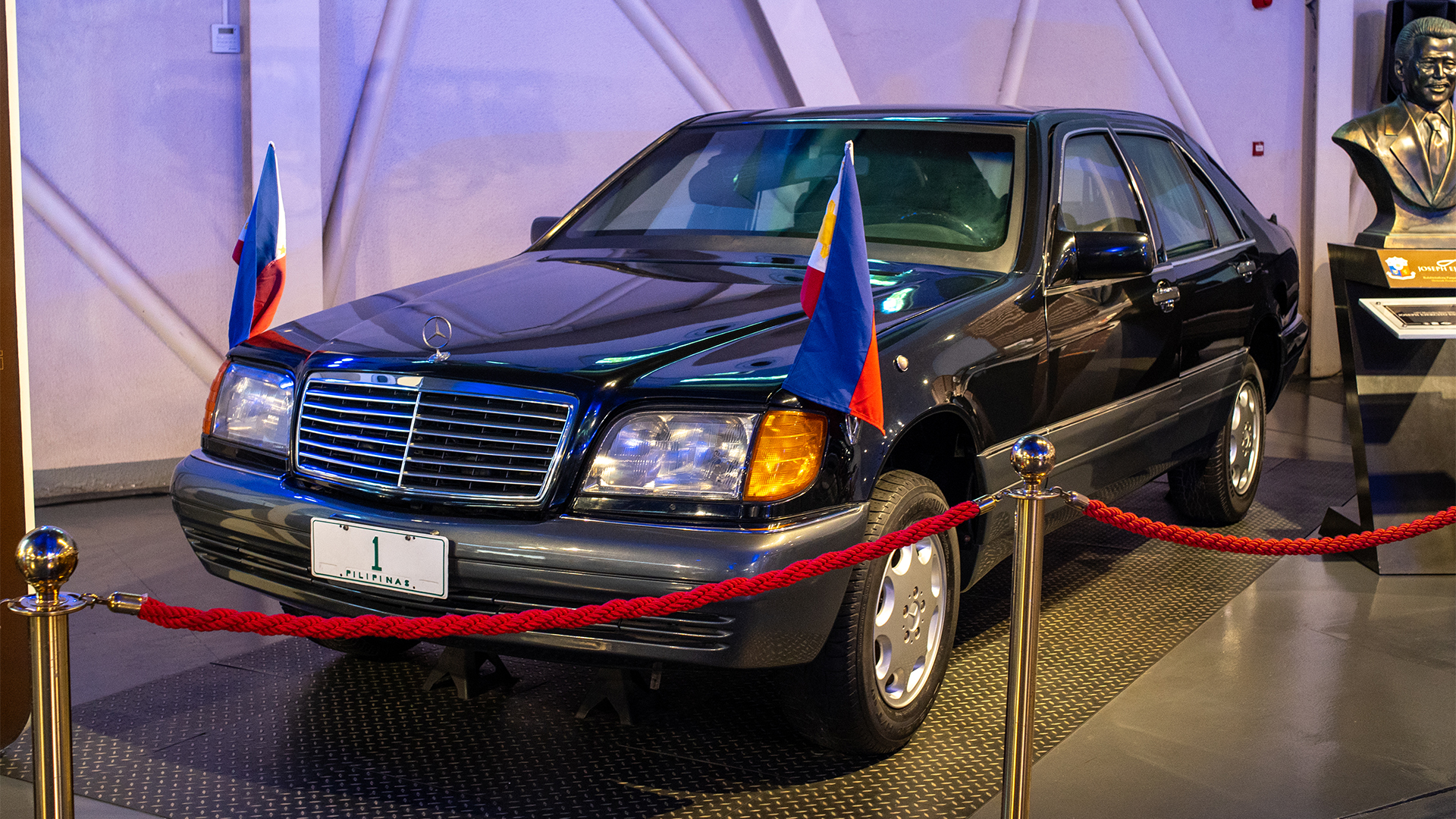
Last month, Mercedes-Benz Philippines kicked off its 140th -anniversary “Welcome Home” campaign. Designed to celebrate the iconic Chedeng and introduce a new generation to the brand, the campaign attracts old and new customers alike. Now, the brand’s 140th year is also hitting history buffs with a special showcase at the Presidential Car Museum in Quezon City.
Since President Cory Aquino’s term, the official presidential car has been a Benz, offering comfort and protection for the current head of state. It is here where Mercedes-Benz wants to celebrate the legacy of the brand, especially in the annals of Philippine history.
Amid the cars of Presidents Aquino, Ramos, Estrada, and Macapagal-Arroyo, Mercedes-Benz is displaying a replica of the Benz Patent-Motorwagen Replica, which is the world’s first automobile introduced by Karl Benz in 1886. The replica will be on display until December 2026.
Outside the Presidential Car Museum, Mercedes-Benz is running discounts through the end of July. There are also special aftersales services for those who already own a Benz. Finally, the brand will continue to run activations throughout the anniversary, so expect to hear a lot more about the Chedeng throughout the year.
SEE ALSO: Mercedes-Benz holds a Welcome Home campaign to celebrate 140 years
News
Samsung releases teaser with Spider-Man: Brand New Day Easter eggs
Spot also teases upcoming Galaxy foldable devices

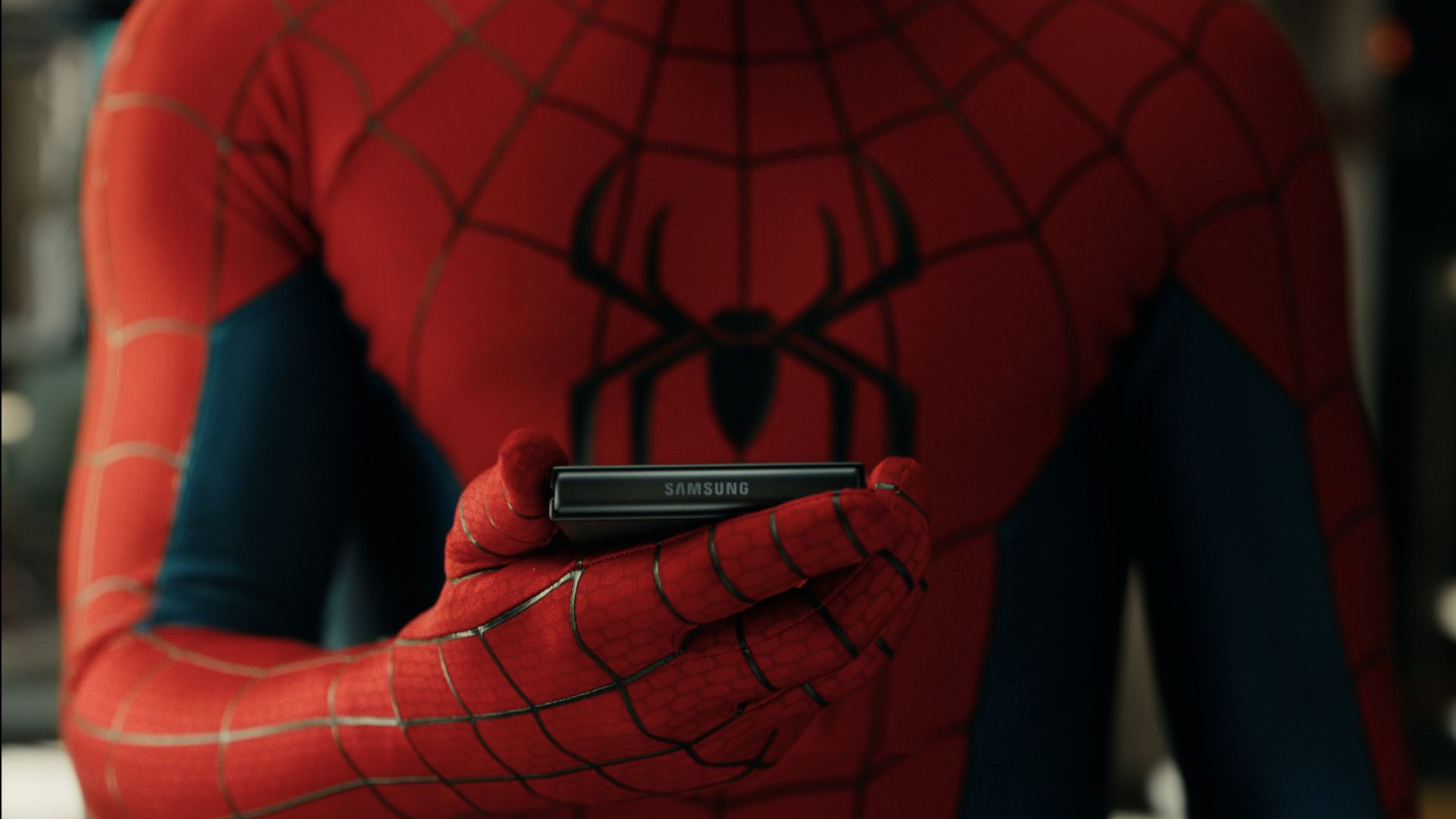
Samsung has just premiered a new spot that showcases clips directly from Spider-Man: Brand New Day, just a few weeks before the movie hits cinemas later this month.
The clip showcases Spider-Man as he fights crime and puts his phone through the wear and tear of superhero life.
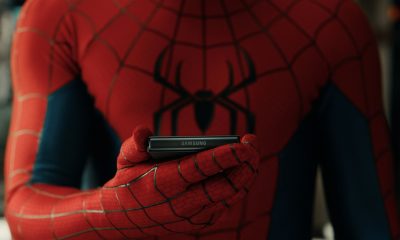
In the spot, the Fabricator creates a number of devices for Spider-Man built to stand up to the pace and unpredictability of life behind the mask. This includes what clearly looks like a Galaxy Z Flip phone.
This provides a behind the scenes look into how Peter Parker ultimately landed on a Samsung phone — as fans speculated from the first trailer.
Meanwhile, Ned can also be seen using the Spidey Tracker to try and catch Spider-Man throughout the city on his Samsung phone.
The campaign pretty much formalizes Jacob Batalon — who plays Ned Leeds — as Samsung’s Team Galaxy’s newest ambassador.
The clip ends with the text “A brand new shape for a Brand New Day”, which is also a callback to what the brand has been teasing regarding the future of its Galaxy foldable devices.
Samsung to release latest devices at Galaxy Unpacked
Next week, Samsung is set to launch its latest devices at Galaxy Unpacked 2026.
Ahead of the launch, customers who wish to reserve as early as now can get a US$ 30 credit during pre-order, for a total of up to US$ 1,230 in savings.
Customers can also enter a sweepstakes for a chance to win one of 10 US$ 500 Samsung.com gift cards towards their purchase.

realme C100: Enduring and durable in spite of entry-level realities
Enough power but needs more agility

The ASUS ExpertBook Ultra wins you over
The laptop sneaks up on you

Nexal Watch Sport review: A rugged watch for small budgets
I couldn't believe that watches this good could come for this cheap.

Call of Duty, Aston Martin unveil Dreadnought for Modern Warfare 4

Lionel Messi’s face just unveiled the Galaxy Z Fold 8 Ultra early

Mercedes-Benz celebrates 140th anniversary at the Presidential Car Museum

Street Fighter 6’s first Filipina fighter arrives August 3

Samsung releases teaser with Spider-Man: Brand New Day Easter eggs

New York becomes first state to ban smart glasses

vivo X300 Ultra review: A “Whole Different Animal”

DJI Osmo Pocket 4P launches with dual lenses and a 1-inch sensor

Lenovo says RAM prices are not coming back down again

Camera Shootout: HONOR 600 Pro vs OPPO Reno15 Pro


-
 News1 week ago
New York becomes first state to ban smart glasses
-
 Singapore1 week ago
Sony launches IER-M500 in-ear monitors
-

 Gaming1 week ago
Microsoft dictates that a new Fallout game is coming
-

 Computers2 weeks ago
GIGABYTE releases new AORUS RTX 5080 INFINITY graphics cards
-

 Gaming2 weeks ago
HoYo FEST 2026 details announced; tickets on sale from July 16
-
Reviews1 week ago
realme C100: Enduring and durable in spite of entry-level realities
-

 Gaming2 weeks ago
Assassin’s Creed Black Flag Resynced available worldwide now
-
 News4 days ago
Samsung releases teaser with Spider-Man: Brand New Day Easter eggs