


Lifestyle
Vivo NEX S: What’s taking selfies with a pop-up camera like?
And other relevant questions about Vivo’s newest flagship

“It has a pop-up selfie camera.” That was the only thing I heard when the Vivo NEX was announced, and all other features faded into the background. Seriously, my main excitement over this phone stems from the fact that it has a mechanical camera that comes out when you take photos with the front-facing camera.

How would it work? Why the technical maneuvering to make this camera happen? Would it break after the gajillion selfies I take in a day? These were all questions I needed answers to. So, it’s time for a quick review — and by quick, I mean I’m only tackling the key features. (You can read the full hands-on review here.)
What’s the deal with this phone anyway?
The Vivo NEX, to us mere mortals (your average non-techie consumer), looks like a typical smartphone. Until you have to scan your fingerprint and take a selfie, that is. Of course, a number of people have given praise to this handset for being the future of smartphones — and I can’t blame them. In a sea of identical notched devices, a camera with moving parts sounds oh so exciting.
You’ll realize that the hype is real when you finally get this baby in your hands. Anything that feels less than premium in my hands is a big no-no for me, and the NEX doesn’t disappoint in this regard. Unlike the previous midrange Vivo releases that didn’t quite do it for me, this handset has a good weight to it and you can definitely feel the glass build.
Sure, it comes in drab black, but if the light hits right, you can see colors of the rainbow. No, really:

It’s a nice lighting touch, though to be honest, it just looks more black in most lighting scenarios. I’m pretty disappointed I’m not the dazzling unicorn I thought I’d be by using this phone, but that’s just me.
Do we really need all that screen?
A 91+ percent screen ratio is a big deal in terms of measurement and smartphone hype, but it’s just a bunch of numbers to me. Admittedly, however, the wider screen experience is good — the obsession with a wider screen in a smaller phone body is understandable for people with smaller hands like mine.

Speaking as someone who hides the notch when I have the option to, the lack of screen obtrusion is refreshing. More screen means a literal bigger picture, which is great when being viewed on a massive 6.59-inch Super AMOLED screen. As much as I’d love to say that’s a problem for the small-screened population, it’s the lack of standard in screen ratios that’s the real culprit, so I’ll leave it at that.
How does the fingerprint sensor feel?
Hidden in plain sight is the fingerprint sensor. Yes, it’s in the display! You know where to scan your fingerprint because when the phone’s locked, the area of the screen where you’re supposed to put your finger lights up.
How does this new technology fare? Well, it’s decent. Compared to other fingerprint scanners which take less than a second to unlock with a slight touch from your finger, the in-display sensor on this thing is less sensitive and it takes longer. You’d have to hold your finger precisely on the correct area of the screen for a second or two.

Call me spoiled, but in a time of talking refrigerators, that two-second delay feels so long. Impressive as an under-display fingerprint sensor may be, anything longer than a second just feels so laggy to impatient old me, especially since the only two options to unlock this phone is via the sensor or entering a code (which is so 2010). The phone isn’t equipped with face unlock technology since, to get to the front-facing camera, you’d need the phone unlocked.
Vivo offers an alternative to all this in the form of the lower-priced Vivo NEX A, though, so problem solved. That version of the NEX has an actual fingerprint scanner — the usual fast one — on the back of the phone.
What’s taking selfies with a pop-up camera like?
First of all, I’d like to admit: Taking selfies with a pop-up camera is pretty cool. The reaction I get when other people see this moving part on my phone is priceless.
How it works is the camera pops up every time you flip the camera to selfie mode. The whole thing barely makes a sound, though there are options to add a sound effect every time the cam came out, but I refused to turn that on because who wants an alert every time a selfie is attempted? It’s a pretty smooth movement so once the novelty faded out, there were times I even forgot it was happening.

Forgetting that tiny protruding camera was actually what scared me. One too many times, I’d accidentally tap the selfie camera option and, without me noticing, the camera would come out. This happened in my bag, in my hands, or even on my cluttered desk, and every time I was scared I’d break this tiny moving part.
Sure, Vivo said they did drop tests and that the camera can pop up to 50,000 times (Chay did the math: That’s 137 years if you only take one selfie per day), but does that mean it’s Isa-proof? It did survive more than a week in my hands, but I don’t think that thing would’ve survived a solid drop if it so happened with the camera out. (Because let’s be honest, everyone drops their phones.)
The selfie camera on the NEX is pretty good and I love how its AI beauty mode is so subtle but effective. Of course, the beauty mode can still be too much at optimum settings, but who told you to amp up the filter that high, Brenda?

Additionally, the rear cameras are pretty good, too. Honestly, it’s a pretty capable IG camera. See for yourself:







For more photo samples, check out our 24 Hours at the World Cup with the Vivo NEX.
Do I likey?
Me likey what I’ve seen so far.
If you’re in the business of reviewing phones and gadgets, it’s easy to get bored with all the identical phones being churned out nowadays. That being said, it’s also easy to get carried away by something just by virtue of it being different.
Truth be told, this is one solid phone from Vivo. Honestly, it’s a flagship that I would totally use, even for just the selfie camera. But, on top of it being novel, I’m happy to report that it performs well, all things considered. Despite caveats, it’s a phone that pushes boundaries and dares to stray from what conventional smartphones are making.

And, don’t we all love that exciting wildcard? C’mon, live a little and take poppin’ (pun intended) selfies along the way.



Cameras
30 days with the DJI Osmo Pocket 4P
This is the camera that made solo travel filmmaking finally feel possible.

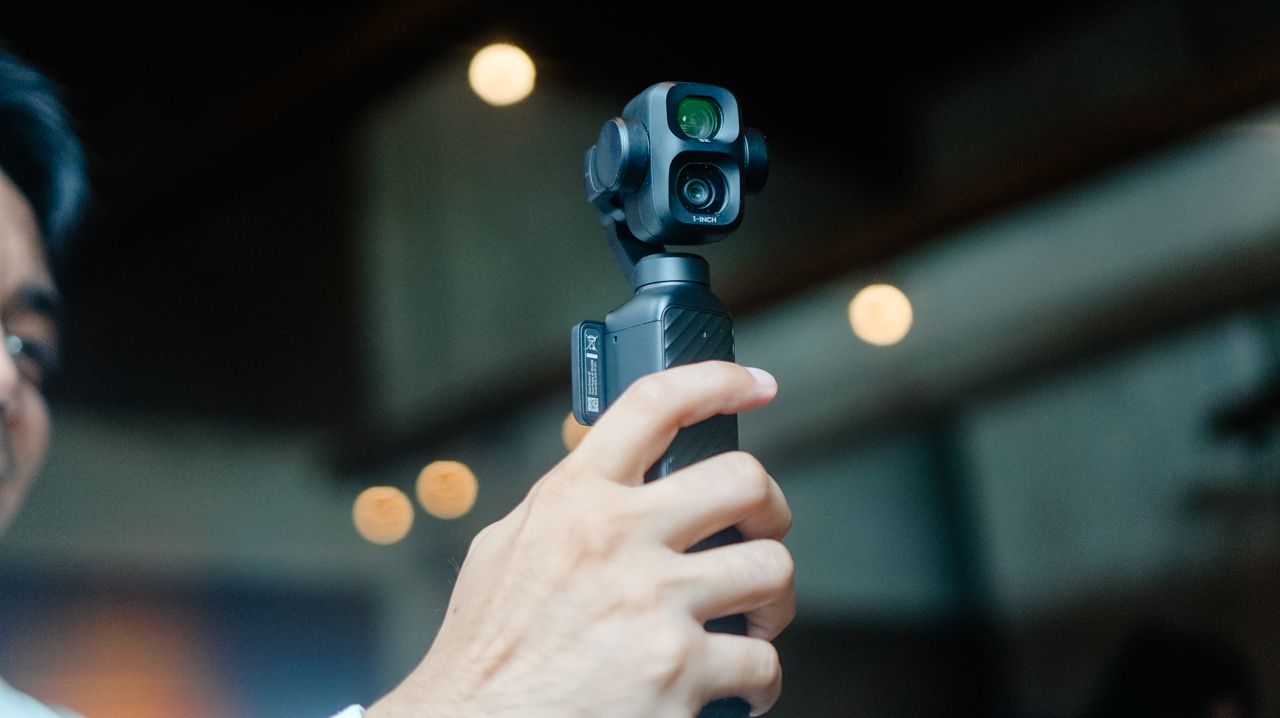
Not too long ago, I had my hands on the DJI Osmo Pocket 4, and I’ve taken to calling it a solo creator’s very own production crew. Rumors about a two-lensed Osmo Pocket had circulated for months. I’m not one to revel in hot goss, so I waited. And waited.
And while waiting, turning 30 crept up on me. The DJI Osmo Pocket 4P arrived like a small, well-machined reminder of a life I didn’t end up living.
If I’d pursued filmmaking the way I once wanted to, this is the camera I would’ve dreamed up for myself. After all, the Osmo Pocket 4P is a creative director’s fantasy, built at the scale of a passport.
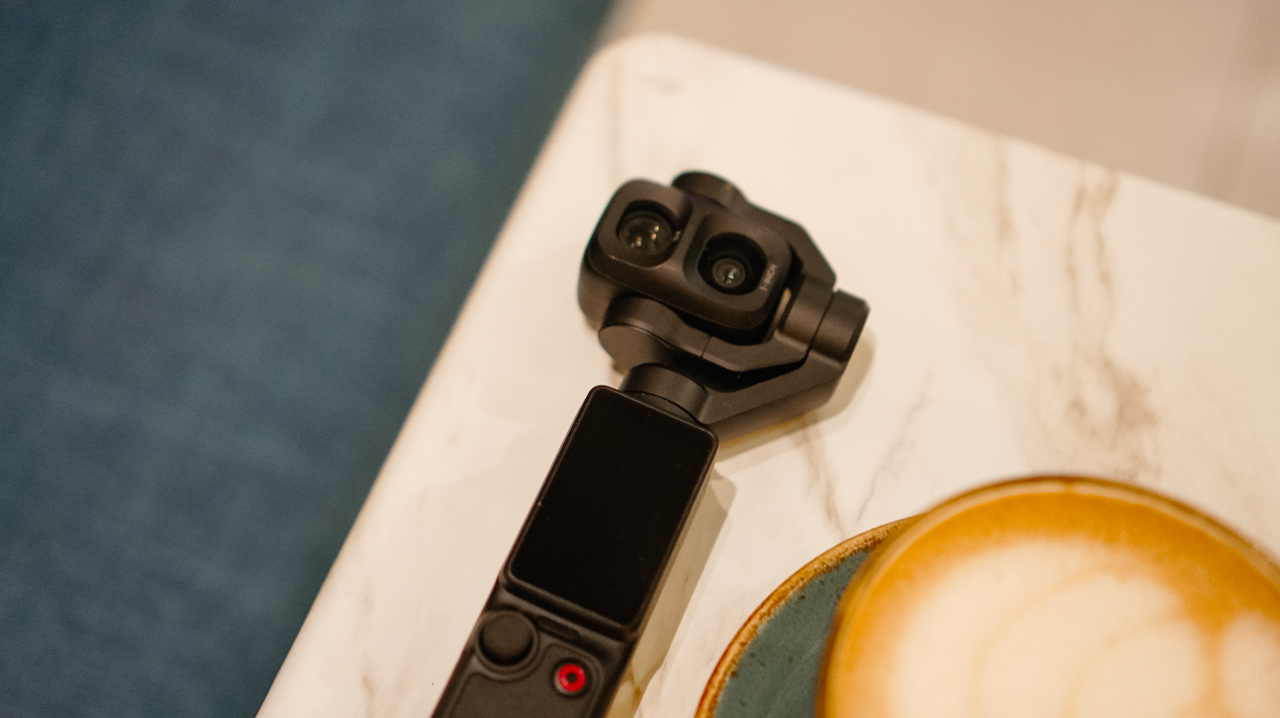
The unit landed on my desk just days before launch, with barely enough runway to put it through its paces properly.
Luckily, it arrived right as July began, which happens to be the month I always disappear on a long vacation. It’s my birth month, and I treat it accordingly. There’s no better way to test a device built for cinematic shooting than to hand it a full month of actual life.
The filmmaker I almost was
I always dreamed of directing sweeping cinematic films. As a broke teenager with big ambitions, I strategically pivoted into advertising instead.
I convinced myself it was a clever way to stay close to film sets while guaranteeing a steady paycheck. That creative pull never really vanished. It resurfaced in my early twenties during an extended phase of chasing beaches and climbing mountains.
I spent those trips half-watching travel vloggers and wondering why they were living my dream life instead of me. The Osmo Pocket 4P dug up an ambition I thought I had buried under sensible career choices.
I once wanted to be a National Geographic Explorer, mapping gorgeous terrain for a living. Instead, I became a competitive trail runner who works as a creative director, which brings its own chaotic terrain.
Life did not give me the exact script I wrote as a teenager, but this camera gave me a way to direct my story anyway on my own terms.
Earning its keep
To celebrate my birth month properly, I took the camera to Cagayan de Oro City, sprinted across the wild landscapes of Bukidnon, and boarded a flight to London for a dose of summer style and city architecture.
Both trips are honest reflections of who I am: a person pulled toward nature, and a person who will always, at heart, be a city boy. London doubled as work, too. I was there to cover Samsung’s Galaxy Unpacked.





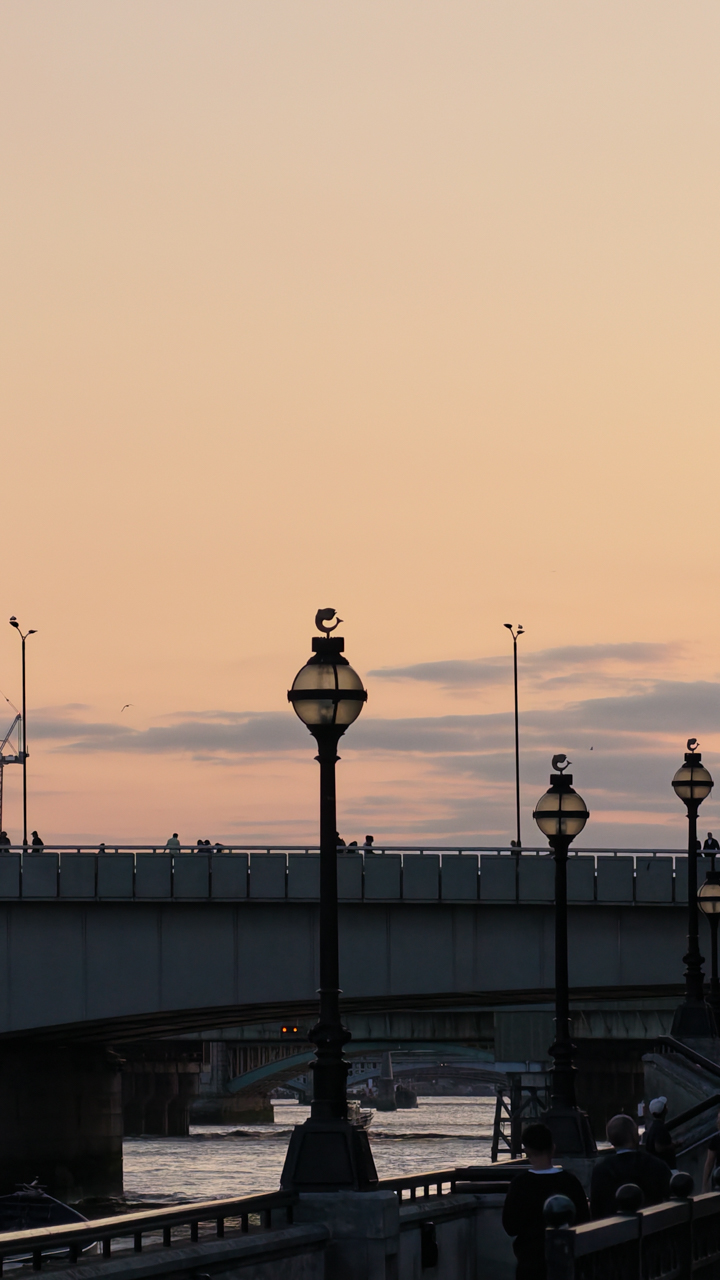
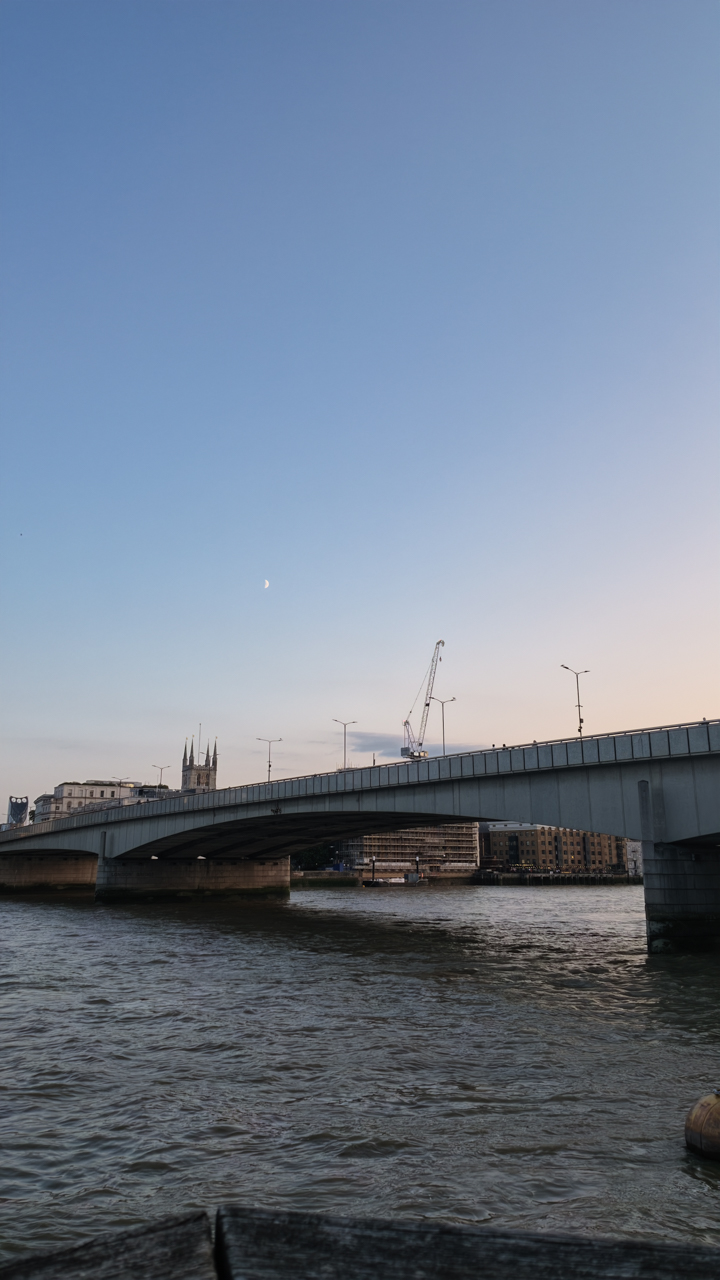
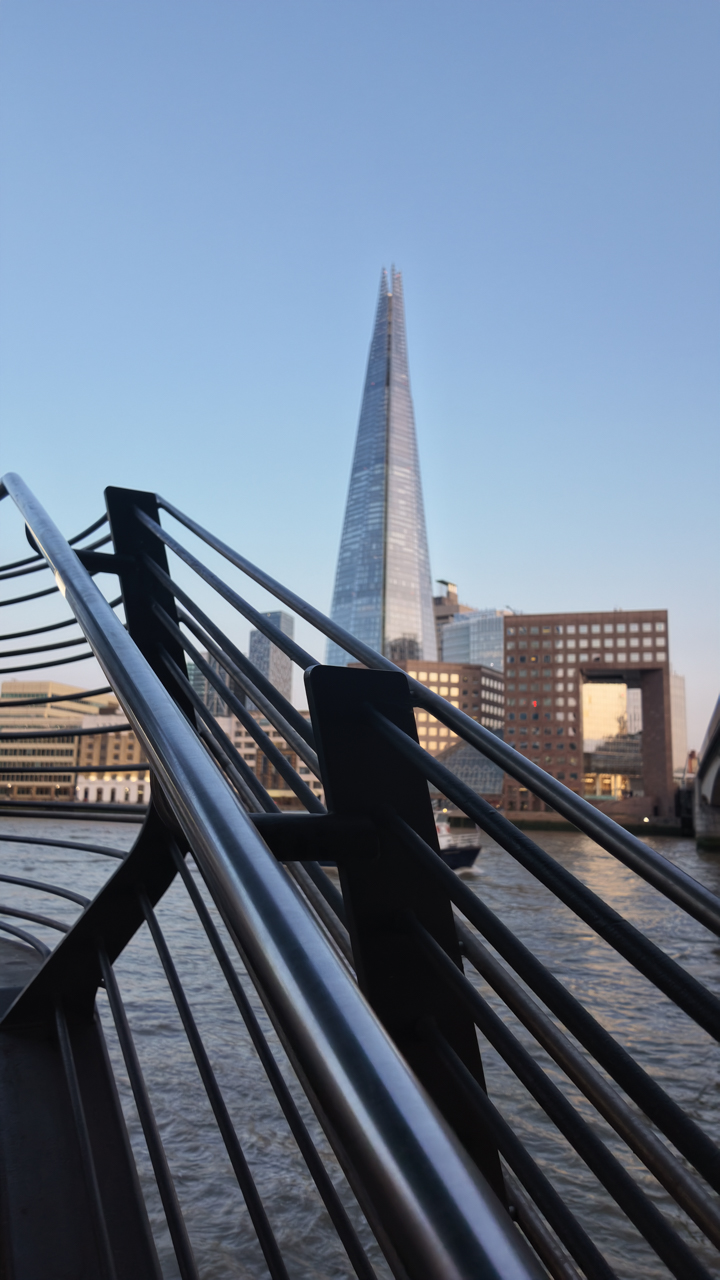
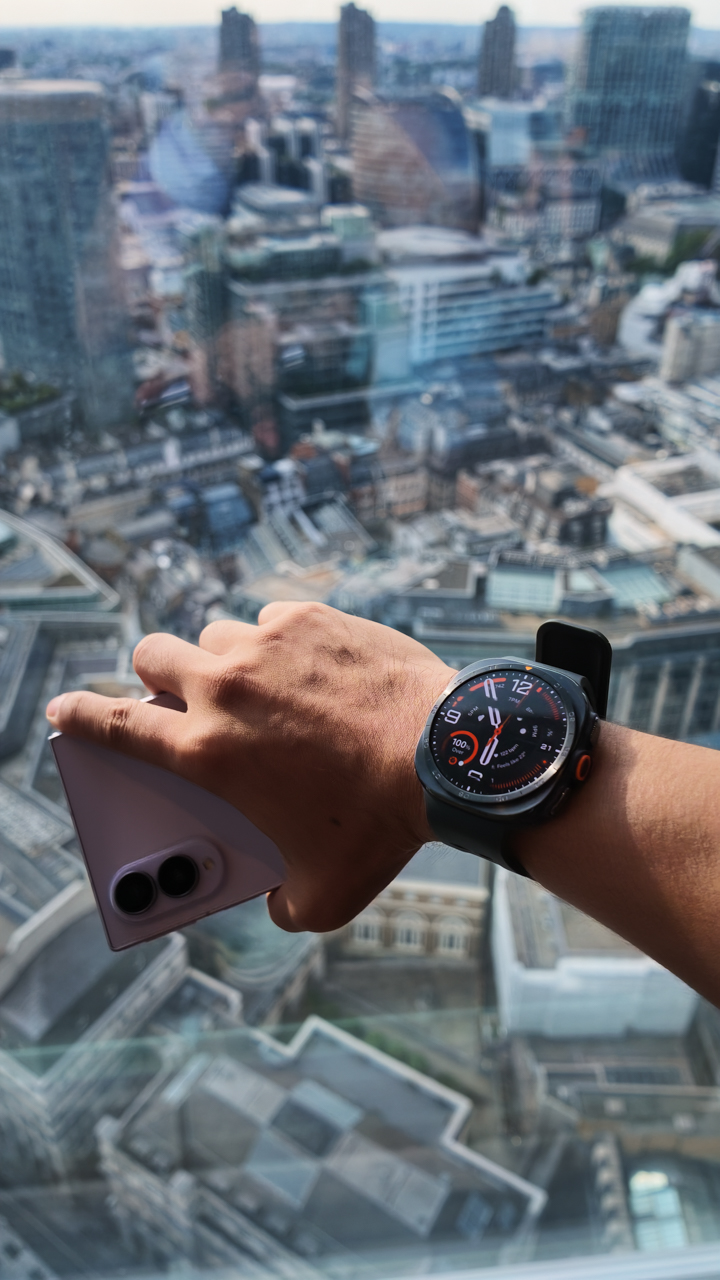
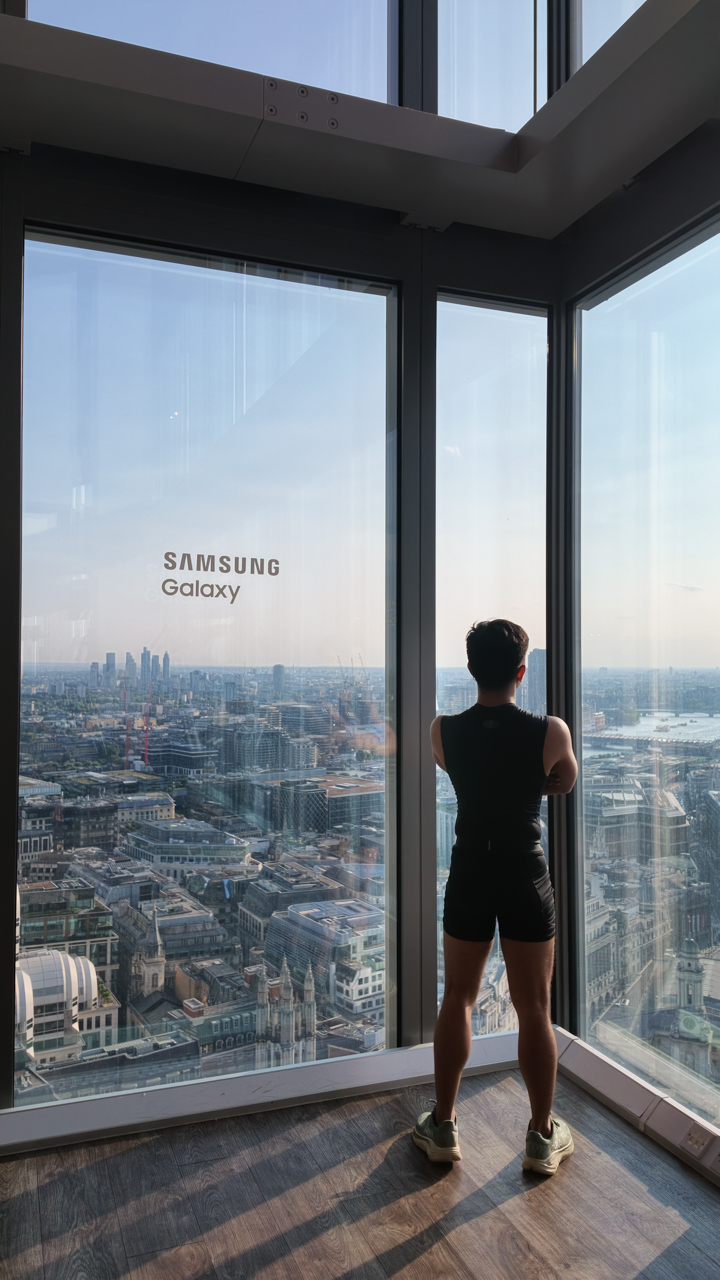


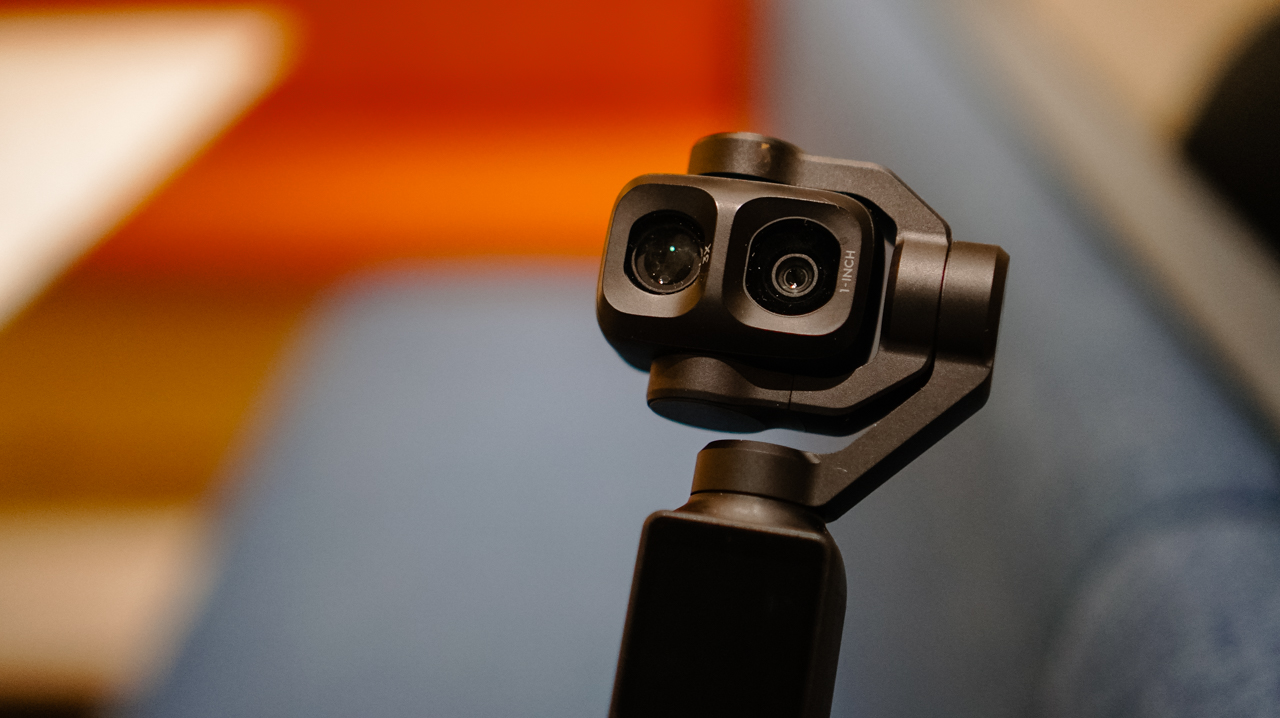
Across both continents, the dual lenses earned their keep. I captured crisp architectural details from miles away using the 240mm 12x zoom.
View this post on Instagram
However, I spent most of my time using the 60mm 3x medium telephoto lens. It delivered a natural background blur that made mundane street moments look like movie stills.
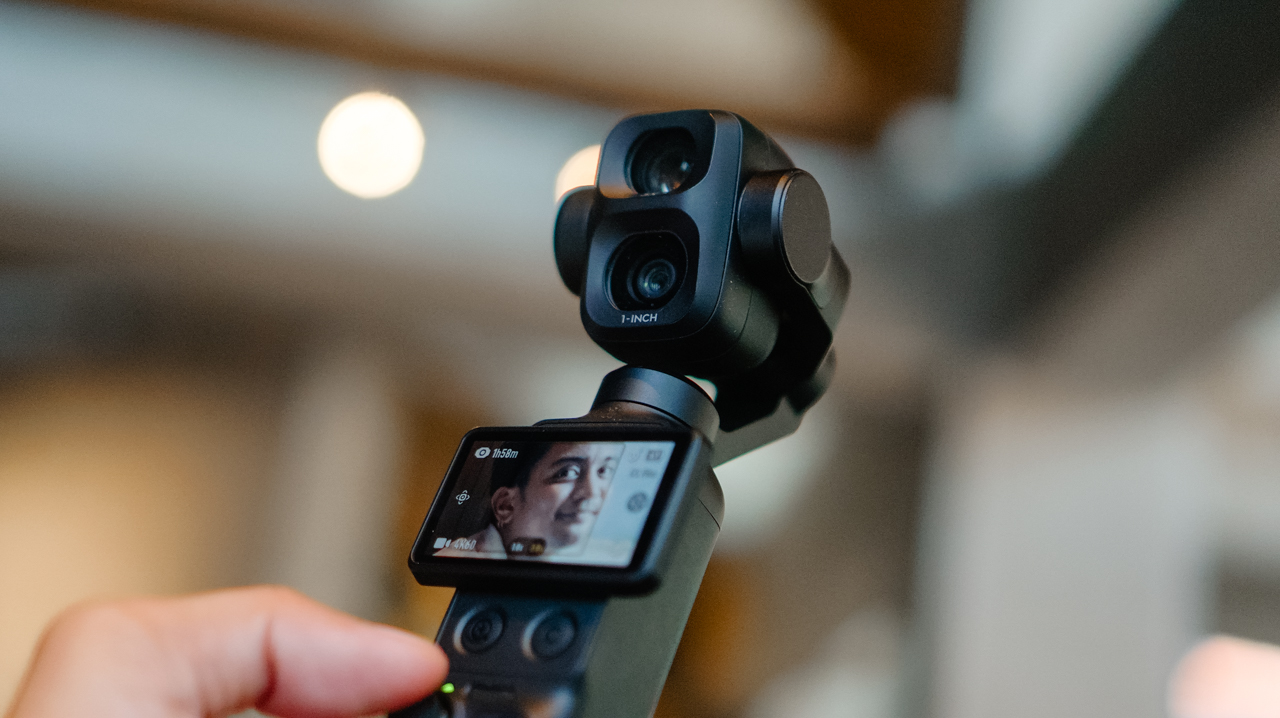
In Cagayan de Oro, I checked into a Marrakesh-inspired boutique hotel filled with intricate design details. I relied mostly on the 20mm 1x and 60mm 3x range for the entire stay.
Knowing I had 6x and 12x zoom in reserve gave me a sense of security, like carrying a luxury safety net in my handbag.
A sensor built for the way light actually behaves
The new 1-inch CMOS sensor is what changes the equation for cinematic travel footage. Light does most of the emotional work in a shot, and this is the first Pocket that seems to understand that instinctively.
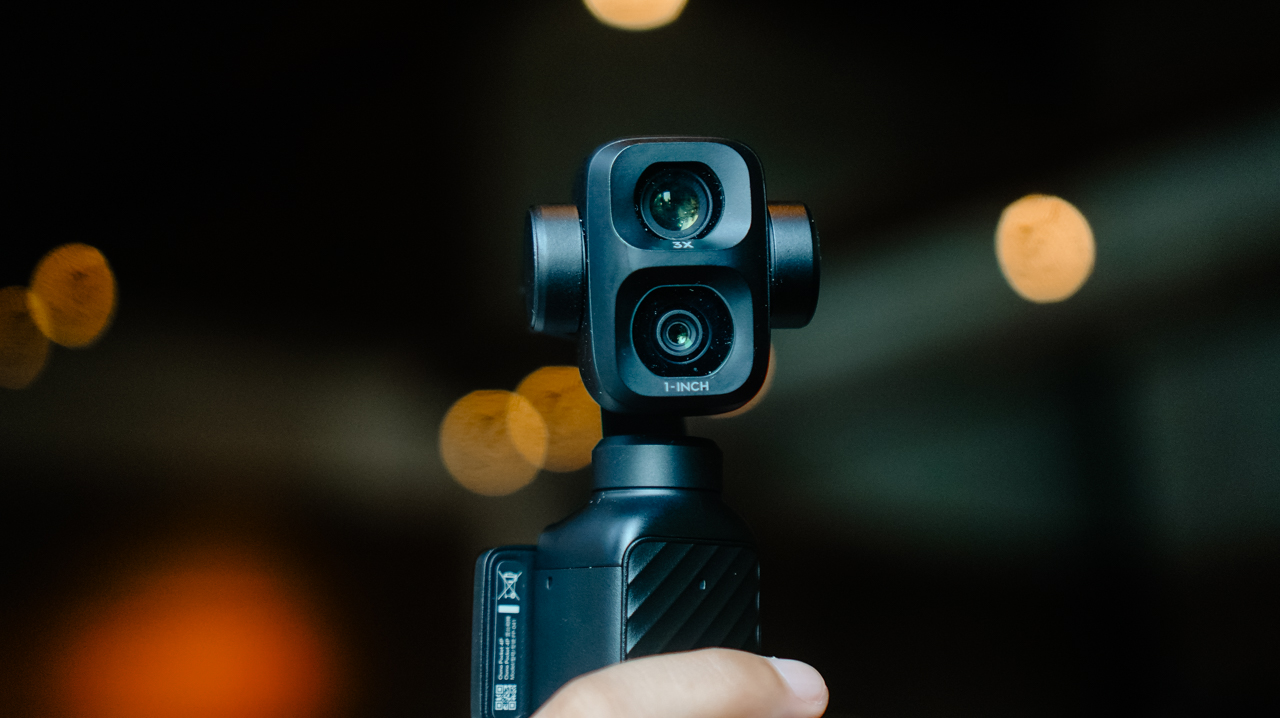
With the new sensor, I didn’t have to fight to keep a face lit while the background held its own exposure. It also preserved highlight and shadow detail cleanly, even in scenes with harsh contrast, the kind that used to flatten out or blow up on older pocket cameras.
View this post on Instagram
That said, auto exposure wasn’t flawless. On a handful of occasions, it leaned toward overcorrecting and blowing everything out a touch too bright. Switching to manual, or Pro Mode, put me back in control and kept the shots true to what I was actually seeing.
View this post on Instagram
What I appreciated most was shooting solo for a Samsung campaign and having nearly every take be usable footage for my editor. Fewer discarded clips means less footage lost to the compromises of shooting alone.
View this post on Instagram
That’s mostly thanks to ActiveTrack, which now extends to the Med-Tele lens. Shooting portraits at 3x zoom, it delivers precise face recognition and tracking, holding exposure steady and skin tones consistent even while the subject is moving.
Shooting solo is genuinely difficult. With ActiveTrack, especially in portrait framing, it made the footage look more considered than the reality behind it… which was one person, alone, trying to land a single good shot without a crew to call it.
View this post on Instagram
Built-in polish, without the retouching pass
This is the section that matters most if you’re the kind of traveler who shoots, stars in, and edits your own content, because you don’t have the luxury of a color grade session or a retouch pass before something goes up. The Osmo Pocket 4P seems to understand that, and builds the polish in at the point of capture instead of leaving it for later.
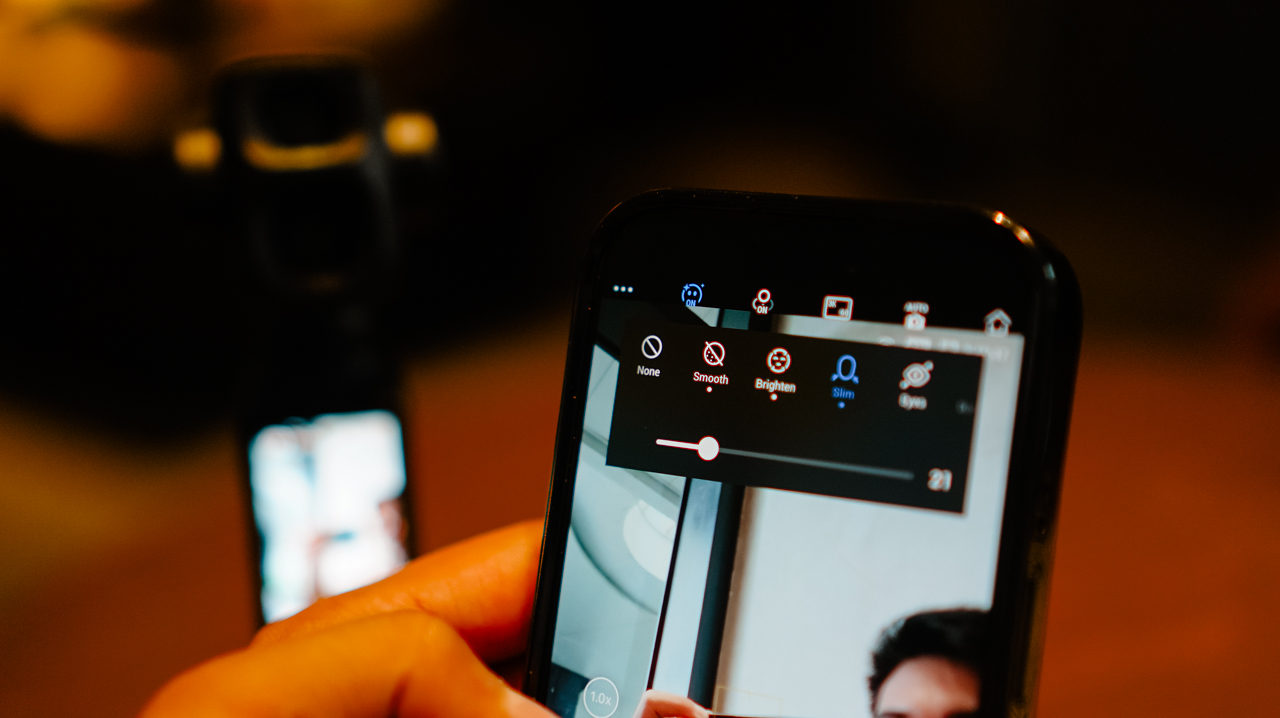
Glamour and Film Tones work as an in-camera pass on skin, handling softening, brightening, and color temperature so a face still reads clean and true even lit by a random hotel lamp or the wrong side of a sunset.
Paired with that are stylized film filters that lean into an instant Fuji aesthetic. They give that warm, slightly desaturated look that used to take a preset and a few minutes in an app. Here, it’s baked into the file before you’ve even opened your phone.
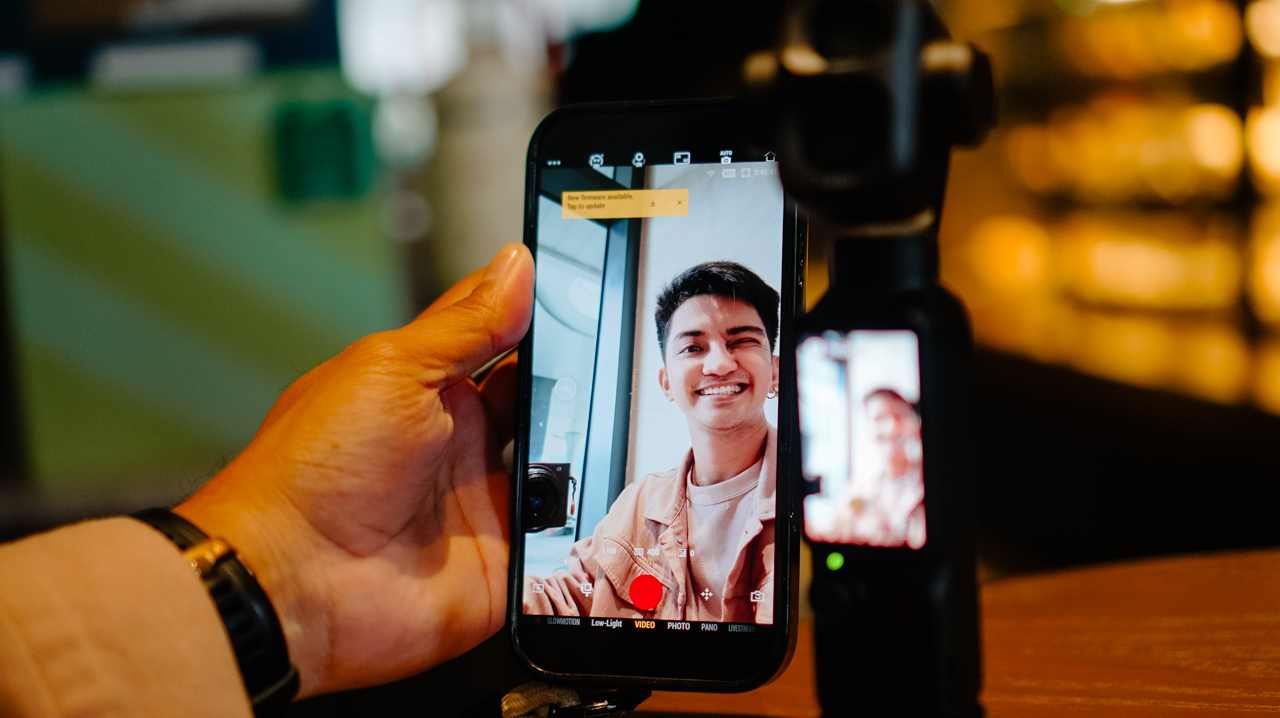
That instant polish is the difference between going to sleep after a long day of travel and staying up until midnight editing clips. I’d land at a hotel after a full day, pull the footage straight off the camera, and post it with barely any correction. There was nothing to hide, and nothing left to fix.
Fill Light does the same job on the physical side of things. It adds soft, flattering light in night and backlit scenes. It balances uneven indoor lighting that usually ruins a vlog, and gives selfies and portraits a lift without a ring light or a second person holding one.
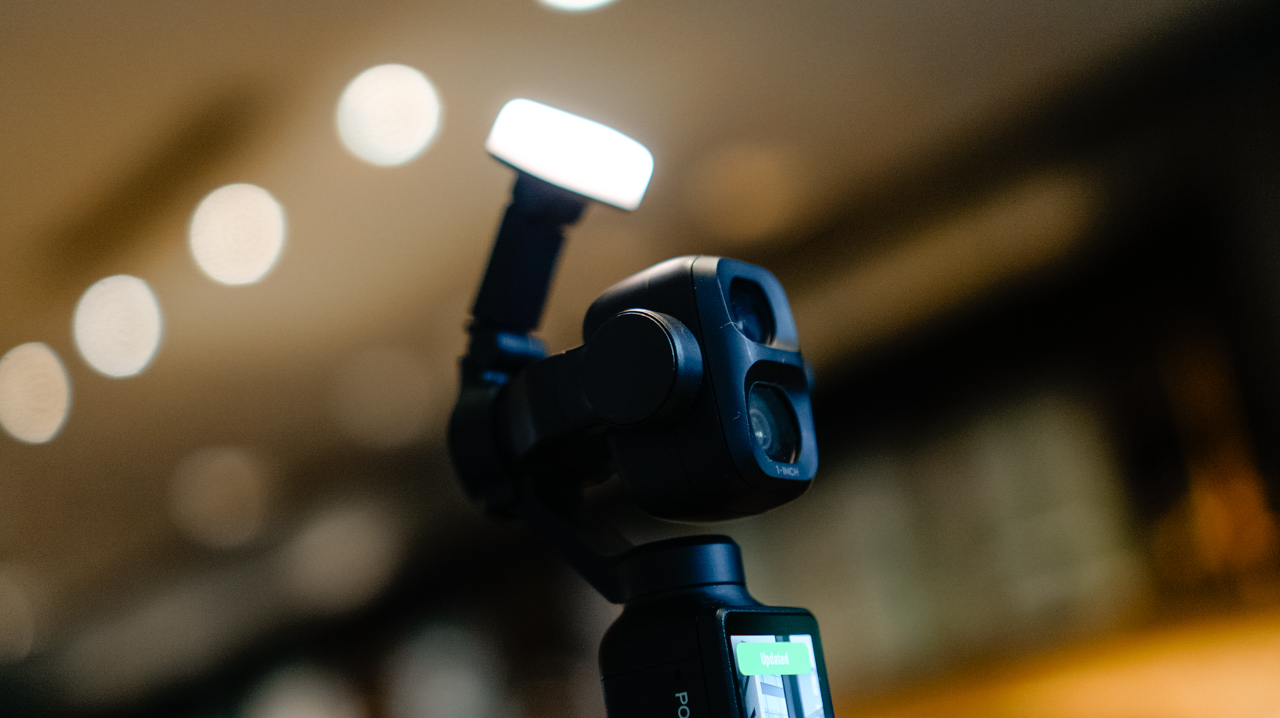
More importantly, shooting alone at night in an unfamiliar city is usually where a solo creator’s footage falls apart. Here, it held up.
Between the two, the camera is doing a version of the job a beauty producer and a gaffer would normally split between them, in real time, for a crew of one.
Room to actually direct
Beyond the automated conveniences, the Osmo Pocket 4P gives you real creative range if you want to reach for it.
D-Log and the newer D-Log 2 color profiles hold onto far more dynamic range than a standard picture profile, which matters if you’re planning to grade footage later rather than post it straight off the card.
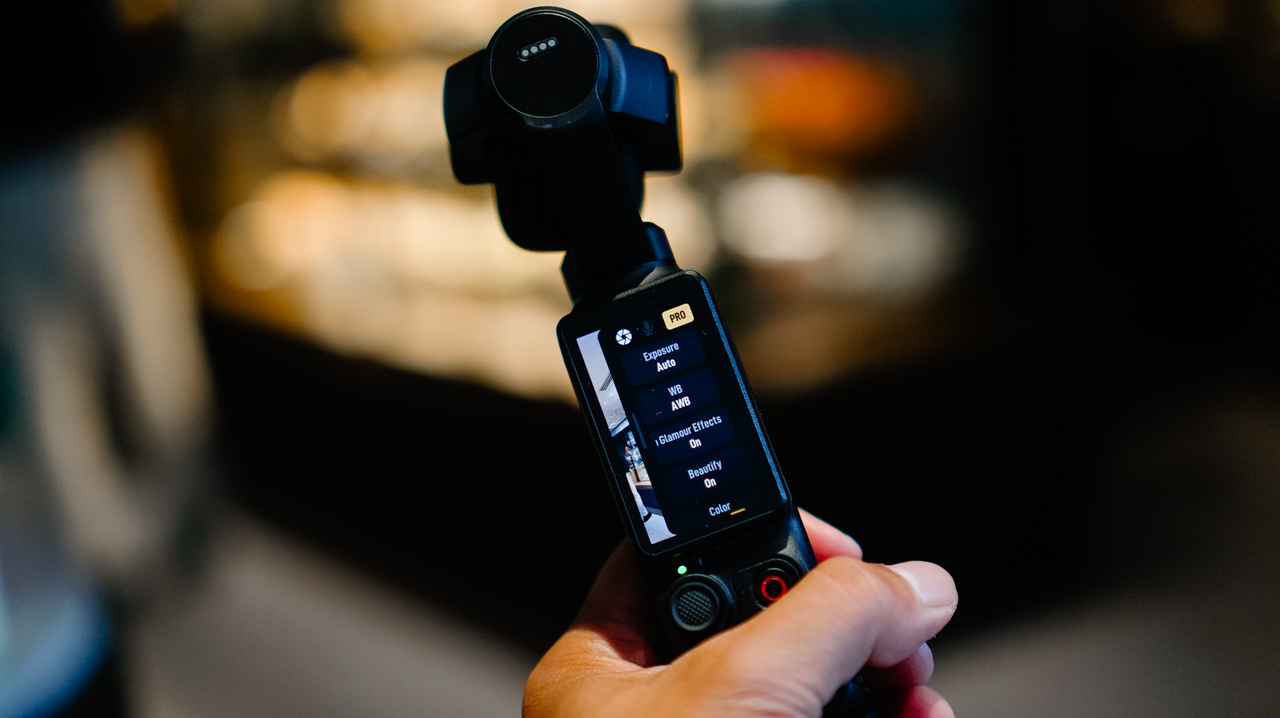
Slow motion goes up to 4K at 240fps, which is enough headroom to pull dramatic, controlled slow-motion out of moments that happen far too fast to shoot deliberately.
Slow-shutter video is the underrated feature here, but it’s the one that can give you the most cinematic frames: light trails pulling through a night street, clouds smearing gently over a skyline. They’re mostly shots that usually needs a tripod and a plan, but done handheld and on instinct.
Made to disappear into a trip
None of this matters if the camera can’t survive the actual mechanics of travel. This is where the Osmo Pocket 4P does the most work. At 230 grams, it’s compact and portable enough to live in a jacket pocket.
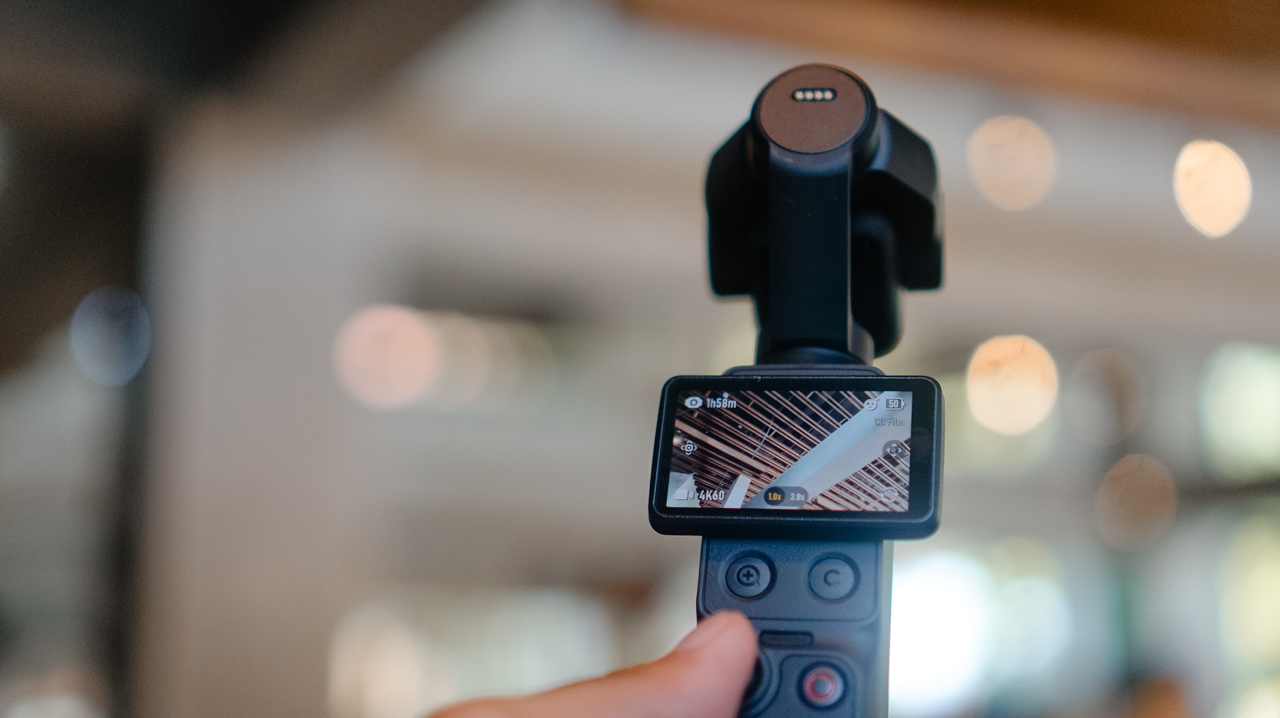
The physical joystick and quick shortcuts save the day when you are shooting one-handed on the go.
The 4K Live Photo feature captures a short burst of motion around a photo, which turned out to be the most authentic way to remember my race finishes. Meanwhile, the 37-megapixel stills were crisp enough to capture fine architectural textures across London.
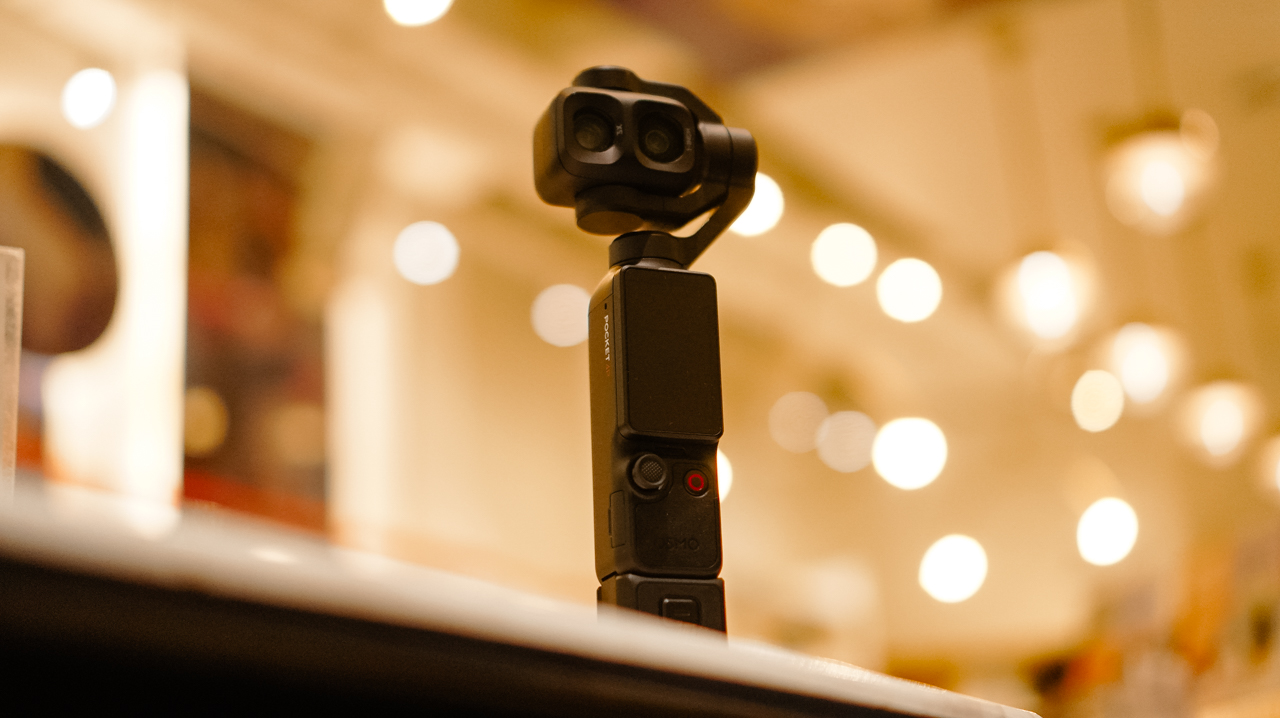
Storage rounds it out sensibly: 103GB built in, with transfer speeds up to 800MB/s. Between a race in Bukidnon and a flight to London, the last thing I wanted to manage was a memory card. This let me not think about it at all.
Is the DJI Osmo Pocket 4P your GadgetMatch?
I didn’t become the National Geographic Explorer I once imagined for myself. I became something adjacent to it instead, a trail runner with a day job in creative direction, chasing landscapes on weekends and screens on weekdays.
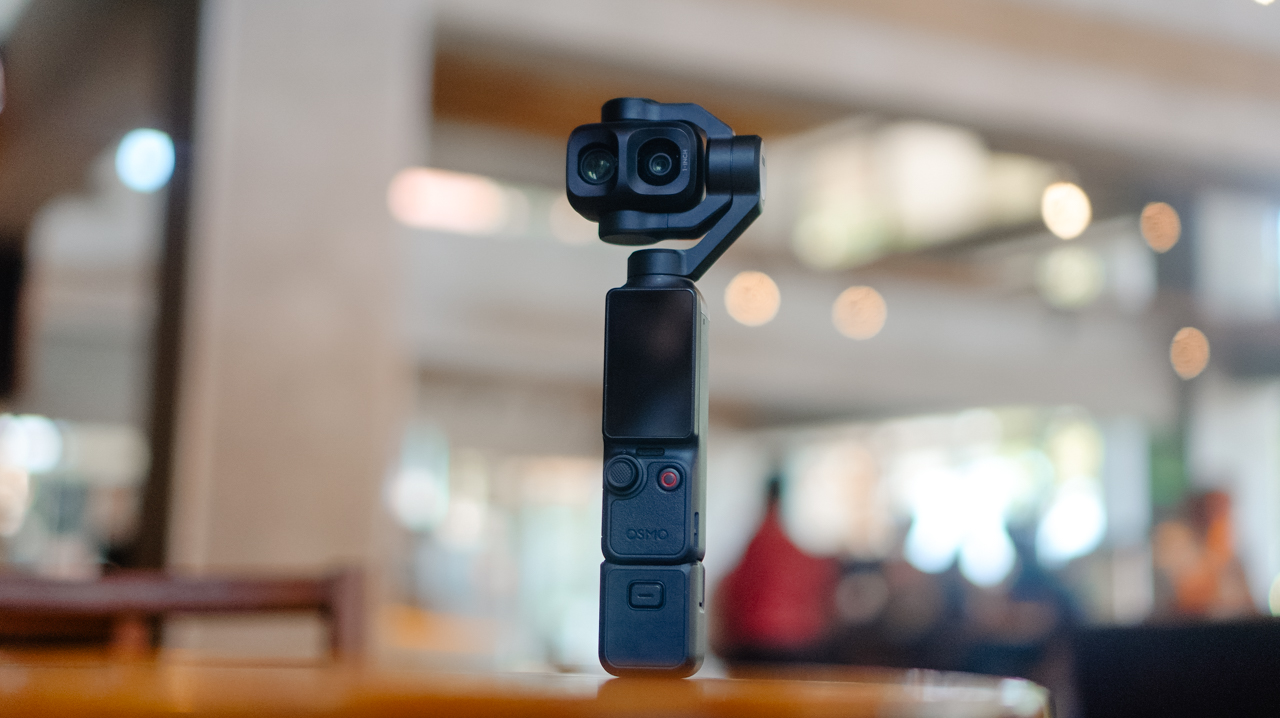
The DJI Osmo Pocket 4P didn’t hand me back the life I once mapped out as a teenager. It just made the life I actually have look, for a month at least, exactly as cinematic as I’d always wanted it to be.
Swipe right if you’re the kind of traveler who shoots alone and needs a camera doing the work of a small crew, handling color, light, and tracking without anyone else in the room.
It rewards creators who jump between wide landscapes and close portraits with zero lens changes. And if you’ve ever landed somewhere with a dying memory card and no laptop in sight, the built-in storage and fast transfer solve a problem you’ll actually recognize.
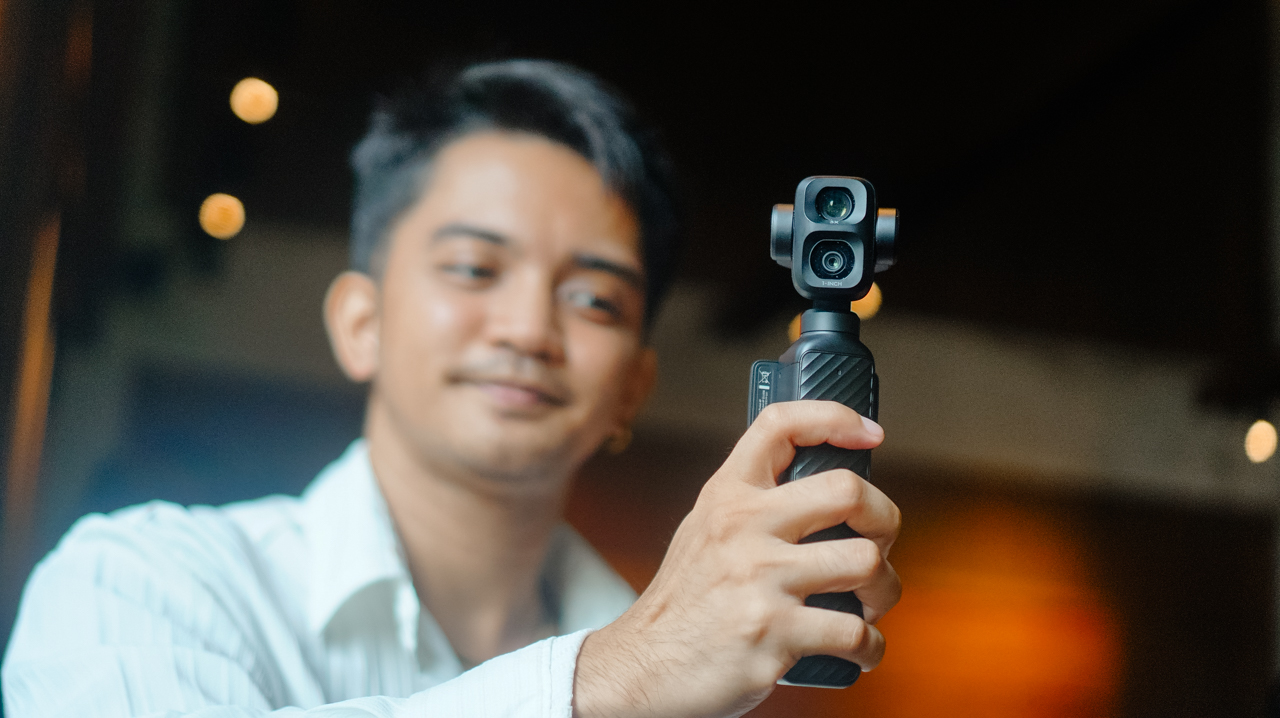
Swipe left if your bag already has a mirrorless body and a gimbal in it, since the Pocket 4P will mostly repeat what you’re already carrying.
It’s also not the camera for someone who shoots static, tripod-locked setups and wants manual control as the default. And if the price sits well above what you’d normally spend on a pocket camera, it’s worth being honest with yourself about how often you’d actually reach for this over your phone.
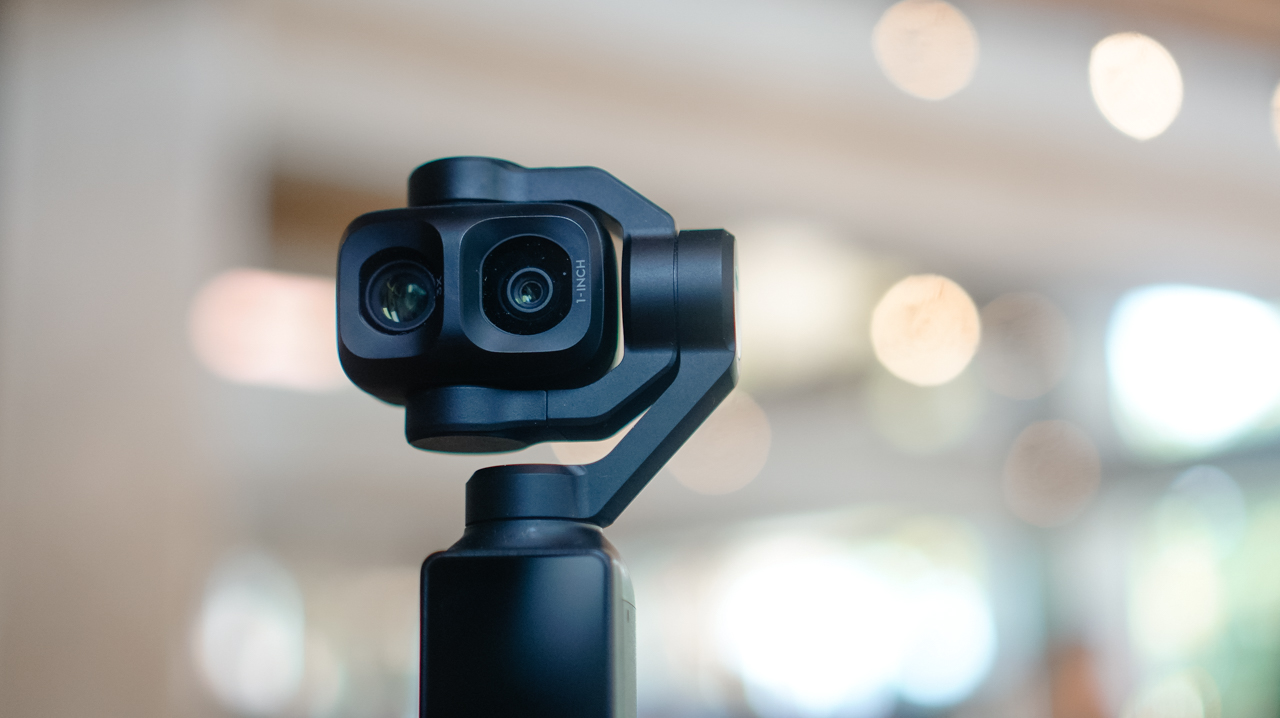
For a solo creator who travels for both work and the version of themselves that only comes out on a trail or in a new city, the DJI Osmo Pocket 4P earns its spot in the bag. It’s not trying to replace a full production; it’s trying to be one. And for that, it deserves the GadgetMatch Seal of Approval.
Entertainment
UNDERTALE: The Determination Symphony gets two more shows
Both shows will be held on the next day.


The Philippines has an unquenchable love for game-based concerts (so *wink wink* please bring more of them). Though these concerts do generate a lot of hype, the drawback is that they often sell out way before most fans can grab tickets. If you’re an UNDERTALE fan, that experience might be rocking you right now, as both shows have already sold out. But fear not: UNDERTALE: The Determination Symphony has just opened two more shows.
Late last month, Film Concerts PH, in partnership with SOHO Live, announced UNDERTALE: The Determination Symphony happening on October 17. As expected, both shows, at 3pm and at 7pm, sold out very quickly after sales opened.
Today, the concert experience is opening two more shows on the next day, October 18. Like the original date, the two shows will happen at 3pm and at 7pm, allowing more fans to experience the concert.
The concert will be performed by the Filharmonika Orchestra and conducted by Thanapol Setabrahmana. Personally curated by creator Toby Fox and developed by Lambert Jackson with Materia Music, the concert experience showcases the game’s most recognizable tunes laid over gameplay footage playing simultaneously. Plus, for the world tour, the experience will have expanded scoring.
Tickets are available through Ticketmelon. Both dates will be held at The Proscenium Theater in Makati.
SEE ALSO: UNDERTALE: The Determination Symphony hits Makati in October

As of today, the entirety of the Marvel Cinematic Universe will take around 650 hours to watch. So, if you wanted to catch up with everything before this December’s Avengers: Doomsday, you would need to allot around 5 hours per day to watch content from Marvel. For a lot of us, that sort of commitment is completely untenable. Thankfully, Marvel has released an official watchlist, paring the list down to something much more manageable.
Before the MCU got as big as it is today, it was fun to do a movie marathon heading into a major Marvel release. For example, when Avengers: Endgame came out, some theaters held continuous marathons lasting a few days. Take note that this was before Marvel officially included every TV show and legacy movie (like the X-Men universe).
Now, heading into Avengers: Doomsday, Marvel will not ask you to devote the rest of your year just for homework. Instead, here’s an official list you can use to catch up:
- X-Men
- X2
- Captain America: The First Avenger
- The Avengers
- Avengers: Infinity War
- Avengers: Endgame
- Loki
- Shang-Chi and the Legend of the Ten Rings
- Spider-Man: No Way Home
- Black Panther: Wakanda Forever
- Captain America: Brave New World
- Deadpool & Wolverine
- Doctor Strange in the Multiverse of Madness
- Thunderbolts
- The Fantastic Four: First Steps
Compared to the extensive list of everything Marvel, this official list is much more manageable, especially since there’s only one show (Loki). It’s also a veritable who’s who of the MCU, so it’s hard to get bored.
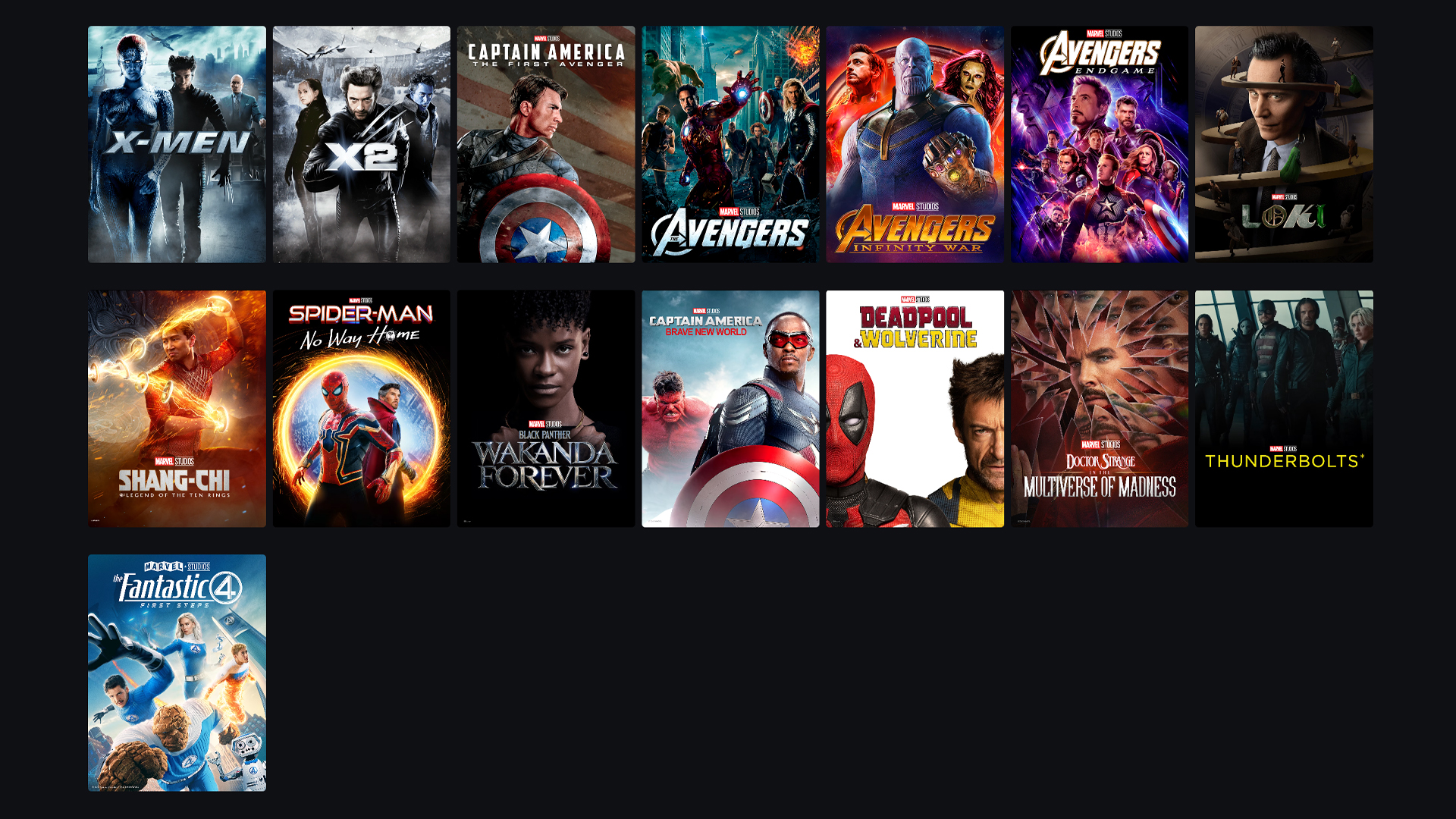
The official list as seen on Disney+
There are, however, a few surprises and spoilers. For one, if you’ve been avoiding the teasers and trailers, the X-Men films might be a shock to you. Likewise, the inclusion of the critically panned Brave New World is interesting.
The exclusions are just as noteworthy, too. Though the two earliest X-Men films are included, the list doesn’t add Days of Future Past, one of the first Marvel films to use time travel. Thor: Love and Thunder isn’t on here, despite Love, Thor’s adopted daughter, appearing in the trailers. Brand New Day is also missing, but that’s likely because the movie isn’t on Disney+ yet.
Avengers: Doomsday premieres in cinemas on December 18. Four months should be enough time to catch up on these titles.


TECNO MEGAPAD 2 review: Eyes on the size
The MEGA pad for two base users

30 days with the DJI Osmo Pocket 4P
This is the camera that made solo travel filmmaking finally feel possible.


MARVEL Tōkon: Fighting Souls review: Easy to pick up, hard to put down
Welcomes casual and experienced fighting game players

HoYoverse’s Nodusfall looks like nothing they’ve ever made before

New Mac mini starts at a whopping $899, only 256GB of storage

Mega Man: Dual Override shows off new gameplay

The Witcher 3 Remastered launches September 29

Final Fantasy VII REVELATION trailer showcases Weapons, more

VinFast debuts two-wheeler models, opens 21 e-motorcycle showrooms
TECNO MEGAPAD 2 review: Eyes on the size

OnePlus officially leaves the United States and Canada

REDMI Note 17 Series focuses on long-term reliability

Xiaomi debuts SkyNomad Series featuring new Kunlun platform


-
Reviews4 days ago
TECNO MEGAPAD 2 review: Eyes on the size
-
 Singapore1 week ago
REDMI Note 17 Series focuses on long-term reliability
-

 News1 week ago
realme 16T to come with 8,000mAh battery, 7-year battery health guarantee
-

 Gaming2 weeks ago
Marvel Wolverine Limited Edition PS5 bundle SEA pricing
-

 Accessories7 days ago
Jackery expands Explorer Series portable power stations
-

 Reviews2 weeks ago
Samsung Galaxy Z Fold8 Review
-

 Entertainment2 weeks ago
Box office: Brand New Day set to surpass US$ 2 billion, drives Marvel’s Spider-Man 2 resurgence
-
 News2 weeks ago
HONOR Robot Phone officially launches after its MWC debut