
News
Qualcomm is testing a new chip series for Android Go phones
Coming soon to budget phones near you!


Since the birth of the smartphone industry, processors have always fought in an unending arms race. It’s all about power. In this industry, the fastest processor wins.
Recently, the industry properly established market segmentation. Now, processors have leaders in flagship, midrange, and budget segments. However, the industry was still in the arms race, regardless of segmentation.
Despite this trend, Qualcomm has announced a surprising decision. Instead of pursuing the fastest, the chip maker will instead focus on the bottom of the barrel.
Currently, the Snapdragon 200 series populates the company’s entry-level market. However, fiercer competition has edged out the series in this segment. Right now, MediaTek has captured more entry-level phones than Qualcomm.
With this, Qualcomm is testing a new series outside of the iconic Snapdragon lineup. The Qualcomm QM215 will focus on smartphones within the Android Go program. As such, the new chip will offer incredibly budget-friendly options for consumers.
According to a German source, the planned product is a 1.3GHz quad-core chipset, coupled with a 650MHz GPU. Prototype devices are touting LCD screens (1440 x 720 resolution), up to 2GB of LPDDR3 memory, and up to 16GB of internal storage. According to the same source, a “well-known smartphone maker” is already developing a device with the new chip. Likewise, component makers have already created fingerprint readers tailored for the chip. With its currently rumored specs, the chipset matches performance from the Snapdragon 400 series.
Right now, the product is likely in its early stages. The Qualcomm QM215 might even ultimately add to the Snapdragon 200 series after all. If anything, expect a lot more movement from Qualcomm in the entry-level market in the future.
SEE ALSO: Qualcomm Snapdragon 8cx is first-ever 7nm chip in a PC





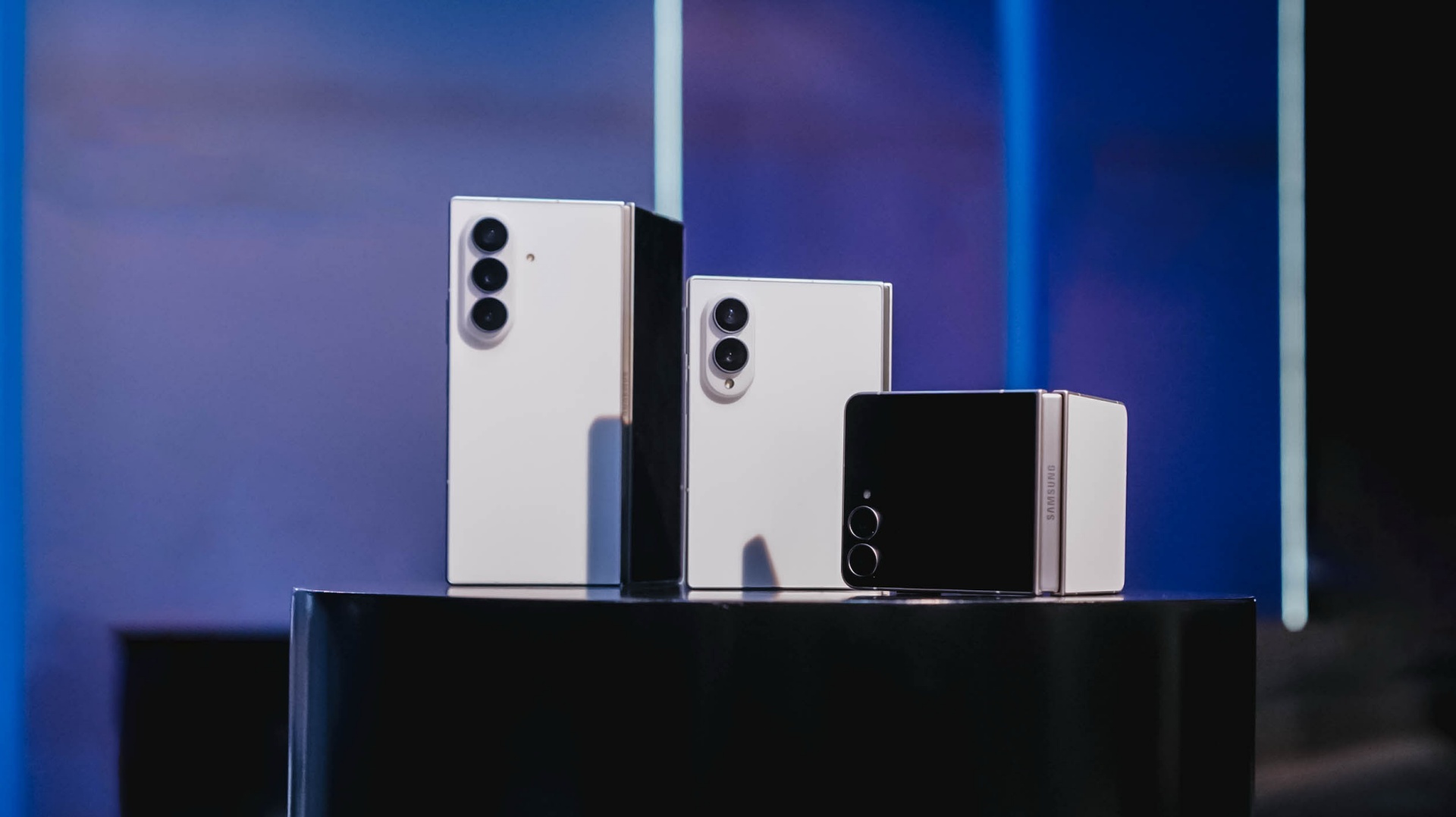
The newly-launched Samsung Galaxy Z8 series is now available via Smart Postpaid and Smart Infinity. Pre-orders for Samsung’s latest foldables are available from July 22 to August 13.
Pre-ordering will allow customers to get exclusive storage upgrades, trade-in savings, and flexible payment options. Plus, they can get three months of complimentary Samsung Care+.
Moreover, customers can maximize their devices with Smart’s All-New Postpaid Plans+, which come with UNLI App Bundles, UNLI 5G for 12 months (in select areas), Open-Access Data, and high priority on the Smart network.
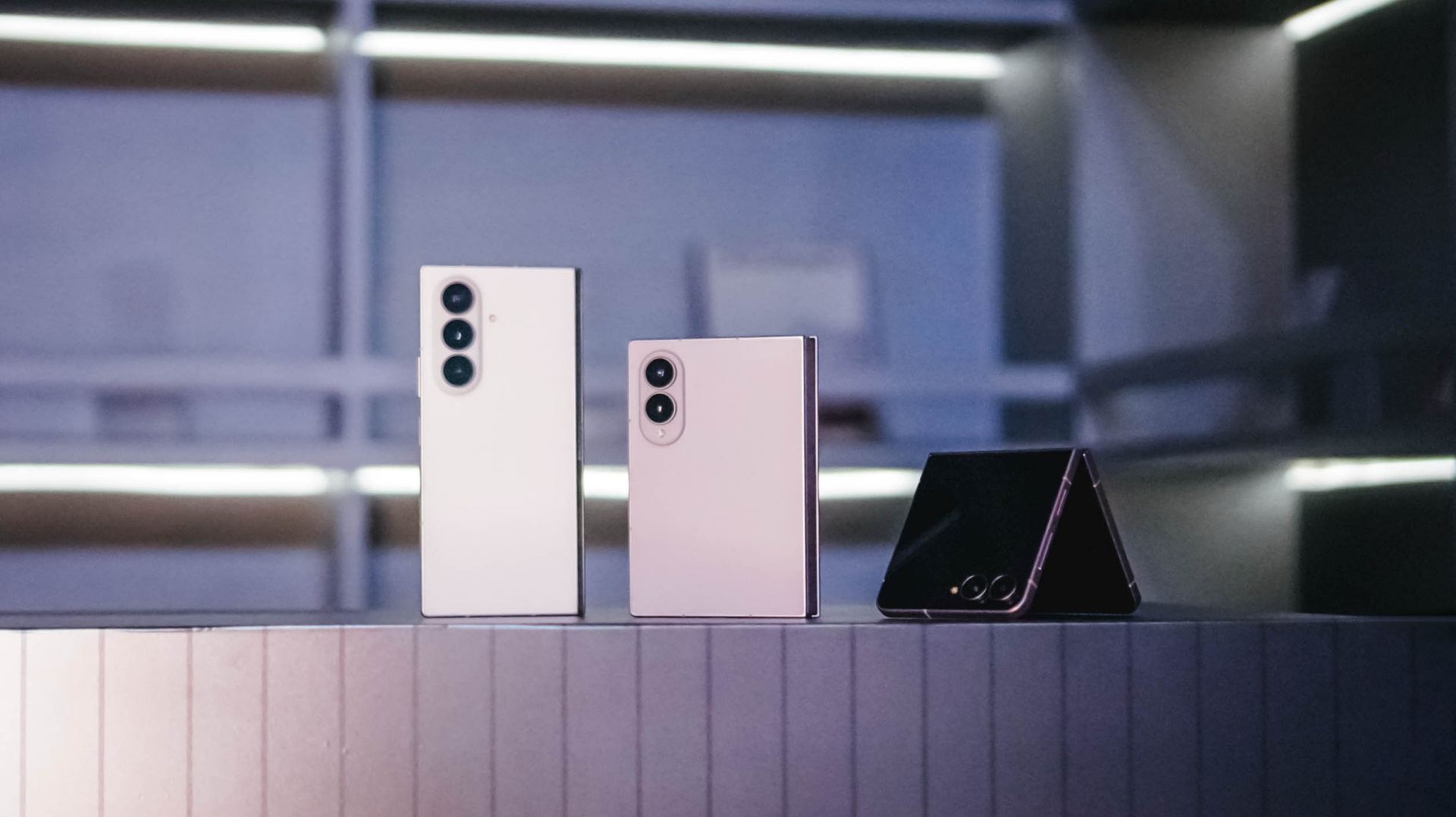
With Smart Postpaid Plans+ 1999, subscribers can get the following devices through straight payment or 24-month, zero-interest installment using participating credit cards (Metrobank, Security Bank, BPI, UnionBank, HSBC, and RCBC):
- Samsung Galaxy Z Fold8 Ultra (512GB): PhP P101,600 or PhP 5,021/month
- Samsung Galaxy Z Fold8 (512GB): PhP 91,100 or PhP 4,500/month
- Samsung Galaxy Z Flip8 (512GB): PhP 65,100 or PhP 3,217/month
Customers can pre-order the latest Samsung Galaxy Z8 Series via smart.com.ph/galaxypreorder or at the nearest Smart Store.
In addition, the Samsung Galaxy Z Fold8 Series is also available through Infinity Plan 5000 and Infinity Plan 8000.
These packages come with unlimited data, calls, and texts, roaming-ready connectivity, and exclusive Infinity privileges.
Through the Samsung Trade-In Program, customers can also reserve their preferred Galaxy Z8 Series device and complete their trade-in at participating stores once the devices officially launch.
Eligible smartphones can be traded in for up to PhP 14,000 off.
New Samsung Galaxy Watches also available
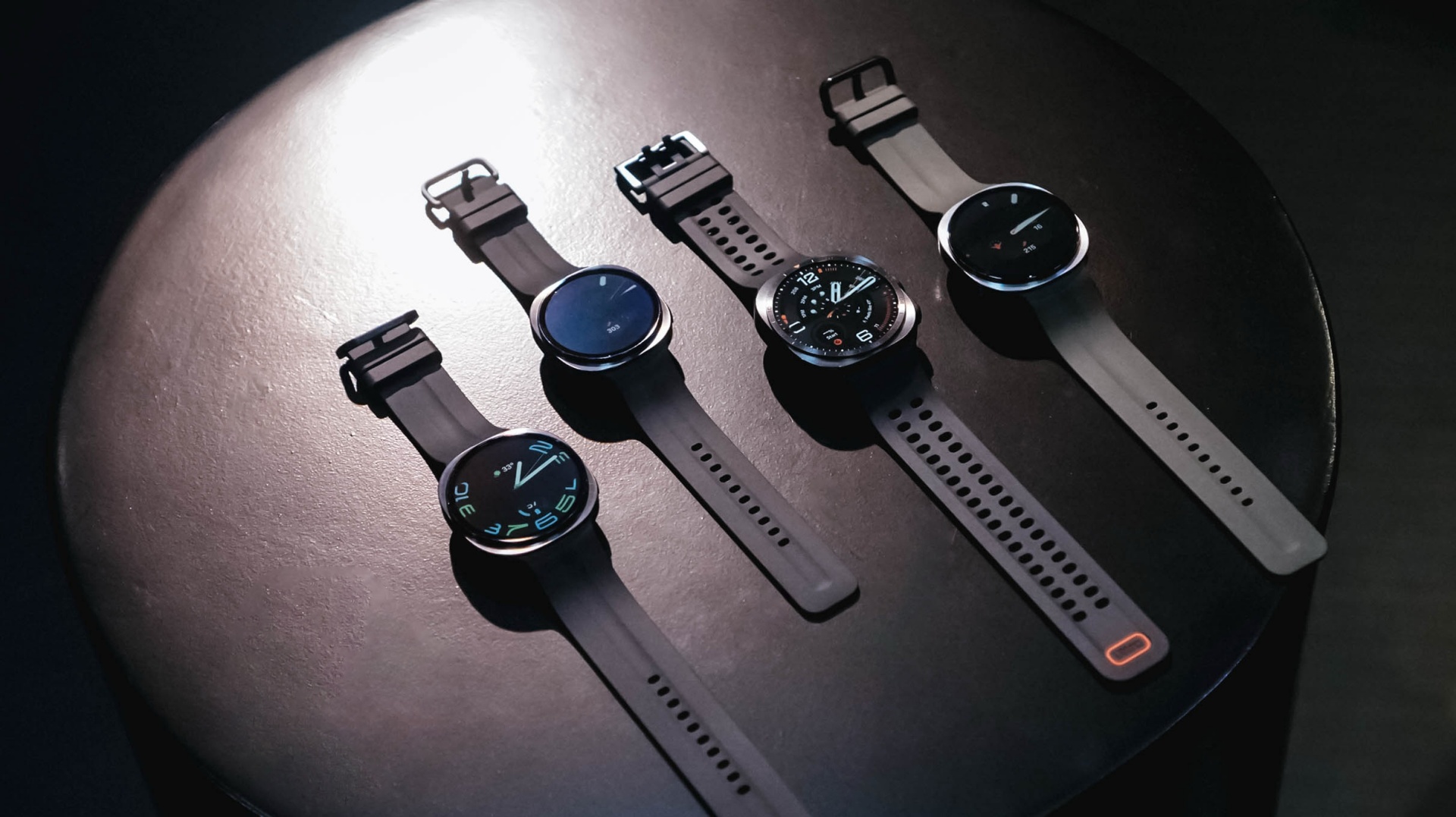
Lastly, Smart Postpaid and Smart Infinity are offering the new Samsung Galaxy Watch9 and Samsung Galaxy Watch Ultra2.
Compatible smartwatch users can also add on Smart Device Link, which enables their smartwatch and phone to share one mobile number and plan inclusions.
First-time subscribers can enjoy the service free for six months, when they activate until September 30.
With the Smart Postpaid Plans, subscribers can save up to 20% compared with the suggested retail price when they bundle a Samsung Galaxy Watch with their new Samsung Galaxy Z8 Series device.
Entertainment
Resident Evil movie reboot finally gets a scary trailer
Can you spot the Easter eggs for longtime fans?

After briefly losing its way in the middling fifth and sixth entries, the Resident Evil series rediscovered its way back to the survival horror genre with the seventh entry onwards. However, the series doesn’t have the best reputation in Hollywood with its lackluster reviews. Now, the Hollywood series wants to right the ship with the upcoming reboot, simply titled Resident Evil.
Much like the gaming franchise’s renaissance, the upcoming film heads to the survival horror genre with a frightful caper. Medical courier Bryan (Austin Abrams) is tasked with delivering a vital organ to somewhere outside Raccoon City. Along the way, he runs over a rabid woman, who just disappears when he steps out to check.
Forced to seek help at a nearby shack, he finds himself in a struggle for survival when he discovers monstrous beings lurking around. It gets worse when he returns to the city and finds it overrun with the zombie outbreak.
The trailer has a few Easter eggs, including a typewriter, one of the most traditional ways that the game series uses to save games. Director Zach Cregger (Weapons) promises that the movie itself will have more Easter eggs for longtime fans of the series.
Resident Evil will premiere in theaters on September 18.
News
Samsung Galaxy Watch Ultra2 and Watch9: Price, availability in the Philippines
Prices start at PHP 24,990

Samsung has officially launched the Galaxy Watch Ultra2 and Galaxy Watch9 in the Philippines alongside the new Galaxy Z8 Series.
The new wearables expand Samsung’s smartwatch lineup with upgraded health tracking, AI-powered wellness features, and faster performance. The Galaxy Watch9 is designed for everyday health and fitness, while the Galaxy Watch Ultra2 caters to users looking for a more rugged smartwatch for outdoor adventures.
Here’s how much they cost in the Philippines.
Pricing
Galaxy Watch Ultra2
- PHP 44,990
Galaxy Watch9
- 40mm — PHP 22,990
- 46mm — PHP 24,990
Availability
Pre-orders begin on July 23 through Samsung Philippines and authorized retailers. Both smartwatches will be offered in multiple color options depending on the model.
Pre-order offers
Customers who pre-order either smartwatch can enjoy several launch offers, including:
- Up to 15% off
- Up to 36 months of 0% installment plans with participating banks
- Up to 50% off through eligible trade-ins
- Up to 36% off Samsung Care+ device protection
Galaxy Watch9
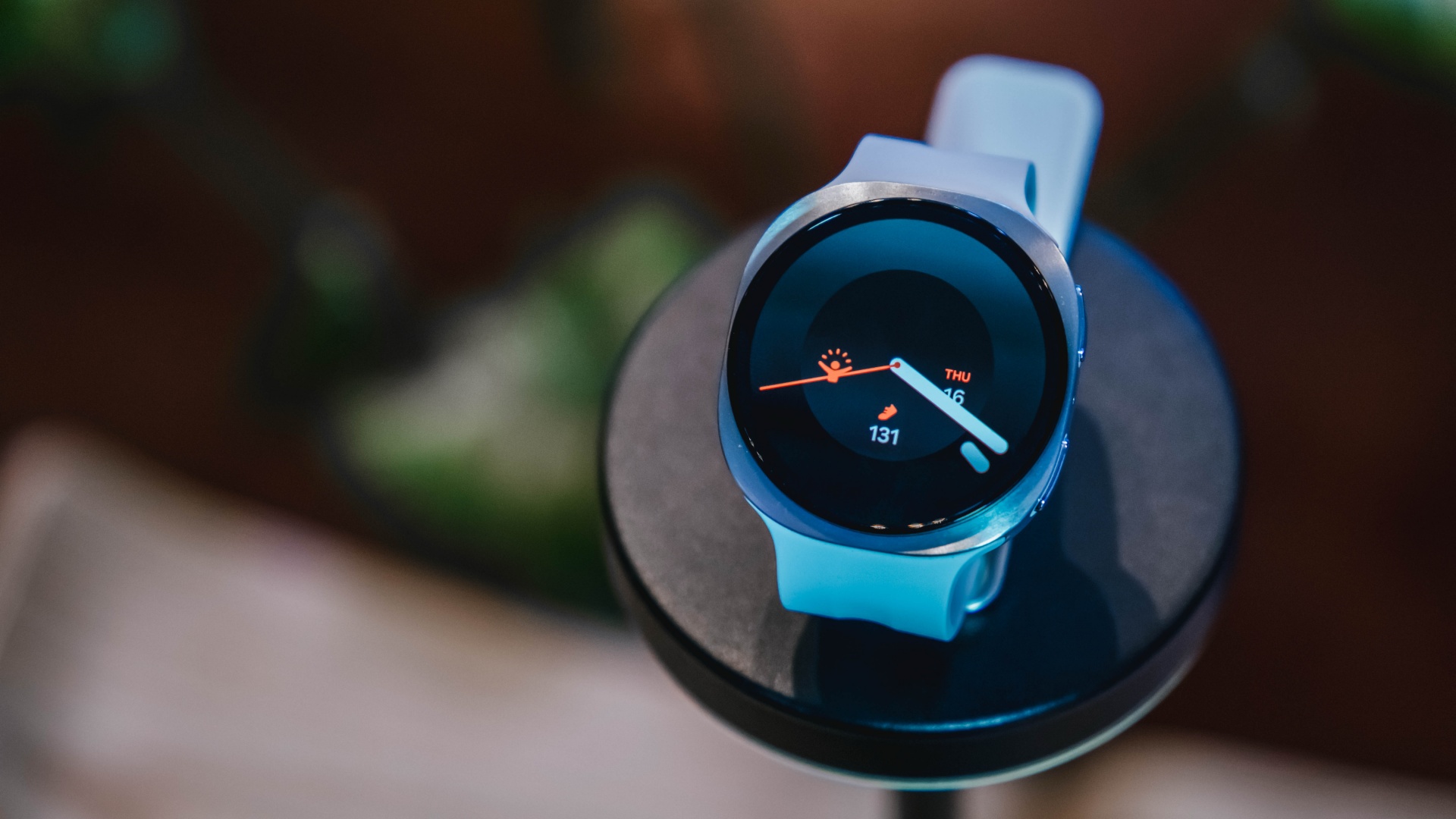
The Galaxy Watch9 is Samsung’s latest everyday smartwatch. It features the company’s newest health and wellness platform with AI-powered insights, comprehensive health tracking, and everyday activity monitoring.
Powering the experience is Qualcomm’s Snapdragon Wear Elite platform, which promises faster performance while supporting Samsung’s latest wellness features. The watch is available in 40mm and 46mm sizes.
Galaxy Watch Ultra2
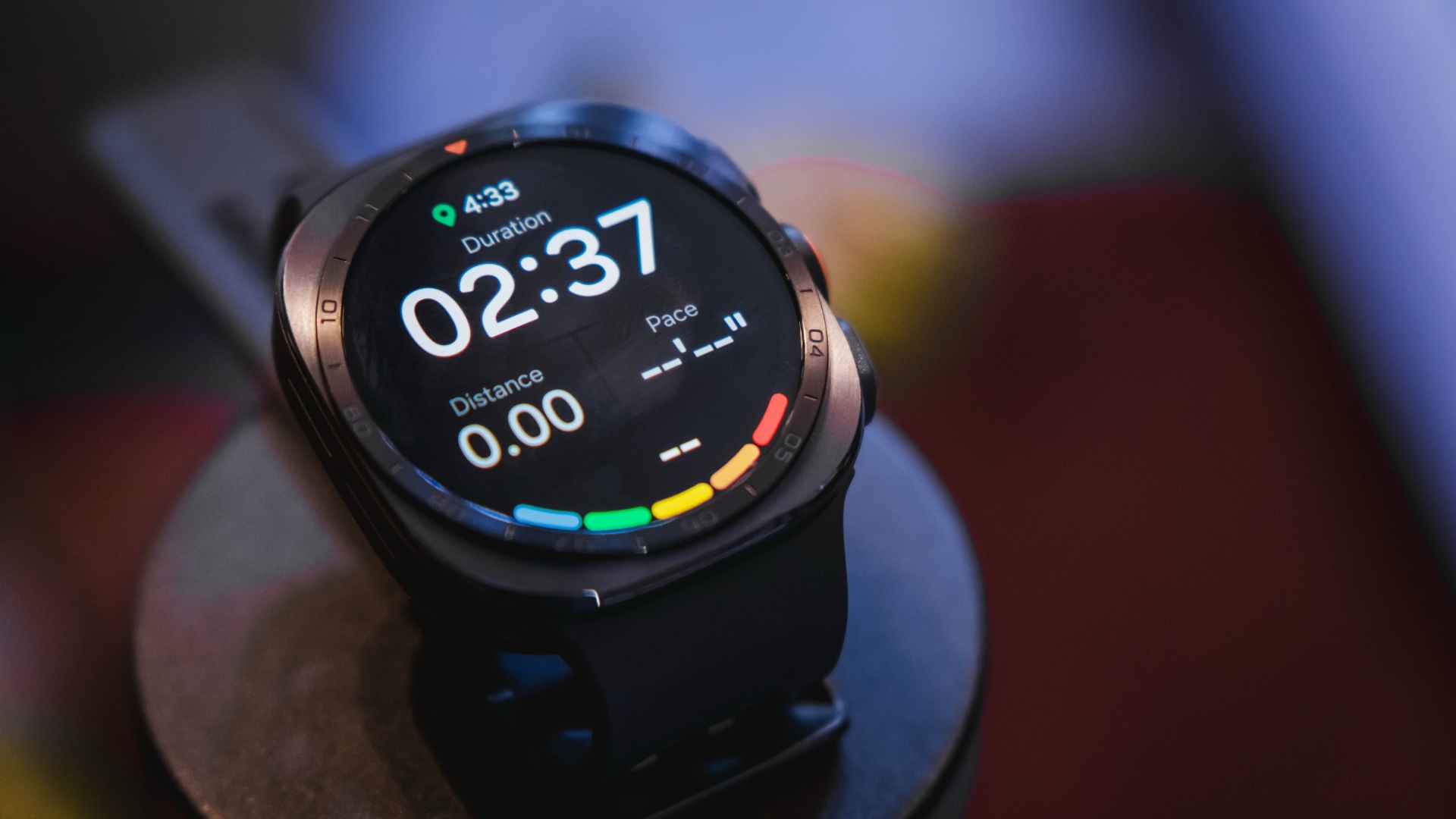
The Galaxy Watch Ultra2 builds on Samsung’s premium outdoor smartwatch with a durable titanium construction, improved comfort, and new sport tracking modes such as Trail Run and Diving.
Like the Galaxy Watch9, it runs on the Snapdragon Wear Elite platform and supports Samsung’s latest AI-powered health and wellness tools.

realme C100: Enduring and durable in spite of entry-level realities
Enough power but needs more agility


The ASUS ExpertBook Ultra wins you over
The laptop sneaks up on you


Nexal Watch Sport review: A rugged watch for small budgets
I couldn't believe that watches this good could come for this cheap.

Marvel Studios announces Ghost Rider, Black Panther 3 at SDCC

Xiaomi Singapore expands lineup of smart washing machines

AORUS MASTER 16 Gen 2 2026 AI gaming laptop launches

GCash future-proofs MSMEs with new payment innovations

Smart announces postpaid offers for Samsung Galaxy Z8 series


-

 News1 week ago
Samsung releases teaser with Spider-Man: Brand New Day Easter eggs
-

 Wearables5 days ago
Garmin launches its first screenless fitness band
-

 Gaming2 weeks ago
Most of the world’s PlayStations will be officially useless by 2028
-

 News2 weeks ago
FIFA World Cup: Lenovo’s Referee View received positively by fans
-

 Gaming2 weeks ago
Assassin’s Creed Black Flag Resynced comes to life at Skypark Macau
-
 Features2 weeks ago
Spotlight: HUAWEI WATCH GT Runner 2 Racing Legend Edition
-
 Apps2 weeks ago
Plot twist: Starbucks PH is letting you actually pick your reward now
-

 Automotive1 week ago
Mercedes-Benz celebrates 140th anniversary at the Presidential Car Museum