
Computers
ADATA debuts enterprise storage brand TRUSTA
More solutions also on display


ADATA is debuting its new enterprise storage brand, TRUSTA, at COMPUTEX 2025. Joining ADATA and TRUSTA are ADATA Industrial, as well as ADATA’s gaming brand, XPG.
ADATA’s COMPUTEX 2025 exhibition focuses on three areas: AI Computing, Smart Living, and Gaming Lifestyle.
TRUSTA makes its presence felt at the AI Computing Zone, with high-performance and energy-efficient SSDs designed for AI servers and data centers.
ADATA launching TRUSTA heeds the rising demand for enterprise-grade SSDs as AI adoption accelerates.
Among TRUSTA’s offerings are its T7 and T5 series SSDs. The T7 series is led by T7P5, a mainstream PCIe Gen5 SSD delivering speeds up to 13,500 / 10,400 MB/s and capacities ranging from 1.92TB to 15.36TB.
The T7P5 supports U.2, E1.S (9.5/15/25mm), and E3.S form factors, and incorporates Flexible Data Placement (FDP) for optimized data handling.
Meanwhile, the T5 series includes the T5P4B, T5S3B, and T5S3. These support PCIe Gen4 and SATA III interfaces and emphasizes reliable storage.
Engineered for enterprise servers, the series delivers efficient, secure, and stable performance to ensure continuous and uninterrupted operations.
Industrial-grade SSDs
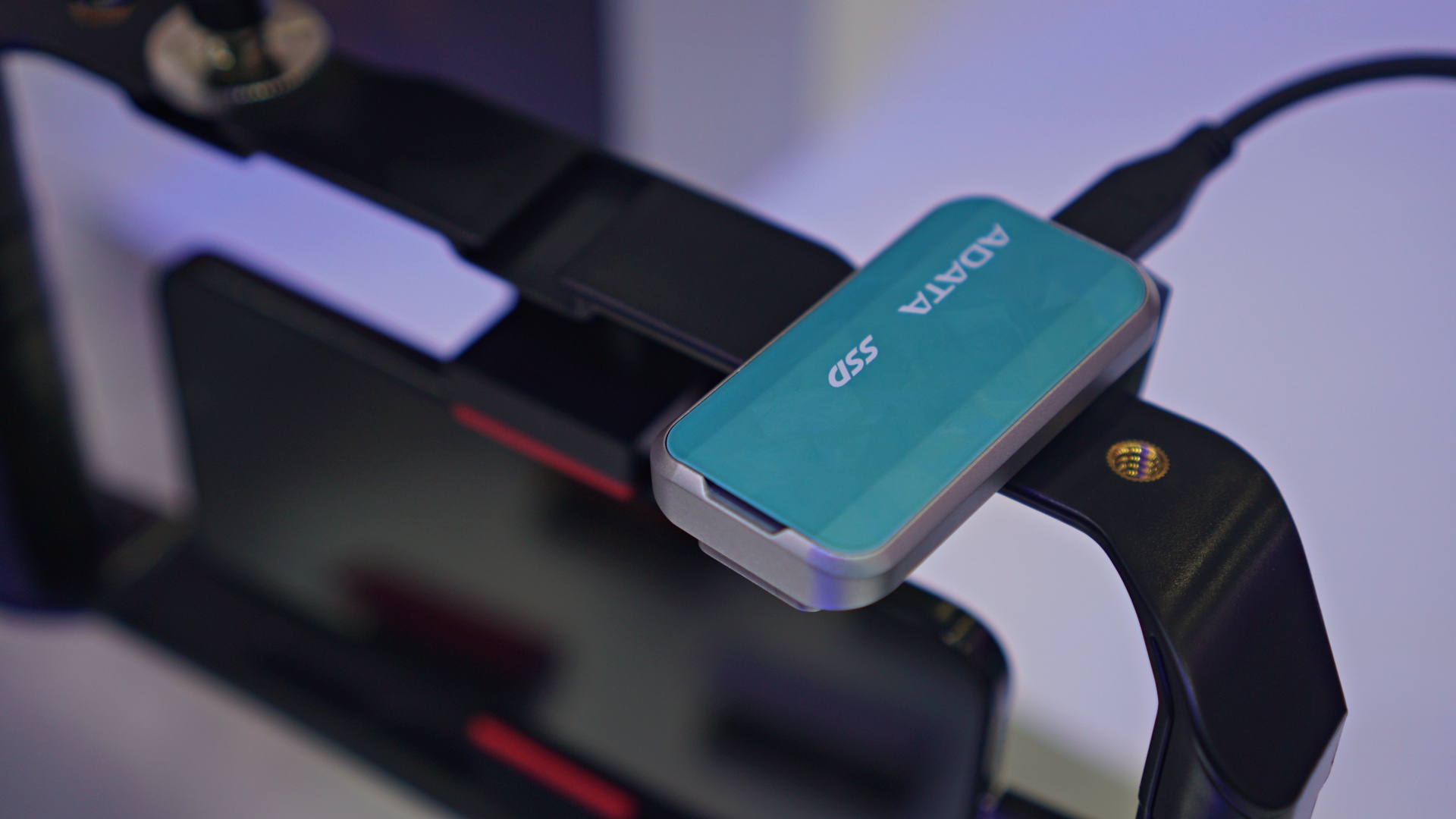
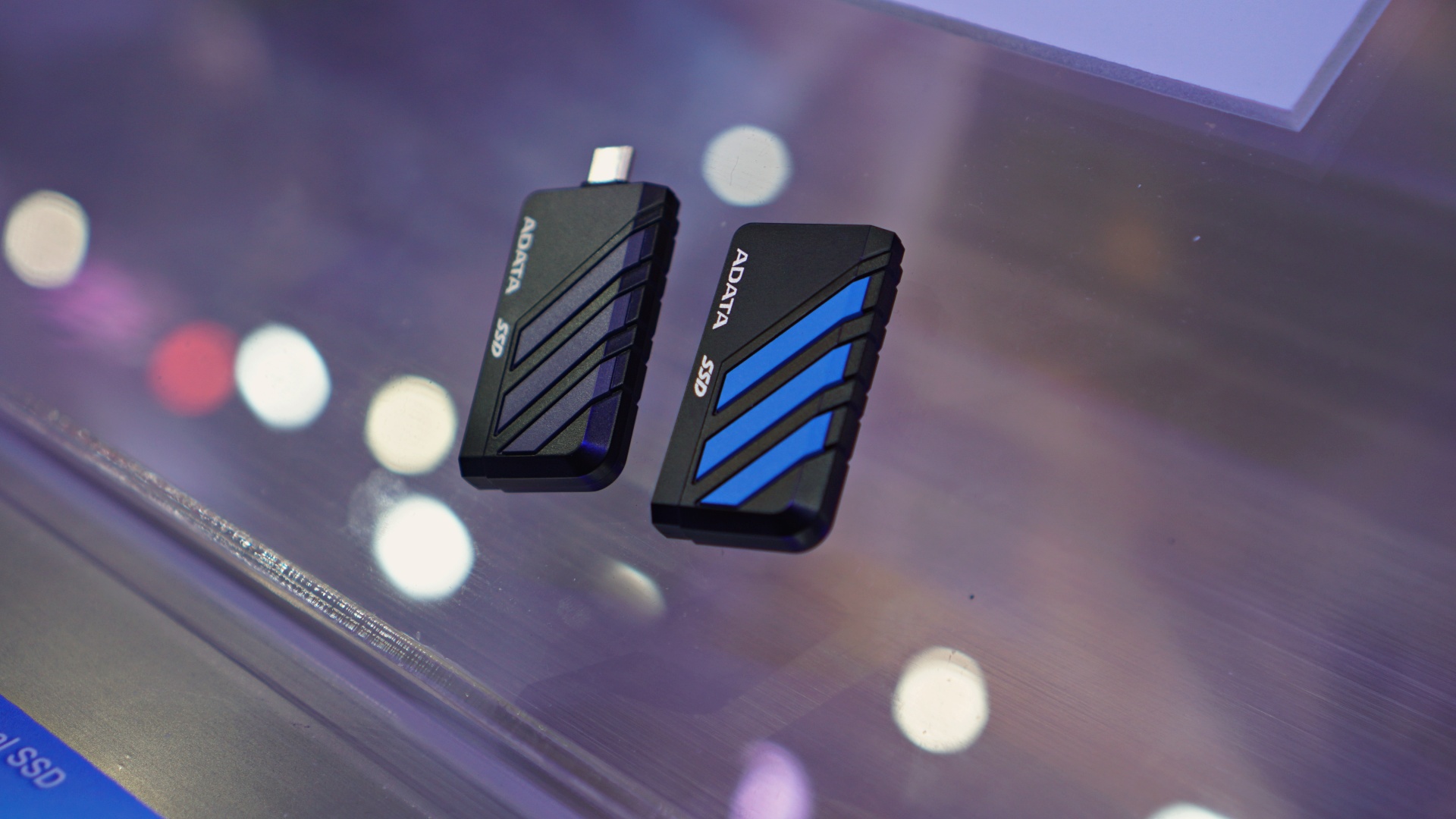

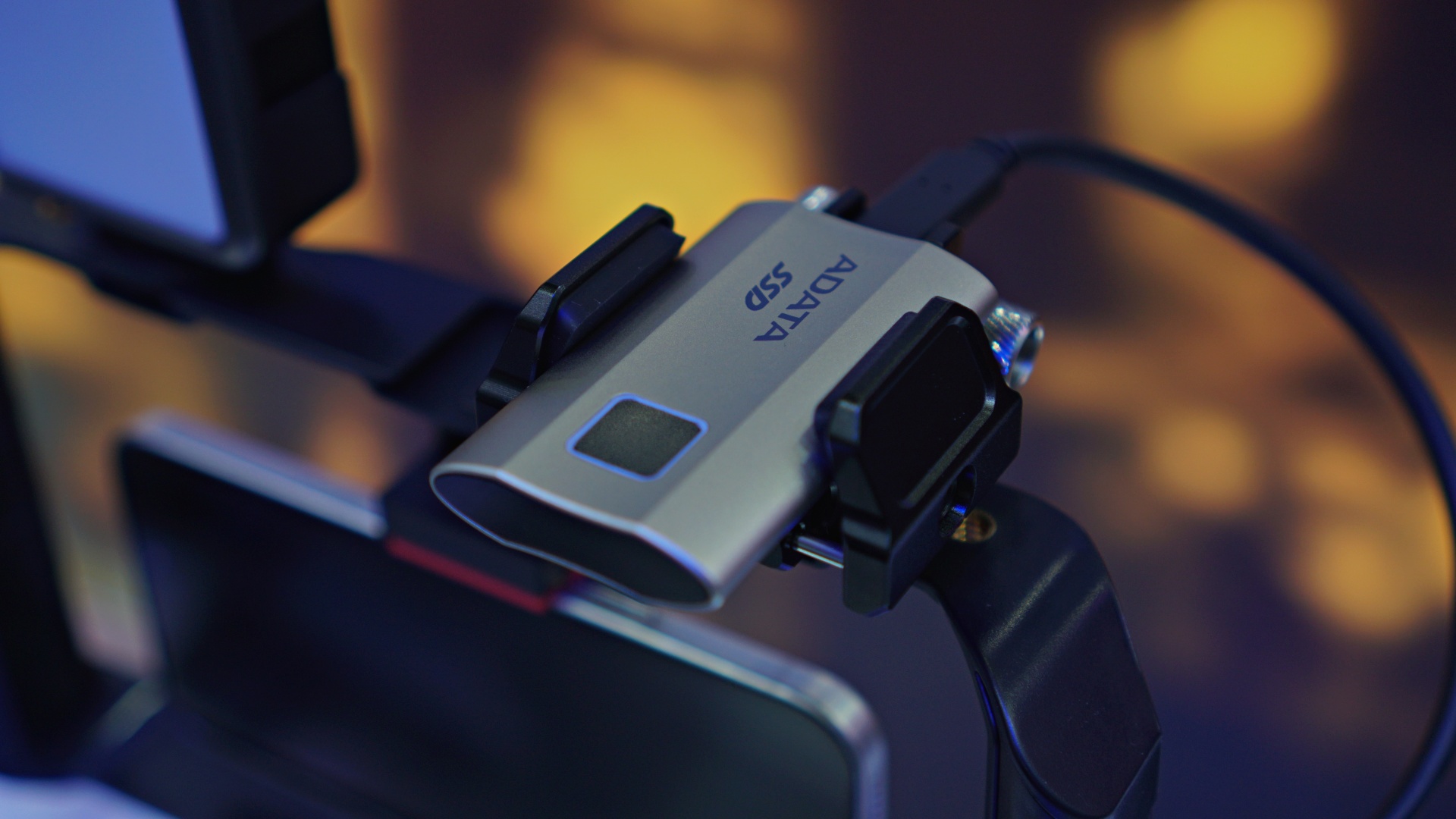
ADATA Industrial, on the other hand, has introduced industrial-grade SSDs. These are built specifically for AI and big data applications’ workloads.
The SSDs feature 218-layer 3D TLC NAND and support U.2 and PCIe Gen5/Gen4 interfaces, delivering ultra-fast, low-latency data access.
Designed for AI servers, big data analytics, and edge computing, the drives offer exceptional endurance, efficiency, and scalable capacity to meet next-generation infrastructure demands.
Memory and storage for AI PC performance

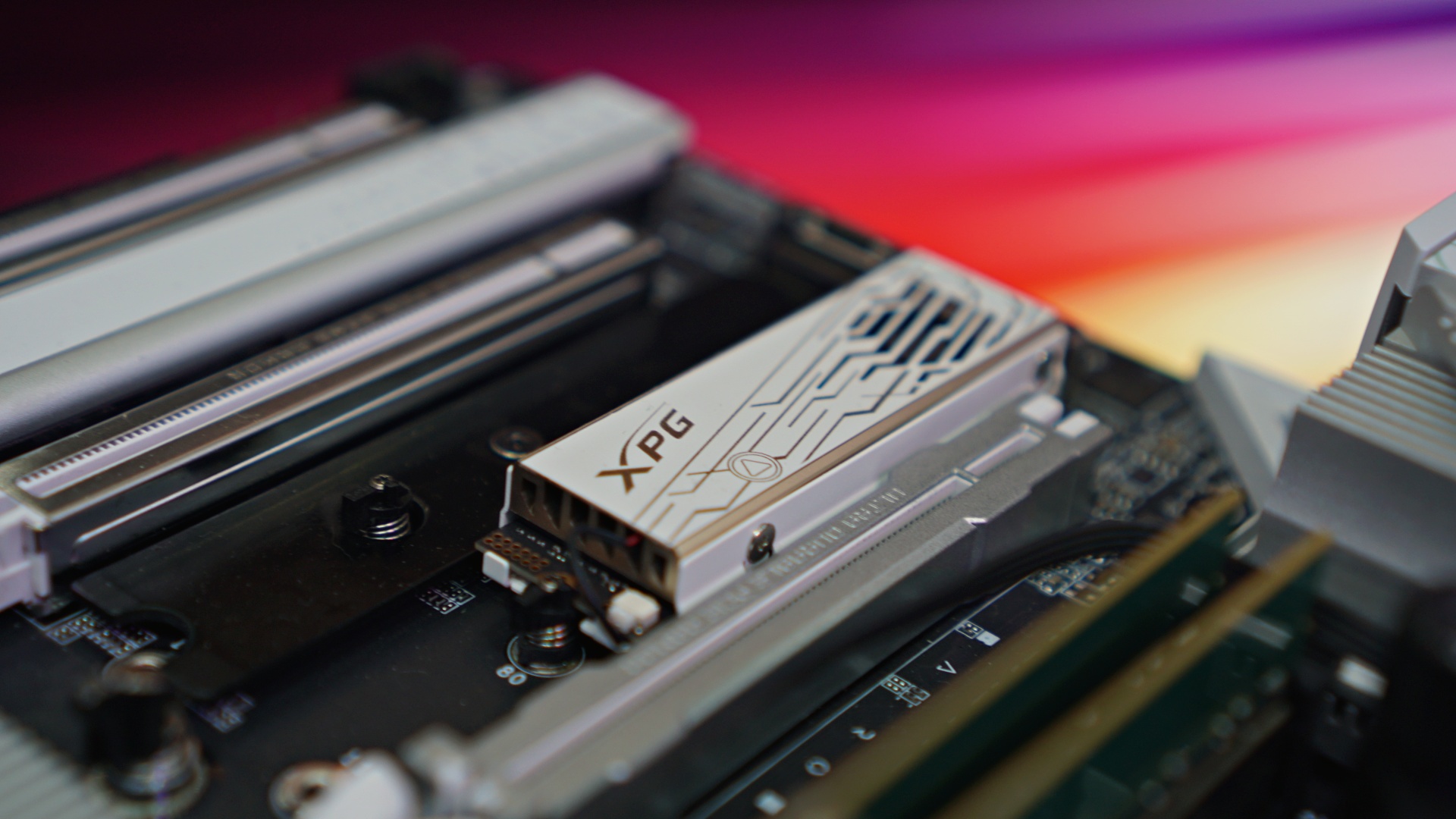

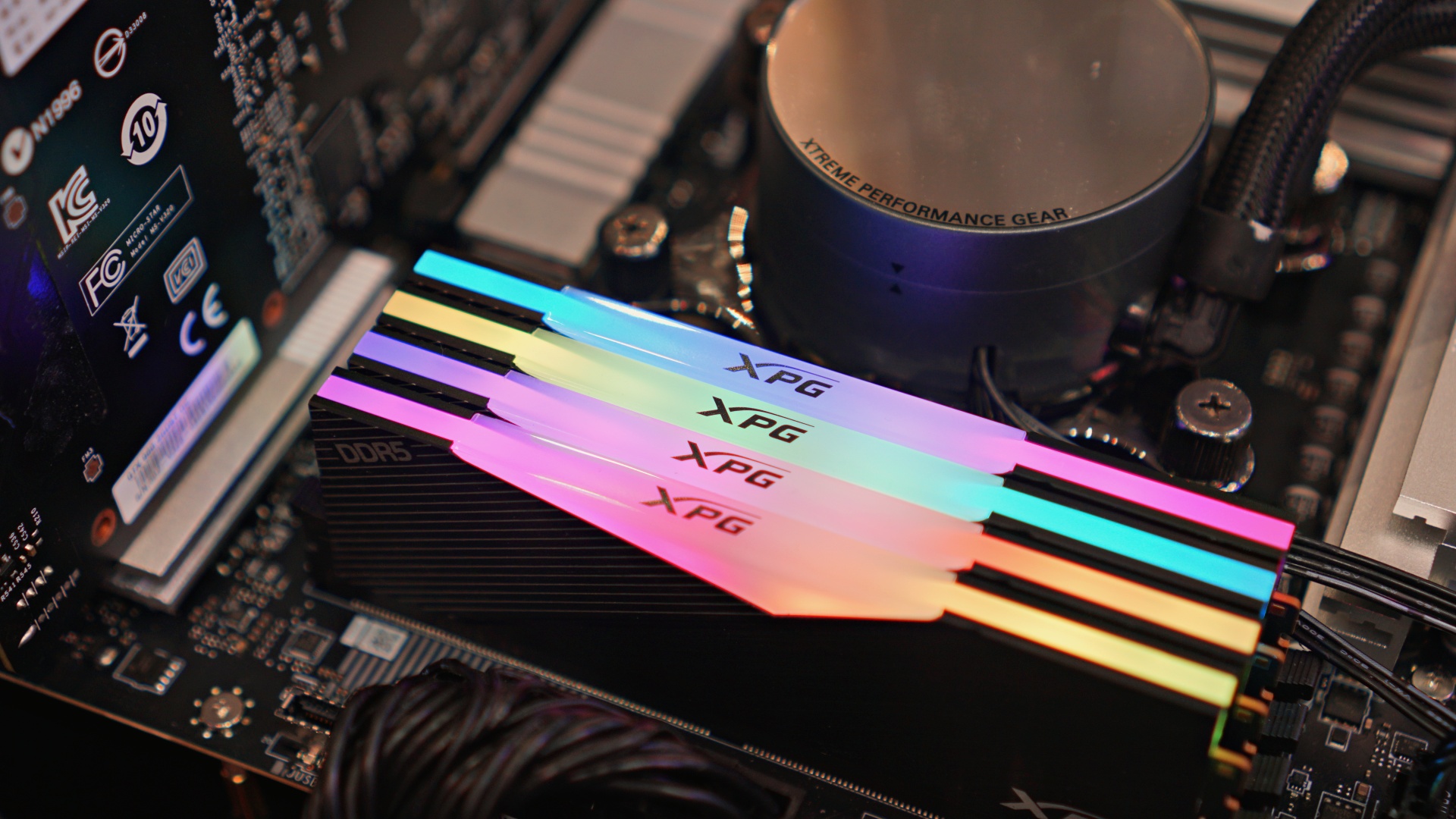
Moreover, ADATA continues to push the limits of high-performance memory with DDR5 LPCAMM2, designed for next-gen laptops.
It supports speeds up to 8,533MT/s and capacities up to 64GB. This solution meets the growing bandwidth and capacity demands of AI-driven edge computing.
ADATA has also introduced products like the Gen5 SM2P51E8 M.2 2280 solid-state drive, offering transfer speeds of up to 11,000 MB/s.
AI computing, visual navigation for Smart Healthcare
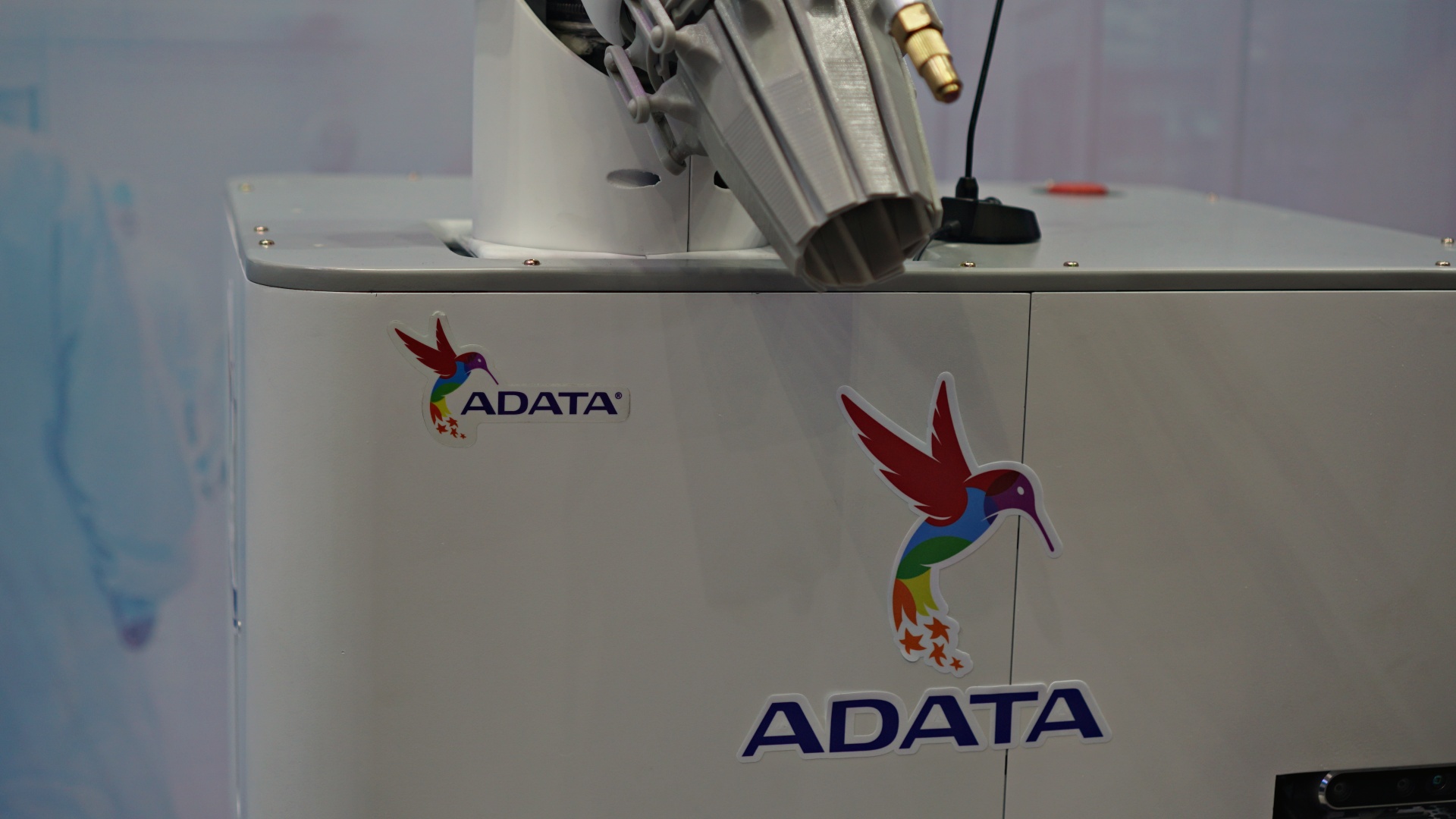
Meanwhile, in the Smart Living Zone, ADATA has an AI autonomous mobile robot co-developed with NVIDIA and Advantech.
This leverages the latest NVIDIA Isaac Perceptor Technology for a highly integrated, high-performance AI solution.
It combines ADATA’s expertise in robotic chassis manufacturing, NVIDIA Omniverse libraries for robot simulation, and Advantech’s strengths in edge computing system integration and sensor pre-installation.
The robot may be used in medical environments, which is aligned with ADATA’s vision for Smart Healthcare.
Diverse mobile storage, embedded solutions

Aside from the robot, the zone features a series of new mobile storage products, including the Thunderbolt 5-supported Project TITAN external SSDs.
This SSD has speeds up to 6,000MB/s and has a DisplayPort video output. Meanwhile, the SE940 offers 4,000MB/s performance and a clamp design for direct use with mobile and camera rigs.
Furthermore, the SR800 Magnetic combines storage, charging, and magnetic attachment in one device, with 2,000GB storage and a built-in 5,000mAh battery.
There’s also the SR830 with fingerprint security, and the SD820 with IP68 dust, water, and shock resistance.
Cooling innovations

For gaming and other intensive tasks, ADATA has also unveiled the MARS series. It is one of the industry’s most advanced Gen5 SSD cooling solutions.
The series consists of the MARS 980 STORM, MARS 980 PRO, and MARS 980 BLADE. All models use PCIe Gen5 x4 and reach up to 14,000 / 13,000 MB/s.
The storm uses a patented hybrid cooling system combining liquid and air. The Pro, meanwhile, adopts active cooling with aluminum fins and built-in fan.
Moreover, the BLADE is tailored for thin devices, using a 6nm controller from TSMC.
XPG is also pushing overclocking to new heights with Project INFINITY which delivers up to 9,200MT/s and comes with 48GB capacity per module.
For professional workloads, the AICORE RDIMM reaches 7,200MT/s with 64GB modules, offering stable performance under heavy AI and data tasks.
Lastly, LANCER CUDIMM, equipped with CKD chips, hits an incredible 9,733MT/s and uses 80% recycled aluminum.
SFF-ready platforms for GeForce RTX 50 Series
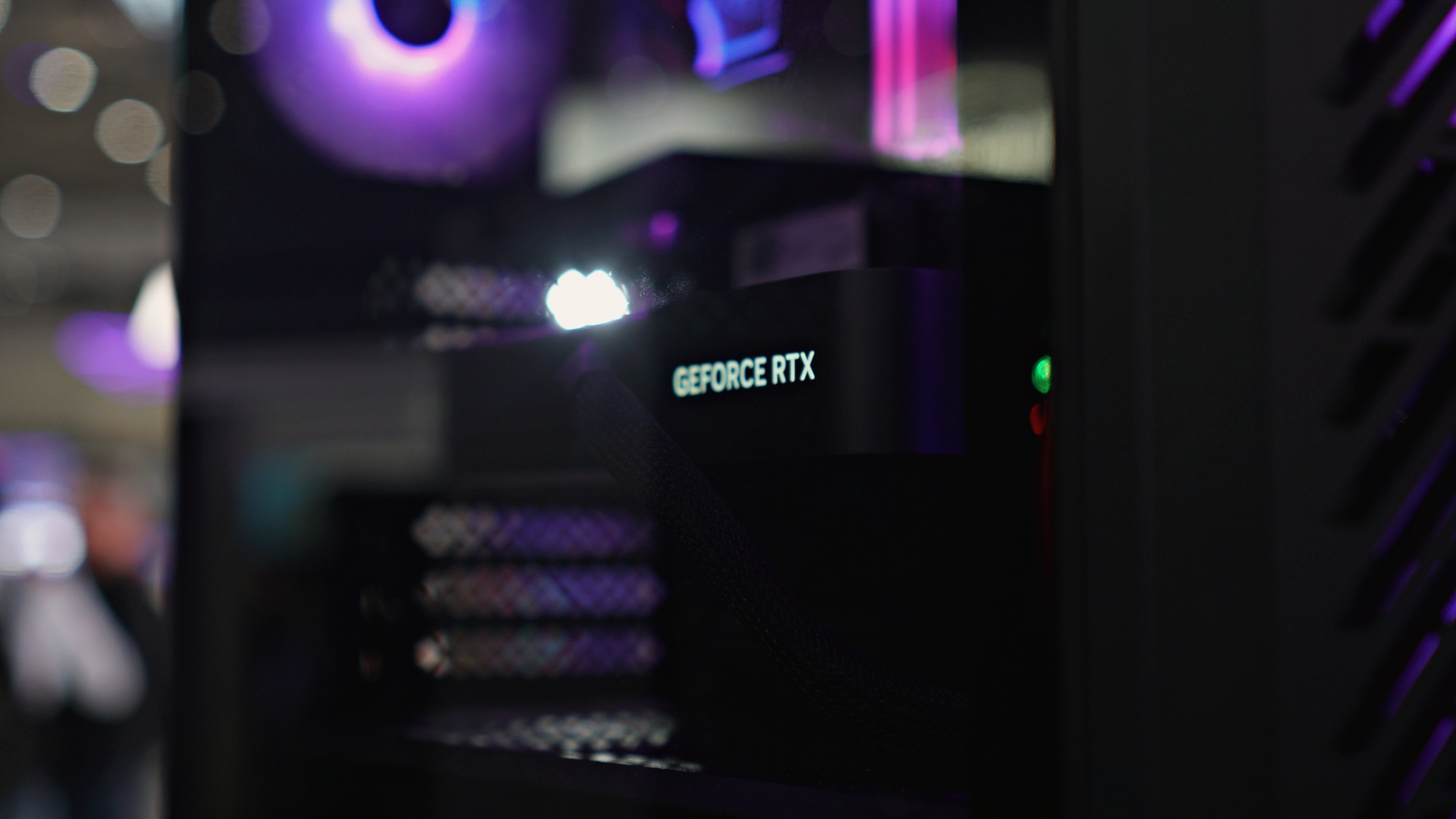


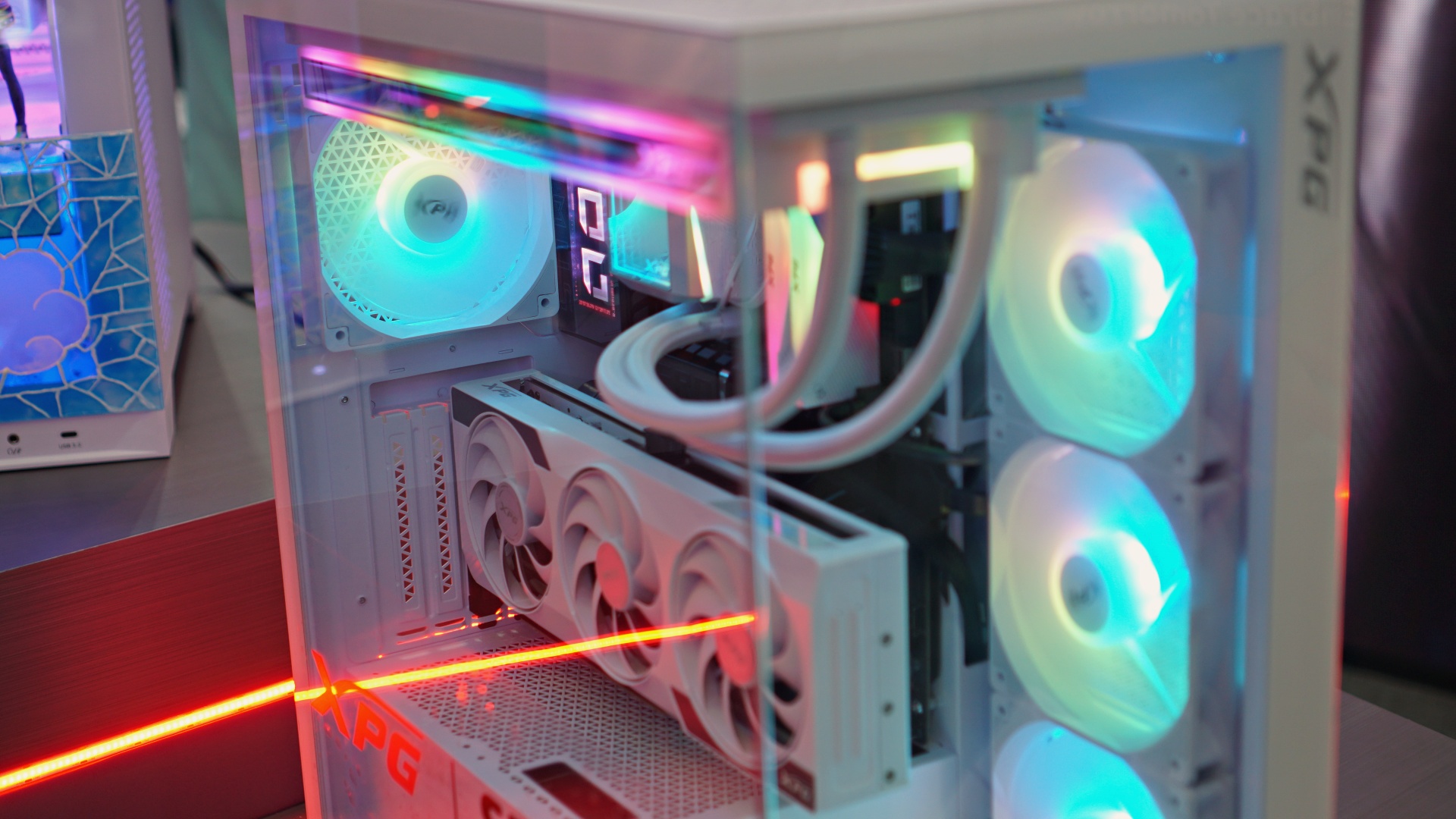
Finally, XPG is debuting its latest SFF-ready platform for high-performance compact builds.
The NVIDIA-certified VALOR AIR NANO and VALOR MESH NANO Micro-ATX cases deliver an exceptional balance of efficient cooling and optimized space.
XPG is also introducing the new PYMCORE SFX PSU series, compliant with ATX 3.1 meeting the power demands of high-end GPUs.
This ultra-compact SFX PSU can be installed at the front of the VALOR AIR and MESH NANO chassis. That allows longer GPUs to fit into SFF builds without compromising performance.

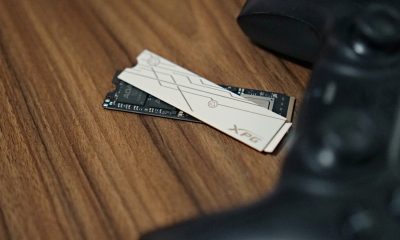






Acer is expanding its storage lineup with the PA100 Portable SSD. It’s a compact external drive designed for users who need faster storage across multiple devices.
The PA100 uses USB 3.2 Gen 1 connectivity. It reaches sequential read speeds of up to 560MB/s and write speeds of up to 430MB/s. This makes it suited for everyday tasks such as transferring large files, backing up content, managing documents, and moving media between devices.
Up to 2TB of portable storage
The PA100 comes in three capacities: 500GB, 1TB, and 2TB. This gives users options depending on whether they need extra space for documents and schoolwork or larger collections of photos, videos, and project files.
Acer also designed the drive with mobility in mind. The PA100 has a slim 9mm profile and a lightweight build, while its reinforced construction is designed to withstand everyday travel and handling.
The drive comes with a 2-in-1 USB-C to USB-C and USB-A cable. This allows it to connect to compatible PCs, tablets, smartphones, and other devices without requiring a separate adapter. It also supports major operating systems and USB-C mobile platforms.
Designed for everyday use
Power efficiency is another focus. Acer says the PA100 uses less than 3W during operation, while idle power consumption can drop to as low as 0.62W.
The drive also features an optimized thermal design to help maintain stable performance during extended transfers and daily workloads.
The Acer PA100 Portable SSD is backed by a three-year limited warranty. Pricing and availability may vary by market.
Computers
New Mac mini starts at a whopping $899, only 256GB of storage
It comes with the M6 or the M5 Pro.


Almost two decades ago, Apple was infamous for being an anti-gamer brand. Though the company’s devices touted superior protection against viruses, they couldn’t play video games, alienating a significant chunk of the population and forcing them onto PCs. For a while now, the Mac has changed the status quo, bringing in more powerful hardware that can play games. Today, Apple is championing that cause further through the newly launched Mac mini.
Compared to the chunkier Macs, the Mac mini has a lithe 5” x 5” profile, emphasizing the “mini” in its name. Despite the size, the new mini will tout two flavors of Apple silicon: the M6 and the M5 Pro.
The M6 variant delivers with up to two times faster gaming performance with ray tracing when running Cyberpunk 2077: Ultimate Edition, compared to the previous M4 version. Meanwhile, the M5 Pro version touts up to 4.5 times faster rendering performance with ray tracing in Blender, compared to the M2 Pro. It will come with macOS 27 Golden Gate out of the box.
You won’t have to worry about connectivity, either. The Mac mini comes with compatibility for Wi-Fi 7, Bluetooth 6, and 2.5Gb Ethernet (going up to 10Gb in upgraded versions). It will also have two USB-C ports, three Thunderbolt 5 ports (but only Thunderbolt 4 for the M6 version), and HDMI port, an Ethernet port, and a headphone jack.
Unfortunately, price seems to be another thing that it’s getting from PCs. The new Mac mini has an increased starting price. Specifically, the M6 version starts at US$ 899 (with only 256GB of storage), and the M5 Pro version starts at US$ 1,699 (for 512GB of storage). Preorders are open now, but they ship out on September 22.
SEE ALSO: Apple raises the prices of iPad and MacBook lineups
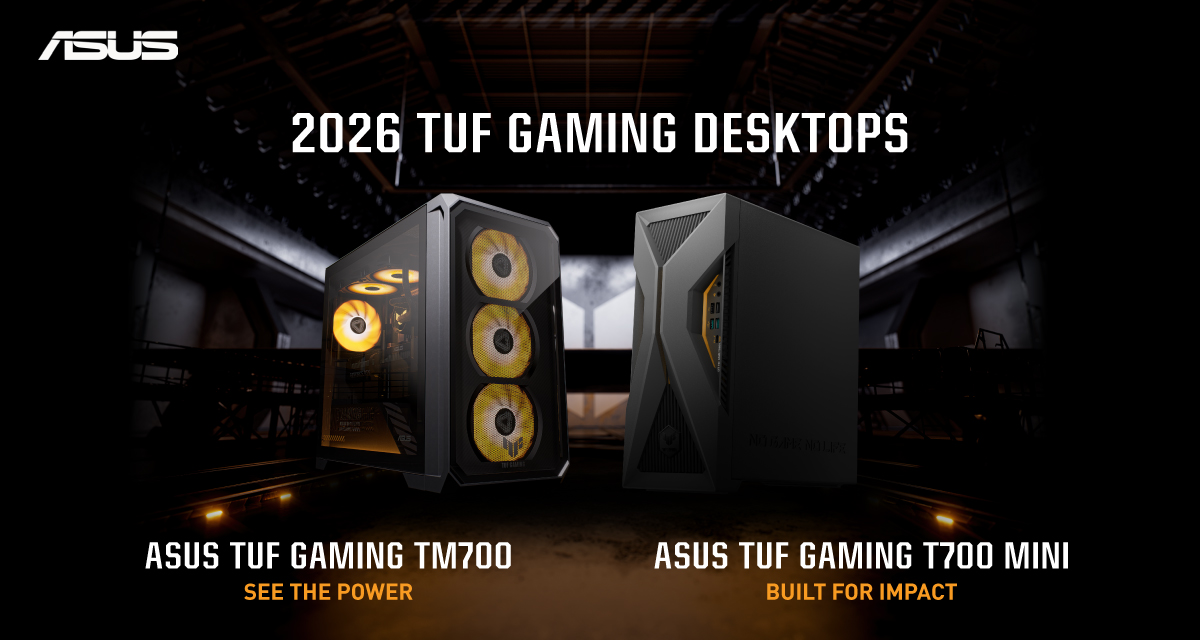
ASUS has announced the arrival of its latest TUF Gaming desktop lineup models: the TUF Gaming T700 and TUF Gaming T700 Mini.
These new offerings bring heavy-duty performance and military-grade durability to gamers, engineered to endure extreme operational demands while delivering rock-solid stability.
The new ASUS TUF Gaming T700, in particular, is engineered to take on modern AAA titles with its uncompromising performance.
It has an aggressive mecha-inspired MIL-STD chassis, including a transparent side panel to put powerful components on display. Vibrant orange ambient lighting also adds a bold finishing touch.
Inside is an AMD Ryzen 7 8700F processor and up to an NVIDIA GeForce RTX 5060 Ti GPU for high-frame rate gaming.
The T700 also features a robust thermal solution equipped with quad 65 CFM fans and a 240mm liquid cooler.
Meanwhile, the TUF Gaming T700 Mini is tailored for competitive gamers while maintaining a compact, battle-tested chassis.
It has an Intel Core Ultra 5 225F desktop processor, paired with with NVIDIA GeForce RTX 3050 graphics.
This combination provides seamless multitasking, crisp visuals, and reliable frame rates across today’s popular titles.
The internal hardware is cooled by a custom thermal matrix featuring dedicated copper heat pipes and a heavy-duty 90mm cooling fan.
True to the TUF Gaming legacy, the T700 Mini is likewise MIL-STD tested to endure extreme operational demands.


DJI Lito X1 review: Is this the best lightweight drone for creators?
Making a strong case as a travel companion and a capable B-cam!


REDMI Note 17 Pro Max review: A new breed born from AI greed
Welcome to the new normal


Marvel’s Wolverine review: When the claws come out
A brutal, cinematic superhero adventure

Manila turns up the volume at COVE

Epson Lifestudio Grand Plus EH-LS970B with 4K projection, more launches

Jackery Explorer 300D: Power and portability in one

Nike’s Alphafly 4 is built for the part of the marathon ~that actually hurts~

SEGA, Netflix announce Crazy Taxi film adaptation

realme 16T 5G with 8000mAh battery, IP69 Pro rating launches in PH

HUAWEI Pura X View is 2026’s first WIDE slab-type smartphone

REDMI reveals the refreshed Note 17 and Note 17 Pro series

REDMI Note 17 Series: Price, availability in Singapore

The CAMON Slim 5G is TECNO’s latest ultra-slim smartphone


-
 News2 weeks ago
HUAWEI Pura X View is 2026’s first WIDE slab-type smartphone
-

 News2 weeks ago
iPhone 18 Pro series: Price, availability in the Philippines
-

 Singapore2 weeks ago
iPhone 18 Pro series: Price, availability in Singapore
-

 News2 weeks ago
iPhone Duo: Price, availability in the Philippines
-
 News2 weeks ago
HUAWEI Mate XT 2 tri-fold launches with Kirin 9050 Pro
-

 News2 weeks ago
vivo introduces refurbished versions of X300 FE, X300 Ultra for less
-

 News2 weeks ago
iPhone Duo: Price, availability in Singapore
-

 Accessories2 weeks ago
CASETiFY upgrades iPhone 18 cases, teases iPhone Duo lineup