



Last year, the height of the coronavirus pandemic shifted how the world thought about technology and the companies running the show. Different companies across different markets have struggled to cope with declining sales and demand. Now, once the industry has moved past the pandemic’s height, more of the struggles have come to roost. But it’s not all bad; the year has also seen a few new trends popping up. In all their glory, here are the top tech news of 2021.
The memetic rise of GameStop

The year started with one of the largest bangs that the stock market has seen in a long time. Though it didn’t spark as much talk outside of those who already have some knowledge of trading, the sudden meteoric rise of GameStop’s stock market value heralded a year’s worth of change coming to finance and fintech. And no one saw it coming, except for a little corner of Reddit called r/WallStreetBets.
“Like 4chan found a Bloomberg terminal.” This is how the subreddit currently describes itself. And it couldn’t paint a more accurate picture of what the forum has single-handedly done.
Back in January, a r/WallStreetBets heavily laid on the speculation that GameStop, a game retailer in the United States, had its stock undervalued and buying would be the best investment option today. And they were right… in a way. Thousands of Reddit-borne buyers fooled the market into thinking that yes, GameStop was indeed undervalued. The stock ballooned to ridiculous proportions in a short span of time, causing the market to effectively stop further trading. Even fintech apps, like Robinhood, which allowed regular people to buy and sell stocks on their own, was forced to limit how people bought the stock.
The entire controversy was a saga on its own. And though non-traders won’t really care about it, the issue was just the first of many that plagued fintech.
The flood of misinformation
GameStop showed more than just the volatility of the stock market. It showed how an idea, presented the correct way to the correct audience, can spread uncontrollably and uproot all other ideas. Such is the story of misinformation.
Anyone who’s been on the internet in the last five years is privy to the spread of misinformation. However, the phenomenon reached new heights right when the world needed correct and accurate information the most. It didn’t wait long either. At the start of the year, a wave of misinformation sparked an insurrection movement in the United States following the U.S. presidential elections.
And it didn’t stop there. After its stint in politics, misinformation plagued the healthcare world casting misplaced doubts over currently available COVID-19 vaccines. More and more people willfully chose the comfort of Facebook posts over scientifically proven medicine. Getting people to vaccinate is still an unbearable problem today. (Get vaccinated, folks!)
Social media is woefully (and perhaps tardily) enacting anti-misinformation measures to prevent unsubstantiated and biased claims from spreading like wildfire. Is it too late? Still too early to tell. Either way, social media has a lot to atone for.
Frances Haugen takes on Facebook

Facebook has been under the scrutinous eye of the law for a while now. The American government has persistently tried to catch the social media network on anti-competition and privacy charges. While courts have already demanded testimony from Mark Zuckerberg, the company is still standing. That is, until a single whistleblower renewed the fight against Facebook.
As a part of Facebook for a few years, Haugen was exposed to the numerous problems inside the company. Throughout the year, she worked with a nonprofit whistleblower firm to facilitate the reveal of internal Facebook documents. Those documents implicated Facebook in a host of accusations from fomenting toxicity among teenagers to destabilizing whole countries overseas.
Though the documents never revealed anything that the world didn’t know about yet, Haugen strengthened the case against the platform especially in the public eye. The case is still ongoing, but its effects are already palpable.
Facebook changes the meta

Facebook has its own reasons for creating a new company. On paper, the company will tell you that it’s for product diversification purposes. Outside of the press release, one can always argue that a new company name divests Facebook from its sketchy history as… well, Facebook. Regardless, the new meta is here.
This year, Mark Zuckerberg created a larger umbrella company for Facebook’s dealings outside of the social media platform. Called Meta, the new company is paving the way for what Zuckerberg calls the “metaverse,” an upcoming ecosystem of wearables and connected devices.
Naturally, the metaverse is another cause for concern among pundits. Facebook is already notorious for its improper privacy practices. The company owns an inordinate amount of information about its users. If Facebook develops the ability to use that information across so many advertising-hungry platforms, it has the potential to create a dystopic nightmare against privacy and cybersecurity.
Jack Dorsey takes flight from Twitter
And speaking of big moves in the social media world, Jack Dorsey announced his departure from Twitter as CEO and chairman this year. The announcement, which will take effect next year, sees a change in the winds for the long-standing social media platform. Dorsey is one of the co-founders of Twitter. Given how much the platform grew over the years, the founder is now relinquishing his reins for fresher (and more specialized) blood.
not sure anyone has heard but,
I resigned from Twitter pic.twitter.com/G5tUkSSxkl
— jack⚡️ (@jack) November 29, 2021
When Dorsey leaves the company, Parag Agrawal, who started as an engineer with the company, will act as the new CEO. On the other hand, Bret Taylor, a seasoned entrepreneur, will become the next chairman. The announcement itself is worthy of a spot on this list. But it will certainly take another year before the world sees how the new leadership affects the platform.
We’re out of chips
Moving on from the social media industry, let’s take a look at the world of smartphones. Unfortunately, there isn’t much to say about smartphone makers this year. The world, as it has been for the past year, is still struggling under a profound shortage of semiconductors. Companies started pushing for a bounce back from last year’s slump. But, amid the excitement of new smartphones this year, no one can quite get them yet.
And it looks like the shortages won’t go away
And it looks like the shortages won’t go away just yet. Several experts in the industry, including the heads of companies themselves, have speculated that product delays will last until next year at the earliest.
New chips in the house
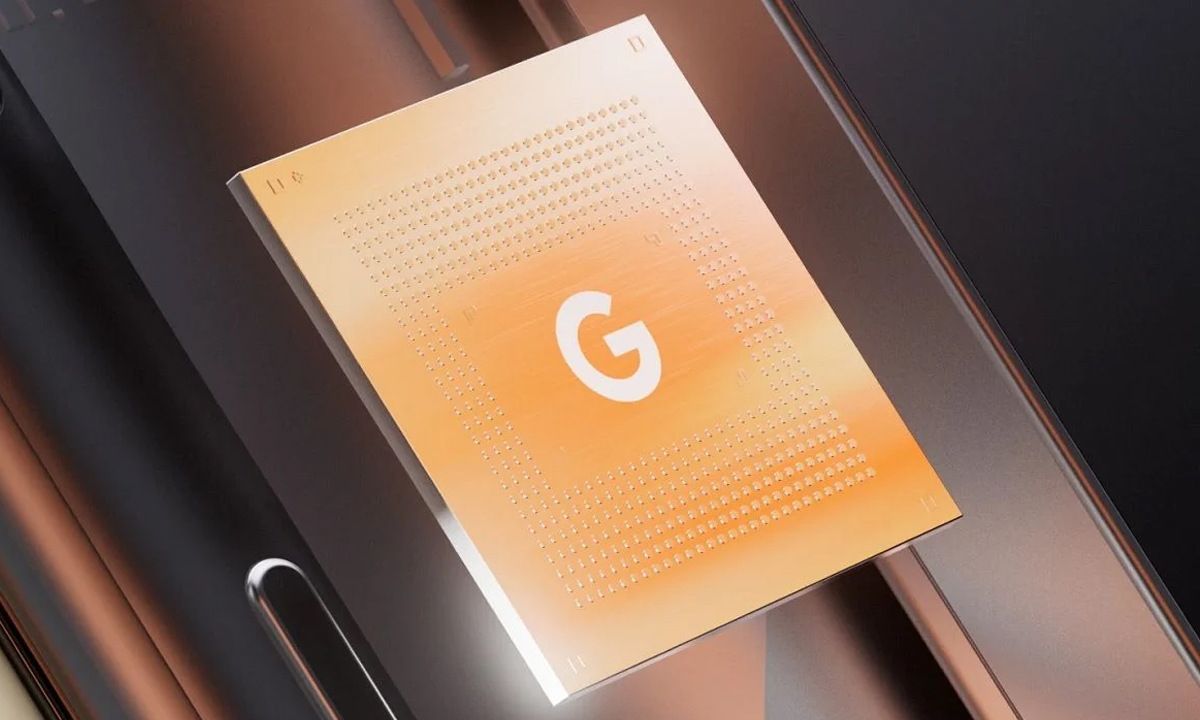
It’s not all bad, though. The tech industry is slowly realizing its crippling reliance on third-party chip manufacturers for their components. Naturally, if a company relies too much on another supplier for components, a delay in the latter will inevitably cause a similar delay in the former.
The industry’s leading companies have finally fulfilled their dream to reduce supply delays: the start of a self-sustaining ecosystem. Late this year, Google unleashed the much-awaited Pixel 6 series. Underneath its unique exterior, the flagship series sported Google’s first-ever in-house processors called the Tensor. Google was so excited for the release that they announced the Tensor months ahead of the Pixel 6’s release.
Though all eyes are on Google now, the rise of the Tensor highlights a new trend which, with enough luck, will spread to more smartphone brands next year. It isn’t an entirely new trend either. Prior to Google’s Tensor, Apple and Samsung already had long-standing chipsets of their own. However, the Tensor has sparked a new movement to reduce reliance on others for components. OPPO is currently working on its own chipsets. Apple, despite its in-house chips already, is still working on switch more of its components (like its 5G modems) to in-house production.
LG has left the building

While we’re at the topic of smartphones, one brand deserves a round of applause: LG. Earlier this year, LG announced an abrupt departure from the smartphone business. Throughout the years, the South Korean company pioneered new form factors for smartphones. Years ago, owning an LG flagship was the Android equivalent of grabbing a new iPhone. It was that fresh. However, the brand eventually dropped off, bowing to performance chasers like Samsung. LG has tried various strategies to resurrect its dominance to no avail.
LG’s exit is no surprise then. Instead of dwelling on a dwindling smartphone business, LG leaves the industry to focus on its other markets. It’s still a shame, though. Prior to its exit, the brand already promised an upcoming renaissance headlined by the unique LG Wing. Apparently, it wasn’t enough. Now, instead of a promised renaissance, the LG Wing ended up as a swan song for LG’s former presence in the industry.
OMG NFT
Now, as we wind down a tour of the tech industry for 2021, let’s end right where we began: the future of fintech. Remember when the GameStop brouhaha weaponized a meme to game the stock market? NFTs are the culmination of this evolution of finance and fintech. Instead of using memes to sell stock options, the meme themselves have become the new product.
You might, of course, know NFTs because of how they can sell literal memes. Ever wanted to own the first instance of a meme? How about the first-ever tweet? NFTs made it possible to sell memes as pieces of artwork.
However, NFTs aren’t just about memes. Non-fungible tokens, as they are otherwise known, introduced a legitimized way to sell digital art (or anything digital for that matter). Think of how the art world operates. By now, there are thousands of reproductions of Vincent van Gogh’s The Starry Night, but there is only one original painting punctuated by an authenticated signature and profile. NFTs are basically putting authenticated signatures on digital media using blockchain technology.
Now, investors and collectors are paying for NFTs, claiming ownership over digital art. Though it seems like a passing trend, the market has saturated immensely with the sale of these tokens. And, though the future is still murky for NFTs, it does reveal a future ripped away from traditional media and finance lingo: a future where even simple GIFs can cost thousands of dollars.
Healing from the pandemic?
A lot of things happened to the tech industry this year. Though most are still struggling with the effects of the pandemic, other industry players have introduced new ways to work around problems and present ideas to the world. As the world slowly (and hopefully) heals from the pandemic, we look toward a new and brighter future. It’s a new year, and the horizon is bright.






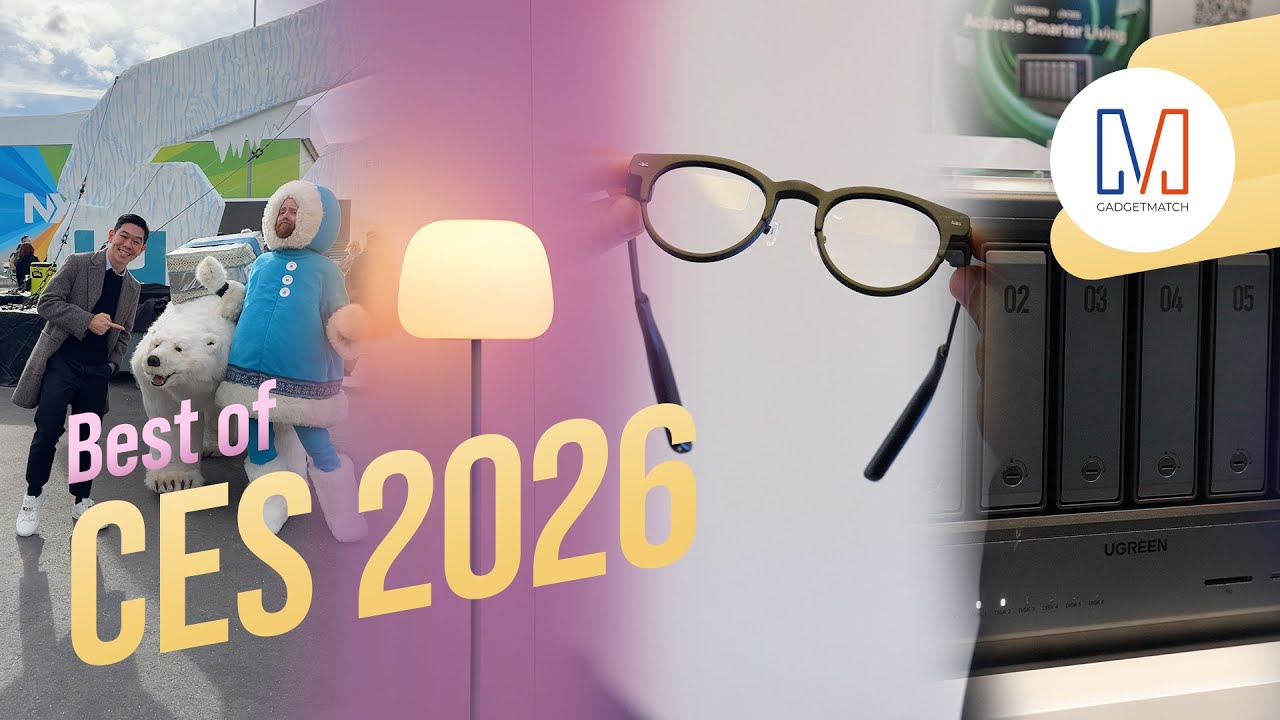
AI, displays of many different kinds, and a whole bunch of cool gadgets — that’s what CES is all about.
And just like we do every year, we’re in Las Vegas to check them out.
Head over to our Best of CES 2026 video to find out which gadgets made the cut.
MemoMind https://bit.ly/4qOJ9jq
XGIMI at CES https://bit.ly/49zE4oa
Euhomy https://bit.ly/3N89T01
Pre-order IceLeopard: https://bit.ly/3Nd1cl2
Govee’s new products in 2026 https://bit.ly/goveeces2026
UGREEN NAS iDX! Reserve with $30 and save up to $1040: https://nas.us.ugreen.com/CLeXc6
UGREEN’s new products in 2026: https://official.ugreen.com/PPcJvF
Editors' Choice
2025 GadgetMatch Approved Smartphones
Smartphones that truly deserve GadgetMatch’s Seal of Approval
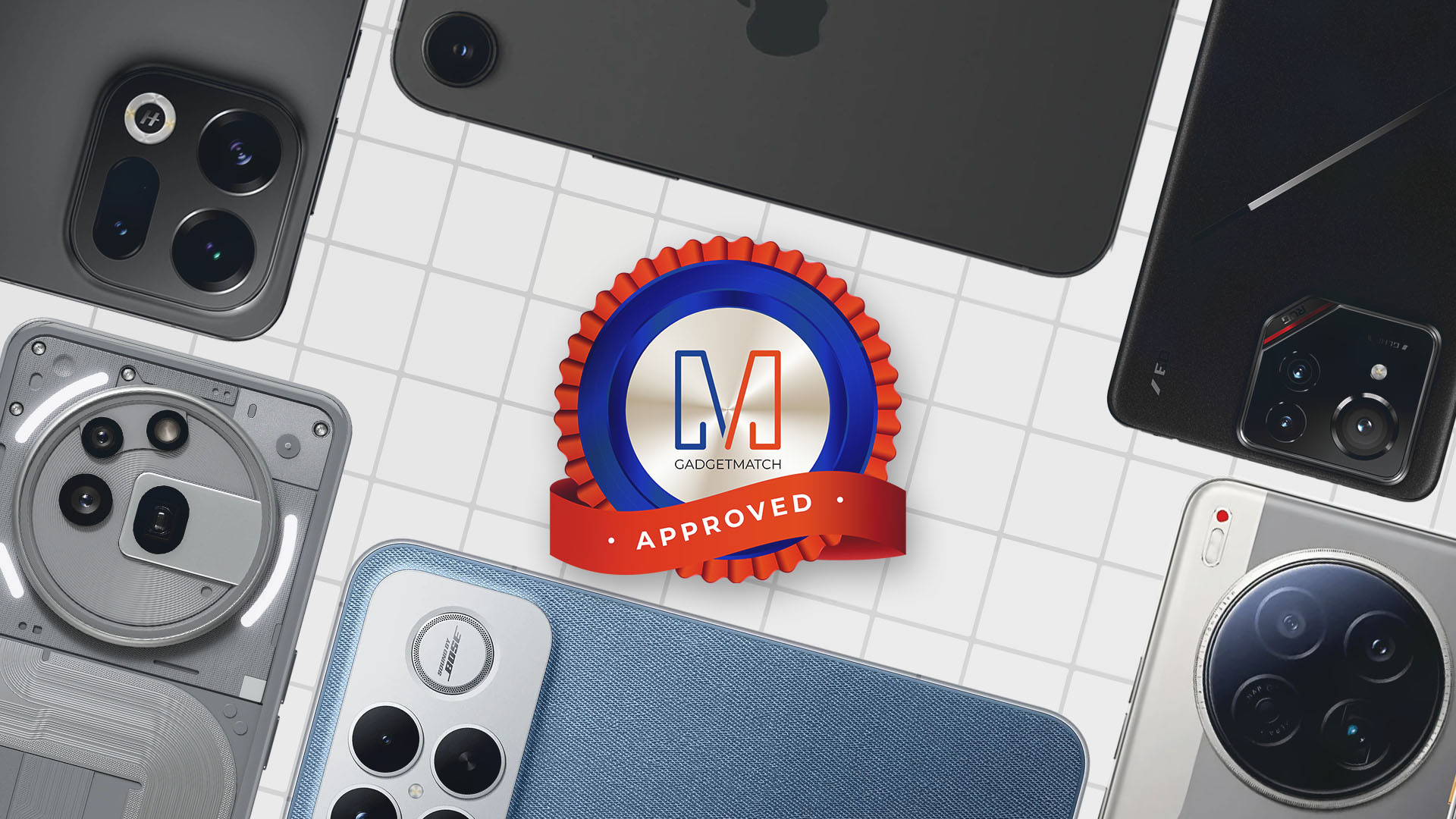
It’s that time of the year again!
With the barrage of smartphones announcements here and there, it’s always been our good habit to round-up the greatest of ’em all.
Without much fuss, here are our GadgetMatch Approved Smartphones for 2025.
* This listicle has been arranged in a descending order — from the latest to oldest article published.
OPPO Find X9 by MJ

The OPPO Find X9 is like that teammate who shows up consistently and performs under pressure.
Its performance is nothing short of flagship‑level, and it’s ready to handle anything you throw at it. It’s not perfect. No other smartphone is. But the minor flaws do not outweigh its endurance, consistency, design, and flagship performance.
For anyone who wants a smartphone that keeps pace with your life, performs without complaint, and quietly gets the job done, this is your GadgetMatch. It also does more than look good and deliver excellent captures.
Samsung Galaxy Z Flip7 by MJ

The Samsung Galaxy Z Flip7 is the strongest version of the Flip so far. It feels like a phone that has gone through its own version of strength training, carrying subtle upgrades that form a noticeable transformation when you live with it every day.
It’s an easy recommendation if you are coming from older Flip models or switching from other Android devices. It even feels refreshing if you want to try something different from a slate phone like an iPhone.
People often assume that my lifestyle is better suited for the Galaxy Z Fold7 because of the volume of work that I handle. I thought the same.
Yet the Galaxy Z Flip7 surprised me by fitting my routines and the life I am building as I continue to grow into this new chapter.
It has the power of a flagship smartphone, cameras that let me document milestones, and a personality that blends effortlessly with mine.
vivo X300 Pro by Vincenz
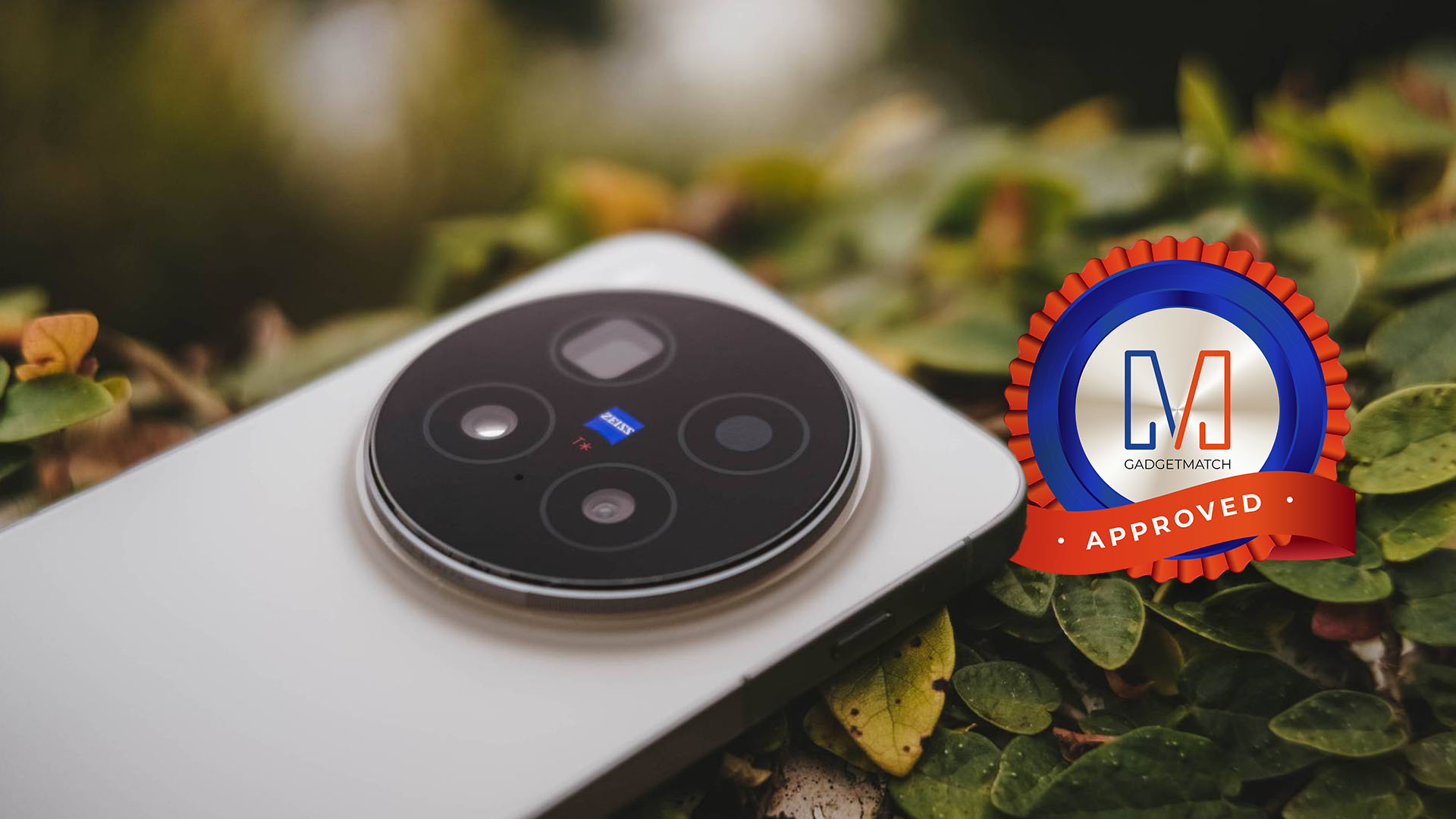
It seems like 2025 has already reached the pinnacle of smartphones: superior camera system, gargantuan battery capacities with long-lasting endurance, faster than ever performance, displays and speakers that truly satisfy one’s audiovisual cravings.
The vivo X300 Pro is a great embodiment of that. Not only you get the best in class cameras, the smartphone itself is just a refined version of a smartphone that was already superior to begin with.
And if you’d ask me, the asking price of EUR 1099 / MYR 4699 / PhP 77,999 is more than justified — unlike how some brands aggressively slap overpriced tags on their barely flagship offerings 
POCO F8 Ultra by Rodneil
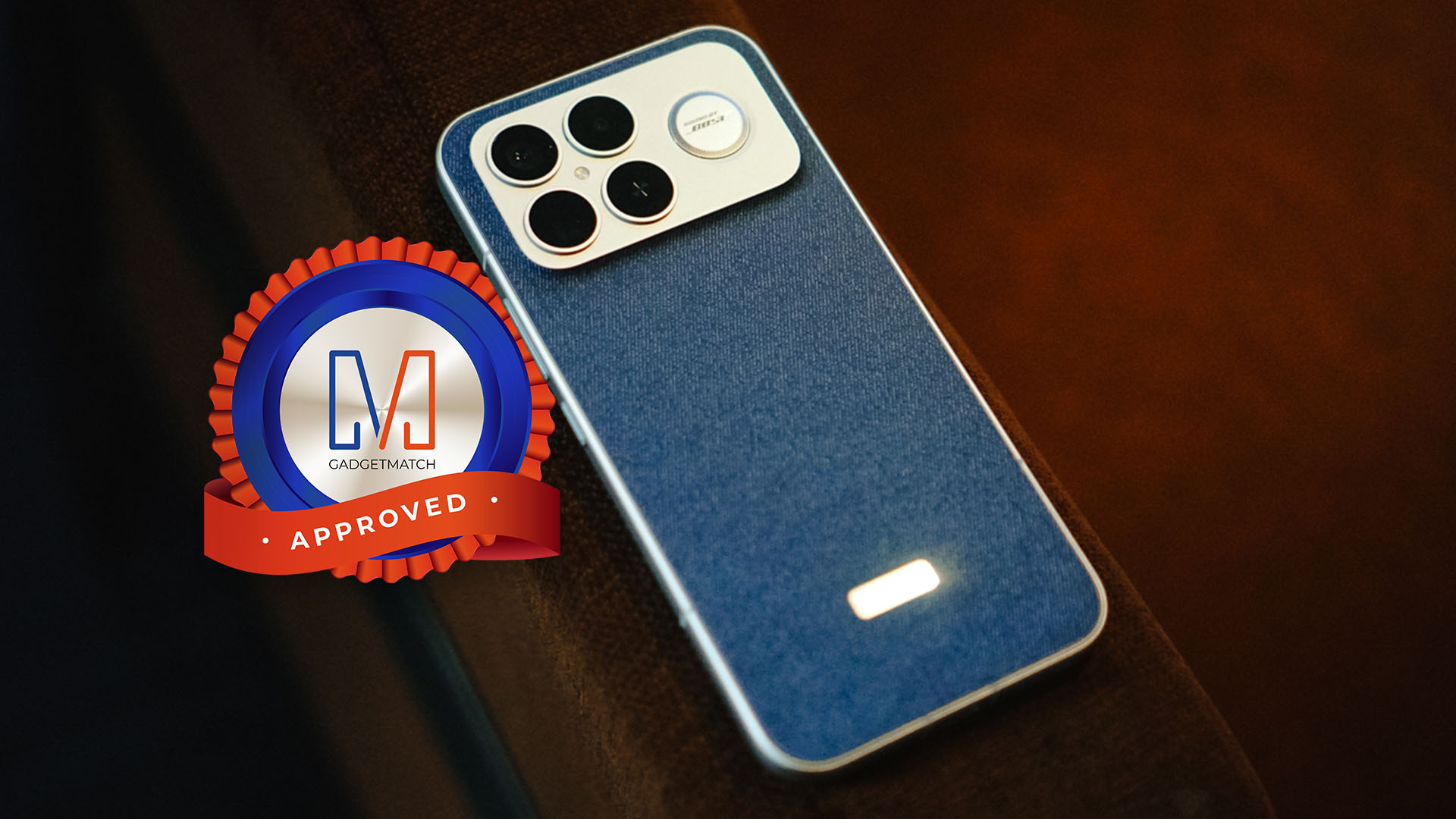
The POCO F8 Ultra sits in a tight spot. It wants to be the phone for users who want flagship performance without paying flagship prices — and it largely achieves that.
The F8 Ultra is what I’d call an achievable aspirational flagship: the kind you can actually buy without feeling like you’re stretching too far, while still enjoying the feeling of owning something premium.
For a lot of people, that’s exactly the sweet spot.
vivo X300 by Rodneil
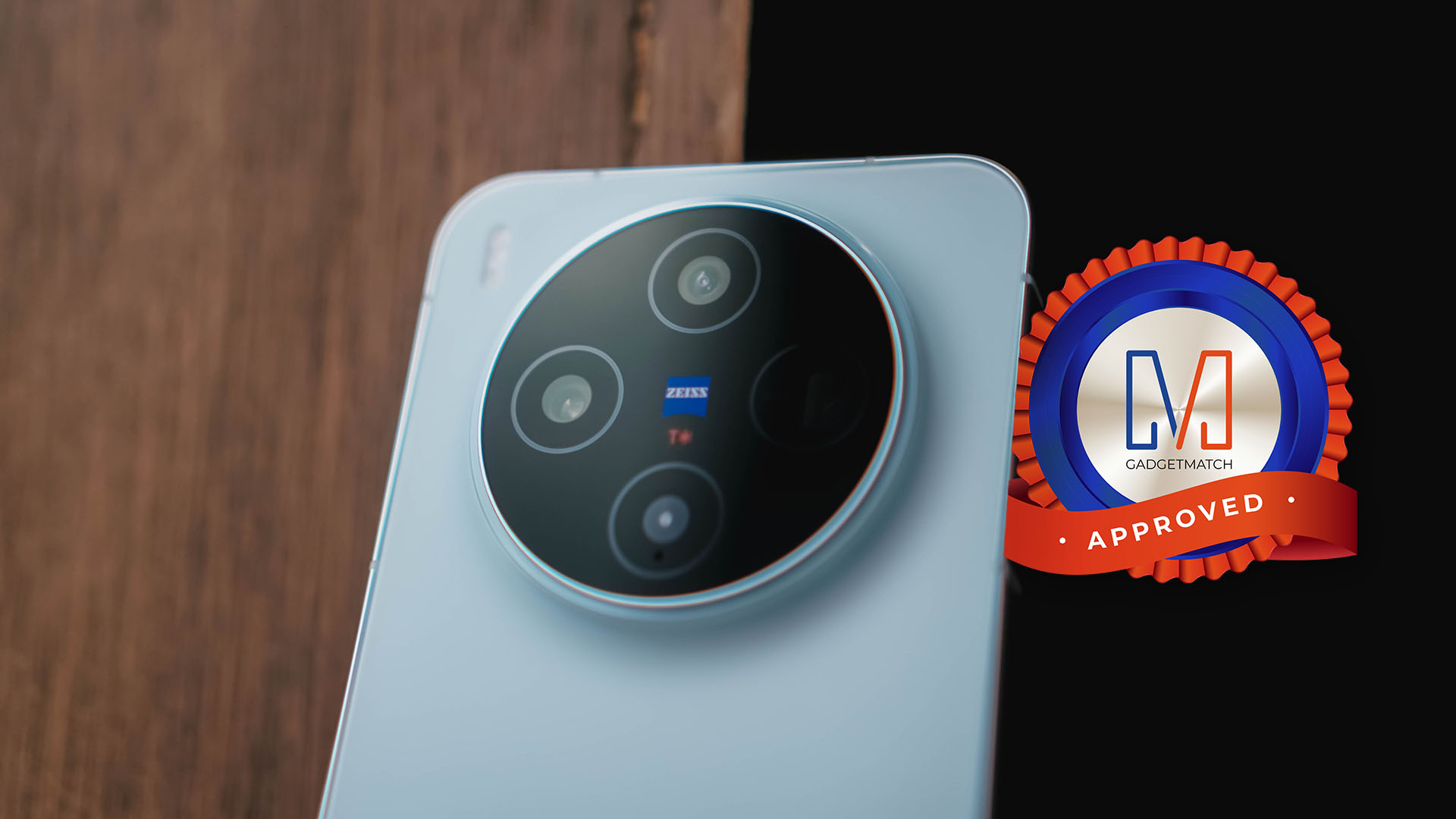
The vivo X300 isn’t trying to be the best multimedia phone or the best gaming phone. It doesn’t have the biggest screen or the loudest speakers. But none of that overshadows what it does so well.
It captures life with accuracy, confidence, and a sense of honesty that I value more than numbers on a spec sheet. The smartphone’s cameras handled a tech event, a bowling alley, a dim cinema, and the small moments in between with equal reliability. It became the phone I trusted to document my day — even on shoots where I normally rely on a mirrorless camera.
The vivo X300 is the point-and-shoot I’ll always carry. It is a compact flagship that simply shows up and captures the moments that matter.
vivo X200 Pro by Vincenz

Not only do you get a fully capable and THE BETTER camera system with a monstrous periscope zoom, you get the best in pretty much all aspects you want in a modern-day smartphone: premium design, durable build quality, captivating display, powerful speakers, snappy performance, consistently speedy charging, and a long-lasting battery.
Thus, it’s also safe to say that this is still one of 2025’s best and most underrated flagship smartphones out there. This also means you can buy the vivo X200 Pro now at a slashed price than what it was initially offered during the start of 2025.
iPhone Air by Michael Josh

I used the iPhone mini for the rest of 2021. And back then, I thought it was a pocket-sized phone that I wanted. Perhaps, what I really needed, was to be unencumbered by phones that just seem to be getting bigger and heavier.
The iPhone Air is the phone I didn’t think I needed until I first picked it up. I actually do love the iPhone Air very much and planning it to use for the rest of the year.
Samsung Galaxy Z Fold7 by Michael Josh
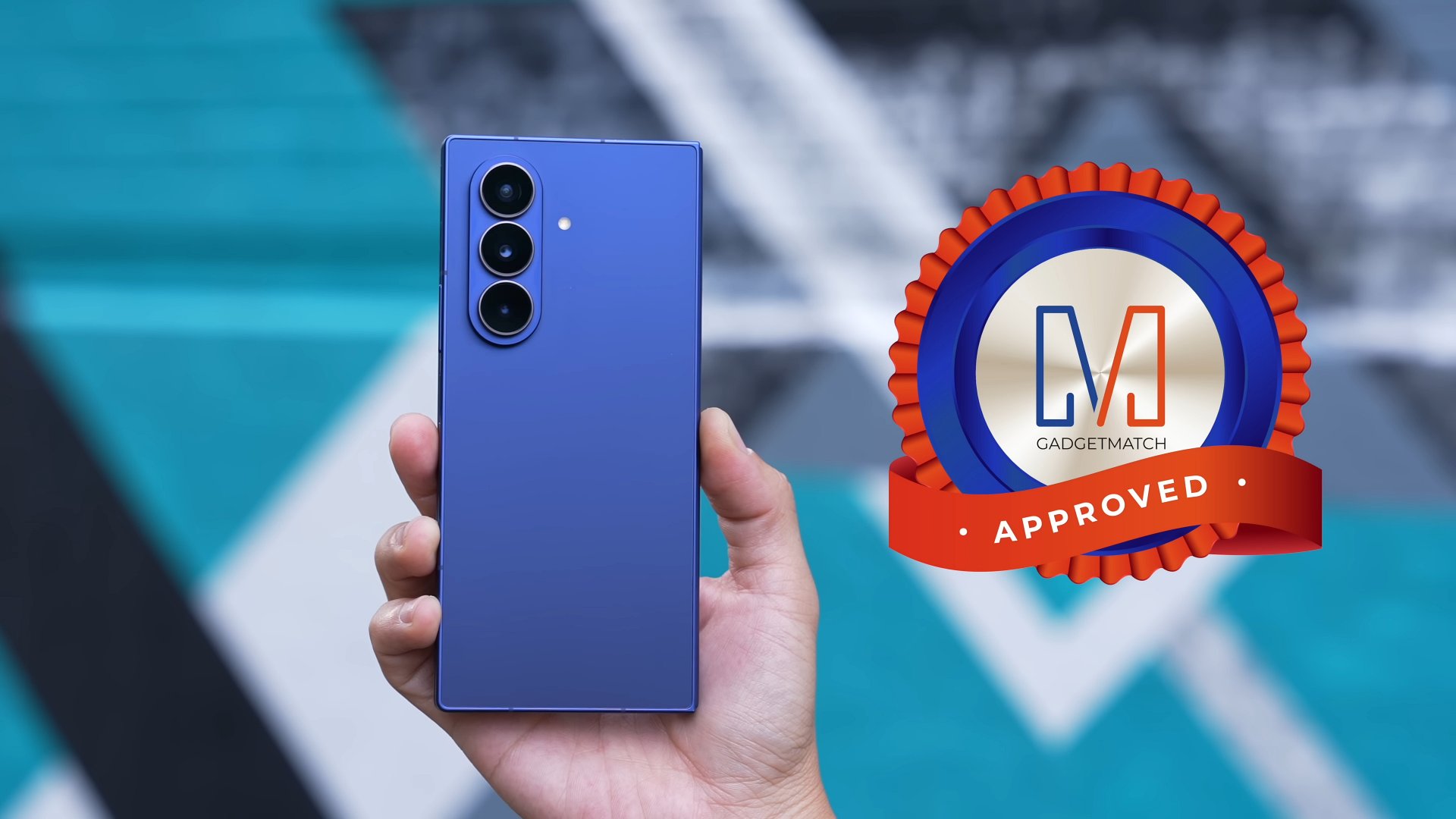
Let’s face it! Samsung has a winner on its hands. They’ve made a super-slim foldable that weighs less than an iPhone 16 Pro Max. But, opens up into an 8-inch tablet. It’s got an excellent main camera, superb battery life, and is backed up by a close partnership with Google.
If you’re in the market for a foldable smartphone, the Samsung Galaxy Z Fold7 is your GadgetMatch.
HONOR 400 by MJ
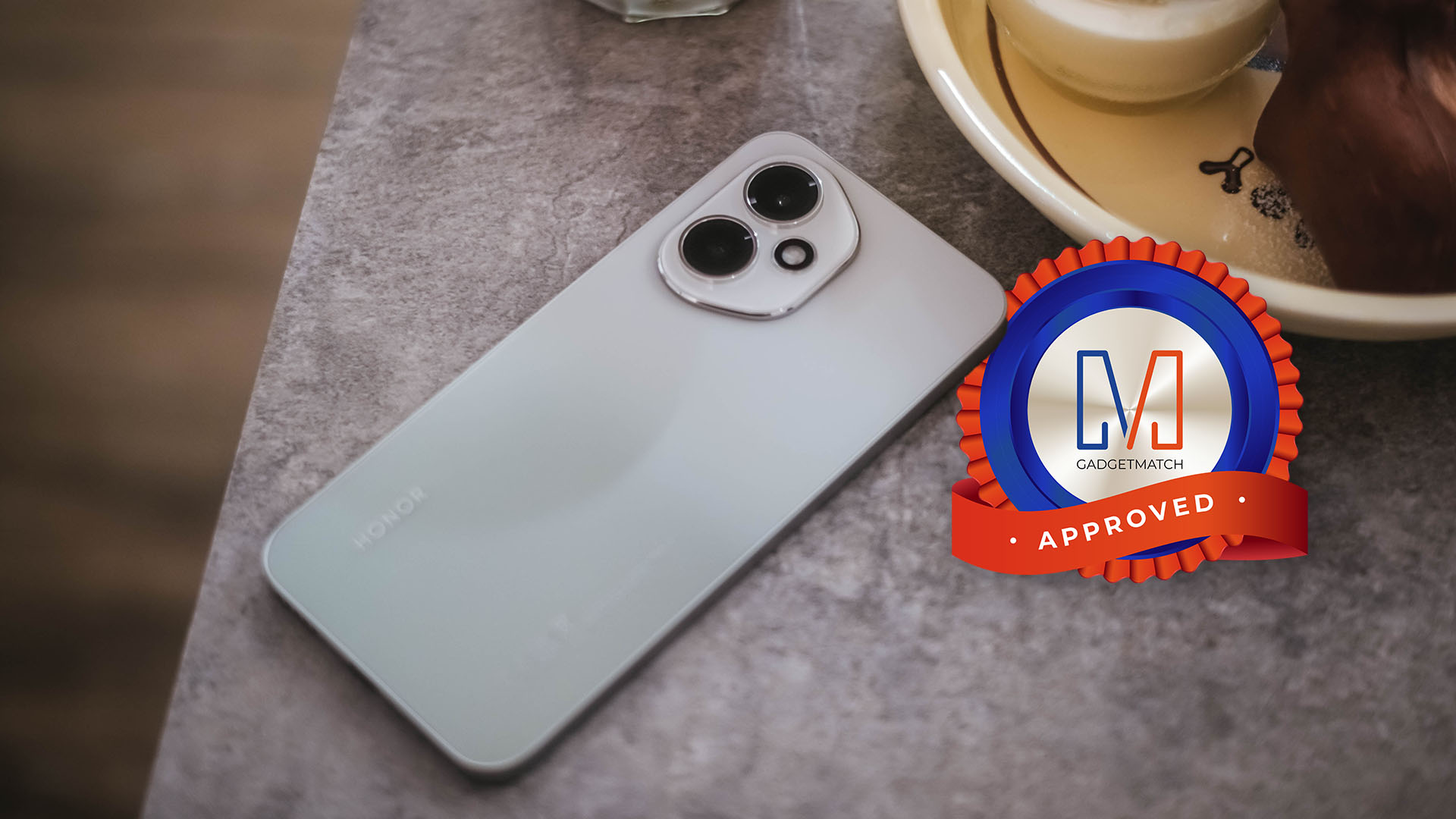
The HONOR 400 isn’t trying to be a flagship killer. It’s trying to be your favorite everyday phone and honestly, it might just succeed.
If you love taking real, emotional, and unfiltered portraits of people, then, this phone is worth your attention. With an exceptional camera, and emotionally-driven AI features, it’s like having a portable portrait lens in your pocket.
Add to that a sleek design, reliable performance, a battery that goes the distance, and HONOR’s fast 66W charging, and you’ve got a midrange phone that does more than it should, for less than you’d expect.
It’s more than just a solid, midrange smartphone we’ve always known. It’s also a smart, creative companion for everyday storytellers and sentimental souls.
TECNO CAMON 40 Premier by Vincenz
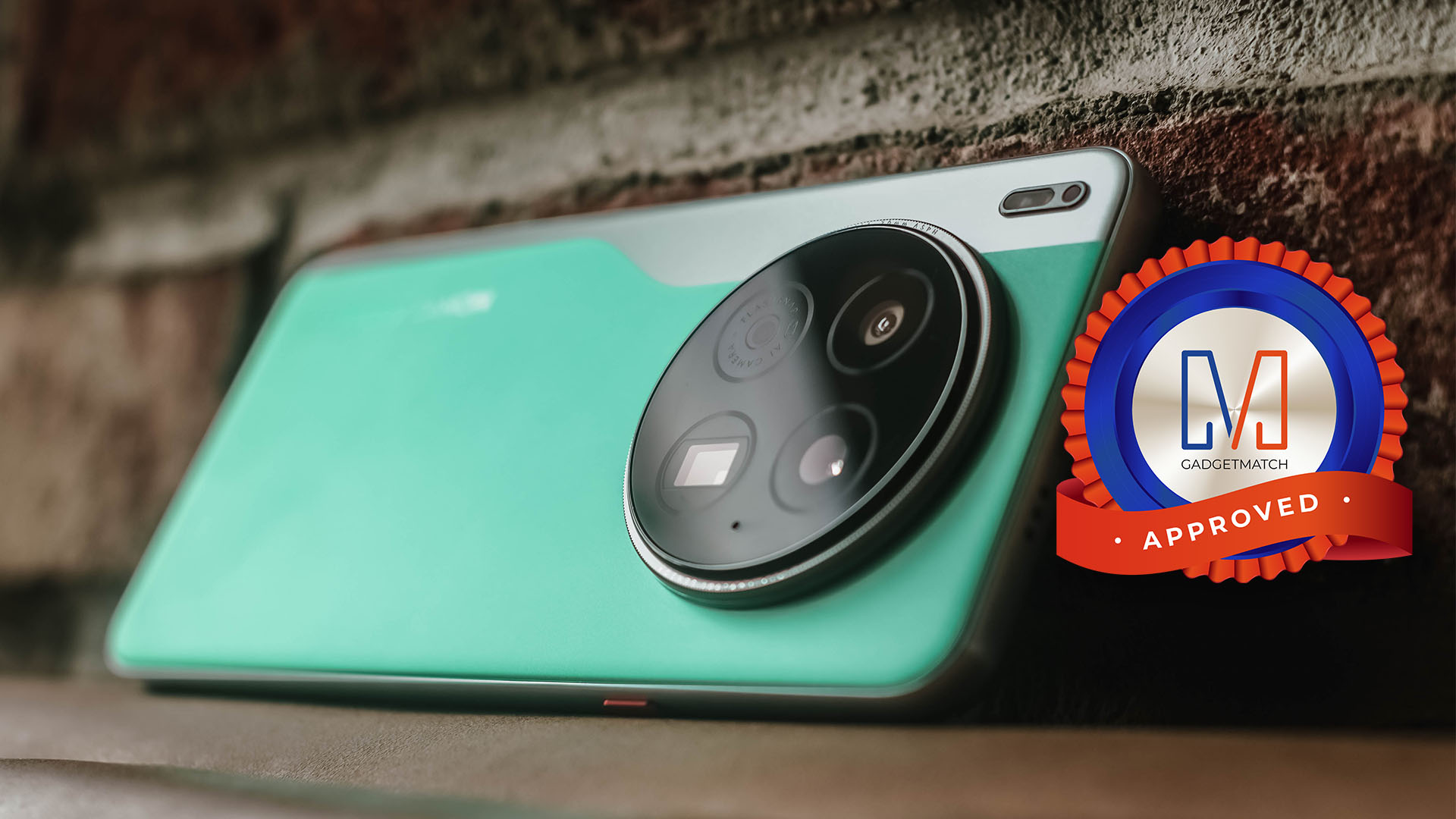
At this point, “flagship killer” is an overstatement. Other phone brands should fear that such a “midrange destroyer” exists. It’s just hard to resist this marvelous midranger for all the compelling package it offers.
Although its plastic back and slightly downsized display size might be an issue to some, that “compromise” actually contributed to a better handfeel. Couple that with a chip upgrade, excellent imaging system, and even crazier dual IP rating, what more can you ask for?
And unlike the CAMON 40 Pro 5G with a bunch of questionable downgrades, the Premier model didn’t compromise a lot.
With a competitive price of just PhP 21,999 (around US$ 395) in the Philippines, the CAMON 40 Premier is a true blue midranger. And it’s worth more than its total value.
Infinix NOTE 50 Pro 4G by Vincenz
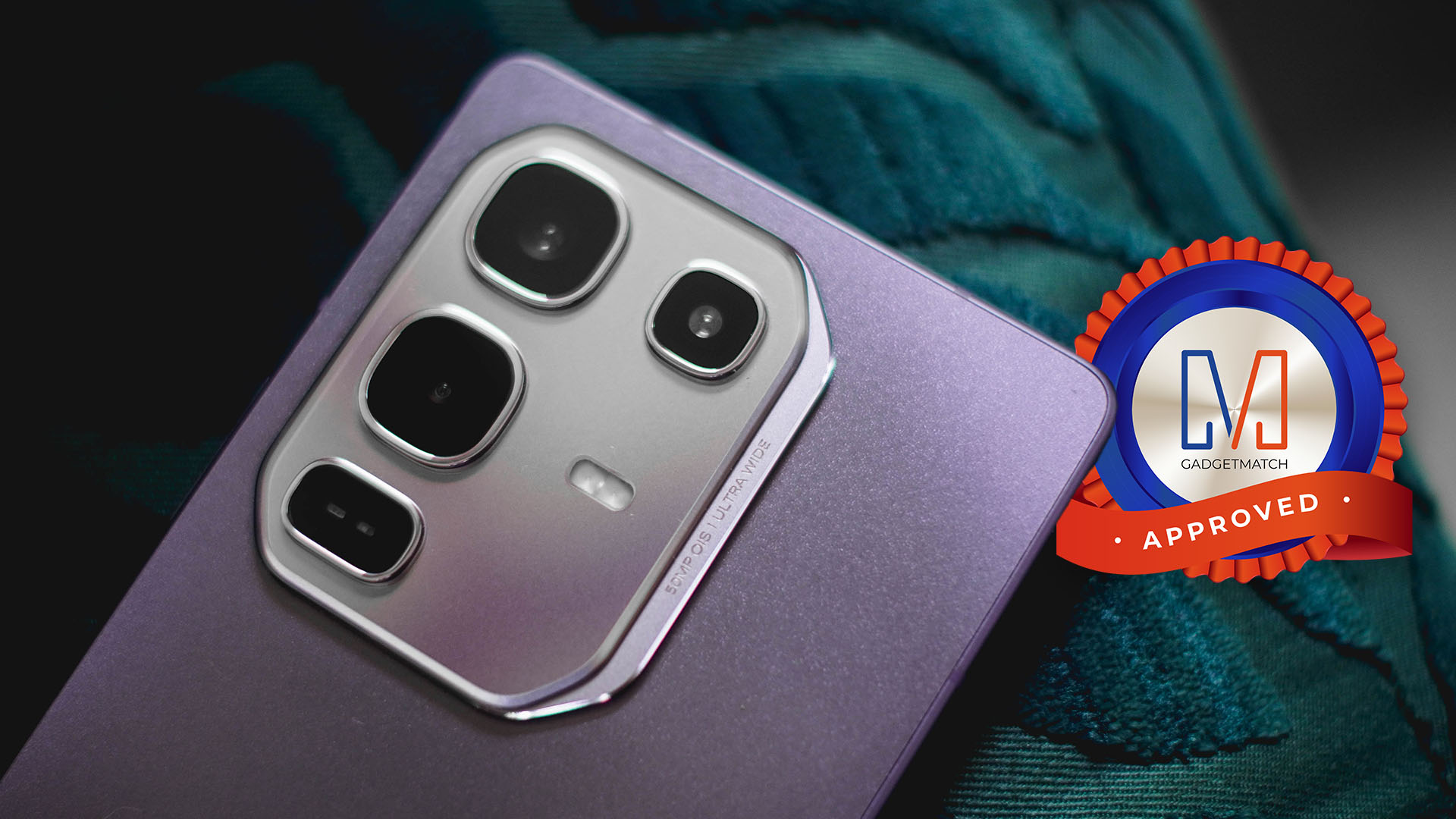
The Infinix NOTE 50 Pro, despite what it lacks, it’s still a very compelling and competitively-priced phone just for everyone to resist.
Although Infinix did skip an older Dimensity chip in favor of a newer Helio SoC, you still get notable performance improvements more than what entry-level 4G smartphones did from the yesteryears.
With its performance prowess, speedy charging and reliable battery, host of upgraded software + AI feats, an overall solid and sturdy phone, and a complete package including a supplied wireless charging pad, it’s simply one of the best budget phones you can buy right now.
nubia Neo 3 GT 5G by Levi

All things considered, the nubia Neo 3 GT 5G delivers on solid and steady gaming on an incredibly competitive price of PhP 12,999 (~ US$ 228), as its company intended it to be. Plus, all of its other features can make you say you’re getting your money’s worth on the device.
If gaming is all you’re going to do on a smartphone, then this option is worthy of a look. And even for non-gaming functions, this phone is an upgrade from basic utility phones. You can do a bit more multi-tasking on this device if you’re going to make this your daily carry.
OPPO Find X8 Ultra by Michael Josh
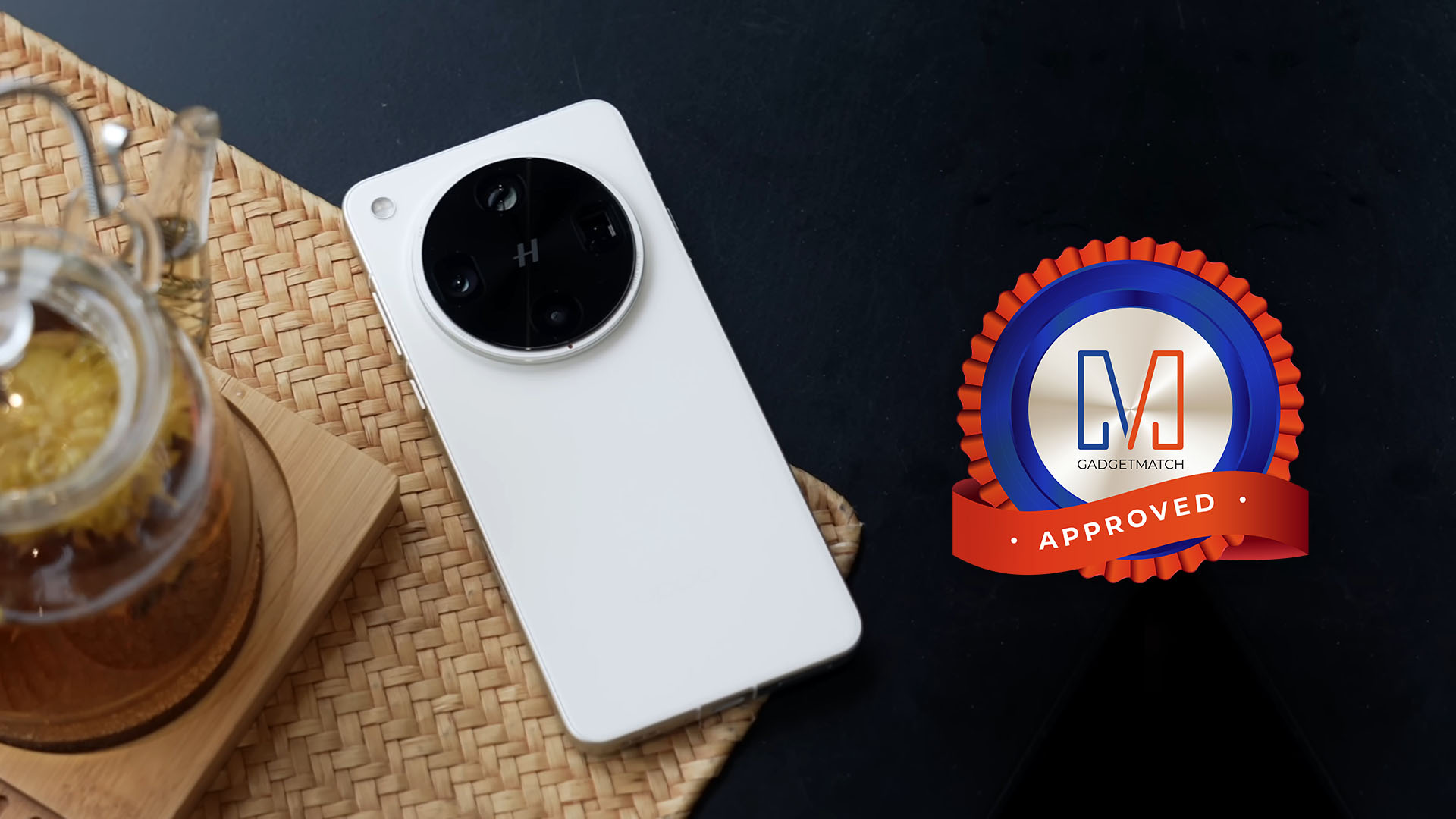
The OPPO Find X8 Ultra stands as a testament to what companies outside of our Western bubble have to offer. A showcase of how amazing a phone company OPPO is, and what it’s capable of.
Although it has one big and unfortunate caveat of being a China-exclusive phone, it still has got the best of everything you could ever want in a smartphone — including some of the best smartphone cameras ever made.
It’s just a shame that most people, apart from those who watch review videos, won’t even know that.
Infinix NOTE 50 Pro+ 5G by Levi

If you’re going to spend a huge chunk of your time with the Infinix NOTE 50 Pro+ 5G for gaming, there’s no doubt it will perform well.
It’s an easy Super Swipe especially for gaming regulars who want to upgrade from budget and lower-midrange devices, as well as those who have been using Infinix devices before.
And even if you’re just a casual user, for its price and all the gravy you’re getting, like AI enhancements, 4.5G technology, and charging tech that’s not present on other manufacturers’ offerings.
TECNO CAMON 40 Pro 5G by Vincenz
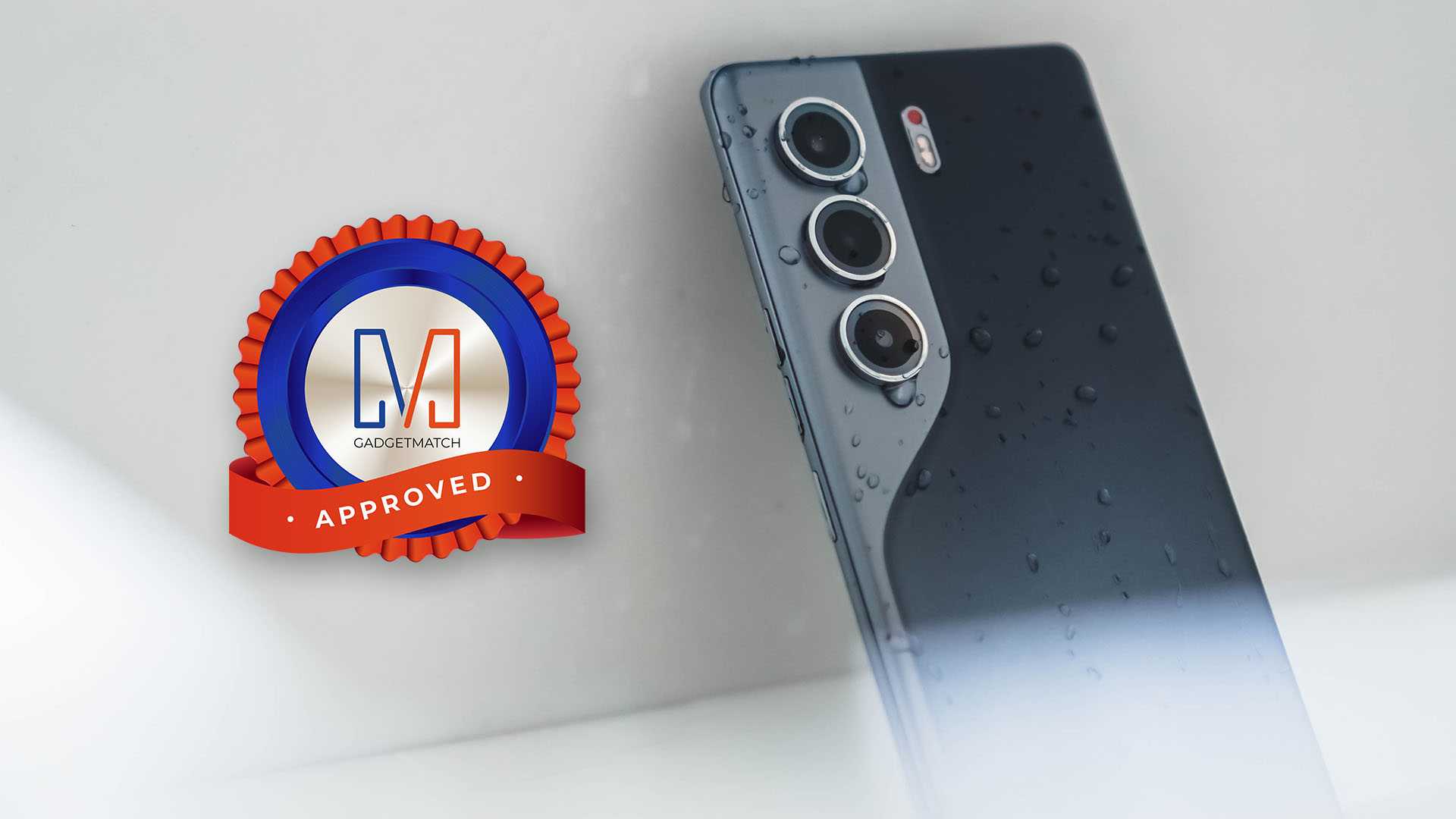
The downgrades of the TECNO CAMON 40 Pro 5G I’ve mentioned are quite debatable: from charging speeds to the chipset, even the ultra-wide lens used. The removal of the bundled tempered glass? Not so much.
Personally, those downgrades aren’t shortcomings. There are honestly more things to rejoice such as a sexier design, dual IP rating, grippier bundled case, bigger battery, brighter and even smoother display, One-Tap button, FlashSnap feature, better Sony LYT-700C main sensor, and even a greater OS with AI features that make more sense than before.
With an already teased MSRP, backed by the combination of a reliable hardware and revamped software, together with TECNO’s continuous persistence in delivering smexy phones for the masses makes the CAMON 40 Pro 5G a worthy recipient of GadgetMatch’s Seal of Approval.
vivo V50 by Vincenz
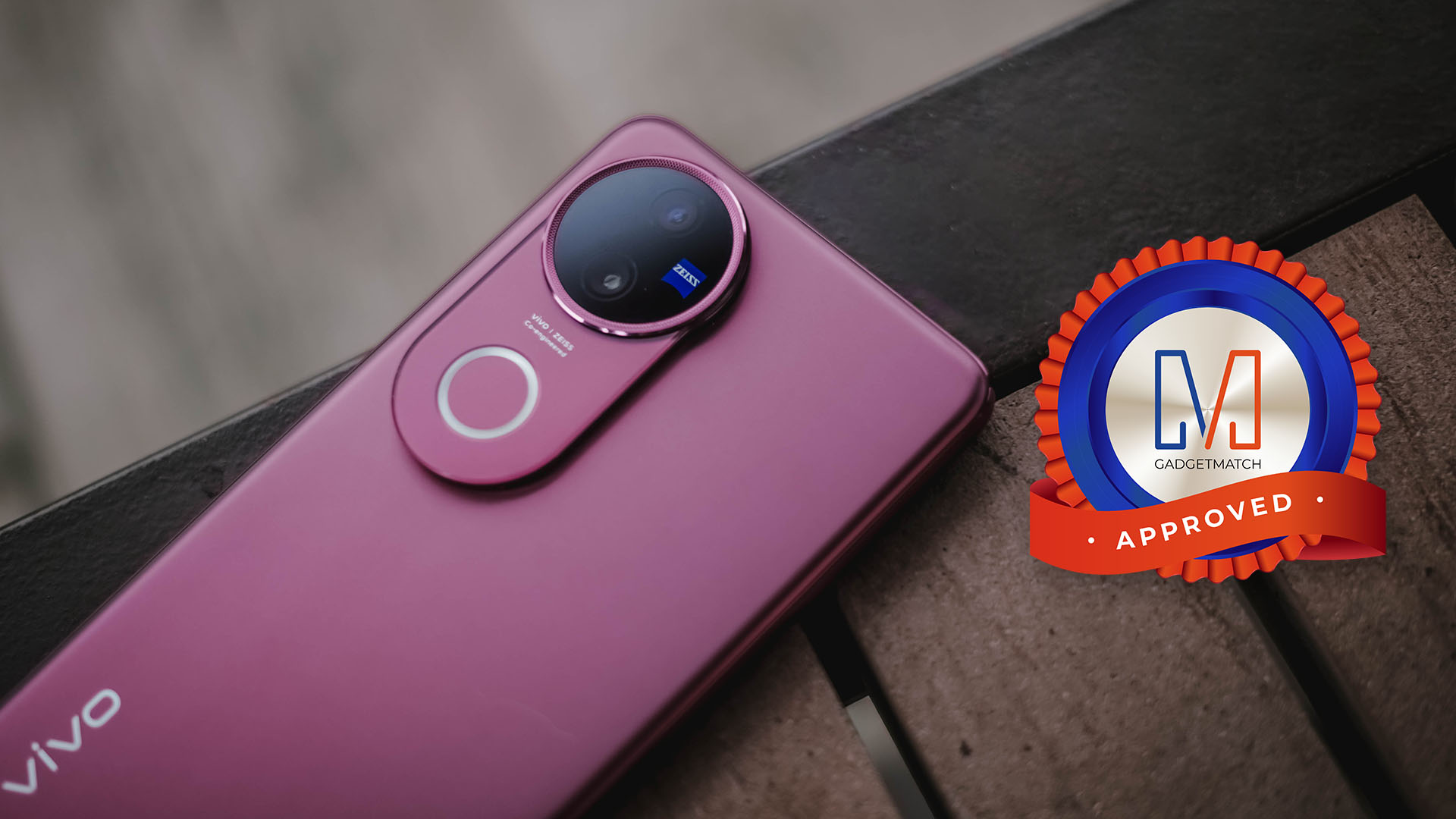
For all the special feats the V50 possesses, it’s simply a unique phone. It’s understandable how vivo wanted to deliver this type of phone to niche users in such a vast and saturated market.
vivo bringing the ZEISS treatment to the midrange class isn’t something we should brush off lightly. It’s a bold move to bring all the imaging mastery in such a midranger — which barely felt mid at all.
Pair that with its one of a kind Aura Light feature, it’s a smartphone you just cannot ignore.
POCO F7 Ultra by Rodneil
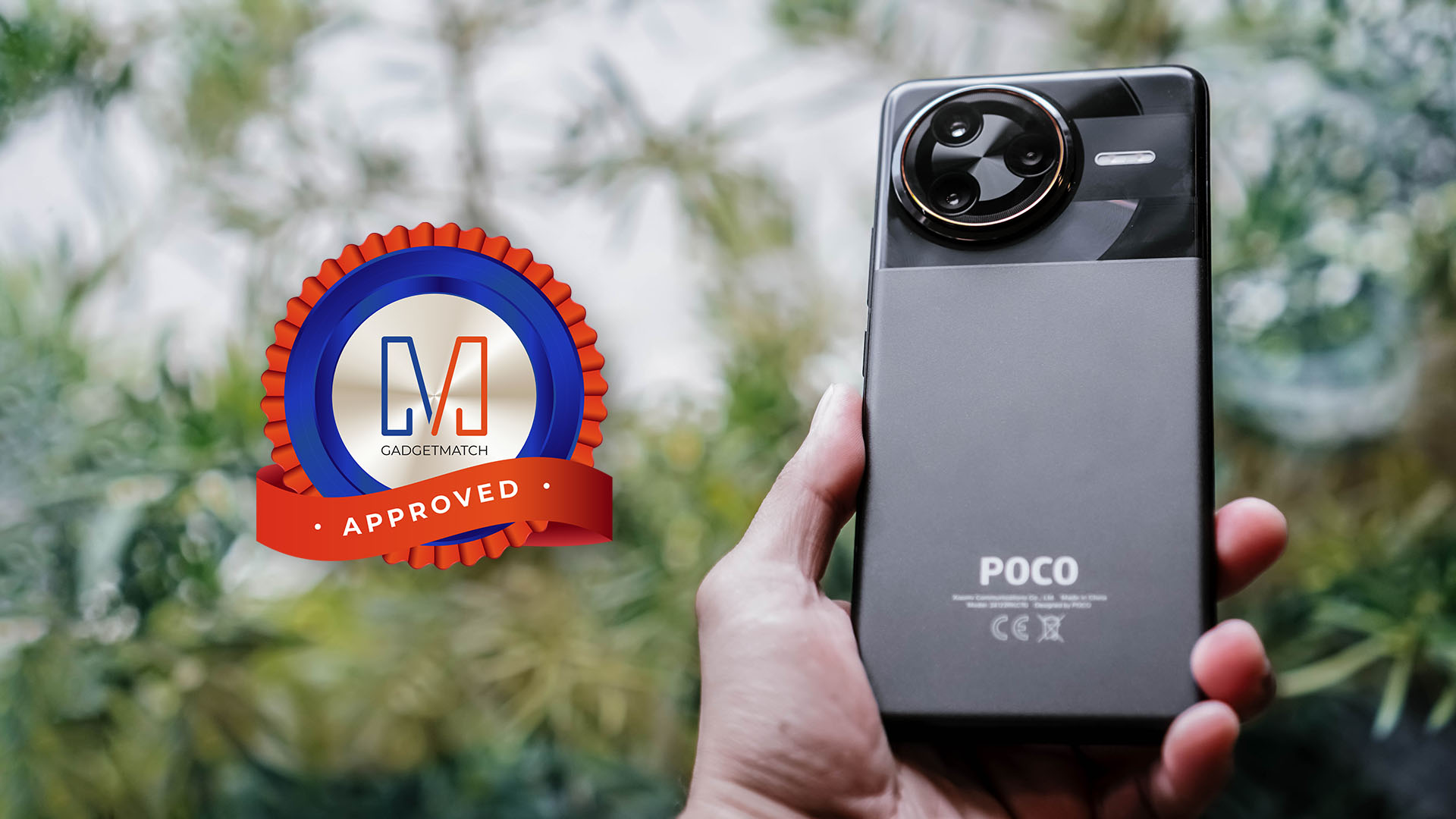
The POCO F7 Ultra is a true blue flagship device. You get excellent value for what you’re paying and that has usually been the case for POCO.
It also has all the makings of a legitimate flagship device. It’s powered by the same chip as the likes of the Samsung Galaxy S25 Series, HONOR Magic7 Pro, OnePlus 13 Series, OPPO Find N5, and many others. Performance-wise, POCO’s latest and greatest sits alongside these heavy hitters.
As an overall package, you get a decent-sized slate smartphone that works and plays as best as any other flagship, with improved cameras, and a lightweight body that’s easy to carry around.
realme 14 Pro+ 5G by Levi

The improvements may seem just incremental if you’re coming off the realme 13 Pro+ or even the realme 12 Pro+. Ditto if you’ve already been using a GT series device, or any other competing brand in the upper or premium midrange category.
But if you’re coming from the realme 11 series or even below, then it’s a Super Swipe. As I’ve mentioned, This is as good a midrange device can get in March of 2025.
It also has a strong case for Swipe Right for those coming from the lower midrange segment. You can enjoy a ton of useful features on this handset, beyond it being a camera-centric offering.
It’s a capable and reliable midrange smartphone offering that’s timely for how manufacturers want to position their products nowadays.
ROG Phone 9 Pro by Luigi
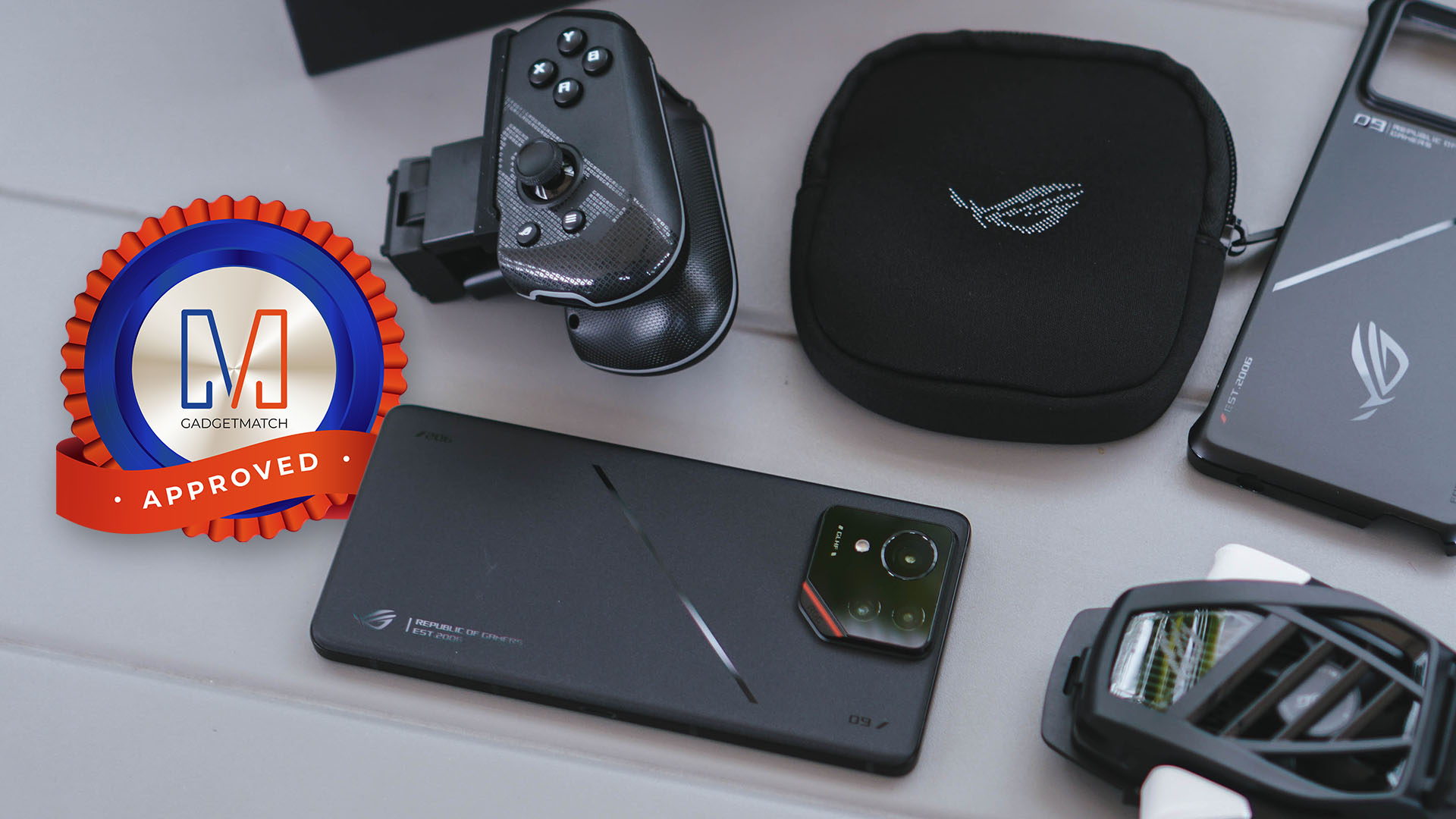
The ROG Phone 9 Pro is proof that you don’t need AI to create an impressive flagship. The phone packs in an absurd amount of technology, punctuated even further by a creative dot matrix screen. Even without a fold or an aggressively pushed AI, this gaming phone can wow both the general user and the hardcore mobile gamer.
Personally, the ROG Phone 9 Pro is still a Super Swipe for me. If you’re looking for the best specs in a smartphone today, this new gaming phone has all of that and more. Though the price might turn away most users, it’s still worth the price of admission.
Nothing Phone (3a) + (3a) Pro by Michael Josh

There’s plenty to love about Nothing as a company. And a lot of it has to do with its brand’s ethos — rooted in thoughtfulness and how it values good design.
The Nothing Phone (3a) series is just that. A well-rounded midranger that punches above its price point. Both in terms of looks and the overall experience.
Apple iPhone 16e by Michael Josh

The iPhone 16e is more than just a phone for texting or calling. It’s packed with enough power to see you through many, many years of upgrades. And with enough battery life to see you through a full day of use.
Whereas in the past, the iPhone SE did feel like a phone with some compromises, the iPhone 16e definitely feels like a phone that delivers on the e-ssentials. Hits the sweet spot everywhere it matters. And like they said in their launch videos, it brings the iPhone 16 e-xperience to even more people.
OnePlus 13 by Michael Josh

I’ve long been a fan of OnePlus dating back to their early days — and a lot of that has to do with their commitment to offer a flagship experience for less.
While the Samsung Galaxy S25 Ultra has better cameras, better sound, and an S-Pen, the OnePlus 13 has the same powerful processor, an even brighter display, and super-fast wired and wireless charging. Plus, an ecosystem of accessories, from power banks to magnetic chargers.
You’d be hard pressed to find a better deal than what the OnePlus 13 offers.
HONOR Magic7 Pro by Rodneil
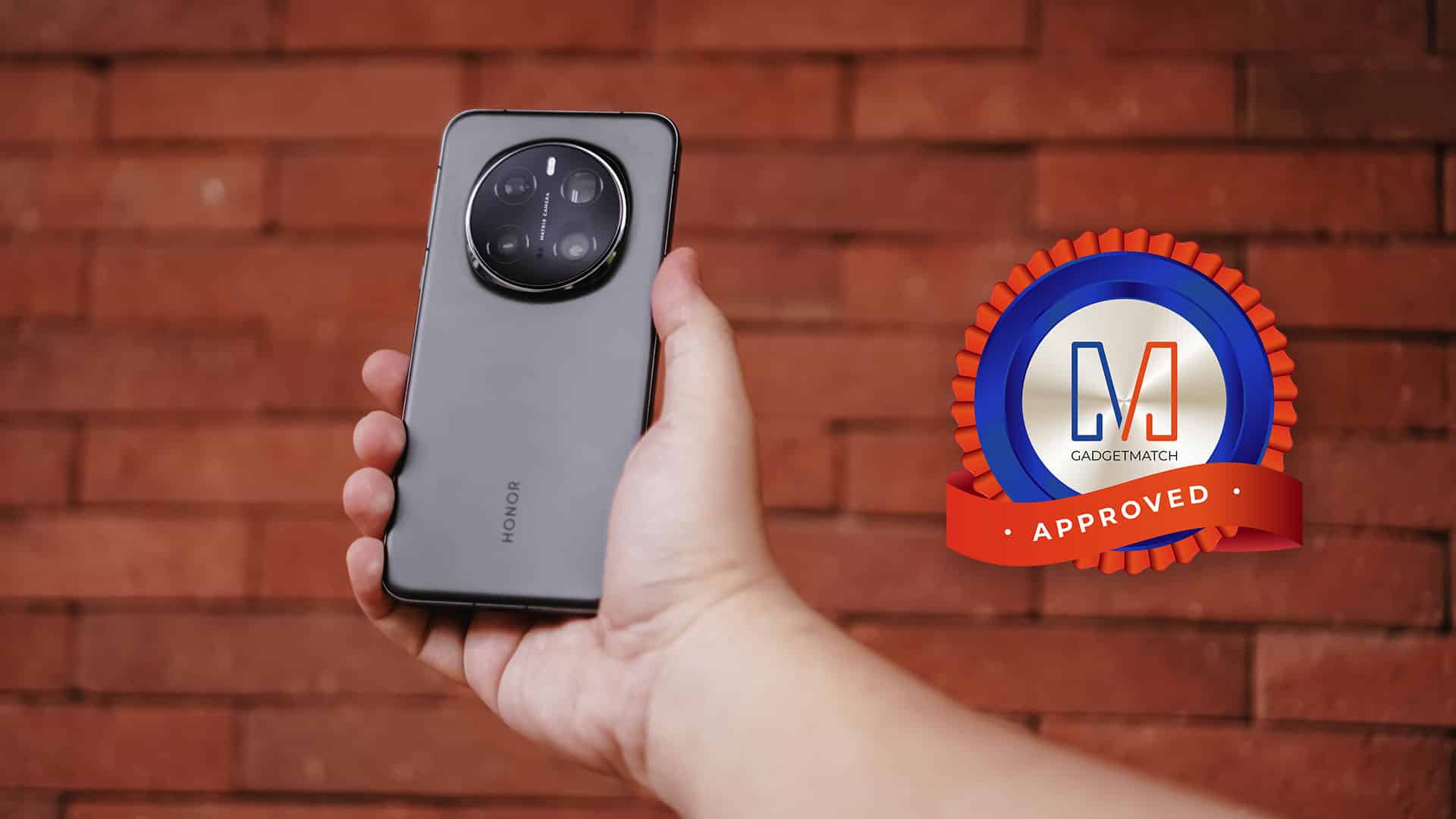
The HONOR Magic7 Pro is a well-rounded flagship smartphone. It takes the best parts of its predecessors and learns from the other smartphones in HONOR’s lineup that came before it. What you get is a finely-tuned companion that finally delivers on its AI promise while making remarkable improvements in mobile photography.
The only reason to Swipe Left is if you have absolute loyalty to competing brands. Otherwise, it’s a confident Swipe Right. Especially for anyone willing to take a risk on something new.
All told, the HONOR Magic7 Pro kicks-off 2025 with a flagship smartphone that has a design identity while still making notable improvements.
vivo X200 by Vincenz

The vivo X200 seems like the “sweet spot” for those looking for a very capable camera in your pocket without going overboard in one’s budget. That while still keeping the flagship-grade hardware and better than ever software features that the V40 Pro lacks.
Even without the “Pro” branding, the vivo X200 is still Pro-grade in most aspects. It deserves a spotlight of its own and shouldn’t just be hiding in the shadow of its bigger brother. It’s a beast that needs to be unleashed in the wild.
Blog
The GadgetMatch Team’s Favorite Picks of 2025
Looking back at the devices that stood out in our everyday use!
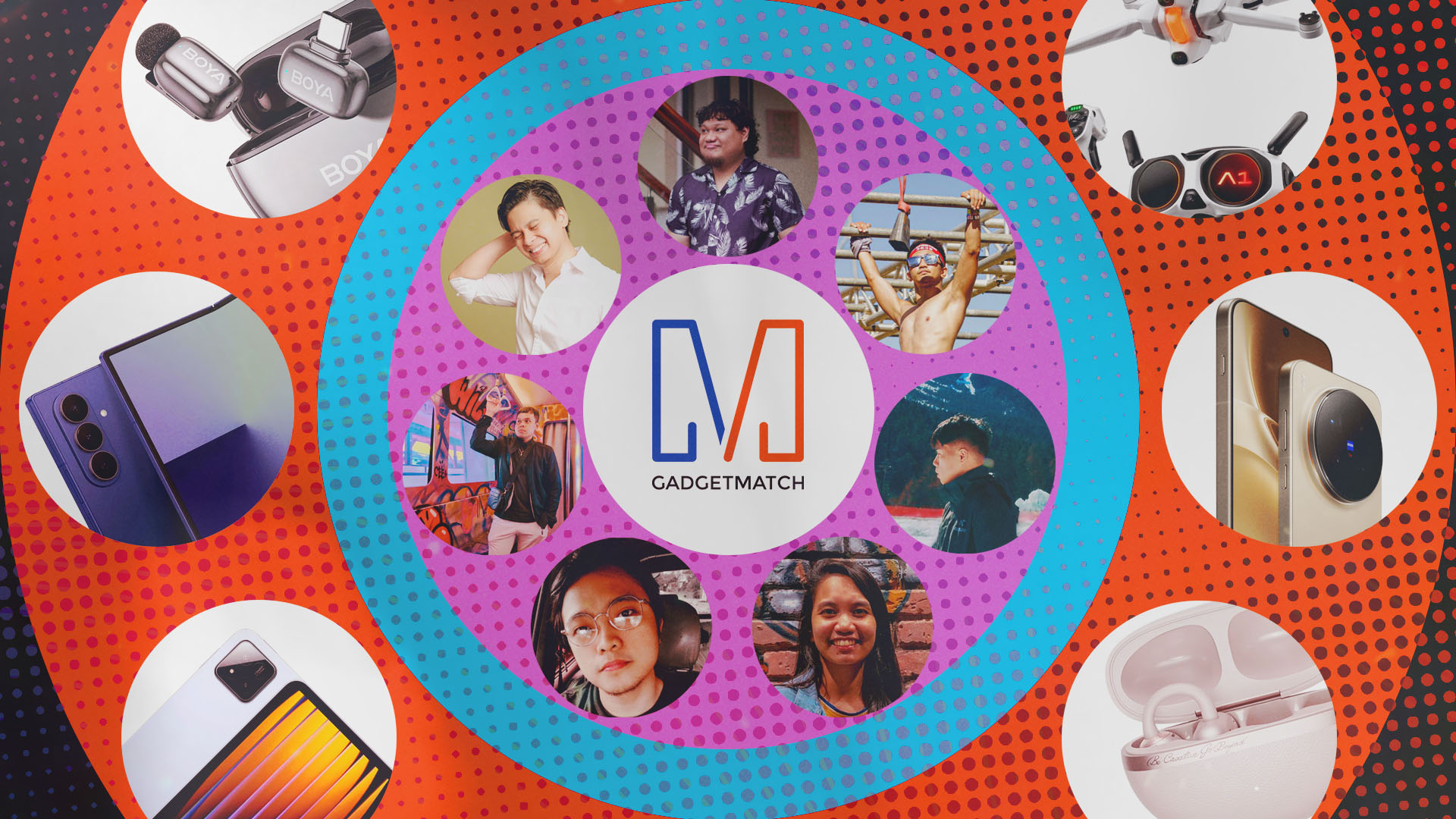
As the year comes to a close, we take a moment to look back at the devices that stood out in our everyday use.
This roundup of gadgets are what genuinely impressed the team behind our reviews and stories. These are the devices we relied on and kept talking about, long after the embargoes lifted and the hype settled.
Each pick reflects personal experiences shaped by different priorities and preferences, but together, they form a snapshot of what mattered most in consumer technology this year.
“The phone I couldn’t put down”
Rodneil Quiteles: This is such a tough pick. Three gadgets really spoke to me in 2025. So, I’m shouting out two honorable mentions: The ROG Flow Z13 (2025) and the ROG Xbox Ally X. But the one I just couldn’t put down is the Samsung Galaxy Z Fold7.
The Galaxy Z Fold7 just really feels good to hold. The thinness, weight distribution, button placements… they’re all, dare I say, perfect. I was initially afraid to put a case on it as it might disrupt this feeling. Thankfully, PITAKA came through with just the right fit.
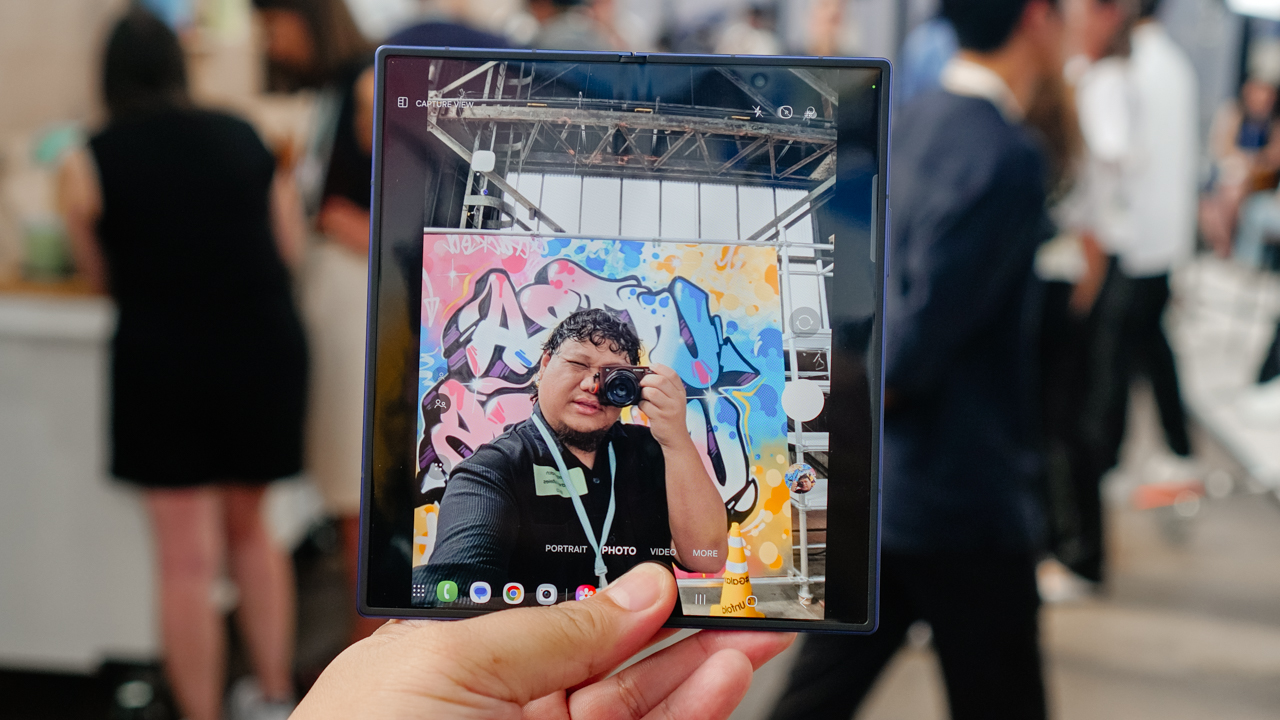
This is the best a Samsung Galaxy Z Fold has ever looked and felt. Of all the foldables I’ve touched so far – and I’ve touched quite a few – this has been my favorite to hold. I wouldn’t be mad if they kept this form factor for a few years… so long as they upgrade the cameras.
It’s great for casual browsing, fantastic for my productivity, and the interior screen is perfect for watching 4×3 aspect ratio content. It’s just flat-out a joy to use.
“Earned a place in my life”
MJ Jucutan: For an athlete, a device that accompanies me through sweat and long days easily becomes a top pick for a must-have gear in my arsenal.
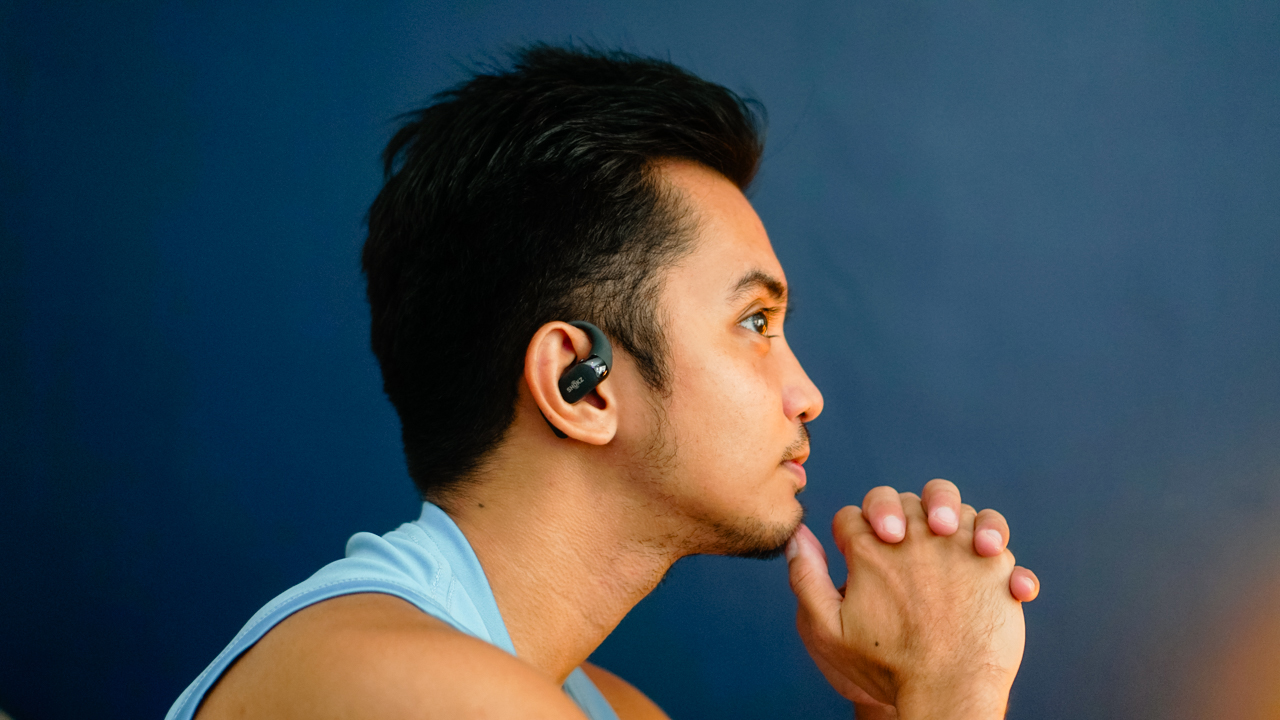
The Shokz OpenFit 2+ earned a place in my life longer than any other open-ear earbuds I’ve owned. Long enough that when I lost one pair, I got another. That alone tells the full story.
After all, it feels like a steal especially when you consider how much higher other open-ear wearables cost for similar quality.
“One thing I couldn’t really live without this year”
Luigi Leonardo: Before this year, I didn’t care about tablets. I’m too old to have been an iPad kid, and I’m too young to rely exclusively on a simple tablet. All of that changed when I met the Xiaomi Pad 7.
The Xiaomi Pad 7 is the one thing that I couldn’t really live without this year. More than just a big screen, the tablet was the best all-around device for practically anything.
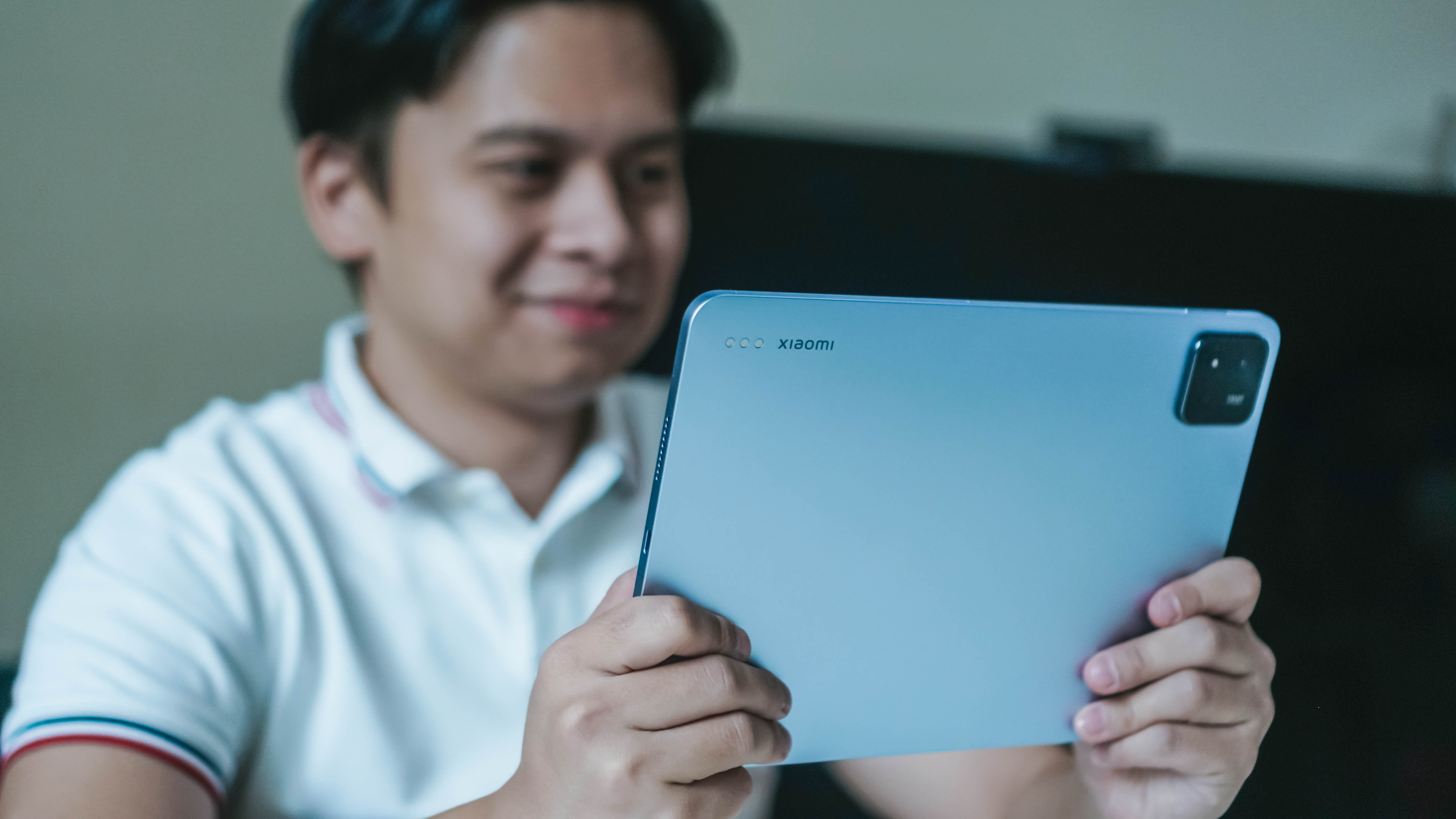
It was a travel buddy, a portable workstation, and a secondary screen for my home office.
On the outside, it’s so elegant in its minimalist design. It doesn’t attempt to wow with unnecessary features or gimmicks. Inside, it’s capable of everything I need in a tablet: hours of writing, streaming movies, and playing games. Oh, and the vast ecosystem of accessories, especially the Focus Keyboard, turns the Pad 7 from great to indispensable.
“A godsend daily driver”
Vincenz Lee: Despite being a hardcore camera guy, I never got to try any new mirrorless cameras this 2025. But that’s not to say I’m disappointed as camera-centric flagship smartphones keep getting better.
Even if I have used its older brother for 6.5+ months, the refinements made on the vivo X300 Pro simply makes it an irresistible, more complete package of an already superior smartphone to begin with.
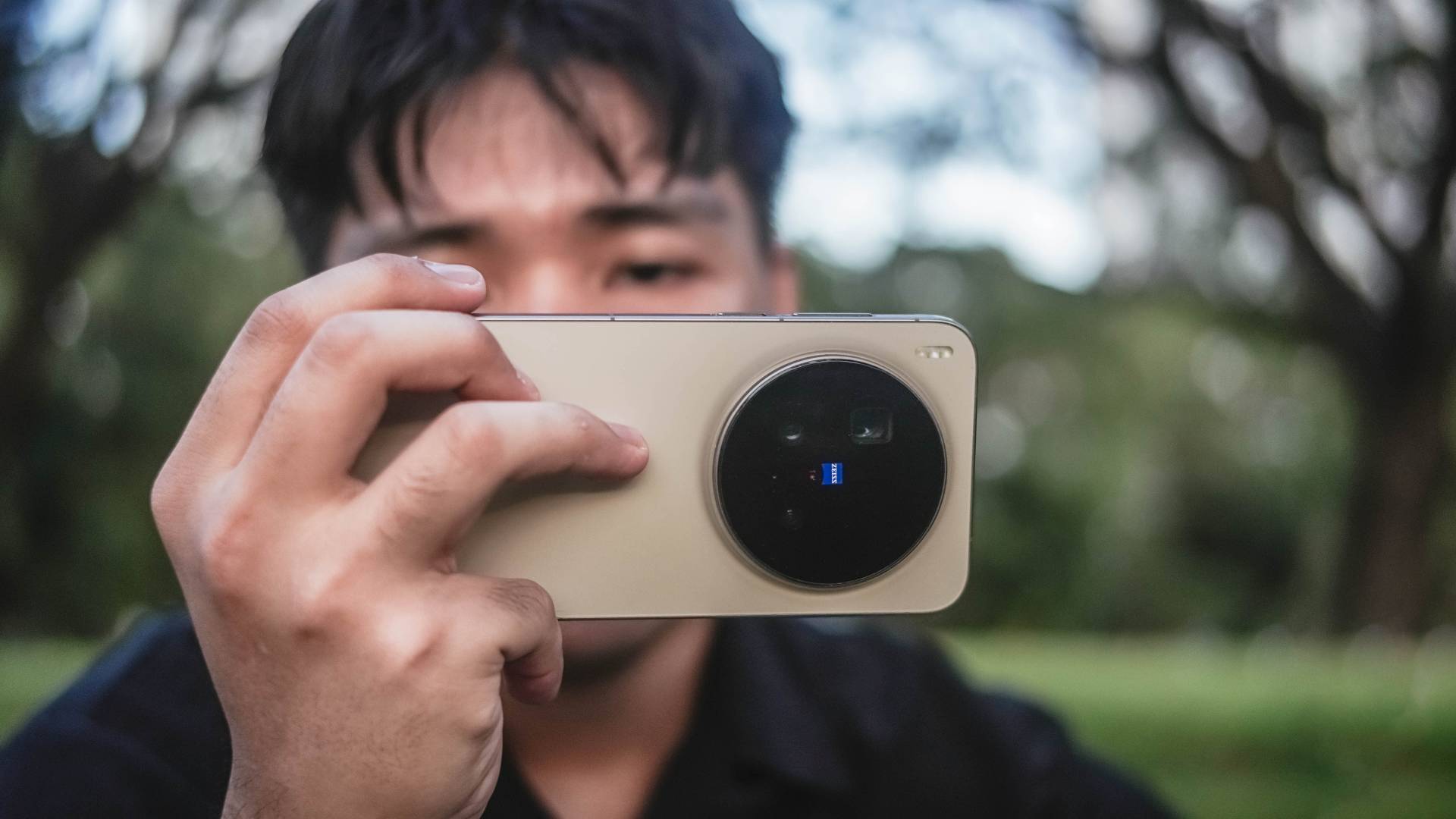
And by that, an even faster chipset, newer camera bells and whistles, additional Pro-grade improvements in video shooting, camera kit support (which I don’t have), and several more not present in its predecessor.
Although I am somewhat missing the former’s curvaceous body, subtle display curves PLUS the longer battery endurance, OriginOS 6 is a huge godsend for making me daily drive an Android phone not just for its overhauled phone look, more so with plethora of functions that wasn’t even there during its Funtouch crisis *coughs* vivo’s Office Kit addition for a long-time MacBook user like yours truly.
“Confidence in the air”
Deric Claveria: Some gadgets impress on paper. But this one impressed me when it came time to create.
The Antigravity A1 earns my confidence in the air. Movement is smooth, predictable, and easy to control, which lets me focus on flying instead of fighting the drone.
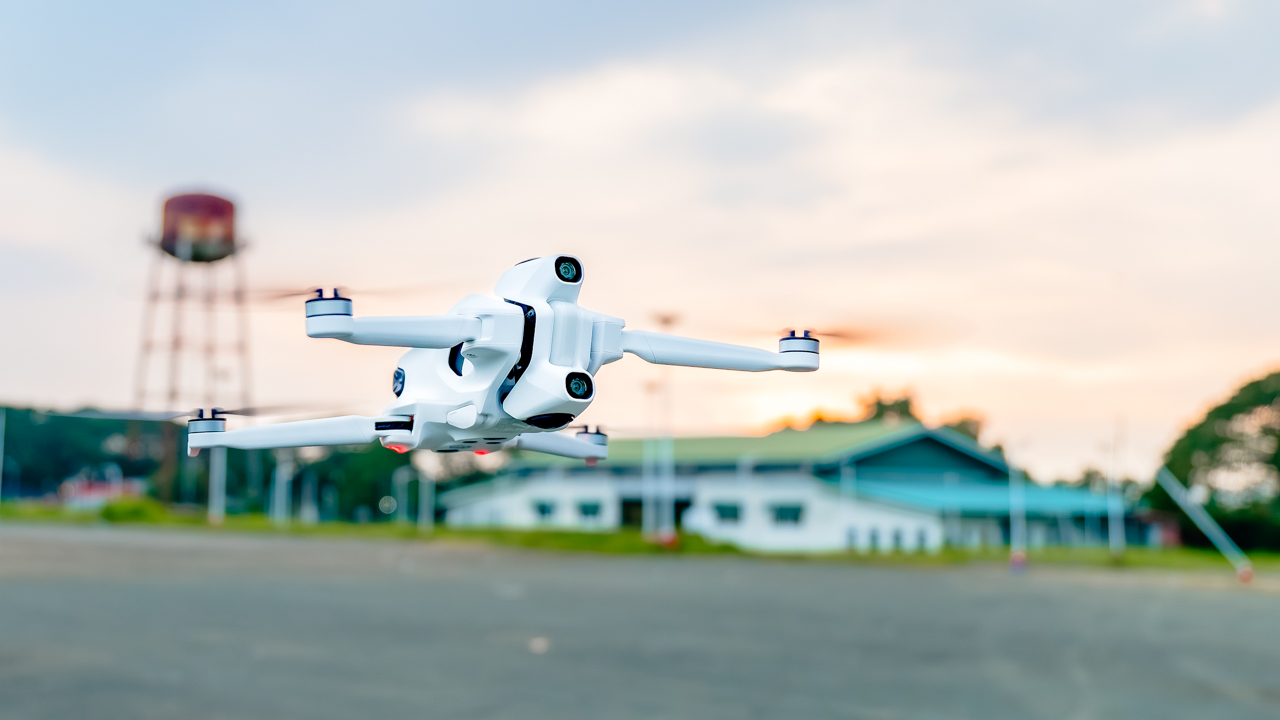
In good lighting, the camera delivers clean, detailed footage with enough flexibility for reframing and storytelling in post. It’s not about cinematic gimmicks, it’s about getting usable shots consistently.
“Sneaky good tool that doesn’t even cost a fortune”
Levi Verora Jr.,: As of the moment, the BOYA Mini 2 is my favorite gadget to use. Given how I do various slice-of-life content for my personal vlog, Manila Connoisseur, including voice-overs and talking head videos, it’s a sneaky good tool that doesn’t even cost a fortune.
I wouldn’t go as far as saying it produces studio quality sound but it does improve my overall audiovisual output. It’s a breeze to use it, and you can customize settings further via BOYA’s app.
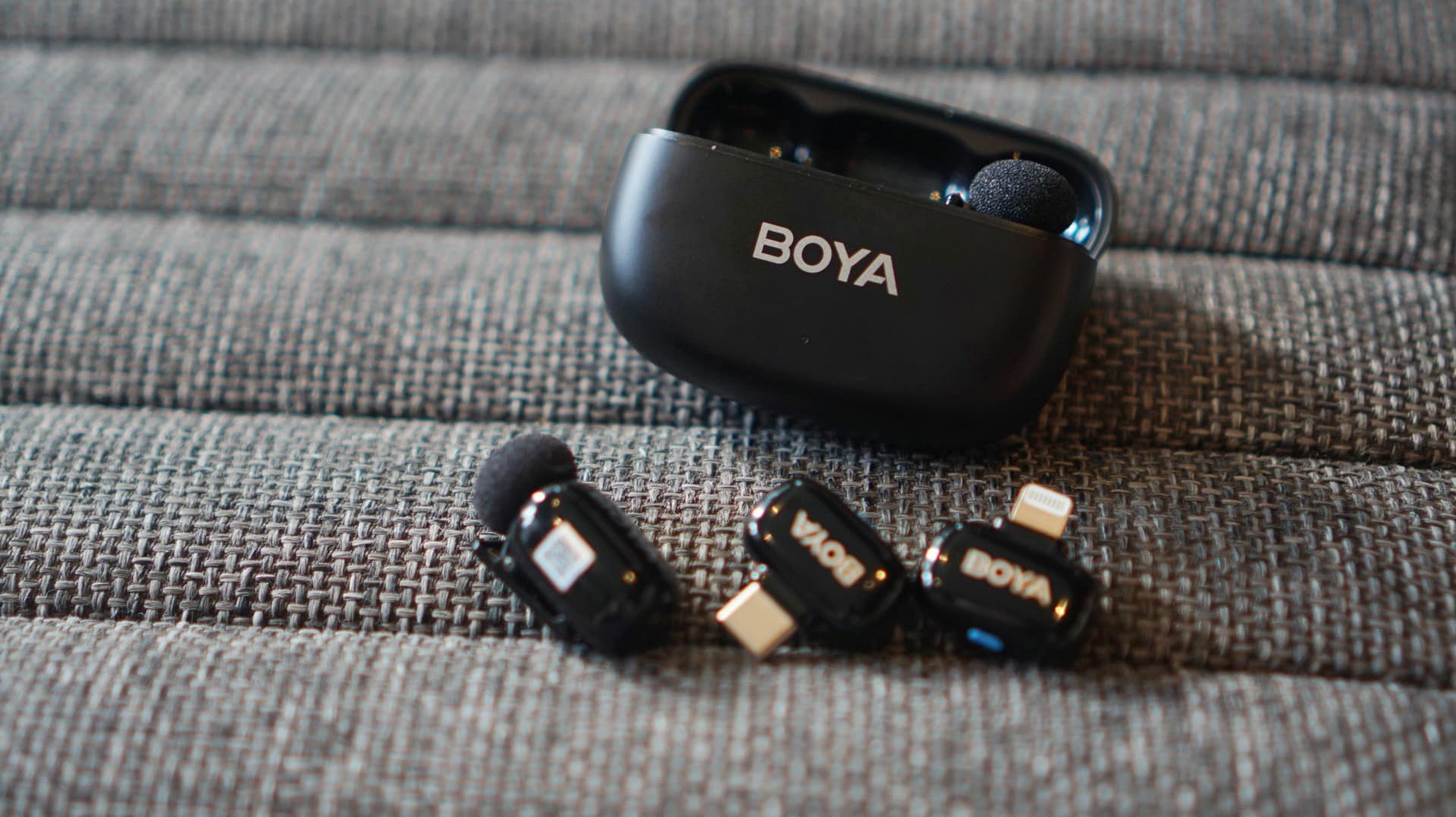
Noise cancelling also works wonders in various scenarios. Be it food reviews, quick interviews, and everything in between for emphasis, it delivers what it chiefly promises.
“The flexibility that matters in daily use”
Jeanne Penelope: I’ll admit, I was doubtful about open-ear sound quality, but the QCY Crossky C50 changed my mind. With a solid bass, it sounds better than some more expensive in-ear buds I’ve tried. And it stays put. Most of the time, I forget they’re even on.

What really sold it for me is the interchangeable left-and-right design. No fussing over which earbud goes where. And if one runs out of battery because I left it outside of the case (AGAIN), I can still use the charged one in whichever ear I want while maintaining stereo sound.
I usually go for the left as I hear more clearly on that side, so that flexibility actually matters in my daily use.
I have my Sony ULT noise-cancelling headset that has spoiled me with bass quality. But whenever I don’t need full ANC or just getting headset fatigue, the Crossky C50 is my go-to and daily driver.
A big thank you from the GadgetMatch Team
Taken individually, each favorite tells a personal story of how technology fits into our lives this year.
Viewed together, they reveal broader patterns in what worked and what truly delivered value beyond first impressions.
This collection is less about declaring universal winners and more about sharing honest perspectives from a team that lives with these products day in and day out.
As we move into a new year of launches and evolving needs, these picks serve as a reminder that the best gadgets are the ones that meaningfully improve how we work, create, and unwind.
From all of us at GadgetMatch, thank you for spending another year exploring technology with us, and we look forward to what’s next.
-

 Reviews2 weeks ago
The art of being in and behind the frame
-

 Gaming2 weeks ago
God of War Greek trilogy remake in development, Sons of Sparta out now
-
 India2 weeks ago
TECNO POVA Curve 2 5G packs an 8000mAh battery
-

 Gaming2 weeks ago
New Resident Evil Requiem trailer teases a return to the RPD
-

 Accessories2 weeks ago
Apple AirTag 2 Review
-

 Gaming2 weeks ago
John Wick, Kena sequel, more new games showcased at State of Play
-
 First Look1 week ago
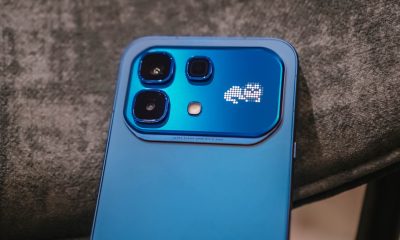
Match Pulse: Infinix NOTE 60 Pro
-

 Cameras1 week ago
Osmo Pocket 4 makes a surprising appearance in public