

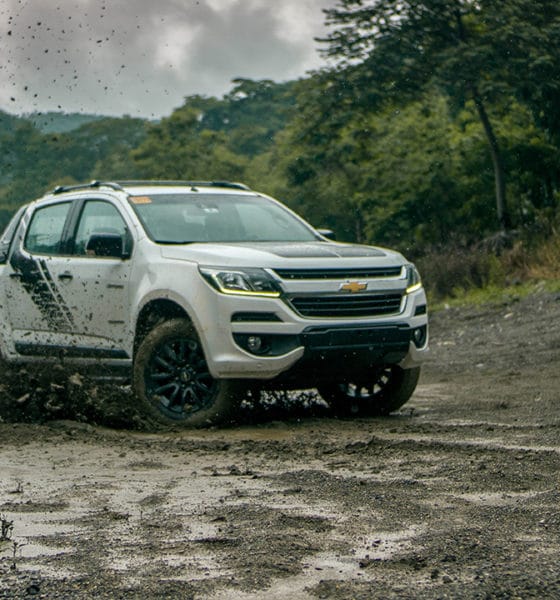

People say your choice of car reflects your personality.
Some like speed, others like high-end luxury, and some others will choose utility and fuel economy over the rest. For the adventurous and rugged guys like me who prefer trucks and SUVs over sedans, the choice is simple: high-performance trucks/SUVs that are tough and stunning to look at are usually the main criteria. I have been obsessed with trucks since I was young and grew up wanting to do nothing more than drive them.
One of my favorite trucks in recent years are the Chevrolet Trailblazer and Colorado ever since they came out in the Philippines around 2013. I’ve read reviews, watched videos, and went to car shows to see them. Though they were not the most attractive looking, they were the best in their class, especially in performance. The latest facelifted models, however, changed everything. It is now one of the most handsome looking SUVs/trucks you will see on the road today. With the rising trend and popularity of special edition performance off-road trucks, the Colorado had to come out with something of their own. Thus, the Chevy Colorado High Country Storm was born.
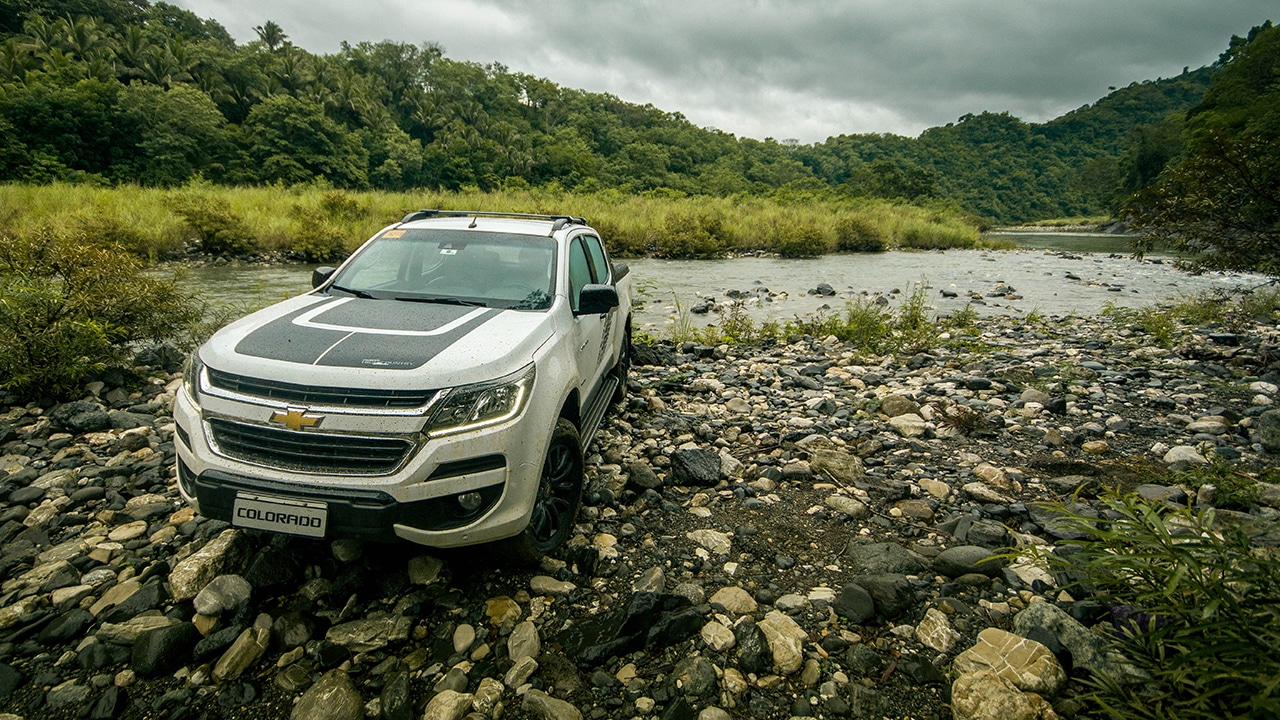
When this truck rolled up to pick me up, it immediately caught my attention even from afar. It was very good looking. You could instantly tell that this is not your ordinary Colorado. The first thing that caught my attention were its daytime running lights. It gave the truck such a fierce looking facade, making it look somewhat angry and aggressive. I then noticed the decals, its 18-inch blacked-out rims, the black Sport Bar, and a few body trims. All of them put together gave the truck a sporty and rugged vibe. This was what an adventure-mobile was supposed to look like — like a warrior painted for war.
We drove this truck for 60 kilometers to Jungle Base off-road trail in Tanay, Rizal. Driving it on the road, the first thing I noticed was how powerful the 2.8 Duramax engine was especially while overtaking. I felt the acceleration you would normally find in a car running on petrol and it consistently felt like it had more than enough power to get me anywhere on the paved road. The 6-speed automatic transmission with Active Select Manual was also impressive and shifted flawlessly, although tends to switch to a lower gear. I felt very secure and confident driving it on the long winding road, through thick fog and heavy rain.
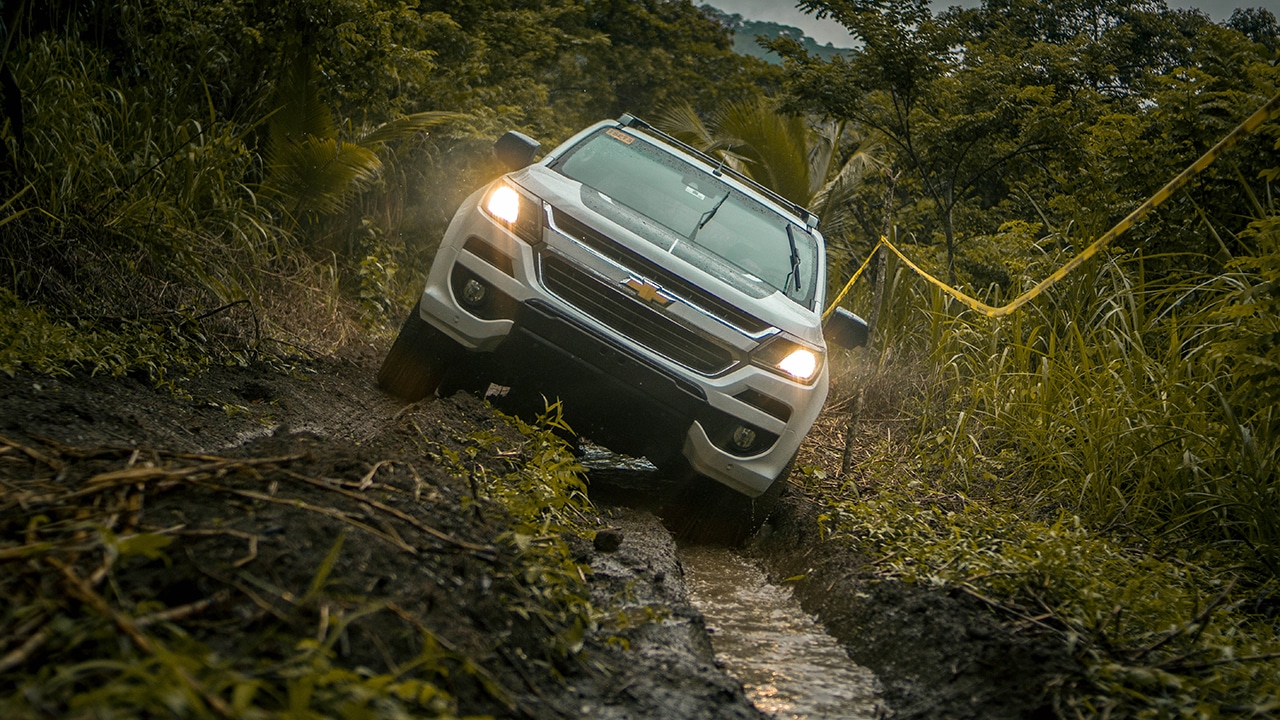
The rain-sensing wipers did the job wonderfully, auto headlights lit up when it got too dark, and traction control made the slippery road a lot manageable. There’s Lane Departure Warning, too, that beeped every time I skewed out of my lane unknowingly. Overall, the truck gave me a sense of safety and comfort.
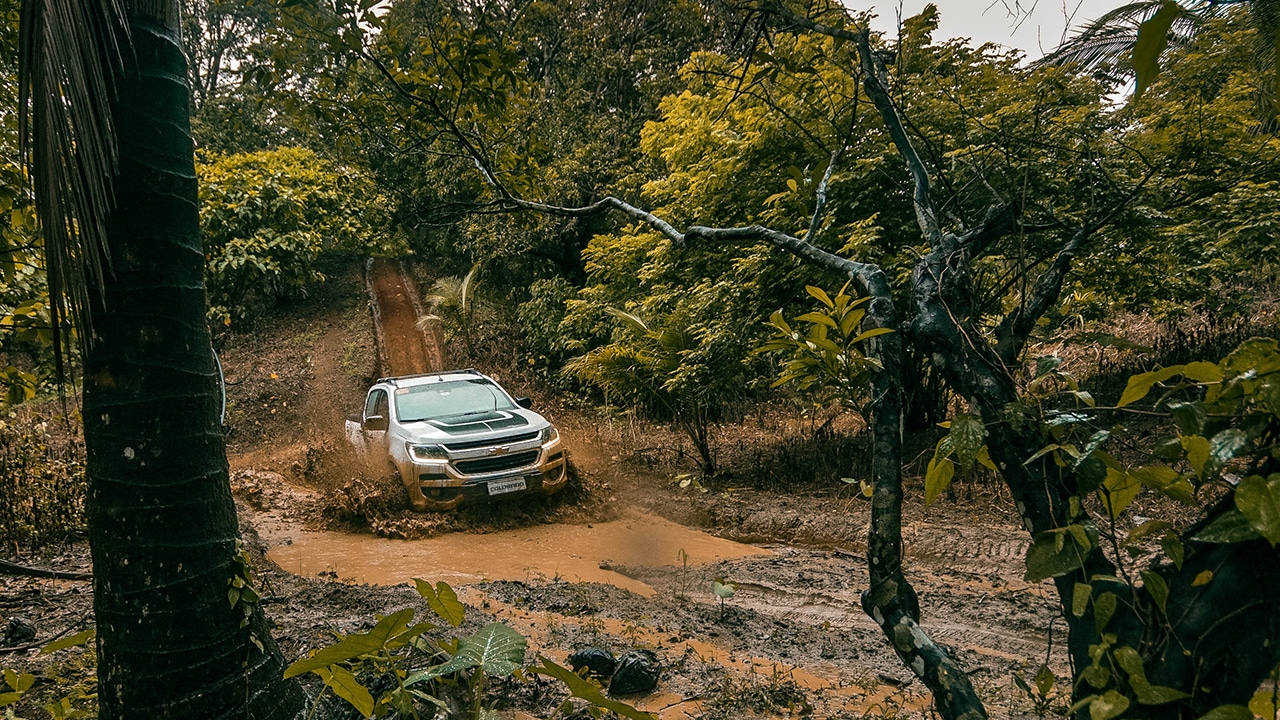
Reaching the dirt road that lead to our destination, switching to 4WD was a breeze with just a turn of a rotary switch on the fly. We drove through mud and rocks until we reached the more challenging area. We switched to low range 4WD, turned on the Hill Descent Control, and all we had to do was steer the car down a steep decline of huge rocks and slippery mud. This was where it felt even more mechanical, a machine working its own way through the obstacles ahead. You can hear and feel the entire mechanism working hard, braking individual wheels to keep a steady pace. The wheel articulation was very impressive as it kept the car leveled through large rocks and deep ditches. Every part of the vehicle was working cohesively to keep us going.
We’d like to think we were able to push the Colorado High Country Storm to its limits. We climbed rocks, went through deep mud, steep inclines and declines, tested its wading capabilities through rivers, and even went on axel-bending terrains. Its turbocharged diesel engine — packing a lot of torque — is one of the main reasons the Colorado storm passed all these with minimal effort.

There were, however, a few downsides if you’re picking it out as a dedicated off-roader. There were no locking differentials and it’s a feature serious off-roaders will be looking for and something the competition has. The front bash plates were made of plastic and will protect from mud and water, but can be damaged when rock crawling. You’d also probably want to change its tires out. The stock tires get the job done for off-roading, but it takes extra effort. Ride comfort isn’t the best I’ve experienced and is quite bouncy, although that’s pretty common for pickups. Finally, the Sport Bar they call was mostly covered in piano finish hard plastic. It personally felt out of place and delicate.
All things considered, this truck was amazing and loved our time with it. It was fun to drive, very reliable, and stunning to look at. Just see for yourself.


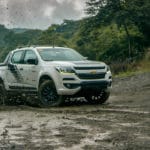
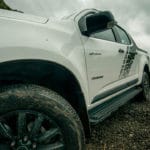

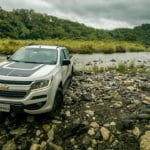


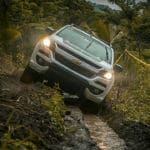
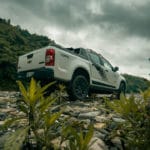


Still can’t get enough of it? More action shots here:




Automotive
Ford revs up Truck Month with extended 5-star care offers
Explore exclusive cash discounts, flexible downpayment plans, and showroom activations in the Philippines.

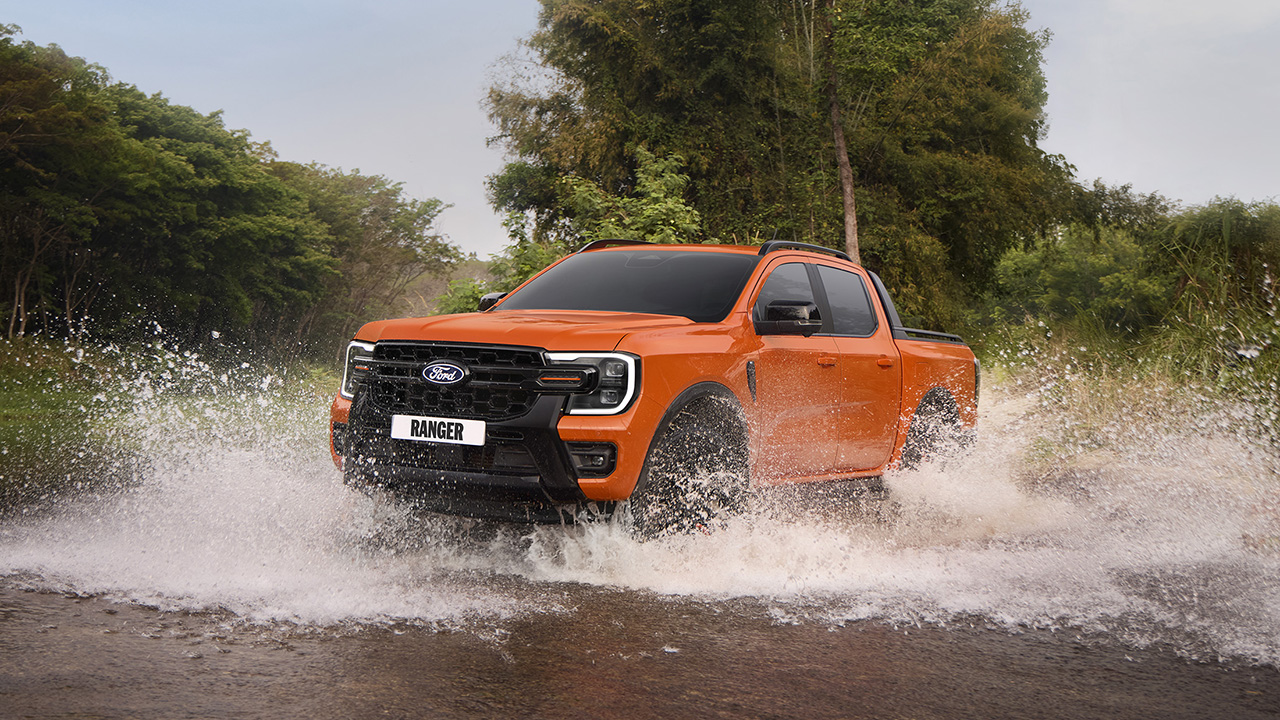
Ford Philippines brings back its annual Truck Month this September, pairing special financing and cash savings with extended service coverage across the updated Ranger and Everest lineups.
The month-long program shifts the focus toward long-term ownership peace of mind. This ensures drivers feel supported well beyond the showroom floor.
Comprehensive coverage for every journey
For drivers who view their truck or SUV as an essential partner for travel and daily routines, maintenance clarity brings genuine confidence.
Select variants in the lineup now include Ford’s 5-Star Care Package, bundling a five-year warranty, five-year scheduled service plan, and five-year roadside assistance.
Flagship performance models built for challenging roads, including the Ranger Raptor 3.0L V6, Ranger Wildtrak X 3.0L V6, and Ranger Wildtrak 3.0L V6, pair this complete service coverage with PhP 20,000 in cash savings. On another note, the Raptor 3.0L V6 also offers a PhP 150,000 all-in downpayment option.
Versatile family vehicles receive identical long-term backing, with the Everest Platinum 3.0L V6, Everest Wildtrak 2.0L, Everest Sport+ 2.0L, and Everest Active 2.0L all bundling the five-year care plan. Meanwhile, the Everest Wildtrak 2.0L Turbo includes an additional PhP 20,000 cash discount.
Financing designed around daily routines
Flexibility plays a central role in fitting a vehicle into personal budgets and busy lifestyles.
For the first time, the practical Ranger XLS 4×2 introduces access to the 5-Star Care Package, allowing buyers to select between long-term maintenance coverage, a PhP 50,000 cash discount, or a PhP 49,000 all-in downpayment.
Drivers drawn to the Ranger Sport 4×2 can opt for a PhP 59,000 all-in downpayment or zero percent interest financing. By providing multiple ownership paths, Ford aligns purchase incentive options directly with driver priorities, prioritizing lasting value throughout the lifetime of the vehicle.
Bringing the experience to dealerships and malls
The Truck Month celebration extends further with the Super September event, taking place from September 16 to 20 across nationwide dealerships and key shopping centers.
Customers who reserve any Ford vehicle during this five-day showcase receive an extra PhP 20,000 in cash savings on top of ongoing Truck Month offers.
Display venues including Virra Mall Greenhills, SM Southmall, SM Seaside Cebu, Robinsons Dumaguete, and SM City Sta. Rosa feature interactive showroom activities and refreshments, offering drivers an accessible way to explore their next vehicle companion.

BYD Cars Philippines has launched the BYD Cool & Fresh Combo aircon care promo, happening from September 9 to October 31, 2026.
Under the promo, customers who avail of the Vehicle Aircon Cleaning Package will receive a free cabin air filter and free CarTul Air & Surface Disinfecting Mist.
This gives BYD the time to introduce the new ancillary product as well, which comes in a three-steps cleaner package.

It kills bacteria and viruses, enhances airflow efficiency, and eliminates unpleasant odors. And that’s without having to remove the dashboard.
So owners who avail of the aircon cleaning package throughout the promo period will be able to try the product first hand, without having to spend for it.
For reference, the aircon cleaning package is priced at PhP 5,262.
The offer is available to all BYD vehicle owners who are due for their 1-Year Preventive Maintenance Service (PMS) or have reached 20,000 kilometers on their odometer.
Automotive
ACMobility launches EV safety program to help drivers make the switch
The new “Drive Electric” curriculum covers everything from charging safety to actual EV ownership costs.

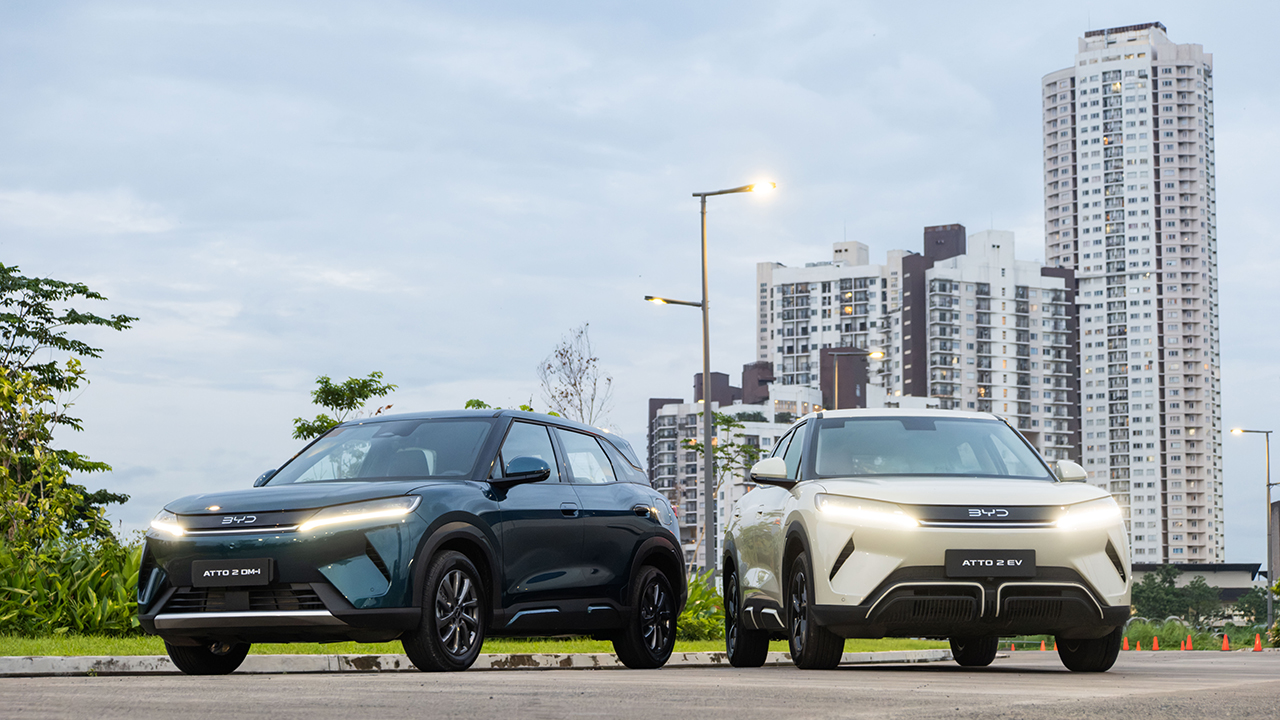
ACMobility, the Ayala Group’s mobility arm, launched its “Drive Electric. EV Safety Program,” and it’s aimed at pretty much anyone curious about EVs.
That means advocates, people thinking about buying one, fleet operators, and just regular folks who want to understand what they’re getting into.
The goal is straightforward: clear up the misconceptions around EVs by giving people practical, easy-to-follow information on how the technology and charging infrastructure actually work.
The program covers safety guidelines, the real costs of ownership, and how charging works, so people can decide for themselves if going electric makes sense for them.
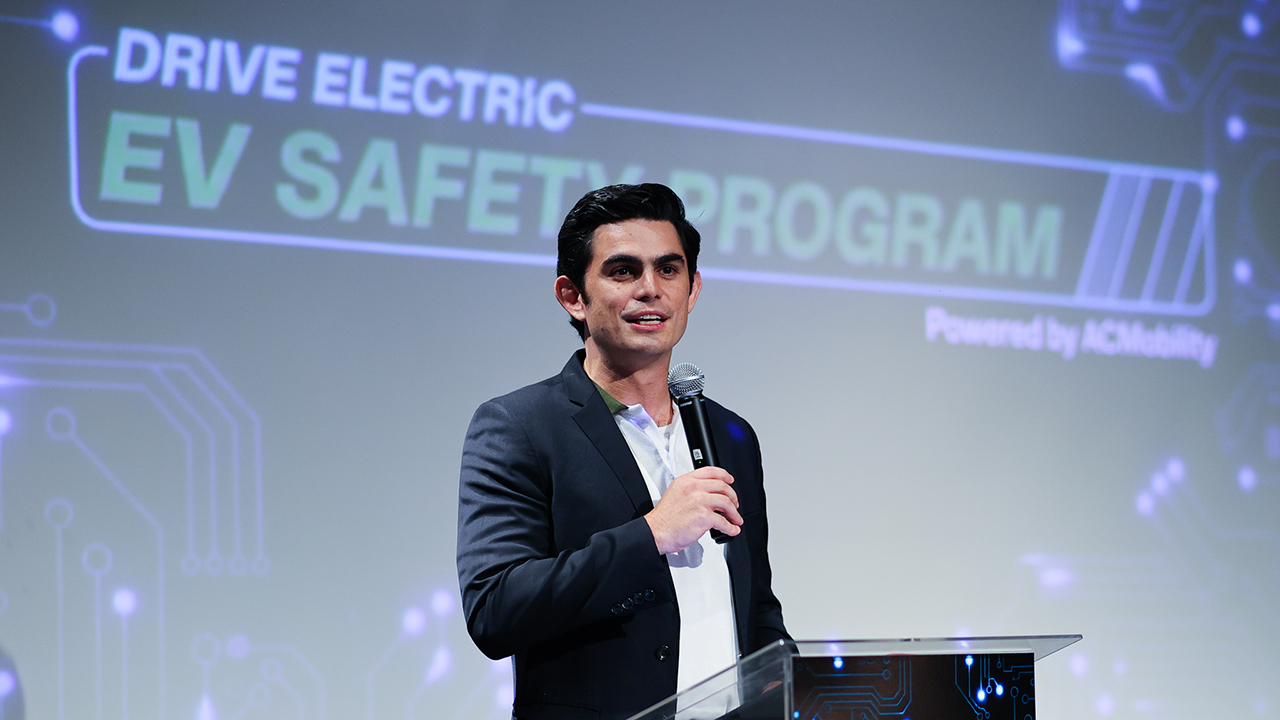
At the launch, ACMobility CEO Jaime Alfonso Zobel de Ayala talked about the bigger picture, saying the company’s priority is to empower drivers to shift to a more sustainable and cost-effective transport option.
He framed the program as part of that commitment, aiming to give drivers practical tools and accessible technical knowledge on EVs.
Building the curriculum with actual experts
ACMobility didn’t build this alone. The program came together with professional instruction partners and close coordination with the Department of Energy, the Bureau of Fire Protection, the Electric Vehicle Association of the Philippines, and the Philippine EV Community.
The curriculum runs five modules deep, and it tackles the questions people actually ask before buying an EV: what it really costs to own one long-term, how much you can save, how to charge safely, what to do in an emergency, and how the technology itself works.
What comes after the launch
ACMobility says this is just the start. The company plans to roll out educational seminars nationwide for drivers looking to make the switch, expanding into corporate sessions, community workshops, and showcases at bigger industry events.
Future sessions will pair the technical side with actual test drives, so people get hands-on time with EVs alongside the expert guidance.


DJI Lito X1 review: Is this the best lightweight drone for creators?
Making a strong case as a travel companion and a capable B-cam!


REDMI Note 17 Pro Max review: A new breed born from AI greed
Welcome to the new normal


Marvel’s Wolverine review: When the claws come out
A brutal, cinematic superhero adventure

Jackery Explorer 300D: Power and portability in one

Nike’s Alphafly 4 is built for the part of the marathon ~that actually hurts~

SEGA, Netflix announce Crazy Taxi film adaptation

Smart launches LiveSmart App for exclusive deals
DJI Lito X1 review: Is this the best lightweight drone for creators?

TECNO MEGAPAD 2 review: Eyes on the size

realme 16T 5G with 8000mAh battery, IP69 Pro rating launches in PH

HUAWEI Pura X View is 2026’s first WIDE slab-type smartphone

REDMI reveals the refreshed Note 17 and Note 17 Pro series

REDMI Note 17 Series: Price, availability in Singapore


-
 News2 weeks ago
HUAWEI Pura X View is 2026’s first WIDE slab-type smartphone
-

 News2 weeks ago
The CAMON Slim 5G is TECNO’s latest ultra-slim smartphone
-

 News1 week ago
iPhone 18 Pro series: Price, availability in the Philippines
-
 Automotive2 weeks ago
Ford’s new Everest lineup brings V6 engine to the top, tech down the line
-

 Singapore1 week ago
iPhone 18 Pro series: Price, availability in Singapore
-

 News1 week ago
iPhone Duo: Price, availability in the Philippines
-

 IFA 20262 weeks ago
XGIMI announces AURA 3 Series 4K 120Hz UST projectors
-

 Philippines2 weeks ago
Smart cuts 5G Home WiFi price