
Features
Google’s Pixel strategy is doing exceedingly well, at a cost

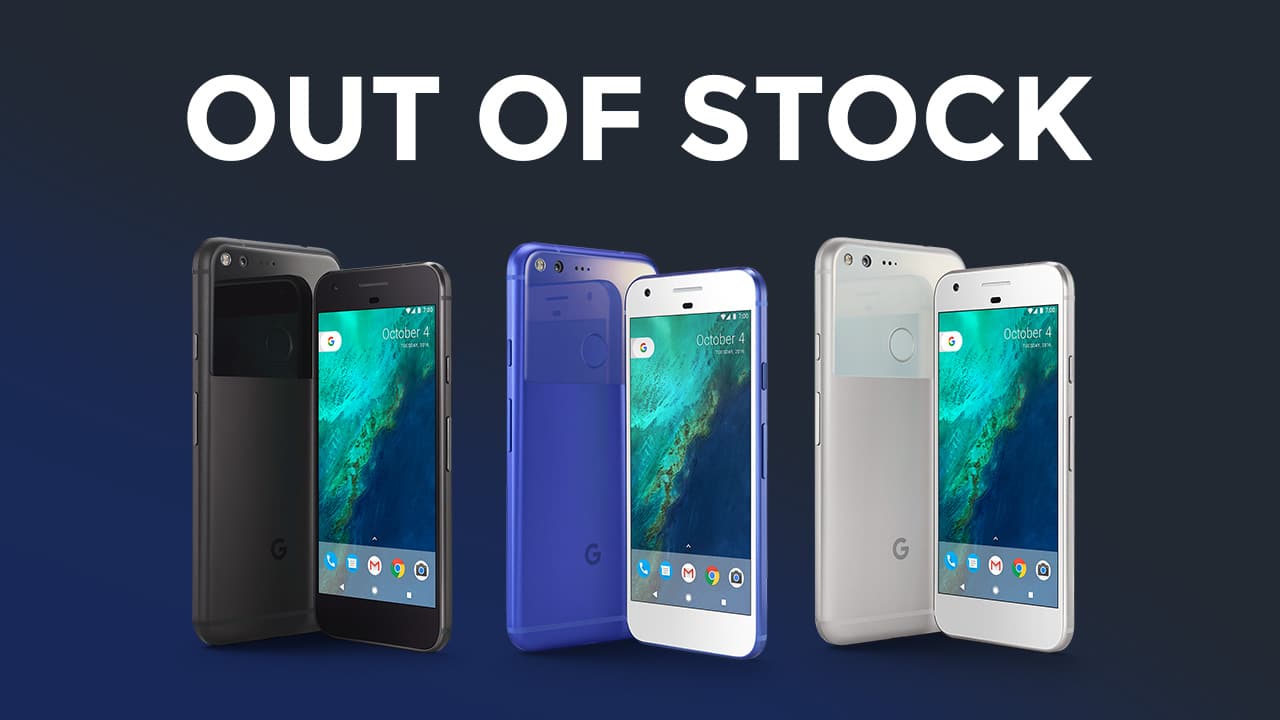
When friends ask me for tips on buying techie products, one piece of advice constantly comes up: Don’t be an early adopter of first-generation gadgets. Why? Because bugs need to be ironed out first, and brands never show all their cards on the first attempt. This way of thinking is about to change, however, and it begins with Google and ends with Pixel.
Google’s pair of Pixel and Pixel XL smartphones haven’t reached the consumer market yet, but they’re already being showered with glowing reviews.
Well-respected tech journalist Walt Mossberg calls it the “best Android phone” he’s ever tested; Wired is “totally in love with the Pixel”; and Gizmodo says the Pixel makes a strong case if you must buy an Android, even though they’re calling it “dumb and ugly.”
Reviews have been so good, in fact, that Alphabet (Google’s parent company) has experienced its highest stock prices since 2004, according to a report by Bloomberg. The cherry on top: Both phones are currently out of stock because of the overwhelming demand.
[irp posts=”5053″ name=”Google Pixel got the ‘little brother, big brother’ tandem right”]
Sentiments from other outlets have been largely the same, with the only complaints being the sky-high prices, lack of waterproofing, and bland physical design. Do the cons sound a little familiar? Those have been shots taken against Apple’s iPhones for the longest time (only the second con changed recently), making the Pixel a perfect rival in both strengths and weaknesses.
Still, as happy as we are for Google and consumers wanting more choices, the Pixel strategy is alienating Android’s most important supporters: third-party manufacturers.
By releasing a high-end pair of smartphones that’s truly its own, Google is now a direct competitor to the companies it has been working so closely with since Android’s conception, sending a harsh signal to hardware partners that there’s an even better way to handle its operating system, way beyond what Nexus has ever done.
The Pixel strategy is alienating Android’s most important supporters: third-party manufacturers.
Despite having the Pixels manufactured by HTC, the search giant has the software and hardware process under its control from start to finish. This is distinctly different from the way the Nexus series was handled, wherein the likes of Huawei and LG had their own say for the design, and were only required to lay out a fresh layer of Android inside.
Samsung is clearly the most affected brand. Now that the Galaxy Note 7 is out of commission, you’d have to look all the way back to February to find Samsung’s current, yet somewhat stale, Galaxy S7 flagship line. The development surely doesn’t bode well for the Korean company, who has been largely responsible for boosting Google’s mobile operating system to an 87 percent market share last quarter, thanks to a 22 percent smartphone market share of its own.
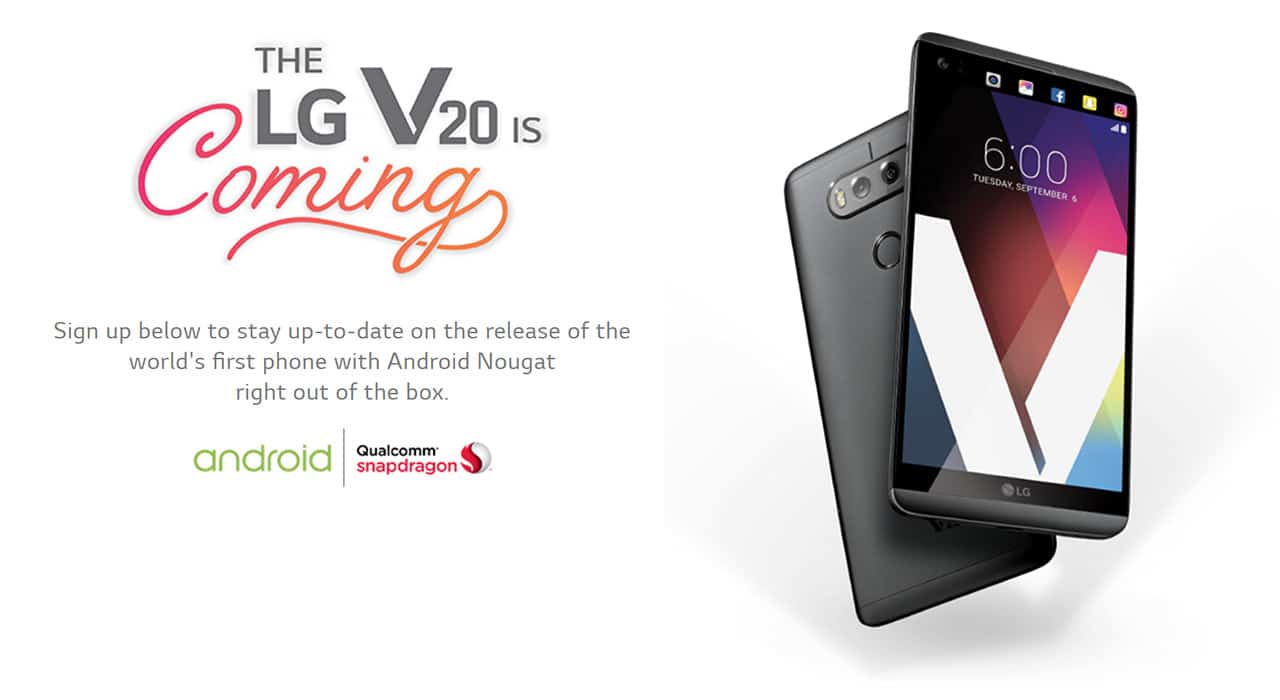
“Sorry about that” – Google to LG
LG has also been caught in the crossfire. Its phablet flagship, the yet-to-be-shipped V20, has been heavily marketed as being the first smartphone to have Android 7.0 Nougat out of the box, only for it to be outshone by the 7.1 version the Pixel smartphones will come with at around the same time. We wonder if Google knew about this in advance, or if they sent a really nice fruit basket to LG’s headquarters.
The only major player to benefit from Google’s new-found success is HTC. Even though its own self-branded smartphones continue to slump sales-wise, the Taiwan-based company actually saw a 41 percent revenue jump last month. Once the Pixels begin shipping, HTC’s fortunes will surely turn around, in spite of the lack of branding.
The only major player to benefit from Google’s new-found success is HTC.
As for how Chinese brands Huawei, OPPO, Vivo, Xiaomi, and the like feel about this, well, they’re too busy raking in mountains of cash from dominating the entry-level and midrange markets — two segments Apple and Google don’t really care about at the moment.
The situation is similar to the topic we touched on when we talked about Project Ara’s demise a month ago. Android partners already feared Google had shot them in the foot by buying Motorola to produce its own phones. When the Mountain View company changed its mind and sold the well-known handset manufacturer to Lenovo and began work on its modular phones, brands such as LG and Samsung looked into alternatives to the Android OS.
Fortunately (or unfortunately, depending on how you look at it), Project Ara didn’t push through, so third-party brands had less competition to worry about — but then Pixel came in, and here we are. Oh, Google!
[irp posts=”4335″ name=”Project Ara’s story is all about wasted potential”]





Features
Why this AI-powered eye health exam is the only reading you need this season
Forget astrology and scary clinics; the future of preventive health is waiting for you in a Vision Express branch!


They say the eyes are the windows to your soul. They never lie.
You can always tell when someone is truly thriving because their eyes radiate a certain spark. A glimmer that suggests they are actually winning at life.
But a doctor I once dated (briefly, for research purposes, mostly) told me that eyes are also a sneak peek into your physical survival. A quick check-up can reveal underlying illnesses before they even knock on your door.
The problem is that hospitals and clinics feel intimidating. Most of us avoid check-ups because we’re terrified of what we might find. Ignorance feels like bliss until reality finally catches up.
When I heard Vision Express (VEX) was reimagining eye care through AI, my inner “orange cat” curiosity took over. I dressed up, booked a ride, and headed to Greenbelt 5 in Makati City to see if technology could make health feel less like a chore and more like… well, a treat.
Sanctuary for my senses
The VEX branch in Greenbelt 5 feels less like an eyewear store and more like a prestige lounge. Even with brands like Dior, Gucci, and Cartier shouting from the shelves, the atmosphere remained inviting.

It lacked that “peasant-profiling” energy you sometimes get in luxury boutiques. I just walked in and gasped at the aesthetic. I’d say I immediately felt at home.
While I waited for the Vision7 program, I detoured to the AI Styling Studio. If we’re being honest, shopping for frames is a high-pressure exercise in self-doubt.
You’re constantly asking, “Does this make my face look too round?” or “Is this too much?”
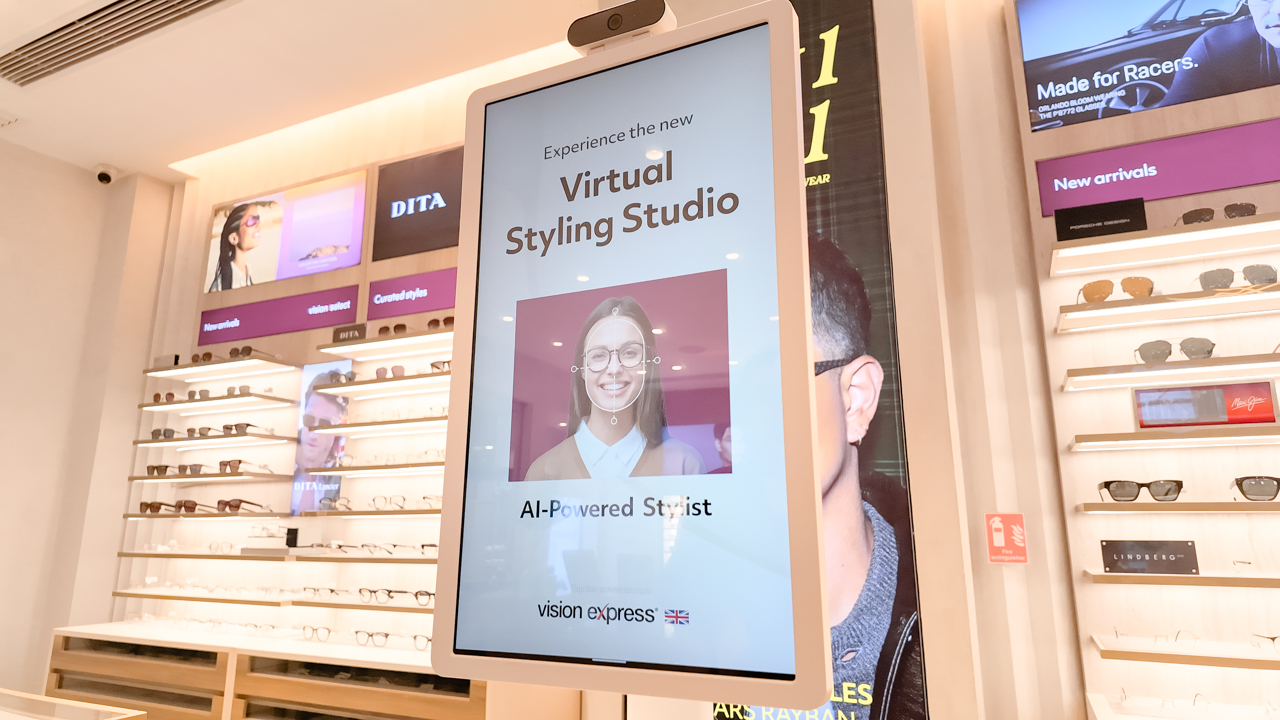
This AI tool acts like a personal shopper with an objective eye. It’s like ordering McDonald’s at a kiosk, but instead of a chicken sandwich, you get a face shape analysis.
The machine measured my jawline, temple, and the gaps between my eyes with the precision of a fitting for a modeling gig. It concluded I have a round face — or oval, if I tuck my bangs away.
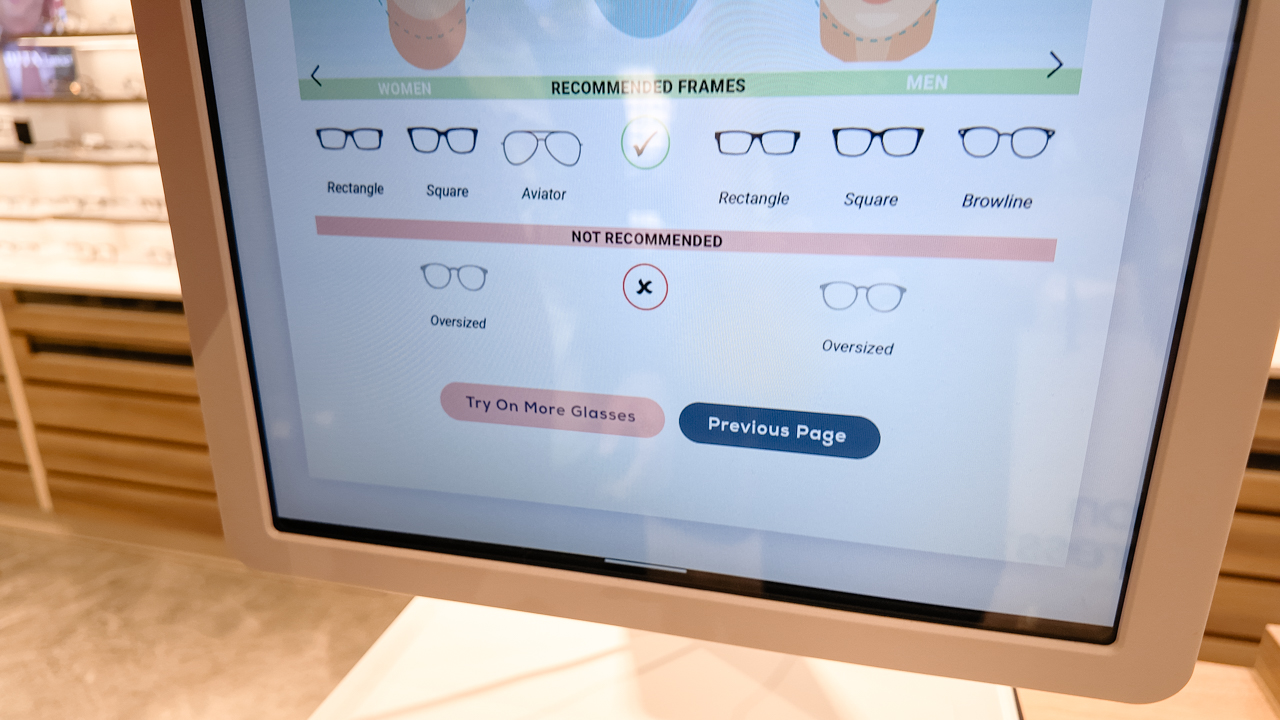
The AI suggested square or rectangular frames. Since I’ve spent years badgering friends to tell me if my sunglasses look okay, having a non-judgmental computer give me the green light was a massive relief.
Seeing the bigger picture
Currently, you can access the full Vision7 program for free. I started by filling out my history on a tablet, feeling very much like an official patient (but a fashionable one).
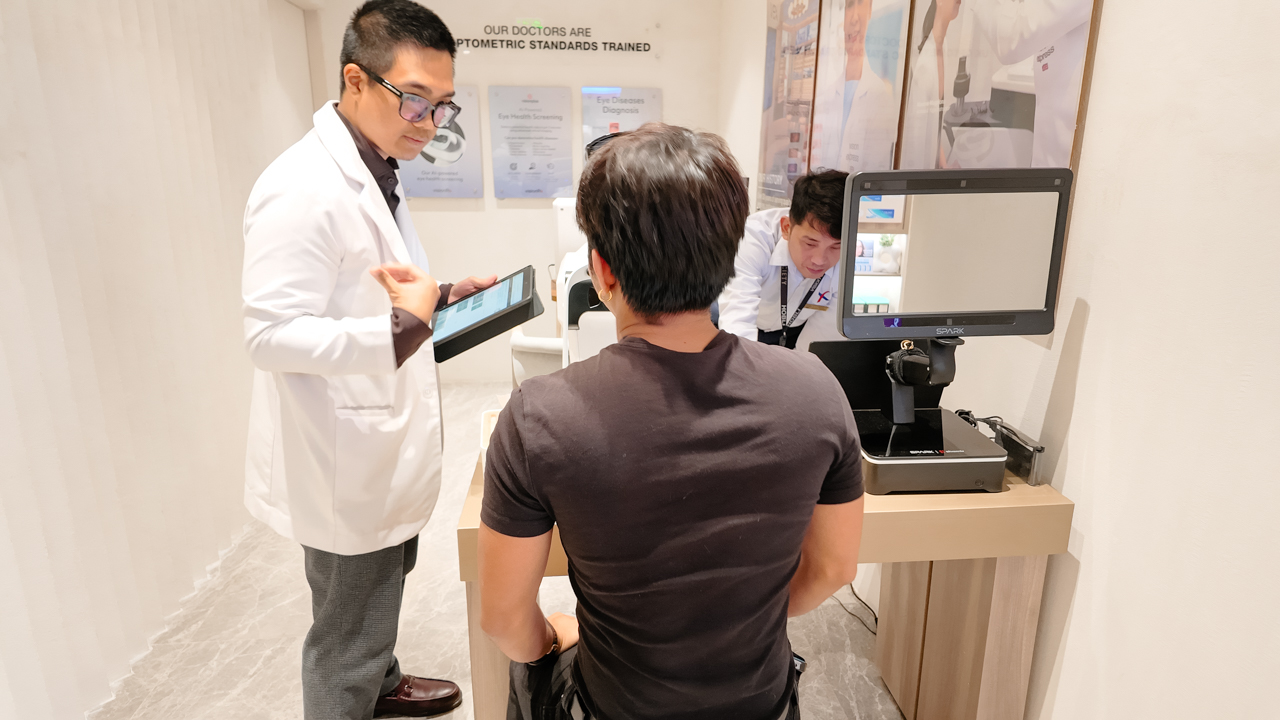
Dr. Daniel, the optometrist, guided me through the process. As a self-proclaimed “professional yapper,” I quickly learned he was VEX’s top doctor for 2025. His expertise (and, let’s be real, his charm) made the technical bits go down smoothly.
We moved through Objective and Subjective Refraction using their state-of-the-art autorefractometer to check for current eye-grade errors. Thankfully, my vision is still perfect after I stopped wearing correction glasses in 2024.
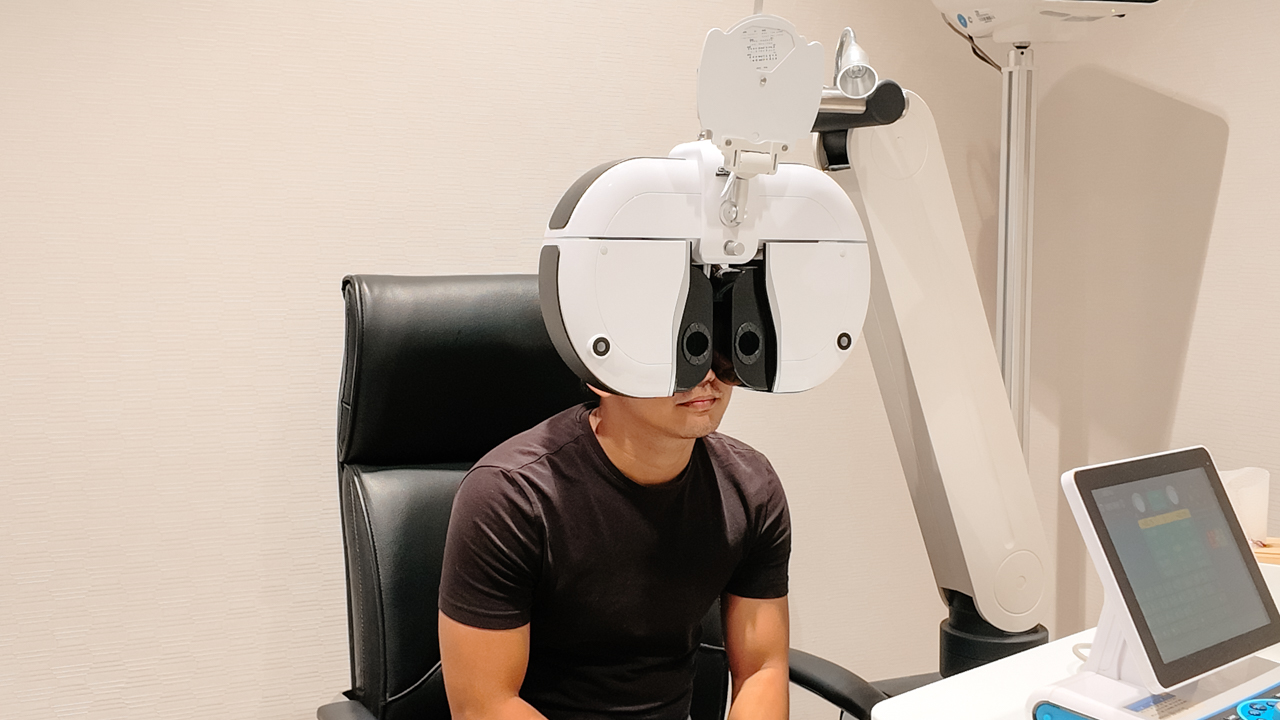
The three-minute miracle
The real magic happened during the Binocular Vision assessment with VisionPlus. In just three minutes, the system used retinal imaging and machine learning to generate a clinical health report.
I’ll admit, I was nervous. Despite my “perfect” vision, family history is a ghost that haunts your medical charts.
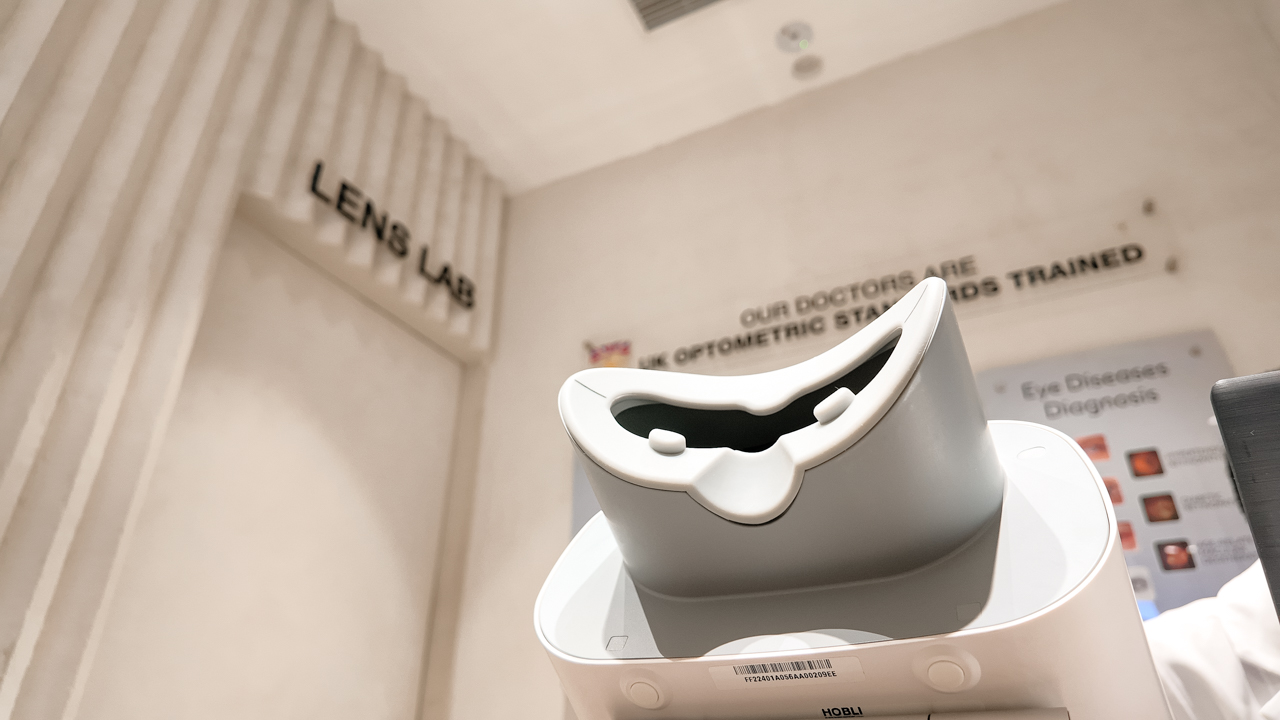
I watched as the AI screened for systemic conditions: hypertension, diabetes, and even early signs of cognitive decline or cardiovascular risks.
Surprisingly, the results came and showed I am “Low Risk” across the board. The system even tagged me as “Very Low Risk” for things as serious as cardiac arrest, provided I maintain my current lifestyle.
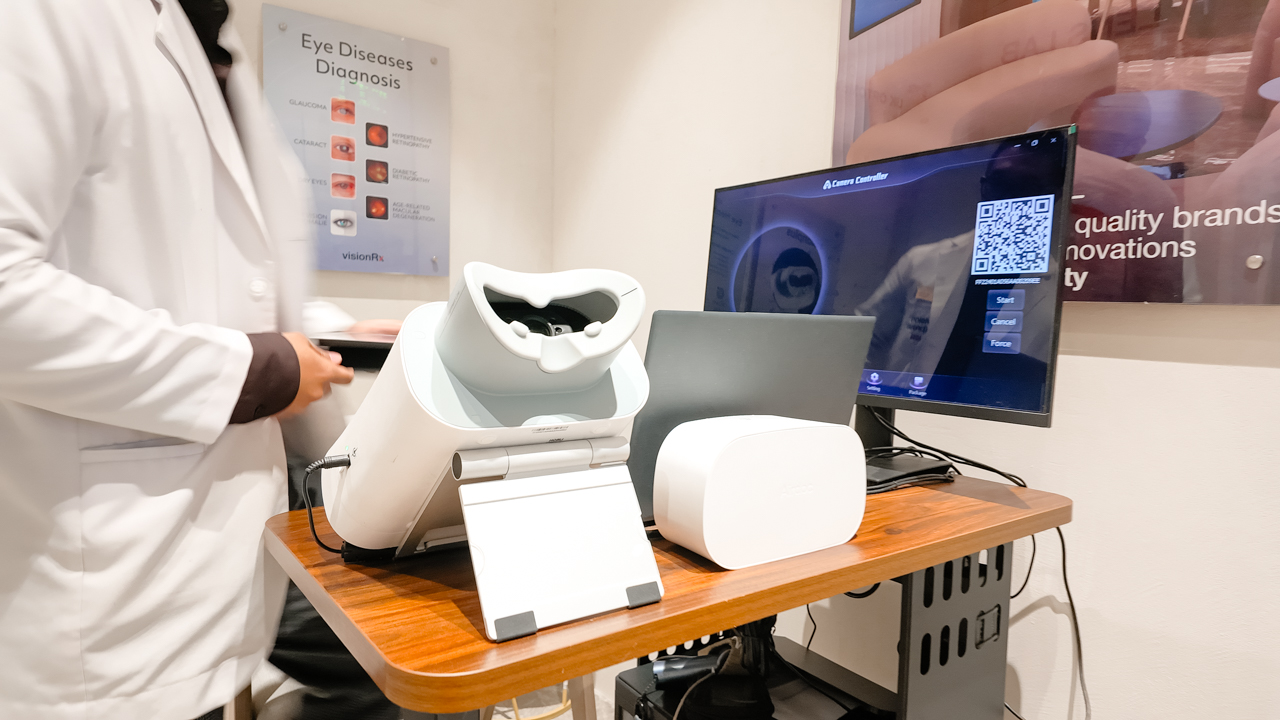
The report, which landed instantly in my inbox, gave me tailored advice on diet and sports. It turned out my athletic lifestyle and love for good food weren’t just fun: they were working.
Redefining the retail visit
Unlike traditional checks that only care about your lens prescription, this experience felt like a preventive-health intervention hidden inside a shopping trip.
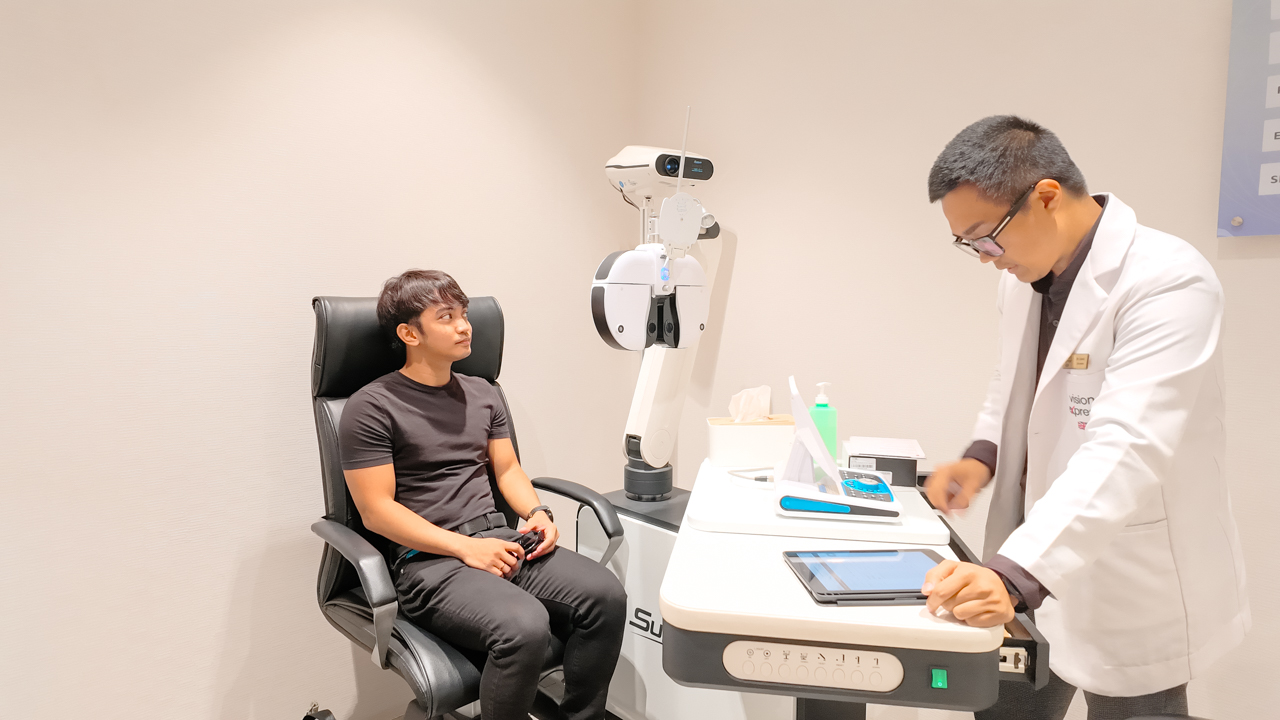
It proved that an eye exam can be a powerful window into your total health, made easy through clinical-grade AI.
In a world where AI can feel cold or intimidating, this is its most human use case: giving us the clarity to live our lives without fear.
I walked out with a clean bill of health, a clear mind, and yes, I might have lingered just a second longer at the Gucci frames on my way out. After all, I needed to celebrate my health in style.
Try out VisionPlus at Vision Express’s branches at SM Cebu, SM City Cebu, Ayala Cebu, Ayala Glorietta 2, Ayala Greenbelt 5, Ayala One Bonifacio High Street, Ayala Alabang Town Center, SM Mall of Asia, SM North EDSA – The Block, The Podium, and Ortigas Greenhills Mall.
Features
Why the OPPO Reno15 5G series is a creator’s essential
4K Ultra-Steady, 50MP groufies, and AI edits in one device.

There are two kinds of travel essentials: the ones you pack because you have to, and the ones you pack because they make the story better.
Often, we feel forced to choose between traveling light and bringing the bulky gear necessary to document the trip properly.
On your next trip, the OPPO Reno15 5G Series eliminates that compromise. With a thoughtful mix of hardware and software, it becomes your pocket-sized production crew, ready to capture life as it unfolds.
The crew in your pocket
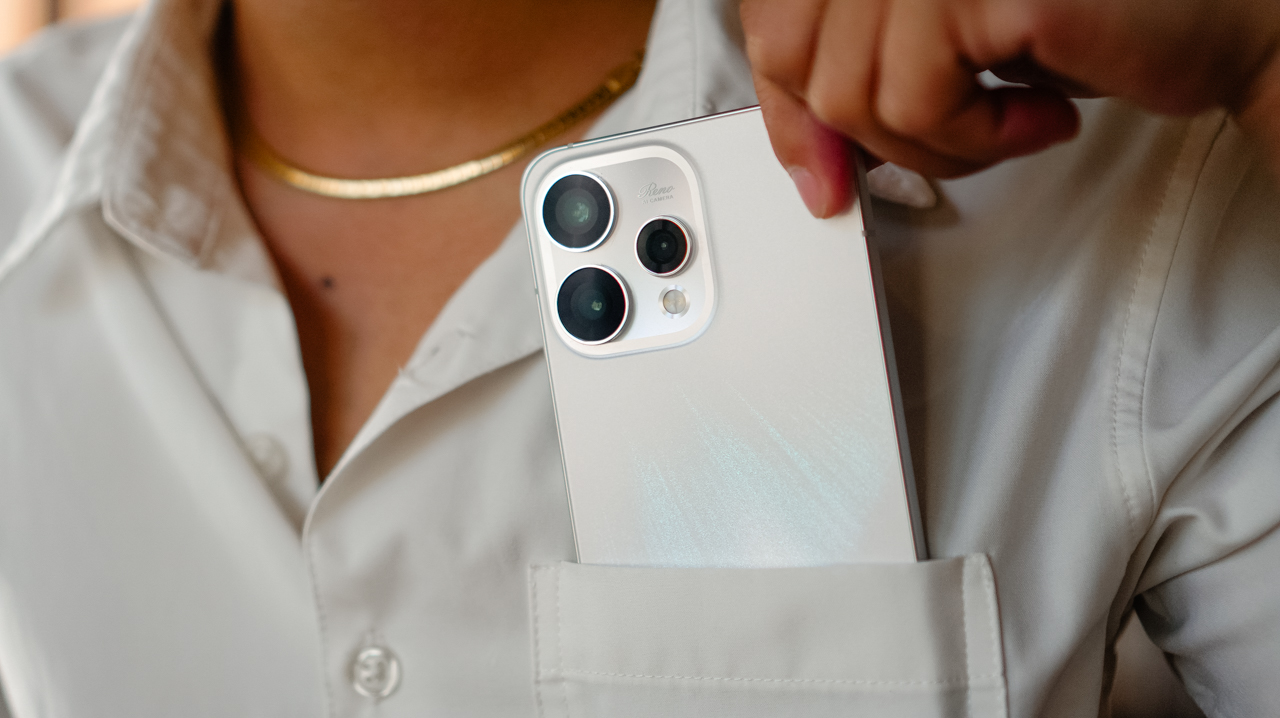
The first rule of travel is to keep things light, but for a creator, “light” cannot mean lower quality.
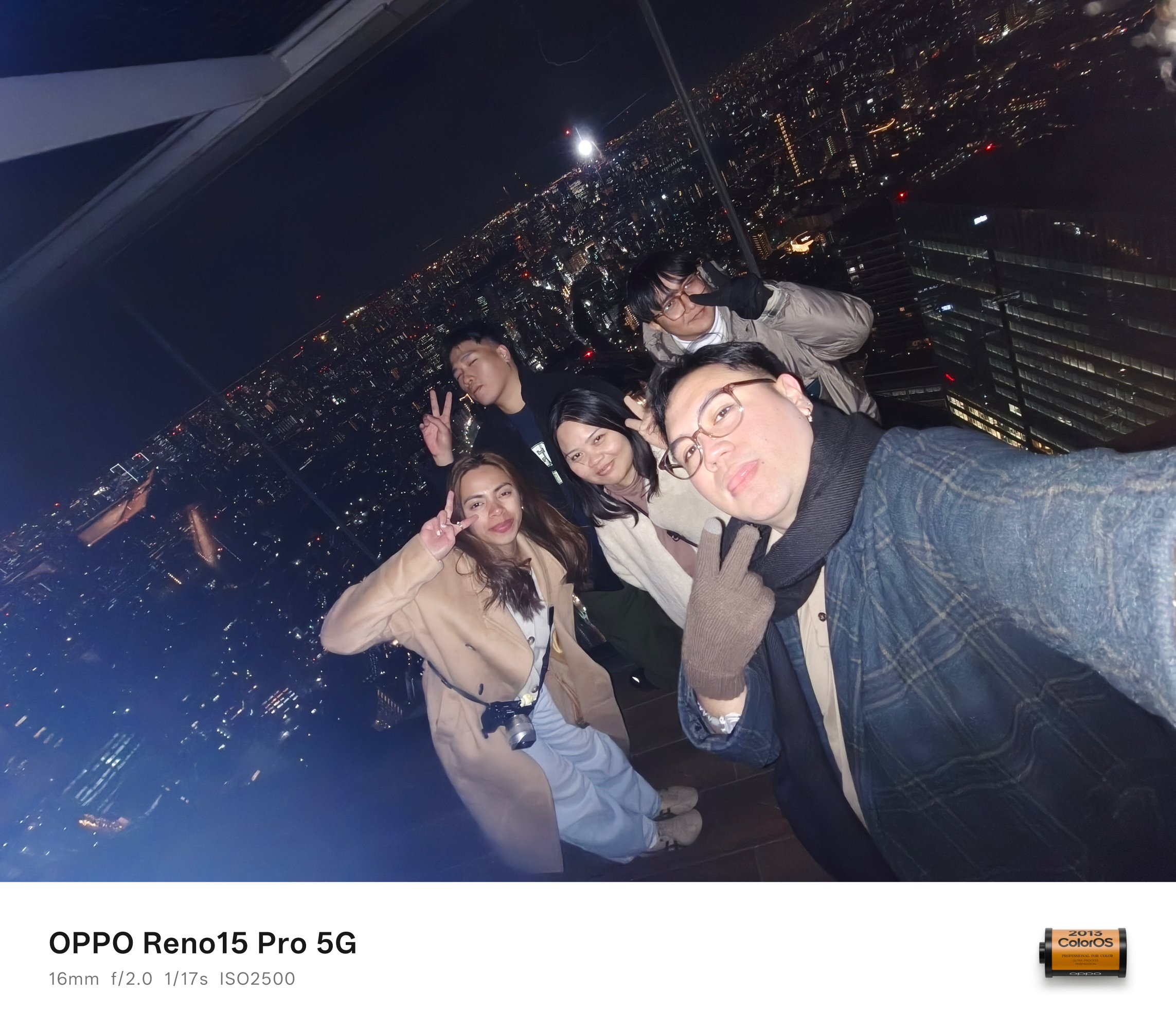
Whether you are navigating crowded night markets or chasing the golden hour on a steep, adventurous rooftop, the 4K Ultra Steady feature ensures your footage looks composed even when the environment is chaotic.
View this post on Instagram
This stabilization changes the energy of a travel vlog, turning handheld montages into polished, cinematic clips that are ready for a Reel the moment you hit save.
View this post on Instagram
Capturing everything and everyone
Travel stories are built on shared memories, but too often, the person behind the lens is left out.
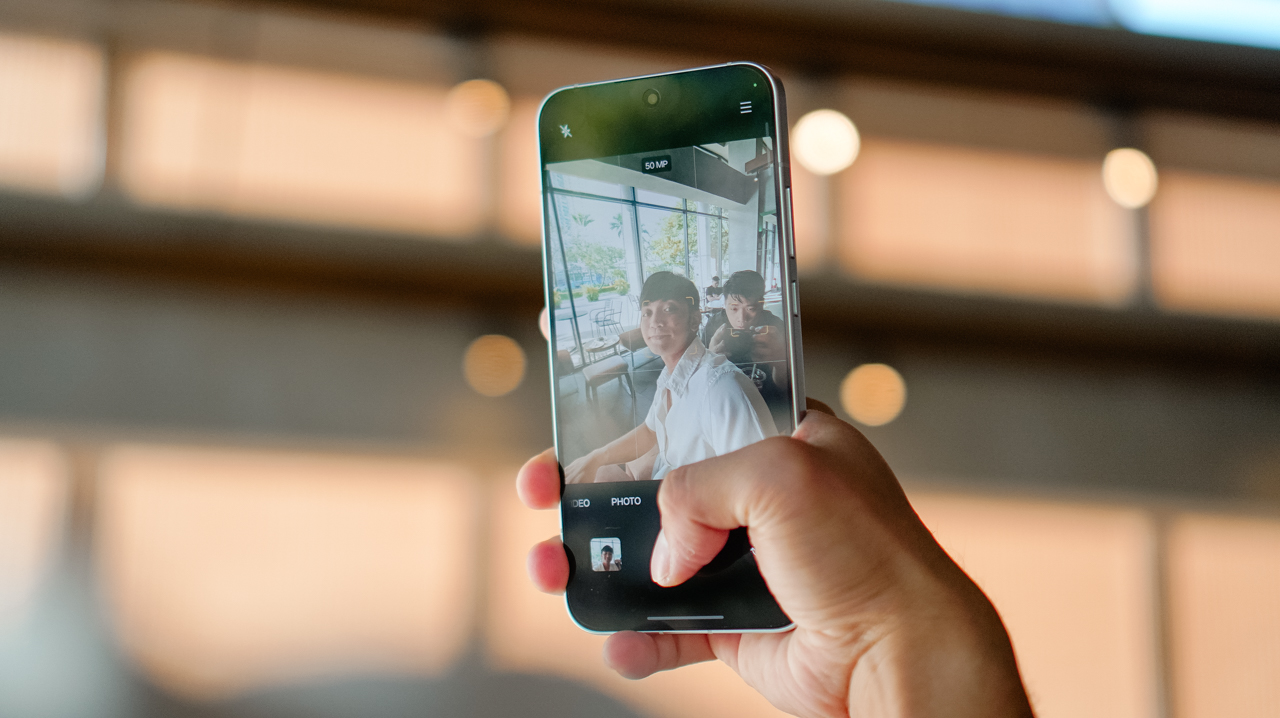
Group shots often become a messy scramble to squeeze everyone into a tight frame. The 50MP Selfie Camera changes that outcome with its 0.6x ultra-wide-angle mode
It captures the entire group with sharp detail across the frame, ensuring no one is relegated to the blurry edges.
Even if you need to crop the image later for a specific social media layout, faces remain clear and the background stays defined.





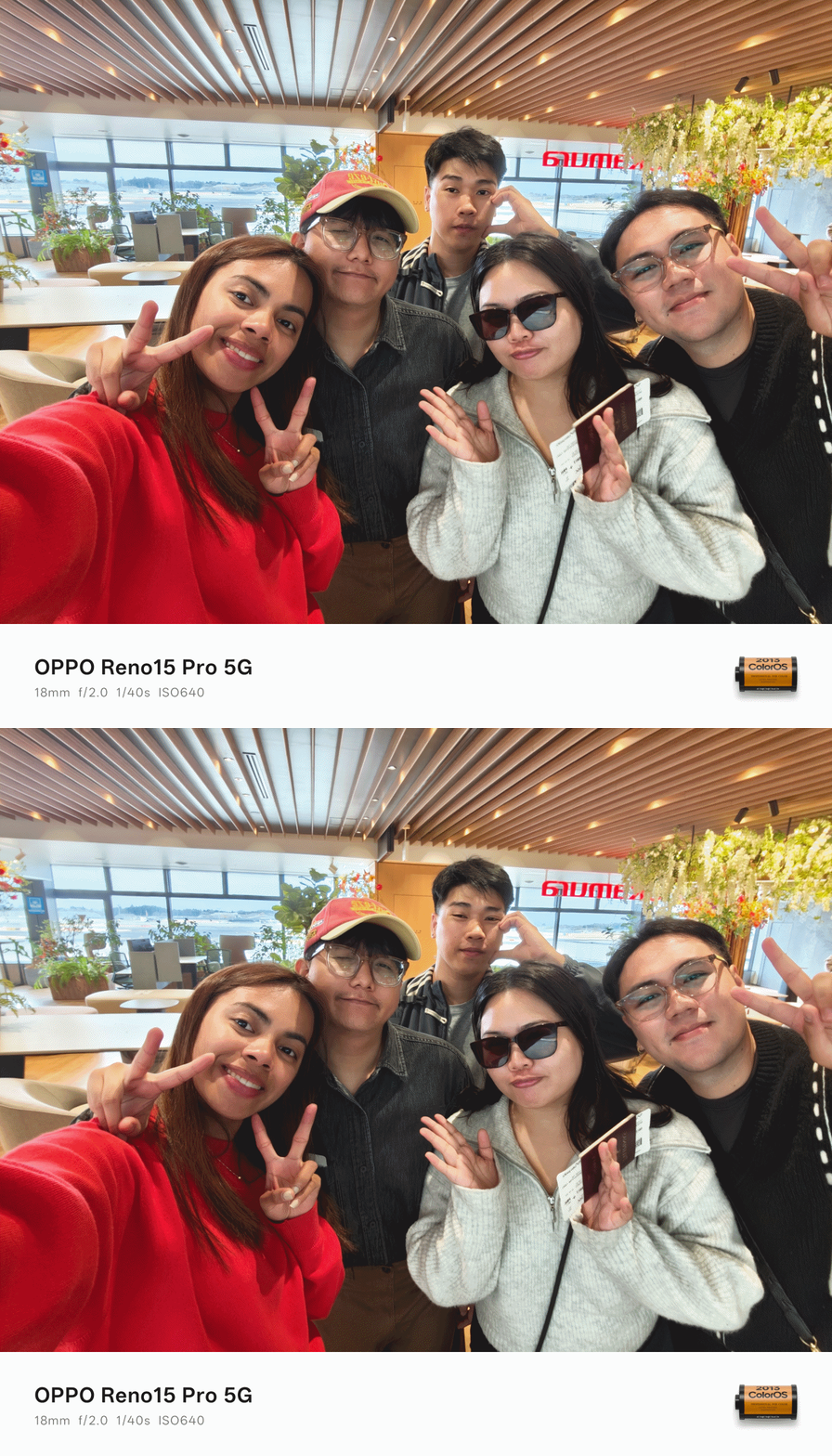


The result is a “groufie” that feels complete and professional
Scroll-stopping memories
We often summarize our trips through collages: layered photos that tell a single story.
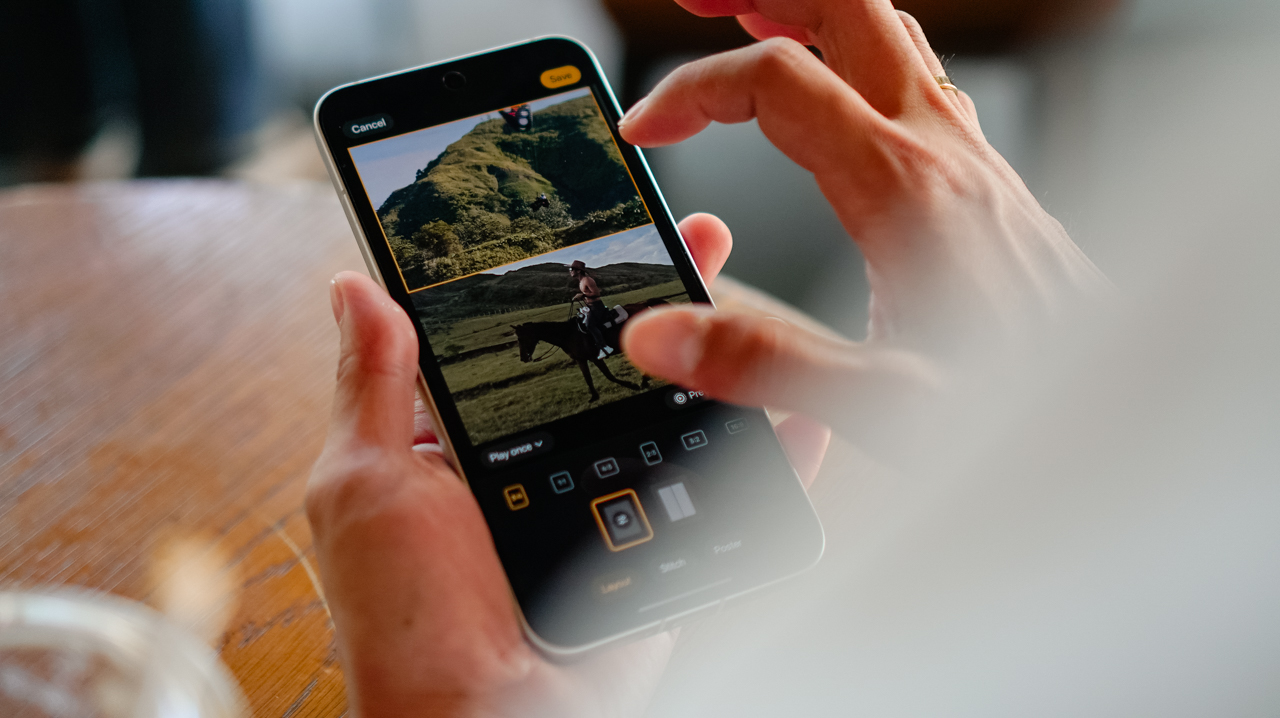
The AI Motion Photo Popout tool brings a new dimension to these memories. With a few taps in the Gallery, the subject separates from the background to create a sophisticated, layered effect.




These edits serve as the perfect foundation for Instagram Story covers, Reel thumbnails, or high-quality personal wallpapers.
It’s a subtle digital adjustment that makes a visible difference in how your audience experiences your journey.
Reliability for the modern creator.
A smartphone is no longer just a gadget; it is a creative partner. The OPPO Reno15 Series 5G features a sleek design that looks at home beside a passport or a boarding pass.

It’s light enough for long days of exploration but polished enough for high-end city trips. The reliable battery life supports early flights, full-day itineraries, and even late-night uploads.




You’ll spend less time searching for an outlet and more time capturing the moments that matter.
Which OPPO Reno15 Series 5G is your GadgetMatch?
The series offers variants designed to fit your specific creative style.
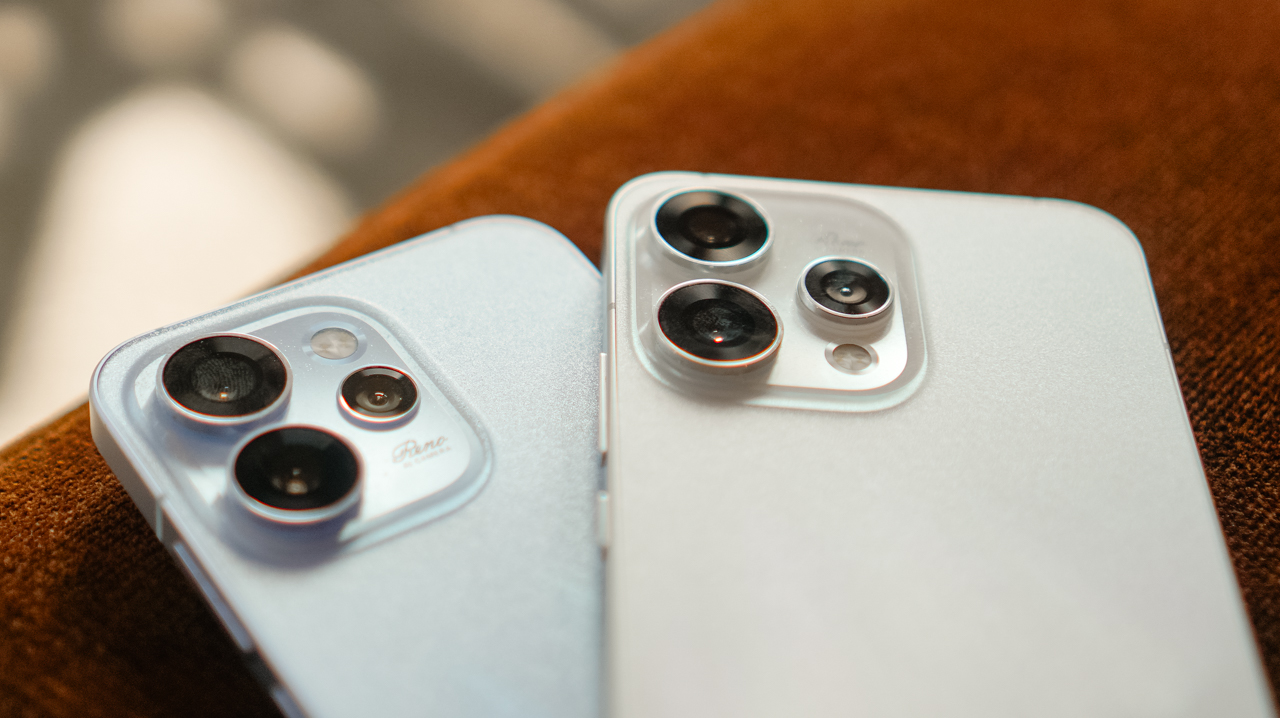
Pick the OPPO Reno15 5G if you want a balanced everyday companion, and if you want flexibility and reliability without overcomplicating the process.
There’s the OPPO Reno15 Pro; the choice for creators where photography and videography are the main event, offering enhanced tools in a compact form.

But if you’re a value-conscious traveler who wants a practical entry point that provides core camera and AI features, then the OPPO Reno15 F 5G is your GadgetMatch.
Whichever you choose, the series proves that a travel accessory can do more than complement an outfit. It preserves your stories because it doubles as a content creator’s must-have tool.
The OPPO Reno15 Series 5G is now available in OPPO stores nationwide and the OPPO Online Store.
SEE MORE: The art of being in and behind the frame | OPPO Reno15 Pro: Camera Review

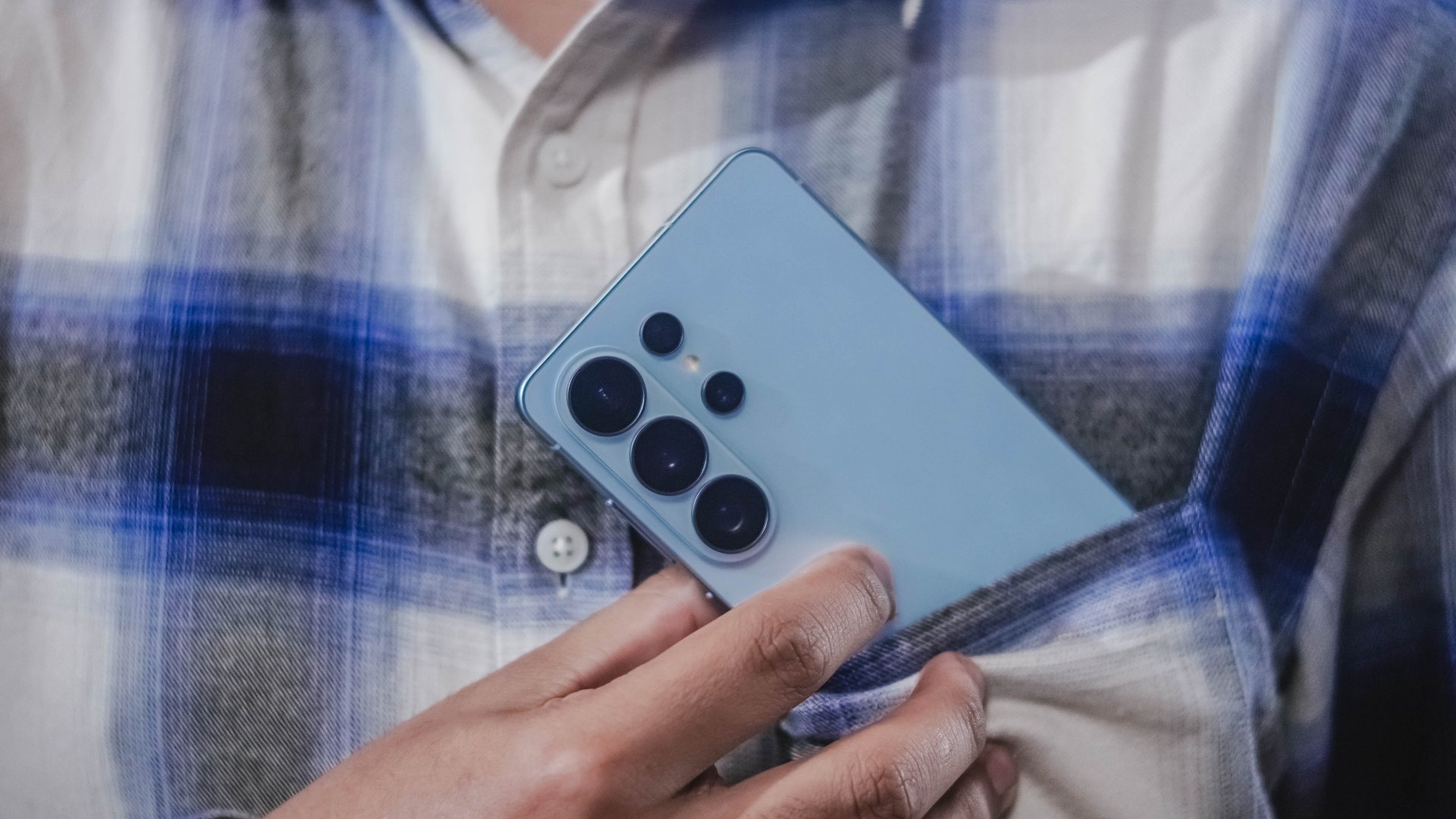
@gadgetmatch A phone that does more… so you can focus more on the moments that matter. The Galaxy S26 Ultra lets Galaxy AI handle the small stuff so you can stay present for the moments that matter. Also great for the occasional KPop concert video. Pre-order until March 17 and get double storage worth up to PhP 14,000. https://www.samsung.com/ph/smartphones/galaxy-s26-ultra/buy/ #GalaxyS26Ultra #EverydaywithGalaxyAI @samsungph ♬ original sound – GadgetMatch
Here’s the dream: a phone that helps you stay on top of things, so you can focus more on what matters.
That’s basically the idea behind Galaxy AI on the Samsung Galaxy S26 Ultra.
Instead of adding more things to do, the phone helps take care of the small stuff for you. Things like reminding you what’s next, or surfacing the information you need right when you need it.
So you spend less time digging through apps and more time actually doing the things you planned to do.
Editing photos is easier too. With Photo Assist, you can just describe the change you want… and Galaxy AI fills in the rest.
And if you’re cleaning up a video, Audio Eraser can reduce background noise — even from clips on third-party apps like Instagram or YouTube.
The point isn’t to make your phone the center of attention. It’s to make it helpful enough that you can forget about it for a while. Until something worth capturing happens.
And when things get a little chaotic — like concerts, street performances, or just life moving fast — Super Steady Video helps keep your shots level.
That’s definitely coming with me to the next K-pop concert.
The Galaxy S26 Ultra. Smarter phone. Slightly less stressed me.
Pre-orders are open now — with double storage for early buyers, plus additional discounts and installment offers from participating banks.
Which is great… because apparently I shoot way too many videos.


Galaxy Buds4 Pro review: I thought I was done with in-ears
This Buds4 you


WWE 2K26 lets you live out all the fantasy matches you could want
But you have to play for hours and hours to unlock everyone.

The HONOR X8d is serviceable
Steady but slow?

Life is Strange: Reunion now available on consoles and PC

Why this AI-powered eye health exam is the only reading you need this season

DJI officially launches the Avata 360 with 8K immersive imaging

The Changan Eado Plus officially lands in the Philippines

PLDT Home, Samsung team up for exclusive entertainment deals


-

 Reviews2 weeks ago
POCO X8 Pro Max review: A new beast from the far east
-

 News2 weeks ago
POCO X8 Pro Series: Price, availability in the Philippines
-

 Reviews2 weeks ago
POCO X8 Pro Iron Man Edition review: Midrange phone in superhero armor
-

 Automotive2 weeks ago
VinFast extends free unlimited charging in 3 markets amid rising fuel prices
-
Philippines1 week ago
The HONOR X8d is serviceable
-
 Reviews2 weeks ago
Samsung Galaxy S26 Ultra review: A phone you live with
-

 News2 weeks ago
POCO introduces X8 Pro Series with Dimensity 9500s
-

 Gaming2 weeks ago
NVIDIA’s DLSS 5 can turn your favorite AAA game into AI slop