
Features
V20 both improves and harms LG’s image

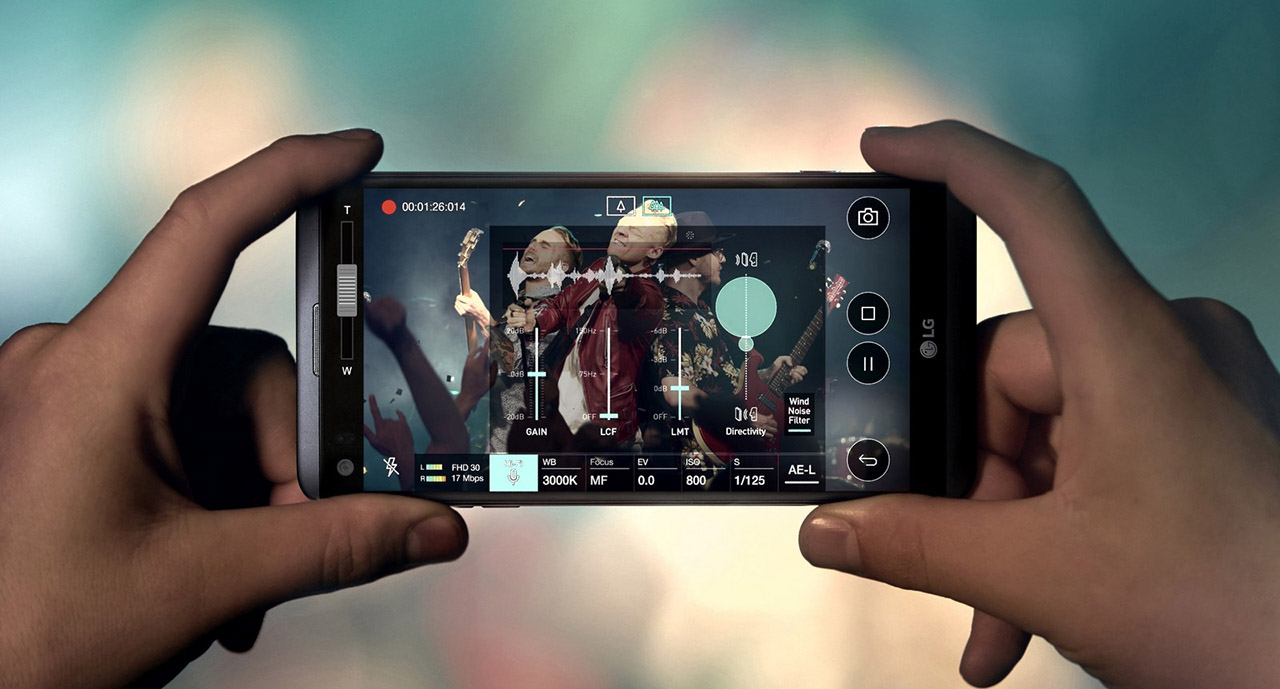
Earlier today, the world witnessed the unveiling of the LG V20. It’s the successor to the warmly received V10 from last year, and it’s the larger counterpart of this year’s LG G5. There’s a lot going for it, including a top-end processor, handy second screen, and unmatched audio chip. However, the real story is how the V20 is carrying LG’s image for the next few months. Let’s talk about its operating system and physique for a few minutes.
As you may have heard from several reports, the V20 is the first Android to come with Nougat out of the box. This is a bigger deal than most people think, because every time a new Android version got released in the past few years, Google’s Nexus series had first dibs on the latest operating system with its newest phone at the time. Things have changed this year, with the seventh generation of Android coming to older Nexus models through over-the-air updates, and then straight to LG’s current flagship.

Giving a third-party manufacturer such priority was unheard of just a few months ago. Reports stemming around Google ditching the Nexus program in exchange for a more streamlined Pixel series of smartphones and tablets probably explains the sudden change of method. By spending more time on the yet-to-be-released successors to the Nexus 6P and 5X, Google might be leaving the software distribution to reliable partners.
For LG to be the lucky winner of the Nougat draw can be seen in two ways. Firstly, it’s not surprising; LG was the maker of last year’s Nexus 5X, plus the Nexus 5 and 4 before that. Google has spent years dealing with several brands to work on its vision of the ideal Nexus, but for LG to be the constant go-to option for the smaller-sized products means a lot. On the other hand, it’s highly unusual for Nougat to be represented so prominently on a smartphone brand that heavily skins its operating system. If you compare the LG V20 and G5 to the lighter versions of Android from Sony and OnePlus, you’ll understand what we’re talking about.
Now, let’s move on to the V20’s construction. A highly controversial omission is the compatibility with add-on components called Friends, which were first made available on the LG G5. The Korean company promised strong commitment to the semi-modular platform when the G5 was originally released, and for the newly unveiled LG flagship to exclude it shows a lack of confidence in the system. Not only is this a blow to LG’s image, but to modular phones in general.
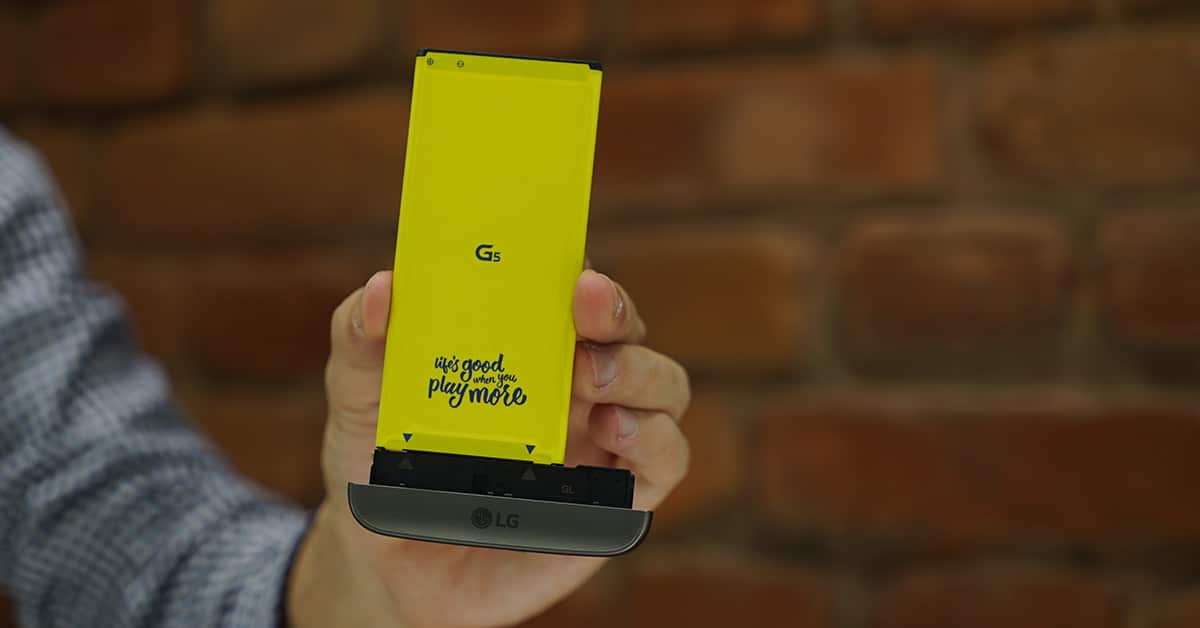
We argued last week that modular devices are the next evolutionary step for touchscreen smartphones. By allowing consumers to fiddle around with their handsets and choose exactly which components they want to keep and upgrade, purchase cycles would become a lot more dynamic, and in turn, lead to far less e-waste.
So far, only Lenovo has shown real dedication to the future of modularity. The manufacturer followed up on its stylish, semi-modular Moto Z and Moto Z Style flagships with the midrange Moto Z Play at IFA 2016. For a non-flagship device to carry on the modular compatibility of its predecessors is a step in the right direction, and proves how committed Lenovo has become towards its customizable platform.
We can only hope that the true successor to the G5 will somehow follow through on LG’s modular legacy next year. Backtracking on features has never ended well for smartphone brands, and only alienated users expecting some level of future-proofing.

If you look at the V20 as it is, clear of any past history or legacies, there’s no denying it’s shaping up to be LG’s best smartphone ever. It’s a clear upgrade over the predecessor critics loved last year; the V20 just happens to be in an unfortunate spot, wherein the expectations are booming after the critical success of the V10, and the shadow of the G5 still lingers.
Only time and our full review will conclude this story. Watch out for that!
[irp posts=”8896″ name=”Infamous LG bootloop glitch also affects V20″]






Features
Inside London’s biggest Samsung experience space
Samsung KX ignited my grandest domestic fantasies

Stepping into King’s Cross following an invigorating stroll past St. Paul’s Cathedral and a quick ride on the Circle Line shifted my mood into pure aspiration.
London bustled around me, and as I approached Coal Drops Yard, I felt a familiar flutter. I caught myself mentally evaluating my outfit and my posture, filled with a sudden desire for my surroundings to match my grandest domestic fantasies.
I walked forward with genuine admiration, unaware that my destination was Samsung KX, the brand’s 20,000 sq ft. experiential flagship store in the UK.
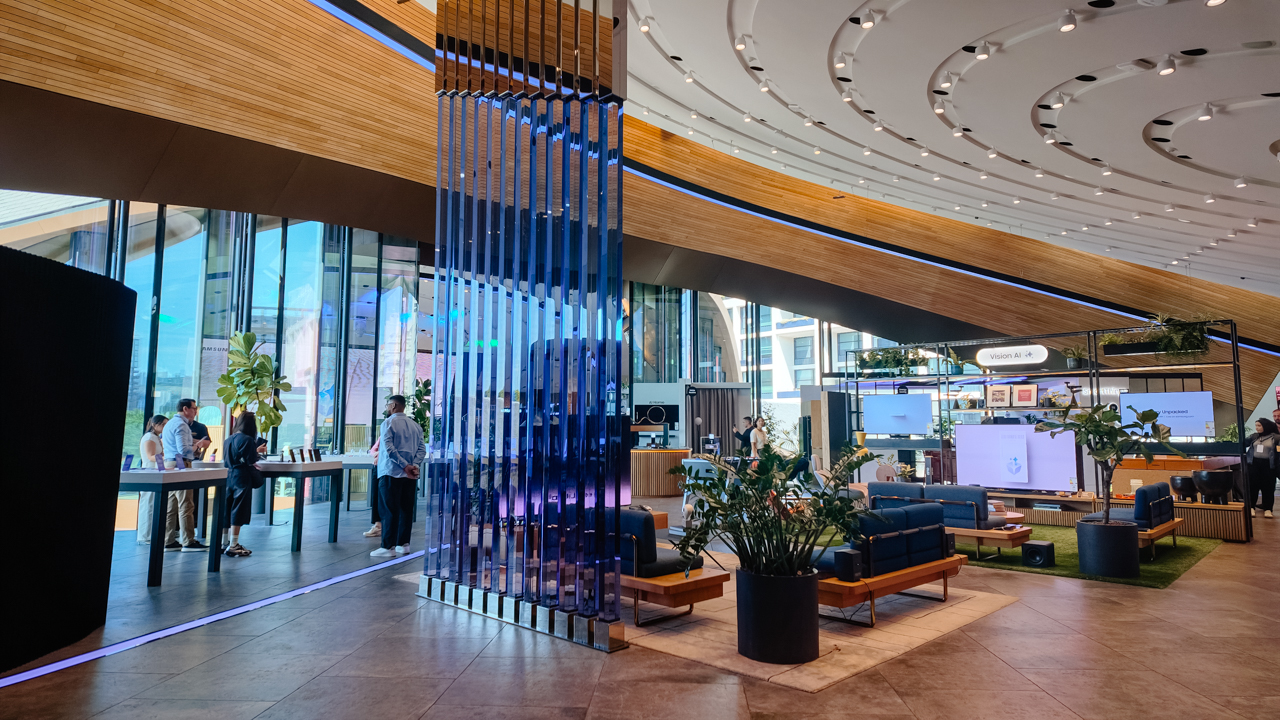
Stepping inside felt like walking into a cathedral of modern design. Massive glass windows bathed the interior in natural light and offered sweeping views of people strolling outside.
They seemed oblivious to the marvels inside, while I stood frozen, already convincing myself I needed every single item on display.
Between workstations and digital playgrounds
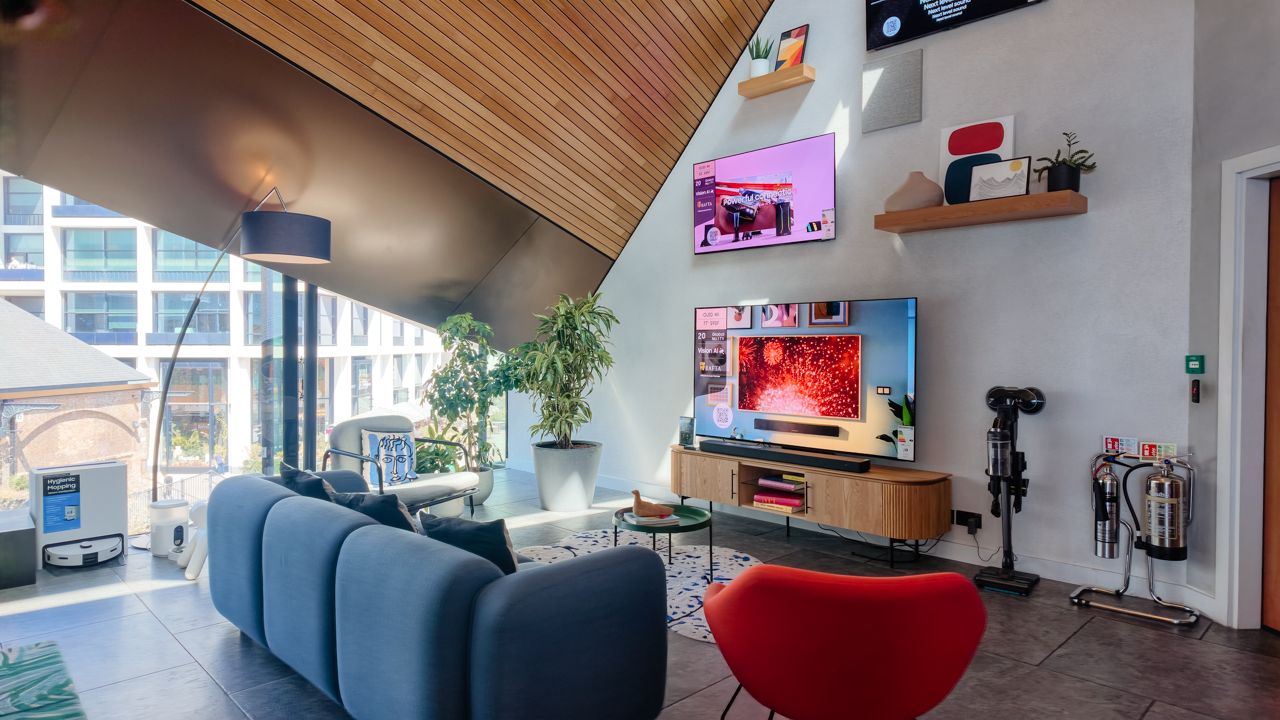
The store layout struck an intentional balance between high performance and everyday living. At the heart of the space stood the Samsung Vision AI displays, arranged as a central living room showcase with striking fixtures. It felt like a high-end Mayfair penthouse.

Watching the Vision AI coordinate the living space, I realized true luxury is complex technology operating so seamlessly I never had to think about how it worked.
Beside it, productivity setups featuring the Galaxy XR showed how modern work could blend into personal space just as gracefully.
Further inside, the latest mobile lineup filled the display tables with the Galaxy Z Fold7, the Galaxy Z Flip7, and a curated set of matching accessories. This was before Samsung officially unveiled the next-generation Galaxy Z Fold8 and Z Flip8.
WATCH: Hands-on: Samsung Galaxy Z Fold8, Flip8, Ultra

Beyond the devices, the space opened into a lively hub with a kitchen bar, an event workshop area, and a Gamer Bus parked near a Mobile Gaming Bus Stop.
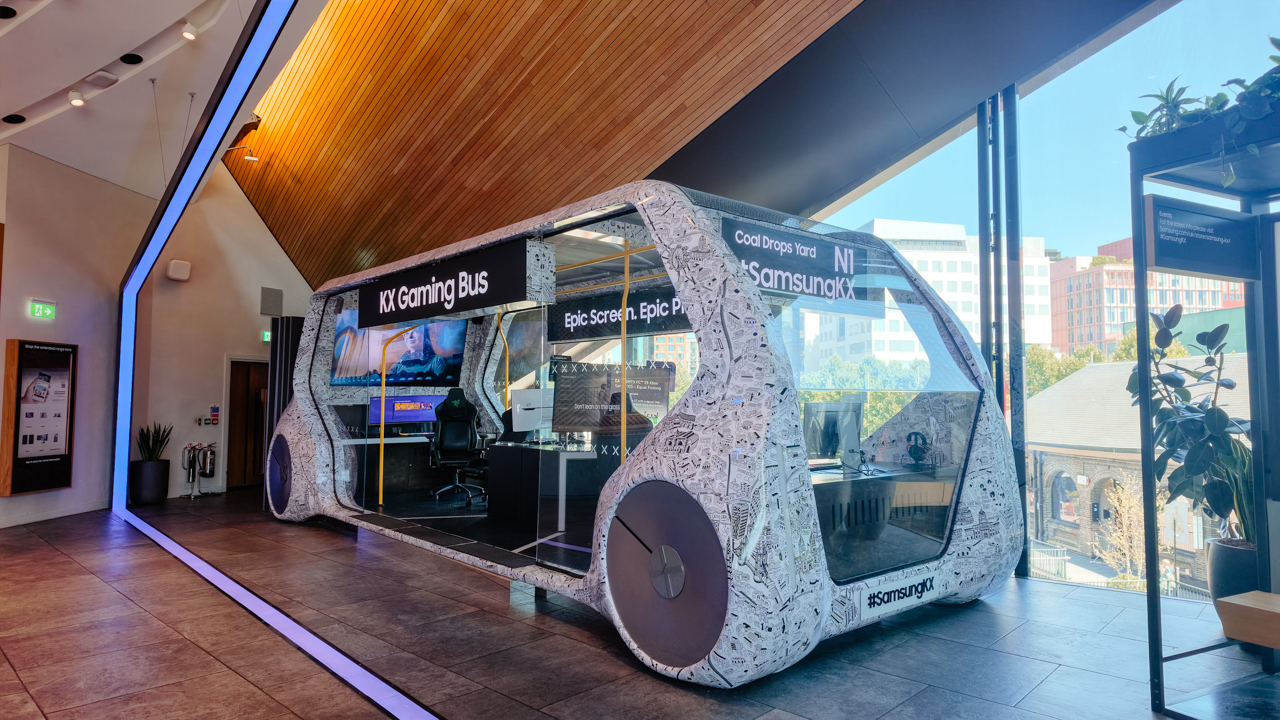
Surrounded by tech journalists comparing specs, I realized high-stakes gaming wasn’t exactly my domain. My idea of extreme competition usually involves bidding wars on vintage decor. Still, I could appreciate the craft behind the setups.
Sanctuary for the aesthetic soul
I gravitated toward the far right of the store, where the smart home ecosystem came alive, skipping the productivity workstations behind the central hub without a second thought.
I’m helpless in front of a bespoke living space that looks like it belongs on the cover of Architectural Digest.
Samsung had divided the smart home section into distinct real-world scenarios, each one showing how connected technology could elevate a different corner of a home.
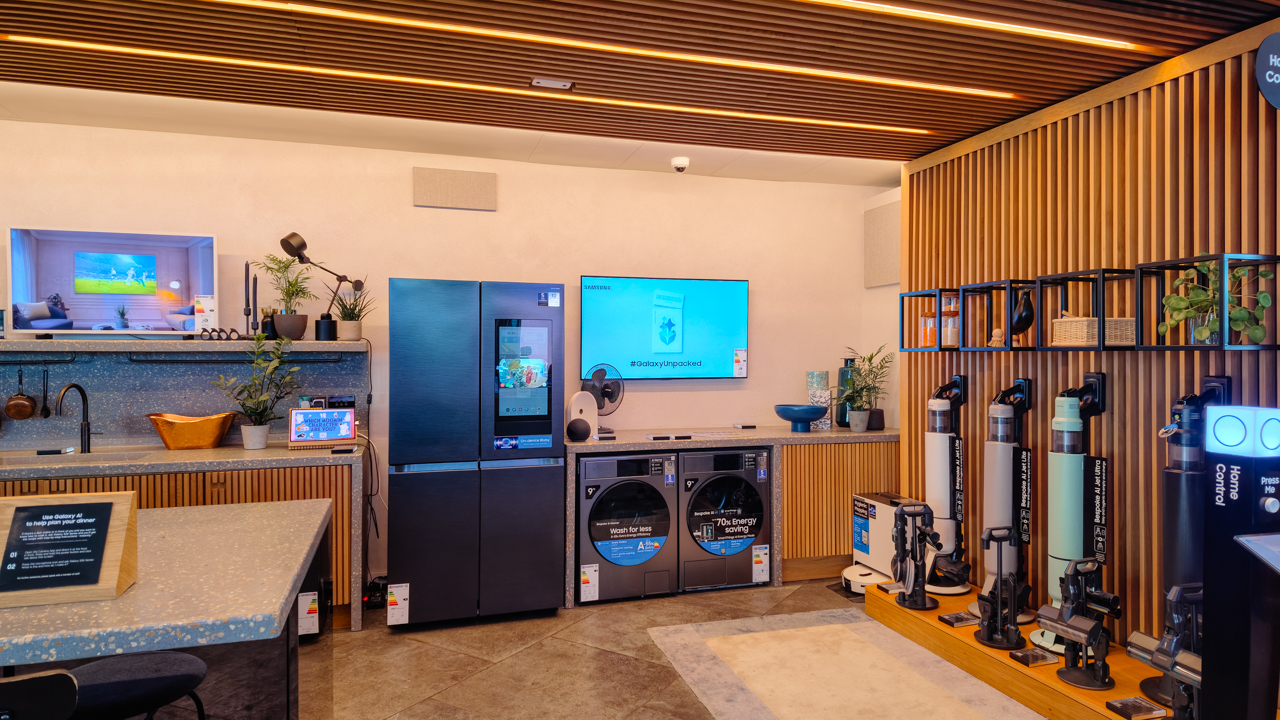
We started in the Smart Kitchen, where the Home Control system was on demo. One press on the panel turned the kitchen into a control room.
The refrigerator screen and the ambient TV both displayed live security feeds from the home CCTV. I envisioned a delightful image of myself entertaining guests while keeping an eye on my front door from the island counter.

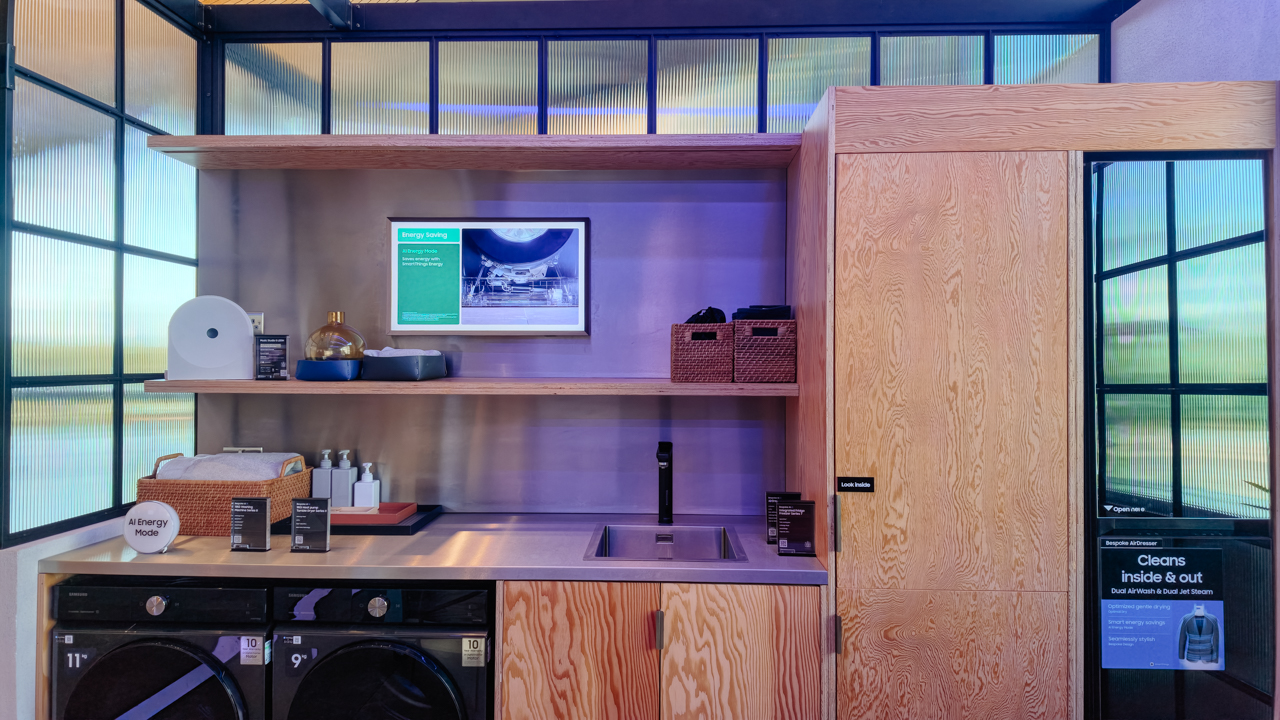
Further in, townhouse-style suites brought the vision to life. There’s a multi-room layout with a dining area, and a garage with integrated laundry along with a dedicated AirDresser.
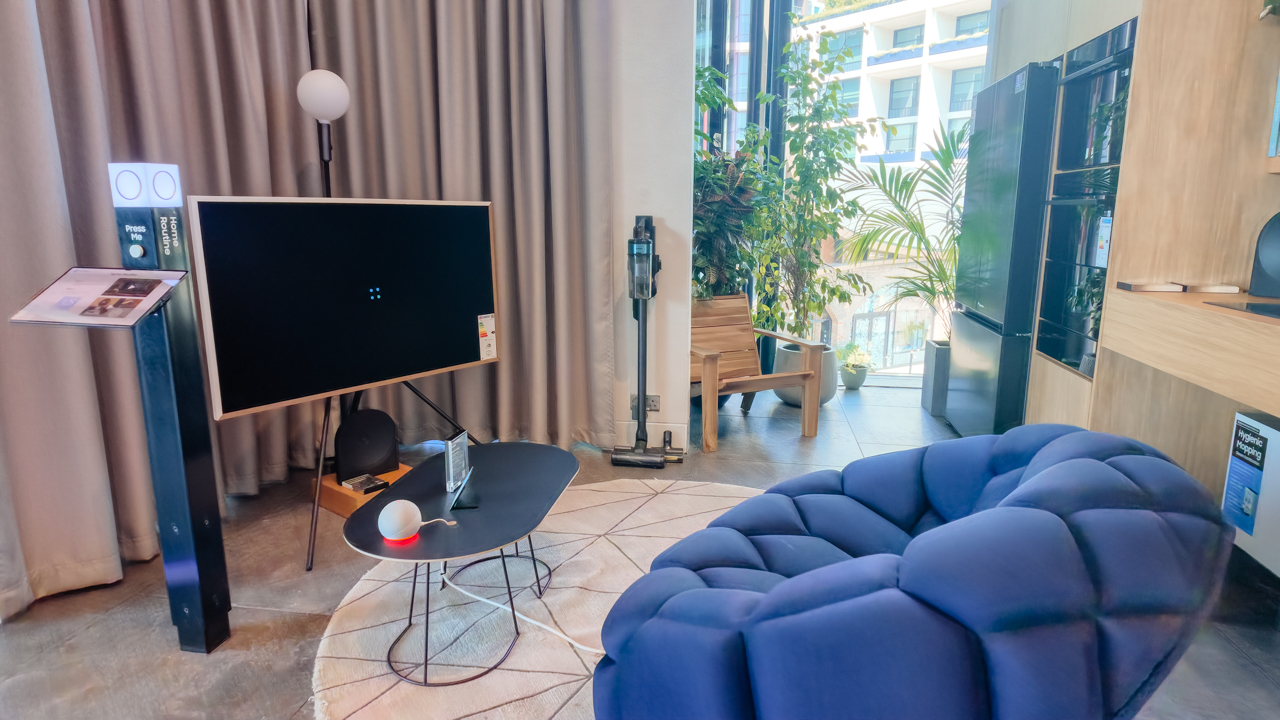
Nearby, a solo living setup demonstrated the Samsung Routine feature. Through SmartThings, it adapts lighting and climate the moment you step through the door.
Where whimsy meets fine art
The highlight of the tour, for me, was a dedicated Moomin zone, showcasing The Frame Pro alongside Samsung’s flagship TVs.
Tove Jansson created the Finnish fairytale trolls in 1945, filling her stories with quiet adventures in Moominvalley. Seeing the illustrations rendered on ultra-high-definition displays made the technology feel closer to gallery art than showroom tech.
View this post on Instagram
I stood there imagining how easily I could switch my living room wall from a classical oil painting to a whimsical illustration, depending on my mood. It proved that modern displays can soften a living space instead of overpowering it.
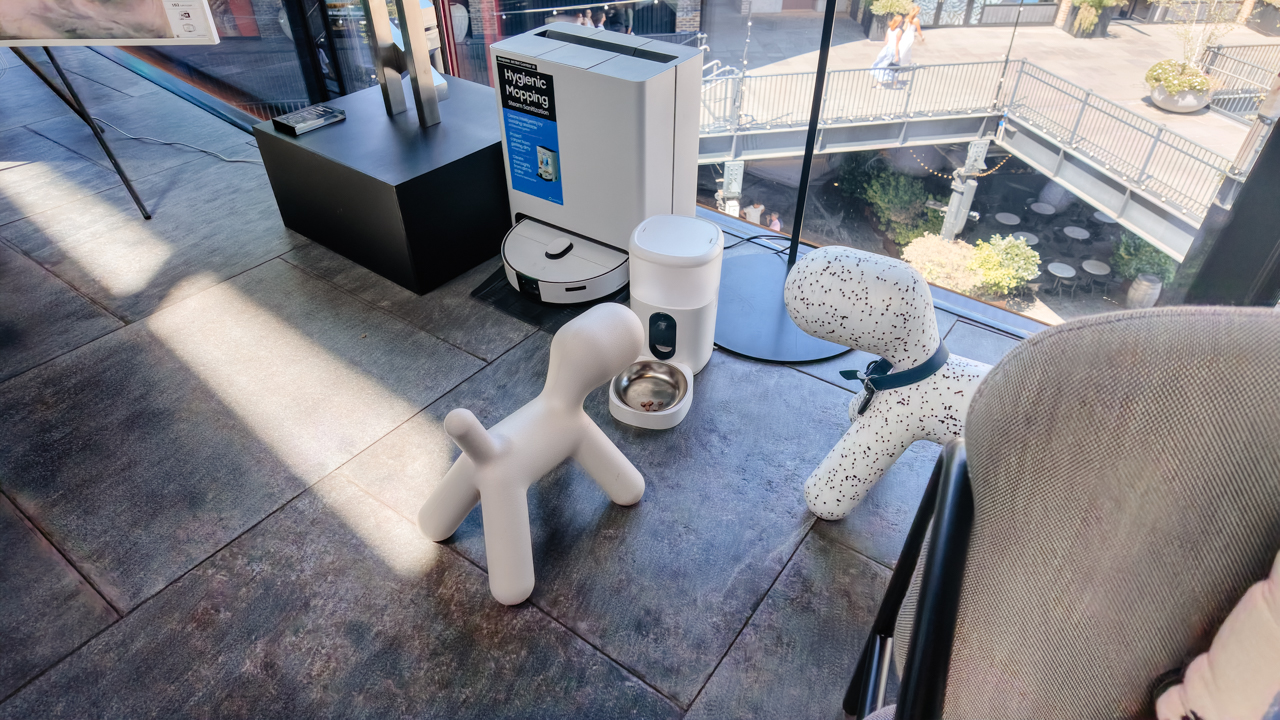
Walking out of Samsung KX, I realized the tour gave me far more than a look at new gadgets. It sparked a real desire to curate a home that feels smart and beautifully tailored to my life.
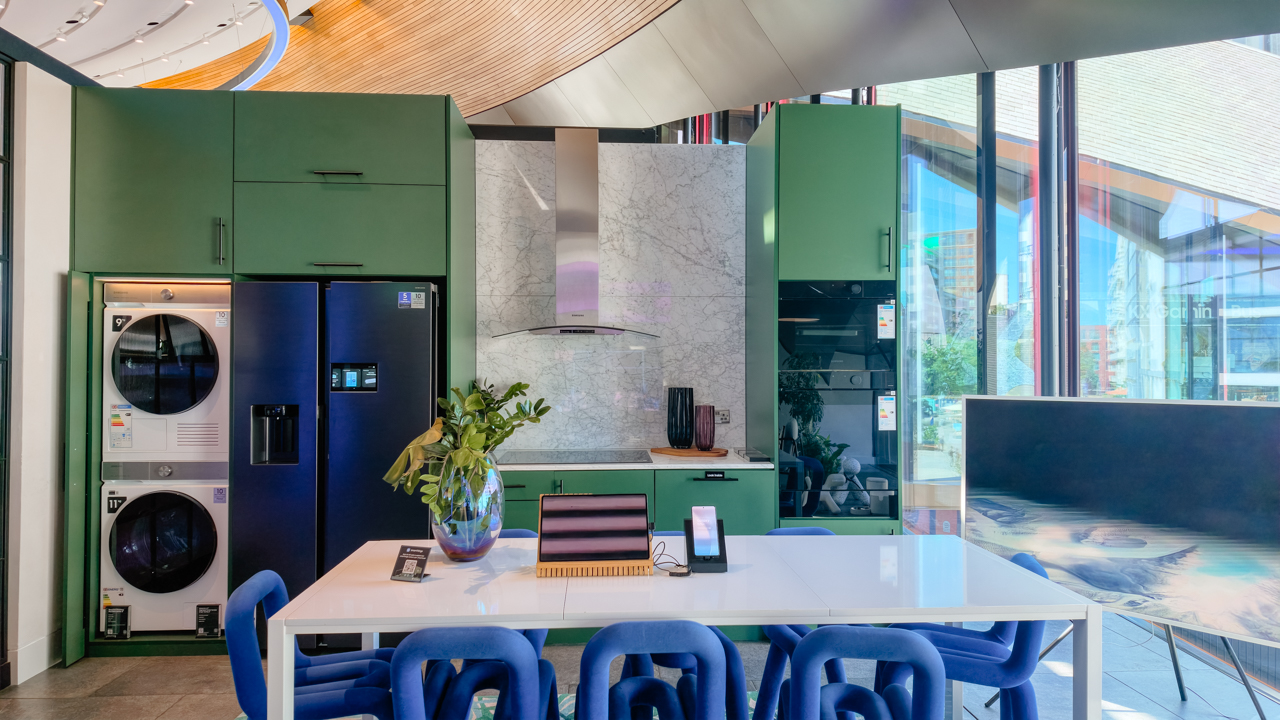
Experiencing technology through the lens of design and daily comfort makes me want to dream bigger. To build a space where every moment feels simpler and maybe… a little more elegant.
Hands-On
Hands-on: Samsung Galaxy Z Fold8, Flip8, Ultra
Samsung’s freshest foldables come out of the oven


Three foldables. Three very different people.
Samsung’s Galaxy Z Fold8 Ultra — the productivity maximizer. Heritage form factor, everything cranked to the max.
The Galaxy Z Flip8, pure style. The smallest, loudest, most you one of the bunch.
And finally, the Samsung Galaxy Z Fold8 — the new beginning.
Built for the way most of us actually use our phones: watching, reading, scrolling. The one I keep reaching for and have a feeling THE Michael Josh will be using a lot.
Same family. Three ways to experience it.
Head over to our hands-on video on the latest and greatest Galaxy Z8 family for you to know your best bet.
Apps
The case for traveling without a plan
How Grab’s 5-Star Travel Guide replaced my spreadsheets, for personal travel anyway
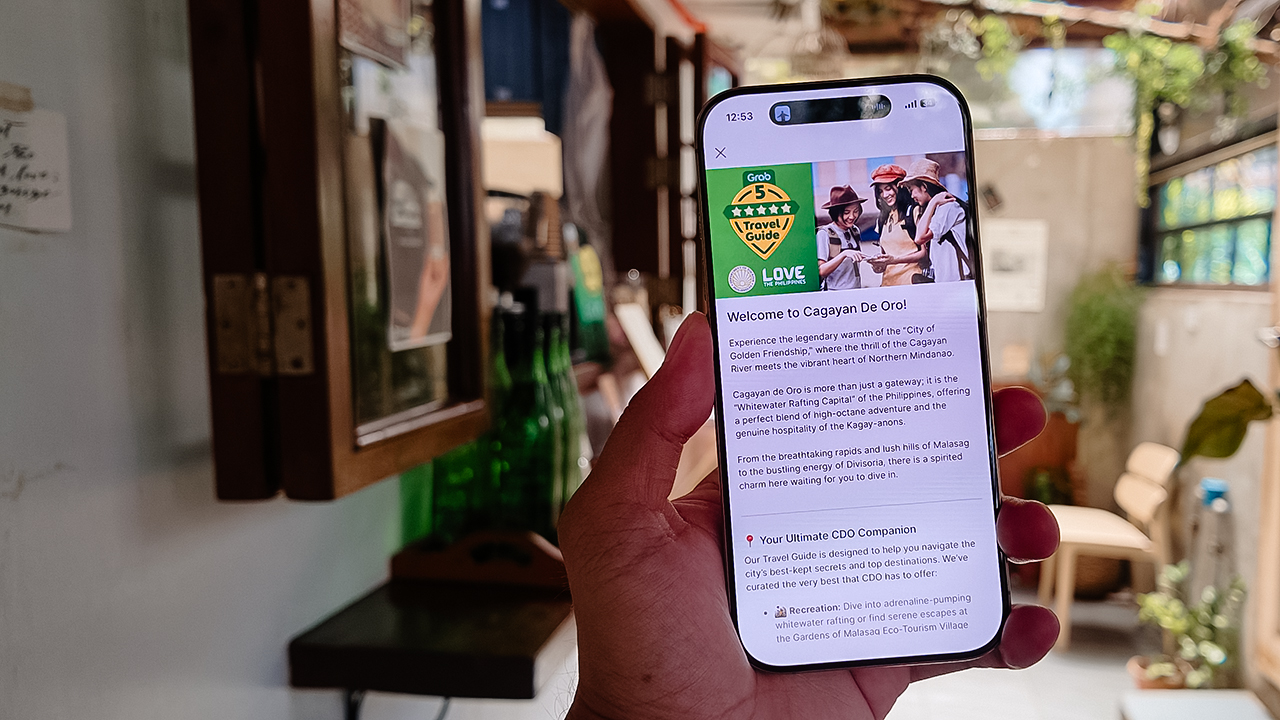
I have somehow acquired the reputation of a man permanently in transit.
Fill your feed with airport check-ins, road trips, hotel rooms, and race bibs for a decade, and people stop seeing travel as a hobby. They start treating it like a personality trait. And naturally, everyone is always breathless to know: “MJ, how on earth do you manage it all?”
Here’s the truth: every trip begins long before I pack a bag. A good itinerary takes time. Flights, hotels, transfers, backup plans, restaurant lists all have to fit together well enough to make the trip feel worthwhile.
My colleagues would probably call me a Type A traveler. They’ve watched me run international coverages and high-stakes business trips entirely off spreadsheets. Spreadsheets!
Timed down to the exact micro-second, complete with contingency plans for every possible disaster short of an alien invasion.
And they are completely right. For work. But personal travel? Oh, darling, personal travel plays by a completely different set of rules.
The luxury of letting go (and the panic that follows)
A month before departure, I am all about securing the basics. But once the flights and rooms are locked in? I completely let go.
I would much rather leave room for fabulous, unexpected curiosity than fill every single hour with another rigid destination.
Part of it is sheer decision fatigue. I spend so much of my professional life making executive decisions that the last thing I want to do on vacation is have a minor existential crisis at 2:00 p.m. over which artisanal café deserves the honor of my afternoon. I want to wake up, look at the sunlight filtering through the curtains, and let the universe decide.
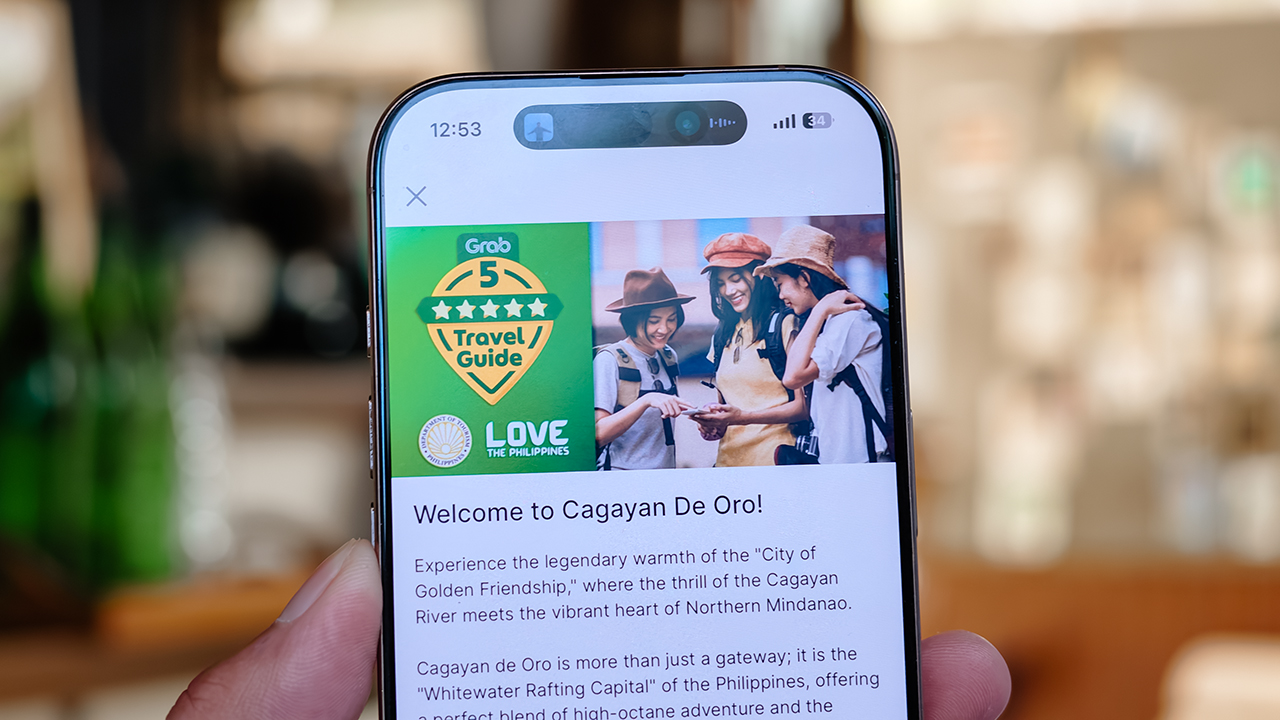
Of course, ironically, that absolute freedom can spiral into its own fabulous brand of panic. I know I want to go somewhere chic. I just have absolutely no idea where.
Which is precisely how Grab’s 5-Star Travel Guide quietly became the most indispensable accessory of my latest getaway.
Finding somewhere to spend the afternoon
I recently flew to Cagayan de Oro to spend some quality time with my long-term, long-distance, low-commitment, casual boyfriend. (Yes, it’s complicated, but the mystery keeps it glamorous.)
I arrived with absolutely zero plans, and this was entirely deliberate. If there is one thing a strong, independent person must never do, it is rely on someone else to dictate his day — even if that someone is technically his own handsome, local tour guide.
Instead of waiting around for an itinerary to be handed to me, I simply opened my Grab app while I’m in downtown and slithered over to their Travel Guide.
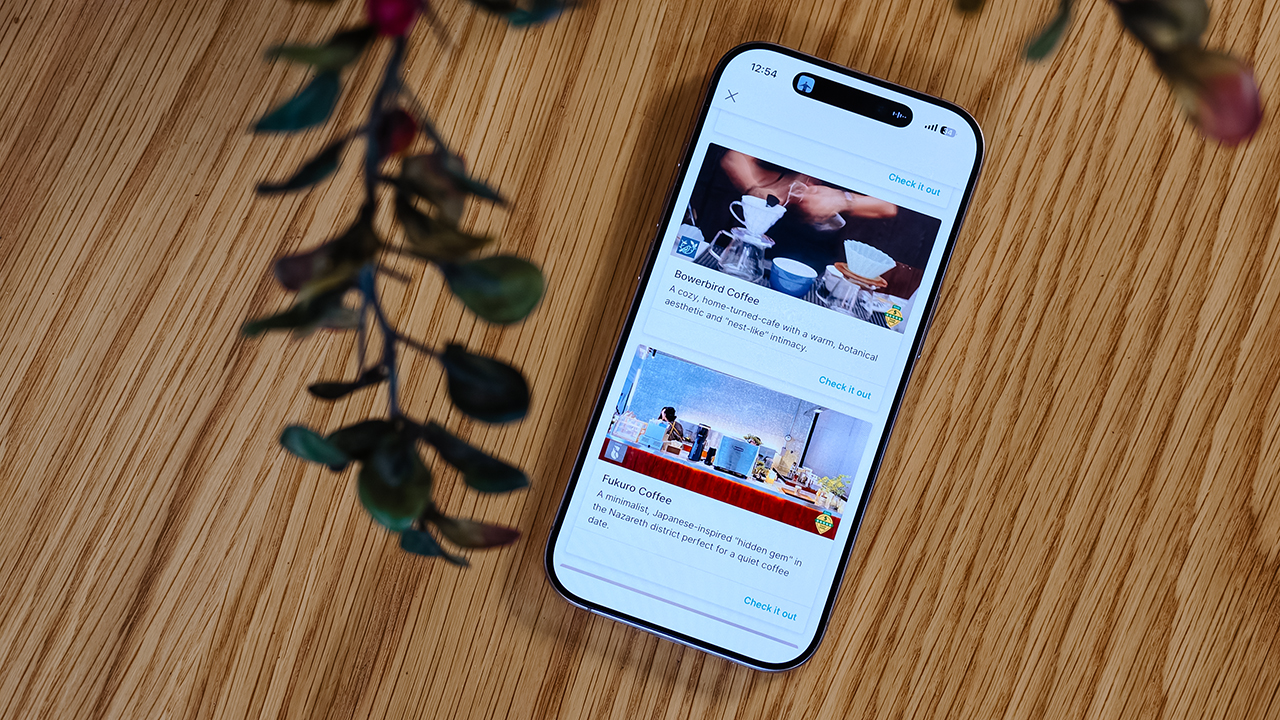
My fabulous friend, Syra, glided over from Midtown, and we agreed to rendezvous in Uptown to finally check out H Proper Coffee, which was practically screaming at me from the top of the Grab list.
It’s the city’s legendary third-wave coffee pioneer — complete with a deeply impressive roastery — and it has recently, thank goodness, expanded to Makati.
-
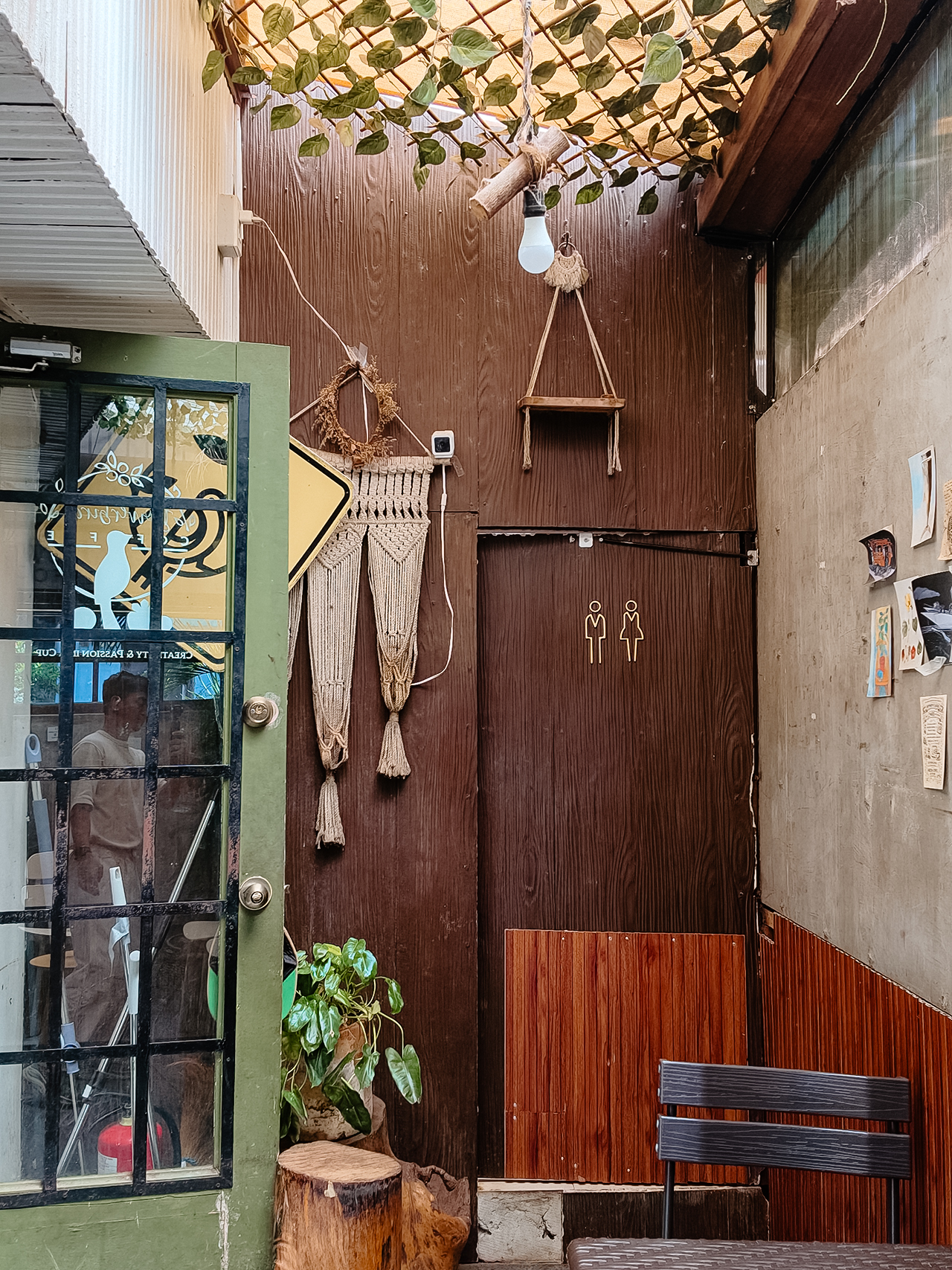
- Bowerbird Coffee
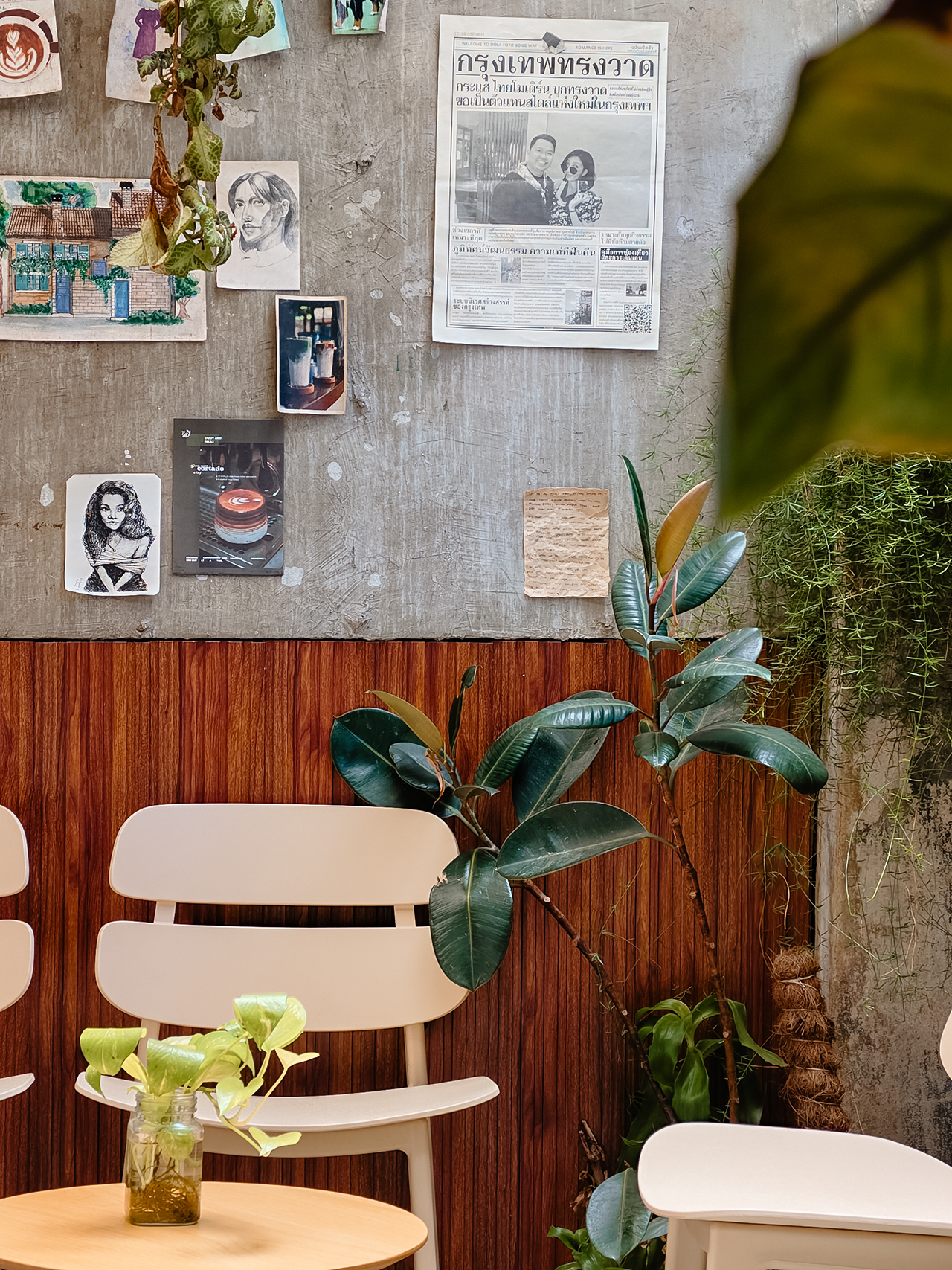
The guide also flirted with other familiar, delicious names like Milestone Coffee (where Syra and I had gossiped over lattes just six months prior), alongside Bowerbird Coffee, Fukuro, Apostrophe Café, The Lone Wolf, and Grae Coffee.
I must say, the recommendations were utterly spot-on. They weren’t just highly rated by random bots; these were the actual enclaves that the city’s stylish locals genuinely know and love.
Dinner dilemma (solved!)
The Travel Guide came through yet again when the sun began to set and the crucial question of dinner arose. Now, I absolutely adore discovering hidden neighborhood gems and family-run eateries. They possess a soul that no luxury restaurant could ever replicate.
That said, every proper holiday demands at least one evening where you put on a sharp blazer, splash on some Tom Ford, and indulge in a truly beautiful meal.
Unsurprisingly, Cucina Higala seduced me all over again. Look, I am a creature of habit. If I know an establishment delivers perfection, I will return.
Seeing it sitting proudly near the top of Grab’s curated list felt like a delicious little pat on the back; a quiet validation that my impeccable taste is worth trusting after all.
Beyond the plate
Refreshingly, the guide doesn’t stop at flat whites and fine dining. Grab’s Travel Guide also highlights local luxury hotels.
Though, fair warning, a few of them are the sort that make your credit card wince slightly. (But darling, they are five-star for a reason.)
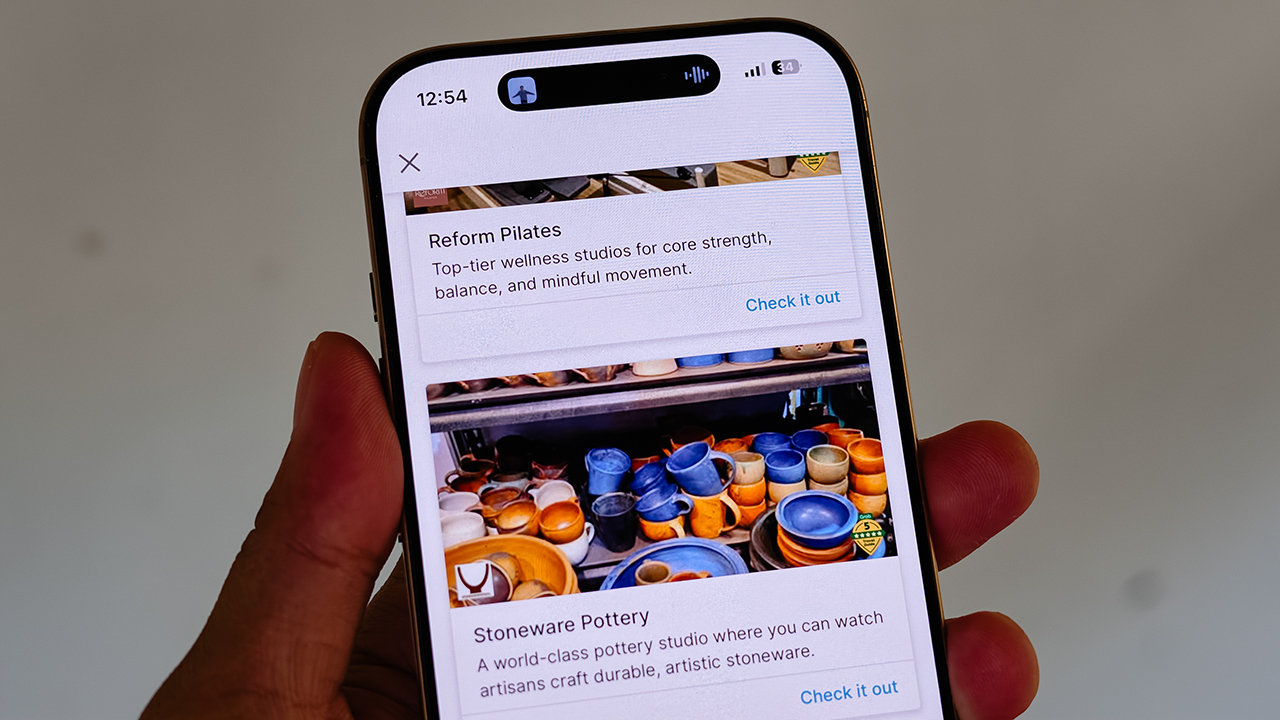
It also curates actual experiences. Browsing through the app, I found options for everything from heart-pounding whitewater rafting and sharp Pilates studios, to a world-class pottery atelier, a folkloric museum, and a sweeping, adventure-filled mountain retreat.
Some were already on my radar, but others? I would never, in a million years, have stumbled upon them myself. And that is the thrill of traveling this way. You leave just enough empty space in your diary to be utterly surprised.
For the spontaneous traveler
Let’s be clear: planning every detail down to the last centavo is not a flaw. When you’re younger or traveling on a strict budget, every single peso counts, and a meticulously plotted itinerary ensures you maximize both your wallet and your time.
But eventually, thank heavens, you reach a stage in life where the itinerary matters just a little bit less. A stage where time and budget stop being the terrifying monsters standing between you and a boarding pass.
You learn that not every single meal requires three weeks of intense counter-research. Not every hour requires a reservation confirmation number.
Sometimes, the most breathtaking, unforgettable moments happen simply because you wandered into a doorway you weren’t even looking for.
So, book the flight. Secure the hotel. Figure out how you’ll get around. Then let your feelings, and Grab’s Travel Guide, decide the rest.
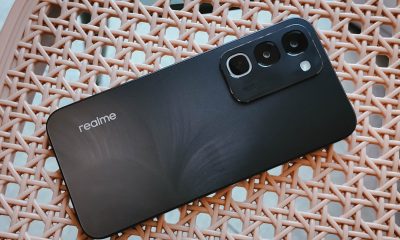

realme C100: Enduring and durable in spite of entry-level realities
Enough power but needs more agility


The ASUS ExpertBook Ultra wins you over
The laptop sneaks up on you


Nexal Watch Sport review: A rugged watch for small budgets
I couldn't believe that watches this good could come for this cheap.

TECNO unveils the world’s first 0mm bezel-less phone

We hosted a Spider-Man block screening with Samsung — here’s what went down

Apple introduces Apple Upgrade leasing program

AMD launches Radeon RX 9050 graphics card

Spartan Philippines brings DEKA to local athletes


-

 Wearables1 week ago
Garmin launches its first screenless fitness band
-
 Hands-On1 week ago
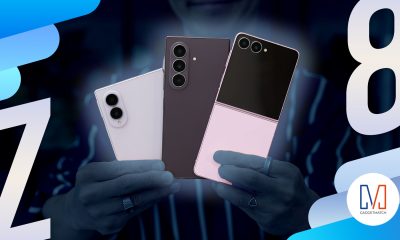
Hands-on: Samsung Galaxy Z Fold8, Flip8, Ultra
-

 Accessories1 week ago
CASETiFY revives Spider-Man collection for Brand New Day
-

 Gaming2 weeks ago
Call of Duty, Aston Martin unveil Dreadnought for Modern Warfare 4
-

 Cameras1 week ago
Sony announces new FX5 full-frame camera
-

 Gaming1 week ago
NBA 2K27 cover athletes unveiled: Wemby, Clark, DRose
-

 Gaming1 week ago
FINAL FANTASY X | X-2 HD Remaster launches on Nintendo Switch 2
-

 Entertainment2 weeks ago
Avengers: Doomsday trailer assembles Marvel’s biggest heroes against Doctor Doom