
News
Huawei Mate 10 Pro places second in DxOMark ranking

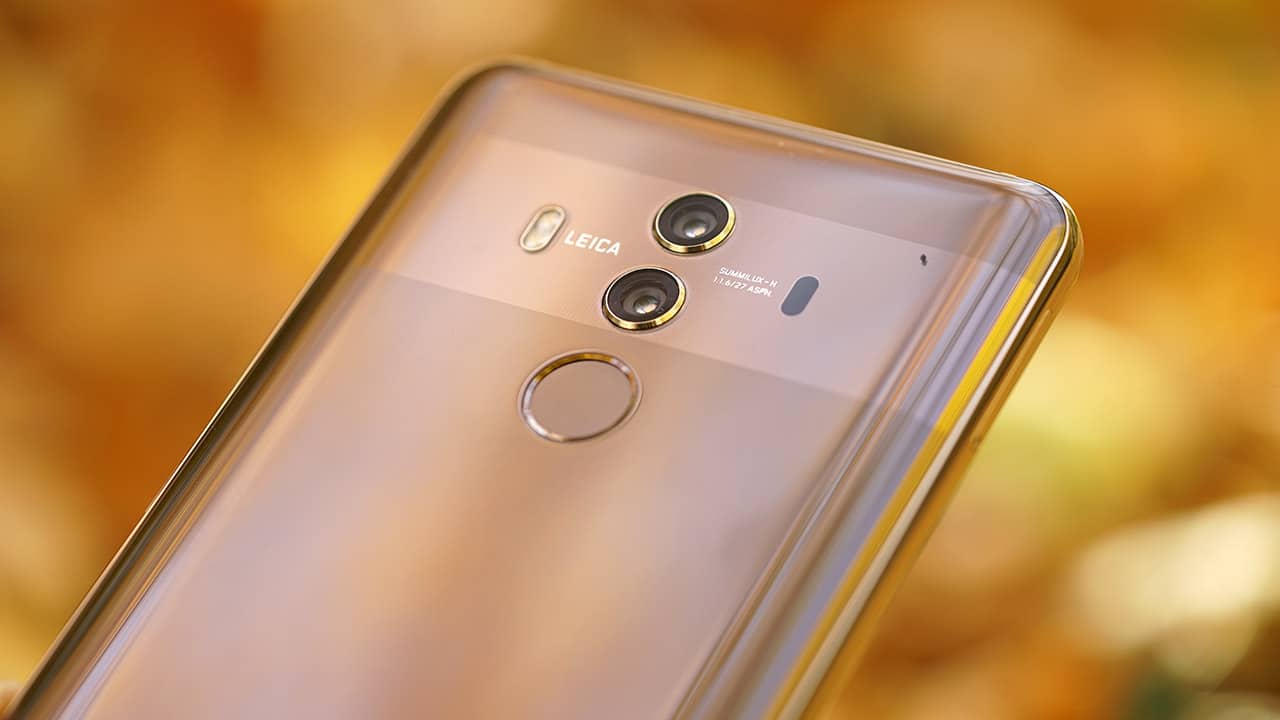
DxOMark, the number one source for camera quality testing, has been on a roll lately, scoring most of the top smartphones to launch in the past few months. Huawei’s Mate 10 Pro is their latest entry, and its results nearly hit the top of the mobile ranking.
With an overall score of 97, the Mate 10 Pro is one point shy of tying the Google Pixel 2’s 98, which is the highest score ever achieved by a smartphone. Although it may sound like a loss for the Leica-powered handset, there’s some good news for Huawei.
The photo score of the Mate 10 Pro is 100; that’s higher than the 99 scored by the Pixel 2, and ties with the Samsung Galaxy Note 8’s own 100. This means you can’t get anything better for still photography than the Huawei flagship right now.
Check out the breakdown:

The video score isn’t that bad, either. It beats the iPhone 8 Plus (89) and Galaxy Note 8 (84), and loses only to the Pixel 2 (96) once again.
DxOMark praises the Mate 10 Pro for its great overall picture quality both indoors and outdoors, the fast and consistent autofocus, reliable portrait mode despite having no secondary zoom lens. Cons are few, consisting mostly of issues with exposure and saturation consistency.
The constant shift in smartphone ranking has been causing a bit of a stir lately. People have started questioning the legitimacy of DxOMark’s scoring parameters and the gadgets they choose to test.
For one, the recently updated algorithms for the system have changed the weight for certain subscores. And if you’ve noticed, there’s currently no LG smartphone on the list, or anything from the popular Chinese brands for that matter.
SEE ALSO: Huawei Mate 10 Lite is a rebranded Nova 2i (AKA Maimang 6 and Honor 9i)
[irp posts=”22322″ name=”Huawei Mate 10 Lite is a rebranded Nova 2i (AKA Maimang 6 and Honor 9i)”]





News
TCL CSOT Unveils ‘APEX Pixel’ innovations at SID Display Week 2026
Breakthroughs in display technologies

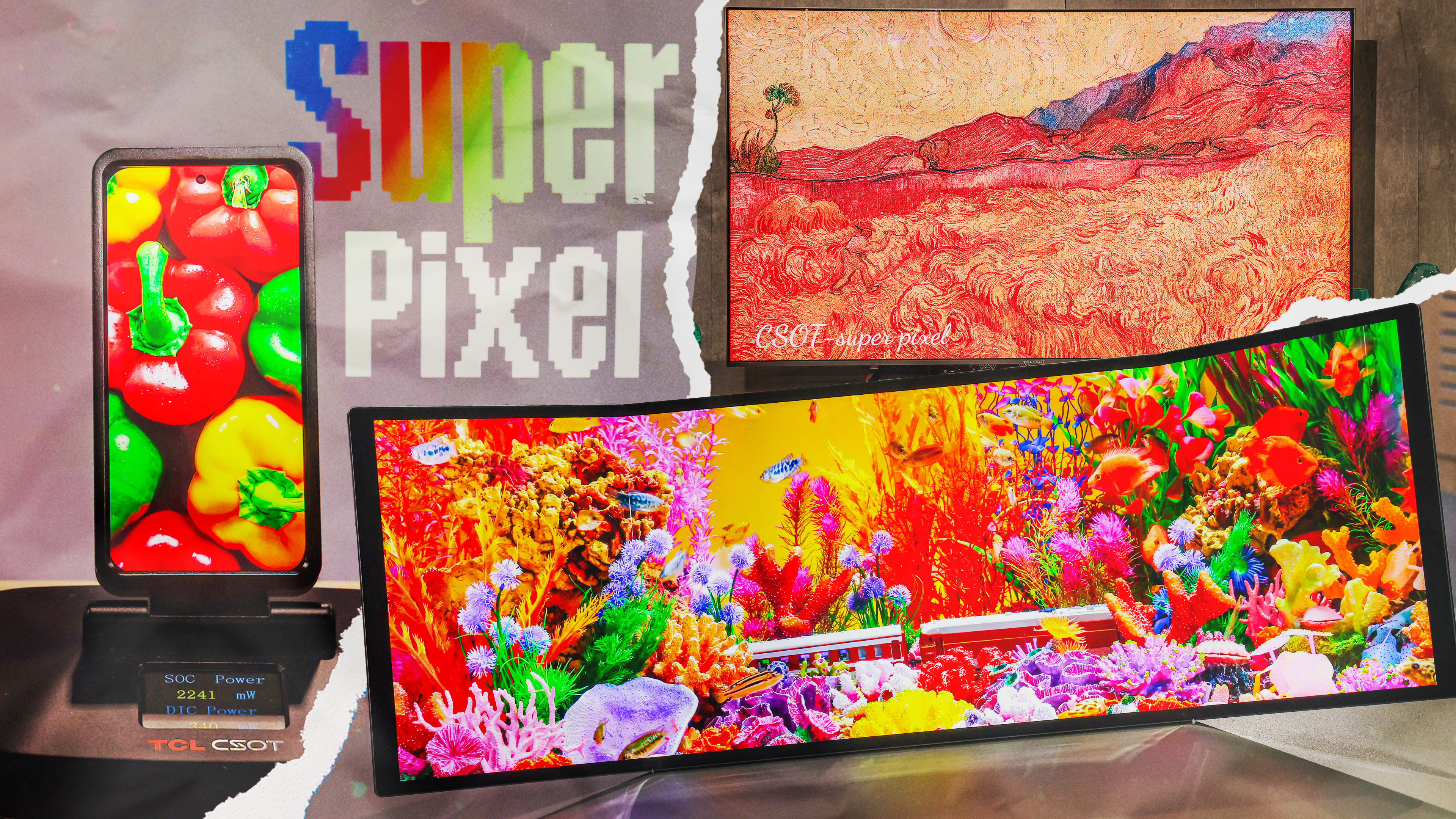
Pushing the boundaries of display physics, TCL CSOT has officially launched its APEX Pixel framework at SID Display Week 2026.
This unified innovation path targets the microscopic architecture of pixels across FMM OLED, Inkjet-printed (IJP) OLED, and LCD panels to redefine clarity, power efficiency, and color volume.
The Super Pixel revolution
The highlight of the showcase is the Super Pixel technology for mobile FMM OLEDs.
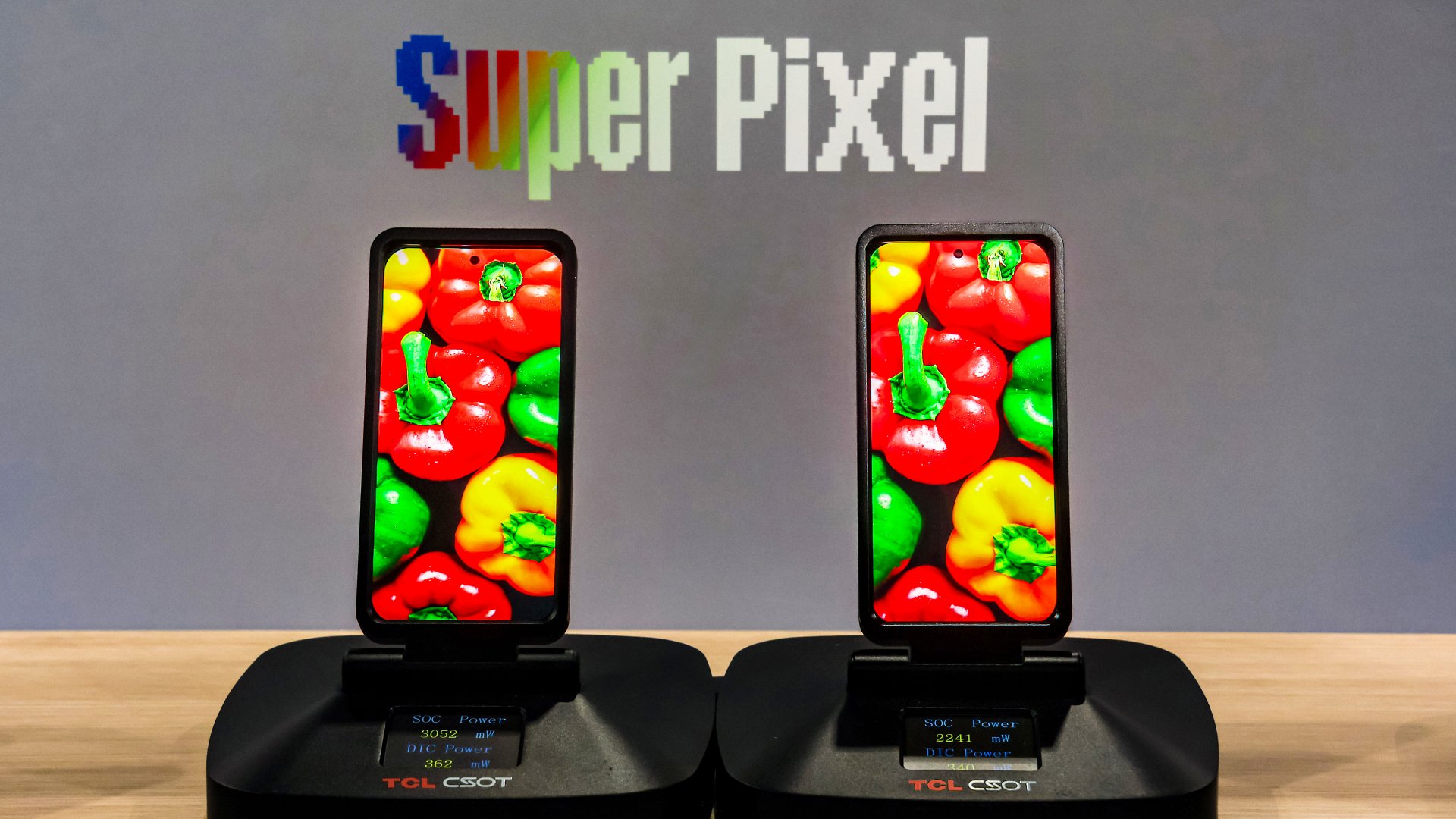
By increasing sub-pixel density by roughly 1.8%, TCL CSOT has achieved sharpness comparable to WQHD standards while slashing power consumption by 25%.
Key mobile prototypes on display include:
- 6.9-inch Ultra-Clarity Display: Features a 2608×1200 resolution with a 0.5mm top bezel
- 165Hz High-Refresh Panel: Utilizes a Real RGB layout to boost motion smoothness by 40% over standard 120Hz screens
- Ultra-Low Power 8T LTPO: A 420PPI powerhouse that reduces SoC power draw by a quarter.
IJP OLED and the Tri-Fold Future
TCL CSOT continues to lead the transition toward Inkjet-printed (IJP) OLED.
By utilizing the world’s first 8.6-generation IJP line, the company has debuted a 28-inch Foldable and Portable IJP OLED Monitor.
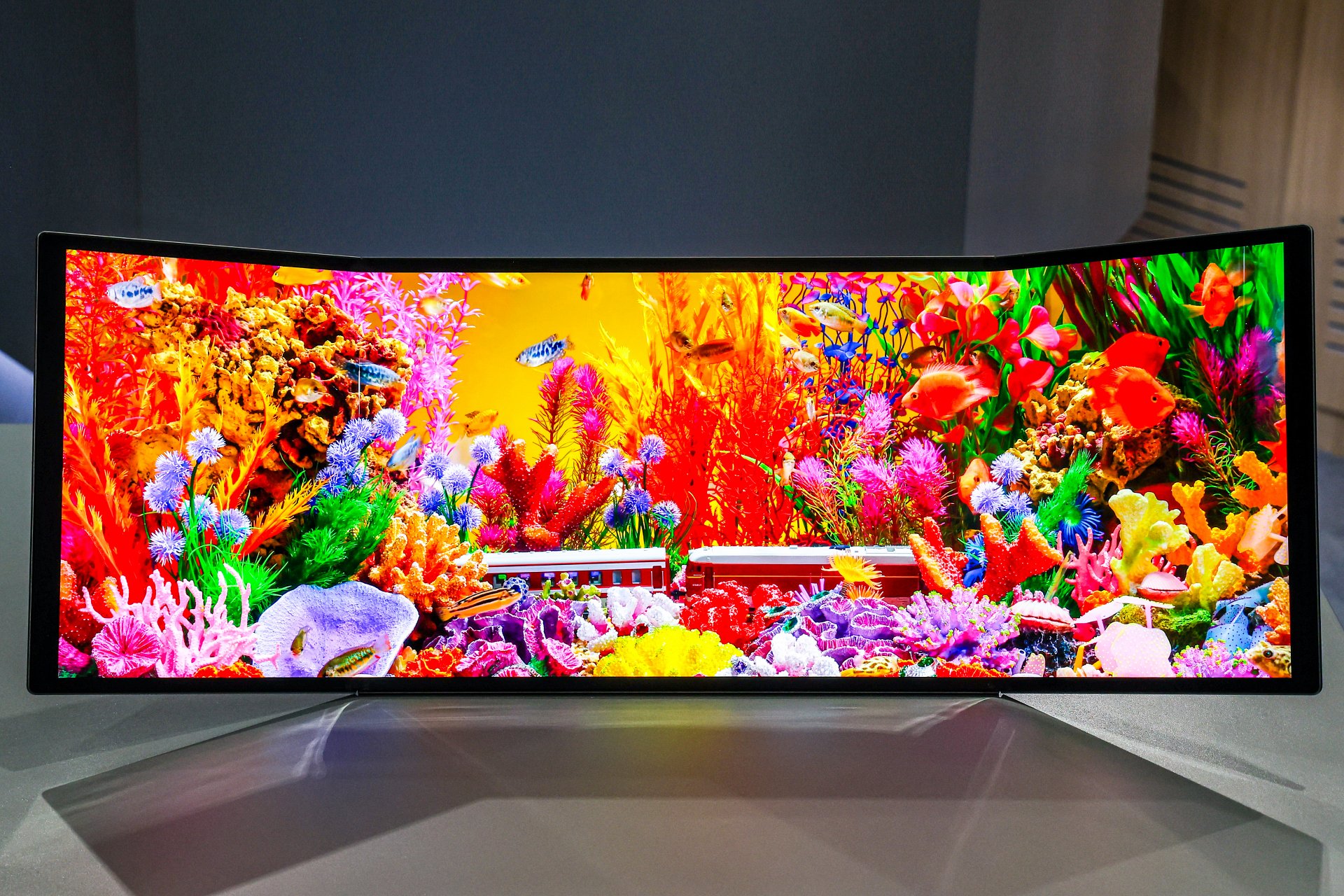
This “Real Stripe” RGB display features a tri-fold design that expands from a 16-inch footprint to a 28-inch workspace.
IJP OLED allows for larger light-emitting areas, occupying 50% to 60% of the pixel. This leads to a significantly enhanced luminous efficiency compared to traditional evaporation methods.
RGBC: The New Standard for LCD
For large-scale cinema experiences, TCL CSOT introduced RGBC Four-Color Technology.
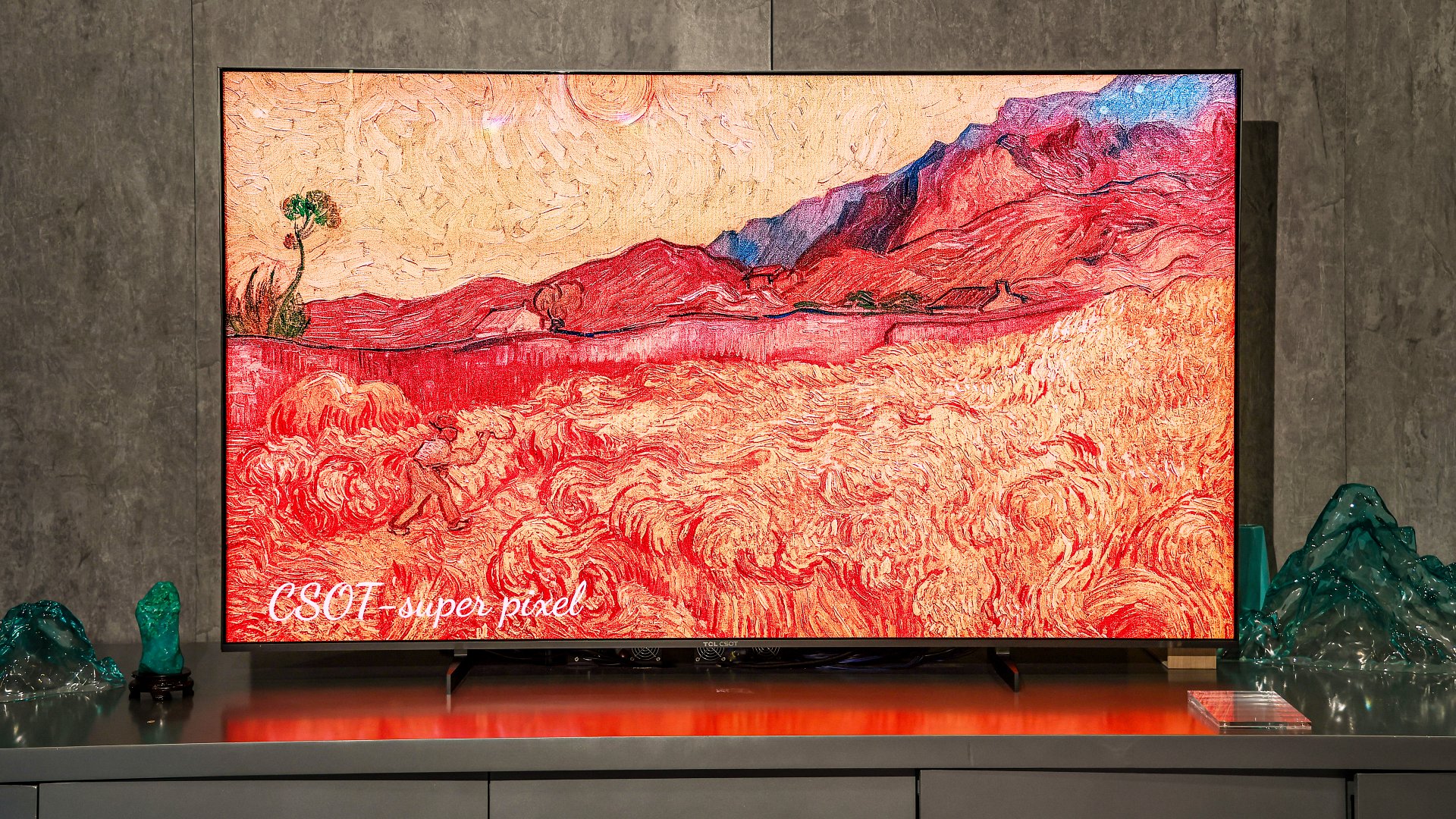
By adding a Cyan sub-pixel to the traditional RGB matrix, the 85-inch WHVA Ultra LCD TV achieves a staggering 131% of the BT.2020 color gamut.
This hardware-level shift allows for more saturated hues and finer resolution rendering that traditional three-color pixels cannot replicate.
Through APEX Pixel, TCL CSOT is no longer just chasing size, but perfecting the very atoms of the digital image.
News
iPhone 17 is the best-selling phone of 2026 so far
Meanwhile, the Galaxy S26 series didn’t make the top ten list.

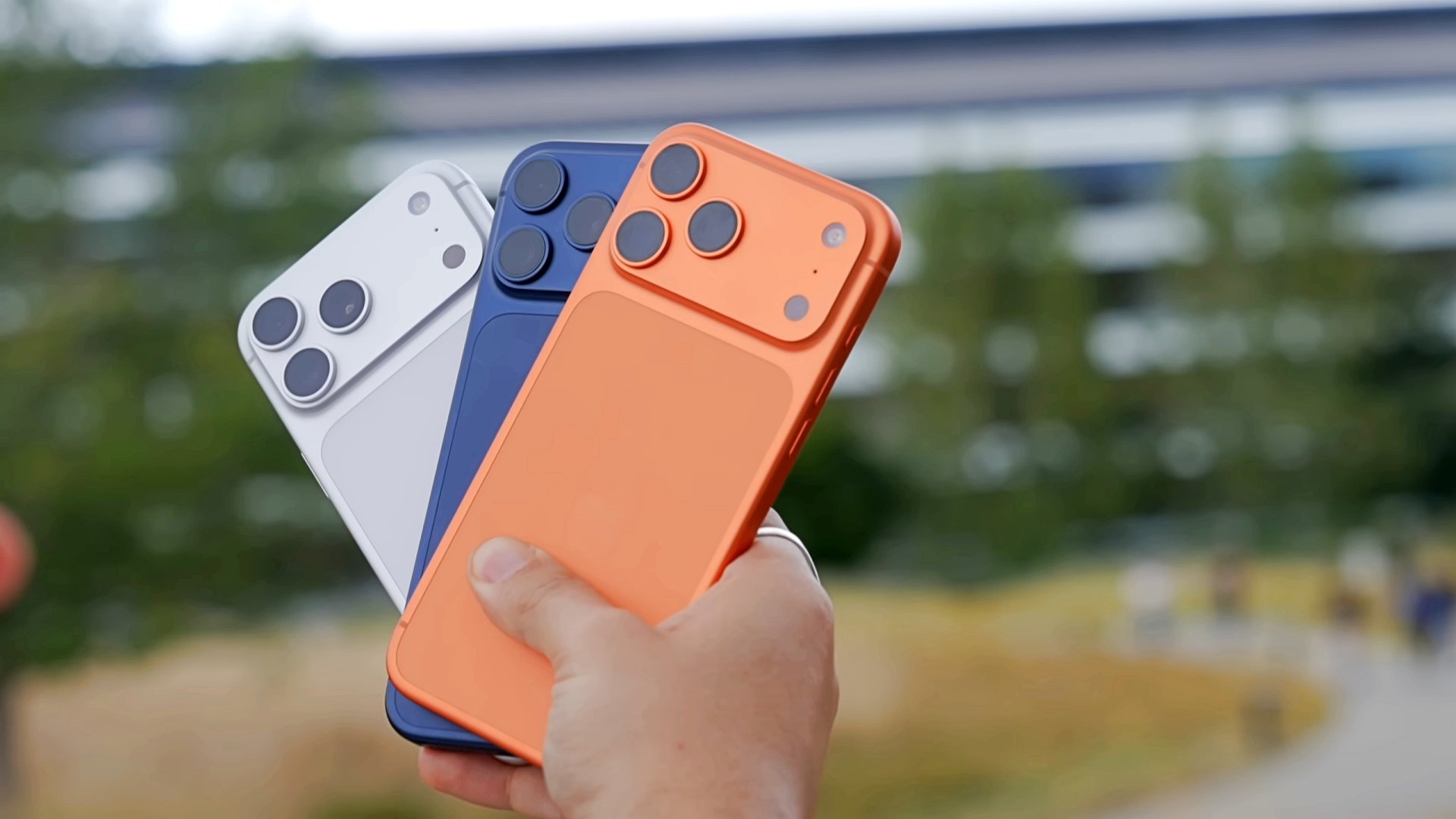
With more than a quarter of the year done and dusted, it’s time to figure out which smartphone has taken the early lead in the charts. According to the numbers, it can’t get any clearer. The iPhone 17 is currently dominating the charts.
According to Counterpoint Research, the bestselling smartphone in the world as of the first quarter is the base iPhone 17. The model took 6 percent of the global share in unit sales. Meanwhile, the iPhone 17 Pro Max and Pro took the second and third spots, respectively. Only a bit surprisingly, Apple rounded out its quarter with the iPhone 16 taking the number 6 slot.
The stranger thing is Samsung’s presence on this list. The South Korean brand took five spots on the top 10 list. However, none of them are of the Galaxy S26 series. All of them are from the Galaxy A series: in order, Galaxy A07 4G, A17 5G, A56, A36, and A17 4G. (The Galaxy S26 series narrowly missed the top 10.)
That makes nine. The final spot was taken by the Xiaomi Redmi A5.
Going only by the last two paragraphs, you’ll likely assume that the midrange market is rightfully dominating the charts in the months following the Christmas season. However, the iPhone 17’s dominance confirms that Apple has not lost its stride.
Plus, with the iPhone 17e only just having launched, Apple might continue its run well into 2026.
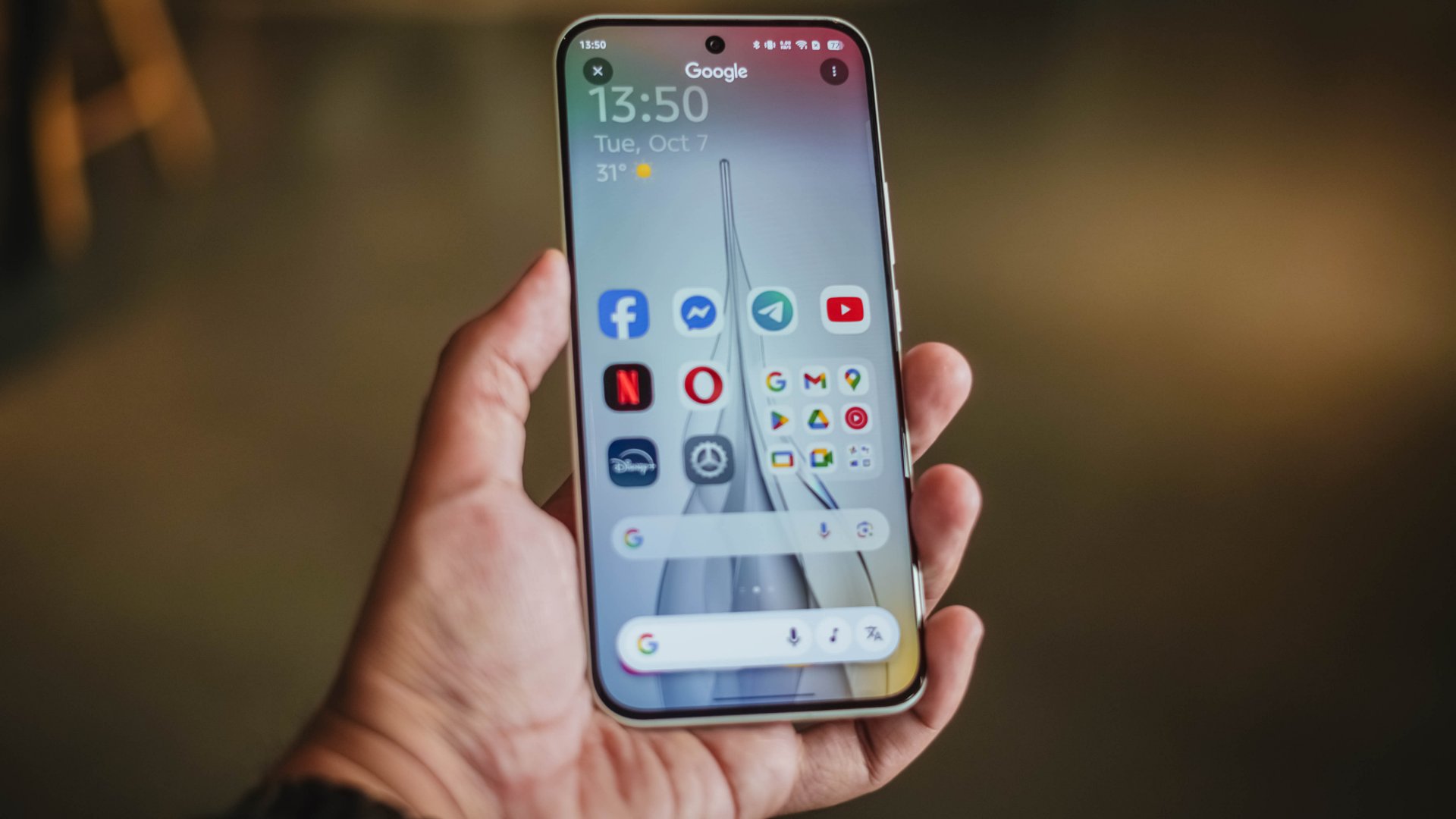
Google is slightly moving away from Material Design. Last week, a set of icon changes saw Android adding splashes of gradients to its formerly flat app icons. To poke fun at Android’s move away from flat designs, a user on X created a mockup of Android running Apple’s Liquid Design. Google, however, had a response ready in the chamber.
On X, @Micetor made a mockup of Android, specifically on the upcoming Pixel 11, using Apple’s latest Liquid Design aesthetics. It looked much like what an iPhone does except with Google’s icons and fonts.
Clearly, Google does not need to reply to any unsubstantiated mockups about its ecosystem. But they still did.
Sameer Samat, Google’s head for the Android ecosystem, personally replied to the mockup with a simple rebuttal: “Not happening!”
Not happening! Y'all are wild. 😂
— Sameer Samat (@ssamat) May 5, 2026
Despite using the design language for over a decade, Google does not want to drop Material Design altogether. Though the new gradients have revitalized the design language somewhat, the essence of flat design is still there.
Apple, on the other hand, wants a return to 3D. Liquid Design mimics the transparent aesthetics of Windows Vista. Though a bunch of users have found the design polarizing, other brands have started copying the design for themselves, incorporating elements on Liquid Design on their interfaces.
Whatever Google is doing, it’s coming in due time. The company is hosting its annual Google I/O on May 12 to showcase new developments coming to the Android ecosystem, including its design.
SEE ALSO: More iPhone switchers this year than Android switchers, report says


PRAGMATA is not for the faint of heart
Already a Game of the Year contender for all the feels

5 games with the nubia Neo 5 GT 5G
Niche device, but is worth the price?


Giving up counter space for reverse osmosis: Living with Waterdrop M6H in NYC
A 7-stage filtration system

GadgetMatch makes it back-to-back wins at the Henry Ford Awards

TCL CSOT Unveils ‘APEX Pixel’ innovations at SID Display Week 2026

iPhone 17 is the best-selling phone of 2026 so far

Spotlight: ASUS Zenbook A16

Google, on Android adopting Liquid Glass: “Not happening!”


-
 News2 weeks ago
OPPO Find X9 Ultra lands in PH: Price, availability, pre-order perks
-

 Gaming2 weeks ago
Saros review: Returnal’s difficulty is back and better than ever
-
 News2 weeks ago
OPPO Find X9s now official in PH: Price, availability, pre-order info
-
 News2 weeks ago
OPPO Find N6 now in PH: Price, pre-order, availability
-

 Gaming1 week ago
Level Infinite launches Gangstar Mirage City exclusively in PH
-
 News2 weeks ago
This rumored iPhone 18 color will make you switch phones
-

 Gaming2 weeks ago
Beast of Reincarnation coming to PS5 this August
-
Reviews1 week ago
5 games with the nubia Neo 5 GT 5G