

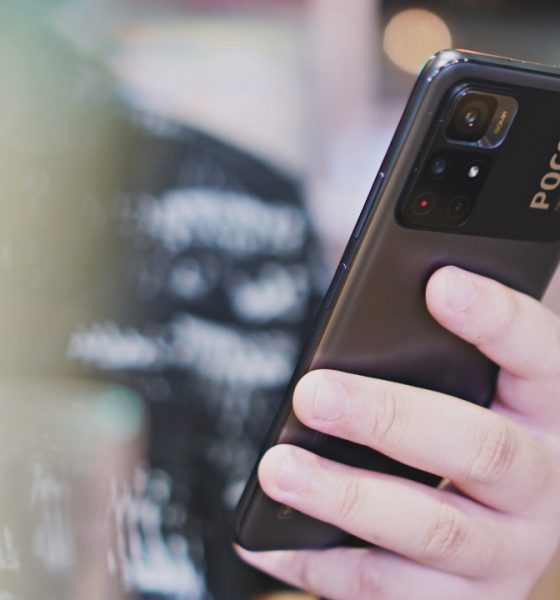

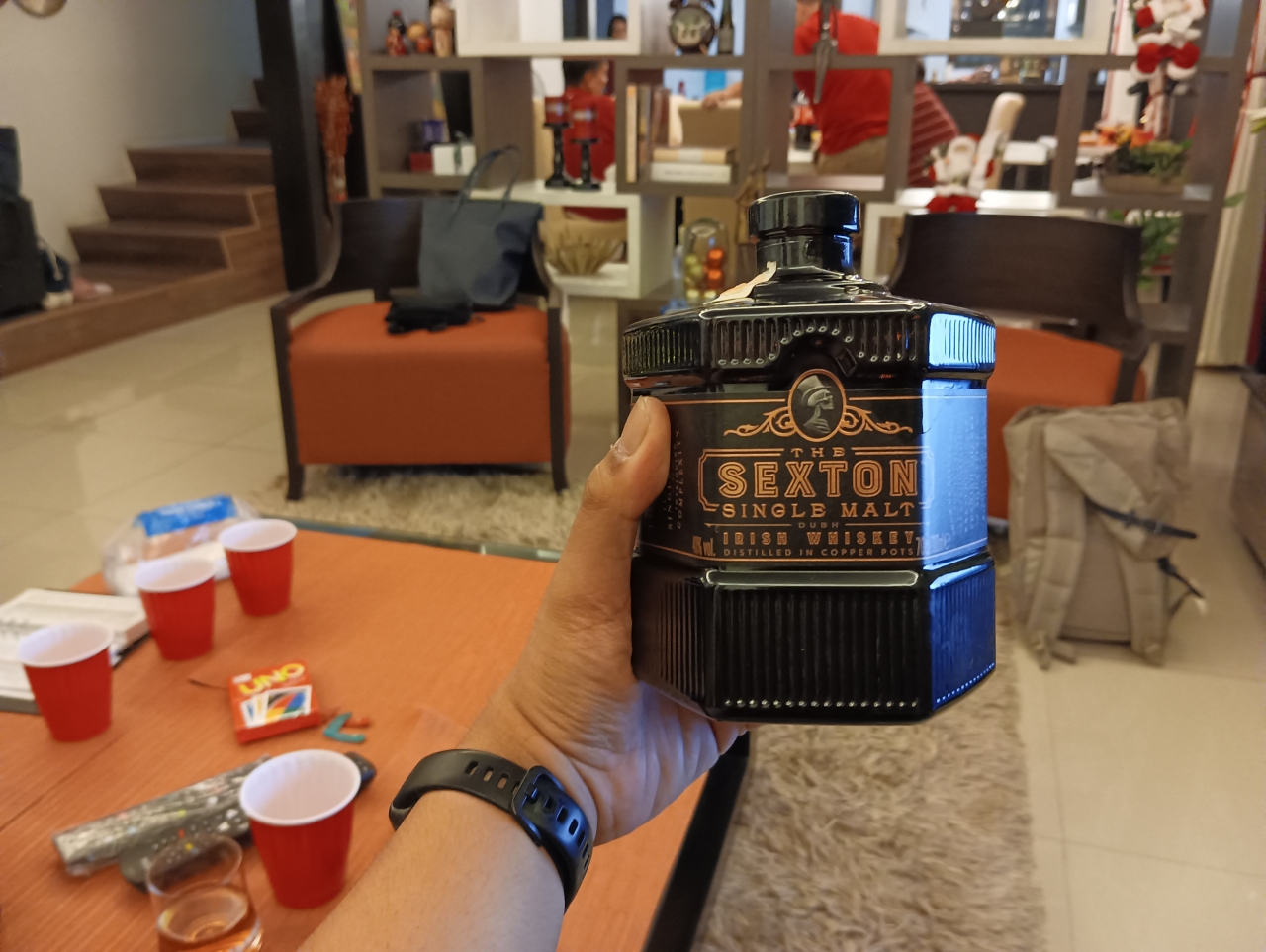
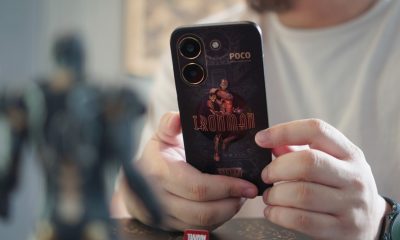
I brought the POCO M4 Pro 5G to a beach trip with some close family members a few weeks back. When my cousin saw the device I was reviewing, he had an immediate reaction.
“Hey, that’s POCO! You can surely trust that for gaming, it’s a POCO phone,” he said in a mix of Tagalog and English. It was an animated response, but by no means was it unique.
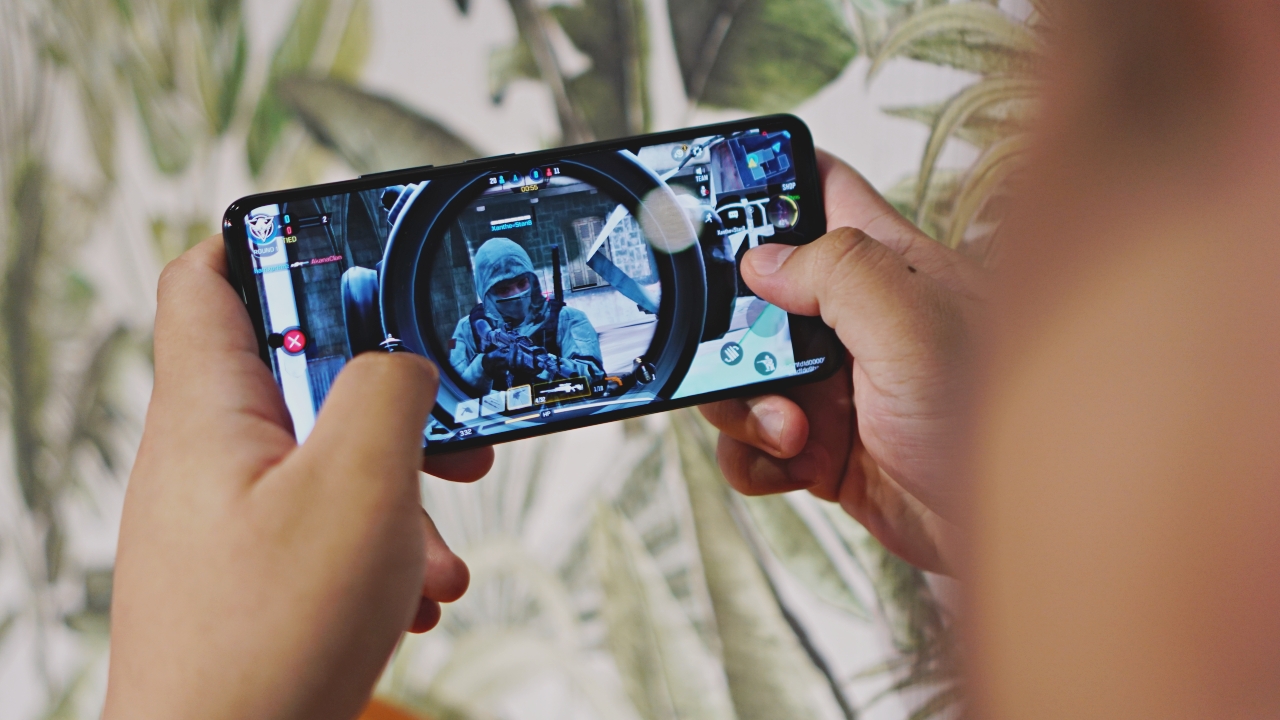
The POCO brand has long been associated with affordable midrangers that can handle the most graphics-intensive games. Raw power was made accessible with price tags that didn’t break the bank. In short, a POCO phone was viewed as the gaming phone for the everyday tech head, for better or worse.
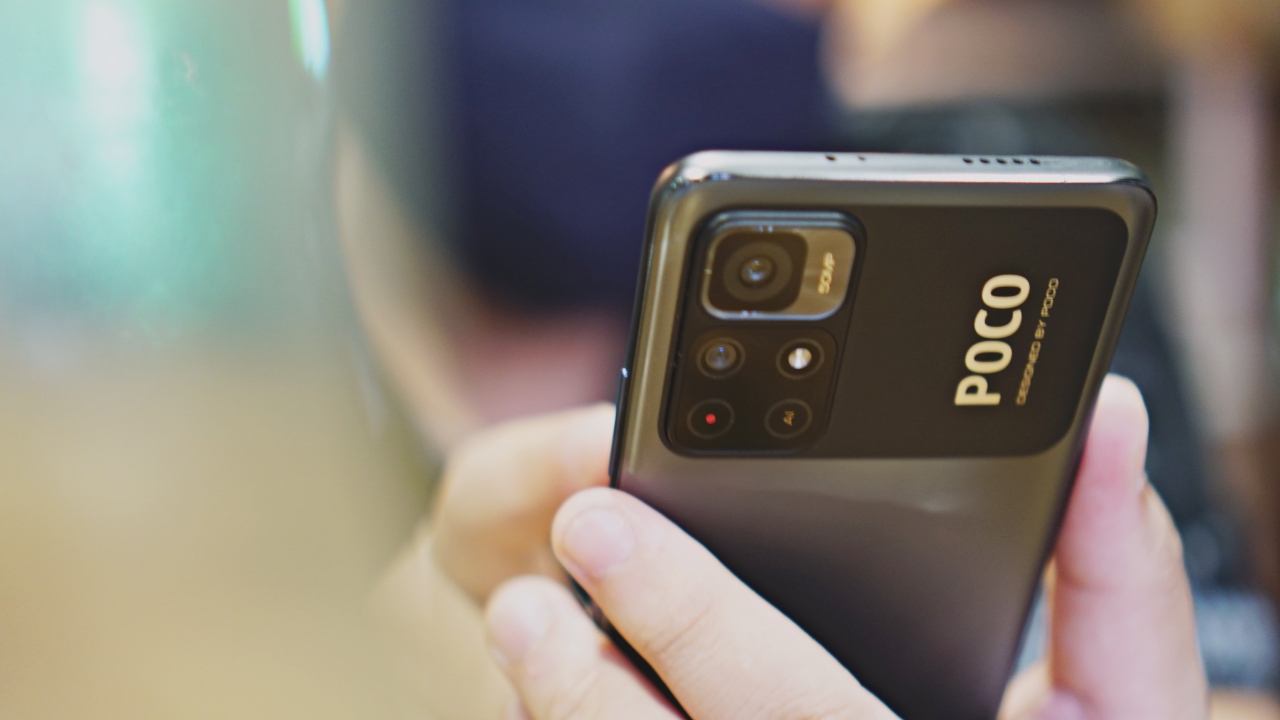
For better, because being a gaming phone meant you were a device that had raw processing power. For worse, because being a gaming phone often meant you didn’t offer anything beyond that.
It’s a barrier that POCO’s trying to get past and their M4 Pro 5G is their latest attempt at showing that they can create tech that goes beyond raw power. After all, the daily experience of the everyday tech head goes beyond gaming. Does it deliver?
Software that gets the job done

Out of the box, POCO’s software can be overwhelming to handle. You’re greeted with loads of bloatware with plenty of special features being offered right in front of your face. In short, it’s exactly what you’d expect out of a phone created by a Chinese brand.
But once you get through all the clutter, you’ll get an experience that is both smooth and consistent. The bloatware is (sadly) part of this POCO experience, but it isn’t so heavy that your day-to-day usage will be terribly hindered. This is still a good, well thought-out software, that may feel colorful on the outside, but has more stock to it on the inside.
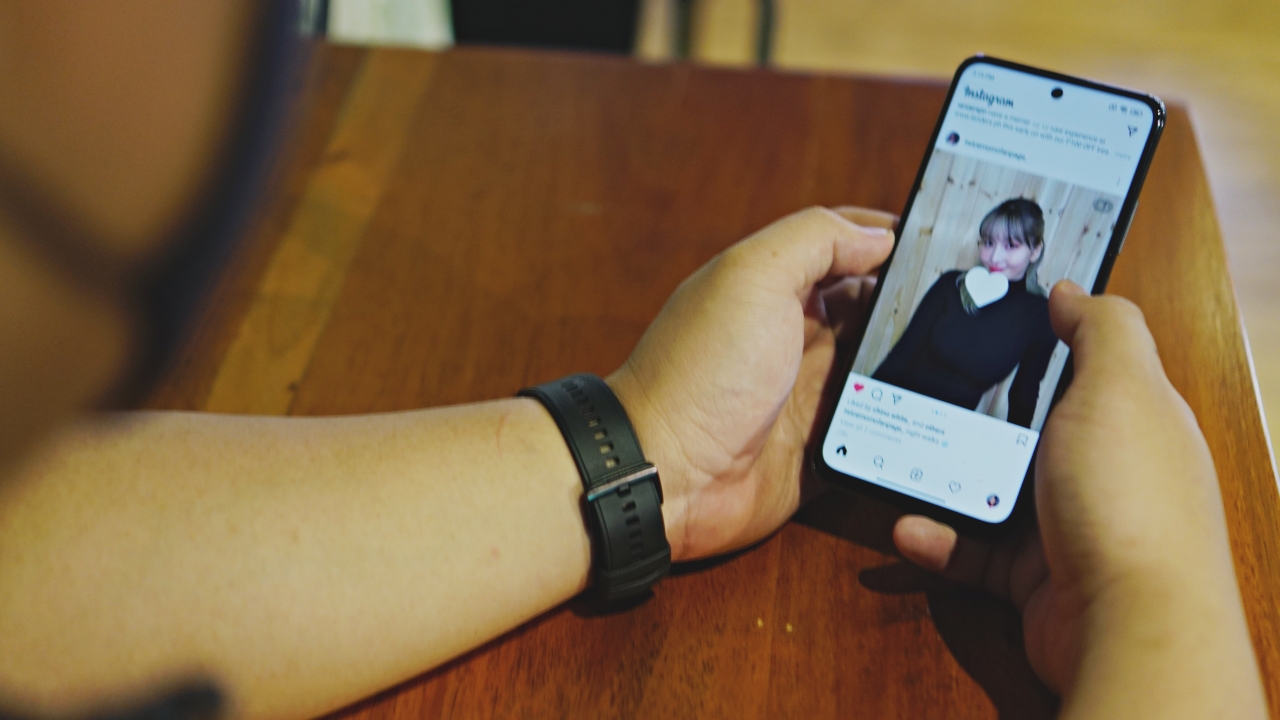
If there’s one thing, aside from the bloatware, to critique about this MIUI skin, it’s the integration of Dark mode with other apps. There were bugs such as black and white images on Facebook and Messenger coming out weird and certain parts of the NBA app box score coming out blank. By no means do these bugs make the phone unusable, but it can be annoying to go through during the first few days with the device.
Nitpicking aside, POCO’s software gets the job done. It’s undeniably POCO with loads of bloatware to try and flex the device’s power, but it still keeps the bare necessities accessible and usable.
Hardware that delivers performance that you need

Chinese software and MediaTek have been carrying plenty of baggage for years now. They’ve been the poster boys of the quote “You get what you pay for”, due to their notorious offering of bloatware and inconsistent hardware performance.
In the previous section, we discussed how POCO managed to offer a software experience that, while filled with bloatware, got the job done. The same can be said when it comes to its hardware. The old MediaTek can’t come to the phone right now.
The MediaTek Dimensity 810 handled everyday tasks very well. During my testing period, the M4 Pro 5G didn’t face any stutters, even when I’d throw it multiple open apps in one go.

I particularly felt this on working days. As someone who’s on the go and doesn’t have the time — and maybe discipline — to close apps as often as I’m supposed to, the POCO midranger handled heavy workloads very well.
Even its temperature management was impressive. I used the phone a lot as my main device for hotspot purposes, whether that was in beach trips, weekend strolls around malls, or during busy working hours. The phone’s temperature never spiked up to dramatic levels. It’s a testament to how well the hardware and software were working together.
The multimedia hardware features were also a delight to use. The dual firing speakers — one on top and another at the bottom — were above average at best, but certainly usable for watching videos on YouTube. The M4 Pro 5G’s 90 Hz’s screen delivers expected smoothness, while being paired with a panel that’s colorful, vibrant, and most importantly, capable of being readable in a wide-array of lighting conditions.
An all-day battery that also gives charging speed that you need

With a large 5000 mAh battery, the POCO M4 Pro 5G is easily an all-day phone. It takes some time for it to break in, but after a while, it starts to get a hang of your usage patterns, and battery optimization follows suit.
The real star of the show in the battery department is the 33W Fast Charging being offered by POCO. 18W charging has become the standard at the price point and it’s an understandable standard. That’s why having access to charging that’s this fast at this price is a steal. You can get from 27 percent to 100 in less than 1 hour. That kind of speed is valuable, especially to the social media savvy market this phone is being targeted to.
A camera setup that gives you everything you need
Keyword for this section: need.
The mistake most phone manufacturers commit with multi-lens setups is how they give you features you don’t need. Macro lens’s and black and white sensors are nice-to-haves at most, but they don’t move the needle when it comes to the overall phone experience.
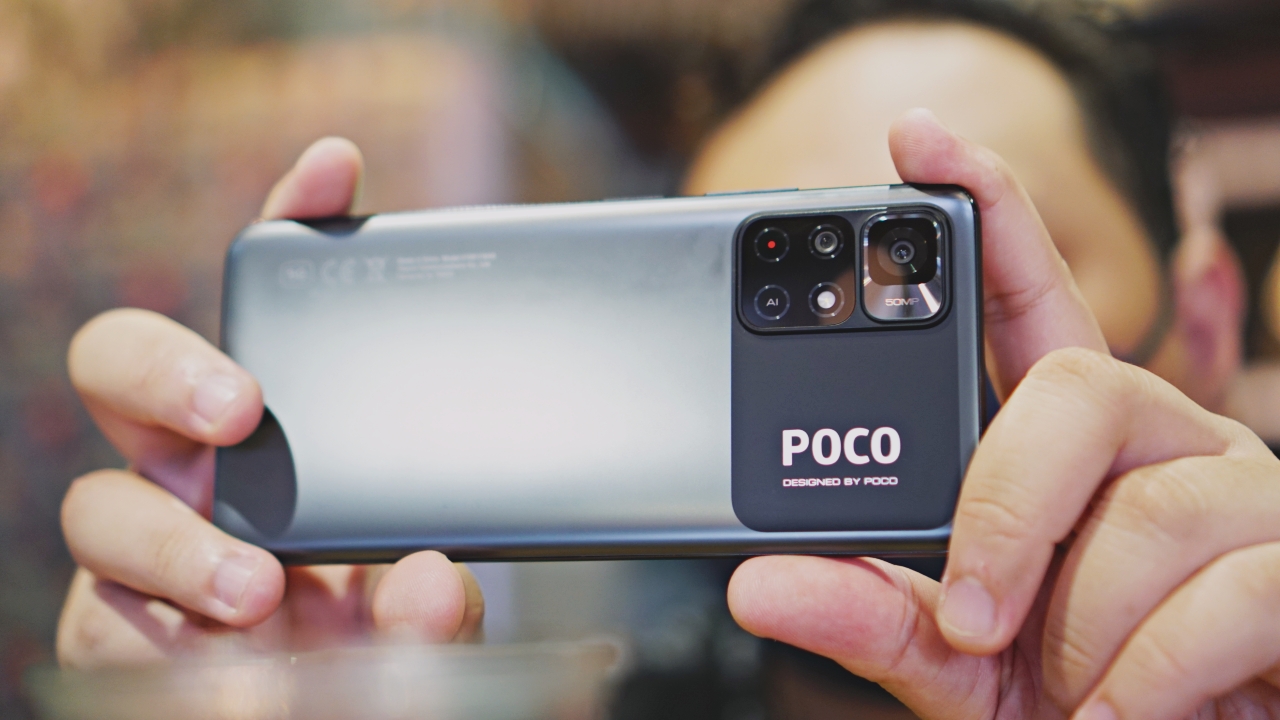
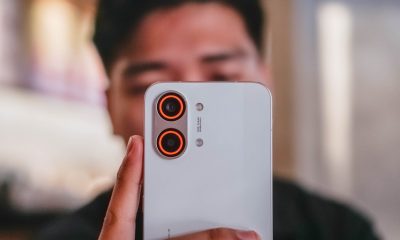
POCO doesn’t make that same mistake. The most over-the-top thing POCO did with their camera setup is the design at the back. You’d think it was a triple or even quadruple camera setup, but in reality, the M4 Pro 5G only offers two lenses; a 50 MP main sensor and an 8 MP ultra-wide sensor. Of course you need a main sensor and among multi-lens setups, an ultra-wide is the one you’re most likely to need in everyday situations. That conscious decision from POCO is already a big green flag.
The conscious choice of camera hardware is backed up by solid software processing from POCO. Most phones from this price range tend to oversaturate photos to make up for sub-optimal image processing hardware. That isn’t the case here.
Shots are color accurate and have good dynamic range.



The device doesn’t try to amp up the saturation, even when faced with tough lighting conditions. That matters, especially when you’re trying to tell a good story by posting on social media. Outside of the expected blurry shots, night mode was very fun to use.


Ultra wide shots also handle themselves well in good lighting conditions.




But don’t expect excellent results. They’re good at best and usable in most conditions. You will most likely prefer to use the main sensor in most situations.
The selfie camera was a delight to use
And I’m happy to report it’s also #IGModelApproved by my life partner.




Details are sharp and it captures colors well in various lighting conditions. This is a shooter social media users would be glad to use for their posts.
If there’s one drawback to the camera of this phone, it would be video. For one, 4K Video recording isn’t available on this device. At the same time, colors tend to be on the dull side and at night clips look quite mushy. The M4 Pro 5G is something you’d prefer to use for stills on Instagram, but maybe not for Reels.
Is this your GadgetMatch?
POCO is everything you need, nothing you don’t. It’s a promise POCO committed to as a brand. So much so that they have this statement plastered on their site’s About page. It’s quite the promise and to their credit, they pulled through with the POCO M4 Pro 5G.
The M4 Pro 5G is a phone that’s built not only for gamers, but for other people as well from all walks of life.
The software, while still possessing of the expected bloatware, is a delight to use on a daily basis thanks to the smooth experience it brings.
Its hardware options, from its high refresh rate screens and battery choice, are well thought-out and delivers the kind of performance that you need for your day-to-day.
SEE ALSO: POCO M4 Pro 5G Price and availability
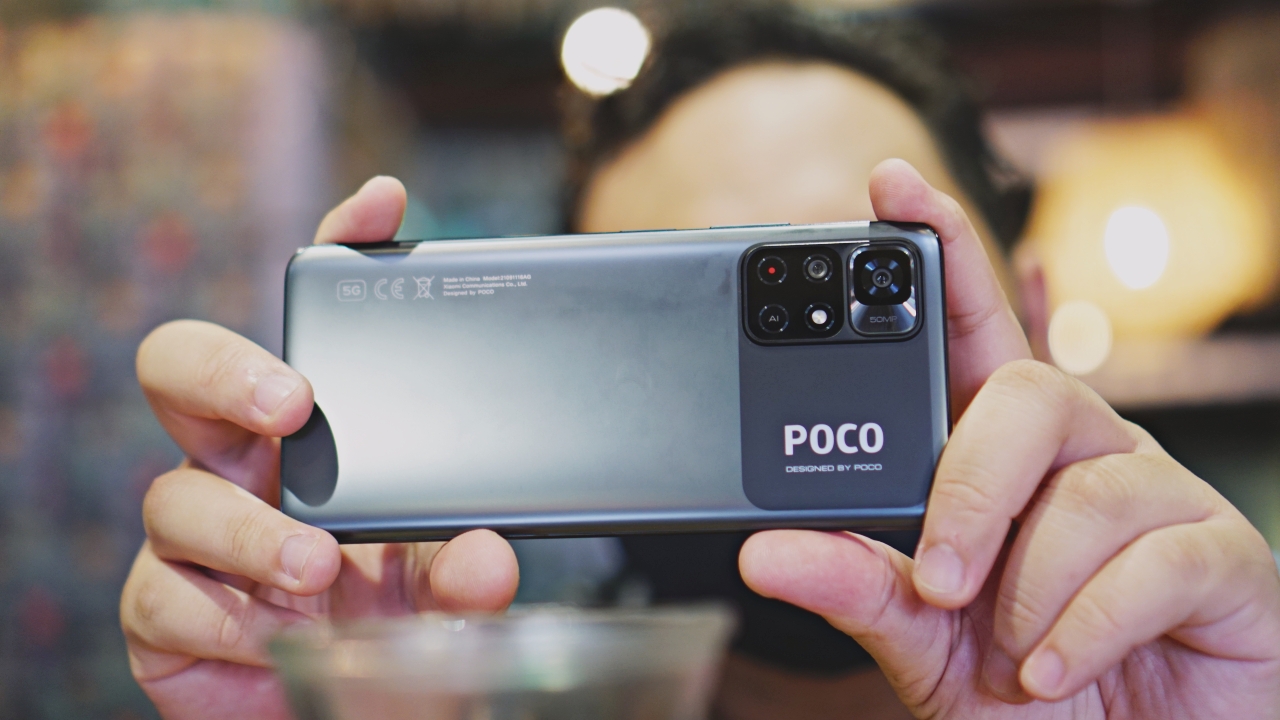
Finally, its camera is a multi-lens setup that was made with purpose. There are no pointless choices here. Every lens was placed with a specific use and are worthy to be maximized for what they were intended to do.
Could the M4 Pro 5G have been better? Of course. But for its price tag, it’s a step in the right direction at helping reinvent a brand that’s started to go beyond its initial reputation.




Gaming
MARVEL Tōkon: Fighting Souls review: Easy to pick up, hard to put down
Welcomes casual and experienced fighting game players

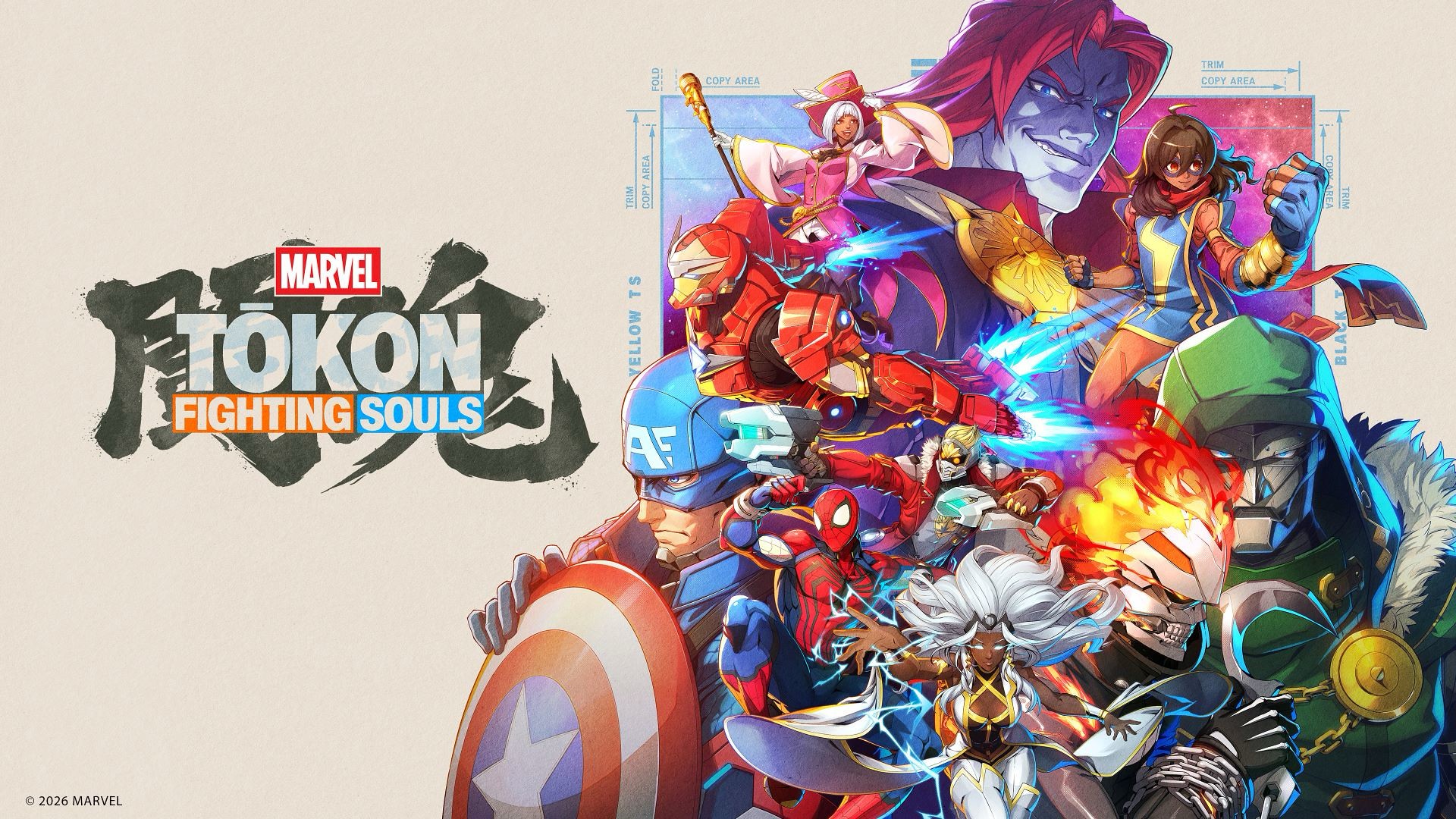
MARVEL Tōkon: Fighting Souls feels like a spiritual successor to the Marvel vs. Capcom fighting games of old — just without the Capcom bit, obviously.
That comparison isn’t just because it features a roster of Marvel heroes and villains throwing hands at each other. Tōkon captures that same feeling of putting together a team of characters you love, watching them bounce off one another, and slowly figuring out how to make them work together.
I’ve always been a casual fighting game player. I can play a little bit, but I’m a benchwarmer at best. I do watch tournament matches every now and again, though, and I can tell when real skill is involved.
It’s kind of like basketball to me. I may not be particularly good at it, but I know a good play when I see one.
After spending some time with Tōkon, I can see the appeal.
It’s welcoming enough for someone like me to jump in and have fun, but there’s enough depth underneath the simple controls to reward players who want to take the time to master it.
The tutorial is important
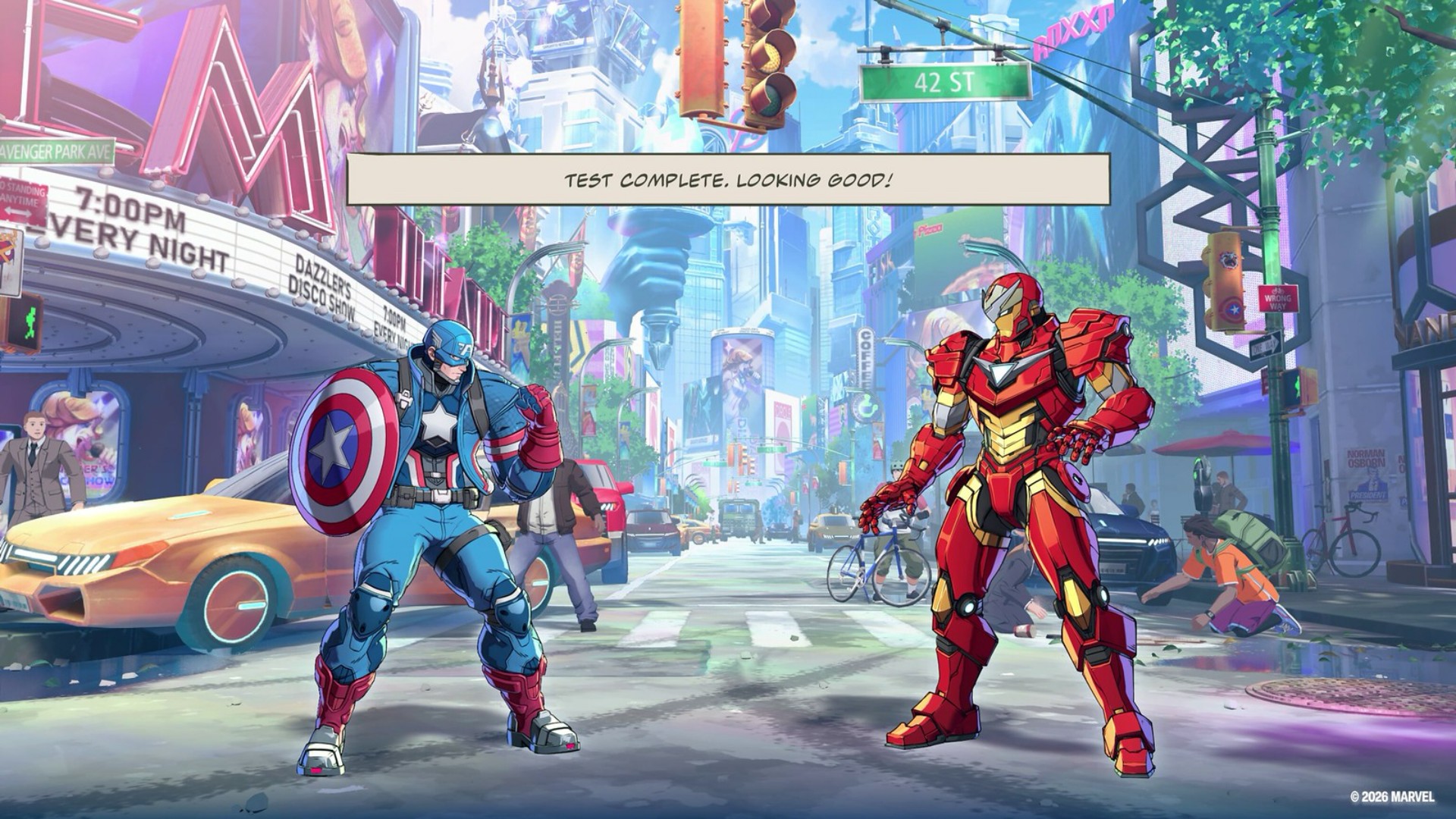
I handled the tutorial portion during the demo, so when I got the full game I jumped straight into Story Mode.
That said, the tutorial is very important.
The button presses seemed easy enough to follow at first. But the deeper the tutorial went, the more complex it started to feel.
That’s not necessarily a bad thing. In fact, it does a good job of gradually guiding you through the game’s mechanics instead of throwing everything at you at once.
Anyone who’s ever played a fighting game at any capacity will have an understanding of how the general mechanics work.
But Tōkon layers its own systems on top of those familiar fundamentals.
The tutorial essentially takes you through the Training Mode. It’s great for getting a feel for how to execute the unique moves per character.
I’m a firm believer that you should just throw yourself at a match and only go back to training if you hit a wall and can’t advance or seem unable to overcome your opponent.
That’s how I prefer to learn.
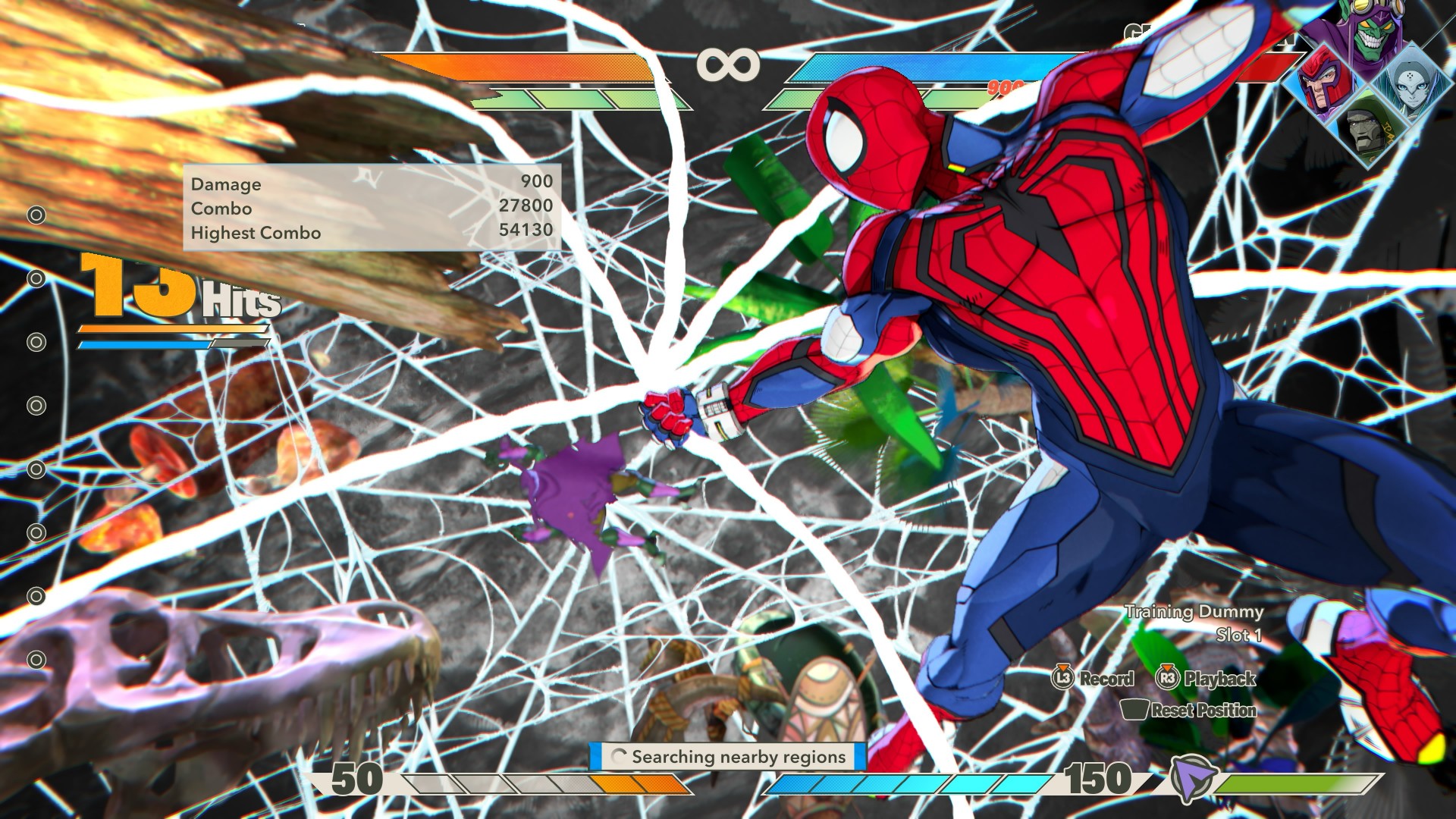
MARVEL Tōkon: Fighting Souls OPEN BETA_20260726134748
And Tōkon makes that approach viable because the fundamentals don’t feel intimidating.
The game’s official materials also emphasize this balance. It offers adjustable controls, traditional and quick inputs, easy chain combos, character guides, training, and other ways to learn the game’s systems.
There’s more than enough here that the game should feel welcoming to both casual and hardcore fighting game fans.
Four characters, one fight
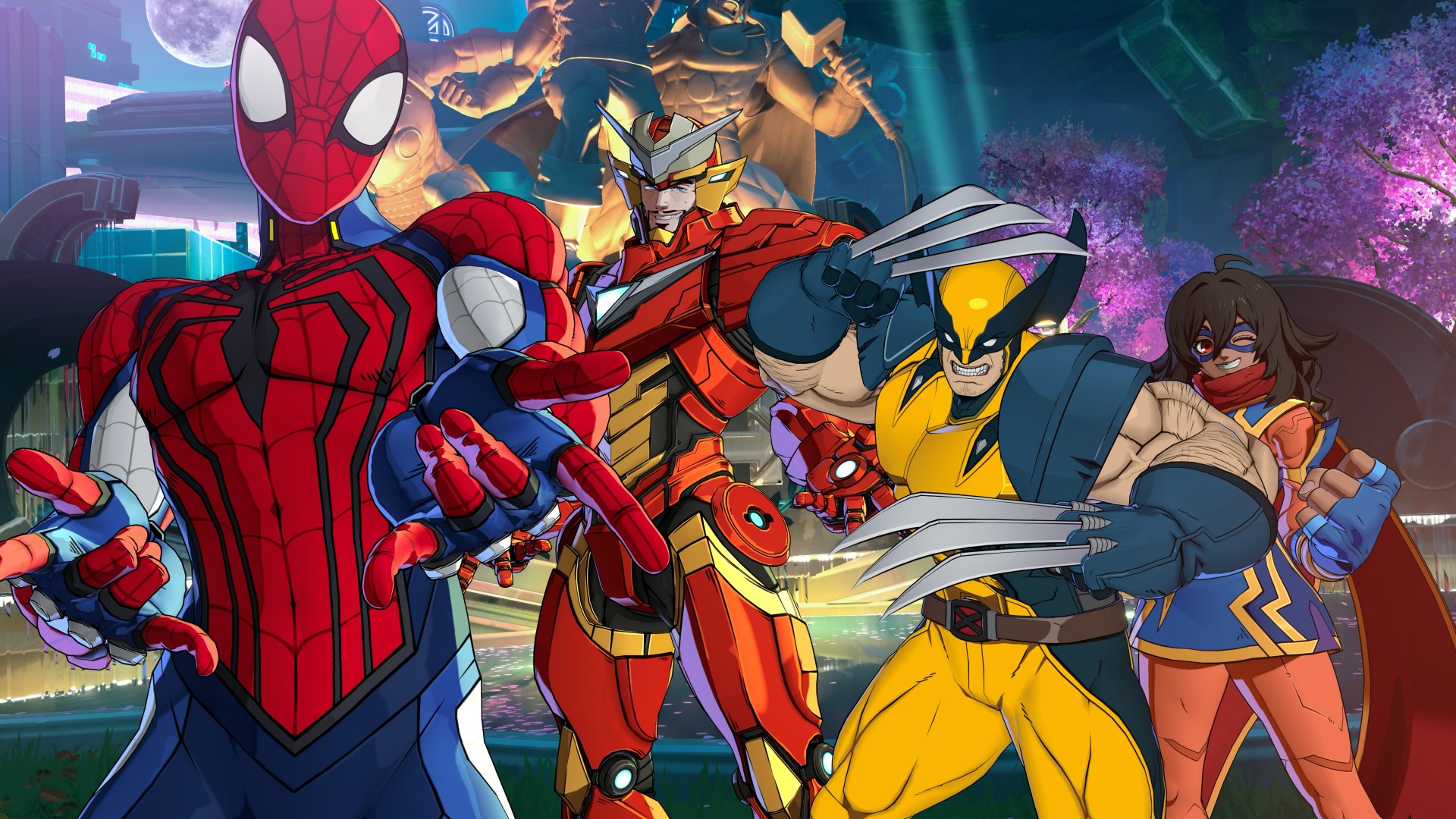
The biggest thing to wrap your head around is probably the game’s 4v4 structure.
You pick four characters: one main fighter and three assists. But you don’t immediately have access to your entire team.
You only get access to the first assist initially. You unlock the other two after a Stage Break happens in a match. A Stage Break is when you finish a combo with the opposing character flying through an extended area of the fighting stage.
So it’s entirely possible to go an entire match without unlocking all your assist characters.
Now that I’ve spent more time with it, though, getting to a Stage Break is actually fairly easy. Landing and chaining combos doesn’t feel too complicated to pull off, so you can get access to the rest of your team without having to perform some impossibly technical sequence.
The assists are great.
You simply hit X or Cross (or the bottom-most face button) for a generic assist, but combining right + X or down + X gives you long-range and air-launch assists.
These are great for opening up your opponents to combos or countering their moves.
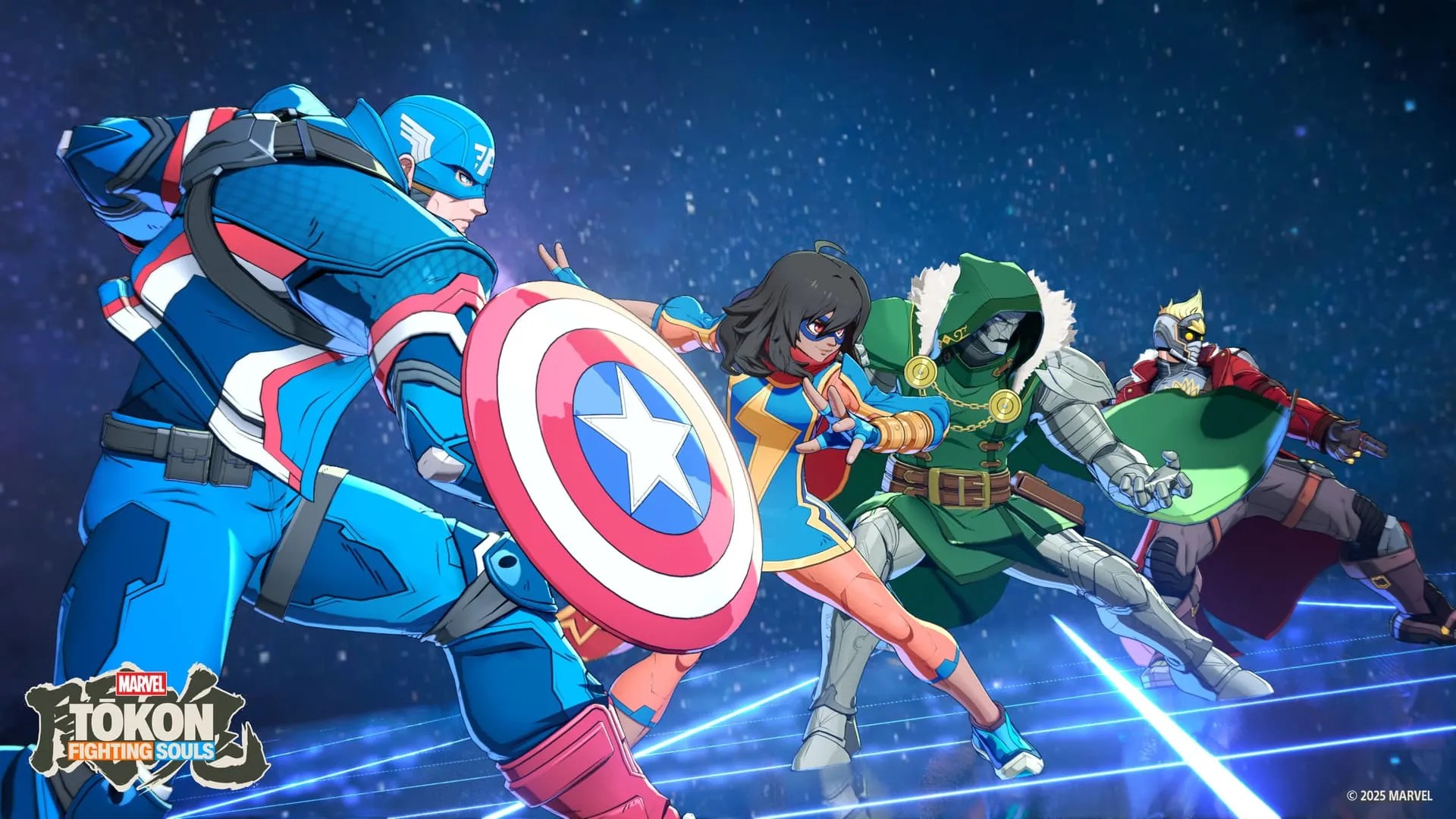
Once you have all your assists available and fill the gauge all the way up to 150, you can execute a Super Attack with every single one of your characters joining the assault.
It’s a fantastic payoff for building up your team.
This is also where Tōkon starts feeling like more than a simple fighter.
The controls are easy enough to understand, but the deeper you get into a fight, the more you start thinking about when to call an assist, how to extend a combo, when to counter, and when to save your resources.
It’s the same kind of satisfaction I get from Dragon Ball FighterZ or Guilty Gear Strive.
Simple controls can get you started.
The complexity comes from figuring out what you can actually do with them.
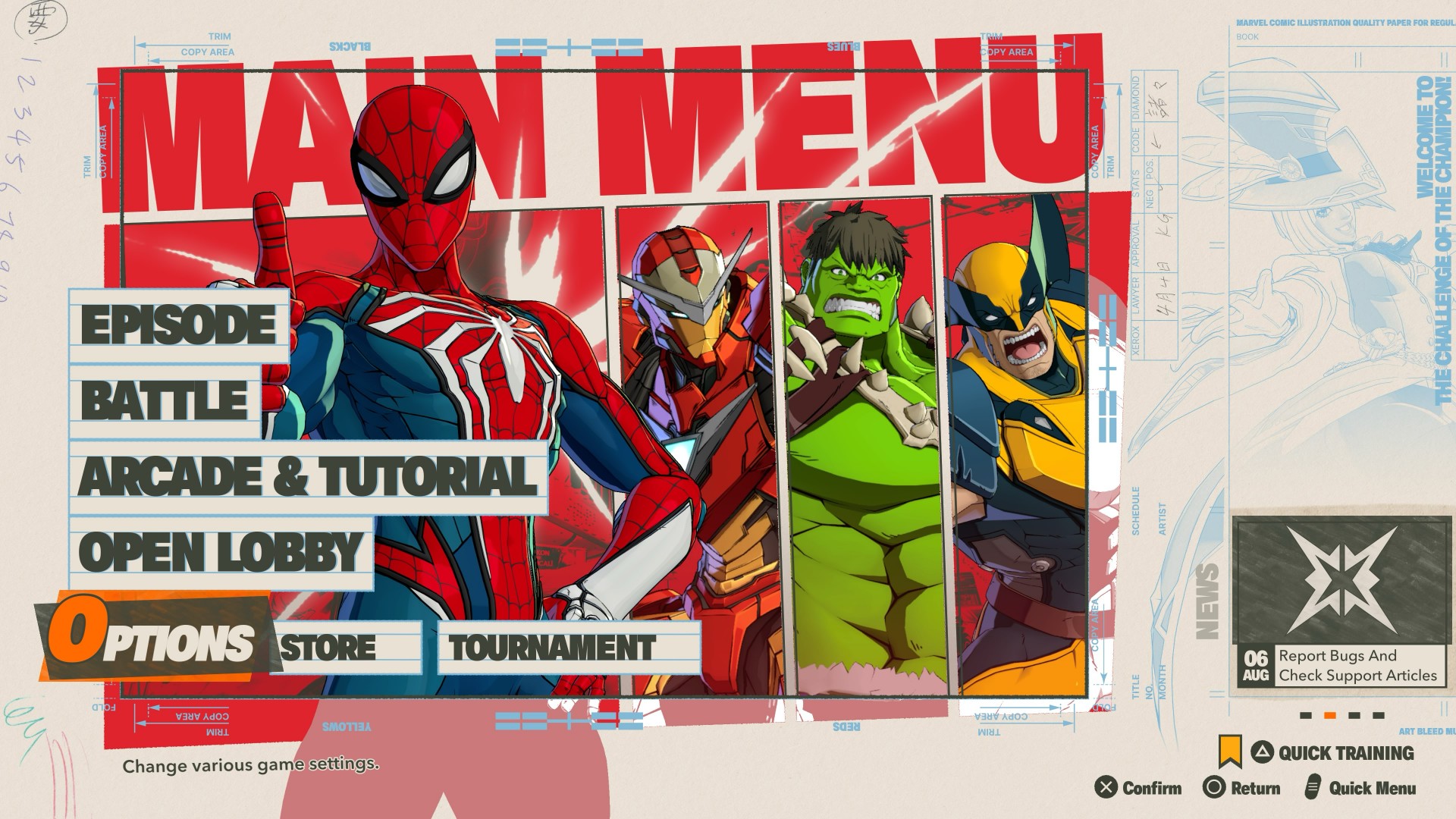
Spider-Man is my guy
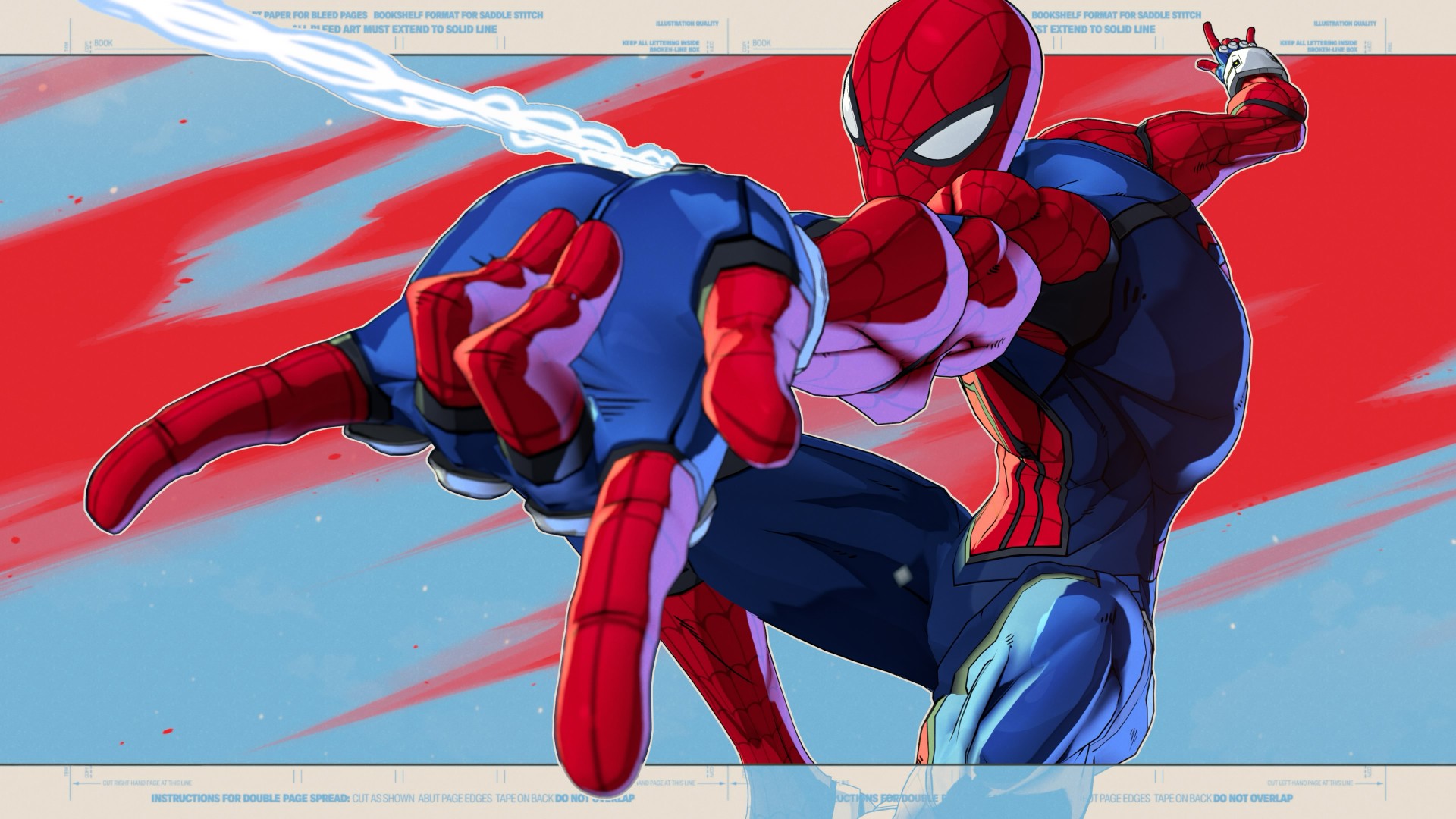
I spent most of my play time using my favorite character of all time: Spider-Man.
Honestly, he feels a little trickier to play than most.
His special move involves him shooting a web, and you can either follow it up with a combo or use it to swing away from attacks.
That little bit of flexibility makes him feel very Spider-Man.
You’re constantly darting around the fight, looking for an opening while also having a way to get yourself out of trouble.
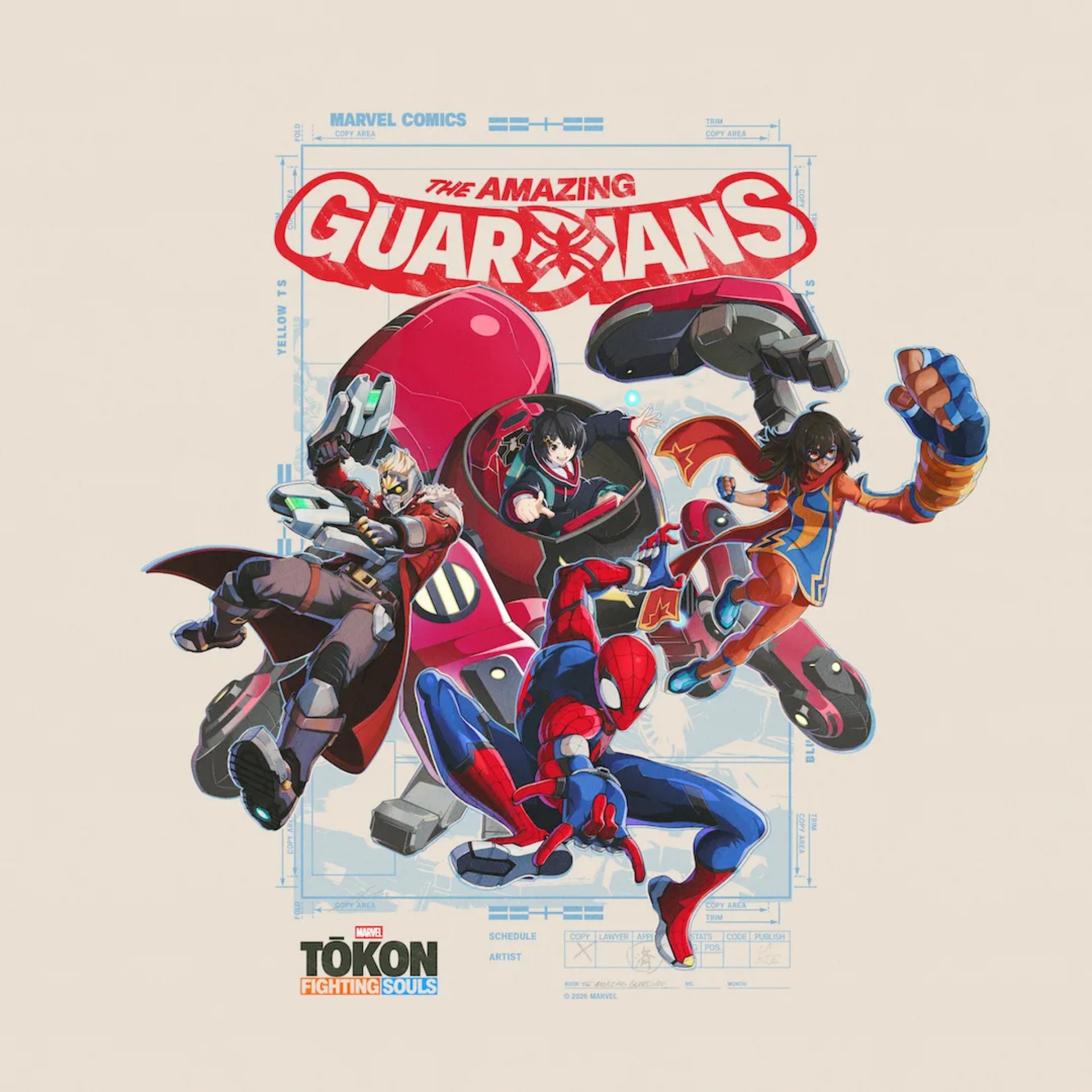
I initially played him with his teammates set by the game: Ms. Marvel, Peni Parker, and Star-Lord.
But outside of the story, I usually always have Wolverine up next.
He’s an aggressive damage dealer and a button masher’s delight.
That’s part of what makes Tōkon’s roster work.
Going through Story Mode gives you a chance to get a feel for how each character handles and who fits your style the most.
With 20 characters available at launch, there’s enough here to mix and match, and you’re bound to find a set that you feel at home using.
And sometimes the character you expect to like isn’t the one you end up enjoying the most.
The characters change how you play
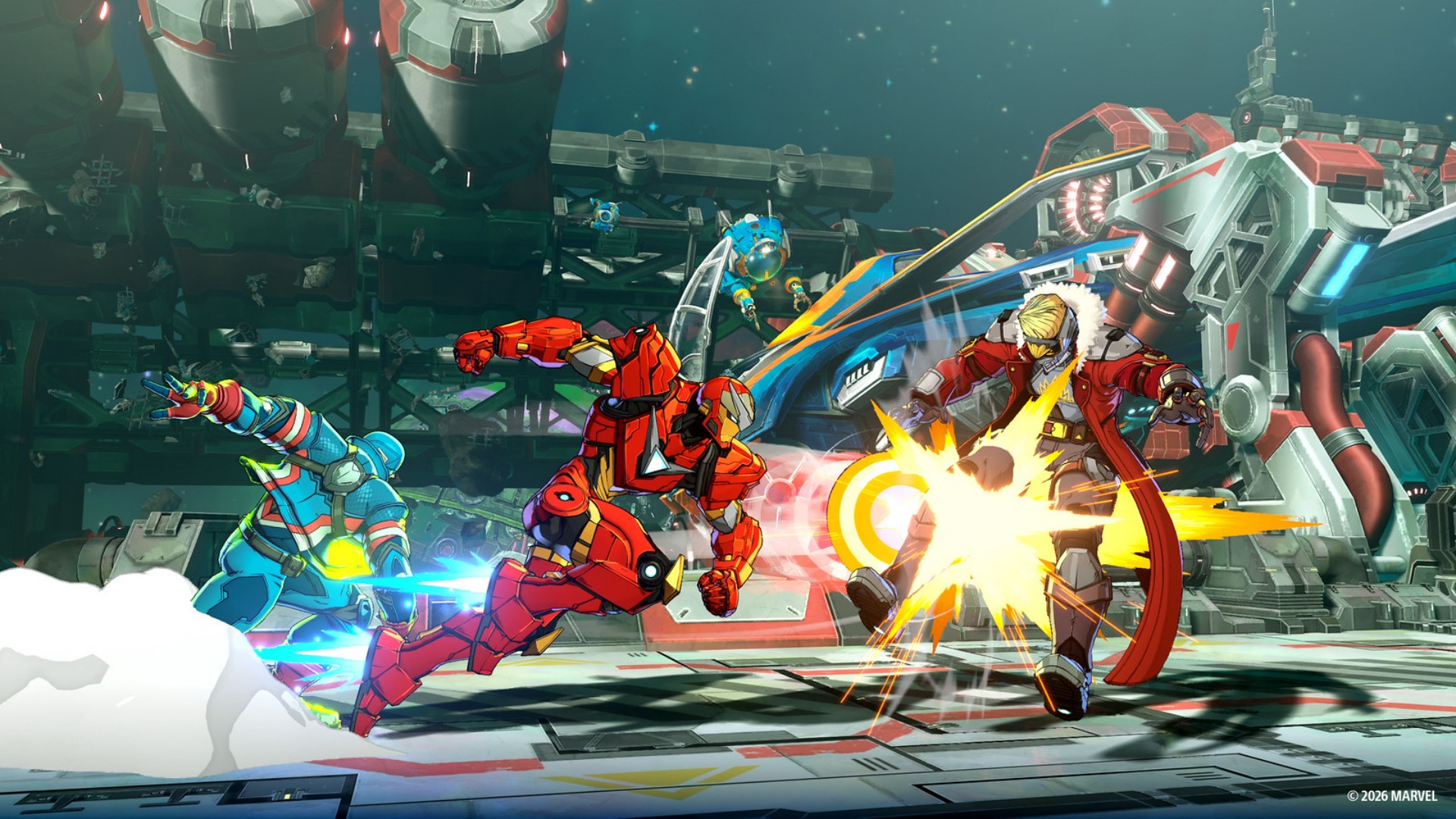
The character I wasn’t particularly interested in but was surprisingly fun for me to use was Blade.
It probably has to do with the types of movement I associate with each character.
With Spidey, I’m always darting around.
With Wolverine, I’m always rushing the enemy.
But with Blade, I suddenly move with more measure.
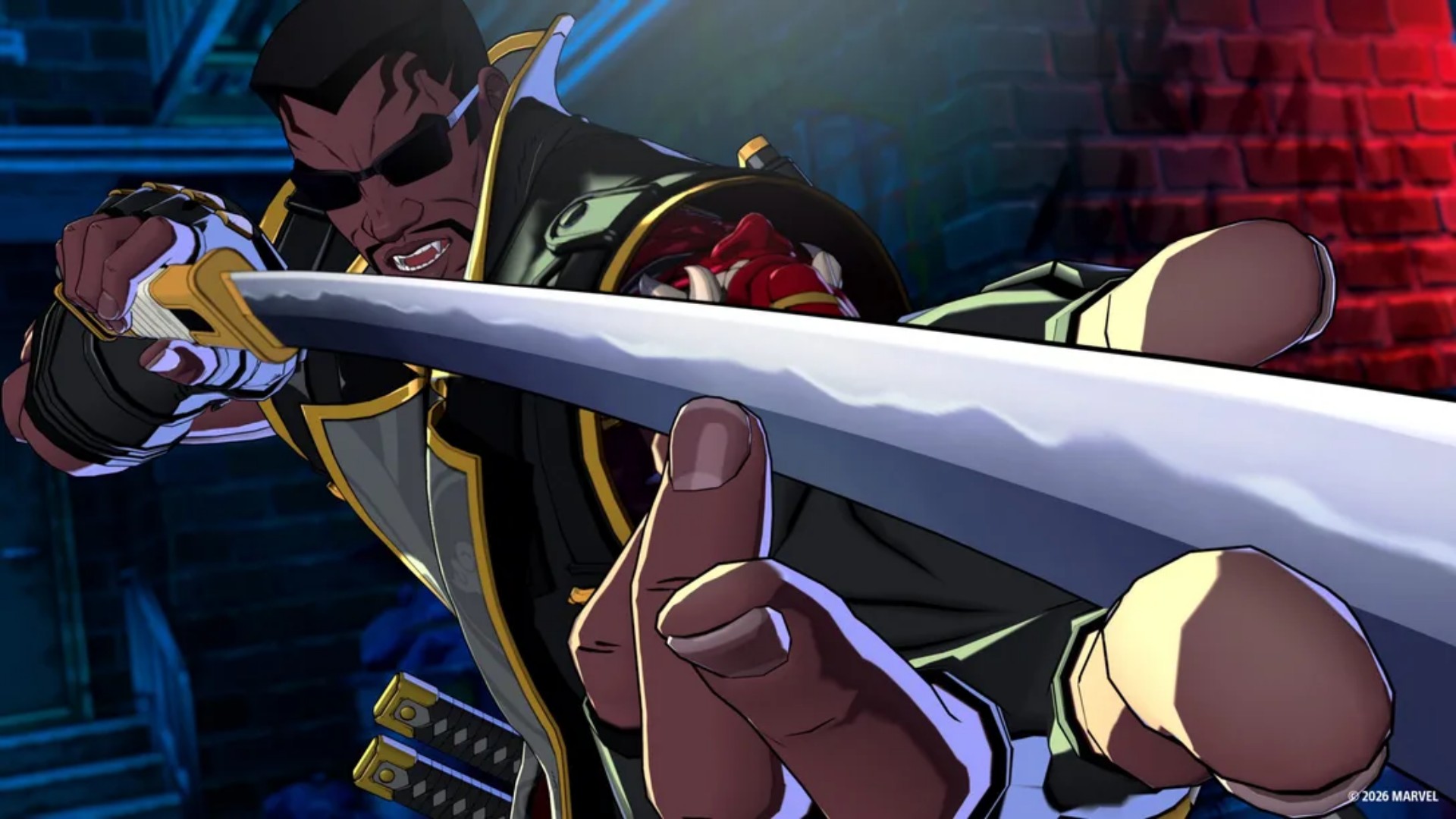
Something about his stance and attacks makes me want to approach the fight a little more deliberately.
Ms. Marvel was also a character I didn’t care much for at first but ended up enjoying using.
Mostly also because she forces me to dial back a bit and be more deliberate with my movements.
That’s one of the more enjoyable things about Tōkon.
The roster doesn’t just give you different characters with different movesets. It encourages you to approach fights differently.
You’re not necessarily going to play the same way with every character. And that makes finding the right team more rewarding.
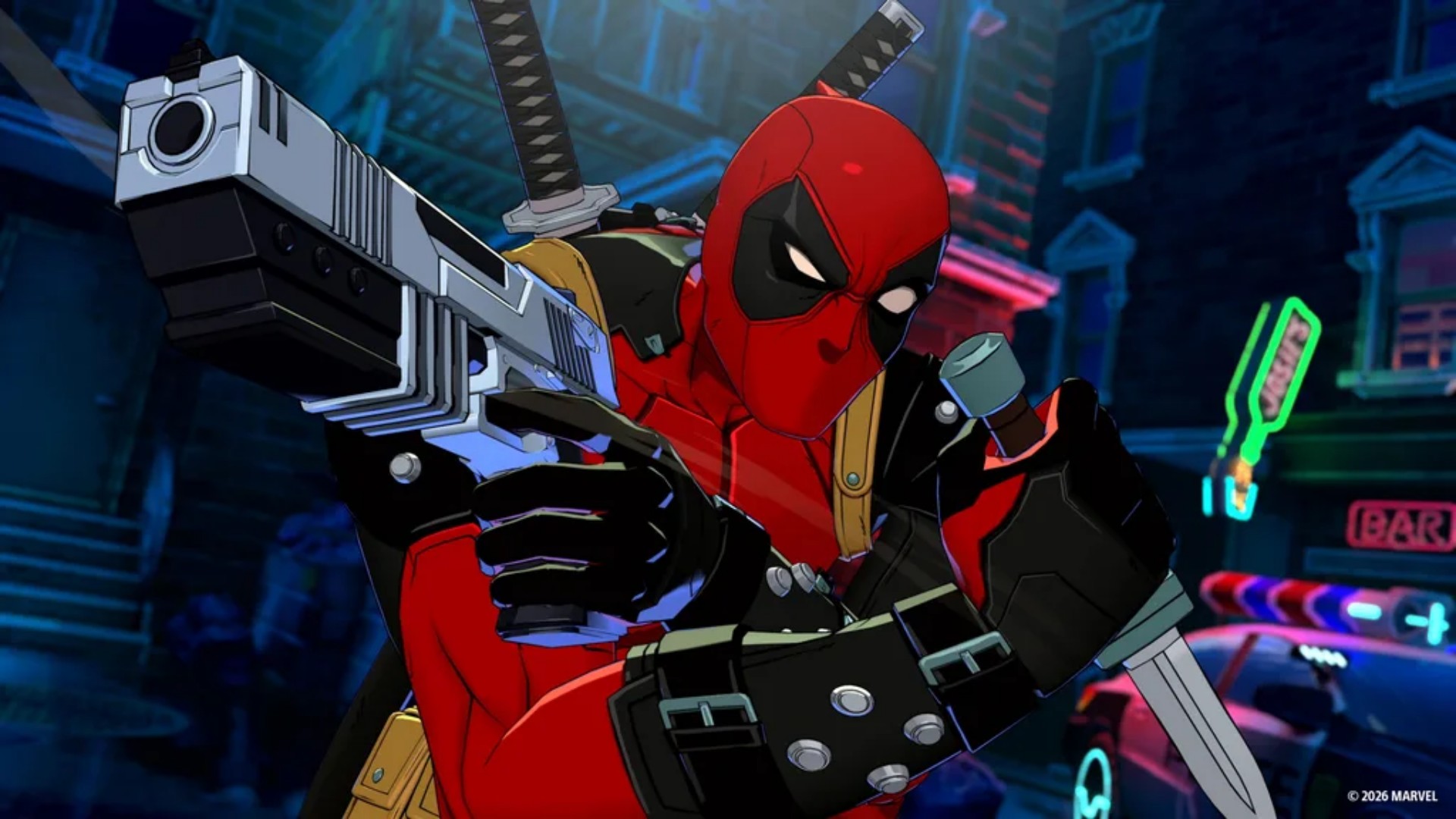
Deadpool, meanwhile, has a lot of Easter egg references from other games and franchises.
I haven’t seen them in my own playthrough, though, so it’s frustrating me a bit.
View this post on Instagram
That probably says something about how much Marvel fan service Arc System Works has packed into the game.
Even when I’m not finding the references myself, I know I’m probably missing something.
Losing doesn’t feel cheap
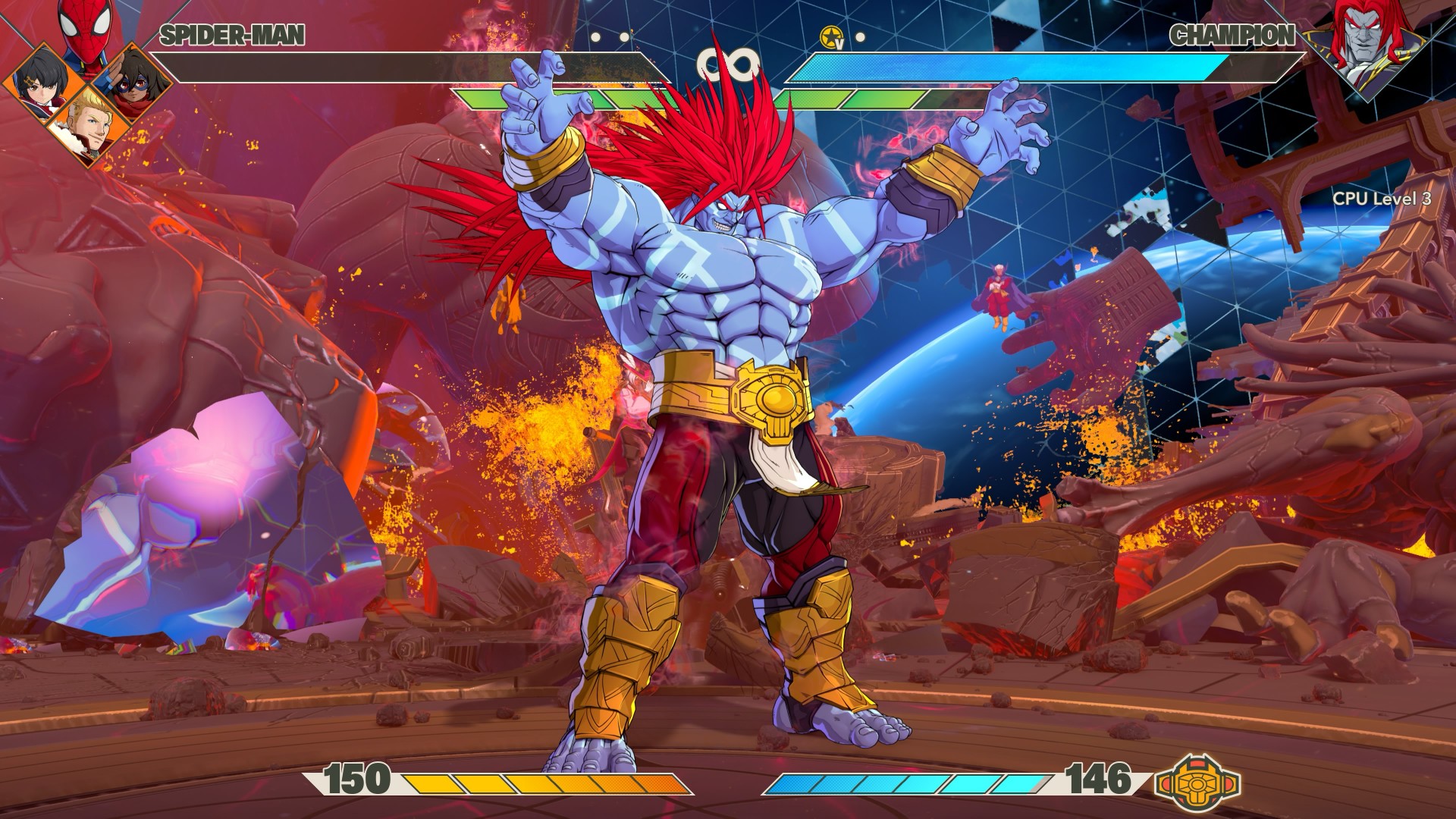
This might be one of the biggest compliments I can give Tōkon.
When I lose matches, it never feels like it’s because the opponent got some sort of buff or something.
I can clearly see where I mistimed a block or a counter, and that led to a devastating string of combos that led to my demise. I don’t mind losing when I understand why I lost.
There’s a difference between getting beaten and feeling like the game simply decided that you were going to lose. Tōkon generally makes me feel like the former.
I’m not suddenly going to pretend I’m good at fighting games. I’m still a casual player. But I can recognize when I made a mistake.
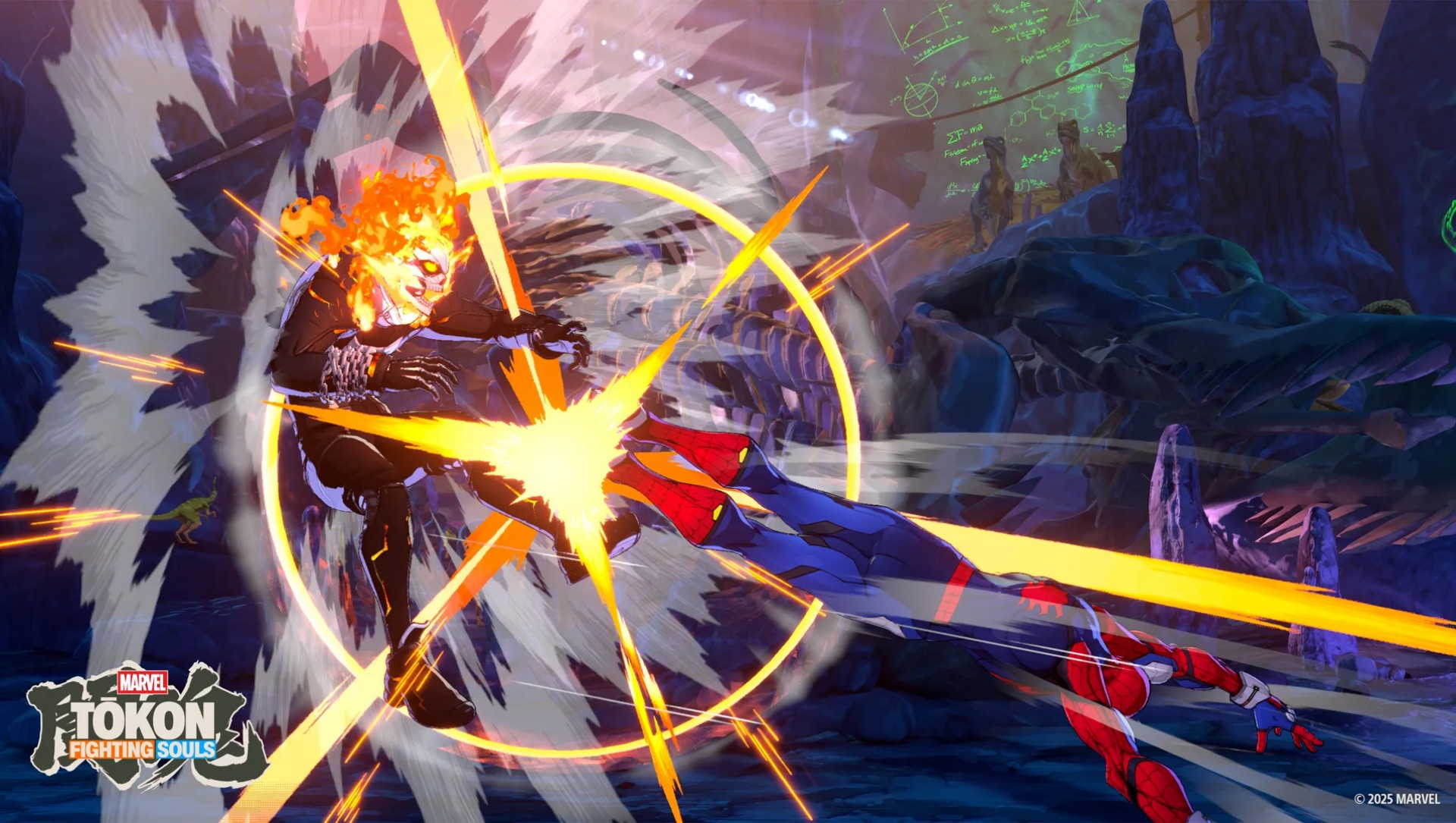
And when I watch a really good player put together a sequence, I can appreciate the skill involved even if I have absolutely no idea how to replicate it.
That’s where I think Tōkon strikes a good balance.
The game lets me enjoy fighting games at my level while leaving the door open for players who want to take things much, much further.
It’s anime as hell
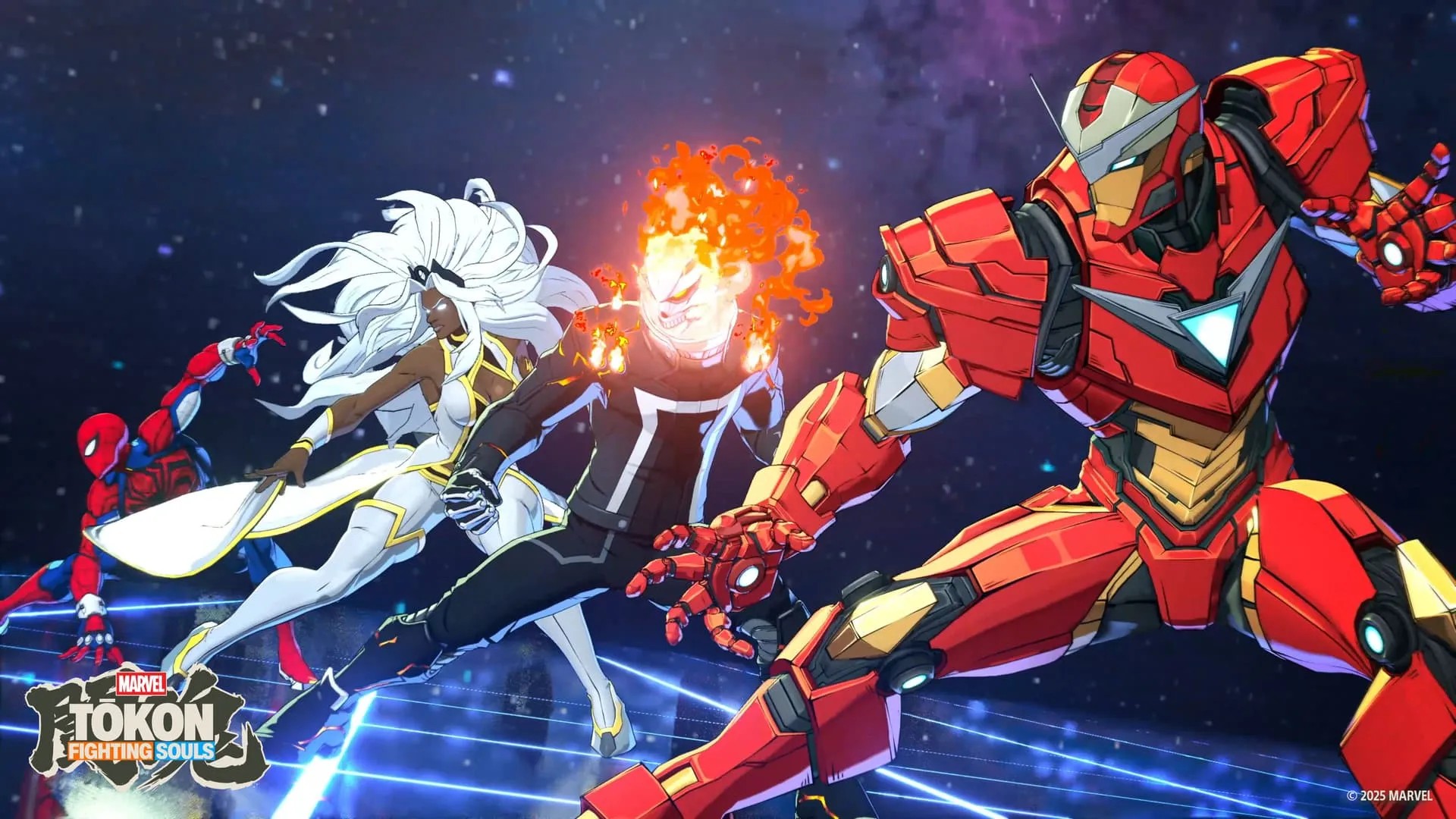
The anime-coded art style has been telegraphed since the game was first announced, so there shouldn’t be any surprises here.
There are plenty of character costume color combinations to choose from, while the animations are truly eye-popping without feeling extremely overwhelming.
The characters move with the kind of exaggerated energy you’d expect from an Arc System Works fighter, but it still feels distinctly Marvel.
Every fight feels like a comic book panel suddenly came to life.
The presentation is particularly good at making the big moments feel big without turning every attack into visual noise.
And then there’s the opening sequence. It is so anime intro-coded and I NEVER skip it. It’s so hype!
Don’t expect a deep Marvel story
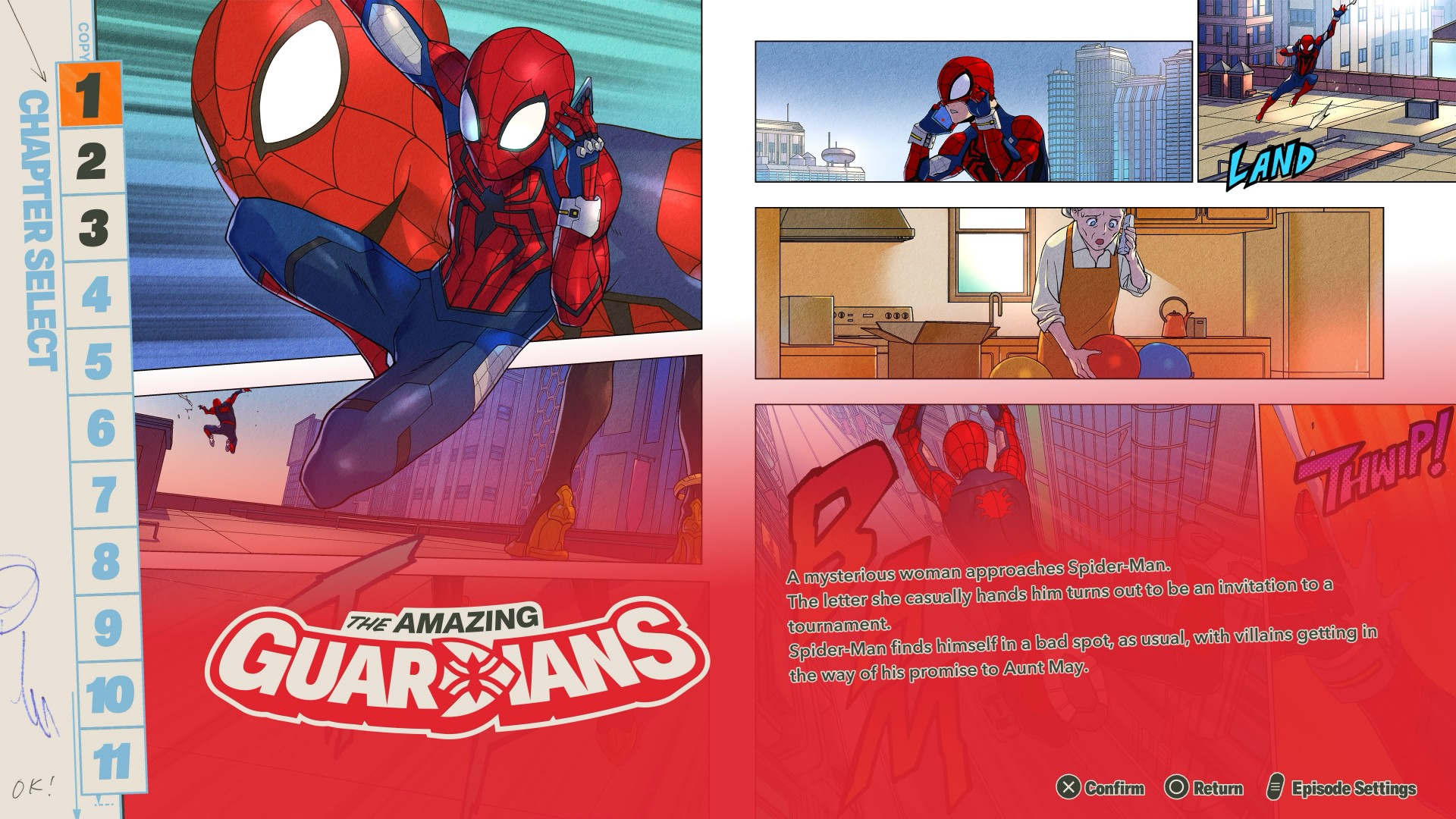
You don’t have to play through each character for Story Mode.
The characters are divided into teams of four, giving each group its own story. The presentation is a mix of anime cutscenes and comic-book-panel-style storytelling.
It’s… alright.
If you’re after any real deep storytelling here, you’re not playing the right game.
There’s enough to keep you mildly entertained, but halfway through your third team you’d probably be over it and would want to just jump straight into fighting — which is the core of the game anyway.

The story gives you an excuse to spend time with different teams and characters.
It lets you learn how they play while giving you a little context for why they’re fighting together.
But Tōkon’s real appeal isn’t its story. It’s what happens when the fight starts.
The fighting is the story

The more time I spend with Tōkon, the more I think this is where the Marvel vs. Capcom comparison makes the most sense.
You pick characters you love, put them together, and figure out how they work.
Then you discover that the character you weren’t interested in is suddenly the one you can’t stop playing.
That’s the loop. And it’s a good one.
Tōkon feels like it understands that a fighting game doesn’t need an elaborate narrative to make you care about its characters.
Sometimes all you need is a character you like, a team that feels good, and a fight that makes you want to hit rematch.
The sound of a good fight
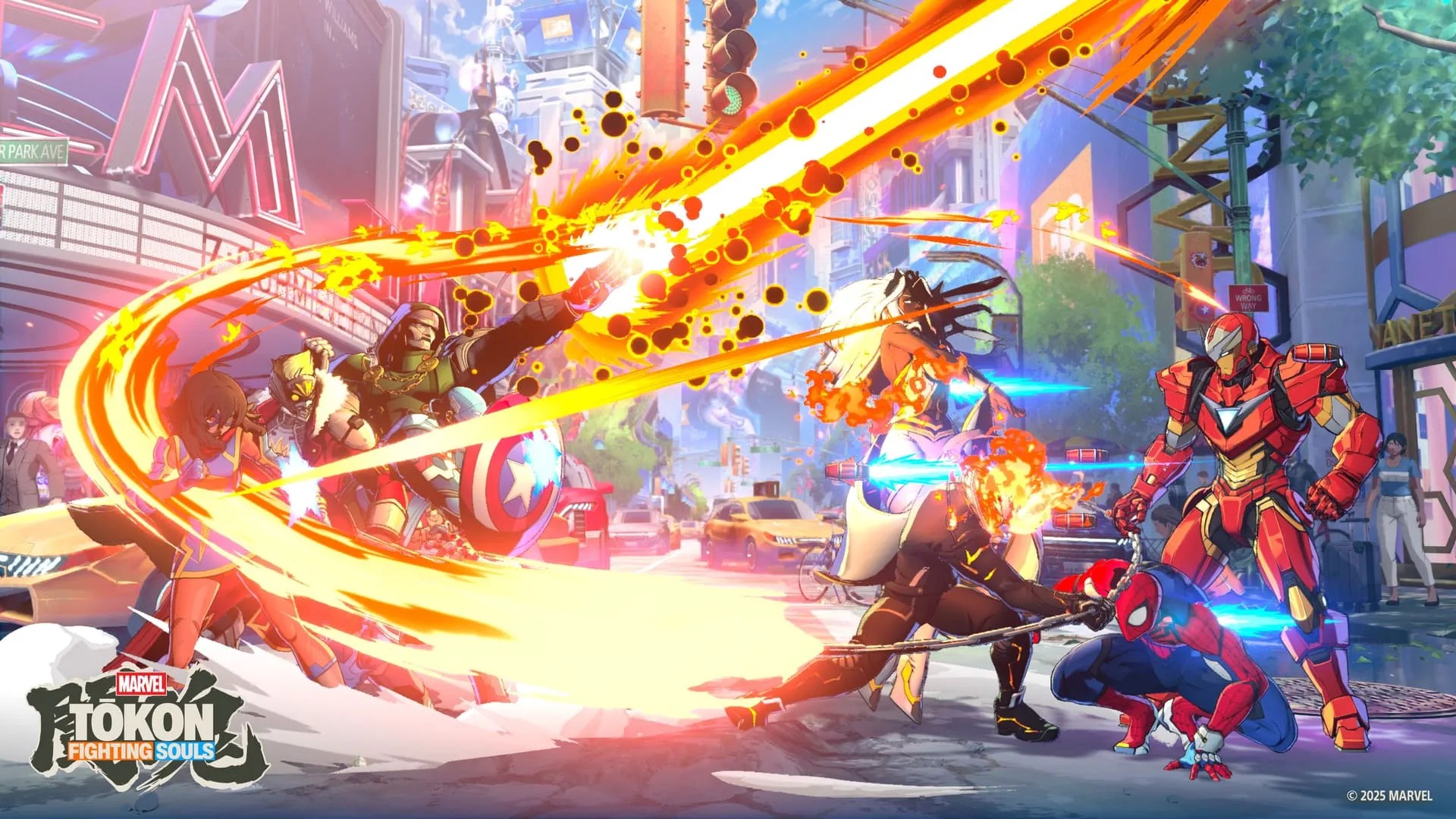
I have to be honest — and a bit embarrassed — I love listening to music, but audio is almost always the last thing I notice when I review games.
I want to say the audio here perfectly complements the visuals.
Nothing feels jarring or out of place.
The music feels appropriate for every stage of the fight, while the in-fight dialogue matches the reactions to what’s happening on screen.
(My setup is an LG C2 TV with a Samsung soundbar. Suffice it to say, I FEEL every hit adequately).
Arc System Works also specifically called out music and sound as areas of focus for Tōkon. After playing it, I can see why.
It runs excellently on PS5
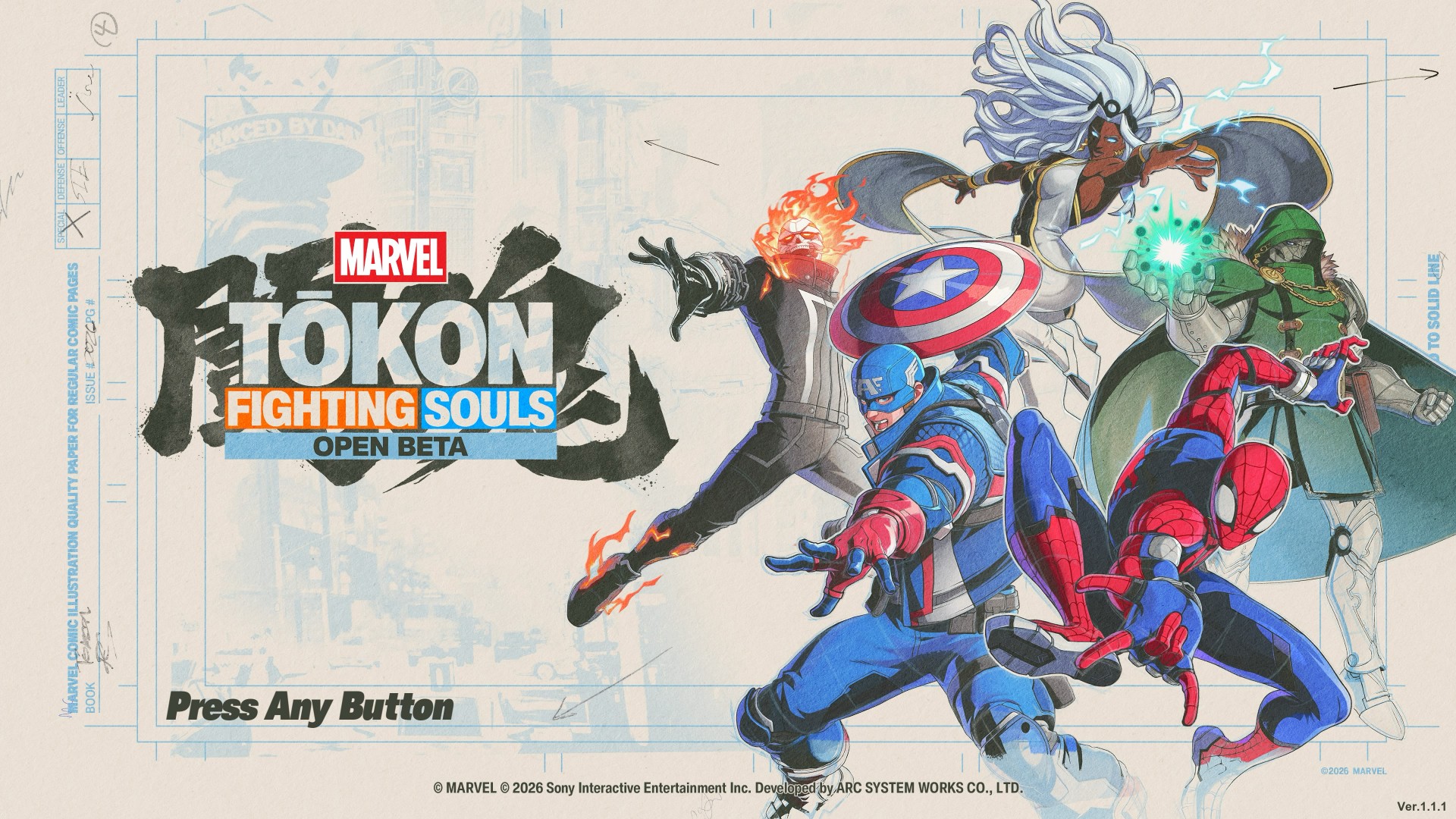
MARVEL Tōkon: Fighting Souls OPEN BETA_20260726110851
On PS5, MARVEL Tōkon: Fighting Souls runs excellently.
My runs were mostly PvE, and I encountered no issues whatsoever.
Any input lag is just me having stubby fingers — nothing to do with the game’s performance.
The game also benefits from the PS5’s presentation, with its colorful effects and huge character animations looking particularly good on a big screen.
I played on a 55-inch TV and it made those big super attacks especially satisfying to watch.
The PC version, however, had a much rougher launch.
It was only recently that a patch was released, and we also had challenges redeeming the PC version.
So if you’re deciding between platforms, the PS5 version is the one I can comfortably speak for based on my experience.
Online is where I struggle
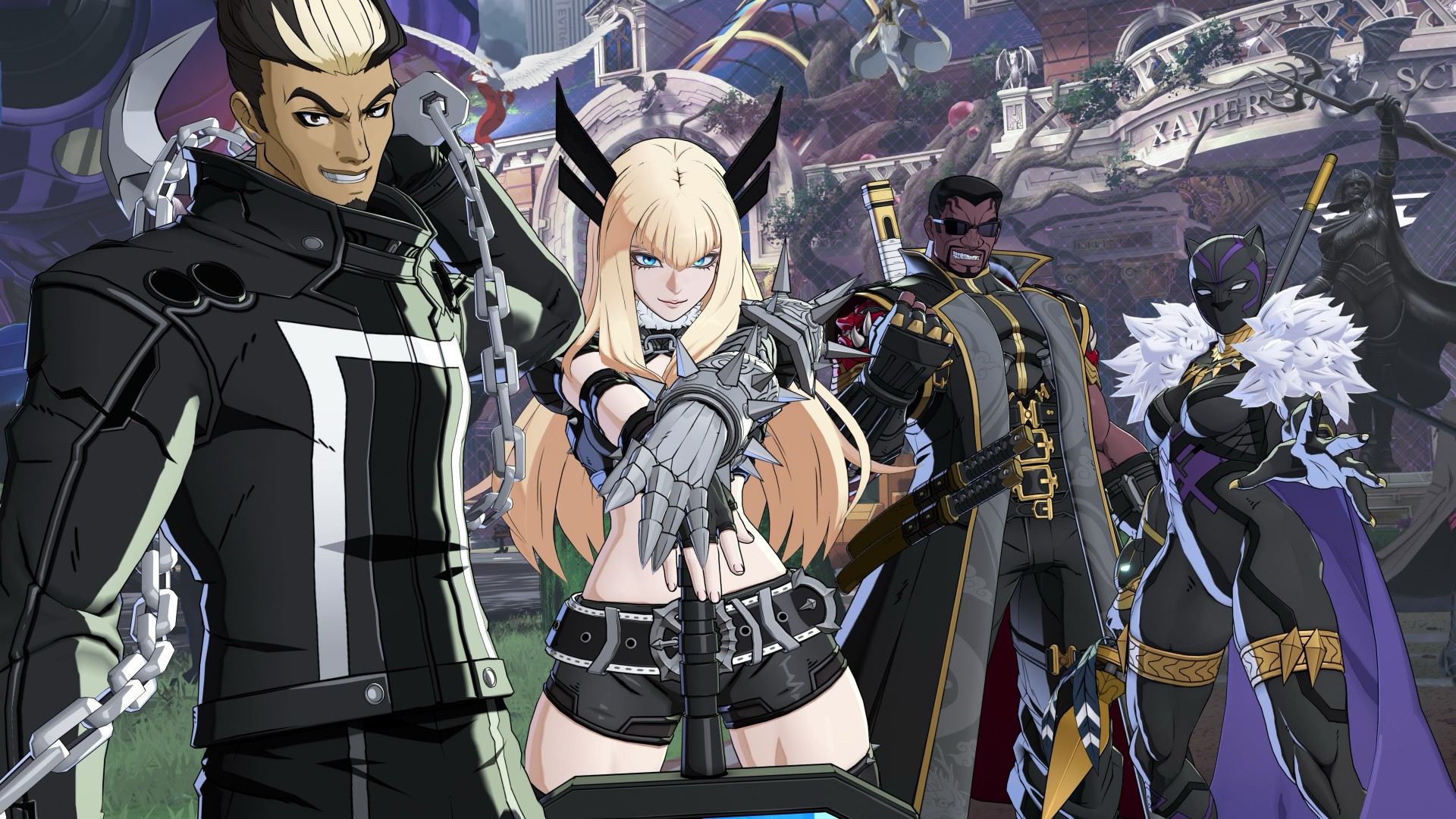
MARVEL Tōkon: Fighting Souls OPEN BETA_20260726140314
I don’t like talking about this. I get my ass handed to me too much. But if you’re talking about getting into matches, it does get challenging.
I wait a good five to seven minutes before I can hop into online matches.
And once I do get into a fight, let’s just say my win rate isn’t exactly something I’m going to frame on the wall.
The game’s online offering includes Casual and Ranked matches, along with online lobbies and Room Matches.
The real question for more competitive players will be whether the online community can sustain quick matchmaking as the player base settles after launch.
For a casual player like me, though, the bigger hurdle is simply finding someone willing to beat me up.
A cute little detour
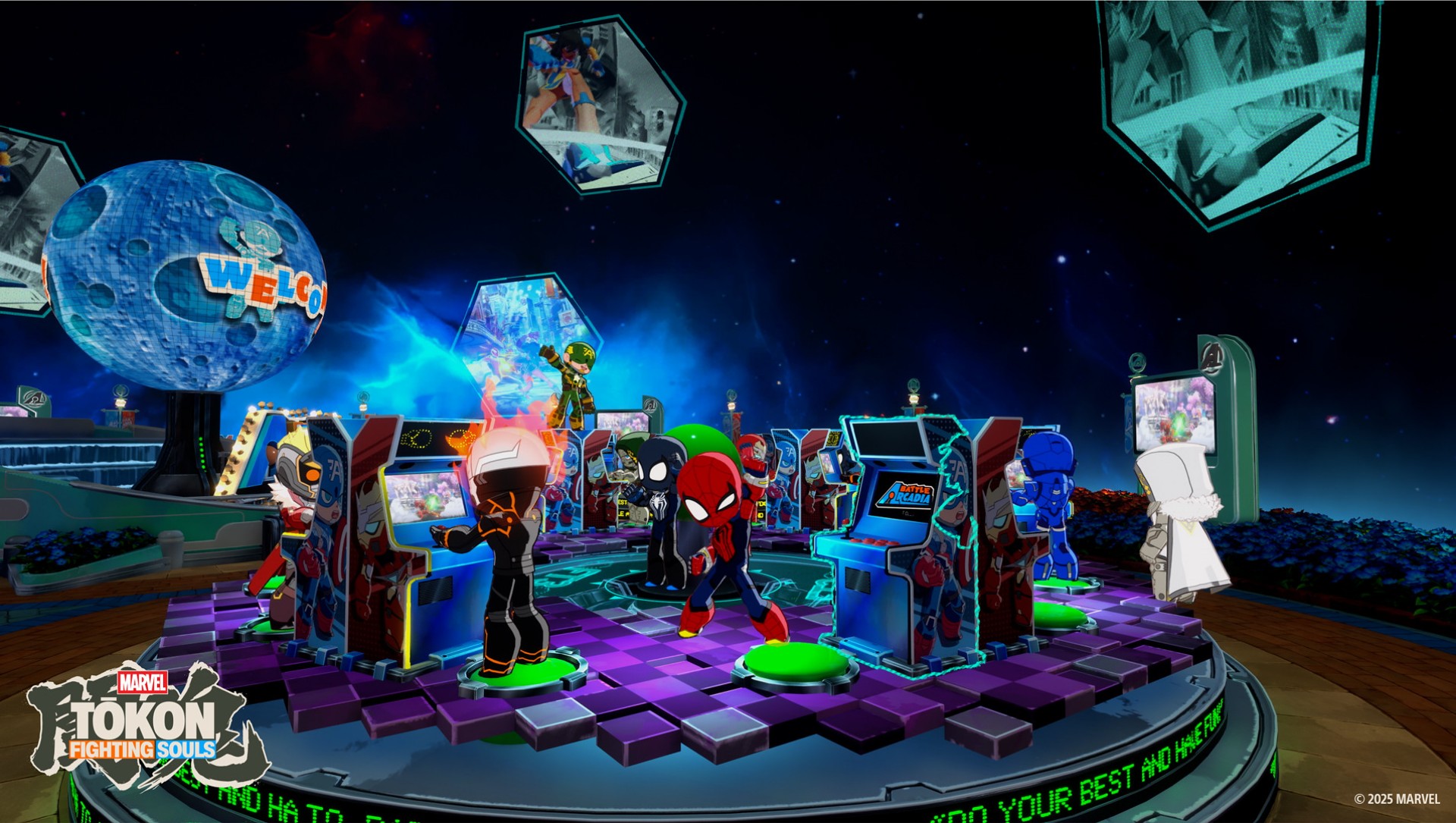
There’s also Arcadia Rumble, a bit of a platformer-type game with the characters rendered in chibi form.
It’s nothing groundbreaking. But I particularly enjoyed the chibi looks as a chibi enjoyer.
The chibi version is an Arc System Works staple, and it’s a cute little change of pace from the much more intense main game.
You don’t need to play it to appreciate Tōkon. But I like that it’s here.
I’m already looking forward to more
The launch roster is already substantial, but I’m particularly excited about the first DLC character: Phoenix Cyclops.
Scott Summers is my guy. And we’re getting the cosmic version? I am waiting with bated breath.
That’s probably the best place to leave Tōkon.
I came into this expecting a fun Marvel fighting game.
What I got was a fighter that is easy enough for a casual player like me to pick up, while constantly reminding me that there is a much deeper game waiting underneath.
It’s not that Tōkon is simple.
It’s that it does a good job of making complexity feel approachable.
You can mash buttons with Wolverine and have a great time. You can swing around with Spider-Man and look for openings. And you can slow things down with Blade or Ms. Marvel and learn to be more deliberate.
If you want to go deeper, the systems are there waiting for you.
Now pickup a controller and take on MARVEL Tōkon: Fighting Souls

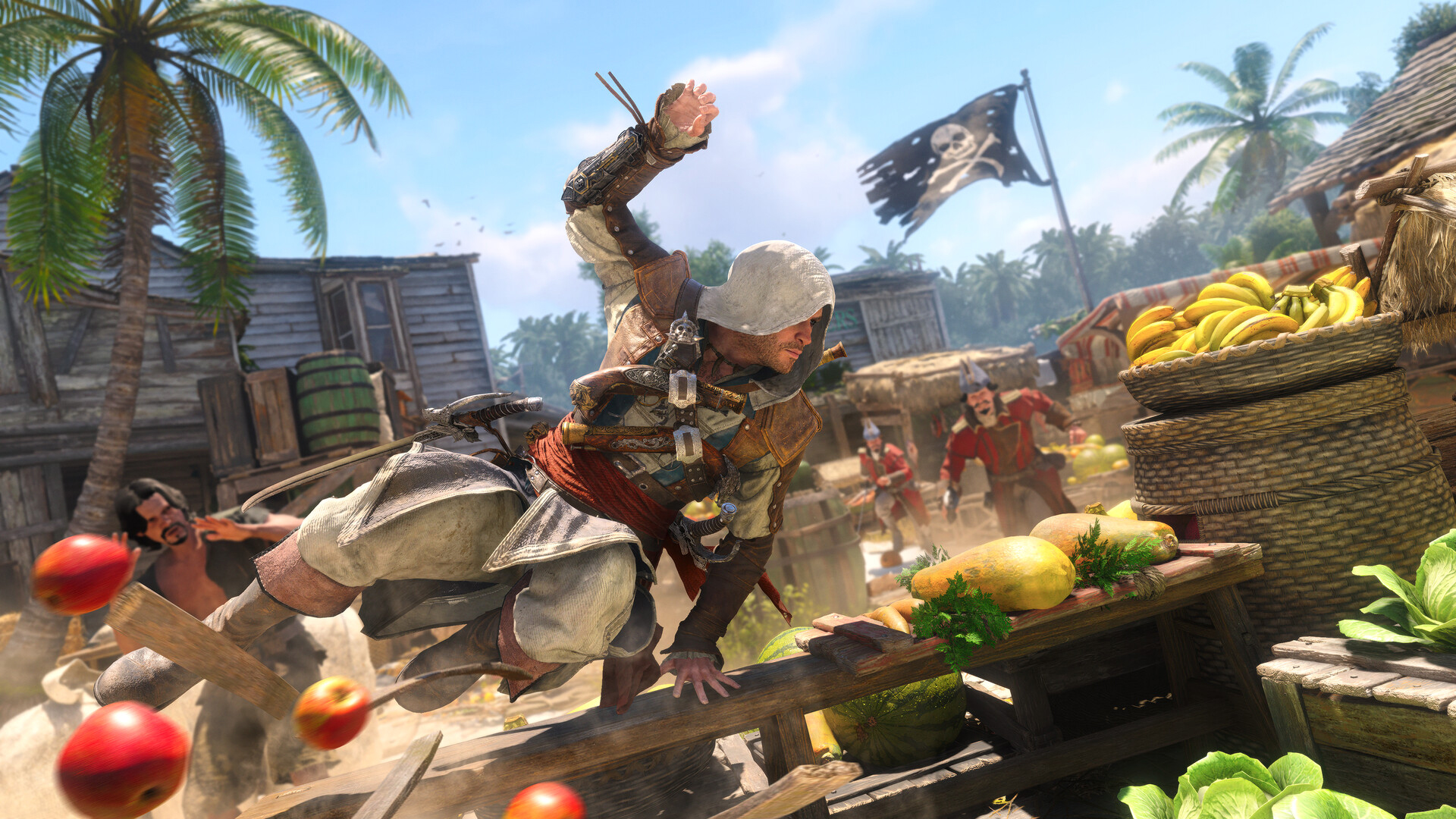
Like any millennial, I love a good dose of nostalgia. These days, however, nostalgia is no longer a scarce resource. Remakes and reboots abound, the entertainment world heavily seesaws between all the franchises that made our child- and teenagerhood so fun. Today, the ever-spinning roulette lands on Assassin’s Creed Black Flag.
Launched not too long ago, the original Black Flag was a pirate life simulator disguised as an Assassin’s Creed game. It was a refreshing breath of fresh air for the series coming after the controversial ending of Desmond Miles’ arc. Unsurprisingly, the game is still the most universally lauded entry in the entire franchise. So, if you ignore how recently it came out, Black Flag makes sense as the first Assassin’s Creed to ever get a remake.
But do we actually need this much nostalgia?
New clothes for the original
Assassin’s Creed Black Flag Resynced plays like a dream. It’s the original game but with updated graphics and combat.
Now, the original game still plays very smoothly today. I’d even hazard that the original graphics are still serviceable today, albeit tinged with a tiny bit of datedness. Basically, if I boot up my copy of the original, there’s a very good chance that I’d still find it perfectly modern.
That said, Black Flag Resynced has amazing graphics. There’s a clear difference that elevates the original to heights that put it at par with the newer games. Parkour and combat are also smoother. If you’ve played Shadows or Valhalla, Black Flag Resynced is easy to pick up (or pick up again, for most of you).
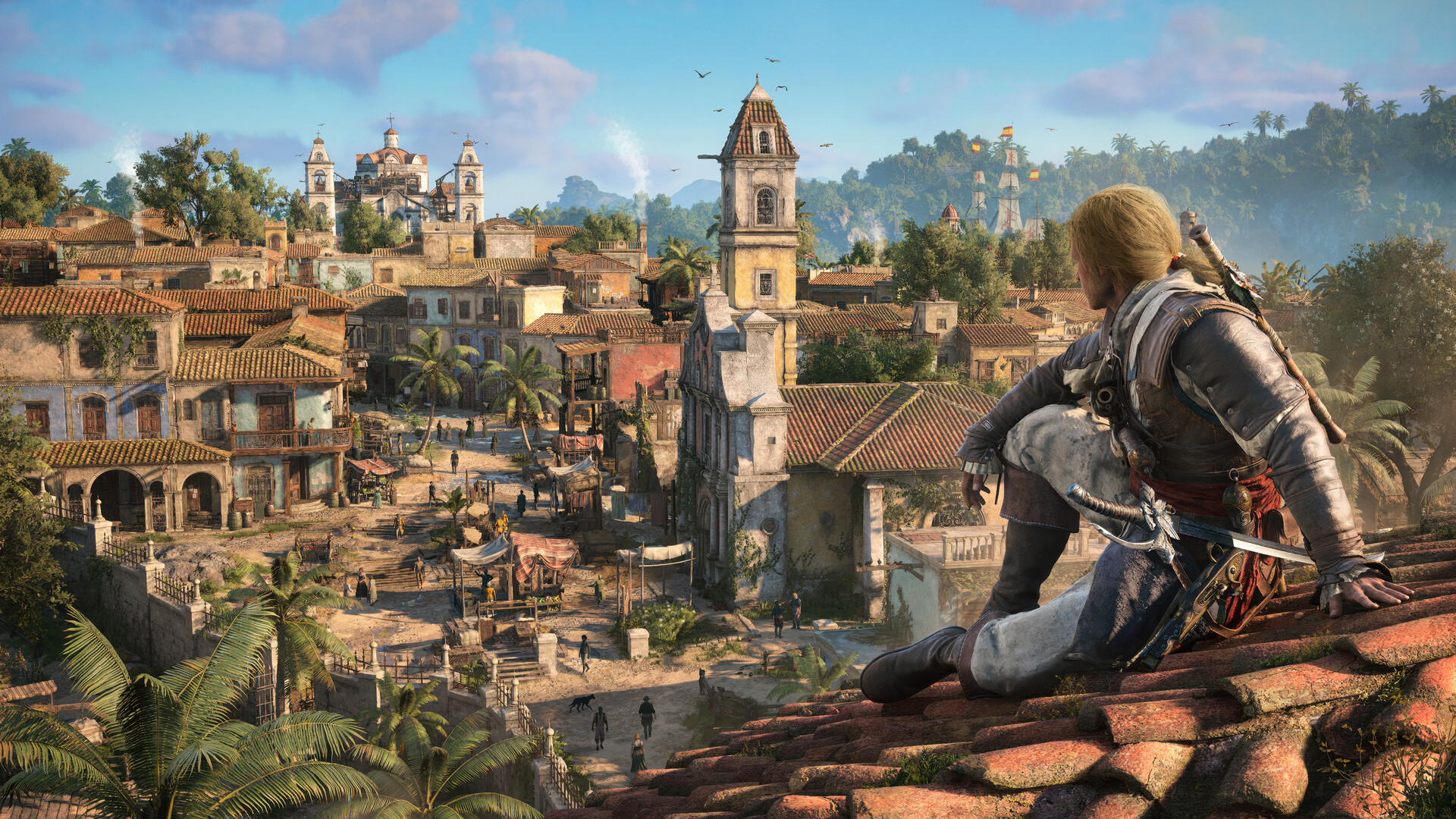
There are a few additions, including story content for some characters or even entirely new ones introduced. To be honest, I don’t think they add a lot to the experience, but the additions aren’t bad things at least.
The real meat comes from the tinier quality-of-life changes added to the overall game. For example, those pesky trailing missions are now gone. Stealth is better. Finally, that terrible modern-day storyline was completely removed.
It’s fair to say that Black Flag Resynced is a better version of the game than its original. But, again, is that really enough to warrant buying a new and even more expensive version of a game you bought long ago?
The problem with nostalgia
Earlier this year, I played Yakuza Kiwami 3 & Dark Ties, a remake of the eponymous game from the Yakuza franchise. Though the new version had a substantial expansion bundled inside, it was essentially a trip down memory lane clothed in a “new” skin.
Yes, the nostalgia is largely effective. But after a while, the doubt crept in: It’s just a reskin with some new content. Worse, the reskin is a coat of paint that the series has been using for so many years now.
Black Flag Resynced starts to feel the same. Eventually, the appeal of playing a beloved game runs out, especially since it’s a game that hasn’t been out long enough to develop a more intense form of longing. As such, there’s a bigger burden for it to prove why it should exist.
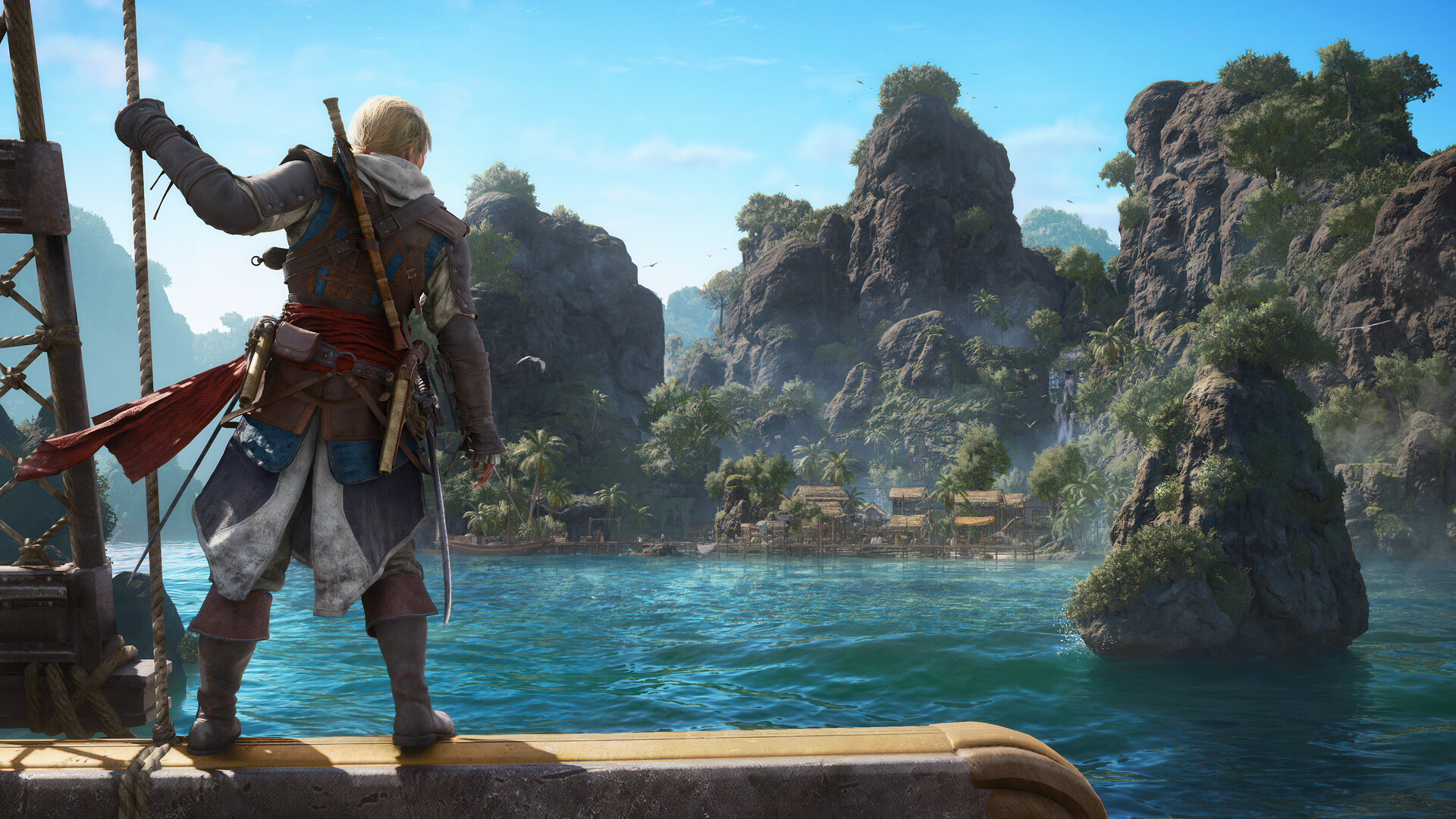
It’s a hard sell. The original game is just much too recent. In fact, it still holds up well today, despite some inconveniences. The new version is, like Yakuza Kiwami 3, mostly translating the game into a modern system familiar to modern players. But it’s a system that hasn’t really changed much over the years. With another game following the same format, it’s all blending into a homogenous soup.
The Assassin’s Creed franchise needs a reinvention. Though the previous Shadows fulfilled a generational wish to bring the series to feudal Japan, it was just another Assassin’s Creed game but with two protagonists. It’s the same thing with Black Flag Resynced, just another Assassin’s Creed game but with better graphics (and ship combat).
Nostalgia is doing a lot of heavy lifting in Black Flag Resynced. The game isn’t really a reinvention, and if you’ve played the newer titles recently, nostalgia might not be enough.
Is Assassin’s Creed Black Flag Resynced your GameMatch?
If you’ve played the original and just want to experience the same game on a modern system, then Black Flag Resynced is perfect for you. It’s the same enjoyable experience with a bundle of small quality-of-life improvements.
However, it doesn’t reinvent the wheel. If you’re tired of the same old Assassin’s Creed formula, the remake probably won’t do much for you, either.

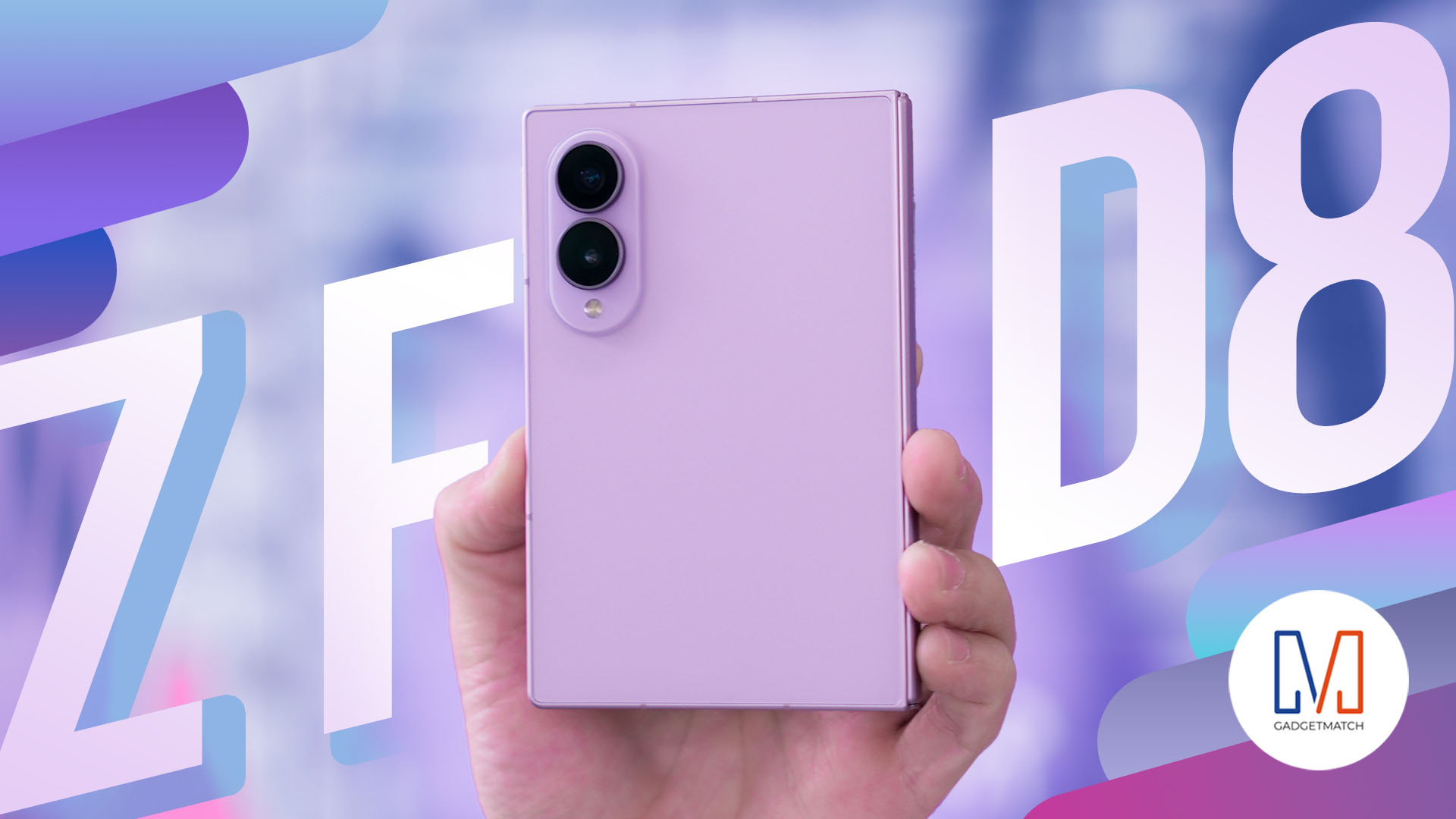
THE Michael Josh has reviewed every Galaxy Fold since the beginning. But, for almost three weeks, the Samsung Galaxy Z Fold8 has been the phone he reaches for every single day.
In this Galaxy Z Fold 8 review, he is sharing what it’s actually like to live with Samsung’s latest foldable. From the size and multitasking to the cameras, battery, software, durability, and all the little things that become more obvious after weeks of daily use.
Here’s our long-term review on the newest Samsung Galaxy Z Fold8.

MARVEL Tōkon: Fighting Souls review: Easy to pick up, hard to put down
Welcomes casual and experienced fighting game players

Now Playing: Assassin’s Creed Black Flag Resynced
Nostalgia does a lot of heavy lifting.

Samsung Galaxy Z Fold8 Review
8 Galaxy Folds later, Samsung finally nailed It!

UNDERTALE: The Determination Symphony gets two more shows

HUAWEI Pura X View is 2026’s first WIDE slab-type smartphone

These Polaroid x Pokémon cameras are just the cutest things
MARVEL Tōkon: Fighting Souls review: Easy to pick up, hard to put down

Samsung might launch the Galaxy S26 FE next week

Hands-on: Samsung Galaxy Z Fold8, Flip8, Ultra

VinFast debuts two-wheeler models, opens 21 e-motorcycle showrooms

Sony announces new FX5 full-frame camera

NBA 2K27 cover athletes unveiled: Wemby, Clark, DRose

CASETiFY revives Spider-Man collection for Brand New Day


-
 Laptops2 weeks ago
ROG STRIX G16 Review: Building for the moment
-

 Singapore5 days ago
REDMI Note 17 Series focuses on long-term reliability
-

 Laptops2 weeks ago
30 days later with the ASUS ExpertBook Ultra: Like seeing an ex
-
 News5 days ago
realme 16T to come with 8,000mAh battery, 7-year battery health guarantee
-

 Philippines2 weeks ago
Smart opens HUAWEI Pura 90s Series pre-orders with exclusive freebies
-

 News2 weeks ago
TCL expands mobile lineup with latest NXTPAPER series
-
 Gaming1 week ago
Marvel Wolverine Limited Edition PS5 bundle SEA pricing
-
 Deals2 weeks ago
Apple Watch, AirPods get exclusive offers via Beyond the Box