


Cameras
Polaroid OneStep+ review: Different yet exactly the same
We tried out the new features plus sample photos!

The Polaroid OneStep+ is finally in my hands! Not to be confused with the Polaroid OneStep 2, the OneStep+ is the latest in Polaroid’s line that pays homage to the original OneStep camera released in the 70s. As a lover of pretty things and Instagrammable cameras, the OneStep cameras were always a treat to review.
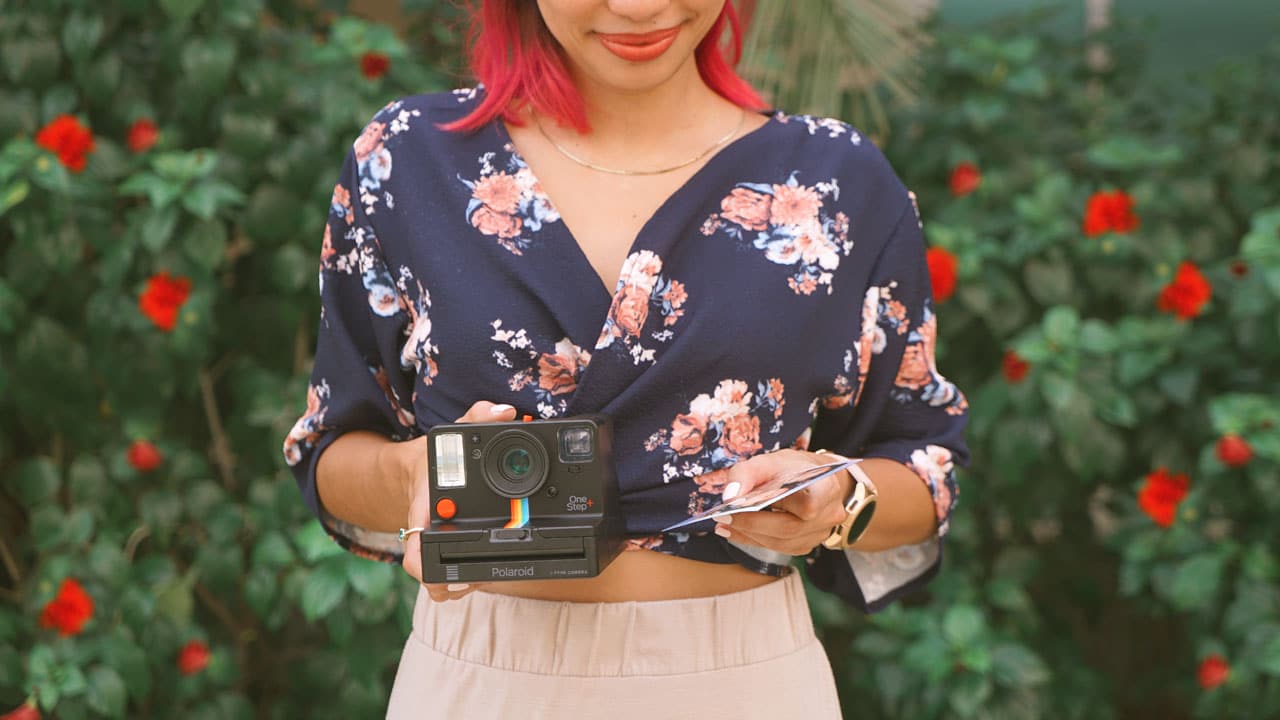
This newest Polaroid Originals camera looks (almost) the same, feels the same, but what’s so different about it? Let’s get to it!
Hands-on time
This newest release, dubbed the Polaroid OneStep+, comes in black. Now, it might sound boring but it actually looks pretty classic and fun with the pop of colors from the Polaroid rainbow branding.

It looks as Instagrammable as its predecessor, despite the dark color change. Don’t believe me? I’ll prove it:

The Polaroid OneStep+ looking great at any time of the day

This good-looking camera doesn’t come cheap. It retails for EUR 159 or almost PhP 12,000 in the Philippines.
Up top is a switch that toggles between normal portrait mode and wider-angled photos. The light indicator for your remaining shots is also up here.

On the back is the on/off switch, a micro-USB port for charging, and the flash button — press and hold as you take the photo so the camera won’t flash.

The viewfinder (which looks tinier) is in the same place, on the left-back side.

I think the biggest and most notable change, though, is the fact that you can now attach this camera to a tripod. Built in at the bottom is a tripod screw thread which means that the OneStep+ can be mounted on a tripod. I guarantee you, this is a recipe for better Polaroids.
Getting started
Taking a photo with the OneStep+ is the same process as before: Look through the viewfinder and compose the photo, press the shutter (the red button on the side), and the photo automatically prints on film.

The shape of this camera is reminiscent of old-school cameras. Shooting with it can give you those feels, it’s just a different experience compared to shooting with your smartphone or a point-and-shoot camera.

So, yes. The Polaroid OneStep+ still takes (fun) photos or even selfies…

… and prints them on square format Polaroid film. It works with both 600 film and i-Type film which retail from EUR 16 to EUR 20, depending on the type.

Let me take this opportunity to gush about how cute that purple-pink gradient border is on that frame! It’s so pretty!
But, let’s go back to that photo of me and Chay taking a selfie with the camera. Notice something?
Why is Chay holding her phone in this photo?

No, Chay isn’t overly attached to her phone… it has to do with this camera’s new feature.
You can connect the OneStep+ to your phone via Bluetooth and you’ll be able to control your camera via the Polaroid Originals app.

Pairing is pretty easy, too. After the initial pairing process, the camera will automatically pop up when you open the app which is so convenient! (We all know how having to pair every single time can be annoying. 😅)

So, what can this new app do? Time to try it out!
Test run!
Once connected, there are six shooting modes you can try on the app.
The most basic: A remote function which allows for your phone to act as a trigger for the camera. This is pretty useful for when you want to be in the photo and there’s no one else to take the picture. Take note, however, that the app only acts as a trigger so you can’t preview the photo on your phone. (See photo 2)

Starting from the upper-left photo: 1. Selfie sample, 2. Remote, 3 and 4. Self-timer, 5. Noise trigger, 6. Double exposure, 7. Another light painting attempt, 8. Failed manual mode
The self-timer is a pretty cool feature, though the previous OneStep cameras had that feature even without the app. (See photos 3 and 4)
The same can be said about the double-exposure function. The Noise trigger is a new one, and it’s the coolest thing ever. Basically, you can trigger the camera shutter by creating any sound of a certain loudness. You can set this up on your phone and even change the sound threshold! (See photo 5)
Also included is light painting and manual modes. As you can see in the samples above (see photos 6, 7, and 8), it takes a while and a lot of ruined film to actually get how to take proper photos with these modes.

Our good shots from the second film cartridge
Once you learn how to use the OneStep+, it means a lot of cute Polaroids — and we all want that.
Finishing touches
When you’re all set with your Polaroids, the app offers an added feature to ensure you can show the world your prints. The scan feature automatically detects your photo, fixes it (crops and tilts it, if needed), and you can post or share away.

It’s not perfect, though. The function can be fidgety when it’s not photo-ready bright, which is most real-life circumstances. It’s usually a trial and error process to get the best-looking scan. Also, for some reason, this works best on iPhones. The Android devices we tested with it always had a harder time scanning the photos.

Nonetheless, it’s still pretty useful and it’s a great integration to the app. I see where this feature can go and I’m hoping that later updates will be able to fix these problems.

Another addition to the app is the Discover feature where you can find tips and tricks, or even photo ideas for your next Polaroid project.
You will never run out of things to try with your camera because of this!
Verdict
If you want a Polaroid camera in 2018, this is for you. It’s the same new-old camera (get it? 😎), but now made even better.
Although I would’ve loved a remote preview on my phone, the more I thought about it, the more I realized that this addition would’ve changed the whole process of taking Polaroids and destroyed the instant camera experience.
Previous cameras have attempted to merge high technology with the concept of instant cameras. But, we have yet to see an execution that utilizes tech in a way that enhances the shooting without destroying the old-school experience. This might be the right step towards that.
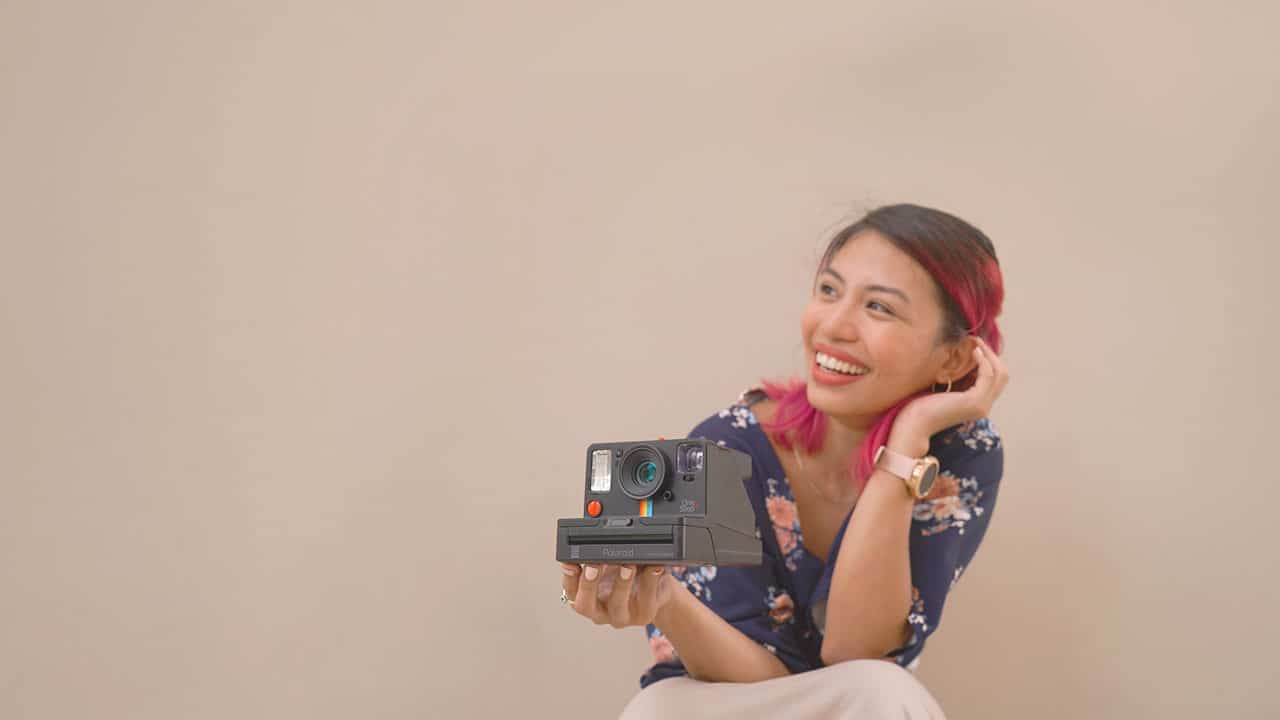
Some will argue that a smartphone could outdo what these instant cameras can do. If you’re one of those who believe so, you’re completely missing the point of these throwback cameras. This line is designed for those who want to enjoy Polaroids in 2018 and the Polaroid Originals OneStep+ just offered another way to do so.





Accessories
Fujifilm Philippines introduces instax Mini Evo Cinema, Mini Link+
It’s time to enter your film+ era and hold onto your favorite moments

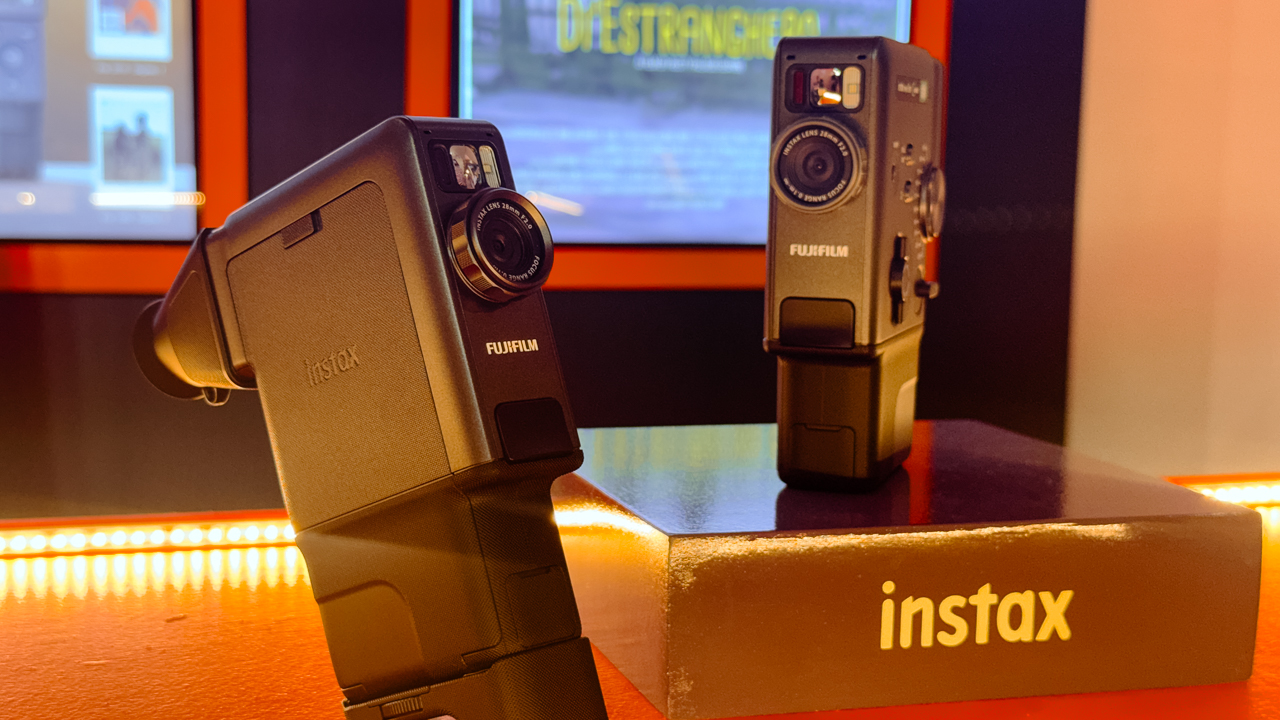
The digital scroll is fine, but Fujifilm Philippines is making a strong case for the tangible.
For a weekend, the Open House World in Makati transformed into a nostalgic playground for the “In Our Film+ Era” pop-up.
The mission was simple: proving that memories feel better when you can actually hold them.
The stars of the show were the new instax Mini Evo Cinema and the instax Mini Link+, two gadgets designed for the artsy geek who wants their life to look as good on paper as it does on a Pinterest board.
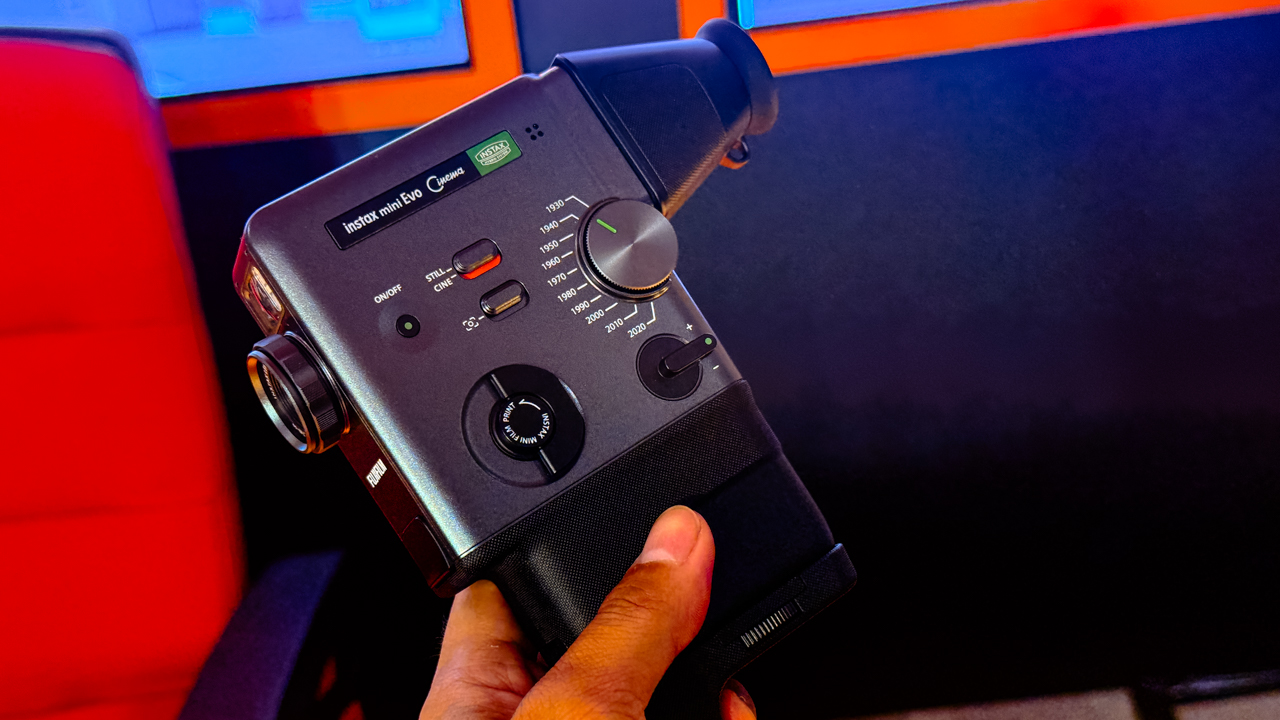
Retro meets technology
The instax Mini Evo Cinema, priced at PhP 22,599, is a total vibe-shifter. With its 10 Eras Dial effects, you can toggle through a hundred different creative combinations.
Then there is the instax Mini Link+ for PhP 8,999, built for the maximalists who refuse to let their best shots die in the camera roll.
This smartphone printer adds AR effects and custom designs, turning digital snapshots into high-aesthetic physical keepsakes.
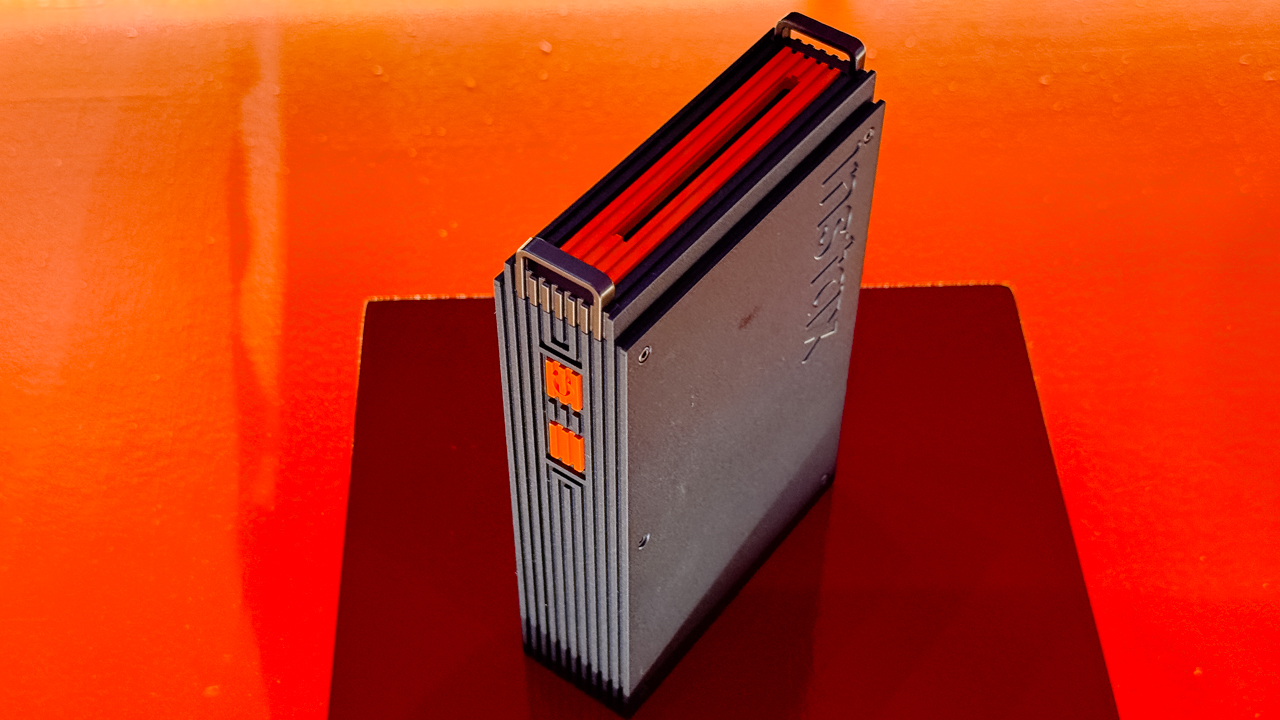
As Masahiro Uehara, President of FUJIFILM Philippines, put it, the goal is to reimagine how people connect with their memories by blending innovation with raw emotion.
More than just a photo op
The weekend functioned as a masterclass in creativity rather than just a product demo.
On the first day, filmmaker Elyandre Dagli showed the crowd how the Mini Evo works as a powerhouse for documentation and storytelling.
The energy continued the next day with Nica Cosio, who led a session on rubber stamp carving and journaling. Cosio showed how the Mini Link+ bridges the gap between digital tech and old-school scrapbooking.
Artists like Soleil Ignacio, Bryan Sochayseng, and Jill Arteche also dropped by to share how these tools fit into their professional creative workflows, proving that “instant” doesn’t have to mean disposable.
Ready to enter your Film+ era?
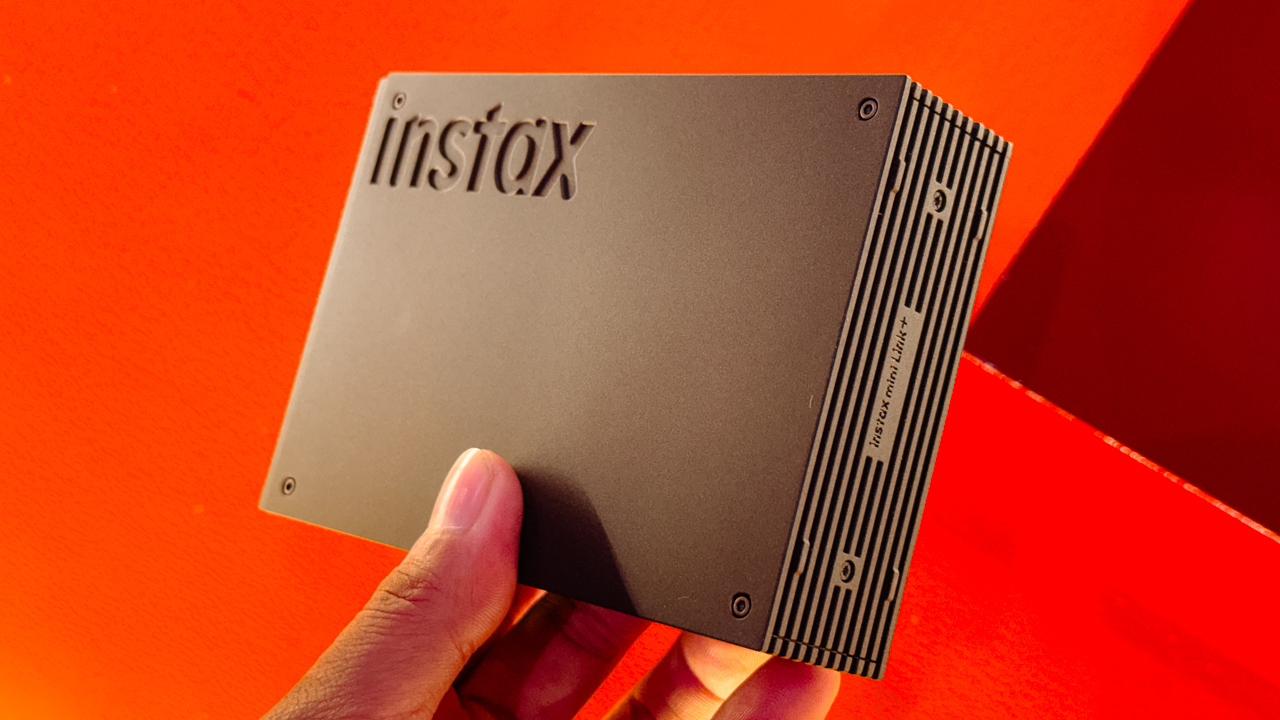
If you missed the pop-up, you haven’t missed the tech. The instax Mini Evo Cinema and instax Mini Link+ are officially hitting authorized FUJIFILM dealers nationwide right now.
It’s time to stop scrolling and start collecting.
For the latest updates, you can follow Team Instax on Facebook and Instagram.
Cameras
DJI’s Inspire 3 Basic Package make 8K aerial filmmaking more accessible
A streamlined kit for independent filmmakers!
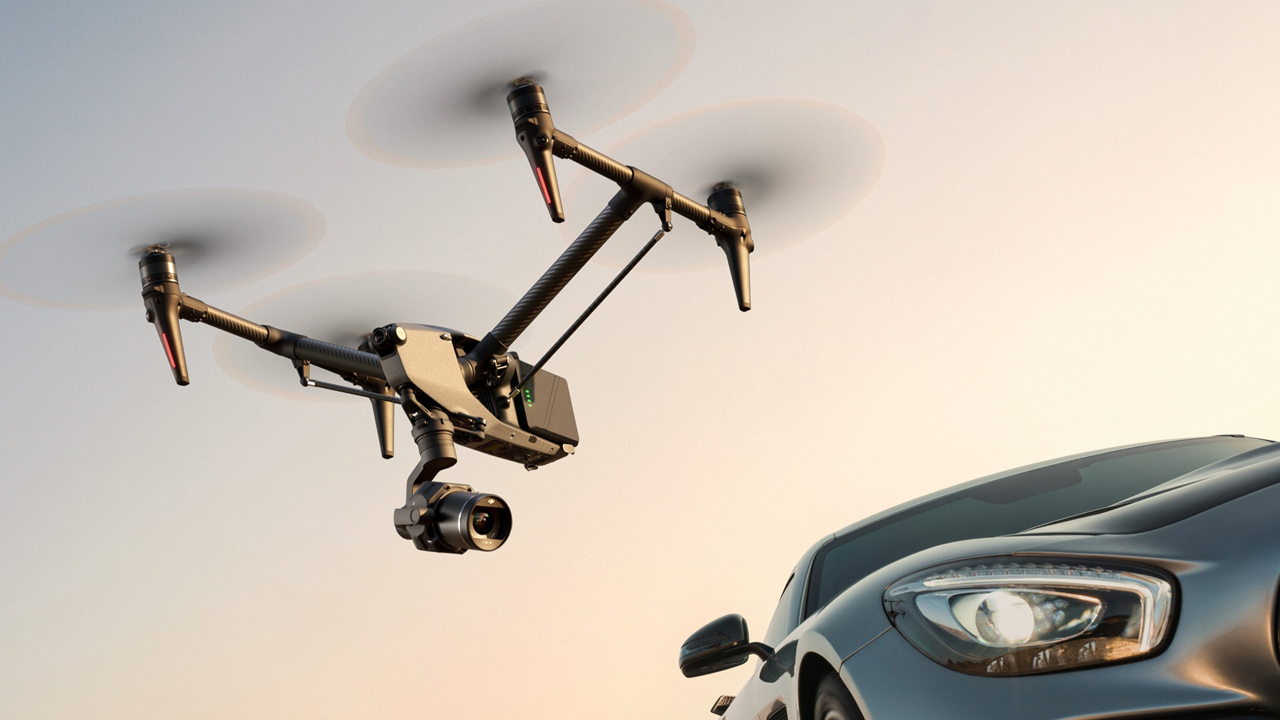
DJI has officially introduced the Inspire 3 Basic Package, a streamlined kit designed to lower the barrier of entry for professional aerial cinematography.
Since its debut in 2023, the Inspire 3 has established itself as the primary choice for studio film and television productions.
This new package provides a cost-effective path for independent filmmakers to integrate 8K aerial imaging into their workflow or for production houses to scale their existing fleet.
Cinema-grade performance in a portable form factor
The Inspire 3 remains a revolutionary all-in-one drone, built to handle the rigorous demands of high-end sets.
At the core of the package is the Zenmuse X9-8K Air Gimbal Camera, which features dual native ISO and more than 14 stops of dynamic range.
These specifications translate to high-fidelity footage that retains authentic colors and accurate skin tones, even when filming in challenging urban environments or varying lighting conditions.
By utilizing the DJI Cinema Color System (DCCS) and the O3 Pro transmission system, the drone acts as a reliable partner in movement, ensuring that technical performance supports the creative vision without the need for overly complex setups.
Essential tools for modern production
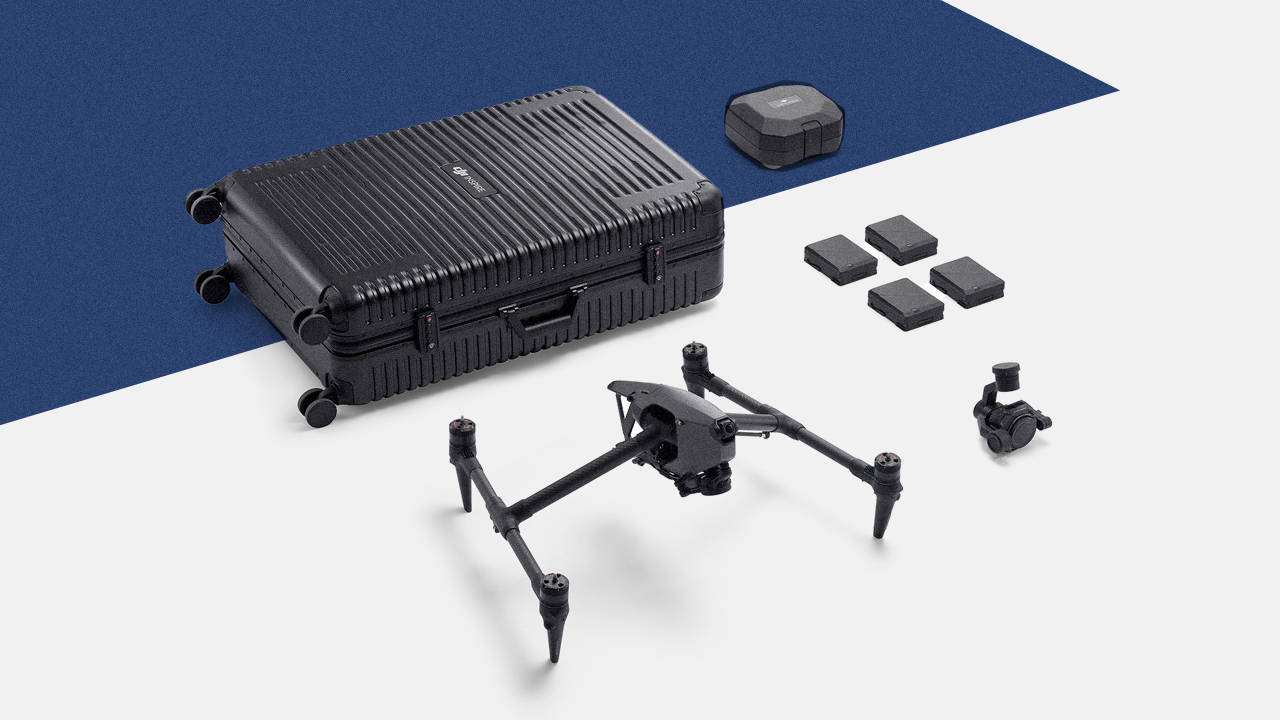
The Basic Package is curated to include the core hardware necessary for professional use while allowing for modular expansion. The kit features:
- The Inspire 3 Aircraft and Zenmuse X9-8K Air Gimbal Camera
- Four TB51 Intelligent Batteries to support extended shooting schedules
- Specialized storage solutions, including the Inspire 3 Trolley Case and Gimbal Camera Case
Filmmakers who require the full ecosystem can still purchase key peripherals separately, such as the RC Plus remote controller, allowing the gear to grow alongside their specific project needs.
Price, availability
The DJI Inspire 3 Basic Package is available starting today through authorized retailers and the official DJI store. The package retails for PhP 615,049.
This release reinforces the philosophy that while technology provides the tools, the focus remains on the life and stories captured through the lens.

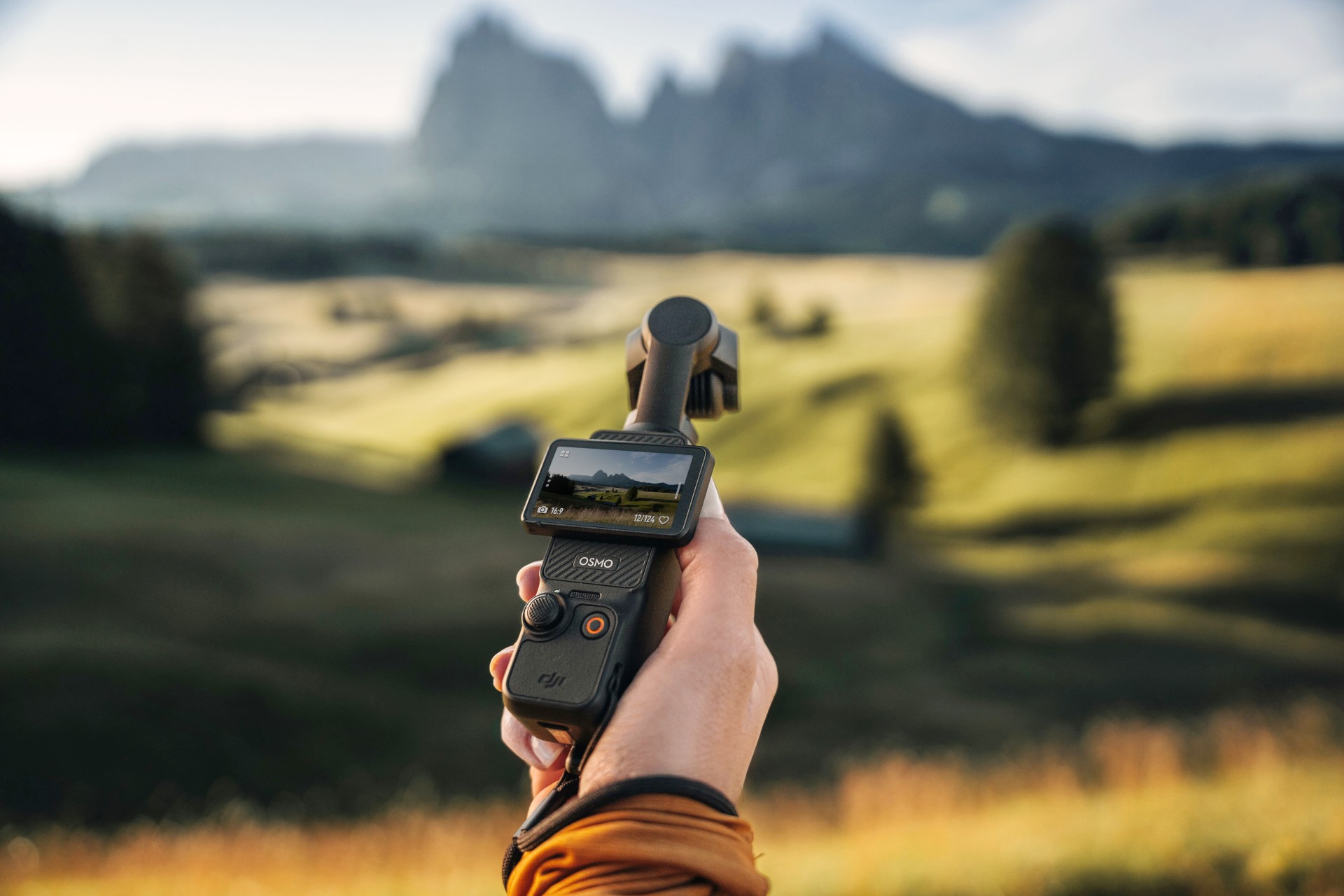
The DJI Osmo Pocket 3 might be the most popular camera in recent history. The tiny action camera constantly sells out, thanks to creators and would-be vloggers. Because of the current generation’s popularity, everyone is looking forward to the next-generation Osmo Pocket 4. Though it’s still unannounced, the new camera has suddenly made a surprising appearance out in the wild.
The leak shockingly comes from an authorized DJI retailer in Kuala Lumpur. Supposedly, a customer entered the store with what they claimed was an Osmo Pocket 4. The store, DronesKaki, even shot a now-deleted video of the unannounced camera, rescued by New Camera.
Based solely on the short video, the Osmo Pocket 4 looks and feels very familiar to those who’ve already used the Pocket 3. The three-axis gimbal system still keeps shots in place for taking videos while on the move. The 2-inch rotating screen looks identical to the current one, especially because of intuitive settings and controls.
However, the biggest standout is the built-in LED light sitting atop the camera. Despite how convenient and easy to use it is, the Pocket 3 doesn’t exactly shine in low-light conditions, prompting users to always bring an external flash. If the leak is true, the Osmo Pocket 4 cures this issue to some extent. (Built-in flashes aren’t usually standout solutions, but they can work in a pinch.)
Still, take the leak with a grain of salt. Though the store could have deleted the video because of a request from DJI, they could have also deleted it because it’s not the Osmo Pocket 4. At this point, we won’t know, but current rumors speculate that the camera is launching soon.
SEE ALSO: DJI Osmo Action 6 review: An adventurer’s best friend


Infinix NOTE 60 Ultra: Not bad for a flagship push
It's definitely got the looks, though.


JBL Sense Pro review
My daily driver met a loud and capable rival in this quest for a superior training companion.


Shokz OpenFit Pro: Somewhere between awareness and focus
Find your balance

GameSir G7 Pro ZZZ Edition: My default PC controller

ZOOP, a new social platform, to launch soon

GadgetSnaps: Osaka

Homture Magic Frame: Reliving wedding moments you didn’t get to see

Dunk City Dynasty update adds new NBA stars, cosmetics


-

 News1 week ago
nubia Neo 5 series launches in the PH, starts below PhP 12K
-

 Gaming2 weeks ago
Razer Blade 16 (2026) packs more cores, faster memory
-

 Automotive2 weeks ago
The Changan Eado Plus officially lands in the Philippines
-

 Gaming2 weeks ago
Nintendo will make it cheaper to buy digital games than physical
-

 Gaming2 weeks ago
Life is Strange: Reunion now available on consoles and PC
-
 News1 week ago
vivo X300 Ultra wants to beat the iPhone 17 Pro Max in pro video
-

 Accessories2 weeks ago
Razer sharpens its competitive edge with Viper V4 Pro and Gigantus V2 Pro
-

 Luxury Smart Home2 weeks ago
Sony brings cinema home with new BRAVIA 3 II TV, BRAVIA Theatre lineup