
News
Samsung announces Exynos 2200 chip
Likely powering Galaxy phones of 2022

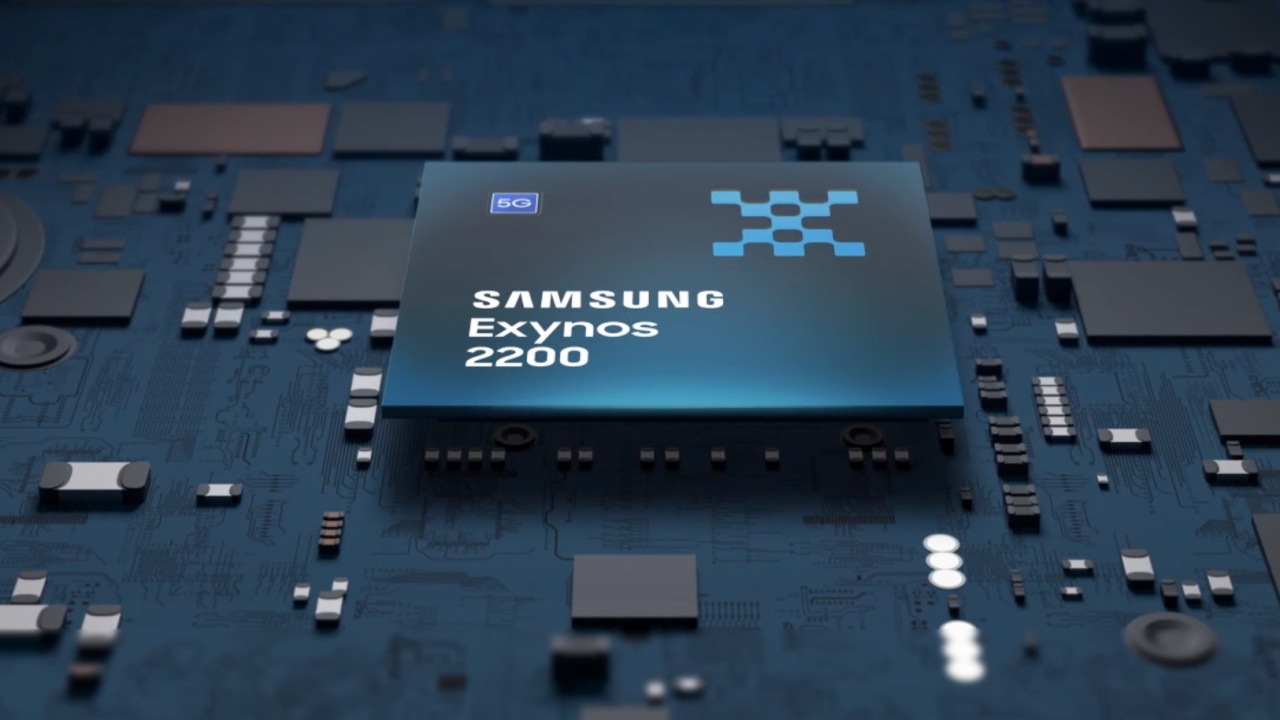
Samsung’s newest flagship mobile processor has just been announced. It’s the Samsung Exynos 2200 and it comes with Xclipse GPU Powered by AMD RDNA 2 Architecture.
The new processor promises “ultimate mobile phone gaming experience, as well as enhancing the overall experience in social media apps and photography.”
Ray Tracing on mobile phones
The Xclipse GPU equipped on the Exynos 2200 boldly claims it will achieve accelerated ray tracing (RT) and variable rate shading (VRS) on mobile phones. These are high graphics features previously only available on PCs, laptops, and consoles.
Ray tracing is a rendering technique that uses rays of light to project images or objects onto your screen. These show more accurate, more realistic images as the rays trace back to any source of light in the surrounding. For more, read: The future for all games: Ray Tracing explained
Enhanced 5G and fortified security
The Exynos 2200 integrates a fast 3GPP Release 16 5G modem supporting both sub-6GHz and mmWave (millimeter Wave) spectrum bands. With E-UTRAN New Radio – Dual Connectivity (EN-DC), which utilizes both 4G LTE and 5G NR signals, the modem can boost the speed up to 10Gbps.
It also comes with Integrated Secure Element (iSE) to store private cryptographic keys as well as to play a role as RoT (Root of Trust). Also, an inline encryption HW for UFS and DRAM has been reinforced to have user data encryption safely shared only within the secure domain.
Better image processing
As with any brand spanking new chip, the Samsung Exynos 2200 also promises better image processing — moving or otherwise. It’s designed to support the latest image sensors for ultra-high resolution of up to 200 megapixel (MP). At 30 frames-per- second (fps), the ISP supports up to 108 MP in single camera mode, and 64+36 MP in dual camera mode.
It can also connect up to seven individual image sensors and drive four concurrently for advanced multi-camera setups. For video recording, the ISP supports up to 4K HDR (or 8K) resolution.
It decodes videos up to 4K at 240fps or 8K at 60fps and encodes up to 4K at 120fps or 8K at 30fps. he advanced display solution features HDR10+ adding more dynamic range and depth to the picture and offers refresh rates of up to 144Hz.
The Exynos 2200 is currently in mass production.





News
Report: ‘Accessible flagship’ smartphones might provide best value this year
Next-gen hardware, AI optimization among consumer demands to justify price hike
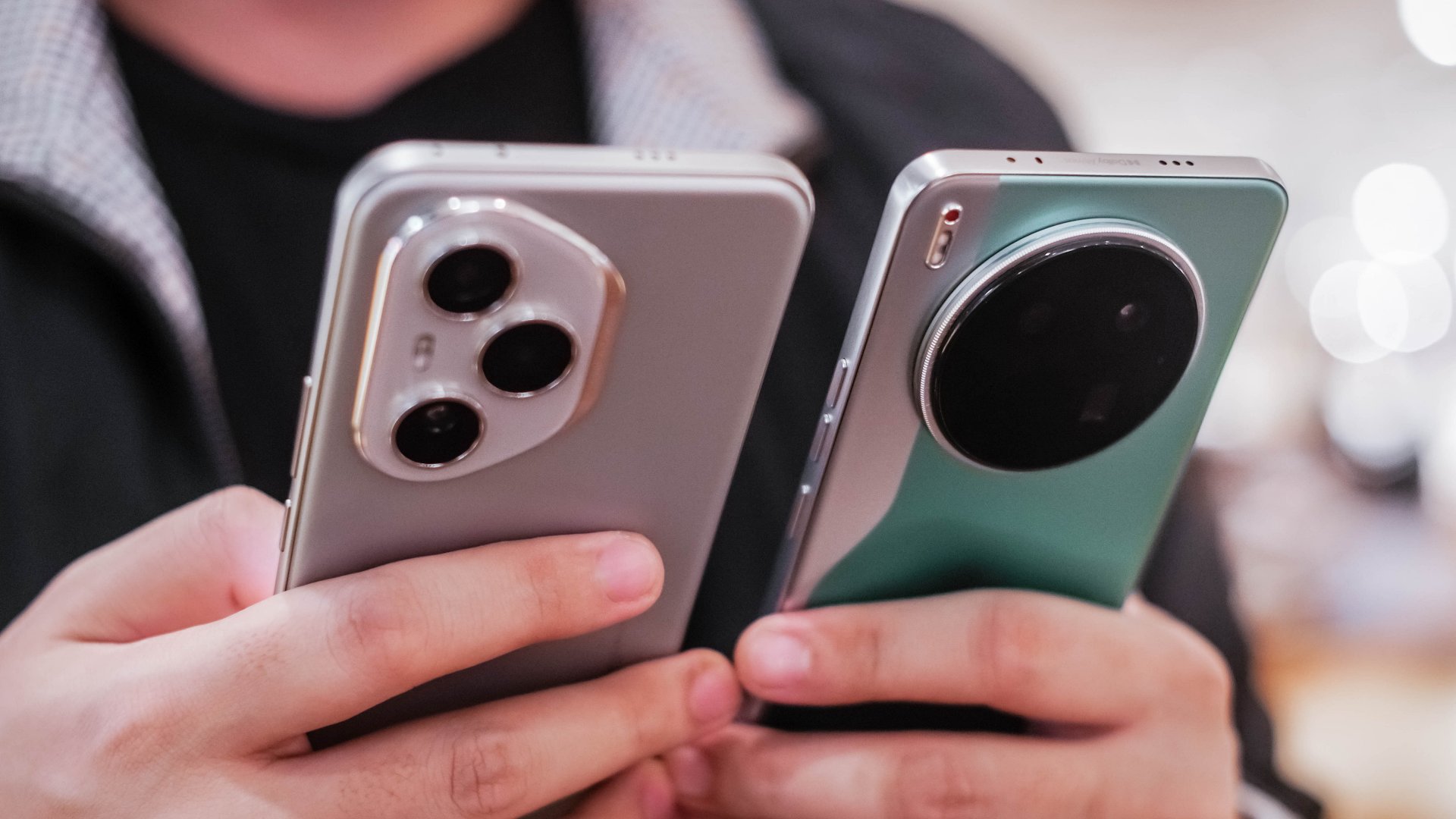
As global smartphone prices continue to rise, the “accessible flagship” segment could be the only bright spot for manufacturers this year.
But that’s only if they gamble and improve specs significantly for attractive devices. According to a recent Counterpoint report, taking into consideration MWC 2026 Barcelona insights, consumers are looking for significant upgrades for their next smartphone purchase instead of iterative updates.
This includes a combination of next-generation hardware, deeply optimized AI software, and affordability for a premium-grade experience.
The demand for these upgrades from one generation to another stems from a massive spike in memory costs. With smartphone manufacturers increasing their prices drastically, consumers in turn are demanding more in return to justify such adjustments.
As such, manufacturers like Samsung, Xiaomi, Google, HONOR, Motorola, and OPPO continue to democratize features once reserved for the most expensive handsets.
Chance for smartphone manufacturers to shine
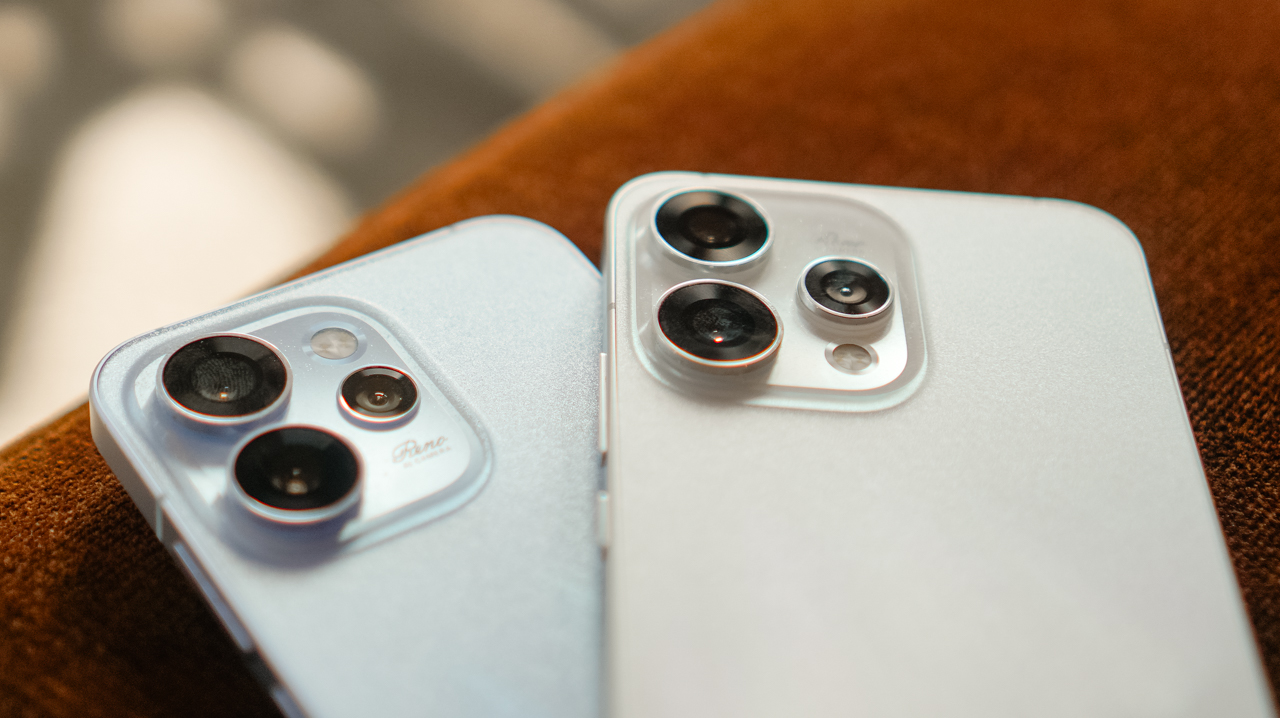
It is clear that leading smartphone companies are focusing on next-generation chipsets, professional-grade imaging, and high-efficiency batteries, as well as AI adoption.
So those who successfully integrate cutting-edge hardware with deeply optimized AI software into such accessible flagship ((US$ 700 to US$ 999) devices will more likely win the battle.
According to the report, only Samsung and Xiaomi have released phones falling under the “accessible flagship” category so far this year. These are obviously the Samsung Galaxy S26 series and Xiaomi 17 series, although OPPO has also launched the Reno15 series.
This means there is an opportunity for other OEMs like Google, Motorola, and HONOR to launch better packages later in the year.
The report specifically mentions HONOR as a brand that has seen considerable growth in its accessible flagship tier (HONOR number series) sales outside of China in the last few years.
The report concludes by mentioning that in 2026, shipments are predicted to drop by 12% (year-on-year). Along with this, only improving specs significantly shall enable brands to stand out.
News
Sony launches breakthrough True RGB display technology
Coming to BRAVIA TVs launching this spring
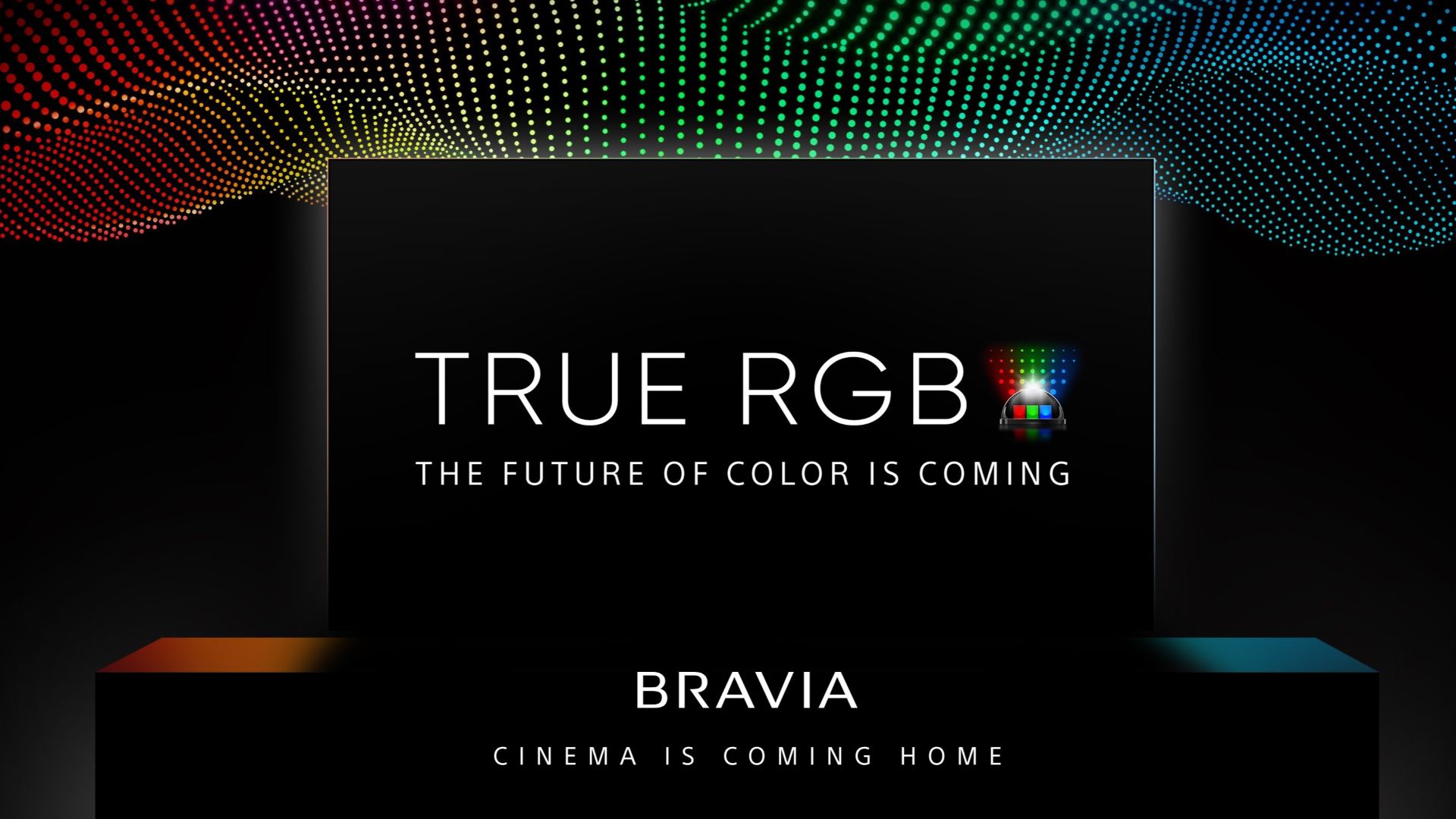
Sony has introduced a proprietary breakthrough True RGB display technology that shall power their upcoming televisions. This sets a new benchmark for RGB LED picture performance in TVs.
Unlike conventional approaches, Sony’s True RGB uses independently controlled red, green, and blue right sources. This delivers purer color, greater brightness, and the largest color volume ever achieved in Sony’s home TV history.
For viewers, the result is picture that looks more natural, dimensional, and accurate in real-world viewing environments — from bright living rooms to cinematic dark scenes.
At the core of Sony’s True RGB is a proprietary optical structure and precision backlight control. This is driven by a new Sony RGB backlight driver for faithful color reproduction from wider viewing angles. Creator-intended detail and contrast are also preserved.
True RGB represents the culmination of more than 20 years of Sony’s innovation in LED control. Those two decades included introducing the QUALIA 005 from way back in 2004, as well as debuting the flagship Backlight Master Drive technology back in 2016.
By combining the precision of individual RGB LEDs with the strengths of both Mini LED and OLED, Sony is able to deliver even better picture quality, defined by pure color, high brightness, and consistent accuracy.
The company’s new BRAVIA TVs powered by True RGB technology will be launched this spring.
News
Apple’s iPhone Fold reportedly hits engineering delays
But it’s still supposedly on track for a September launch.

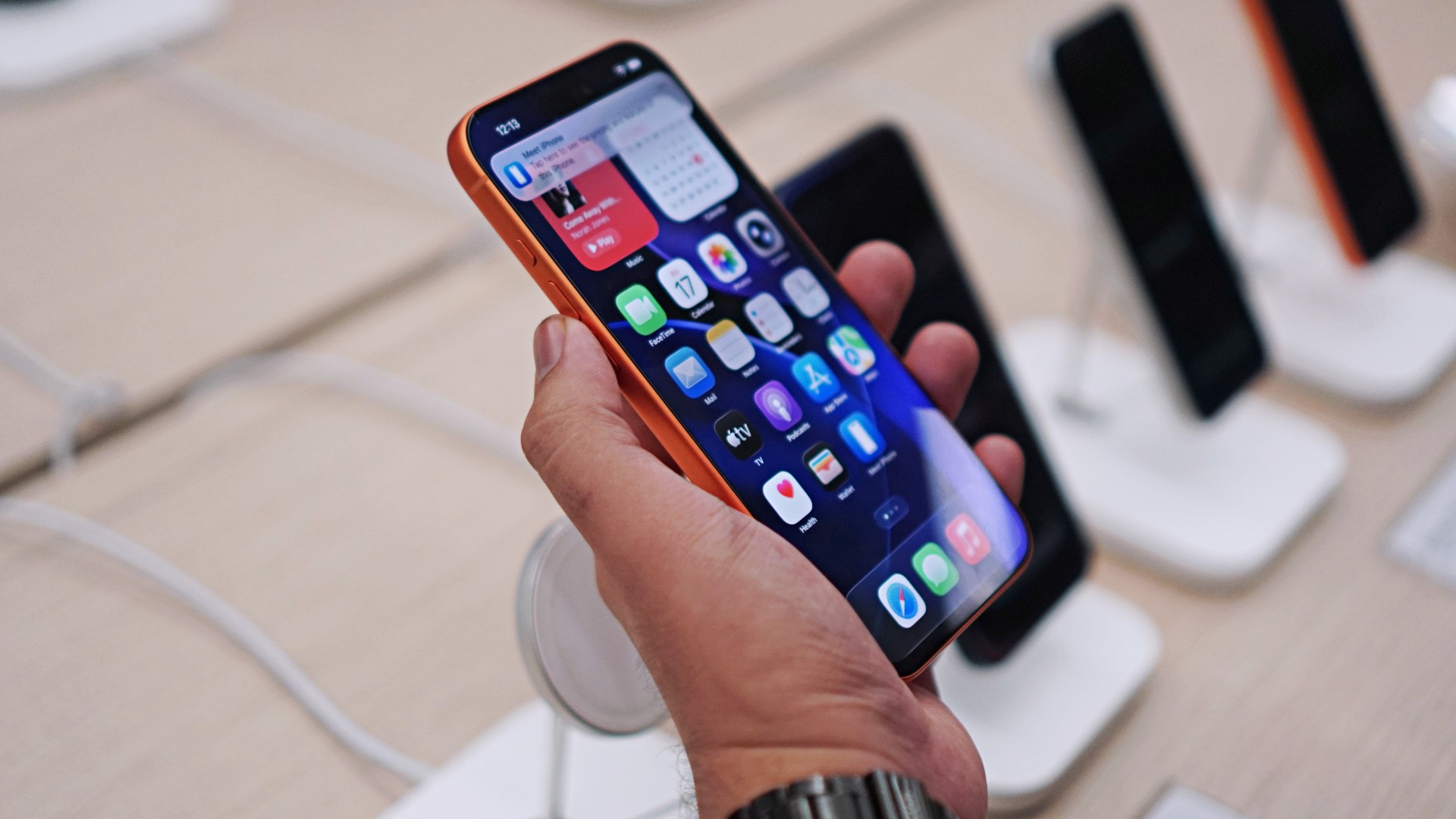
The foldable iPhone might be the most mythical device in technology today. Rumoured as far back as the launch of the very first Galaxy Fold, the so-called iPhone Fold has peeked in and out of the spotlight over the years but has yet to make its full debut. Sources today have speculated that Apple is readying its much awaited launch for this year; however, a few hitches might derail the expected unveiling.
According to Nikkei, Apple has pushed forward with the foldable iPhone’s test production phase, which marks an advanced stage in the device’s production. However, a source indicates that the device has encountered engineering issues, potentially pushing its launch back by an undisclosed amount of time. Apple is reportedly working on the issues now.
Opposite this report, Bloomberg‘s Mark Gurman reports that the iPhone Fold can still reach its projected launch later this September. As any fan of the iPhone can attest to, September is the usual ground zero for the latest generation of iPhones. Should Apple meet its September launch, the iPhone Fold will launch alongside the iPhone 18 series. This also makes it possible to be Apple’s “one more thing” for September’s event.
There’s a lot riding on Apple’s foldable phone. Fans have been clamoring for the iPhone Fold for a while now, especially since Samsung remains an undisputed cornerstone in the foldable market. Despite the demand, it might take a while for the foldable to truly take off. If Apple’s gingerly approach to foldables is any indication, the iPhone Fold will likely take a few iterations to match Samsung in terms of supply and market share.
SEE ALSO: Apple iPhone 17e review


Apple iPhone 17e review
Everything you need for US$ 599?

Infinix NOTE 60 Ultra: Not bad for a flagship push
It's definitely got the looks, though.


JBL Sense Pro review
My daily driver met a loud and capable rival in this quest for a superior training companion.

Report: ‘Accessible flagship’ smartphones might provide best value this year

Sony launches breakthrough True RGB display technology

Forza Horizon 6 already hits the mark

Why a dedicated mattress vacuum is the allergy season upgrade you need

Apple’s iPhone Fold reportedly hits engineering delays


-
 News2 weeks ago
nubia Neo 5 series launches in the PH, starts below PhP 12K
-

 Gaming2 weeks ago
Life is Strange: Reunion now available on consoles and PC
-
 News1 week ago
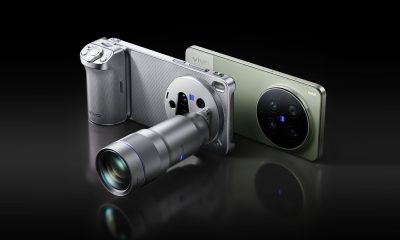
vivo X300 Ultra wants to beat the iPhone 17 Pro Max in pro video
-

 Reviews2 weeks ago
Shokz OpenFit Pro: Somewhere between awareness and focus
-

 Gaming2 weeks ago
Nintendo might be working on an Ocarina of Time remake
-
Reviews1 week ago
Infinix NOTE 60 Ultra: Not bad for a flagship push
-
Lifestyle1 week ago
JBL Sense Pro review
-

 First Look1 week ago
Match Pulse: TECNO SPARK 50 5G