
News
The world’s first fully-automated imaging lab is here in Chongqing
All thanks to TECNO and DXOMARK’s budding partnership


What do TECNO and DXOMARK have something in common? Well, it’s their focus on bringing out the best in a smartphone’s camera system.
Today, both mark a milestone as they jointly unveil the world’s first fully-automated imaging lab here in Chongqing, China.
What’s it even?
As DXOMARK continues to strive with their lab-tested metrics when giving out ratings in smartphone cameras, their joint partnership with TECNO in building a fully-automated imaging lab would not only ease the process, it will be more accurate and technically-advanced too.
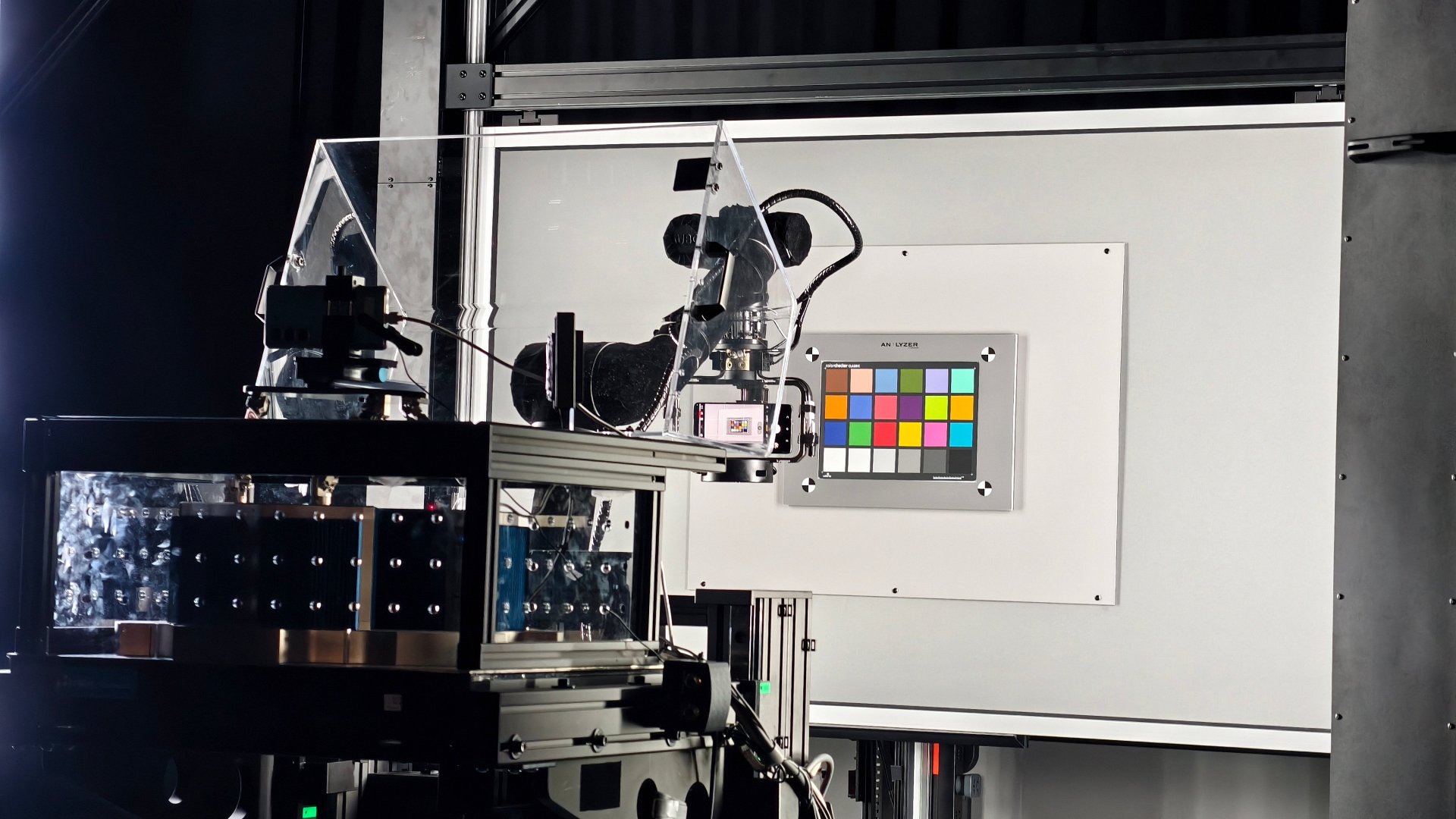
This all-new laboratory is the first to implement the DXOMARK sixth-generation Smartphone Evaluation Protocol.
Not only this establishes a new scientific benchmark for smartphone imaging, it will also give a more precise and standardized camera technology with just automation.
Moreover, it sets new standards for testing efficiency, consistency, and objectivity.

Frédéric Guichard, the CEO of DXOMARK is proud with what this lab can assess and achieve.
In his words, he said that DXOMARK’s scientific expertise in advanced automated lab capabilities paired with TECNO’s technological advancements in building a fully-automated laboratory gives utmost efficiency, precision, and more comprehensive evaluations during the process.

Head of Imaging Quality Lab Fanyi Zhou also added that DXOMARK’s new-gen Evaluation Protocol will help further towards an objective imaging analysis.
He also said it will dramatically speed up their imaging innovation — which enables more authentic and inclusive experiences among users worldwide.
What’s in it?
The Joint Imaging Lab by TECNO DXOMARK establishes a new imaging evaluation standard alongside three core innovations.
Fully-Automated Testing
The joint imaging lab’s precision automation system is revolutionary for a reason. From calibration to final reports, this system runs automatic full testing workflows.
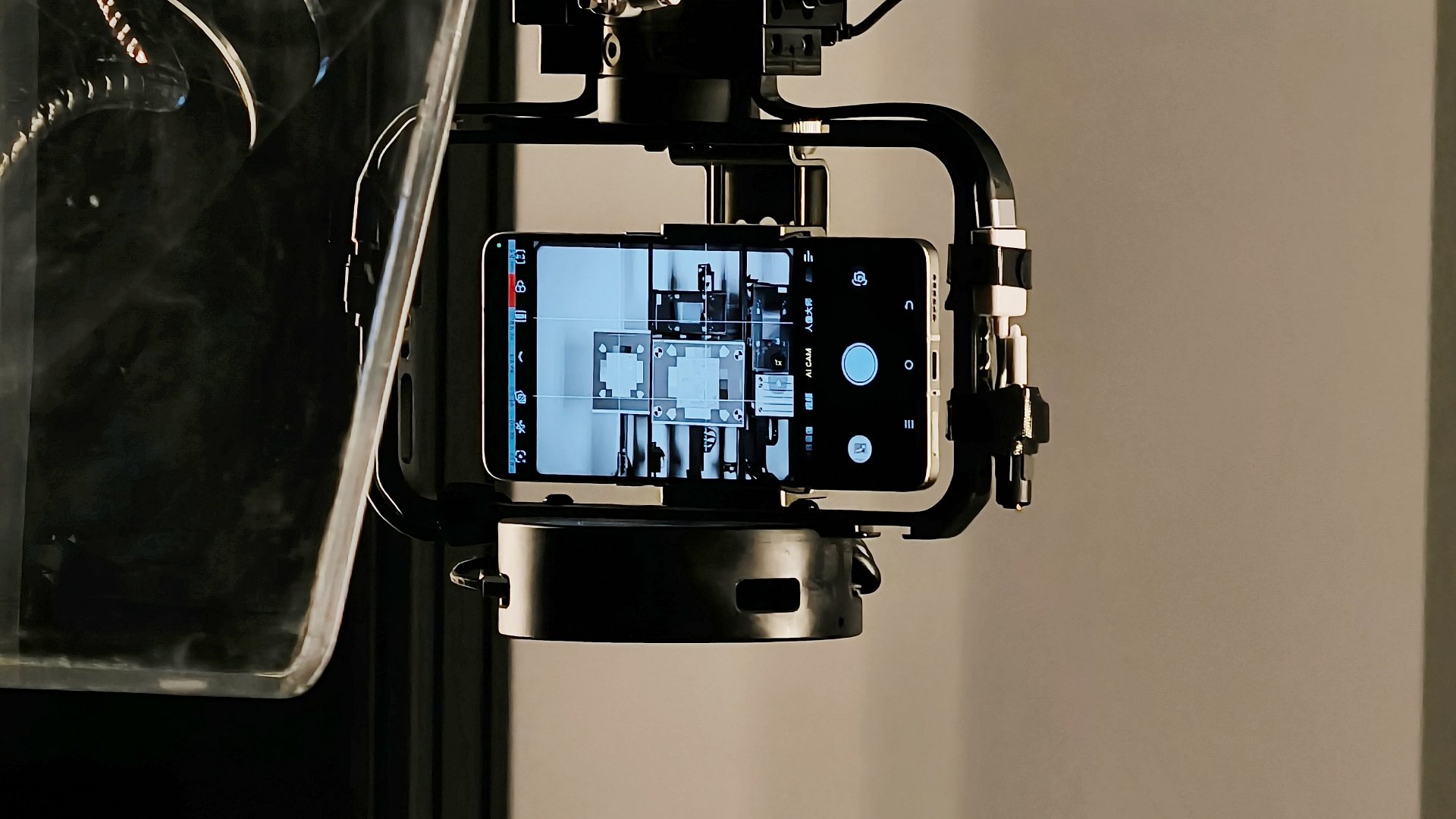
Instead of hands, there are robotic arms for micron-level positioning accuracy. There’s also a fully-automated chart switching and environmental simulation based on and controlled by AI.
Inclusive Imaging
TECNO is known for their utmost inclusivity with Universal Tone. Now, the facility also boasts the same thing.
There are six 3D head models as well as scientifically-calibrated 2D color charts that exude skin tone diversity.

The multi-dimensional skin tone adaptation enables precise calibration of color science and texture reproduction across the full spectrum of human complexions.
Customized Evaluation
Lastly, an intelligent regional customization.
These capabilities enable smart, region-specific customization with tailored evaluation protocols that match the taste of various markets.

As example, African markets might prefer brighter photos while Southeast Asia lean more towards clearer and noise-free night shots.
This approach delivers insights for localized optimization, speeding up imaging technologies that truly connect with users worldwide.
Quick Fire Q&A
After the talk session, both Frédéric and Fanyi joined a talk session along a couple of media friends.
1. Why rely on automated when you can do it manually?
An automated imaging lab not only saves gruelsome labor, it also saves time.
2. Why DXOMARK instead of any other camera partnership?
TECNO is focusing more the fundamentals / basics of their smartphone cameras.
3. How do you Visualize and quantity those changes / improvements?
DXOMARK has measurement of many details (i.e. overexposure/underexposure) where they do various conditions under different setups.

4. How do actual users benefit from this?
DXOMARK relies on user survey — or what most users prefer instead of sticking what’s “scientifically correct.”
How the body quantifies scores is based on many scenarios / targets. The higher the rating means it’s what most users want in their smartphones.
What does the future hold?
TECNO is said to integrate the capabilities of this imaging lab into its imaging roadmap.
Not only it enables continuous algorithm improvements with date involving multiple skin tones it also makes way for better and more adaptive imaging solutions for markets that are even more diverse.
Moreover, TECNO will drive the smartphone imaging to an even inclusive future along their “Stop At Nothing” ethos.







It’s time to kindly shove off, flat design. After over a decade of Google’s Material Design, Android is finally showing signs of ditching flat, monotonous colors. In a series of logo redesigns, Google is reportedly trying out gradients as its latest reinvention.
As spotted by 9to5Google, Google is moving forward with incorporating gradients into its designs. Previously, the company started changing the icons of a few first-party apps including Photos and Maps. Now, it seems that the new design philosophy will reach the rest of Google’s suite.
In the obtained designs, the rest of Google’s plethora of apps will no longer look static. The splash of gradient adds the feeling of layering without losing the company’s roots in flat design. Docs and Sheets, for example, look like a light shining on pieces of paper.

Image source: 9to5Google
It’s unknown when Google plans to incorporate the new philosophy. However, with Google I/O coming fast, it’s fair to bet that an update might come out around that time, especially since that event’s logo already has gradients.
Google’s evolution is not without its precedent. Besides the company’s small trial previously, Apple’s iOS has also made inroads into more three-dimensional designs with the new Liquid Glass. However, unlike Apple, Google’s newest design is a far cry from the former’s return to Windows Vista aesthetics.
Personally, I don’t mind the transition to 3D, as long as it’s done well. Though still visually pleasing, flat design has started overstaying its welcome. It’s time to try something new.


OPPO has also introduced the OPPO Find X9s in the Philippines, offering a more accessible premium experience for everyday users.
The device is priced at PHP 69,999.
Pre-order and availability
Pre-orders begin April 24 at select OPPO Brand Stores. Early buyers will receive a Portable Power Gift Box.
The Find X9s officially goes on sale on May 15, available through:
- OPPO Online Store
- Select OPPO Brand Stores
Online store purchases include the Portable Power Gift Box and Enco X3s earbuds, while Shopee offers the gift box bundle.
Key highlights
The OPPO Find X9s features a 50MP Hasselblad co-developed triple camera system with 4K recording across all lenses. It also packs a 7025mAh battery, slim 7.99mm design, and durability ratings up to IP69, making it a balanced daily driver.
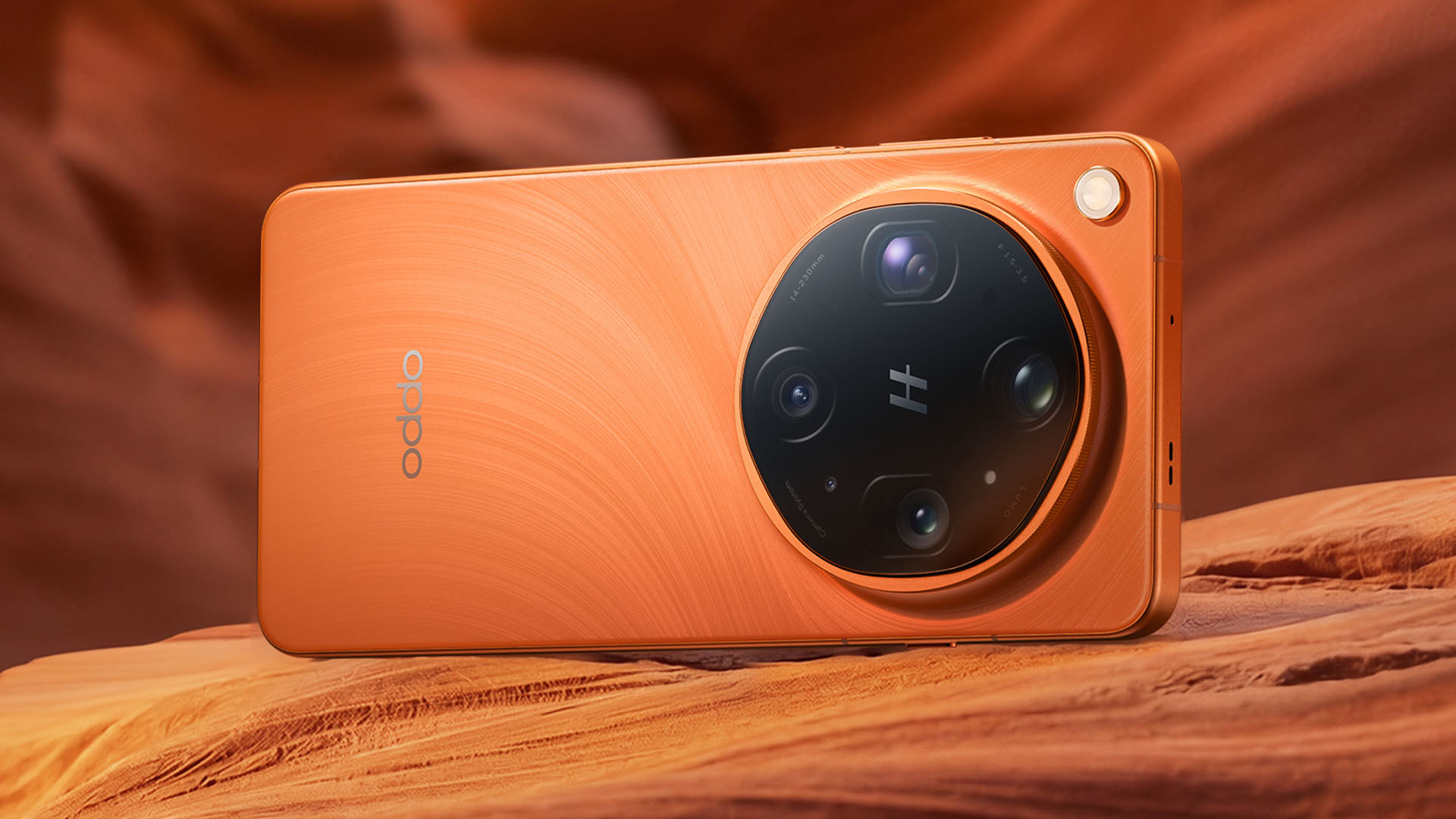
OPPO is bringing its camera-focused flagship, the OPPO Find X9 Ultra, to the Philippines with a strong push toward creators and mobile imaging.
The device is priced at PHP 99,999.
Pre-order and availability
Pre-orders open April 24 at select OPPO Brand Stores nationwide. Customers will receive a Flagship Imaging Photography Box as a freebie.
The Find X9 Ultra becomes widely available on May 15 via:
- OPPO Online Store
- Shopee
- Select OPPO Brand Stores
Online purchases include additional perks such as the Photography Box and Enco X3s earbuds, while Shopee buyers get the Photography Box bundle.
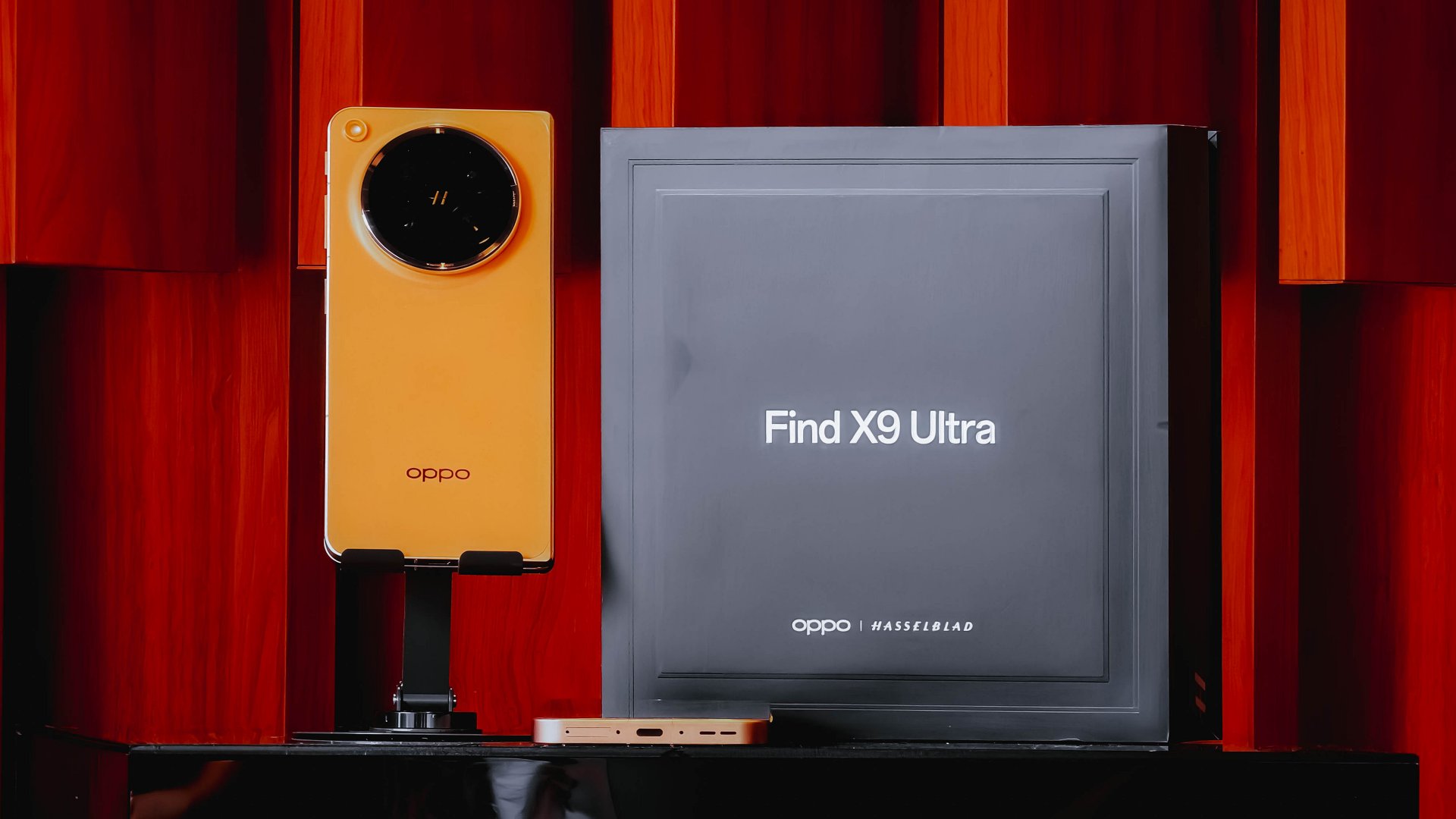
Key highlights
Built for creators, the OPPO Find X9 Ultra features a 200MP Hasselblad main camera with advanced zoom capabilities. It supports 4K and 8K video recording with Dolby Vision, paired with a large 7050mAh battery and fast wired and wireless charging.


Saros review: Returnal’s difficulty is back and better than ever
Although, it loses the memorable storywriting.


ASUS Zenbook S14 (2026) review: The perfect portable buddy
At only 1.1cm thin and 1.2kg light, the Zenbook S14 fits in any daily kit.


HONOR 600 review: A taste of more
When midrange feels enough

TCL showcases AI-powered air conditioning solutions at MCE 2026

Google might be moving away from flat design

MINIX launches T4000, T5000 Generative AI Mini WorkStations

WATCH: Teaser trailer for DC Studios’ Clayface

Beast of Reincarnation coming to PS5 this August


-

 Cameras2 weeks ago
DJI Osmo Pocket 4 review: A solo creator’s production crew
-

 Reviews2 weeks ago
TECNO POVA Curve 2 review: Munch That Power Crunch!
-

 Reviews2 weeks ago
HONOR MagicPad4: A tablet that found its place
-

 Automotive1 week ago
Luxury you can ride: The Vespa 180cc Collection
-

 News2 weeks ago
vivo X300 FE launches with ZEISS telephoto system
-

 Hands-On2 weeks ago
Match Pulse: HONOR Pad X8b
-
Reviews5 days ago
HONOR 600 review: A taste of more
-
Laptops5 days ago
ASUS Zenbook S14 (2026) review: The perfect portable buddy