
Smart Home
XGIMI new projector lineup: MoGo 3 Pro, HORIZON S Series, more announced
Innovative projectors for every consumer type

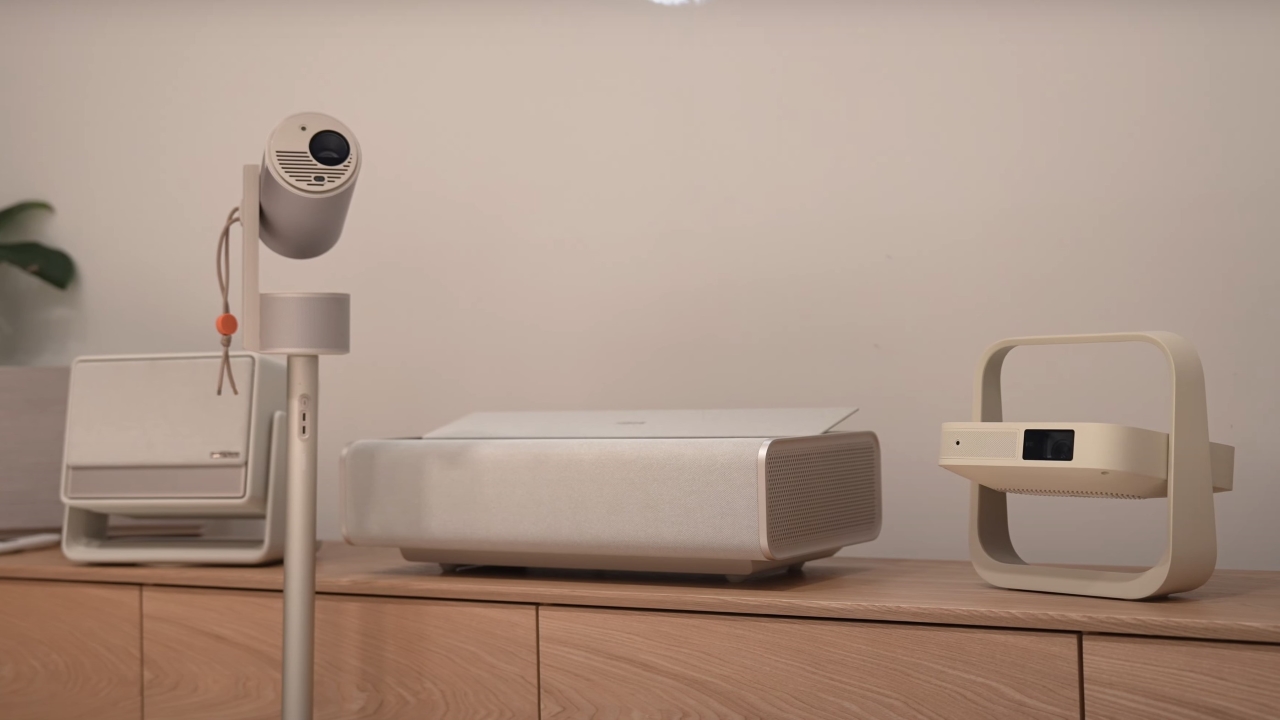
XGIMI has announced a new lineup of projectors, headlined by the new MoGo 3 Pro portable projector. The award-winning brand also unveiled two new HORIZON S Series projectors — the HORIZON S Max and HORIZON S Pro.
In addition, the Elfin Flip and Aura 2 are now available. All the latest products can be purchased on the XGIMI website. Combine state-of-the-art technology and sleek design, the projectors offer all types of consumers unparalleled audiovisual experiences starting at just US$ 399.
MoGo 3 Pro

Price: US$ 449 / US$ 499 (with PowerBase Stand) / EUR 499 / EUR 579 (with Stand) / US$ 539 (global)
With a redefined compact design for an even better experience, the MoGo 3 Pro offers the ultimate portability. It comes with a carrying case and a lanyard, as well as support for a multi-angle PowerBase Stand. It can even be charged using a power bank via USB-C, just like its predecessor.
The MoGo 3 Pro is the first XGIMI projector with Google TV, offering native Netflix support alongside popular streaming apps. It can showcase up to 1080p resolution with 90% DCI-P3 color gamut for clear visuals with rich colors.
Moreover, it features auto keystone correction and intelligent obstacle avoidance. And to enhance the immersive experience, the MoGo 3 Pro is equipped with an ambient light feature. This add-on lets the projector light move with music, adding vibrant colors that you can “hear”.
Elfin Flip
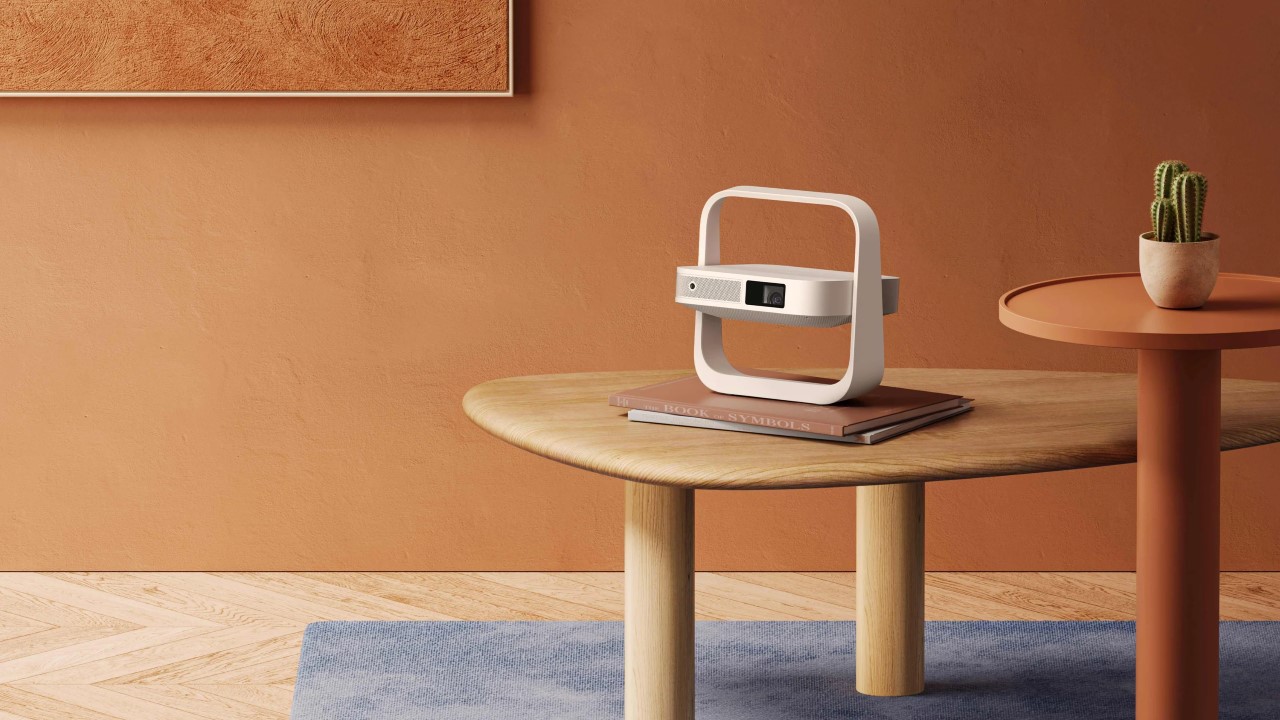
Price: US$ 399 / EUR 399 / US$ 479 (global)
Meanwhile, the Elfin Flip introduces cinematic sound and vision in a compact long-throw smart projector. It delivers 1080p resolution and high brightness. It also offers Dolby Audio support. That’s all for an affordable price point.
The Elfin Flip’s portable design and integrated stand allow for easy adjustment and multi-angle projection (up to 150 degrees tilt). XGIMI’s Intelligent Screen Adaptation Technology ensures automatic keystone correction and screen alignment as well.
Designed for portability, the product is easy to carry and move. It packs 400 ISO lumens and comes with two 3W speakers. It likewise has native Netflix support and runs on WebOS.
AURA 2
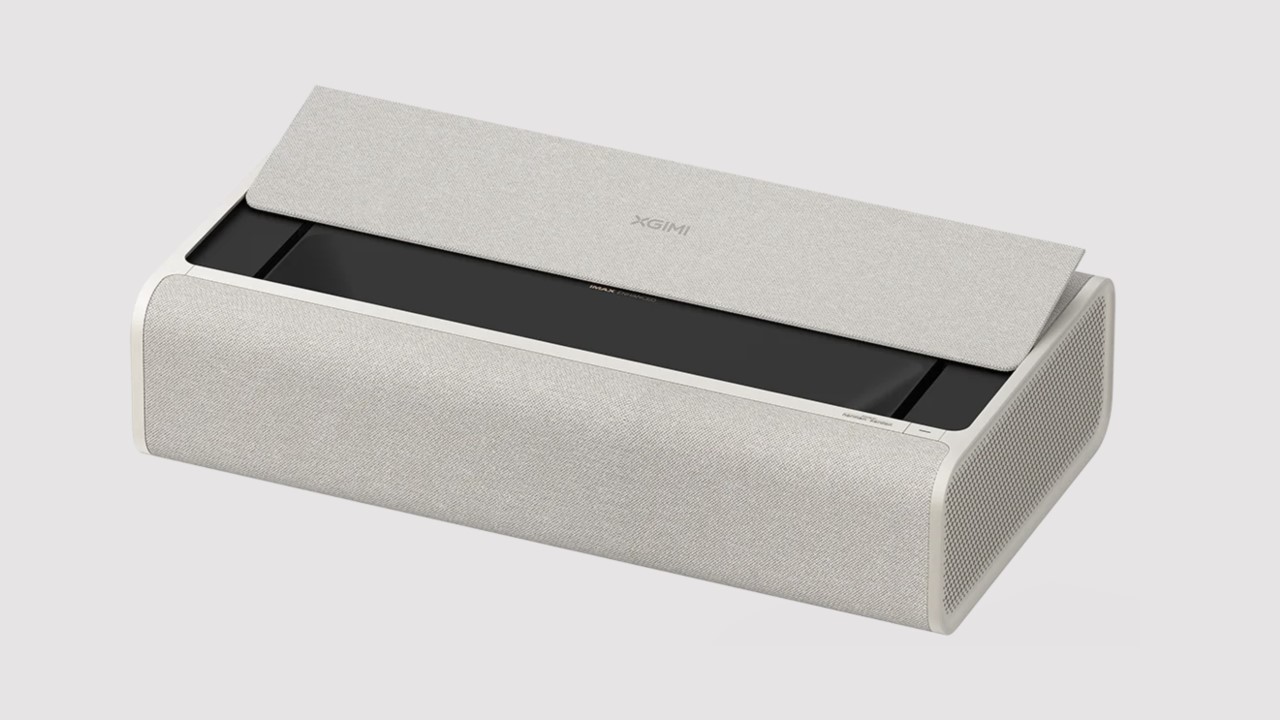
Price: US$ 2,699 / EUR 2,899 / US$ 3,239 (global)
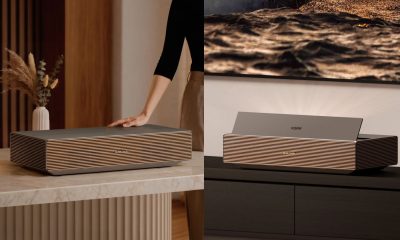
Furthermore, the AURA 2 provides the ultimate luxury home theater experience. This XGIMI laser projector sets the bar for home entertainment with cinema-level audiovisual capabilities in a sleek short-throw unibody.
Powered by Dual Light 2.0, this latest generation AURA offers ultra-high brightness and color accuracy. It displays content up to 2300 ISO Lumens and has 99% DCI-P3 color gamut, ensuring stunning visuals amidst any lighting condition. Moreover, the projector is IMAX Enhanced certified and supports Dolby Vision.
Also ideal for gaming, the AURA 2 features low latency gaming mode, MEMC for sports, and Wi-Fi 6 connectivity. It can project at up to 150 inches for large spaces. In spite all this, the AURA 2 fits seamlessly into any home setup with its slim-fit form factor.
HORIZON S Series
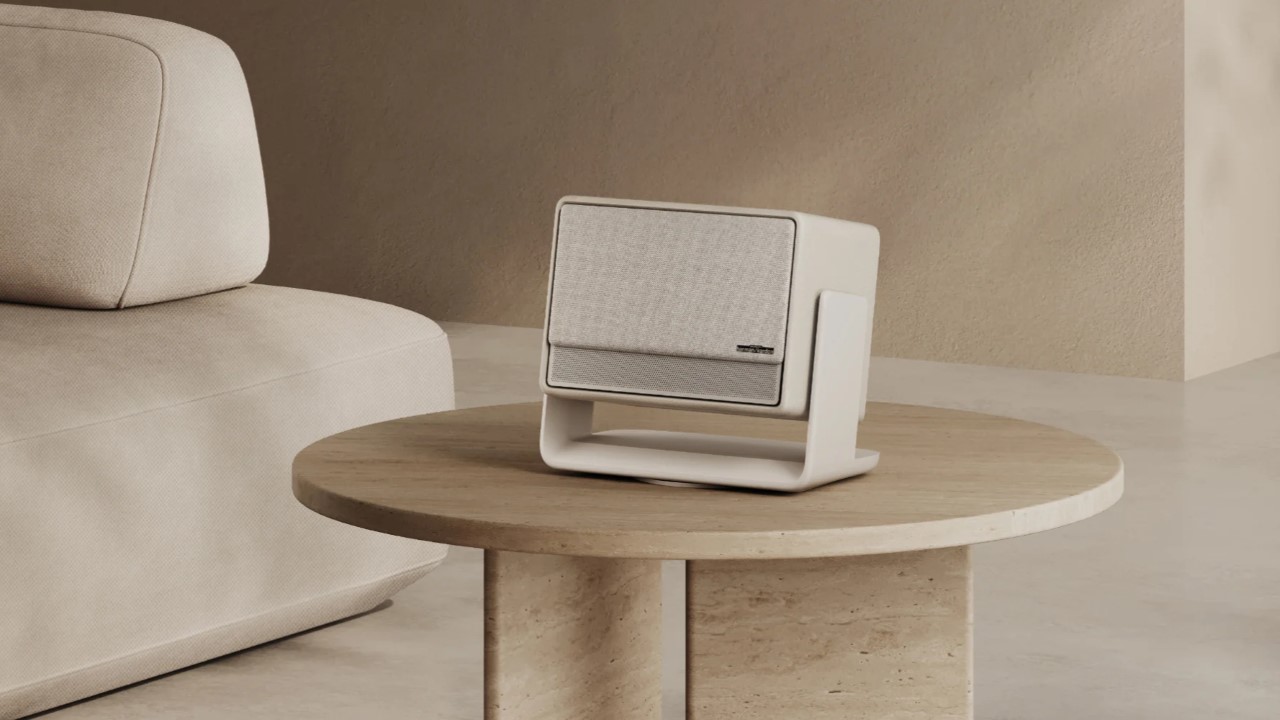
The HORIZON S Max.
Price: Starts at US$ 1,299 / European, global pricing to be announced
The latest entries to the HORIZON lineup also redefine the standard when it comes to home projectors.
Both the HORIZON S Max and HORIZON S Pro utilize Dual Light 2.0, combining tricolor laser and LED for brighter and more accurate images, to display 4K UHD quality.
The IMAX Enhanced-certified S Max, in particular, has 3100 ISO Lumens of projector brightness. Its audio is likewise impressive as it is supported by Harman Kardon, Dolby Audio, and DTS-HD.
Both come with a slew of intelligent features users can leverage, including wall color adaption and real-time correction. In addition, the S Max and S Pro offer 360-degree horizontal and 135-degree vertical rotation for easy adjustments.
MoGo 2 Plus, Halo+ with Google TV
Lastly, XGIMI has also made it known that two new projectors are getting Google TV support: the MoGo 2 Plus and Halo+.
This means the projectors work natively with Netflix, providing seamless access to one of the world’s most popular streaming services. The new remotes for each product even include a dedicated Netflix button.
Aside from that integration, the MoGo 2 Plus and Halo+ are equipped with features like 2.0, built-in Dolby Audio speakers, and a sleek unibody design.
The MoGo 2 Plus will be available exclusively at Walmart for US$ 299 starting October 2024, while the Halo+ is now available for US$ 799 / EUR 799 on XGIMI.





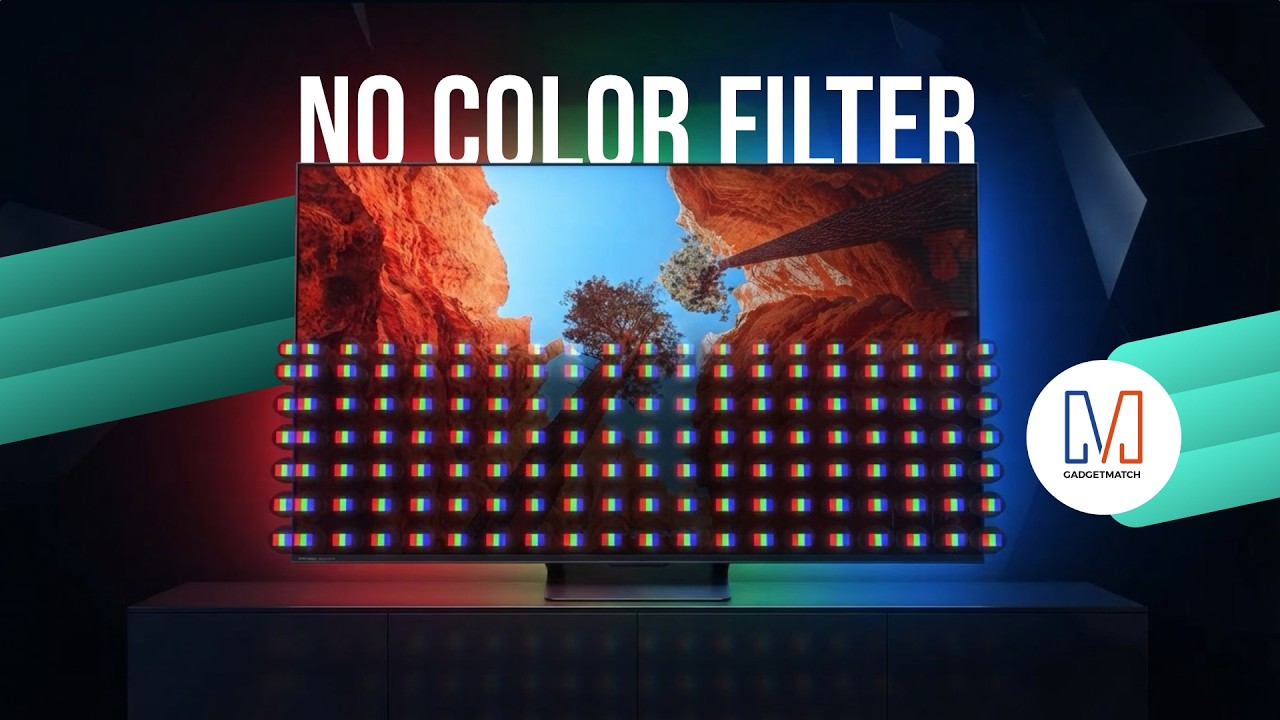
TV technology is changing in a way you can’t see. And it starts with how color itself is made.
Hisense’s new RGB MiniLED technology could change the way we see TVs.
Here’s our spotlight on their latest Hisense UR8 offering.
Check out the Hisense UR8 TV: https://bit.ly/4cxo6xl
Editors' Choice
GadgetMatch Awards: Best of IFA 2026
Xiaomi 18 Fold, Govee, XGIMI, ARZOPA, Cuktech and more!


We’re back at IFA 2026 in Berlin, checking out some of the coolest and most interesting tech on the show floor.
From smart home lighting and portable displays to projectors, power solutions, foldables, and more, these are some of the products and brands that caught our attention this year.
In this video, we take a look at:
- AI Lighting https://bit.ly/4xmY342
- Z3FC Portable Monitor https://bit.ly/4gRk7wD
- D14 Digital Photo Frame https://bit.ly/4qYlRJ6
- 30 Ultra Desktop Charging Station https://s.whaee.com/tXBornw
- 10 Ultra Charger https://s.whaee.com/UsWT4U2
** Use code CUKTECH09, valid until September 30
XGIMI
ASUS x NVIDIA RTX SPARK
- ProArt P16: https://asus.click/h7607_gm
- ProArt P14: https://asus.click/h7407_gm
- ProArt GR1X
Watch until the end for our favorite finds from IFA 2026!
IFA 2026
LG’s AI Home vision comes to life at IFA 2026 with innovative showcase
For a smarter, more connected experience
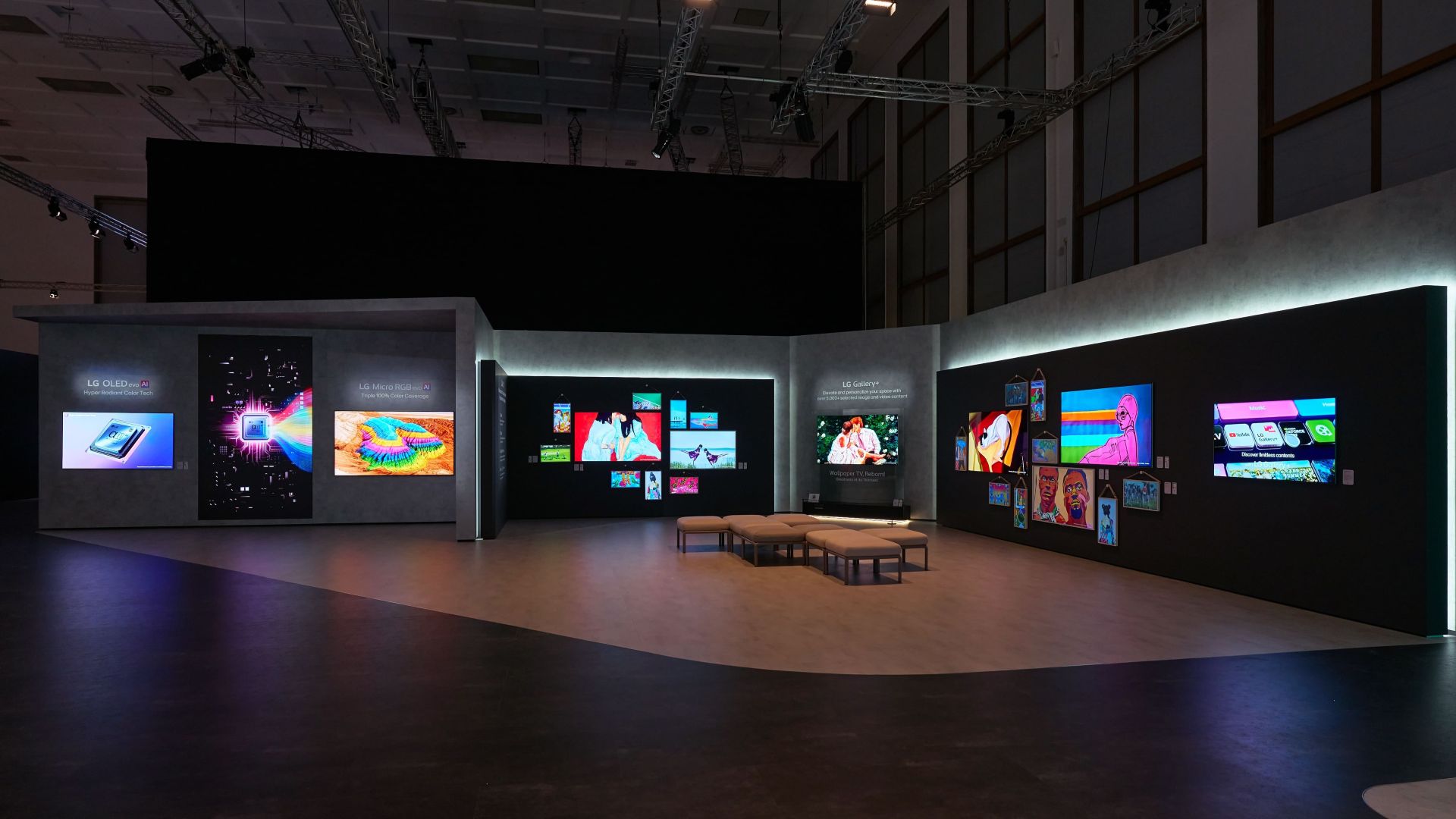
LG Electronics went all-out at IFA 2026, showcasing various offerings across different portfolios to highlight its AI Home vision of a smarter and more connected experience.
LG presented the next evolution of this AI Home vision, with focus on bringing together AI-powered appliances for a connected experience.
Visitors at IFA 2026 were able to explore LG’s immersive AI Home spaces, spanning living, kitchen, and rest zones.
For its 2026 LG AI TV lineup, the company highlighted its new α11 AI Processor Gen3, the most powerful AI TV engine yet.
This drives LG’s refined picture quality-enhancing technologies. This processor brings advanced picture quality enhancements to LG’s ultra-large Micro RGB evo TVs.
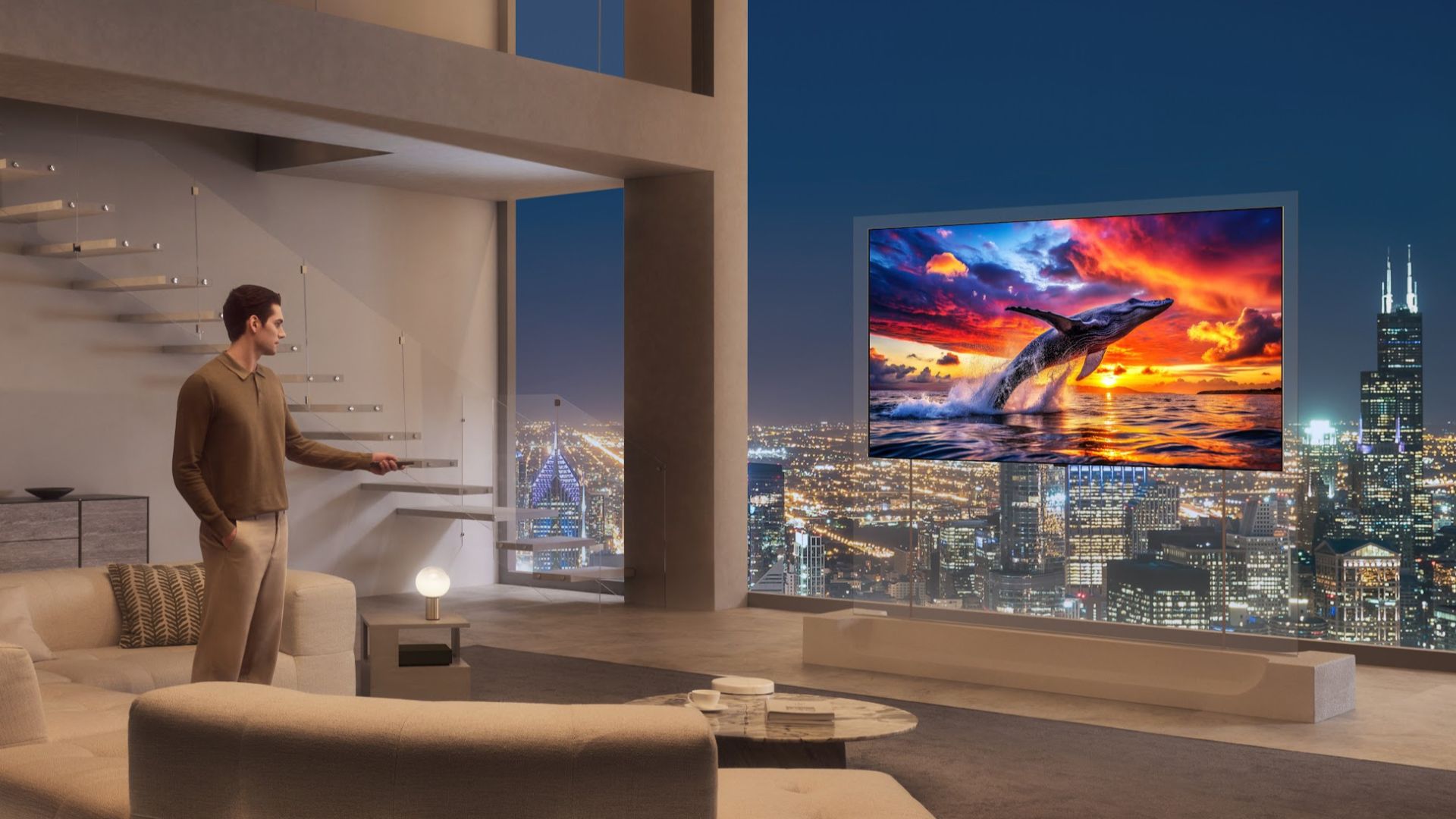
The processor features faster, more precise video processing with a 5.6-fold improvement in NPU performance, plus improvements in CPU and GPU capabilities.
The 2026 AI TV lineup also incorporates a number of user-centric AI features, including Voice ID, A Chatbot, and AI Concierge.
Immersive media entertainment offerings featured the LG OLED evo AI. But at the center of the Media Entertainment Zone is the Wallpaper OLED TV with True Wireless called the LG OLED W6.
LG is also expanding its gaming monitor offerings with the world’s first UltraGear monitor supporting both FHD resolution and a 1,000Hz refresh rate.
AI Home vision
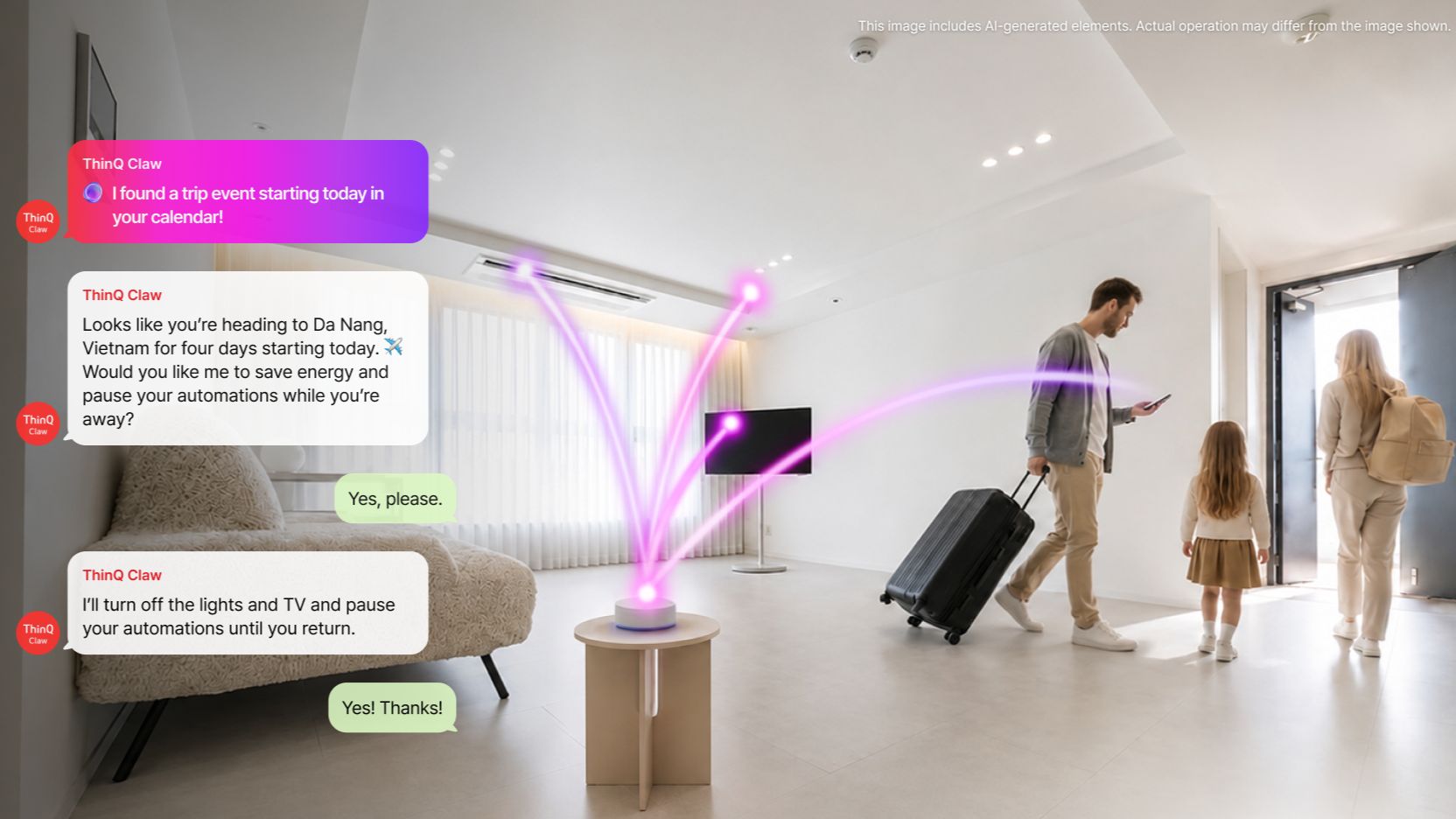
At the heart of the AI Home vision is the newly-introduced ThinQ Claw. This new text chat-based AI agent experience further enriches and expands the company’s AI Home offering.
ThinQ Claw interprets updates shared by the user within the context of their personal life. This enables the agent to recommend or help initiate appropriate actions aligned with personal preferences.
All interactions are protected by the LG Shield security framework which helps protect connected appliances, services, and customer data.
Moreover, the AI Home Zone highlighted Homey, a smart home platform developed by Athom, which LG acquired in 2024.
Homey allows users to manage diverse products from different manufacturers and service providers in one place.
Innovation in tune with you
Speaking of AI Home, LG showcased actual offerings to help visitors visualize the connected ecosystem better.
At the booth entrance is the LG AI Orchestra which unfolds a 16-meter by 4-meter kinetic LED installation, where LG CLOiD serves as conductor of a connected ecosystem.
In the AI Home Zone, there’s the LG ThinQ ON AI home hub and LG ThinQ platform, alongside the expanded Fit & Max Solution.

The Energy Leadership Zone also put the spotlight on LG’s high-efficiency core technologies for its appliances.
There’s the Dual Inverter Heat Pump and inverter compressor solutions. The exhibit included a washing machine that uses up to 70% less energy.
High-efficiency refrigerators, dryers, and dishwashers designed to deliver strong performance while using fewer energy resources were also displayed.
LG SIGNATURE, Fit & Max lines
At LG’s more premium experience area, the LG SIGNATURE refrigerator was the center of attention.
This refrigerator brings LLM-based conversational AI to premium kitchens, offering a look at the expanding role of AI appliances as part of LG’s AI Home vision.
A 6.8-inch LCD display also supports LG’s AI-powered cooling management.
Another next-generation LG SIGNATURE offering is the Downdraft Hood kitchen hood, which captures smoke and odors directly at the cooking surface.
Optimized airflow and motor control then support effective extraction with quiet operation.
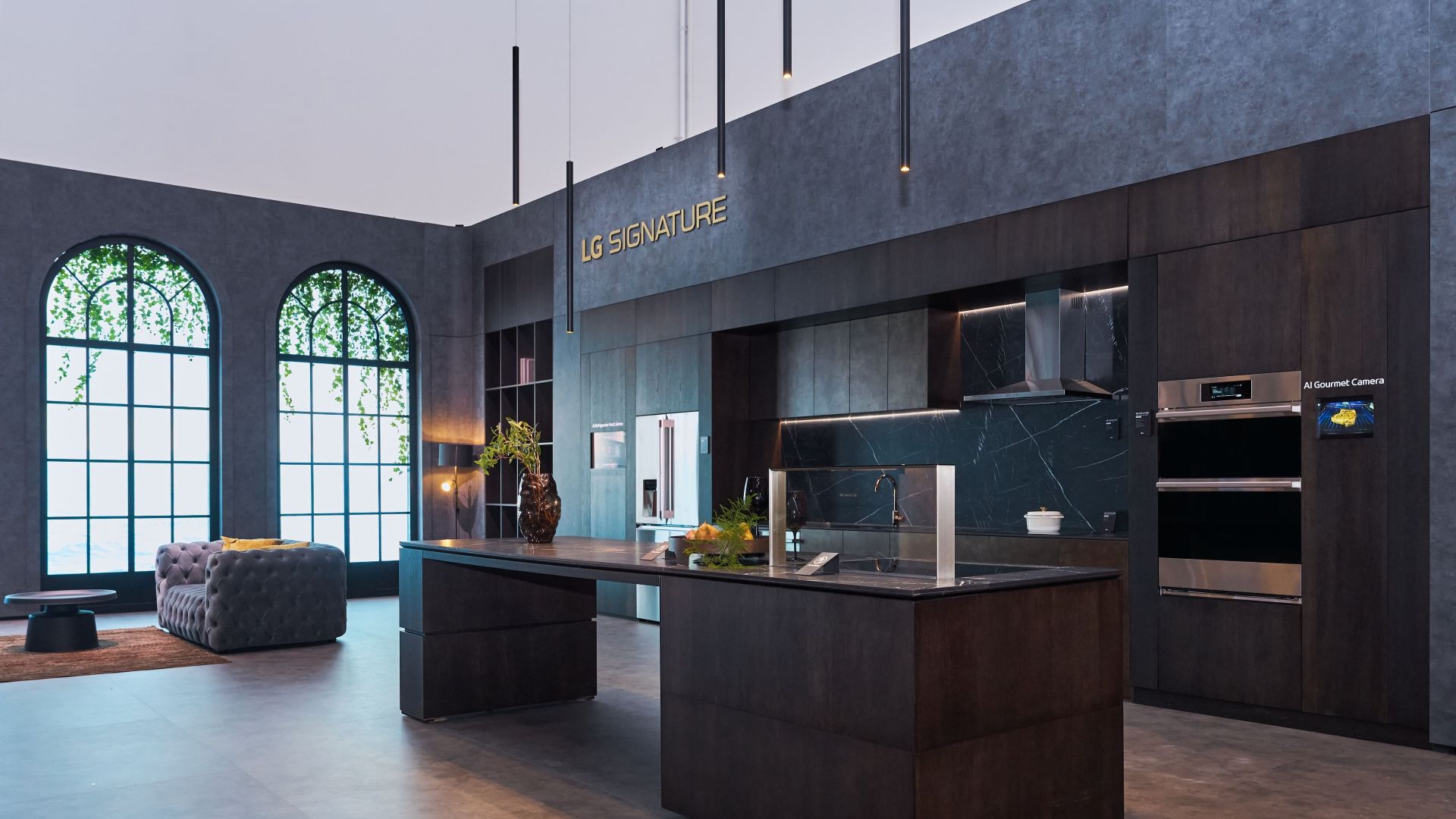
Other refrigerators include the LG Fit & Max French-door refrigerator with a Zero Clearance design.
This features Dual FRESHConverter+ for optimized food preservation, with independently controlled compartments that can be set to different preset temperature modes.
Also under the Fit & Max portfolio is the Fit & Max dishwasher which combines a seamless built-in design with a 1-Hour Wash & Dry cycle for efficient everyday use.
It uses QuadWash Pro for micro-bubbles to help detergent penetrate food residue. Hybrid Air Dry, meanwhile, improves air circulation to shorten drying time.


REDMI Note 17 Pro Max review: A new breed born from AI greed
Welcome to the new normal


Marvel’s Wolverine review: When the claws come out
A brutal, cinematic superhero adventure

Setting your bedsheets ablaze with the Lovense Solace Pro
The closest proxy I could find where I'm guilty as sin
REDMI Note 17 Pro Max review: A new breed born from AI greed

REDMI NOTE 17 Series: Price, availability in the Philippines

Max vs 100 will feature Max Verstappen race against 100 go-karters

Apple’s best feature to cure motion sickness is finally on Android

Valve unveils price of the Steam Frame

TECNO MEGAPAD 2 review: Eyes on the size

realme 16T 5G with 8000mAh battery, IP69 Pro rating launches in PH

HUAWEI Pura X View is 2026’s first WIDE slab-type smartphone

REDMI reveals the refreshed Note 17 and Note 17 Pro series

REDMI Note 17 Series focuses on long-term reliability


-
 News1 week ago
HUAWEI Pura X View is 2026’s first WIDE slab-type smartphone
-

 News1 week ago
The CAMON Slim 5G is TECNO’s latest ultra-slim smartphone
-
 Cameras2 weeks ago
DJI Osmo 360 II review: Going all-in on the ecosystem
-

 IFA 20262 weeks ago
TECNO MEGABOOK T15 360 unveiled at IFA 2026
-

 Gaming2 weeks ago
NBA 2K27 review: A two-way All-Star
-

 News6 days ago
iPhone 18 Pro series: Price, availability in the Philippines
-

 IFA 20262 weeks ago
TECNO’s POVA 8 Pro gets a stealthy makeover
-

 Automotive1 week ago
Ford’s new Everest lineup brings V6 engine to the top, tech down the line