
News
Xiaomi 17 Ultra is now available outside China
Xiaomi brings the Ultra again outside of the Mainland

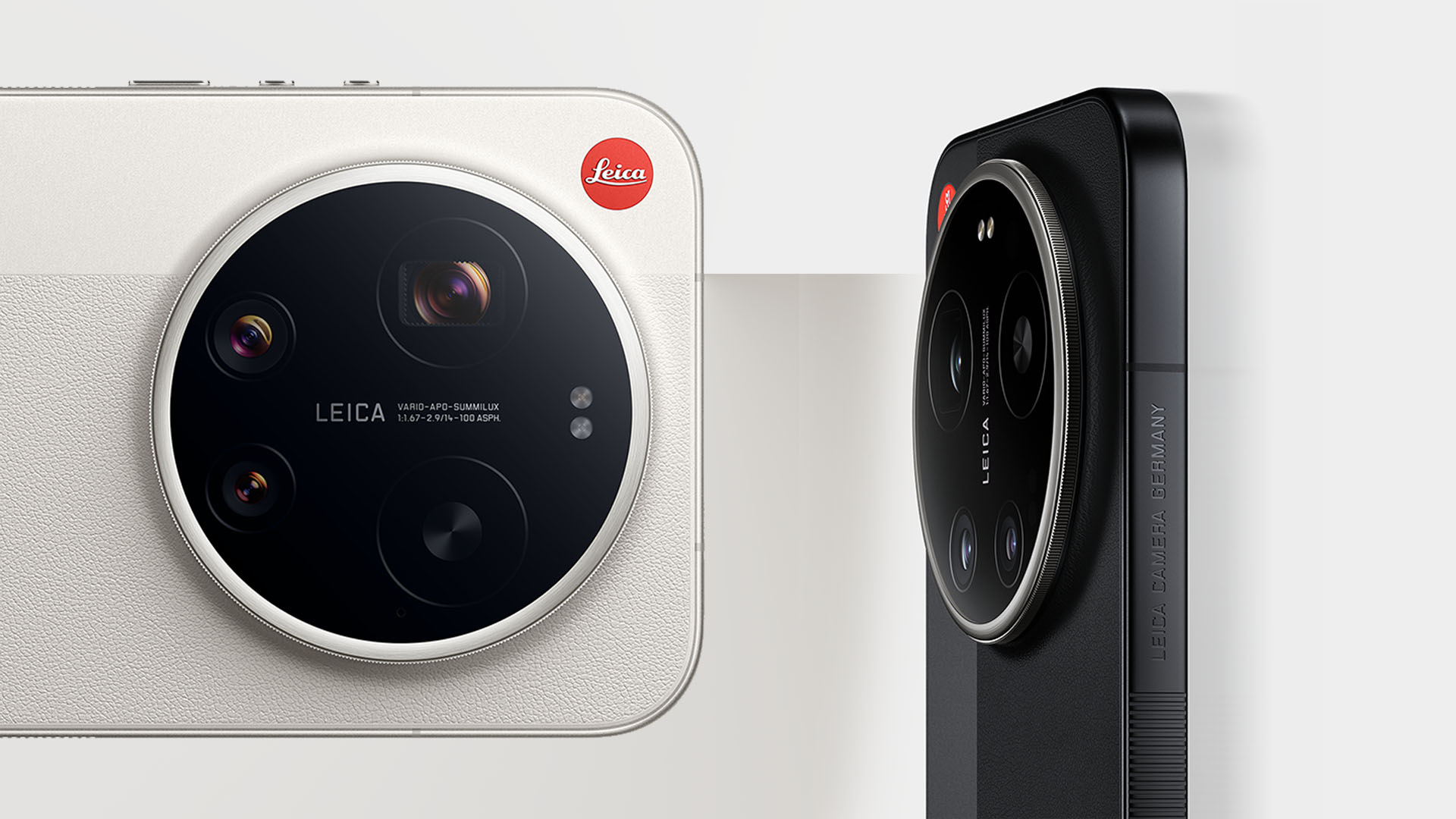
Just when we thought brands are getting ready for the next year, Xiaomi wraps up their 2025 by announcing the Xiaomi 17 Ultra at the very last minute — specifically right during the Christmas Day.
New Camera Champ?
The Xiaomi 17 Ultra isn’t called “Ultra” for no major reason. Xiaomi’s all-new flagship boasts a mighty camera system in partnership with Leica.
First and foremost, there’s the Leica Optical Summilux High Speed Lens that’s backed by a 50MP f/1.67 main shooter powered by a 1-inch LightHunter 1050L image sensor.
ICYMI, the the Xiaomi 17 Pro and Pro Max feature a smaller 1/1.28-inch LightHunter 950L sensor.
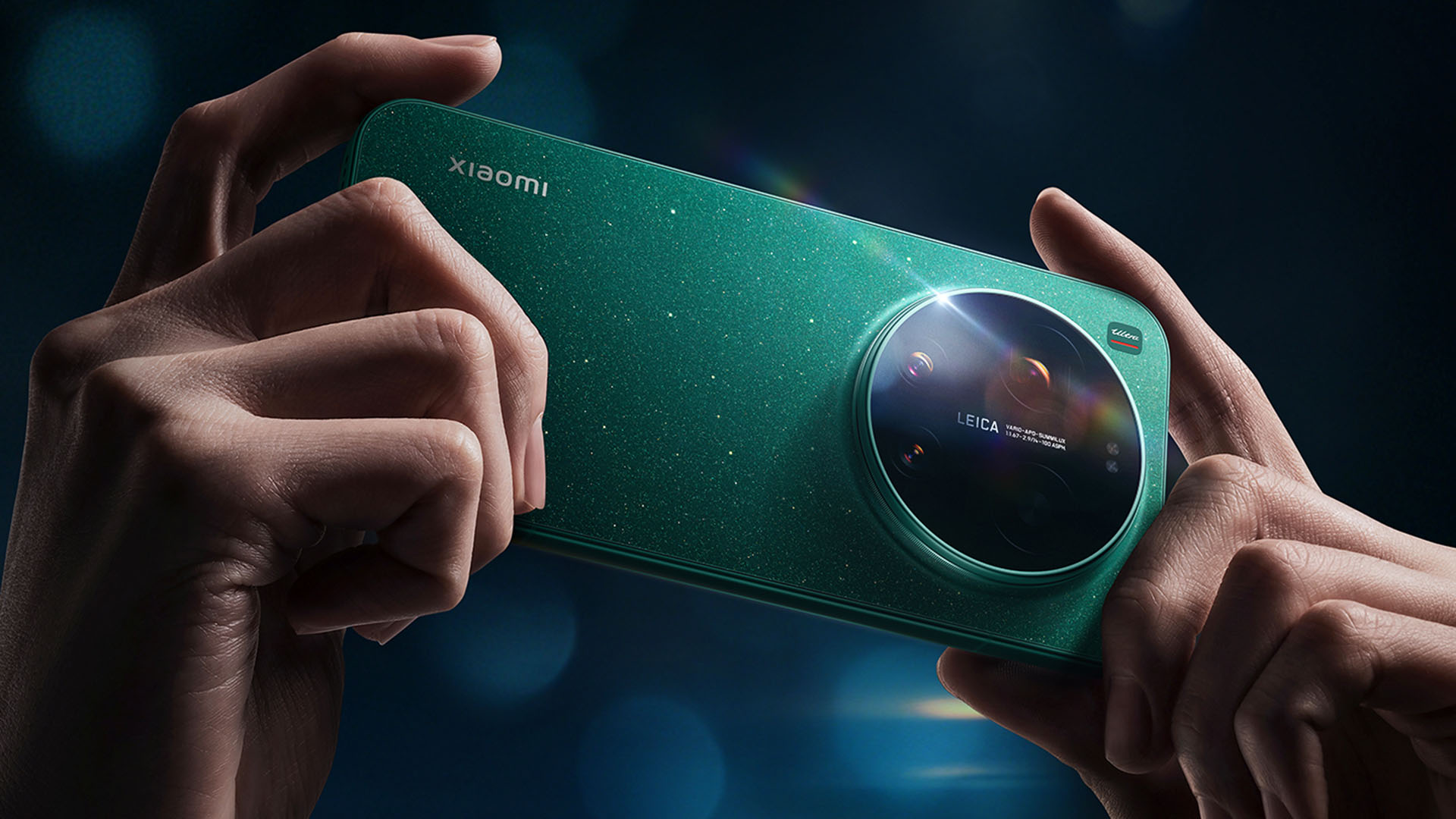
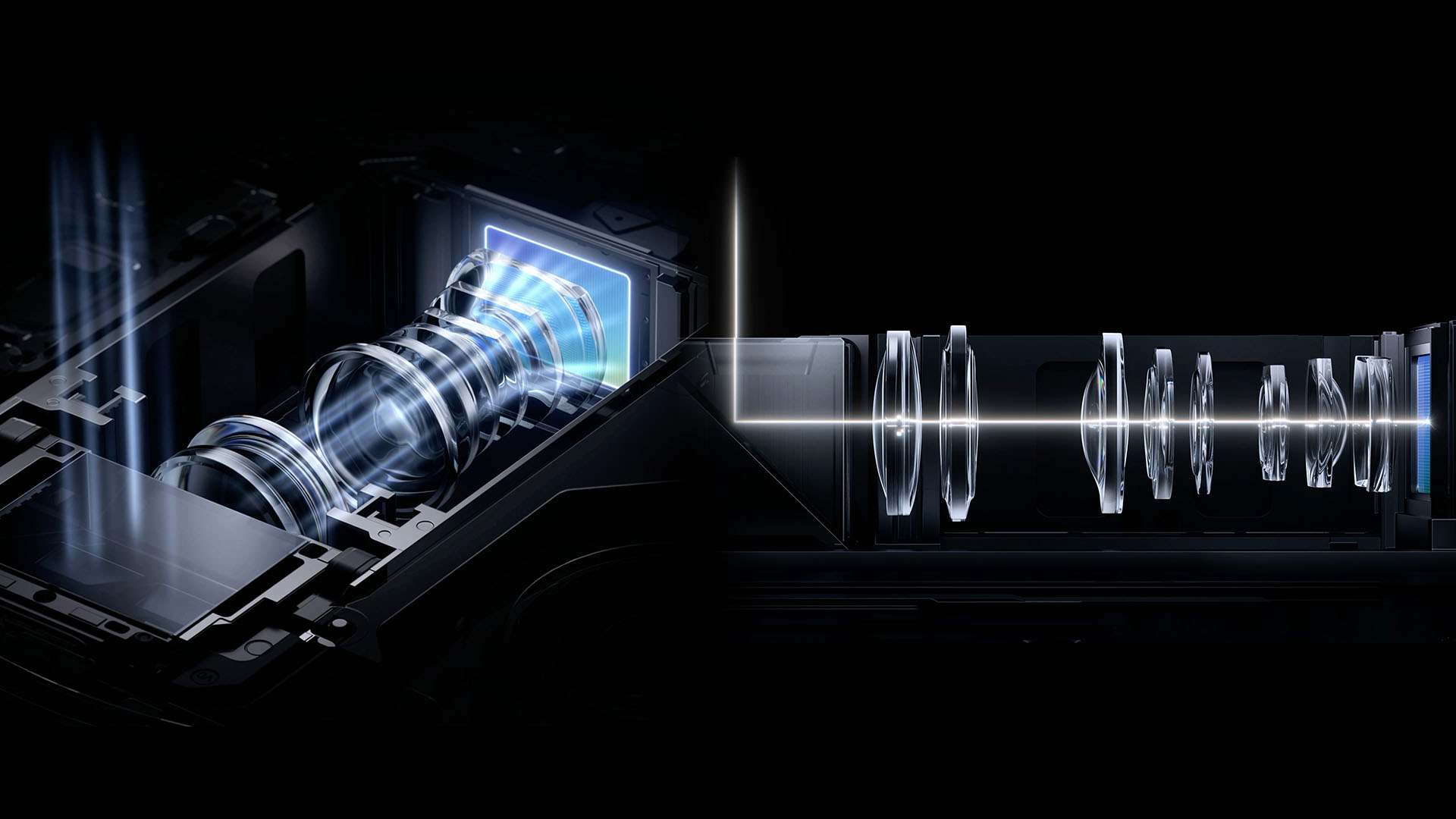
Furthermore, Xiaomi brings back that dual variable aperture they have removed from the Xiaomi 15 Ultra. However this time, they have incorporated it into the latest telephoto camera instead of the main sensor.
The Xiaomi 17 Ultra highlights its 200MP telephoto shooter with a 1/1.4-inch Samsung ISOCELL HPE sensor and an adjustable aperture of f/2.39 ~ 2.96.
It also has a “continuous optical zoom” feature between 3.2x to 4.3x range (75mm to 100mm equivalent).
Graphics by Vincenz Lee | GadgetMatch
And for the first time, there’s Leica’s APO Optical Certification.
Ultra-wide angle camera is capped at 50MP f/2.2 with a 115-degree FoV (Field of View).
Macro shooting is possible on both the UWA and telephoto modes with minimum shooting distance of 5cm and 30cm respectively.
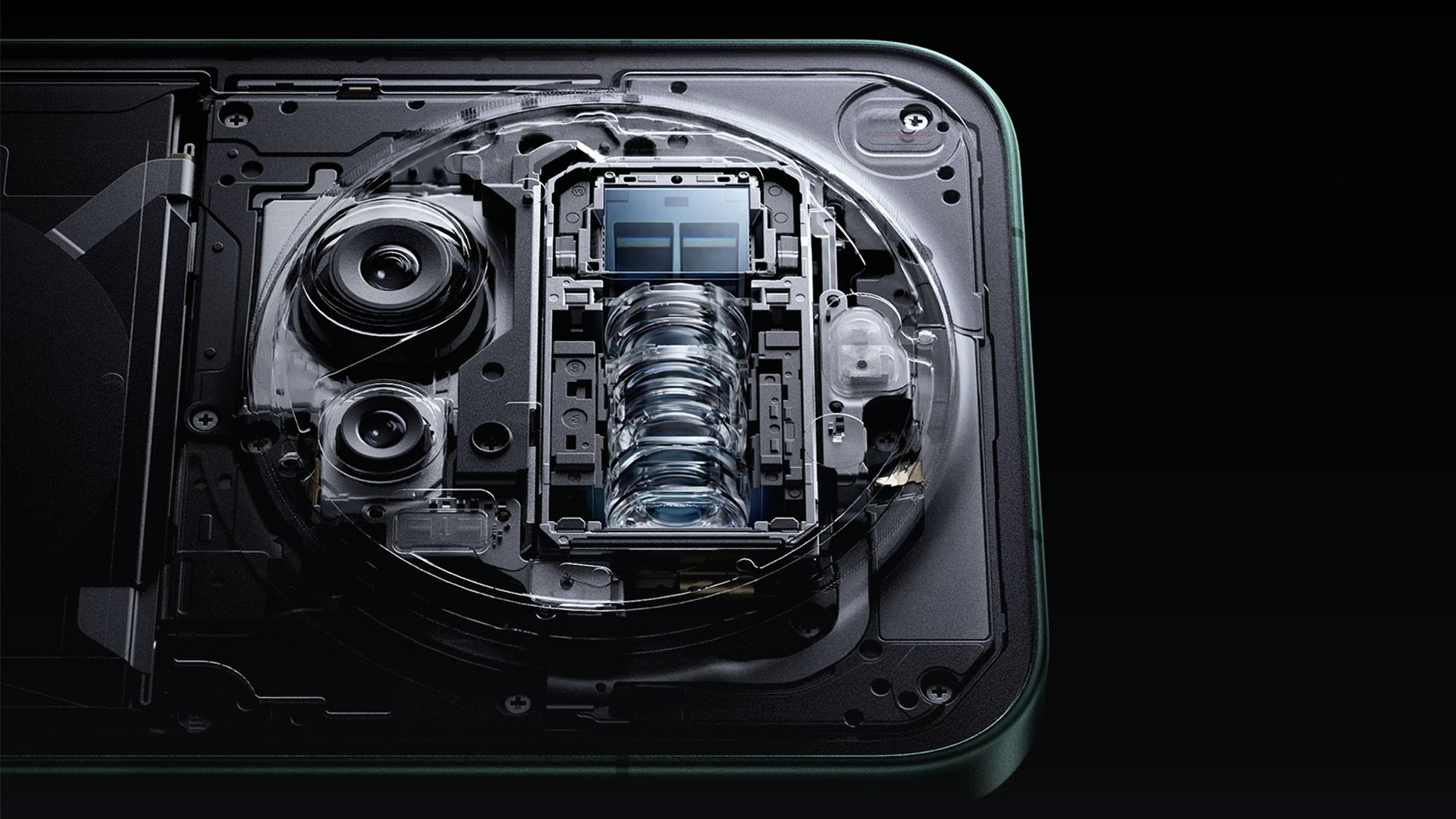 Front-facing camera is also a 50MP f/2.2 shooter but with a 90-degree FoV.
When it comes to video recording, the Xiaomi 17 Ultra is capable of shooting up to 8K / 30fps or up to 120fps in 4K resolution.
Toning it down to 1080p Full HD or 720p will give better slo-mo options ranging between 120, 240, 480, 960, and 1920fps.
Full-Fledged Flagship
As expected, the Xiaomi 17 Ultra runs the latest and greatest from Qualcomm: the Snapdragon 8 Elite Gen 5 3nm SoC.
That’s paired with either a 12/16GB of LPDDR5X memory plus a 512GB or 1TB of UFS 4.1 high-speed storage.
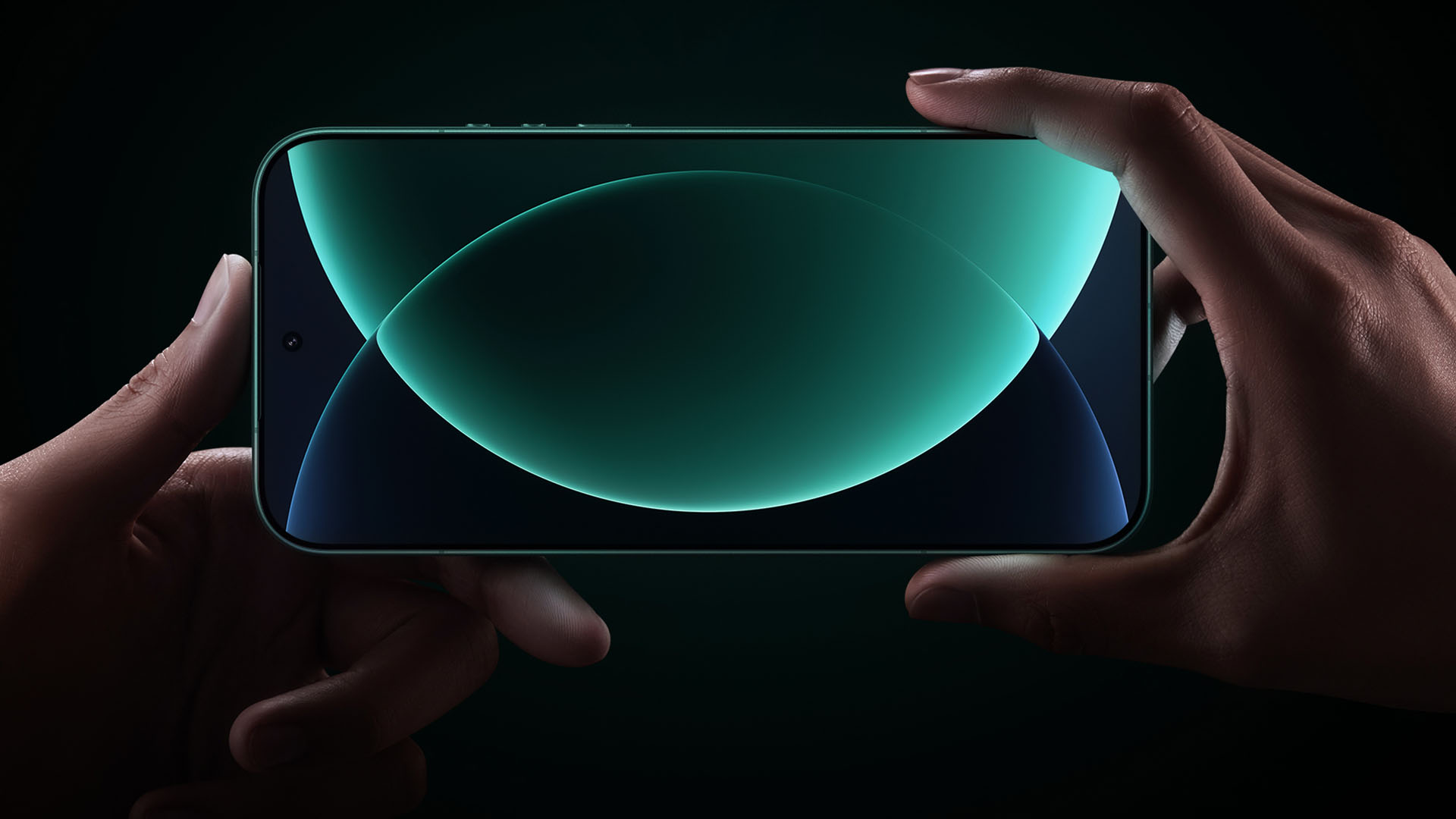
Display is never forgotten. It has a 6.9-inch AMOLED 120Hz 2D display with Superpixel technology.
It’s promised to be sharper than a 2K Pentile display. It’s also more battery efficient with its smaller 1.5K display resolution. Brightness levels can even go as low 1 nit.
Other pro-grade display features include the DCI-P3 Wide Color Gamut, DC Dimming, as well as support for HDR Vivid, HDR10+, and Dolby Vision content.
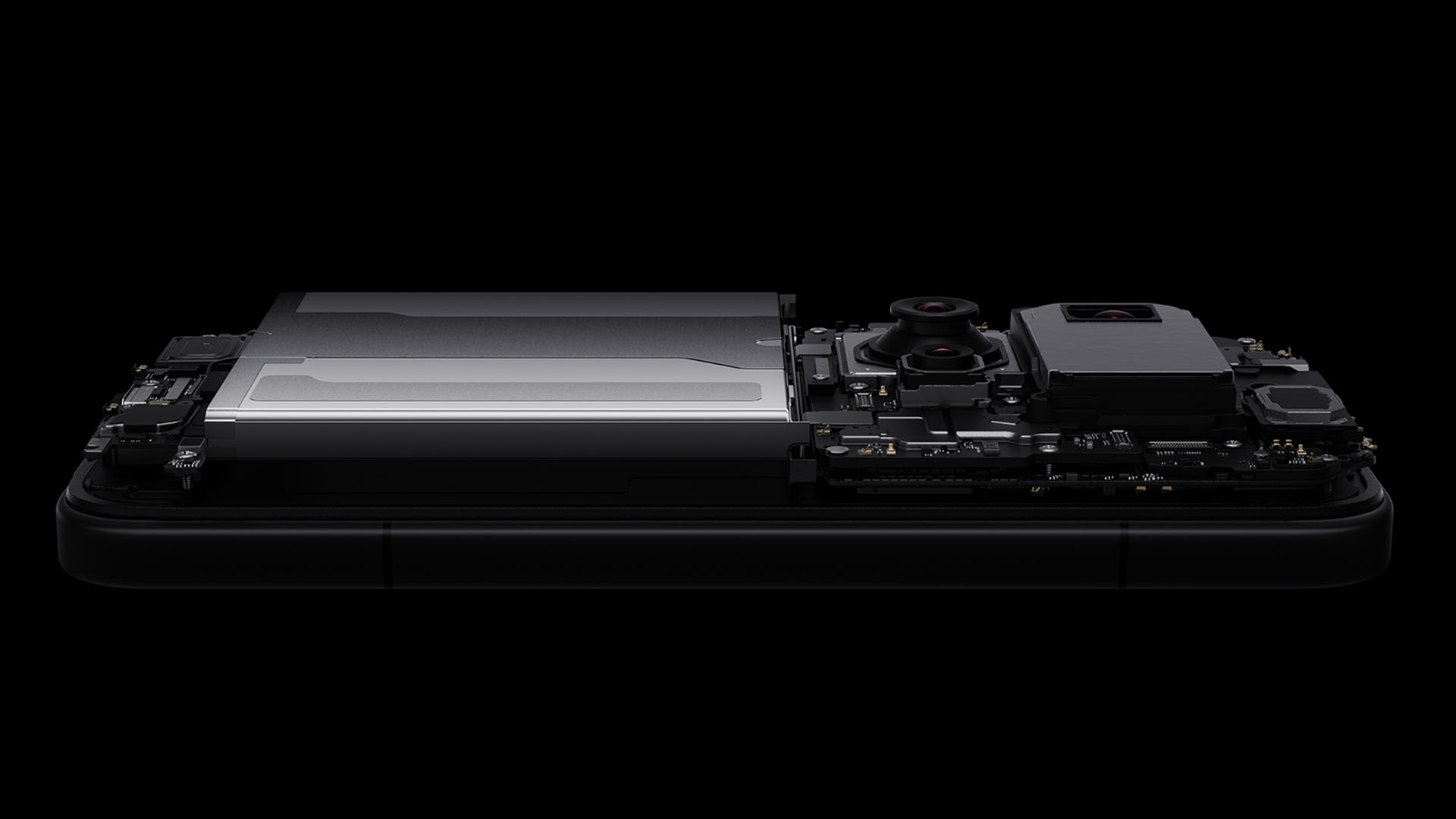
Weirdly, despite that massive display, the Ultra variant only has a 6800mAh Si/C battery. For context, the base 17 and 17 Pro Max are equipped with 7000mAh and 7500mAh respectively.
That can be topped up either via 90W wired HyperCharge or 50W wireless HyperCharge standards. USB-C PD, QC, and PPS wired charging protocols are supported as well for non-Xiaomi chargers.
For data transfers, it has USB-C 3.2 Gen2 support for faster speeds of up to 10Gbps.

Durability-wise, the front is protected by Xiaomi’s Longjing Glass 3.0. That’s then backed by the flagship-grade triple IP resistance rating: IP66, IP68, and IP69.
Xiaomi was also able to trim down the 17 Ultra’s waist to just 8.29mm (versus 15 Ultra’s 9.3mm). This makes their slimmest Ultra flagship so far.
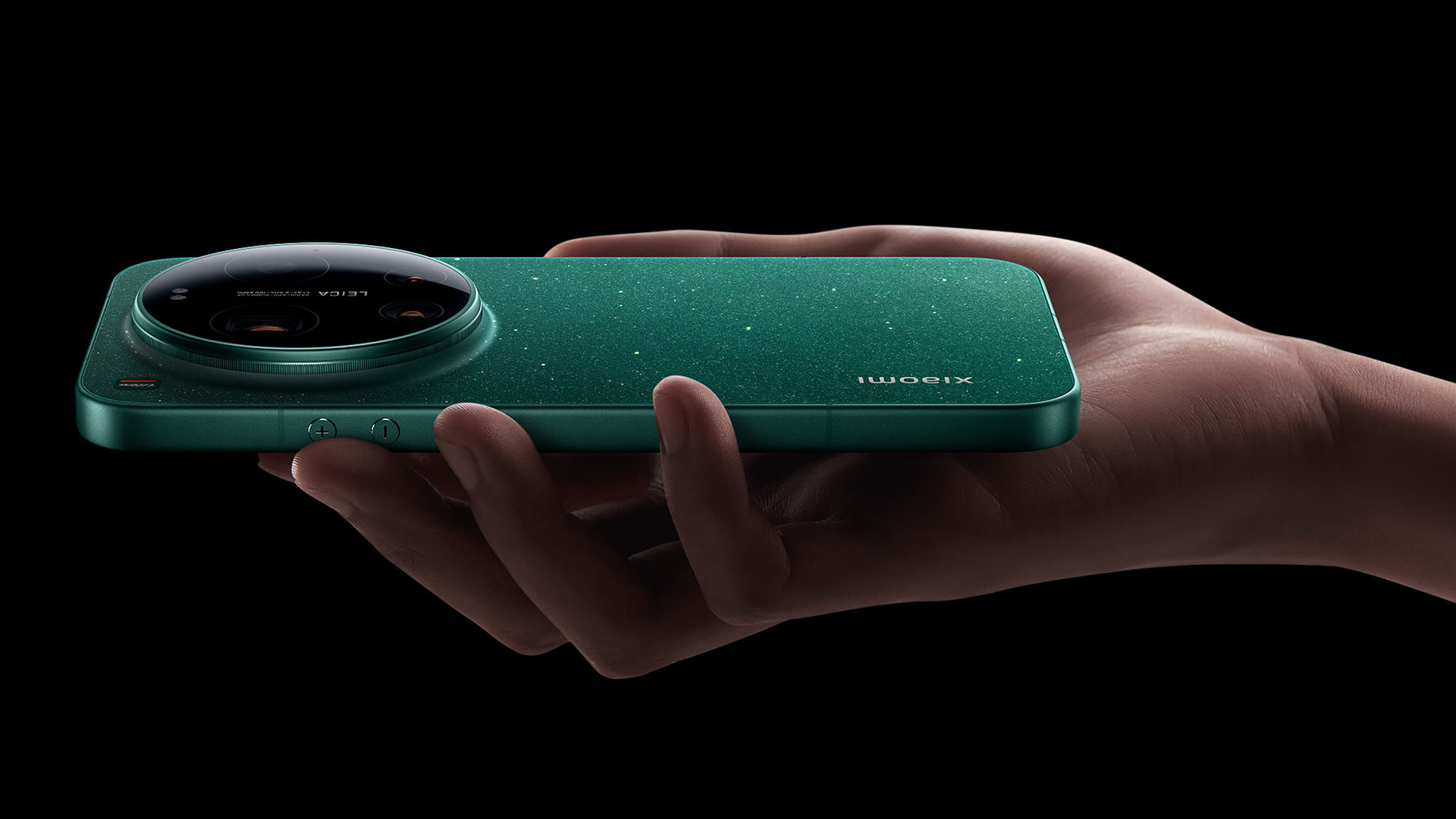
Lastly, it runs Xiaomi’s latest HyperOS 3 with all the new Android features and AI tools in mind. Cross-compatibility with Apple’s iOS, iPadOS, and macOS weren’t left behind.
Leica Limited
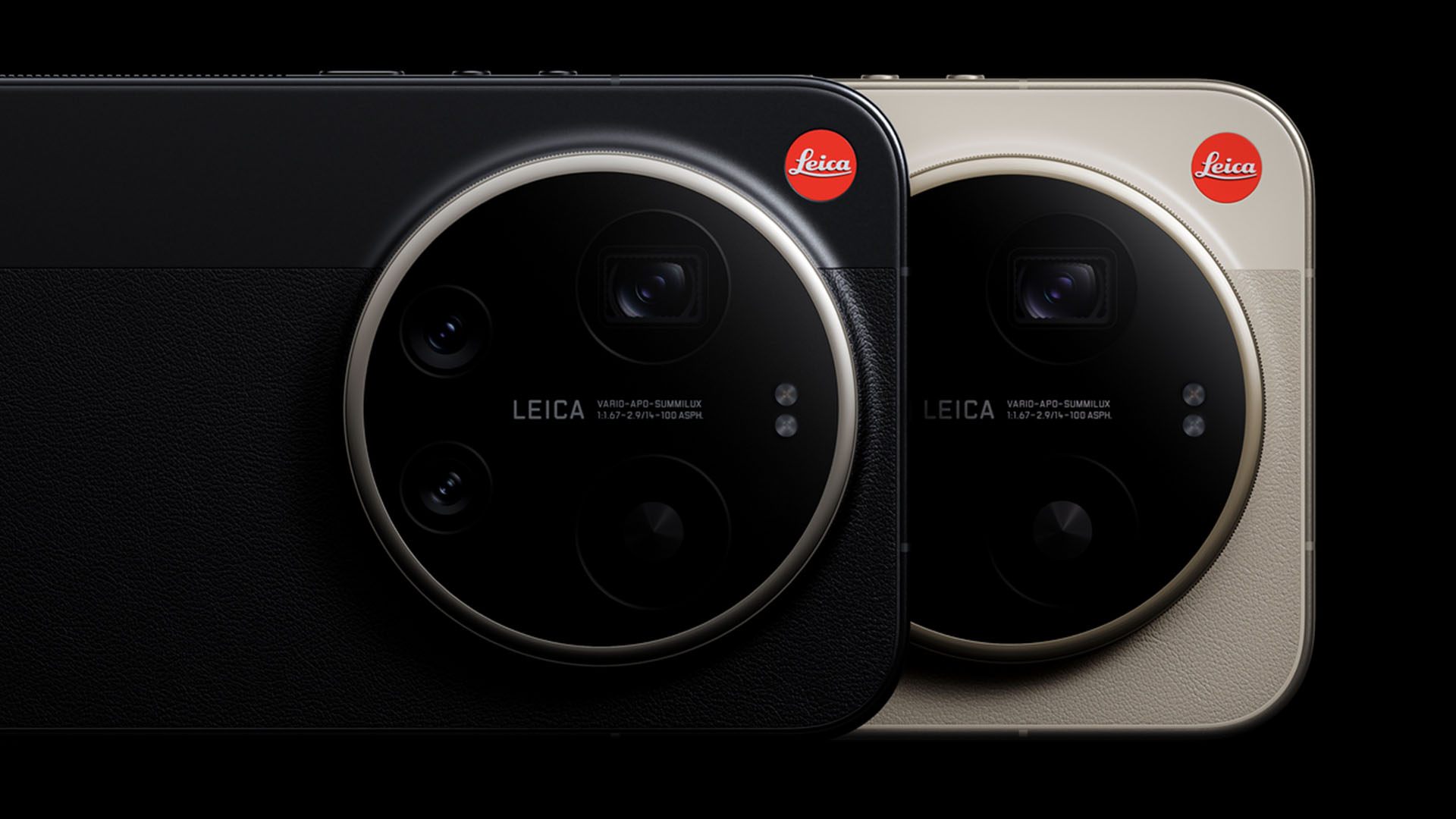
With the continuous partnership of the major Chinese AIoT brand and Germany’s premium camera maker, they have also launched a limited Xiaomi 17 Ultra by Leica.
The original Leica team was involved when making this Limited Edition unit. Thus, the inspiration of Leica M-series cameras.
Graphics by Vincenz Lee | GadgetMatch
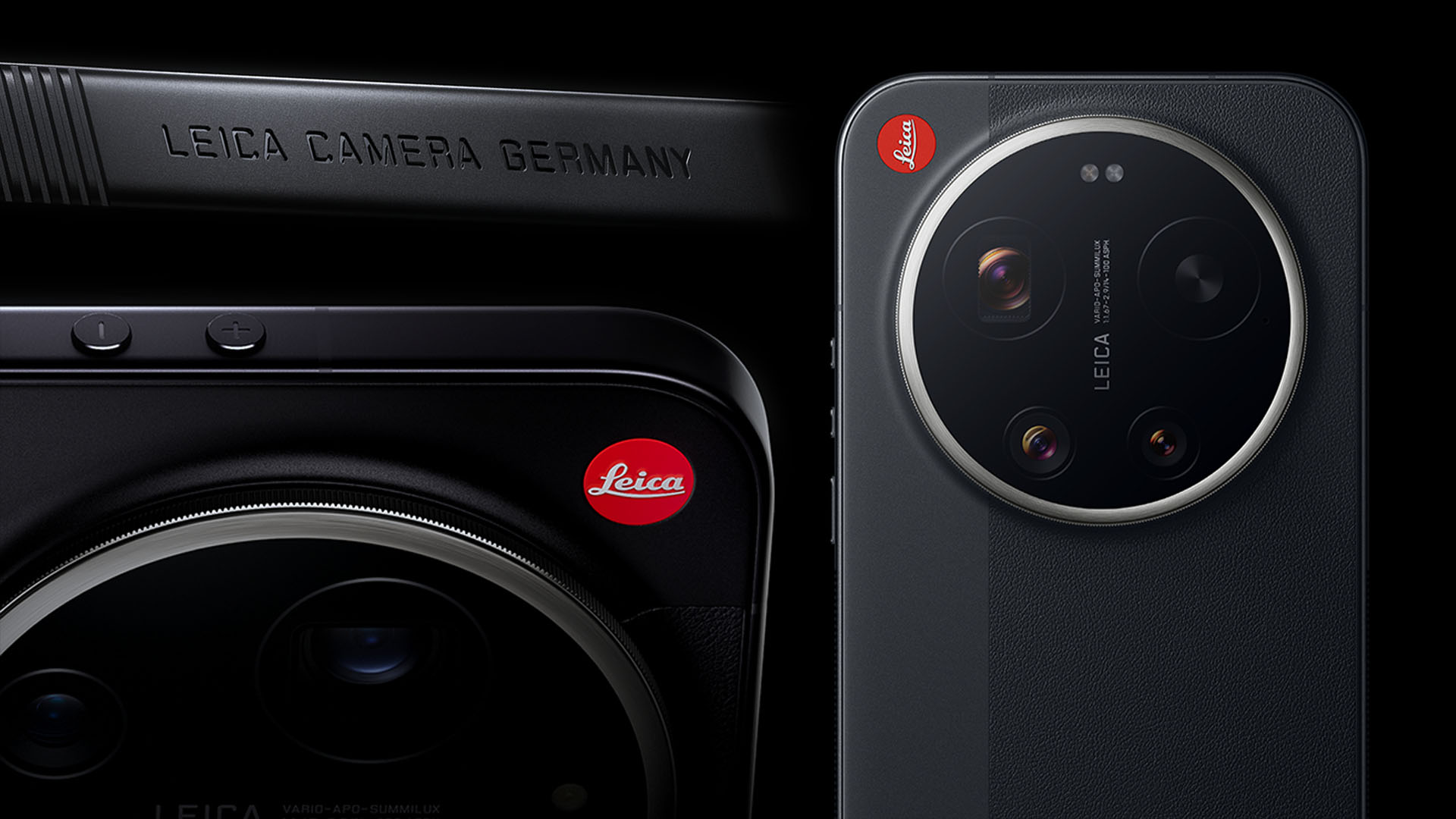
That dual-tone back panel incorporates a textured leather for added grip. The mid-frame then has the “LEICA CAMERA GERMANY” engraving that provides added anti-slip grip.
And, for the first time in forever, the signature Leica red dot badge is placed at the side of the camera instead of Xiaomi’s “Ultra” branding.
But, the highlight of the show has got to be the Leica Camera Ring*. This is their way of putting the focus ring directly onto the Xiaomi 17 Ultra’s circular camera bump, mimicking how mirrorless camera lenses work when focusing prior shooting.
It’s also user-customizable as settings can be set between switching into different focal lengths, change f-stop (aperture), EV (Exposure Value), even triggering the camera app by fast-twisting the mechanism when locked.
Xiaomi and Leica made it possible by embedding 20 high-strength ball bearings and an internal optical displacement sensor. Those not only gives the tactility, it also gives smooth, fast, and precise focusing.
* FYI, don’t expect this feature to be in the regular Ultra units. This is only limited to the Leica variant.
It doesn’t stop there! It also features an exclusive Leica Essential Mode. This recreates the looks of the iconic Leica M3 and M9 cameras.
As for the process itself, it’s never simple. Xiaomi trained a “RAW-to-RGB” Style Transfer model which gives the closest authentic look possible (such as the Leica MONOPAN 50 film) — more than what regular filters provide.
Lastly, Xiaomi 17 Ultra by Leica introduces the mobile industry’s first CAI Photo Authenticity Protection technology.
It just means that in a photo taken with a digital signature, the original attributes are also stored in the phone’s dedicated security chip. This further ensures that the photograph was really taken through the lenses of the special phone and not by Generative AI.
Pricing and Availability
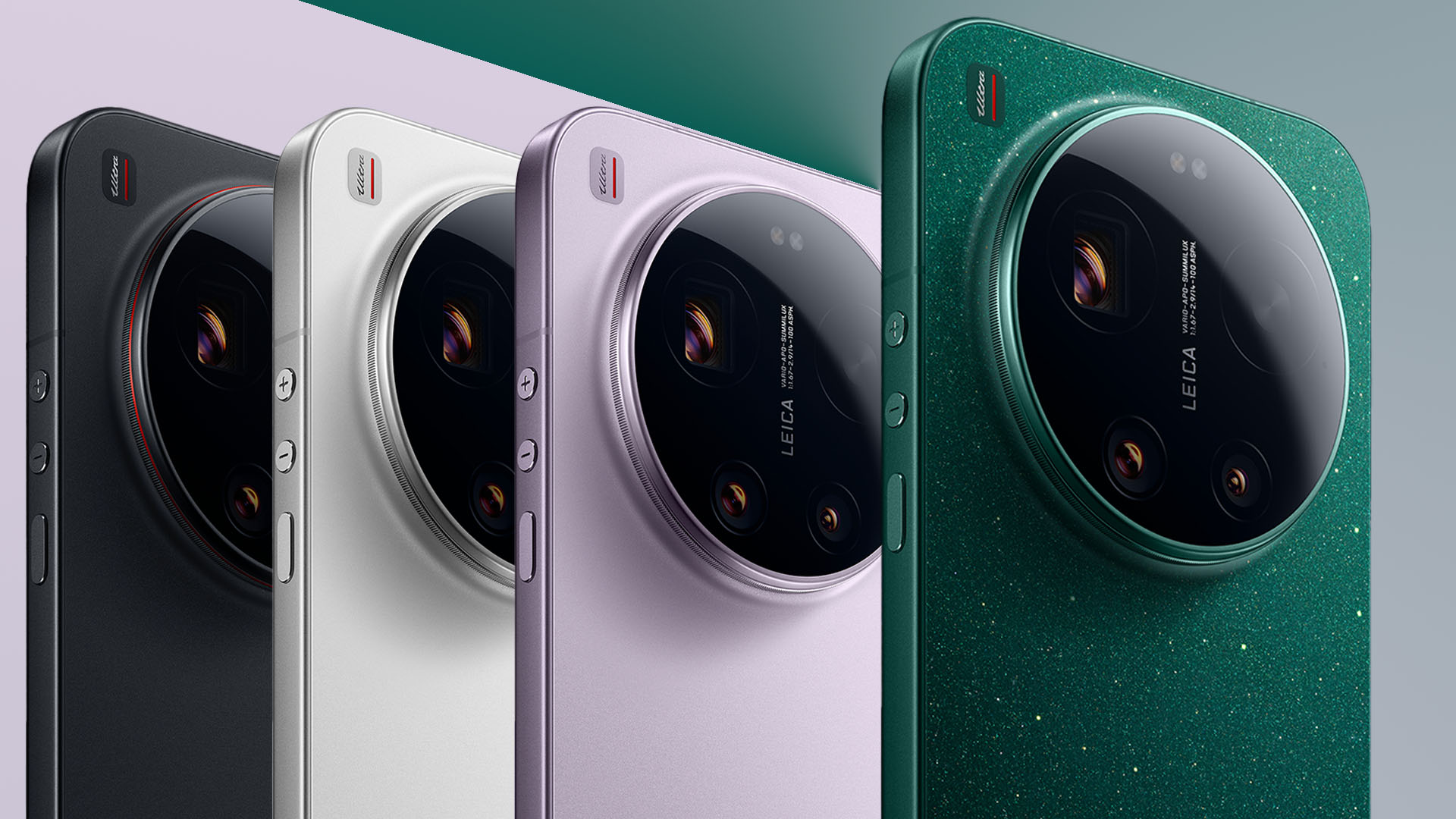
The Xiaomi 17 Ultra comes in Black, White, Cold Smoke Purple, and Starry Sky Green colorways.
Graphics by Vincenz Lee | GadgetMatch
The latest smartphones comes in three configurations:
- 12 + 512GB = CNY 6999 (US$ 980 / EUR 835 / GBP 730 / SG$ 1260 / MYR 4130 / PhP 56,440 / INR 87,110)
- 16 + 512GB = CNY 7499 (US$ 1100 / EUR 900 / GBP 780 / SG$ 1345 / PhP 59,590 / INR 90,980)
- 16 + 1TB = CNY 8499 (US$ 1185 / EUR 1020 / GBP 870 / SG$ 1520 / PhP 67,670 / INR 101,930)
Leica Limited Edition is then available in Black or Off-White duotone shades with only two configurations:
- 16 + 512GB = CNY 7999 (US$ 1115 / EUR 960 / GBP 820 / SG$ 1430 / PhP 63,685 / INR 95,930)
- 16 + 1TB = CNY 8999 (US$ 1260 / EUR 1070 / GBP 920 / SG$ 600 / PhP 70,905 / INR 107,700)
* These are only estimated pricing conversions
The phone will be on-sale in Mainland China starting December 27, 2025 at 10AM. Global availability, just like Ultra releases of the past, were never mentioned.
Hopefully, they will consider international markets this time.
UPDATE: Global Release
Just today, the Xiaomi 17 Ultra makes its global debut in Barcelona, Spain. ICYMI, Xiaomi 13 Ultra was the last phone launched “globally.”
Pricing for the Xiaomi 17 Ultra starts at EUR 1499 with 512GB and 1TB options. However, purple is only China-exclusive as it did not make the cut for international markets.
Meanwhile, the Leica Edition (named Leica Leitzphone powered by Xiaomi) retails for EUR 1999 and only comes in black and 1TB storage.
The Photography Kit and Photography Kit Pro are also being sold for EUR 99.99 and EUR 199.99 respectively.
Additionally, those who will purchase the any of the Xiaomi 17 phones in eligible markets will enjoy these exclusive benefits with no additional cost:
- 3-month trial of Google AI Pro + 2TB Google cloud storage
- 3-month trial of YouTube Premium
- 4-month trial of Spotify Premium






News
Samsung develops QuantumBlack: Low-reflection, high-durability QD-OLED film
To be applied across this year’s QD-OLED product lineup

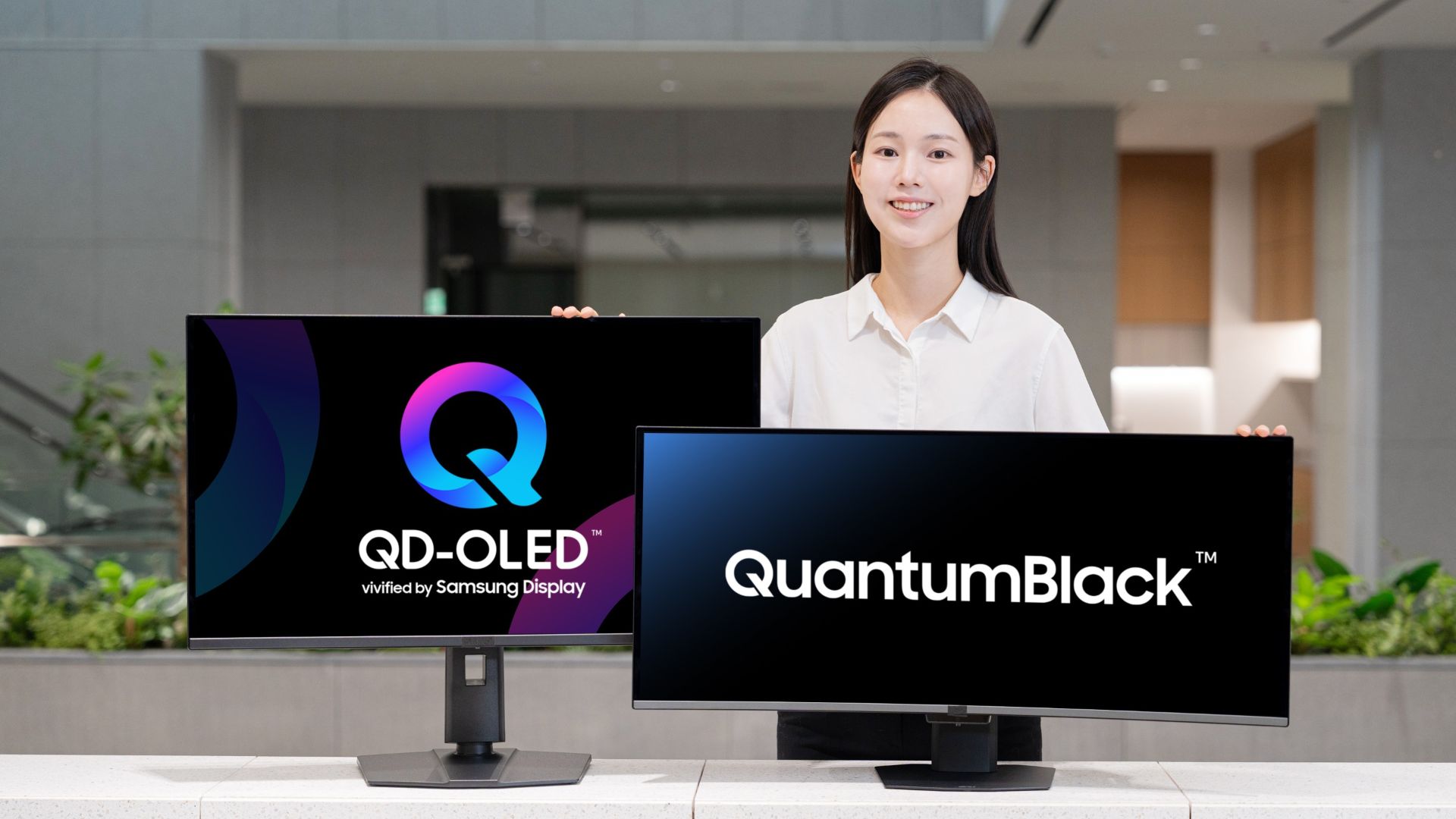
Samsung Display has announced the development of QuantumBlack, a next-generation low-reflection, high-durability film for QD-OLED monitors.
The technology reduces light reflection by 20% compared to the company’s previous film. It enhances the depth of black, while also improving panel hardness from 2H to 3H to deliver greater durability.
Samsung will fully apply the film to this year’s QD-OLED product lineup. As a self-emissive display, QD-OLED can achieve “True Black” by completely cutting off pixel power.
But in real-world usage environments, ambient light reflecting off the screen can make it difficult to experience the performance.
This is where the development of Samsung Display’s QuantumBlack comes in. Black performance is one of the most critical specifications for gaming monitors.
Accurate black levels define boundaries between objects and backgrounds, creating greater depth and spatial clarity to heighten immersion.
In particular, the gameplay of first-person shooters (FPS) or survival titles can be influenced by the technology with clearer visibility of enemy silhouettes or item locations.
In line with the launch of this new technology, global partners such as ASUS, Gigabyte, and MSI are also introducing new brands that emphasize low-reflection features, further expanding promotion of their latest monitor products.
ASUS has the “Black Shield”, Gigabyte has “Obsidian Shield”, and MSI has “Dark Armor”. These all have significantly upgraded low-reflection capabilities in their new products.
News
vivo X300 Ultra wants to beat the iPhone 17 Pro Max in pro video
Unleashed alongside the subtly-improved vivo X300s
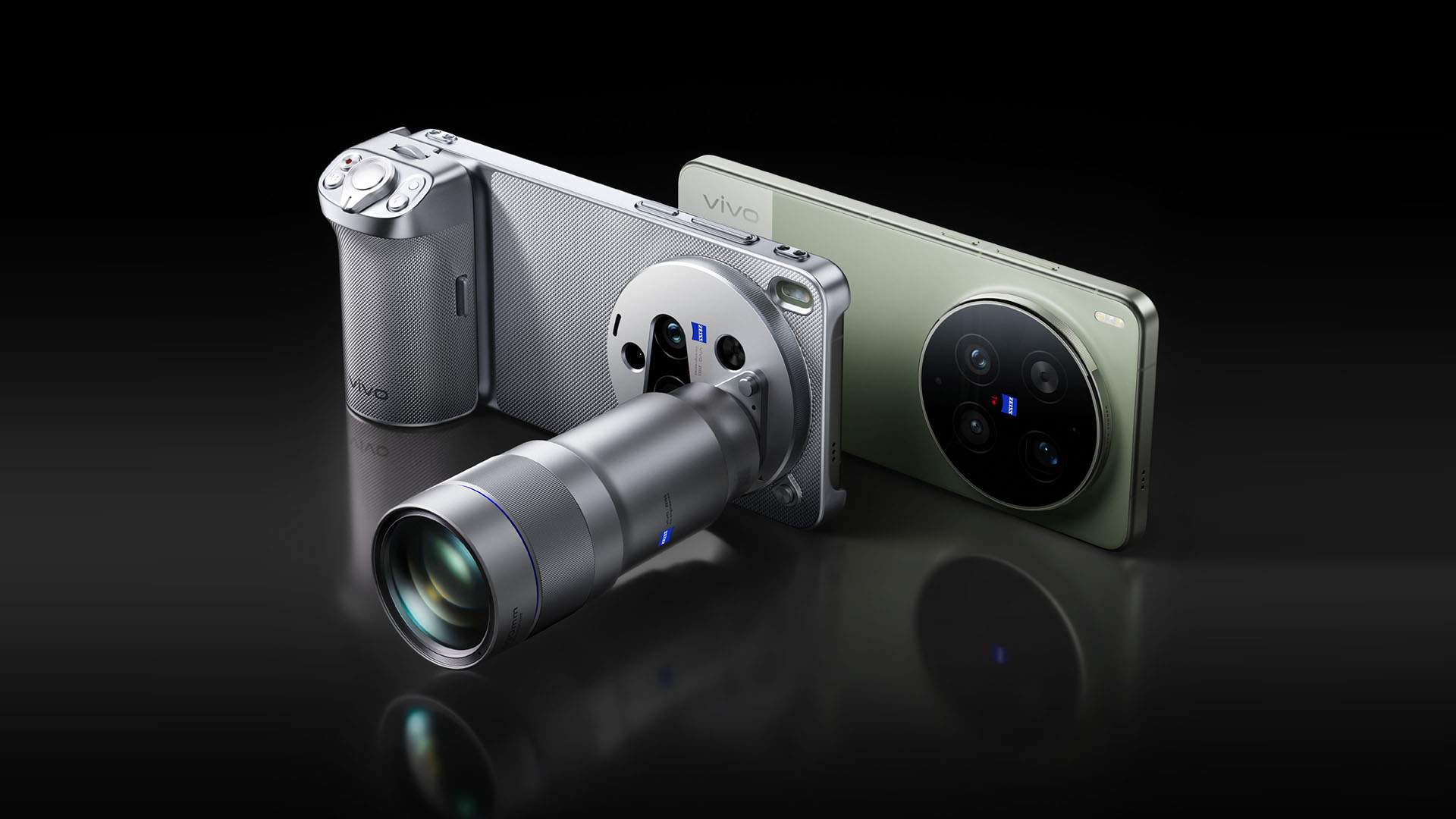
Almost six months after the launch of the vivo X300 and X300 Pro, the Chinese smartphone giant finally unleashes the much-awaited X300 Ultra.
Ultra-impressive camera system
First and foremost, its improved cameras.
Unlike its Pro sibling, the X300 Ultra follows the same configuration as last year’s X200 Ultra. It uses 35mm as its standard focal length instead of the usual 24mm found on most (if not all) smartphones.
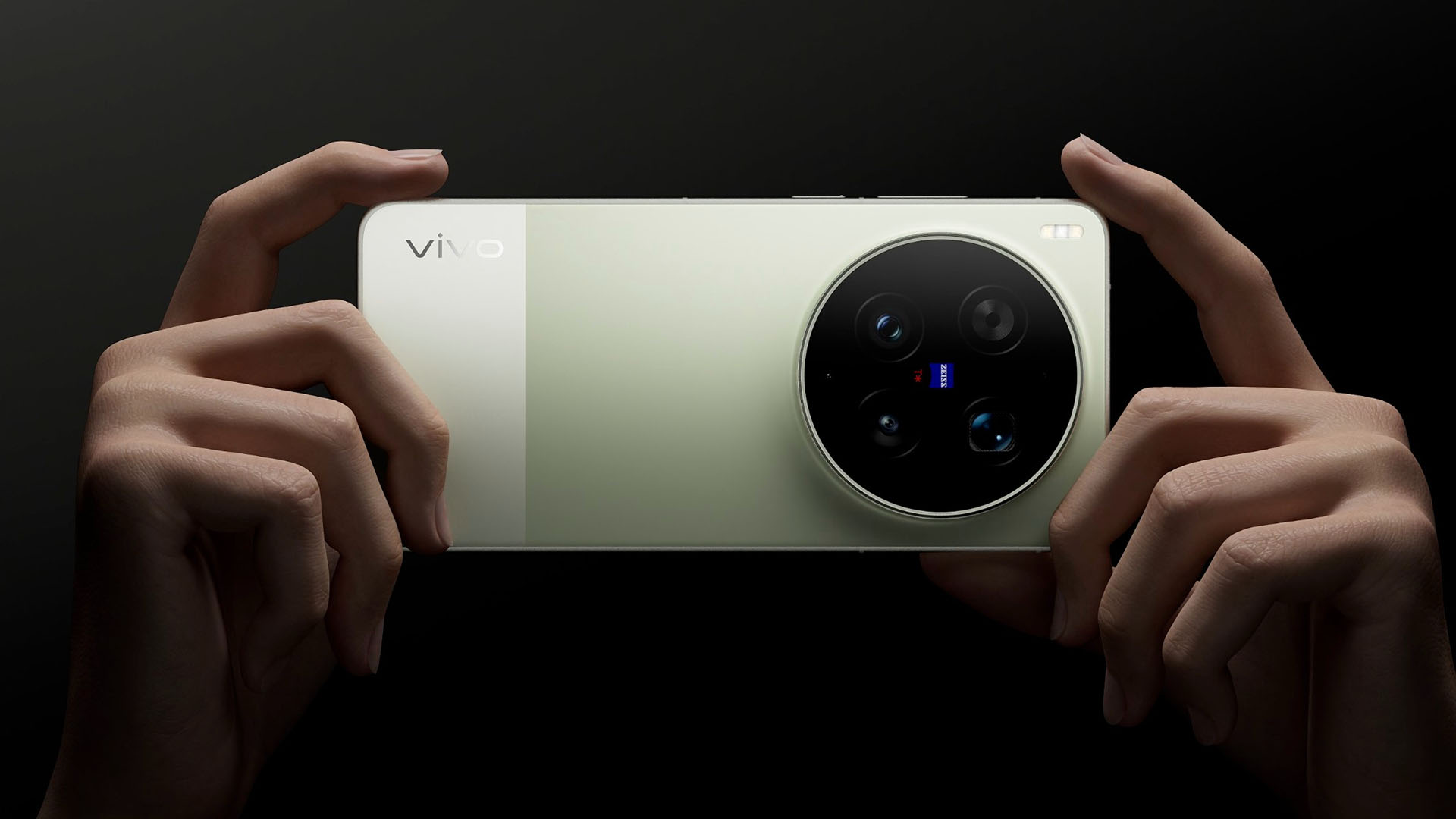
This means the main sensor is locked in at a minimum of 1.5x. Still, it’s been upgraded from 50MP to a whopping 200MP f/1.85 based on a large 1/1.18-inch Sony LYT-901 image sensor.
Meanwhile, shooting at “1x” relies on its 50MP f/2.0 ultra-wide lens based on the 1/1.28-inch Sony LYT-818. While it’s the same as last year’s X200 Ultra, it’s still considerably bigger and better among newer phones in its league.
Definitively, the X300 Ultra also boasts a newer 200MP f/2.67 periscope telephoto shooter using Samsung’s 1/1.4-inch ISOCELL HP0. Optical zoom distance still starts at 3.5x (85mm equivalent) which is similar to the X300 Pro and X200 Ultra.
If that isn’t enough, vivo announces not one, but two new teleconverter lenses.
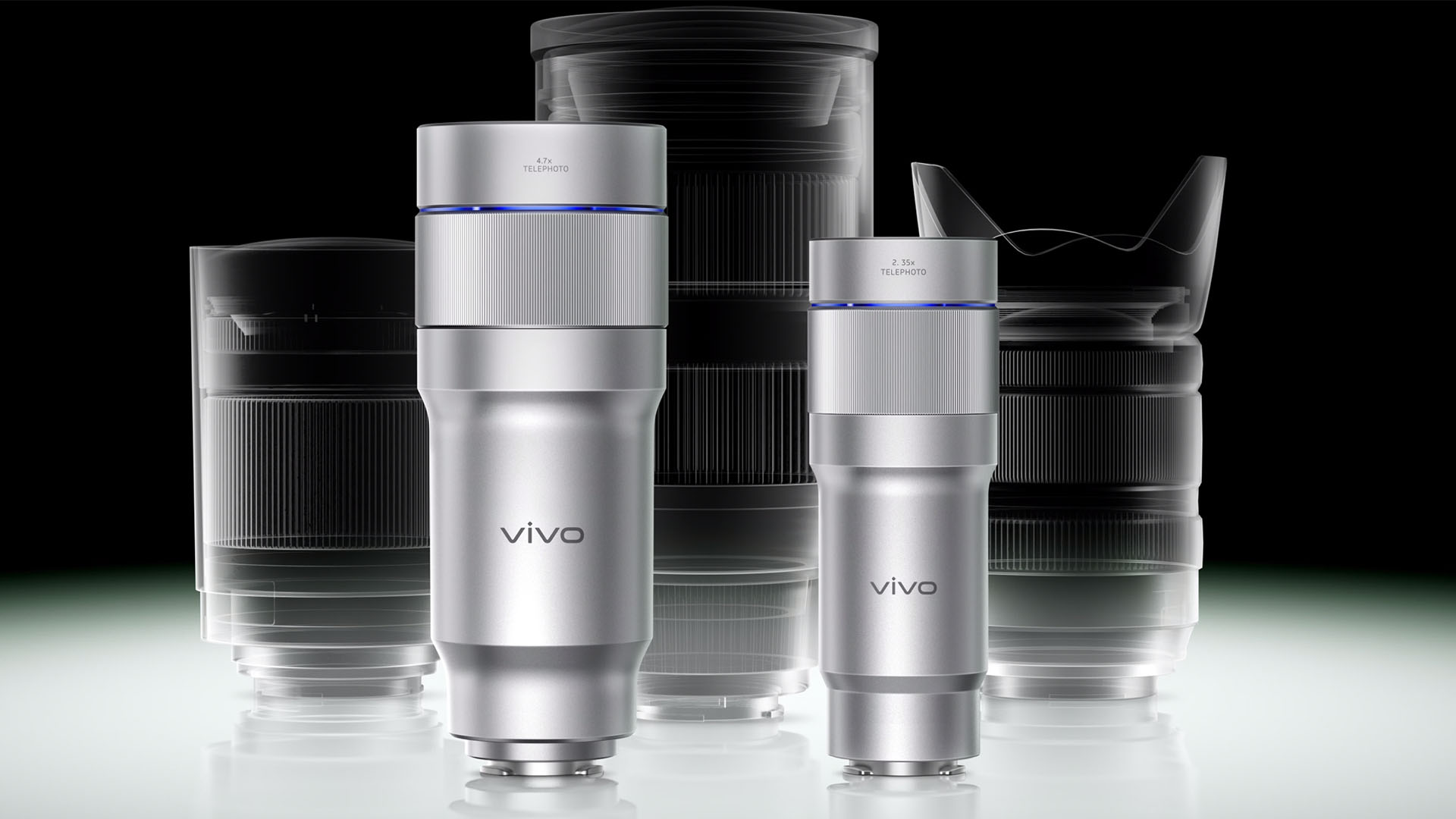
The all-new 400mm G2 Ultra ZEISS Telephoto Extender lens is the longest one in a smartphone so far. Still, vivo has achieved to make it as compact as possible — a tad longer than the former 200mm add-on lens in the X200 Ultra and X300 Pro.
There’s also the upgraded G2 ZEISS Telephoto Extender. It’s shorter and smaller compared to previous generation and comparable to a size of a lipstick (around 96mm in length).
This means better portability while trying to shoot subjects from afar with the same 200mm focal length.
Additionally, the vivo X300 Ultra also has a 5MP f/2.45 multi-spectral sensor that other X300 phones lack. This is basically responsible for making colors more accurate by capturing a wider range of light beyond the usual RGB color spectrum.
Ultra-grade video shooter
One of the highlights of the vivo X300 Ultra focuses on its video shooting prowess that targets Apple’s iPhone 17 Pro Max.
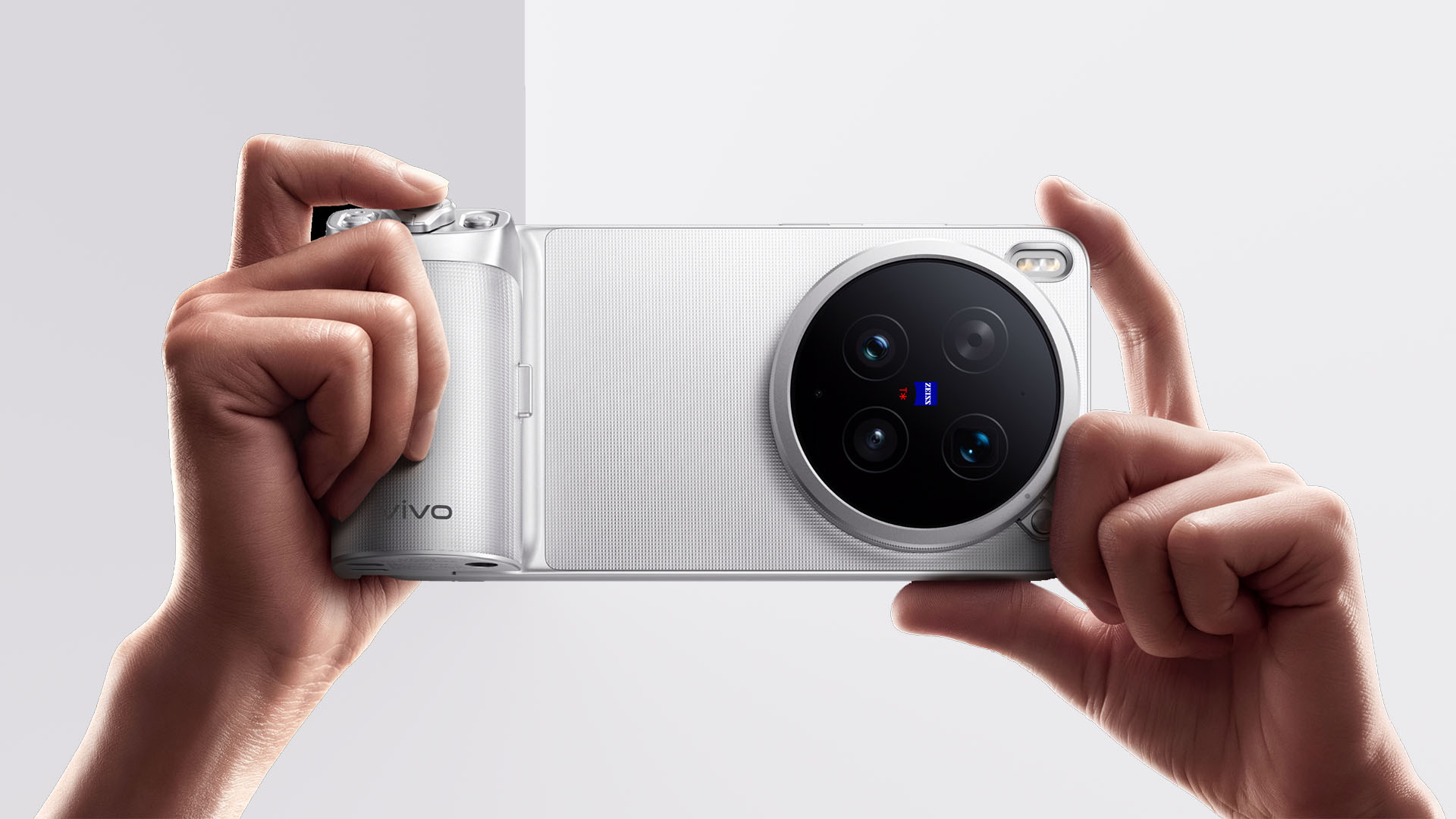
For one, its ultra-wide camera has OIS built-in — a feature often overlooked by other phone makers.
OIS is also enabled when using the said teleconverter lenses.
Graphics by Vincenz Lee | GadgetMatch
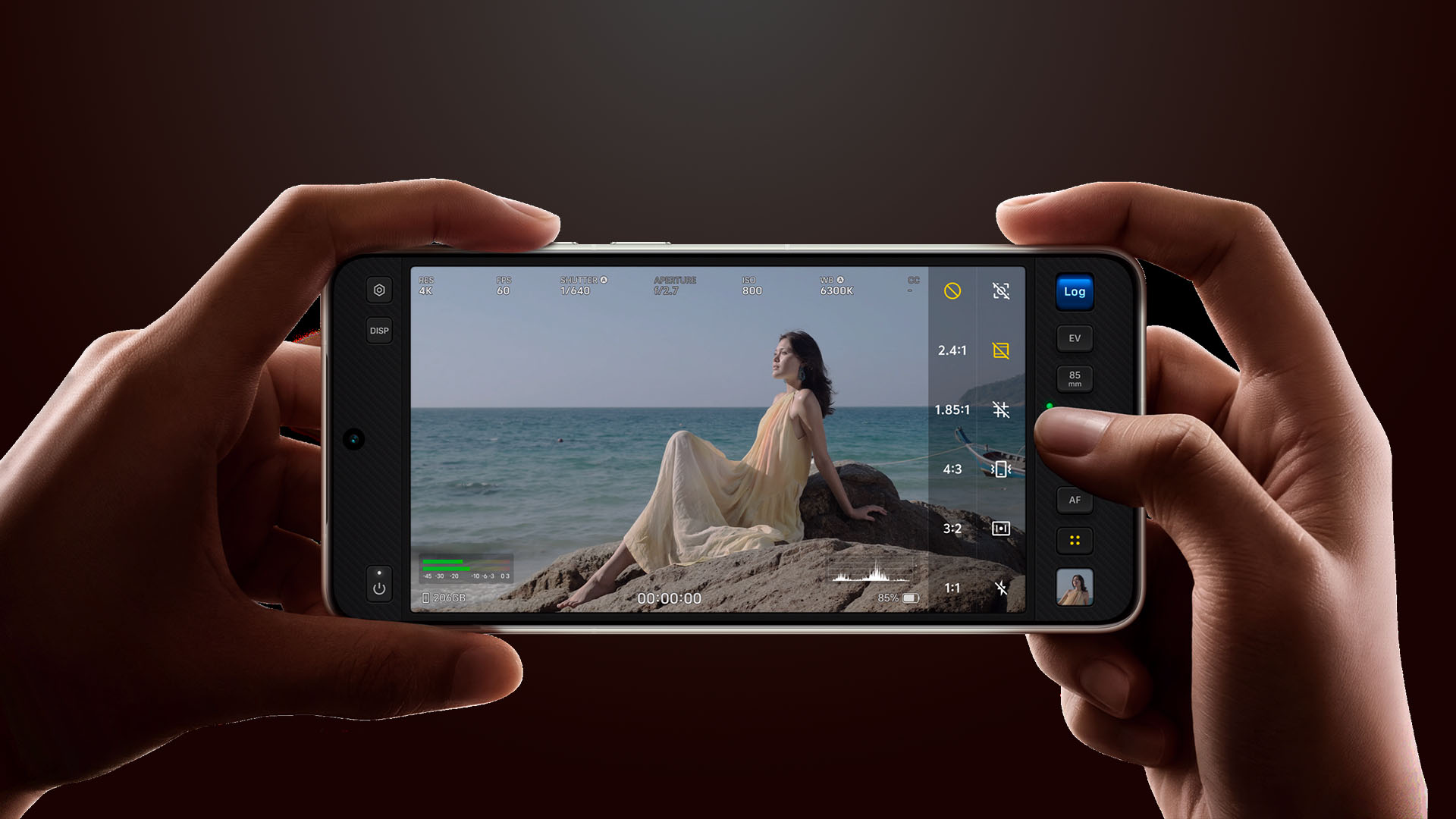
Other than that, the X300 Ultra is capable of shooting in both 4K/120fps Dolby Vision and 4K/120fps 10-bit LOG support.
This means prospective users can finally apply LUTs in post (or 3D LUTs in the phone) — much like how videographers and cinematographers do when shooting with their expensive mirrorless cameras.
Even though 10-bit LOG has been around in the recent vivo flagships, only the X300 Ultra can seamlessly switch between all focal lengths while LOG recording is enabled.
Graphics by Vincenz Lee | GadgetMatch
In line with these, the vivo X300 Ultra also features a new Professional Video Mode in its native camera app.
Ultra-powerful flagship
The vivo X300 Ultra brings some subtle improvements over the former X200 Ultra flagship.
While they both share the same 6.82-inch 8T LTPO AMOLED 2K display, the X300 Ultra has a faster 144Hz refresh rate support versus 120Hz. It’s also now an Ultra XDR screen, thanks to the improved BOE Q10 Plus panel.
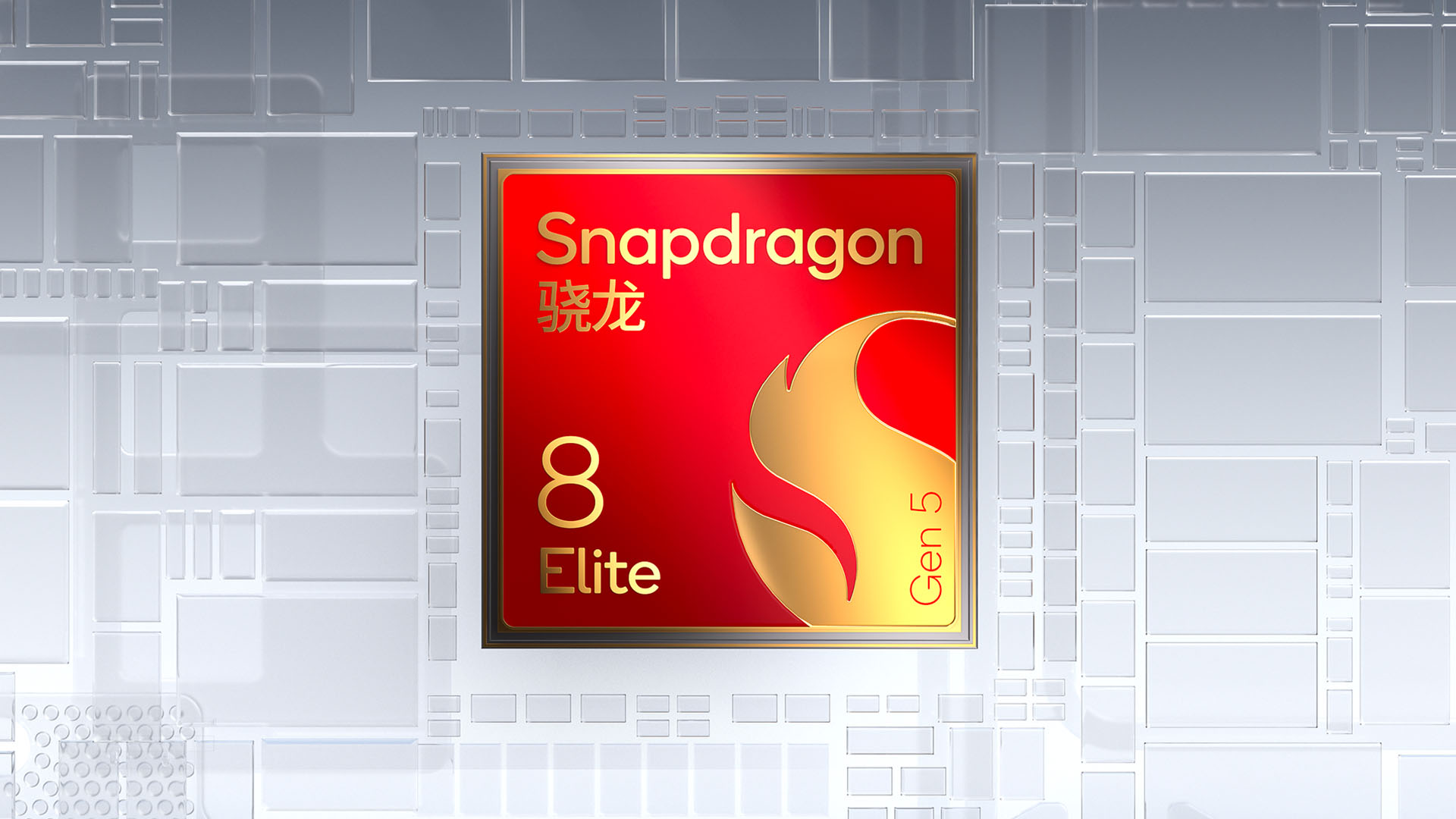
Most of all, the X300 Ultra runs the latest 3nm Qualcomm Snapdragon 8 Elite Gen 5 SoC. Despite the shortage of components, the X300 Ultra relies on a speedy UFS 4.1 storage standard while memory is even faster with LPDDR5X Ultra (and Ultra Pro) protocol.
Shockingly though, battery hasn’t been bumped by a lot as the X300 Ultra is only equipped with a 6600mAh battery — just 90mAh more than its Pro counterpart.
That slight boost is the same with its wired charging speeds from 90W to 100W FlashCharge.
The Ultra s-idekick
Other than the X300 Ultra, the vivo X300s is also present in the scene. This is a follow-up to last year’s X200s.
It runs MediaTek’s Dimensity 9500 SoC like the vanilla X300 but with a bigger 7100mAh battery (versus 6040mAh). That’s a lot bigger than what the X300 Ultra possesses.
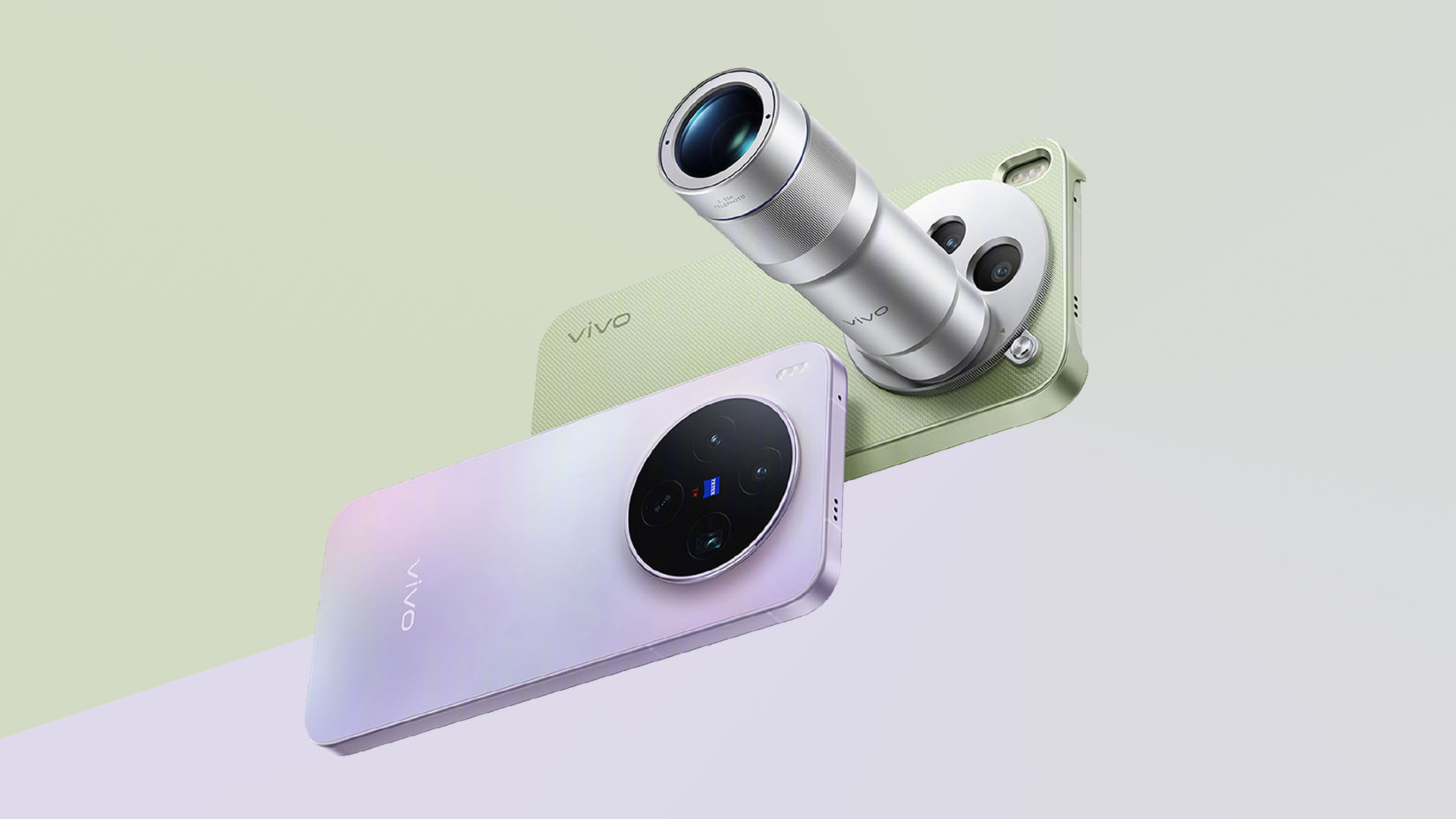
However, the vivo X300s borrows that same 6.78-inch display size as the X300 Pro. This also marks as a departure from that 6.67-inch sweet-spot screen size of the X200s and the “smaller” 6.31-incher X300.
Graphics by Vincenz Lee | GadgetMatch
Cameras are quite indifferent as of the X300. A 200MP main camera based on Samsung ISOCELL HPB with Sony’s LYT-602 sensor for its telephoto module. The improvement though can be seen when using the camera app.
Graphics by Vincenz Lee | GadgetMatch
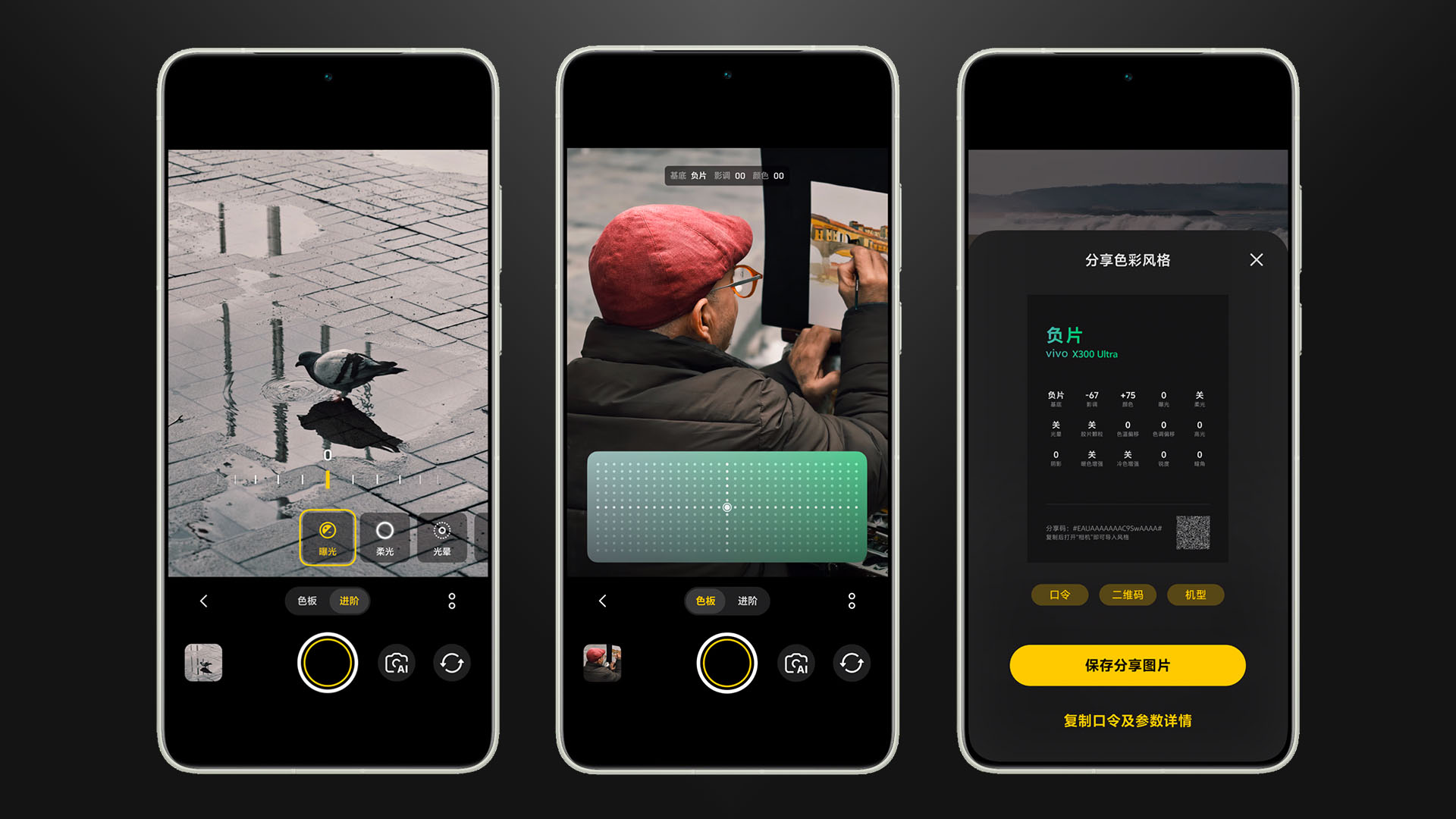
vivo’s new Blueprint Palette lets you choose a color in a swatch board and save it as a recipe. The user can also adjust settings in real-time — letting you see the look of the image during preview even before hitting the shutter release. The same feat is also found on the X300 Ultra.
And, much like the base X300, the vivo X300s is capable of attaching that 200mm teleconverter lens with its own camera kit — something the X200s cannot achieve at all.
Pricing and Availability
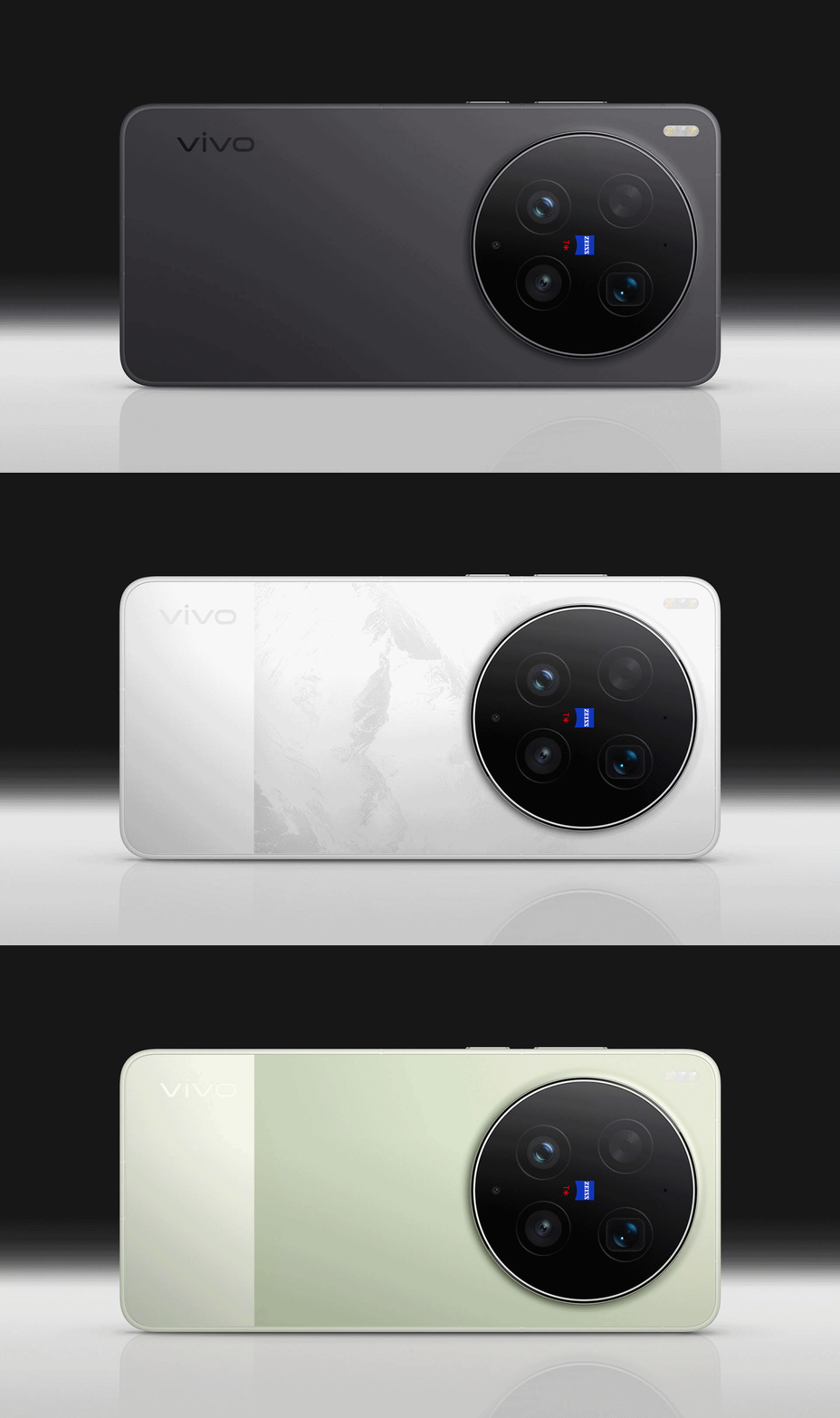
The vivo X300 Ultra and X300s are currently available for pre-orders in China along these colorways and configurations:
GIF by Vincenz Lee | GadgetMatch
X300 Ultra (Film Green, Silver Tune, Black Ka)
- 12+256GB = CNY 6999 (US$ 980 / EUR 835 / GBP 730 / SG$ 1260 / MYR 4130 / PhP 56,440 / INR 87,110)
- 12+512GB = CNY 7499 (US$ 1100 / EUR 900 / GBP 780 / SG$ 1345 / MYR 4355 / PhP 59,590 / INR 90,980)
- 16+512GB = CNY 7999 (US$ 1115 / EUR 960 / GBP 820 / SG$ 1430 / MYR 4645 / PhP 63,685 / INR 95,930)
- 16+1TB = CNY 8999 (US$ 1260 / EUR 1070 / GBP 920 / SG$ 600 / MYR 5225 / PhP 70,905 / INR 107,700)
X300s (Film Green, Dream Core Purple, Silvery White, Titanium Black)
- 12+256GB = CNY 4999 (US$ 700 / EUR 610 / GBP 530 / SG$ 910 / MYR 2970 / PhP 40,900 / INR 62,260)
- 16+256GB = CNY 5499 (US$ 770 / EUR 660 / GBP 570 / SG$ 985 / MYR 3190 / PhP 43,700 / INR 66,720)
- 16+512GB = CNY 5999 (US$ 845 / EUR 730 / GBP 635 / SG$ 1095 / MYR 3560 / PhP 49,085 / INR 74,715)
- 16+1TB = CNY 6999 (US$ 980 / EUR 835 / GBP 730 / SG$ 1260 / MYR 4130 / PhP 56,440 / INR 87,110)
For the camera enthusiasts…
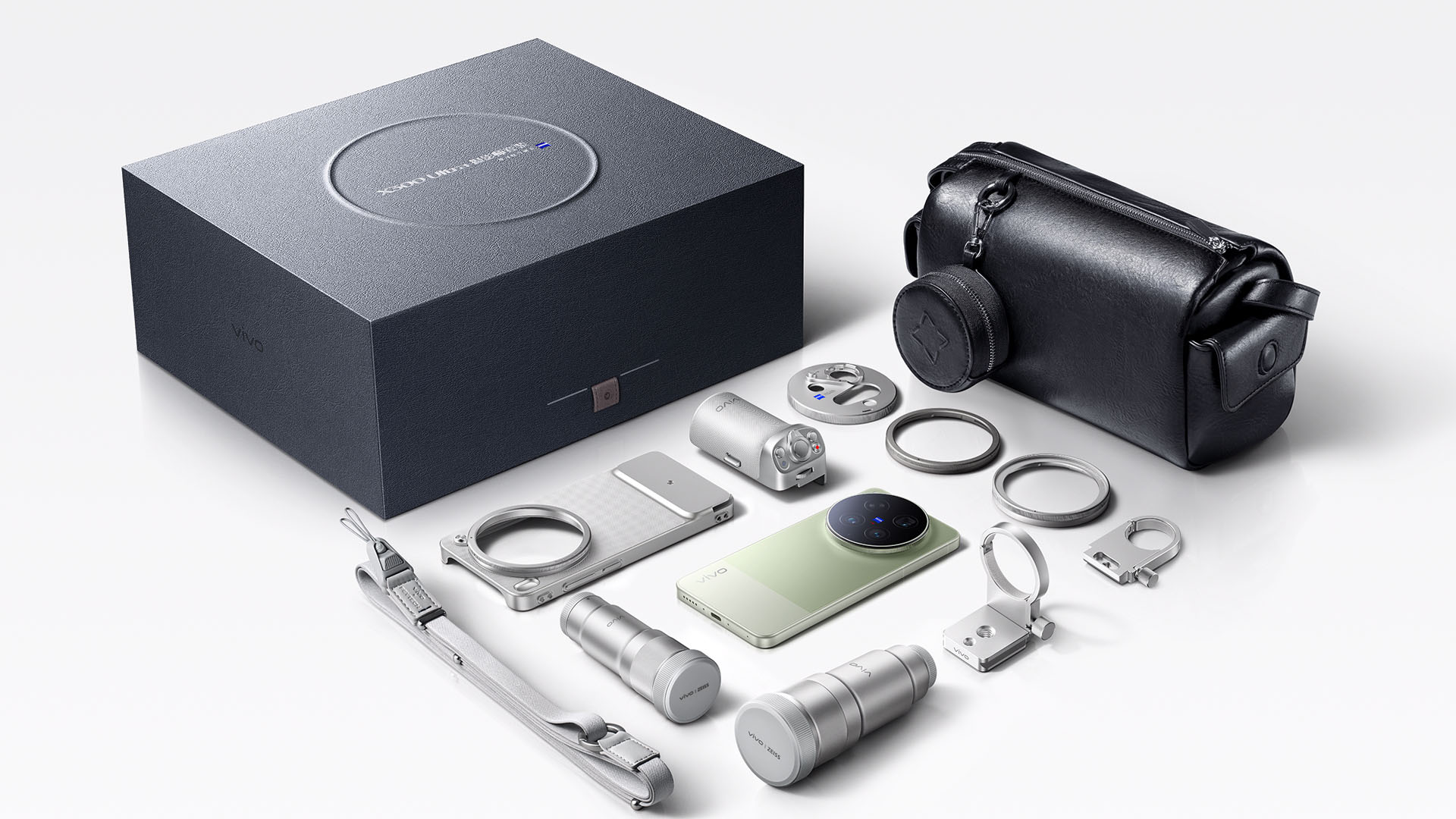
You can buy the vivo X300 Ultra and X300s in their special Photographer Kit Edition with all the accessories bundled:
- X300 Ultra Photographer Kit = CNY 11,999 (US$ 1260 / EUR 1070 / GBP 920 / SG$ 2235 / MYR 6965 / PhP 105,110 / INR 164,550)
- X300s Photographer Kit = CNY 7999 (US$ 1115 / EUR 960 / GBP 820 / SG$ 1430 / MYR 4645 / PhP 63,685 / INR 95,930)
Additionally, separate parts of the kit can also be bought separately:
- Camera Grip = CNY 699 (US$ 101 / EUR 88 / GBP 77 / SG$ 130 / MYR 405 / PhP 6130 / INR 9585)
- SmallRig Case = CNY 1699 (US$ 245 / EUR 215 / GBP 185 / SG$ 320 / MYR 990 / PhP 14,890 / INR 23,300)
- G2 Teleconverter Lens = CNY 1499 (US$ 220 / EUR 190 / GBP 165 / SG$ 280 / MYR 870 / PhP 13,140 / INR 20,560)
- G2 Ultra Teleconverter Lens = CNY 2499 (US$ 360 / EUR 315 / GBP 270 / SG$ 465 / MYR 1450 / PhP 21,900 / INR 34,270)
* These are only rough conversion estimates
As teased way back in MWC 2026, the X300 Ultra is vivo’s first Ultra smartphone to be sold globally. We’ll just have to wait and see which regions will have it.
Gaming
Nintendo might be working on an Ocarina of Time remake
It will reportedly launch in the second half of 2026.


What is the greatest game of all time? There’s a substantial chance that The Legend of Zelda: Ocarina of Time will be on the board. Even beside the Switch’s critically acclaimed Breath of the Wild duology, the Nintendo 64 title is one of the most quintessential games you can ever play. That said, it’s pretty dated. But maybe, not for long.
According to Nintendo insider NatetheHate, the company is working on a rerelease of Ocarina of Time. The title is scheduled for launch within the second half of 2026.
The wording is important here. “Rerelease” can mean anything. To be fair, NatetheHate, through his latest podcast, says that it’s likely we’ll get either a like-for-like remake or a full reimagining of the essential game. However, he does not discount the possibility that it’s just an HD remaster for the new consoles. Either way, Ocarina of Time is coming back this year.
If you can’t wait, the title isn’t exactly missing from the shelves. You can play the original from the list of available games through Nintendo Switch Online. The game also got a remaster for the 3DS.
There is no shortage of Zelda-related news lately. The franchise is getting a live-action adaptation next year, which now becomes a worthy follow-up to The Super Mario Galaxy Movie coming early next month.
SEE ALSO: The Legend of Zelda film gets its first official photos


Infinix NOTE 60 Ultra: Not bad for a flagship push
It's definitely got the looks, though.


JBL Sense Pro review
My daily driver met a loud and capable rival in this quest for a superior training companion.


Shokz OpenFit Pro: Somewhere between awareness and focus
Find your balance

ZOOP, a new social platform, to launch soon

GadgetSnaps: Osaka

Homture Magic Frame: Reliving wedding moments you didn’t get to see

Dunk City Dynasty update adds new NBA stars, cosmetics

Acerpure Chill: Air conditioners for the summer


-

 Gaming2 weeks ago
WWE 2K26 lets you live out all the fantasy matches you could want
-

 Automotive2 weeks ago
How the Ford Ranger is powering community resilience
-

 News1 week ago
nubia Neo 5 series launches in the PH, starts below PhP 12K
-

 Gaming1 week ago
Razer Blade 16 (2026) packs more cores, faster memory
-

 Reviews2 weeks ago
Galaxy Buds4 Pro review: I thought I was done with in-ears
-

 Automotive1 week ago
The Changan Eado Plus officially lands in the Philippines
-

 Accessories1 week ago
Razer sharpens its competitive edge with Viper V4 Pro and Gigantus V2 Pro
-

 Gaming1 week ago
Nintendo will make it cheaper to buy digital games than physical