
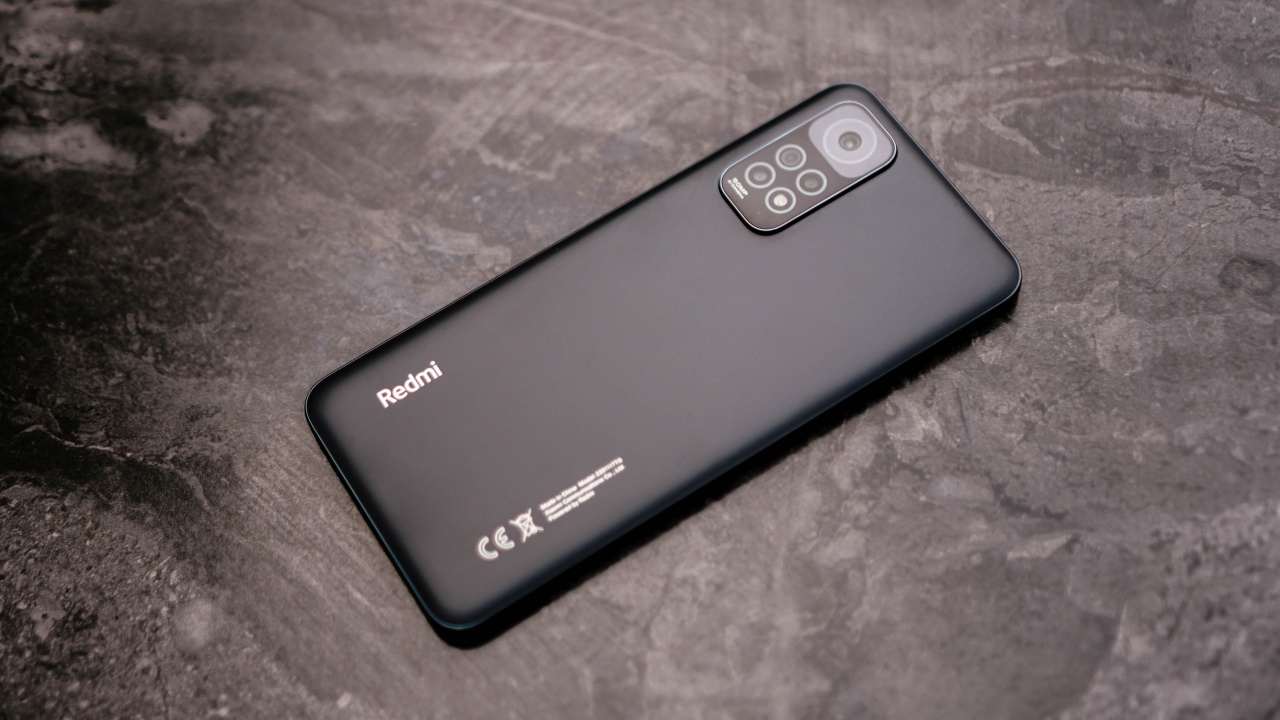

We’ve been fans of the Redmi Note line for as long as we can remember. I mean, how can we not be? It’s always been a line that performs a tier above its price range. And the Redmi Note 11 is no different.
I had a different article in mind while outlining notes for this review. You see, before I found out the retail price of the Redmi Note 11, I was operating under the assumption that it would cost somewhere between PhP 12,000 to PhP 14,000. Why? Because that’s what the experience felt like.
However, on February 10, Xiaomi Philippines unveiled the price and I was a bit taken aback to learn that both variants of this phone cost less than PhP 10,000.
Here’s a quick look at its specs…
To give you an idea on what kind of power this thing is packing.
Display – 6.43” FHD+ DotDisplay, Up to 90Hz refresh rate, Up to 180Hz touch sampling rate
Processor – Qualcomm Snapdragon 680, Adreno 610 GPU
RAM + Storage – 4GB+64GB, 6GB+128GB
Cameras:
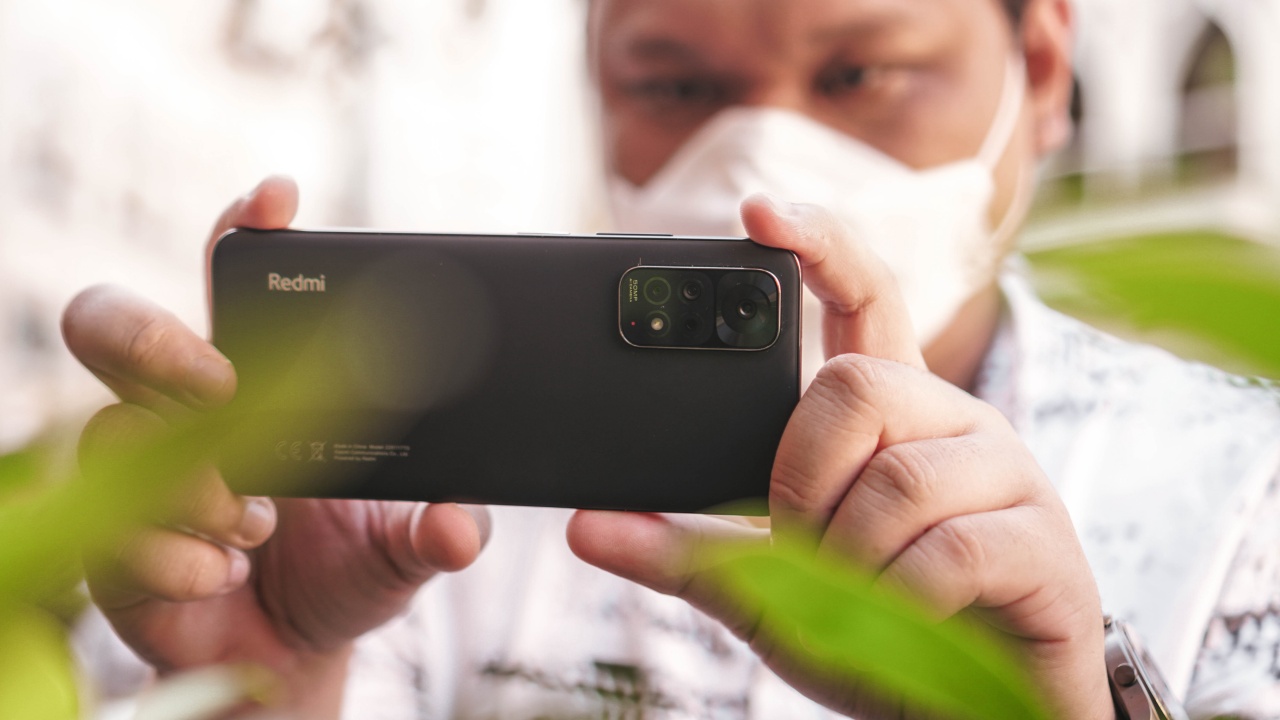
- 50MP f/1.8 main
- 8MP f/2.2 wide
- 2MP f/2.4 telephoto
- 2MP f/2.4 macro
- 13MP f/2.4 Front Camera
Battery: 5,000mAh, 33W fast-charging
Other Specs:
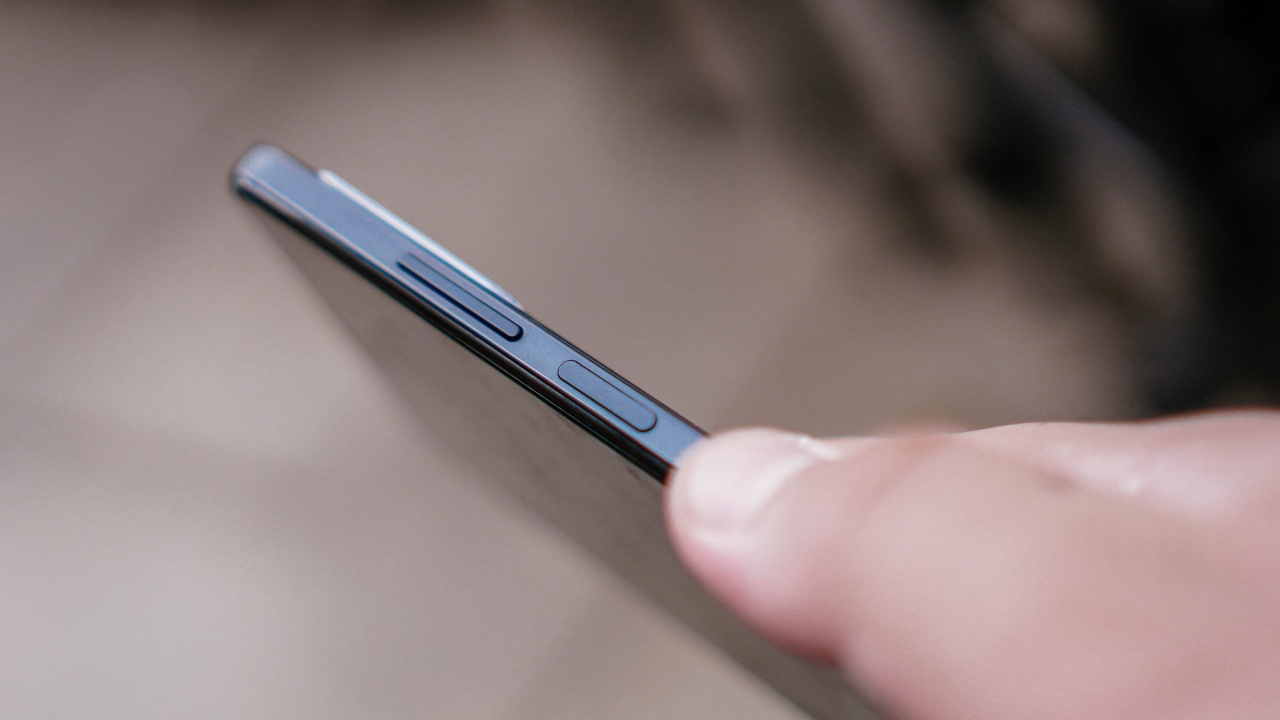
- Dual SIM + MicroSD
- Side fingerprint sensor
- IP53 splash proof
- MIUI 13, based on Android 11

- 4GB+64GB: PhP 8,999
- 6GB+128GB: PhP, 9,999
Flagship load on a budget smartphone

I did that thing again that I usually do where I copy my setup on a flagship Android phone to whatever phone I’m reviewing. I’ve always felt that it’s a good way to gauge the performance of that particular device. How did the Redmi Note 11 handle it? Not quite like a champ, but close.
I want to reiterate that this is coming from the perspective of a regular flagship user. Despite that, I still found the Redmi Note 11’s series impressive especially for its asking price.
The issues I had include how it just isn’t built for jumping from one app to another with hopes of the apps not refreshing every time you switch. This phone is not built for that kind of relatively intense multitasking.
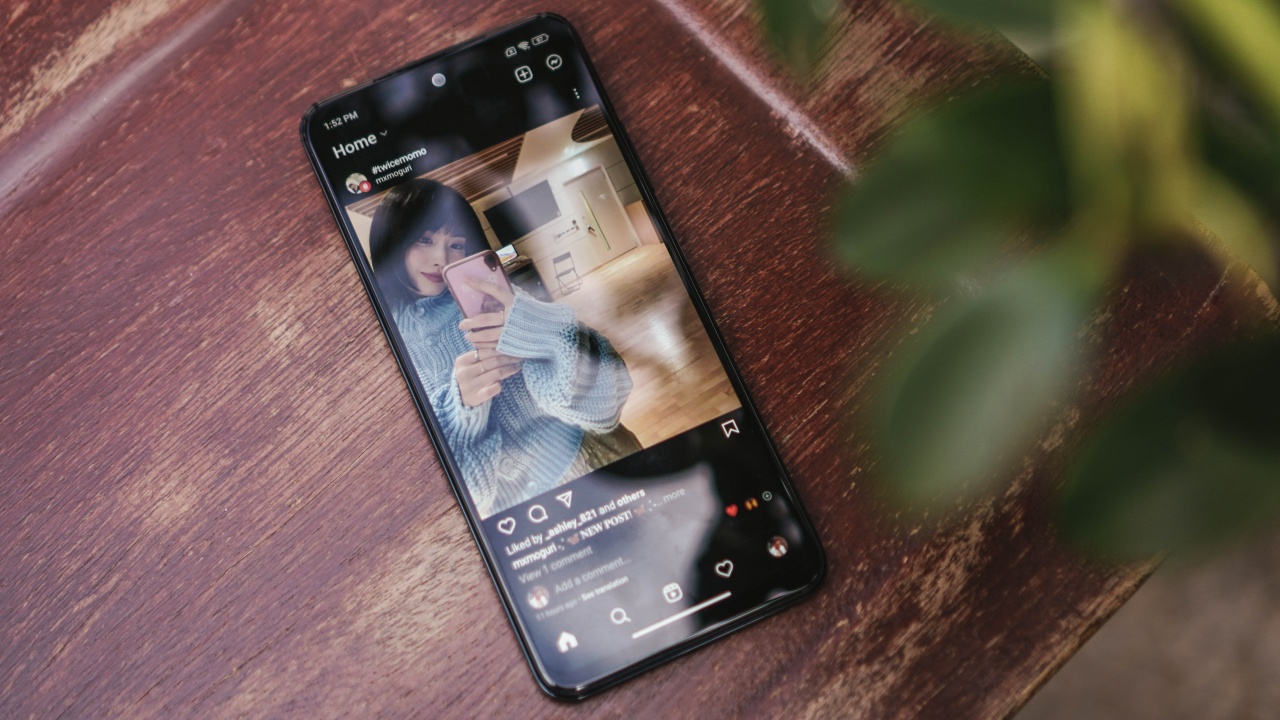
That said, the Redmi Note 11 easily bodies casual use. If you don’t mind opening an app without it resuming to where you last left off, then this is more than good enough.
There’s also some noticeable lag when picking the phone up after putting it down for a long while. But it quickly adjusts when it realizes you’re gonna be using it for a while.
Again, these are observations after putting a flagship-level type of workload on the phone. Never once did it crash. What it did, instead, is intelligently divert resources to run as efficiently as possible.
Surprisingly good for gaming
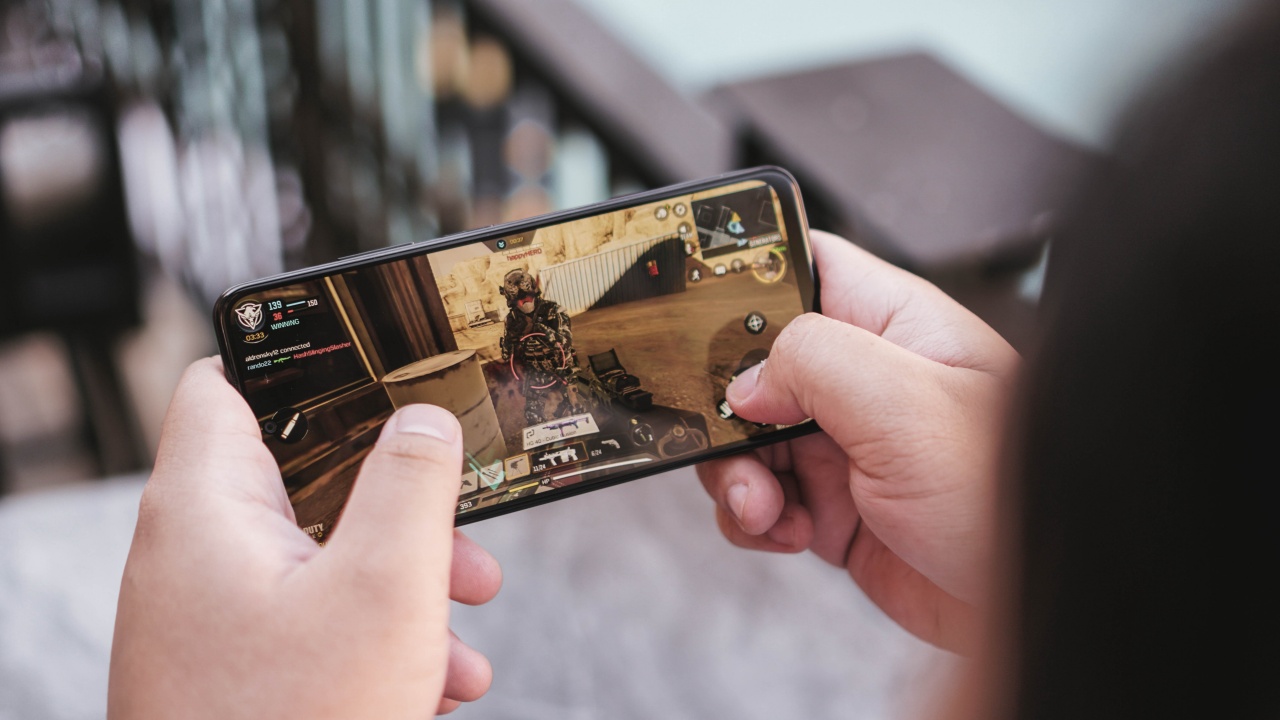
The Redmi Note 11’s gaming performance is what convinced me, during my testing, that it was a phone that’s in the PhP 12,000 to PhP 14,000 range.
I spent an entire afternoon on Call of Duty: Mobile just trying to rank up. I haven’t really been playing any ranked games so I went all the way down to Veteran I. I went from Veteran I all the way up to Elite III playing on what I belatedly learned was a budget smartphone.

I didn’t experience any lags, the gameplay was relatively smooth, and I never felt like the smartphone was struggling to run the game. Granted, it was only running on medium graphics settings. Even then, the overall graphical fidelity and gaming performance was more than enough and you’ll never feel like it’s holding you back.
Just okay for media consumption

Park Jihyo step on me
There are no crazy video viewing or music listening features on the phone. The experience isn’t terrible, but it’s not something to be excited about either.
The display is okay, it’s functional. It reproduces colors just fine. The audio is about what you expect from something in this price range. It’s alright, it can be enjoyable, but it’s nowhere near elite. And that’s fine.
Cameras a tier above its price range

The camera setup looks pedestrian on paper. But the images it produced were pretty solid. Under good, natural lighting, the Redmi Note 11 will take photos worthy of your social media feed.
Take a look at these samples.




There are some color inconsistencies when you move from the main camera to the wide angle camera. But it’s nothing a competent photo editing app can’t fix.


I only took one night time photo and it was pretty grainy and unflattering. You really need favorable lighting conditions to get quality images at night.

Which variant should you get?

The unit we reviewed is the 4GB+64GB variant. So, take that into consideration when deciding which one to get. If you really can’t make room for a PhP 1,000 more, then rest assured you’re still getting a more than competent budget smartphone.
But if you can, fork out the PhP 9,999 price to get the 6GB+128GB variant. The extra 2GB RAM and expanded storage capacity will go a long way in improving the overall performance. Specifically, I think it should help address the way the apps immediately restart when they’re not in use.
Is this your GadgetMatch?

The Redmi Note 11 is a champ. At its price range, you’d be hard pressed to find anything better. It performs a tier higher than what it’s pricing suggests. It might just be the best under PhP 10,000 (around US$ 200) phone you can buy today.






Laptops
ASUS Zenbook S14 (2026) review: The perfect portable buddy
At only 1.1cm thin and 1.2kg light, the Zenbook S14 fits in any daily kit.

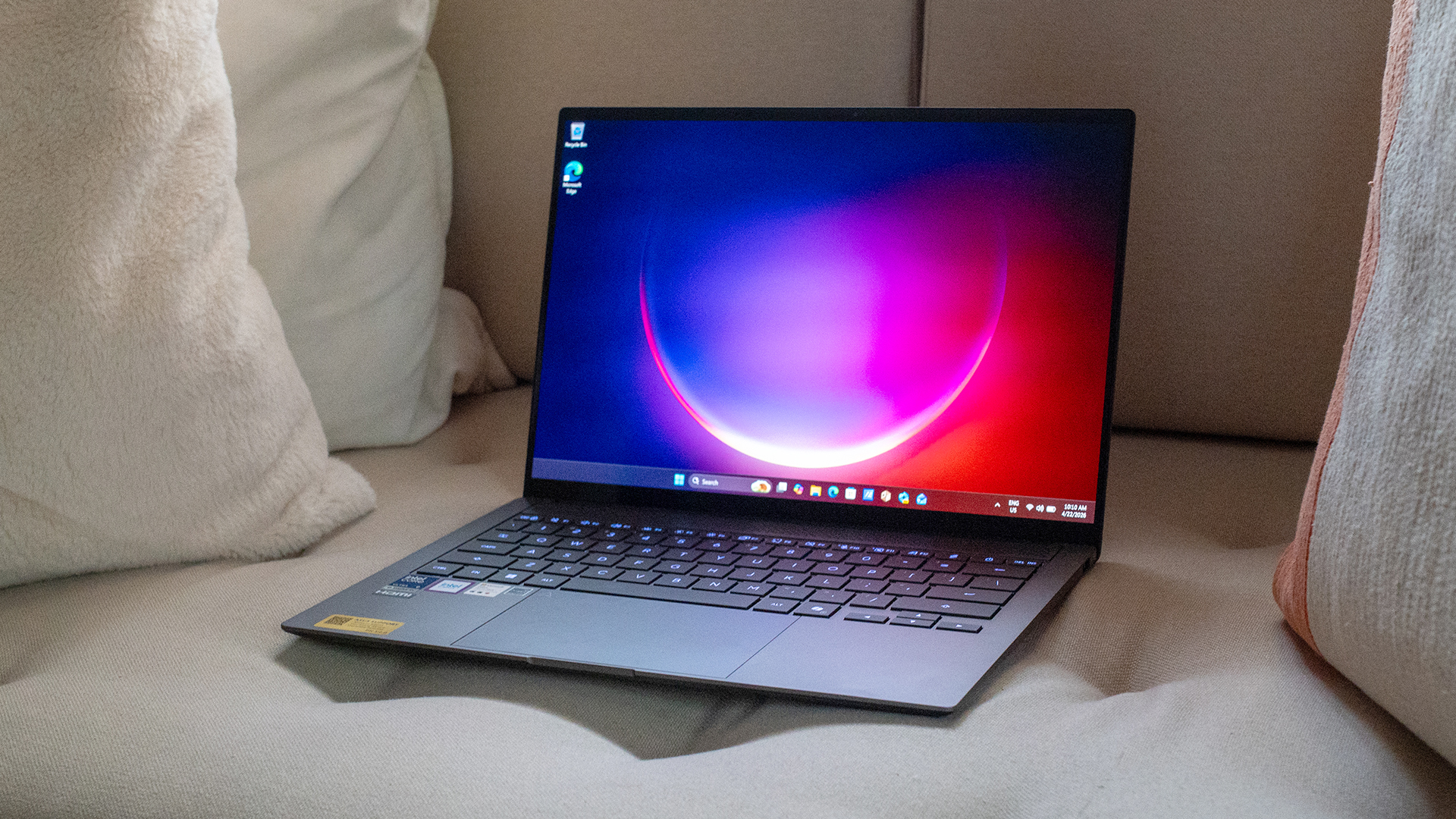
As a gamer, thin notebooks are difficult to love. Despite the loss of convenience, the thought of playing all my favorite games in one machine is still more tantalizing. However, with commute times getting longer by the day, it’s now impossible to ignore the importance of portability. Once again, with an ultrathin 1.1cm profile, the ASUS Zenbook S14 makes the perfect everyday commute buddy.
A laptop light enough to run with
The Zenbook S14 weighs only 1.2 kilograms. Just from handling it, you can tell that this weight (or lack thereof) makes so much of a difference. You can hardly tell that you’re holding a laptop. The Zenbook series has been known for ultrathin portability, so it’s no surprise that the new S14 has this down to perfection.
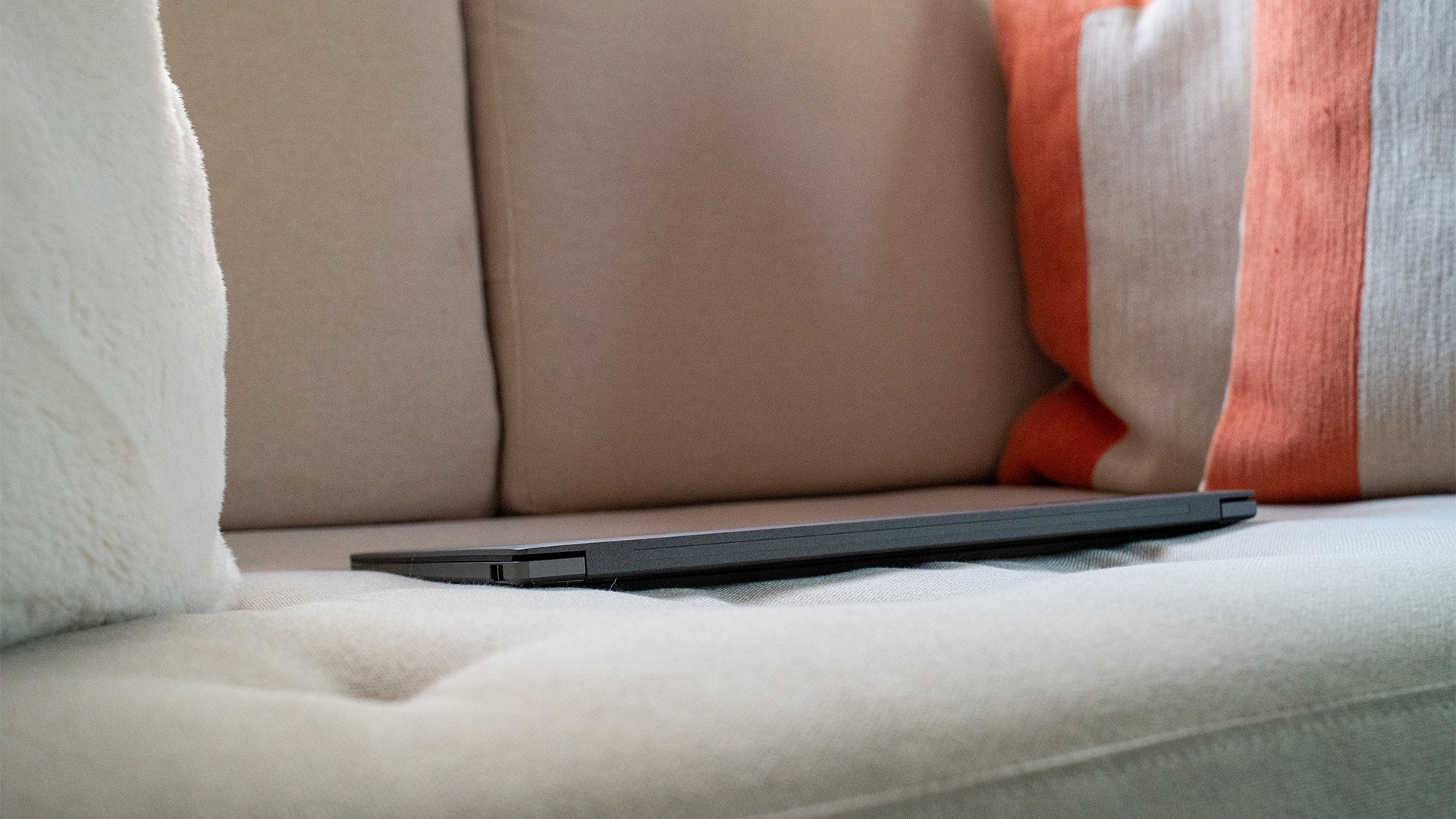
If that’s not enough, we put the laptop through a run test. That is, I tried running a 5K with the laptop on my back. It wasn’t a difficult time at all. In fact, I had to pack in more things inside my backpack just to make it feel more impactful.
Ultimately, it didn’t matter how heavy the backpack was. The Zenbook S14 barely contributes to your daily pack. If you had to face a long commute every day, this ultrathin laptop is a perfect match for you.
Ceraluminum: If it ain’t broke, don’t fix it
I’ve said this the last time I had my hands on a Zenbook. Ceraluminum remains one of the most consistently good features of the series. The matte texture once again adds a look that simply stands out.
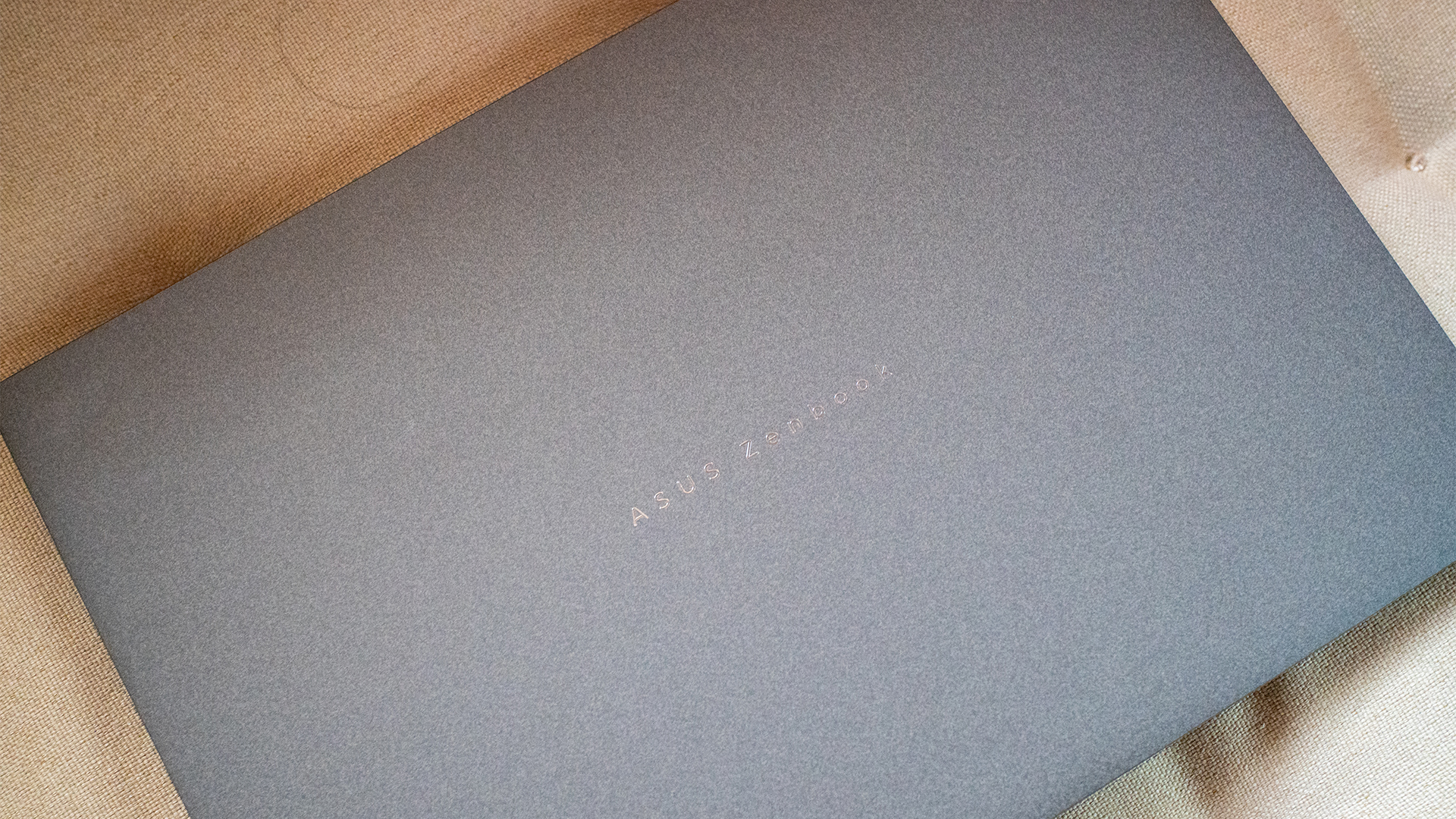
Though the gray is similar to the shade common today, Ceraluminum feels pleasantly tactile and smooth to the touch. Plus, it’s also durable.
When I stuffed the notebook with an umbrella inside my pack, I intentionally left the notebook without a sleeve to see how the chassis would react with other things. Lo and behold, after running a few kilometers, the Zenbook S14 had no discernible scratches. Besides the portability, it’s a durable beast that fits in any pack.
Fourteen inches of fun
Normally, I prefer larger screens for my laptops. However, the Zenbook S14’s 14-inch 3K Lumina screen was more than enough for what I needed the laptop to be.
Color accuracy was almost spot-on but leaned a bit towards the vivid side. This wasn’t a huge problem for me, but it might be a consideration for those who need absolute accuracy.
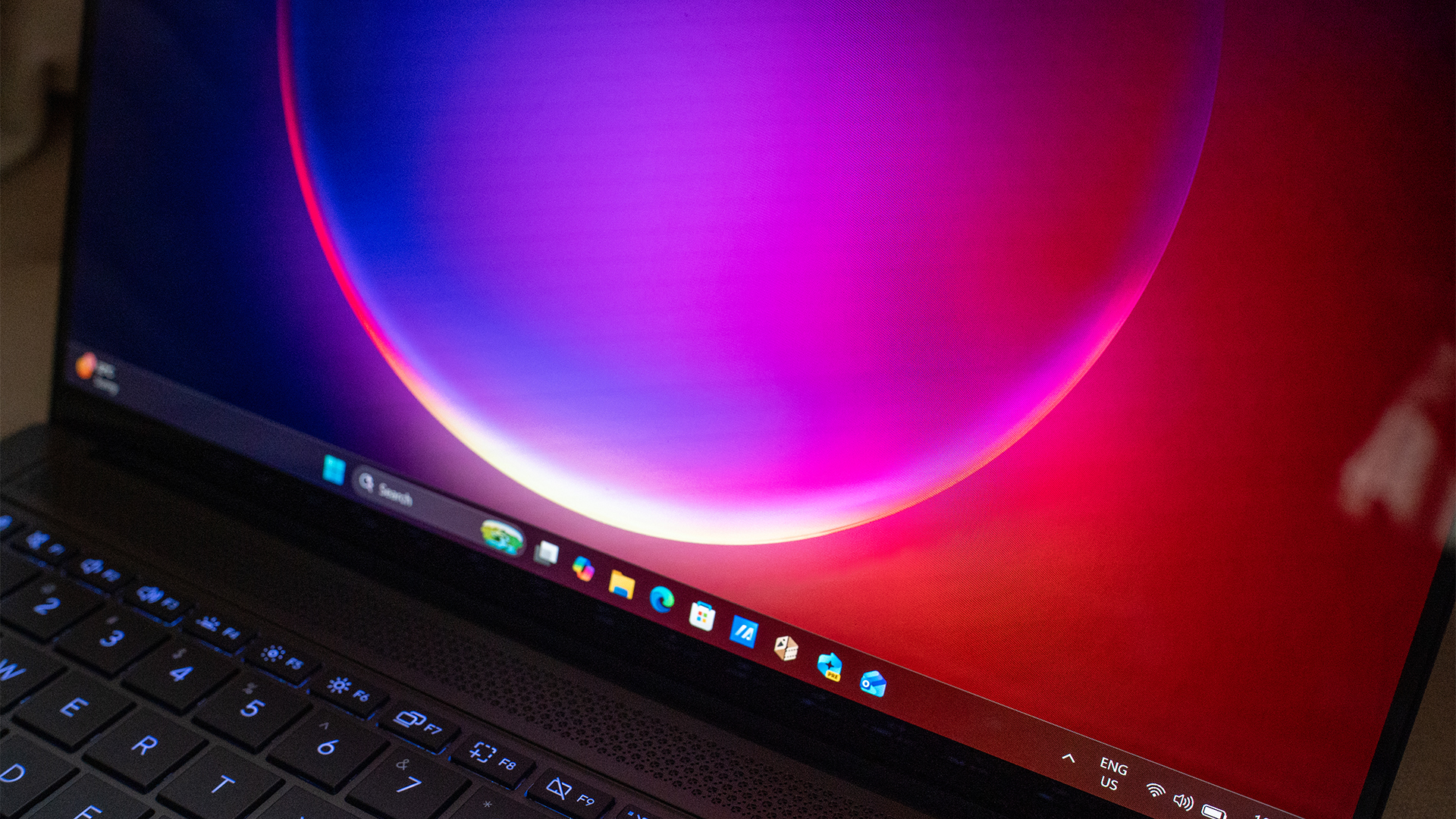
Also, while I was doing my run, I did test the screen under the sunlight. In bright situations, the glare became a bit of an issue. The 1100 nits of peak HDR brightness overcame this, though.
The touchscreen capabilities is another useful tool. I don’t usually need touchscreens on laptops, but it’s still useful to have. The experience was smooth and responsive. It was particularly useful for small games like Balatro.
A machine good enough for most things
The Zenbook S14 is no slouch. Under the hood, the notebook touts an Intel Core Ultra 9 386H. For a work device, this seems like overkill. Do you really need a robust processor to get through your workday?
Well, it’s a matter of not knowing what you’ve got until it’s there. This powerful chipset is a godsend for multitasking.
Personally, I prefer working with a lot of windows up at the same time: a word processor, a bunch of tabs for research, another bunch for music or videos, and the usual slew of chatting apps. Despite having so many things up at once, the laptop never seemed like it was struggling to keep up.
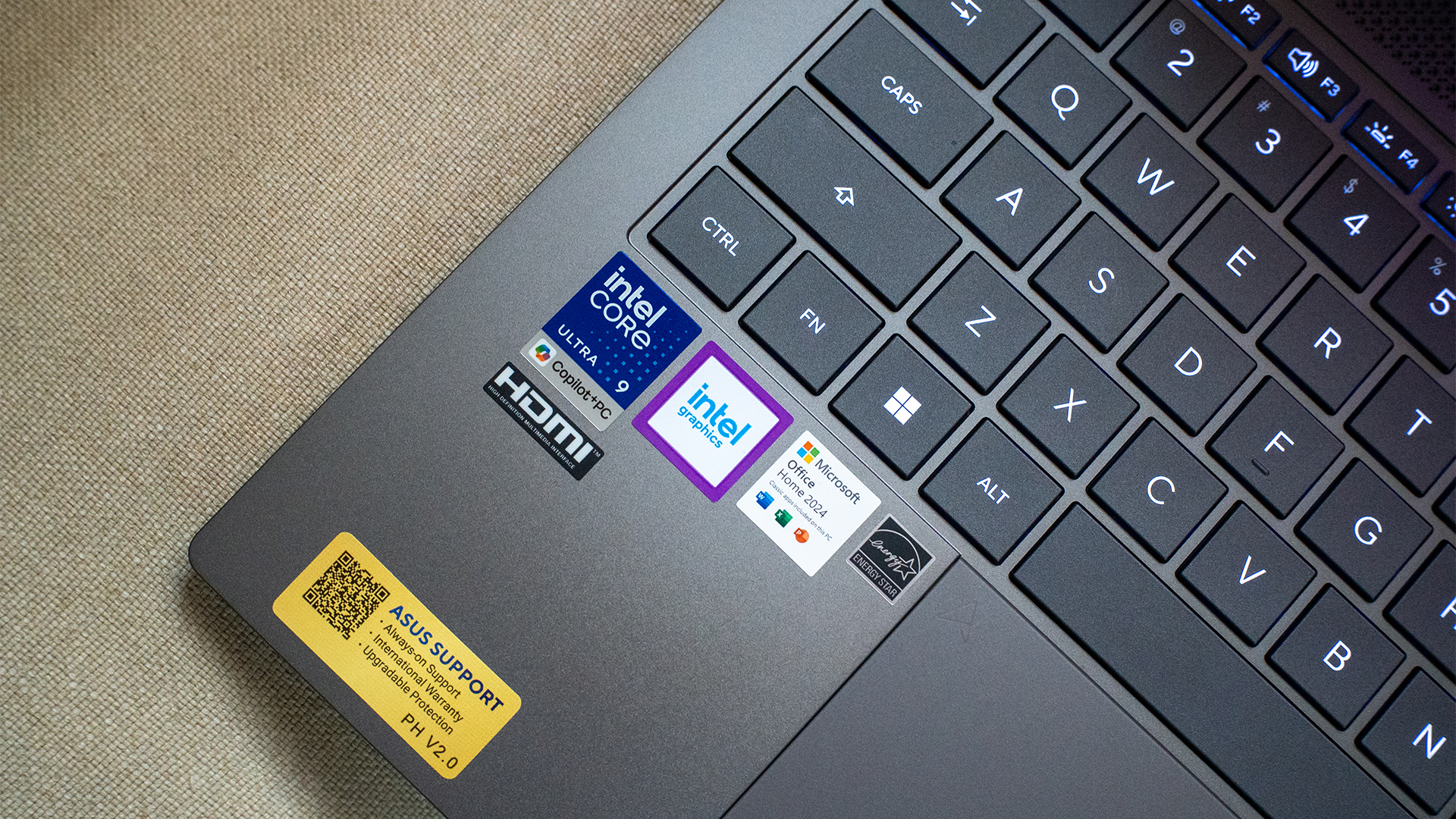
The performance is beefed up with up to 32GB of RAM and up to 1TB of internal storage. It’s smooth for everyday use and can last for a long time without needing a cleanup.
That said, the chipset is not enough for gaming, especially for power-hungry games like Call of Duty. However, it’s just enough for lighter fare like Balatro. It’s no great loss, though. Rather, it’s an assurance that you can leave the heavy gaming rig at home but still have a decent machine for quick fixes.
Also, if you’re coming from the previous model, this new version doesn’t really offer much in terms of upgrades. This doesn’t take away from the current model’s capabilities as its own device, but it’s a consideration if you already own the previous model.
The battery life to keep you going
For such a light laptop, the Zenbook S14 still touts a sizable 77Whr battery. ASUS claims that a full charge can last up to 27 hours. On paper, that’s enough to last two working days with some change.
From personal experience, the notebook does last a good amount of time. As I mentioned above, I usually work with several windows up at the same time. Of course, that means more of a load on the battery. When I worked in a café for an entire afternoon, the laptop lasted handily.
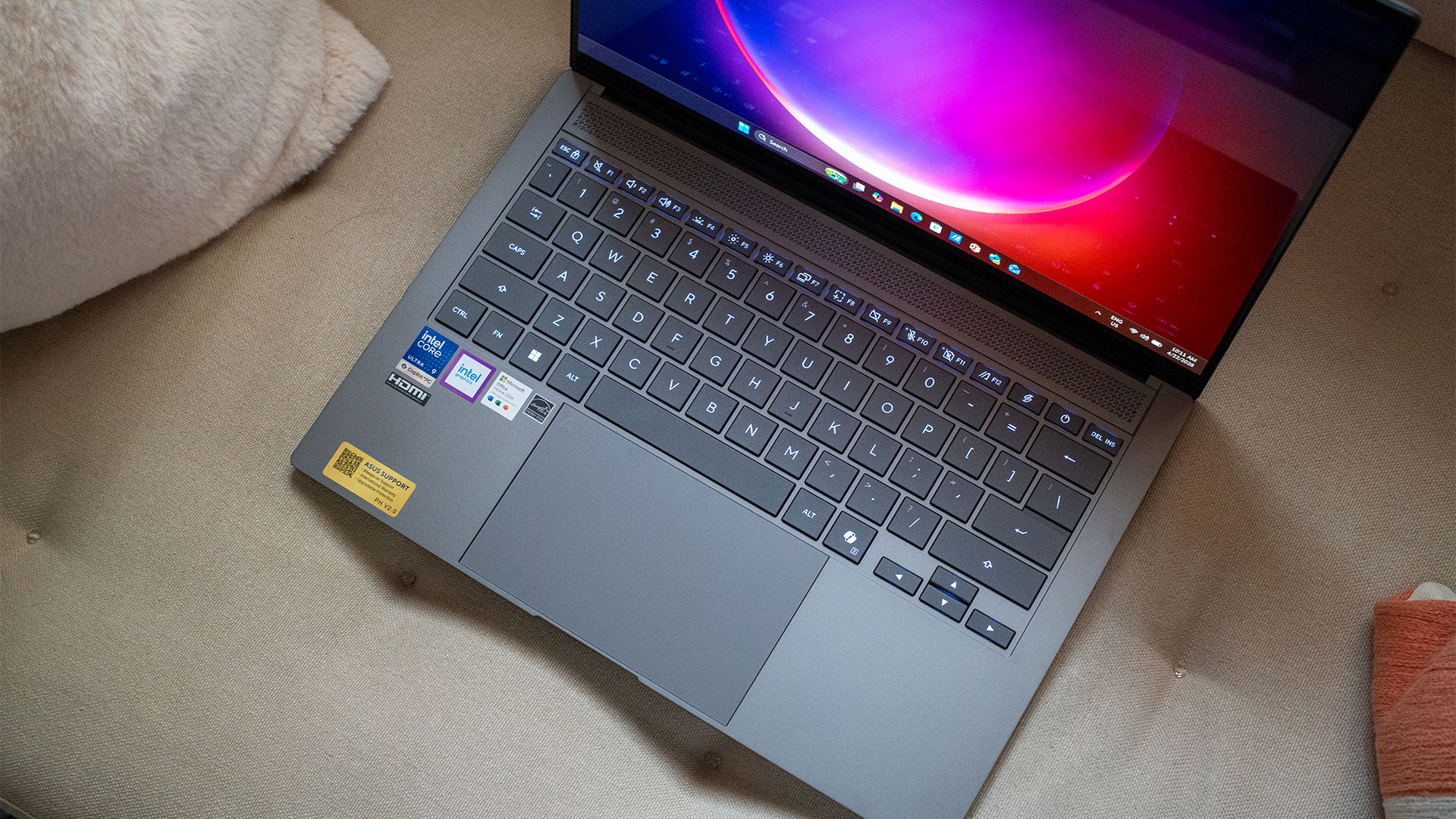
While I’m confident that the battery can last from morning to evening based on my experience, I’d still take a charger with me because of the heavy nature of my work. That said, if you’re more used to normal office work, this notebook can get you through the day with no issues.
If you do need a charger, the package comes with a compact brick that barely makes any dent on your kit’s total weight. It’s also rated for 68W wired charging, which can fill the battery up from empty in just around 90 minutes.
Is the ASUS Zenbook S14 your GadgetMatch?
Alas, here’s the rub: The Zenbook S14 isn’t friendly on your wallet. The notebook costs PhP 129,995. For what the notebook is, the price tag feels a bit too much. At that price, you might want to get a hardier device with more robust specs.
Swipe Left if you prefer a daily notebook with top-of-the-line specs, or if you’re a gamer looking for a platform to play on.
However, if you’re looking for the ultimate portable buddy for your daily kit, the Zenbook S14’s impressive weight and profile makes this a Swipe Right.

The HONOR 600 is one of many midrangers in 2026 taking a bite out of Apple.
A lot of them share a silhouette and general look that evoke the iPhone 17 series. That much is obvious at a glance.
That aside, the HONOR 600 also feels like a “mini me” of its flagship sibling — particularly the Magic series — because of familiar button placements and MagicOS 10.
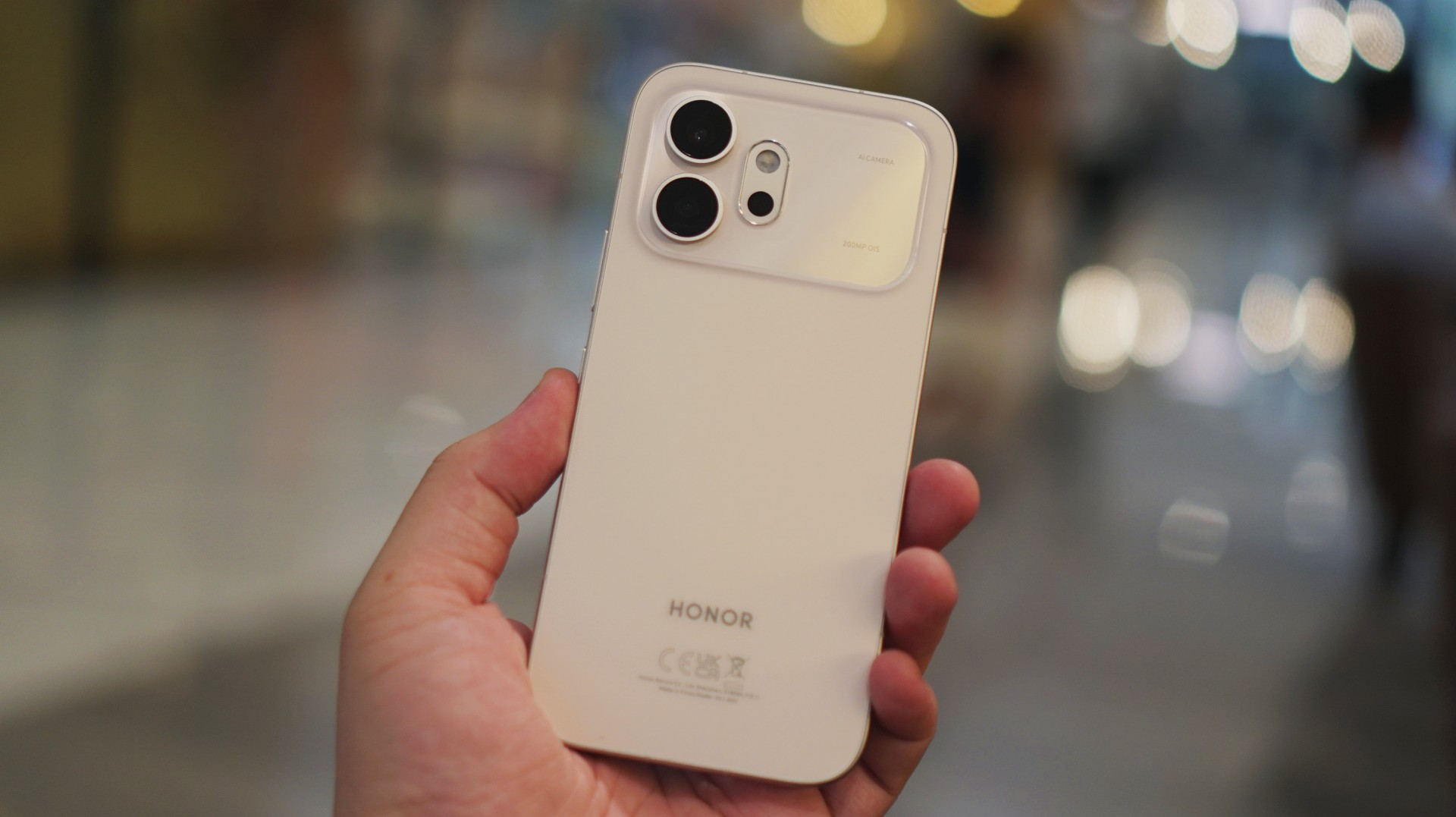
It’s the kind of familiarity that doesn’t feel lazy. It feels intentional — like HONOR knows exactly what parts of the experience are worth keeping consistent across devices.
I personally am already quite familiar with the “magic” of MagicOS, so there was little friction for me here.
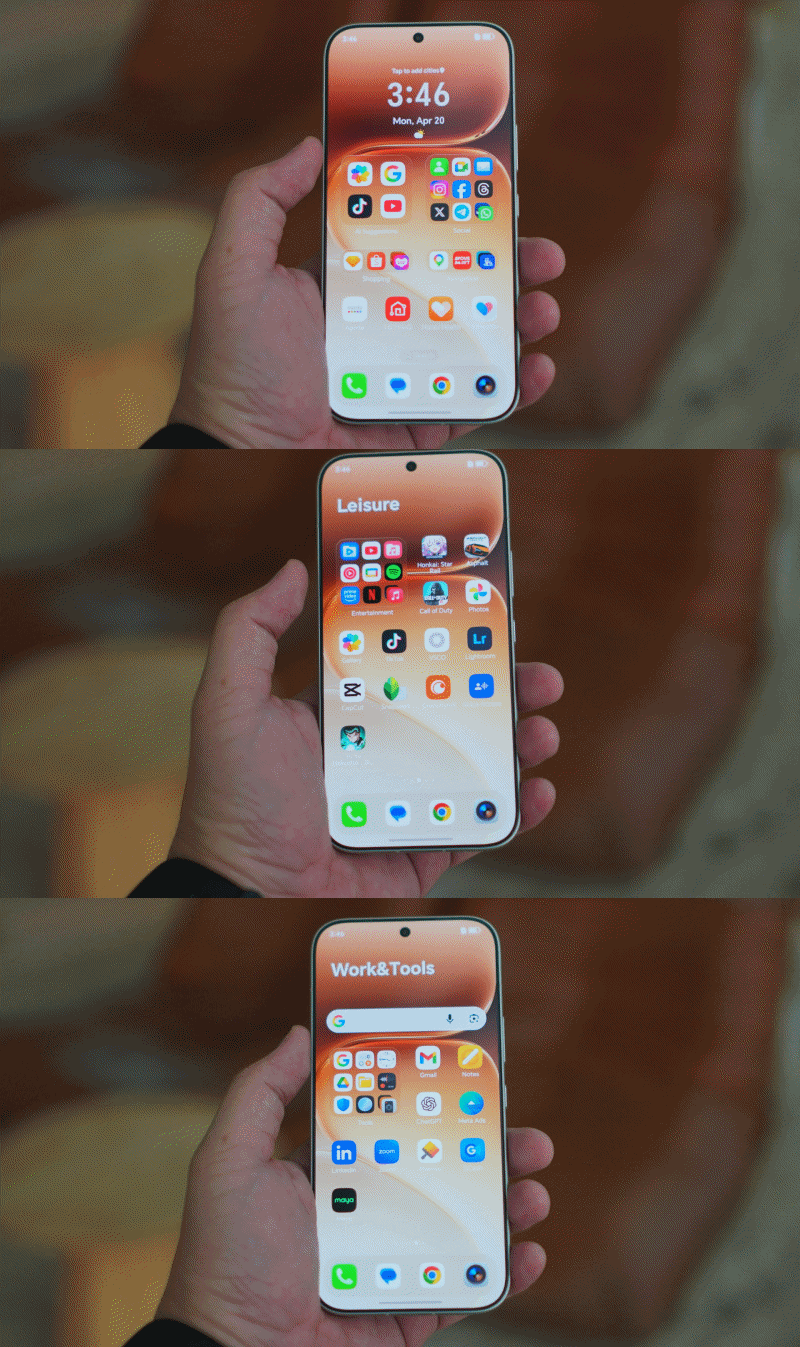
One thing I appreciate: the convenience of letting the OS group your installed apps for you. It’s a godsend for someone like me who has to deal with multiple phones at any given time.
I suppose that can be helpful too for people who can’t immediately allot time to set up their phone. Although, I’d still say carve out time to do this. I digress.
Familiar, but comfortably so
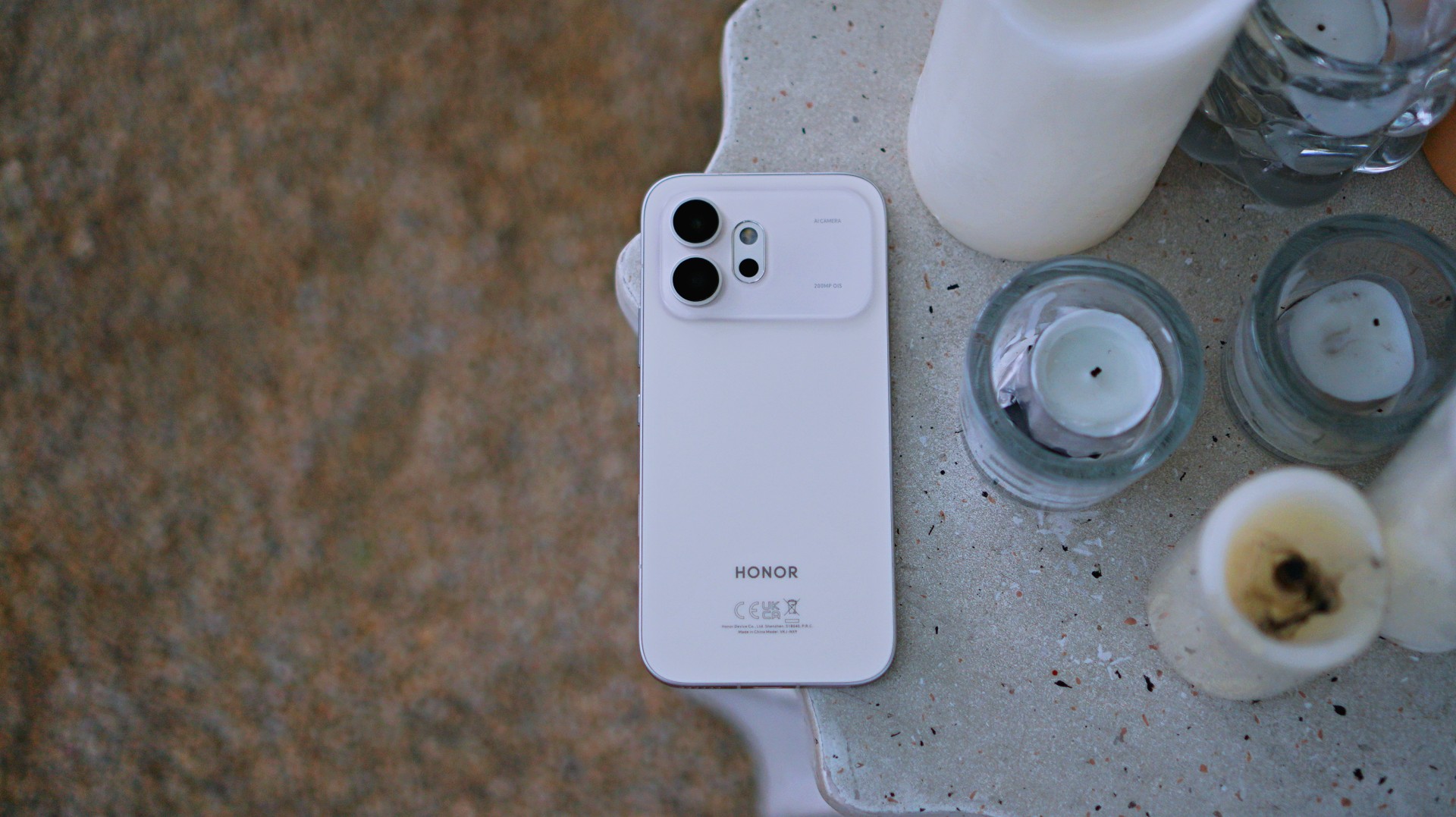
The HONOR 600 doesn’t try too hard to reinvent things.
Instead, it leans into what already works — both visually and functionally. That familiarity makes it easy to pick up and settle into, whether you’ve used an HONOR device before or not.
It’s the kind of phone that doesn’t demand your attention. It just fits into your routine.
Cameras that hold their own (and then some)

Like most base midrangers, the HONOR 600’s shooters are a step or two above “serviceable.”
In fact, I’d call it pretty darn good overall — especially if you stick to its zoom capabilities, limited as they may be to my liking.
I was pleasantly surprised with how it performed when I brought it to a late night bar gig. Unstable lights. Lots of movement. Generally low light sources.




Still, it captured decent stills of the stage and our food.
The video did pretty alright too. I managed to capture snippets of performances — the kind of moments I wouldn’t usually trust to a midranger — and walked away with clips that were usable.
They’re not sharpest out there, but these clips aren’t terrible for a base model midranger. There’s also the issue of the platform reducing the quality upon upload so there’s that.
@rodneil Piece of This by P.O.T #PieceOfThis #POT #OPM ♬ original sound – Rodneil
Of course, it helped that we were seated pretty close to the stage, so the 4X max optical zoom for photos and 2X max optical zoom for videos worked out just fine.
@rodneil Fallen On Deaf Ears by #Urbandub ♬ original sound – Rodneil
Also quite happy that it has HONOR’s Classic, Vibrant, and Authentic shooting presets.
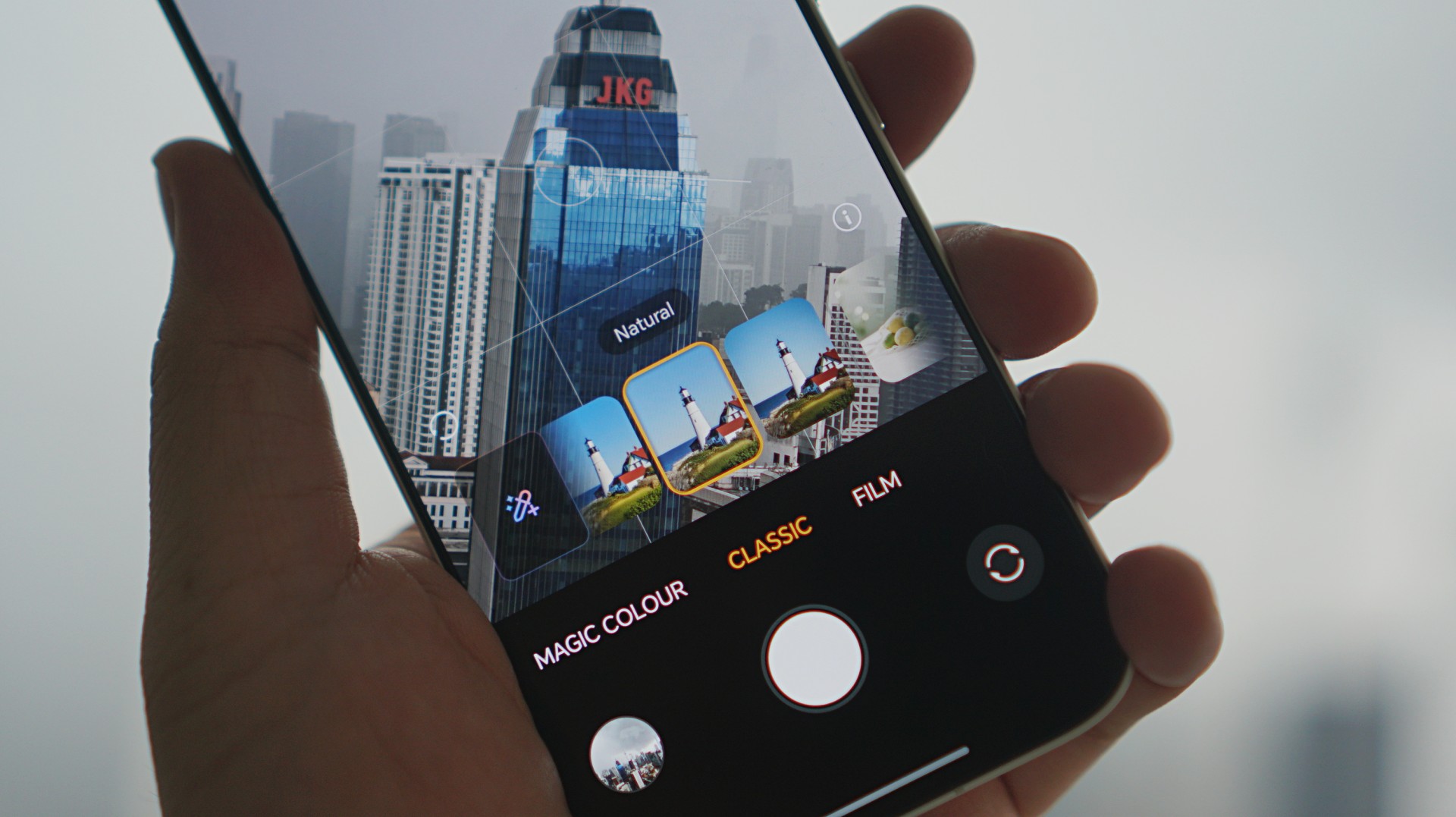
I’m particularly fond of the Authentic preset.
-

- Classic
-

- Authentic
Took it to pizza with the boys.






Snapped a few snaps during late lunches in Kuala Lumpur.

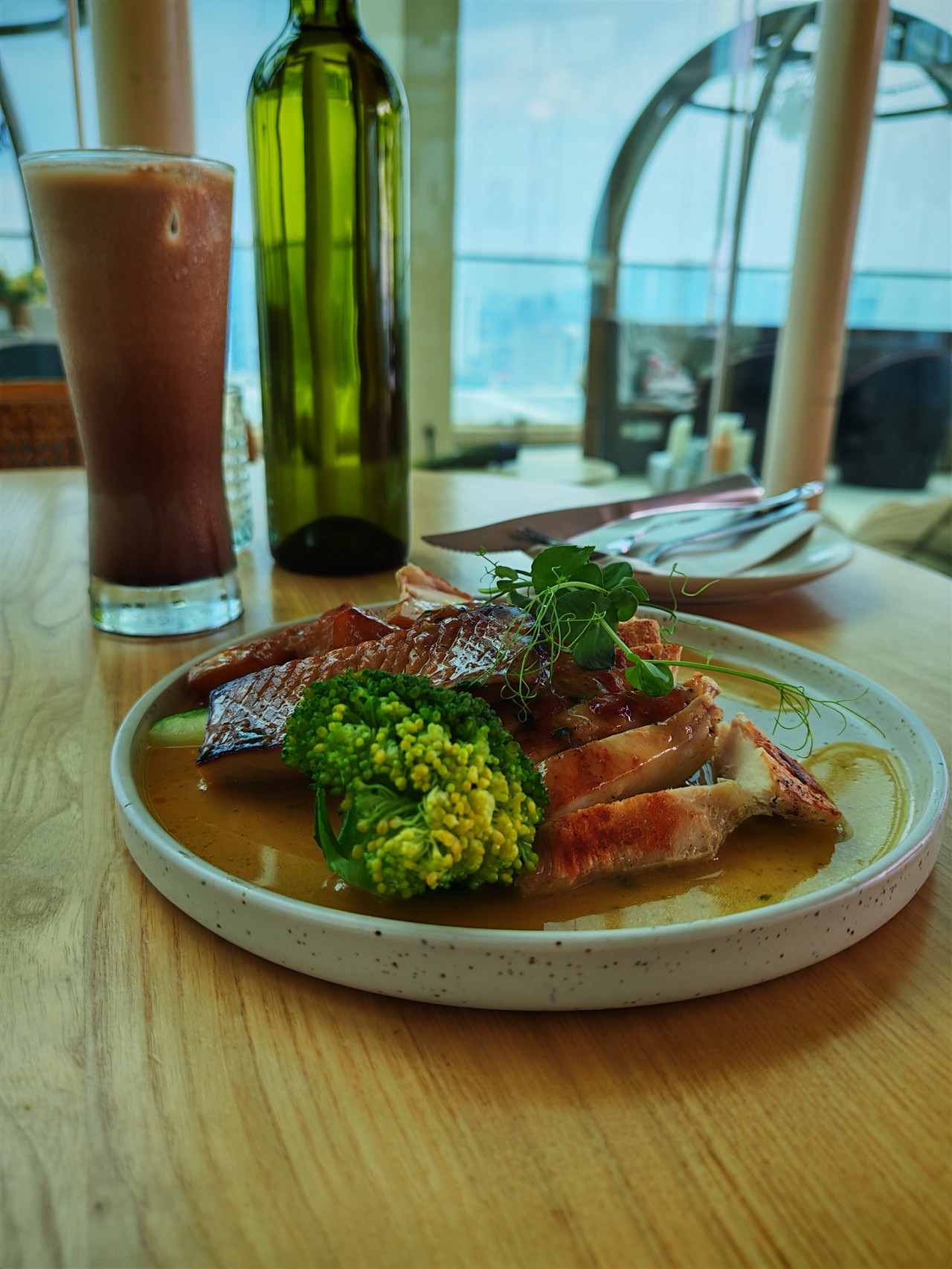


These are the kinds of moments most people actually use their phones for — not staged shots, not perfect lighting. Just real life. And in those situations, the HONOR 600 holds up.










I’m fairly confident that anyone buying this will be relatively satisfied with the cameras in most scenarios — except those that require zoom, which doesn’t seem to come up for most people anyway.
Although I did experience a bit of lag when shooting. Nothing dealbreaking. Just something to watch out for.
AI experiments, for better or for later

The HONOR 600 also comes with AI Image to Video 2.0 — one of its headline features.
I’ll be honest. I didn’t feel compelled to play with it. My feelings towards AI remain… complicated.
At the risk of sounding hypocritical, I had some fun with the first iteration before — adding motion to my “harem of married men” in the Philippine tech media landscape — and I’ve seen others create everything from heartfelt clips to genuinely funny ones.
So, I get the appeal.
I had a bit of fun with it again with this “Henshin” clip.
@rodneil“Henshin” HONOR 600 AI Image to Video 2.0 test. @honorglobal♬ original sound – Rodneil
It still leans in the “AI Slop” category for me. That’s why despite the “fun”, part of me still feels a bit apprehensive using it.
That said, I can commend HONOR here.
The Number Series feels like the place where they experiment a bit — where they play around with new features like this — while still making the device competitive in the midrange category.
The continuity, and the intention to build on good things, is nothing to scoff at. It feels like a nice progression.
Now Playing: Hayley Williams, Perfect Crown, and LE SSERAFIM
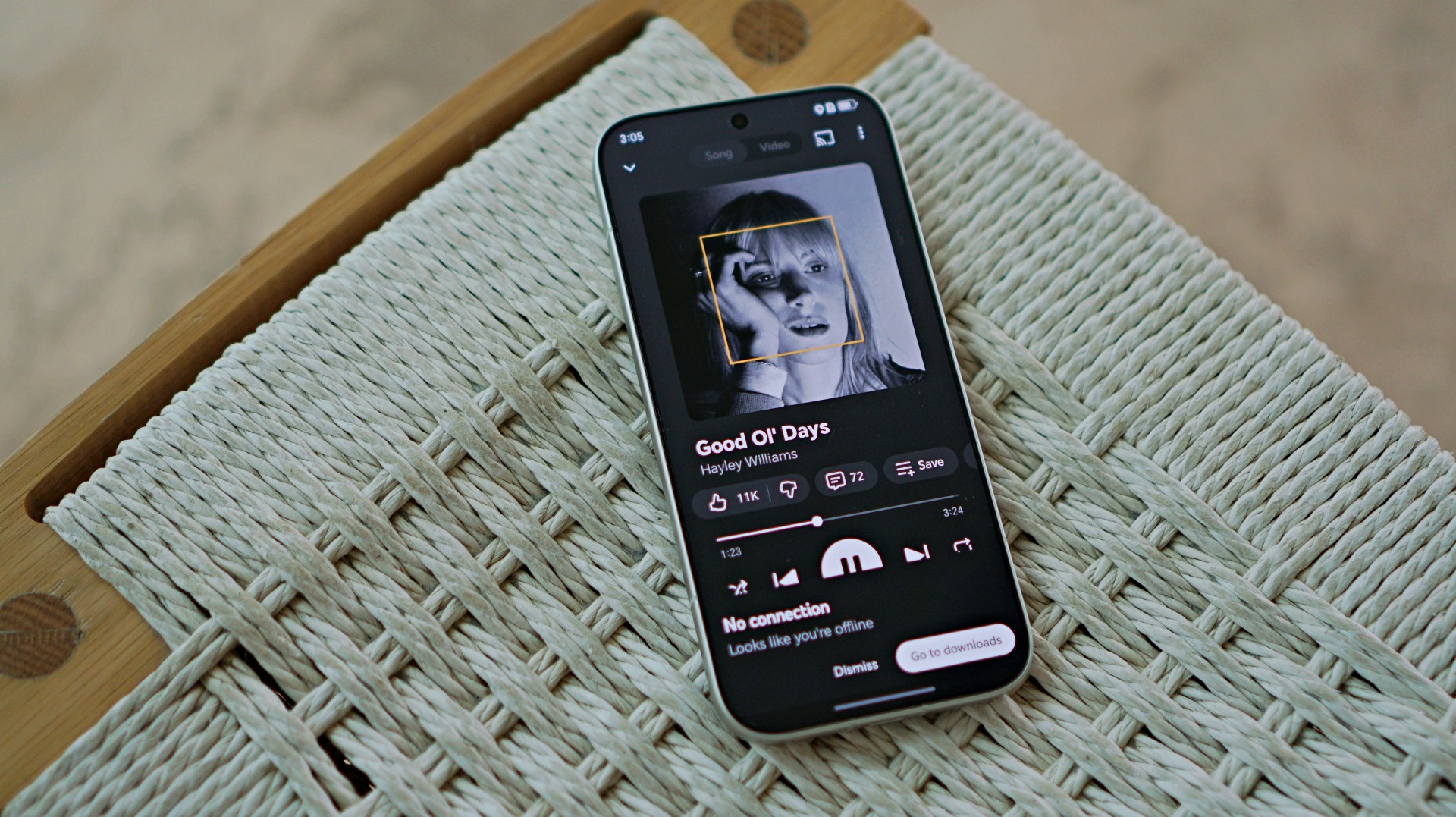
“I miss you like I miss the rage”
My Reels and TikTok feeds have been pleasantly bombarded with fancams of Hayley Williams on tour. That’s why the song I’ve had on repeat lately is “Good Ol’ Days” by Miss Paramore herself.
Audio was a pleasant surprise. The HONOR 600 produces more full and rounded sounds than a base model flagship smartphone I used a few months ago.
On the display side, it holds up just as well.




I’ve been watching Perfect Crown on Disney+ — a refreshing little romcom with sprinkles of familial trauma and political intrigue — and the phone shows off its colors properly.
Same goes for LE SSERAFIM’s “PUREFLOW” trailer, which honestly feels like a short film in itself. The color, the sound — everything looked and sounded fantastic on the HONOR 600.
I have to admit I didn’t play much on the phone.
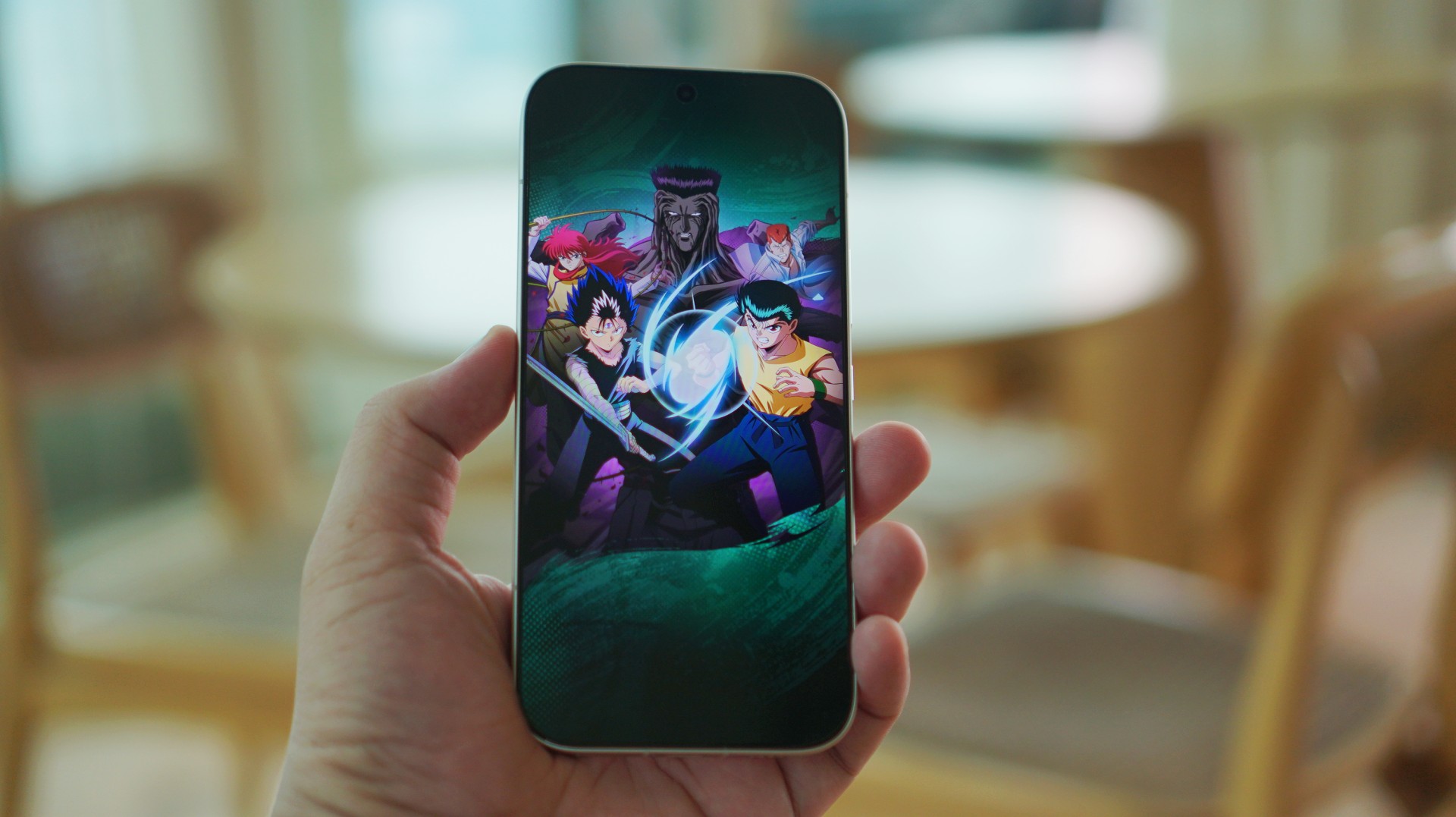
I downloaded one of those Yu Yu Hakusho games that’s been all over my algorithm. Turns out it’s an auto-battler at first. Not really for me.
The phone ran it with no problems at all.
Battery that keeps up with your pace
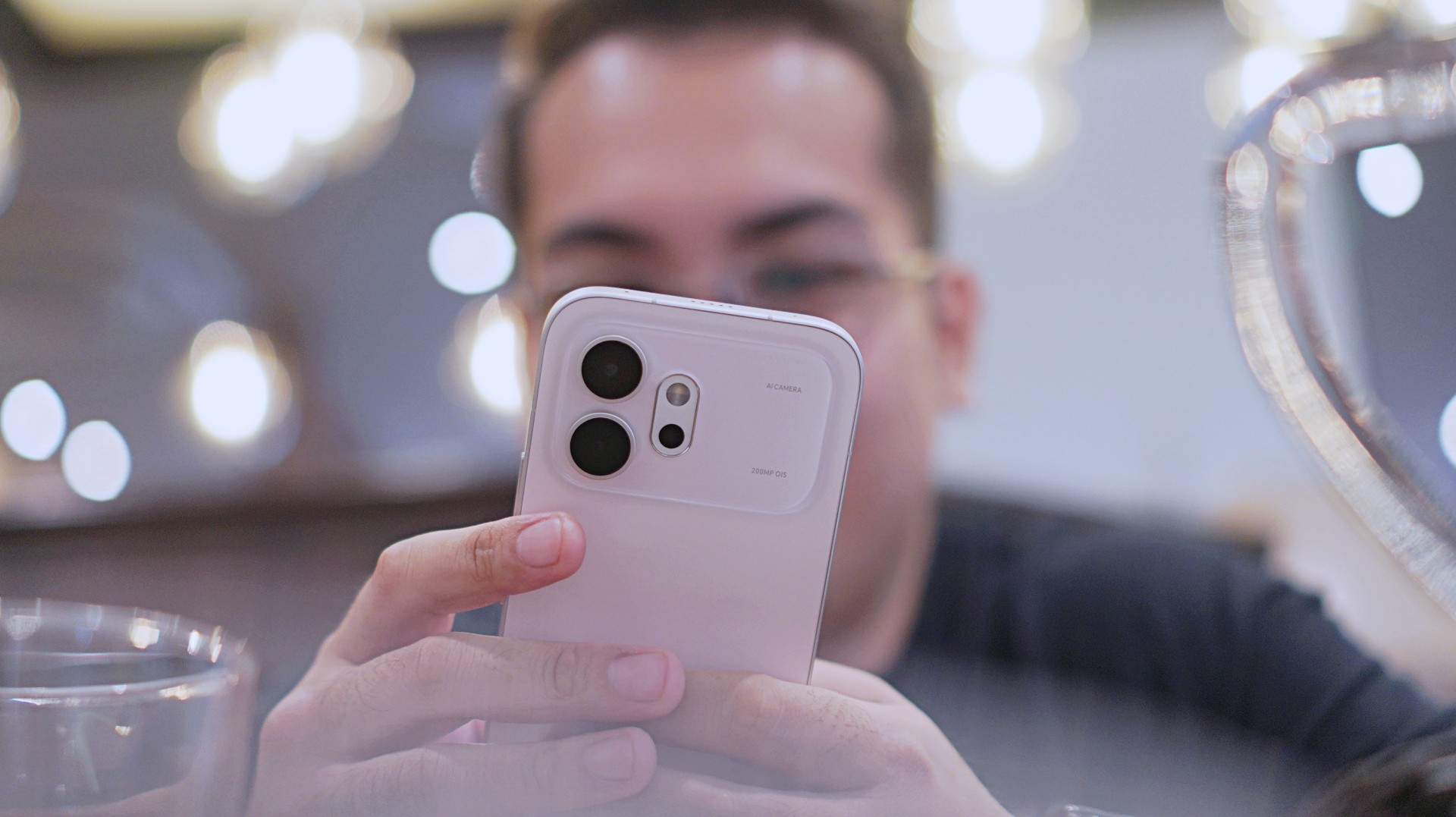
I never pushed the HONOR 600 to the extreme. Just regular daily use. And in that scenario, I never felt any urge to plug in in the middle of the day.
I was just in my usual flow — using the phone as I would any other — and then charging it when I got home.
I didn’t exactly monitor the charging speeds either. It just always felt pretty quick. About two to three 10-minute YouTube videos quick.
Price and availability
The HONOR 600 is positioned squarely in that “accessible flagship” or upper midranger space — and the pricing reflects that.
In Malaysia, the HONOR 600 (12GB + 512GB) is priced at RM2,599.
Pre-orders run until April 29, 2026. During this period, buyers get a RM200 instant rebate along with a free HONOR CHOICE Watch 2 Epic and added protection bundles including extended warranty and damage protection.
General availability begins April 30, 2026 via HONOR Experience Stores, official online platforms, and authorized retailers nationwide.
What’s interesting is how this pricing translates globally.
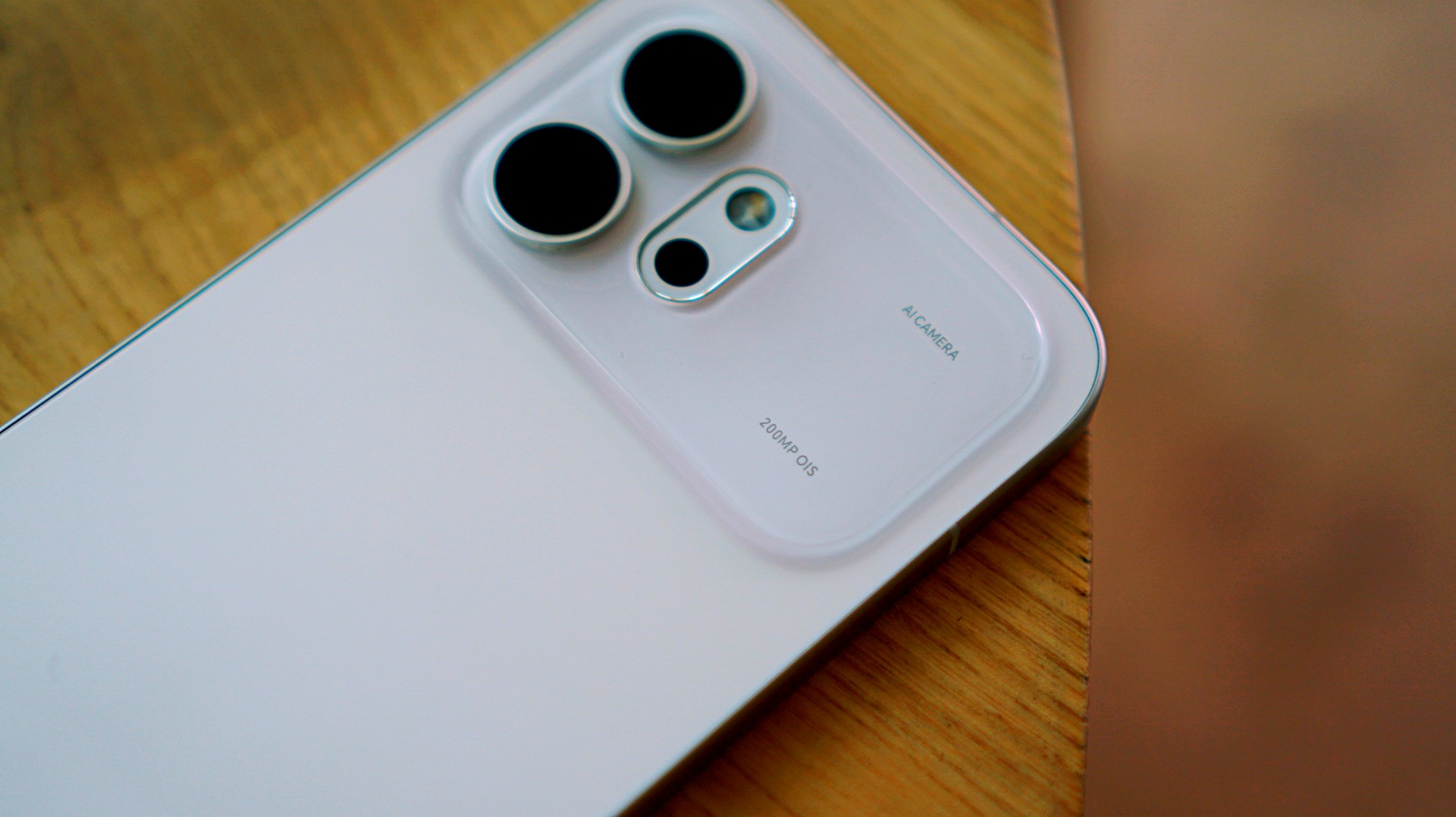
In Europe, the HONOR 600 starts at €649.9 for the 256GB model and €699.9 for the 512GB variant. With launch coupons applied, both effectively drop to €499.9, bundled with 12 months of screen insurance.
Meanwhile, the HONOR 600 Pro (512GB) is priced at €999.9, with a €200 coupon bringing it down to €799.9. Early buyers also get bundled freebies, including a tablet or projector, plus headphones for select orders, alongside the same 12-month screen protection.
In the UK, the HONOR 600 Pro (512GB) is priced at £899.99, while the HONOR 600 comes in at £549.99 for 256GB and £599.99 for 512GB. A Lite variant is also available at £369.99.
Taken together, the HONOR 600 lands right where it needs to.
Aggressive enough to compete, but still positioned as a step below full flagship — reinforcing its role as a capable, everyday companion with a taste of more.

Specs at a glance
- 6.57-inch AMOLED display, 120Hz refresh rate, up to 8000 nits peak brightness
- Qualcomm Snapdragon 7 Gen 4
- Up to 12GB RAM, up to 512GB storage
- 200MP main camera + 12MP ultrawide
- 50MP front camera
- 6400mAh battery
- 80W wired charging, reverse charging support
- MagicOS 10 (Android 16)
- IP68/IP69/IP69K water and dust resistance
Is the HONOR 600 your GadgetMatch?
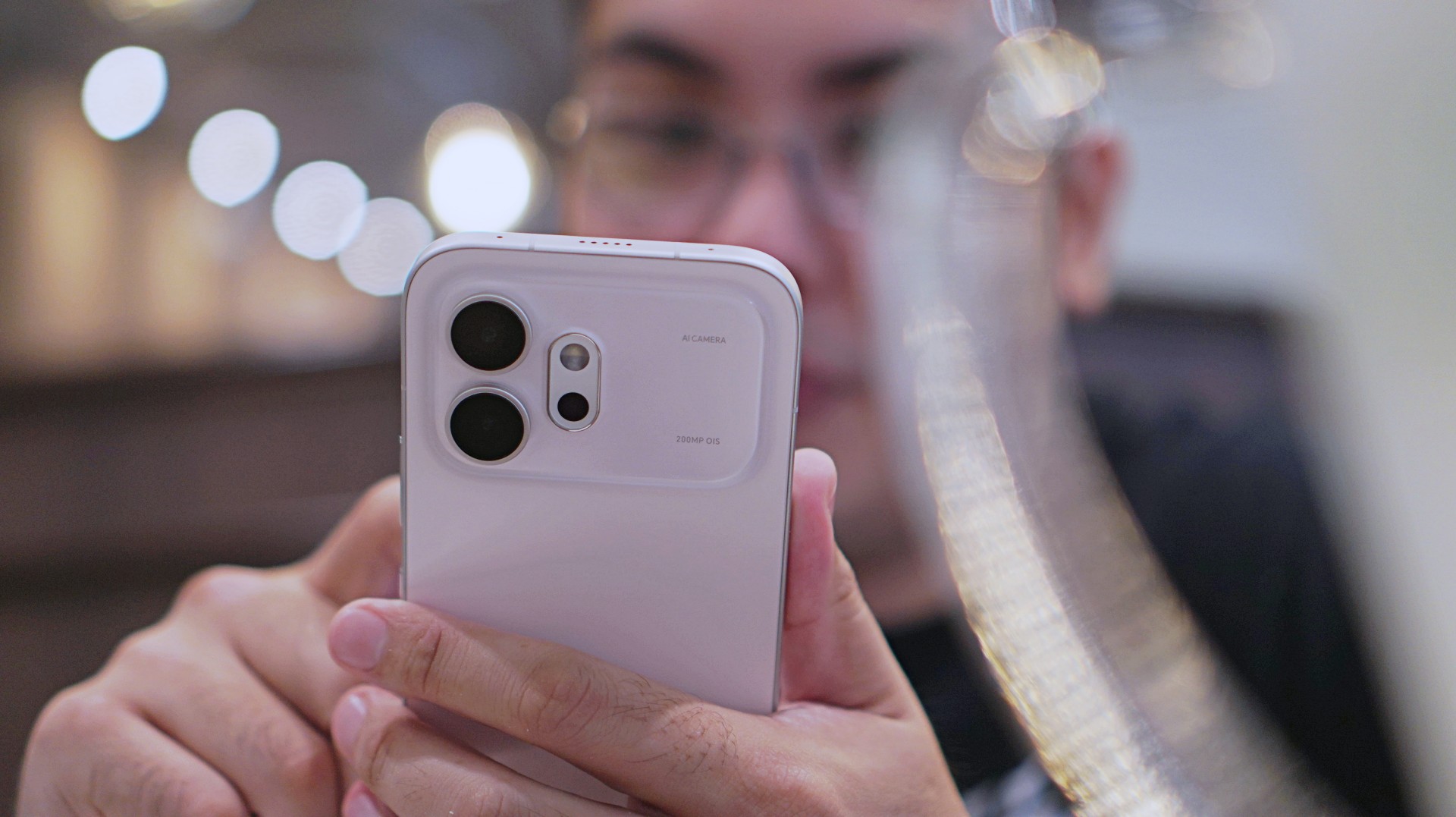
Midrangers these days often give you a taste of flagship things. The HONOR 600 is exactly that.
If you find yourself wanting more, then you step up.
If funds are still an issue, at least you know you’re getting a competent companion until you’re ready to level up.
It’s not trying to be everything. It’s trying to be just enough — while showing you what more could look like.
Because of that, the HONOR 600 is an easy Swipe Right.
Gaming
Marathon review: You will lose everything but queue again
Brutal runs, high-stakes firefights, and a loop that punishes you into coming back.

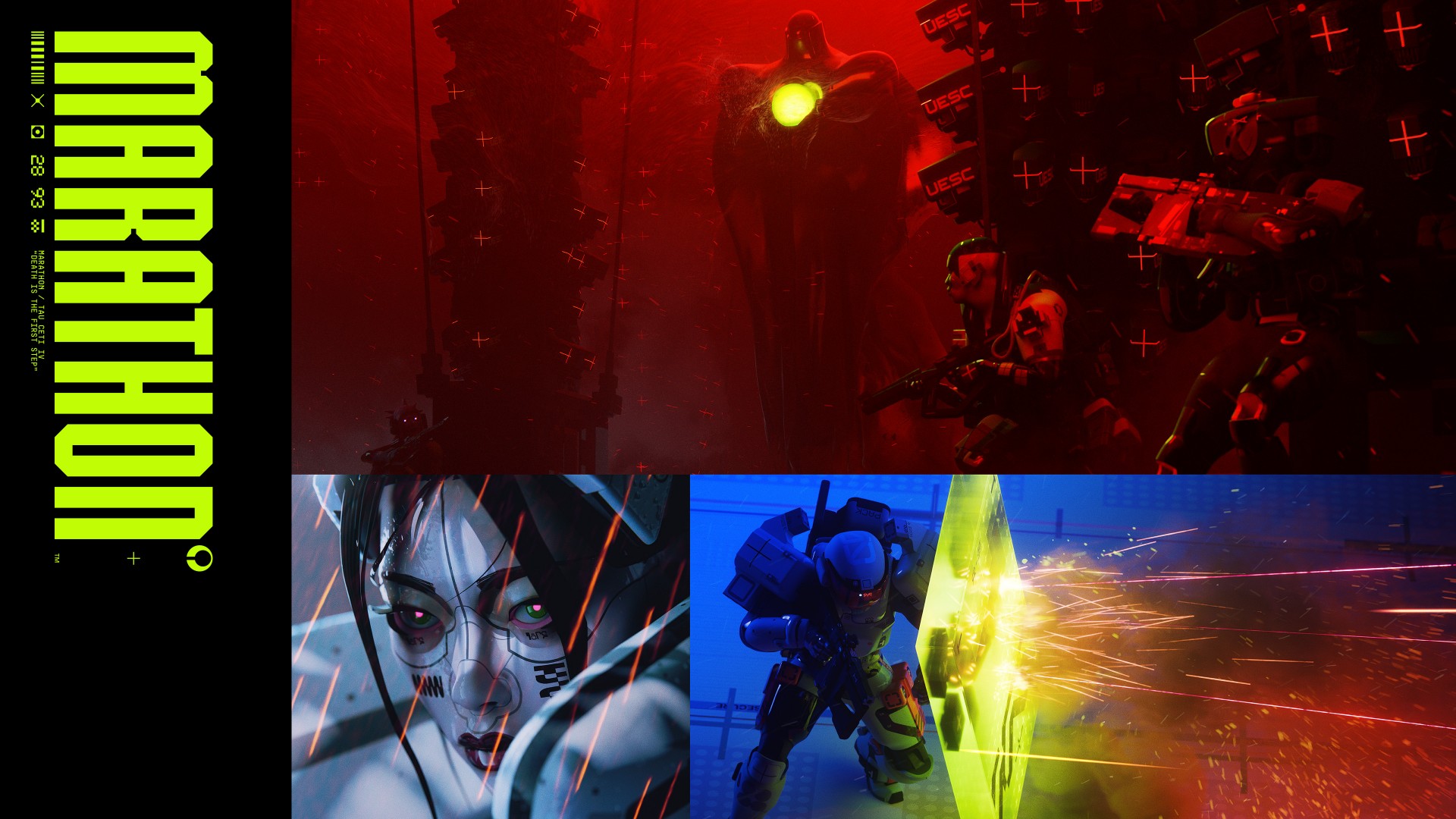
You don’t drop into Marathon expecting mercy. You drop in expecting silence—broken only by the scrape of boots on alien metal and the echo of your own breath inside a suit that feels one size too tight. Every run is a gamble. Every corridor feels like a question you aren’t ready to answer.
In Marathon, you’re not the hero. You’re a runner—hungry, ambitious, expendable. Extraction isn’t guaranteed. Survival is never promised. What you carry out is what you earn.
First taste? Yeah, it bites back
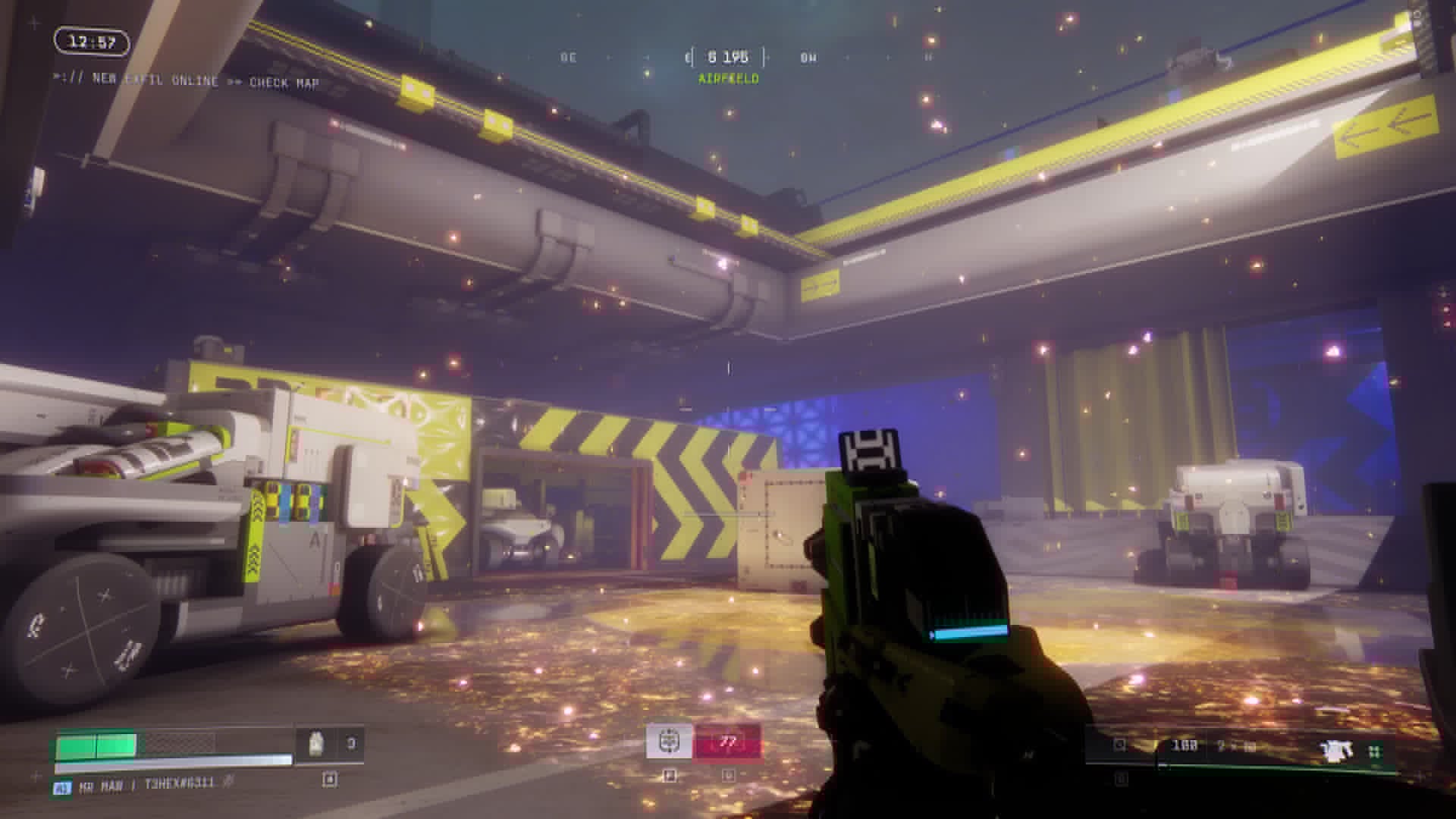
A quick disclaimer: Marathon is my first extraction shooter. I’ve spent plenty of time with first- and third-person hero shooters, so I’m not new to the “shooter with abilities” formula—but this is a different beast entirely.
My first few runs were brutal. Extraction shooters introduce a level of tension I wasn’t prepared for. Losing everything on death raises the stakes in a way few other genres do. Fighting UESC bots alone is already challenging—their AI is surprisingly aggressive and reactive—but once you factor in other players who will shoot you on sight, the experience quickly becomes overwhelming.
First run, first lesson: Nothing is yours
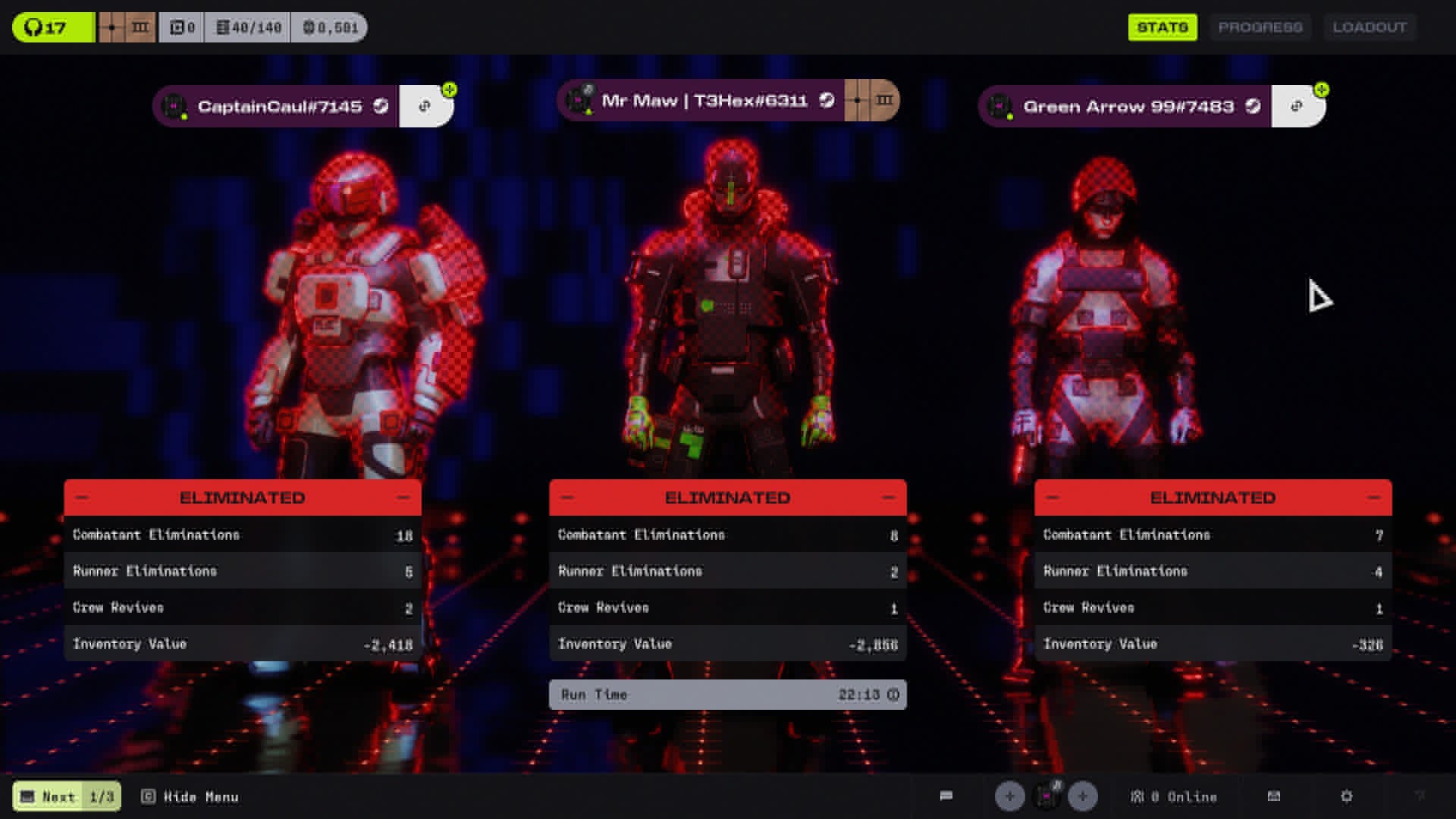
My first deployment was on Perimeter with two random teammates. We spawned near the Hauler, a massive land vehicle on the west side of the map. Not knowing what we were getting into, we went inside—only to find it packed with UESC bots.
Our team’s Destroyer, the tank of the group, went down first, though not without taking a few enemies with him. As the Triage—Marathon’s support/healer role—it fell on me to revive him. I managed to clear the remaining bots, but burned through all my ammo and consumables in the process.
My reboot ability, which allows for ranged revives, wasn’t ready yet, so I attempted a manual revive. That’s when a UESC ghost appeared out of nowhere and dropped me in two shots from behind.
With both of us down—reduced to loot bags—it was up to our Assassin, who had been lurking nearby. He popped a smoke screen, revived me first, and dropped a couple of patch kits. I immediately used my reboot ability on the Destroyer, grabbed a kit, and deployed my healing drone. Somehow, we stabilized.
We cleared the Hauler, looted better gear, and decided to extract early. But on the way to exfil, another team ambushed us. The fight wasn’t even close—we were wiped instantly.
Then came that dreaded screen: elimination, along with a breakdown of everything we’d just lost.
That moment defined Marathon for me.
The game doesn’t need to cheat—you’ll die anyway
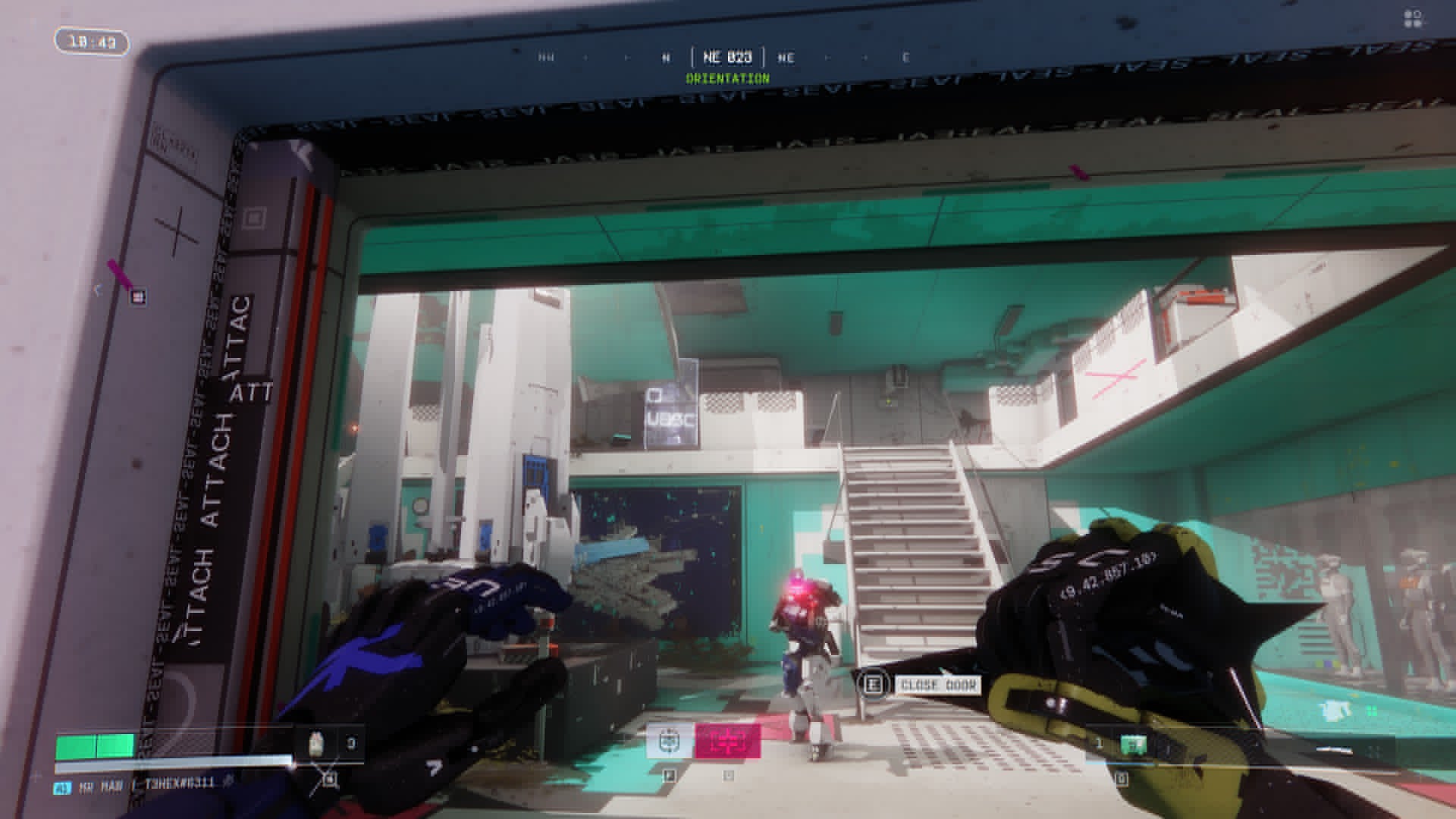
The UESC bots are no joke. Some strafe and dodge gunfire, others rush you down with melee attacks, and some will snipe you from rooftops with lethal precision. There are grenadiers that bombard you relentlessly, shielded elites that soak damage, and ghosts that move quickly and unpredictably.
Each map also features a Warden boss—something you absolutely shouldn’t underestimate. I learned that the hard way.
Beyond bots, there are additional threats like Ticks, turrets, and drones. Environmental hazards are just as dangerous: toxin plants, explosive claymores, heat cascades, and frost rooms can all end a run if you’re careless.
Loud, neon, and unapologetically weird
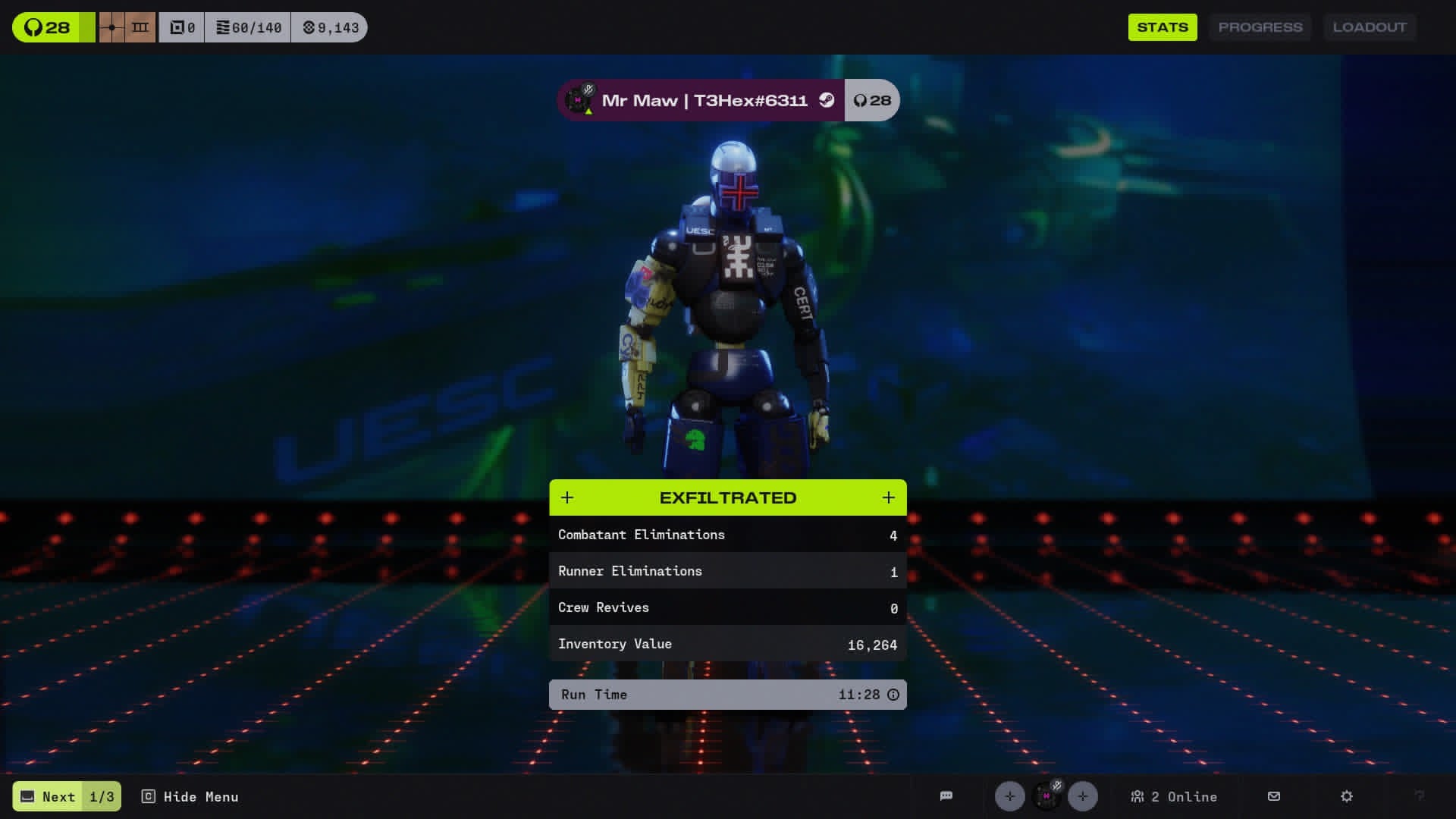
As a fan of cyberpunk and utilitarian sci-fi, I love Marathon’s visual style. It won’t appeal to everyone, but it’s undeniably distinct.
Where many shooters lean into muted palettes and desolate landscapes, Marathon goes in the opposite direction—bold, high-contrast visuals with rich neon tones. It’s a risky choice, but it pays off. The aesthetic not only stands out but also reinforces the game’s tone and identity.
If you’re not listening, you’re already dead
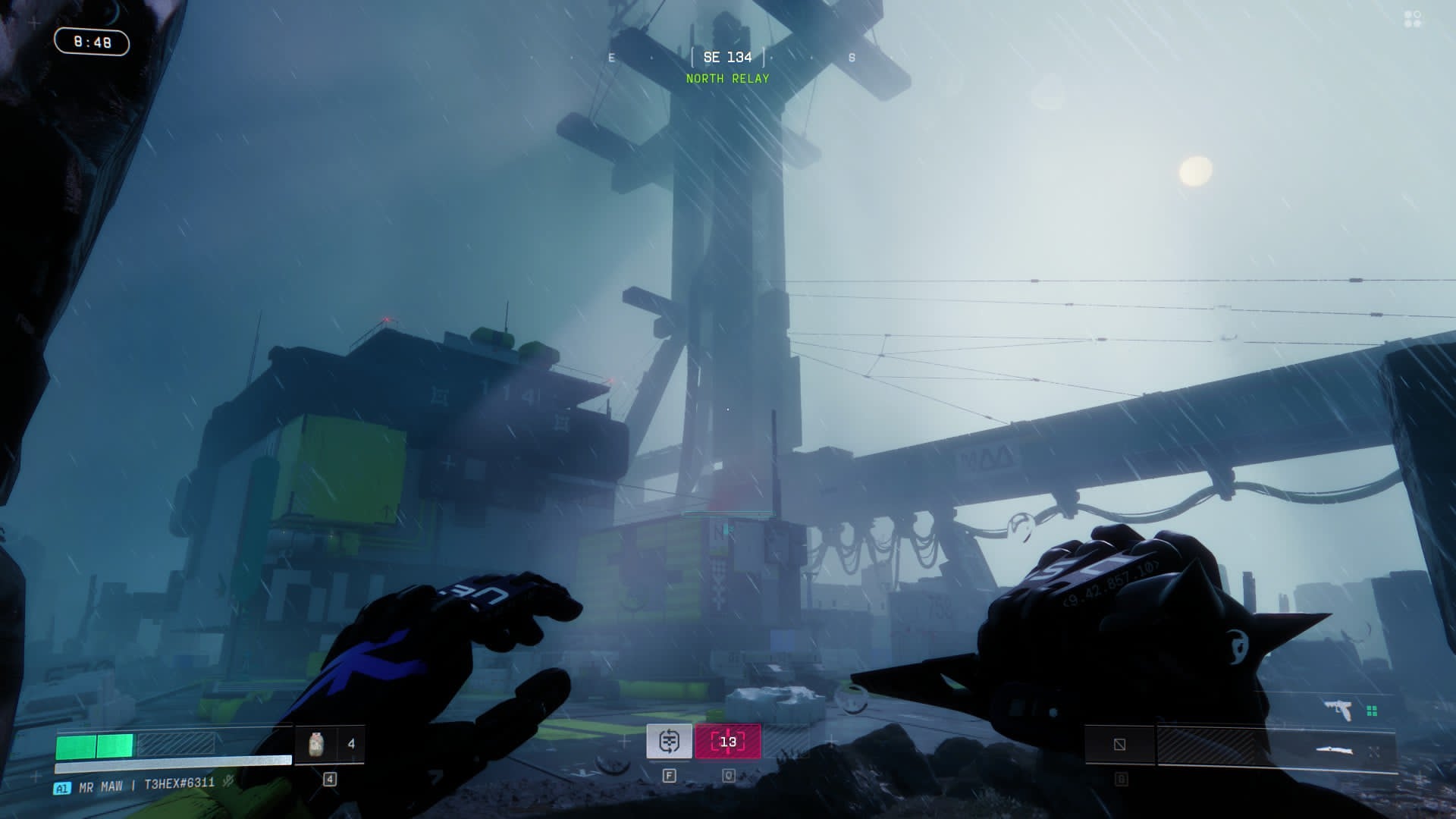
The audio design is one of Marathon’s strongest elements. The soundtrack is filled with high-energy tracks that heighten tension, and subtle shifts in music often signal danger before you even see it.
Sound cues are everything here. Sprinting produces loud, unmistakable footsteps. Even walking can give you away if you’re not careful. Crouch-walking is quieter, but not silent—nearby players can still hear you.
Everything makes noise. Opening containers, interacting with objects, even doors—especially doors. The larger they are, the louder they sound. I’ve never paid this much attention to audio in a shooter before, and Marathon trains you to listen or die.
The guns? Yeah, they carry this game
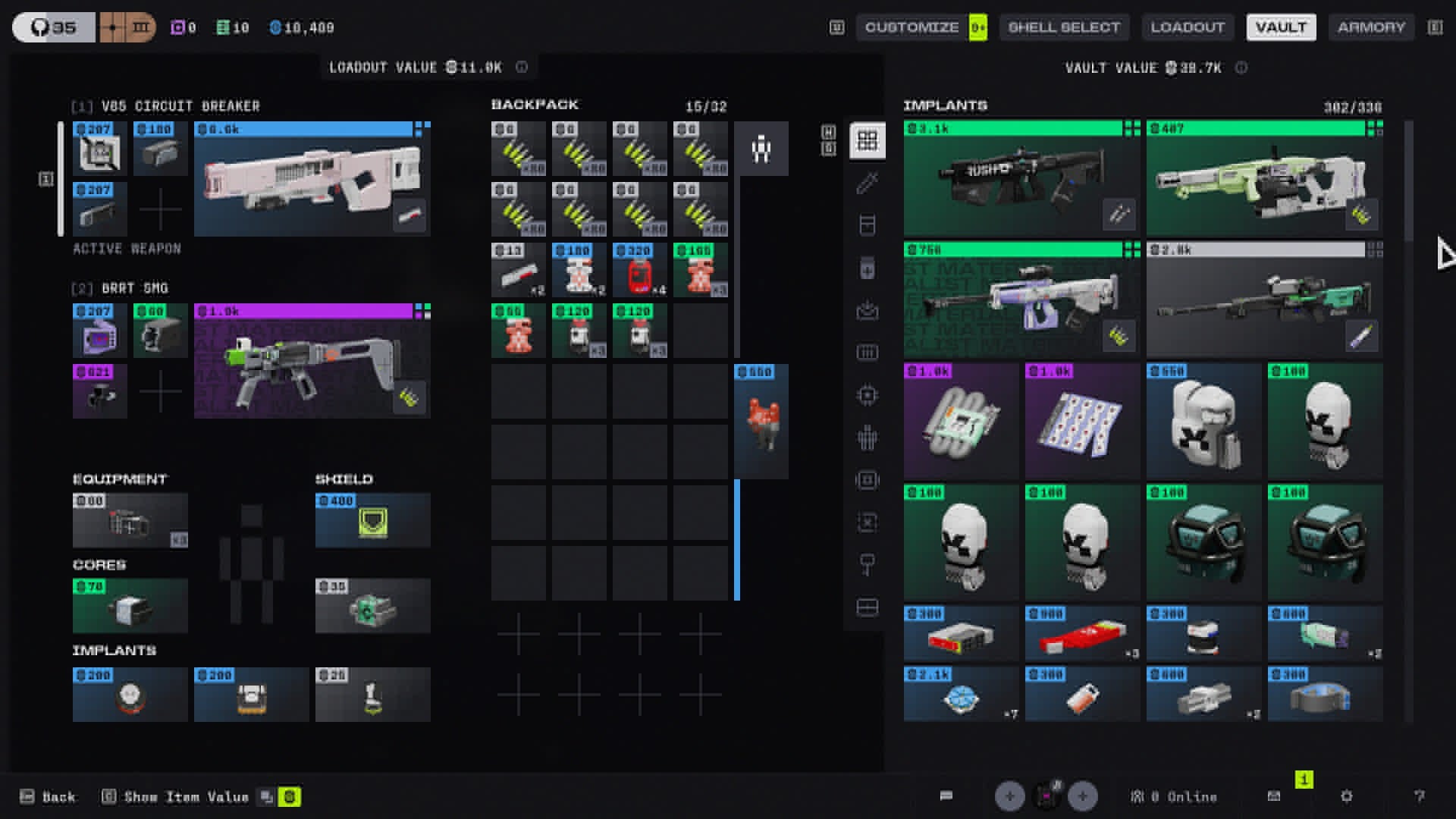
Gunplay is easily the highlight of the experience.
At launch, Marathon features 28 weapons across eight categories, covering everything from close-quarters combat to long-range engagements. Standouts include the M77 Assault Rifle, V75 Scar, Bully SMG, V22 Volt Thrower, Demolition LMG, WSTR Combat Shotgun, Longshot sniper, Ares RG Railgun, and the V11 Punch pistol.
Weapons can be heavily customized with mods and attachments that don’t just tweak stats—they fundamentally change how guns behave. Putting a stack overflow mod chip on a WSTR Combat Shotgun suddenly gives you four bullets instead of two. Unique gold mods like the Overcharge Lens for the V22 Volt Thrower turn the SMG into Halo’s Needler.
The result is a system that rewards experimentation and mastery. PvP encounters feel incredibly satisfying once you get the hang of it—landing headshots, timing abilities, and outplaying opponents creates moments that keep you coming back.
Great style, messy menus
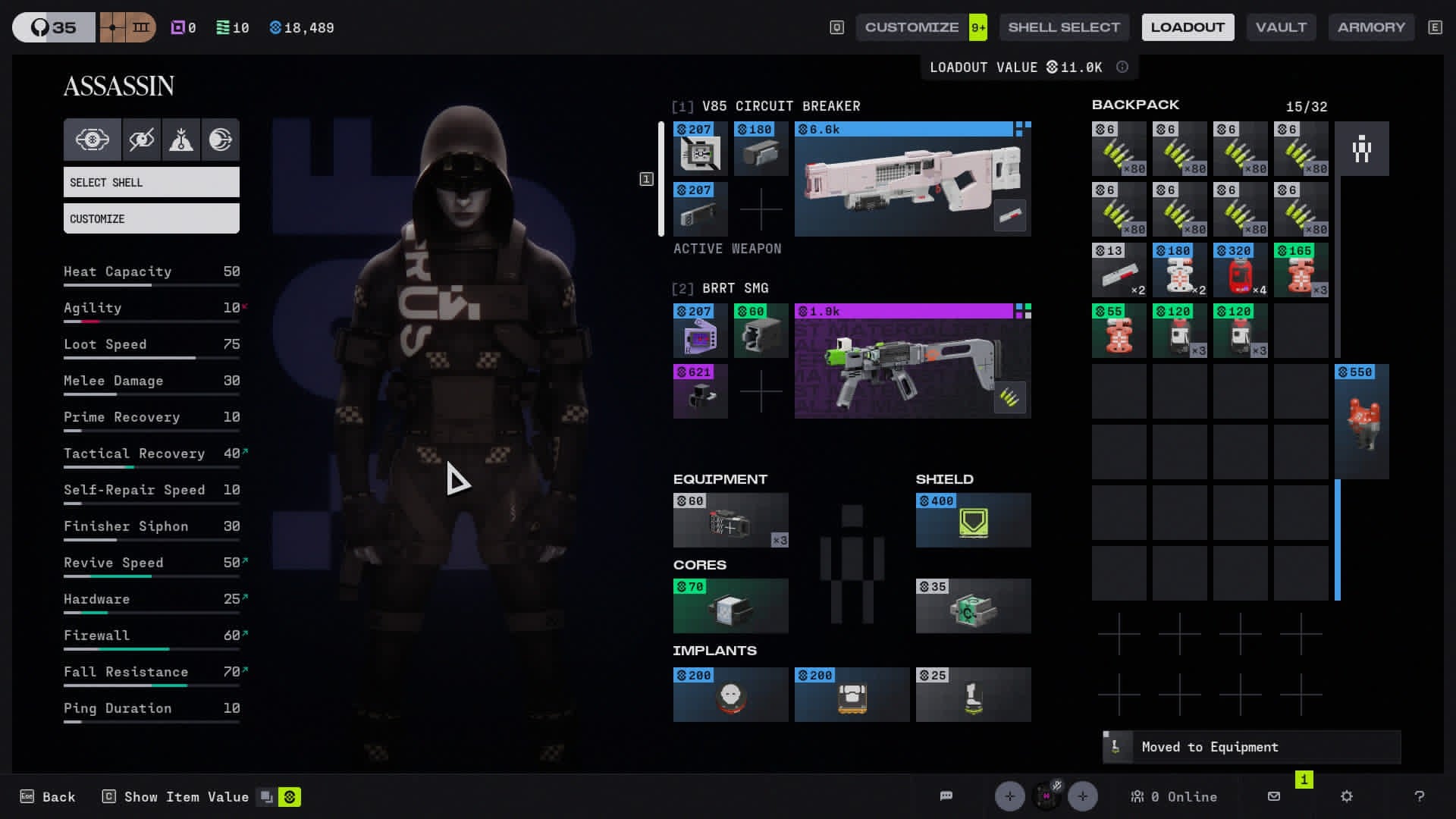
Visually, the UI aligns well with the game’s aesthetic. The UX, however, needs improvement.
Inventory management can be frustrating. Many items look nearly identical, and mods often differ only slightly in appearance. You’re forced to hover over items and read tooltips to distinguish them—something that feels at odds with the game’s fast-paced, high-risk nature.
In a game where every second matters, clarity is crucial. I’ve lost runs simply because I was stuck comparing item tooltips mid-loot.
Additionally, some font choices feel inconsistent and occasionally jarring, which further impacts readability.
It punishes you—and that’s the point

Marathon is not a game that welcomes you—it tests you. It punishes hesitation, rewards awareness, and demands that you learn quickly or lose everything.
As a first-time extraction shooter player, the experience was overwhelming at first, even frustrating. But beneath that harsh learning curve is something deeply compelling. The tension of every run, the satisfaction of a successful extraction, and the adrenaline of unpredictable encounters create a loop that’s hard to walk away from.
Its strengths are clear: tight, satisfying gunplay, exceptional audio design, and a bold visual identity that sets it apart from its peers. At the same time, it isn’t without flaws. The UI/UX friction, particularly around inventory management, can actively work against the player in critical moments.
But maybe that friction is part of what defines Marathon. It’s not just about surviving the map—it’s about managing risk, making fast decisions, and accepting that sometimes, you’ll lose it all anyway.
And yet, you queue up again.
Not because it’s forgiving—but because it isn’t.


ASUS Zenbook S14 (2026) review: The perfect portable buddy
At only 1.1cm thin and 1.2kg light, the Zenbook S14 fits in any daily kit.


HONOR 600 review: A taste of more
When midrange feels enough


Marathon review: You will lose everything but queue again
Brutal runs, high-stakes firefights, and a loop that punishes you into coming back.

Turn your nubia Neo 5 series purchase into a Geely car with this promo

Atome now allows in-app bill payments with Bayad partnership

Significantly better ChatGPT Images 2.0 launches
ASUS Zenbook S14 (2026) review: The perfect portable buddy

HONOR 600 Series debuts globally in Malaysia

The Changan Eado Plus officially lands in the Philippines

nubia Neo 5 series launches in the PH, starts below PhP 12K

Nothing Phone (4a) + (4a) Pro review

Razer Blade 16 (2026) packs more cores, faster memory

vivo X300 Ultra wants to beat the iPhone 17 Pro Max in pro video


-

 Cameras6 days ago
DJI Osmo Pocket 4 review: A solo creator’s production crew
-

 Reviews1 week ago
TECNO POVA Curve 2 review: Munch That Power Crunch!
-

 Reviews1 week ago
HONOR MagicPad4: A tablet that found its place
-
 News1 week ago
vivo X300 FE launches with ZEISS telephoto system
-

 Automotive6 days ago
Luxury you can ride: The Vespa 180cc Collection
-

 Hands-On1 week ago
Match Pulse: HONOR Pad X8b
-

 Entertainment2 weeks ago
BINI, KATSEYE among top worldwide Google Searches ahead of Coachella
-

 Reviews1 week ago
vivo V70 review: Pretty darn good for nights like this