


More Air than “Air”. More Pro than “Pro”. Non-verbatim, but this was the claim that Huawei boldly made during the regional launch of the MateBook X Pro (2024) held at Kuala Lumpur, Malaysia. The “Air” and “Pro” here pertain to the laptops made by Apple — MacBooks.
I had the privilege of spending a couple of weeks with the latest MateBook X Pro. Does it live up to the lofty standards it set for itself? The answer isn’t a clear cut yes or no – especially for someone like myself who prefers Macs over Mates (or any other productivity-leaning Windows laptops). But what Huawei has here is pretty darn compelling.
Air thin, Pro build
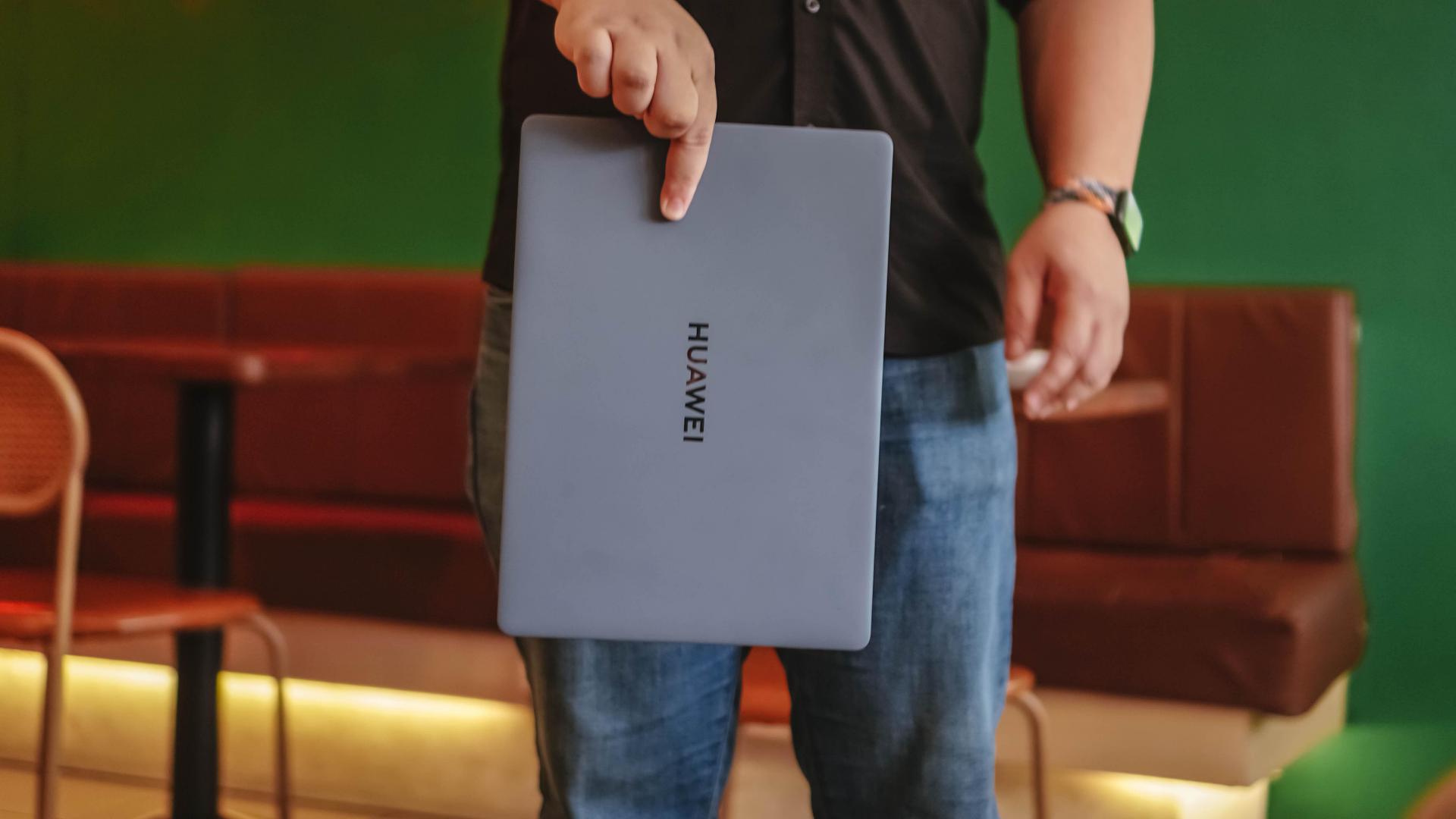
I’m gonna come right out the gate and say I wish there was a MacBook built exactly like this.
Screen size-wise, it sits in that sweet spot between the 13-inch and 15-inch MacBook air while retaining a similar level of thinness. The 15-inch MacBook Air M3 measures at 11.5mm while the MateBook X Pro comes in at 13.5mm. That’s a negligible difference for most people.
But that minute difference let Huawei put a key component that the MacBook Air does not: Fans. Specifically, the Shark Fin Fans. The importance of cooling cannot be understated. And while it’s more of a necessity for the MateBook because of the nature of its processor, it’s still quite a feat to add fans to such a razor thin device.
In case you’re curious, Huawei claims that the cooling tech they applied boosts performance by 37%. You won’t even hear the fan unless you’re actually pushing the laptop. For us, it only happened while playing games. More on that later.
Stunning look and feel

In terms of build quality, I absolutely give the edge to the MateBook X Pro. They’re calling it the “Skyline Design: Sleek at first sight,” and it certainly lives up to that billing.
It’s a little hard to put into words but every single design decision – from its shape, to the hinge, and all the way down to its finish – just screams premium.
Huawei says it’s made with magnesium alloy that is less dense but is stronger than aluminum and steel. It’s likely not a material that’s cost-effective which is why you don’t see it in more laptops. But it’s key in giving the MateBook X Pro an ultra-light feel. Icannot stress ultra-light enough because it’s one of the most important things about this device.

You see, I personally have been on a mission to make my daily loadout as light as possible. I’ve primarily switched to foldables to be able to do light work on-the-go. But there are tasks that are just simply more efficient on a laptop. And the MateBook X Pro is hands-down the lightest I have ever carried without compromising on performance.

It also has a matte finish that just feels so damn good to touch. I’ve had this laptop for a while now but whenever I use it I still find myself gushing at its finish in between moments of typing and thinking. Also, the matte finish isn’t all for show. It’s also scratch and stain resistant.
“Premium” just doesn’t fully encapsulate what it’s like to touch, hold, and feel the MateBook X Pro. At the risk of hyping it too much, it’s an experience that’s akin to opening gifts during Christmas morning as a child. It offers a sense of awe and wonder that stays with you for a while.
An executive’s pro partner

I always felt like a million dollars whenever I used the MateBook X Pro. And that goes beyond its undeniably well-crafted design and build. For most work tasks, this won’t leave you wanting.
As the Managing Editor, I dabble into a little bit of everything. However, none of my tasks are particularly demanding in terms of my need for raw processing power from my laptop. On days that I’m out and about, I rely on my foldable smartphones for many of my coordination and liaison duties. With those, I can also do a little bit of light writing and editing.
However, many days require hunkering down and spending plenty of quality time in front of a laptop screen and with a keyboard that feels satisfying to type on. In the days when my partner was the MateBook X Pro, it felt like I’m breezing to many of my deliverables. If anything, I was the only one who was slow. Skill issue.

Split screen helps with the less than stellar multi-desktop switching
On regular laptop work days, I have a couple of browsers with multiple tabs open. Nothing too crazy, just around 15 to 20. On top of that, I also have around four to five messaging apps open. Through these, I do everything from email and message correspondence, assigning articles to writers, copy editing, transferring video and photo files for our video editors to process, signing documents, and more. Pretty standard stuff. But never did I experience a hiccup.

Oh and the keyboard feels incredibly good to type on despite having a thin profile. There’s enough travel and you feel every key press glide through. It makes you want to use the laptop even more.
Plenty of power for multiple tasks
In the event that I had to do some light photo and/or video editing, I found that the display is color accurate which is helpful for any media work. I didn’t expect the machine to struggle here because most of it is indeed just light work.
That’s about what I expected since the MateBook X Pro is powered by an Intel Core Ultra 9 processor. And despite its small body, it’s able to push up to a 40W TDP. Essentially, that’s what makes it easy for the machine to breeze through all the multi-tasking. I find myself lagging more than the laptop. Naturall, that’s a me problem.
In case you’re curious, that processor is complemented by 32GB of RAM and 2TB of on-device storage.

I should also mention that this does come with support for Copilot. That means you’re free to dabble with AI thingamajigs.
Helpful Huawei additions

The one thing holding the MateBook X Bro back is Windows. I briefly spoke about it with our Modern Creatures friend, Vikka and she hit the nail on the head: Windows’ File System, its general trackpad feel, and its sleep-to-wake function just isn’t as smooth and seamless as it should be. But Huawei included some helpful things to help mitigate some of these.
First, the sleep-to-wake function is certainly faster than most Windows laptops I’ve used in the past. Still not faster than Macbooks, but that’s an advantage the Apple has for developing both the hardware and software in-house – which really, is their advantage over all Windows laptops.

To help mitigate some of what I find to be horrendous implementations by Windows, Huawei has the FreeTouch feature which are additional gestures you can use for quick controls.
It was turned on by the default on Huawe’s PC Manager, but if you wish to check if these gestures are indeed turned on, use two fingers and swipe inwards from the right edge of the touchpad. That should launch the PC manager.
That already tells you that the gestures are turned on. But to check what else you can do, go to My Devices and select FreeTouch. There you’ll be able to toggle the FreeTouch gestures you want to use.
Some of the ones I found really helpful and used regularly are the following:
- Screenshot: Knock twice with a single knuckle.
- Screen recording: Knock twice with two knuckles.
- Brightness adjustment: Swipe one finger along the left edge of the touchpad.
- Volume adjustment: Swipe one finger along the left edge of the touchpad.

The last two I found really helpful and amusing. I’m coming from a MacBook Pro with a broken touch bar and the only way for me to make these adjustments there now is to go into settings.

These two FreeTouch gestures are so intuitive that I strongly believe every laptop maker should copy it. Also, those edge touches have haptic feedback so you will feel something as you slide your finger along the edges.
Other gestures are:
- Minimizing a window: Press the upper left corner of the touchpad.
- Closing a window: Press the upper right corner of the touchpad.
I prefer working on multiple desktops and swiping from left to right to jump through these just doesn’t feel as smooth on Windows. And while that will likely remain a paint point, I’m thankful for these added gestures that make certain little tasks more efficient.
P.S. Hopefully they add a gesture to quickly access the emoji keyboard. I use that a lot.
Camera cover

Another tiny but helpful addition is the camera cover slider on the right side of the laptop right next to a USB-C port.

Simply slide as needed to cover the camera when not in use or when you don’t want to show your beautiful face during conference calls.
Gaming???
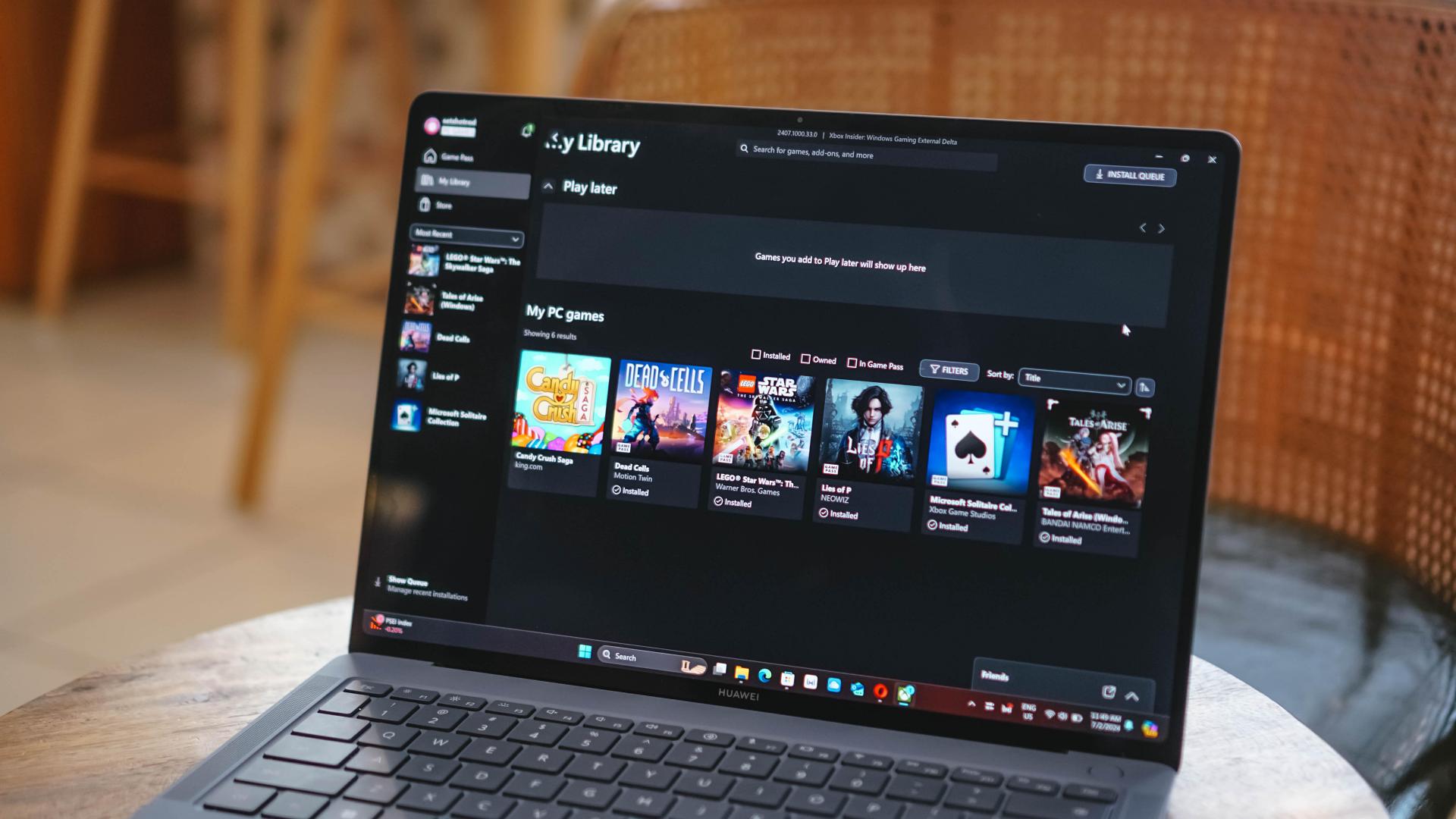
Didn’t see this coming, did you? I’m actually a pretty big gamer. I primarily play on a PS5 but have dabbled into PC gaming of late. PC Game Pass is a godsend and guess what, I was able to use it on the Huawei MateBook X Pro.
The combination of the specs already mentioned along with the Intel Arc Graphics and a 3:2 aspect ratio display that supports 120Hz refresh rate and 1 ms response speed means I can sneak in some play time when I bring this machine to out of town trips.
In fact, I played a bit of the opening minutes of Lies of P, while I’m in Paris, France for a coverage. This was the only time that I heard the fans buzzing. Playing a title like this will push the machine. And even if the Graphics Settings were only set to medium, it was still more than good enough to look at and get a little bit of progress on your playthrough.
Works extremely with Freebuds
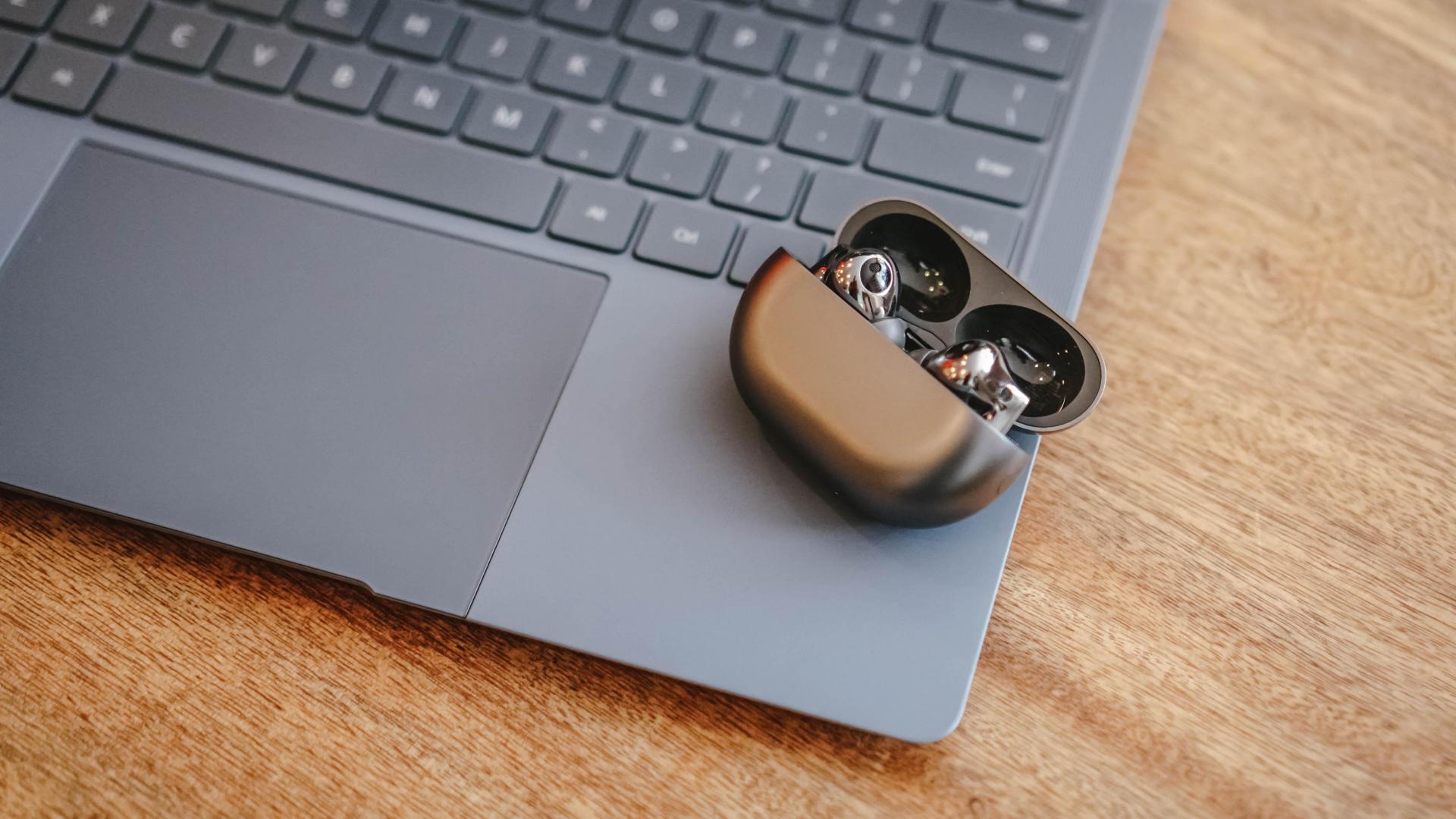
Oh and if you happen to use Huawei’s own Freebuds Pro, they pair perfectly with the MateBook X Pro offering fantastic audio for gaming and other media consumption. You also get high-quality noise cancelling whose effect is improved when these two are in tandem. Perfect combination? Most definitely.
Is the Huawei MateBook X Pro 2024 your GadgetMatch?

There’s not enough talk about how HUAWEI hardware is so expertly crafted. They prove their proficiency once more in this regard with the HUAWEI MateBook X Pro 2024.
It’s a machine that will have you waxing poetic like how Andrew Garfield once described Emma Stone so endearingly: “She was like a shot of espresso. She’s like being bathed in the sunlight. She’s incredibly energetic and enthusiastic and she had this sense of play and fun which was incredibly exciting”.
It just has that overall effect despite being held back by certain implementations of its operating system. And you should want that kind of effect since it’s a machine that will ask a lot from you monetarily. It retails for a staggering PhP 129,999 with massive pre-order bonuses (details down below).

There are plenty of other options at that price point depending on your needs. However, I’m fairly confident there’s only a handful that can compete against the unique experience that the Huawei MateBook X Pro brings due its combination of look, feel, performance, and build.
Personally, I can certainly say the MateBook X Pro is MY GadgetMatch. Whether it’s yours or not depends entirely on the kind of work you do and the system you want to operate in. But despite my preferences, I still opted to carry this laptop because its positives are unique and heavily outweigh my disdain for how parts of its OS feels.
The Huawei MateBook X Pro 2024 launched alongside the MateBook 14 Pro. Pre-order period is from July 12-31. Price and first-sale freebies are as follows:
MateBook X Pro 2024 – PhP 129,999
Freebies: Huawei Vision S 65″ TV (worth PhP 45,999) + Backpack (worth PhP 1,899)
MateBook 14 Pro – Starts at PhP 59,999
Freebies: MateView SE Monitor (worth PhP 7,999) + Backpack (worth PhP 1,899)




Editors' Choice
GadgetMatch Awards: Best of IFA 2026
Xiaomi 18 Fold, Govee, XGIMI, ARZOPA, Cuktech and more!


We’re back at IFA 2026 in Berlin, checking out some of the coolest and most interesting tech on the show floor.
From smart home lighting and portable displays to projectors, power solutions, foldables, and more, these are some of the products and brands that caught our attention this year.
In this video, we take a look at:
- AI Lighting https://bit.ly/4xmY342
- Z3FC Portable Monitor https://bit.ly/4gRk7wD
- D14 Digital Photo Frame https://bit.ly/4qYlRJ6
- 30 Ultra Desktop Charging Station https://s.whaee.com/tXBornw
- 10 Ultra Charger https://s.whaee.com/UsWT4U2
** Use code CUKTECH09, valid until September 30
XGIMI
ASUS x NVIDIA RTX SPARK
- ProArt P16: https://asus.click/h7607_gm
- ProArt P14: https://asus.click/h7407_gm
- ProArt GR1X
Watch until the end for our favorite finds from IFA 2026!
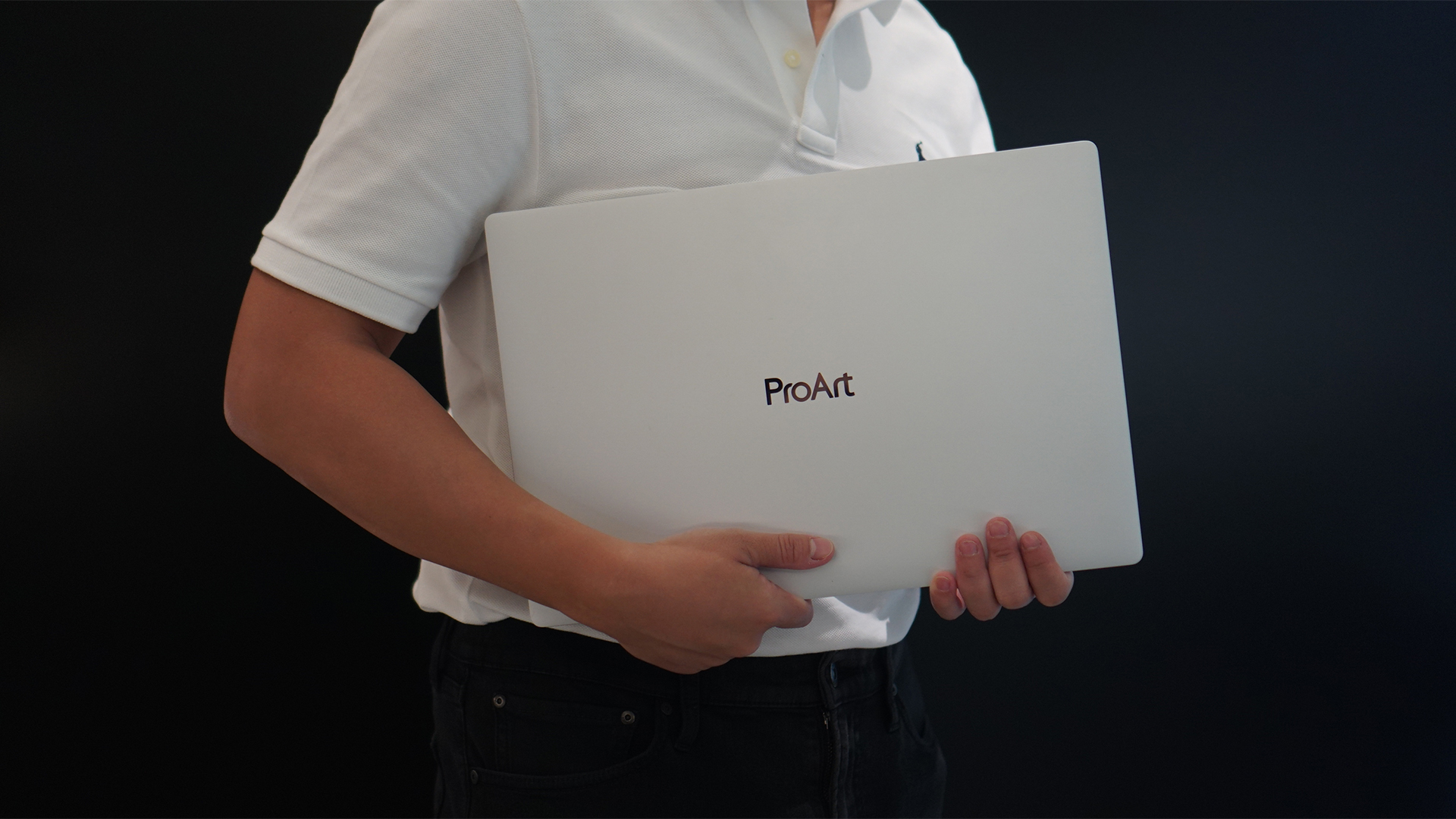
Select ASUS and ROG laptops now come with three months of Google AI Pro or Google AI Plus at no extra cost. The offer starts September 7 and covers eligible models from the 2025, 2026, and upcoming 2027 lineups.
Google AI Pro includes 5TB of cloud storage, while Google AI Plus comes with 400GB. Both plans also provide access to a range of Google’s AI-powered tools and features.
More Google AI on ASUS laptops
Eligible customers can use the Google Gemini app, Deep Research, Google Flow, Gemini in Google apps, and Gemini Notebook, among other features. Availability varies depending on the Google AI plan and supported features.
Google AI Pro offers higher usage limits and expanded access to Google’s more capable Gemini models. It also includes additional developer and agentic tools such as Google Antigravity, Jules, and AI Studio, subject to availability and plan terms.
Google AI Plus provides elevated access to Google’s AI tools alongside features for creative generation and productivity.
The offer covers more than just AI features. Google AI Pro’s 5TB of cloud storage and Google AI Plus’ 400GB give users additional space for documents, photos, videos, research, and other projects.
Available across select ASUS models
The one-year program starts September 7 and applies to selected ASUS and ROG laptops in supported markets. Eligible models span the ROG, TUF Gaming, ProArt, Zenbook, and Vivobook families, including select 2025 and 2026 models and upcoming 2027 devices.
Customers can redeem the offer exclusively through the MyASUS app. ASUS has published the full list of eligible models and the offer’s terms and conditions on its website.
Check the full list of eligible ASUS laptops
ASUS is also running its No. 1 Quality, School-Ready Deals promotion until September 15, 2026. The promo offers additional deals for students, gamers, and professionals buying select ASUS and ROG devices.
The company’s No. 1 Quality and Service package also includes up to three years of international and local warranty, service access across more than 90 countries, and over 100 ASUS Service Centers and Drop-Off Points in the Philippines. Eligible laptops also come with one year of Local Accidental Damage Protection and up to six free device cleaning claims.

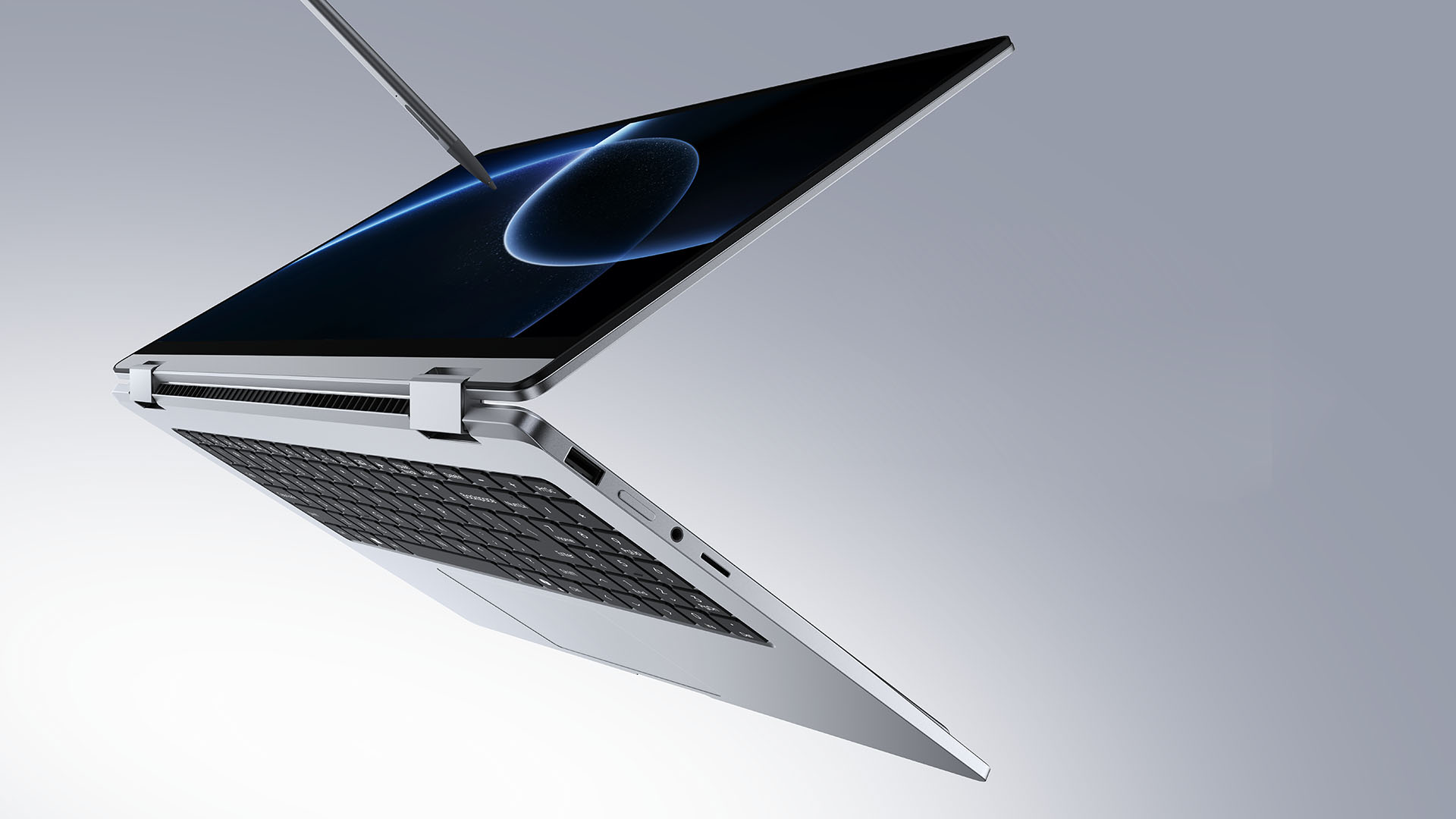
TECNO is making its MEGABOOK lineup a little more flexible.
At IFA ShowStoppers 2026, the uprising tech brand unveils the MEGABOOK T15 360 with two more laptops and three phones tagging along.
One laptop, four modes
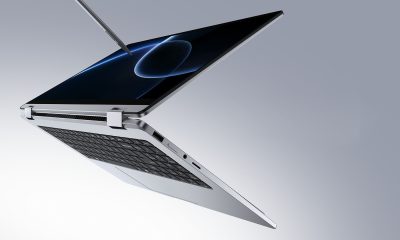
The MEGABOOK T15 360 series is the brand’s first laptop lineup with a 360-degree hinge and touchscreen display.
By that, it’s more than just a conventional laptop. It can also be a tablet or a portable display via Tent mode or Stand mode. This added feat makes everything more versatile as TECNO’s existing laptops are only limited to the clamshell form factor.
Both models feature a 15.6-inch screen with the standard 16:9 aspect ratio. As alluded earlier, it’s a touchscreen laptop consisting of 10-point multitouch points. There’s also optional MPP 2.0 active pen support if you want to write or draw directly on the display.
So what’s the difference?
Well, the regular T15 360 gets a Full HD 60Hz panel with 320 nits brightness.
Meanwhile, the Pro version takes it up a notch with a faster 120Hz refresh rate, sharper 2.5K display resolution, full 100% sRGB coverage, and higher 350 nits brightness.
Both laptops come in an all-metal chassis made using CNC machining. The convertible design doesn’t come at the expense of a more conventional laptop build.
Performance uncompromised
TECNO isn’t treating the T15 360 as a lightweight convertible that has to compromise on performance.
You can get up to an Intel Core Ultra 9 185H processor, paired with an LPDDR5X RAM. The storage is based from PCIe M.2 2280 SSD — with select models having a secondary M.2 slot for utmost expansion.
There’s also a 70Wh battery plus support for a speedy 65W PD GaN charger. Connectivity includes up to Wi-Fi 6E and Bluetooth 5.4, alongside seven built-in ports.
Practical stuff were neither forgotten. There’s a backlit keyboard with a dedicated number pad, a fingerprint reader underneath its power button, dual speakers with DTS Ultra, a webcam, and dual digital microphones.
TECNO’s OneLeap feature also rounds things out by letting the MEGABOOK work with other TECNO’s smartphones, tablets, and other PCs for cross-device collaboration.
Two more MEGABOOKs
TECNO also brought two other MEGABOOKs to IFA.
The MEGABOOK K15S WCL is the more straightforward option. It uses Intel’s newer Wildcat Lake platform with a 16:10 display, a 70Wh battery, and 65W GaN charging — all in a premium, all-metal body.
Then there’s the MEGABOOK T17 Ultra. Ultra by its name, it goes big with a massive 17.3-inch 16:9 display. It can be configured with up to an Intel Core Ultra 9 processor and LPDDR5X memory. It also features a massive 99.99Wh battery and speedy 100W GaN PD fast charging.
Wait! There’s even more…
Beyond laptops, TECNO reveals the true form of its Next-Gen Bezelless Concept Phone at IFA 2026.
As announced more than a month ago, this concept uses a redesigned display architecture, internal stacking, structural engineering, and screen packaging to eliminate the physical black border around the display, resulting in what TECNO calls a true 0mm display border.

Beside a phone prototype, there are two consumer-ready products as well.
The POVA 8 Pro 5G Tonino Lamborghini Limited Edition combines the POVA series’ performance-focused approach with Tonino Lamborghini’s design language.
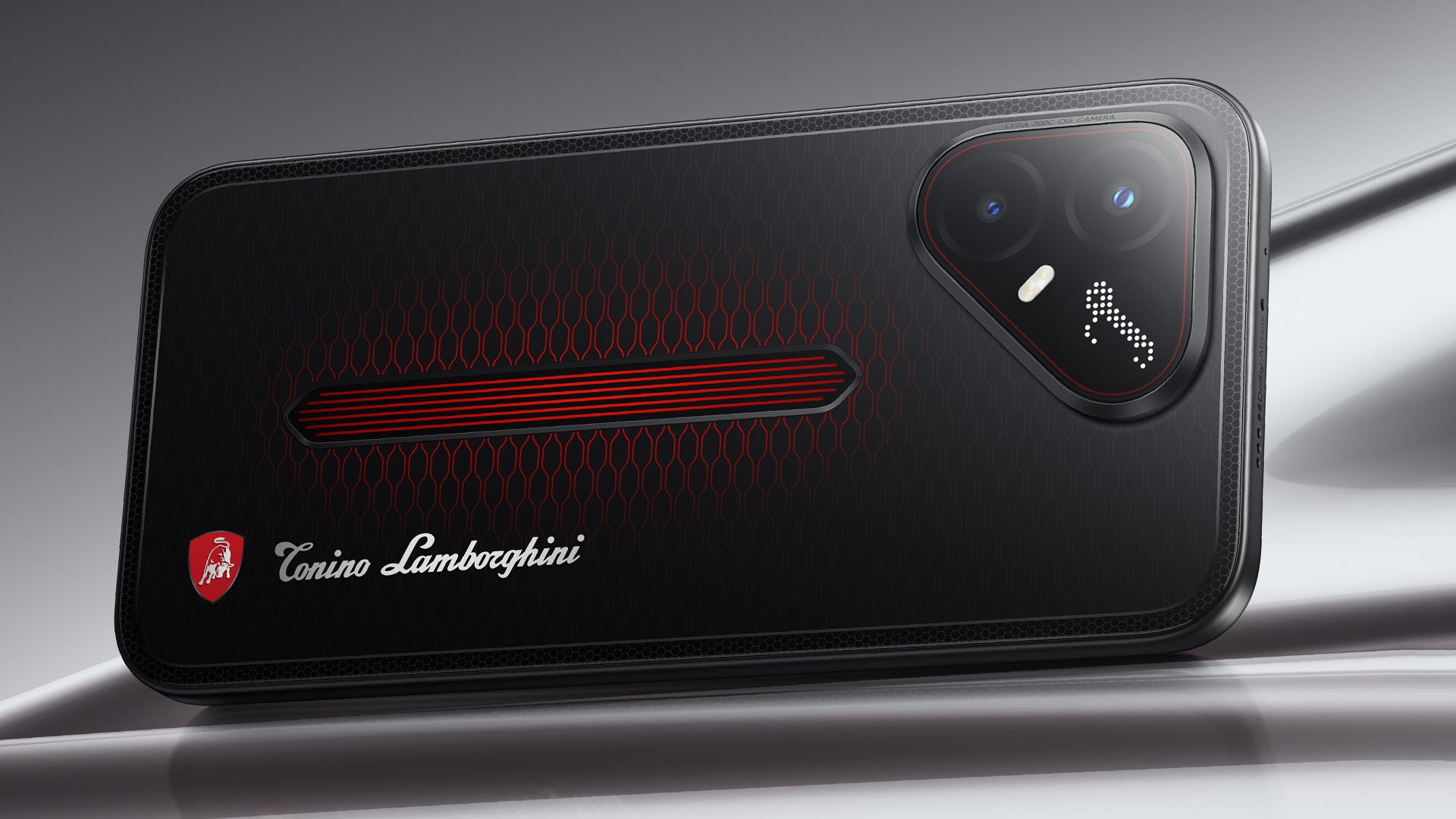
It uses a MediaTek Dimensity 7400 Ultimate 5G chipset alongside TECNO’s custom-made P1 Graphic Chip and a 5K IceShield vapor chamber cooling system. Specific details will be announced on September 4, 2026.
Meanwhile, the CAMON Slim 5G focuses on a thinner form factor, measuring just 6.39mm thick.
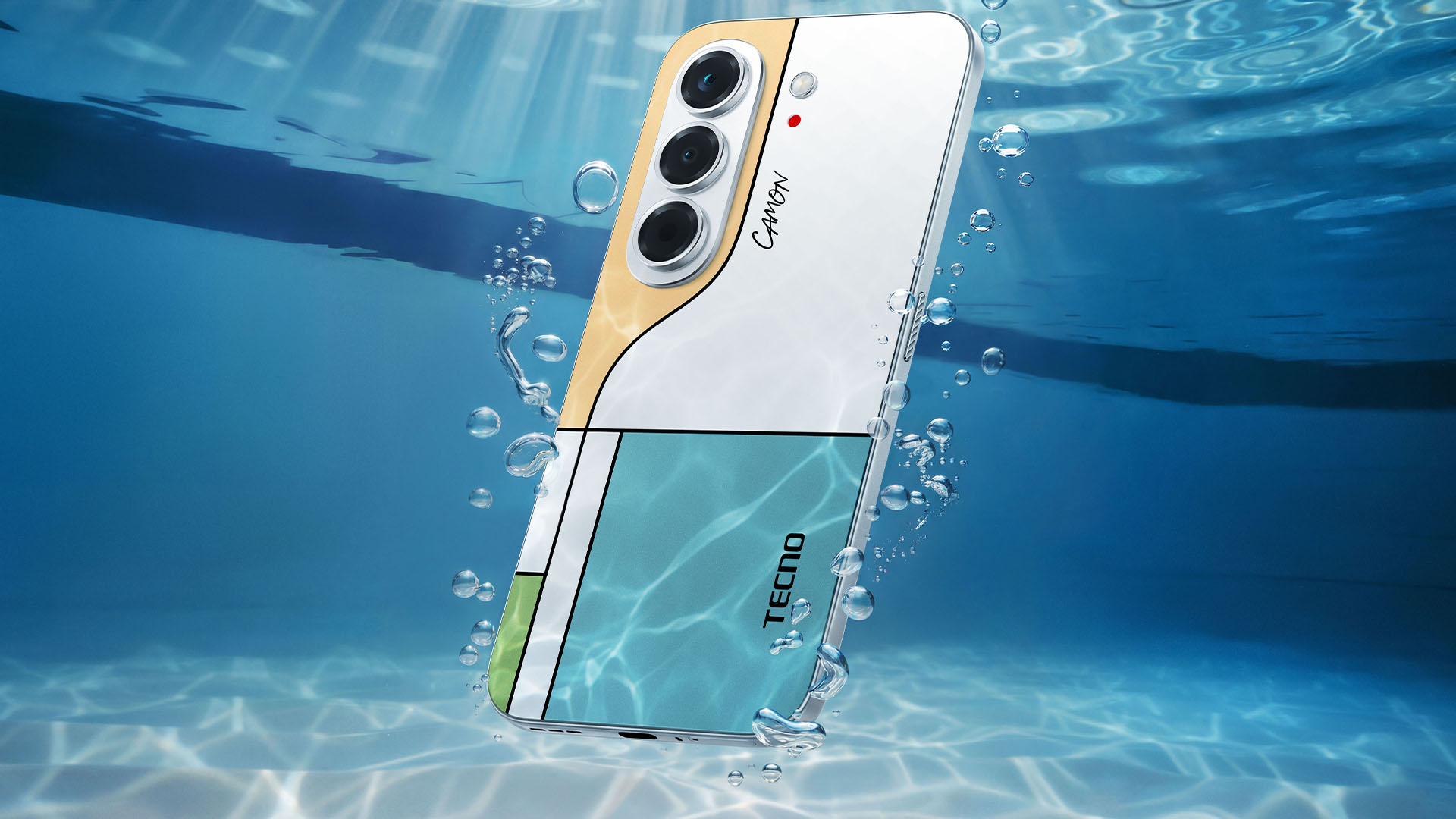
TECNO says it combines the CAMON line’s imaging features with AI capabilities and artistic colorways. More specifications will be revealed on September 7.
Pricing and Availability
The MEGABOOK T15 360 Series is expected to arrive in Europe by Q4 2026.
Depending on the configuration choice, the MEGABOOK T15 360 will start between EUR 899 ~ EUR 999. The MEGABOOK T15 360 Pro will cost as much as EUR 1099.
No pricing info were announced for the other MEGABOOKs and two phones as of writing.


REDMI Note 17 Pro Max review: A new breed born from AI greed
Welcome to the new normal


Marvel’s Wolverine review: When the claws come out
A brutal, cinematic superhero adventure

Setting your bedsheets ablaze with the Lovense Solace Pro
The closest proxy I could find where I'm guilty as sin
REDMI Note 17 Pro Max review: A new breed born from AI greed

REDMI NOTE 17 Series: Price, availability in the Philippines

Max vs 100 will feature Max Verstappen race against 100 go-karters

Apple’s best feature to cure motion sickness is finally on Android

Valve unveils price of the Steam Frame

TECNO MEGAPAD 2 review: Eyes on the size

realme 16T 5G with 8000mAh battery, IP69 Pro rating launches in PH

HUAWEI Pura X View is 2026’s first WIDE slab-type smartphone

REDMI reveals the refreshed Note 17 and Note 17 Pro series

REDMI Note 17 Series focuses on long-term reliability


-
 News1 week ago
HUAWEI Pura X View is 2026’s first WIDE slab-type smartphone
-

 News1 week ago
The CAMON Slim 5G is TECNO’s latest ultra-slim smartphone
-
 Cameras2 weeks ago
DJI Osmo 360 II review: Going all-in on the ecosystem
-
 IFA 20262 weeks ago
TECNO MEGABOOK T15 360 unveiled at IFA 2026
-

 Gaming2 weeks ago
NBA 2K27 review: A two-way All-Star
-

 News6 days ago
iPhone 18 Pro series: Price, availability in the Philippines
-

 IFA 20262 weeks ago
TECNO’s POVA 8 Pro gets a stealthy makeover
-

 Automotive1 week ago
Ford’s new Everest lineup brings V6 engine to the top, tech down the line