
Gaming
Assassin’s Creed Shadows is a step in the right direction for the series
Despite some strange gameplay loops

Despite how similar each game in the series plays, the Assassin’s Creed franchise always tries to do something different with every iteration. For example, the past three mainline games focused on the RPG elements of the franchise. Meanwhile, the more recent Mirage successfully reemphasized the game’s stealth roots. Now, Assassin’s Creed Shadows, the first mainline game since Valhalla, finds itself with a complex balancing act between an RPG and a stealth game.
Two assassins in one
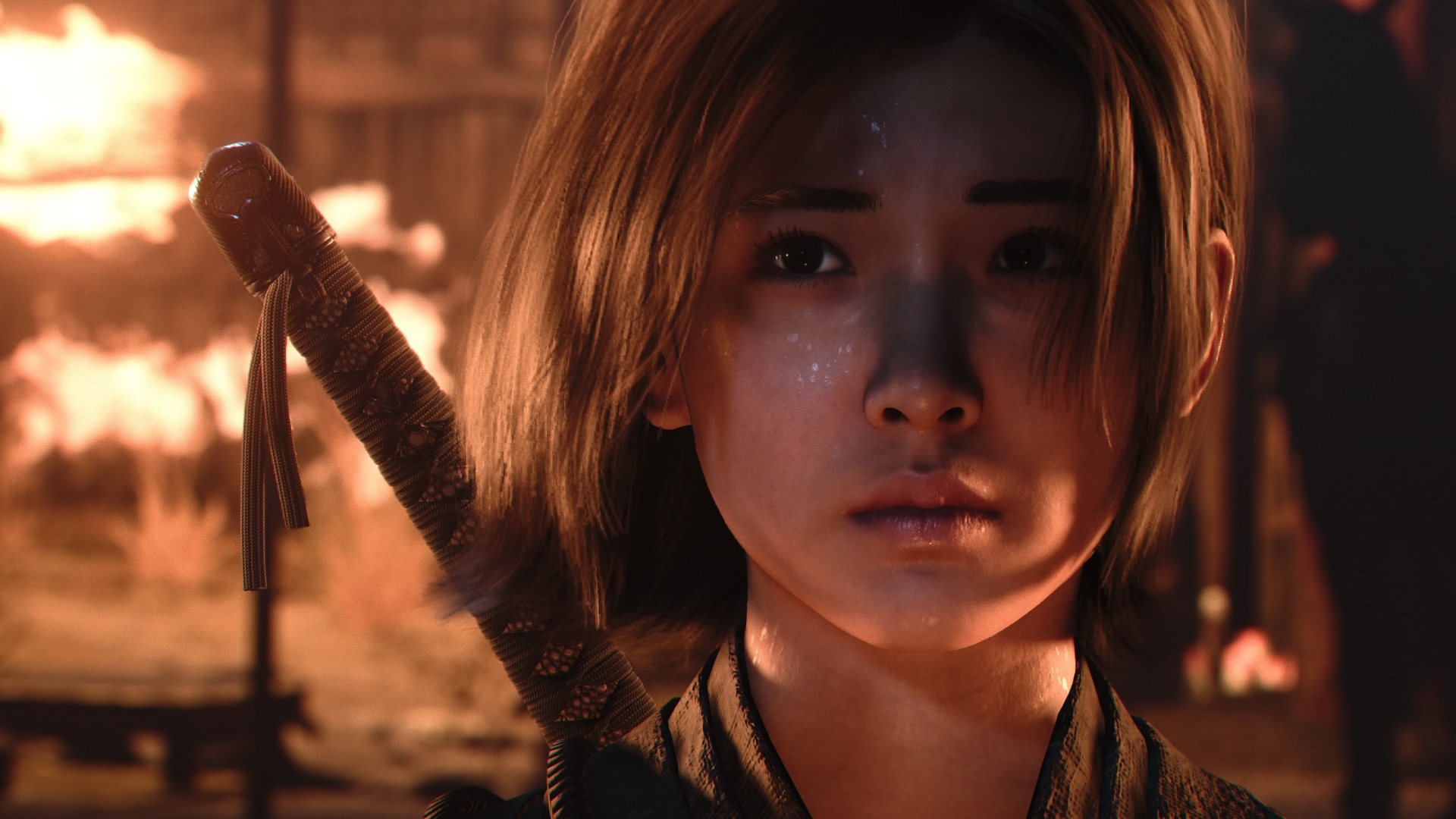
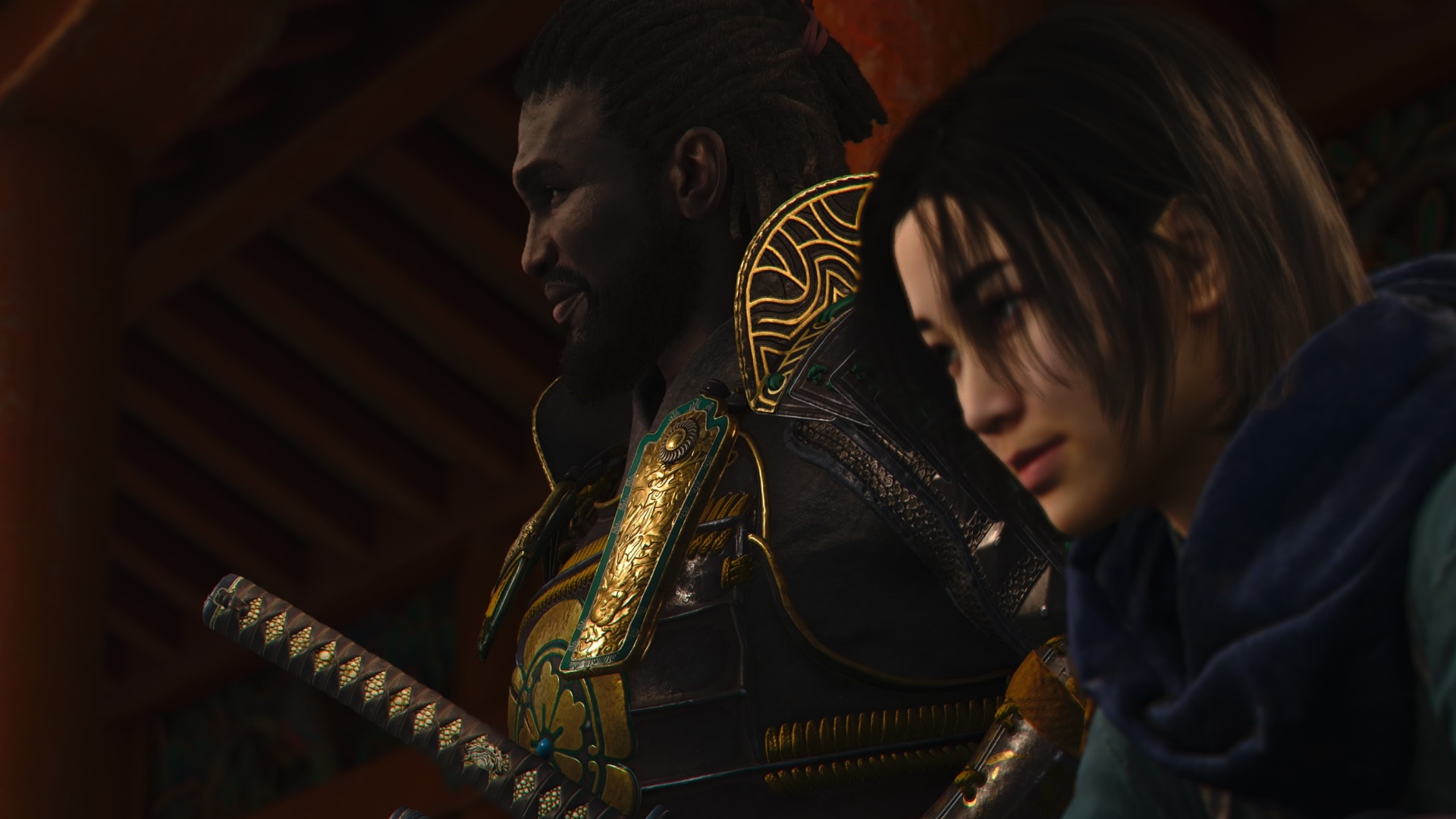
Assassin’s Creed Shadows takes place in 16th-century Japan during the military campaigns of daimyo Oda Nobunaga. Naoe, a vital member of a resistance movement, fights against the incursions of the daimyo. On the other hand, Yasuke, a respected samurai under the Nobunaga regime, tries to find his place in a foreign society. Both suddenly find themselves on a collision course with one another after a political conspiracy threatens to upheave the country. It’s one of the most anime stories I’ve seen in a game.
For the first time since Syndicate, Shadows will feature two playable protagonists: Naoe, the female shinobi, and Yasuke, the male samurai. However, unlike the older game, there are significant reasons to choose one over the other.
Naoe, a much nimbler shinobi, favors stealthier approaches to an objective and avoids fights. She represents the classic Assassin’s Creed experience, albeit with a weaker constitution, so direct fights can get deadly. Meanwhile, Yasuke, a stronger samurai, prefers fights and mostly fails at masking his movements. In fact, he doesn’t have access to Eagle Vision and can destroy haystacks when falling into them from too high up.
Over time, you’ll likely prefer one character over the other. Personally, I prefer balancing the two: Naoe for when I want a more surgical assassination, and Yasuke for when I want to fight everyone. I appreciate how the choice between the two isn’t just cosmetic.
However, do take note that the game is absurdly long. It took me 15 hours of Naoe time before I could finally play as Yasuke freely.
Webs of intrigue
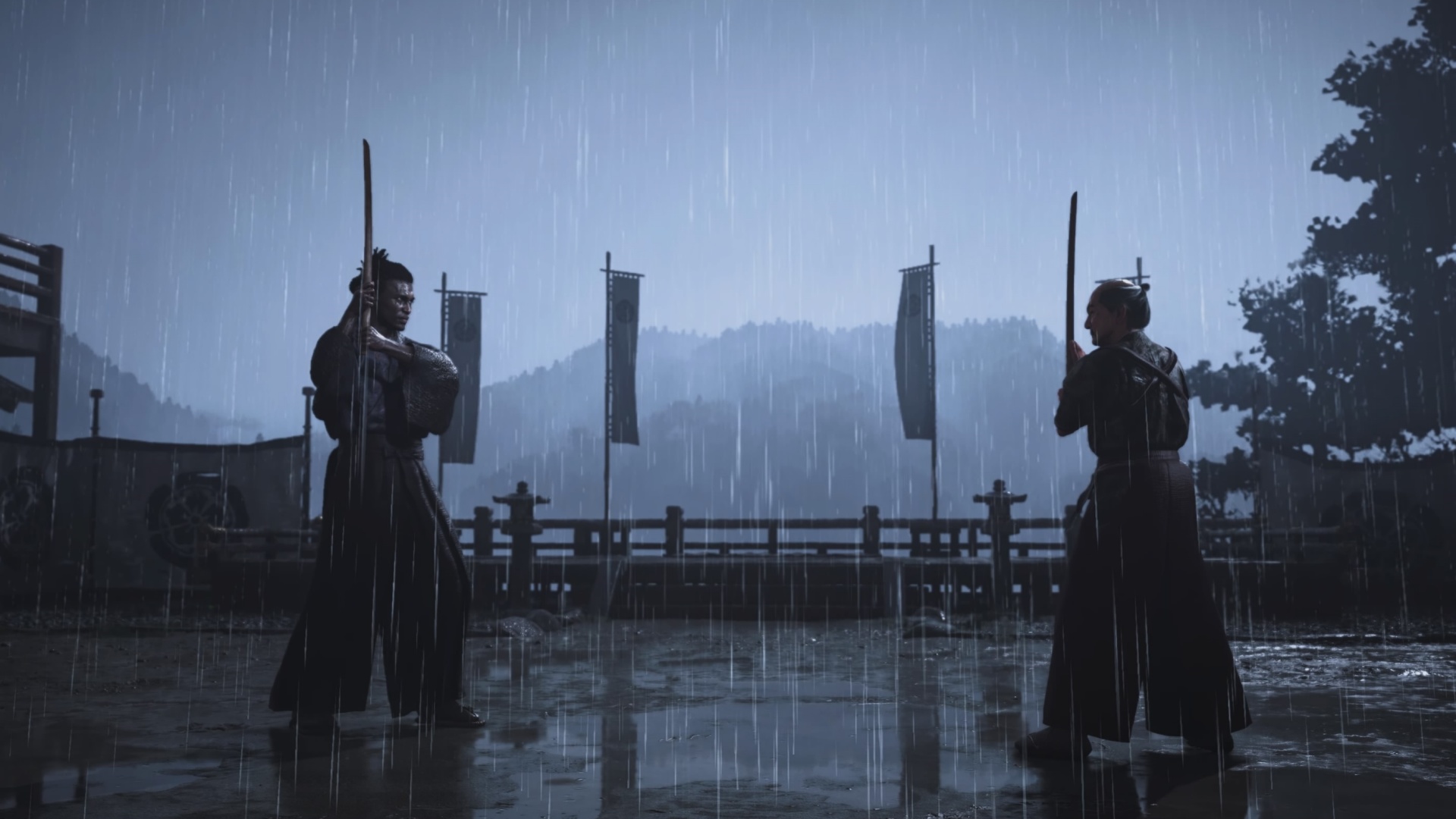
In past games, the Assassin’s Creed franchise faced a problem with side quests. The series tended to bloat its gameplay with endless fetch quests and lackluster side stories. Shadows tries to fix this problem by turning most of the side quests into small webs of assassination targets.
Throughout the game, characters will share the ills of their respective communities. Often, these problems stem from a group of evildoers scattered around the map. It’s your job to find and assassinate these targets, while uncovering their motivations and who their leader is.
For me, this system works so much better than a downpour of fetch quests and stories which I’ll forget immediately after completing them. For one, the quests have more involvement. You have to find the targets yourself using a few clues. Though you can always use Eagle Vision or Scouts to narrow your search down, allowing players to find the targets themselves harkens back to how the original game wanted you to uncover who the target is by yourself.
It feels meaningful to complete a full web. In some cases, it’s even personal for the characters. For example, one web consists of traitorous samurai who went against Yasuke’s daimyo, Lord Nobunaga.
In the center of these smaller webs is a larger board called the Shinbakufu, the main group behind the events of Shadows. For a main story, the bigger web feels like a well-balanced approach between allowing players to accomplish targets in chunks at their own leisure and compelling them to go through the plot.

A gameplay loop that can test your patience
As with all open-world games, part of Shadows’ gameplay loop involves exploring the entire map to check off points of interest. In the quest to address criticisms of the past, the game no longer turns the map into a checklist of chores to do. Rather, the game now wants you to explore everything organically.
As intended, I don’t feel obsessed to collect every single point of interest anymore. However, I still think that there is a lot of room for improvement. The map still has some vestiges of the past lying around: Viewpoints and enemy-heavy bases called castles.
Let’s talk about Viewpoints first. Introduced in the very first game, Viewpoints are climbable points which can reveal more of the map once climbed. The feature has been an important part of the series since its inception. These points are back in Shadows, but they just don’t have the same gravitas as they did.
They don’t reveal the map as much anymore, for one. Instead, they just give users a bird’s eye view of objectives around the area. Players can still use them as fast travel points, but this feature is mostly obsolete because of assassin hideouts. These are unlockable fast travel points — 800 mon to unlock — that allow players easy access within urban centers. Because these hideouts already spawn you in the ground, it’s a lot better than Viewpoints which spawn you way high up and often cause you to land in inconveniently placed haystacks.

Castles are tedious
The other returning mechanic is the enemy base. Like other games, enemies will pool around concentrated areas ripe for infiltration. These castles can be “conquered” by eliminating a number of samurai daisho, or heavily armed minibosses lurking inside the premises. Eliminating all of them unlocks a huge chest with a legendary item inside.
I’m not a fan of this system. The daisho aren’t marked, so you have to find them yourselves but without any clues. Like other targets, you can use Eagle Vision to find them. However, if the castle is too big for Eagle Vision to cover the entire area, you still have to run around aimlessly, and this can take a long time.
Additionally, most of the daisho aren’t killable in a single assassination, especially in lower levels. Even if you play in the stealthiest way, you’re forced to engage in combat. Plus, they’re usually surrounded by minions, so you’ll end up outnumbered in a fight.
Completing a castle also does not make it non-hostile. To make matters worse, main and optional objectives can show up inside castles even if you’ve completed them previously. Since the area remains hostile, it’s as if you have to approach them from scratch again. It disincentivizes early exploration.
Should you play Assassin’s Creed Shadows?
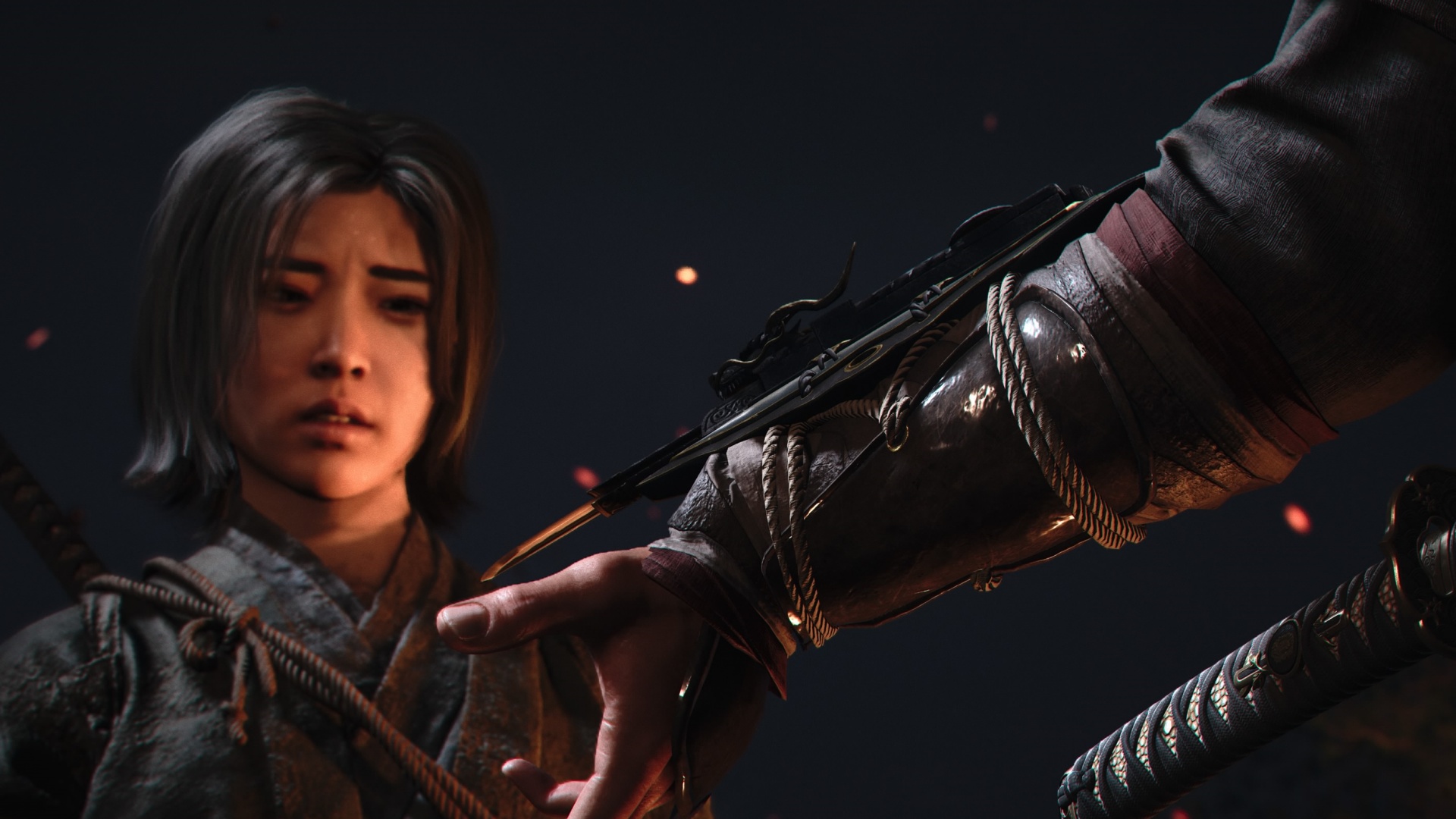
Though I’m not a fan of the gameplay loop, Assassin’s Creed Shadows still manages to shine with an interesting story and fairly gripping side quests. It’s also the most graphically beautiful games I’ve played in the entire series.
There is room for improvement, but Ubisoft has discovered a true path to rekindle the spark and excitement from way back in the Ezio Auditore era. If you’re a fan of the franchise, Shadows is a worthy play, especially if you have the time to explore its vast map.





Computers
ROG brings out the ultra-stylish G1000 gaming desktop
Plus, here’s a couple of sleek transport options from ROG.

Despite how much higher prices are going today, there are still so many options if you want a PC for yourself. However, only a handful of brands will offer you quite as much style doing so as ASUS. Today, ROG has revealed the new G1000 gaming desktop.
For the first time ever in a prebuilt PC, the ROG G1000 comes with a built-in AniMe Holo, a holographic fan with customizable visuals using Armoury Crate and Aura Sync. Additionally, the holographic fan is inside its own chamber, preventing it from interfering with the main system. Instead, the desktop uses the ROG Thermal Atrium, which uses three fans to channel fresh air through a 420mm AIO liquid cooler.
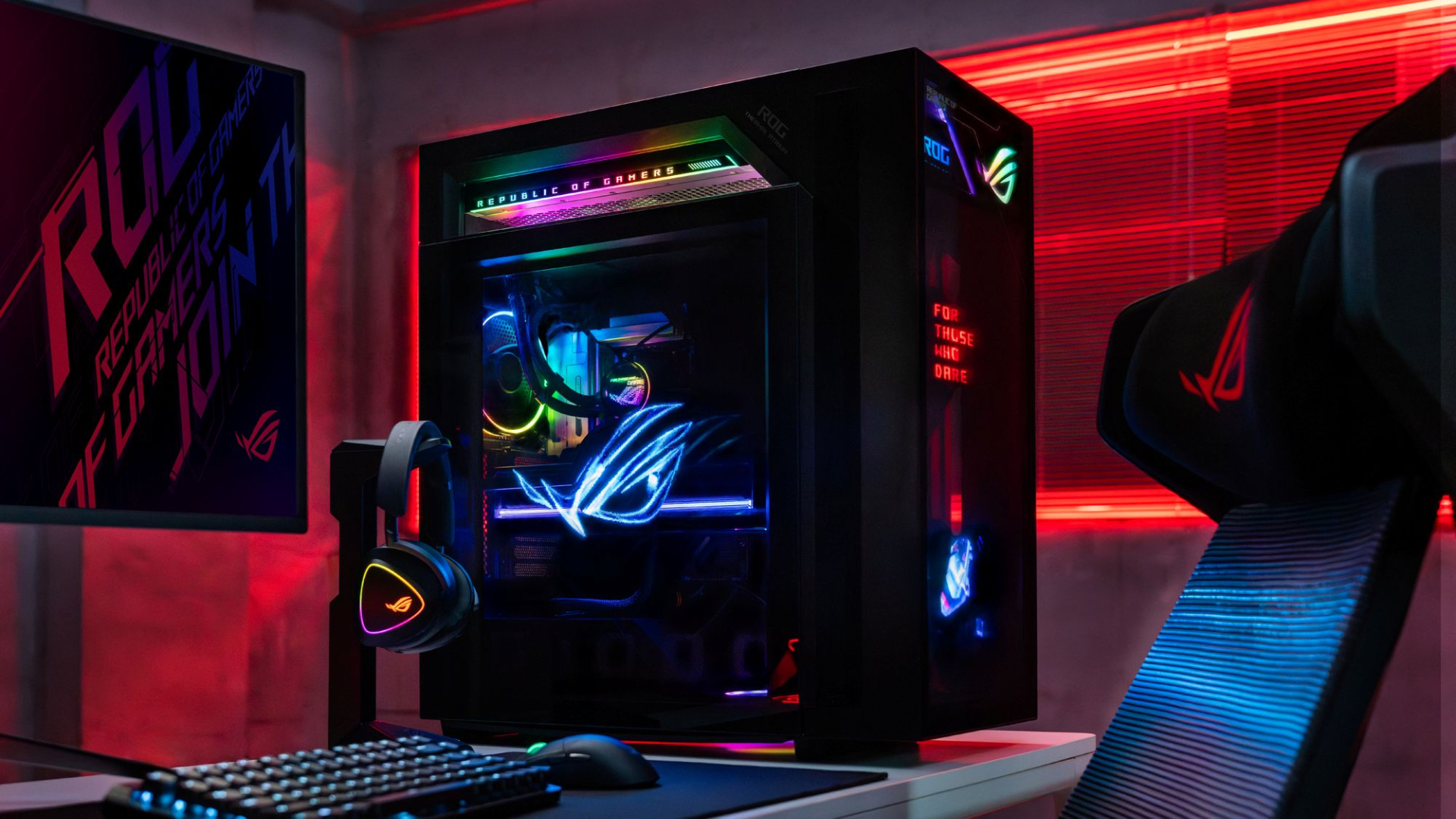
Now, the ROG G1000 isn’t just a pretty face. Inside, the 104L desktop comes with a Ryzen 7 9800X3D processor. It also comes equipped with the ROG Astral GeForce RTX 5080, up to 128GB DDR5 memory, and 1TB SSD for storage. New purchases will also come with a gaming keyboard and mouse, a year of Microsoft 365 Basic, Office Home 2024, and an ASUS No. 1 Quality and Service warranty.
The ROG G1000 will be available from ROG Exclusive Stores and will start at PhP 399,995.
Celebrating ROG at 20
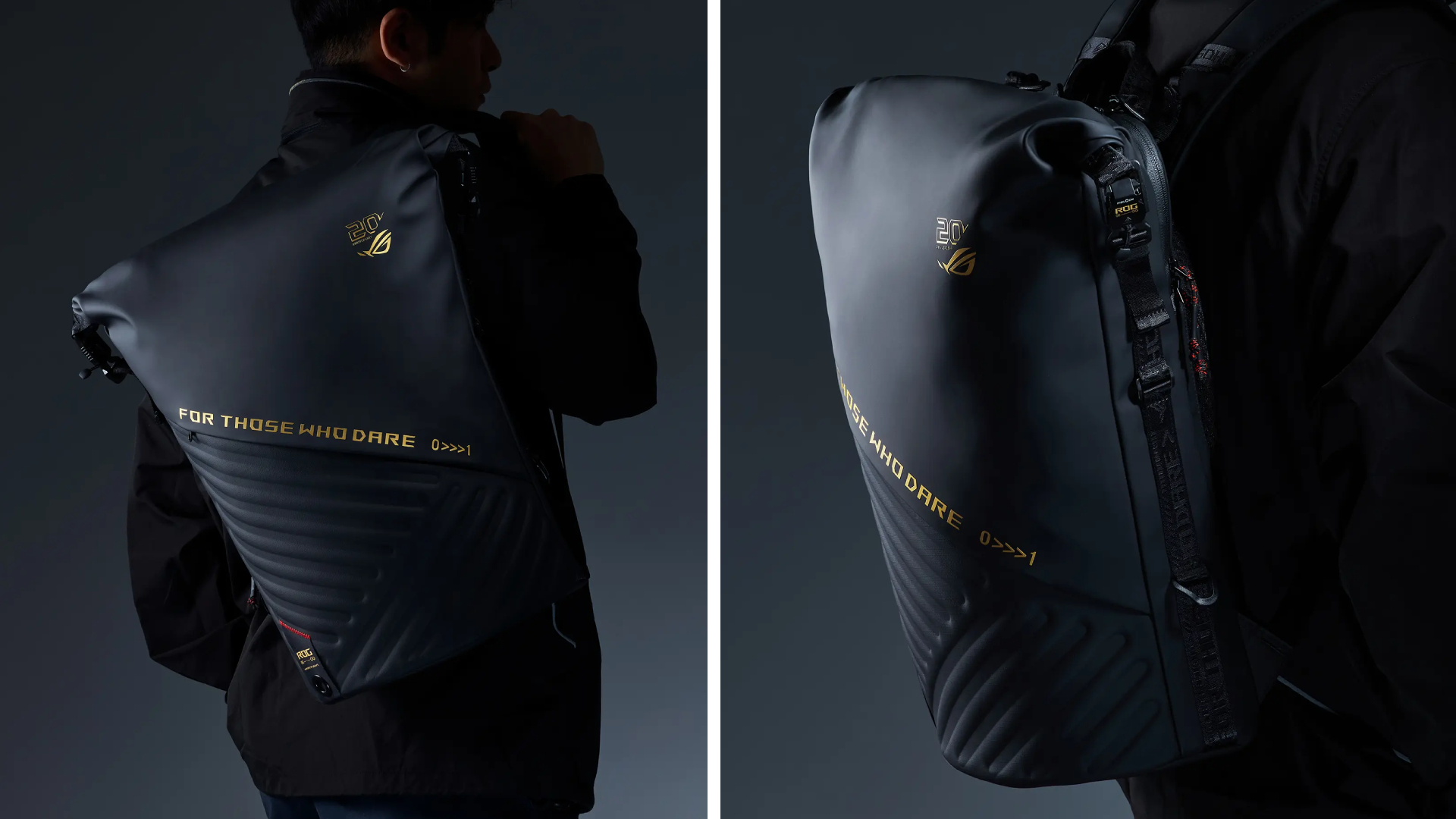
Besides the new desktop, ROG is also launching a couple of storage and transport options for your prized gaming possessions. The ROG SLASH Backpack Edition 20 is a sleek backpack that can fit an 18-inch laptop with enough room for peripherals and accessories. It also comes with a custom FIDLOCK Magnetic quick-release, black-and-translucent-gold buckle. It will be available next quarter for PhP 10,995.
Meanwhile, the ROG SLASH Hard-Case Luggage Edition 20 is designed specifically for transporting your hard-earned gaming devices. The light-but-durable aluminum frame comes with a specialized compartment for laptops, handhelds, and accessories. It also has removalbe foam dividers to better customize the case for your needs. Finally, it has 360-degree silent skate wheels for smoother rolling. The luggage will be available starting next quarter for PhP 15,995.


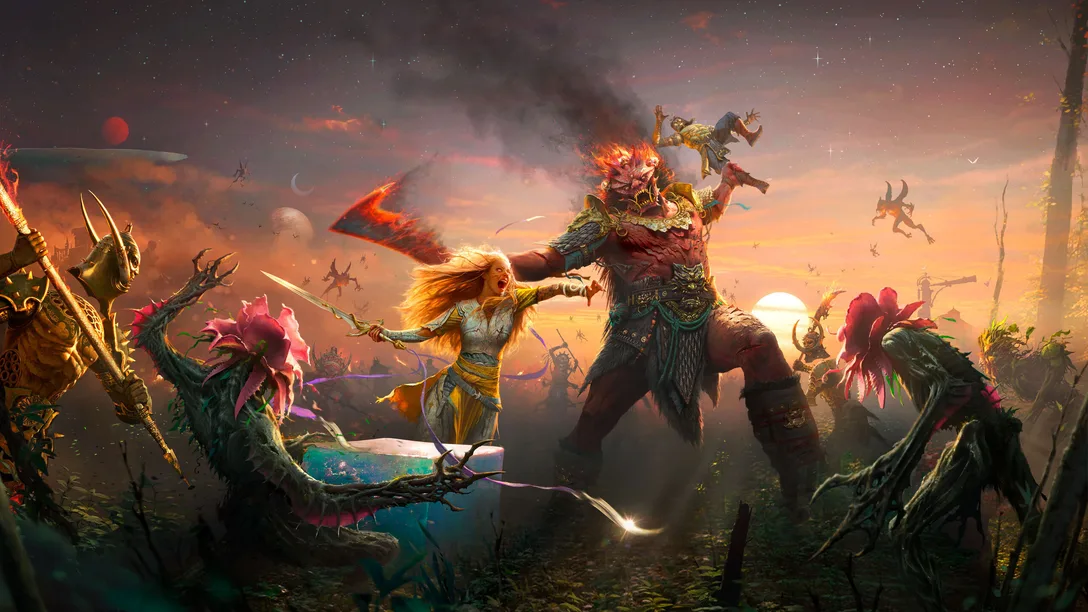
Pre-orders for God of War Laufey pre-orders are now live with new details on editions and Faye’s Serpent Bow. are now live on the PlayStation Store and at participating retailers across Southeast Asia ahead of its February 16, 2027 release on PlayStation 5.
Sony also detailed the game’s pre-order bonuses and Digital Deluxe Edition, alongside new footage and information about Faye’s combat abilities.
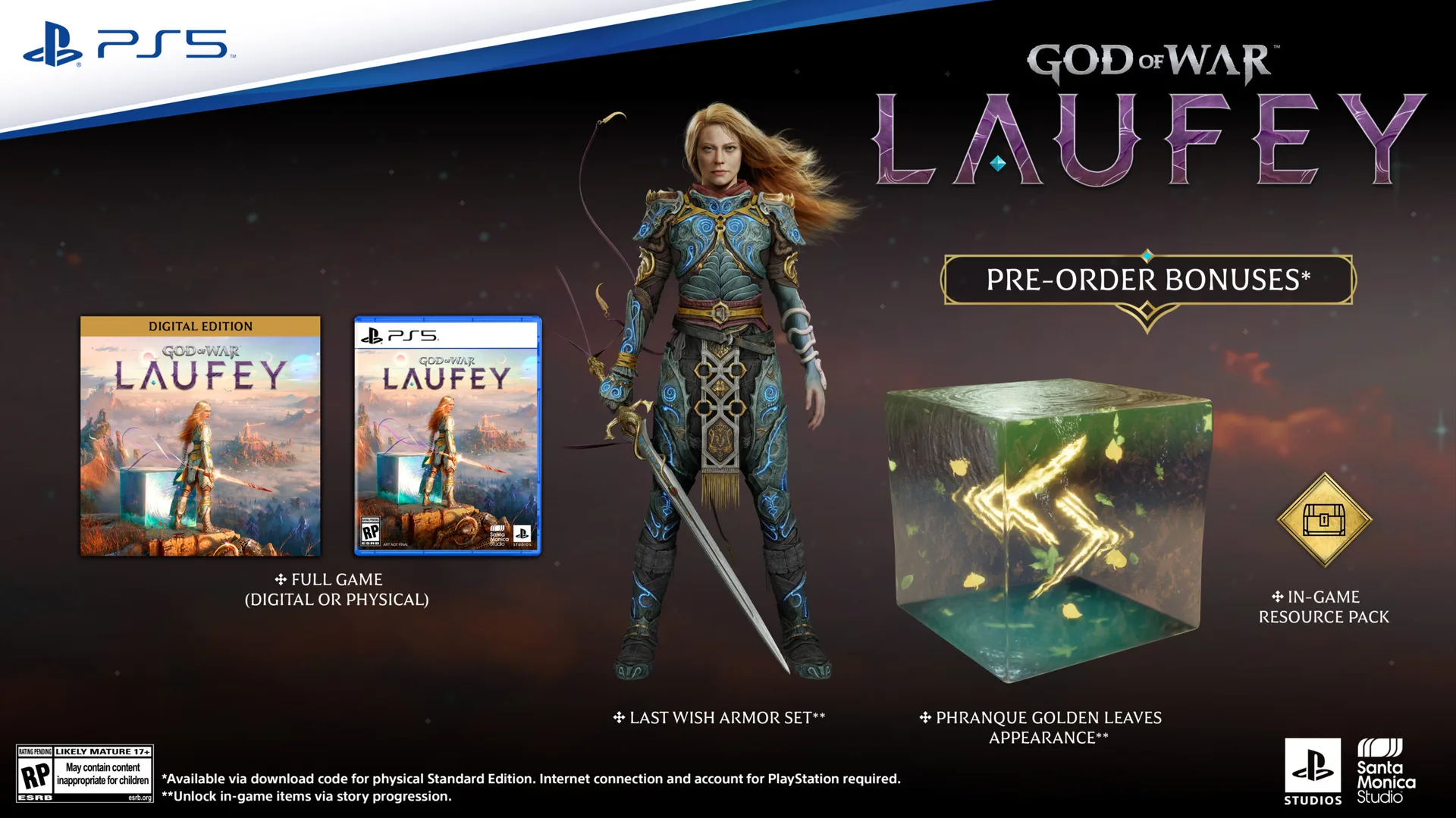
Players who pre-order God of War Laufey will receive the Last Wish Armor Set, Phranque Golden Leaves Appearance, and an in-game resource pack. The physical Standard Edition includes these items through a download code.
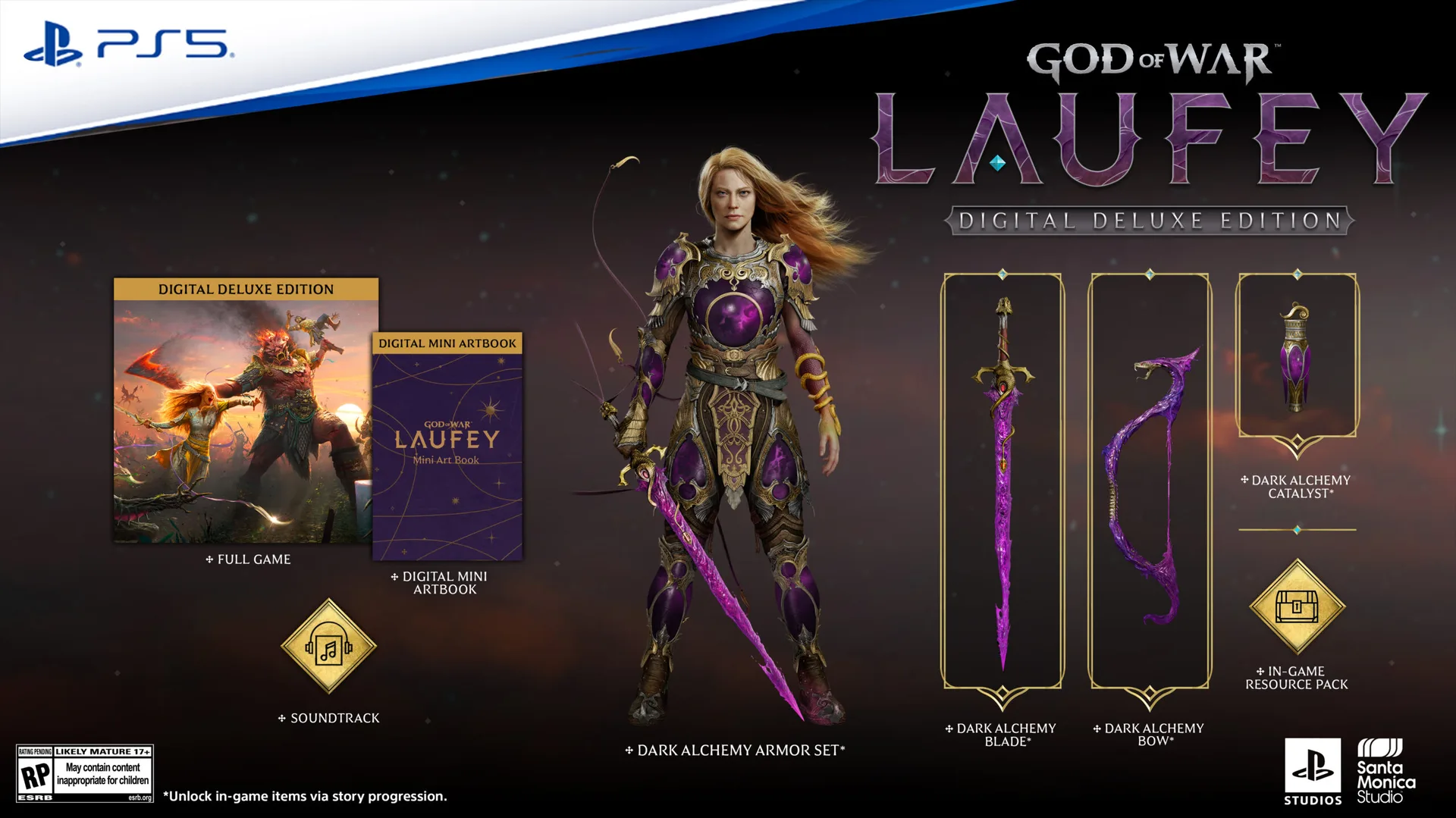
The Digital Deluxe Edition adds the Dark Alchemy Armor Set, Dark Alchemy Blade, Dark Alchemy Bow Scales, Dark Alchemy Catalyst, an in-game resource pack, a digital mini artbook, and the official digital soundtrack.
Faye gets a new weapon
Faye will wield the Serpent Bow, an enchanted weapon that lets her switch between close-range and ranged attacks.
The bow has two firing modes. Full-aim provides more precise shots and greater range, allowing Faye to target specific parts of enemies and charge up to five arrows for a powerful volley. Half-aim switches to a more mobile hip-fire stance for rapid attacks at close range.
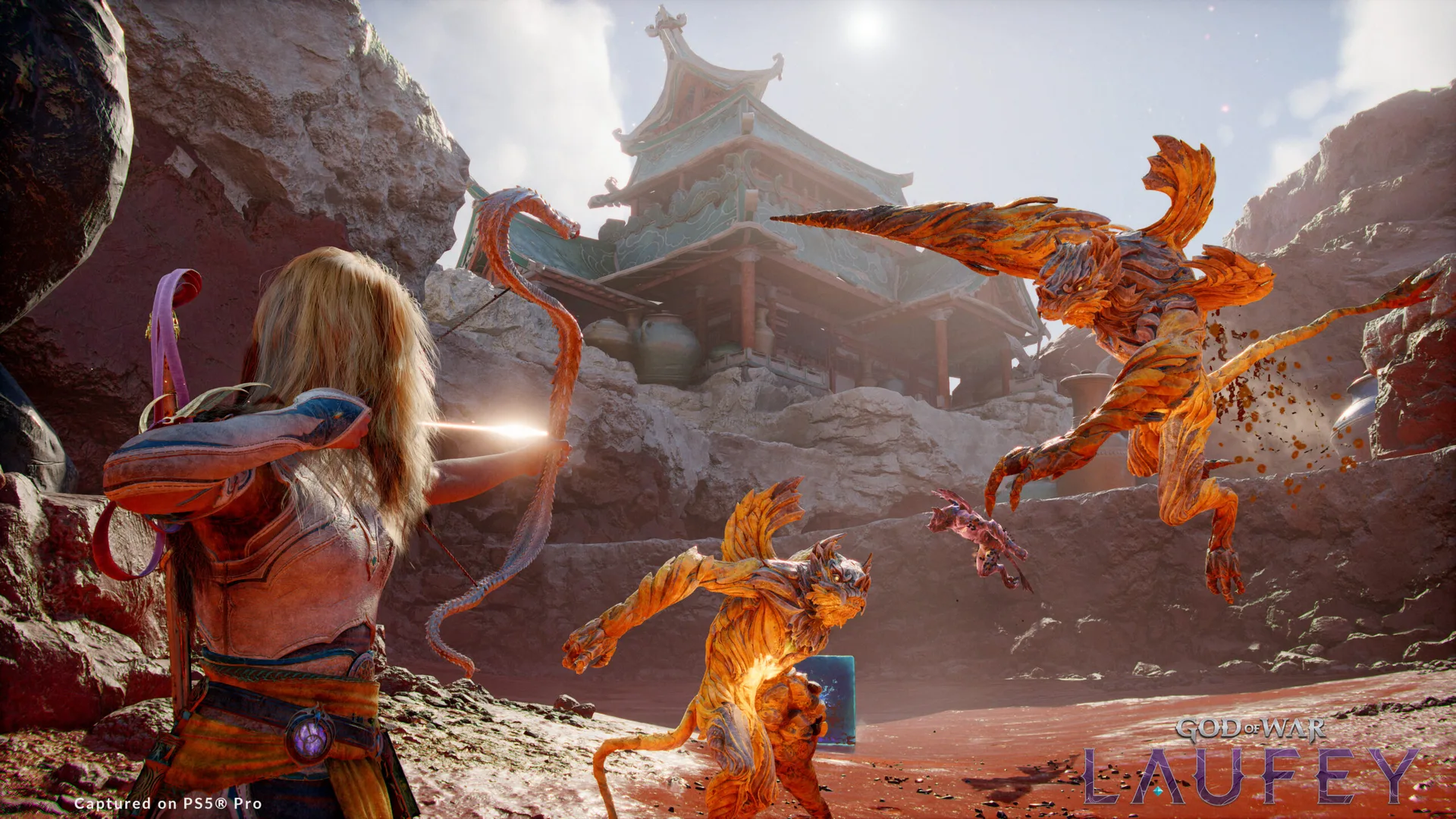
Different arrow types support various combat approaches, including rapid-fire, explosive, and multi-target attacks. Players can also equip different Serpent Scales, which change the bow’s appearance and provide unique perks. Additional skills further expand its capabilities.
Faye’s other equipment can also be customized. Her Blade, Serpent Bow Scales, and Catalysts can be configured to support different playstyles.
God of War Laufey follows Faye after her death as she awakens in the Everywhen, an afterlife where gods and creatures from different mythologies converge. Santa Monica Studio previously revealed that Faye will fight through the realm alongside Phranque and Rue as she searches for a way home.
God of War Laufey launches exclusively on PS5 on February 16, 2027.
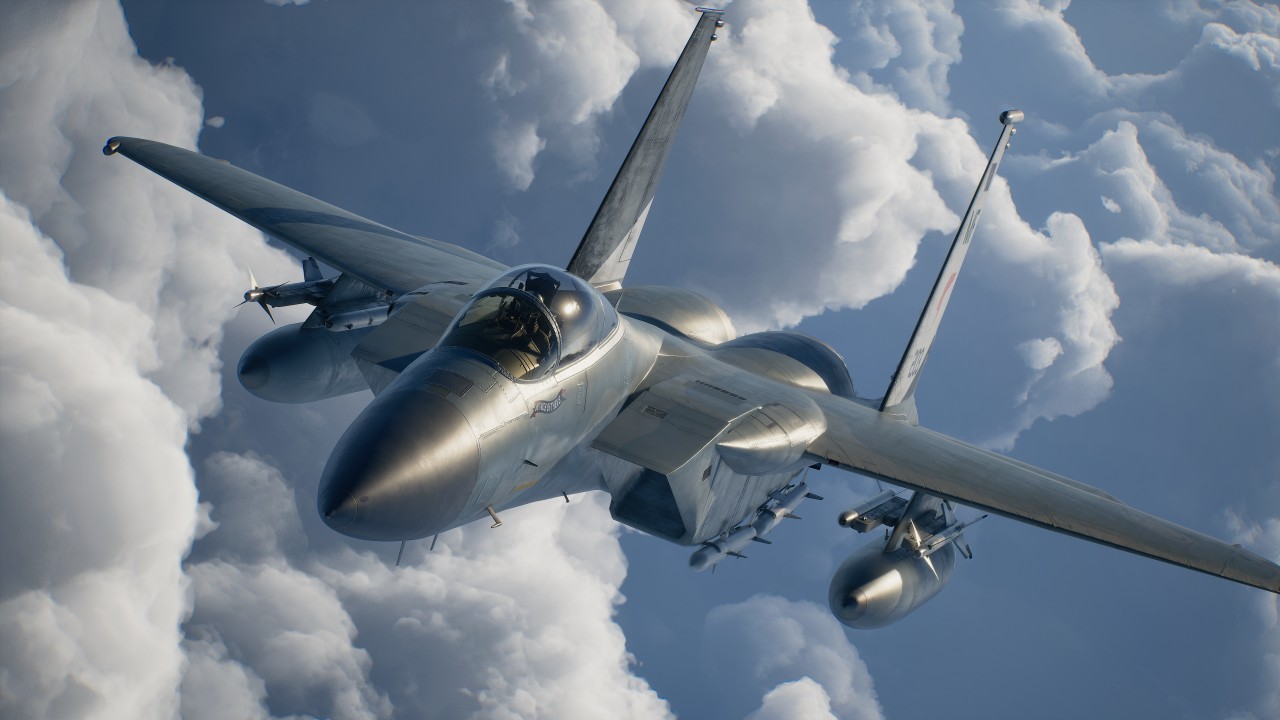
I came into ACE Combat 8: Wings of Theve completely blind.
I knew very little about the franchise outside of the fact that it’s a fighter plane game. My entire exposure was limited to a handful of press releases from Bandai Namco and, of course, the noise the pink-haired character made on social media when she was first revealed.
So, I had no idea what to expect when I climbed into the cockpit.
What surprised me most wasn’t the flying. It was everything that happened outside of it.
A surprisingly beautiful presentation
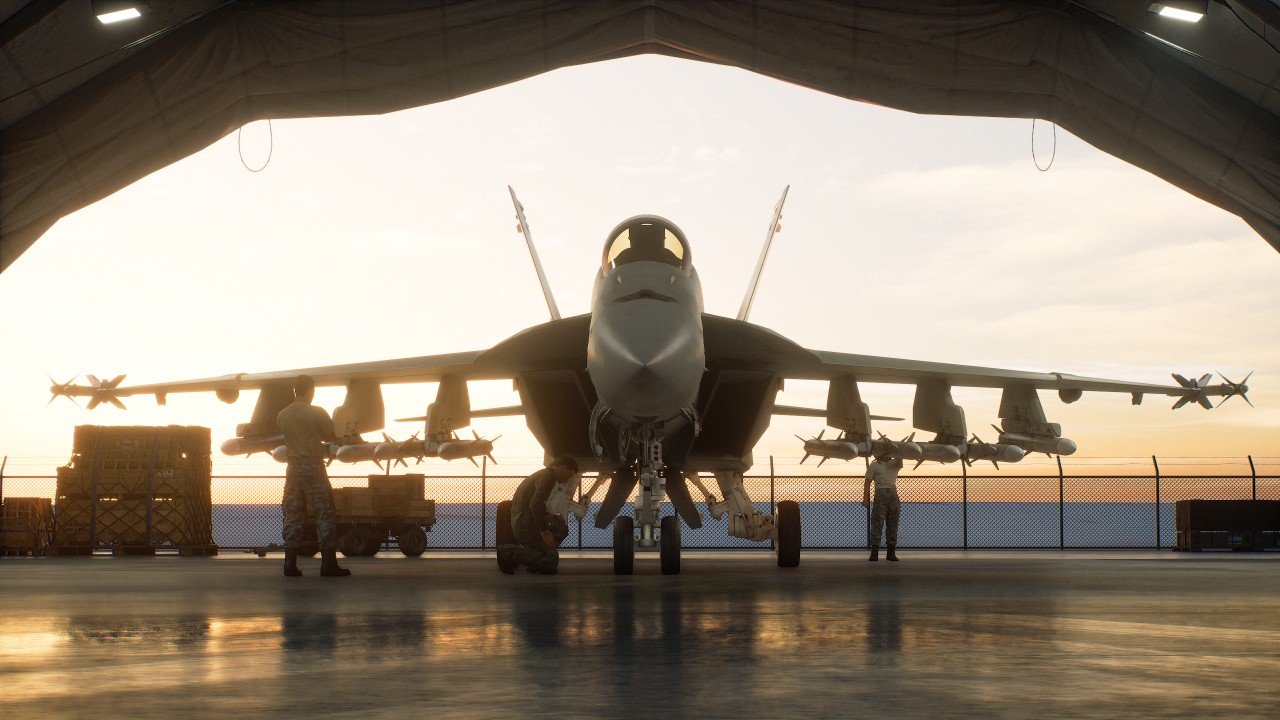
I was floored by the story segments of the game, particularly the visuals and presentation.
A lot of these scenes are presented from a first-person perspective. The characters and environments you interact with are beautifully rendered, and there’s an impressive level of detail to the world around you.
It looks like a AAA game. It just doesn’t move like your typical AAA action game or RPG. That threw me off a bit.

There’s something intentionally different about how ACE Combat 8 presents its story and world. You’re not controlling a character running around a beautifully rendered environment. Instead, you’re mostly observing the world from a grounded first-person perspective before getting back into the cockpit.
It’s an unusual approach, but one I found myself appreciating.
Learning how to fly

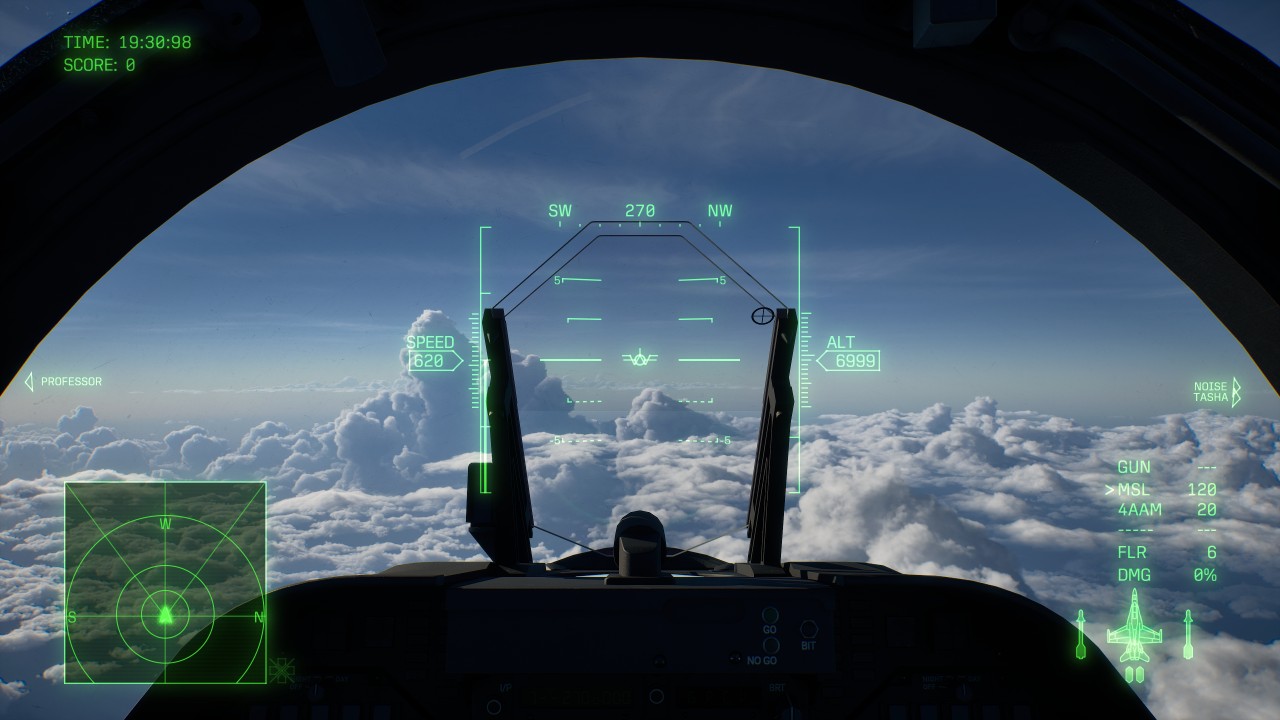
The bigger adjustment was actually flying the plane.
I had trouble getting used to the controls and the structure of the missions. I failed the first one quite a few times because I couldn’t fully understand the radar or the environment I was flying in.
It took plenty of getting used to on my part.
Even after a few hours of play, I can’t say I got fully used to it.
The game offers STANDARD and EXPERT control schemes. STANDARD is designed to be more intuitive, while EXPERT gives you more control over the aircraft through traditional roll-and-pitch inputs.
I still had plenty to learn regardless of the control scheme. There’s a lot of information to process at once: your aircraft’s position, altitude, speed, radar, targets, incoming missiles, objectives, and everything happening around you.
It takes time to develop a feel for how everything moves.
Missions aren’t just about shooting everything
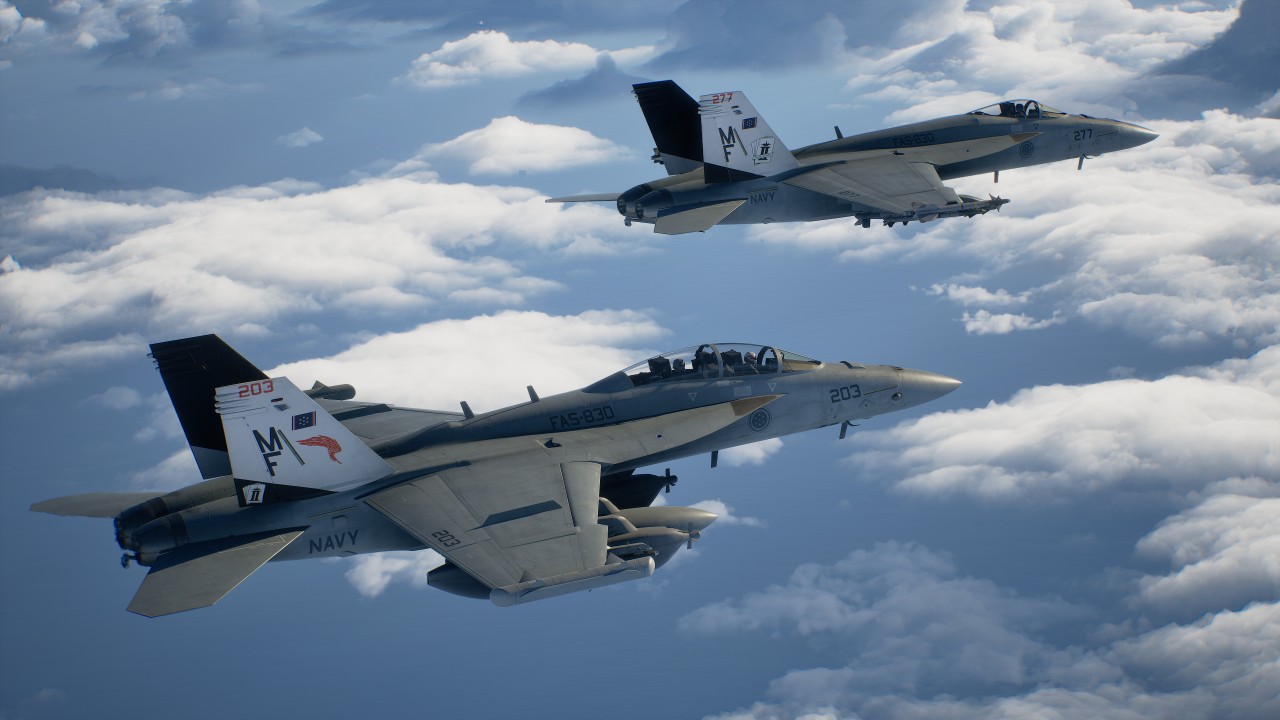
The mission structure is quite specific.
You have to do things a certain way in each mission. It’s not just “blast everything in your path.”
That offered a lot of variety and made the game more engaging.
Some missions asked you to maintain a certain altitude to avoid detection. Others demanded expert flying. Some also felt like full-on aerial combat.
Objectives can range from destroying targets and protecting allies to earning a certain number of points, with some missions changing objectives while you’re already in the air.
That keeps the campaign from feeling like a series of identical dogfights.
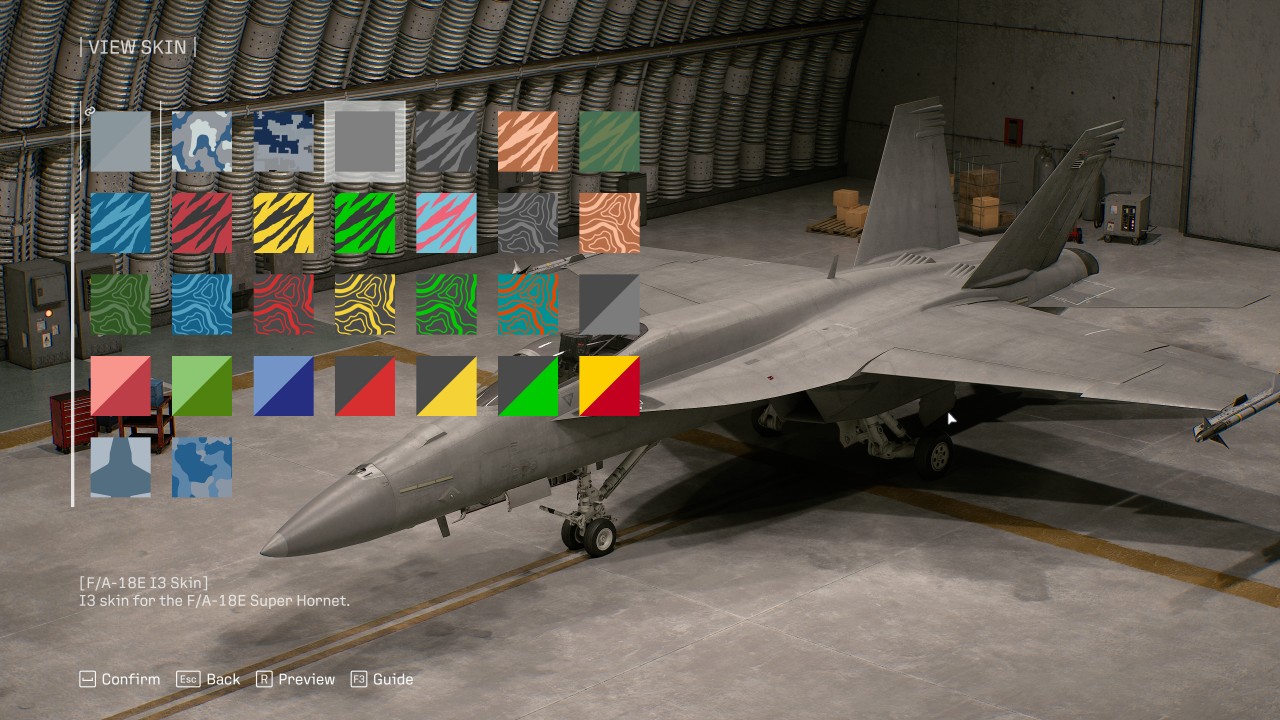
There’s also a progression system built around different aircraft types, including fighters, attackers, multirole aircraft, and electronic warfare planes. More than 30 aircraft are available, with new planes, upgrades, and special weapons unlocked through the Aircraft Tree.
Your choice of aircraft and weapons can also change how you approach a mission. A fighter makes sense when the skies are packed with enemies, while an attacker can be better suited to ground targets. Multirole aircraft offer a middle ground when you’re unsure what you’ll encounter.
Wingman commands add another layer to combat. You can order your pilots to attack, spread out, provide support, or use their special weapons.
The result is a game that asks you to pay attention to what’s happening instead of simply holding down the trigger.
A story worth sticking with
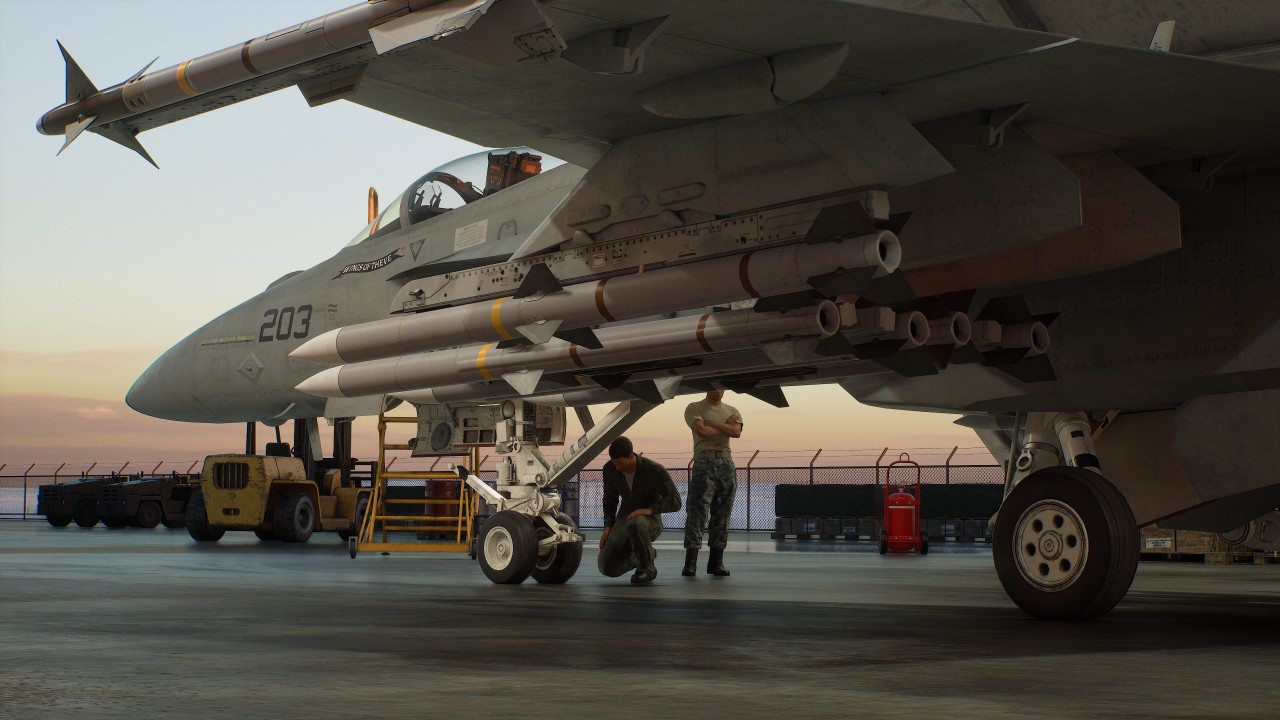
The story I’ve encountered so far isn’t something to write home about.
Its presentation, however, is engaging enough that I feel a lot of people can easily soldier on to see it through to the end.
The first-person story segments, radio chatter, briefings, and events that unfold during missions give the campaign more personality than simply jumping from one dogfight to another.
There’s clearly a larger conflict unfolding, and the game does a good job of making its missions feel like part of something bigger.
The presentation does a lot of the heavy lifting here.
Is ACE COMBAT 8: Wings of Theve your Play Match?
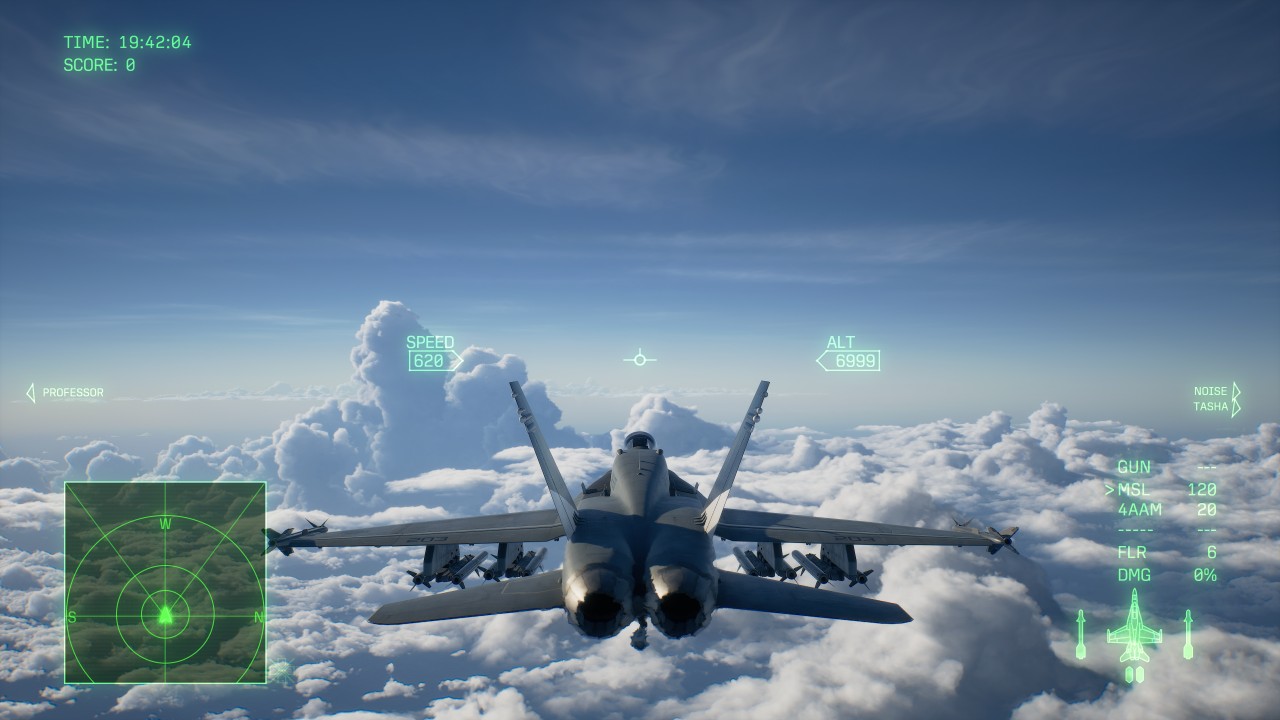
The campaign has 30 missions that run at around 15 minutes each, give or take. Your mileage, naturally, will vary.
For me, those first few hours took longer because I was still trying to figure out how to move, where to look, and what the game actually wanted me to do.
ACE Combat 8 isn’t immediately intuitive if you’re coming into it completely blind like I did. The game does give you training options for practicing flight controls and special weapons, which can help you get comfortable before throwing yourself into tougher missions.
Once things start clicking, though, the experience becomes quite distinct from the type of game most people gravitate towards.
Overall, ACE Combat 8: Wings of Theve feels like a nice break from the usual games where you control a single character and go through linear levels or an open world.
It’s the perfect palette cleanser.
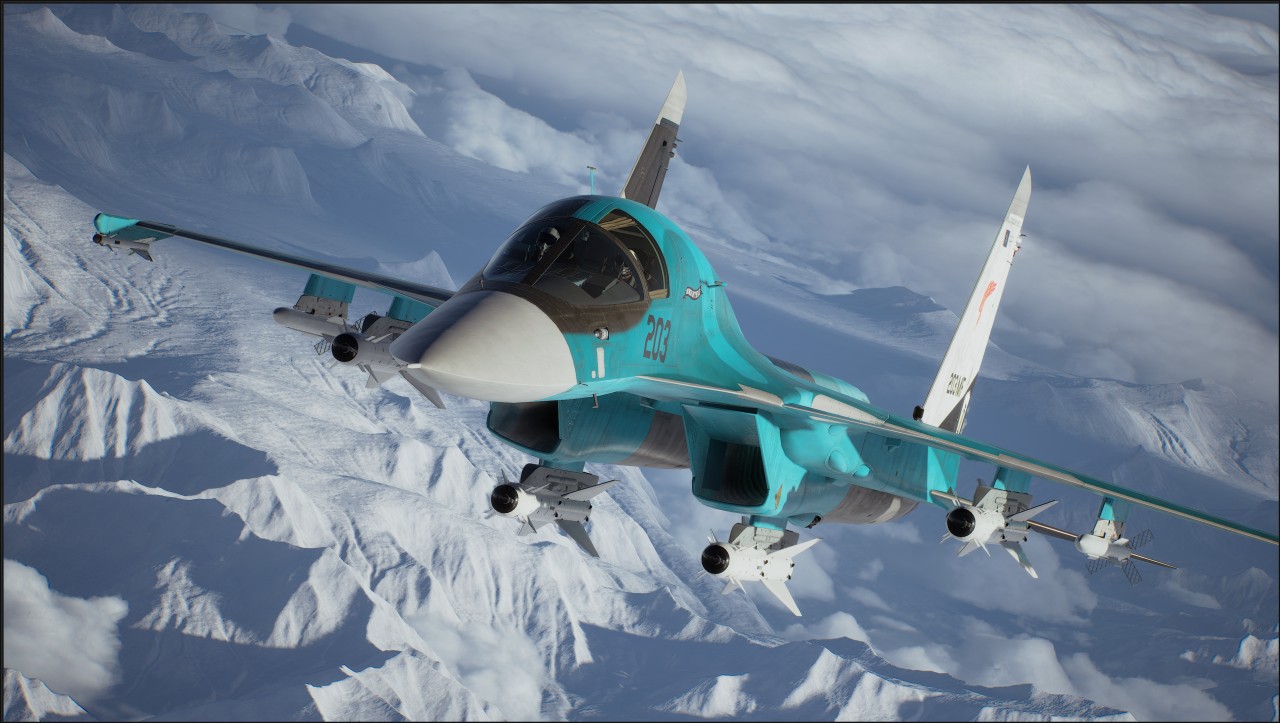
I didn’t expect to spend my first few hours struggling with radar, movement, altitude, and mission objectives. Those struggles also made the moments when I finally understood what I was supposed to do feel more rewarding.
I’m still not fully comfortable in the cockpit.
I’m also ready for another sortie.
Verdict: Swipe Right.




UGREEN Nexode Pro 160W review: One mighty brick with a powerful trick

Samsung unveils Galaxy Tab S12 series for work, creativity, and life on the go

JBL brings a soundtrack to every room

Apple iPhone 18 Pro Series review

UGREEN launches new MagFlow and Nexode Pro charging accessories to Southeast Asia

HUAWEI Pura X View is 2026’s first WIDE slab-type smartphone

The CAMON Slim 5G is TECNO’s latest ultra-slim smartphone

iPhone 18 Pro series: Price, availability in the Philippines

DJI Osmo 360 II review: Going all-in on the ecosystem

iPhone 18 Pro series: Price, availability in Singapore


-

 News1 week ago
vivo X500 Series launches with major imaging upgrades
-

 News1 week ago
OPPO Find X10 Pro Max is the first phone with a triple 200MP camera system
-

 Automotive3 days ago
BYD says that way better EV batteries are coming next year
-

 Singapore2 weeks ago
Epson Lifestudio Grand Plus EH-LS970B with 4K projection, more launches
-

 Drones2 weeks ago
DJI Lito X1 review: Is this the best lightweight drone for creators?
-

 News1 week ago
vivo introduces OriginOS 7 with smarter multitasking and AI features
-

 News2 days ago
HONOR Magic9 Pro Max launches in China with ARRI-powered imaging
-
 Smartphones4 days ago
When TECNO-logy meets Tonino Lamborghini legacy