
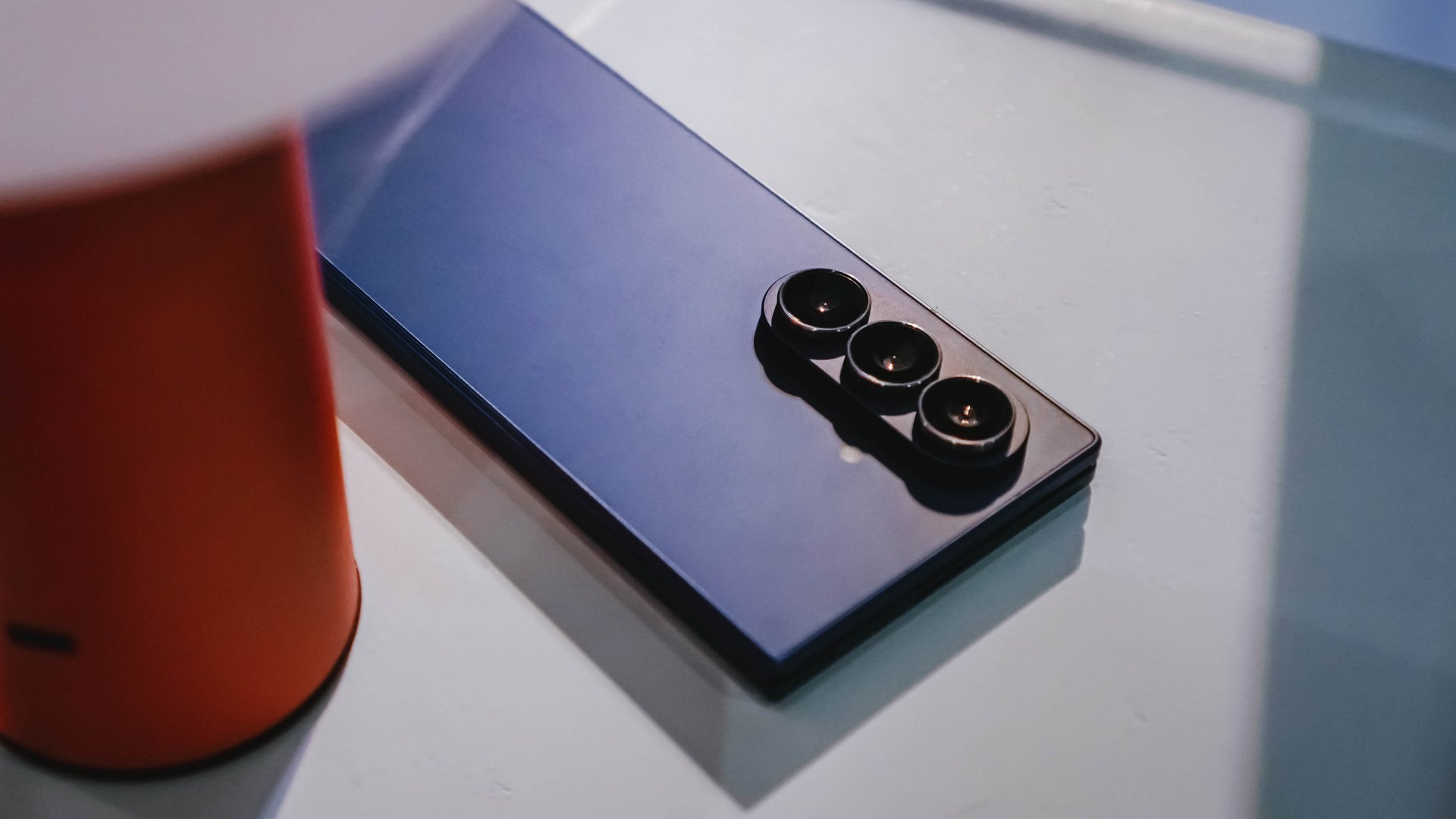

The Samsung Galaxy Z Fold7 finally expands its outer screen making it more inline with regular bar smartphones. It’s a form-factor that’s already adapted by competing brands OPPO and HONOR.
Below is a quick look at the size of the Galaxy Z Fold7 versus the Galaxy Z Fold6, OPPO Find N5, and HONOR Magic V3.
Galaxy Z Fold7 vs Galaxy Fold6

The Galaxy Z Fold7 (L) is taller and thinner than its predecessor.
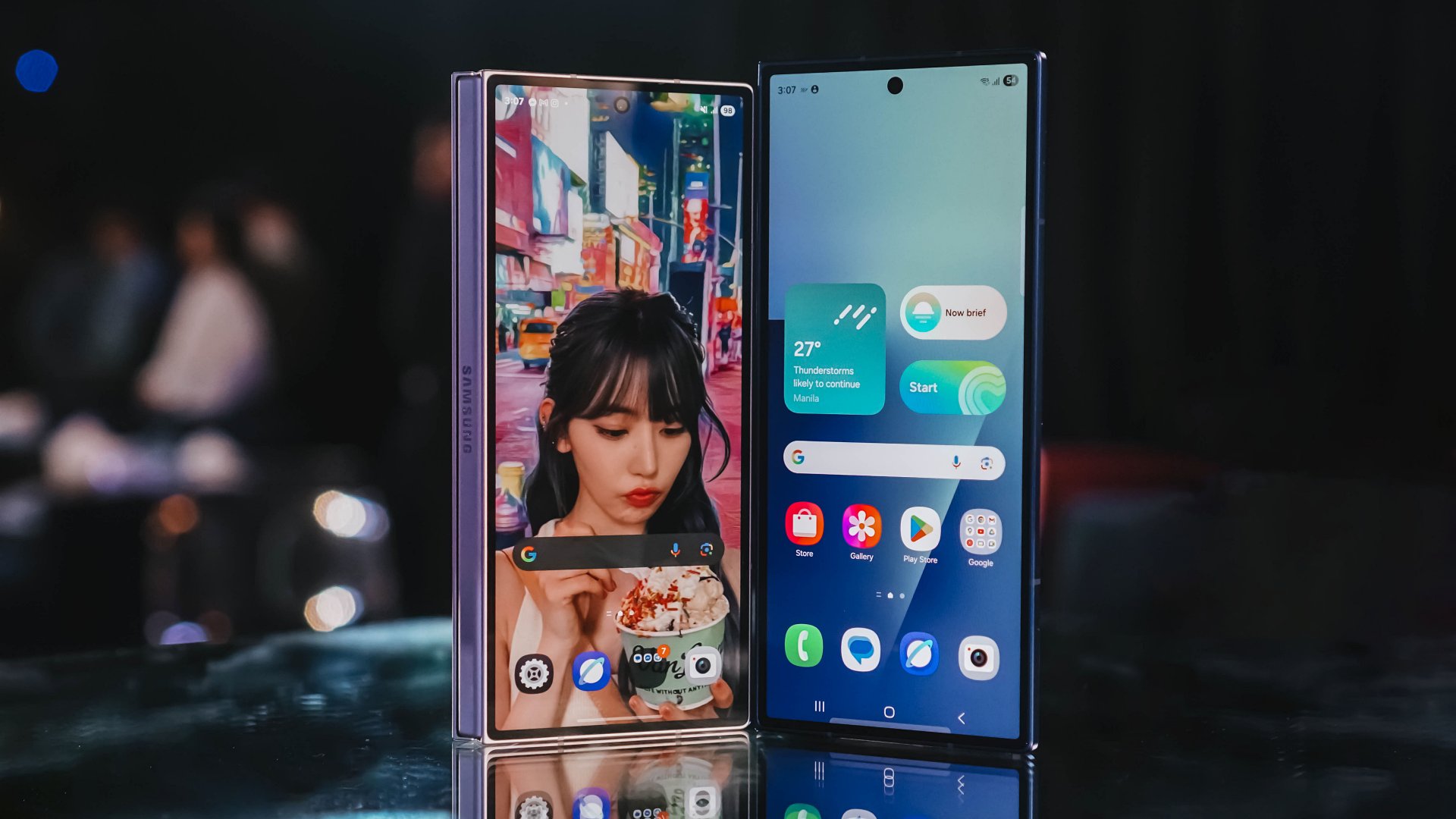
L: Galaxy Z Fold6, R: Galaxy Z Fold7
Galaxy Z Fold7 vs OPPO Find N5
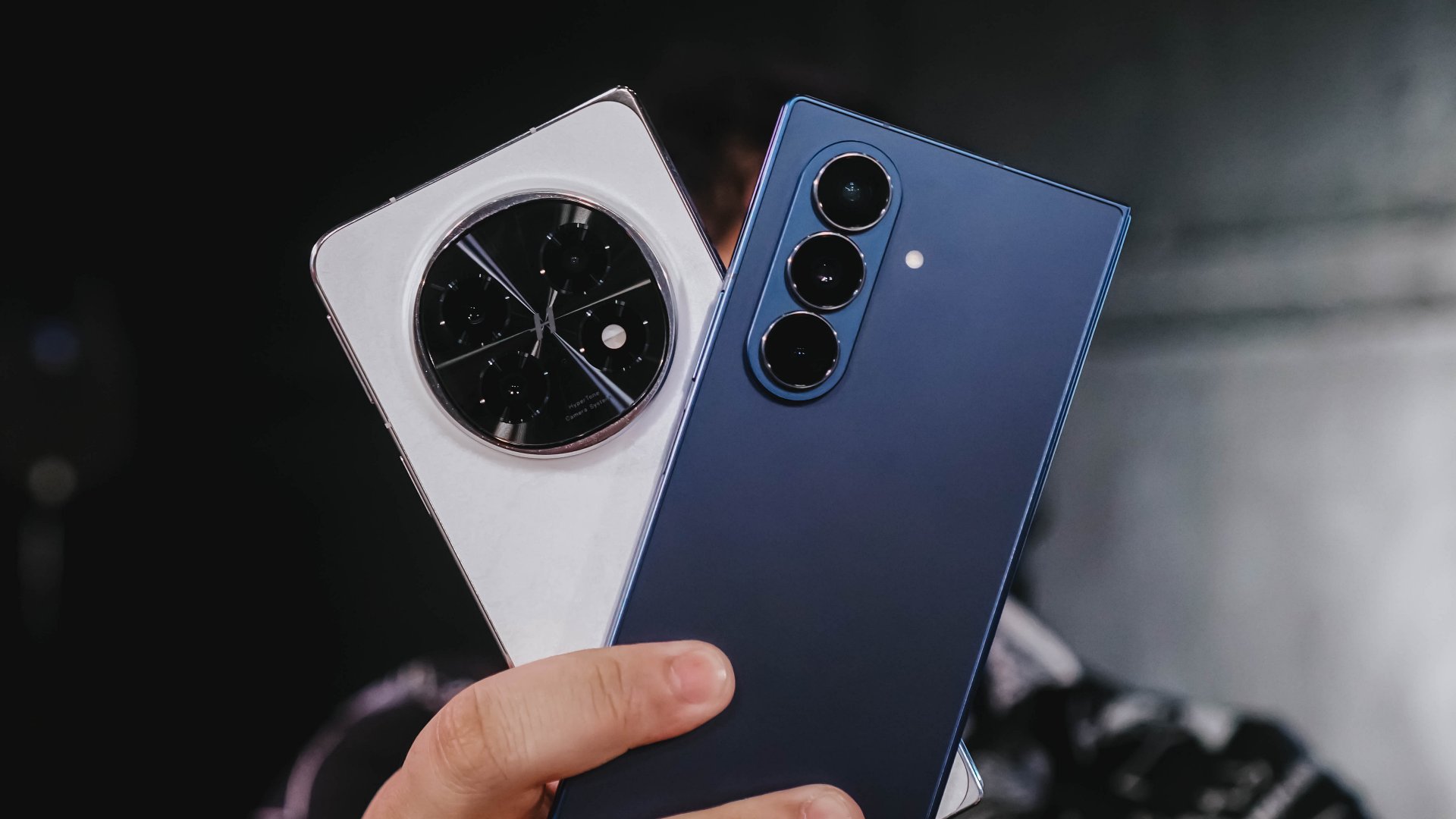
The OPPO Find N5 and Galaxy Z Fold7 share a tall and thin profile.
Galaxy Z Fold7 vs HONOR Magic V3

The Galaxy Z Fold7’s outer screen (6.5″) is comparable to the HONOR Magic V3’s (6.43) which many felt was an adequate width.
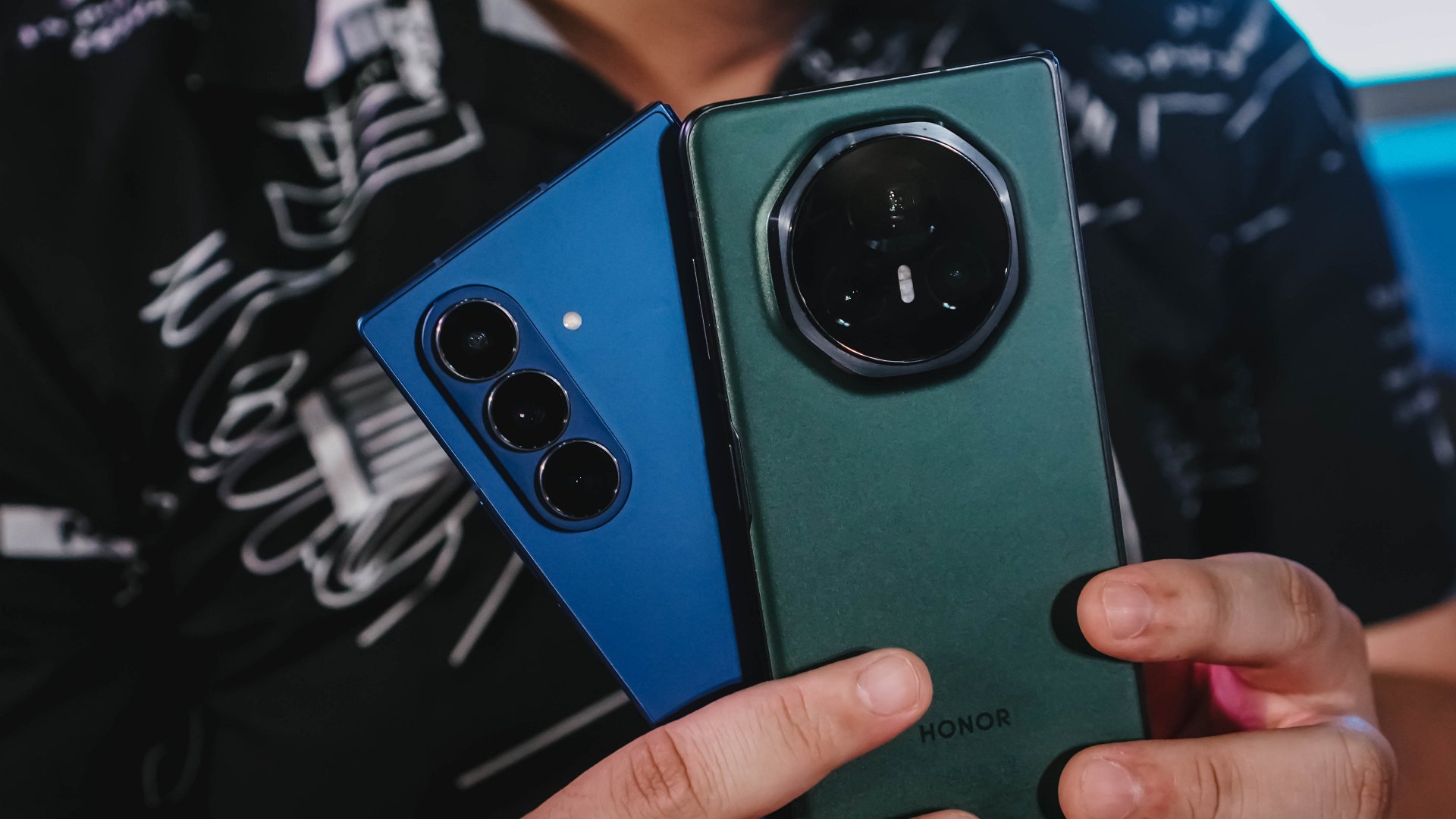
The camera modules though, are drastically different.
How does the Galaxy Z Fold7 compare?
The photos honestly don’t do a great job of showing it because the differences are truly marginal. It’s when touching and feeling these devices that you can tell how much even fractions of an inch can do to improve a device’s feel.
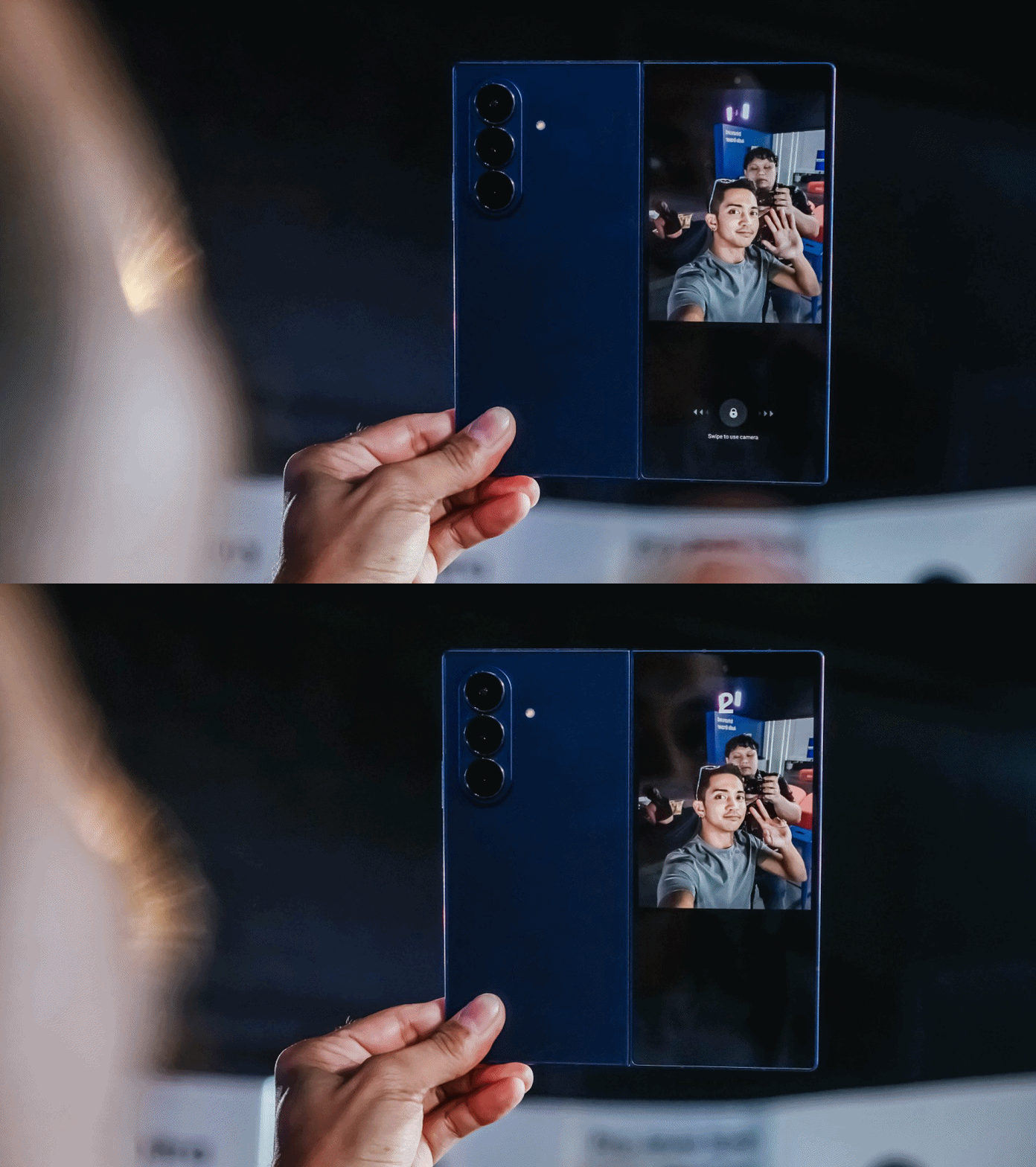
The Galaxy Z Fold7 having a 6.5-inch outer screen greatly improves its usability as a standard bar smartphone. For the longest time, the Galaxy Z Fold line has had a tall and narrow form factor.
It made it easy to grip and hold especially for when you’re taking photos and videos. However, it was terrible for mostly everything else. For my own experience, I barely used the phone folded — only if I’m looking something up quickly or just going through some notifications. Otherwise, it was folded all the way.
That’s not the case now as, folded, its closer in width to its contemporaries — the OPPO Find N5 and HONOR Magic V3 (yes, the global version of the Magic V5 is on the way but until it’s out, this is the comparison).
We’re excited to take the Galaxy Z Fold7 through the paces and share with you what it’s like to use it on the daily.
Galaxy Z Fold7 Specs:
| Galaxy Z Fold7 | ||
|---|---|---|
| Display | Main Screen | 8.0-inch QXGA+* Dynamic AMOLED 2X (2184 x 1968), 368ppi 120Hz adaptive refresh rate (1~120Hz) |
| Cover Screen | 6.5-inch FHD+ Dynamic AMOLED 2X (2520 x 1080, 21:9), 422ppi 120Hz adaptive refresh rate (1~120Hz) |
|
| Dimension & Weight | Folded | 72.8 x 158.4 x 8.9mm |
| Unfolded | 143.2 x 158.4 x 4.2mm | |
| Weight | 215g | |
| Camera | Cover Camera | 10MP Selfie Camera F2.2, Pixel size: 1.12μm, FOV: 85˚ |
| Front Camera | 10MP Main Camera F2.2, Pixel size: 1.12μm, FOV: 100˚ |
|
| Rear Triple Camera | 200MP Wide-angle Camera Quad Pixel AF, OIS, F1.7, Pixel size: 0.6μm, FOV: 85˚ |
|
| 12MP Ultra-Wide Camera Dual Pixel AF, F2.2, Pixel size: 1.4μm, FOV: 120˚ |
||
| 10MP Telephoto Camera PDAF, OIS, F2.4, Pixel size: 1.0μm, FOV: 36˚, 3X optical zoom |
||
| AP | Snapdragon® 8 Elite for Galaxy | |
| Memory & Storage | 16GB Memory with 1TB internal storage 12GB Memory with 512GB internal storage 12GB Memory with 256GB internal storage |
|
| Battery | 4,400mAh (typical) dual battery | |
| Charging | Wired Charging: Up to 50% charge in around 30 min. with 25W Adapter and 3A USB-C cable Fast Wireless Charging 2.0 Wireless PowerShare |
|
| Water Resistance | IP48 | |
| Glass/Metal | Cover | Corning® Gorilla® Glass Ceramic 2 |
| Back | Corning® Gorilla® Glass Victus® 2 | |
| Frame | Advanced Armor Aluminum | |
| OS | Android 16 One UI 8 |
|
| Network & Connectivity | 5G*, LTE**, Wi-Fi 7***, Bluetooth® v5.4 | |
| Sensors | Capacitive Fingerprint sensor (side), Accelerometer, Barometer, Gyro sensor, Geomagnetic sensor, Hall sensor, Proximity sensor, Light sensor | |
| Security | Samsung Knox with Samsung Knox Vault | |
| SIM Card | Two Nano SIM* and eSIM** | |
| Colors | Blue Shadow, Silver Shadow, Jetblack* [Samsung.com Exclusive] Mint** |
|
| *Availability of color may vary by market, region or carrier. **Online exclusive colors only available on Samsung.com. |
||



Features
GadgetSnaps: Westminster Abbey
A thousand years of history, unfolded with the Samsung Galaxy Z Fold8 Ultra

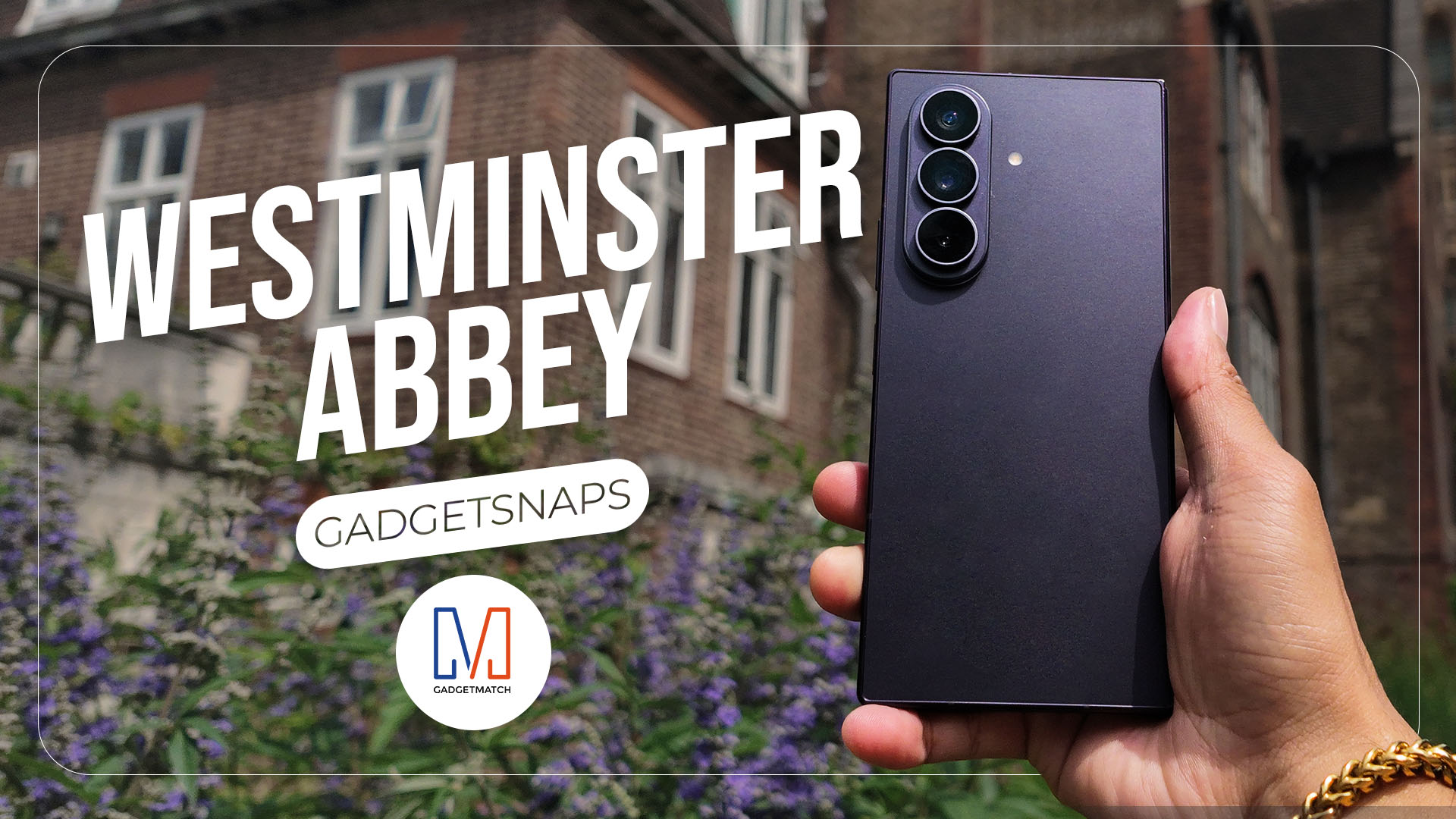
Westminster Abbey isn’t just another stop on the London tourist trail.
It’s the stage for coronations, royal weddings, and burials that span nearly a thousand years, all still playing out under the same vaulted ceilings that have been standing since before most countries had names.
Once you get past the crowds and the audio guides, a quieter version of the abbey starts to show itself: worn stone steps, poets resting a few feet from kings, light that shifts across the nave like it’s in on the performance too.
While losing track of time in Poets’ Corner (yes, me, playing amateur historian for an afternoon), I unfolded the Samsung Galaxy Z Fold8 Ultra and decided the abbey deserved more than a quick tourist snap.









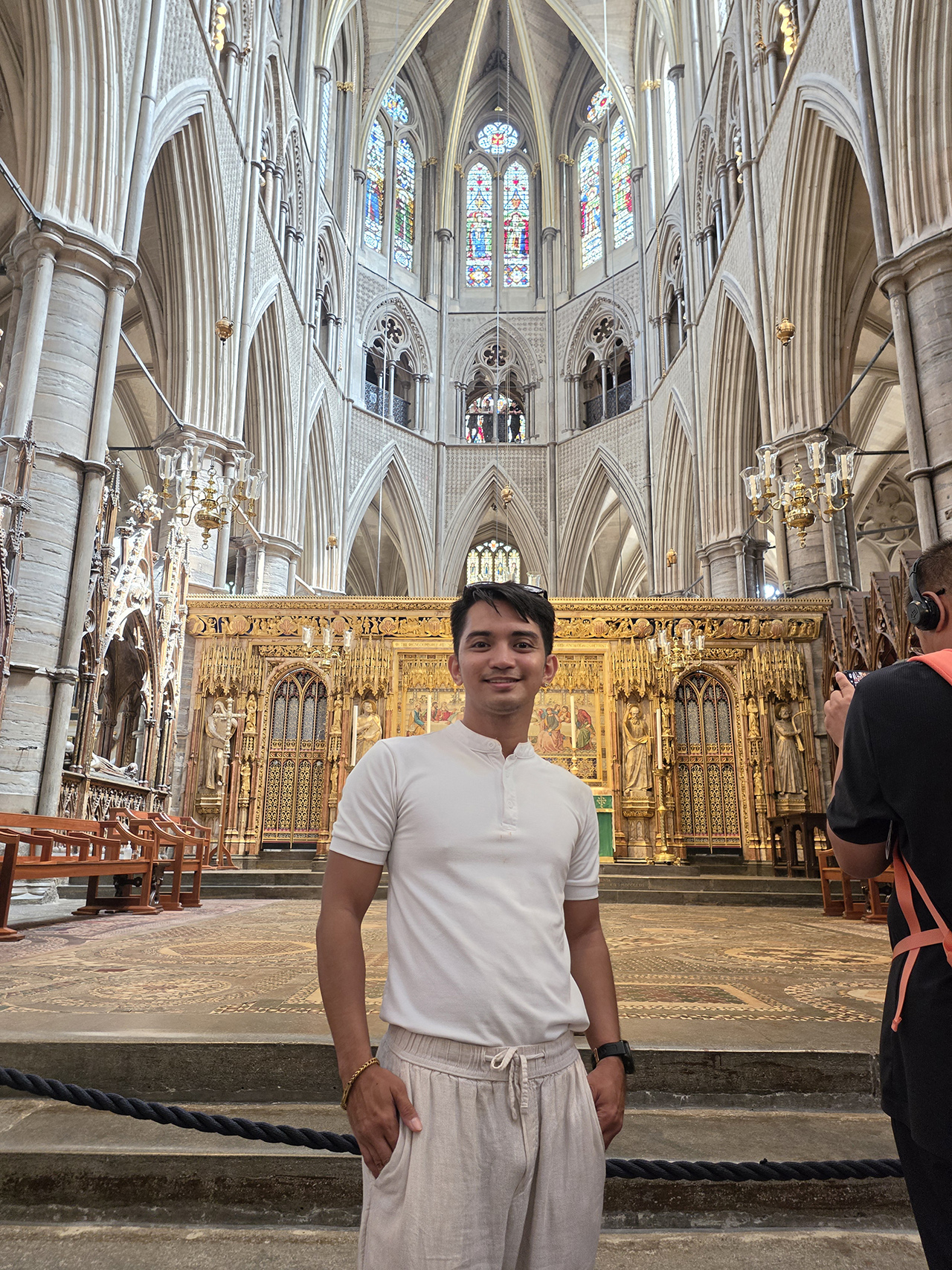













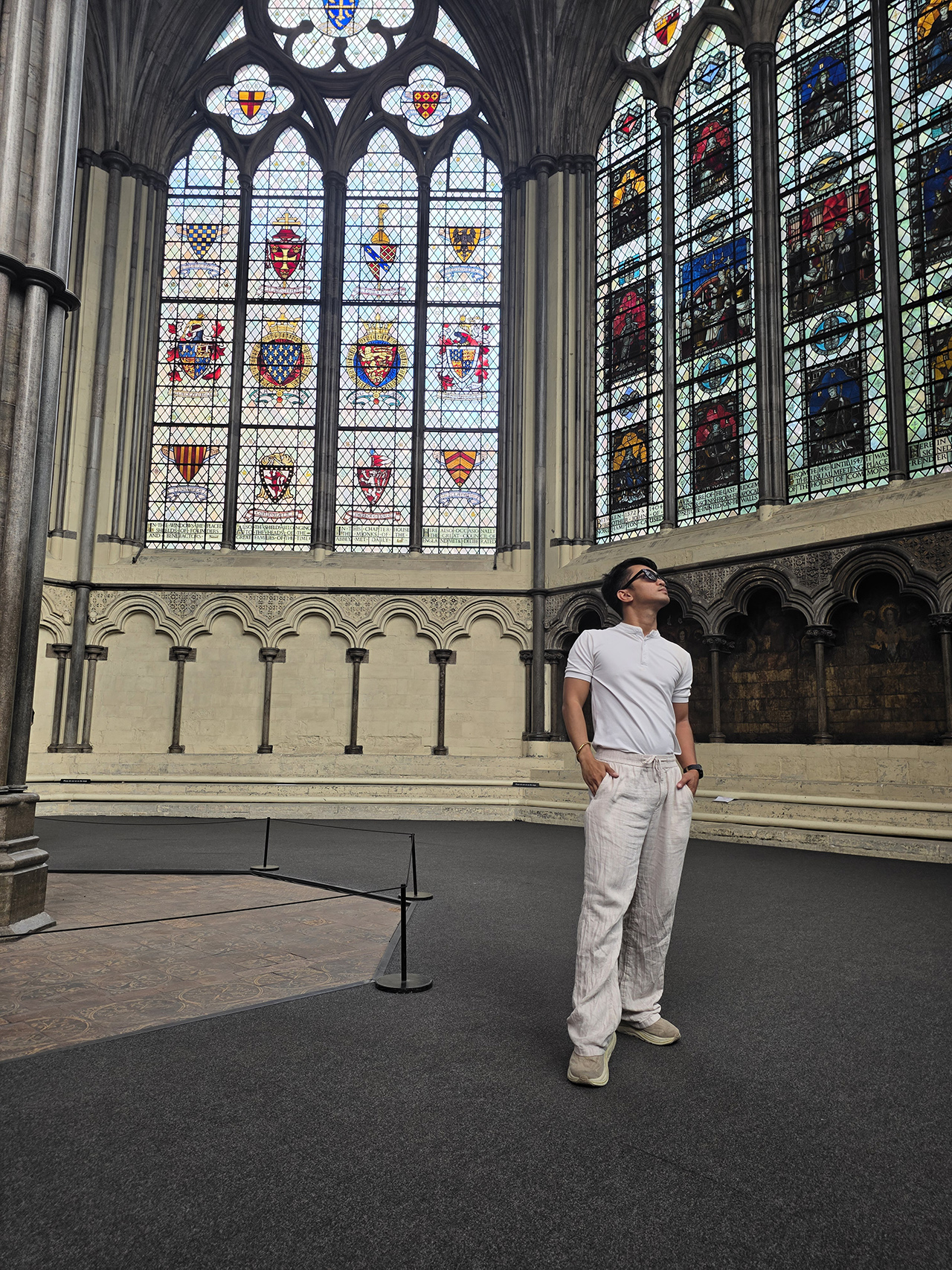





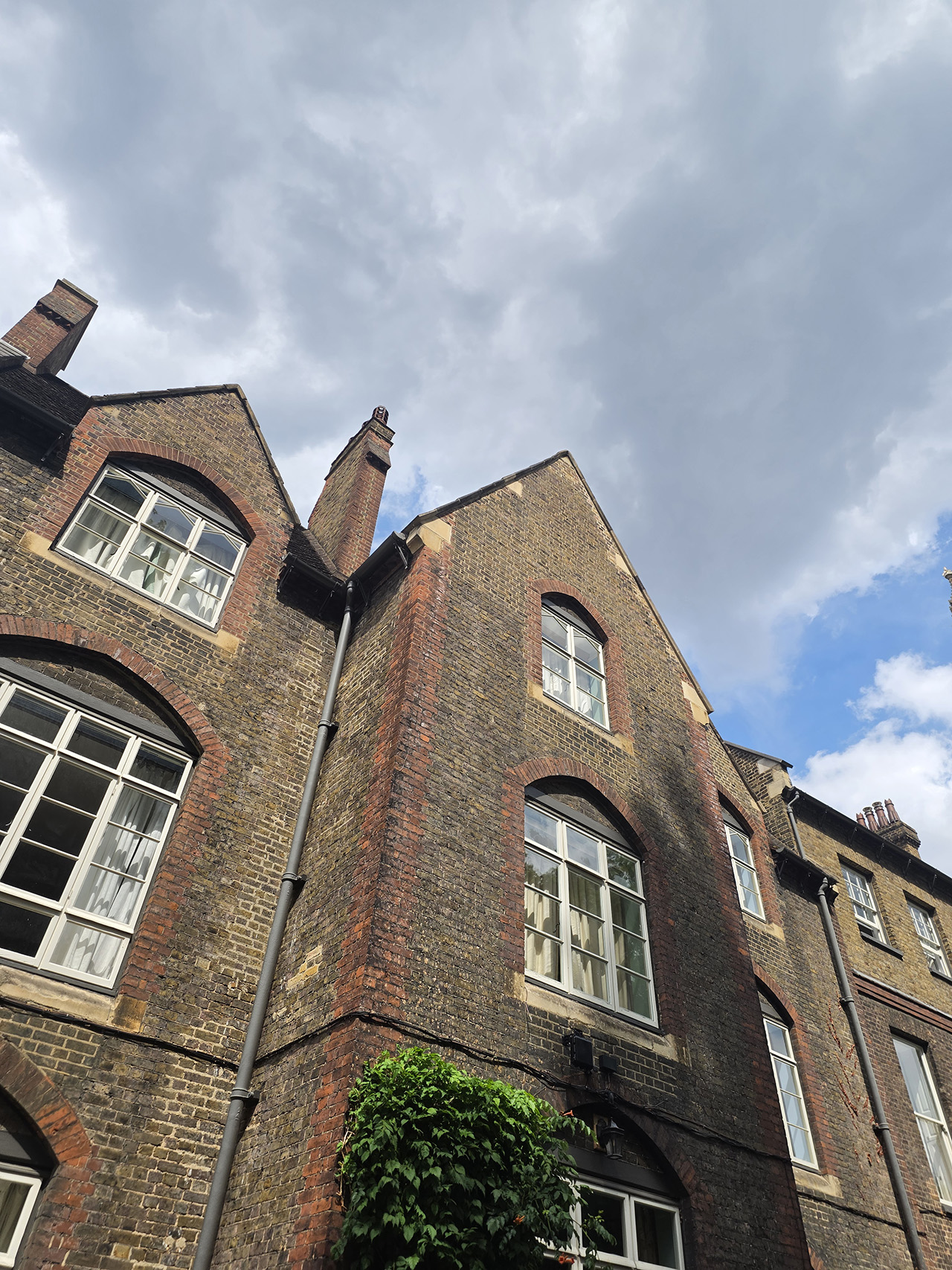
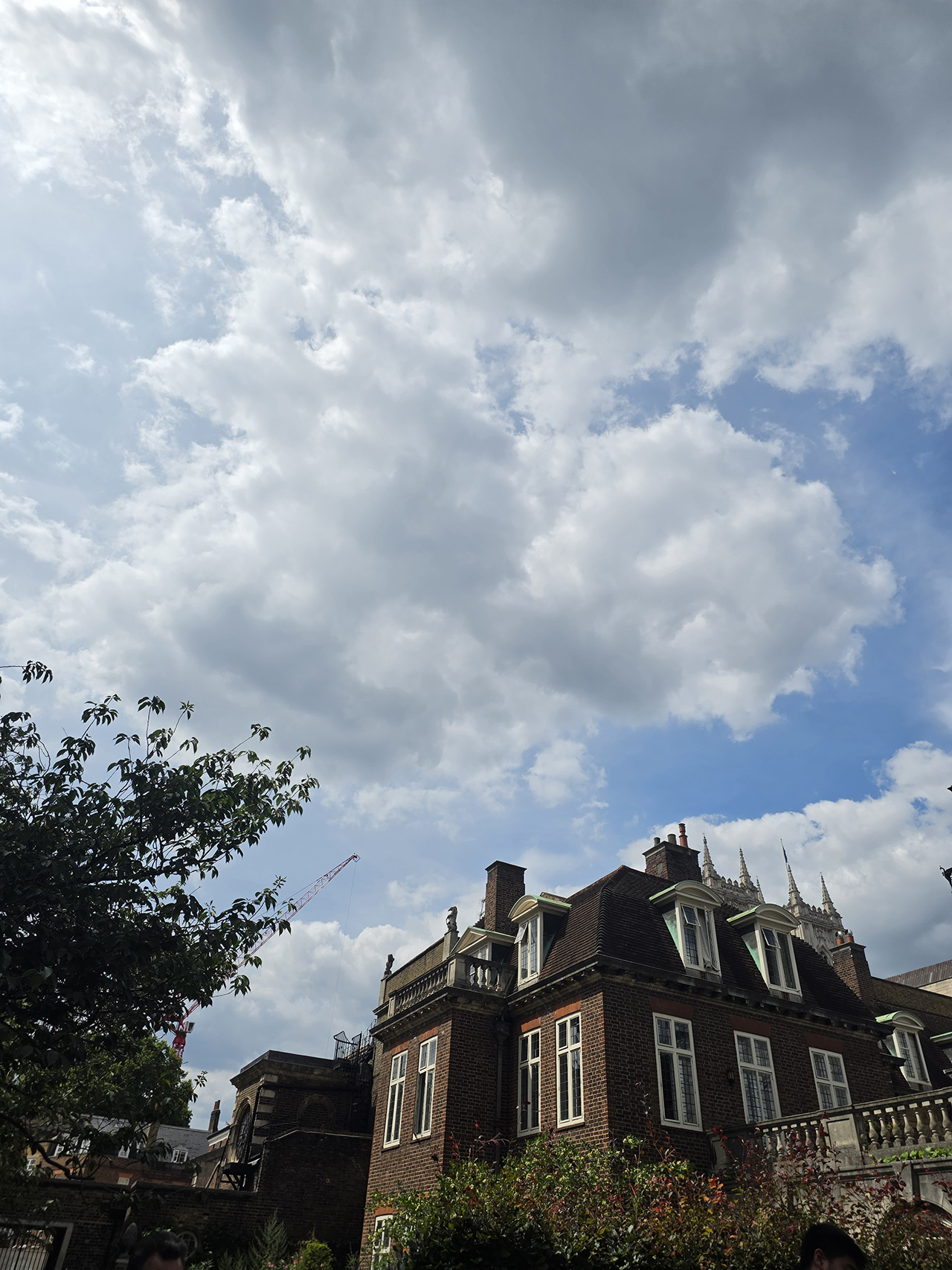





All photos captured using the Samsung Galaxy Z Fold8 Ultra.

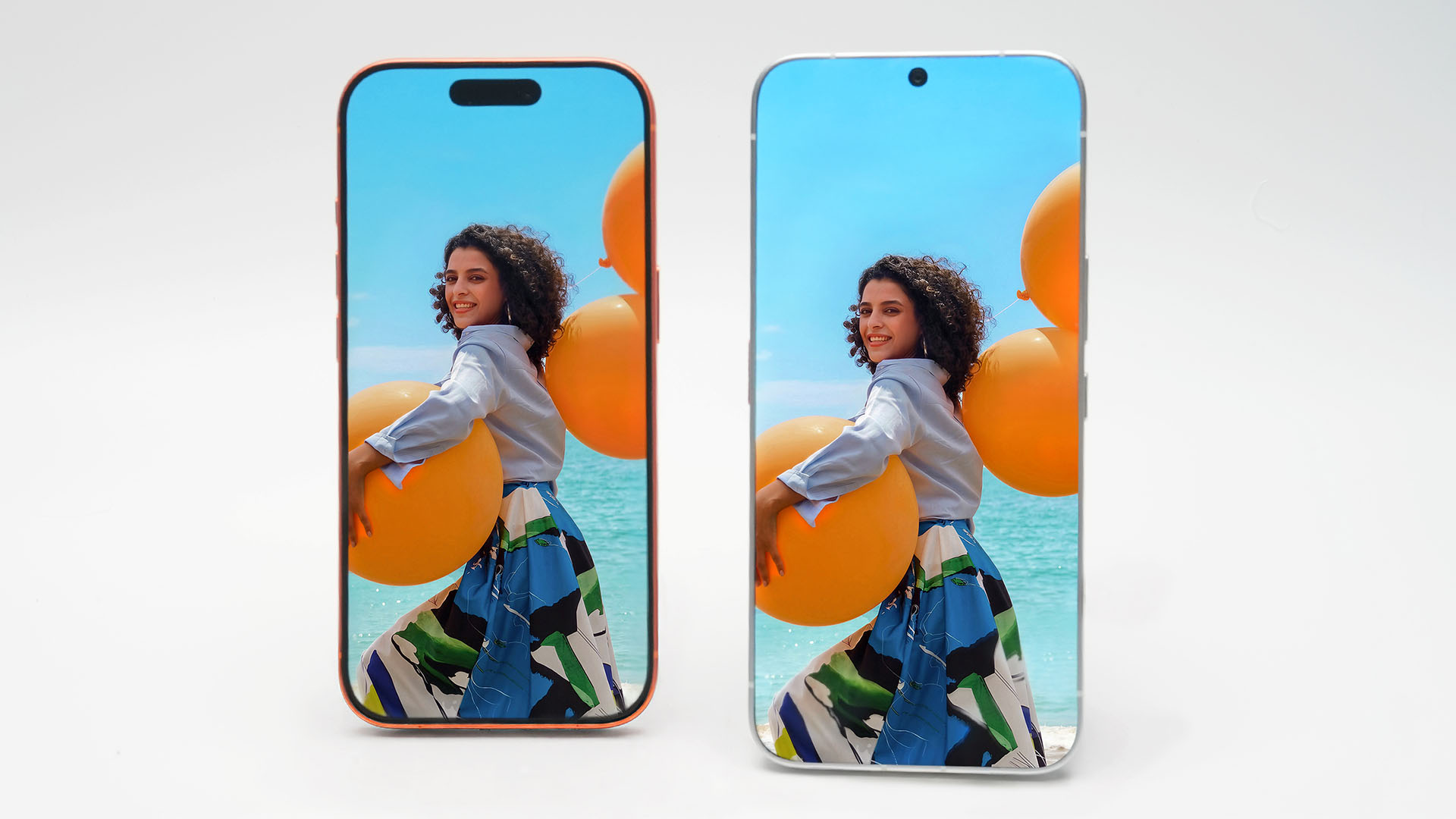
It seems like the race towards an all-screen smartphone isn’t over just yet.
While most in the tech industry are currently obsessed over Samsung’s latest wide foldable, TECNO announces a more refreshing sight — at least for the regular “slab-type” phone form factor.
Black borders begone
Modern flagship smartphones already have incredibly slim bezels, but there’s still a thin black border separating the active display from the frame. That’s due to the internal circuitry and safety clearances required by current display technology
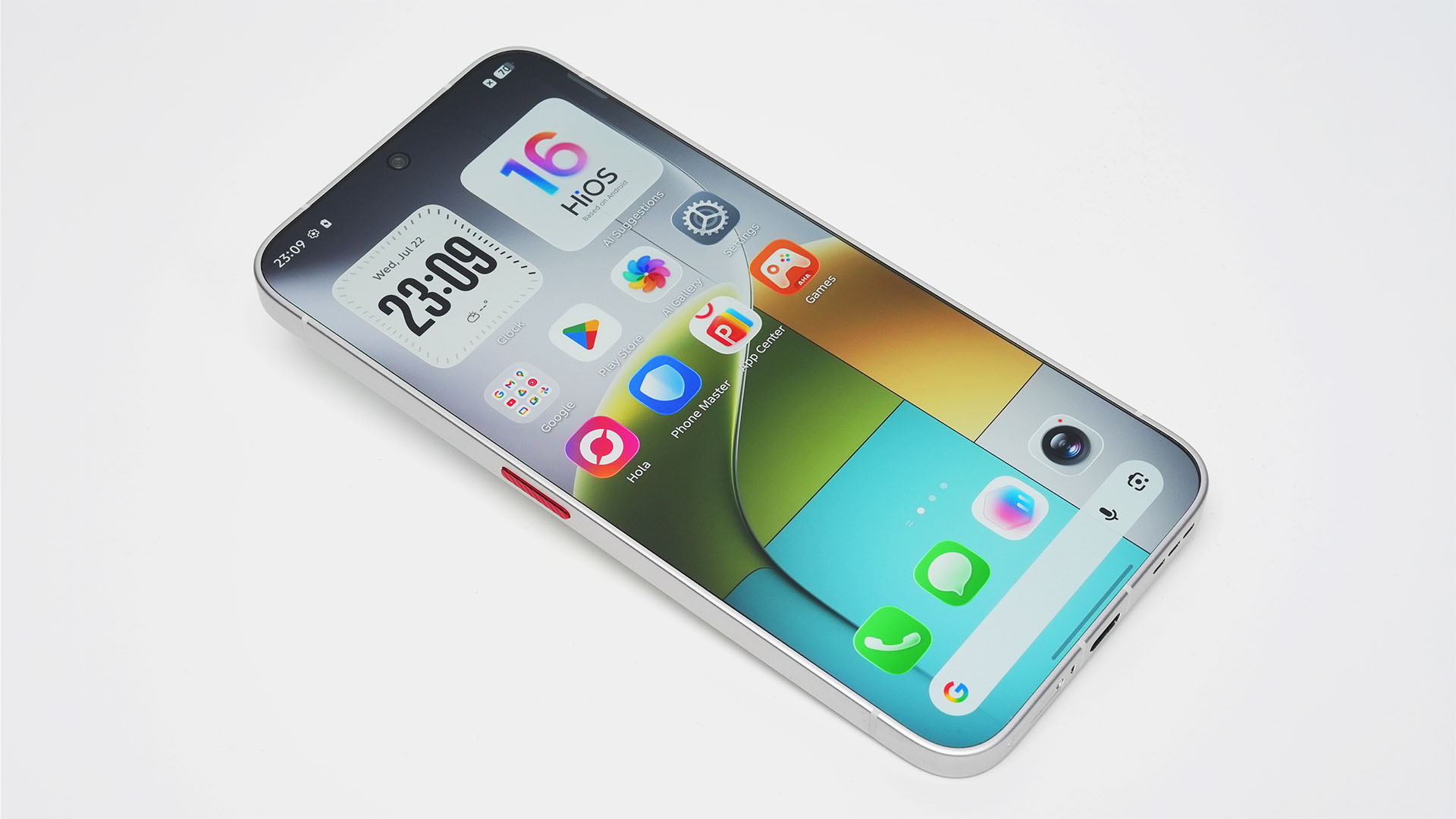
TECNO proves it’s possible to dissolve that with their Next-Gen Bezelless Concept Phone. And this is actually the industry’s first smartphone with a true 0mm display bezel.
With this fresh concept, the uprising brand says it has solved that “final millimeter” by redesigning the phone’s internal structure and display packaging. The result is a display with a visible border measuring 0 microns (0mm). This makes the screen appear to stretch all the way to the edges.
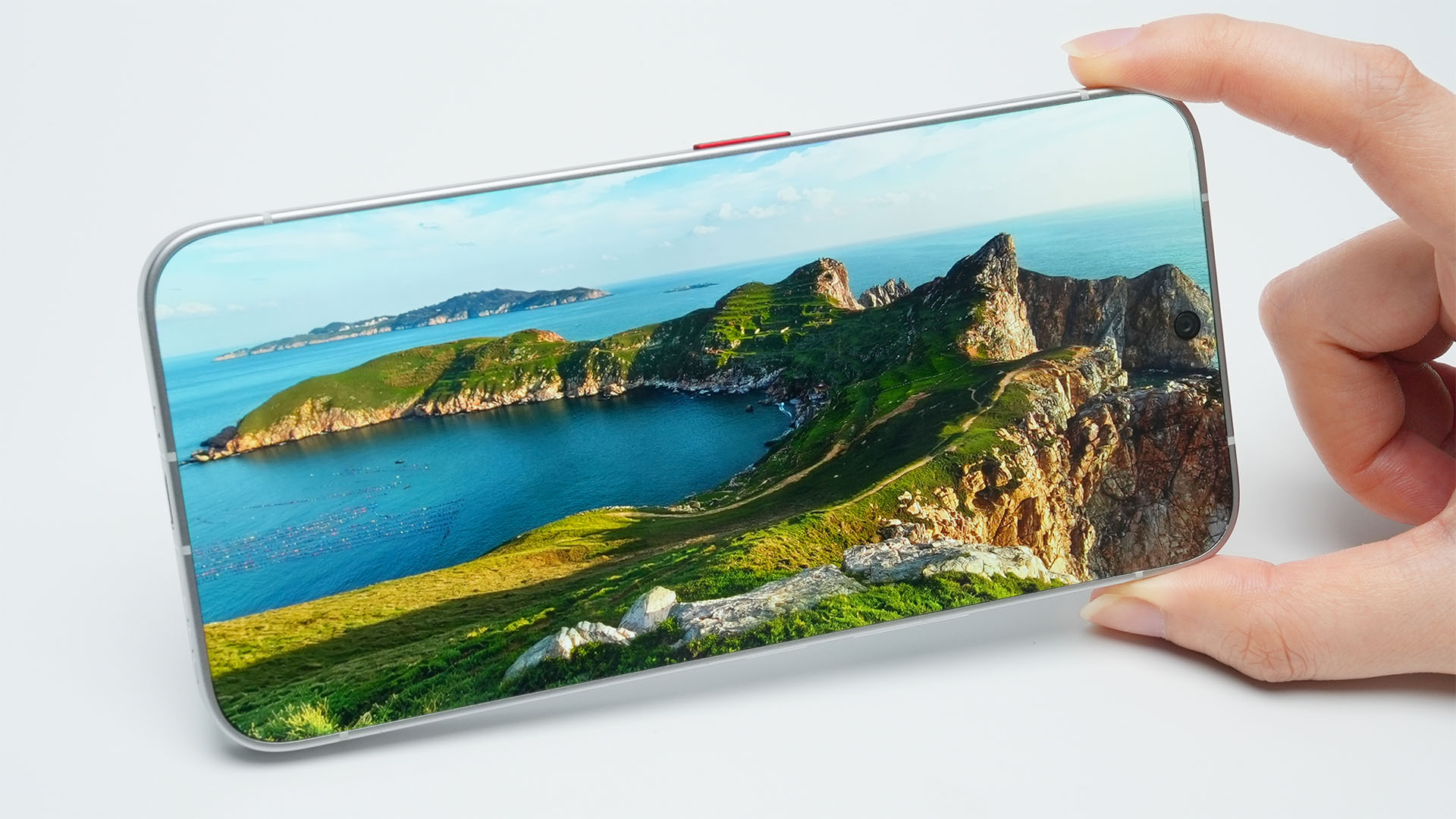
Removing the bezel completely isn’t just about aesthetics. The company says such uninterrupted display makes a more immersive experience — whether you’re watching videos, playing games, browsing photos, or simply reading.
Without these visible borders, content appears to flow naturally from edge-to-edge, making the display look as if it’s floating in your hand.
A glimpse at TECNO’s future
As with most concept devices, there’s no word yet on whether this exact design will make it into a commercial smartphone. Still, TECNO says the engineering behind the concept goes beyond the display itself.
The technologies developed for the project (such as improvements related to cameras, touch responsiveness, audio, and AI-driven user interactions) could eventually find their way into the brand’s future flagship devices.
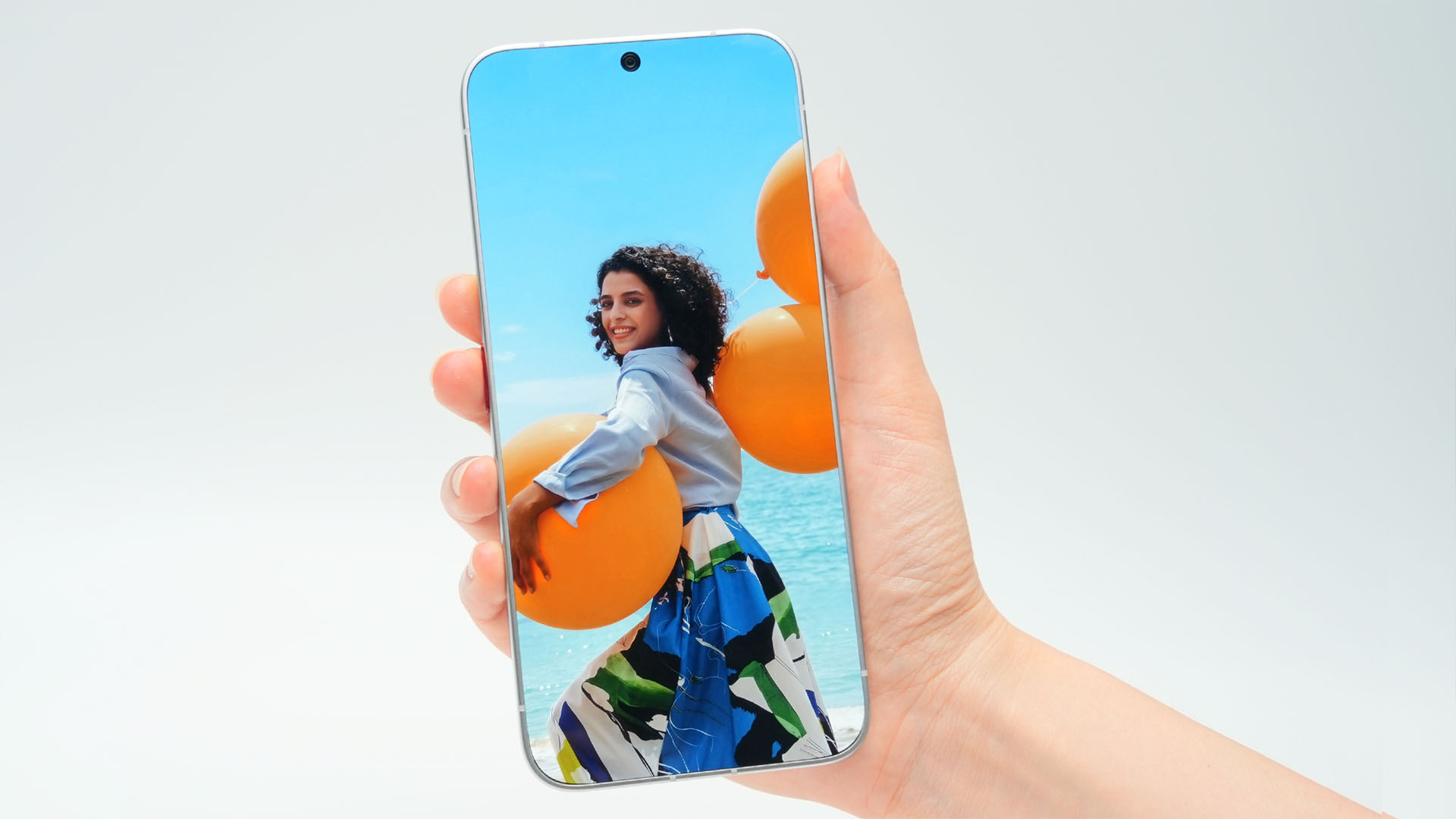
Whether or not a true bezel-free phone becomes reality anytime soon, the concept offers a glimpse at where smartphone design could be heading next. After all, TECNO’s super slim concept last 2025 actually became an actual retail product with the existence of TECNO Slim.
The concept is set to make its public debut on the upcoming ShowStoppers at IFA 2026 this September 3.
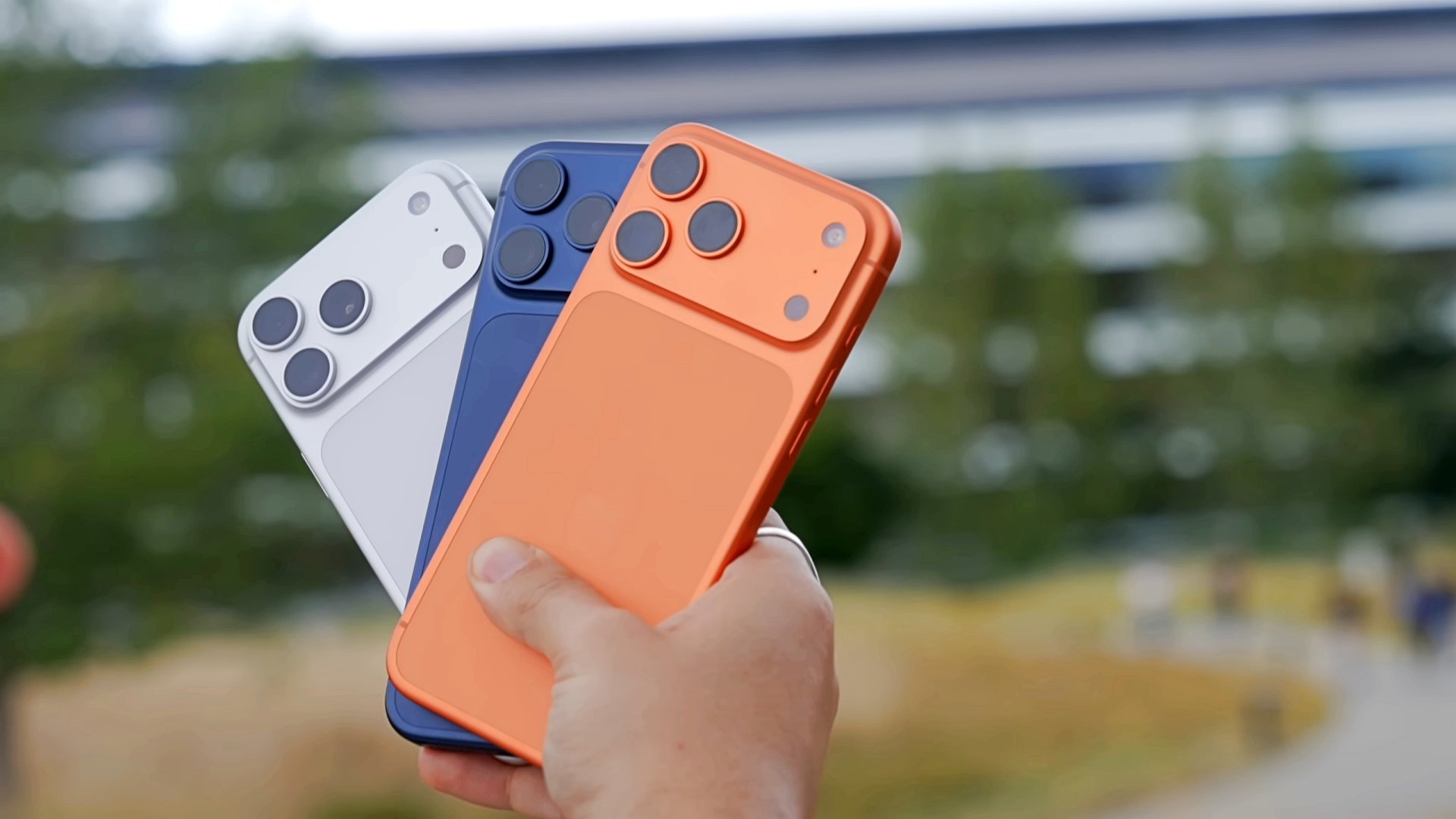
Apple has introduced Apple Upgrade, a new leasing program that makes it easier to get an iPhone, Mac, iPad, or Apple Watch through monthly payments. The program also gives customers more flexibility to upgrade to newer devices over time.
Apple Upgrade replaces new enrollments for the iPhone Upgrade Program with a single offering that covers four product categories. Apple partnered with Klarna to power the service.
Customers can lease an iPhone or Apple Watch for one or two years. Mac and iPad leases are available for two or three years.
At the end of the lease, customers have three options. They can upgrade to a newer device, purchase the leased device by paying the remaining balance, or return it with no further obligation.
Monthly payments start at US$17.99 for iPhone and US$24.99 for Mac, depending on the selected model and configuration. Customers must also qualify through Klarna before enrolling.
More than iPhones
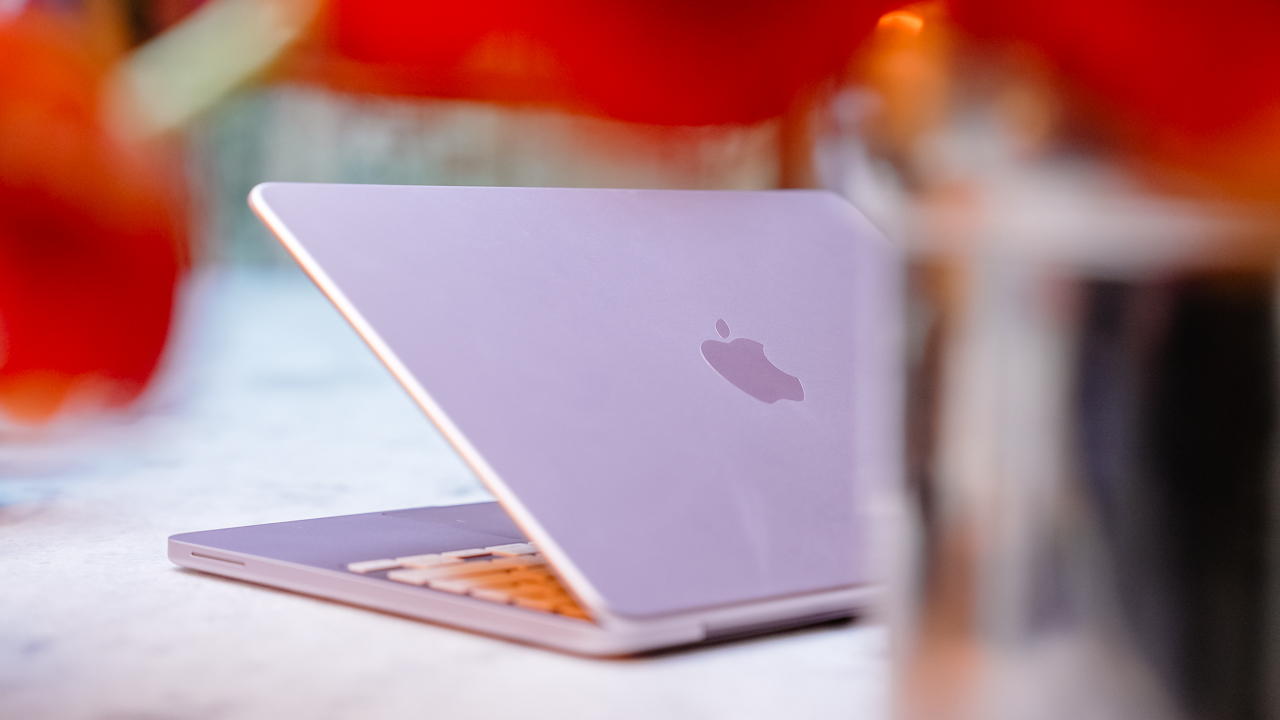
Apple Upgrade expands beyond the company’s previous iPhone-only financing program. It brings iPhone, Mac, iPad, and Apple Watch under one leasing service, making upgrades more consistent across Apple’s hardware lineup.
Customers can manage their lease through Apple, while Klarna handles financing and lease administration. They can also pay off their device early, although additional terms and fees may apply depending on the agreement.
Apple Upgrade is currently available only in the United States. Apple has not announced plans to expand the program to other regions.

realme C100: Enduring and durable in spite of entry-level realities
Enough power but needs more agility


The ASUS ExpertBook Ultra wins you over
The laptop sneaks up on you


Nexal Watch Sport review: A rugged watch for small budgets
I couldn't believe that watches this good could come for this cheap.

GadgetSnaps: Westminster Abbey

Sony WH-1000XM6 gets a new Olive Gray colorway option

The Death of BMI: Why the world’s most popular health metric is lying to you

Your wearable could warn you about illness before you feel a thing

VinFast debuts two-wheeler models, opens 21 e-motorcycle showrooms

New York becomes first state to ban smart glasses

Sony launches IER-M500 in-ear monitors

Microsoft dictates that a new Fallout game is coming

HoYo FEST 2026 details announced; tickets on sale from July 16
realme C100: Enduring and durable in spite of entry-level realities


-

 Wearables2 weeks ago
Garmin launches its first screenless fitness band
-
 Hands-On2 weeks ago
Hands-on: Samsung Galaxy Z Fold8, Flip8, Ultra
-

 Gaming2 weeks ago
NBA 2K27 cover athletes unveiled: Wemby, Clark, DRose
-

 Cameras2 weeks ago
Sony announces new FX5 full-frame camera
-

 Accessories2 weeks ago
CASETiFY revives Spider-Man collection for Brand New Day
-

 Gaming2 weeks ago
FINAL FANTASY X | X-2 HD Remaster launches on Nintendo Switch 2
-
 Computers1 week ago
AORUS MASTER 16 Gen 2 2026 AI gaming laptop launches
-
 News2 weeks ago
Samsung Galaxy Watch Ultra2 and Watch9: Price, availability in the Philippines