
News
Lenovo brings K8 Note and K8 Plus to the Philippines

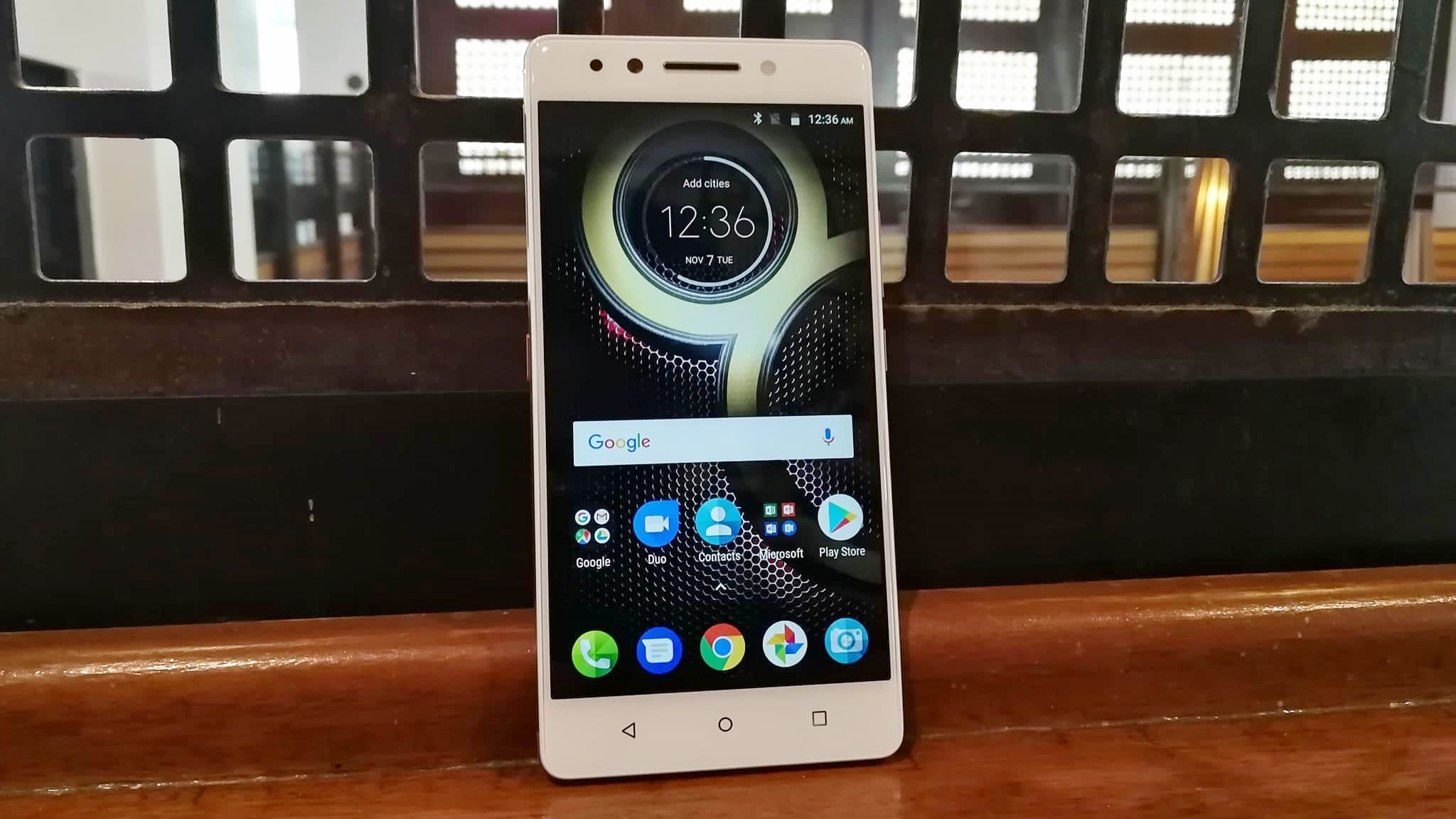
Even with Motorola under their arsenal, Lenovo is still pushing their smartphones to the Philippine market. The company just launched the K8 Note and K8 Plus.
The Lenovo K8 Note brings its 5.5-inch Full HD display encased in a utilitarian chassis. It’s powered by the deca-core MediaTek Helio X23 processor with a generous 4GB of memory and 64GB of storage. It has a large 4000mAh battery which supports fast charging with the included charger, and it has a rear-mounted fingerprint reader.

Lenovo K8 Note
The phone also has dual rear cameras with a 13-megapixel primary and a 5-megapixel secondary sensor for depth information. The two sensors work together to achieve bokeh effects. For selfies, there’s another 13-megapixel shooter in the front with its own LED flash.
The Lenovo K8 Plus, on the other hand, has a slightly smaller 5.2-inch 1080p display and is powered by a Helio P25 processor paired with 4GB of memory and 32GB of expandable storage. Despite the smaller display though, the phone still has a 4000mAh battery like its bigger sibling and a fingerprint reader on its back, as well.
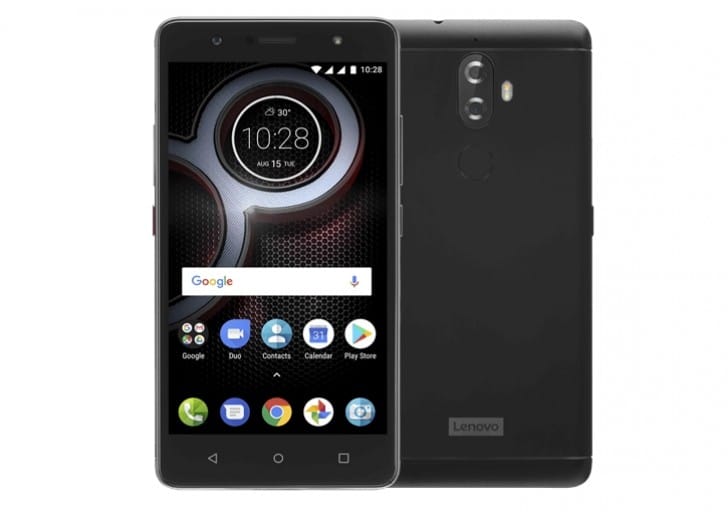
Lenovo K8 Plus
Its cameras are also similar to the K8 Note: 13-megapixel rear camera assisted by a secondary 5-megapixel sensor for extra depth information. The front camera is an 8-megapixel shooter which also has its own LED flash.
Both the K8 Note and K8 Plus are designed for a mobile multimedia experience with Dolby Atmos audio and Lenovo’s own VR platform, TheaterMax, baked in. Android Nougat comes out of the box with a promised update to Android Oreo soon.
Lazada Philippines has exclusive selling rights for the new Lenovo phones with the K8 Note priced at PhP 13,999 and the K8 Plus at PhP 11,999.
You can get the phones at a much cheaper price during Lazada’s Online Revolution starting November 9 until December 12. The K8 Note will be listed for just PhP 8,999, while the K8 Plus for just PhP 7,999.
SEE ALSO: HP and Lenovo lead the world market of personal computers
[irp posts=”22142″ name=”HP and Lenovo lead the world market of personal computers”]







Normally, public betas come and go with nary a peep from anyone but dedicated fans and testers. After all, why care about a beta when the final release is likely just around the corner? This one, however, is special. Today, Apple launched the iOS 27 public beta, and it’s our first taste of the redesigned Siri AI.
Recently, WWDC 2026 unveiled Apple’s latest attempts at entering the AI segment. Whereas previous iterations to incorporate AI failed to make an impact, Siri AI promises to provide users with helpful feedback that’s actually helpful.
Now, in the public beta for iOS 27, users all over can finally access the new assistant. To get to the beta, you need to be a part of the beta program, which you can easily sign up for on beta.apple.com. Once signed up, you can get the update from Software Update in Settings. You’ll see options for a developer beta and a public beta. Choose iOS 27 Public Beta.
At face value, Siri AI offers much of what you’d get from a traditional AI-powered assistant. However, it does slightly differ because it integrates the entire phone. The assistant contextualizes your information (including emails, messages, and photos) to give you the most accurate feedback that you might need.
If that’s not enough, Siri AI also has its own chatbot app. If you’re more used to ChatGPT, the assistant should give you that bit of familiarity.
Now, if you don’t want to go for a beta, Apple is expected to launch iOS 27 in its final form sometime in September.
Gaming
Most of the world’s PlayStations will be officially useless by 2028
PlayStation’s disastrous no-disc policy is now a lot worse than you thought.


Last week, we lamented the loss of the PlayStation disc. As we described, the loss isn’t just a major blow to nostalgia for aging gamers, but it also puts a huge question mark on game ownership. Well, there’s another wrinkle that the world is slowly realizing. By deleting physical discs, PlayStation has effectively blockaded their entire service from countries without an official online store.
If you haven’t heard, PlayStation is ceasing the production of physical discs for new games starting 2028. The console will become an all-digital platform. Now, we can blather on and on about how this sucks for ownership, but all gamers will still have access to games online at the very least. Right?
Wrong.
Not every country has an official PlayStation Store or the ability to create a PSN account. In fact, a staggering amount don’t; 121 countries (or 62 percent of the entire world) don’t have official access to the online storefront.
If you live in any of these countries, you’re likely familiar with some unofficial solutions: that is, setting your country elsewhere where the store exists. But, because it’s an unofficial solution, doing this is technically against PlayStation’s policies and can result in bans.
That being said, as noted by users on Reddit, this means that, on a very technical and legal level, these 121 countries will no longer be able to buy physical or digital games starting 2028. Because of a clarified policy, you can still play older games, but if you want to play the latest Call of Duty or NBA 2K, you are out of luck.
There’s no official list of affected countries, other than those collated by others manually. But if you’ve never been able to set your own country on the PlayStation Network, you’re a part of it.
News
FIFA World Cup: Lenovo’s Referee View received positively by fans
Unique first-person perspective brings action closer to viewers


Lenovo has revealed that technological advancements at the FIFA World Cup 2026 has made viewers “feel closer” to the action than ever before.
Surveying fans across Australia, Canada, India, the United Kingdom, and the United States, Lenovo bared that 87% say technology is improving the viewing experience.
Close-to-action camera perspectives have also help 84% of surveyed viewers, making them feel they’re right on the pitch.
Of course, Lenovo AI has introduced Referee View throughout the World Cup. This AI-powered technology gives viewers a first-person POV of the match from a referee’s perspective.
Lenovo Referee View has been featured on an average of three times per match across the tournament in over 220 countries and territories worldwide, according to preliminary FIFA data.
Through a lightweight camera mounted on the match official, the technology gives a first-person POV of the match.
And while raw footage is fast-moving and sometimes unstable, Lenovo’s AI-powered video analytics platform automatically transforms the clips into smooth, broadcast-quality video in real-time.
Other findings from Lenovo’s research include:
- 76% of viewers have seen or heard about Referee View
- 91% say the close-to-action Referee View POV is appealing
- 88% say smooth and stable footage is an important part of viewing sports footage
- 98% say clear picture quality has been important when watching the FIFA World Cup 2026
- 91% are interested in seeing more technology that creates immersive or close-to-action sports experiences


realme C100: Enduring and durable in spite of entry-level realities
Enough power but needs more agility


The ASUS ExpertBook Ultra wins you over
The laptop sneaks up on you


vivo X300 Ultra review: A “Whole Different Animal”
Got the beast (finally) unleashed!

iOS 27 public beta gives us our first taste of Siri AI

The case for traveling without a plan

Most of the world’s PlayStations will be officially useless by 2028

Cebu Pacific becomes 1st SEA low-cost carrier with Starlink Wi-Fi

Going ‘back to school’ as an adult with the HP Smart Tank 580

Buyer’s Guide: TECNO SPARK 50 Pro vs SPARK 50 5G
vivo X300 Ultra review: A “Whole Different Animal”

New York becomes first state to ban smart glasses

DJI Osmo Pocket 4P launches with dual lenses and a 1-inch sensor

HONOR Watch 6 review: Less guessing, more knowing


-
 News6 days ago
New York becomes first state to ban smart glasses
-

 Singapore5 days ago
Sony launches IER-M500 in-ear monitors
-
Laptops2 weeks ago
The ASUS ExpertBook Ultra wins you over
-

 Computers7 days ago
GIGABYTE releases new AORUS RTX 5080 INFINITY graphics cards
-

 Gaming6 days ago
Microsoft dictates that a new Fallout game is coming
-

 Enterprise2 weeks ago
Google ordered to pay EUR 4.1 billion in fines
-

 Accessories2 weeks ago
Sony brings 1000X THE COLLEXION to the Philippines
-

 Gaming7 days ago
HoYo FEST 2026 details announced; tickets on sale from July 16