


How well did your favorite smartphone brand grow in 2017?
Here are some interesting insights form IHS Markit, a renowned market research firm, that recently published its findings on the leading global smartphone brands of 2017.
Gold and Silver go to…
Samsung was the leading Smartphone brand of 2017 by shipped unit volume. Its dominance is unchallenged with a total market share of 22% or 316.2 million. Samsung shipments grew 2% last year.
Apple is a distant second at 15% or 215.8 million units — this despite an amazing fourth quarter, where the iPhone X was the bestselling smartphone. Apple, however, flatlined this year with zero growth rate.
A Chinese brand takes Bronze
Huawei in third is creeping up on Apple with an 11% market share or 153.1 million shipped units, a plus of 10% compared to the previous year, but ran into speed bumps breaking into the US market. The company only sold around 200,000 units in the fourth quarter of 2017, despite the promising showing of the Huawei Mate 10 Pro in other parts of the globe.
In January, AT&T pulled out from negotiations, days before a partnership was scheduled to be announced at CES 2018. In addition, a proposed bill seeking to ban Huawei from doing business in the US might further hurt the company’s chances of securing all important carrier partnerships for its flagship devices.
Better together
Sister companies OPPO and Vivo took fourth and fifth, respectively. Both companies posted double-digit year-on-year growth rates, 23% and 18%, respectively. Together, both brands shipped 212.8 million units, enough to get dangerously close to Apple and well ahead of Huawei. Both brands opened flagship stores in China allowing them to boost brand recognition and drive home an image of value for money.
The growth winners are
But when it comes to growth numbers, the clear winners are Xiaomi at sixth and Motorola at ninth. The two brands saw growth rates well beyond any other brand, both enjoying a 58% year-over-year growth.
Motorola now controls 3% of the market while Lenovo, as the owner of the Motorola Mobility name, reached only a 1% market share. This is a clear validation of Lenovo’s go-to-market strategy to focus on the beloved Motorola brand. In 2018, expect Lenovo to continue to shift away from Lenovo-branded smartphones in favor of Motorola-branded handsets.
What about the other South Korean player?
While LG maintained almost the same unit volume as in 2016 with a growth of just 1%, they climbed up one spot to number seven due to the weak performance of ZTE. LG is struggling to get market recognition for its high-end devices, and with a limited marketing budget compared to other brands, this might not change in the foreseeable future.
And the losers
ZTE and Gionee are the biggest losers of 2017. ZTE declined by 20%, dropping to the eighth spot. Ginoee also declined by 14%.
The overall market
The global smartphone market grew only slightly by 3% equaling a total unit volume of 1.44 billion shipped phones compared to 1.4 billion in 2016. The fourth quarter of 2017 saw a decline of 4.5%, ringing in trouble ahead and laying the foundation for more changes to come in 2018.



Apps
Apple’s best feature to cure motion sickness is finally on Android
Google copies a good page from Apple’s playbook.

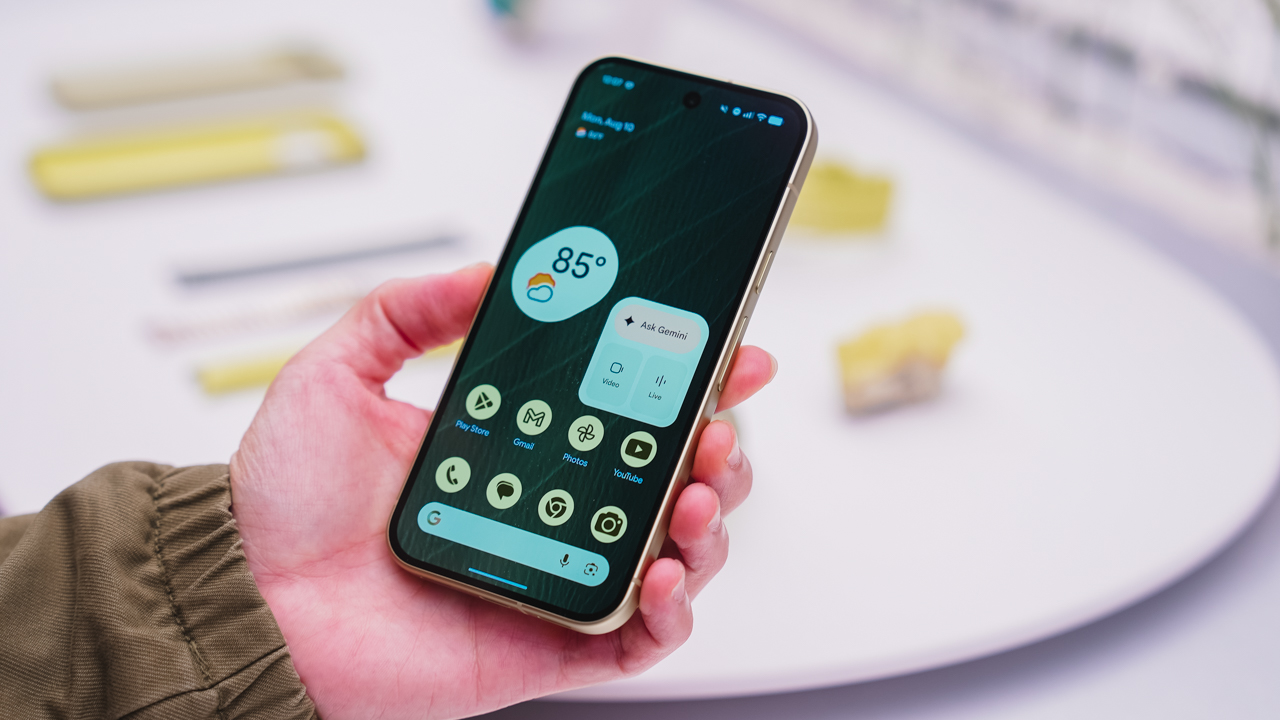
As an Android user, I’ve been jealous of iPhone users for a while now, but it’s not for the reason you might think. See, I’m ridiculously prone to motion sickness when I’m not driving. So, when I discovered that Apple has a software-based cure called Vehicle Motion Cues, I wanted it immediately. Now, Android does have third-party apps that do the same thing, but they’re not as good as a fully native version. Well, those dark, nauseating days are about to come to an end. Android 17 is finally getting a similar tool called Motion assist.
Before that, let’s rewind for a bit. What do these features do? How can they cure motion sickness?
Whenever you open Vehicle Motion Cues or Motion assist, the interface spawns a series of dots on the screen. These dots respond to movement. For example, if the vehicle turns to the left, the dots also go to the left, mimicking the movement. Without cues like this, the stationary nature of the screen clashes with our brain’s perception of movement. The disparity creates that feeling of nausea. Basically, our eyes are desperately trying to focus on the static screen, but our brains are telling us that we should be seeing motion. Having moving dots reorients our brain and places the phone inside our perception of movement.
Now, you can enable the same feature on your Android 17 device through Settings > All services > Motion assist under Personal & device safety. You can also set it so that the feature turns on automatically when the phone detects that you’re in a moving vehicle. Finally, you can also tweak the shape, color, and opacity of these dots.
Android 17’s Motion assist is rolling out now to compatible devices.
SEE ALSO: These are the best Android 17 features (if you hate AI)
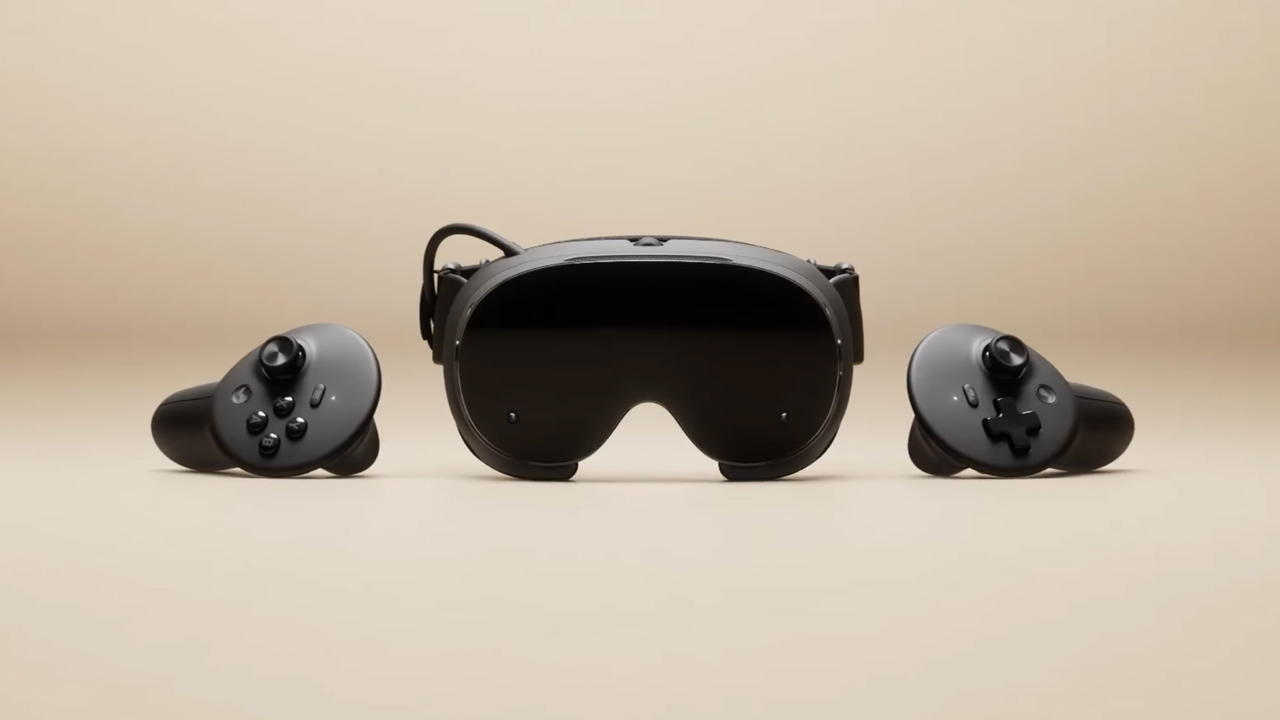
The trifecta is complete. Almost a year after announcing their new hardware, Valve has finally unveiled the price tag of the Steam Frame, complementing the Steam Machine and Steam Controller revealed a few months ago.
Whereas the Steam Machine is a console of its own, the Steam Frame is a traditional VR headset with a pair of controllers for both hands. Unfortunately, despite being in a different segment, the headset is not immune to the rising prices of technology. The Steam Frame will start at US$ 1,059 for a 256GB model and can go up to US$ 1,299 for the 1TB model. On the plus side, each box will come Half-Life: Alyx packaged along with the headset.
Here’s a more detailed rundown of what you’re getting. The Steam Frame will ship with the Snapdragon 8 Gen 3 chipset, paired with 16GB of RAM. Each eye comes with a 2160 x 2160 LCD screen, putting out images at up t0 a 144Hz experimental refresh rate. As mentioned above, the headset will start with 256GB of storage but can go up to 2TB. It will come packaged with SteamOS 3 and a rechargeable 21.6Wh battery.
This might be a hard buy for some. The industry currently has more affordable options, for one. Also, virtual reality isn’t the most thriving segment of gaming today.
If you’re still decided on buying one, however, Valve is using its lottery system. Interested customers can sign up from now until September 17. The company will then randomize the purchasing order. Those who draw the first ones in the lottery can get a purchase email as soon as September 18. Meanwhile, anyone who registers after September 17 will automatically be put at the back of the queue.
SEE ALSO: Valve announces its own console called the Steam Machine
Accessories
Apple is reportedly working on its own gaming controllers
It might launch under the Beats brand.
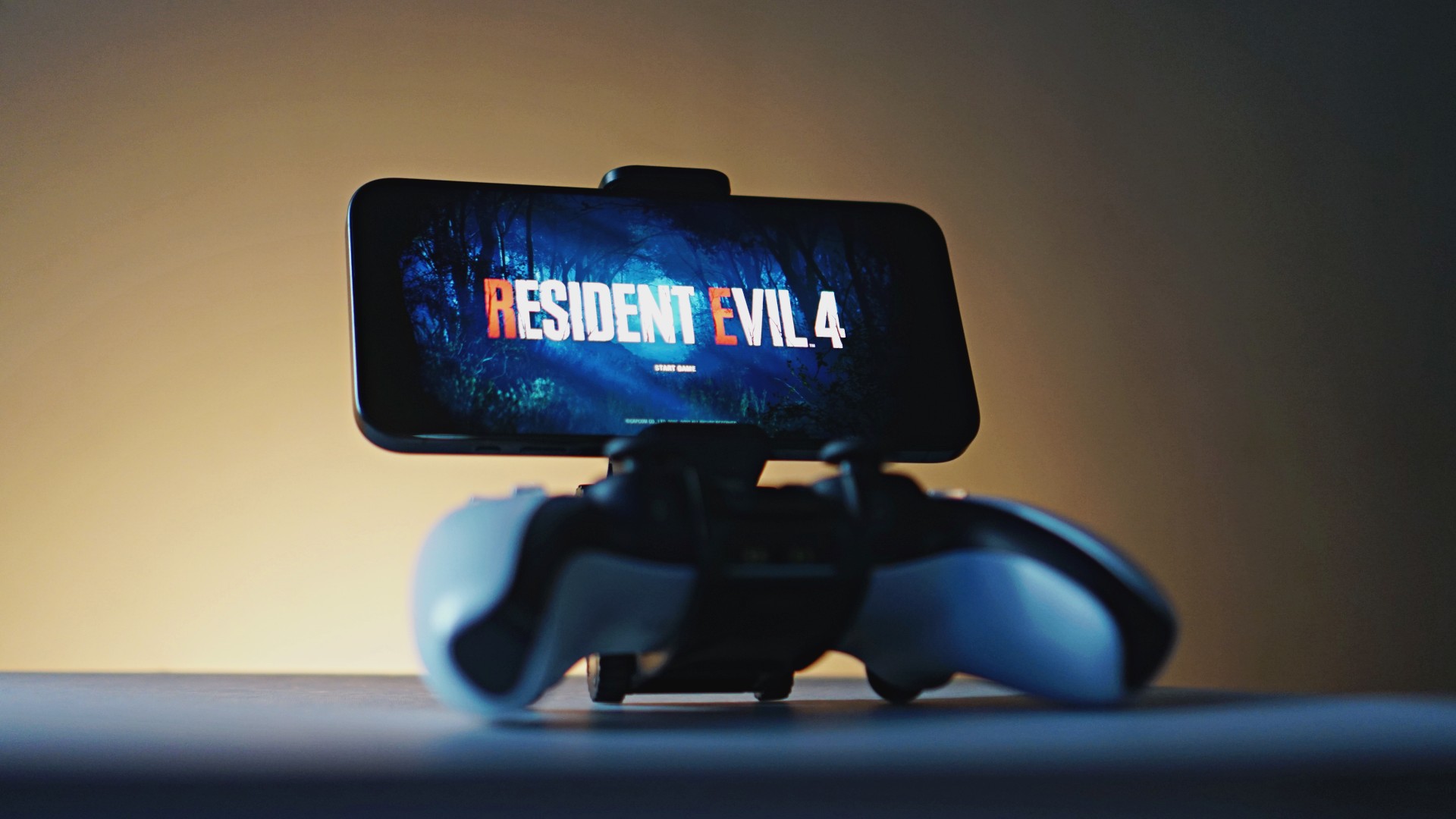
Last week, the iPhone Duo changed how you look at the ubiquitous smartphone. Foldables are in, and Apple is right there with it. But the company isn’t stopping with the foldable segment. Apple is reportedly working on its own branded game controllers.
According to Bloomberg, Apple has been working on a controller since last year. Further, a piece of code linked to macOS 27.4, spotted by MacRumors, includes references to two unknown gaming controllers.
Because Apple just concluded its huge event this month, it will likely be a while before we see confirmation of this controller. And it could be anything. Of course, because the Duo is fresh on our minds, the easiest answer is a mobile controller than can maximize the foldable’s ability to stand by itself. It could also use Apple’s larger screens like the iPad, the MacBook, or the Mac. Some even speculate that this could be Apple’s stronger push into the gaming market.
Outside of the actual hardware, the reports are also claiming that the controller will arrive by way of Beats, rather than from Apple itself. At first, the branding comes off as a surprise, but then again, Beats hasn’t really evolved past an audio brand in a long, long time. Is it time to revitalize Beats as something more than just a peddler of headphones?
SEE ALSO: First Look: Apple iPhone Duo


Marvel’s Wolverine review: When the claws come out
A brutal, cinematic superhero adventure

Setting your bedsheets ablaze with the Lovense Solace Pro
The closest proxy I could find where I'm guilty as sin


Now Playing: Elden Ring Tarnished Edition
Is the Switch 2 port worth the price?

Apple’s best feature to cure motion sickness is finally on Android

Valve unveils price of the Steam Frame

Match Pulse: Passport-sized foldables

Burgundy is the new Black!

Apple is reportedly working on its own gaming controllers

TECNO MEGAPAD 2 review: Eyes on the size

realme 16T 5G with 8000mAh battery, IP69 Pro rating launches in PH

HUAWEI Pura X View is 2026’s first WIDE slab-type smartphone

REDMI reveals the refreshed Note 17 and Note 17 Pro series

REDMI Note 17 Series focuses on long-term reliability


-
 News1 week ago
HUAWEI Pura X View is 2026’s first WIDE slab-type smartphone
-

 News1 week ago
The CAMON Slim 5G is TECNO’s latest ultra-slim smartphone
-
 Cameras2 weeks ago
DJI Osmo 360 II review: Going all-in on the ecosystem
-
 IFA 20262 weeks ago
TECNO MEGABOOK T15 360 unveiled at IFA 2026
-

 Gaming2 weeks ago
NBA 2K27 review: A two-way All-Star
-
 News5 days ago
iPhone 18 Pro series: Price, availability in the Philippines
-

 IFA 20262 weeks ago
TECNO’s POVA 8 Pro gets a stealthy makeover
-

 Automotive1 week ago
Ford’s new Everest lineup brings V6 engine to the top, tech down the line