


After making it my daily driver for a week, I can now finally share my review of the Nokia 7 Plus — HMD Global’s latest bet in the upper-midrange segment. If you think Android One is just a label to make budget phones appealing to the software update-conscious consumers, think again. Times have changed; the Nokia 7 Plus is an Android One phone with more than enough power to compete with flagship devices.
Without further ado, let’s dive into the Nokia 7 Plus starting with the physical aspect of the phone.
Up front is the beautiful 6-inch Full HD+ display

It’s surrounded by minimal bezels but it’s definitely not borderless
The top portion has the earpiece, sensors, front camera, and Nokia logo

There’s no LED notification light, but it has an ambient display
The sides are made of copper including the volume and power buttons

The sides are pretty sharp while in hand
The hybrid card tray is on the left

No triple card slot here
On top is the 3.5mm headphone port

The legacy port is present!
At the bottom are the microphone, USB-C port, and loudspeaker

The loudspeaker is just mono. ☹
There are two cameras and a rounded fingerprint reader on the back

Zero antenna lines
The back is sleek with copper accents for the cameras and scanner

The accent makes the phone look sophisticated
Utilitarian but has a nice touch
When Nokia came back to life under the helm of HMD Global, the phones they have been releasing so far are utilitarian in design except for the Nokia 8 Sirocco. There’s nothing wrong with that since the build quality of new Nokia phones is top-notch. The Nokia 7 Plus is not that different with the use of 6000-series aluminum, but they did try to make the phone stand out by lining the sides with copper. Both the black and white models have a similar finish with a ceramic-like coating which is a nice touch and certainly makes the handset feel grippy in hand. Also, there are no unsightly antenna lines on the back.

The device sports a 6-inch IPS LCD with an 18:9 aspect ratio. It has a Full HD+ resolution, so it’s sharp but not the sharpest around especially at this size. As an added bonus, it’s protected by Gorilla Glass 3 against minor scratches. The display is vibrant and can get pretty bright, making it usable even when under bright sunlight. Gaming and video streaming are also immersive thanks to the tall aspect ratio. It’s not exactly as bezel-less as other phones, but at least it doesn’t have a notch.
Android One with even more speed
When Android One was introduced four years ago, it was designed to give a Nexus-like (or Pixel-like) Android experience. True to Google’s promise, they were able to deliver smooth Android performance even for phones under US$ 150 like the Cherry Mobile One G1. Fast forward to 2018, the entry-level segment is now covered by Android Go and Android One is now also available for midrange and premium handsets just like the Nokia 7 Plus. If you’re confused about the difference between the two, we have an explainer which you can read here.

The Nokia 7 Plus is powered by a Snapdragon 660 processor, making it an upper-midrange phone in terms of processing power. It’s more powerful than most midrange handsets and currently has the same chipset architecture as flagship devices. Paired with 4GB of memory and 64GB of storage, it’s a truly capable phone that can take a beating. Did I mention it’s powered by pure Android software?
Gaming performance is handled by the Adreno 512, a flagship-grade graphics unit for Snapdragon processors. As expected, the Nokia 7 Plus can render high frame rates even with graphics-intensive titles. My staple benchmark game — Asphalt Xtreme — easily ran on the highest settings. I also tested Modern Combat 5 and Riptide GP: Renegade which both ran smoothly even with graphics settings cranked up.
Zeiss optics on both sides
While Huawei has a partnership with Leica, Nokia has Zeiss — at least to create their lenses. The popular duo from the good old days of the N Series is back and the Nokia 7 Plus has Zeiss optics on both its front and back cameras. The dual camera setup on the phone’s back is a 12- and 13-megapixel combo with the former having a bright f/1.8 lens and the latter owning 2x optical zoom.
We have high expectations from the Nokia 7 Plus’ shooters due to the Zeiss label and thankfully, they don’t disappoint — most of the time. Shooting photos with the main camera is a no-brainer and every photo I take comes out nice, may it be under the bright sun or in the dark. Unfortunately, the Live Bokeh feature uses the secondary sensor which has a smaller aperture thus darker images, especially in low-light.
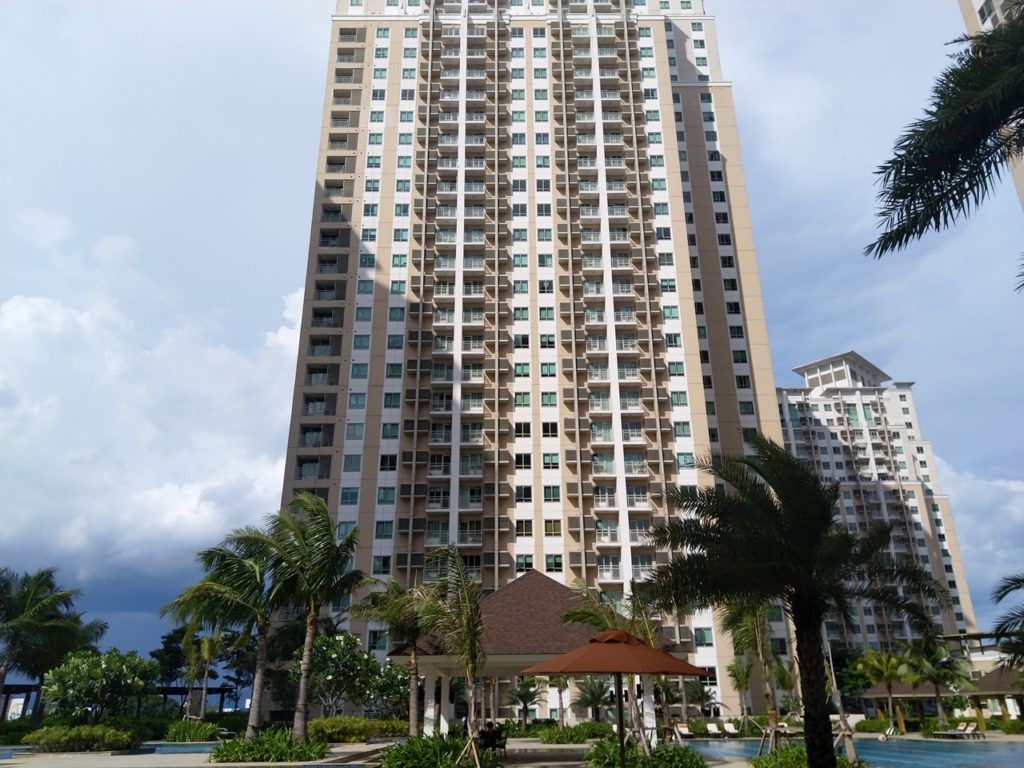
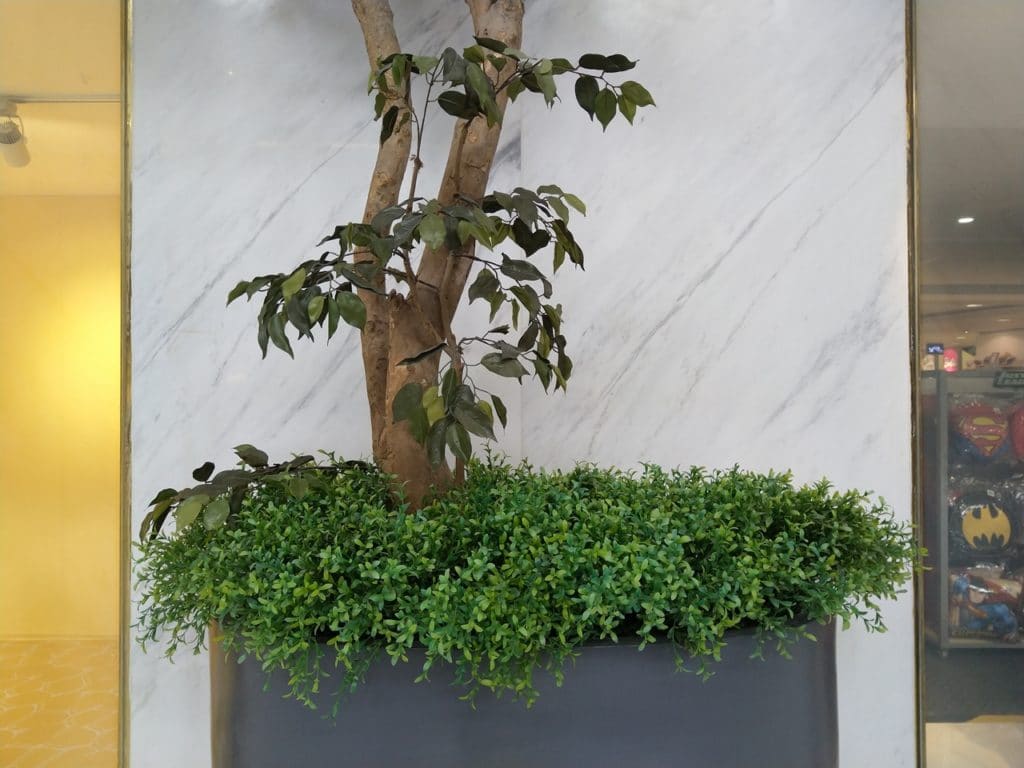

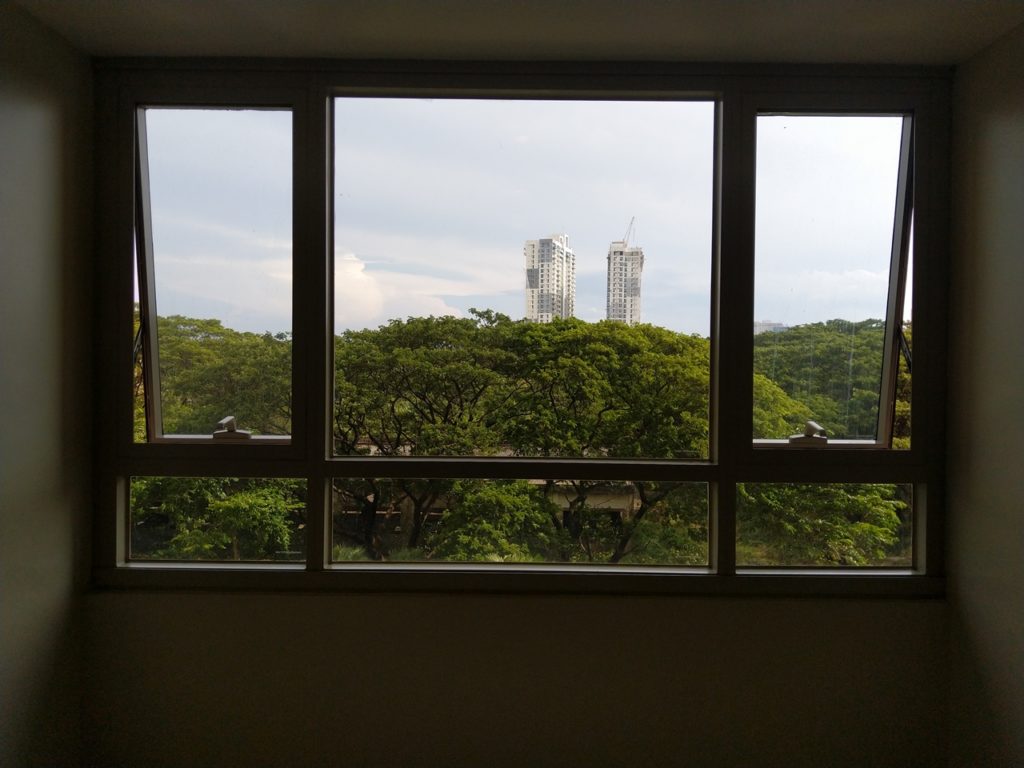

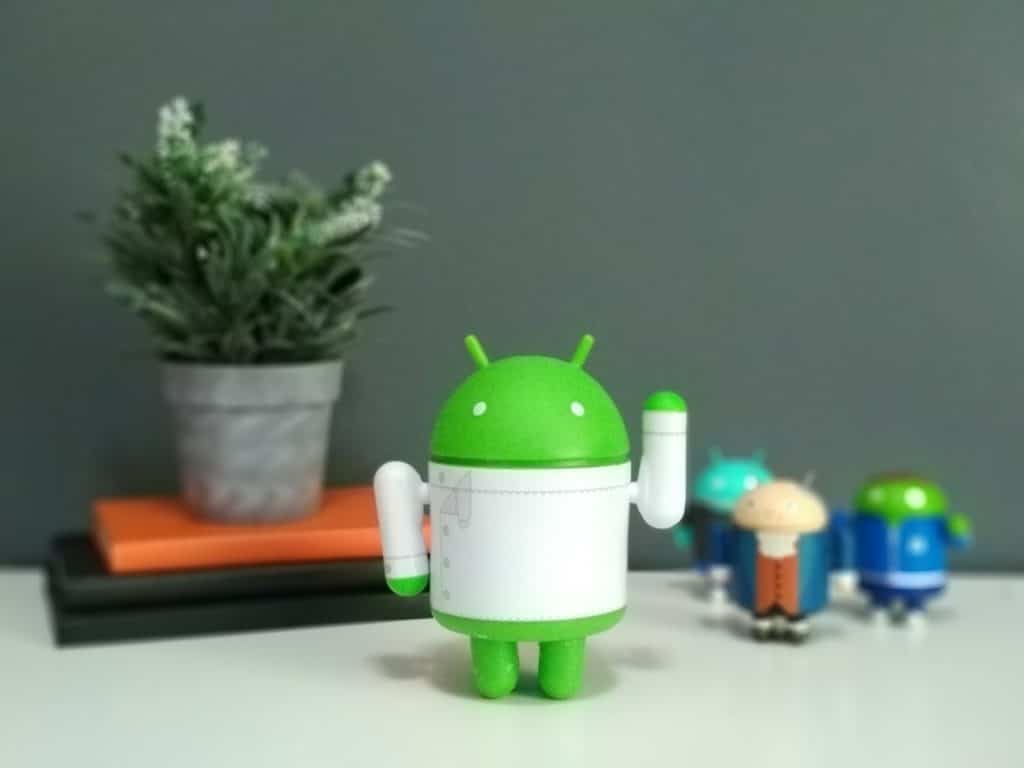


Even though it’s not branded as a selfie-centric phone, the Nokia 7 Plus should be part of the growing list. The 16-megapixel front camera is an amazing selfie shooter sans the beauty mode. I prefer taking selfies without the beauty filter and bokeh on. Simply check out the samples above.
One for the road
Another fantastic trait of the Nokia 7 Plus is its battery life. New phones with taller aspect ratios get bigger displays but their battery capacities usually remain the same — not the Nokia 7 Plus. Inside the phone is a 3800mAh cell which is impressively big considering the phone’s slim profile.

As a daily driver, the Nokia 7 Plus is reliable especially if you need to be constantly connected online. I have my Wi-Fi and mobile data always on, as always, and still, the phone was able to get me through my whole day. A full charge was able to last for almost 16 straight hours. My usage includes hours of gaming, social media, and web browsing with messaging apps that keep buzzing on the side. I’d say my time with the Nokia 7 Plus has been busier than the usual and good thing it can keep up.
The phone drains slowly, but it charges pretty fast! Using the bundled fast charger, I was able to top up 20 percent in just 15 minutes and about 45 percent in half an hour. A full charge takes two hours because the charging rate slows down to avoid overheating.
Is this your GadgetMatch?
I can’t think of any direct competitor to the Nokia 7 Plus, making it an easy choice when looking for a great midrange Android phone that has nearly everything. It’s truly a practical phone for just PhP 21,990 in the Philippines or INR 25,999 in India. It’s a bit more expensive in other regions like in the UK (GBP 350), but it can still be considered affordable compared to the likes of the Samsung Galaxy A8+ (2018).

The position of the Nokia 7 Plus is a bit tricky since it’s more expensive than the usual midrange Android category which is currently dominated by the Vivo V9, OPPO F7, ASUS ZenFone 5, and Huawei P20 Lite. If you can spend a bit more cash, you should definitely check out the Nokia 7 Plus. It’s got a more powerful processor, capable cameras, long battery life, and most importantly, Android One software. If there’s anything that other phones can’t offer, it’s the sustained software updates. Actually, I just got my monthly security patch while writing this review.


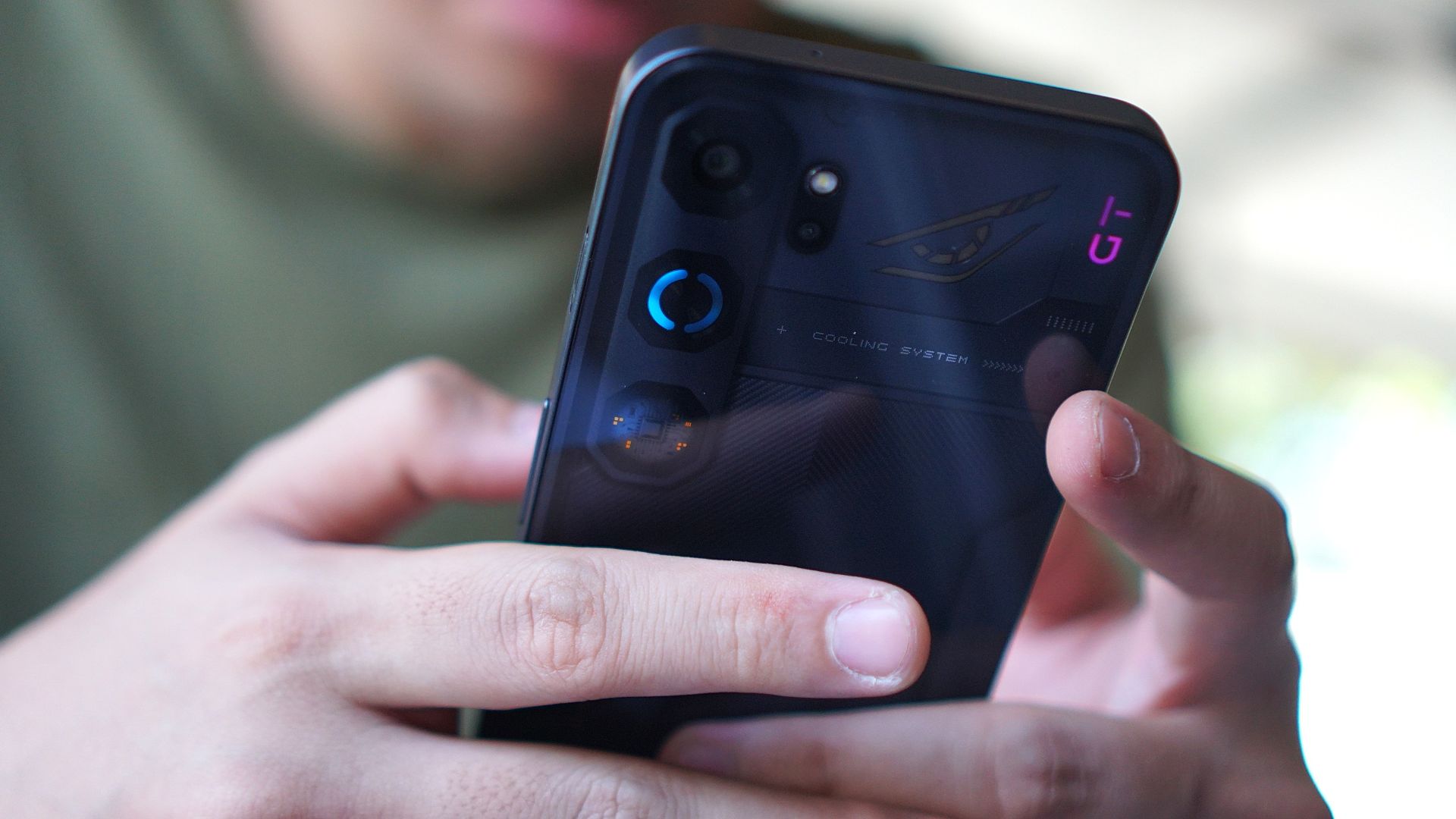
nubia has gone with an interesting direction for their latest midrange gaming line.
While other brands continue to blur the line between what is a “gaming-centric” smartphone and a reliable all-around device, the brands’ nubia Neo 5 series has been made even more aggressively for gaming.
And in 2026 where smartphone prices are skyrocketing and consumers are looking for the best value proposition before spending, that doesn’t seem to be the brightest route to go.
nubia Neo 5 GT
The nubia Neo 5 GT is the series’ top-of-the-line variant, with up 512GB of storage and a Dimensity 7400 processor.
The biggest highlight of the new series is the built-in cooling fan and Vapor Chamber cooling system.
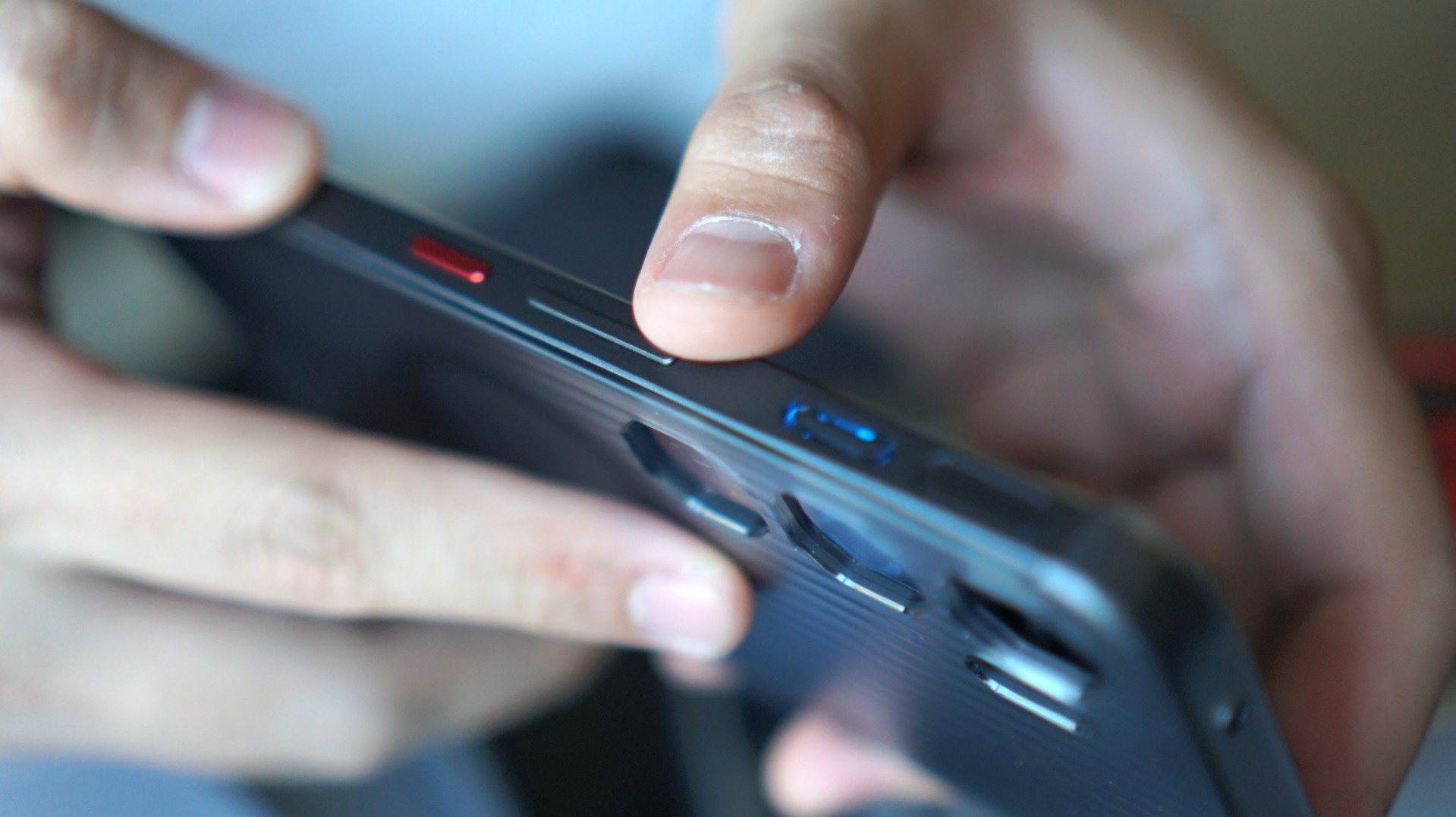
This eliminates the need for a physical cooler, which you usually get for free anyway but have to attach to a magnetic phone case and power with a USB-C wire.
I think taking away that hassle of a set-up allows users to concentrate on gaming itself, as what this device is chiefly intended for.
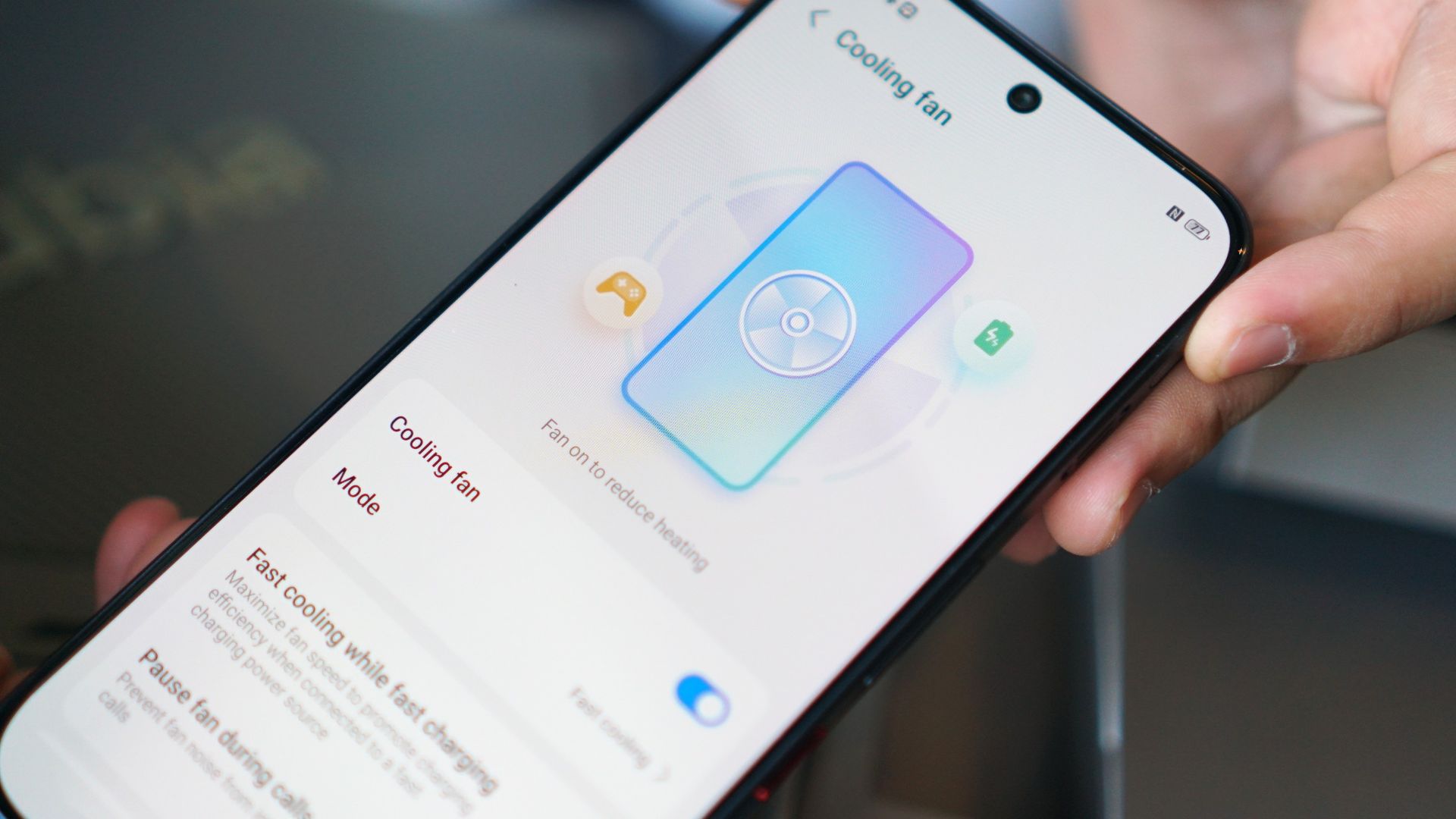
And the cooling system does what it is solely asked to quite well: keep the phone’s temperature a lot cooler.
Moreover, if you’re playing for hours, this comes in helpful for bypass charging (branded as “Charge Separation” by nubia) to keep the temperature low.
The same purpose can be leveraged for quick charging, as the device’s 6,120mAh battery supports 80W charging.
Now of course, I’ve exhausted the device for about a month, playing my usual go-to mobile titles. Here’s how the phone performed with each game.
Mobile Legends: Bang Bang
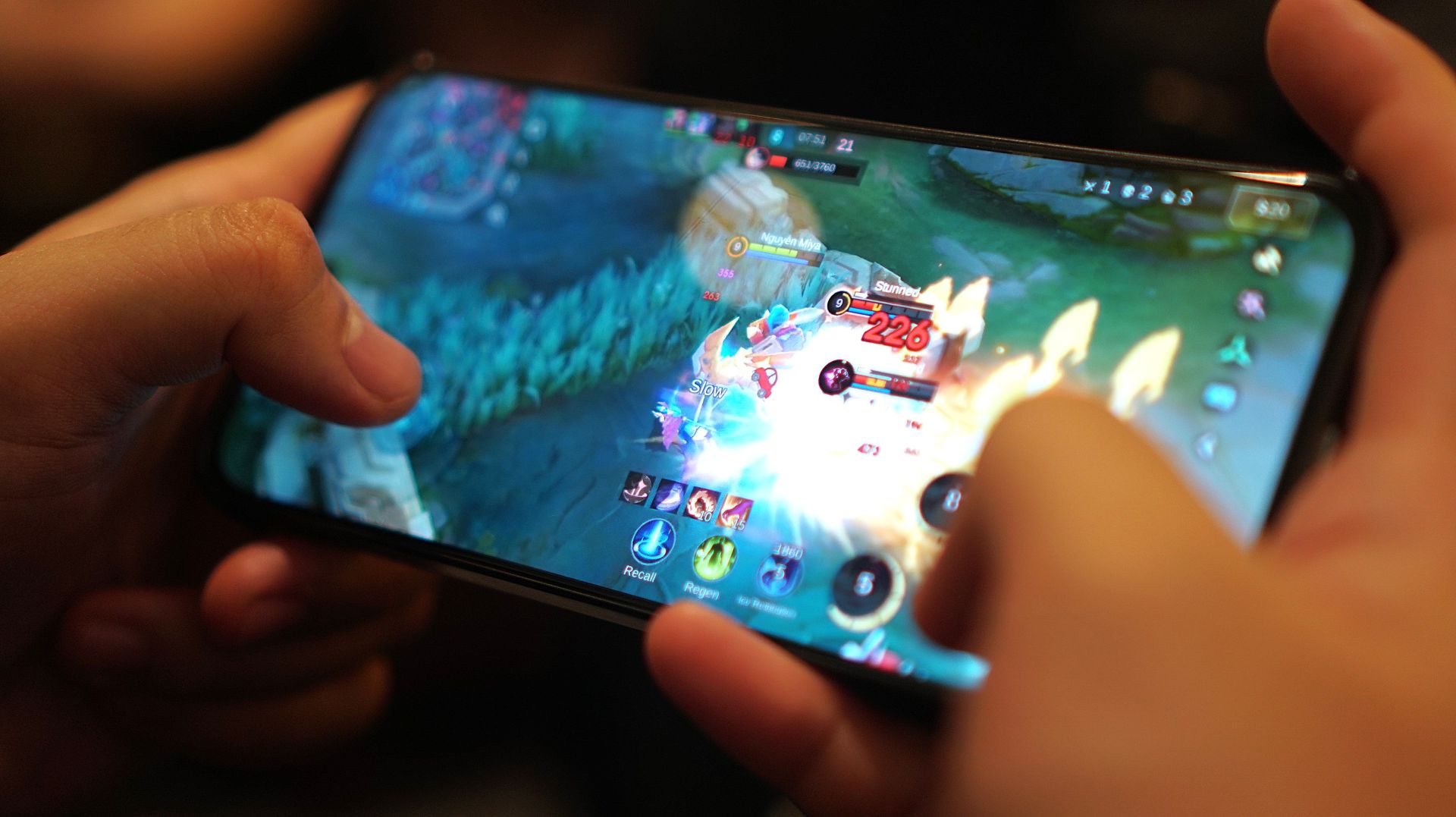
As expected, MLBB is one of those titles that ran on the device without any problems. I can play multiple rounds even without the cooling fan turned on, and with the performance mode set to Eco.
Dunk City Dynasty
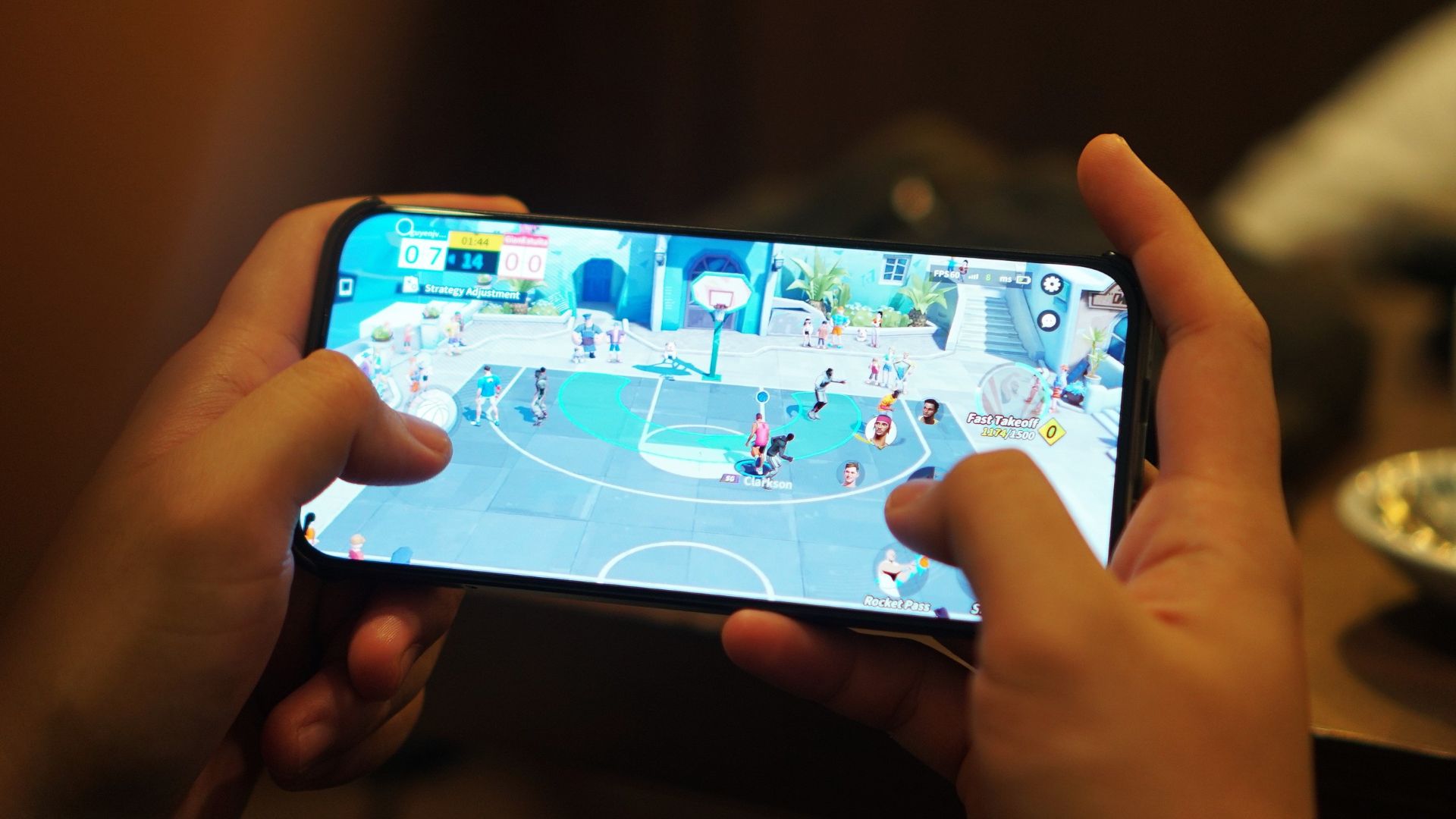
My time with this device also allowed me to revisit the NBA and NBPA-licensed Dunk City Dynasty.
I spent a lot of time on this multiplayer 3-on-3 title. Performance went generally smooth, although I had some connectivity issues.

This was a letdown since I needed to compete in real-time with other players. Nevertheless, I was able to chalk up several wins with characters like Jordan Clarkson and DeMar DeRozan.
Call of Duty Mobile
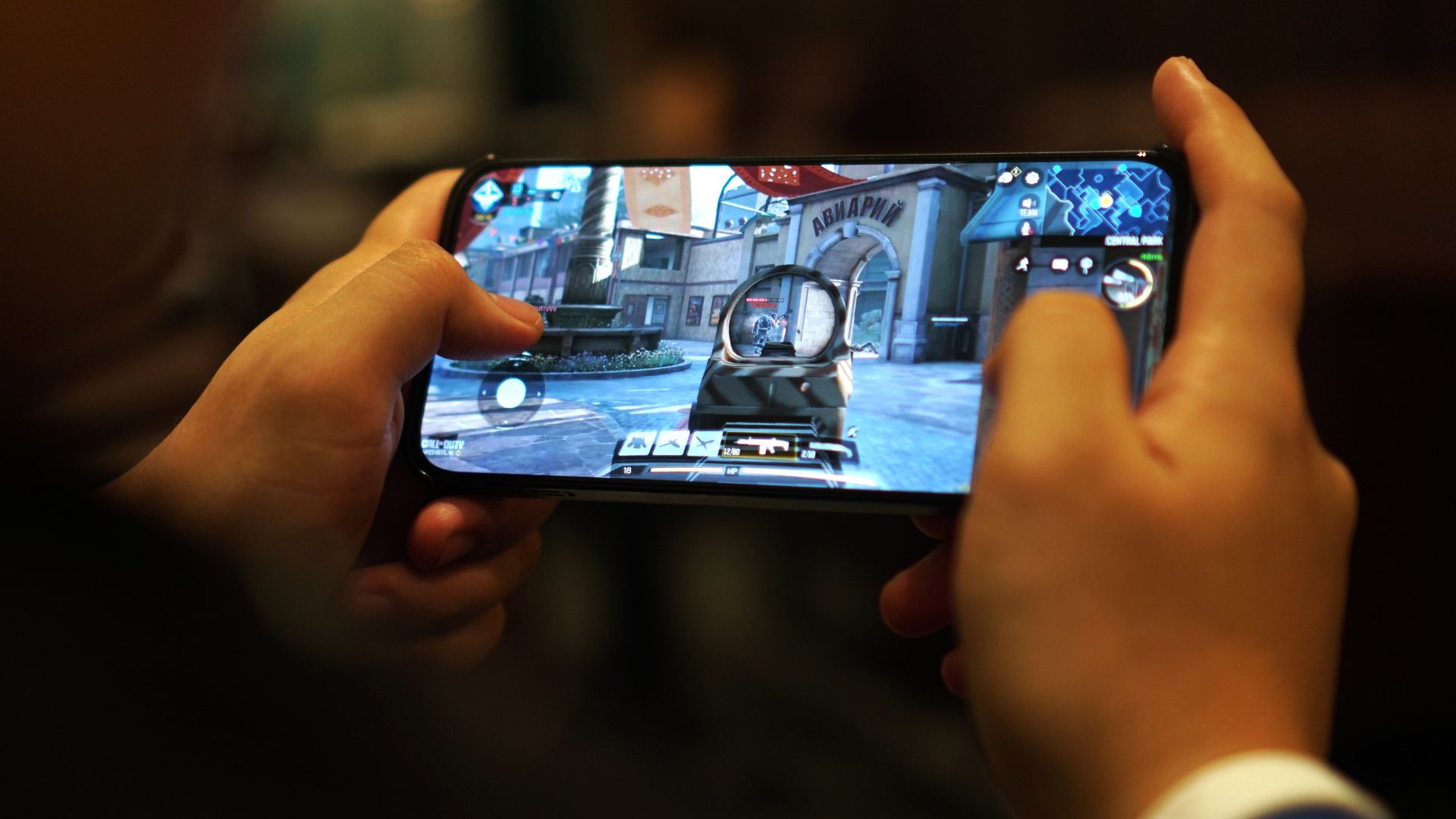
CODM was perhaps the first real test for this device, and this is where the cooling fan and a balanced performance setting came in handy.
Panning went without hiccups, allowing you to focus on just shooting. The graphics look more refined, specially with the phone’s 6.8-inch display. And fitting enough, the device did stay relatively cooler (I played mostly indoors).
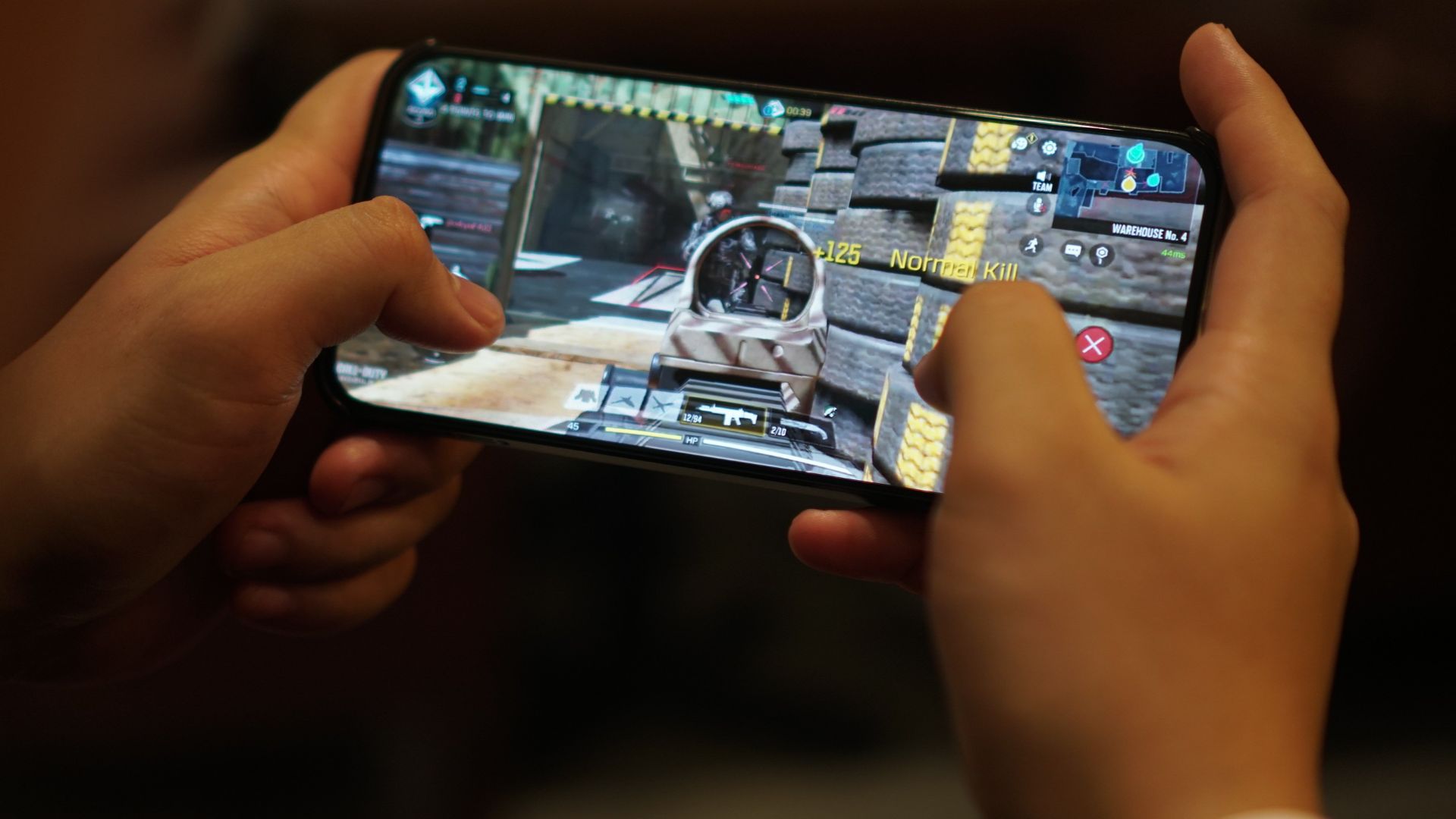
Battery drain, of course, was somewhere in the 12% to 15% range, and even higher when playing with mobile data. The network was somewhat stable during the sessions I played.
Wuthering Waves
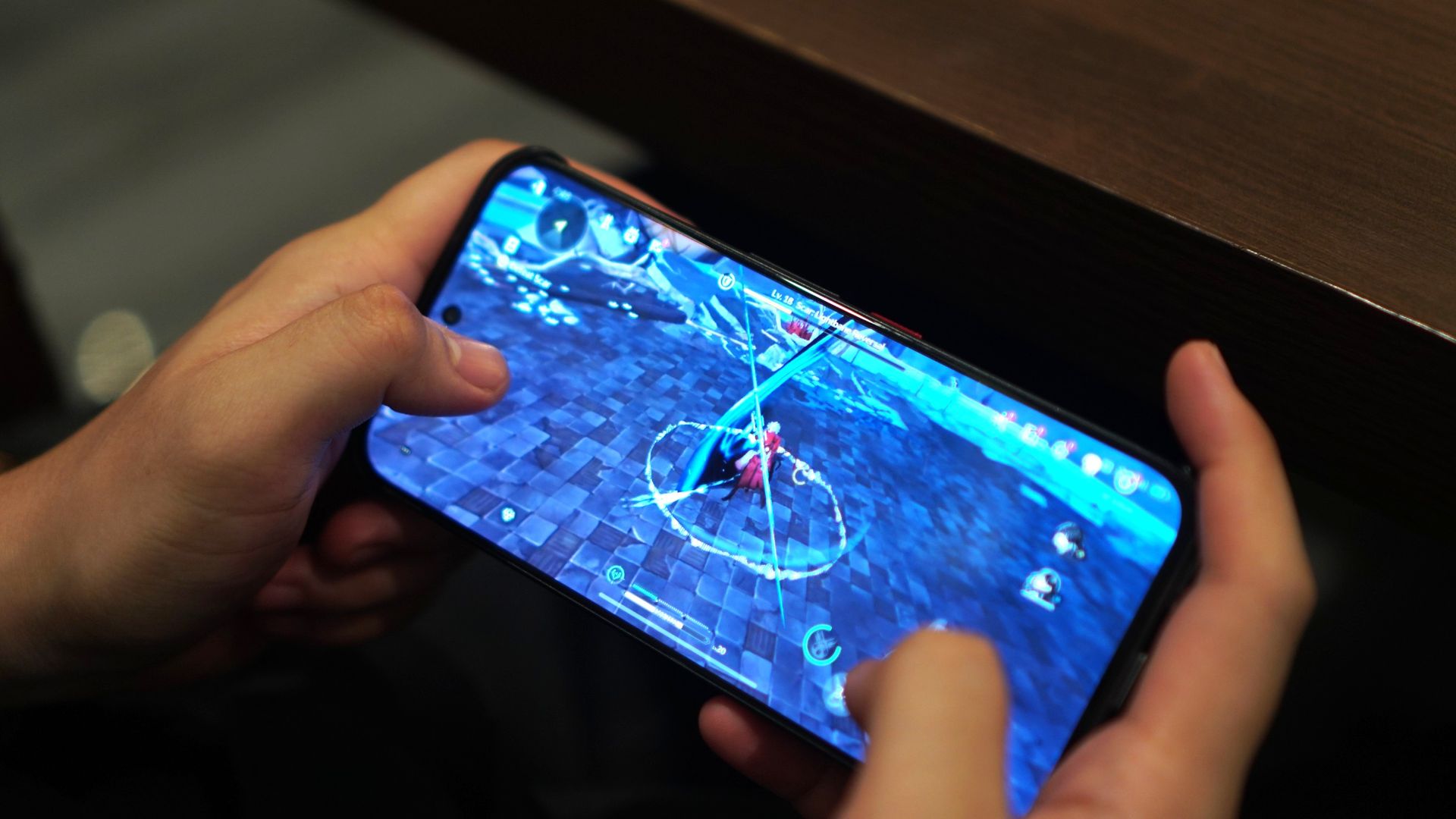
I felt the nubia Neo 5 GT also excelled in distributing the resources for heavier mobile titles like Wuthering Waves.
Especially during combat, I didn’t experience any stutters nor frame drops with the fast-paced battles, which involved slashing, flying, and sliding, among other mechanics.
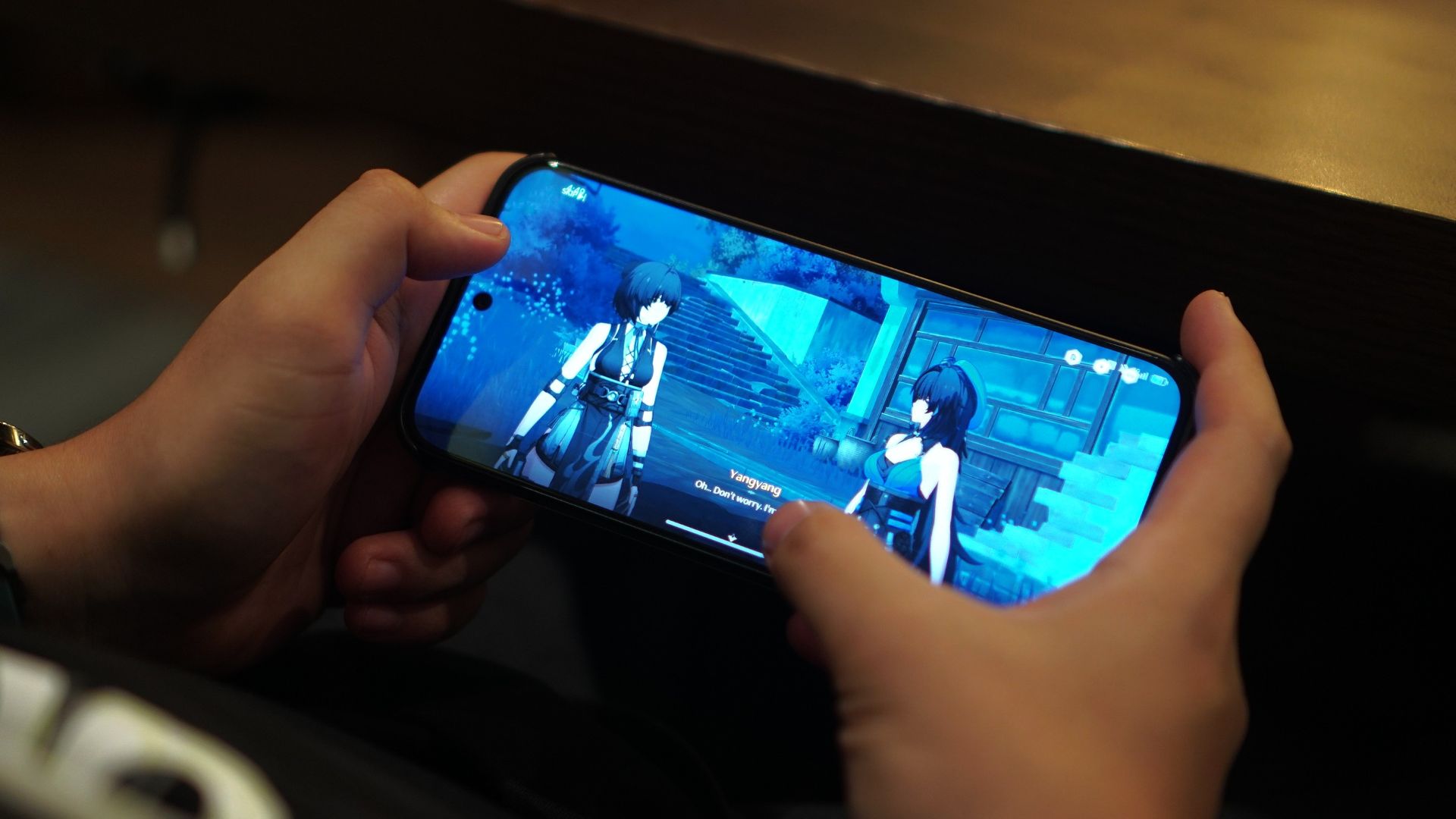
Taps felt responsive as well. If anything, I enjoyed playing this title again on this handset.
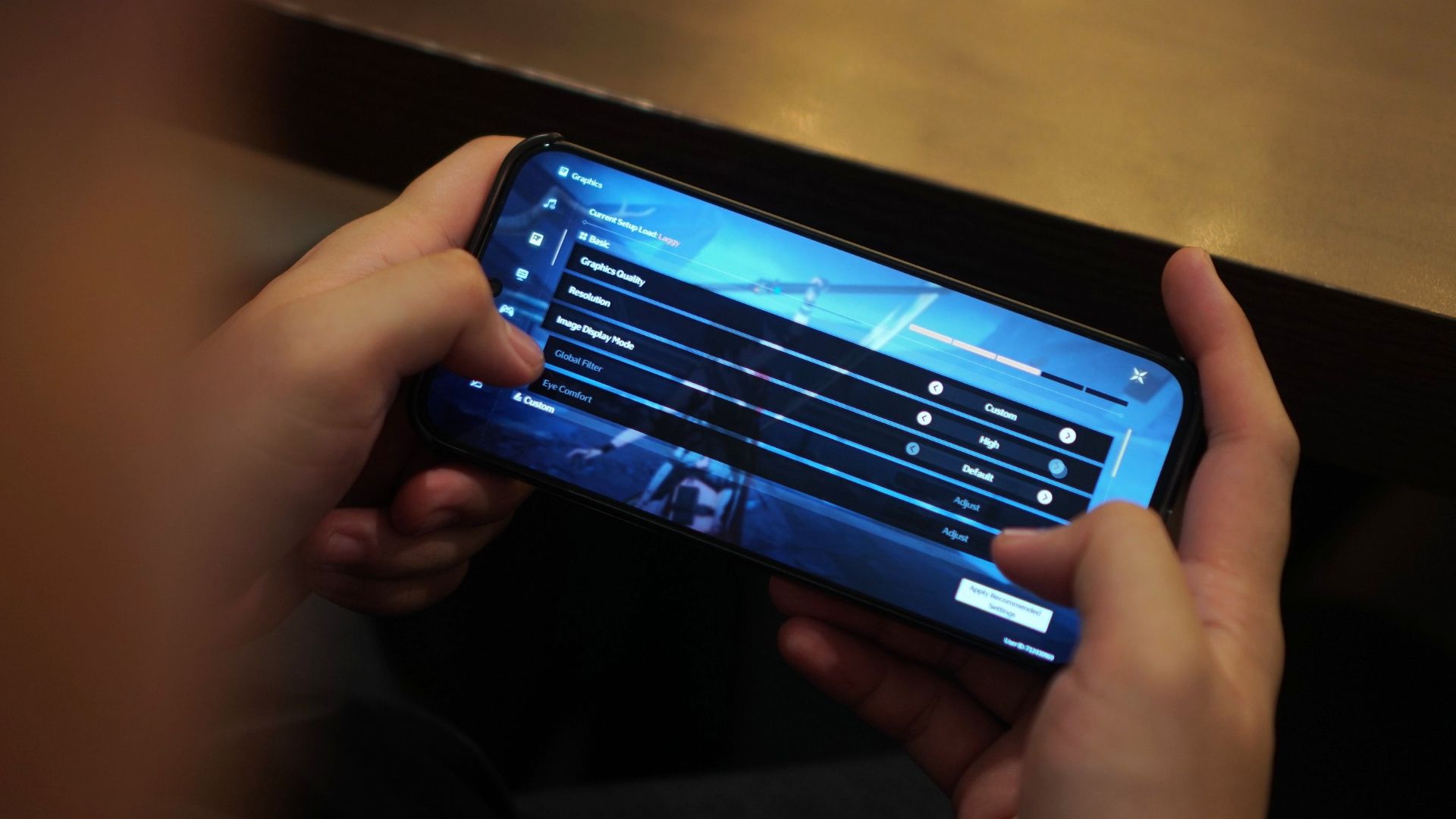
For reference, here’s the graphics settings I went with:
Honkai Star Rail

Lastly, HoYoverse’s space fantasy RPG also worked wonders on the device. That’s with the high-performance mode (Rise) on and the cooler again aiding the experience.
Visual effects definitely looked crisp and smooth, at a high frame rate setting. At 439ppi, the nubia Neo 5 GT’s pixel density ranks among the highest in its class, for refreshed graphics.

The 512GB storage capacity is definitely a plus. Just downloading assets for the two RPG titles will cost you about 100GB of space already.
Look, OS
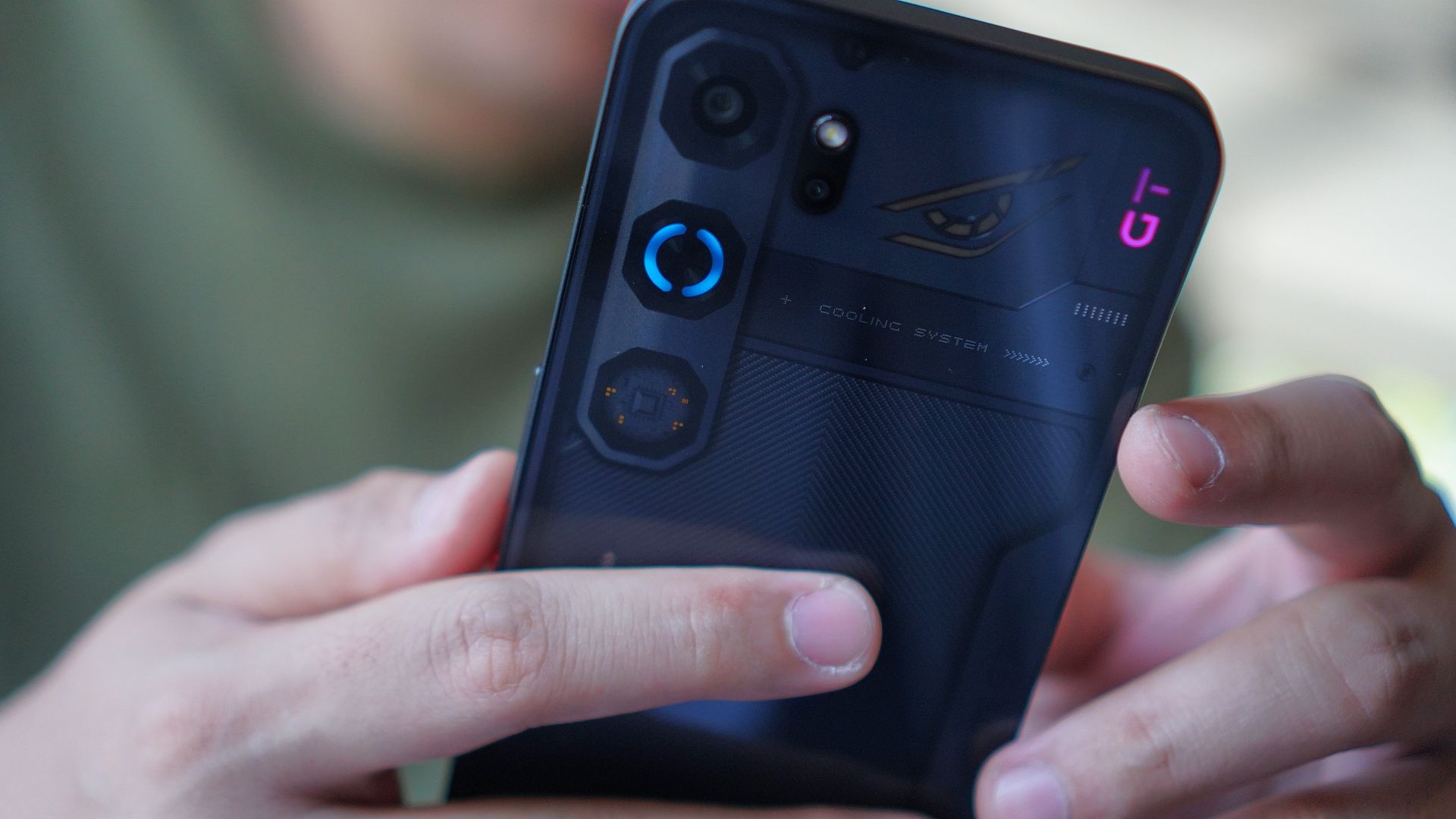
The nubia Neo 5 GT retains the familiar mecha-inspired finish, with a glossy back as if it has a glass cover. The lighting effects look a bit more toned down.
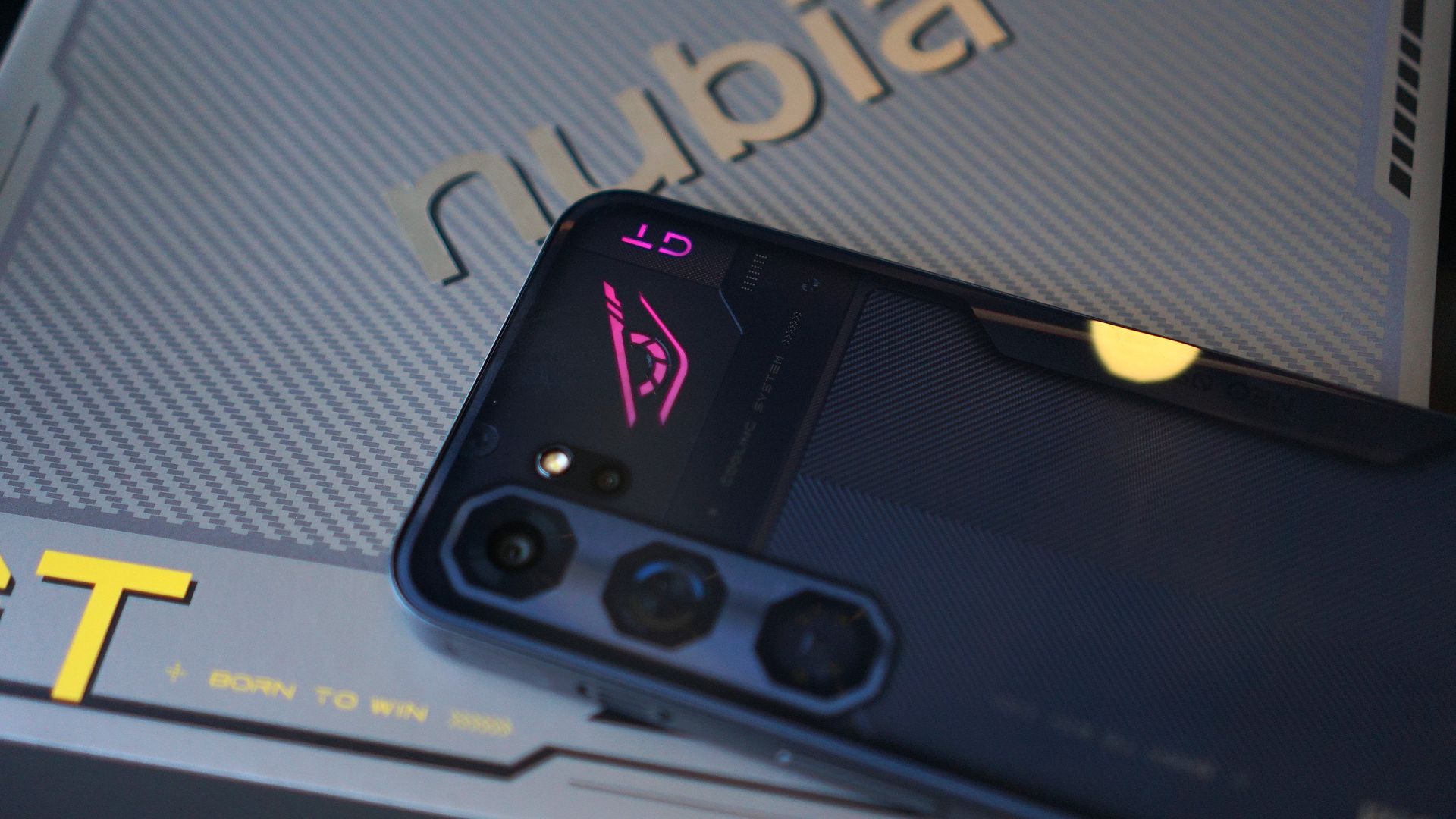
What’s good about the exterior design language is it took into consideration mobile gaming habits.
Even the tip of the USB-C charger was designed so that it doesn’t interfere when a user holds the phone in landscape mode.
The phone also has a completely flat back so you can just place it on a surface while playing or streaming.
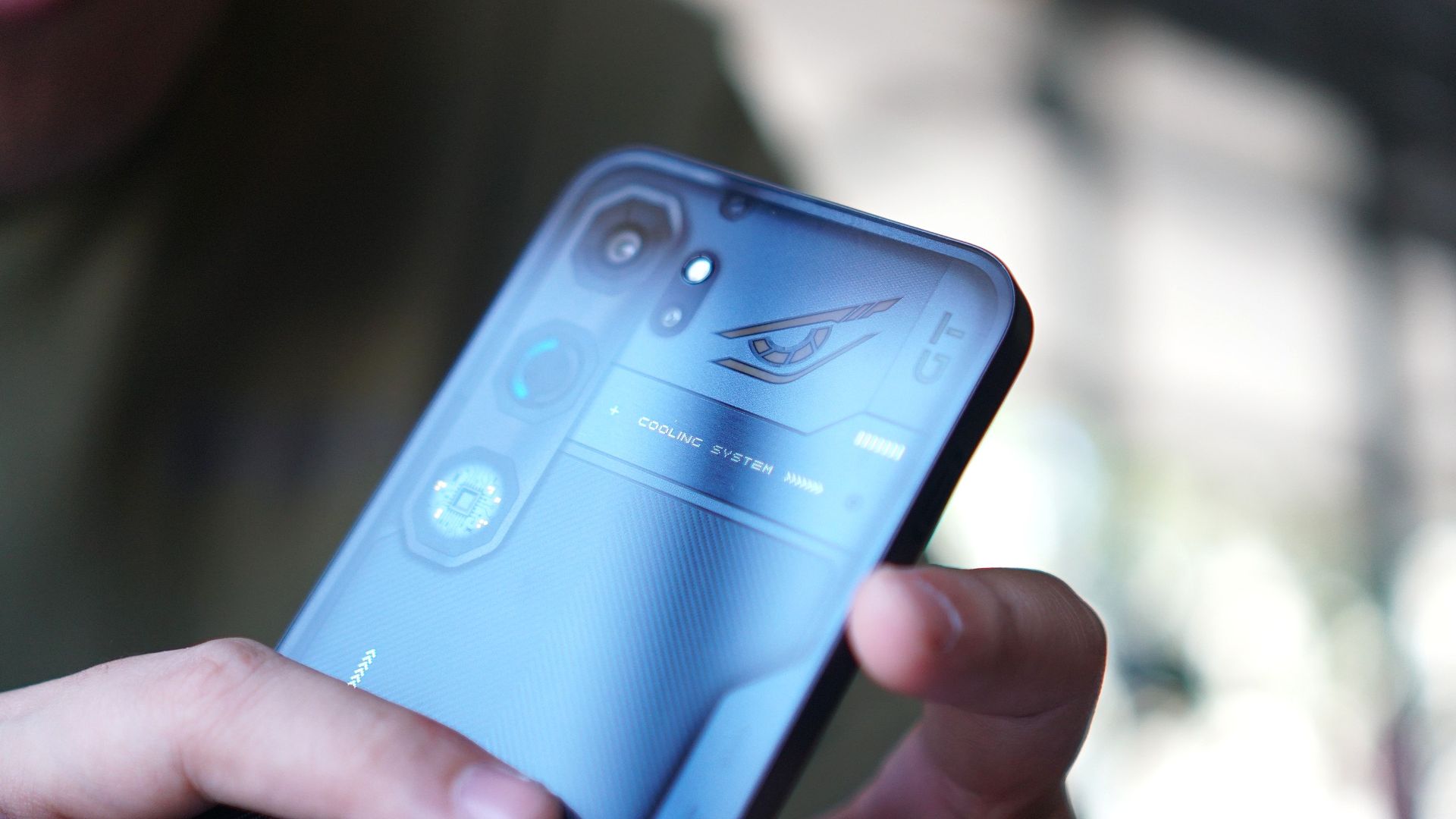
The biggest adjustment is the placement of the volume buttons and power button on the right-hand side of the phone. That’s because of the cooling system’s exhausts.
And when I started using this phone, I did commit a lot of errors, tapping on the volume down button instead of the power button.
Going old school

New to the series are integrated playable wallpapers, which throw you back to the good old days of playing Snake and Tetris.
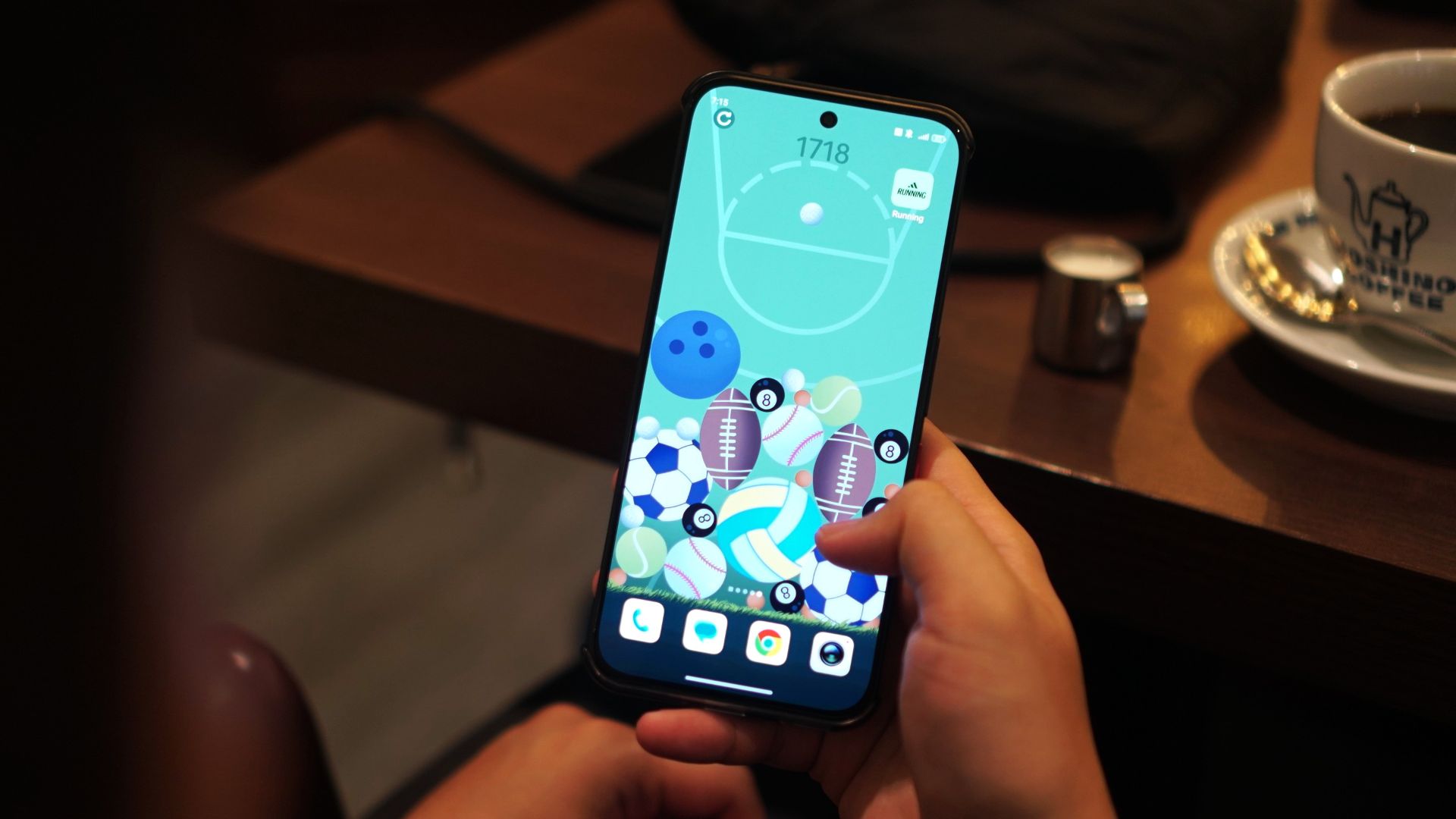
There’s also a 2048-inspired game but instead of numbers, you’re dealing with ball sports. The smaller balls (i.e. billiards, golf) combine to form larger ones (baseball, football) and you’ll have to make the most out of the space.
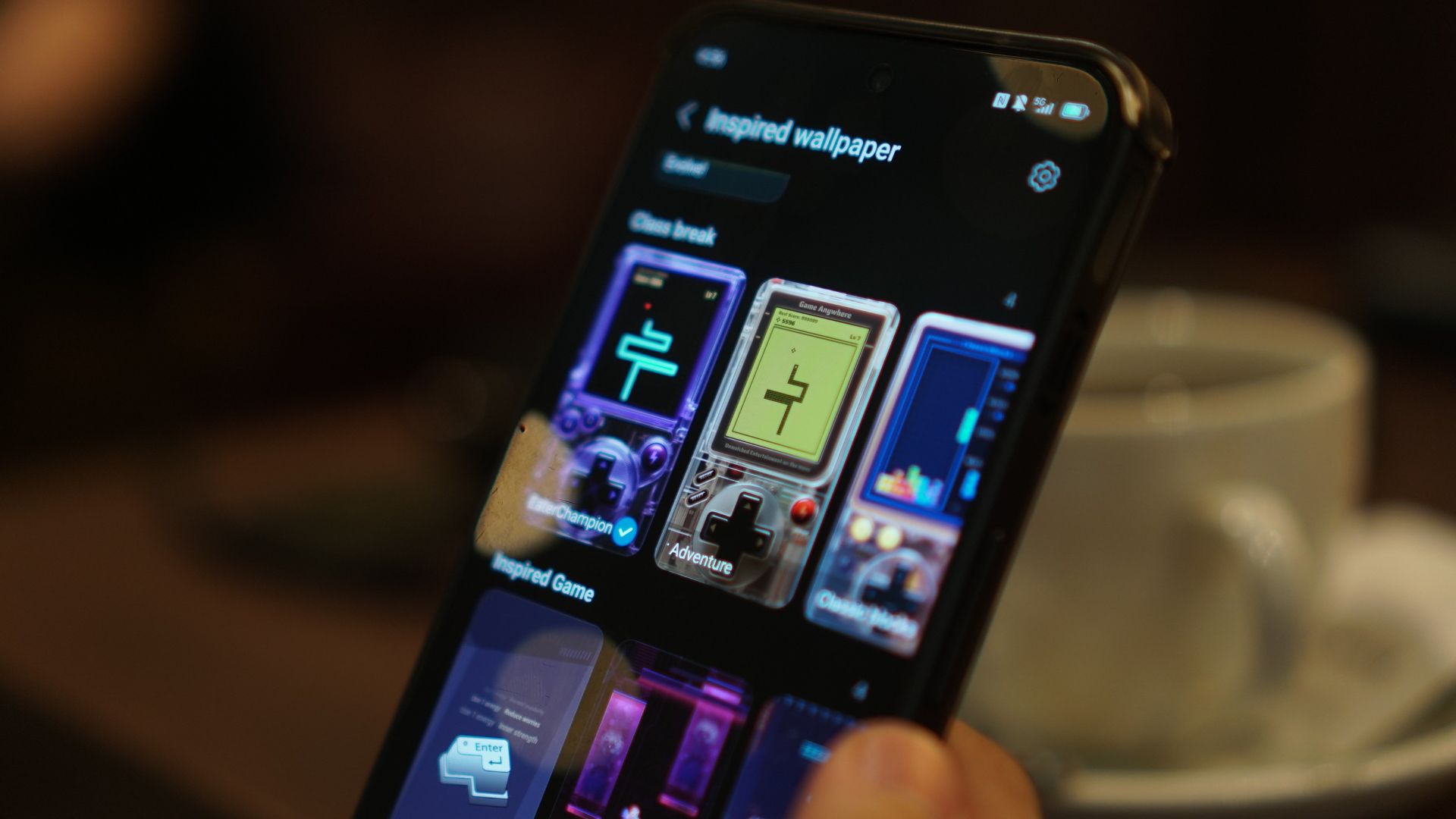
Admittedly, this took a lot of my time every day and even had some competitive runs with my partner as we tried to overtake each other’s high score.
Connectivity
As I’ve mentioned, on the downside, the device has had its unstable Wi-Fi and mobile data moments.
I experienced this especially with Dunk City Dynasty and the phone suffered amidst real-time head-to-head combat.
I do have a feeling my sessions just coincided with Holy Week, and networks may have been congested.
Still, it’s something to ponder, especially if you’re considering purchasing it for other purposes like in the case of TNVS or delivery riders.
Camera
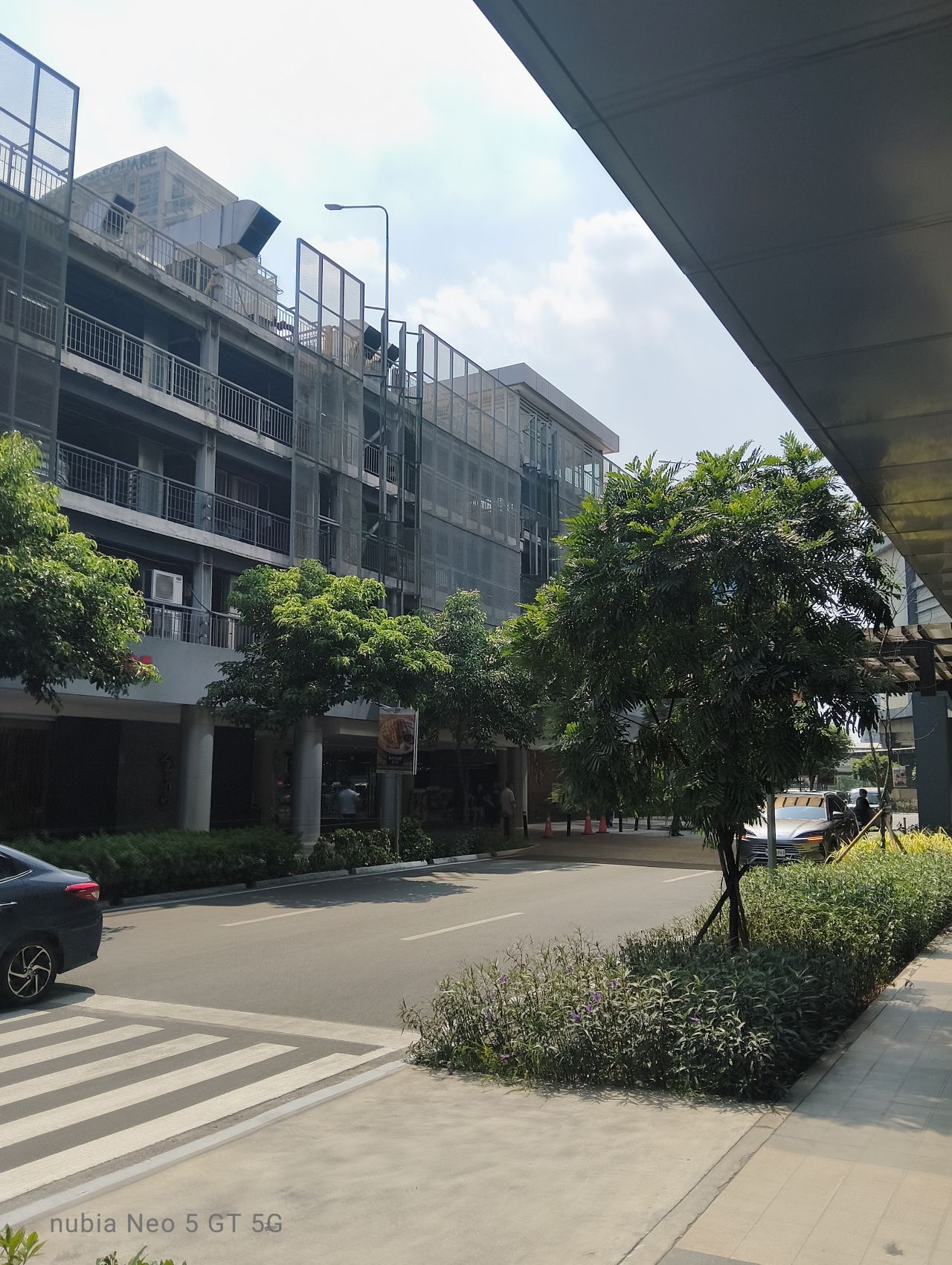
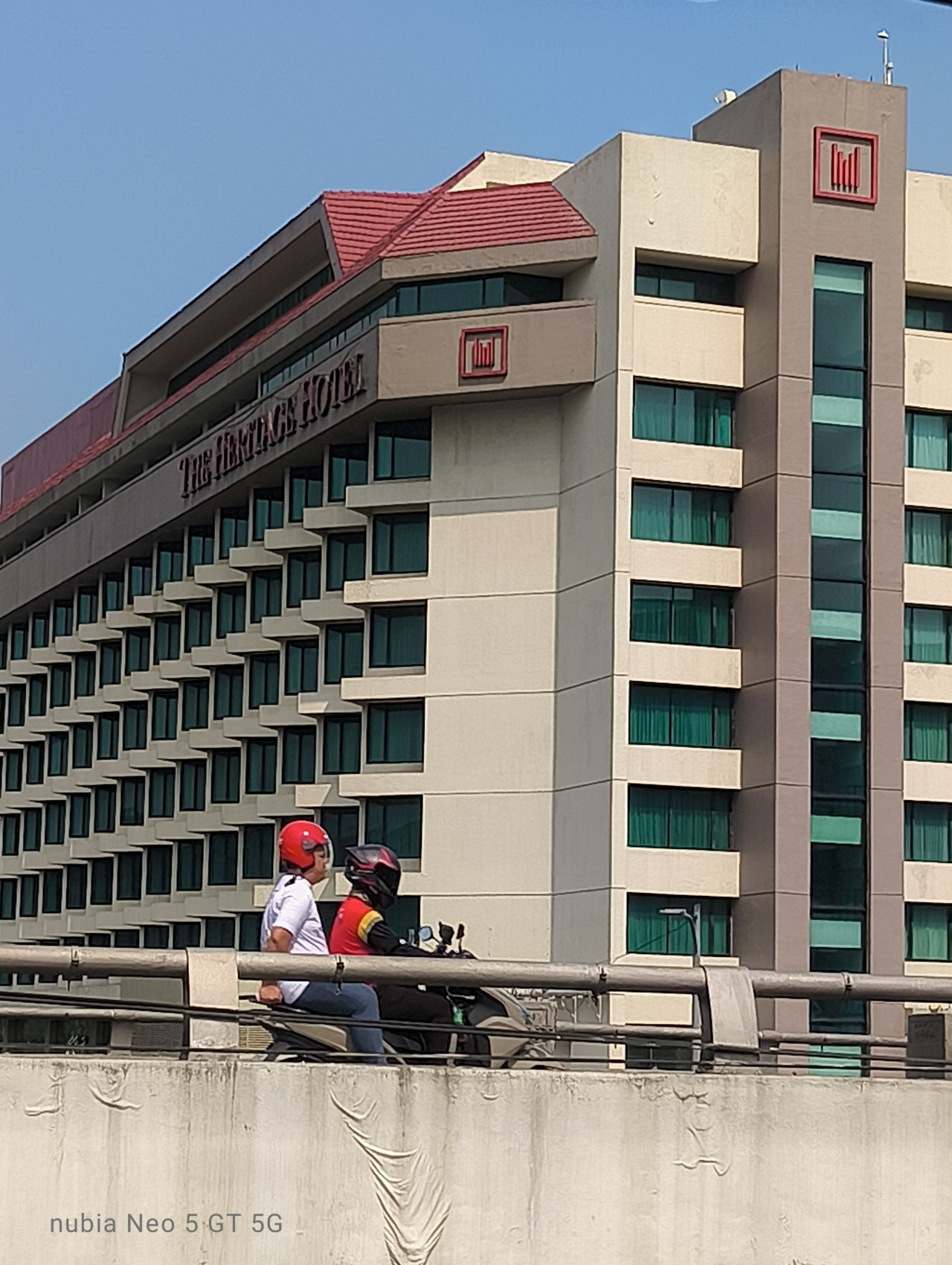
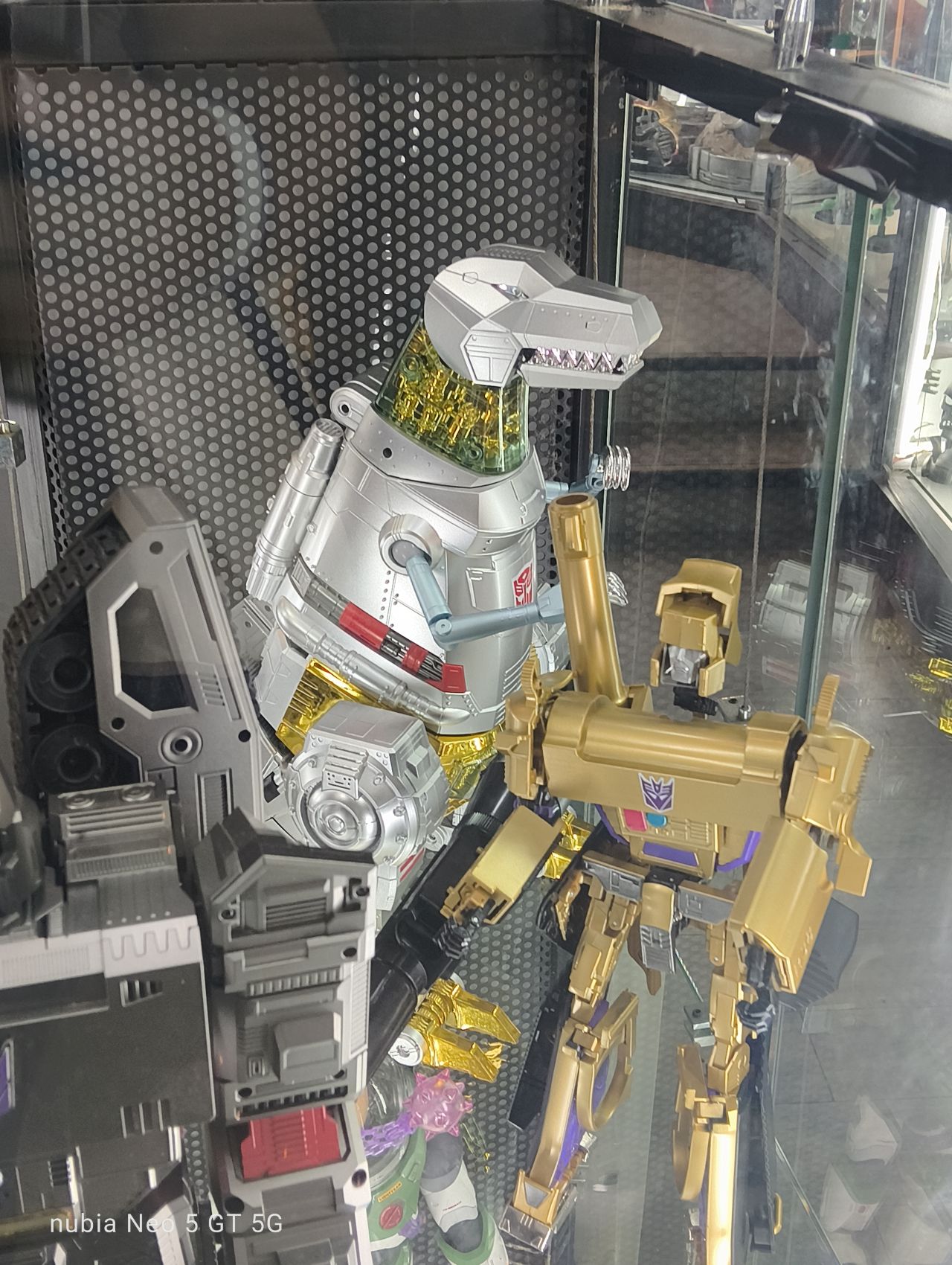
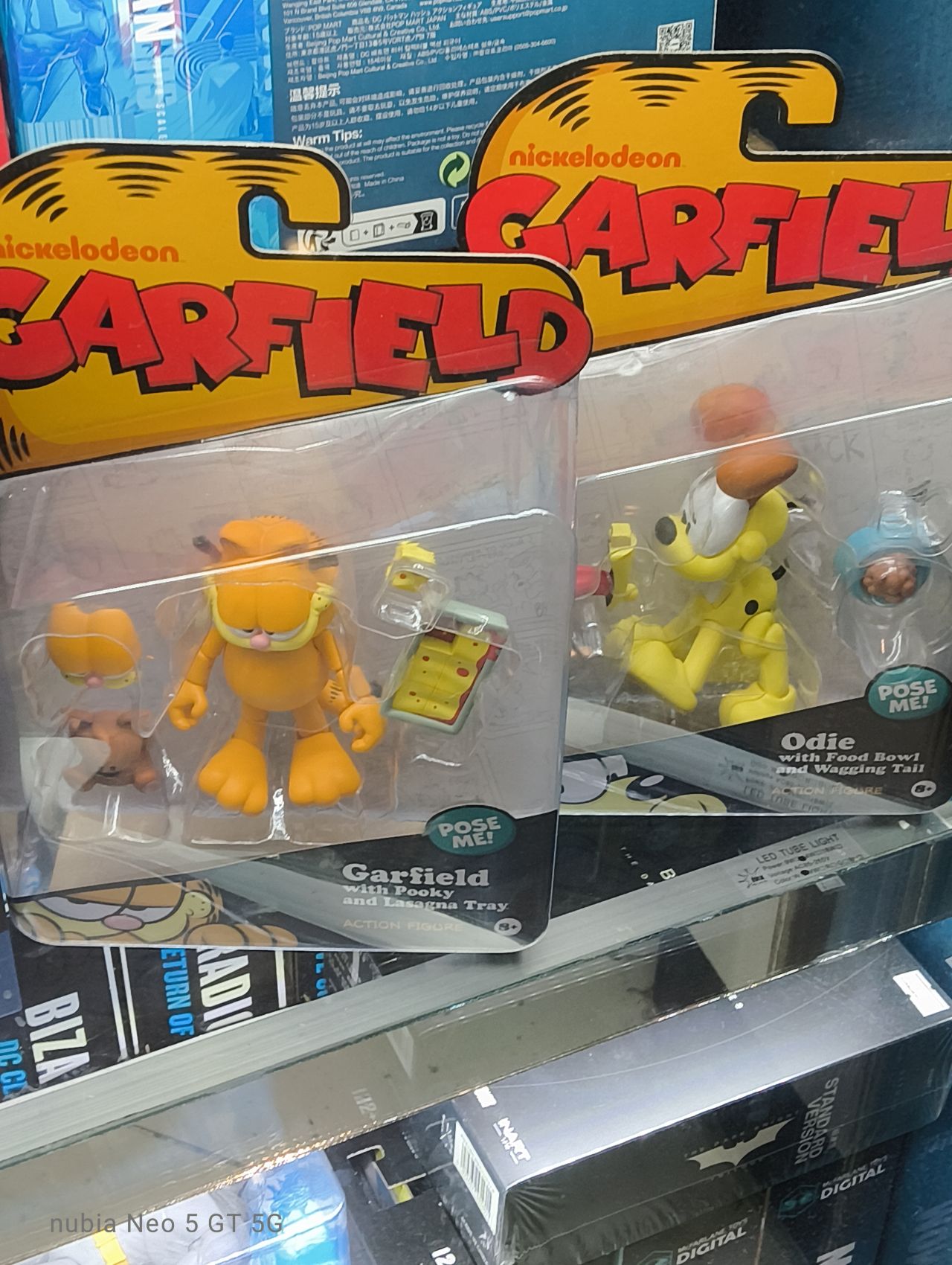
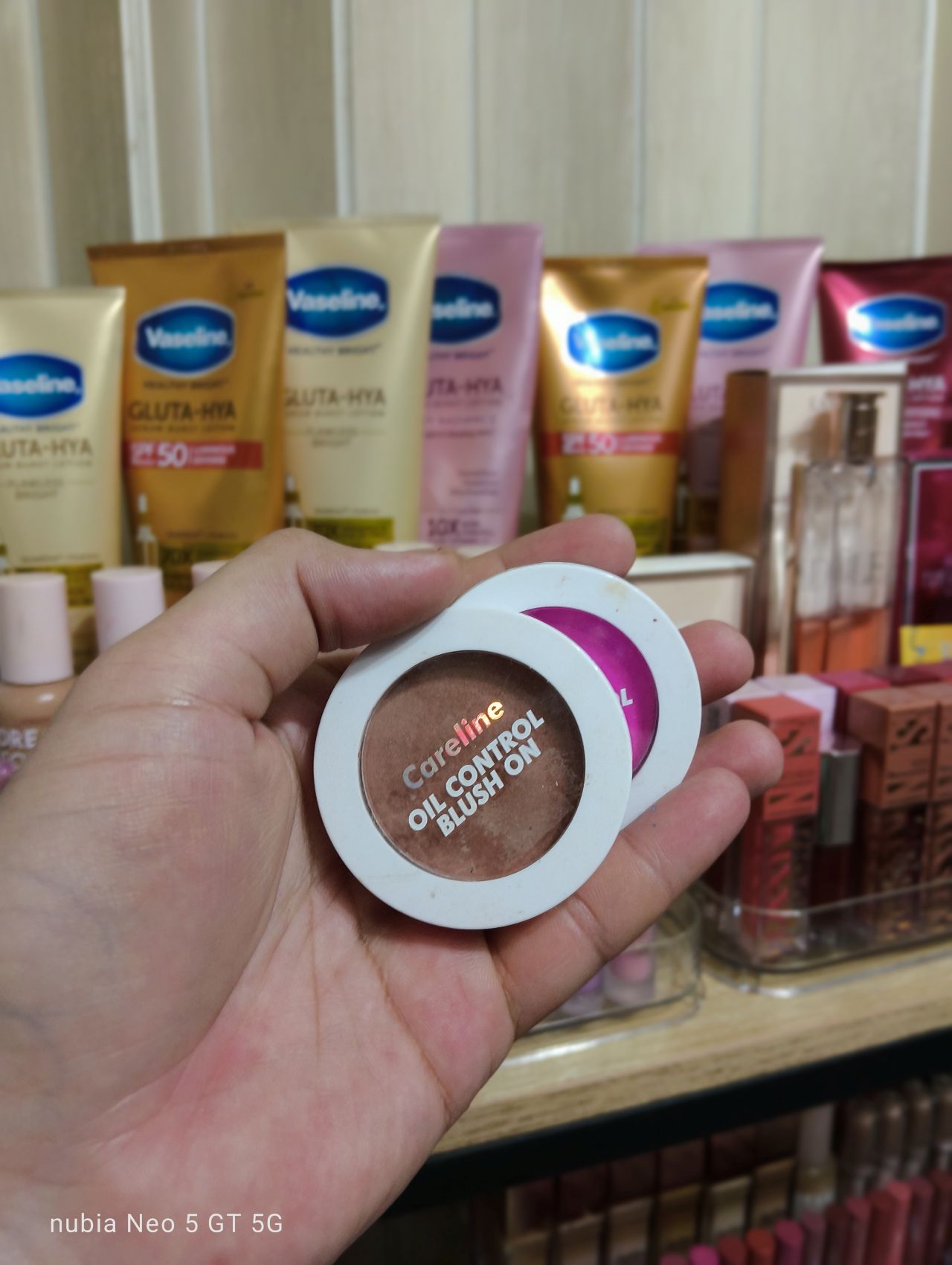
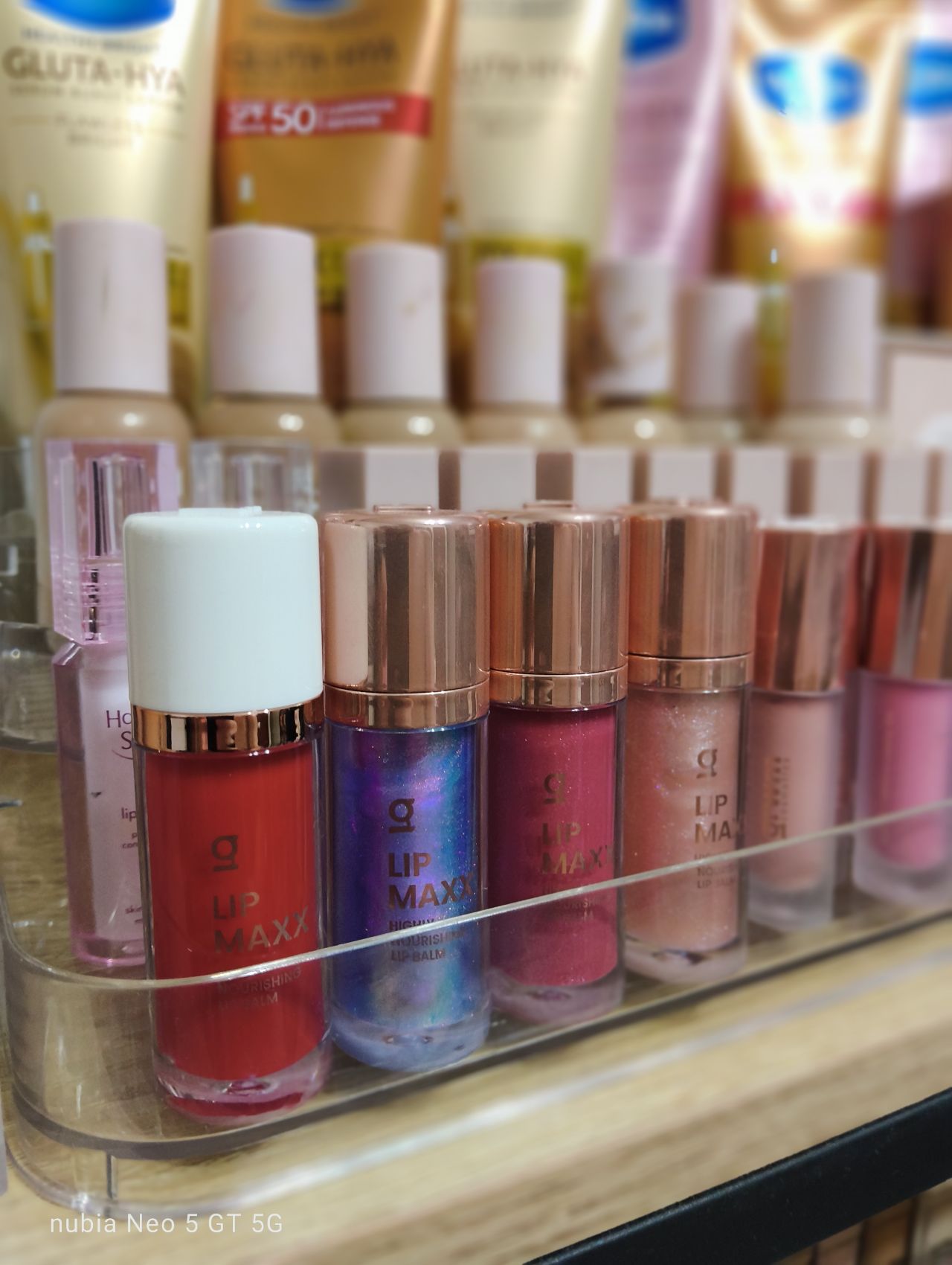
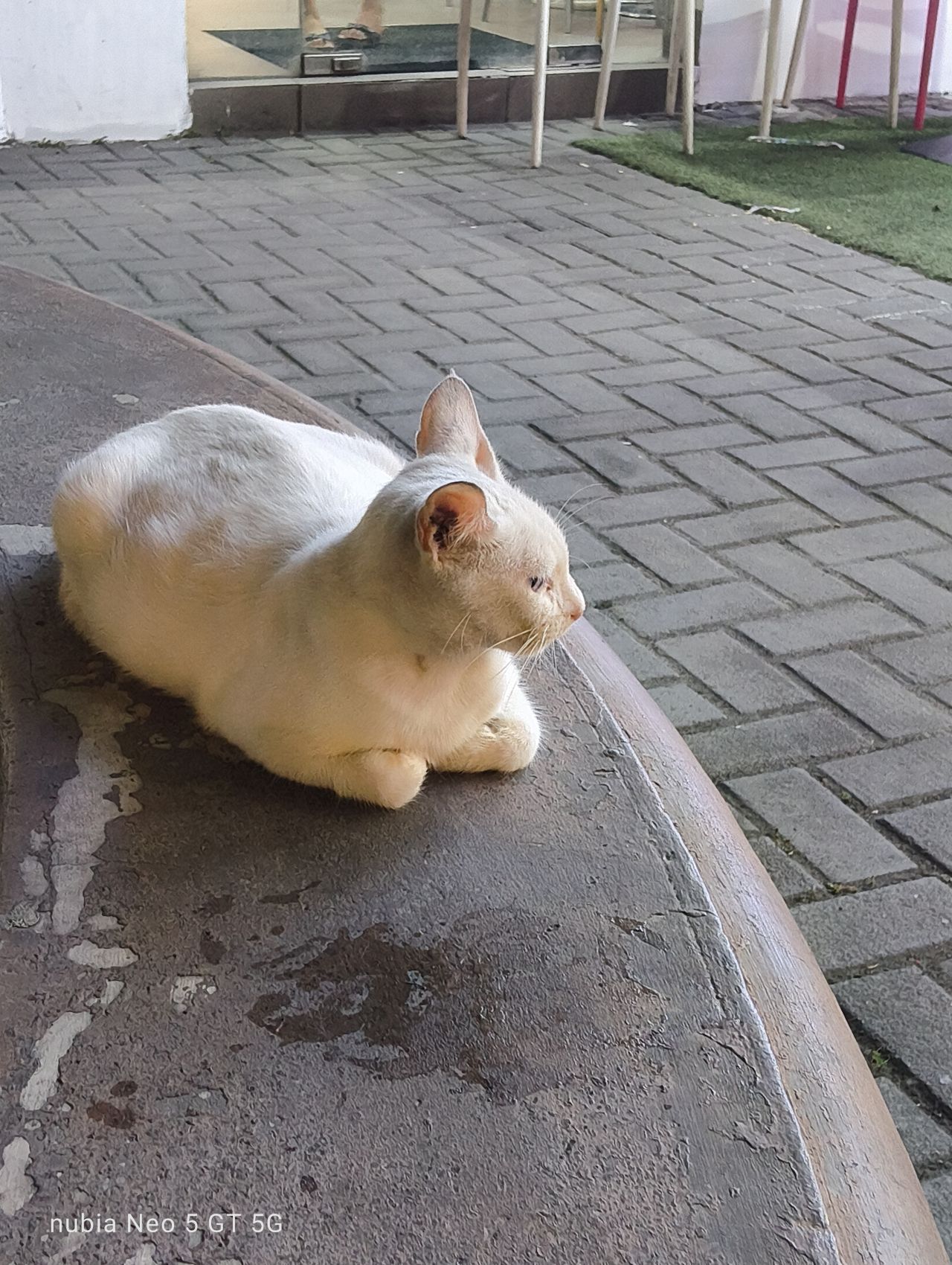
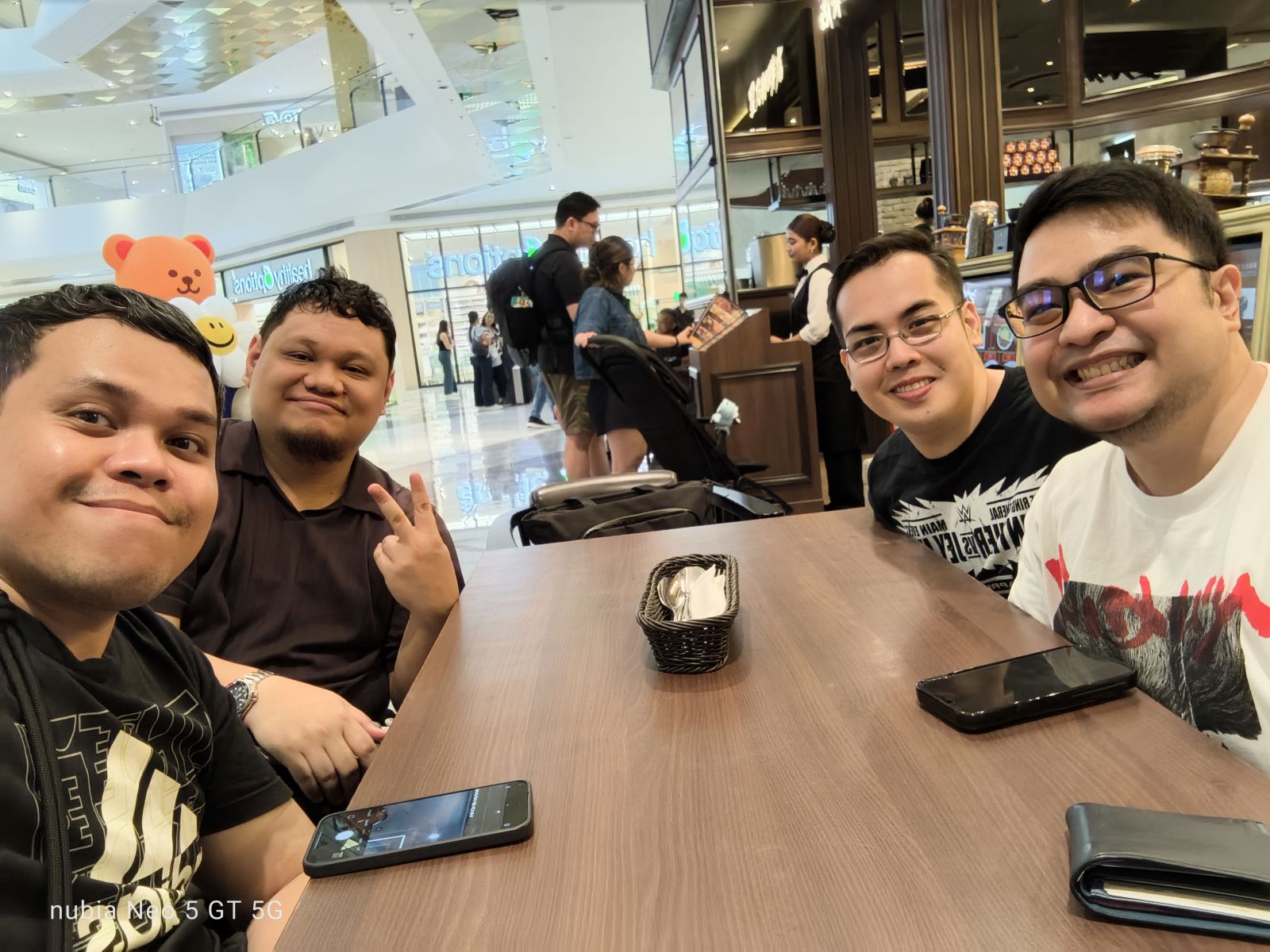
Onto the camera system, the nubia Neo 5 GT’s main camera is a 50MP shooter. I mostly just had captures of myself, food, and the street view.
For a device of this caliber, the camera does feel intended for such everyday moments. Lighting is a most definitely a friend, and colors can be off sometimes.
There are no violent reactions overall, but I have seen better and more capable camera systems on similar-priced devices.
Here are some samples:















Anything else?
Outside of gaming, I have been able to utilize this device pretty much as how it is intended to be used.
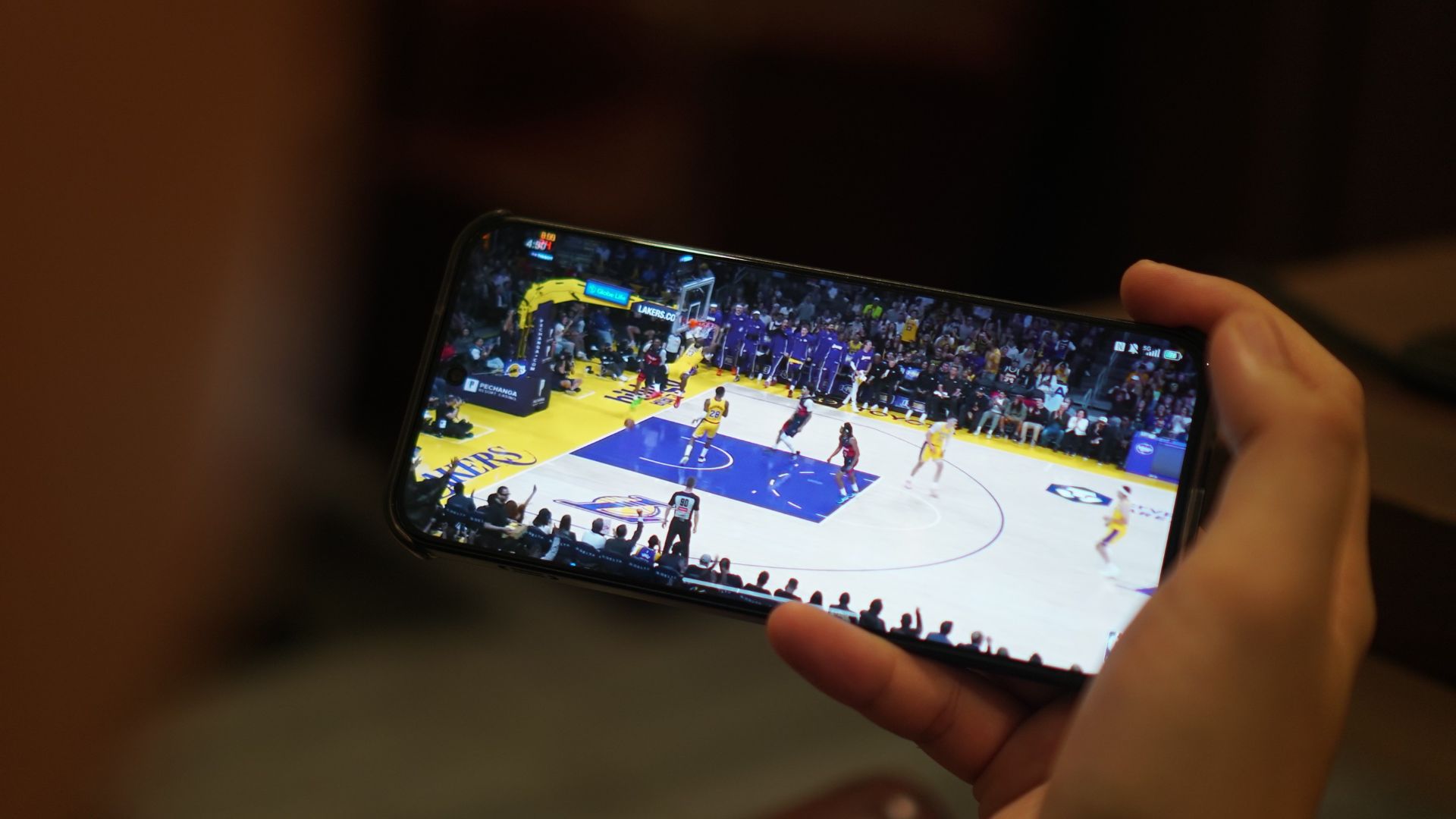
I browsed social media, watched basketball highlights, spoke with people through messaging apps, used Gemini, checked the maps, and everything else in between.
I would say loading times are a little better compared with extremely cheap handsets. The audio quality, however, sounds flat and cheap for music and gaming.
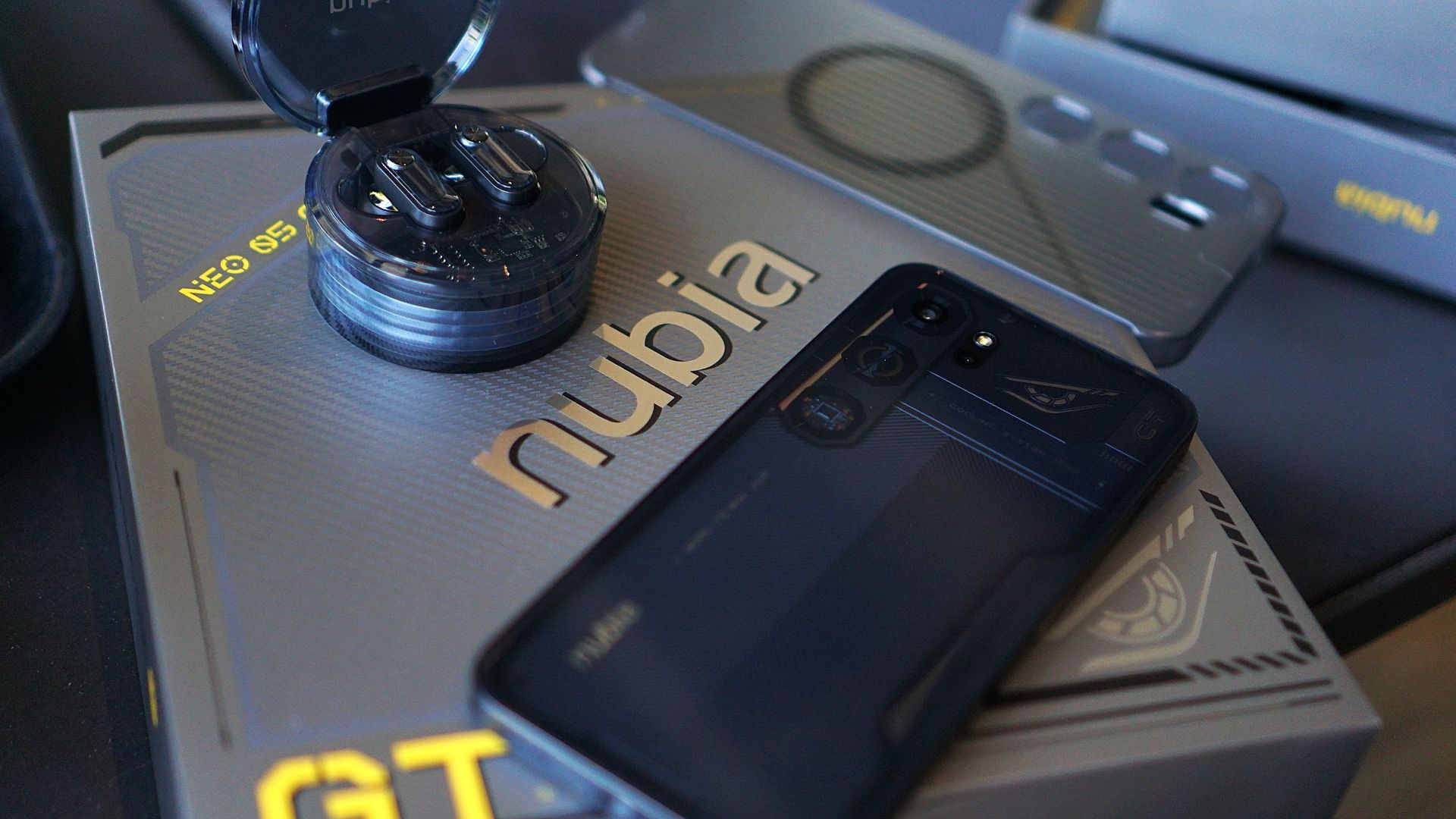
You do get the nubia Buds GT with early purchase, although the sound quality is too bass-leaning and not much of the mids and highs.
Is this your GadgetMatch?
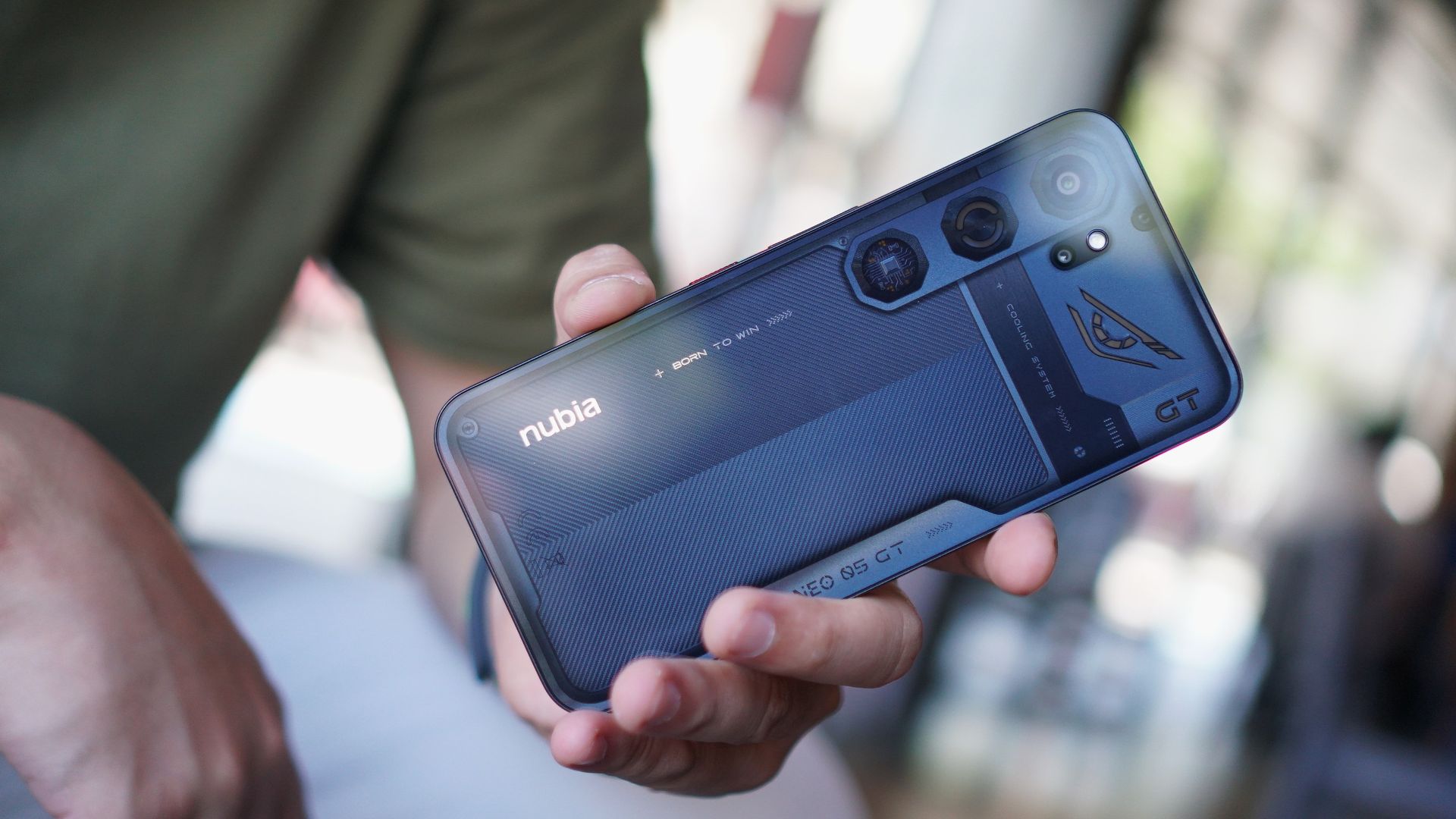
The nubia Neo 5 GT is a Swipe Left. The addition of a built-in cooler and some OS add-ons make it enticing at first.
But for its price, you can already get a topnotch Infinix NOTE series device, or even a numbered series mid-ranger from the likes of HONOR, Redmi, or realme.
It’s understandably a niche device, but the value proposition feels off without a definitive punch and “all-around” offering.
At a time where consumers need more from manufacturers to justify price hikes, nubia went zagging with a more gaming-centric tool that doesn’t punch above its weight.
Convenient Smart Home
Giving up counter space for reverse osmosis: Living with Waterdrop M6H in NYC
A 7-stage filtration system

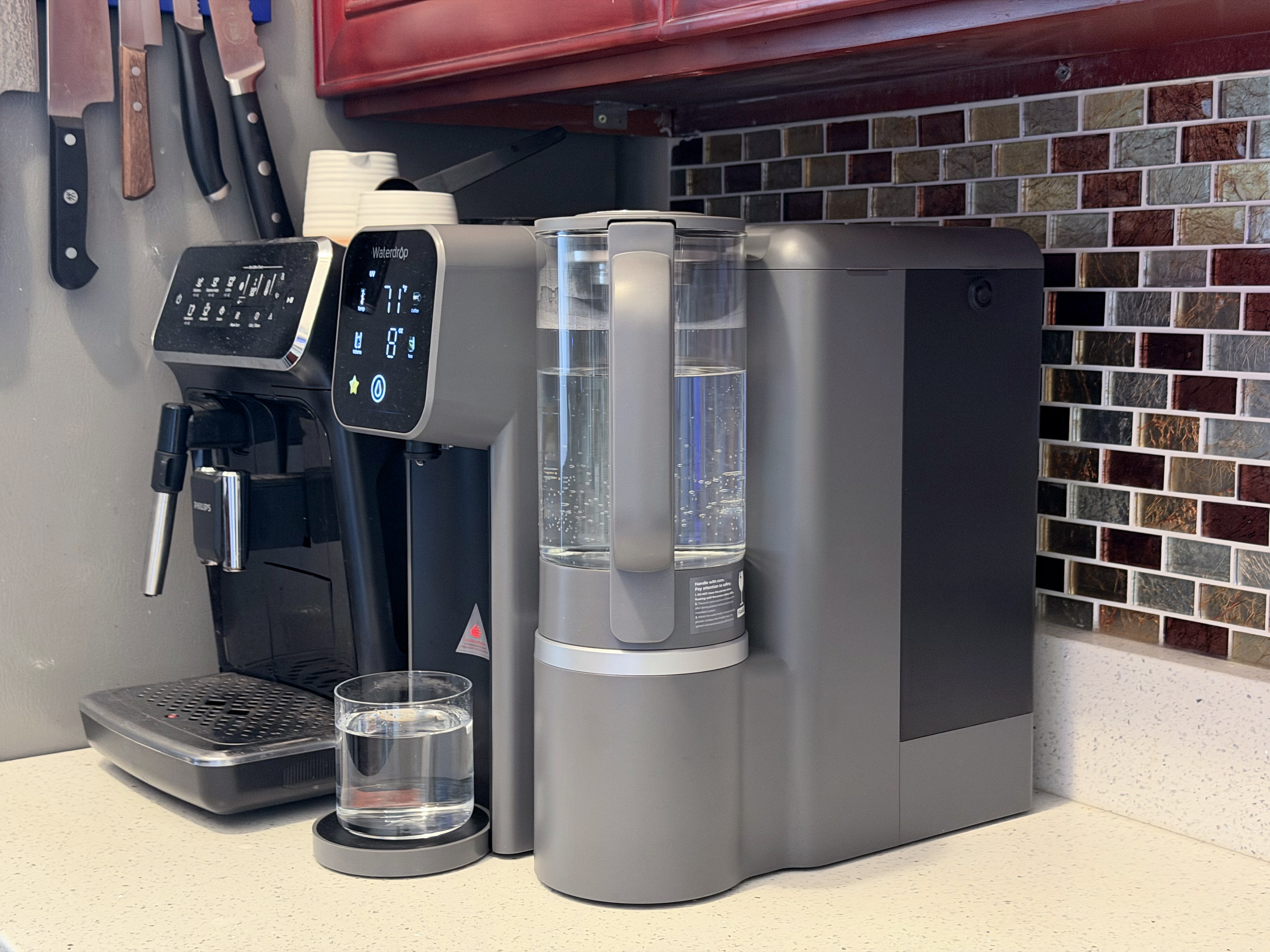
Living in New York City means two things when it comes to the kitchen: constantly negotiating with counter space and having the best drinking water in the country.
That’s exactly where a countertop reverse osmosis system like the Waterdrop M6H finds its place. It fits into apartment life surprisingly well, though not without tradeoffs.
Peace of mind
New York City is known for having some of the best drinking water in the country, and for most people, straight-from-the-tap is perfectly safe and dare I say: tastes the best, too.
But using a reverse osmosis system isn’t necessarily about fixing bad water. It can also take already good water and filtering it down to a much finer level.
The Waterdrop M6H uses a 7-stage filtration system, which goes beyond basic filtration to remove things like heavy metals, chlorine, PFAS, and microplastics, which you might not think about daily but are still present in trace amounts. It also has UV sterilization, adding another layer of protection by targeting bacteria that may not be caught in filtration alone.
That extra layer of filtration becomes especially helpful when you have guests or family visiting. My parents, for example, have more sensitive stomachs, so even small differences in water quality can matter.
One tradeoff with reverse osmosis is that it also removes naturally occurring minerals like calcium and magnesium. In practice, it shouldn’t be a major concern for most people. Food, not water, should be the primary source of these nutrients.
Built for apartment living
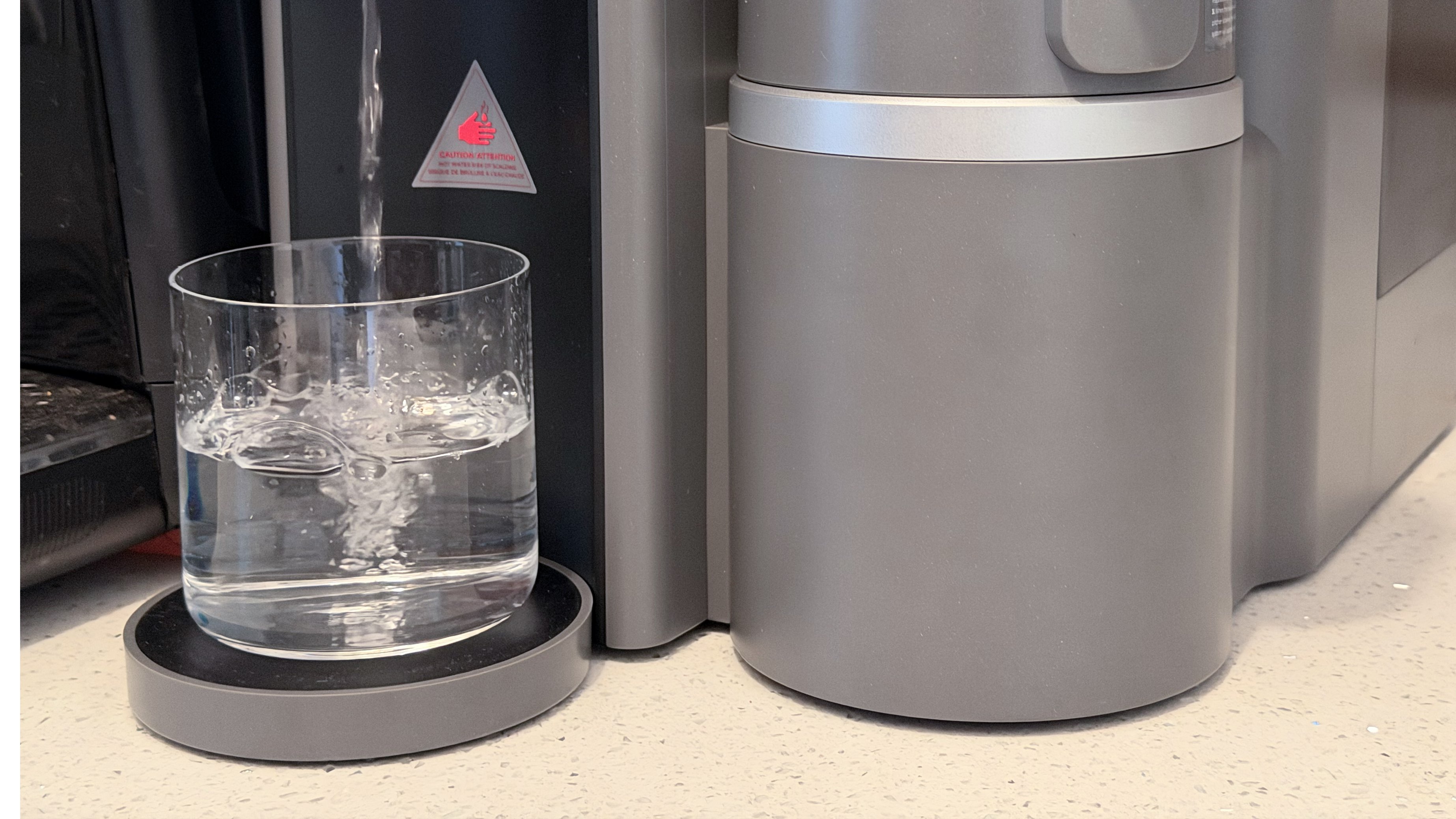
One of the biggest advantages of the Waterdrop M6H is how easy it is to set up. There’s no installation, no need to touch your plumbing, and if you’re renting: no back-and-forth with a landlord.
It sits on my counter like any other appliance. It’s roughly the size of my super automatic coffee machine, which makes it feel familiar and non-invasive. And just like my coffee machine, I get access to great drinking water with just a few presses.
For apartment dwellers like me, that plug-and-play design is a huge win. I could be living in my current home for years, but will likely still need to move out at some point. That means I can take the M6H with me no matter where life takes me.
Compact is both good and bad
That small footprint is what makes it viable in a city kitchen, but it also introduces the biggest inconvenience.
Because the unit is compact, the water tank isn’t huge, and neither is the wastewater capacity. The built-in 135oz water tank capacity is large enough to get you through a good portion of the day.
In practice, that means you’ll be refilling clean water and emptying the waste tank regularly, sometimes more than two times a day depending on usage.
It’s not difficult, but it’s definitely more hands-on than a built-in system that runs continuously in the background.
Eats up precious counter space
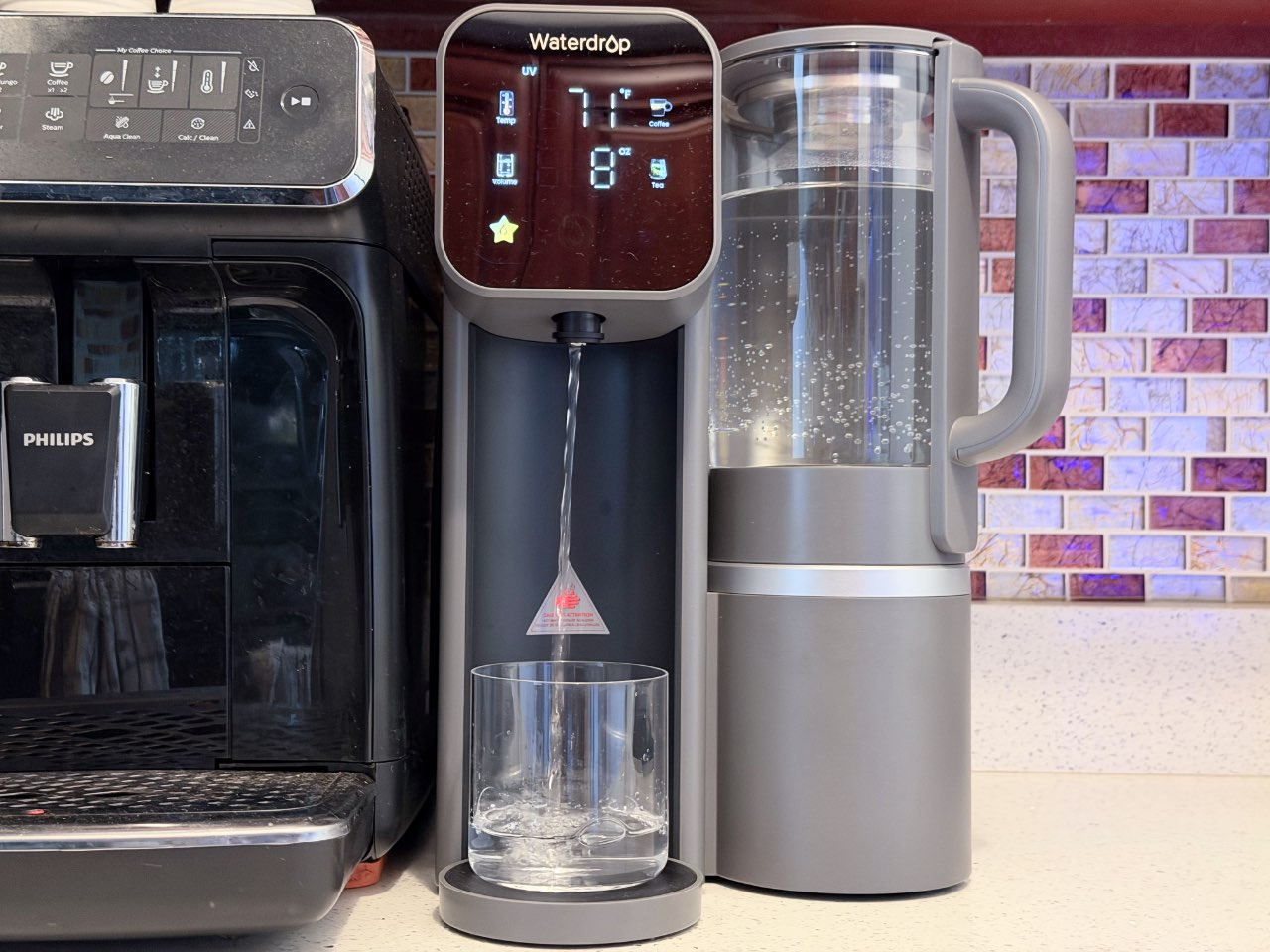
Beyond just physically occupying counter space, the machine changed how I use my kitchen.
The spot it takes is often the same area I would use for prepping food, whether that’s chopping vegetables, rolling or kneading dough, and plating meals. It’s also the same spot I use for putting dirty dishes before they get washed.
So while it technically fits, it reduced my working surface in a noticeable way. In a New York kitchen, losing even a small section of prep space can have a huge impact on one’s daily routine.
Bottle compatibility can be hit or miss
Another noticeable drawback of its compact size is the height clearance under the spout. If you tend to use taller insulated bottles, especially the narrow ones, they won’t always fit comfortably underneath.
I have a combination of tall and short ones, and so that means having to tilt the taller ones or filling them in stages, which interrupts an otherwise convenient experience.
Well thought-out experience
Where the Waterdrop M6H really stands out is in how easy it is to use. The touchscreen is intuitive without feeling overdesigned, and the preset buttons for coffee and tea temperatures are more than welcome. Thanks to its instant heating, I’m never waiting around for hot water when I want a comforting cup of tea after a chilly day out.
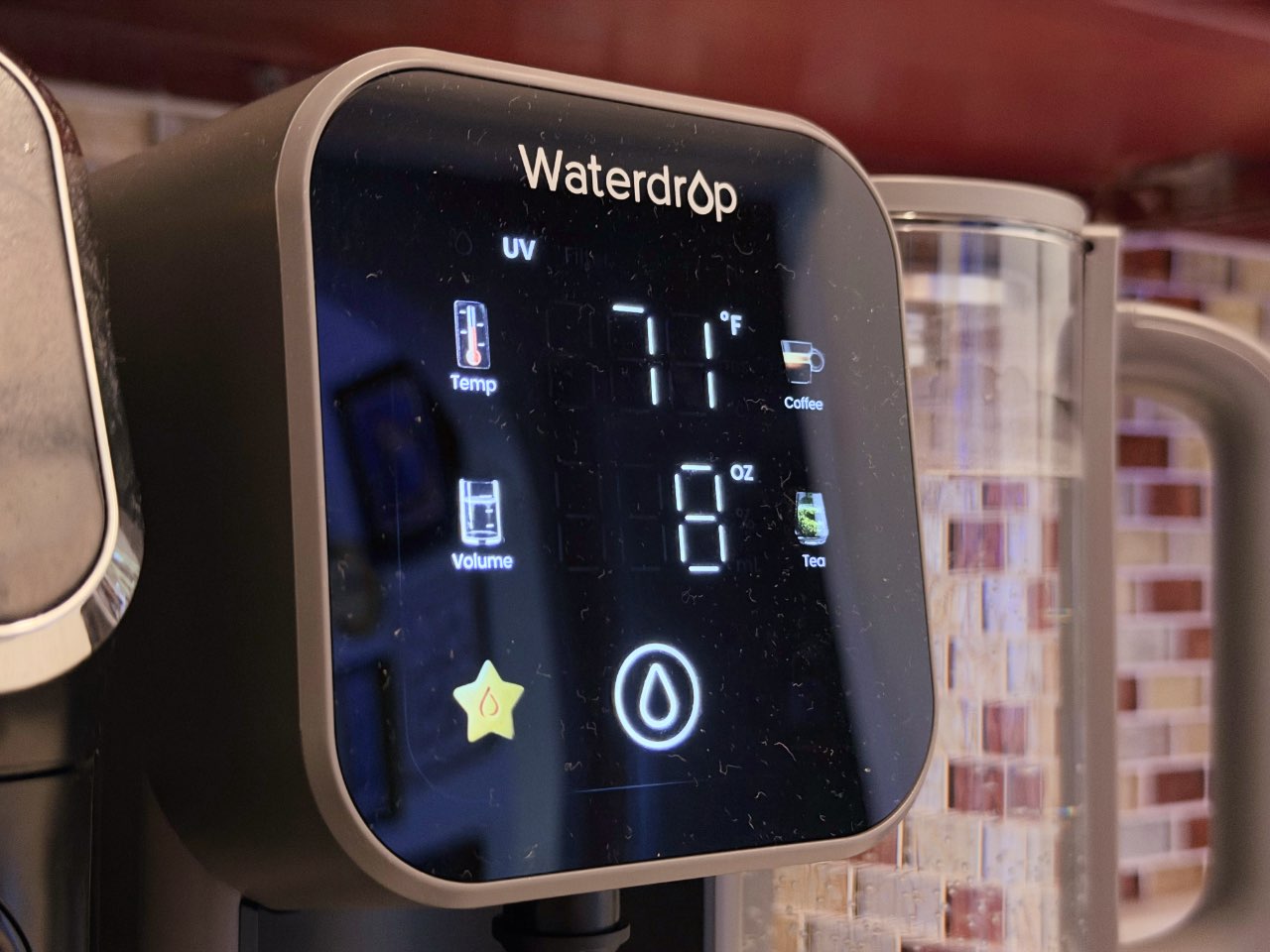
One of my favorite features is the ability to customize how many ounces of water you want dispensed. You can set it, place your glass or bottle underneath — as long as it fits — and walk away while it fills because it stops on its own. It’s a small detail that makes drinking clean water convenient.
It’s just a bonus that I’m more conscious of the amount of water I’m drinking on a daily basis.
The detachable glass pitcher is another thoughtful touch. You can take it off and pour directly to your vessel of choice, store it in the fridge for cold water, or use it directly for cooking.
Better than a filter pitcher
If you’ve used a standard filter pitcher before, the difference is immediate.
With something like a Brita, you’re constantly refilling and waiting for water to slowly drip through the filter before you can use it. The Waterdrop M6H produces purified water much faster and on demand.
Even though I have to refill the tank daily, it’s still far less frequent, and far less tedious, than topping off a pitcher multiple times a day.
Cost-wise, it also evens out over time. Instead of repeatedly buying smaller filters, you’re replacing one larger filter less often, with a more advanced level of filtration to show for it.
Is the Waterdrop M6H your GadgetMatch?
Even in a city with excellent tap water, a reverse osmosis system like the Waterdrop M6H can be helpful. It makes the most sense if you’re renting but still want better-than-tap filtration without dealing with permanent changes.
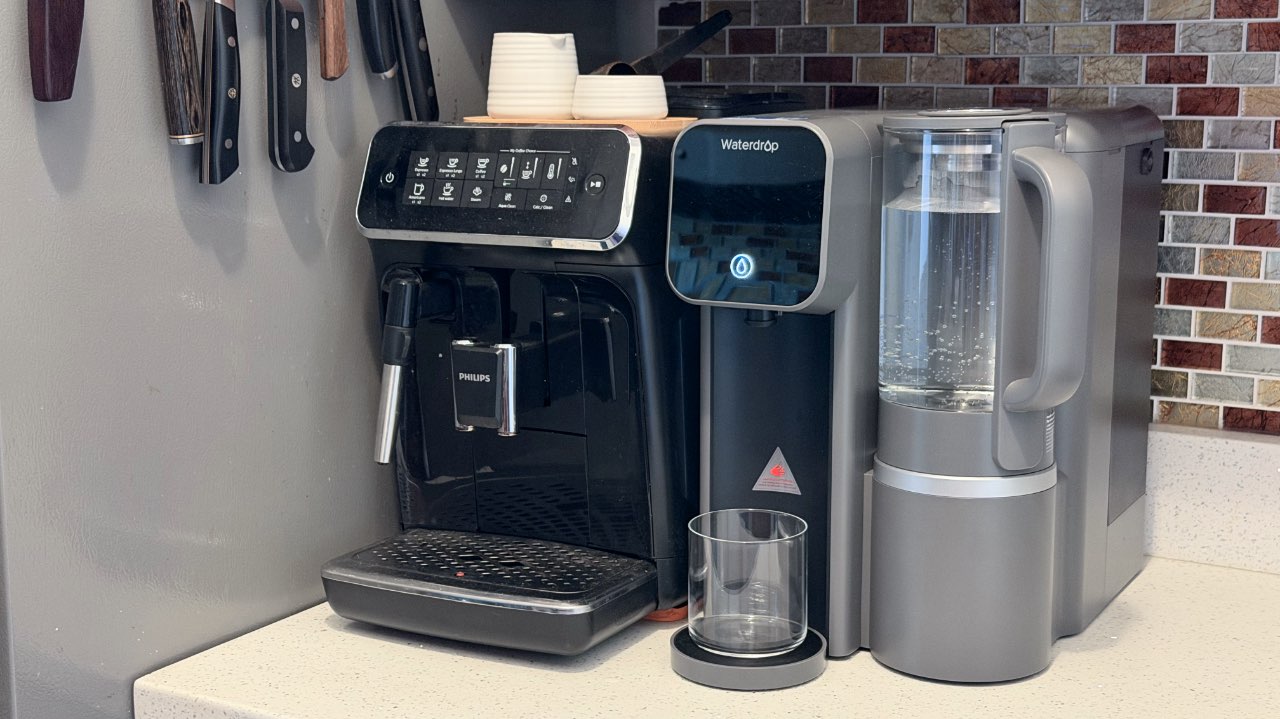
While not as inconvenient as a Brita pitcher, it still requires daily maintenance. It is not the best fit if you’re already tight on counter space, cook frequently and rely heavily on your prep area.
A permanently installed reverse osmosis system will always win when it comes to pure convenience, and Waterdrop has great options for that. It runs continuously, requires less day-to-day interaction that you just forget about it, and it doesn’t take up precious counter space.
For my current setup, the Waterdrop M6H is a practical middle ground. It delivers many of the same benefits in a flexible, renter-friendly form.
The Waterdrop M6H retails for US$429 before tax. Maintenance is straightforward: the replacement filter costs $79.99 and lasts about 12 months or roughly 1,100 gallons of water.
It isn’t cheap, but you can think of it as a long-term investment in your health. Its benefits aren’t immediate or obvious day-to-day, but something you’ll likely appreciate over time and thank yourself for later.
Gaming
Saros review: Returnal’s difficulty is back and better than ever
Although, it loses the memorable storywriting.

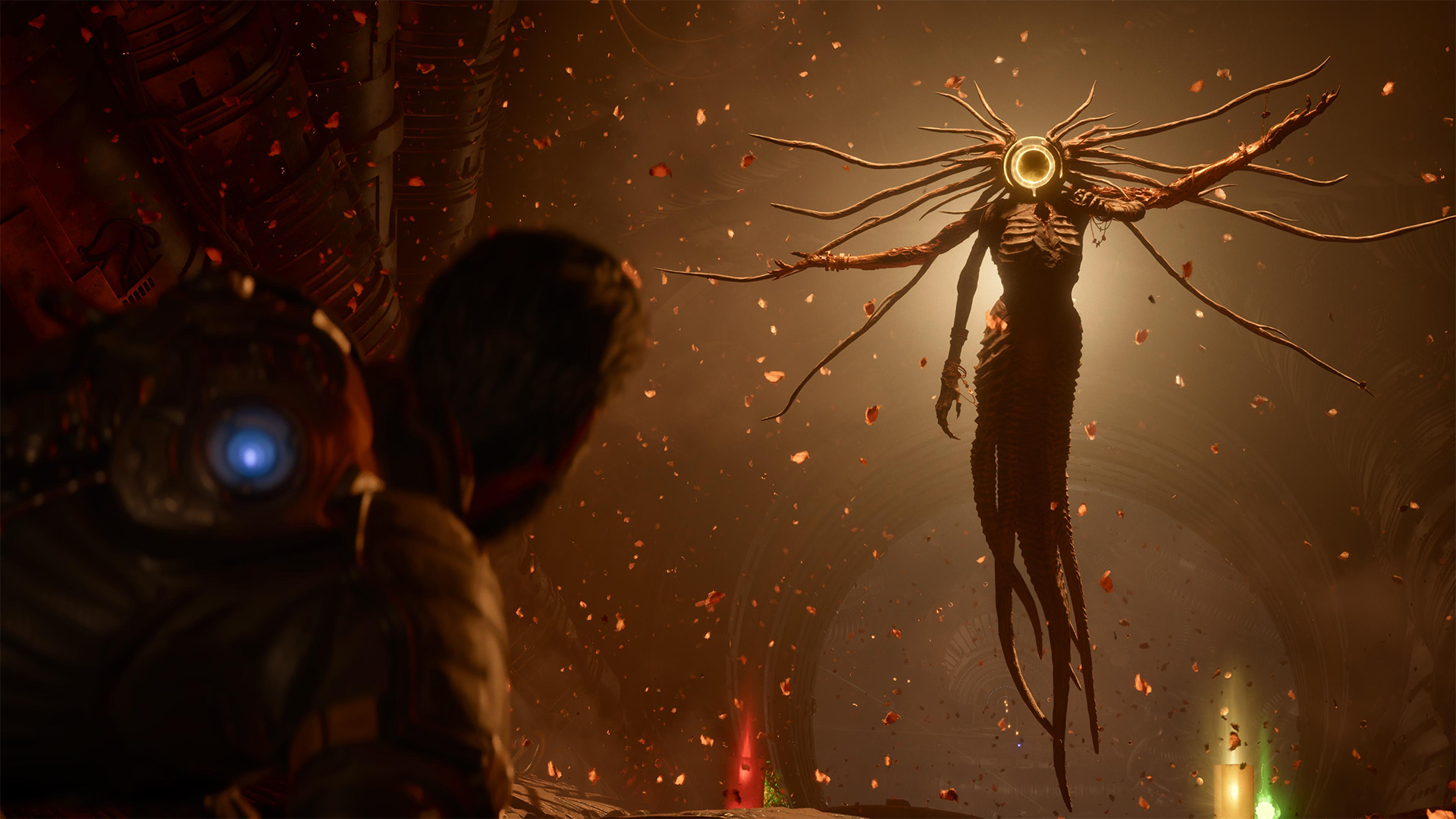
In 2012, Housemarque worked on the Angry Birds Trilogy compilation, the quintessential experience of throwing things at a wall and seeing which one will break it. In 2021, the studio developed Returnal, once again a quintessential experience of frustratingly throwing things at a wall. Now, in 2026, the studio is back with Saros, an experience with more of the same but with more flair and the accessibility to more easily break down those walls.
Turn back time over and over again
Like Returnal, Saros is a roguelike shooter. Players start every run from almost-scratch, earning Lucenite along the way. Upon death or winning the run, Arjun Devraj, the playable character, returns to the starting hub and spends his earned Lucenite to unlock meaningful (and permanent!) upgrades for the next run.
Along the way, Devraj finds an armory of available weapons and powerups that subsist through a single run, adding enough variability to ensure that no two runs are completely the same. Coupled with tangible upgrades, Saros creates an ever-changing experience but ensures that you feel stronger with every consecutive run.
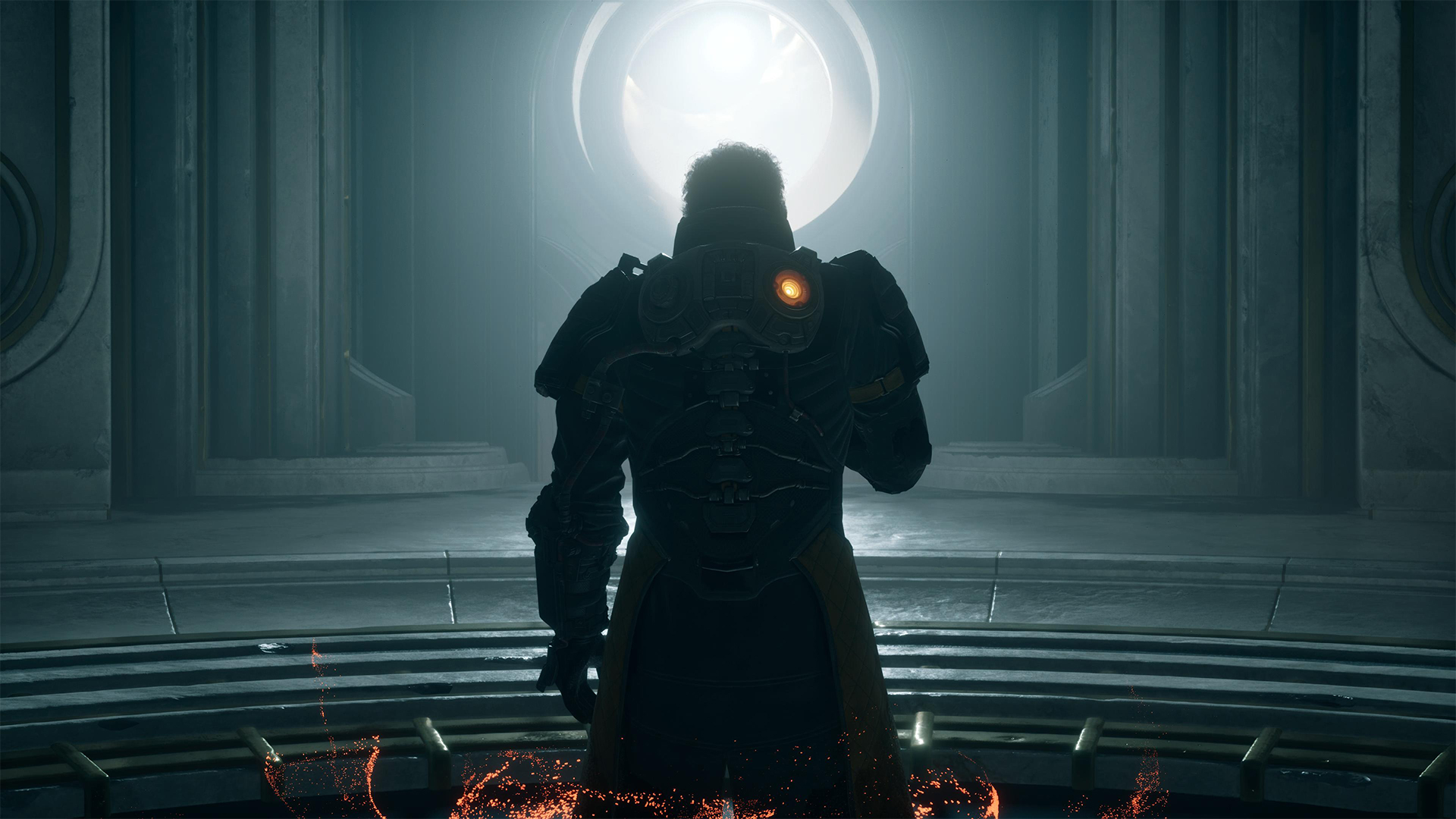
It’s also a visually stunning game with designs that border on Lovecraftian. Enemies are so well designed that it’s impossible not to stop and stare at how detailed the monsters are.
A smoother, hypnotic fight
Saros plays like butter. Normally, shooters played on a controller are too finicky for me, but Saros just works. The game features a good number of auto-aiming weapons that help you focus on dodging projectiles. Even the native aim assist on non-automatic weapons is useful enough for making shots.
There’s also Power Weapons, or high-damage attacks that use consumable Power. There are a handful, and all of them are powerful enough to help win a difficult battle.
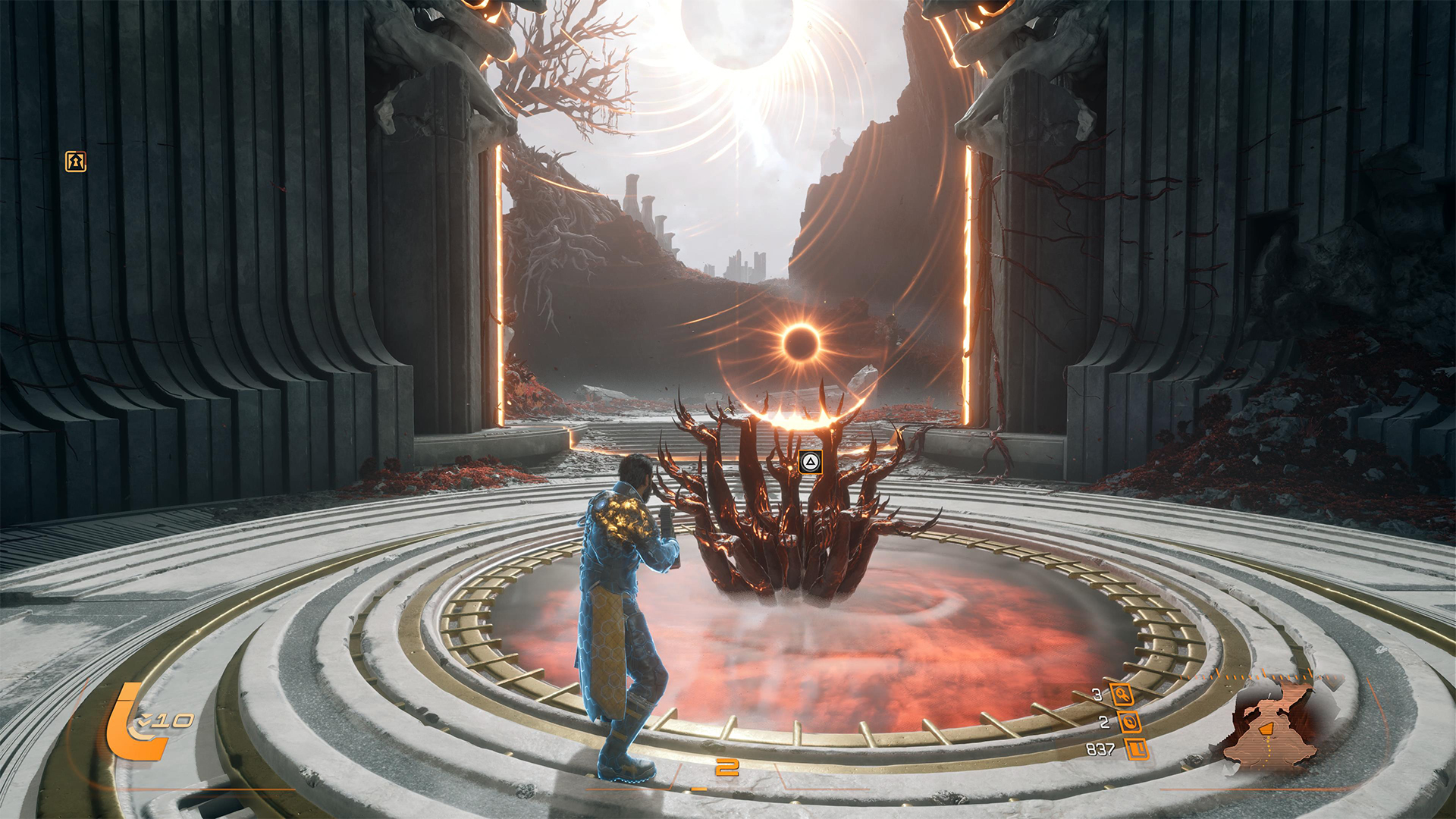
Fighting, then, is simply fluid. It didn’t take long for me to breeze through runs without focusing on muscle control. This makes for an easier game overall. Whereas Returnal has players beating their heads against the wall for hours, Saros is more accessible. It wants you to win. It wants you to get stronger.
As mentioned, each permanent upgrade is palpable. Devraj does get stronger. You can feel it when you rush past the starting area in no time. There are caps, but each cap is unlocked when you first beat a boss.
That said, the game still offers a challenge. Often, bosses take a few runs to master. Sometimes, you’ll get bodied by a surprise barrage from behind.
Variability that eventually runs out
The key to making a great roguelike rests on how different every run is. Some even have game-breaking combinations with ultra-rare pickups that wreck all of the game’s challenges.
At the start (especially before everything is unlocked), Saros does feature enough variability that invites you to discover everything that the game has to offer.
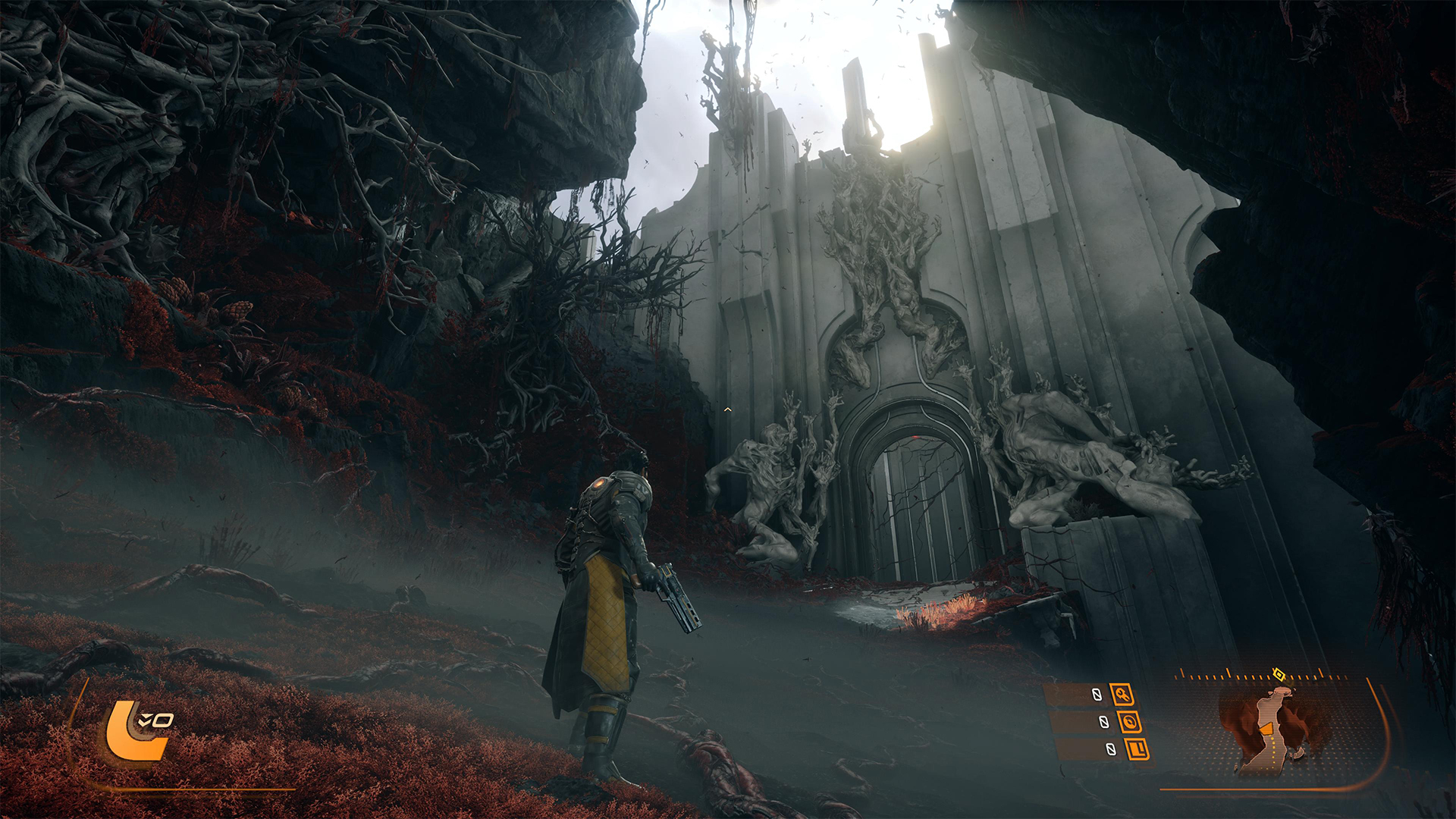
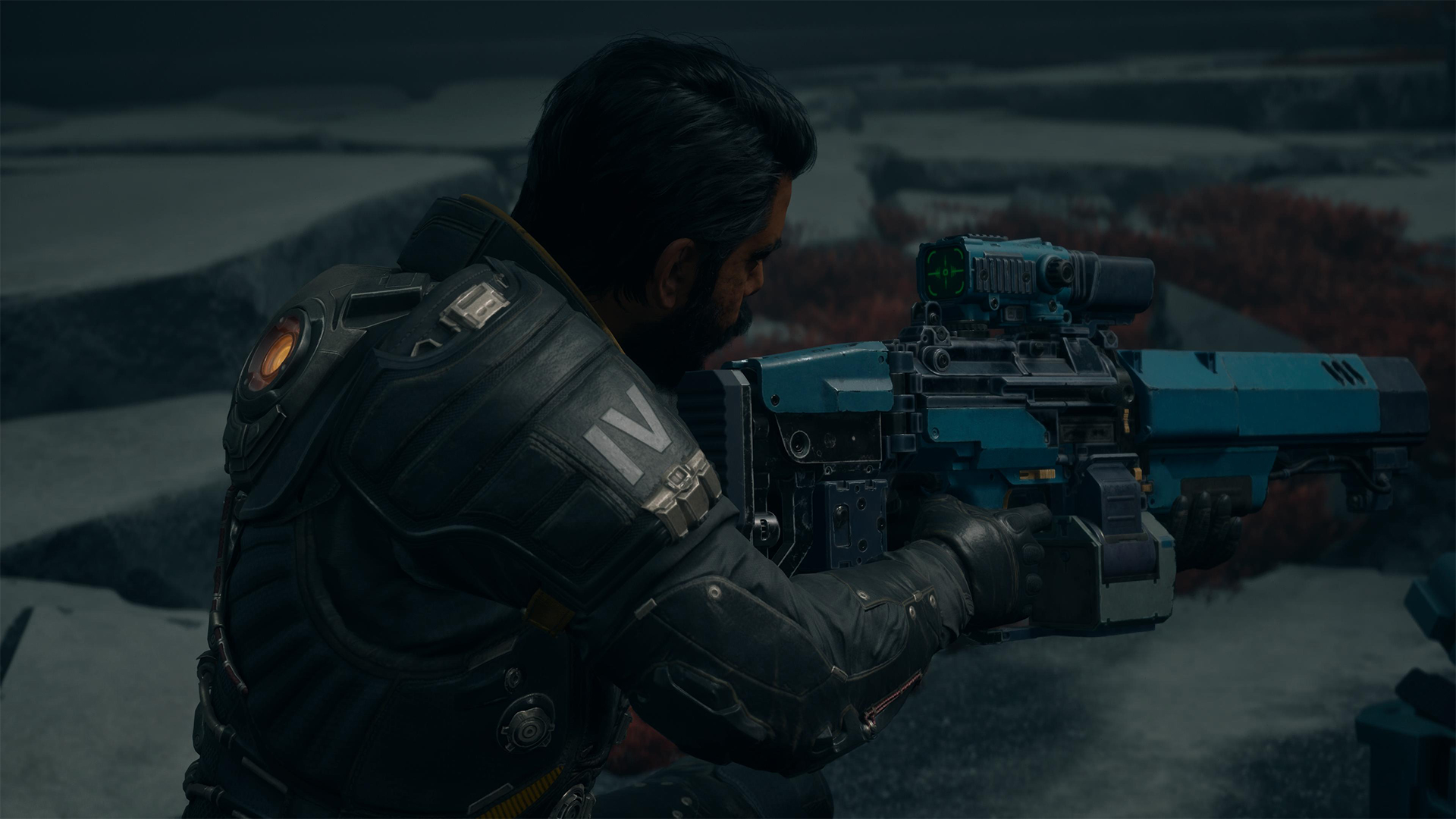
However, it does become clear that this variability has a limit. Once I had everything unlocked, I was defaulting to only a few combinations: a smart rifle (with auto-aim) with powerups that improve health and Lucenite drops. Plus, since I already had rerolls unlocked, I could just reset every drop until I got what I wanted. Experimentation doesn’t seem like a major draw for players; instead, it’s more about discovering the combination that works for you and grinding until you find it in every run.
Additionally, the map doesn’t really change. Though there are miniscule changes, none of which alters the experience that much. Each room features different terrain, but they’re all essentially identical to one another: fight the horde that spawns in and collect the reward afterwards.
Despite being treated as a major change to the map, even the self-imposed eclipse mode (from which the game derives its title) doesn’t add much besides the corruption status effect. At first, there’s a sense of dread going into the eclipse, as the game says that enemies are more powerful and unpredictable, but it will eventually teach you that eclipses are just part of the level design. There is zero tradeoff.
Every run has a lingering sense of sameness to it. This should be appealing to some, especially since it helps make the game more accessible. However, this approach will naturally run into a wall, particularly after you spend 2.5 hours on a run only to die on the final boss.
What story?
Saros is an exercise in Lovecraftian worldbuilding. Like all stories of the same bent, the game’s plot focuses more on the insanity of its world, rather than its characters.
The game does not say much about the story besides the bare brushstrokes. Devraj is part of the Echelon IV expedition to the planet of Carcosa. While his main mission is to find the past expeditions, he has a secret motivation to find Nitya, a member of Echelon III and his lover.
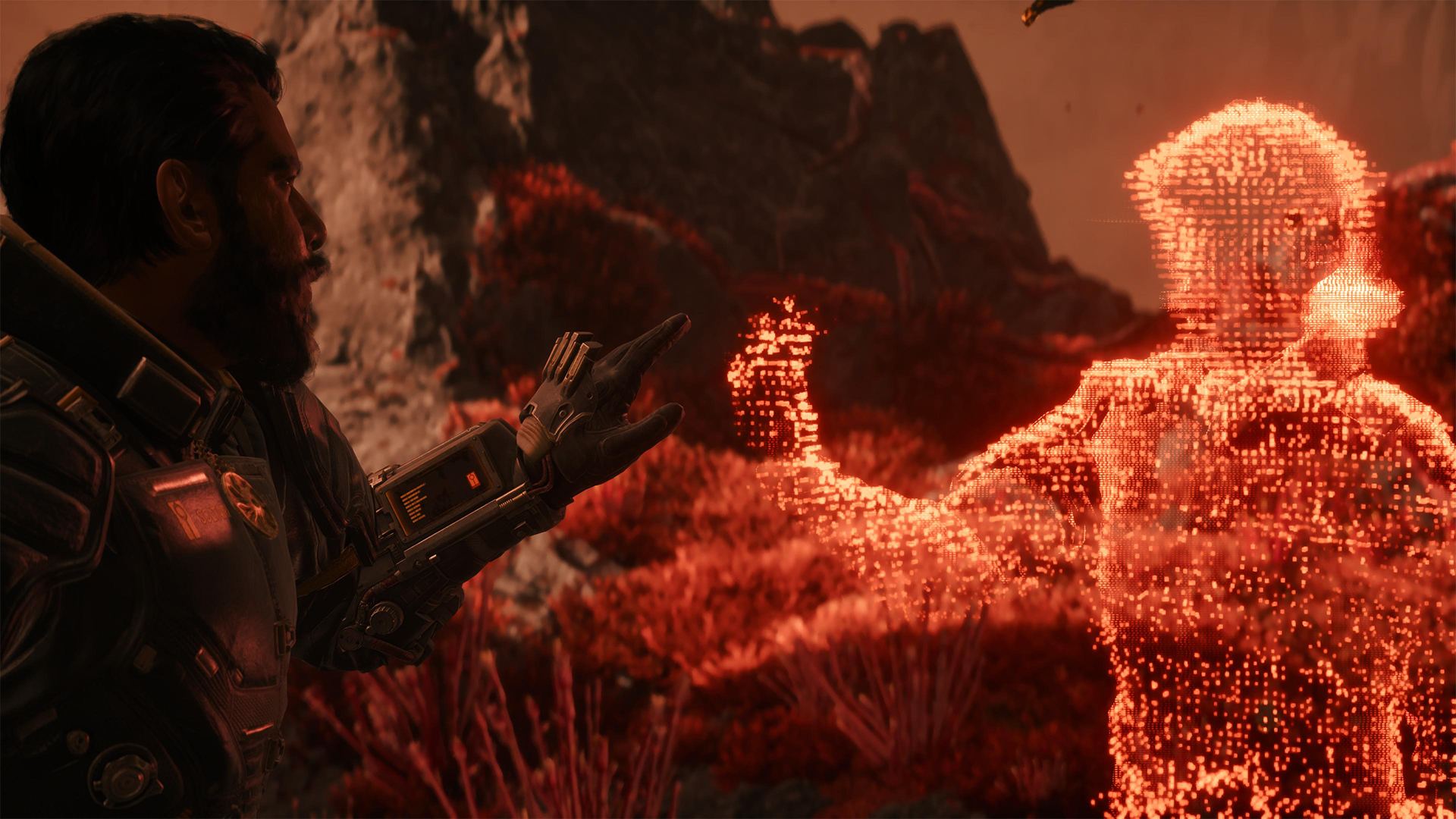
Similar to The King in Yellow by Robert W. Chambers, the game features allusions to madness because of “the Yellow”. Both previous expeditions and members of his own team succumb to the madness. However, the game never gives players enough time with any of these characters, so when they reveal themselves as victims of the same religious insanity, it’s never treated with the gravitas it deserves. People die, but you’ll barely miss them.
The same, unfortunately, goes for Devraj himself. Despite the world descending into cosmic horror around him, he stoically continues his mission to find Nitya. He doesn’t seem too affected by death. And, as such, he doesn’t really have a lot of qualities to latch on to, as a player who should be invested in the development of their playable character.

It’s atypical for a first-party PlayStation game to prioritize world-building over character writing. Most of the platform’s titles have incredibly memorable characters, but Saros just doesn’t. That said, the world-building is phenomenal; I just don’t want to spend hours reading through journal entries to find out what’s wrong with this world.
Is Saros your GameMatch?
If you found Returnal too difficult, Saros is a lot more approachable. It didn’t take me long to reach the game’s latter parts. If anything, the difficulty is finding two hours to go on an extended run. With the substantial progression system, it feels meaningful to restart and go again. Fans of roguelikes will easily Swipe Right on this game.
However, if you’re looking for a meaningful story to sink your teeth into, the game heavily prefers environmental storytelling. Prepare to spend hours just poring over lore. Even then, you won’t really get a sense of which characters to root for. For that, it’s a Swipe Left.

5 games with the nubia Neo 5 GT 5G
Niche device, but is worth the price?

Giving up counter space for reverse osmosis: Living with Waterdrop M6H in NYC
A 7-stage filtration system


Saros review: Returnal’s difficulty is back and better than ever
Although, it loses the memorable storywriting.
5 games with the nubia Neo 5 GT 5G

Level Infinite launches Gangstar Mirage City exclusively in PH

The Steam Controller is coming out on May 4

Samsung Galaxy Glasses revealed in leaked images
Giving up counter space for reverse osmosis: Living with Waterdrop M6H in NYC


-

 Cameras2 weeks ago
DJI Osmo Pocket 4 review: A solo creator’s production crew
-

 Reviews2 weeks ago
HONOR MagicPad4: A tablet that found its place
-

 Automotive2 weeks ago
Luxury you can ride: The Vespa 180cc Collection
-

 Reviews7 days ago
HONOR 600 review: A taste of more
-

 Laptops6 days ago
ASUS Zenbook S14 (2026) review: The perfect portable buddy
-
 News2 weeks ago
vivo X300 FE launches with ZEISS telephoto system
-
 News1 week ago
Forget the Pro+ and Ultra! HUAWEI unveils the Pura 90 Pro Max
-
 Malaysia1 week ago
The OPPO Find X9 Ultra is Galaxy S26 Ultra’s biggest enemy