
News
Xiaomi’s 108-megapixel Mi CC9 Pro is official!
Five cameras!


The future is here! After much speculation, Xiaomi has finally launched their first 108-megapixel smartphone. Weeks ago, the company teased the brilliant phone as part of its new Mi CC9 series. Finally, the Xiaomi Mi CC9 Pro is official!
As expected, the Mi CC9 Pro carries a penta-lens rear camera setup. Highlighting the pack is the main 108-megapixel main sensor. The sensor accompanies a 5-megapixel telephoto sensor (with 5x optical, 10x hybrid zoom, and 50x digital zoom), a 12-megapixel telephoto sensor for portrait shots, a 20-megapixel ultra-wide, 117-degree FOV sensor, and a 2-megapixel macro snapper.
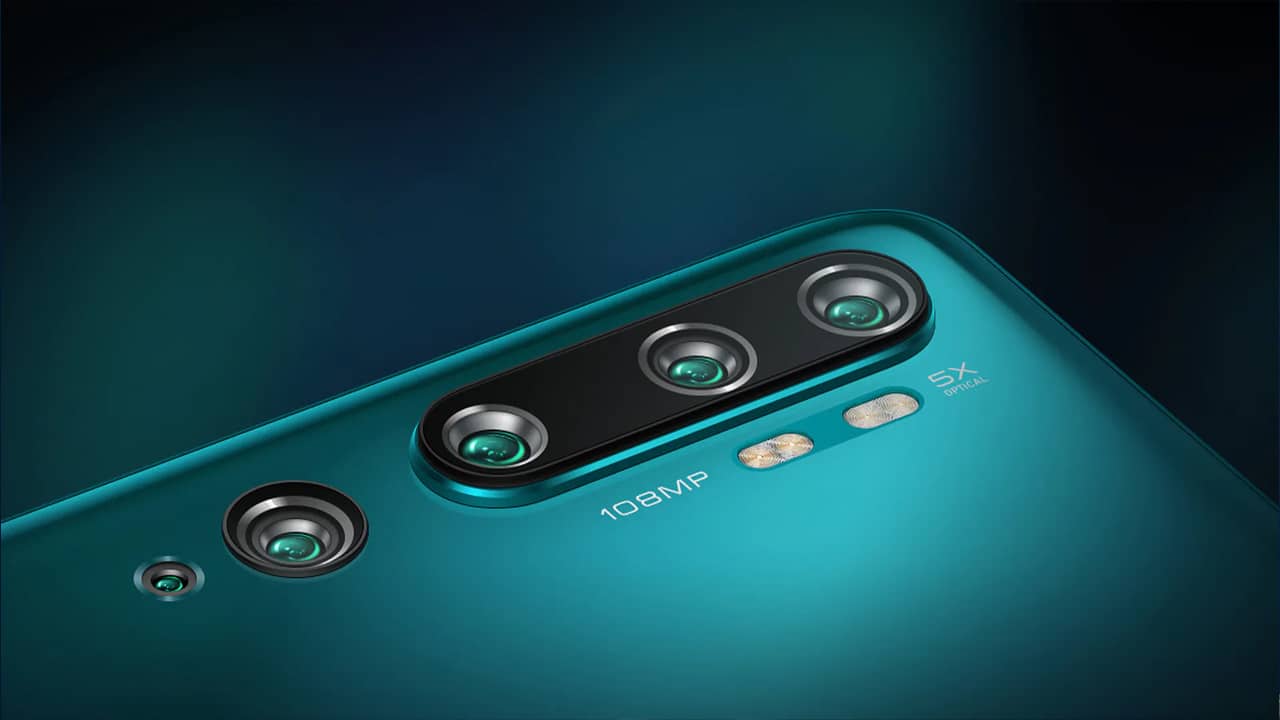
On the front, the phone sports a sizable 32-megapixel selfie shooter nestled in its teardrop notch.
Not surprisingly, the Mi CC9 Pro follows Samsung’s 108-megapixel sensor launch months ago. As such, the phone will use the same sensor. However, the penta-lens camera setup will shoot 27-megapixel photos by default. (You can still shoot 108-megapixel photos, though. It’s embedded into the camera’s options.) The camera can shoot 2160p videos at 30fps.
Under the hood, the Mi CC9 Pro boasts a 6.47-inch Super AMOLED screen. The handy package packs in a Qualcomm Snapdragon 730G octa-core chipset, an Adreno 618 GPU chip, 6GB/8GB of RAM, and 128GB/256GB for internal storage.
For connectivity, the phone can connect to 4G LTE connections. (No 5G here yet, though.) Of note, the phone has the rare 3.5mm headphone jack. For security, the phone comes with an in-screen fingerprint reader and face unlock.
Finally, the phone packs in a whopping 5260mAh battery, compatible with 30W fast charging.

Price and availability
Currently, the Mi CC9 Pro is due for an initial release in China. No word on the international version, the Mi Note 10, yet, though.
The base model (with 6GB RAM and 128GB of internal storage) costs CNY 2,799 (around US$ 399).
The upgraded model (with 8GB RAM and 128GB of internal storage) retails for CNY 3,099 (around US$ 442).
The Mi Note 10 Premium Edition (with 8GB RAM, 256GB of internal storage, and an upgraded “8P lens”) costs CNY 3,499 (around US$ 499).
SEE ALSO: Xiaomi Mi 9T Pro Review: Twice the power, still affordable






News
Apple’s iPhone Fold reportedly hits engineering delays
But it’s still supposedly on track for a September launch.

The foldable iPhone might be the most mythical device in technology today. Rumoured as far back as the launch of the very first Galaxy Fold, the so-called iPhone Fold has peeked in and out of the spotlight over the years but has yet to make its full debut. Sources today have speculated that Apple is readying its much awaited launch for this year; however, a few hitches might derail the expected unveiling.
According to Nikkei, Apple has pushed forward with the foldable iPhone’s test production phase, which marks an advanced stage in the device’s production. However, a source indicates that the device has encountered engineering issues, potentially pushing its launch back by an undisclosed amount of time. Apple is reportedly working on the issues now.
Opposite this report, Bloomberg‘s Mark Gurman reports that the iPhone Fold can still reach its projected launch later this September. As any fan of the iPhone can attest to, September is the usual ground zero for the latest generation of iPhones. Should Apple meet its September launch, the iPhone Fold will launch alongside the iPhone 18 series. This also makes it possible to be Apple’s “one more thing” for September’s event.
There’s a lot riding on Apple’s foldable phone. Fans have been clamoring for the iPhone Fold for a while now, especially since Samsung remains an undisputed cornerstone in the foldable market. Despite the demand, it might take a while for the foldable to truly take off. If Apple’s gingerly approach to foldables is any indication, the iPhone Fold will likely take a few iterations to match Samsung in terms of supply and market share.
SEE ALSO: Apple iPhone 17e review
Gaming
PlayStation can now scan you and put you inside a game
The limited feature will be available for Gran Turismo 7 for now.

A staple of sports simulation games like the NBA 2K series, one of the most interesting developments in gaming today is the ability to scan faces and import them into an avatar. The feature lets players fully live out the fantasy of being inside their favorite sport. It has since made its way to more genres, such as in Where Winds Meet. Now, PlayStation wants to add its own native face- and body-scanning technology — called The Playerbase — into its repertoire.
Announced today, The Playerbase will bring PlayStation’s dedicated fans into cyberspace. It’s more than just uploading a face into a game’s files, too. PlayStation will fully scan a fan and import their entire body into a game.
Being more rigorous than just a facial scan, The Playerbase’s uses are still very limited today. PlayStation will start by importing a selected fan into the world of Gran Turismo 7.
Interested fans from selected markets all over the globe can sign up starting today for a chance to be featured inside the racing game. Once selected, the lucky fan will participate in video interviews before being scanned into the game in Los Angeles.
The player’s avatar will be available in a limited-time basis, but their livery, which they will design, will be a permanent fixture in the game going forward.
Afterwards, PlayStation will look to add more of its studios into the initiative tailored for their specific worlds. As of now, it’s meant as a special thank you for its dedicated fans, rather than an easily available feature for all of their games.
Apps
Grab moves beyond the ride to become a companion for the life in between
Now updated as an everyday guide with 13 AI-powered experiences to navigate life in Southeast Asia!


Navigating life in Southeast Asia requires a different mental load.
You decide what to eat while rushing to a meeting; you deal with the anxiety of landing in a foreign airport and wondering how to pay for coffee and your cab. We often look to our phones for answers, but sometimes, we just find more tasks to manage with the information we’re overloaded with.
At GrabX 2026 held in Jakarta, Indonesia, Grab as a Superapp transforms into an intelligent companion that understands our routines. It has just launched 13 AI-powered experiences, designed to act as an everyday guide.
Moving through the city together
Traveling within a busy city requires a delicate balance of time and budget. We want to get to our destinations efficiently, but we also want to share that journey with others.
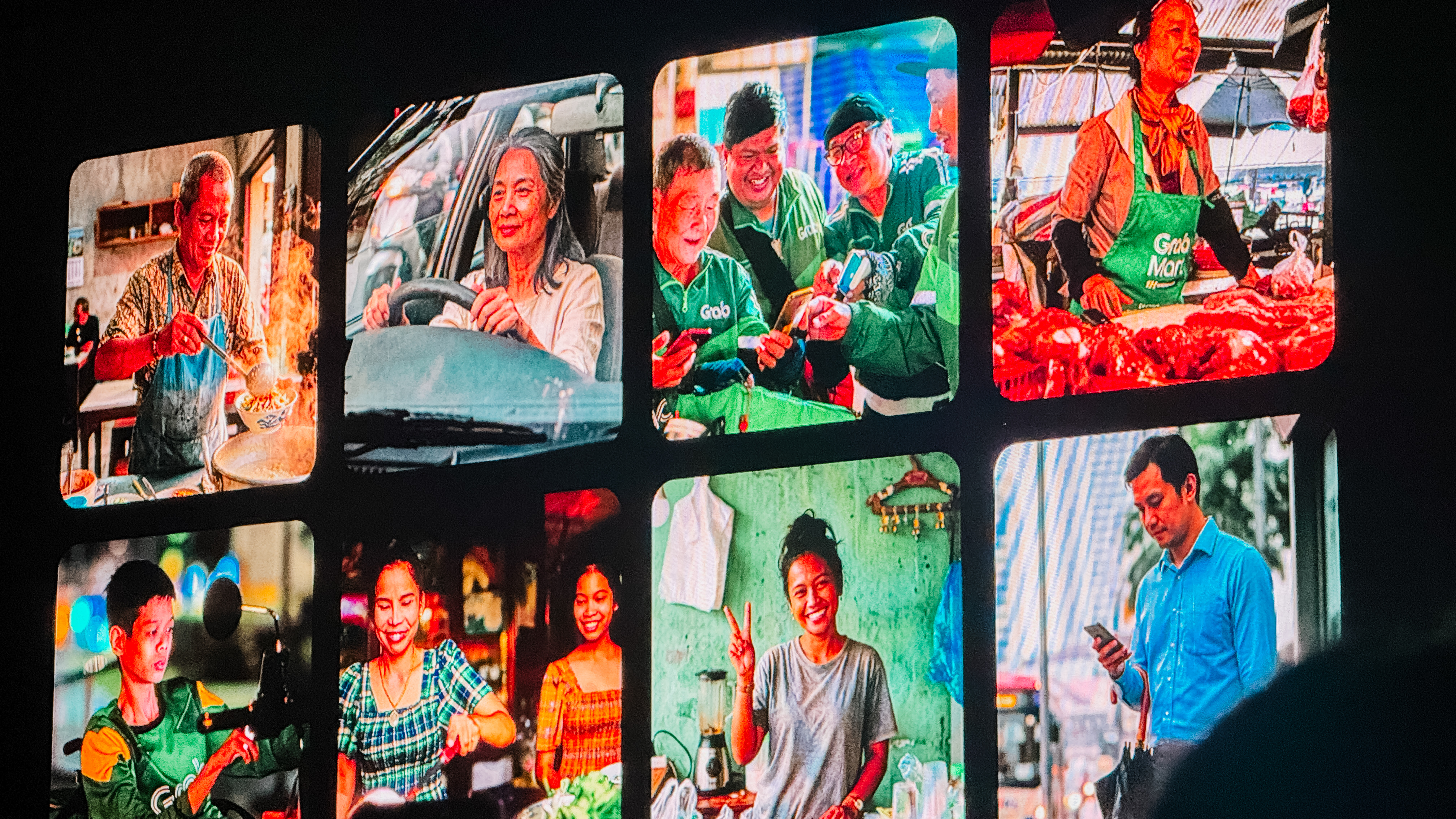
The new Group Ride feature understands this balance. It allows up to four people to share a single vehicle. The system intelligently sequences pickups and splits payments automatically.
You can save up to 40 percent on your fare when you travel with friends on similar routes. Soon, a Waiting Room feature will let everyone see who is ready in real time. It turns a simple commute into a shared moment of connection.
After a busy day, the “what’s for dinner” dilemma usually begins. Grab More solves the frustration of wanting different things from different places. You can now add another nearby merchant to your order without paying extra delivery fees or meeting a minimum spend. The AI ensures both orders arrive in sync.
For the bigger plans, the Grab AI Assistant acts as a personal concierge. If you’re organizing a team celebration, you can simply tell the assistant your group size and dietary preferences. It handles the restaurant recommendations and the booking in a single conversation. If you are stocking up for the week, the Grab Shopping Agent lets you send a photo or a voice note of your list. It builds a cart across multiple merchants and even suggests smart substitutions for out-of-stock items.
Finding confidence
Navigating a city is about more than just a blue dot on a screen. GrabMaps for Consumers now helps you decide when to leave and what to do when you arrive.

The Journey Planner connects to your calendar and predicts your destination based on your history. You can compare the price of a ride versus the toll fees of driving yourself.
Once you arrive at a massive mall, which are plenty in Southeast Asia, indoor navigation guides you to the exact shop entrance.
You can even use the Custom Voice feature to clone a voice you love for your turn-by-turn directions. *cue Rufa Mae Quinto’s tone* It makes the journey feel personal.
For those moments when unexpected expenses arise, Cash Loan provides a bridge. It offers accessible credit to millions of people who may not have a traditional financial history. The AI uses Grab data to provide a loan decision in seconds. You can customize a repayment plan that fits your budget directly in the app. It’s a safety net built into the platform you already use.
A travel companion
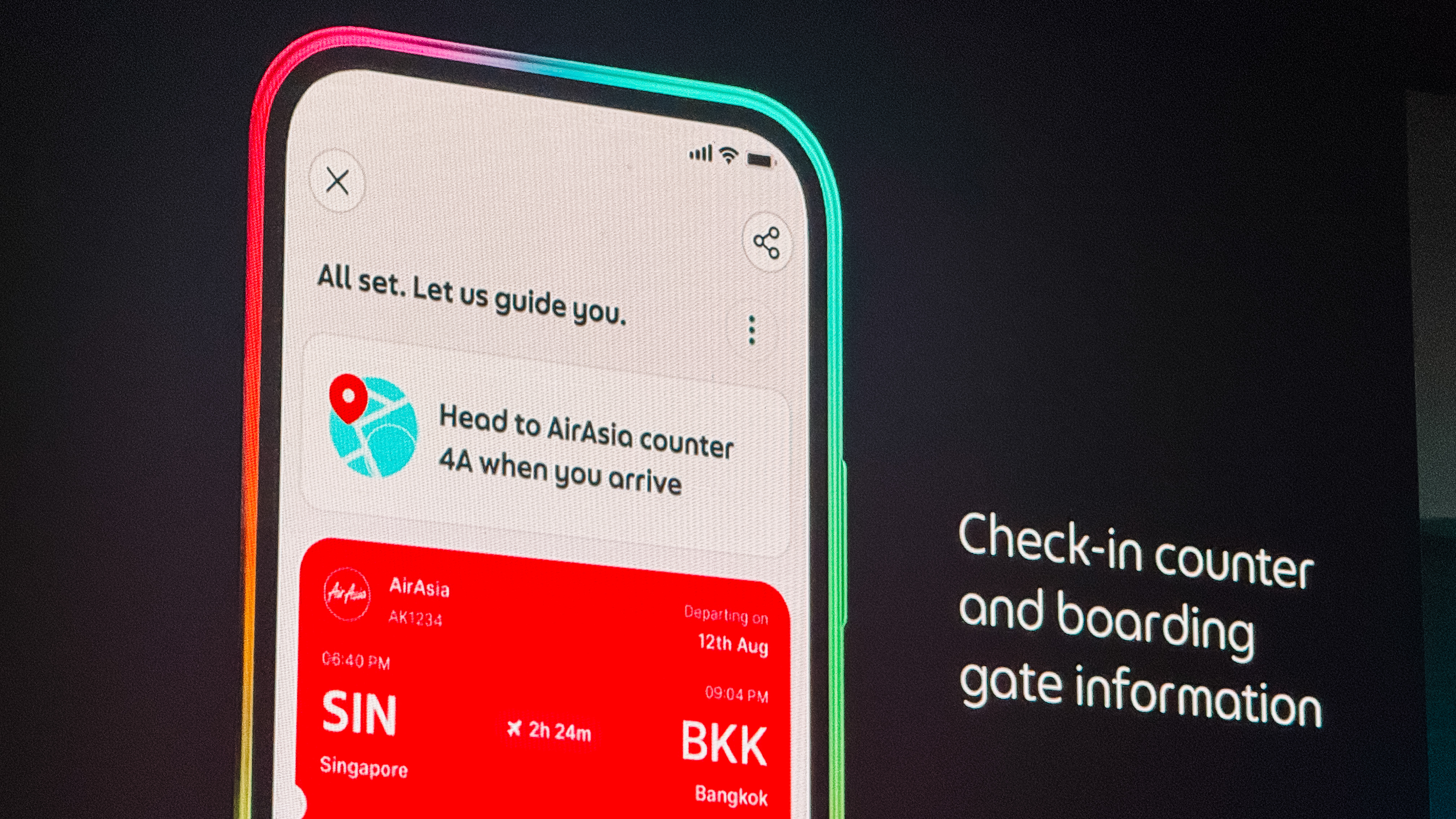
Travel is often beautiful but logistically exhausting. The Personalised Travel Experience turns the app into a travel partner. It consolidates your passport reminders, check-in counter details, and gate updates in one place. When you land, it guides you step-by-step to the correct baggage belt and pickup point.
Finding a place to stay is now just as integrated. GrabStays, built with the AI-first ecosystem Nuitee, is designed for the traveler who needs a last-minute booking. You get competitive same-day rates and earn GrabCoin rewards. Because your payment info is already saved, booking a hotel feels as easy as booking a ride.
Once you are settled, Discover by Grab helps you find where the locals eat. It surfaces authentic food content and uses AI to learn what you personally enjoy.
You can see a review, book a table, and get a ride there all in one flow. When the bill comes, GrabPay for Travel removes the stress of currency exchange.
You can scan national QR codes and pay with the cards already saved in your Grab account. There are no leftover foreign balances to worry about.
Empowering the people behind the business
Grab’s intelligence layer also extends to the entrepreneurs and drivers who keep our cities moving.

For shop owners, the Virtual Store Manager uses computer vision to monitor hygiene and foot traffic remotely. It sends alerts if staffing levels are low or if queues are getting too long. The Cloud Printer automates the workflow between the front counter and the kitchen. Orders print instantly, and the printer even pauses the store if no activity is detected. This prevents customers from ordering when a shop is closed.
Starting a business is also getting simpler. Tap to Pay turns any smartphone into a payment terminal. Merchants can accept cards and QR payments in minutes without any extra hardware.
For the drivers on the road, the Driver AI Assistant provides a hands-free companion. Drivers can ask for advice on policies or get help sending a message to a passenger.
A more human way to grow
All of these features are shaped by the people who use them. The Early Access Programme has grown to 200,000 users who have contributed thousands of improvements. A new “shake and share” feature now lets anyone submit feedback instantly by simply shaking their phone.
Because of these updates, we’re understanding how it feels to have a little more breathing room in our day. Grab is no longer just a way to get from point A to point B. It’s now a companion for the life that happens in between.


Apple iPhone 17e review
Everything you need for US$ 599?


Infinix NOTE 60 Ultra: Not bad for a flagship push
It's definitely got the looks, though.


JBL Sense Pro review
My daily driver met a loud and capable rival in this quest for a superior training companion.

Forza Horizon 6 already hits the mark

Why a dedicated mattress vacuum is the allergy season upgrade you need

Apple’s iPhone Fold reportedly hits engineering delays

PlayStation can now scan you and put you inside a game

Grab moves beyond the ride to become a companion for the life in between


-

 News2 weeks ago
nubia Neo 5 series launches in the PH, starts below PhP 12K
-

 Automotive2 weeks ago
The Changan Eado Plus officially lands in the Philippines
-

 Gaming2 weeks ago
Life is Strange: Reunion now available on consoles and PC
-

 News1 week ago
vivo X300 Ultra wants to beat the iPhone 17 Pro Max in pro video
-

 Finance2 weeks ago
Maya waives withdrawal, InstaPay transfer fees for Middle East remittances
-

 Reviews1 week ago
Shokz OpenFit Pro: Somewhere between awareness and focus
-

 Deals2 weeks ago
PLDT Home, Samsung team up for exclusive entertainment deals
-

 Gaming1 week ago
Nintendo might be working on an Ocarina of Time remake