
News
Apple iPhone isn’t top-selling phone in China anymore


The world’s largest smartphone market hasn’t been so fond of iPhones lately. It was a close fight, but Apple has finally been overtaken by China’s very own brands.
For the first time since 2012, iPhones are no longer the most sold handsets in China for a single year. In 2016, Apple managed to sell a total of 12 million iPhone 6s units, which accounted for two percent of all phones sold in the country, while OPPO earned four percent of the market with 17 million sales of its R9 flagship smartphone.
We saw it coming: Last October, we reported about OPPO and Vivo’s surge in China’s rankings. It was only a matter of time for them to catch up to Apple and take over the charts.
SEE ALSO: OPPO R9s, R9s Plus with 16MP rear and front cameras break cover in China
This would explain why the Cupertino company is so hellbent on officially setting foot in India. Although Apple has been making good sales in the nation of 1.2 billion people, they’ll need to begin locally producing components in order to comply with the government’s requirements for setting up its own retail stores in the country.
Apple’s primary weakness in such markets is the lack of diversity in its portfolio. By having only premium handsets to its name, the company has no way of competing against the entry-level and midrange offerings of OPPO and Vivo, whose smartphones have been improving in quality, as well. Even the strong promotion of the iPhone 7 wasn’t enough to lure in the average Chinese consumer.
Huawei has also been rising up at the expense of Apple. Year-on-year shipments of the former have been up by 21 percent, while the latter has experienced a 21 percent decline during the same period.
Apple will really have to step up its game with the next iPhone to keep up this year. Samsung, who’s well aware of the booming midrange segment, has already launched its Galaxy A series, which sits below the flagship Galaxy S line. Google, on the other hand, might be releasing a lower-priced Pixel later this year.
SEE ALSO: These are the new top vendors in the world’s biggest smartphone market
[irp posts=”7228″ name=”These are the new top vendors in the world’s biggest smartphone market”]
Source: CNBC
Image credit: Mike Deerkoski








It’s been a while since the last time we got a FromSoftware game. Elden Ring Nightreign felt like an age ago, even if it was launched just last year. Plus, the title isn’t even a new one, technically, since it’s just building off of Elden Ring. Unfortunately, our wait for a new FromSoftware game has to go on for a little bit longer. FromSoftware has delayed the launch of The Duskbloods to 2027.
The Duskbloods is an interesting addition to the FromSoftware oeuvre. Compared to the usual fare, the Switch-exclusive title is a multiplayer extraction game with a distinctly Bloodborne-like feel. If you’re used to FromSoftware’s usual formula, The Duskbloods represents a huge change.
But it’s a welcome one, nonetheless. If the recently released Elden Ring port of the Switch 2 is any indication, FromSoftware does have a handle of what performance looks like on the console.
Sadly, the new title needs a bit more time in the oven. Citing “final adjustments to game rules and balancing,” FromSoftware is delaying the launch of the game to 2027. According to the studio, this is in response to the successful network test a while back.
The delay shouldn’t come off as a surprise. Though the studio promised a 2026 launch for the title, most of the year has passed without a definite launch date. That was already a telltale sign that a delay was coming.
At the very least, the delay comes with the benefit of launching the game farther away from Grand Theft Auto VI and the Ocarina of Time remake, which will surely dominate holiday gaming this year.

The launch of the new MacBook Pro is a polarizing one, to say the least. The notebook introduces a new touchscreen feature that isn’t really an automatic hit for fans. Some have even pointed out how Steve Jobs once said that touchscreen MacBooks were a bad idea. If you’re a part of this group, a new discovery might alleviate your worries a little bit. Apparently, you can turn off the new MacBook Pro’s touchscreen functionalities.
According to MacStories’s Federico Viticci, the new MacBook Pro with Touch includes accessibility features that can turn off the touchscreen entirely. Other early testers have also corroborated this option.
A touchscreen notebook isn’t the most popular type of laptop. Though this particular display has been available for quite a while, it hasn’t really taken off. Case in point, Apple’s announcement hasn’t been met with the warmest of fanfare.
It’s also telling that Apple baked in a way to turn this setting off. At the very least, we didn’t have to wait a while. The hullabaloo is reminiscent of the reception to Liquid Glass, another polarizing feature that Apple eventually made configurable for detractors.
Also, this isn’t the first time that Apple tried experimenting with the MacBook. Do you remember the short-lived Touch Bar?
Strangely, it’s such a strong contrast to the MacBook Neo launched earlier this year. Whereas that particular model debuted to applause, the new MacBook Pro attracted more raised eyebrows.
SEE ALSO: What the MacBook should touch on instead
News
TechLife Pad Neo SE: Price, availability in the Philippines
Now available at PhP 8,999 SRP, with deals on Shopee, Lazada, and TikTok Shop.

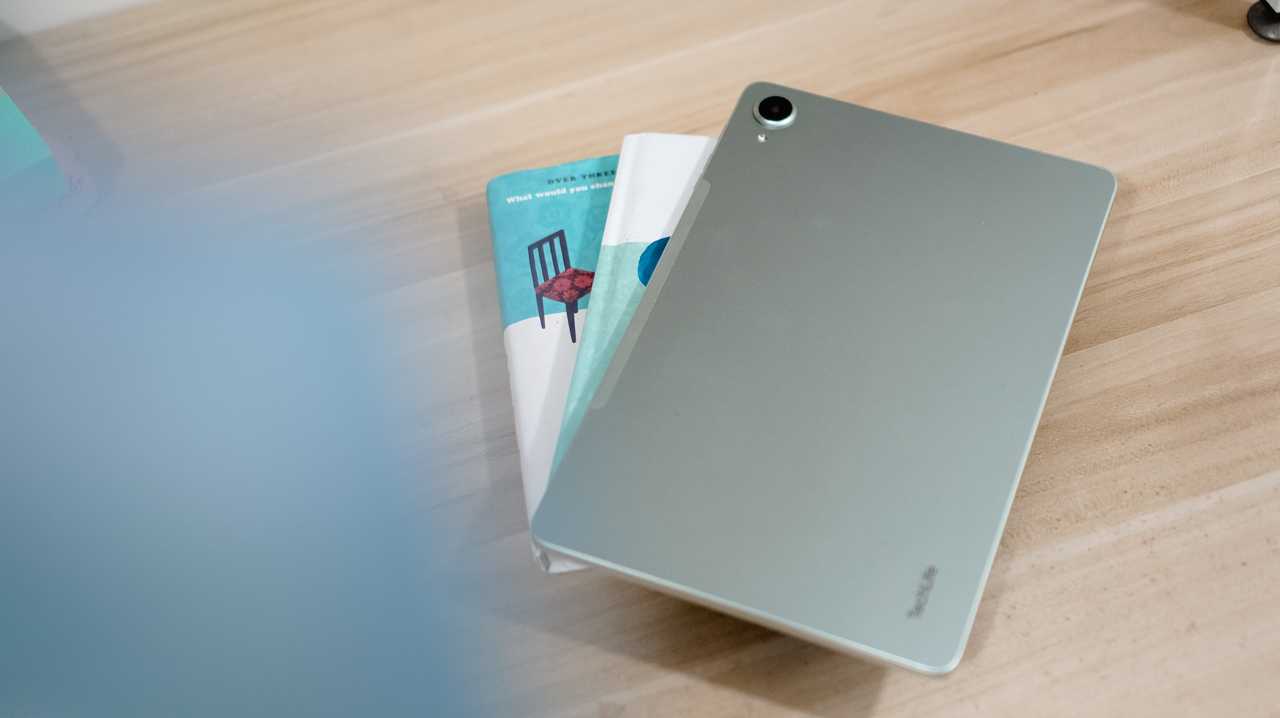
TechLife has officially launched the Pad Neo SE. It’s a 10.1-inch tablet aimed at families, positioned as a study device first, with room for creativity and after-school entertainment. It comes in Space Grey, Bubble Blue, and Aurora Green.
The Eye Comfort Display is the main draw. The larger screen gives kids more space for research and online classes. It’s designed to keep longer study sessions easier on the eyes.
Dual stereo speakers handle lessons and shared family viewing, while split-screen support lets kids and parents run two tasks at once.
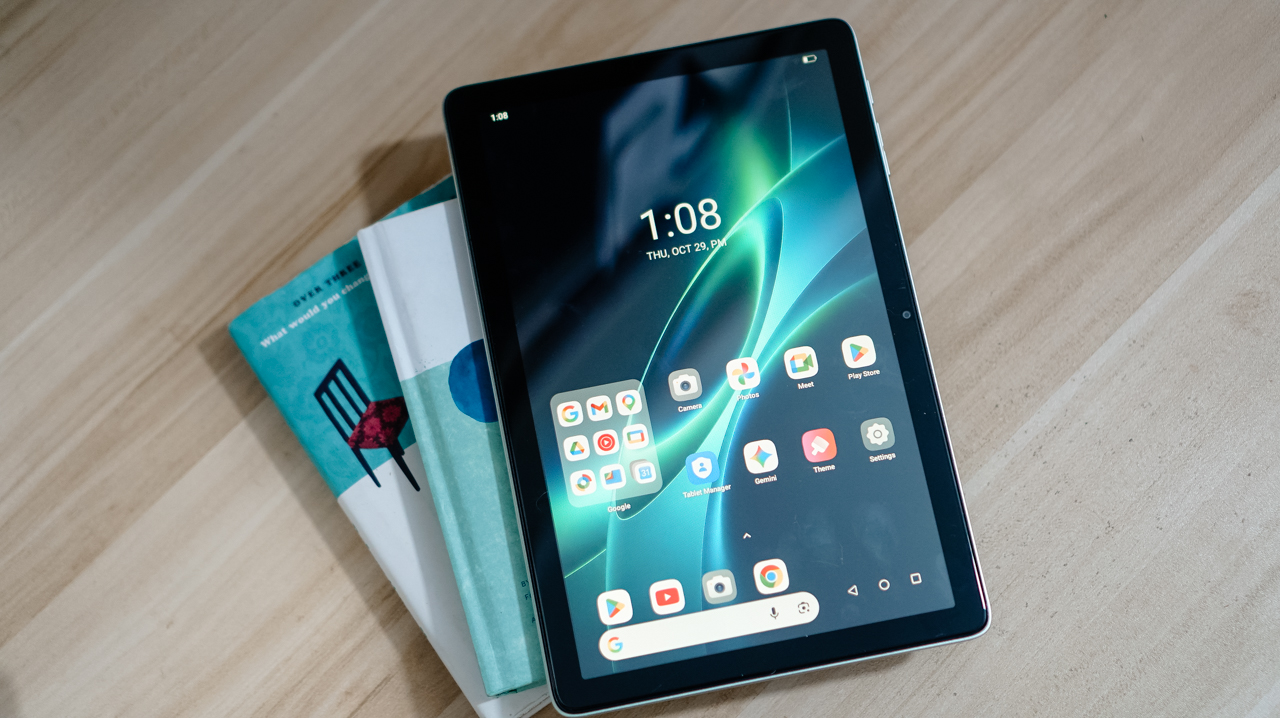
The tablet supports Smart Parental Control and Google Kids Space. Parents can pick the apps, books, videos, and learning content their kids can access.
For the hardware, the Pad Neo SE runs Android 16 on an octa-core processor. It offers up to 8GB of RAM, including memory expansion, and 64GB of storage that can be expanded up to 1TB.
Also, its 6000mAh battery last through a full school day of classes and lessons. Rounding out the spec sheet are 5MP front and rear cameras and the Google Gemini AI assistant.
Price, availability in the Philippines
The Pad Neo SE retails at PhP 8,999. With vouchers, it can go for as low as PhP 7,099 on Shopee, Lazada, and TikTok Shop.
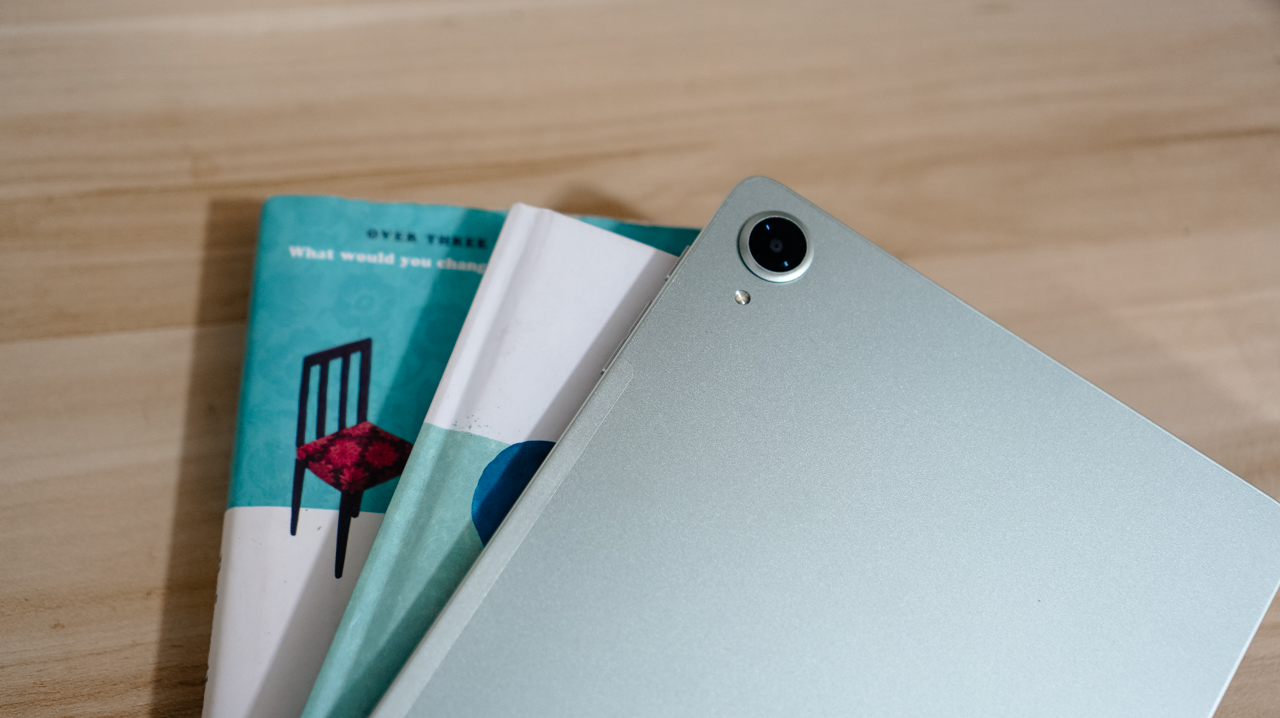
As part of TechLife’s Peak Season offers, which run from October 29, 2026 to January 3, 2027, buyers get a free Folio Case or a free Power Bank R211 5,000mAh, depending on availability. An online giveaway for the Pad Neo SE also starts October 29 on TechLife’s official social media pages.
Vouchers apply to participating online platforms only. Stocks and vouchers are limited. Freebies are available while supplies last.


ROG G700 review: The best prebuilt PC you can get off the shelf
This PC will make you stop worrying about specs.


HP OMEN Max 16 review: Gamer-maxxing in deep black
Peripherals deemed necessary to max this out


vivo V80 review: Good phone, tough sell
A capable travel companion

FromSoftware’s The Duskbloods delayed to 2027

Yes, you can turn off the MacBook Pro’s touchscreen display

Demon Slayer: The Hinokami Chronicles 2 launches on Switch 2

What the MacBook should touch on instead

realme 16 Pro 5G Harry Potter Edition: Price, availability in the Philippines


-
Reviews2 weeks ago
vivo V80 review: Good phone, tough sell
-

 Gaming2 weeks ago
KINGDOM HEARTS Collection [I–III] now available on PS5, Switch 2
-

 News1 week ago
OPPO Find X10 Series: Price, availability in the Philippines
-
 Buyer's Guide2 weeks ago
iPhone Duo Philippines: Prices, installments, and where to buy
-

 Cameras1 week ago
DJI Osmo Pocket 4P Pearl White now available globally
-

 News1 week ago
OPPO Find X10 Series: Price, availability
-

 News2 weeks ago
Sony unveils three premium Walkman music players
-

 Entertainment1 week ago
Cyberpunk: Edgerunners 2 now streaming, Cyberpunk 2077 update coming