
Automotive
Drive, Eat, Shoot: Exploring the East with the Ford Everest
Who says combining work and play isn’t fun? 🤔


During our participation at the Auto Rally Challenge a few months back, we were lent a Ford Everest to use at the event. We actually had an extra day with it and our group at GadgetMatch decided to set aside our laptops, grab our cameras, and take the Everest to the first destination that came to mind.
Since we had an enjoyable time with it, we thought we’d share our experience with you guys.
You can check out this short clip of our trip shot entirely on Sony’s smartphone.
The Ride
What we drove was the 3.2-liter Ford Everest Titanium. It’s a midsize SUV great for hauling the family and is packed with safety and comfort features. Being the top of the line variant, it’s the only model with a 4×4 setup so it’s a vehicle that can keep up with your adventures.
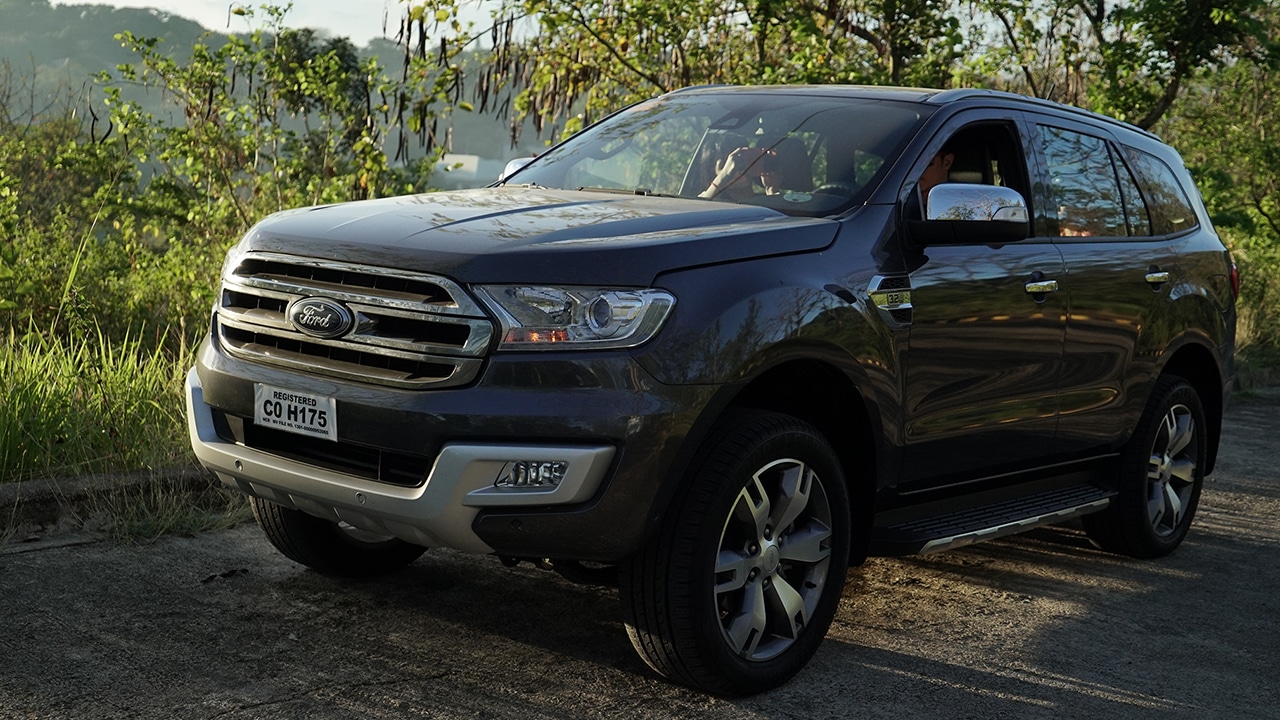
Inside, it comfortably seats five people and if you need more, the third row folds out at a press of a button and accommodates up to two more people.

If you find yourself on a long highway stretch, its Adaptive Cruise Control makes for a more relaxing drive so you can take in the scenery around you. Don’t enjoy too much, though, and make sure to still be attentive of the road ahead!
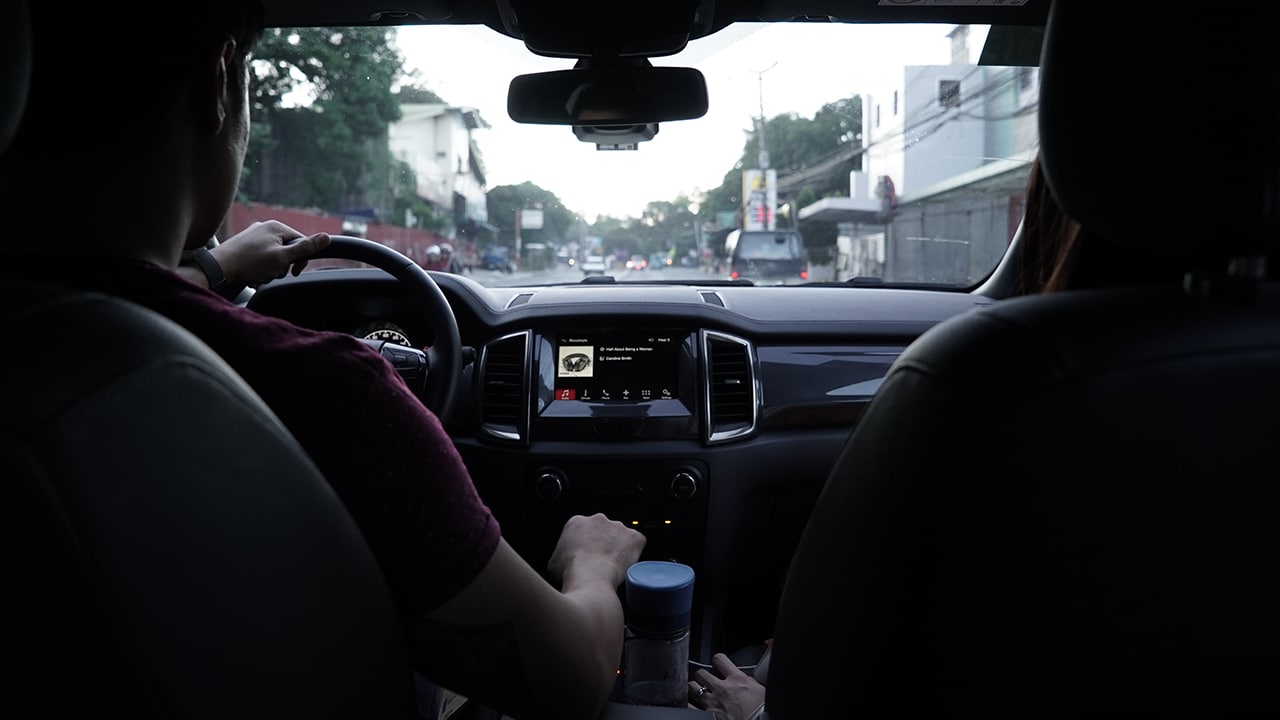
Ford’s SYNC technology lets you play music and read text messages without having to look away from the road. You can do these things through voice commands.

Features like Blind Spot Information and Lane Keeping make sure you only switch lanes when it’s safe. Meanwhile, its Active Park Assist together with proximity sensors help when you squeeze your way through a tight parking space.
A Power Panorama Moonroof also comes with the package. Enjoy a view of the sky or open it for a breath of fresh province air — it’s all up to you.

From the leather-wrapped seats down to the available 230V socket, it’s creature comforts like these that make the Everest an enjoyable ride.
Considering our headquarters in the Philippines is at the east-most border of Manila, we thought it would be exciting to go out of the busy city and see some sights. The province of Rizal made the most sense, so we hopped inside the Everest.
The Food
We left around lunch time so the first thing on our itinerary was to look for a place to eat. We wanted none of those fast food chains; we wanted to try something new.

This led us to our first stop: Balaw Balaw Restaurant and Art Gallery in Angono, Rizal.
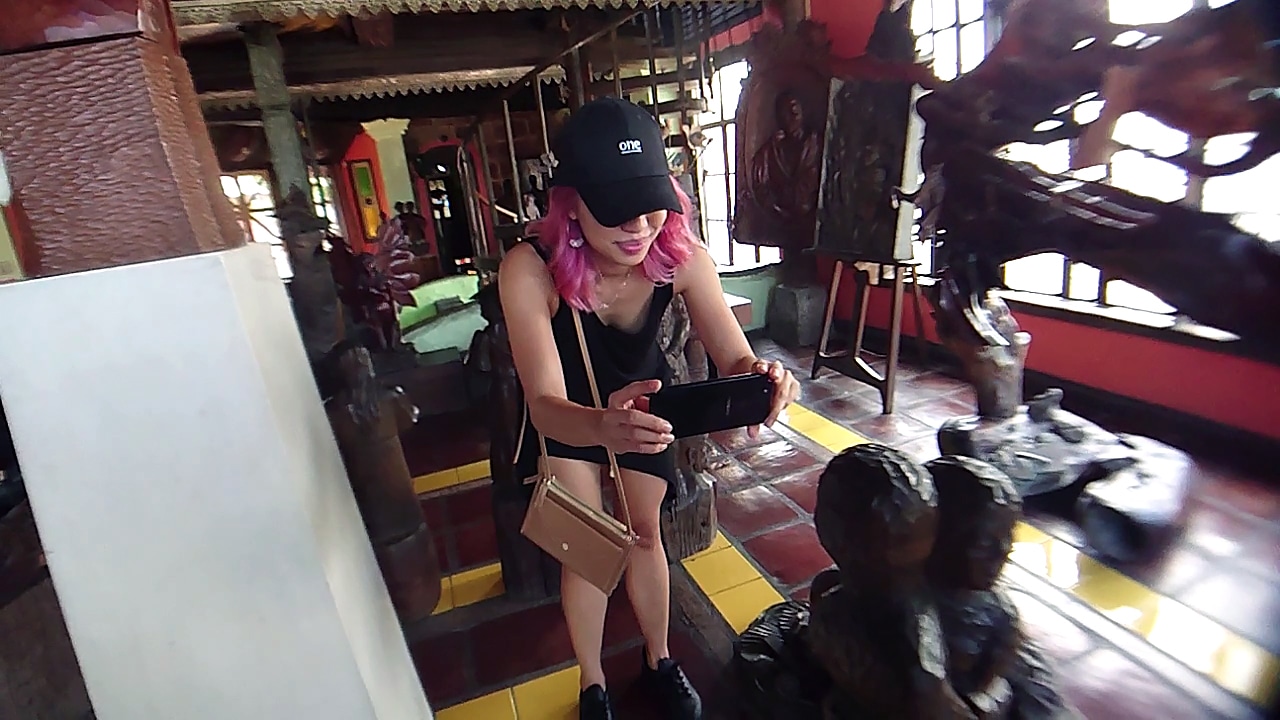
Angono is known as the Art Capital of the Philippines and is evident in the restaurant. Apart from the dining area, there’s a dedicated space with an abundance of artworks, from paintings and woodwork to sculptures.

The restaurant specializes in Filipino dishes. Although, if one feels adventurous, there’s an exotic corner in the menu with crickets and beef testicles. Unfortunately, none of us felt like going for cow balls during lunch so we went for a safer, more traditional meal.
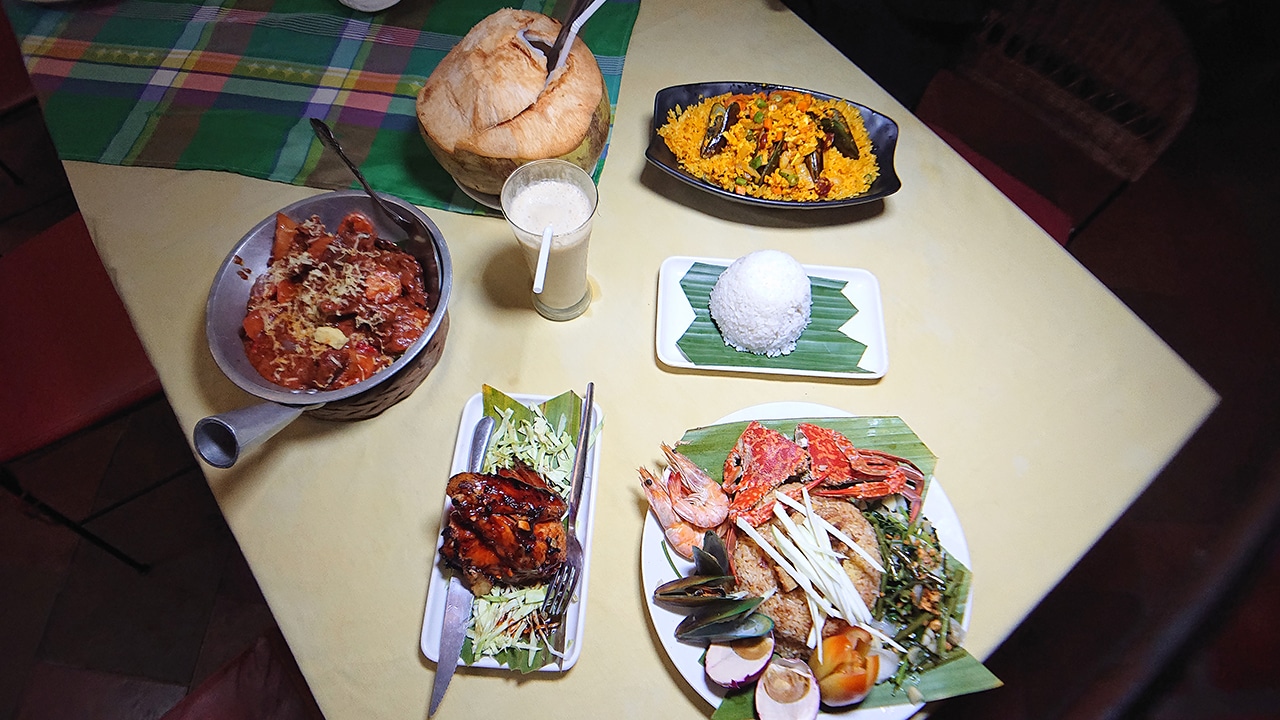
We got Kalderetang Itik (young duck stew), Balaw-Balaw Fried Rice, grilled chicken, and Minaluto which is basically seafood platter with a mix of fried pork and vegetables.

With our tummies filled and bodies energized, we hopped back on the Everest and off we went for our next destination.

The Sights
Although we were out on a road trip, we still brought a bit of work with us. We needed to shoot photos for our smartphone reviews and wanted to go for a fresh, new location. We heard the Pinto Art Museum in Antipolo City is photography-friendly and offers an array of contemporary art displays and wide, open spaces.
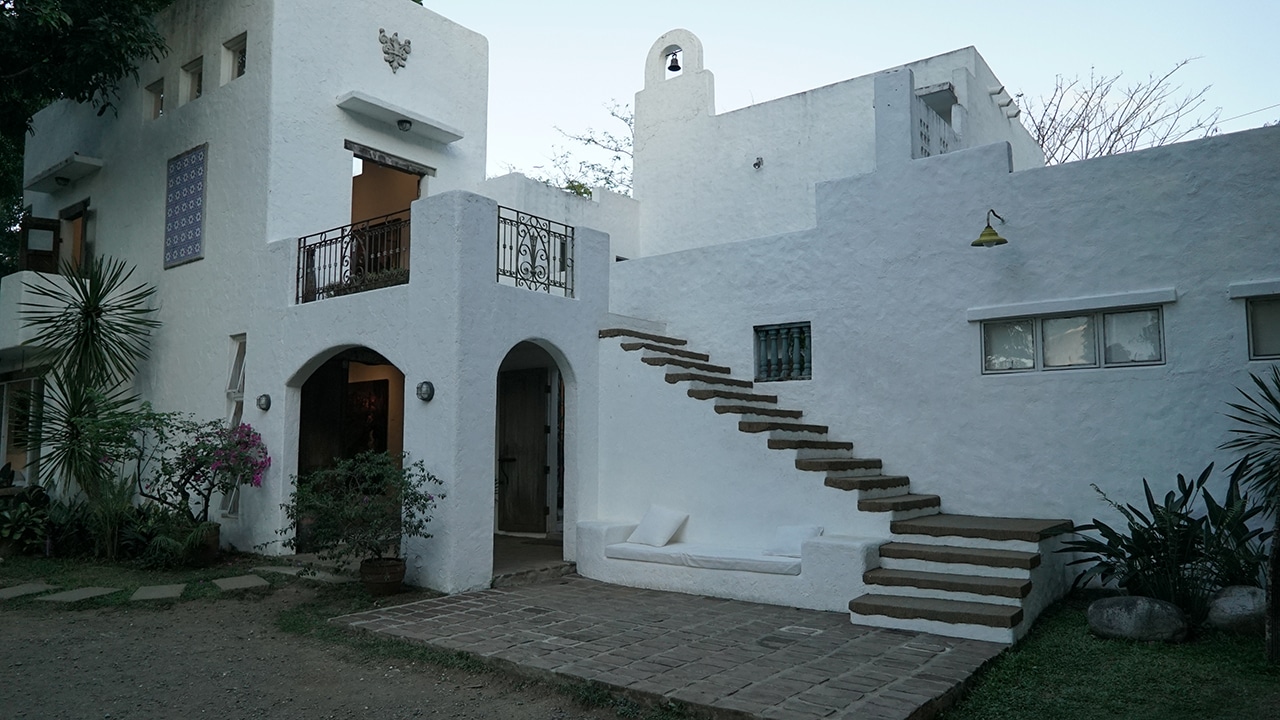
We were not disappointed. The place is a spacious haven for art, culture, and OOTDs. It has a Greek vibe to it which goes well with the shroud of trees surrounding the area.
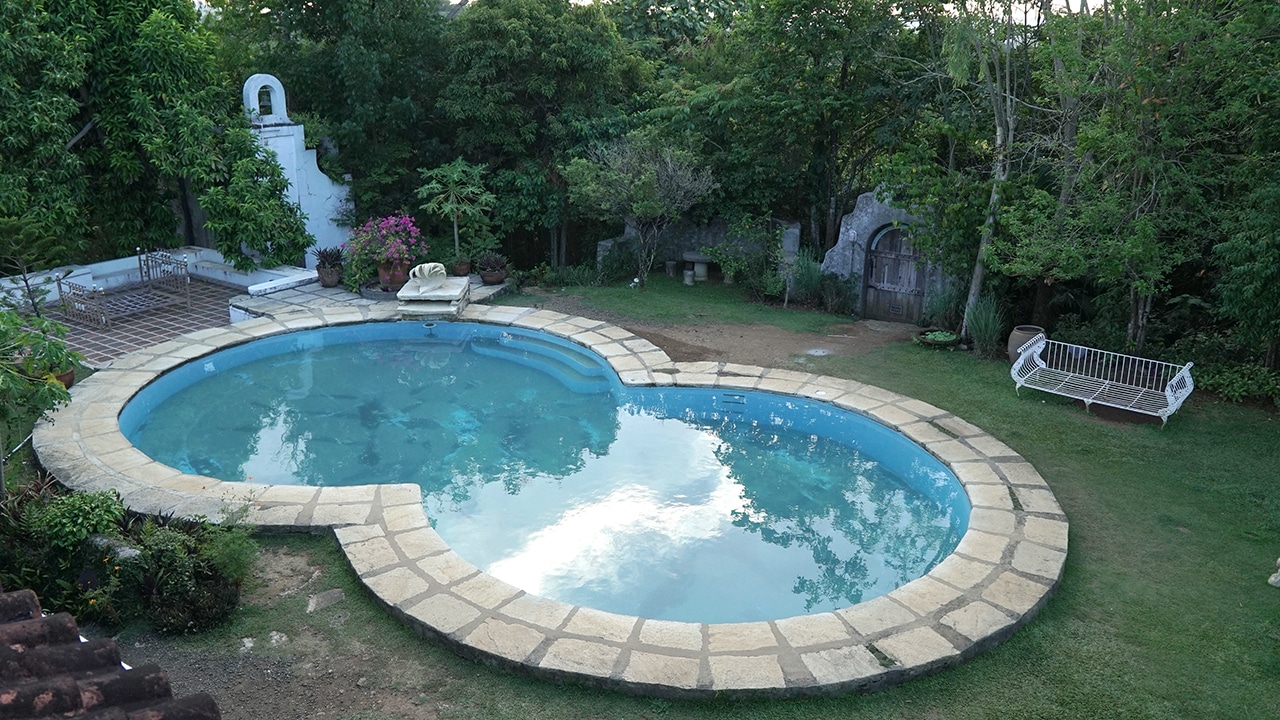
A quick tip if you plan to go to Pinto Art Museum: visit on weekdays so there are fewer people. We heard the place can be a little crowded during the weekends and holidays.

Hundreds of artworks are displayed throughout six galleries so be sure to allot enough time going around. We think two to three hours should be enough.

Shot using a Sony Xperia XZ2 with a clip-on macro lens
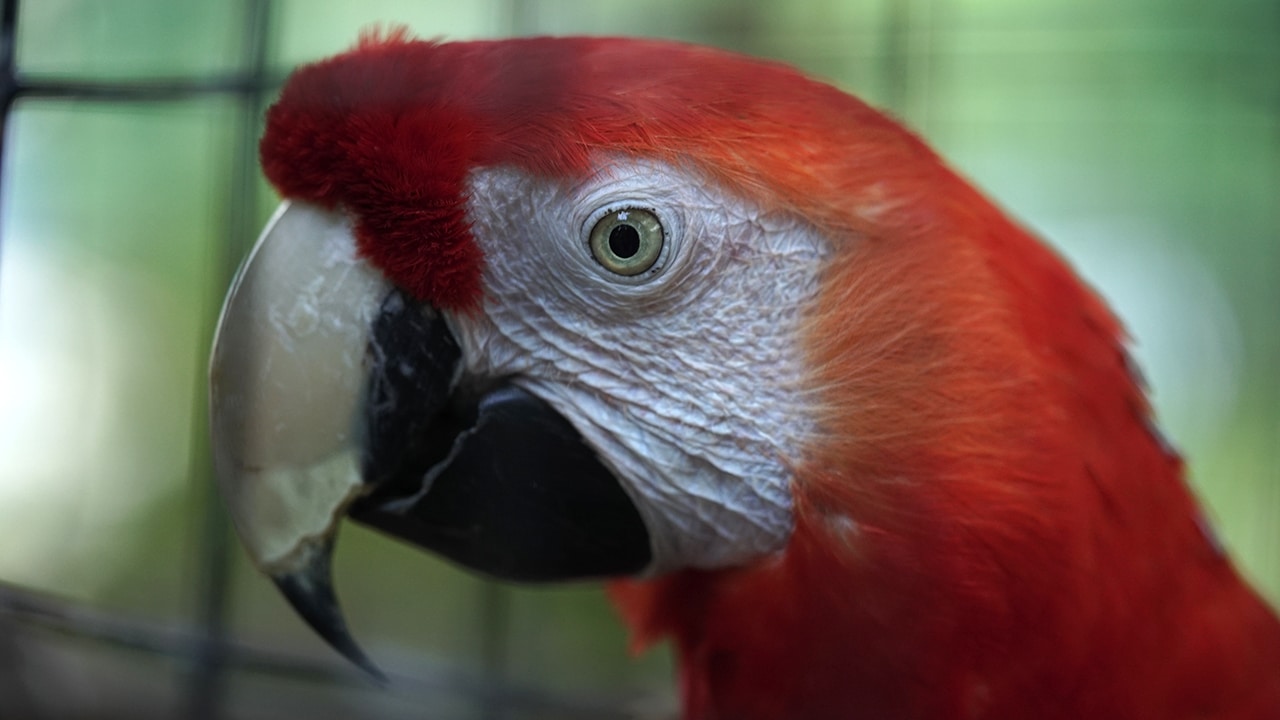
Shot using a Sony A7S II
The entire museum is inside a 1.2-hectare property that not only houses paintings and installations, but brightly colored fowls, as well!

We shot what we needed and were ready to go home. But one last stop: We chanced upon this road less traveled and pulled over to bask in the rays of the setting sun. We popped open the Everest’s Power Liftgate and gathered around to hang for a while.
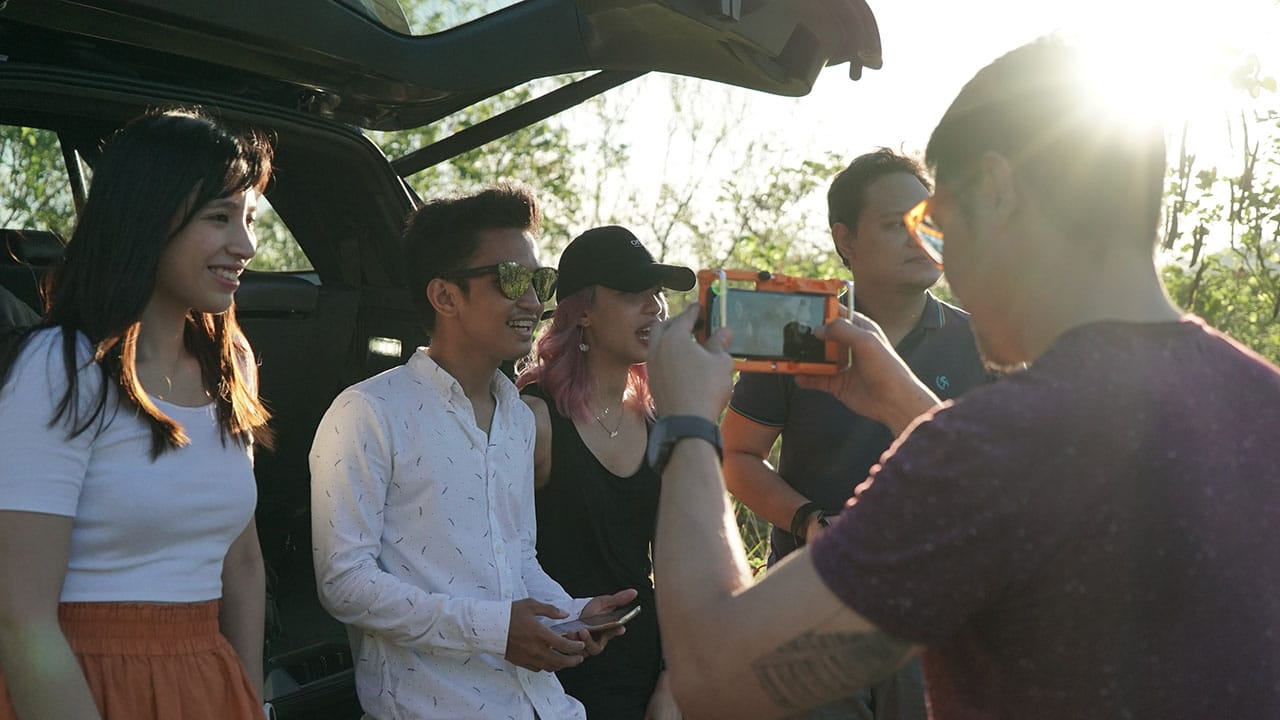
Stories were exchanged, selfies were snapped, and laughs were had. We drove back to our headquarters shortly after and called it a day. That was how our quick trip to Rizal with the Ford Everest went.




Automotive
ACMobility launches EV safety program to help drivers make the switch
The new “Drive Electric” curriculum covers everything from charging safety to actual EV ownership costs.

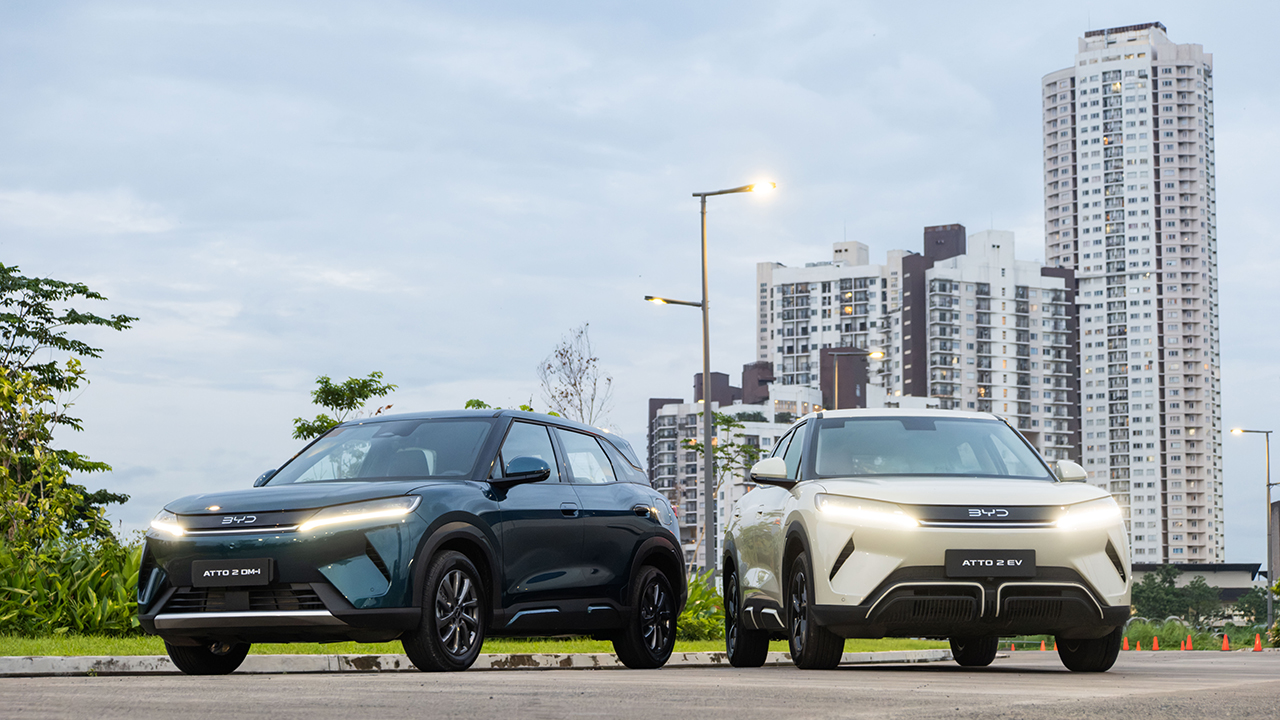
ACMobility, the Ayala Group’s mobility arm, launched its “Drive Electric. EV Safety Program,” and it’s aimed at pretty much anyone curious about EVs.
That means advocates, people thinking about buying one, fleet operators, and just regular folks who want to understand what they’re getting into.
The goal is straightforward: clear up the misconceptions around EVs by giving people practical, easy-to-follow information on how the technology and charging infrastructure actually work.
The program covers safety guidelines, the real costs of ownership, and how charging works, so people can decide for themselves if going electric makes sense for them.
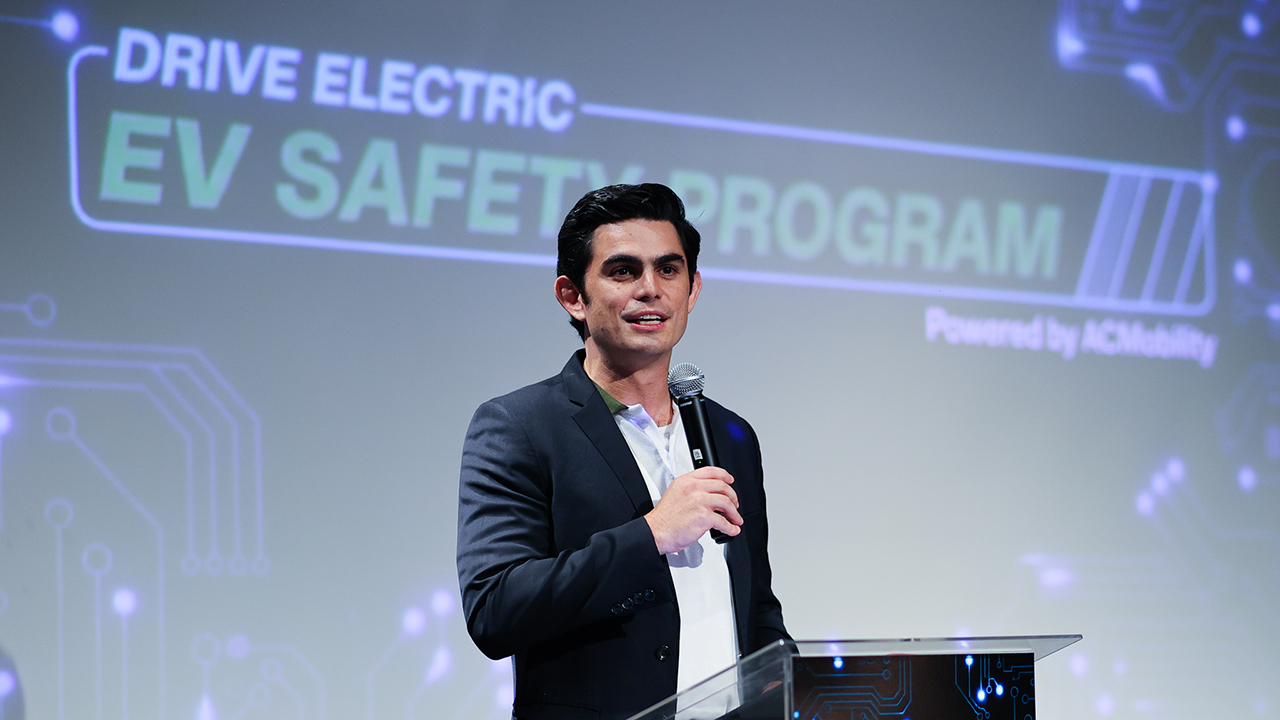
At the launch, ACMobility CEO Jaime Alfonso Zobel de Ayala talked about the bigger picture, saying the company’s priority is to empower drivers to shift to a more sustainable and cost-effective transport option.
He framed the program as part of that commitment, aiming to give drivers practical tools and accessible technical knowledge on EVs.
Building the curriculum with actual experts
ACMobility didn’t build this alone. The program came together with professional instruction partners and close coordination with the Department of Energy, the Bureau of Fire Protection, the Electric Vehicle Association of the Philippines, and the Philippine EV Community.
The curriculum runs five modules deep, and it tackles the questions people actually ask before buying an EV: what it really costs to own one long-term, how much you can save, how to charge safely, what to do in an emergency, and how the technology itself works.
What comes after the launch
ACMobility says this is just the start. The company plans to roll out educational seminars nationwide for drivers looking to make the switch, expanding into corporate sessions, community workshops, and showcases at bigger industry events.
Future sessions will pair the technical side with actual test drives, so people get hands-on time with EVs alongside the expert guidance.
Automotive
Ford’s new Everest lineup brings V6 engine to the top, tech down the line
A new V6-powered Platinum flagship leads the range, while driver-assist tech spreads further down to the Sport and Active.
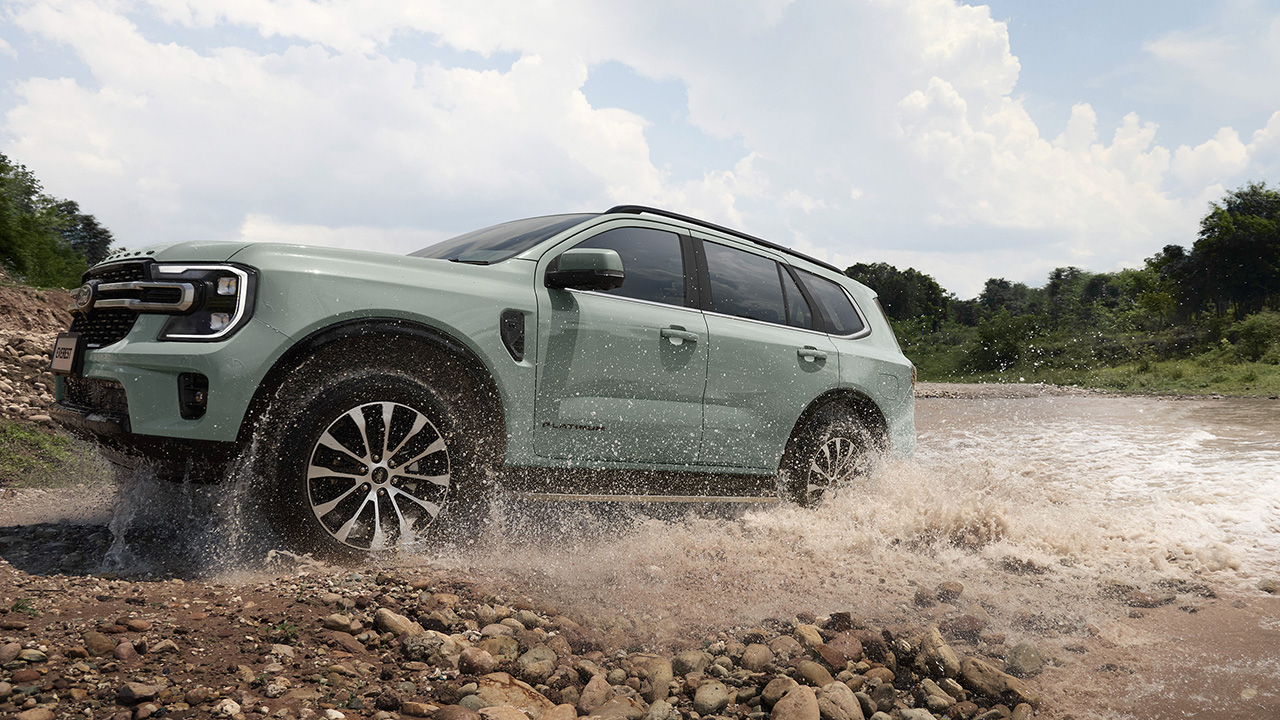
Modern mobility is no longer defined strictly by mechanical horsepower. Instead, intelligent software, sensor suites, and connected interfaces shape how we move through the world.
Ford Philippines is recalibrating the Everest lineup for 2027, putting advanced vehicle technology at the heart of the daily commute and weekend escapes.
Intelligence at the Core
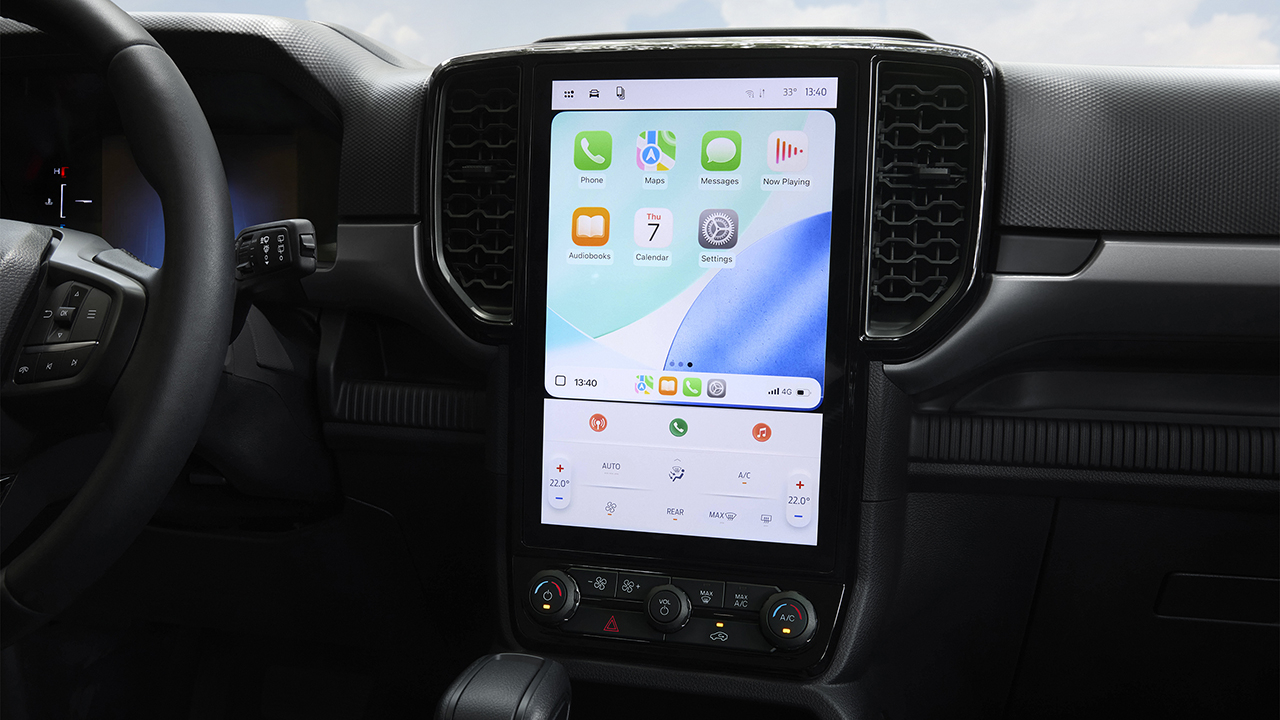
The most significant shift happens inside the cabin, where driver-assist features transition from luxury upgrades to non-negotiable standards.
The Active trim redefines entry-level technology by embedding Autonomous Emergency Braking with Pedestrian Detection and Forward Collision Warning into the baseline drive for PhP 1,949,000.
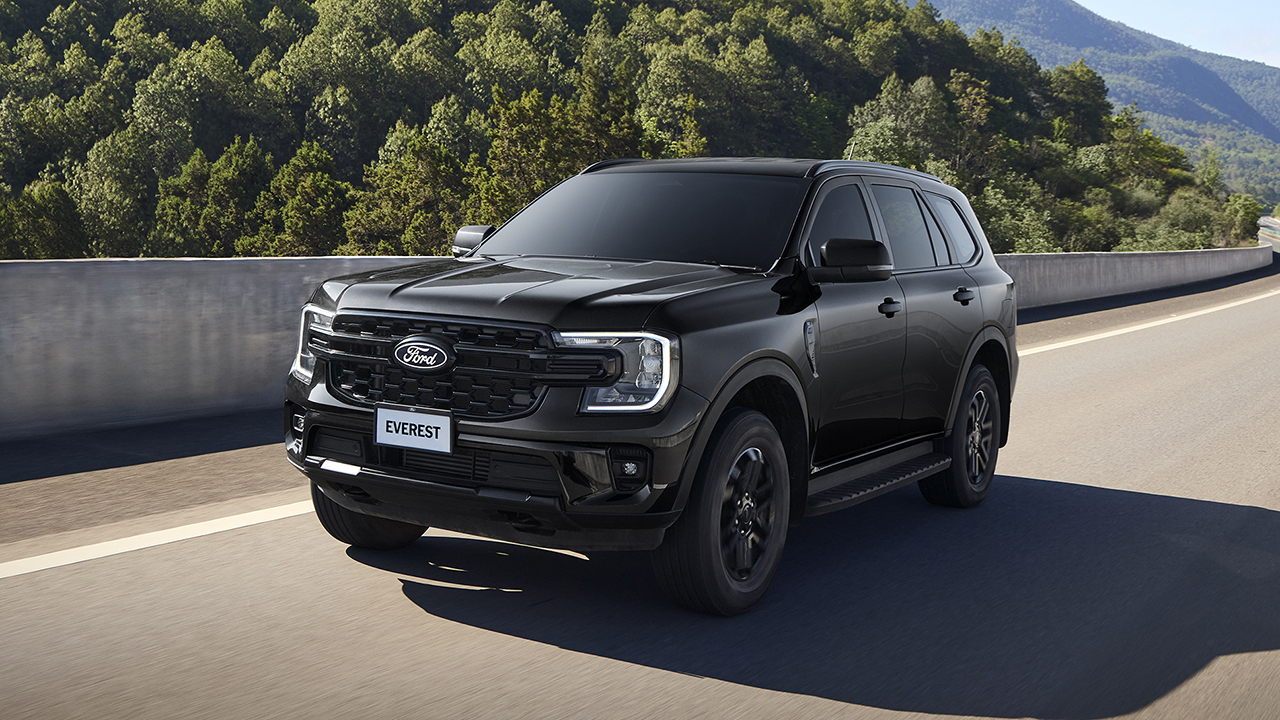
New Ford Everest Active
Combined with a central 12-inch infotainment screen, dual-zone climate control, and rain-sensing wipers, the system processes environment data continuously to protect passengers before a driver even reacts.
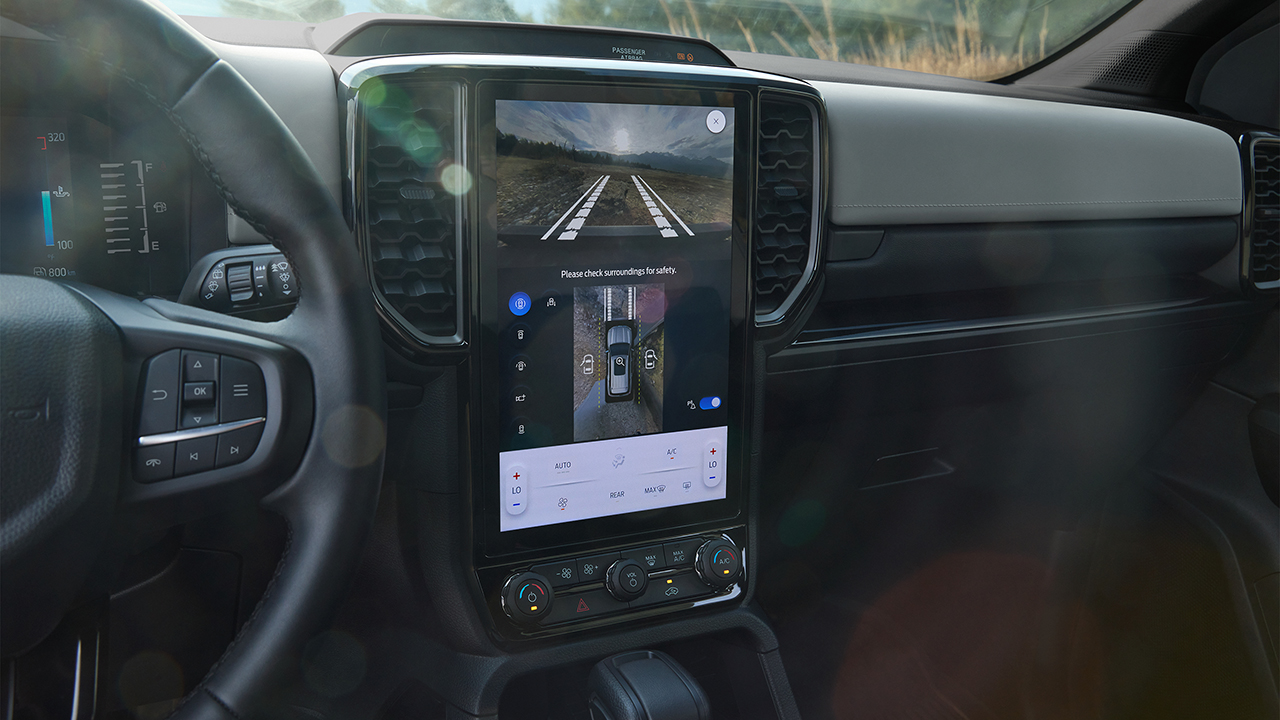
Stepping up to the Sport trim at PhP 2,219,000 expands this digital protective bubble. Here, the 12-inch ecosystem integrates Adaptive Cruise Control with Stop and Go, Lane Centering, and a 360-degree camera system.
Blind Spot Information with Cross-Traffic Alert and automatic braking turns tight urban parking and congested highway navigation into effortless single-button maneuvers.
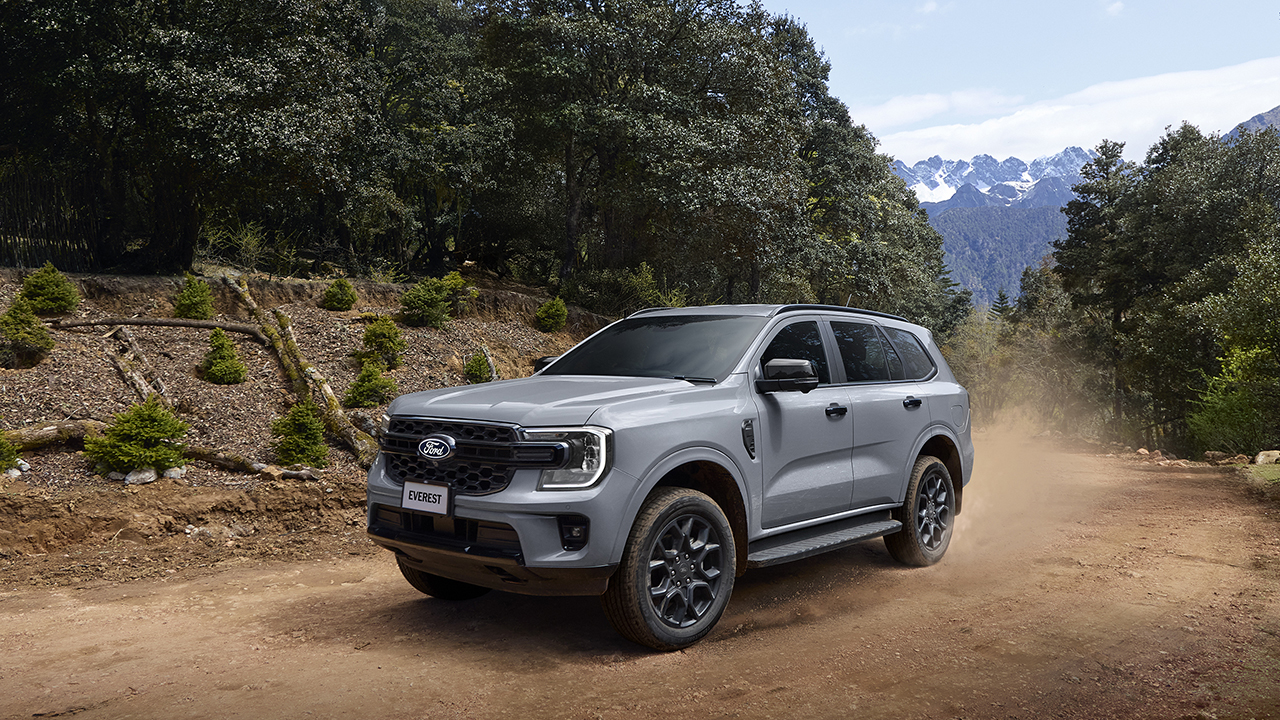
New Ford Everest Sport
Power engineered for precision
At the top of the technical spectrum sits the new V6 Platinum flagship, priced at PhP 2,849,000.
Its 3.0-liter Turbo Diesel V6 engine generates 250PS and 600Nm of torque, governed by an intelligent full-time four-wheel-drive system that actively routes traction across variable terrain.
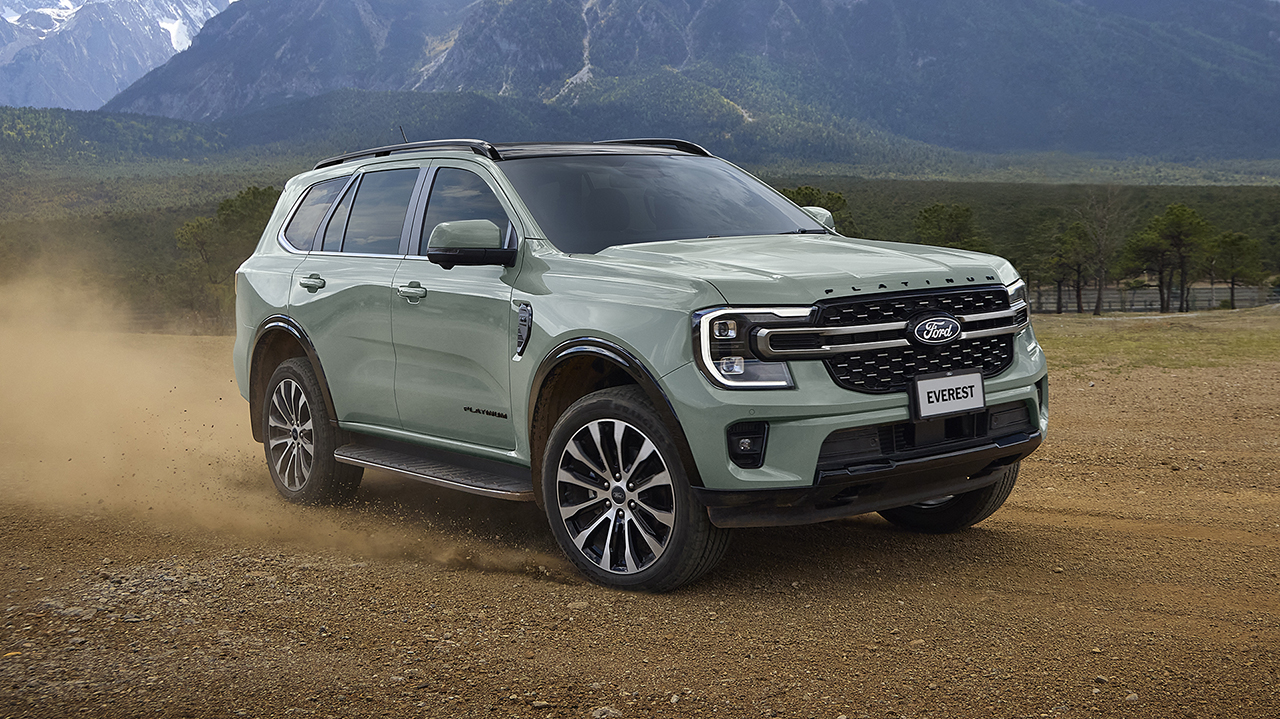
New Ford Everest Platinum
Matrix LED headlamps adapt lighting patterns dynamically to prevent glare for oncoming traffic while maximizing peripheral visibility.
Inside, a 12-speaker Bang & Olufsen sound system, 10-way power memory seats, and active heating and ventilation create a high-tech sanctuary on wheels.
Refined aesthetics and ecosystem support
The design-focused Wildtrak trim continues to pair its proven 2.0-liter Turbo 4×4 platform with updated visual cues at PhP 2,669,000. Featuring 20-inch alloy wheels and Ignite Orange accents, it bridges functional hardware with distinctive styling.
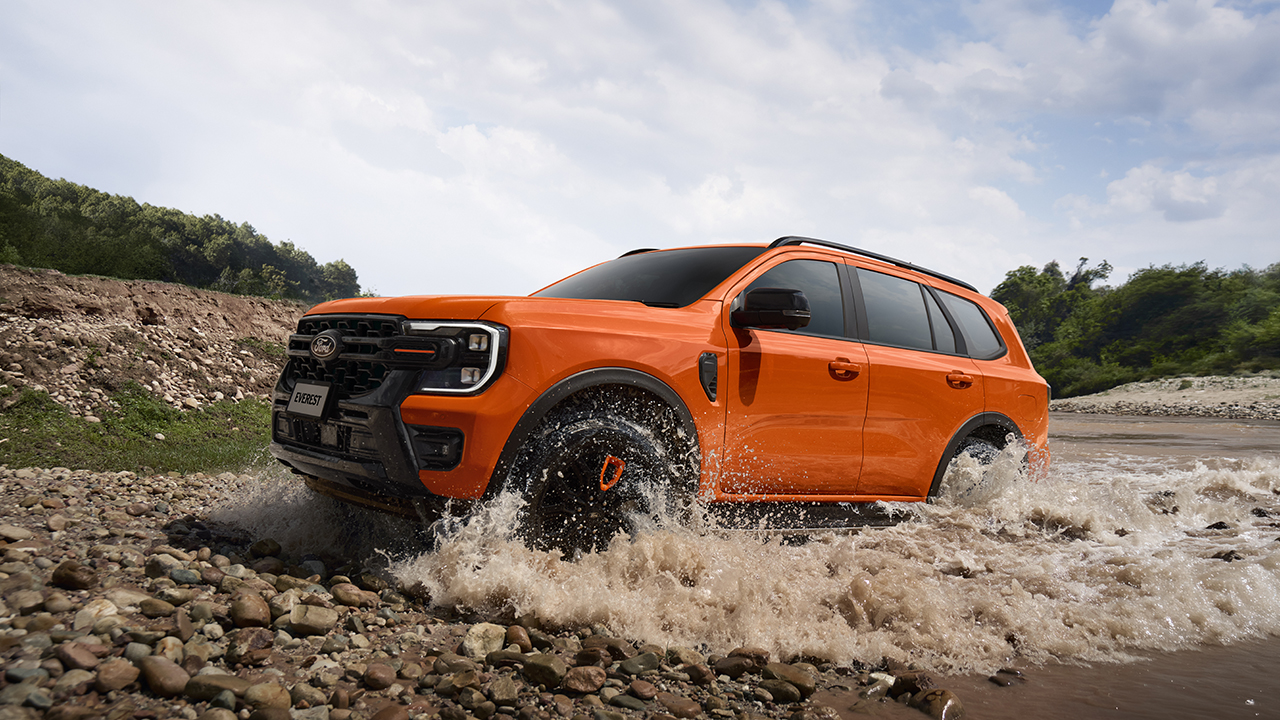
New Ford Everest Wildtrak
Reservations across all four variants is now open nationwide. To back its hardware and digital infrastructure, Ford includes its 5-Star Care Package through September 30, providing five years of warranty, scheduled maintenance, and roadside assistance.
Coupled with the Ford Family Guarantee digital service platforms, the refresh ensures the technology on board remains supported long after you leave the showroom floor.
Automotive
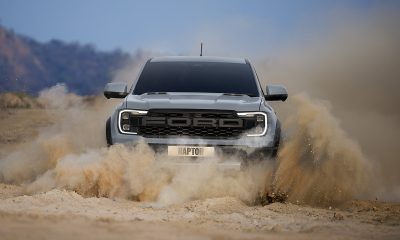
The new Ranger Raptor is now a connected truck, not just a fast one
Ford app connectivity finally lands on the Raptor, alongside two new V6-powered Wildtrak variants.
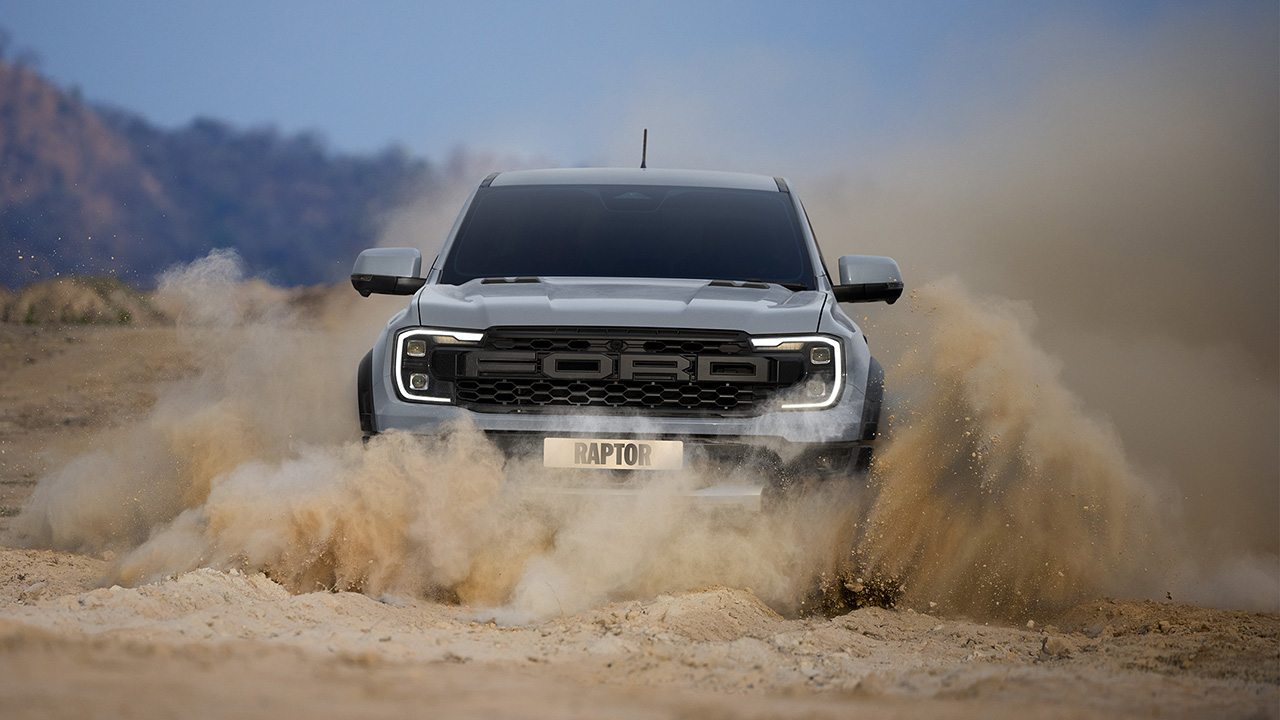
Power has never been the Ranger Raptor’s problem. It has always known how to command the trail, but living with a high-performance truck day to day usually demands a different kind of effort.
Ford Philippines is changing that balance by giving the Raptor a digital link to your phone, turning a raw performance vehicle into a thoughtful daily companion.
Smart connectivity for real life
Through the Ford app, the Raptor connects directly to your routine. You can start the engine remotely on a hot afternoon to cool down the cabin before stepping inside, track your vehicle’s location in a crowded lot, or check oil life without popping the hood.
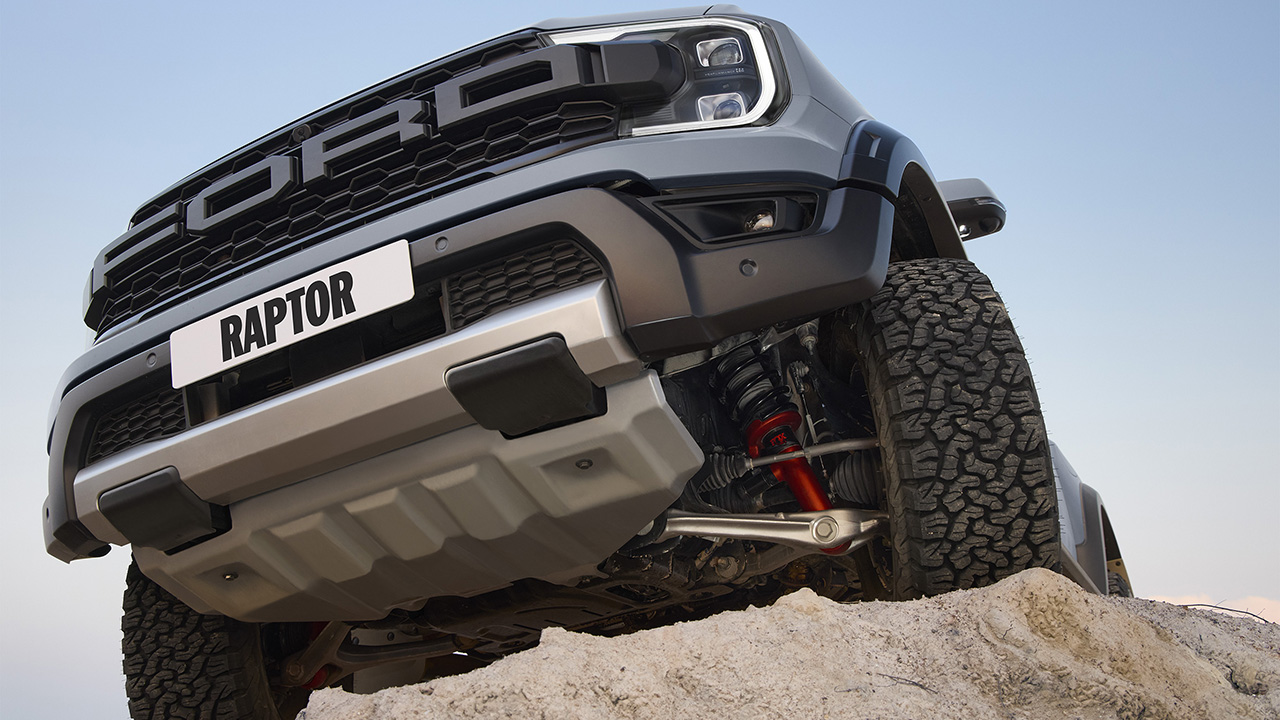
The 3.0L V6 EcoBoost engine under the bonnet still pushes out a fierce 397PS and 583Nm, but raw horsepower is no longer the only story worth sharing.
Underneath, the hardware receives an upgrade designed for total control on and off the road. New FOX 2.5 Live Valve Shocks automatically adjust to terrain, cutting internal damper friction in half for a smoother ride whether you are commuting or heading off-grid.
A selectable exhaust system lets you tailor the V6 rumble to your surroundings, switching smoothly between Quiet, Normal, Sport, and Baja modes.
The new Ranger Raptor is priced at PhP 2,879,000, supported by a PhP 20,000 cash discount with Ford’s 5-Star Care Package or a PhP 150,000 all-in down payment.
Space and utility for the open road
Ford is also expanding the lineup with two new V6-powered Wildtrak options designed for long drives and weekend escapes.
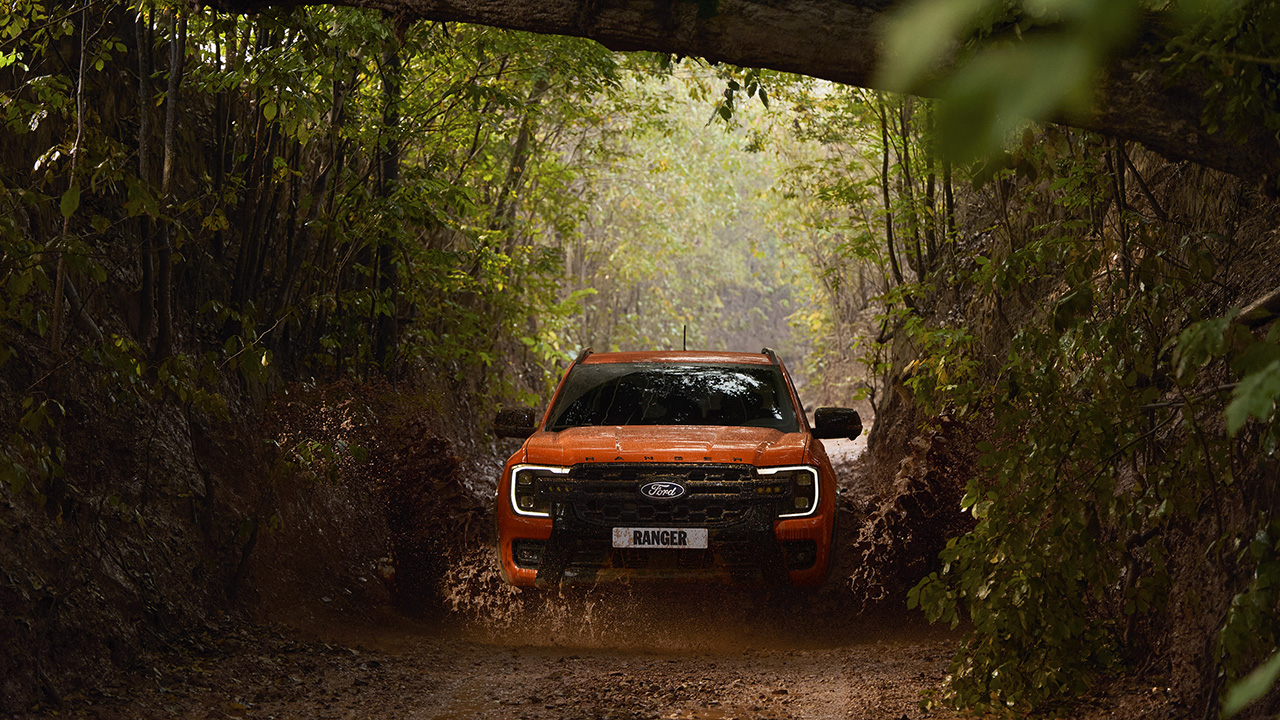
The Wildtrak X pairs a 3.0L V6 diesel engine (250PS, 600Nm) with full-time 4×4, Bilstein dampers, all-terrain tires, and a refined interior.
Inside, a 12-inch infotainment screen and a 10-speaker Bang & Olufsen sound system make every journey feel premium, all for PhP 2,609,000.
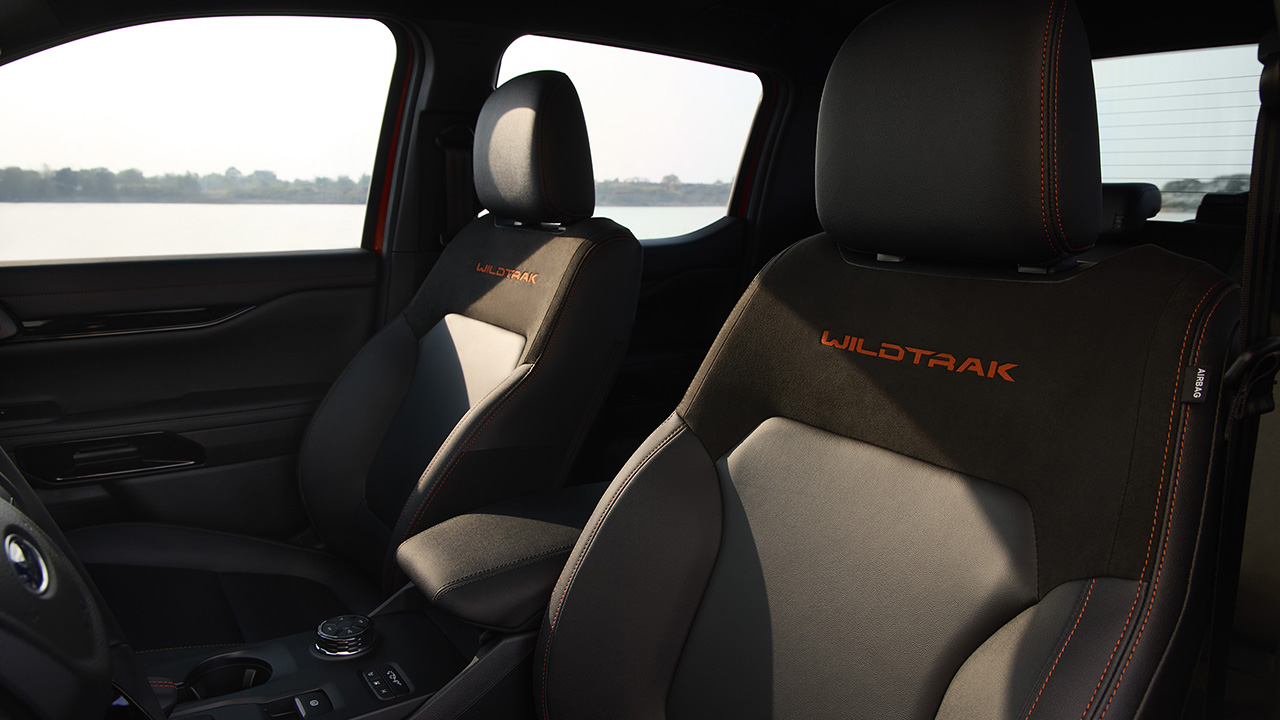
Meanwhile, the standard V6 Wildtrak introduces a refreshed front grille, new 18-inch wheels, and updated interior accents at PhP 2,469,000.
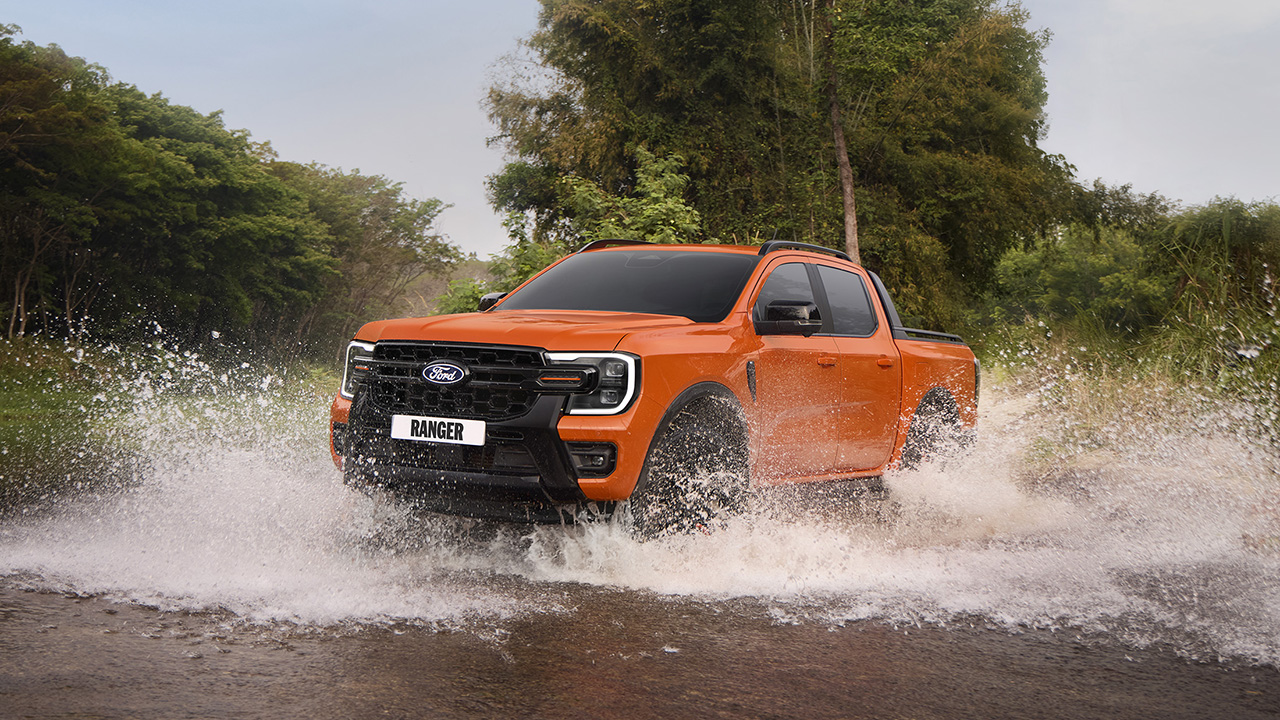
All three models are now open for reservations at Ford dealerships nationwide, bringing connected intelligence and effortless power to every drive.


REDMI Note 17 Pro Max review: A new breed born from AI greed
Welcome to the new normal


Marvel’s Wolverine review: When the claws come out
A brutal, cinematic superhero adventure

Setting your bedsheets ablaze with the Lovense Solace Pro
The closest proxy I could find where I'm guilty as sin
REDMI Note 17 Pro Max review: A new breed born from AI greed

REDMI NOTE 17 Series: Price, availability in the Philippines

Max vs 100 will feature Max Verstappen race against 100 go-karters

Apple’s best feature to cure motion sickness is finally on Android

Valve unveils price of the Steam Frame

TECNO MEGAPAD 2 review: Eyes on the size

realme 16T 5G with 8000mAh battery, IP69 Pro rating launches in PH

HUAWEI Pura X View is 2026’s first WIDE slab-type smartphone

REDMI reveals the refreshed Note 17 and Note 17 Pro series

REDMI Note 17 Series focuses on long-term reliability


-
 News1 week ago
HUAWEI Pura X View is 2026’s first WIDE slab-type smartphone
-

 News1 week ago
The CAMON Slim 5G is TECNO’s latest ultra-slim smartphone
-
 Cameras2 weeks ago
DJI Osmo 360 II review: Going all-in on the ecosystem
-

 IFA 20262 weeks ago
TECNO MEGABOOK T15 360 unveiled at IFA 2026
-

 Gaming2 weeks ago
NBA 2K27 review: A two-way All-Star
-

 News6 days ago
iPhone 18 Pro series: Price, availability in the Philippines
-

 IFA 20262 weeks ago
TECNO’s POVA 8 Pro gets a stealthy makeover
-
 Automotive1 week ago
Ford’s new Everest lineup brings V6 engine to the top, tech down the line