
Wearables
Huawei is launching its own smart glasses
Coming next week


Smart glasses are getting a resurgence. After Meta confirmed its eventual entry into that market, other companies have followed suit. OPPO, for example, recently unveiled the Air Glass, its own take on the wearable. Not lagging far behind, Huawei has confirmed that it, too, will have its own pair of smart glasses soon.
Revealed on Weibo, the glasses sport a slightly squarish frame with an extensive bridge. In fact, it looks almost like an exact replica of Tony Stark’s smart glasses from the Marvel Cinematic Universe. Based on the trailer, Huawei will offer two swappable frames for the wearable: a clear plastic and a pure black frame with shaded lens. Users will be able to use the glasses under a variety of different conditions.
If we’re going by the video, it looks like the glasses will rely mostly on voice-activated technology for its smart aspects. They will have bone conductive speakers, allowing for interaction with Huawei’s voice assistant and music playback. It will come with its own version of HarmonyOS to integrate the voice-activated feature. That said, it might not project images onto the glasses’ lens. We’ll need more information before we can say for sure.
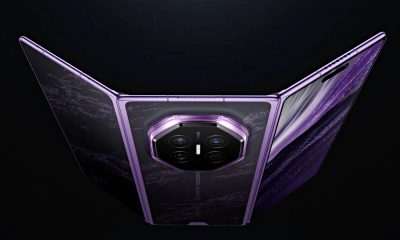
According to the accompanying teaser poster, Huawei will unveil the smart glasses on December 23, pairing it with the launch of its first clamshell phone, the P50 Pocket.
SEE ALSO: OPPO’s smart glasses, the Air Glass, is coming next year





Wearables
Garmin Approach S72 brings swing metrics, green reading to your wrist
Meet the newest flagship golf watch with a built-in speaker!

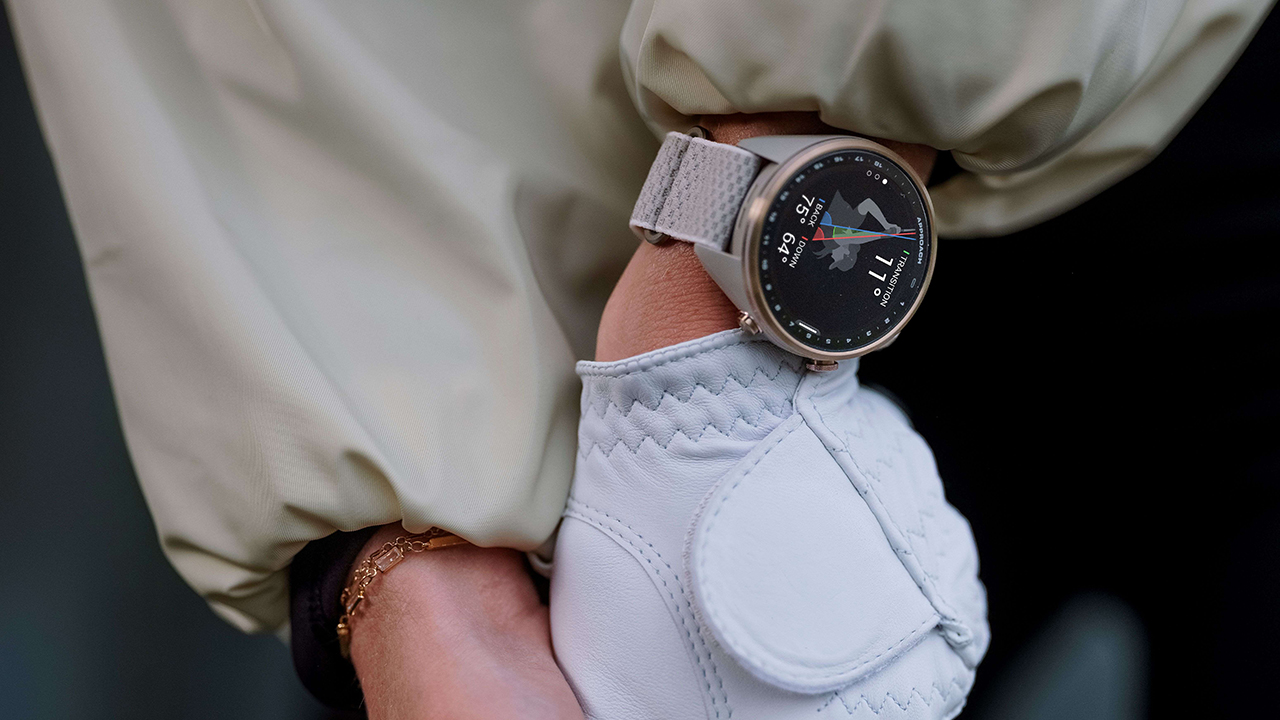
Garmin has unveiled the Approach S72, its new flagship golf smartwatch.
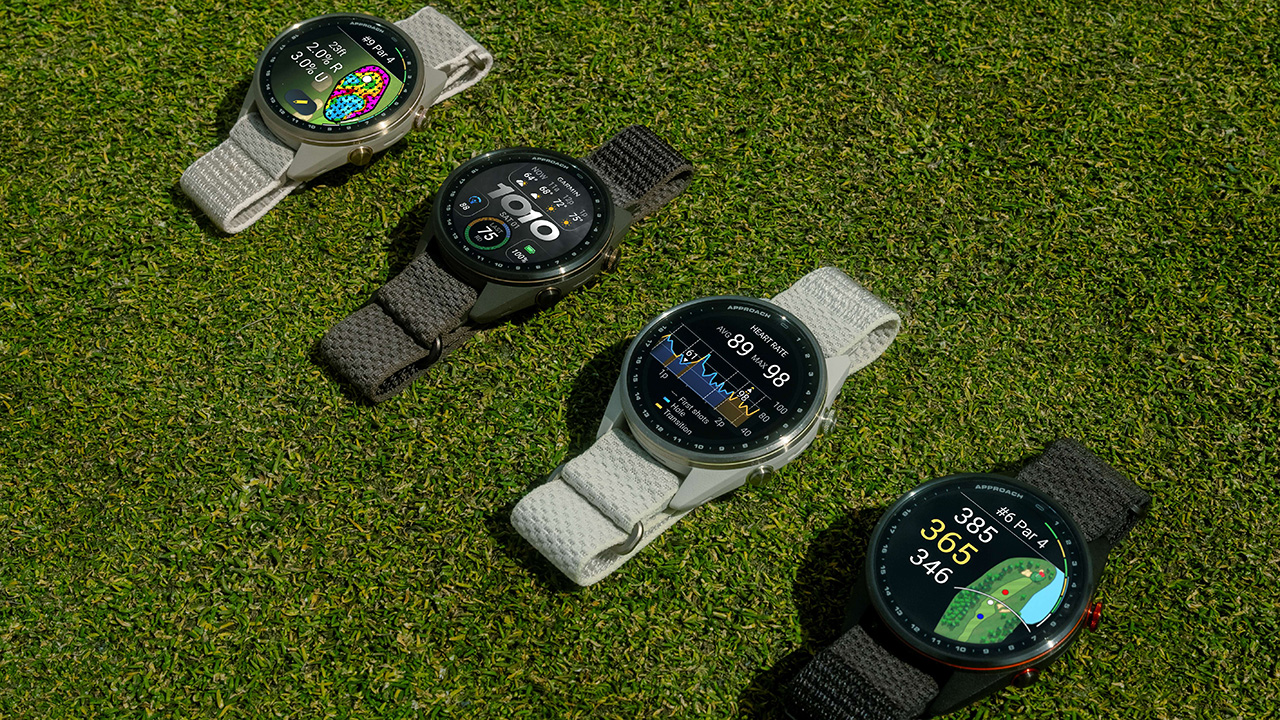
It comes in 43mm and 47mm sizes, and both have bright AMOLED displays. The watch also gets a titanium bezel, a sapphire lens, and a new lightweight ComfortFit fabric band.
Swing and heart rate data on the course
The Approach S72 adds on-wrist swing metrics, including hand speed, backswing length, and wrist rotation. Garmin says the idea is to help you change your swing based on real data instead of feel alone.
Real-time heart rate is part of the picture too. You can see how your heart rate changes before and after each shot, and once the round is over, you can look back at trends in how it may have affected your score.
The Approach S72 also covers everyday health tracking with its wrist-based heart rate and stress tracking, plus Body Battery energy monitoring and advanced sleep monitoring. It also comes with preloaded activity profiles for strength and mobility work.

Reading greens and reviewing rounds
A new green reading feature uses green contour data to show which direction a putt will break, along with the average slope percentage, which should make picking an aim point quicker.
This requires an active Garmin Golf Membership. After a round, the Garmin Golf app can show putting analytics like speed bias, direction bias, and make rate.
Aerial imagery of each hole is also included, so you can see real photos when deciding where to lay up or where the safest miss is.
Driving range sessions can be logged to the Garmin Connect app as well. You’ll get swing metrics and tendencies there, and the practice time counts toward your fitness goals.
Built to wear all day
The titanium bezel is light enough that Garmin says it won’t get in the way of a swing.
The Approach S72 also has a speaker and microphone, so you can make and take calls and use voice commands on or off the course. Garmin calls it the first of its golf smartwatches to offer this.
A built-in flashlight has variable white light intensities and a red light, which comes in handy for finding gear in your bag or lighting up a dark spot.
On battery life, Garmin says the larger model lasts up to 20 hours with GPS on the course and up to 16 days with GPS off.
Price, availability
The Garmin Approach S72 will be available starting October 22 for PhP 52,990. You can buy it at garmin.com, Garmin Brand Stores, Garmin Specialty Stores, and Garmin’s official e-commerce platforms.
Wearables
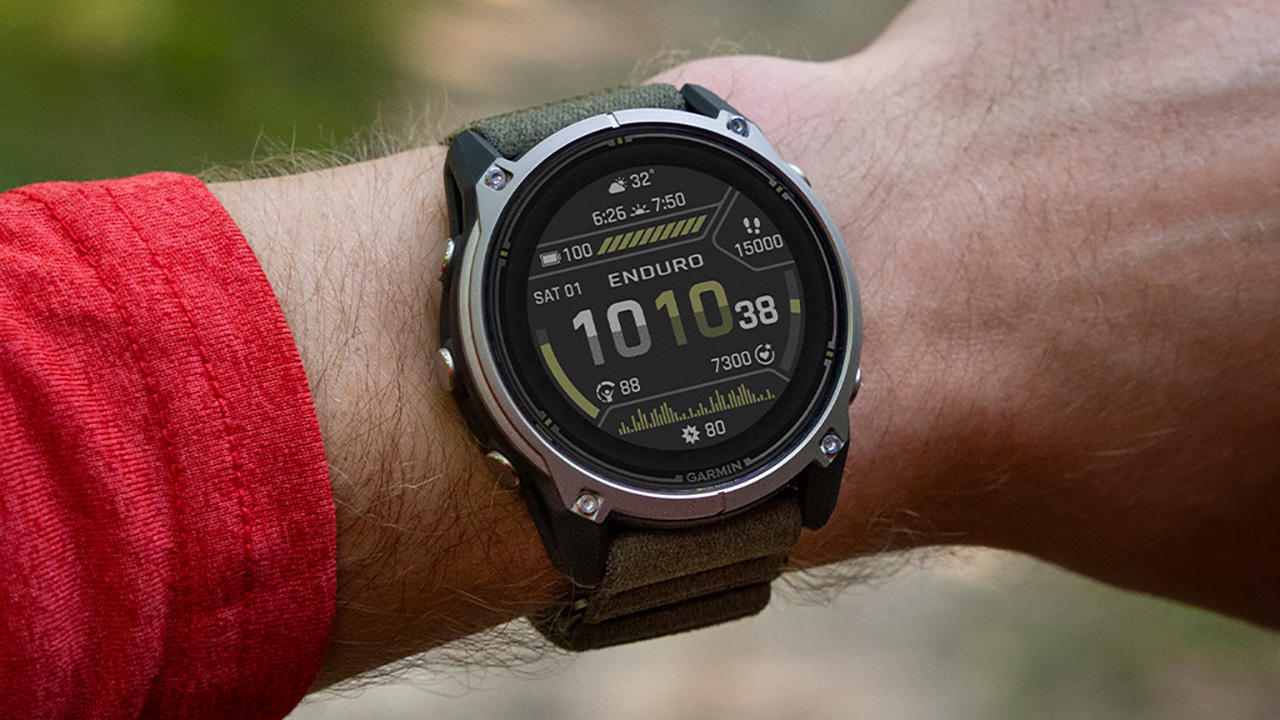
Garmin Enduro 4 promises up to 320 hours of battery life
Solar charging, new stamina metrics, and a 66-gram build for long days on the trail.
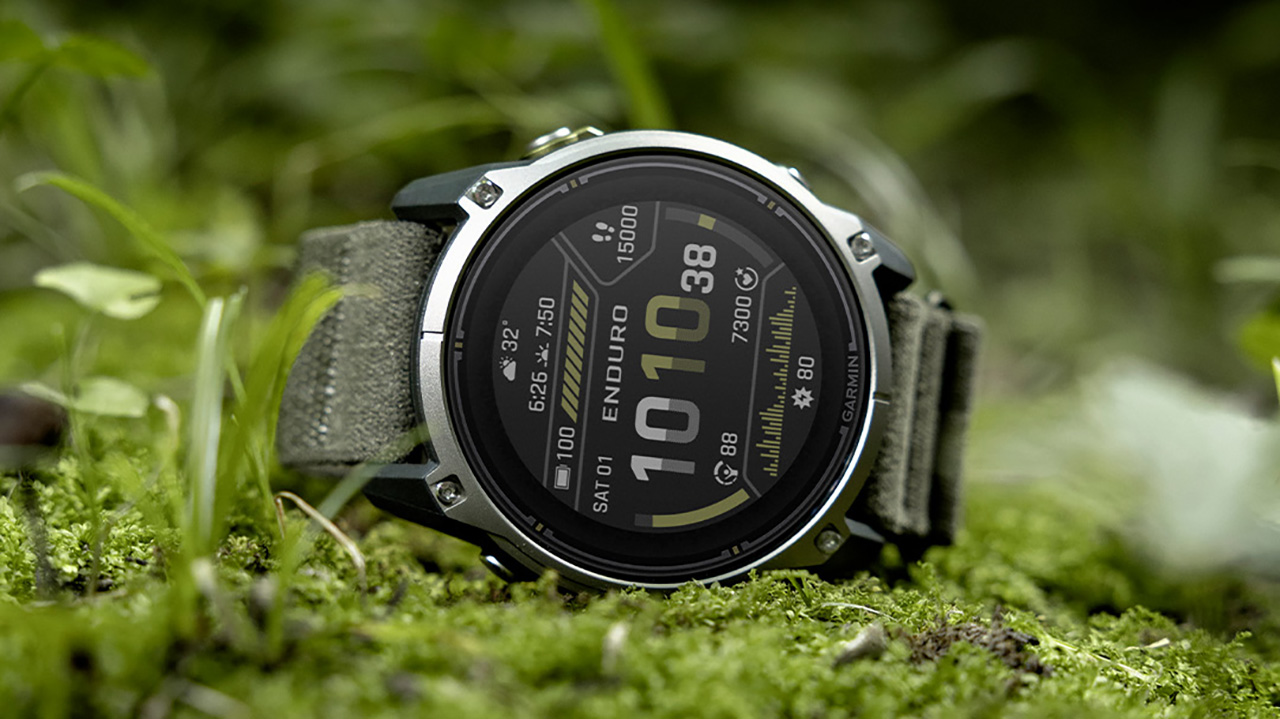
Garmin has announced the Enduro 4, the newest GPS smartwatch in its long-lasting Enduro line.
It pairs an energy-efficient 1.4-inch MIP display with a solar lens, and can last up to 320 hours in activity mode or up to 90 days in smartwatch mode.
Power modes that match your effort
The Enduro 4 introduces preset power modes, so you can choose how much battery you’re willing to trade for performance.
Max Accuracy turns on full-feature tracking for shorter efforts, and Max Battery stretches recording time for longer outings. The 320-hour figure comes from Max Battery with solar charging.
Built for hilly terrain
Two new grade-adjusted features are aimed at runners who spend their time on climbs. Grade-adjusted pace-based workout targets help you stay in your effort range when the trail tilts upward, and grade-adjusted rolling pace shows your pace in real time as the terrain changes.
The watch also adds stamina zones, which show how your stamina affected a given activity. Stamina curve looks at the bigger picture, charting how your endurance changes over time based on your fitness and training history.
Faster maps, plus a way to log longer adventures
Garmin gave the Enduro 4 50% more RAM than the Enduro 3 and an updated map engine. Garmin claims panning is up to 30% faster on the built-in routable maps.
A new perspective view adds detail both close-up and farther out, which makes it easier to see what’s coming next on the route.
For longer trips, Garmin Epic lets you combine multiple activities into one entry in Garmin Connect. You can group them across days, weeks, or months, add photos, share the story with family and friends, and see the health and performance data collected over that stretch.
Indoor rowers get VO2 max and power curve, and ruckers can now adjust pack weight mid-activity and set target metrics like calories burned.
Lightweight, with a new band
Garmin lists the Enduro 4 at 66 grams, which it says makes it one of the lightest ultraperformance smartwatches around.
The 51mm case is made of fiber-reinforced polymer, topped with a titanium bezel and a scratch-resistant Power Sapphire lens. It also has an integrated LED flashlight with white and red options, and a 10 ATM water resistance rating.
The new ComfortFit Fabric Band is moisture-wicking and uses QuickFit, so swapping bands is simple. Onboard storage is 64 GB, which gives you room for maps, music, and data when you’re away from home for a while.
Price, availability
The Garmin Enduro 4 will be available starting November 3 for PhP 56,290. You can buy it at garmin.com, Garmin Brand Stores, Garmin Specialty Stores, and Garmin’s official e-commerce platforms.
News
Sony teams up with Hello Kitty for exclusive limited-edition collection
Sony and Hello Kitty join forces.


Sony has teamed up with Hello Kitty for a limited-edition collaboration that combines selected Sony products with exclusive merchandise featuring Sanrio’s beloved character.
Available exclusively through Sony Store channels, the collection marks Sony’s first collaboration with Hello Kitty. It covers the Xperia 10 VIII smartphone and three wireless headphone models: the WH-1000XM6, WH-CH730N, and WH-CH530.
Each collaboration model comes with exclusive Hello Kitty merchandise designed specifically for Sony Store customers.
Sony x Hello Kitty collection

The Xperia 10 VIII collaboration model is priced at SGD 919. It comes with an exclusive Hello Kitty sacoche-style shoulder bag designed to carry the smartphone and other small essentials, along with a Hello Kitty tote bag.
Meanwhile, the WH-1000XM6 collaboration model costs SGD 609. The WH-CH730N is priced at SGD 249, while the WH-CH530 costs SGD 149.
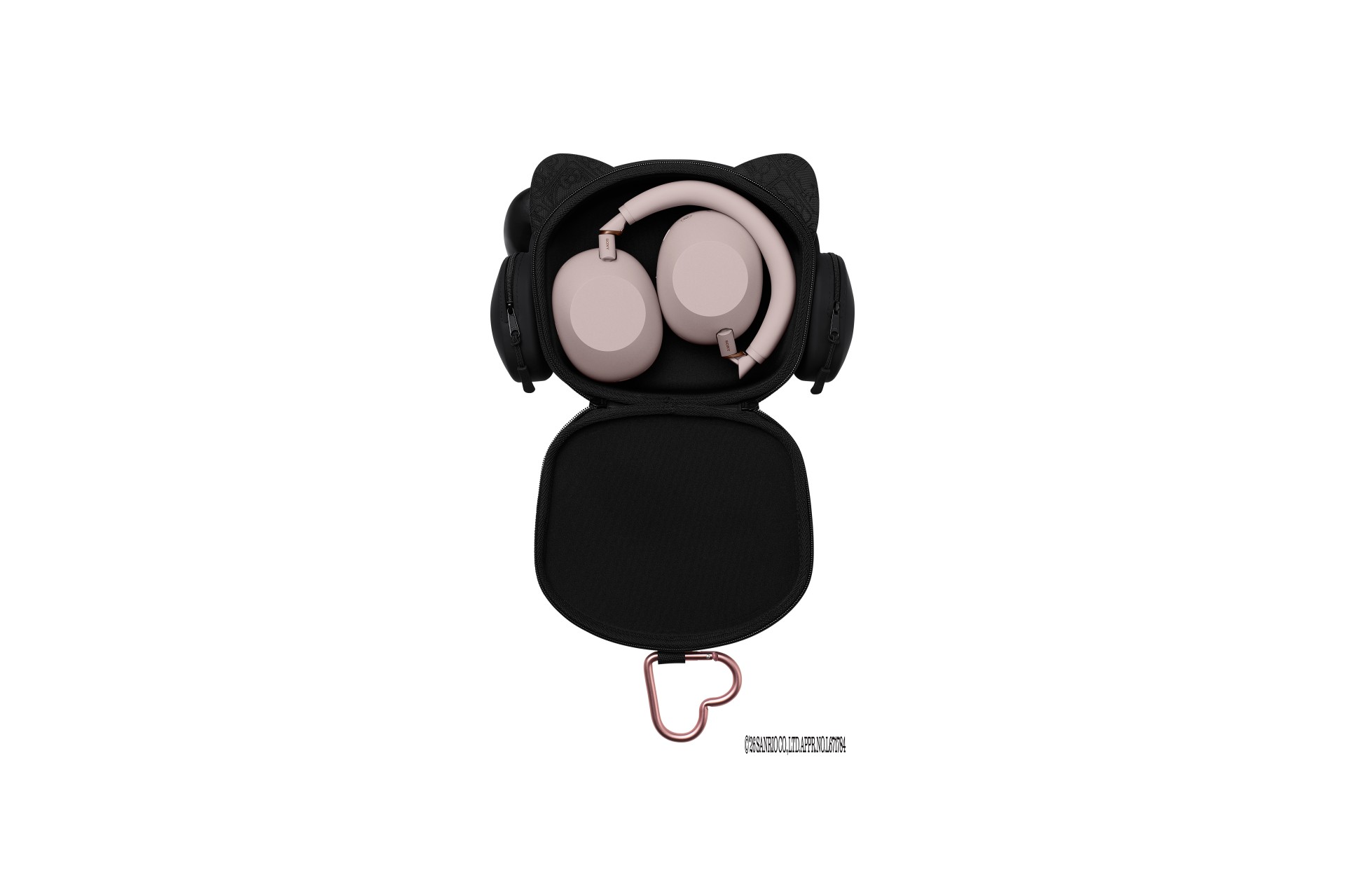
Each headphone collaboration package includes a Sony Store-exclusive Hello Kitty pouch for carrying the headphones and personal belongings, as well as a Hello Kitty tote bag.

The products retain Sony’s existing designs while adding Hello Kitty-themed accessories. The collection aims to bring the character’s signature charm into everyday use without changing the core design of the Sony devices.
Available now in Singapore
Pre-orders for the Sony x Hello Kitty collaboration models are now available through Sony Store channels in Singapore.
Sony is also showcasing the collection at the Sony Store at 313@somerset. Visitors can try the products firsthand and take photos at a dedicated Hello Kitty photo wall.
The collaboration models are available in limited quantities.
For more information, visit the official Sony Store Singapore website.
UPDATE: Sony x Hello Kitty arrives in the Philippines
The Sony x Hello Kitty collaboration will also be available in the Philippines starting October 16, 2026, at select Sony Centres.
Customers who purchase the WH-1000XM6 can add the exclusive Hello Kitty Collaboration package for PHP 4,999. The WH-1000XM6 is available in Black, Silver, Midnight Blue, Sand Pink, and Sandstone.
The collaboration will be available at the following Sony Centres:
- SM Mall of Asia
- SM Megamall
- Glorietta by Ayala Malls
- The Sony Centre-exclusive collaboration goods are designed to complement Sony products with Hello Kitty’s signature charm, adding a playful touch to everyday music experiences.


HP OMEN Max 16 review: Gamer-maxxing in deep black
Peripherals deemed necessary to max this out

vivo V80 review: Good phone, tough sell
A capable travel companion


Ghost of Yōtei Complete Edition review: More of a great thing
Picking up where Atsu left off

Visa: 79% of Filipinos want to learn about stablecoins

CASETiFY Match: Finding the right case for your Galaxy Z8 Series phone
HP OMEN Max 16 review: Gamer-maxxing in deep black

Google illegally destroys 250,000 trees for a single AI data center

FINAL FANTASY RESONANCE now available across major platforms

TECNO CAMON Slim 5G review: Slim on size, big on surprise

TECNO CAMON Slim 5G: Price, availability in the Philippines

HONOR Magic9 Pro Max launches in China with ARRI-powered imaging

BYD says that way better EV batteries are coming next year

TECNO CAMON Slim 5G teases an ultra-slim design ahead of launch


-
 Wearables2 weeks ago
Garmin Enduro 4 promises up to 320 hours of battery life
-

 Gaming2 weeks ago
Dragon’s Dogma 2: Dark Arisen launches with new Official Pawns
-

 News1 week ago
vivo V80 debuts with ZEISS cameras
-

 Deals2 weeks ago
Score PhP 22,000 in guaranteed freebies when you pre-order the iPhone 18 Pro at Beyond the Box
-
 Philippines1 week ago
TECNO CAMON Slim 5G gets launch discounts, free MagBadge
-

 Wearables2 weeks ago
Garmin Approach S72 brings swing metrics, green reading to your wrist
-
 News1 week ago
Samsung: Galaxy Z Fold8 demand rose because of iPhone Duo
-
 Features1 week ago
I don’t want a phone that unfolds — the Galaxy Z Fold8 gets why