
News
Qualcomm launches faster and better Snapdragon 845


Smartphones are about to get faster and stronger once again. As with every year, Qualcomm has announced their SoC processor for next year, the Snapdragon 845.
At their recently concluded Snapdragon Technology Summit in Hawaii, Qualcomm unveiled the details for its flagship-bound Snapdragon 845 processor. The high-end SoC (system on a chip) boasts faster performance, graphics, and image processing.
With four performance cores (clocking in at 2.8GHz) and four efficiency cores (at 1.8GHz), the Snapdragon 845 delivers 19 to 25 percent more performance over the Snapdragon 835.
Compared to last year’s Adreno 540 GPU, the Snapdragon 845 rocks an Adreno 630 upgrade. The new GPU promises a 30 percent boost in graphics performance and power efficiency. The upgrade also delivers 2.5 times more display throughput and increases flagships’ support for VR and AR apps.
The Snapdragon 845’s biggest improvement is in its image signal processor (ISP), the Spectra 280. The ISP equips phones with the ability to shoot 4K Ultra HD videos in HDR. It offers a 97 percent wider color gamut for more natural images.
The Spectra 280 can take 720p videos at up to 480 frames per second. Further, it can film 60fps videos with only a 16-megapixel camera.

Image source: Ars Technica
Taking after its rivals at Apple, the Snapdragon 845 is now compatible with face unlocking. Whereas Apple uses 30,000 dots for theirs, Qualcomm’s face unlock uses a more accurate 50,000 dots.
While 5G speeds are still far off into the future, the Snapdragon 845 builds itself ready for the technology. With its new Qualcomm X20 LTE modem, internet speeds can reach a maximum of 1,200Mbps. The modem adapts the new 60GHz 802.11ad standard.
Meanwhile, Bluetooth 5 boosts wireless connectivity by allowing faster transfers and more efficient battery usage. The latter supports a move for better compatibility with truly wireless earphones.
Whether we’ll see these features next year is still up to the smartphone manufacturers themselves. Some phones may opt to forego some features for others, for example.
The new chip, however, is already expected to launch with the flagships of Google, HTC, and Samsung. It’s also expected to make its way to Windows 10 PCs.
SEE ALSO: Snapdragon 450 is Qualcomm’s newest midrange chipset
[irp posts=”15548″ name=”Snapdragon 450 is Qualcomm’s newest midrange chipset”]






News
vivo introduces refurbished versions of X300 FE, X300 Ultra for less
vivo offers consumers more affordable way of owning smartphones

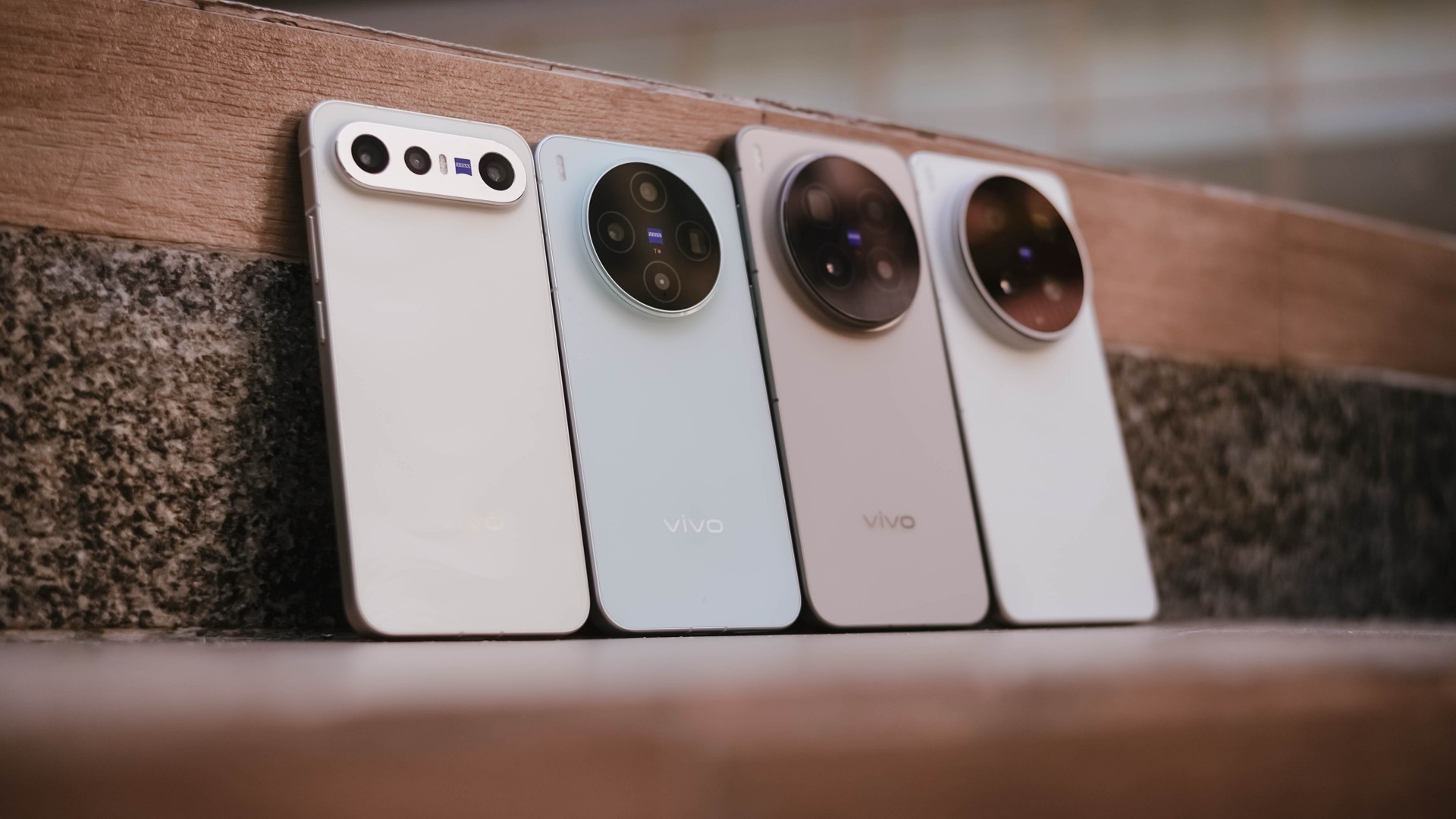
vivo is offering its market an affordable way to own its smartphones without necessarily purchasing a brand-new unit: vivo refurbished phones.
Unlike ordinary second-hand phones, the refurbished vivo units are brand-managed devices that undergo inspection, cleaning, and necessary repairs by vivo customer service professionals.
After undergoing such a process, the phones are then made available for resale. This gives consumers a more accessible way to own a vivo smartphone — with added assurance of professional quality checks and warranty support.
@vivo_philippines vivo Refurbished Phones are NOW AVAILABLE! Get high-end flagship smartphones at a lower price and watch to learn what makes it different from second-hand devices. Meet the star of our refurbished lineup, the vivo X300 Ultra! https://bit.ly/vivoX300Ultra_refurbished More units COMING SOON! #vivo #vivoX300Ultra #fyp #foryoupage #viral
vivo says the refurbished units include those previously used by KOLs or ambassadors, as well as store display and demo units. They will be divided into two main types: Pre-owned (LDU) and Near New.
Once these devices are returned, they are handled by vivo customer service professionals and undergo the necessary inspection, cleaning, and repair processes before being relisted for sale.
This gives consumers another option when looking for a vivo smartphone that fits their budget. Refurbished units can make selected vivo devices more accessible.
Furthermore, the units will still come with a standard one-year warranty, with the warranty start date determined according to the unit’s classification and available proof of purchase.
To purchase a refurbished vivo phone, consumers can visit the vivo official website. Currently available are the vivo X300 FE and vivo X300 Ultra.

As of now, we’re still around 12 hours ahead of the most anticipated event of the month, the launch of the iPhone 18 series. Besides the ubiquitous flagship lineup, the event is also heavily rumored to reveal the upcoming foldable iPhone Ultra. Well, while Apple has been secretive about the device itself, Dbrand has just spoiled the surprise for fans.
The often-sarcastic casemaker has just released a series of phone cases for the iPhone Ultra. The series doesn’t stray at all from Dbrand’s usual slew of designs. You’ll still get the traditional Teardown skins (which offers a peek into the iPhone’s internals) and the Leather skins (with real leather).
The main point here, of course, is that it’s already available ahead of the scheduled launch. As for looks, the cases confirm that the foldable will have the passport-style format popularized by the Galaxy Z Fold8. The device will also have a slightly elevated camera bump and two buttons on top of the bump.
Other than that, there’s still a lot to be revealed in the upcoming event. There are high hopes that the iPhone Ultra will fix the persistent pain points of the foldable segment. Unfortunately, it will likely come with a pretty exorbitant price tag, making it a much harder buy for regular iPhone users.
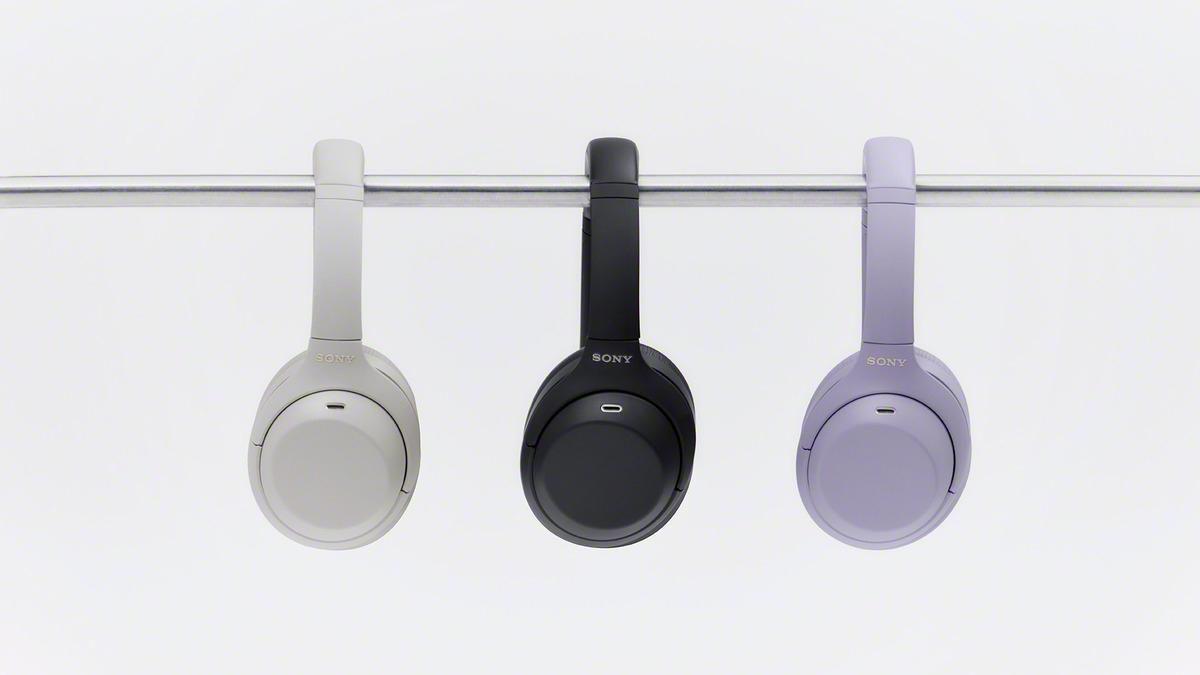
For a lot of people (me included), the Sony WH-1000XM4 was the first taste of what Bluetooth headphones could be. It was the first time I desperately wanted a new pair of headphones. It took me until the current XM6 to get a pair, but I can’t forget what came before. And, apparently, neither can Sony.
Today, Sony is resurrecting the WH-1000XM4 with the refreshed WH-1000XM4C. Straying from the lineup’s usual releases, the WH-1000XM4C is the second generation of the universally acclaimed headphones, while the XM6 is still the current flagship model.
It’s not just a simple rerelease, too. Though it still rocks the QN1-based active noise cancellation, the new pair tweaks the sound profile to more closely match the modern standard. It also comes with 10-band and gaming-specific equalizer presets. It will have a slightly smaller battery but with better fast charging to juice up quickly.
The new WH-1000XM4C will be available in Lavender, Black, and Platinum Silver. It will also cost US$ 299.99 — 50 bucks cheaper than the first generation.
Besides the refreshed flagship, Sony is also launching the WH-CH730N, a midrange pair built for commuters, and the WH-CH530, an entry-level pair with more colorful colorway options.
The WH-CH730N will come in White, Pink, Blue, Black, and Oat. It sells for US$ 179.99.
Meanwhile, the WH-CH530 come in Black, Cobalt, Coral, Mint, White, and Pink. It sells for US$ 69.99.

Setting your bedsheets ablaze with the Lovense Solace Pro
The closest proxy I could find where I'm guilty as sin


Now Playing: Elden Ring Tarnished Edition
Is the Switch 2 port worth the price?


NBA 2K27 review: A two-way All-Star
Better ball game, same 2K?

ACMobility launches EV safety program to help drivers make the switch

Sony introduces its 1st Fisheye Zoom G Lens

vivo introduces refurbished versions of X300 FE, X300 Ultra for less

GadgetMatch Awards: Best of IFA 2026

CODE VEIN II launches Mask of Idris DLC with free Version 2.0 update

TECNO MEGAPAD 2 review: Eyes on the size

realme 16T 5G with 8000mAh battery, IP69 Pro rating launches in PH

REDMI Note 17 Series focuses on long-term reliability

HUAWEI Pura X View is 2026’s first WIDE slab-type smartphone

realme 16T to come with 8,000mAh battery, 7-year battery health guarantee


-
 News2 weeks ago
realme 16T 5G with 8000mAh battery, IP69 Pro rating launches in PH
-
 News2 days ago
HUAWEI Pura X View is 2026’s first WIDE slab-type smartphone
-

 News2 weeks ago
REDMI reveals the refreshed Note 17 and Note 17 Pro series
-

 Singapore2 weeks ago
REDMI Note 17 Series: Price, availability in Singapore
-

 Reviews2 weeks ago
REDMI Note 17 Pro review: What a rollercoaster ride!
-

 Features1 week ago
The designated photographer’s new favorite phone: OPPO Reno16 Series 5G
-
 Cameras1 week ago
DJI Osmo 360 II review: Going all-in on the ecosystem
-

 IFA 20266 days ago
TECNO MEGABOOK T15 360 unveiled at IFA 2026