
News
ZTE Axon M has two screens fused with a hinge


In a time when real smartphone innovation seems tougher to come by and people are less impressed by new handset releases, one company decided to work on an almost ridiculous idea and just run with it.
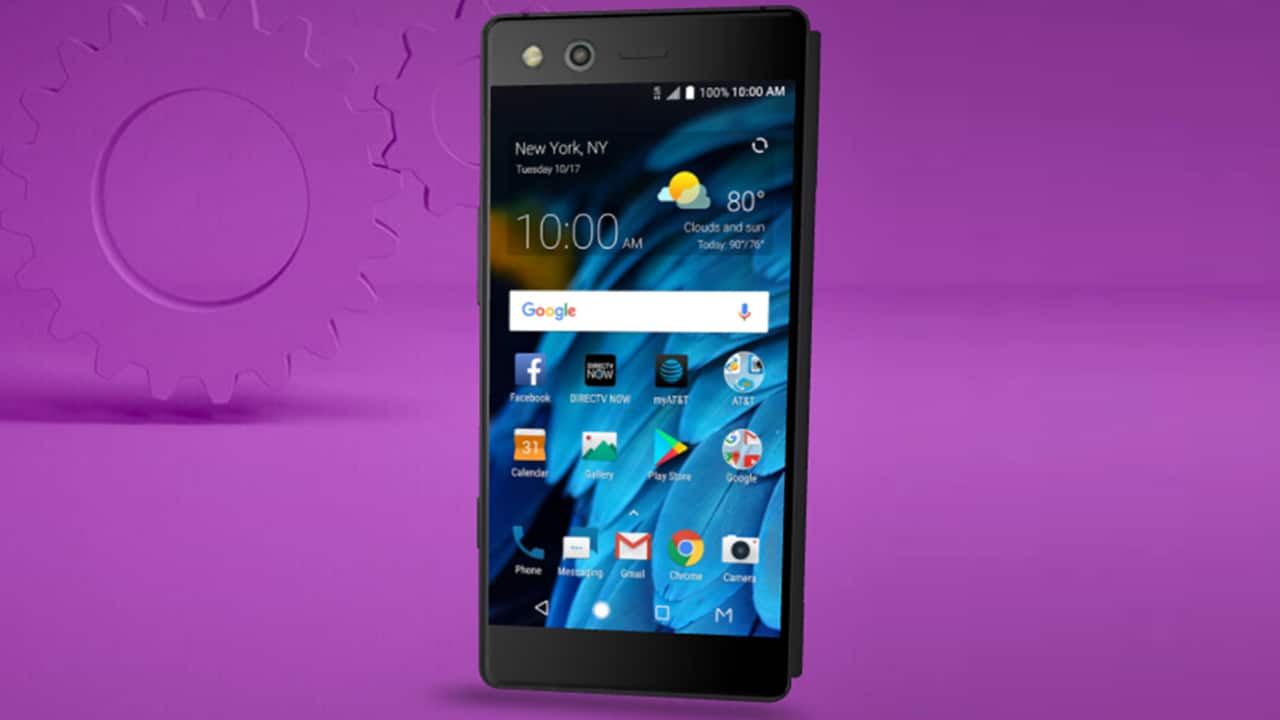
ZTE, one of the world’s largest phone makers, has just released a phone with two separate screens attached by a hinge in the middle.
This is the ZTE Axon M, and as you can see, it’s no ordinary phone.

You’re not seeing double. This phone has two screens!
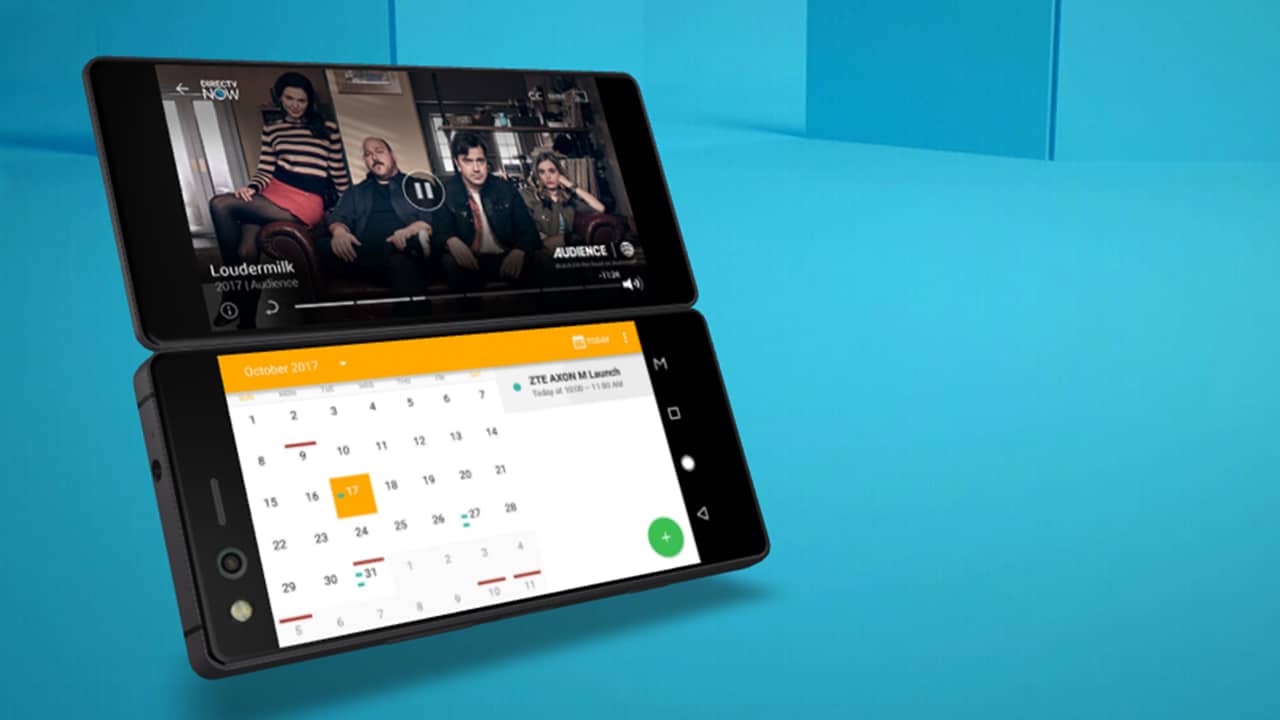
These screens can function separately and run different apps for each screen for a multitasking user; it can work as one giant screen, but with a big line down the middle; it can run in mirroring mode where the second screen just shows whatever the other screen has on; or you can just turn off one of the screens, fold it, and use the Axon M as a normal (but a little thick) smartphone.

It only has one camera, however. But, there are two screens — it should work perfectly as both the phone’s rear camera and selfie shooter.
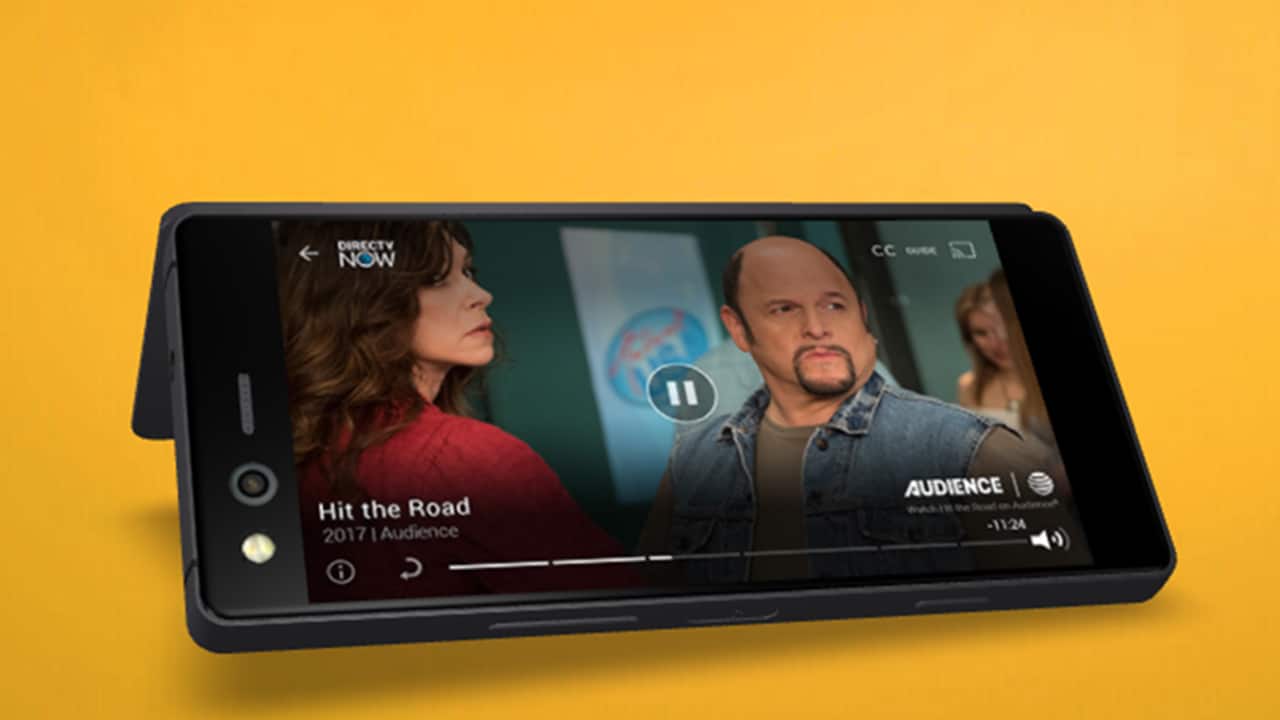
With this phone, you can watch two different videos at the same time, each on 5.2-inch screens! You can go on Facebook on a screen that’s double the typical smartphone size. You can even show a dude from across the room what it is exactly you’re typing on your phone without flipping the screen.
Okay, these are not the most practical scenarios for showcasing functions of a phone design that also isn’t too practical, but you have to admit: It still looks pretty cool.
The ZTE Axon M is powered by a Snapdragon 821 processor with 4GB of RAM and 64GB of storage. It ships with Android 7.1 Nougat and has a battery capacity of 3180mAh.
It will be available by November in the US, Japan, Europe, and China, with other markets to follow. You can buy it for US$ 725 or US $24.17 per month for 30 months from AT&T US.
SEE ALSO: India gets K188, the world’s first fidget spinner phone
[irp posts=”22261″ name=”Casio TR mini (TR-M11) is a clamshell selfie camera”]





Automotive
Mercedes-Benz celebrates 140th anniversary at the Presidential Car Museum
A generation’s worth of presidential Benz models under one roof

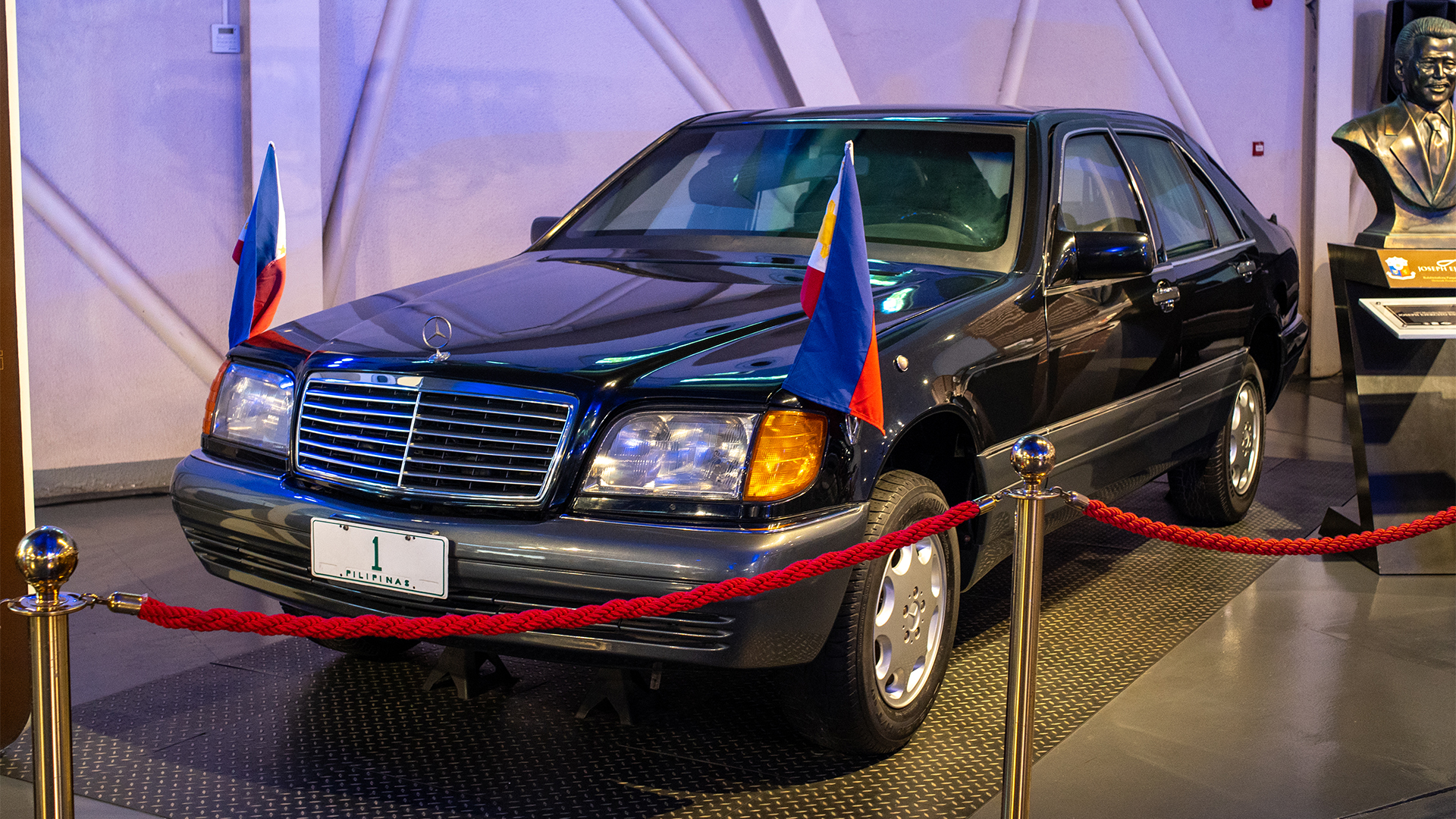
Last month, Mercedes-Benz Philippines kicked off its 140th -anniversary “Welcome Home” campaign. Designed to celebrate the iconic Chedeng and introduce a new generation to the brand, the campaign attracts old and new customers alike. Now, the brand’s 140th year is also hitting history buffs with a special showcase at the Presidential Car Museum in Quezon City.
Since President Cory Aquino’s term, the official presidential car has been a Benz, offering comfort and protection for the current head of state. It is here where Mercedes-Benz wants to celebrate the legacy of the brand, especially in the annals of Philippine history.
Amid the cars of Presidents Aquino, Ramos, Estrada, and Macapagal-Arroyo, Mercedes-Benz is displaying a replica of the Benz Patent-Motorwagen Replica, which is the world’s first automobile introduced by Karl Benz in 1886. The replica will be on display until December 2026.
Outside the Presidential Car Museum, Mercedes-Benz is running discounts through the end of July. There are also special aftersales services for those who already own a Benz. Finally, the brand will continue to run activations throughout the anniversary, so expect to hear a lot more about the Chedeng throughout the year.
SEE ALSO: Mercedes-Benz holds a Welcome Home campaign to celebrate 140 years
News
Samsung releases teaser with Spider-Man: Brand New Day Easter eggs
Spot also teases upcoming Galaxy foldable devices

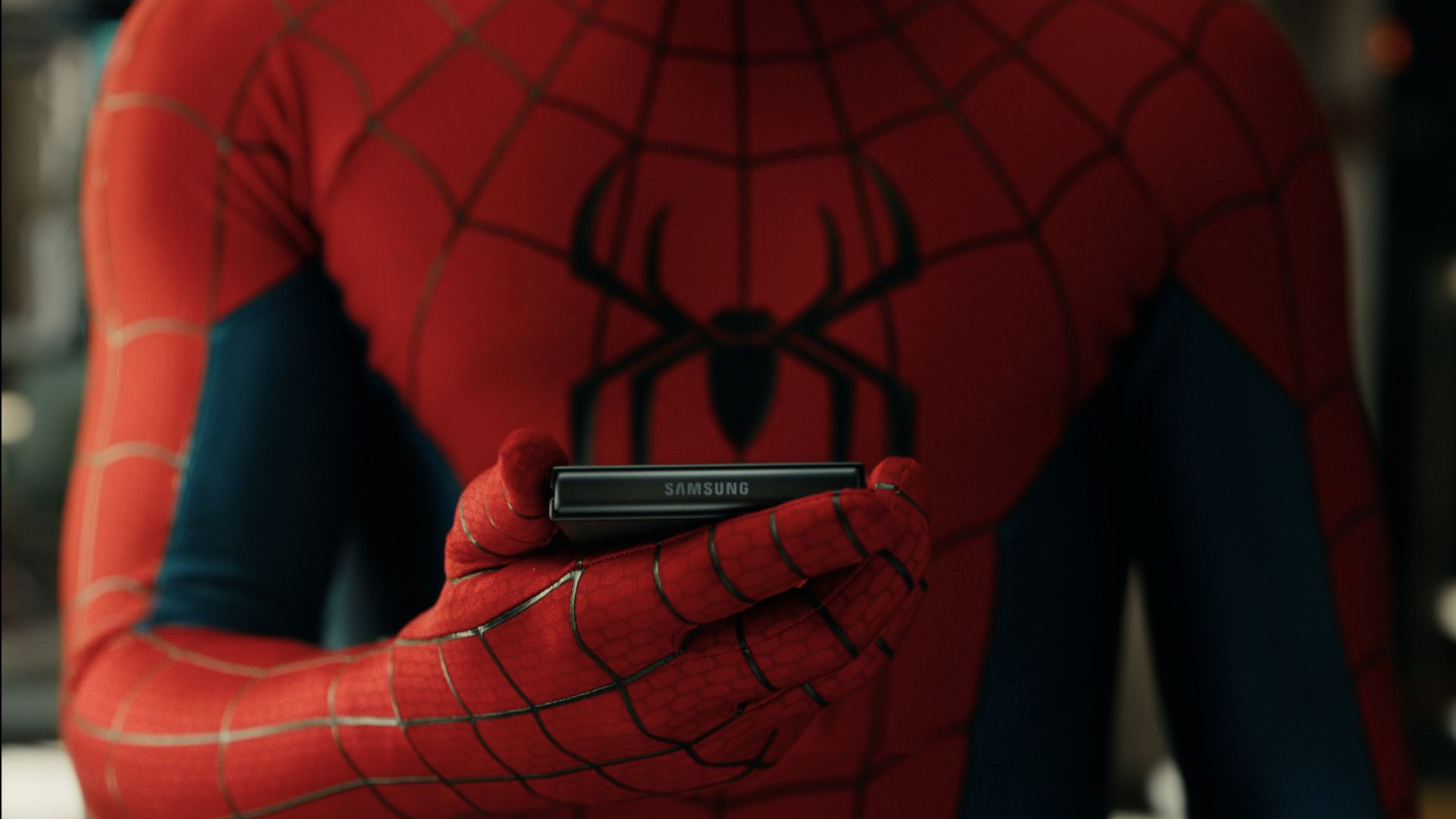
Samsung has just premiered a new spot that showcases clips directly from Spider-Man: Brand New Day, just a few weeks before the movie hits cinemas later this month.
The clip showcases Spider-Man as he fights crime and puts his phone through the wear and tear of superhero life.
In the spot, the Fabricator creates a number of devices for Spider-Man built to stand up to the pace and unpredictability of life behind the mask. This includes what clearly looks like a Galaxy Z Flip phone.
This provides a behind the scenes look into how Peter Parker ultimately landed on a Samsung phone — as fans speculated from the first trailer.
Meanwhile, Ned can also be seen using the Spidey Tracker to try and catch Spider-Man throughout the city on his Samsung phone.
The campaign pretty much formalizes Jacob Batalon — who plays Ned Leeds — as Samsung’s Team Galaxy’s newest ambassador.
The clip ends with the text “A brand new shape for a Brand New Day”, which is also a callback to what the brand has been teasing regarding the future of its Galaxy foldable devices.
Samsung to release latest devices at Galaxy Unpacked
Next week, Samsung is set to launch its latest devices at Galaxy Unpacked 2026.
Ahead of the launch, customers who wish to reserve as early as now can get a US$ 30 credit during pre-order, for a total of up to US$ 1,230 in savings.
Customers can also enter a sweepstakes for a chance to win one of 10 US$ 500 Samsung.com gift cards towards their purchase.
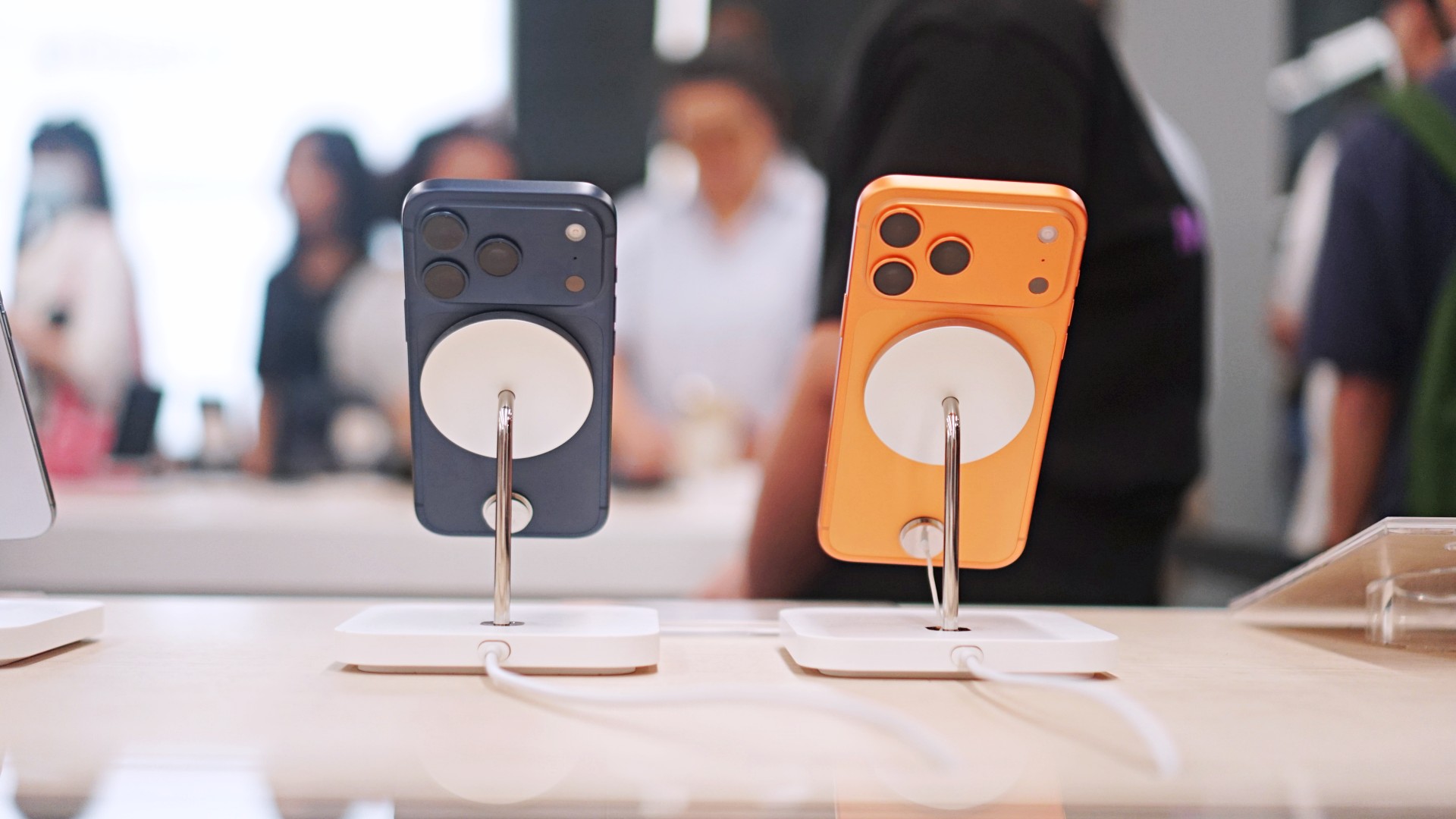
Normally, public betas come and go with nary a peep from anyone but dedicated fans and testers. After all, why care about a beta when the final release is likely just around the corner? This one, however, is special. Today, Apple launched the iOS 27 public beta, and it’s our first taste of the redesigned Siri AI.
Recently, WWDC 2026 unveiled Apple’s latest attempts at entering the AI segment. Whereas previous iterations to incorporate AI failed to make an impact, Siri AI promises to provide users with helpful feedback that’s actually helpful.
Now, in the public beta for iOS 27, users all over can finally access the new assistant. To get to the beta, you need to be a part of the beta program, which you can easily sign up for on beta.apple.com. Once signed up, you can get the update from Software Update in Settings. You’ll see options for a developer beta and a public beta. Choose iOS 27 Public Beta.
At face value, Siri AI offers much of what you’d get from a traditional AI-powered assistant. However, it does slightly differ because it integrates the entire phone. The assistant contextualizes your information (including emails, messages, and photos) to give you the most accurate feedback that you might need.
If that’s not enough, Siri AI also has its own chatbot app. If you’re more used to ChatGPT, the assistant should give you that bit of familiarity.
Now, if you don’t want to go for a beta, Apple is expected to launch iOS 27 in its final form sometime in September.

realme C100: Enduring and durable in spite of entry-level realities
Enough power but needs more agility


The ASUS ExpertBook Ultra wins you over
The laptop sneaks up on you

Nexal Watch Sport review: A rugged watch for small budgets
I couldn't believe that watches this good could come for this cheap.

Mercedes-Benz celebrates 140th anniversary at the Presidential Car Museum

Street Fighter 6’s first Filipina fighter arrives August 3

Samsung releases teaser with Spider-Man: Brand New Day Easter eggs

iOS 27 public beta gives us our first taste of Siri AI

The case for traveling without a plan

Buyer’s Guide: TECNO SPARK 50 Pro vs SPARK 50 5G

New York becomes first state to ban smart glasses

vivo X300 Ultra review: A “Whole Different Animal”

DJI Osmo Pocket 4P launches with dual lenses and a 1-inch sensor

HONOR Watch 6 review: Less guessing, more knowing


-
 News1 week ago
New York becomes first state to ban smart glasses
-
 Singapore6 days ago
Sony launches IER-M500 in-ear monitors
-

 Gaming1 week ago
Microsoft dictates that a new Fallout game is coming
-

 Computers1 week ago
GIGABYTE releases new AORUS RTX 5080 INFINITY graphics cards
-

 Gaming1 week ago
HoYo FEST 2026 details announced; tickets on sale from July 16
-

 Gaming1 week ago
Assassin’s Creed Black Flag Resynced available worldwide now
-
Reviews6 days ago
realme C100: Enduring and durable in spite of entry-level realities
-

 Automotive2 weeks ago
The Kia Carnival Hybrid is a gentle giant