
News
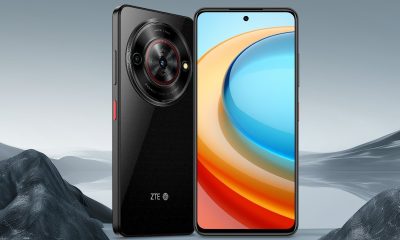
ZTE nubia 50 Ultra debuts with 4th-gen Under-Display Camera
Plus an artsy “Starry Night” Collector’s Edition


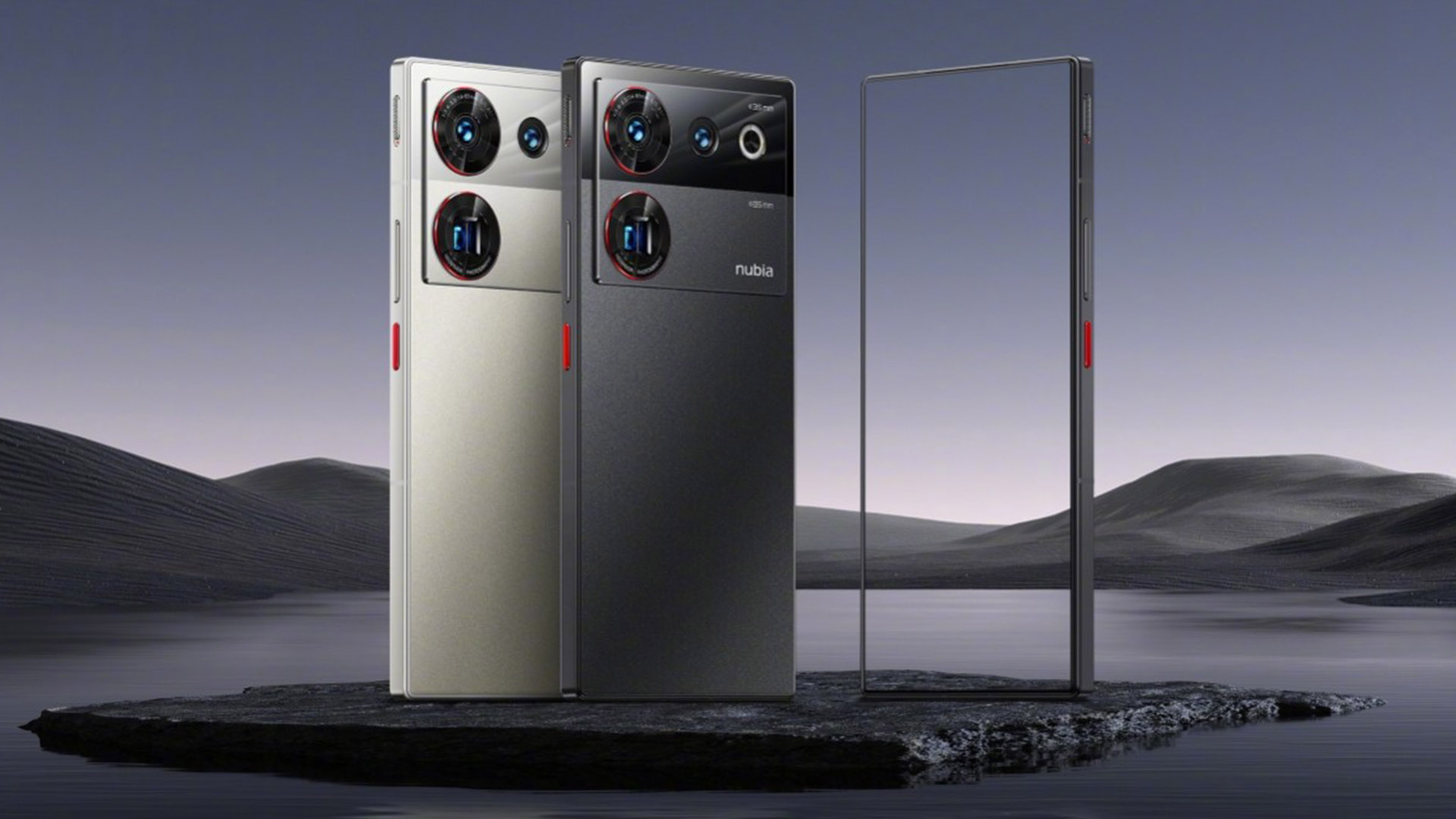
ZTE may not be one of China’s popular smartphone brands, but the nubia 50 Ultra is their latest flagship that offers the extraordinary more than the usual.
4th-gen Under-Display Camera
Remember when ZTE launched the first-generation UDC (Under-Display Camera) last 2020? Well, it seems like ZTE is continuing to push the boundaries with its 4th-gen under-display technology called “Neovision UDC”.

Through several processes and advancements such as the UDC Pro+ chip, independent pixel drivers, and display enhancements, they have managed to squeeze in the camera beneath the display like it doesn’t really exist. Heck, even the display bezels are so thin at just 1.68mm (forehead) and 1.48mm (sides), making it the perfect fullscreen viewing companion without the added disruptions of a notch, punch-hole camera/s, or even that floating Dynamic Island.
Up front, it has a flat 6.8-inch AMOLED 120Hz display with a Full HD+ resolution, 1 Billion Colors and HDR10+ support, plus a peak 1500 nits brightness. Beneath all that Neovision UDC tech is its 16-megapixel selfie camera.
Powerful within
Just like any 2023 flagship around, the ZTE nubia 50 Ultra runs the latest Snapdragon 8 Gen 2 4nm chipset by Qualcomm coupled with the Adreno 740 GPU. LPDDR5X RAM configurations range between 8GB, 12GB, and even a whopping 16GB. Storage options are 256GB, 512GB, and 1TB with the UFS 4.0 standard.
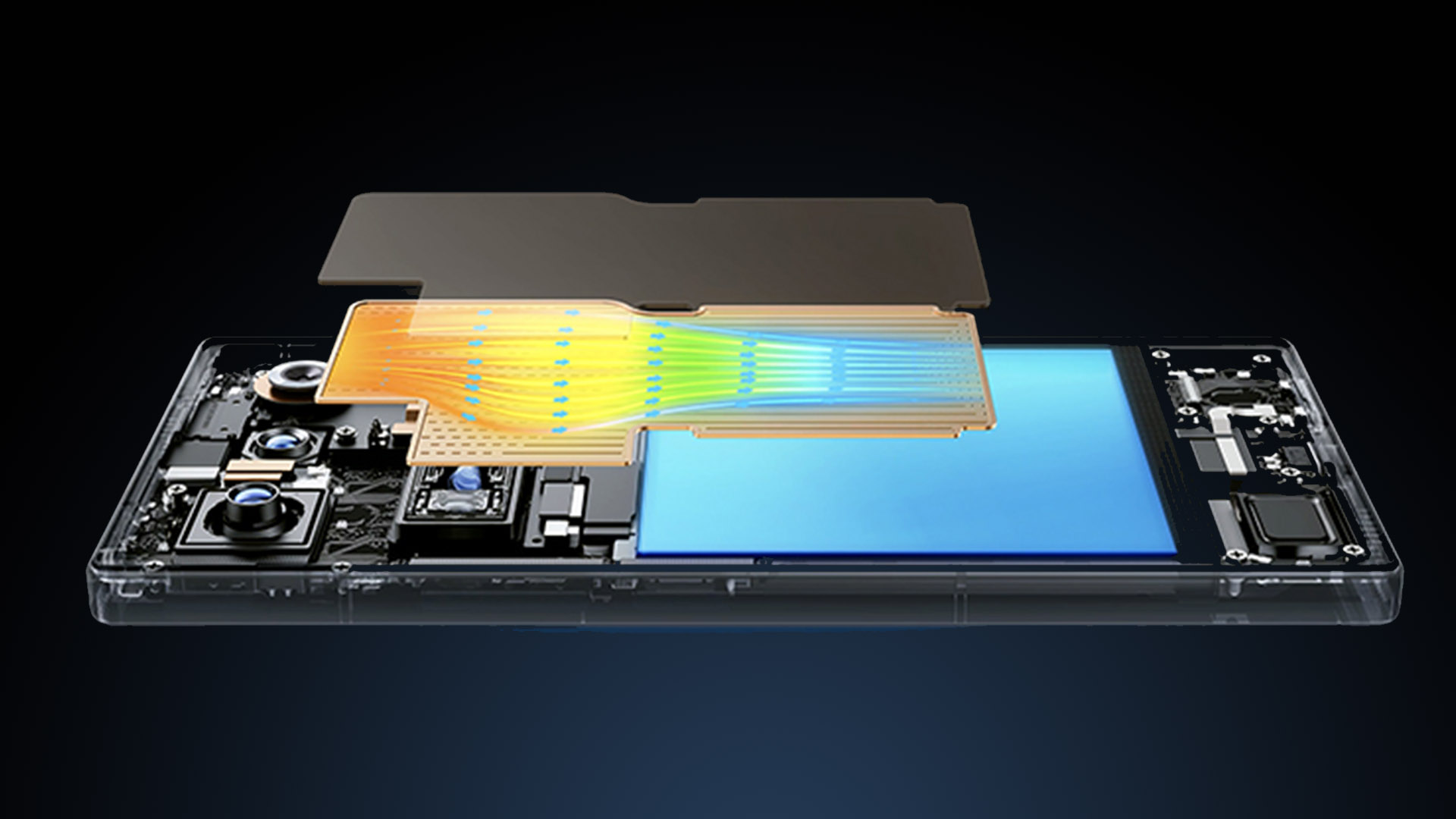
This flagship smartphone also has a 5000mAh battery capacity with support for 80W fast wired charging — but no word about wireless charging (neither reverse charging). For better heat dissipation, it’s cooled by a 10-layer super large bionic VC (Vapor Chamber).
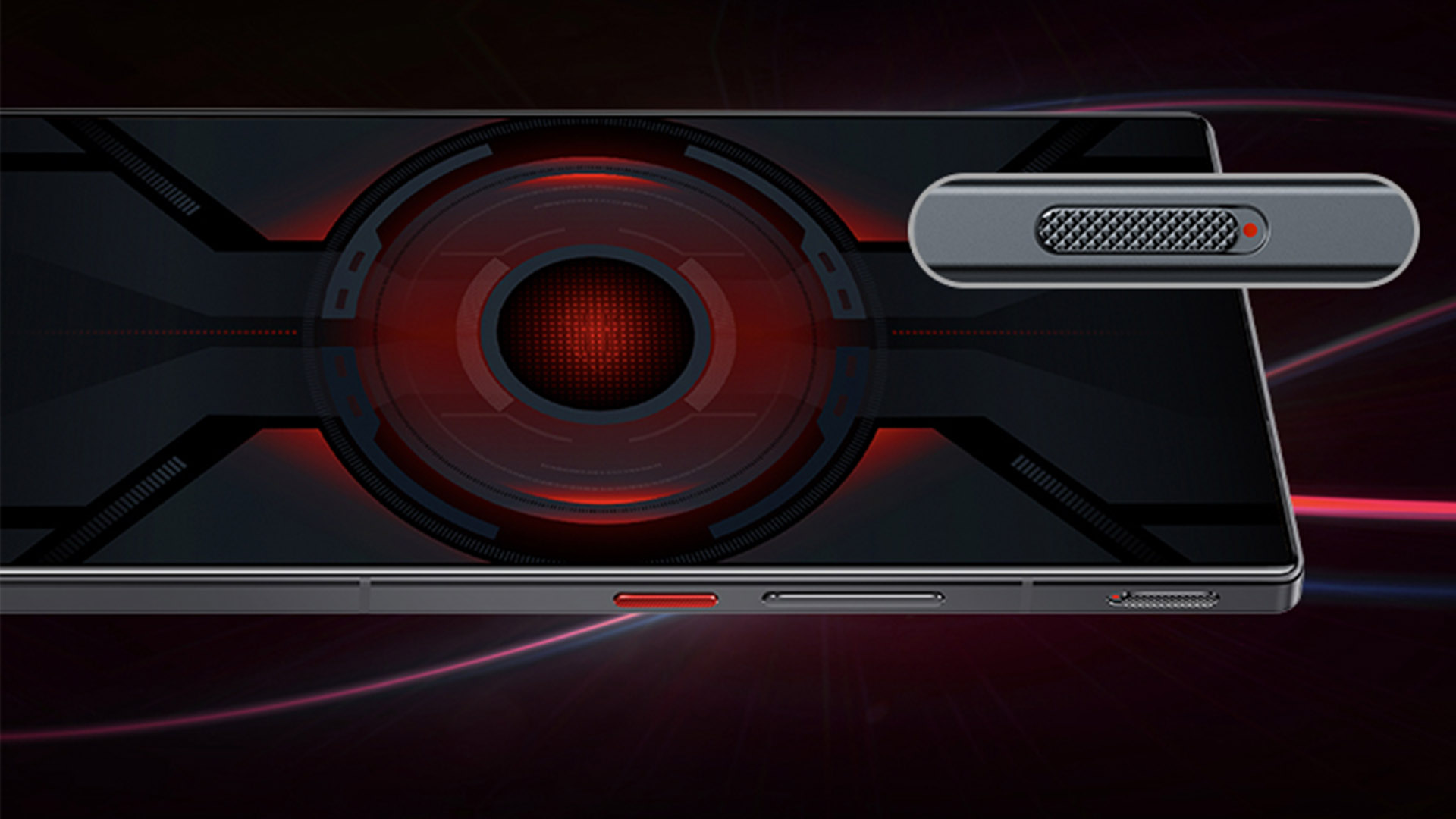
On the software side, the phone runs the latest MyOS 13 based on Android 13. Moreover, the nubia 50 Ultra features a dedicated slider switch where you can program it based on your liking — either for opening the camera app for instant shooting, gaming for an overall better performance, or just a plain-ol’ mute switch like iPhones and some OnePlus smartphones have.
“DSLR-like” cameras
Plastered on its two-toned camera bump are the terms “35mm” and “85mm”, which are actually based on the focal lengths of DSLR (and mirrorless) prime lenses. Such lenses are helpful when you’re shooting portraits or wider subjects like sceneries or photos in action.
The ZTE nubia 50 Ultra has a camera trio with two 64-megapixel cameras — one for the primary (wide) 35mm lens with a custom Sony IMX787 image sensor and the other for its 85mm periscope lens that optically zooms in to 3.3x. Meanwhile, its third camera has a 50-megapixel sensor with an ultra-wide 116-degree FoV (Field of View) that also doubles as a macro shooter.

All lenses support PDAF (Phase Detection Auto Focus) but only the wide (main) and periscope lens feature OIS (Optical Image Stabilization). Laser AF only works with the main sensor. The uncommon ring LED flash is also there to provide ample lighting in certain shooting scenarios.
Video recording relies on gyro-EIS. It supports up to 8K/30fps plus HDR10 / 10-bit in 4K. Also, the Neovision tech isn’t just limited to its UDC, as the imaging system is also found on its rear cameras for better photo quality output.
Starry Night Collector’s Edition
If you’re one of Vincent Van Gogh’s fans like me (if it still ain’t obvious with my Twitter username), the ZTE nubia 50 Ultra is also being offered in this special “Starry Night” Collector’s Edition.
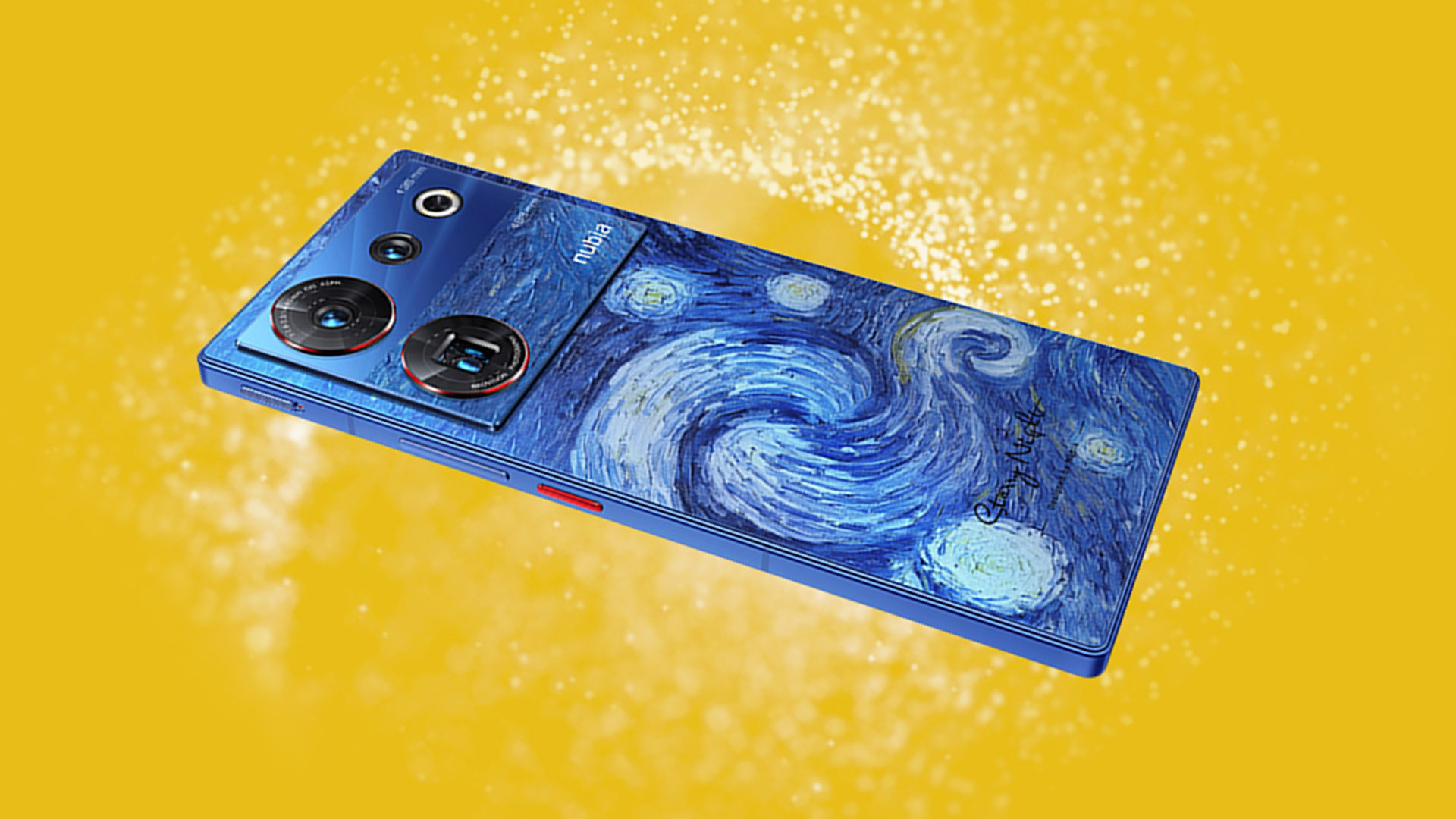
It’s possible to achieve such back design through 3D etching process and a nano-scale photolithographic texture AG glass.
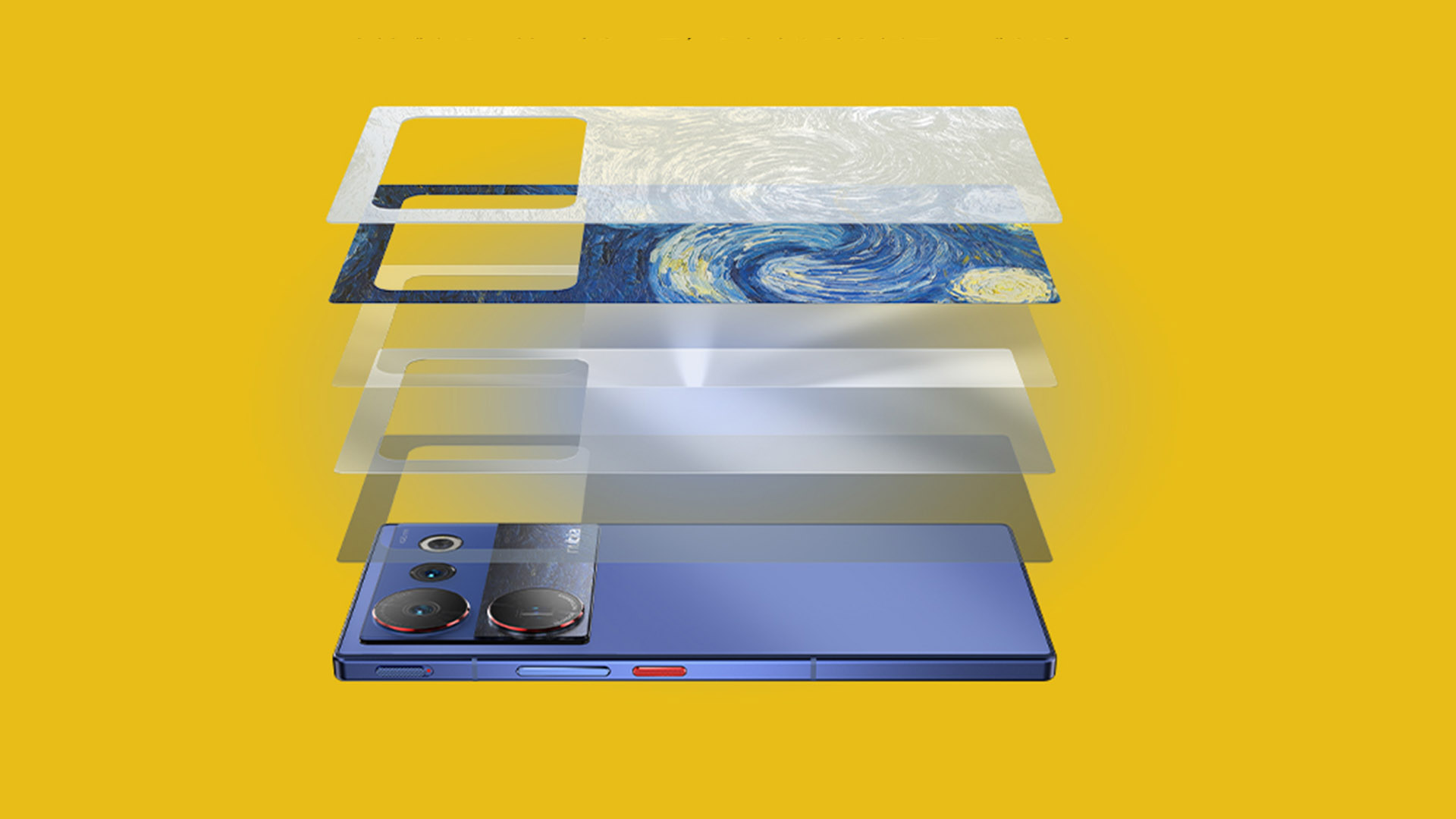
Other than the strong incorporation of the glass materials on its back, the highlight of the phone has got to be the impressionist’s ever-popular Starry Night painting.
Pricing and availability
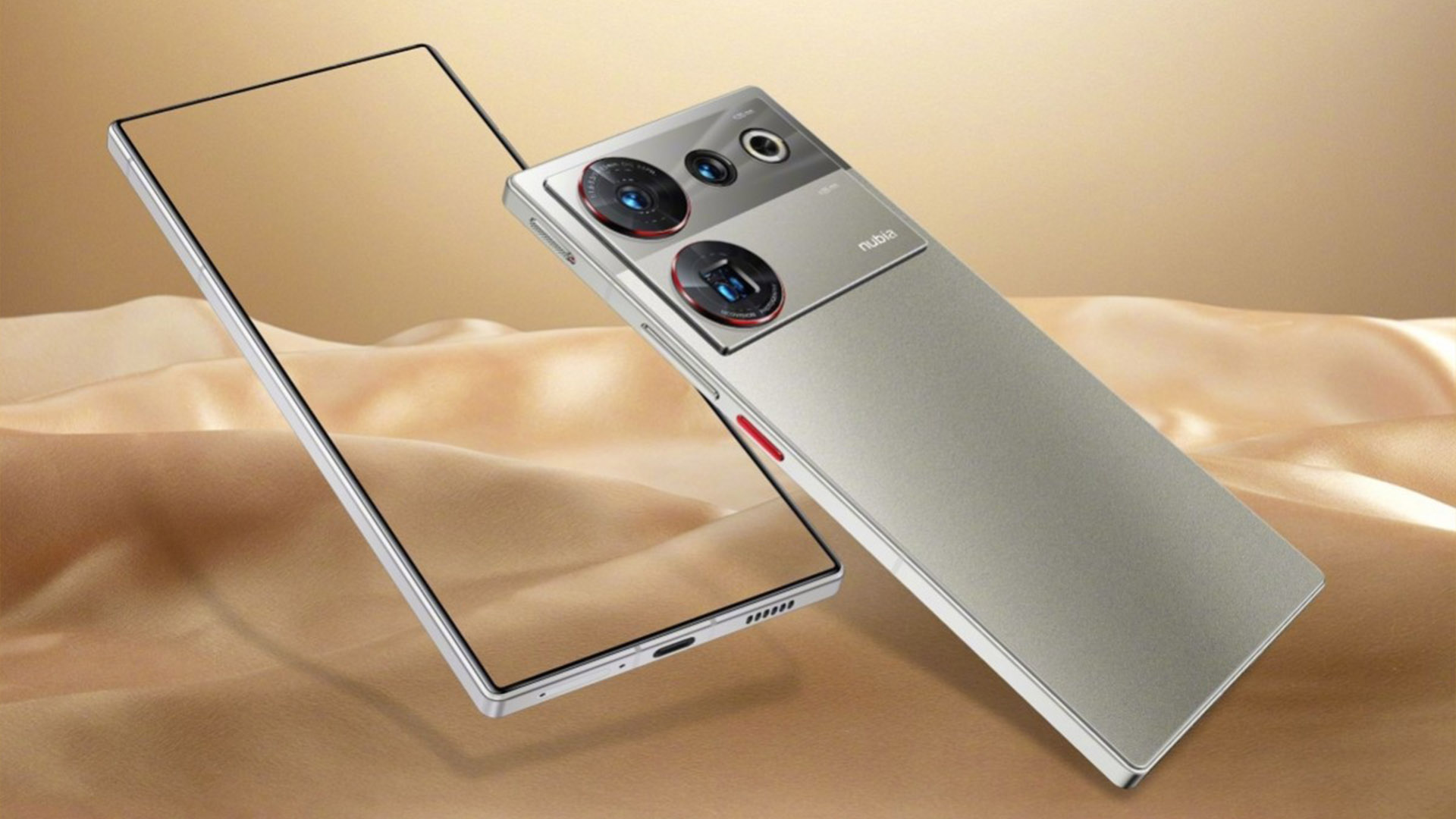
Other than the special Starry Night Collector’s Edition, the ZTE nubia 50 Ultra is also offered in two colors. There’s Night Sea (more like grayish black) also Dunhuang — which is based from a popular city in northwestern China known for its desert.
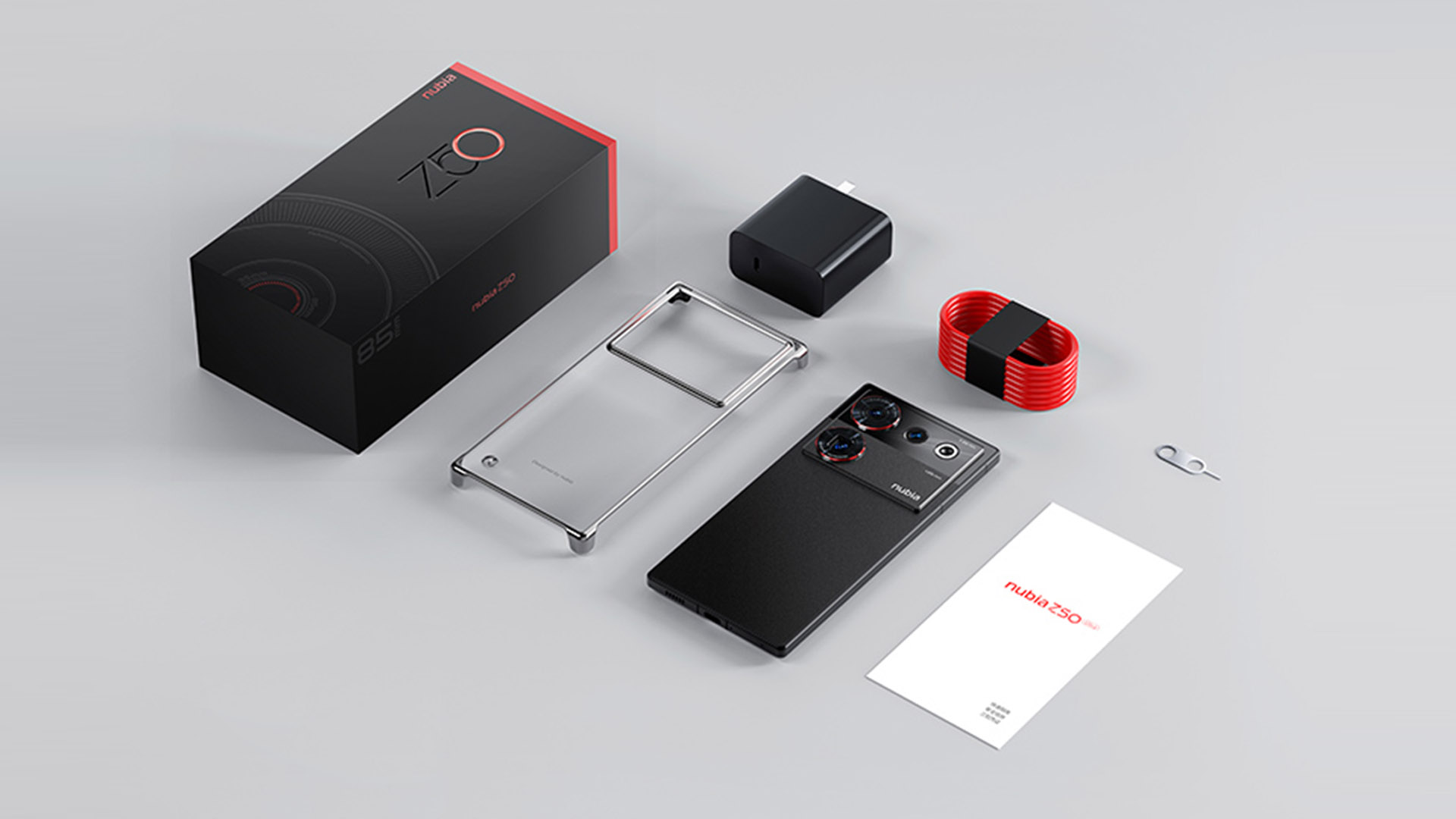
Other than the phone itself, you’ll get an 80W fast charger, a red USB-C cable, SIM tray ejector tool, a hard-shell protective clear case, and some paperwork. For the Starry Night Edition, other than the obvious difference in design packaging, you will also get an extra red USB-C cable and charger other than what was stated in its regular packaging.
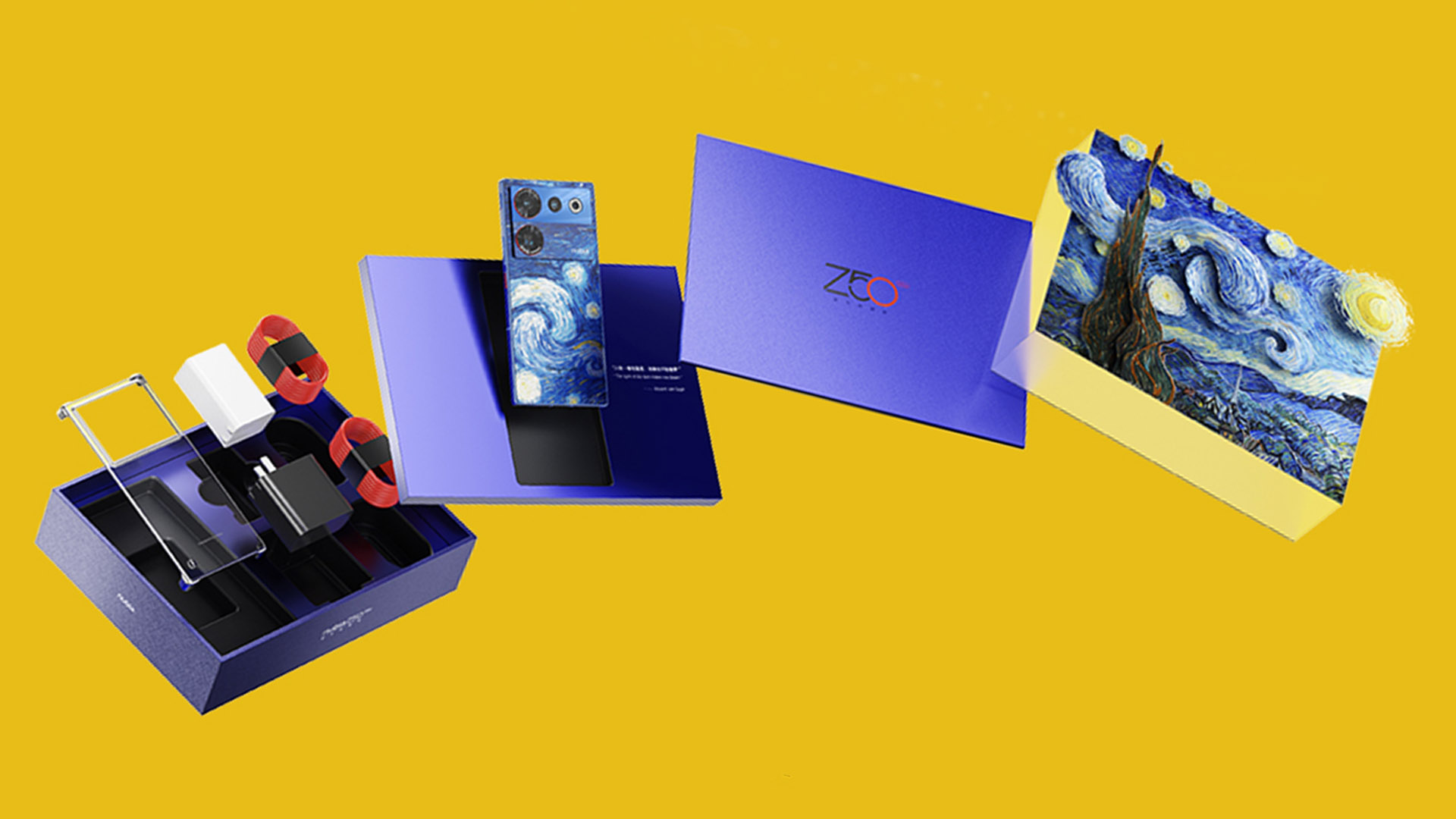
Looking into ZTE’s launch record, they’ve barely brought the nubia line outside China so hold your hopes for a global release — unless you can’t wait to buy one there, the pricing per configuration are as follows:
- 8 GB + 256 GB – CNY 3999 (approx. US$577 / EUR 541 / SG$ 776 / PhP 31,744)
- 12 GB + 256 GB – CNY 4299 (approx. US$620 / EUR 581 / SG$ 834 / PhP 34,125)
- 12 GB + 512 GB – CNY 4699 (approx. US$678 / EUR 635 / SG$ 912 / PhP 37,300)
- 16 GB + 1 TB – CNY 5,999 (approx. US$866 / EUR 811 / SG$ 1164 / PhP 47,618)





Finance
HONOR, Fidesmo partner for contactless payments across Europe, Middle East
Enabling contactless payments on the HONOR Watch 6


HONOR and Fidesmo have partnered to launch contactless payments across Europe and the Middle East on the HONOR Watch 6.
Powered by Fidesmo Pay, the integration enables users to connect an existing Mastercard or Visa card to their watch and complete contactless transactions directly from the wearable device.
This brings Fidesmo’s network of over 900 banks and financial institutions to HONOR’s customers. Users can connect an existing card to the HONOR Watch 6 instantly through the HONOR Health App, which installs a unique token directly onto the watch.
Acting as a secure reference to the payment method, this token allows customers to pay without storing their actual payment details on the device. Once installed, users can tap the watch at any
contactless terminal to pay, just as they would with a card or phone.
HONOR joins a group of device partners that already includes Swatch, Polar, and Mondaine as Fidesmo continues to build momentum across categories.
Entertainment
Max vs 100 will feature Max Verstappen race against 100 go-karters
The live event will stream at midnight on September 17.


As a child, one of my favorite thought experiments is to imagine who would win in a fight between my favorite characters at the time and a number of other random beings. For example, will Superman prevail against 100 Magnetos? Those are the ways I kept my young mind occupied. Now, as a former child, I still do the same thing but with more realistic people, like imagining if Steph Curry can win against 100 high schoolers. This week, ESPN and Disney+ are making one of those imaginary fights real: Formula 1 legend Max Verstappen versus 100 go-karters.
In an upcoming live event streaming exclusively on Disney+, Max vs 100 will pit the four-time world champion against 100 go-karters from everywhere in pop culture. This gaggle of 100 will include popular content creators such as Twitch streamer ExtraEmily, car photographer Larry Chen, and NBA shooting coach Chris Matthews.
All 101 drivers will race around one of the most iconic tracks in Formula 1 history, Silverstone in England. The track will be reconfigured to match the special race.
Of course, this is more than just a parade of go-karts. Max Verstappen will start at the back of the grid, meaning he has to overtake all 100 racers to win. Now, the Dutch driver is no stranger to winning from the back. In 2024, he won the Sao Paulo Grand Prix despite starting from P17 (out of 20 racers). Max vs 100, though familiar for the driver, presents a different challenge. Can he overtake 100 times to win the race?
Max vs 100 will stream live through Disney+ on September 17, 12:00am PHT.
Apps
Apple’s best feature to cure motion sickness is finally on Android
Google copies a good page from Apple’s playbook.
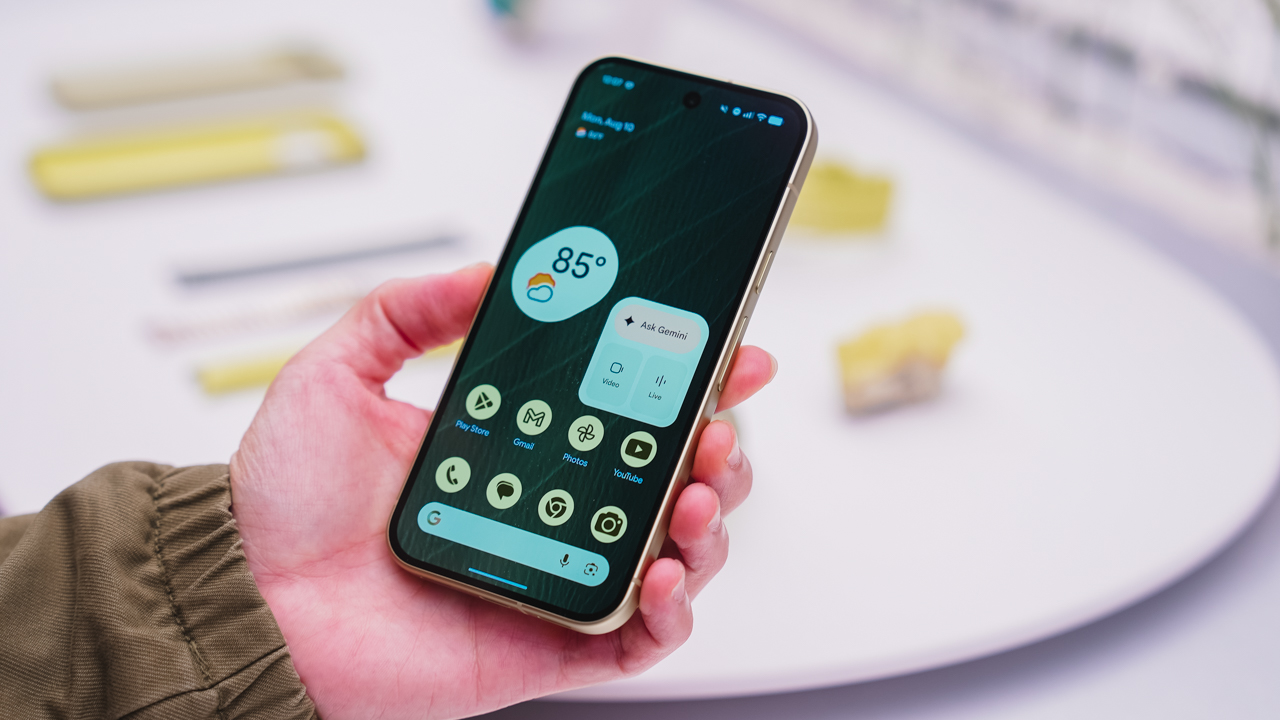
As an Android user, I’ve been jealous of iPhone users for a while now, but it’s not for the reason you might think. See, I’m ridiculously prone to motion sickness when I’m not driving. So, when I discovered that Apple has a software-based cure called Vehicle Motion Cues, I wanted it immediately. Now, Android does have third-party apps that do the same thing, but they’re not as good as a fully native version. Well, those dark, nauseating days are about to come to an end. Android 17 is finally getting a similar tool called Motion assist.
Before that, let’s rewind for a bit. What do these features do? How can they cure motion sickness?
Whenever you open Vehicle Motion Cues or Motion assist, the interface spawns a series of dots on the screen. These dots respond to movement. For example, if the vehicle turns to the left, the dots also go to the left, mimicking the movement. Without cues like this, the stationary nature of the screen clashes with our brain’s perception of movement. The disparity creates that feeling of nausea. Basically, our eyes are desperately trying to focus on the static screen, but our brains are telling us that we should be seeing motion. Having moving dots reorients our brain and places the phone inside our perception of movement.
Now, you can enable the same feature on your Android 17 device through Settings > All services > Motion assist under Personal & device safety. You can also set it so that the feature turns on automatically when the phone detects that you’re in a moving vehicle. Finally, you can also tweak the shape, color, and opacity of these dots.
Android 17’s Motion assist is rolling out now to compatible devices.
SEE ALSO: These are the best Android 17 features (if you hate AI)


DJI Lito X1 review: Is this the best lightweight drone for creators?
Making a strong case as a travel companion and a capable B-cam!


REDMI Note 17 Pro Max review: A new breed born from AI greed
Welcome to the new normal


Marvel’s Wolverine review: When the claws come out
A brutal, cinematic superhero adventure
DJI Lito X1 review: Is this the best lightweight drone for creators?

Now Playing: Resident Evil

HONOR, Fidesmo partner for contactless payments across Europe, Middle East

Ford revs up Truck Month with extended 5-star care offers
REDMI Note 17 Pro Max review: A new breed born from AI greed

TECNO MEGAPAD 2 review: Eyes on the size

realme 16T 5G with 8000mAh battery, IP69 Pro rating launches in PH

HUAWEI Pura X View is 2026’s first WIDE slab-type smartphone

REDMI reveals the refreshed Note 17 and Note 17 Pro series

REDMI Note 17 Series: Price, availability in Singapore


-
 News1 week ago
HUAWEI Pura X View is 2026’s first WIDE slab-type smartphone
-

 News1 week ago
The CAMON Slim 5G is TECNO’s latest ultra-slim smartphone
-

 IFA 20262 weeks ago
TECNO MEGABOOK T15 360 unveiled at IFA 2026
-
 News1 week ago
iPhone 18 Pro series: Price, availability in the Philippines
-

 Gaming2 weeks ago
NBA 2K27 review: A two-way All-Star
-

 IFA 20262 weeks ago
TECNO’s POVA 8 Pro gets a stealthy makeover
-

 Automotive2 weeks ago
Ford’s new Everest lineup brings V6 engine to the top, tech down the line
-

 Gaming2 weeks ago
Now Playing: Elden Ring Tarnished Edition