


Xiaomi has had a great year and the launch of the Mi MIX 2S in Shanghai this week is a milestone for a number of reasons.
During his keynote, Founder and CEO Lei Jun was quick to point out that like a dark horse, Xiaomi came back to the world stage in 2017 — climbing back to the top five and nearly doubling shipment growth while the rest of the top smartphone manufacturers’ numbers suffered.
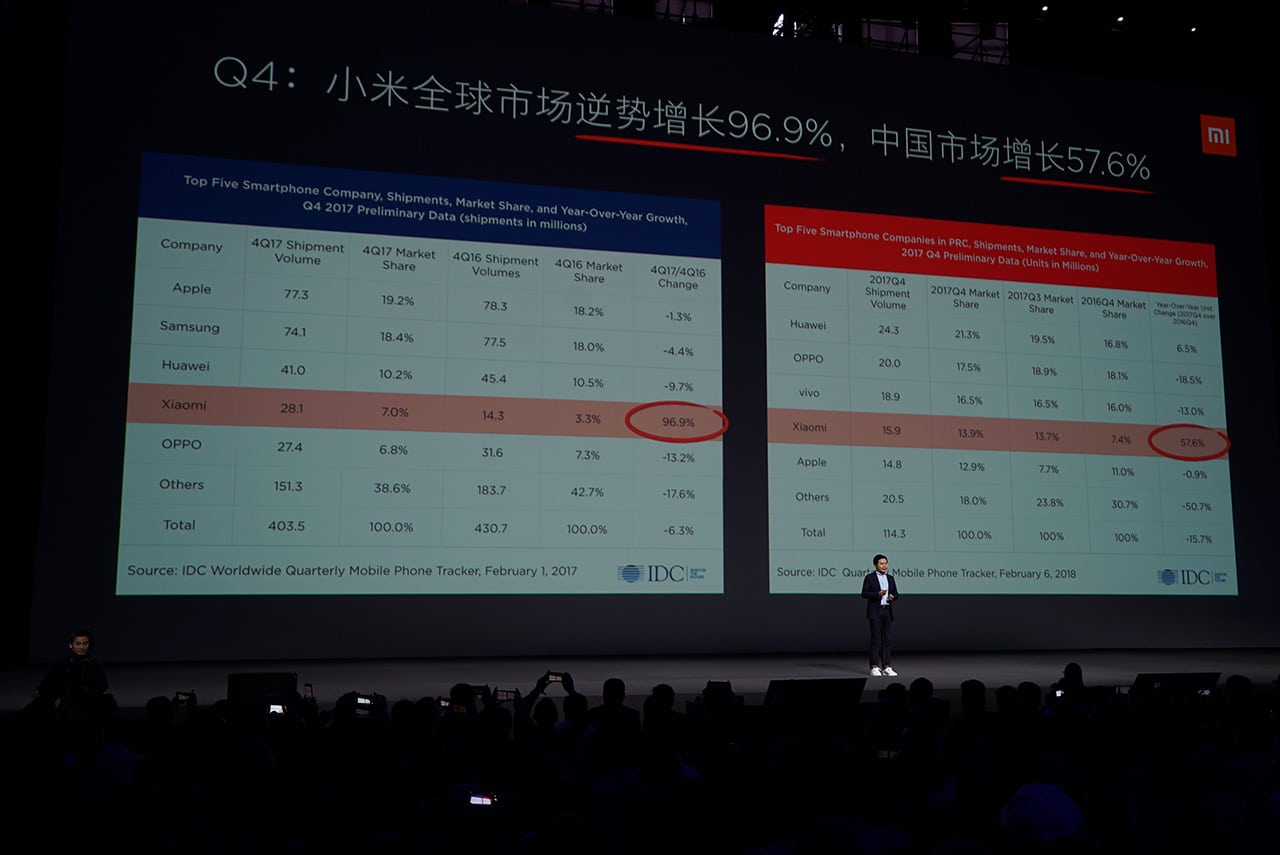 Xiaomi also reached its target revenue of CNY 100 billion (US$ 15.8 billion), after just seven years of operations.
Lei Jun says this was possible not just because of Xiaomi’s solid fanbase, but also because of their relentless commitment to innovation. Xiaomi was able to acquire more than 6,000 patents by the end of last year, with more than half being global patents. And of course, who could forget, Xiaomi popularized the now mainstream full-screen display.
While fans will always argue that Sharp did it first, it was Xiaomi who opened the doors for other OEMs with the original Mi MIX. At the time, Google’s Compatibility Definition Document said that all Android devices must conform to the 16:9 aspect ratio. But Xiaomi challenged that and changed the Android world forever with the original Mi MIX and its 17:9 ratio.

In December 2017, the Mi MIX and Mi MIX 2 have been added to the permanent collection of the contemporary art museum Centre Pompidou in France
And if innovation is the core of Xiaomi, design and quality are its life. Xiaomi is now the Chinese company that has won the most number of industrial awards not just in China but in other parts of the world.
But among its growing ecosystem, Xiaomi is proudest of its award-winning MIX line, with the Mi MIX and MIX 2 also parts of European art museum collections.
Same beautiful design
It comes as no surprise then that Xiaomi retained the same beautiful form factor in this S update. Despite everything we’ve seen so far, the Mi MIX 2S is still one of the most beautiful phones out there.
Xiaomi Global Spokesperson Donovan Sung says the MIX 2S represents the company’s dedication to cutting-edge innovation and top-notch quality design. No pun intended.

The only compromise and the one thing we haven’t liked since the original MIX is the awkward front camera placement.
Sure it makes the design unique and now iconic, but it’s still the sore point in a phone that would otherwise be great.
If you’re like our managing editor Marvin or account manager Alven who don’t take a lot of selfies, this shouldn’t really be a problem. Rotating the phone is always an option if you have to. But if you use Snapchat, Instagram Stories, and video calls a lot like the rest of the population, this might be a deal-breaker.
While most brands have opted to put their own versions of the notch to achieve a full-screen display, Xiaomi is choosing a rather uncomfortable route for the MIX line for now.
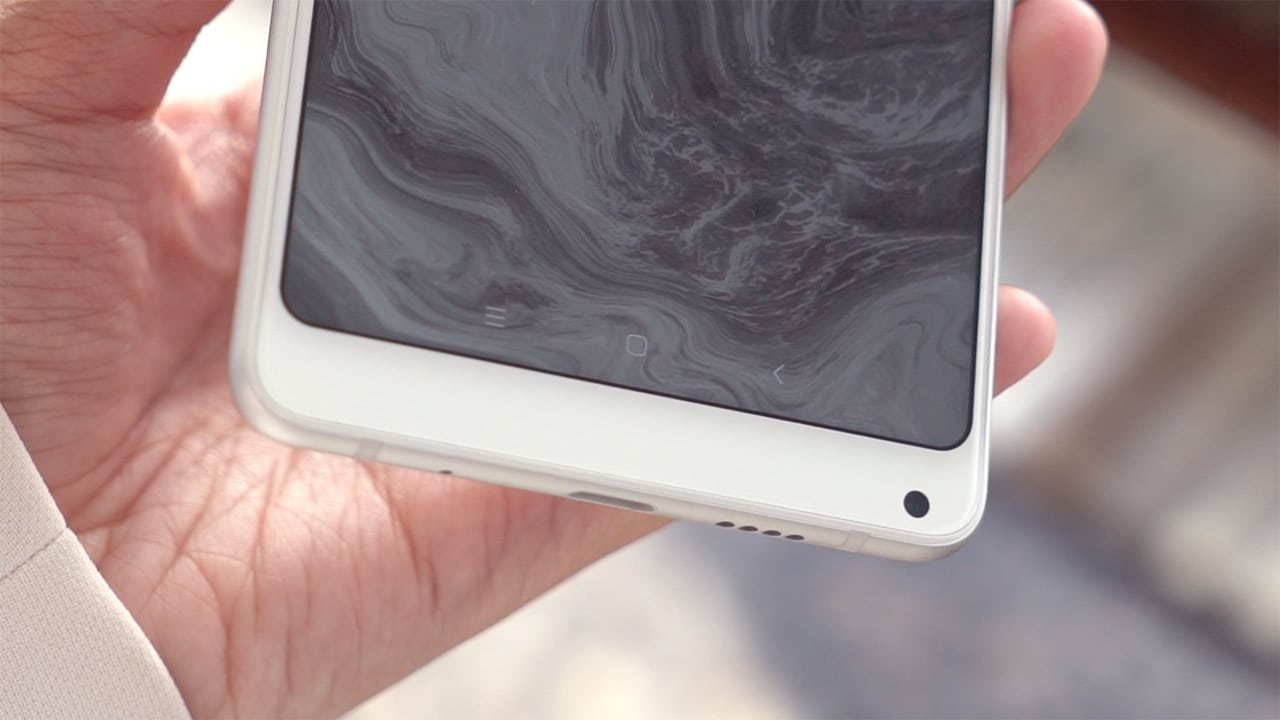
The 5MP selfie camera on the white Mi MIX 2S can trigger your OCD
Unlike the Mi MIX 2, the MIX 2S will not come in special edition unibody ceramic versions. Instead, we’re getting two colors by default: black or white.
Black is the more seamless of the two, especially when turned off — even the front camera has a black coating.
Sung says the ultimate vision for the MIX line is for the phone to become one unblemished piece of glass — no notch, no bezels. He says the black version of the Mi MIX 2S is the closest we have to that vision and as for me, I personally can’t wait for that future.

Xiaomi Global Spokesperson Donovan Sung says the black Mi MIX 2S is the closest we have to the future of an unblemished piece of glass
But me and the rest of the GadgetMatch team really like the white version even if the front camera sticks out. Having reviewed hundreds of smartphones, it’s a refreshing sight in a sea of black devices.
It’s also less of a fingerprint magnet, comes with a really nice matte case that doesn’t make the phone look cheap, and most importantly, matches my outfits better if I must say so myself.

That notch-free display
Not everyone gives users the option to hide the notch, hence the hesitation among Android fans. It can be distracting especially when watching videos or playing games.
On the Mi MIX 2s, that’s not a problem. Videos fill up the entire screen as long as the app supports taller aspect ratios.
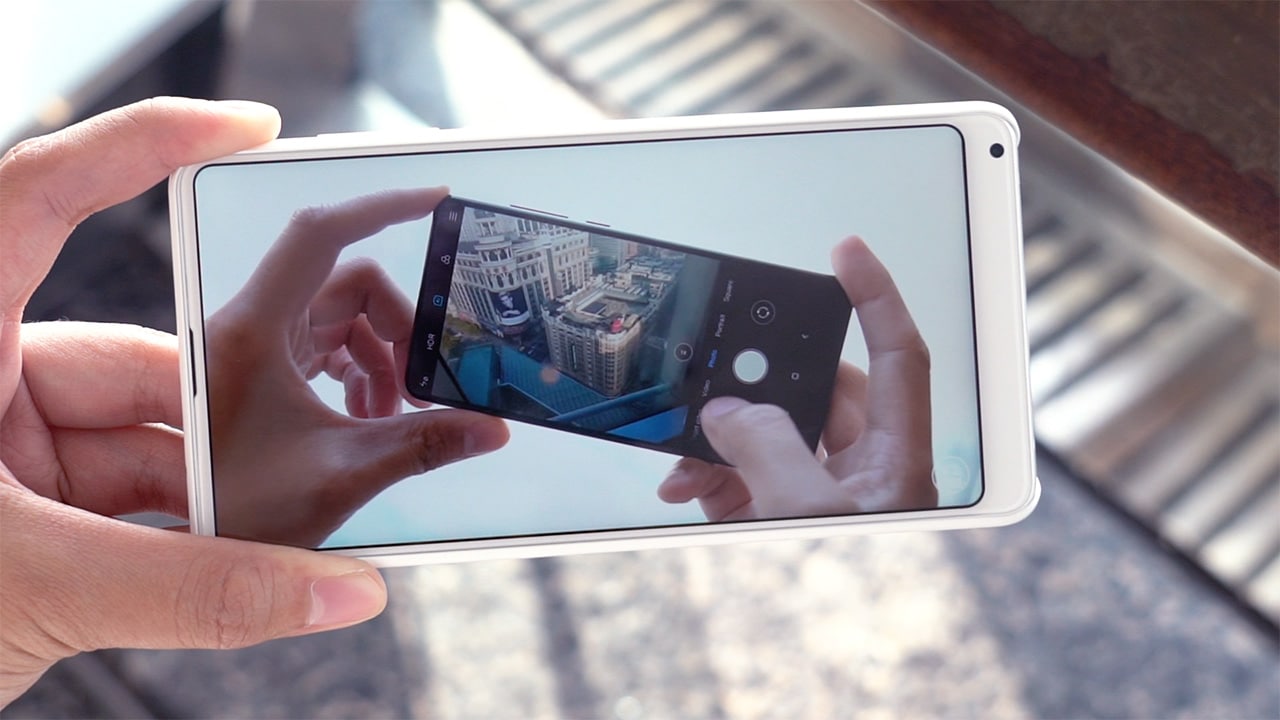
Watching Android Authority‘s Mi MIX 2S video on the white Mi MIX 2S
One caveat though is Netflix doesn’t support beta ROMs, which most of our Xiaomi units are on. It doesn’t even show up on the Google Play Store. There are, of course, do-it-yourself fixes available online, but like most users, I would rather have my favorite apps like Netflix available at my disposal without much tinkering, especially for a phone designed perfectly for content consumption.
Other than that, Xiaomi kept the same LCD display from the previous generations. It’s not the brightest we’ve seen but it’s bright enough for use under the sun.
AI in Cameras
Like most phones this year, the biggest upgrade on the Mi MIX 2S has to do with the cameras. Not only does it have dual 12-megapixel cameras, they’re also now equipped with AI, largely thanks to the high-end Snapdragon 845 chipset found inside.
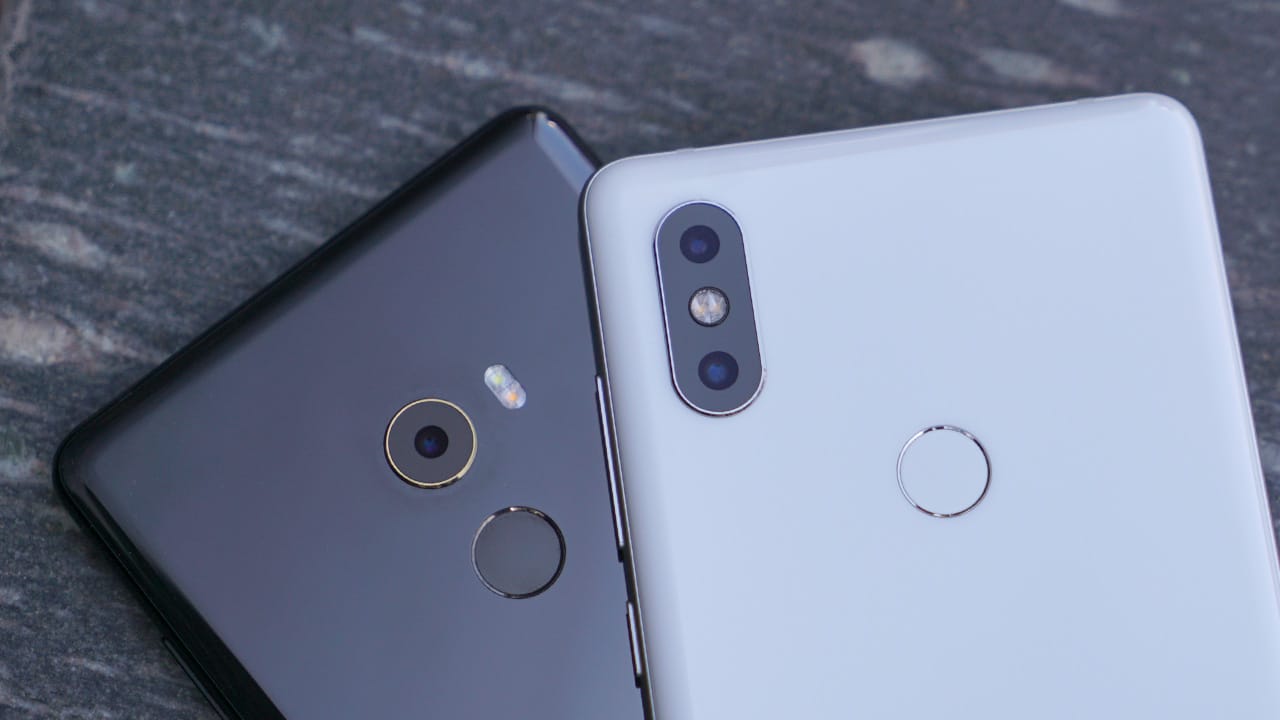
Mi MIX 2’s single rear camera vs Mi MIX 2S’ dual cameras
The unit I’m using doesn’t have the final software yet so I didn’t really get to test all the new features, but at the event, Xiaomi showed off what it can do. The camera adjusts settings depending on your subject and scenario. It can detect 206 (yes, 206!) different scenes, including different settings for thinner leaves and Instagram-worthy succulents.
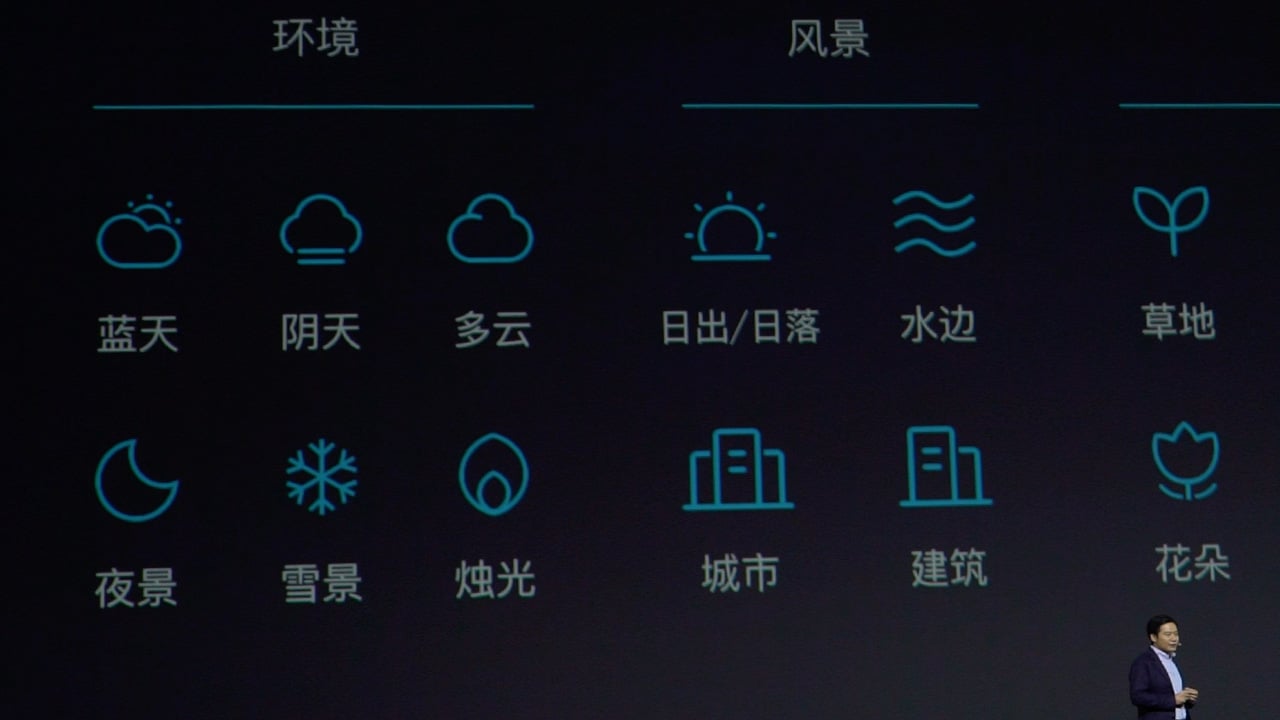
Some of the different scenes that can be detected by the Mi MIX 2S’ AI cameras
There’s real-time translation and currency conversion, which would be really useful in China for tourists like me. There’s also depth effect even on the selfie camera, and probably what I’m most excited to try: dynamic bokeh.
Can’t wait to try Dynamic Bokeh on the #MiMIX2S pic.twitter.com/iHgJY7yLZE
— Chay Lazaro (@chaylazaro) March 30, 2018
That said, the camera improvements don’t stop with the AI features. Compared to the Mi MIX 2, the MIX 2S’ cameras are noticeably better at handling dynamic range resulting in better color accuracy.

Photos are also more detailed and sharper without being oversharpened.
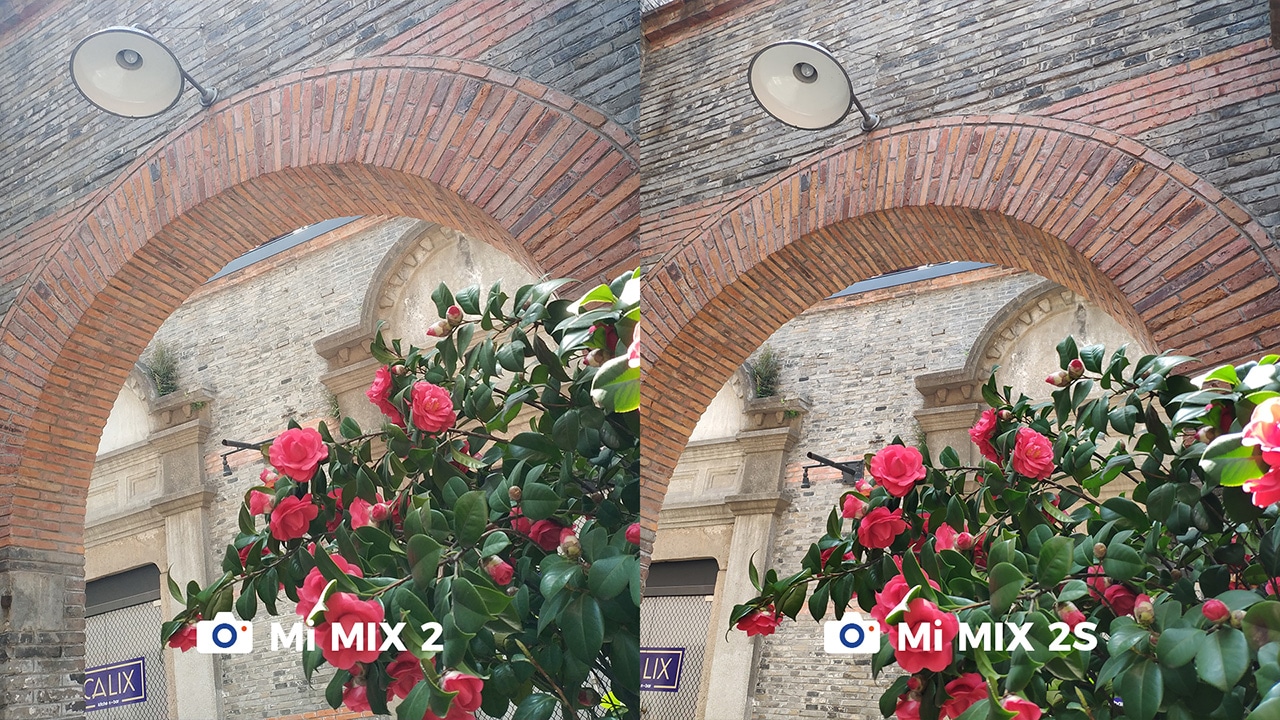
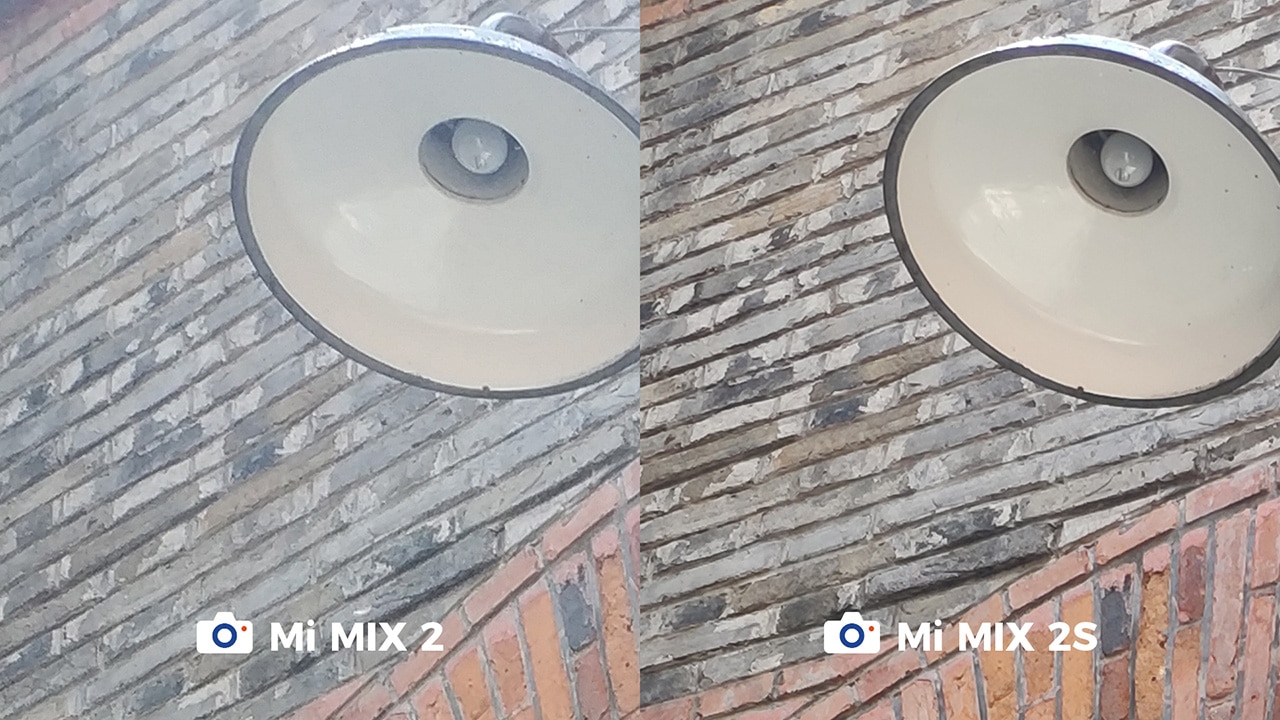
Selfies are not as mushy as before but still too tight for our liking, making group selfies almost impossible.


Although low-light photos have always been a weak spot for Xiaomi phones, improvements can be seen on the Mi MIX 2S on the main rear camera. It still has optical image stabilization, but now has a bigger 1.4µm pixel size on its new Sony IMX 363 sensor.


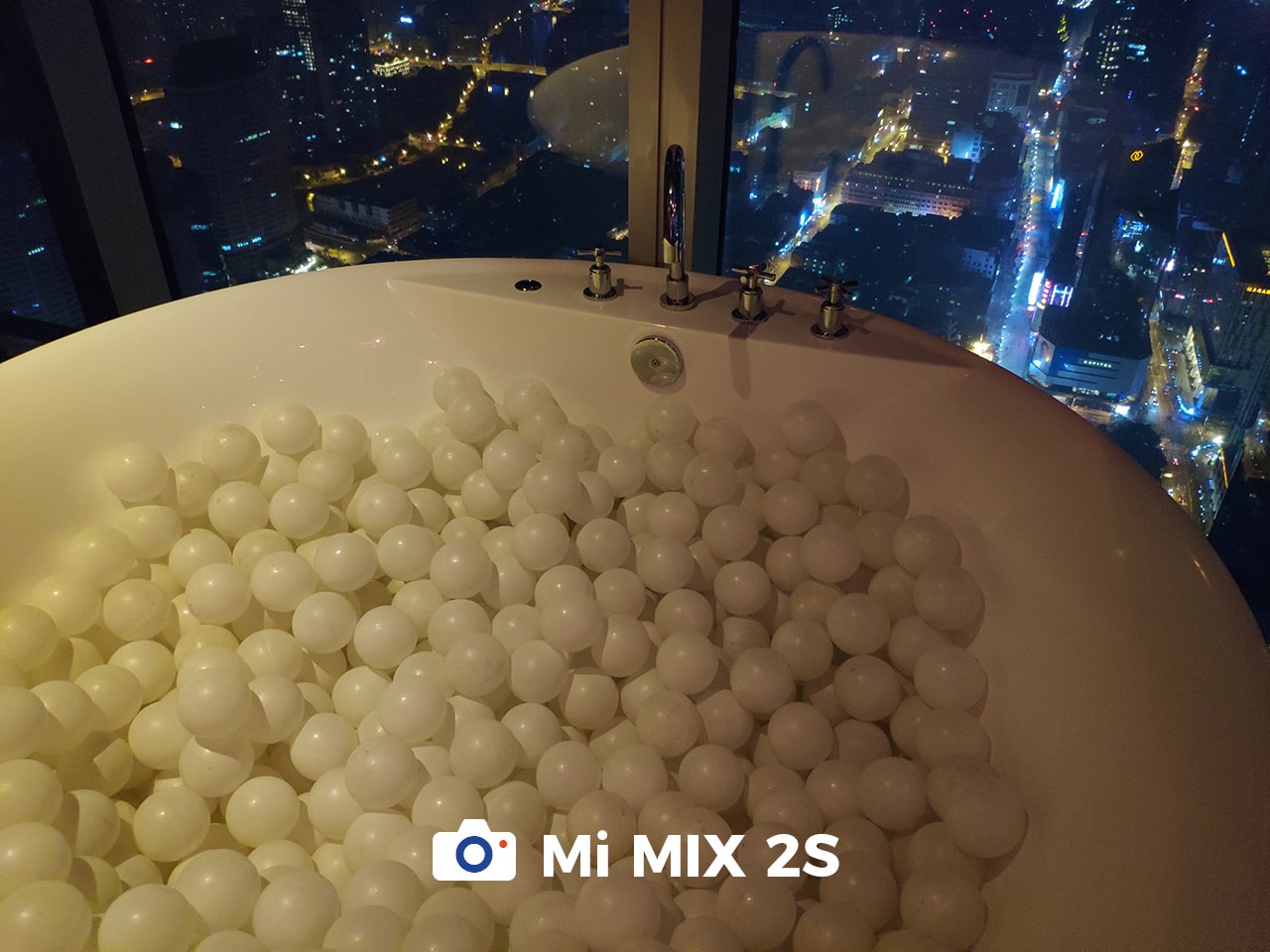

The second camera on the Mi MIX 2S is a telephoto lens for zoomed-in shots and portrait mode, which works surprisingly well — a far-cry from the Mi 6 and Mi A1’s crooked cutouts — even with my usually challenging wavy hair.





DxOMark gave the Mi MIX 2S an impressive photo score of 101 and an overall score of 97 — the same overall score as the iPhone X and Huawei Mate 10 Pro’s. I didn’t get to do a comparison with those two but here are more sample photos I took around Shanghai:




Despite the high photo score, DxOMark gave the phone a lower 88 for video performance, which is usually the case for a lot of smartphones. Even with OIS, videos shot on the Mi MIX 2S can still be a little shaky. Although I had way too much fun using the built-in time-lapse feature on the camera.
I enjoyed using built-in time-lapse feature on the #MiMIX2S way too much 👀 Sped up 4x, colored, and ‘Boomeranged’ on FCPX 😆 pic.twitter.com/JvYaohF9cb
— Chay Lazaro (@chaylazaro) March 30, 2018
Efficient battery
Apart from powerful chipsets coupled with cheaper price tags, battery life on Xiaomi phones is usually what we’re most impressed with, and the Mi MIX 2S is no exception.
After a 10-hour day of taking photos and videos, checking emails, writing, a lot of social media, I still managed to get a little above five hours of screen-on time. Although again, the phone I’m using doesn’t have the final software yet so it can still improve or regress from here.
I didn’t do a charging test, but I got to try the white wireless charger that matches my new phone. Yes, the Mi MIX 2S now supports the standard Qi wireless charging and Xiaomi will be selling its own wireless charger for CNY 99 (US$ 15).

It only charges at a maximum of 7.5W, which is faster than most wireless chargers, but still a little slower than Samsung’s wireless charging pad that maxes out at 9W. A full charge of the Mi MIX 2S on the Xiaomi wireless charger takes less than three hours.
Is this your GadgetMatch?
It’s hard to say given I haven’t tried the phone’s new features and full potential. But there’s one thing I know for sure: While more and more manufacturers are increasing prices for their devices recently, Xiaomi is proud to stay true to its brand.
Whenever asked whether they can maintain the same value proposition, Xiaomi’s response is always a resounding yes; they have been doing it for seven years and there’s no changing that.
The Mi MIX 2S is proof that Xiaomi’s reputation of building high-quality products for much less is here to stay. It will be available in China starting April 3 and pricing is as follows: CNY 3,299 (US$ 525) for the 6GB + 64GB model, CNY 3,599 (US$ 573) for the 6GB + 128GB model, and CNY 3,999 (US$ 573) for the 8GB + 256GB model.
Although if there’s one thing that’s changed about Xiaomi, it’s that they’re no longer the same Chinese startup that disrupted the smartphone space in 2011.
Their expansion in Western Europe and launching not in Beijing but in the cosmopolitan city of Shanghai signify that Xiaomi recognizes they’re now a global company, ready and confident to be compared with the rest of the world.
With Xiaomi leading the way, and the MIX line as their pride and joy, Lei Jun says together with other Chinese companies, they are embarking on a transformation — changing the way the world perceives their products — shifting from the derogatory made in China to a proud label of designed in China.







Hands-On
The Xiaomi Watch S5 proves you don’t have to take it off
Elegant enough for dinner. Tough enough for Spartan.

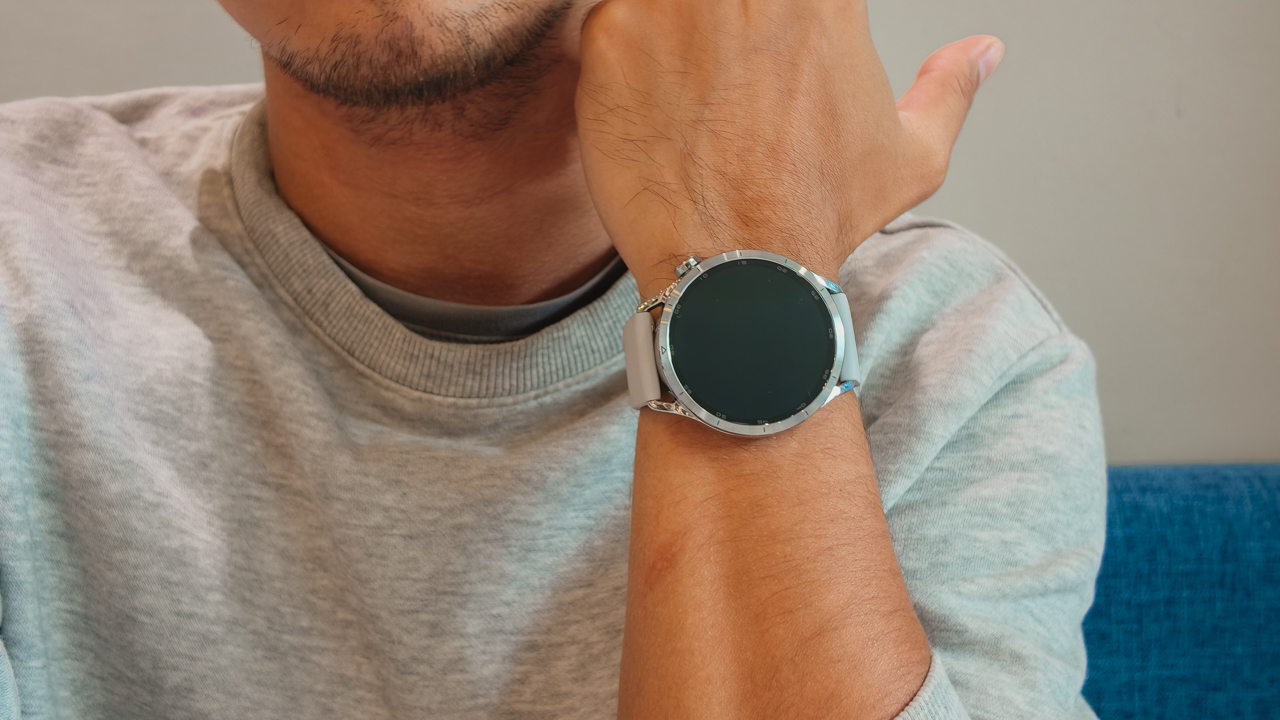
Picture this: one night, I’m dressed for a sophisticated gala in a carefully curated look. The following morning, less than twelve hours later, I’m standing at the starting line of a Spartan Trail 10K in Arden Botanical Estate with dirt on my shoes.
I’ve always struggled with smartwatches (or other timepieces) because they tend to ask you to choose a side. For instance, a classic timepiece looks right with tailoring, dinner jackets, and occasions where dress codes actually matter.
Meanwhile, a sports watch belongs in training kits, race bibs, and muddy obstacle courses. I’ve spent years switching between both, often leaving my smartwatch behind whenever the outfit called for something more refined.
Then, the Xiaomi Watch S5 arrived and challenged that whole routine. For once, I didn’t feel like I had to pick between looking polished and being athletic. I didn’t feel like I had to separate one part of my life from another.
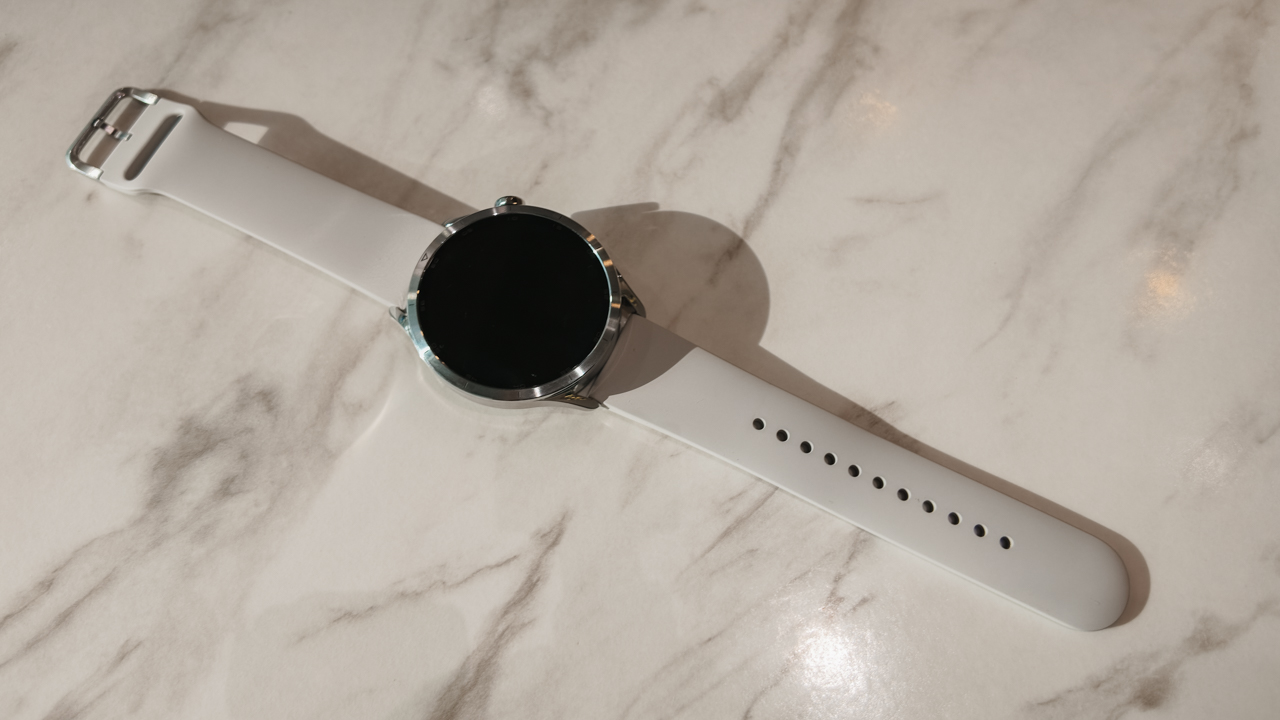
A wardrobe investment
The Xiaomi Watch S5 immediately felt sleek. The upgraded stainless steel frame gives it the weight and polish of a traditional luxury watch. It looks expensive in the way a great accessory does.

It slips easily under a cuff, works with tailoring, and doesn’t compete with the rest of what you’re wearing. That mattered to me because I wore it to an evening event, styled like any proper watch would be.
Then the next morning, I wore it at a Spartan Race — at 6:00 AM, I was running the Spartan Trail 10K during a sudden downpour. Heavy rain poured over the course. Mud thickened under every step.
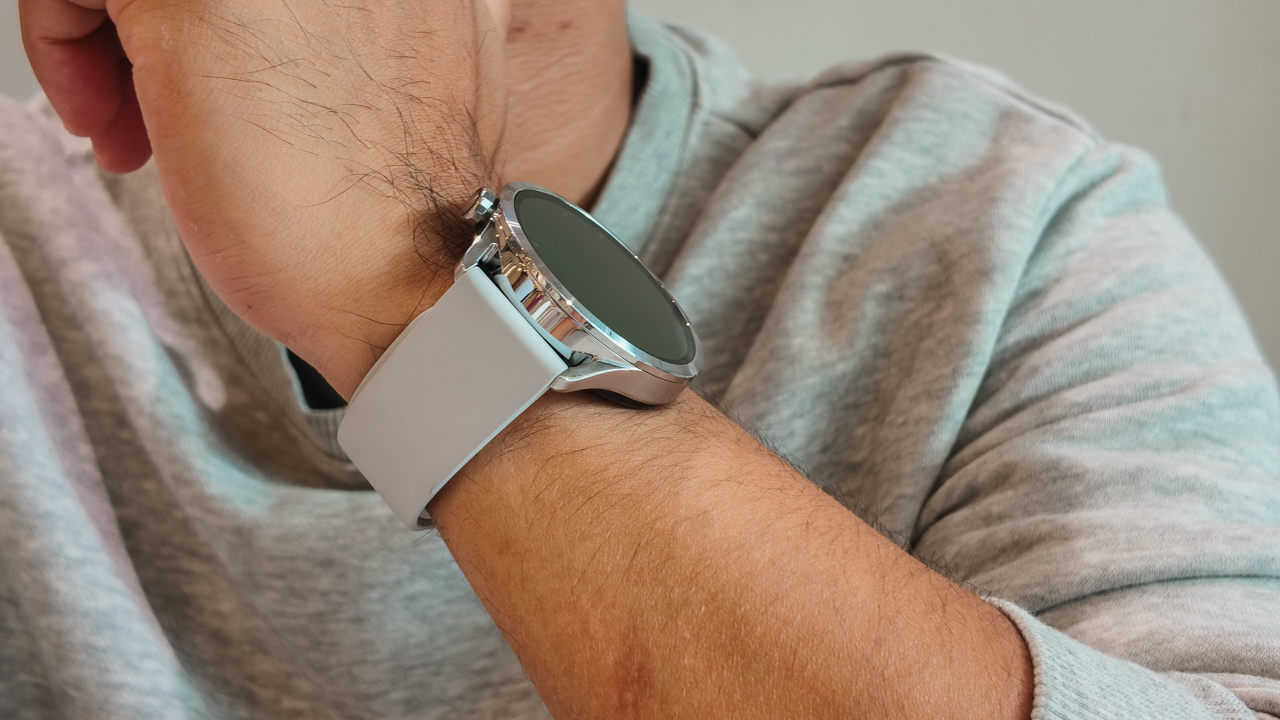
A few hours later at 9:30 AM, I was back on the course for the Spartan Sprint Open under the complete opposite conditions. Bright sun, harsh heat, and definitely no shade. By the time I crossed the finish line, I had visible sunburn.
I wore the Watch S5 across back-to-back races in completely different conditions. When it rained, the 5ATM water resistance handled it and allowed me to finish the Spartan Trail 10K with 350m elevation gain in 1 hour, 20 minutes.
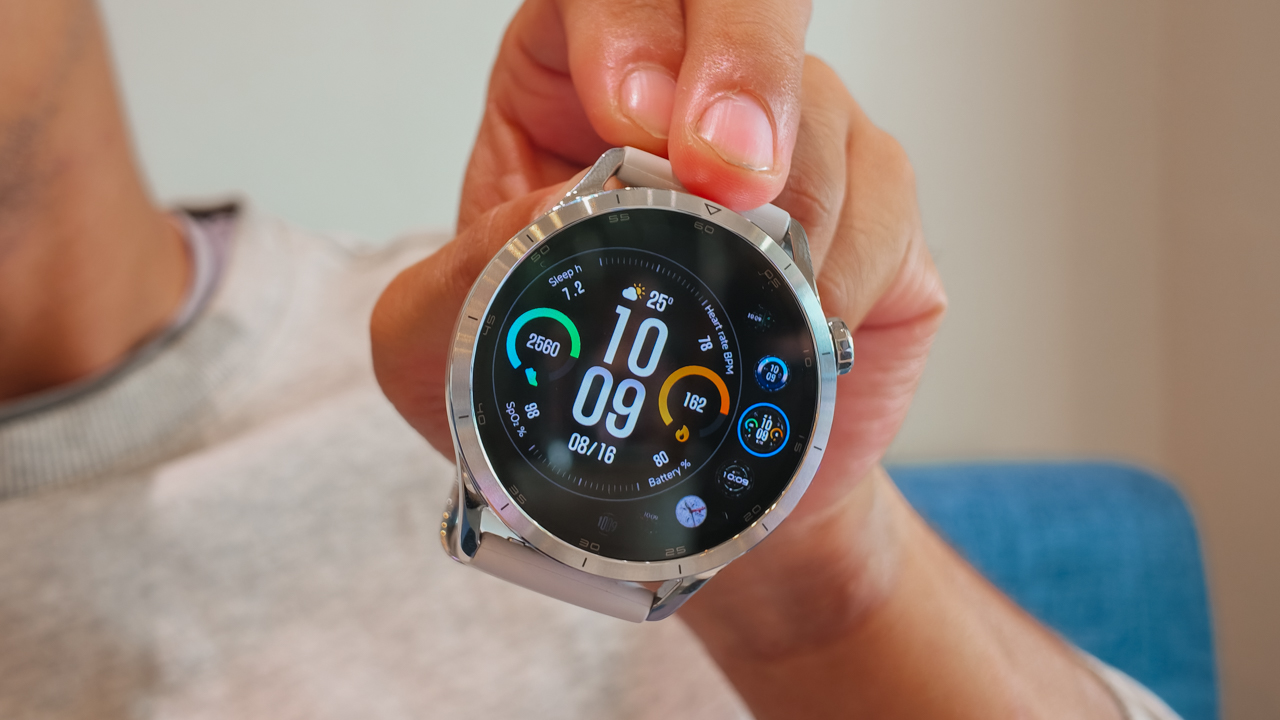
And even in full sun, the 2500-nit AMOLED display was bright enough for me to check my pace and metrics without squinting through sweat.
In a way, that is the whole point of versatility. You don’t have to look good in one setting. You just survive all of it.
High-fashion navigation on a sample sale budget
I love gear that performs. I love it even more when it doesn’t cost as much as a plane ticket.
My Garmin epix Pro (Gen 2) — which I had since 2023 — remains my benchmark for race-day navigation. It’s dependable and incredibly capable. It also costs enough to make me stare at my credit card statement in silence.
The Xiaomi Watch S5 gave me a surprisingly similar sense of confidence with built-in offline maps at a much more approachable price.
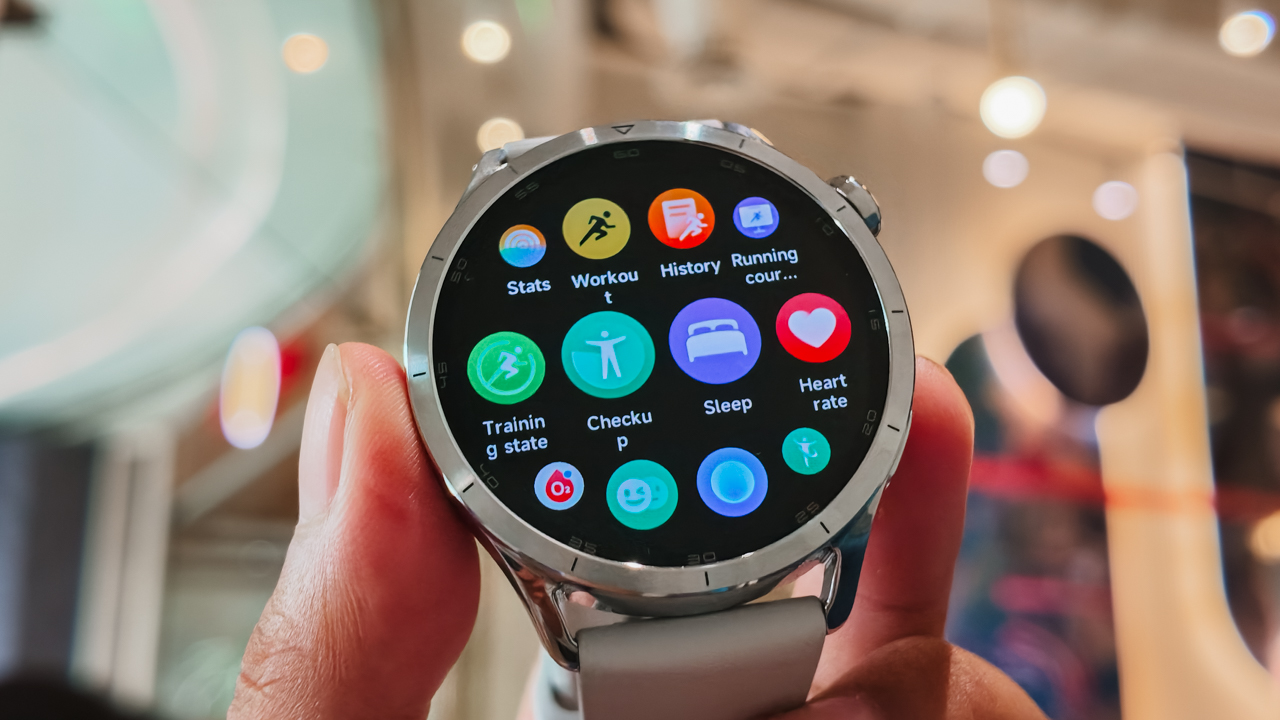
For trail races where routes are usually marked, that feature becomes less about finding your way and more about peace of mind.
Knowing you can navigate technical terrain without reaching for your phone feels reassuring, especially when weather conditions change fast — and on race day, mine certainly did.
One moment I was climbing through rain. A few hours later I was baking under direct sunlight wondering how my shoulders had already turned red.
The Watch S5 handled both like it was no big deal.
Keeping pace with a social butterfly’s calendar
A wearable becomes part of your wardrobe when you stop thinking about it. That’s where battery life matters.
The Xiaomi Watch S5 runs up to 14 days on normal use, which means I wore it across workdays, training sessions, events, recovery days, and race weekend without needing to obsess over charging it overnight.
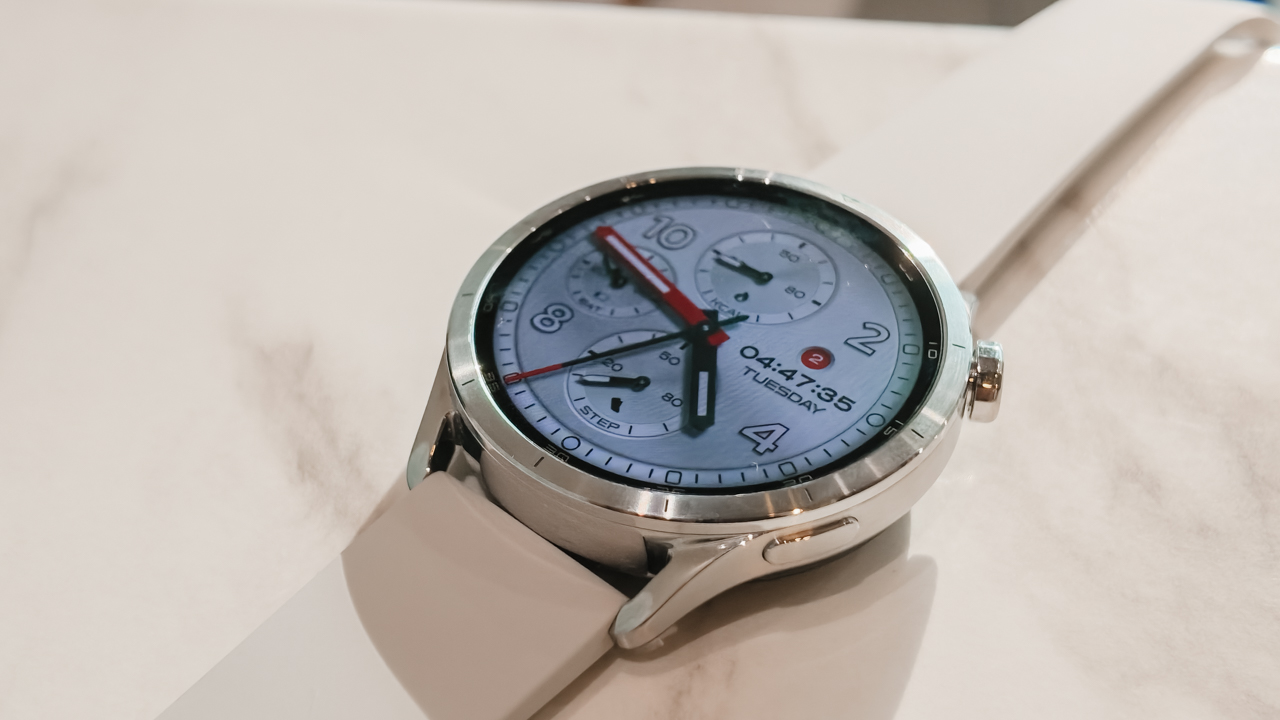
It outlasted my phone, my laptop, and possibly my emotional stability somewhere between the last aid station and the fire jump.
Once I finally got home, showered off layers of mud and sunscreen, and collapsed into bed with sore legs and sunburn, the Watch S5 kept doing its job in the background.
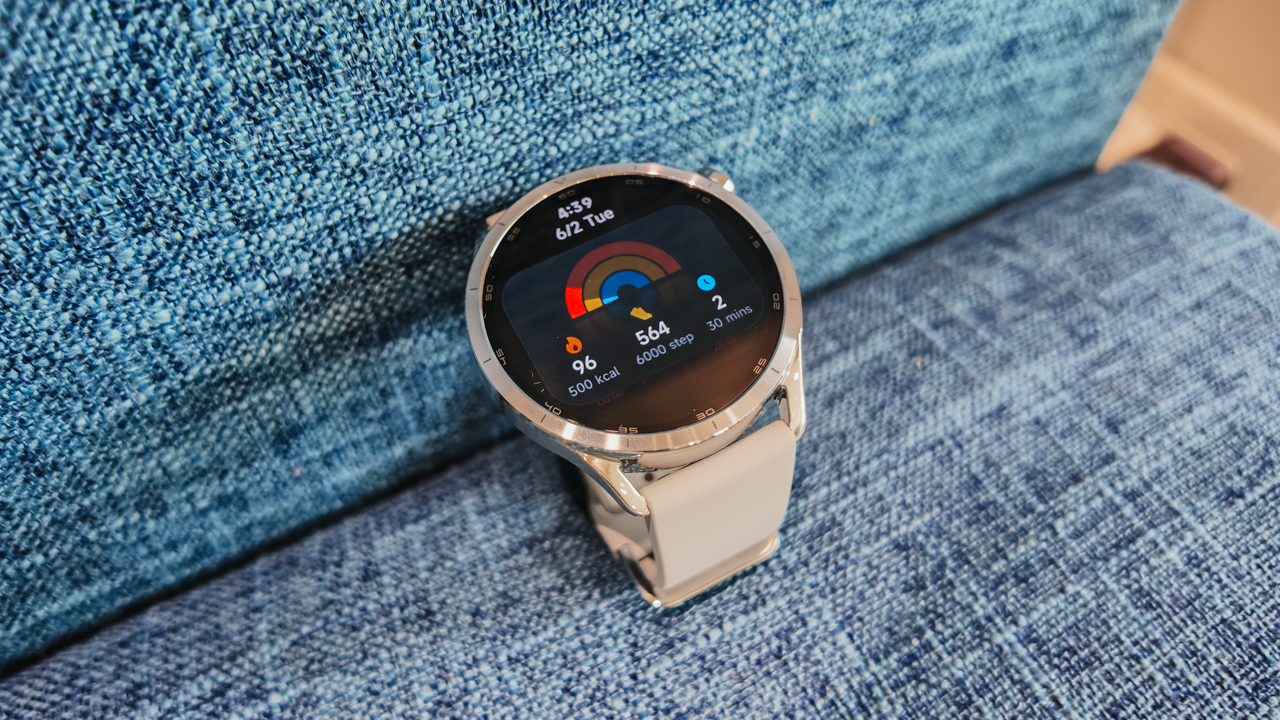
Sleep tracking, recovery insights, and wellness metrics all quietly continued while I did absolutely nothing.
Is the Xiaomi Watch S5 your GadgetMatch?
What I like most about the Xiaomi Watch S5 is that it doesn’t force a choice. It doesn’t ask you to pick between being sporty or polished. There’s no need to separate performance from style.
It looks elegant enough for formalwear, and tough enough for weathering the elements. For me, it went from chic events to an action-packed Spartan Race day without feeling out of place. And maybe, that’s the best way to describe it.
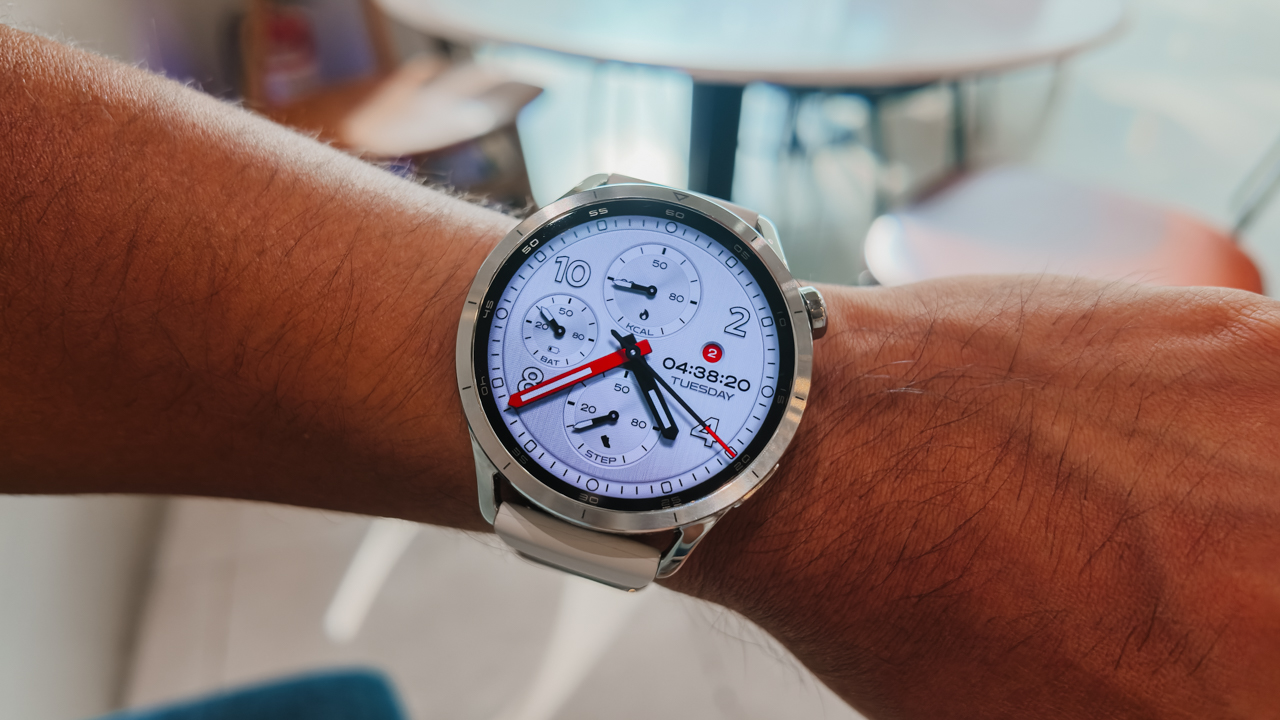
Swipe Right if you want a smartwatch that can keep up with both your calendar and your training schedule. The Xiaomi Watch S5 feels right at home with tailored looks, yet it’s durable enough for muddy race courses, sudden downpours, and long hours under the sun.
This is for the people who go from dinner reservations to race day without warning.
Swipe Left if you want highly advanced training analytics or a deeply specialized multi-sport watch for serious race preparations. Athletes who rely heavily on performance metrics may still prefer something more purpose-built.
For PhP 10,999, the Xiaomi Watch S5 46mm feels more like a wardrobe investment. One that happens to track your sleep, navigate a trail course and survive the elements, and still look good at dinner.
The Xiaomi Watch S5 46mm comes with an early-bird price of PhP 10,229 and a free strap. The Special Edition retails for PhP 11,999, with an early-bird price of PhP 11,159 and a free strap.


The HONOR Earbuds 4 deliver useful everyday features, though the sound quality may not impress audio enthusiasts.
The HONOR Earbuds 4 arrived alongside the HONOR MagicPad4, naturally becoming the audio companion for much of my testing.
That meant hours of music while working, videos during breaks, and plenty of movie watching once the workday was done.
After spending some time with them, I’ve come away with a fairly simple conclusion: the HONOR Earbuds 4 are practical everyday earbuds. They get a lot of things right. Unfortunately, the one thing I care about most in a pair of earbuds leaves me wanting more.
Comfortable and easy to live with
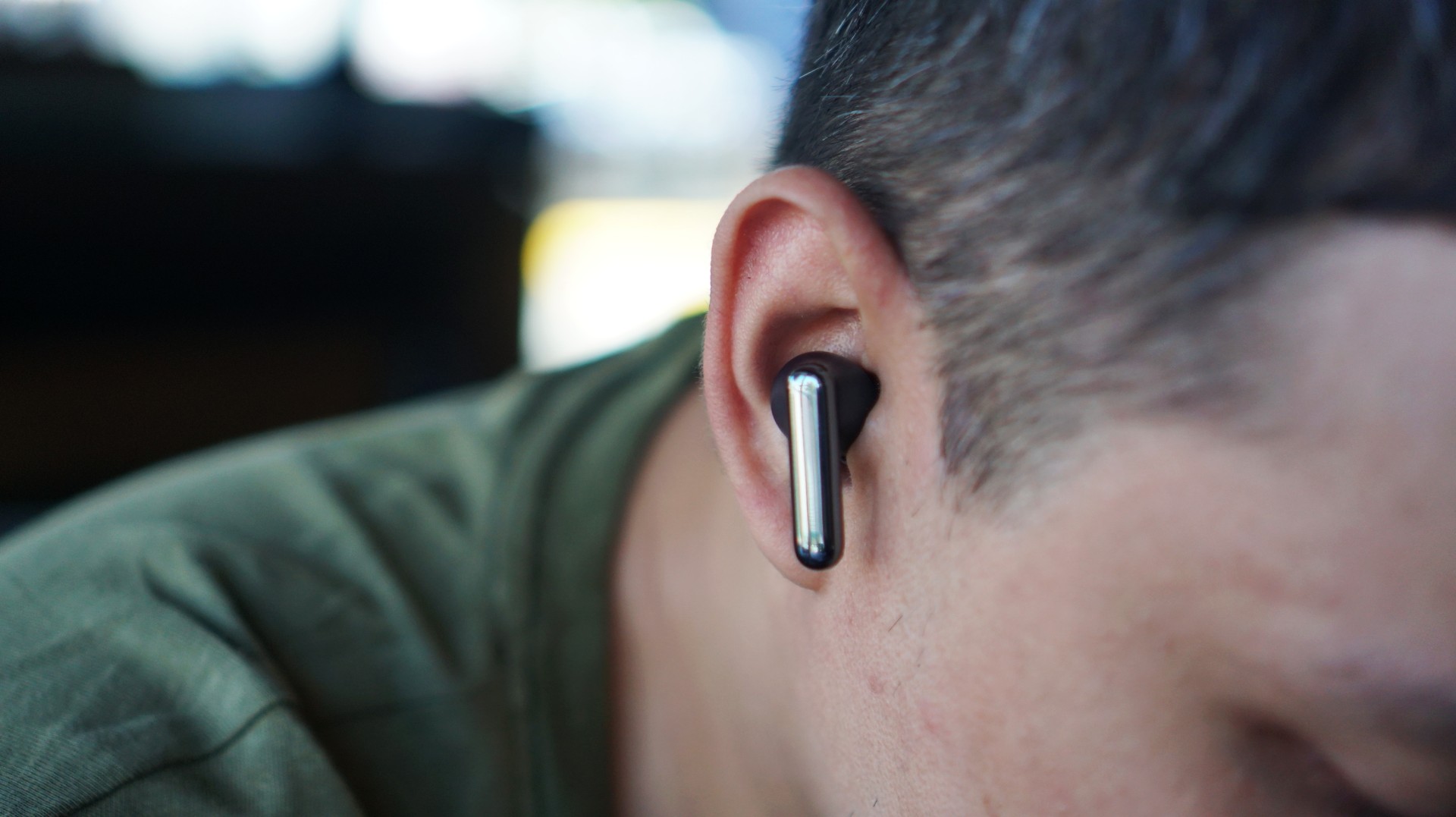
First impressions are generally positive.
The earbuds feature a lightweight design, weighing just 5.3g per earbud. They’re comfortable enough for extended listening sessions and never felt fatiguing during long workdays. The fit felt secure, whether I was sitting at my desk, moving around the house, or watching videos in bed.
HONOR also gave them an IP54 rating for dust and water resistance, which adds some peace of mind for daily use.
The charging case is compact enough to slip into a pocket, and the overall design feels clean and understated. Nothing flashy, but nothing offensive either.
ANC does the heavy lifting
If there’s one feature that stands out immediately, it’s the active noise cancellation.
The HONOR Earbuds 4 feature up to 50dB Tri-Mic Hybrid Active Noise Cancellation, along with multiple ANC modes and an Awareness Mode that lets outside sounds pass through when needed.
While working, I found myself relying on ANC more than anything else.
Whether I was answering emails, drafting notes, or simply trying to focus, the earbuds did a good job reducing background distractions. They’re particularly useful for creating a small bubble of concentration when you’re working in a busy environment.
Call quality is another area where the earbuds perform well. HONOR’s Tri-Mic AI Call Noise Cancellation helps keep voices clear during calls, even when there are competing sounds in the background.
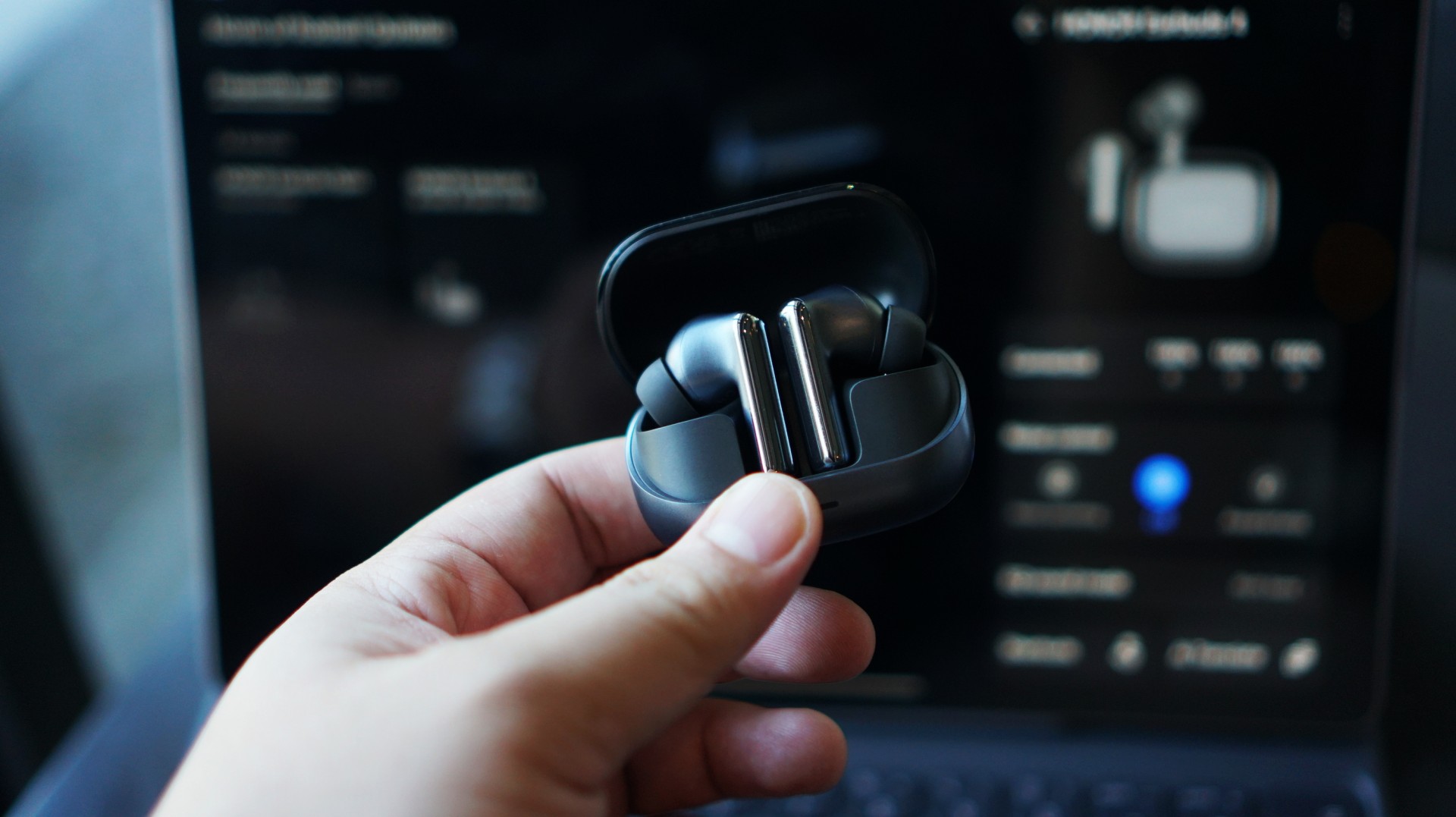
The sound never quite clicked
The HONOR Earbuds 4 feature a dual-driver setup consisting of an 11mm low-frequency driver and a 6mm high-frequency driver. HONOR says the arrangement is designed to deliver better separation between lows and highs while maintaining clarity across the frequency range.
On paper, that sounds promising.
In practice, however, the audio experience never really wowed me.
To be fair, I may not be the target audience.
Most of the earbuds I use regularly sit well above the US$200 mark. My daily rotation includes products like the Galaxy Buds4 Pro, which admittedly sets a fairly high bar.
Switching between the HONOR Earbuds 4 and the Galaxy Buds4 Pro while listening to the exact same track on the same music app made the difference immediately obvious.
It wasn’t subtle.
The HONOR Earbuds 4 sound fine. Music remains enjoyable, vocals come through clearly enough, and casual listeners will probably find little to complain about.
But compared to more premium options, the presentation lacks some of the detail, depth, and refinement I’ve grown accustomed to.
And if sound quality is your top priority, there are other options I’d personally explore first.

Strong battery life rounds things out
Thankfully, the Earbuds 4 do well in areas that matter for everyday convenience.
Battery life reaches up to 46 hours when combined with the charging case, while a quick 10-minute charge can provide up to three hours of playback.
Features like pop-up pairing, touch controls, and wear detection also help make the experience feel seamless. They’re the kinds of conveniences you don’t think about until they’re missing.
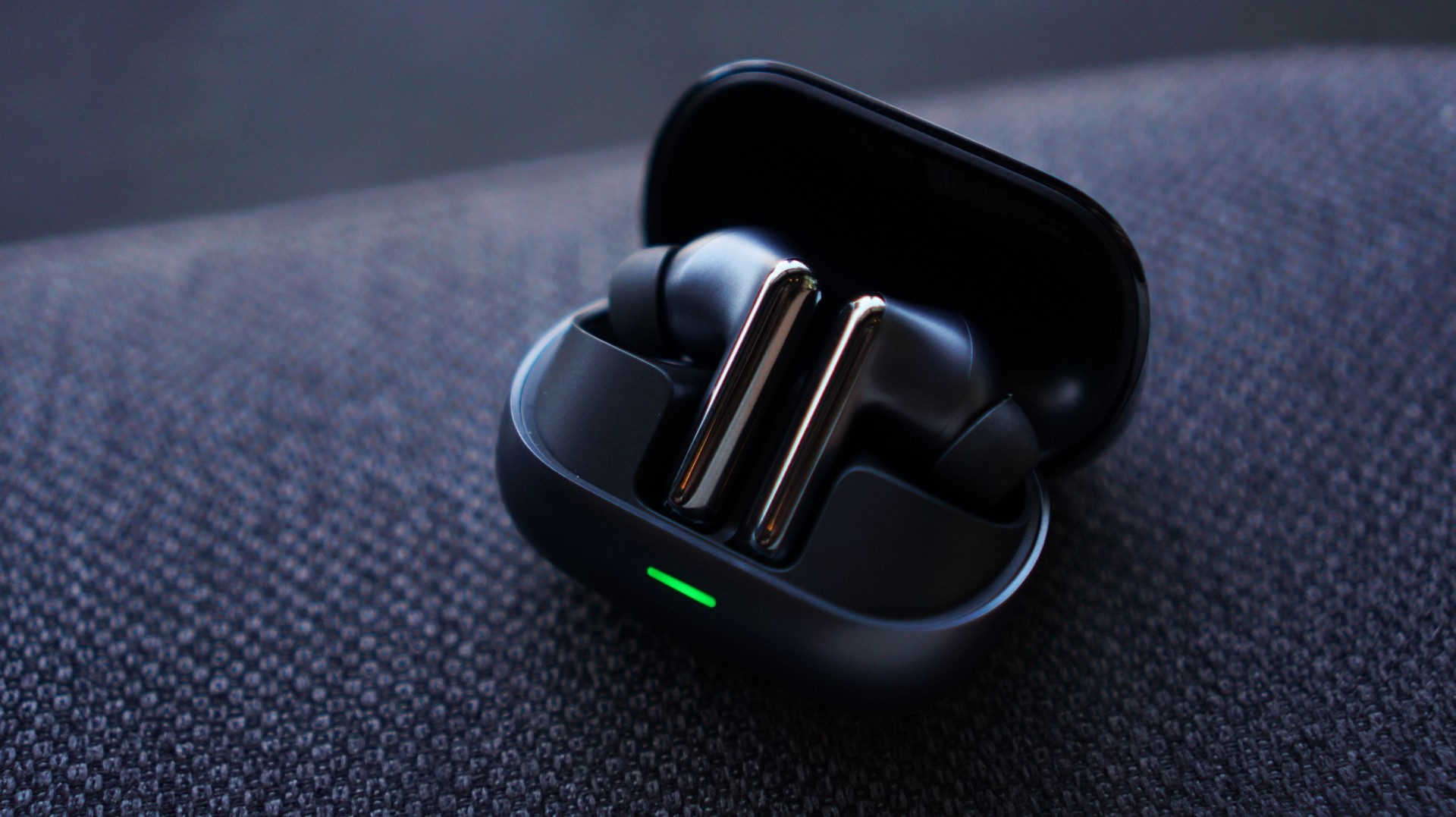
A practical everyday companion
The HONOR Earbuds 4 do a lot of things right.
They’re comfortable, offer useful ANC, provide solid battery life, and include the features most people expect from a modern pair of wireless earbuds.
For everyday listening, commuting, work calls, and casual entertainment, they’ll get the job done.
The problem is that sound quality remains the biggest reason I reach for a pair of earbuds. And in that department, the HONOR Earbuds 4 never managed to stand out.
They’re easy to recommend as a practical companion for daily use.
Just don’t expect them to become your next favorite pair of earbuds.
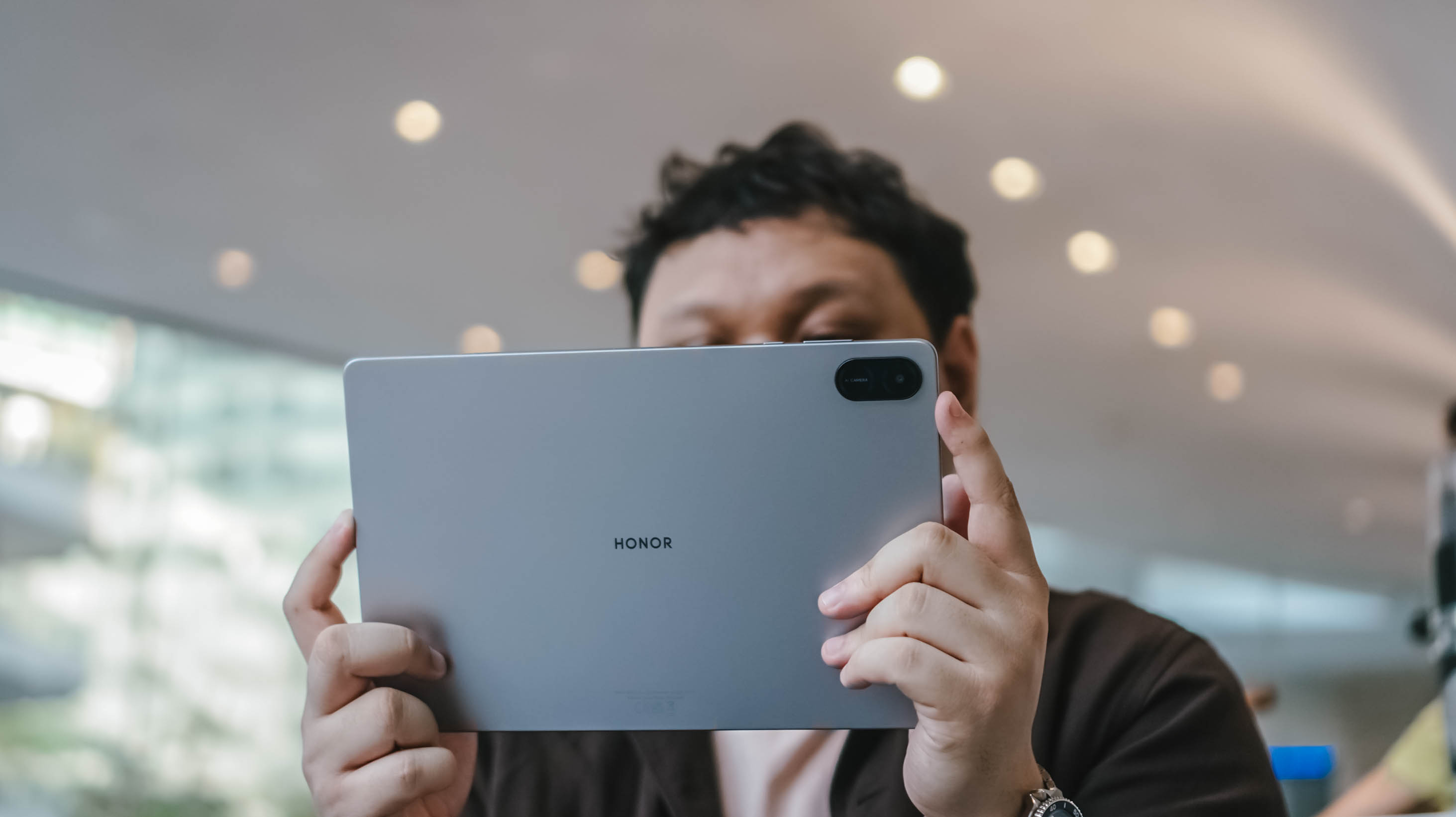
Not every tablet needs to win you over in the first five minutes.
Some are just meant to ease you in—to see if having a bigger screen actually changes how you use your tech day to day.
Instead, it feels like it’s asking a quieter question: Do you even need a tablet?
That’s the space the HONOR Pad X8b seems to occupy. Not a productivity machine. Not a performance-first device. But something that lets you test the waters—see if a tablet fits into your everyday routine at all.
And for a lot of people, that might be exactly the point.
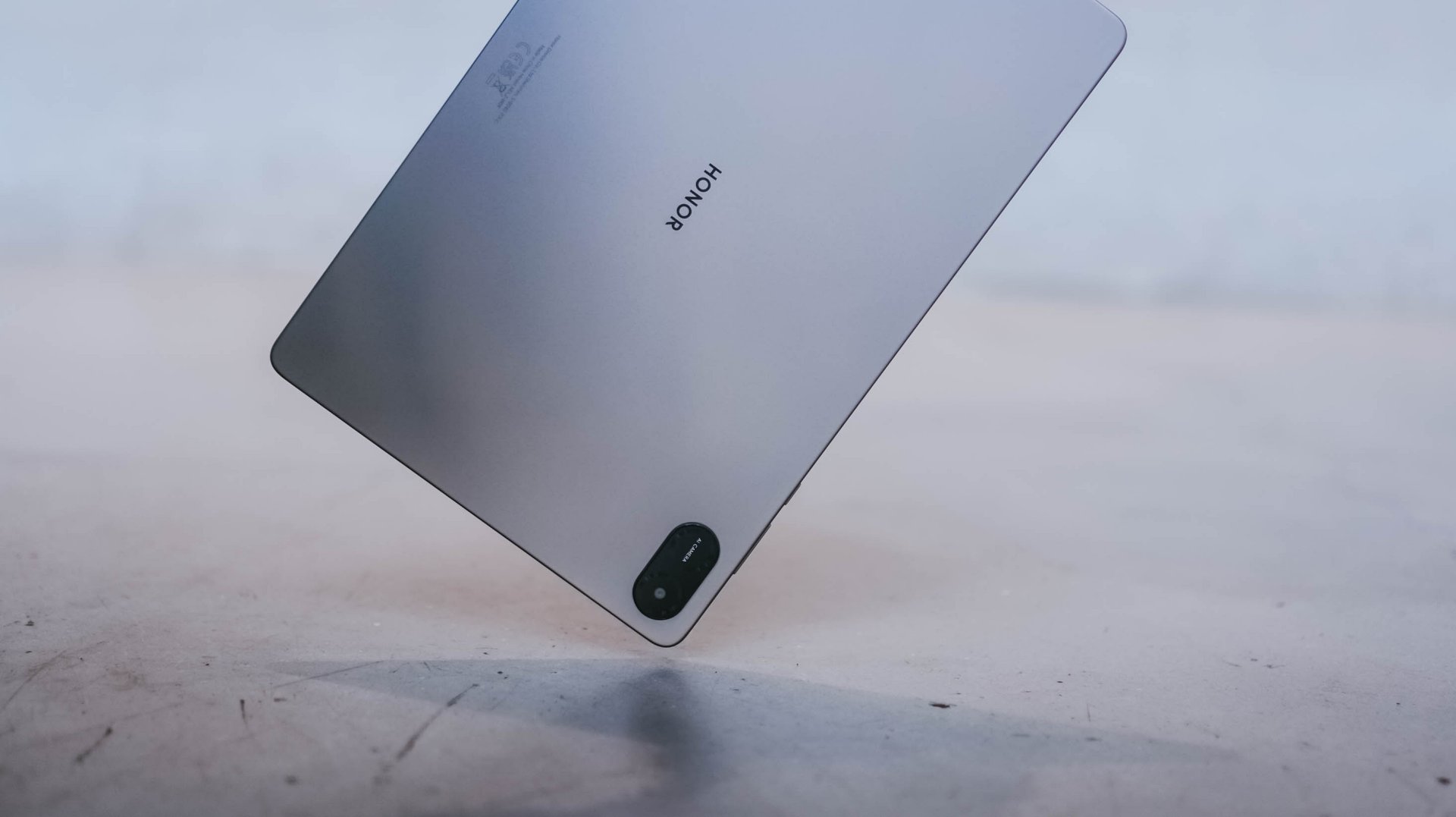
It’s positioned as a “Tablet Made Tough,” and that framing makes a lot of sense here. Because if you’re just starting out, or buying for someone who’s still getting used to tech, you don’t want something fragile. You want something you can be a little careless with—throw in a bag, hand to a kid, leave on a table—and not worry too much about it.
And that’s exactly the kind of role this tablet is trying to fill.
Who this is really for
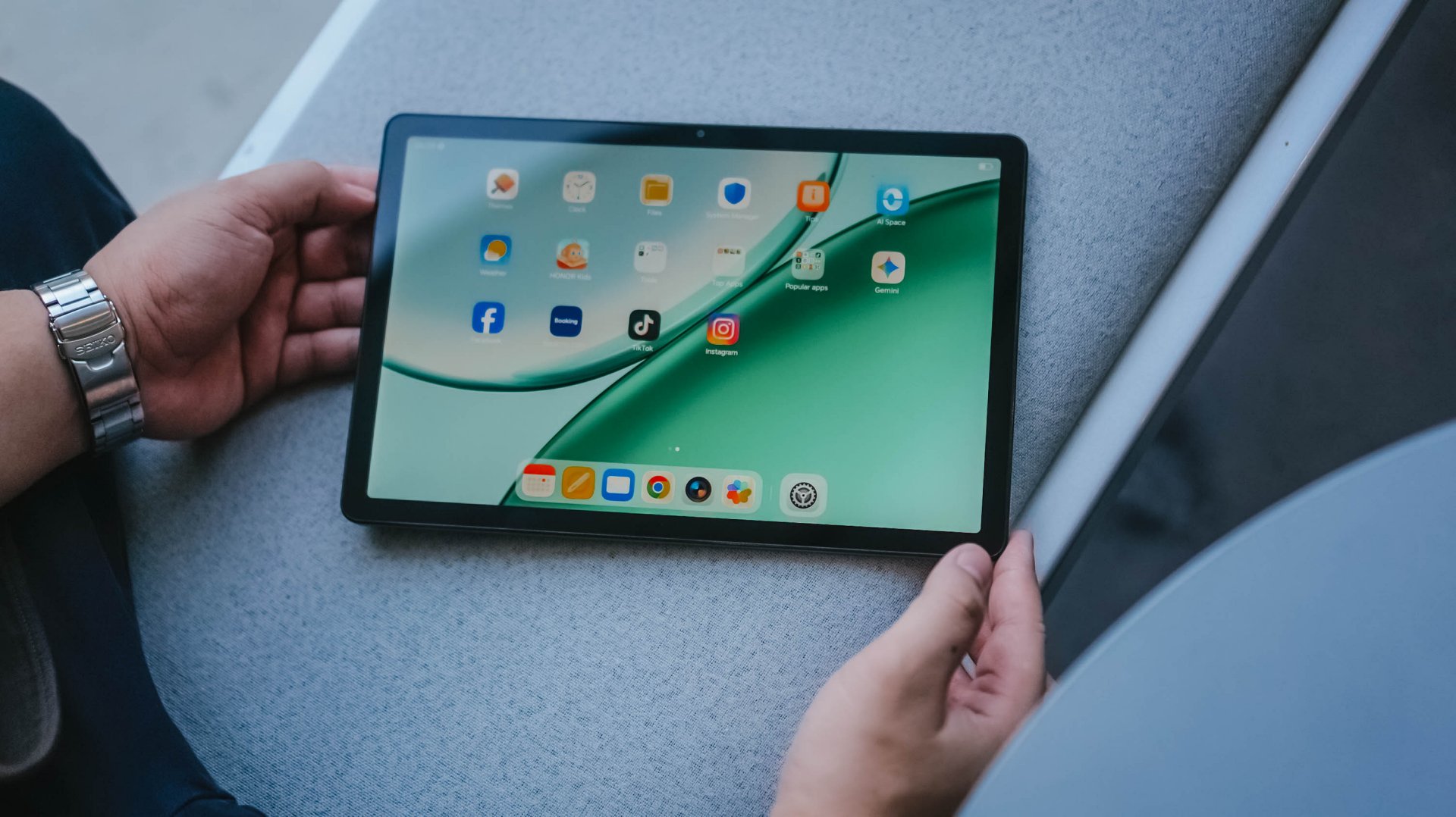
You can feel pretty quickly who this tablet is designed for.
Kids are an obvious fit. Something they can use in short bursts—for watching videos, light learning, or just getting familiar with tech without handing them a more expensive device. The durability angle plays a big role here too. It’s the kind of tablet you won’t panic over every time it slips or gets handled a bit roughly.
But it’s not just for kids.
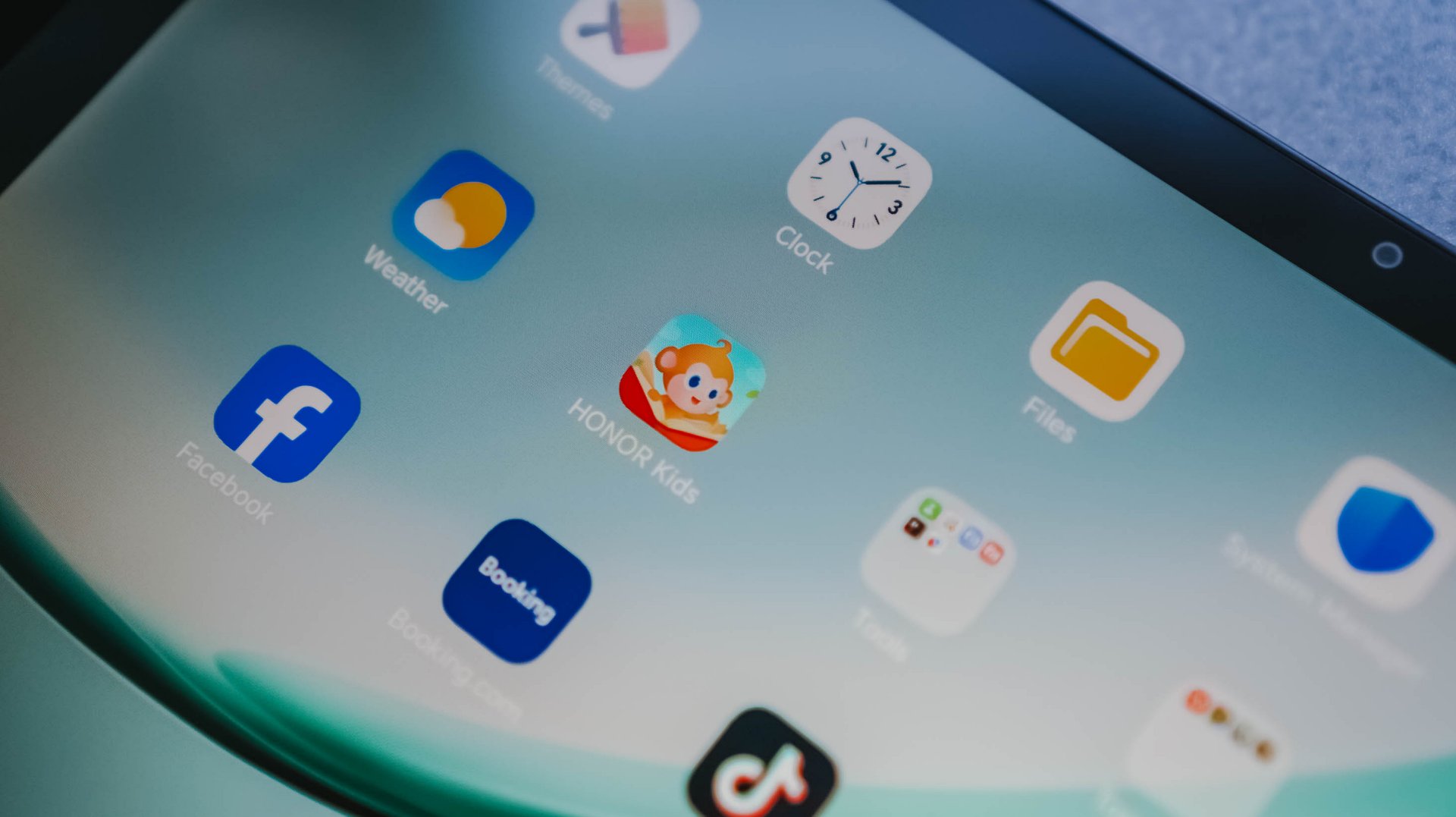
This also makes sense for first-time tablet users in general. If you’ve never owned one, or you’ve always wondered if a tablet fits somewhere between your phone and laptop, this feels like a low-commitment way to find out.
Not a big investment. Not a big adjustment. Just something to try.
Built for watching, not pushing

Julie freaking Han
Most of that experience revolves around media consumption.
The display is… nice enough. It gets the job done. Colors are decent, viewing is comfortable, and for videos, it holds up better than expected.
Case in point: I watched KISS OF LIFE’s “Who is She” music video on this—mostly for miss freaking Julie Han, if we’re being honest—and it looked good.
That may not be what you want your kids watching. But for actual use, it gives you a good sense of what this screen can deliver.
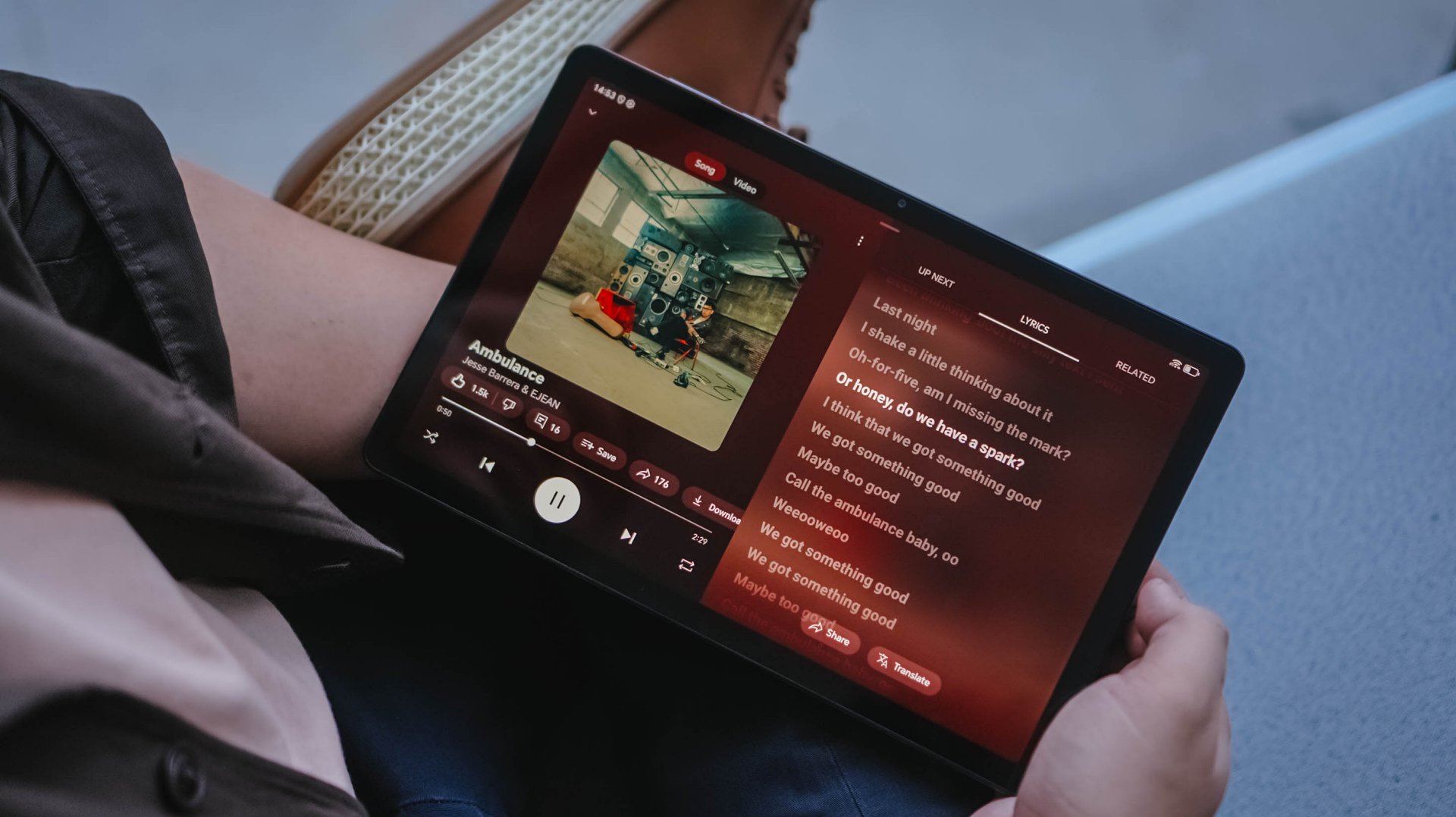
This has been on consistent rotation lately
Audio is also decent. Not groundbreaking, but not thin either. I ran AMBULANCE by Jesse Barrera and EJEAN through it, and it had enough body to feel enjoyable without immediately reaching for headphones.
Put those together, and you get a tablet that’s easy to pick up for Netflix, YouTube, or Spotify. The kind of device that lives on a coffee table or bedside, ready when you just want a bigger screen for casual viewing.
Where you feel the limits

But it doesn’t take long before you notice where things slow down.
Even just swiping around the interface, there’s a certain lack of fluidity. Nothing completely breaks, but it’s not the kind of experience that disappears into the background either. You feel it.
Apps open fine. Navigation works. But everything carries a slight hesitation that reminds you this isn’t built for speed.
And that’s really the trade-off.
This tablet leans heavily into light use—watching, browsing, maybe some casual apps. The moment you expect more responsiveness or try to push it harder, the limits start to show.
What you’re actually getting
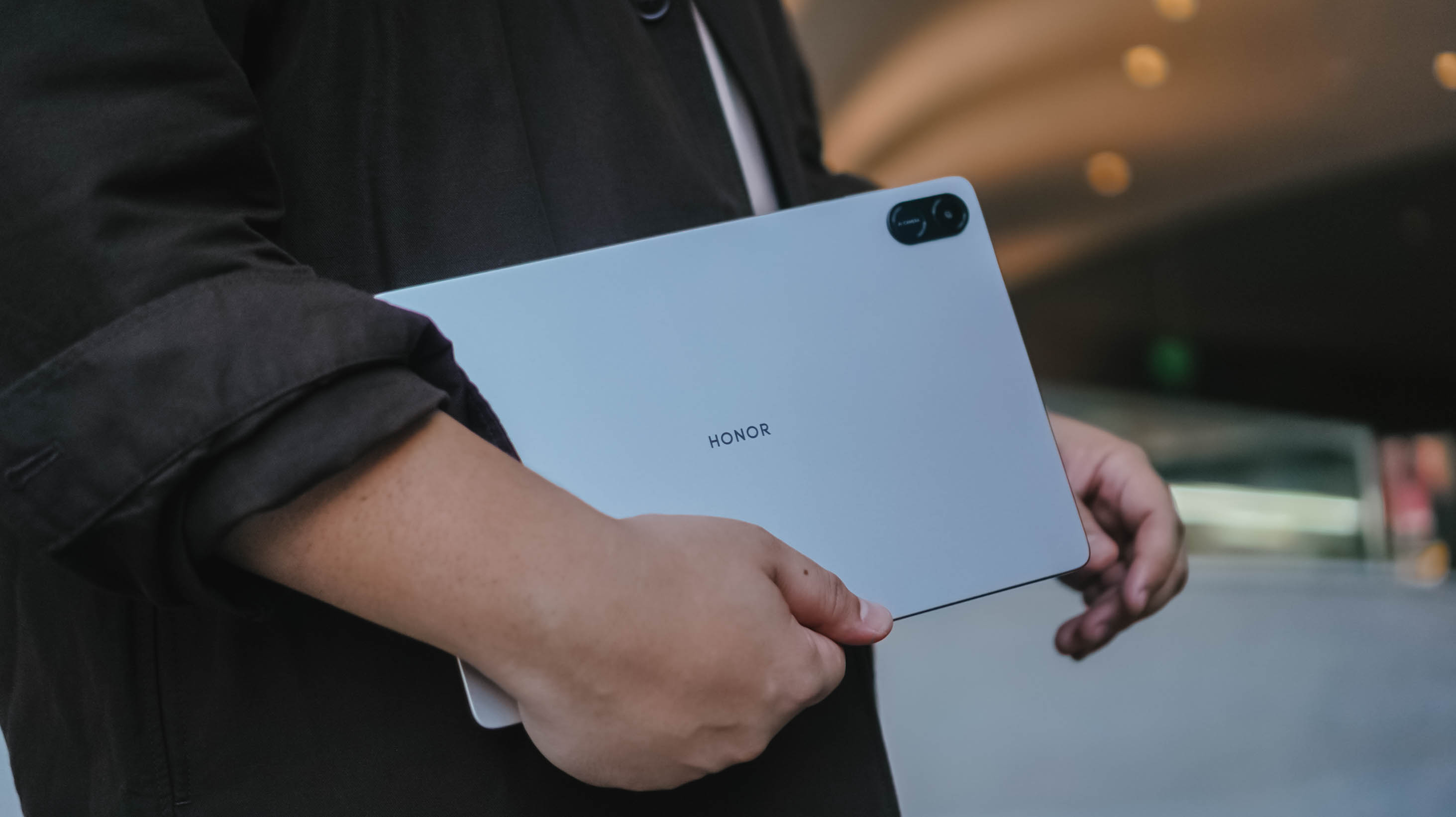
Before we get into pricing, here’s a quick look at what the HONOR Pad X8b brings on paper:
- 11-inch HONOR Eye Comfort FullView display
- 10100mAh battery (up to multiple days of light use)
- Qualcomm Snapdragon 680 processor
- Quad-speaker system
- Storage options up to 256GB with RAM expansion
- Metal body with drop and crush resistance focus
- MagicOS 10 (Android-based)
- HONOR Kids Edition with parental controls
It’s a spec sheet that prioritizes the basics—big screen, long battery, and durability—over outright performance.
So where does it land?

At PhP 9,999 (special TikTok shop price in the Philippines, the HONOR Pad X8b lands exactly where it needs to. Not cheap enough to ignore—but accessible enough to try.
At the end of the day, this isn’t trying to be more than it is. It’s a starting point. A way to figure out if a tablet fits into your routine.
If you’re curious about tablets, this tells you real quick if it’s for you.


realme C100: Enduring and durable in spite of entry-level realities
Enough power but needs more agility


The ASUS ExpertBook Ultra wins you over
The laptop sneaks up on you


Nexal Watch Sport review: A rugged watch for small budgets
I couldn't believe that watches this good could come for this cheap.

Mercedes-Benz celebrates 140th anniversary at the Presidential Car Museum

Street Fighter 6’s first Filipina fighter arrives August 3

Samsung releases teaser with Spider-Man: Brand New Day Easter eggs

iOS 27 public beta gives us our first taste of Siri AI

The case for traveling without a plan

Buyer’s Guide: TECNO SPARK 50 Pro vs SPARK 50 5G

New York becomes first state to ban smart glasses

vivo X300 Ultra review: A “Whole Different Animal”

DJI Osmo Pocket 4P launches with dual lenses and a 1-inch sensor

HONOR Watch 6 review: Less guessing, more knowing


-
 News1 week ago
New York becomes first state to ban smart glasses
-

 Singapore7 days ago
Sony launches IER-M500 in-ear monitors
-

 Gaming1 week ago
Microsoft dictates that a new Fallout game is coming
-

 Computers1 week ago
GIGABYTE releases new AORUS RTX 5080 INFINITY graphics cards
-

 Gaming1 week ago
HoYo FEST 2026 details announced; tickets on sale from July 16
-

 Gaming1 week ago
Assassin’s Creed Black Flag Resynced available worldwide now
-
Reviews7 days ago
realme C100: Enduring and durable in spite of entry-level realities
-

 Automotive2 weeks ago
The Kia Carnival Hybrid is a gentle giant