
Enterprise
US officially charges Huawei with technology theft
And 22 other charges

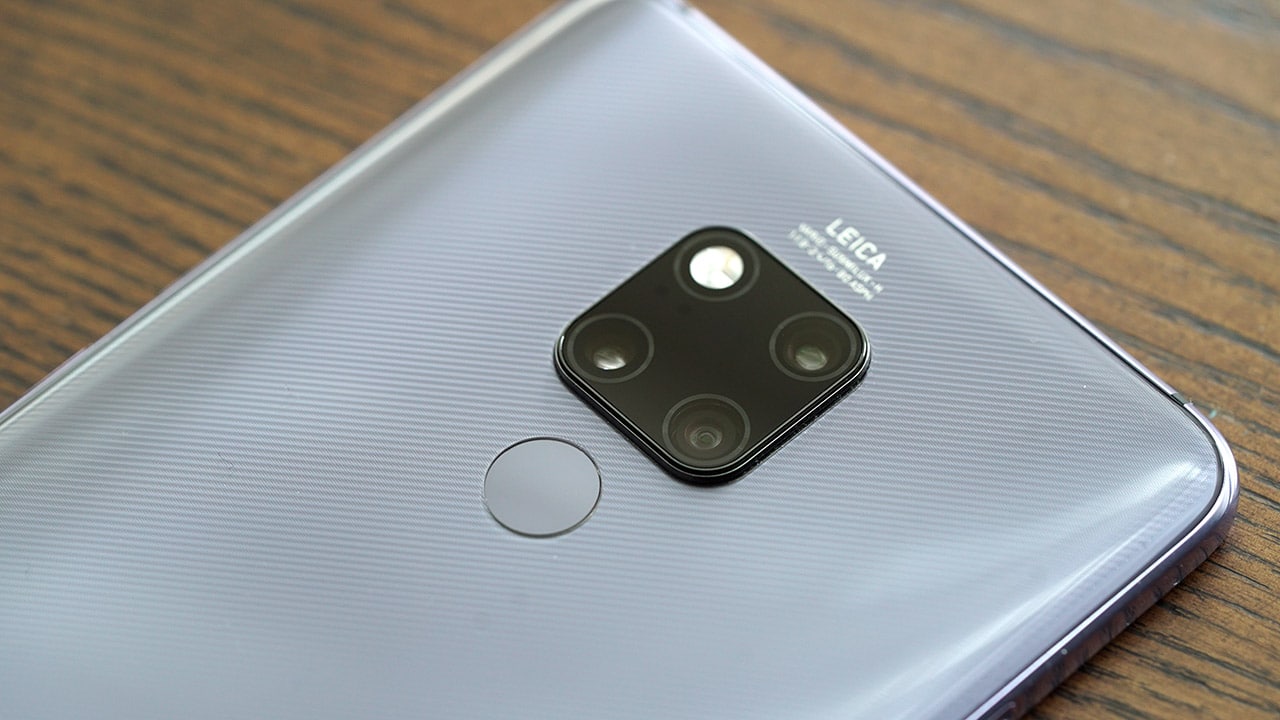
After a tense year of tug of war, the US Justice Department has finally pressed charges against Huawei. For most of last year, Huawei languished in judicial and geopolitical limbo. Stemming from the US, Huawei’s problems drew from shady Iran deals and cybersecurity concerns. As a result, Huawei found itself on the receiving end of numerous controversies.
Now, the war against Huawei has reached a crossroads. A month ago, Canadian authorities arrested the company’s chief finance officer, Meng Wanzhou. The incident underscored the war’s international reach and political implications. However, Meng has so far tread on relatively safe waters. Both Canada and the US have settled for house arrests. Of course, Meng’s light sentence was only temporary.
Recently, the US government has charged Meng (and Huawei) for bank fraud, obstruction of justice, and technology theft, among others. This tremendous list contains several surprises; so far, the conflict revolved only around the Iran deal and Chinese ties.
Overall, Huawei is facing 23 charges. According to the US government, the company’s fraud case comes from the Iran deal. Allegedly, Huawei misled financial institutions and the government about its relationship with Iran. Additionally, Huawei supposedly stole T-Mobile’s technology for its own purposes. The technology includes finger-mimicking hardware that tests phone durability.
Politically, the US primarily worries about the company’s ties with China’s government. However, America’s latest tactic involves throwing everything apart from the kitchen sink. Among all the US’s strategies so far, the charges will potentially inflict the most damage on US-China relations. All eyes are now on Huawei to pull a miracle against a rampaging US beast.
SEE ALSO: Canada fires Chinese ambassador for supporting Huawei





Enterprise
Global Connect Show Shenzhen empowers Chinese enterprises
Opportune time for new Chinese enterprises to go global

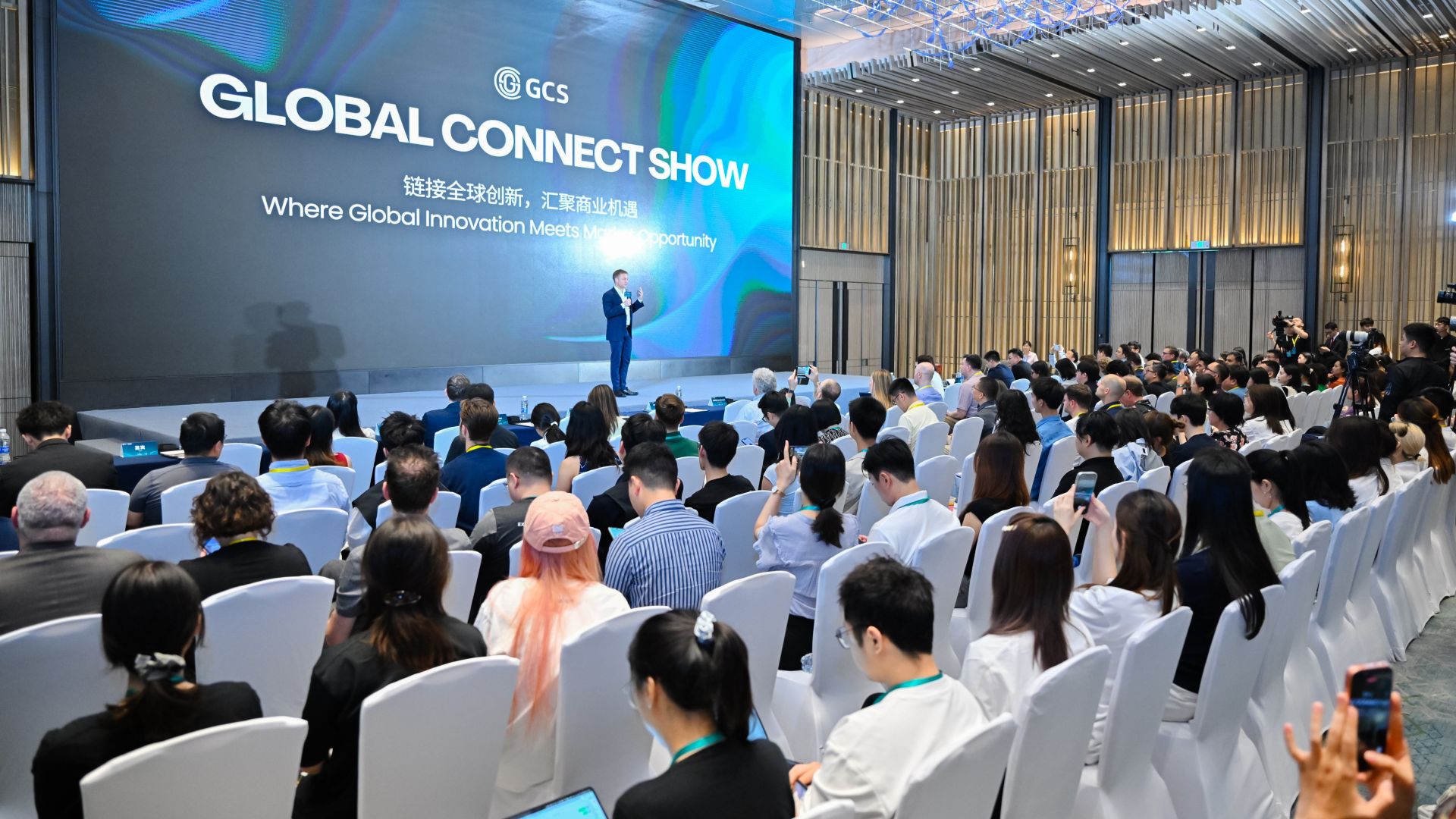
The Global Connect Show Shenzhen 2026 (GCS SZ 2026) was successfully held on June 1 at China’s innovation hub.
More than 100 Chinese enterprises joined the event, encouraged to expand into international markets.
The program focused on three core pillars:
- Chinese brand going global
- Global channel connection
- Dedicated “Into the Enterprise” series
China has developed a new generation of internationally competitive companies across various sectors, including:
- consumer electronics
- smart hardware
- artificial intelligence
- robotics
As these companies enter a new phase of going global, demand is growing for global communications, brand building, market trust, and localized business networks.
As such, the Global Connect Show is one of the platforms to be able to strengthen the relationship across enterprises, partners, business associations, and even media and influencers.
It is a significant window for innovative brands to enter global retail channels by building compelling brand narratives and developing strong localized operations.
This year’s GCS is the third staging of the show, which consistently aims to match Chinese brands with partners through a results-first approach. Such an approach includes hands-on product experiences, presentations, and one-on-one meetings.
Enterprise
New US-China ban might affect 75% of phones, laptops
Companies can no longer use Chinese labs to test their products.
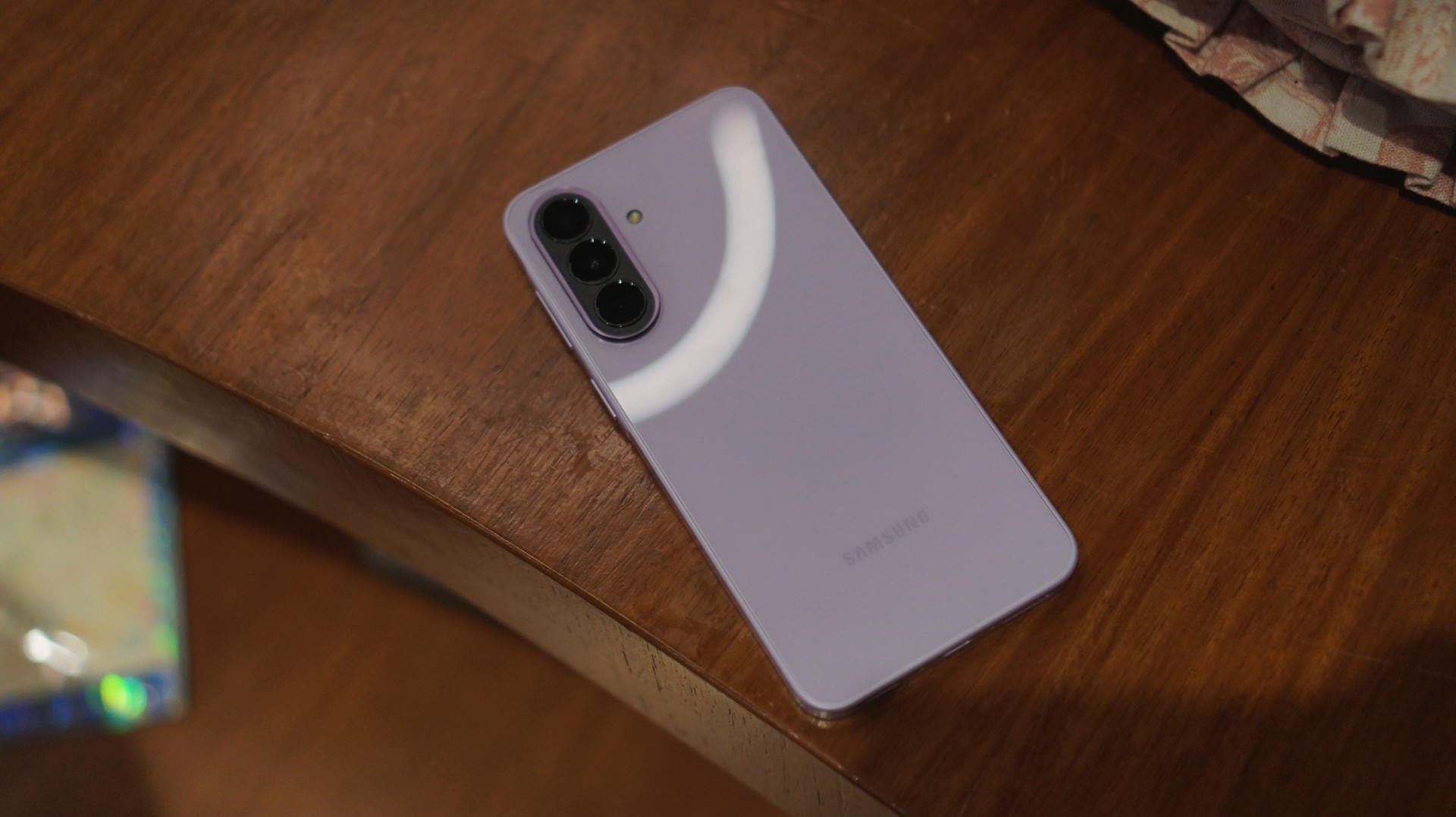
The United States is continuing its crusade against Chinese technology today. However, the target now isn’t a company from China but a method important to a lot of non-Chinese brands.
Today, via Reuters, the Federal Communications Commission (or FCC) has unanimously voted to prohibit companies from using Chinese labs to test their electronic devices if they are to be sold for use in the United States. Naturally, this includes smartphones and computers.
Notably, the prohibition doesn’t directly target Chinese brands. However, it will still affect a huge swath of the industry. The FCC estimates that around 75 percent of the entire market are devices tested in labs based in China.
This means that companies who wish to sell future products in the country must move their testing to labs in the United States or other countries that it deems secure. At its current iteration, the prohibition will not affect devices that already earned their certification prior. However, it might prevent them from getting recertified once their current one expires.
Now, the prohibition isn’t an absolute lock just yet. The FCC will allow the industry to submit comments about the proposal. But, with a unanimous vote from the FCC, companies might have to start looking for alternative testing sites if they want to stay operation in the United States.
Enterprise
OnePlus has reportedly merged with realme
Both brands were previously rumored for restructuring early this year.
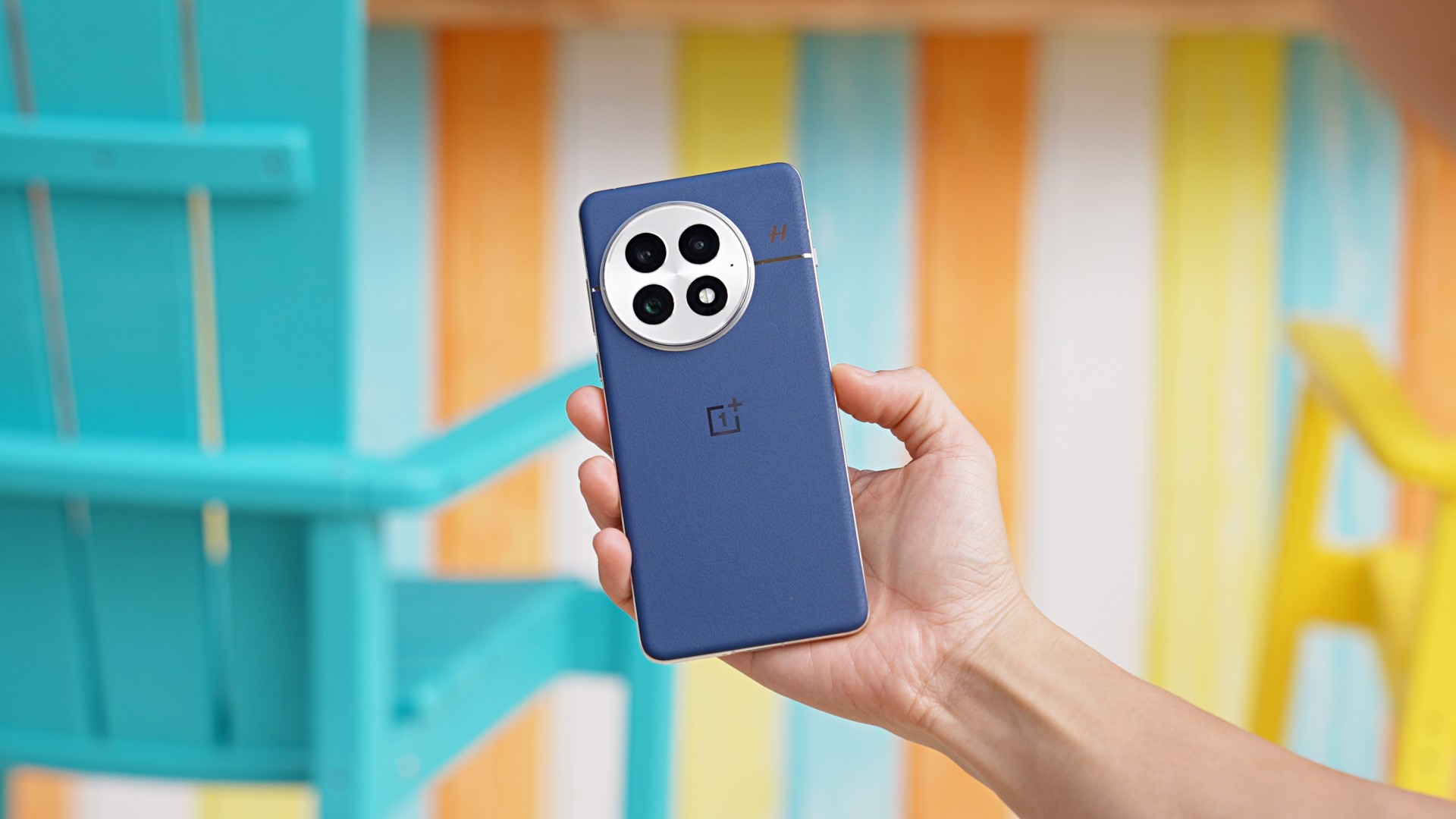
OnePlus has a problem. For a while now, rumors have swirled about the company’s dissolution. For their part, the company has continued to deny the reports, citing business as usual. Likely to their dismay, the reports just keep coming. Today, sources have hinted that OnePlus has merged with realme.
Back in January, it was rumored that OnePlus would be closing up shop this year. Since the company very quickly denied the rumors, the report hardly made waves. However, a suspected merger with realme is more difficult to debunk.
For one, realme is itself in a very interesting position. Also back in January, realme was reportedly moving back into being a sub-brand of OPPO. Coupled together with the OnePlus debacle, all this internal restructuring seems par for the course.
According to Digital Chat Station on Weibo, OnePlus and realme have already concluded the merger. The two brands have reportedly united their Chinese and international operations under one roof. Likewise, their marketing will be the same. Pete Lau will still be the main head for this new division.
As with anything of this nature, take this with a grain of salt. OPPO, OnePlus, and realme have not issued any official statements concerning a merger or a shutdown for any brand.
SEE ALSO: realme is reportedly going back to being an OPPO sub-brand

Close without crossing: A Xiaomi 17T Pro photo essay
Distance and closeness are not always opposites.


Spring reset: Growing more at home with Auk Mini
From kitchen counter experiment to everyday habit

UGREEN MagFlow Air review: Airy Yet Mighty
Slim and light power bank with a strong suit and core

The Aecooly Cold Air Ultra can chill your skin in ten seconds

The Dell XPS 13 is the lineup’s thinnest notebook to date

DOOGEE to debut BoneBeat Series on 6.6

The Xiaomi Watch S5 proves you don’t have to take it off

Qualcomm: 2026 is the year of the (AI) agents


-
 Reviews2 weeks ago
The Infinix GT 50 Pro has the most inspired design for a gaming phone
-
 Accessories2 weeks ago
The UGREEN Nexode Air 65W is the only charger I travel with now
-

 Accessories2 weeks ago
UGREEN unveils pocket-sized Nexode and MagFlow Air Editions
-
Accessories2 weeks ago
UGREEN MagFlow Air review: Airy Yet Mighty
-
 Accessories2 weeks ago
CASETiFY x Tamagotchi brings back nostalgia
-
 Accessories2 weeks ago
JBL marks 80th anniversary with AI-powered audio ecosystem
-
Health2 weeks ago
Spring reset: Growing more at home with Auk Mini
-

 Automotive2 weeks ago
GAC Aion UT brings big car energy to the compact segment