
News
Samsung earned record profits despite Note 7 recall


Do you sometimes wonder how certain things happen against all odds? That’s how rival companies are feeling about Samsung’s record profits during the fourth quarter of 2016, a time in which Sammy was still recovering from its Galaxy Note 7 woes.
Surprising? Not really, as long as you’re up to date with Samsung’s other ventures. It was the manufacturer’s components business, which includes the memory and display panel segments, that did most of the profit driving. Apparently, the demand for the brand’s OLED and LCD screens, as well as its flash storage modules, were at an all-time high.
SEE ALSO: Samsung’s Galaxy Note series is experiencing a revival
The total Q4 2016 profit of KRW 9.22 trillion, or about $7.9 billion, is Samsung’s largest profit jump in three years. That number is also roughly 50 percent higher than the same period in 2015. Of course, not wanting to shame its smartphone segment, the Korean company mentioned how important Galaxy S7 and S7 Edge sales were in boosting profits.
The situation is similarly to Sony’s, wherein the Japanese company gains most of its revenue from PlayStation and camera sensor sales, instead of from the smartphones and televisions it keeps pushing. Goes to show that putting all eggs in one basket isn’t wise in this industry.
With the Galaxy S8’s official unveiling at the end of March and the pending revival of the Galaxy Note brand, Samsung could be looking at even greater profits in the coming months.
SEE ALSO: Everything you need to know about the Note 7 investigation
[irp posts=”9766″ name=”Everything you need to know about the Note 7 investigation”]
Source: Samsung




Entertainment
UNDERTALE: The Determination Symphony hits Makati in October
Determination arrives in October.


For so small of a game, UNDERTALE quickly made it into the gaming world’s hall of fame. Despite being only a decade old, the small title has had a major influence for modern-day gamers because of its unique gameplay, its lo-fi art, and, of course, its catchy soundtrack. If you’re a fan of UNDERTALE’s soundtrack, a unique concert experience is headed your way.
On October 17, Film Concerts PH, in partnership with SOHO Live, is hosting UNDERTALE: The Determination Symphony at the Proscenium Theater in Rockwell, Makati.
The concert will be performed by the Filharmonika Orchestra and conducted by Thanapol Setabrahmana. Personally curated by creator Toby Fox and developed by Lambert Jackson with Materia Music, the concert experience showcases the game’s most recognizable tunes laid over gameplay footage playing simultaneously. Plus, for the world tour, the experience will have expanded scoring.
In the game, you play as a small child stuck in the mysterious Underground filled with interesting characters and monsters. Unlike traditional RPGs, UNDERTALE asks players to choose between building relationships and chasing after wins. It’s a unique experience that’s defined by whether you chose to make friends or fought your way to the top. It teaches players to value different ways to solve problems, all while showering them with its one-of-a-kind humor.
Pre-sales for the concert, exclusively for members of the Film Concerts PH community, start on August 4. Public sales, however, will start on August 11 via Ticketmelon.
SEE ALSO: The hunt begins: The Witcher in Concert hits Manila with surprises in tow
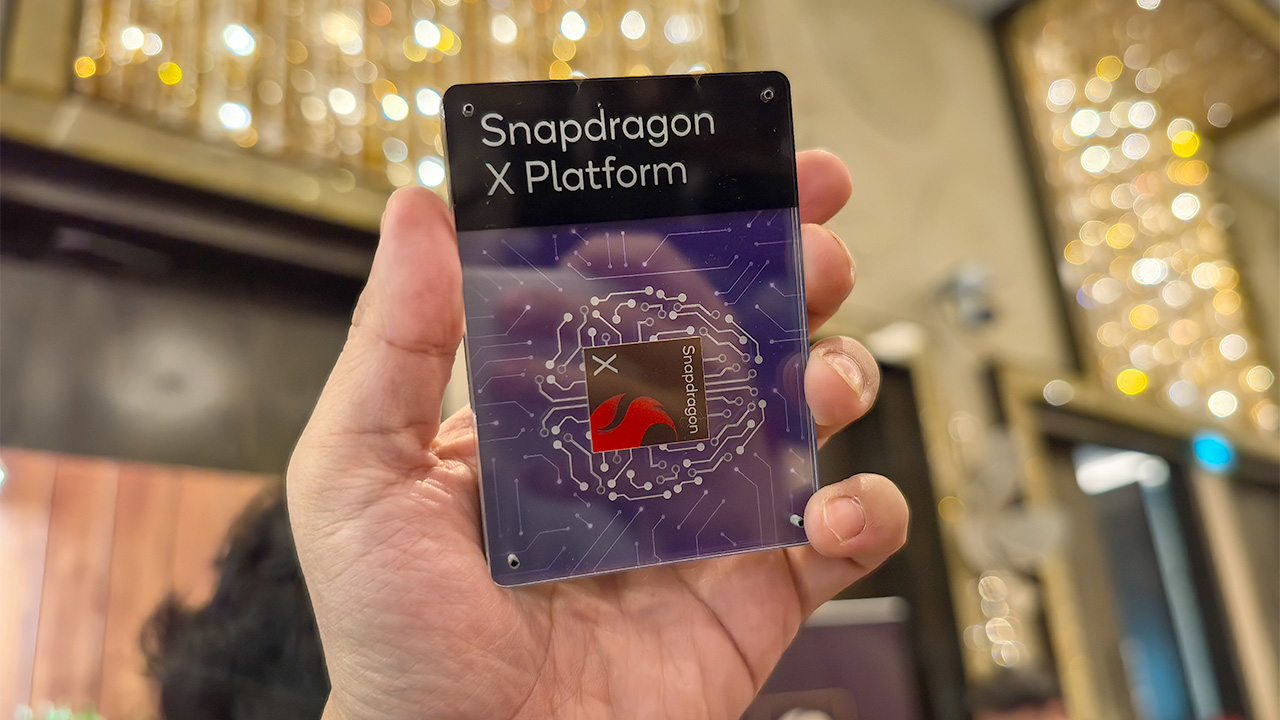
The price of technology isn’t fun these days. Because of the ongoing RAM shortage wrought by AI, companies across the industry are raising the prices of their products. Some, however, are still willing to shoulder the burden for their customers. Unfortunately, Qualcomm is soon leaving that list.
As reported by Bloomberg, Qualcomm will raise the prices of its products starting in September. Though the exact figure is unknown, the company did confirm that it’s in the double digits, percentage-wise. According to them, they can no longer shoulder the costs for its customers.
If you’re just a regular user, Qualcomm’s prices might not mean much for you. After all, the chipmaker doesn’t make phones of its own.
That said, Qualcomm is still one of the biggest suppliers for smartphone chipsets, including those that Samsung uses. Pushing the burden from chipsets to phone manufacturers reduces one more buffer against costs being ultimately pushed to consumers.
All things considered, Samsung managed to keep its prices hikes relatively low with the latest batch of foldables. However, with chips getting more price increases, it’s still within the realm of possibility that Samsung will also increase the price of its smartphones. The same can be said for any Qualcomm-powered smartphone available today.
News
Apple is reportedly delaying its smart glasses due to privacy concerns
The brand wants to squash malicious recording.

Smart glasses are in a weird place right now. While early adopters are celebrating the ability to record everything, a growing group of critics are decrying the loss of privacy. Formerly at full throttle, Apple, in response to these controversies, will reportedly delay its version of smart glasses to next year.
According to Bloomberg, Apple is heading back to the drawing board to further emphasize the unreleased wearable’s privacy protections, which includes “hardware and software-related privacy features not available on current products.” The report, however, doesn’t enumerate what these features are.
If anything, these features will likely prevent malicious recording. Most smart glasses today have a light that tells passersby that the device is actively recording video. However, users have discovered ways to tamper and disable this light, so their devices can start recording without alerting others. Apple will likely introduce better measure to prevent such tampering.
Additionally, it’s also possible that Apple introduces a version of the smart glasses without a camera attached.
Because of these new initiatives, the brand will delay the launch of the wearable to sometime next year. Previously, there was heavy speculation that the smart glasses will launch later this year.
On the bright side, there’s still substantial reason to believe that Apple is launching its first ever foldable device later this year.

realme C100: Enduring and durable in spite of entry-level realities
Enough power but needs more agility

The ASUS ExpertBook Ultra wins you over
The laptop sneaks up on you


Nexal Watch Sport review: A rugged watch for small budgets
I couldn't believe that watches this good could come for this cheap.

OBSBOT’s Meet Flip is your next best pocketable 4K webcam

Now Playing: Spider-Man: Brand New Day

NBA 2K27 gameplay trailer showcases new dunk mechanics, Rucker Park, and more

CASETiFY drops Samsung Galaxy Z8 series collection

Hamilton Beach brings Air Grill to this tropical market


-

 News2 weeks ago
Samsung releases teaser with Spider-Man: Brand New Day Easter eggs
-

 Wearables1 week ago
Garmin launches its first screenless fitness band
-

 Automotive2 weeks ago
Mercedes-Benz celebrates 140th anniversary at the Presidential Car Museum
-
 Hands-On7 days ago
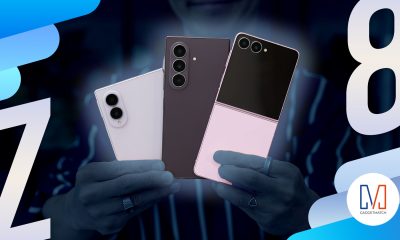
Hands-on: Samsung Galaxy Z Fold8, Flip8, Ultra
-

 Apps2 weeks ago
iOS 27 public beta gives us our first taste of Siri AI
-

 Accessories6 days ago
CASETiFY revives Spider-Man collection for Brand New Day
-

 Cameras7 days ago
Sony announces new FX5 full-frame camera
-

 Gaming2 weeks ago
Street Fighter 6’s first Filipina fighter arrives August 3