


When I first laid my eyes on the Predator Triton 900 during its first unveiling, I couldn’t understand how its form factor would benefit the average gamer. Why would we need a high-end convertible laptop that’s thicker than most? A couple of weeks with it changed my view completely.
If the Triton branding sounds familiar, you probably recall the Triton 700, which wasn’t only the first in the lineup, but possibly the best gaming laptop of 2017. Since then, Acer added the more affordable Triton 500, as well as this behemoth I’m writing about today.
With a 17-inch 4K Ultra HD display strapped on a hinge that allows it to face any direction you wish, this is about as versatile as it gets for a high-powered gaming machine. It’s difficult to describe in words; fortunately, we have a video for that:
All this equates to a desktop-like gaming experience that you can transform however you want. You could keep it in regular laptop mode for a chill session with a clear view of the exposed cooler; extend the display forward so it’s easier to spot enemies in FPS and MOBA games; or turn the whole thing around and plug in a controller to see nothing but screen.
For the record, I never bothered turning the Triton 900 into a tablet like how other thin-and-light convertibles work. Despite having a touchscreen, there’s no practical purpose for it, especially since there’s no included stylus pen.
As you can imagine, the whole thing is heavy because of the all-metal construction. Not so fun fact: So is the power adapter. I’m not kidding when I say that the brick alone weighs more than my primary work laptop.
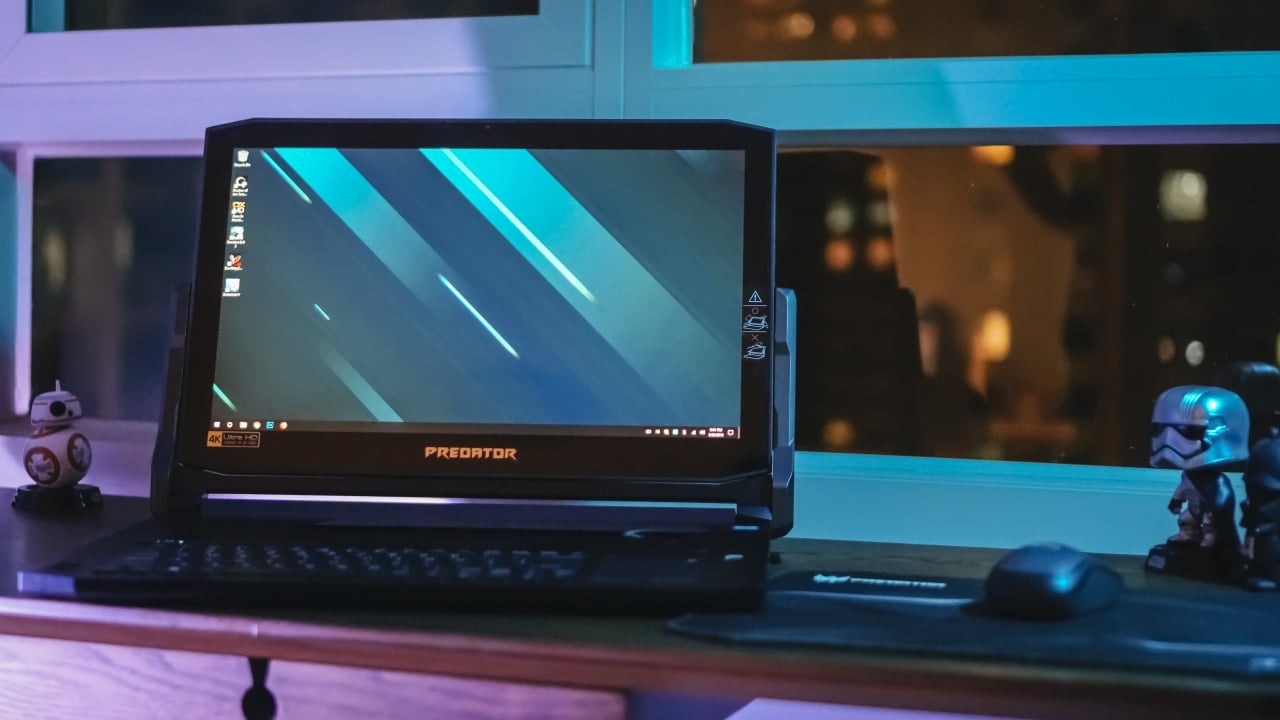
This is what I like to call regular laptop mode
Extending the screen allows the keyboard to stay visible

Nothing beats this when the keyboard isn’t necessary
My biggest trouble using this as a laptop is fitting it inside a bag. I fortunately have the newest Predator backpack that can handle extra-large 17-inch notebooks like this. It even has space for the massive power brick in a separate pocket underneath. I suggest going for something similar before even considering the Triton 900.
Of course, what you’re paying for on top of the unique form factor are the specs. With the exception of gaming laptops that can be upgraded after purchase and those that have external water cooling, the Triton 900 is as powerful as its gets for a mobile gaming rig.
Here’s a quick rundown of what my particular model owns: Intel Core i7-8750H processor, 32GB RAM, 1TB NVMe PCIe in Raid 0, and a full-fledged GeForce RTX 2080 graphics chip. Put together, you’re assured to make the most out of the 3840 x 2160 display with G-Sync.
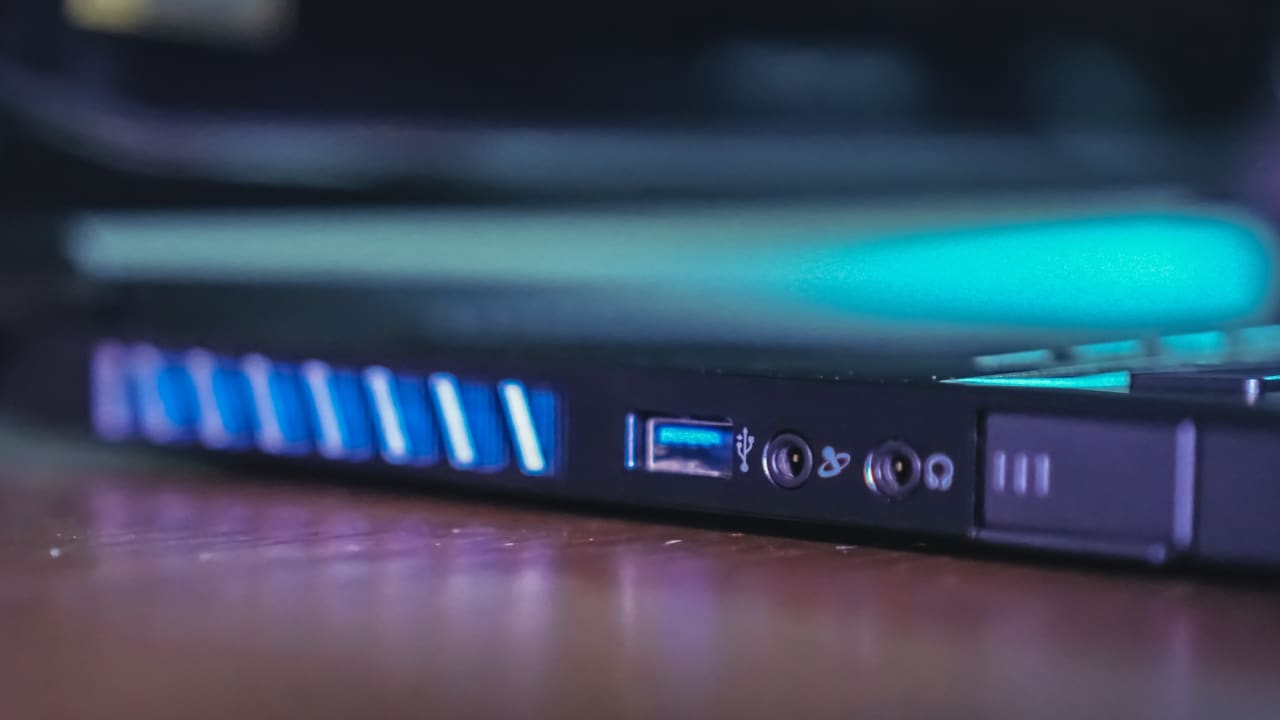
The sides include USB-A, Xbox wireless receiver, and audio ports…
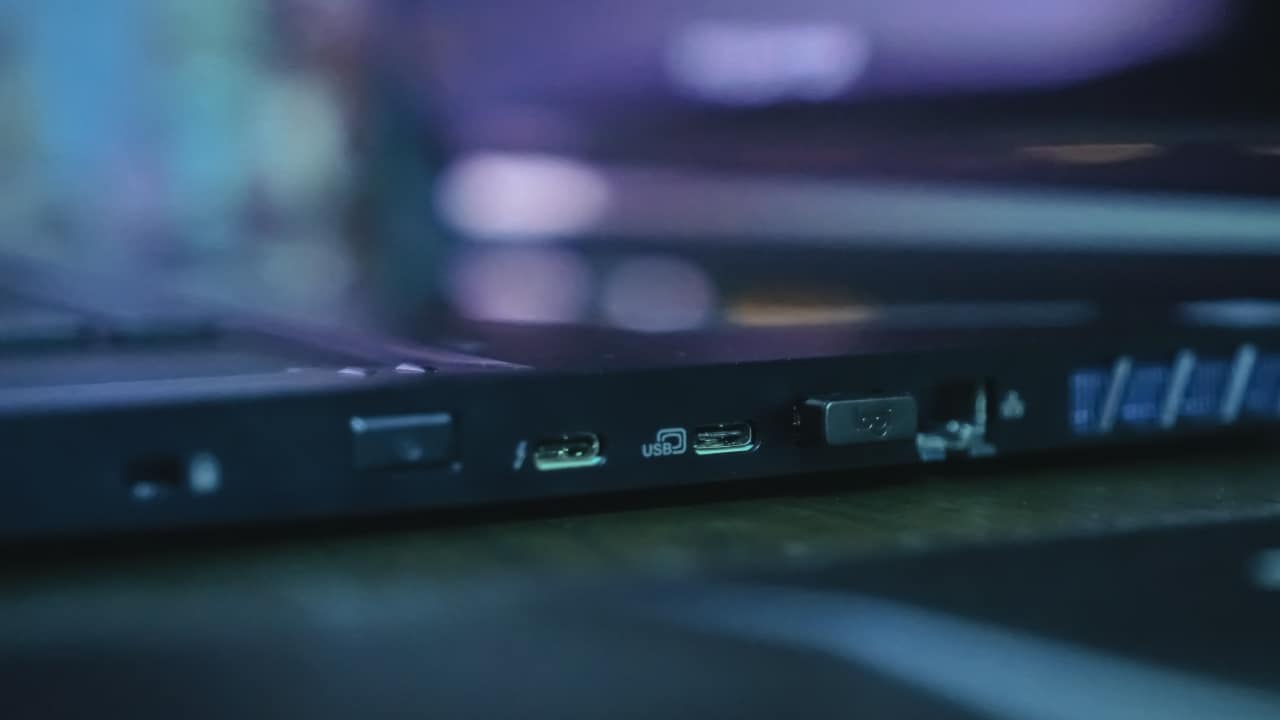
… plus the power button, USB-C, more USB-A, and Ethernet
If you’re particular about gaming PC specs, you’d probably be irked by the screen’s refresh rate: 60Hz. Yes, the Triton 900 doesn’t have the more popular 120Hz or 144Hz standard its 4K display. I honestly would’ve gone for 144Hz on a 1080p panel, considering that my eyes can’t appreciate so many pixels on a 17-inch scale.
Because the Triton 900 has actually been around for a while — hitting the public space only recently — its 8th-generation Core i7 chip isn’t as fresh as it once was. But I do appreciate the RAM and SSD configuration provided, which makes every game load like a dream.
And while the RTX 2080 is the best GPU available today, its ray tracing benefits are still far-fetched. As Dan pointed out in his recent gaming laptop review, there are only a handful of games that support it, and all aren’t must-haves. You can learn more about ray tracing in our simple explainer.
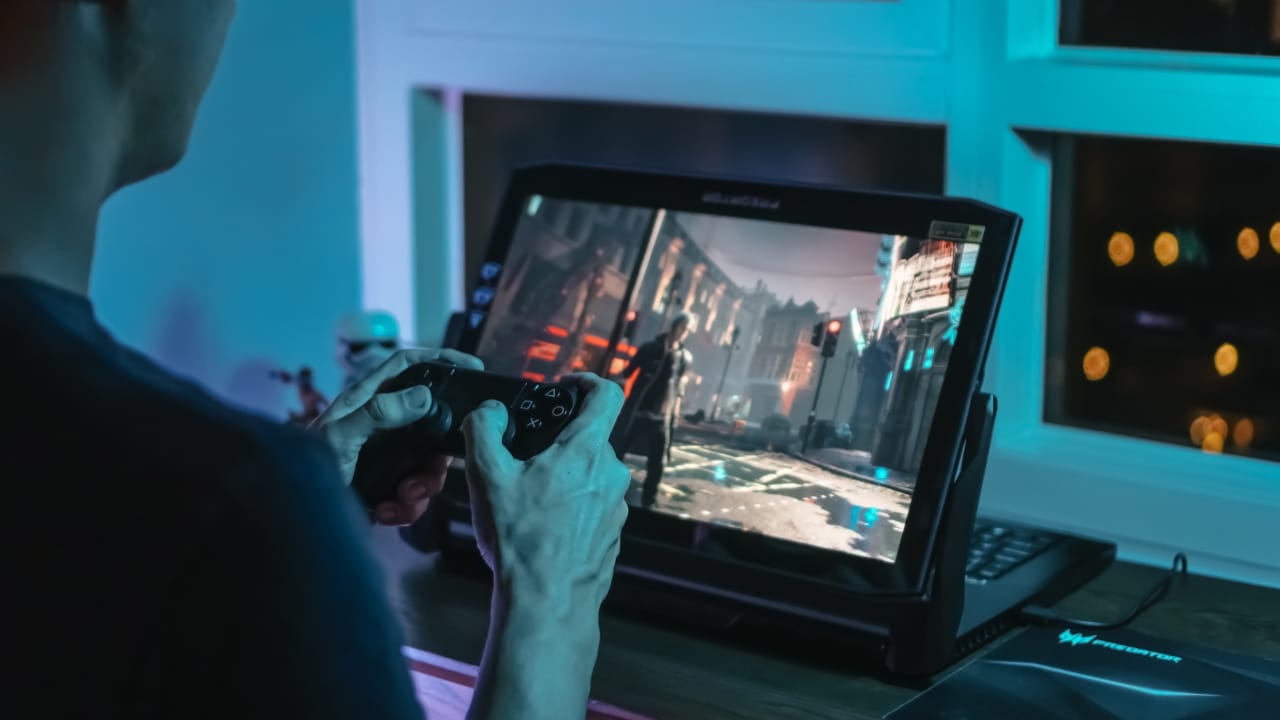
Devil May Cry 5 is a perfect example of how well this setup works

Shadow of the Tomb Raider has been out for a while now, but still challenges today’s best systems
In actual gameplay, it’s a given that the newest AAA games will run at the full 60fps with all settings on high as long as you’re on 1080p. But when cranked up to 4K, frame rates often dip in the 40fps range in certain games like Shadow of the Tomb Raider and Battlefield V; however, I had no issues with Devil May Cry 5 and Sekiro no matter the resolution. For synthetic benchmarks, I have a couple:
- Superposition: 7878, 58.93fps average (4K Optimized, GPU: 70 degrees Celsius)
- Cinebench R15: 1040 (CPU), 108.94 (OpenGL)
As you’d expect, a machine this powerful gets quite hot — often hitting the 70-plus degrees Celsius range for both the CPU and GPU. And although I’ve gotten used this, the way the hot air blows toward me while the laptop is turned around is troublesome. I need keep my distance with my controller in hand.
This goes without saying, but I can’t even bother to rely on battery power with this setup. I get a maximum of 1.5 hours on a full charge; much less if I multitask or play a bit. Bringing along the power adapter at all times is a must, which again, is a pain in itself.

The mechanical keyboard is welcome, but the vertical trackpad can be tough to use

The RGB keys can light up individually
A bunch of these issues are a given considering the Triton 900’s versatility and how much power it packs, but I do have a few design concerns, starting with the placement of the power button. It’s possibly in the worse spot imaginable, right where you’re expected to hold the laptop while adjusting its placement. I can’t count how many times I accidentally turned this thing off.
Second, I’m not a fan of the vertical trackpad. Although it ergonomically makes sense to have it on the right, using it on a wide 16:9 screen doesn’t. Fortunately, I often rely on a wireless mouse instead and turn the trackpad into a virtual numpad with a double tap. I honestly miss the unique glass trackpad of the Triton 700.
Lastly, and this matters when gaming, the speakers crack on the highest volume. Again, I usually use headphones especially when gaming, but having clear-cut audio is pleasant when watching a quick show on Netflix or YouTube.
Is this your GadgetMatch?
If you can’t tell by now, the Triton 900 is an absolute joy to use despite the minor misses. It’s a true all-in-one convertible designed with both gamers and creators in mind. At the same time, the price is tough to swallow. Starting at US$ 4,000 — even more for the configuration I tested — this is exclusive to those with deep pockets (and deep bags to keep this in).
Like I say in every high-end laptop review, if you have the patience to build a desktop PC and spend the savings on a more practical gaming notebook, you’re in for a better overall deal. Acer has an excellent Helios lineup of midrange options that would work flawlessly for light gaming on the move.
Otherwise, this is the beast choice for those who want a flexible monster. Sure, there are more outlandish gaming machines out there, but the Triton 900 actually makes sense out of all the firepower and features it puts together.





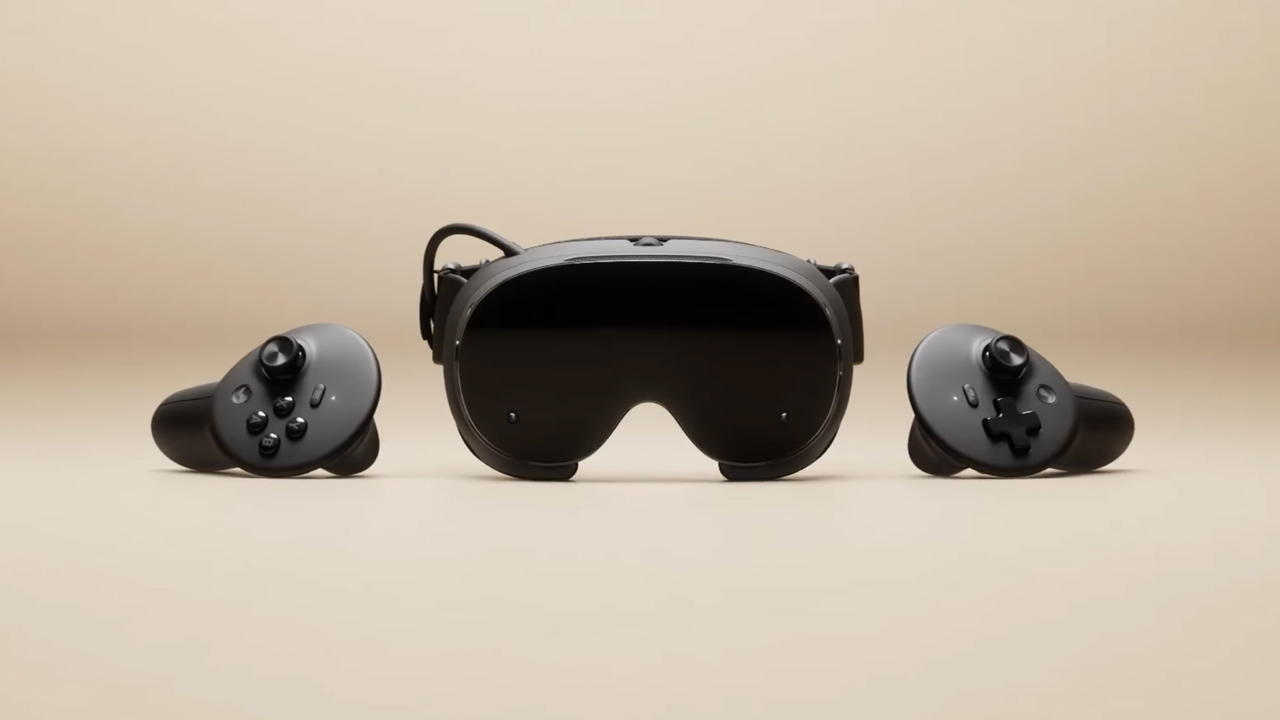
The trifecta is complete. Almost a year after announcing their new hardware, Valve has finally unveiled the price tag of the Steam Frame, complementing the Steam Machine and Steam Controller revealed a few months ago.
Whereas the Steam Machine is a console of its own, the Steam Frame is a traditional VR headset with a pair of controllers for both hands. Unfortunately, despite being in a different segment, the headset is not immune to the rising prices of technology. The Steam Frame will start at US$ 1,059 for a 256GB model and can go up to US$ 1,299 for the 1TB model. On the plus side, each box will come Half-Life: Alyx packaged along with the headset.
Here’s a more detailed rundown of what you’re getting. The Steam Frame will ship with the Snapdragon 8 Gen 3 chipset, paired with 16GB of RAM. Each eye comes with a 2160 x 2160 LCD screen, putting out images at up t0 a 144Hz experimental refresh rate. As mentioned above, the headset will start with 256GB of storage but can go up to 2TB. It will come packaged with SteamOS 3 and a rechargeable 21.6Wh battery.
This might be a hard buy for some. The industry currently has more affordable options, for one. Also, virtual reality isn’t the most thriving segment of gaming today.
If you’re still decided on buying one, however, Valve is using its lottery system. Interested customers can sign up from now until September 17. The company will then randomize the purchasing order. Those who draw the first ones in the lottery can get a purchase email as soon as September 18. Meanwhile, anyone who registers after September 17 will automatically be put at the back of the queue.
SEE ALSO: Valve announces its own console called the Steam Machine
Gaming
BlizzCon 2026 announces World of Warcraft: Forever and Diablo V
StarCraft, Overwatch, Hearthstone, and more also get news


Blizzard Entertainment kicked off BlizzCon 2026 with a packed Opening Ceremony featuring new games, major expansions, updates, and other announcements across its biggest franchises.
Blizzard Entertainment President Johanna Faries opened the event at the Anaheim Convention Center, celebrating the community behind the company’s games and the teams that bring its worlds to life.
World of Warcraft: Forever and Diablo V
The biggest announcement was World of Warcraft: Forever, a new World of Warcraft experience launching November 5 AEDT, with its beta beginning September 18 AEST. The new experience will feature three zones, more than 1,000 quests, nine dungeons, two raids, and a new Skyborne race.
Blizzard also officially announced Diablo V, marking the next era of the franchise. The game is set to launch in North America in Spring 2029, with Sanctuary having fallen and Diablo having won.
StarCraft is also returning with a new story-driven, open-world shooter. The game is currently planned for a Spring 2030 release in North America.
Beyond games, Blizzard revealed that an animated series set in the Diablo universe is in development with Netflix. The company says this is only the beginning of its plans to expand its universes beyond gaming.
For Warcraft III Reforged, the new Forsaken Kingdom campaign is available today. It marks the Warcraft RTS series’ first new storyline in more than 23 years and explores the fall of Lordaeron and the origins of the Undercity. The accompanying 3.0 update also brings graphical improvements and a revamped World Editor.
Heroes of the Storm is adding Xal’atath as its newest Hero. She arrives in the Nexus on September 29 AEST, with her PTR release scheduled for September 15 AEST.
Existing games updates
Meanwhile, Diablo IV is preparing for its next major content drop. Season of Hell’s Legacy begins September 16 AEST and celebrates the franchise’s 30-year history with the return of the Prime Evils and Deckard Cain, alongside themed rewards and gear.
The legendary Amazon class will also arrive in the first half of 2027 as part of Diablo IV’s first class pack. The Diablo IV: Age of Hatred Collection is additionally coming to Nintendo Switch 2 on September 16 AEST with cross-platform play and cross-progression.
For World of Warcraft, Blizzard teased the next major update for Midnight. Eclipse (12.2) will see Xal’atath move closer to her goal of claiming Azeroth’s Worldsoul. Blizzard also offered another look at The Last Titan, the next expansion in the Worldsoul Saga and a major culmination of more than two decades of Warcraft storytelling. More information is coming early next year.
Overwatch is getting a major update with Season 5. The season introduces new Support Hero Doctrine, reworks for Sombra and Roadhog, and the new Watchpoint: Grimsvötn map. It will also conclude The Reign of Talon, Overwatch’s first year-long narrative arc.
LE SSERAFIM & YOASABI
BlizzCon also featured performances from YOASOBI and LE SSERAFIM. YOASOBI will perform during the first-ever esports halftime show at BlizzCon, while LE SSERAFIM will return to the Main Stage to close the weekend. A new LE SSERAFIM in-game collaboration is available now, with another Overwatch Spotlight scheduled for February 2027.
Finally, Hearthstone is getting its first new class in more than six years. The Monk arrives in 2027, while the upcoming Reign of the Black Empire expansion takes players back to the earliest age of Azeroth. It introduces the Assemble keyword, which combines two cards into a new one. Battlegrounds is also adding Aberrations as a new minion type.
BlizzCon 2026 is now underway, with Blizzard promising more announcements and details throughout the weekend.
Gaming
Just Dance: Decades of Hits to launch on October 13
All-new Just Dance experience that brings every generation together
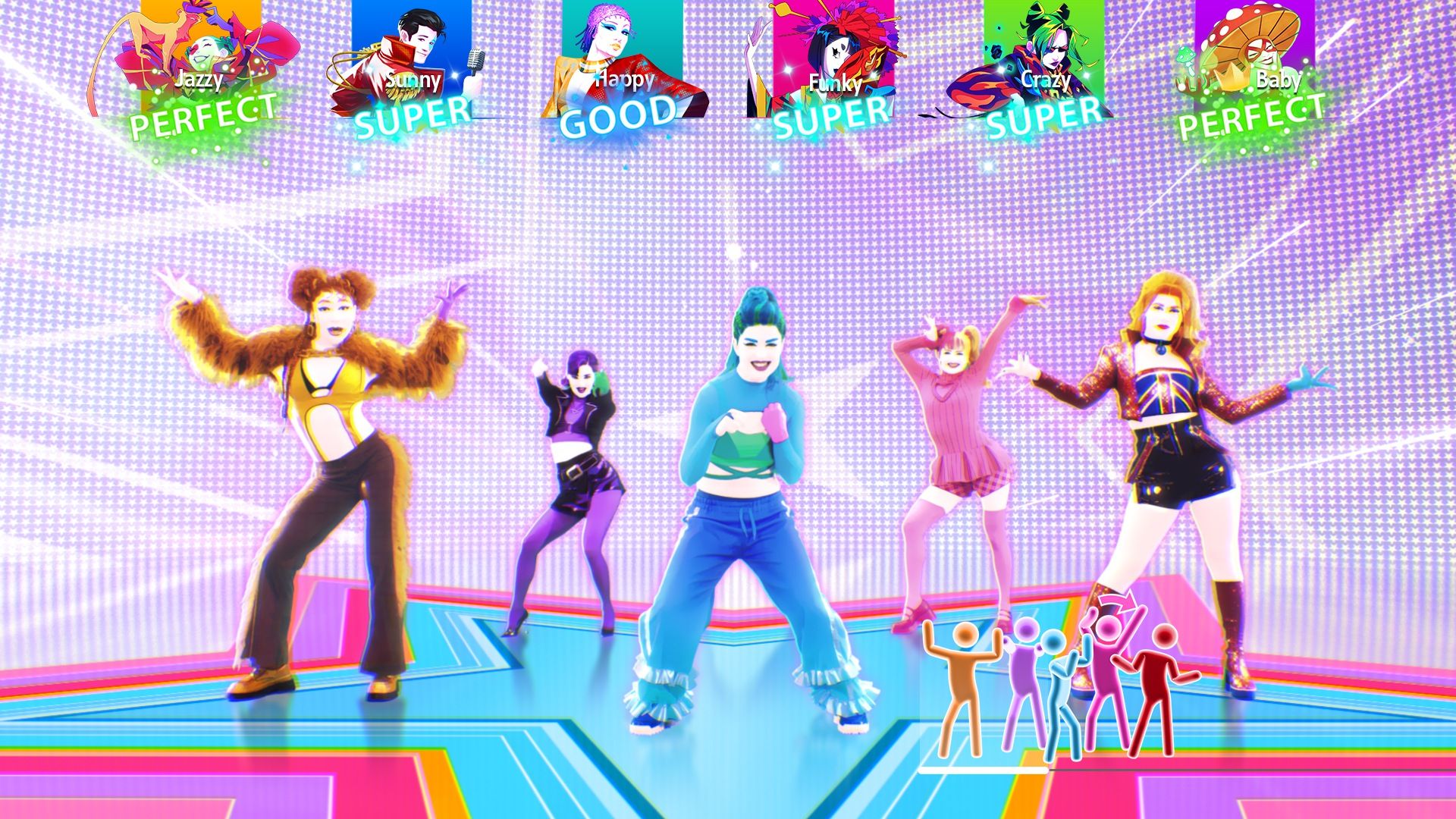
Just Dance: Decades of Hits will launch on modern consoles on October 13, Ubisoft has announced.
This will offer fans of the franchise a new experience across eras of music. The game will be available on PlayStation5 , Xbox Series X|S, and Nintendo Switch on the launch date.
Nintendo Switch 2 users, meanwhile, will be able to enjoy the title by November 10, 2026.
Just Dance: Decades of Hits brings together every generation to one dance floor with 25 iconic songs across six different decades:
- Mamma Mia by ABBA
- Uptown Girl by Billy Joel
- It’s Tricky by Run-DMC
- No Scrubs by TLC
- Wannabe by Spice Girls
- Bye Bye Bye by *NSYNC
- Feel Good Inc. by Gorillaz
- Turn Down for What by DJ Snake and Lil Jon
- Danza Kuduro by Don Omar feat. Lucenzo
- Manchild by Sabrina Carpenter
- NUEVAYoL by Bad Bunny
- And more!

Bringing every generation together
Songs, visuals, and an all-new Adventure Mode are all designed to immerse players in the spirit that made each decade unforgettable.
From the funky ’70s disco floors and the electrifying ’80s rock scene to the glossy 2000s pop and beyond, travel through time and share the joy of rediscovering iconic moments with friends and family.
In Adventure Mode, follow Lyra, Dr. Gigavolt’s daughter, in a playful journey through time to rescue her father.
Explore the decades through six themed worlds, enjoy fun mini activities, and unlock exclusive rewards.

For unpredictable, chaotic fun where the rules change every round, players can jump into Party Mode. Or they can get moving with the Workout Mode, which tracks calories burned with each dance.
Up to six players can dance locally in the game, with no extra accessories needed.
In addition those who own Just Dance: Decades of Hits as well as Just Dance 2023-2026 editions will be able access all their songs in one place on the same console without having to switch games or separate menus.
This also includes songs from purchased Music Packs and songs available through an active Just Dance+ subscription.


DJI Lito X1 review: Is this the best lightweight drone for creators?
Making a strong case as a travel companion and a capable B-cam!


REDMI Note 17 Pro Max review: A new breed born from AI greed
Welcome to the new normal


Marvel’s Wolverine review: When the claws come out
A brutal, cinematic superhero adventure

Epson Lifestudio Grand Plus EH-LS970B with 4K projection, more launches

Jackery Explorer 300D: Power and portability in one

Nike’s Alphafly 4 is built for the part of the marathon ~that actually hurts~

SEGA, Netflix announce Crazy Taxi film adaptation

Smart launches LiveSmart App for exclusive deals

TECNO MEGAPAD 2 review: Eyes on the size

realme 16T 5G with 8000mAh battery, IP69 Pro rating launches in PH

HUAWEI Pura X View is 2026’s first WIDE slab-type smartphone

REDMI reveals the refreshed Note 17 and Note 17 Pro series

REDMI Note 17 Series: Price, availability in Singapore


-
 News2 weeks ago
HUAWEI Pura X View is 2026’s first WIDE slab-type smartphone
-

 News2 weeks ago
The CAMON Slim 5G is TECNO’s latest ultra-slim smartphone
-

 News1 week ago
iPhone 18 Pro series: Price, availability in the Philippines
-
 Singapore1 week ago
iPhone 18 Pro series: Price, availability in Singapore
-

 News1 week ago
iPhone Duo: Price, availability in the Philippines
-
 News2 weeks ago
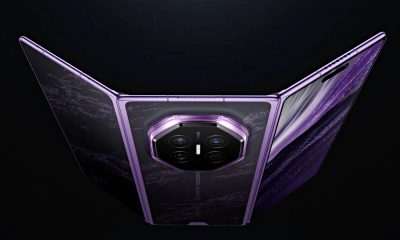
HUAWEI Mate XT 2 tri-fold launches with Kirin 9050 Pro
-

 News1 week ago
vivo introduces refurbished versions of X300 FE, X300 Ultra for less
-

 News1 week ago
iPhone Duo: Price, availability in Singapore