
News
Apple patents a holed iPhone design
Designs are similar to Samsung’s and Huawei’s plans


Once again, the smartphone industry has devolved into an all-out arms race. With everyone’s release schedules drained, the quest is on for 2019’s next big smartphone. 2018 was all about the notch. What will 2019 be like?
Based on existing rumors, the industry is exploring a plethora of options. Among others, these options include a fully integrated screen, a foldable phone, and a holed phone. For the past few weeks, companies have been staking their claim on their preferred form factor. Huawei is developing a foldable phone and a holed phone. Samsung is reportedly developing all three possible form factors for next year.
Traditionally, Apple wages its own war on other fronts, leaving the form factor battle for other companies. Of course, Apple never needed to compete. When it comes to form factors, the company has perfected its own theory on design. Notoriously, the wide notch was popularized by the iPhone X.

Image source: LetsGoDigital
However, despite their dominance in design, Apple is hinting at a new direction in the coming years. Revealed by LetsGoDigital, Apple has recently patented a holed smartphone. Rather than the ubiquitous notch, the depicted phone does not have a bezel. Instead, it has a hole for the front-facing camera sensor. According to the patent, this might come buried underneath the phone’s screen. As a result, Apple’s new patent combines both a holed phone and an integrated screen.
Of course, patents represent a still-forthcoming technology. As of now, Apple is showing a possibility. The company can still change directions between now and next year’s release schedule.
Traditionally, Apple launches its products between the third and fourth quarters. As such, Apple’s future still lags behind other companies’ release schedules. If the patent rings true, it will come after everyone else’s.
SEE ALSO: Apple thinks the iPhone XR isn’t selling well, according to report


Gaming
New Resident Evil Requiem trailer teases a return to the RPD
The title officially launches on February 27.

Fresh off a stellar 2025 filled with award-winning titles, the world of games is now going through a calm before another inevitable storm. We’re still some ways away from the next explosion of amazing titles. For now, however, an upcoming major title is looking to kick off 2026 with a huge bang. Coming very soon, Resident Evil Requiem just got another trailer, and yes, there’s more Leon to go around.
Late last year, Capcom revealed a bombshell announcement it’s been saving up since the title’s big reveal. Resident Evil Requiem will feature the return of the franchise’s most iconic protagonist, Leon Kennedy. The suave agent will play alongside FBI analyst Grace Ashcroft, who heads to Raccoon City to investigate a series of strange deaths.
Since the two characters clearly have opposing personalities, fans have speculated that they will have opposing playstyles. Now, through a new trailer, Capcom has confirmed that Resident Evil Requiem will mix the two genres that the franchise is known for.
Ashcroft, unused to fighting, will have portions more tailored for survival horror, akin to the more recent titles in the series. Meanwhile, Kennedy is back to his gun-toting ways, featuring the same action he’s known for in Resident Evil 4.
Beside the playstyles, there are few Easter eggs for the upcoming title. For example, Sherry makes a very subtle appearance. Also, and this is the kicker, Leon is coming back to Raccoon Police Department in the trailer’s final moments.
Resident Evil Requiem is now available for preorders. The title will officially launch on February 27 for all major platforms.
SEE ALSO: Resident Evil Requiem unveiled at Summer Game Fest 2025
Entertainment
Jason Momoa will star in upcoming Helldivers film adaptation
Justin Lin is set to direct.

PlayStation’s State of Play is about games. However, there are a few times when the semi-regular event can spawn hype for something outside the realm of gaming. Today is one of those times. Sony Pictures and PlayStation have released more information about the upcoming Helldivers movie adaptation.
Early last year, Sony teased a variety of upcoming adaptations for its tentpole franchises. This announcement included Horizon Zero Dawn, Ghost of Tsushima, and Helldivers.
Today, as reported by Variety, the Helldivers film finally has a leading man. Jason Momoa, who starred in the Minecraft adaptation previously, will star in the film.
Since the franchise isn’t really known for a specific main character, it’s unknown who the star will play. We also don’t know his co-stars yet.
Alongside Momoa, Justin Lin will direct the film. The director is known for his work with the Fast and Furious franchise.
Plot-wise, the Helldivers franchise seems tailor-made for the movies. It’s not a supremely story-driven game, but its premise is endlessly adaptable. The games always revolve around a group of soldiers called Helldivers, who protect Super Earth from a host of alien threats. These threats include rogue robots and bug-like creatures.
The film, whatever it might tackle, will premiere on November 10, 2027.
Helldivers 2 launched back in 2024. At the time, the game was exclusive for the PlayStation and PC. However, it recently launched on the Xbox, too.
SEE ALSO: Helldivers 2 review: SIP ON SOME LIBER-TEA!
India
TECNO POVA Curve 2 5G packs an 8000mAh battery
The brand’s biggest battery in a smartphone yet

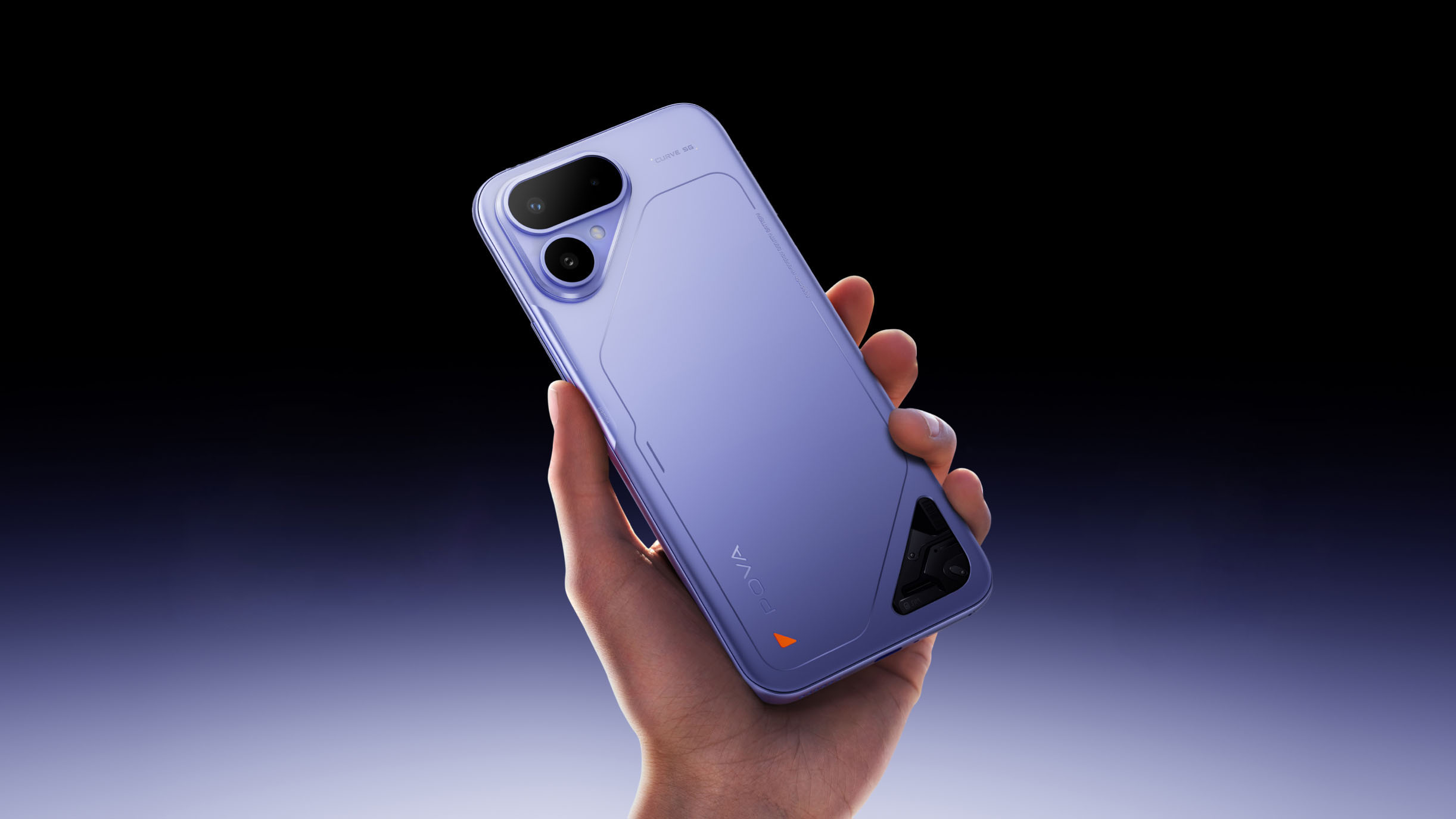
This 2026, TECNO is refreshing its performance-focused POVA lineup by adding a new member in it.
Big power without the bulk
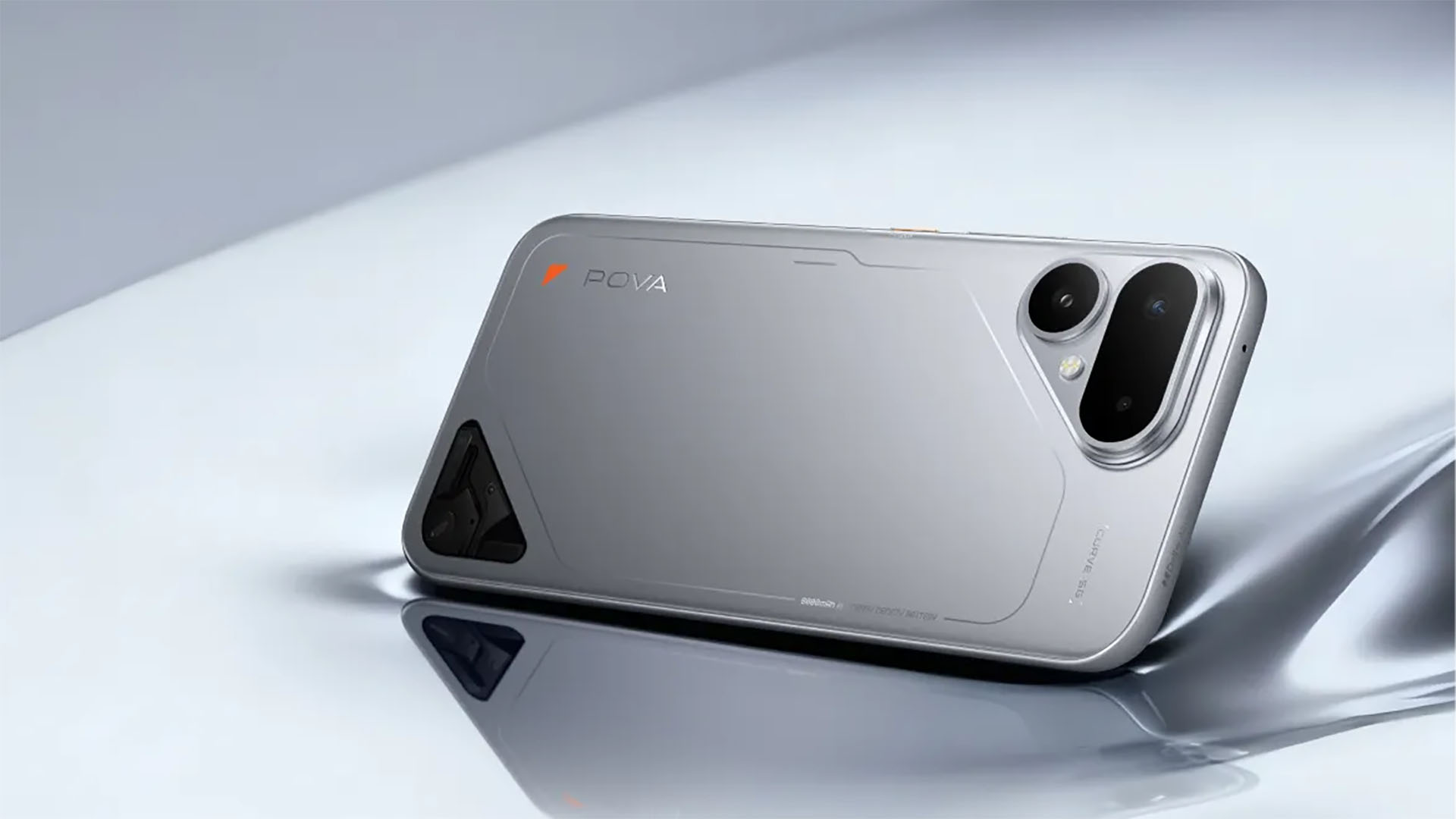
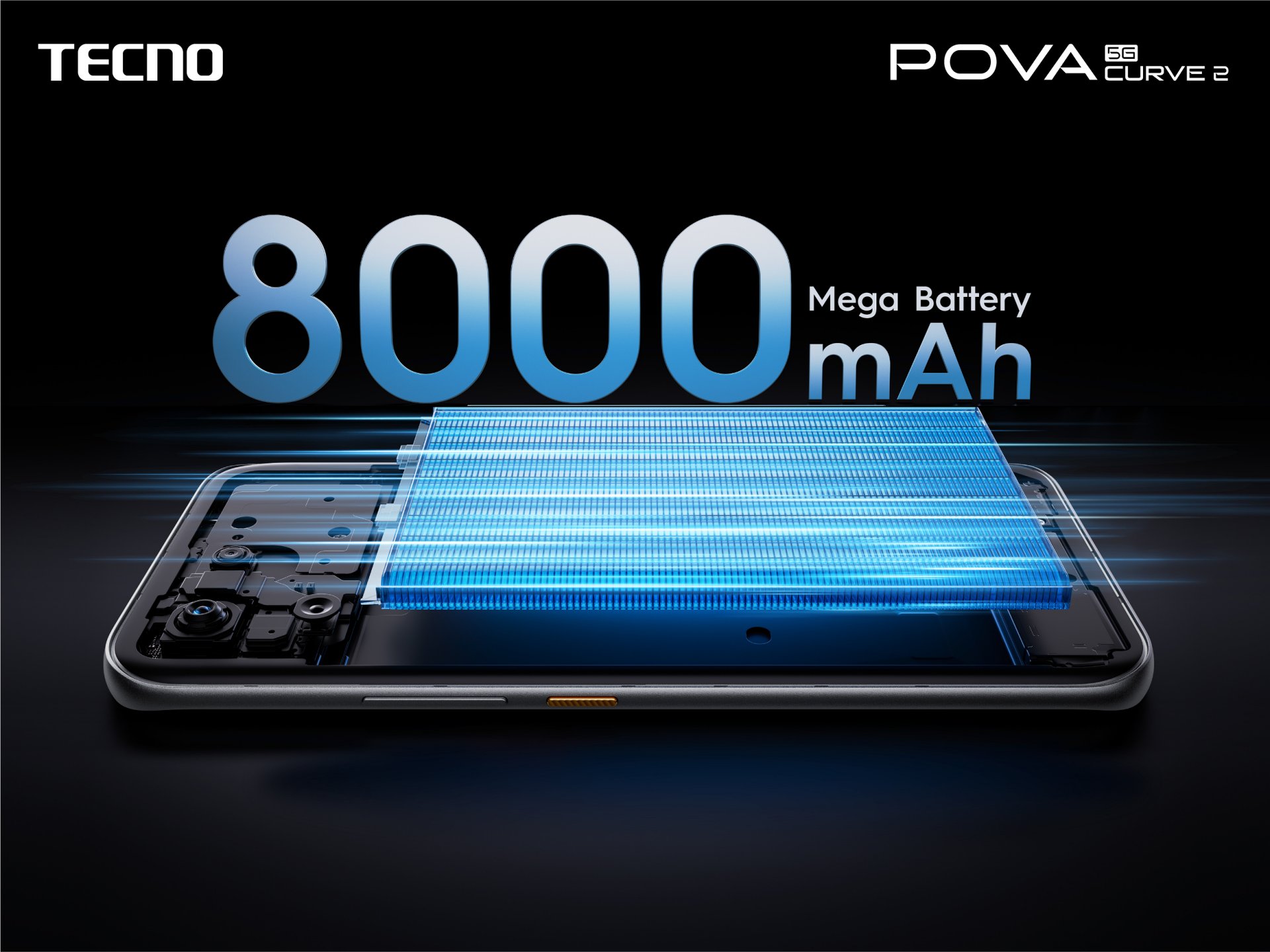
Despite its slim and curved 7.42mm design (and weight of only 195g), the POVA Curve 2 5G arrives with TECNO’s largest battery yet — 8000mAh battery to be precise.
TECNO says the battery is TÜV SÜD-certified for long lifespan and is engineered to last up to six years. It’s also rated to operate in extreme temperatures ranging between as hot as 60°C (140ºF) or as cold as -20ºC (-4ºF).
If you’re already in a pinch, there’s the 45W fast charging with Bypass charging support in tow.
Durability was not compromised as it has a Corning Gorilla Glass 7i Front Glass protection, IP64 water and dust resistance rating, even SGS-certification for 1.5m drop protection.
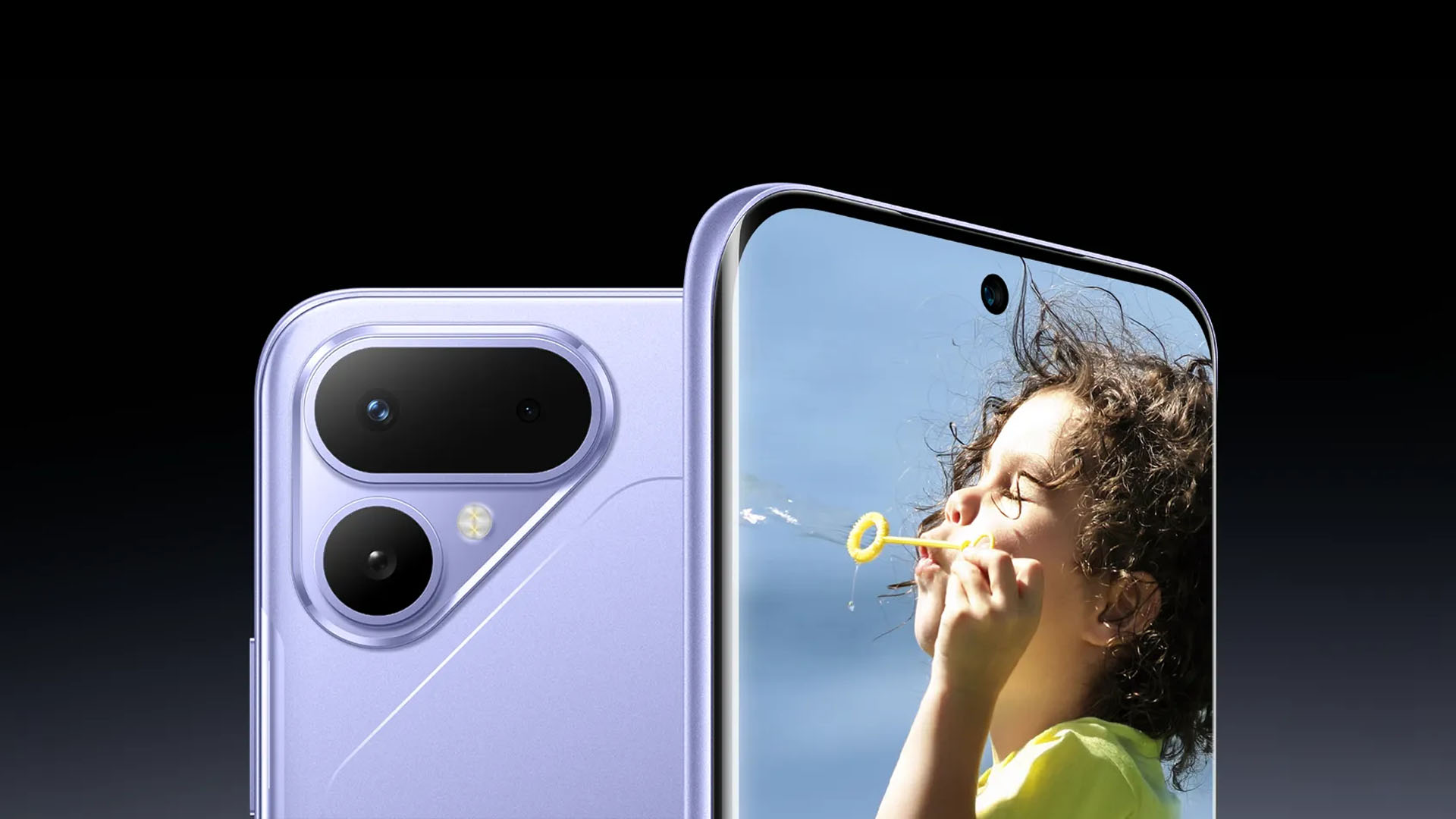
Speaking of front, it features a curved 6.78-inch AMOLED display with a 144Hz refresh rate. Beneath that glass lies MediaTek’s Dimensity 7100 5G SoC.
On the software side, it runs the latest HiOS 16 (based on Android 16) with integrated AI tools in mind. That means AI-powered content summaries, writing assistance, call noise reduction, and automatic photo enhancements.
TECNO’s Ella AI Assistant has also been improved with more personalized interactions across the system. One-tap FlashMemo also exists for instantly capturing on-screen information. Moreover, Mind Hub organizes notes and AI-generated content in one place.
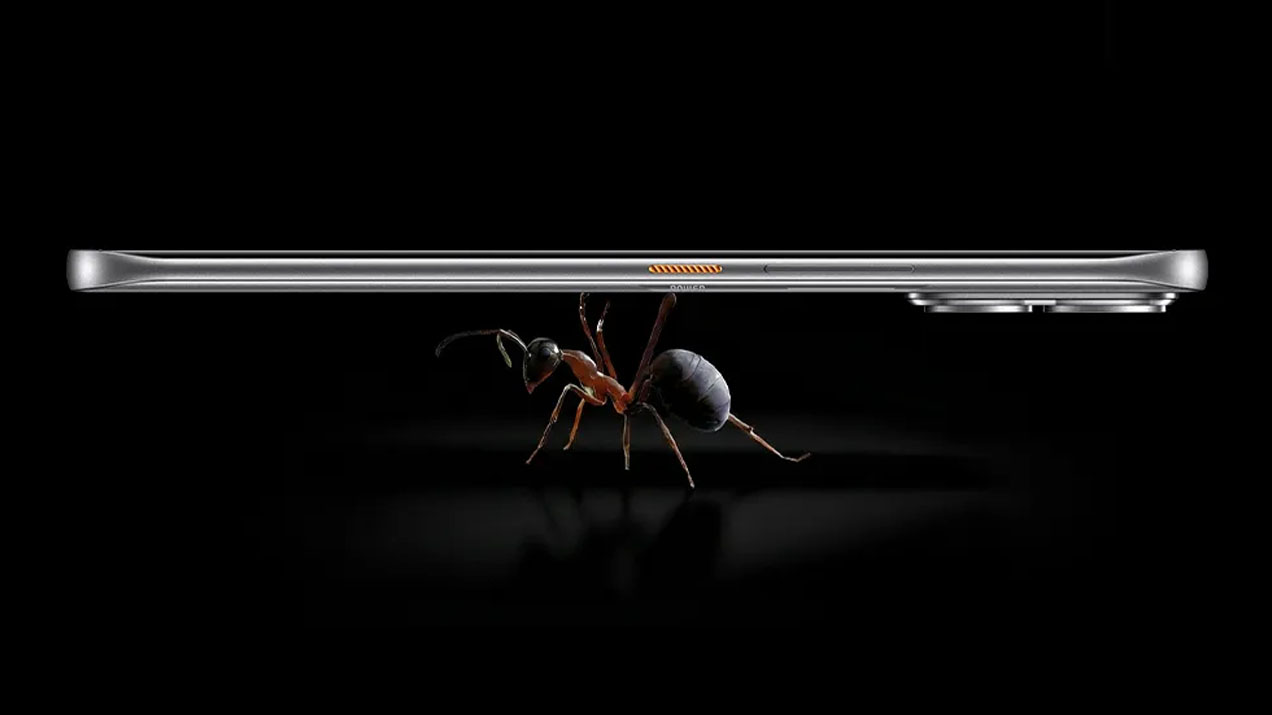
Lastly, connectivity gets a boost, too. With POVA Curve 2 5G’s dual-signal enhancement, it has an improved cellular and Wi-Fi performance in crowded or weak-signal environments. Interestingly, it also supports offline voice, text, and image communication up to 1.5km in open areas.
With all these in mind, TECNO promises two major Android OS upgrades.
Pricing and Availability
The TECNO POVA Curve 2 5G comes in three colorways: Melting Silver, Storm Titanium, and Mystic Purple.

It launches first in India this February 2026. Pricing is between INR 31,999 and INR 34,999 for the 8+128GB and 8+256GB configurations respectively.
It will also make an appearance at MWC 2026 this upcoming March 2 until March 5, 2026.


The art of being in and behind the frame
An OPPO Reno15 5G review


Now Playing: Yakuza Kiwami 3 & Dark Ties
How old should a game be before it gets a remake?


TECNO MEGABOOK K16s 13th review: No-frills beneath those grills
All-around laptop without messing around
The art of being in and behind the frame

New Resident Evil Requiem trailer teases a return to the RPD

Jason Momoa will star in upcoming Helldivers film adaptation

Metal Gear Solid: Master Collection Vol.2 launches August 27 on PS5

TECNO POVA Curve 2 5G packs an 8000mAh battery

Infinix NOTE Edge debuts: High-end features for accessible pricing

POCO M8 Pro review: Goin’ loco over this POCO

HONOR X9d 5G review: Tougher, more long-lasting and optimized

Redmi Note 15 Pro+ 5G review: The midrange fashion piece

Mijia Smart Audio Glasses review: Immerse yourself in the music


-

 Apps2 weeks ago
Breaking up with Adobe Photoshop after 20 years
-

 Gaming2 weeks ago
PlayStation, LE SSERAFIM Chaewon team for the ‘Love of Play’ campaign
-

 Accessories2 weeks ago
Sony WF-1000XM6 was accidentally leaked online
-

 Reviews2 weeks ago
nubia V80 Max: Long battery, marginal upgrades, casual budget phone
-

 Gaming2 weeks ago
Zenless Zone Zero Version 2.6 launches February 6 with idol group debut
-

 News3 days ago
TECNO will showcase the CAMON 50 and POVA 8 series at MWC 2026
-

 Gaming1 week ago
My Hero Academia: All’s Justice: A familiar Final War, made playable
-

 Gaming1 week ago
New Civilization VII update will address everyone’s biggest issue