
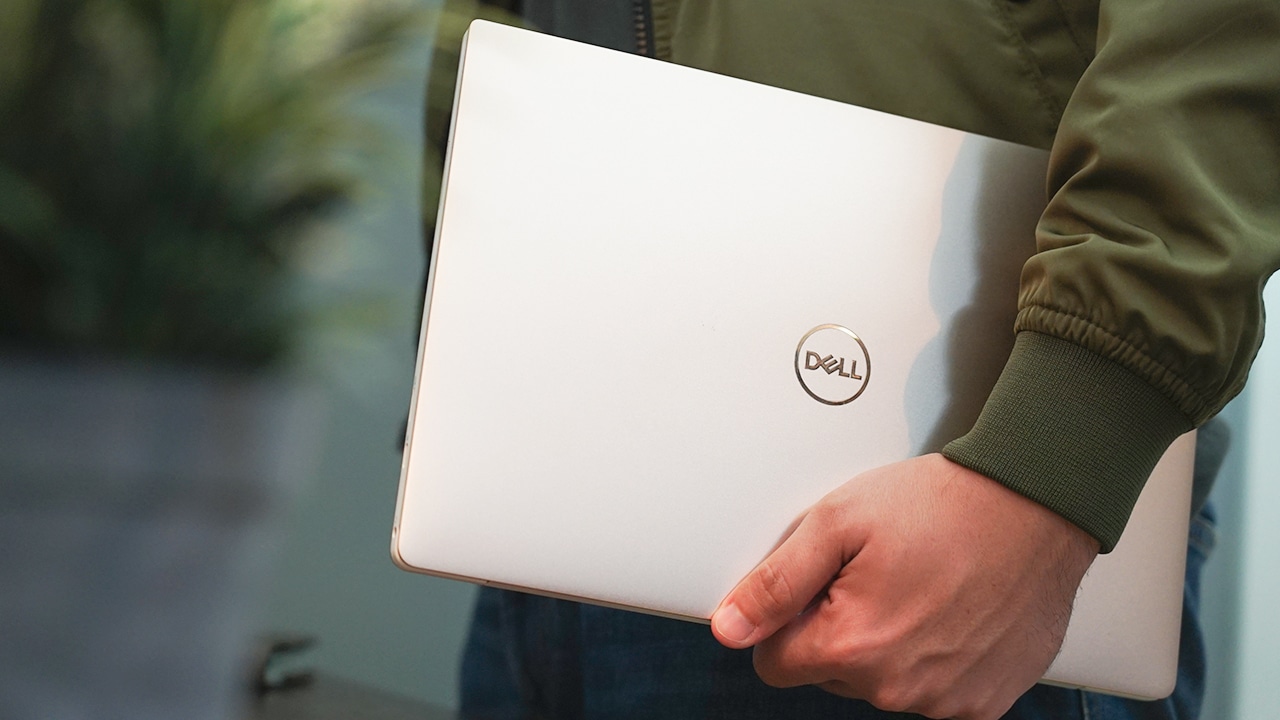


When talking about premium laptops, the flagship models of PC manufacturers are automatically part of the list. You’ve probably already heard of Dell’s XPS line of notebooks. If you haven’t, maybe you’ve seen it before in a cafe or at a store because it’s pretty distinct. Just look for the notebook with an incredibly thin display bezel, and that’s most likely the Dell XPS 13.
Since its introduction in 2012, the design of the XPS 13 hasn’t changed much. It was in 2015 that the Ultrabook (the name of premium Windows notebooks before) got its recognizable bezel-less display. Dell is not yet ready to give the XPS 13 a major makeover, so the 2018 version only has slight changes. Is it still the XPS 13 we know and love? Here’s my review.
The edge-to-edge design lives on
Let’s first talk about the display because it’s the first thing one would notice about this notebook. Since the introduction of the InfinityEdge display on the XPS line, we’ve been wanting other laptops to have the same design. Dell is able to achieve an 80.7 percent screen-to-body ratio with the XPS 13.
My particular XPS 13 comes with a 4K Ultra HD IPS panel with touch input, but it also comes in Full HD with the base configuration. Dell already claims to have covered 100 percent of the sRGB color space with a 1500:1 contrast ratio. Not only that, it’s got a Corning Gorilla 4 with an anti-reflective coating and it can reach 400-nits of brightness which guarantees optimum screen visibility outdoors.

Watching Final Space on Netflix is way more fun with this notebook
Basically, there’s nothing to complain about the XPS 13’s display: It’s color accurate, bright, and immersive. I can’t say the same for the side stereo speakers, though. While the display excels, the speakers do fall a bit behind. They do sound quite pleasant but distort a bit at max volume.
As with smartphones, there’s a catch to borderless designs. Thankfully, nobody has tried releasing a notebook with a notched display, but the webcam has to go somewhere, and here it’s at the bottom of the display. I’ve been using the Xiaomi Mi Mix 2S as my daily driver which also has its selfie camera in an unusual position, so this camera placement isn’t weird for me.

It could be also be called the knuckles cam since fingers get in the view when typing
To be frank, I don’t use the webcam that much. Most of the time, I open it to act as a mirror. When I do need to call someone on Skype or any video-calling service, the camera is looking right up my nose and the quality is so-so.
Good thing it’s not a plain webcam. It has an additional infrared sensor that’s fully compatible with Windows Hello. I never had to type my password or PIN to unlock the XPS 13 because the facial recognition unlock is nearly instant.

Windows Hello works great with the infrared camera
Aside from face recognition, there’s also a fingerprint reader embedded into the power button. So when I wake the notebook from sleep by pressing the power button, it already authenticates and automatically unlocks the device. Pretty neat!

The power key and fingerprint sensor in one button
Moving on to the left side, there’s a couple of USB-C ports with support for Thunderbolt 3 and four lanes of PCI Express Gen 3. So, an external GPU (eGPU) will be able to turn the XPS 13 into a graphics powerhouse.
This will make the XPS 13 both a great laptop on the go and a workhorse when docked. There’s also a 5-LED battery indicator and a Noble lock slot beside these ports.

The battery indicator is a small feature but useful when on the go
On the other side, there’s another USB-C port. This one doesn’t support Thunderbolt 3, but it’s DisplayPort-compatible for external monitors. Thankfully, there’s also a 3.5mm port for headphones and microphones but I’m disappointed about the microSD card reader.

It would have been 100 percent better as a full-size SD card reader
The bottom of the laptop hides the unsightly grilles for ventilation and maintenance screws. There are two long rubber feet to keep the laptop in place when on a surface. The back foot is raised a bit higher, making the XPS 13 slightly inclined. You don’t notice this but it actually gives you a better angle when typing.

The heat dissipates away from the user
Speaking of typing, it’s easy to adjust to the layout of the XPS 13’s keyboard. Every key is where I like it to be with a good amount of spacing, and the travel of each key is just right. Overall, the whole keyboard never felt cramped.
What I like more is the touchpad. Despite being a bit constrained due to the size of the notebook, it’s smooth, responsive, and has full Windows Precision Touchpad support. Windows 10 now has many useful gestures and they’re a breeze to flip through.

This notebook has one of the best touchpads on a Windows notebook
The new rose gold exterior with white interior variant is also new on the 2018 version of the XPS 13, and it’s more than a new tint. We’re looking at an “alpine white woven glass fiber palm rest” which claims to be UV- and stain-resistant to prevent yellowing over time and staining. Just like last year’s XPS 13, it’s body is cut from a single block of aluminum.
A powerful yet compact notebook
Now onto the specs, the XPS 13 (2018) is powered by the latest eighth-gen Intel Core processors. The model I have has a quad-core Intel Core i7-8550U processor paired with 8GB DDR4 RAM and Intel UHD Graphics 620. The base clock speed of the new ultra-low power processor is 1.8GHz with a turbo boost to 4GHz when needed.
It’s a specced-out notebook for everyday use and it can handle Adobe Photoshop and some video editing with Adobe Premiere Pro. Gaming is also not an issue for the XPS 13, but don’t expect it to play AAA titles at high frame rates. The likes of CS:GO and League of Legends on low to medium settings is what it can handle.

The XPS 13 boots fast and is zippy. There are some minor hiccups from time to time but that’s pretty normal when Windows 10 is under stress. What grabbed my attention though is how fast apps load. This is probably due to the fast read times of the notebook’s 256GB M.2 SSD storage.
Moreover, the base of the XPS 13 feels pretty cool when on my lap, yet it does get really warm while being charged. Its fans are relatively quiet unless I’m running a game or benchmarking software. Overall, I have nothing to complain about the laptop’s fan noise even when it’s under heavy load.
Long-lasting on a single charge
We buy 13-inch notebooks for portability, but that normally comes at the cost of battery life. Fortunately, the XPS 13 is able to last long on a single charge.
I consider my use of the laptop as moderate, which includes constant Wi-Fi and Bluetooth connectivity, Chrome with multiple tabs, and brightness levels staying around 50 percent most of the time. On average, I get about seven and a half hours of power. The longest I got was around nine hours when I mainly used the notebook to binge-watch the whole day.

When it’s time to fill up, the XPS 13 charges through any of the USB-C ports. Ain’t that convenient? It takes about two hours to fully charge the notebook using the included small 45W charger. Maybe a bigger charger with a 65W output can charge the notebook faster.
Is this your GadgetMatch?
If you’re looking for the best 13-inch Windows laptops out there, the Dell XPS 13 (2018) should top your list. Why? I have three reasons.
First, the display and design alone will make you want an XPS 13. Second, it’s a portable powerhouse because it can also be an editing and gaming machine with the help of an eGPU. Ideally, I’d use the XPS 13 when I’m on the road, then plug it in at home to a bigger monitor and eGPU to transform it into a capable desktop PC. Lastly, after my more than two weeks of use, I didn’t have any negative experience that left a bad impression.

The lack of full-size ports might turn off some, but living the dongle life is pretty unavoidable with new laptops, especially when they’re this small. As long as it’s got Thunderbolt 3, you’re safe and there are a number of quality and useful adapters already available in the market.
The Dell XPS 13 (2018) starts around US$ 999 in some markets with the base configuration. The particular variant I have here retails for US$ 1,450 in the US, SG$ 2,399 in Singapore, and PhP 99,990 in the Philippines. It’s quite pricey, but you’re getting a premium notebook and not just another Windows 10-powered laptop.
SEE ALSO: Dell Latitude 7390 2-in-1 Review: The complete business laptop






Editors' Choice
GadgetMatch Awards: Best of IFA 2026
Xiaomi 18 Fold, Govee, XGIMI, ARZOPA, Cuktech and more!


We’re back at IFA 2026 in Berlin, checking out some of the coolest and most interesting tech on the show floor.
From smart home lighting and portable displays to projectors, power solutions, foldables, and more, these are some of the products and brands that caught our attention this year.
In this video, we take a look at:
- AI Lighting https://bit.ly/4xmY342
- Z3FC Portable Monitor https://bit.ly/4gRk7wD
- D14 Digital Photo Frame https://bit.ly/4qYlRJ6
- 30 Ultra Desktop Charging Station https://s.whaee.com/tXBornw
- 10 Ultra Charger https://s.whaee.com/UsWT4U2
** Use code CUKTECH09, valid until September 30
XGIMI
ASUS x NVIDIA RTX SPARK
- ProArt P16: https://asus.click/h7607_gm
- ProArt P14: https://asus.click/h7407_gm
- ProArt GR1X
Watch until the end for our favorite finds from IFA 2026!
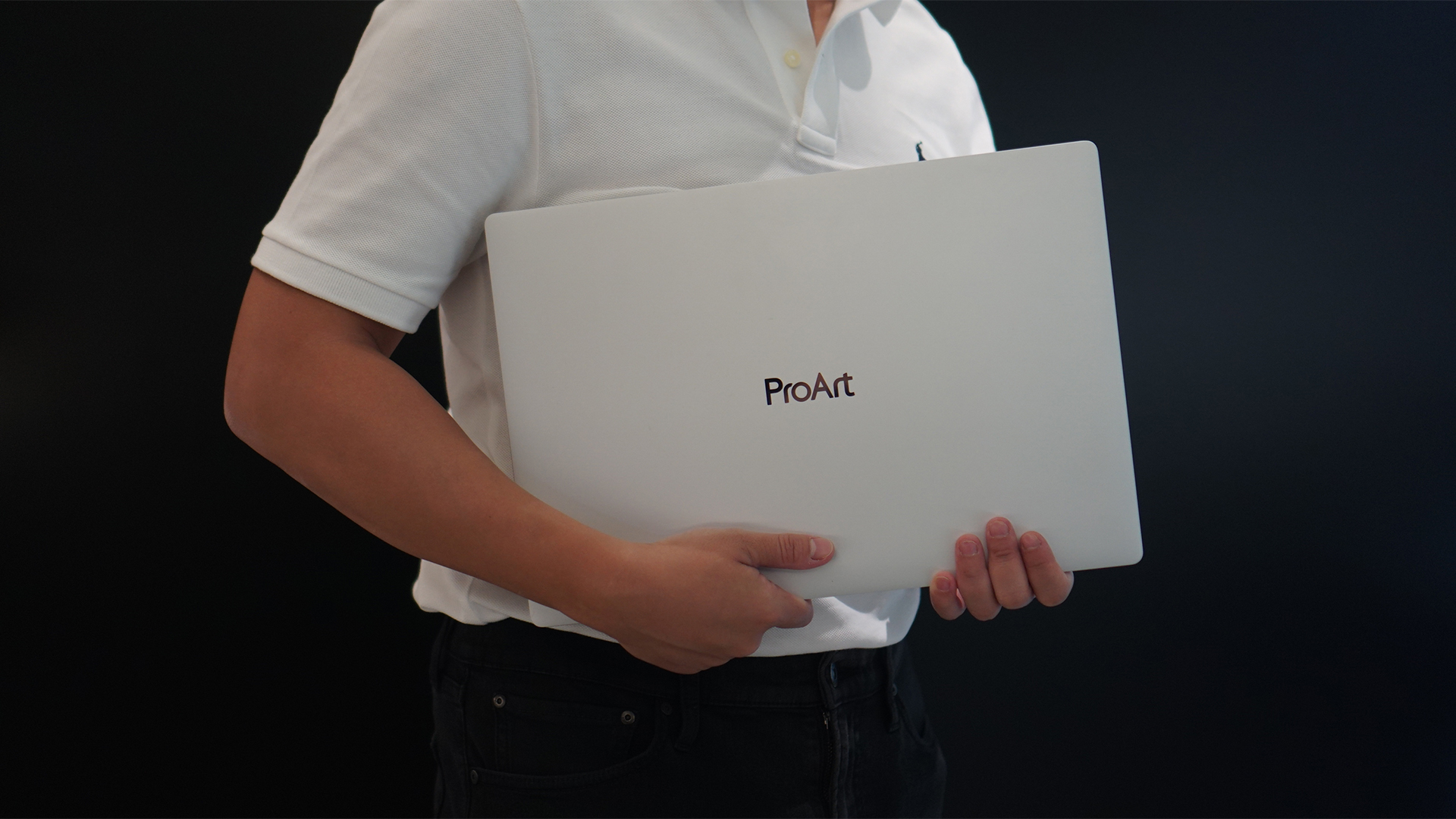
Select ASUS and ROG laptops now come with three months of Google AI Pro or Google AI Plus at no extra cost. The offer starts September 7 and covers eligible models from the 2025, 2026, and upcoming 2027 lineups.
Google AI Pro includes 5TB of cloud storage, while Google AI Plus comes with 400GB. Both plans also provide access to a range of Google’s AI-powered tools and features.
More Google AI on ASUS laptops
Eligible customers can use the Google Gemini app, Deep Research, Google Flow, Gemini in Google apps, and Gemini Notebook, among other features. Availability varies depending on the Google AI plan and supported features.
Google AI Pro offers higher usage limits and expanded access to Google’s more capable Gemini models. It also includes additional developer and agentic tools such as Google Antigravity, Jules, and AI Studio, subject to availability and plan terms.
Google AI Plus provides elevated access to Google’s AI tools alongside features for creative generation and productivity.
The offer covers more than just AI features. Google AI Pro’s 5TB of cloud storage and Google AI Plus’ 400GB give users additional space for documents, photos, videos, research, and other projects.
Available across select ASUS models
The one-year program starts September 7 and applies to selected ASUS and ROG laptops in supported markets. Eligible models span the ROG, TUF Gaming, ProArt, Zenbook, and Vivobook families, including select 2025 and 2026 models and upcoming 2027 devices.
Customers can redeem the offer exclusively through the MyASUS app. ASUS has published the full list of eligible models and the offer’s terms and conditions on its website.
Check the full list of eligible ASUS laptops
ASUS is also running its No. 1 Quality, School-Ready Deals promotion until September 15, 2026. The promo offers additional deals for students, gamers, and professionals buying select ASUS and ROG devices.
The company’s No. 1 Quality and Service package also includes up to three years of international and local warranty, service access across more than 90 countries, and over 100 ASUS Service Centers and Drop-Off Points in the Philippines. Eligible laptops also come with one year of Local Accidental Damage Protection and up to six free device cleaning claims.

TECNO is making its MEGABOOK lineup a little more flexible.
At IFA ShowStoppers 2026, the uprising tech brand unveils the MEGABOOK T15 360 with two more laptops and three phones tagging along.
One laptop, four modes
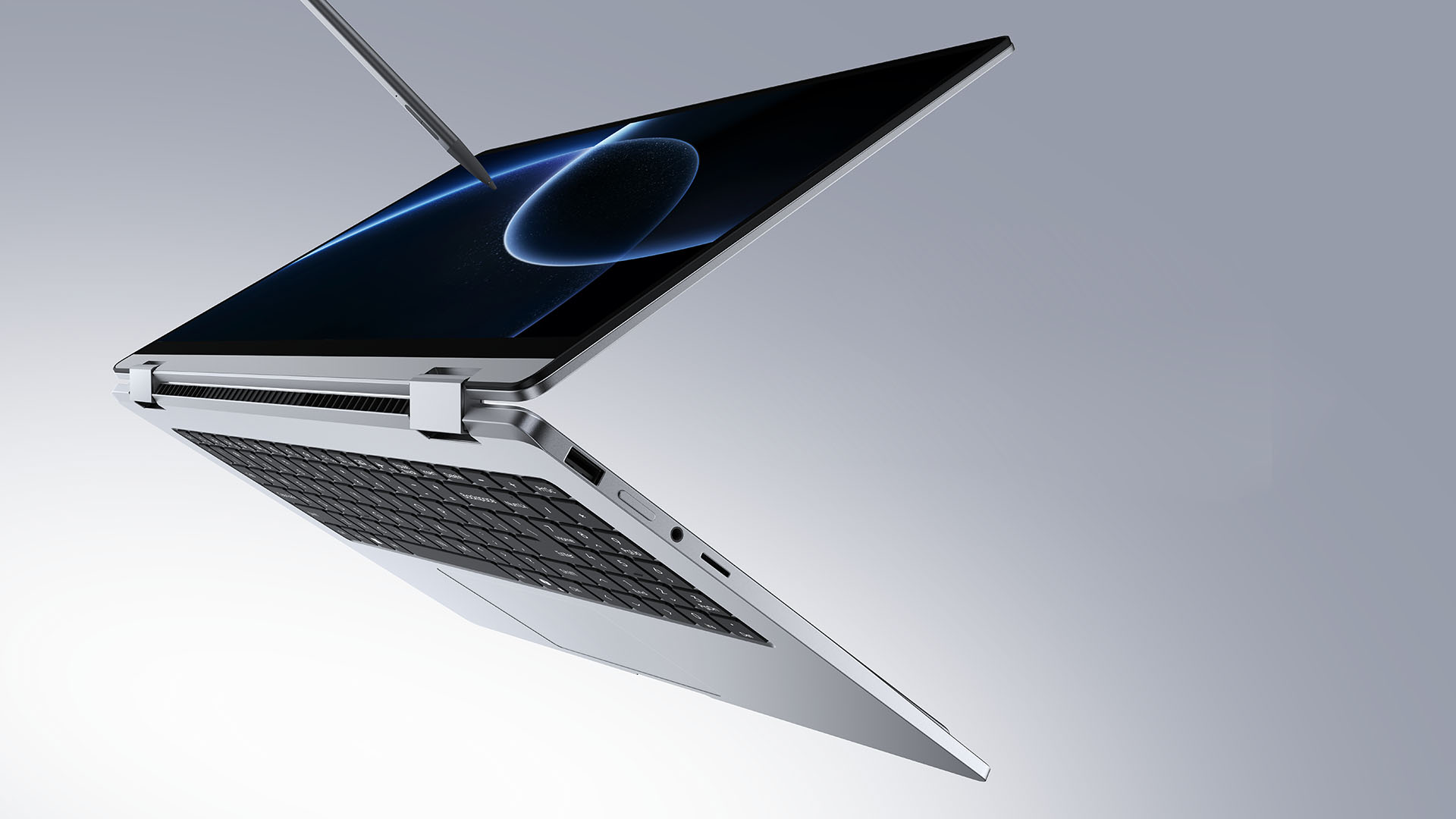
The MEGABOOK T15 360 series is the brand’s first laptop lineup with a 360-degree hinge and touchscreen display.
By that, it’s more than just a conventional laptop. It can also be a tablet or a portable display via Tent mode or Stand mode. This added feat makes everything more versatile as TECNO’s existing laptops are only limited to the clamshell form factor.
Both models feature a 15.6-inch screen with the standard 16:9 aspect ratio. As alluded earlier, it’s a touchscreen laptop consisting of 10-point multitouch points. There’s also optional MPP 2.0 active pen support if you want to write or draw directly on the display.
So what’s the difference?
Well, the regular T15 360 gets a Full HD 60Hz panel with 320 nits brightness.
Meanwhile, the Pro version takes it up a notch with a faster 120Hz refresh rate, sharper 2.5K display resolution, full 100% sRGB coverage, and higher 350 nits brightness.
Both laptops come in an all-metal chassis made using CNC machining. The convertible design doesn’t come at the expense of a more conventional laptop build.
Performance uncompromised
TECNO isn’t treating the T15 360 as a lightweight convertible that has to compromise on performance.
You can get up to an Intel Core Ultra 9 185H processor, paired with an LPDDR5X RAM. The storage is based from PCIe M.2 2280 SSD — with select models having a secondary M.2 slot for utmost expansion.
There’s also a 70Wh battery plus support for a speedy 65W PD GaN charger. Connectivity includes up to Wi-Fi 6E and Bluetooth 5.4, alongside seven built-in ports.
Practical stuff were neither forgotten. There’s a backlit keyboard with a dedicated number pad, a fingerprint reader underneath its power button, dual speakers with DTS Ultra, a webcam, and dual digital microphones.
TECNO’s OneLeap feature also rounds things out by letting the MEGABOOK work with other TECNO’s smartphones, tablets, and other PCs for cross-device collaboration.
Two more MEGABOOKs
TECNO also brought two other MEGABOOKs to IFA.
The MEGABOOK K15S WCL is the more straightforward option. It uses Intel’s newer Wildcat Lake platform with a 16:10 display, a 70Wh battery, and 65W GaN charging — all in a premium, all-metal body.
Then there’s the MEGABOOK T17 Ultra. Ultra by its name, it goes big with a massive 17.3-inch 16:9 display. It can be configured with up to an Intel Core Ultra 9 processor and LPDDR5X memory. It also features a massive 99.99Wh battery and speedy 100W GaN PD fast charging.
Wait! There’s even more…
Beyond laptops, TECNO reveals the true form of its Next-Gen Bezelless Concept Phone at IFA 2026.
As announced more than a month ago, this concept uses a redesigned display architecture, internal stacking, structural engineering, and screen packaging to eliminate the physical black border around the display, resulting in what TECNO calls a true 0mm display border.

Beside a phone prototype, there are two consumer-ready products as well.
The POVA 8 Pro 5G Tonino Lamborghini Limited Edition combines the POVA series’ performance-focused approach with Tonino Lamborghini’s design language.
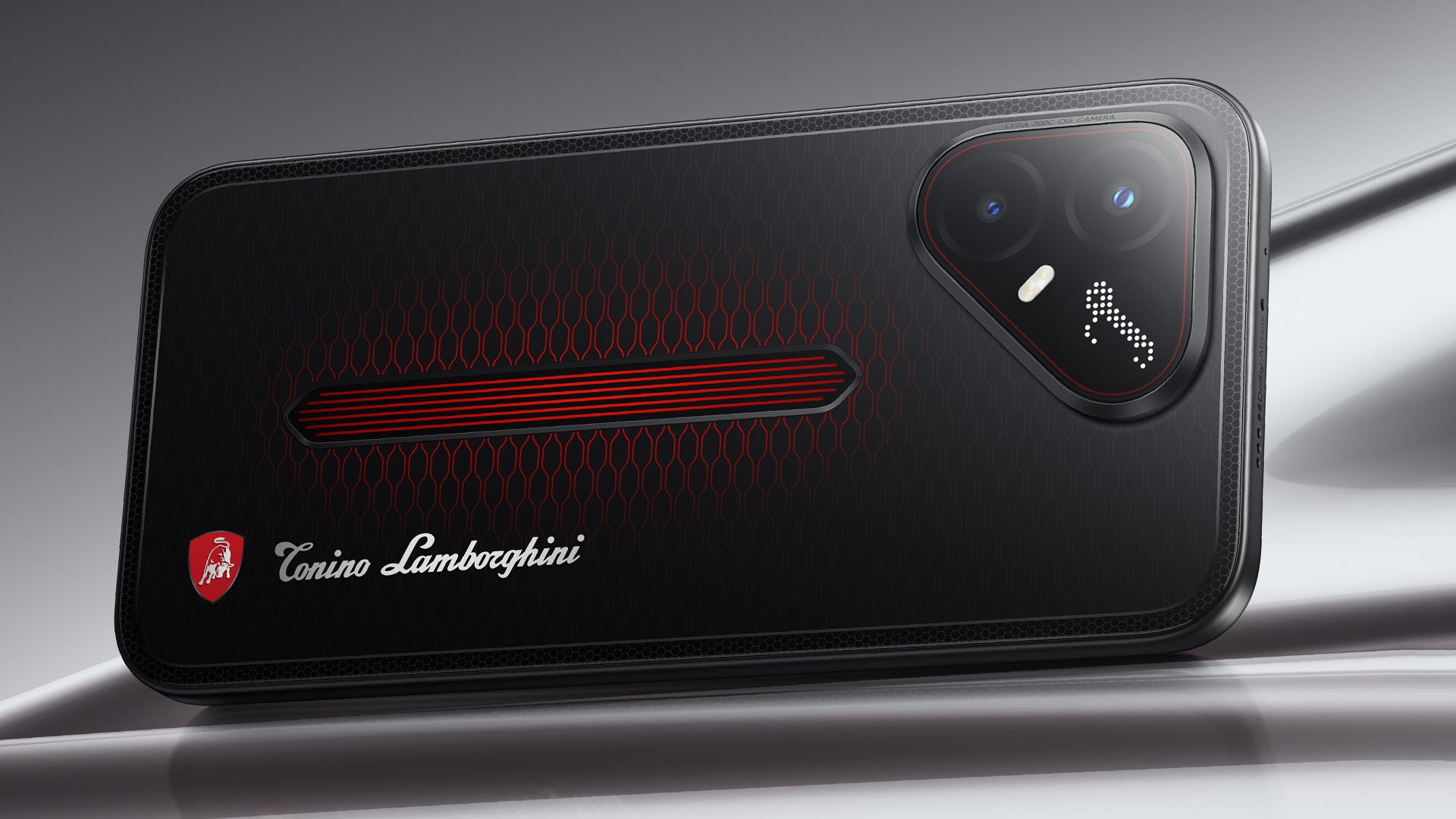
It uses a MediaTek Dimensity 7400 Ultimate 5G chipset alongside TECNO’s custom-made P1 Graphic Chip and a 5K IceShield vapor chamber cooling system. Specific details will be announced on September 4, 2026.
Meanwhile, the CAMON Slim 5G focuses on a thinner form factor, measuring just 6.39mm thick.
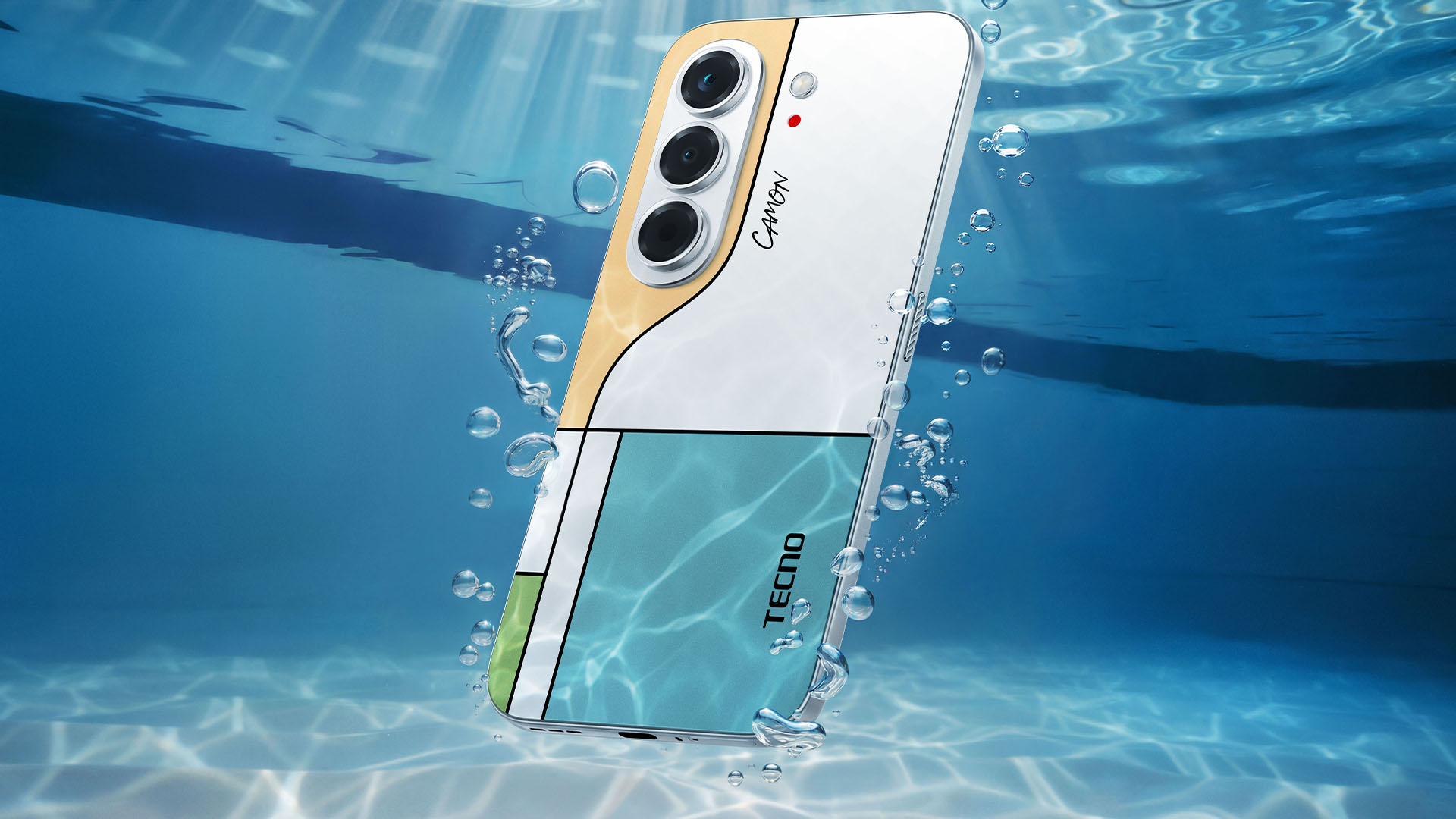
TECNO says it combines the CAMON line’s imaging features with AI capabilities and artistic colorways. More specifications will be revealed on September 7.
Pricing and Availability
The MEGABOOK T15 360 Series is expected to arrive in Europe by Q4 2026.
Depending on the configuration choice, the MEGABOOK T15 360 will start between EUR 899 ~ EUR 999. The MEGABOOK T15 360 Pro will cost as much as EUR 1099.
No pricing info were announced for the other MEGABOOKs and two phones as of writing.


DJI Lito X1 review: Is this the best lightweight drone for creators?
Making a strong case as a travel companion and a capable B-cam!


REDMI Note 17 Pro Max review: A new breed born from AI greed
Welcome to the new normal


Marvel’s Wolverine review: When the claws come out
A brutal, cinematic superhero adventure

When your body talks, the Galaxy ecosystem listens

MediaTek launches the Dimensity 9600 Pro

Qualcomm unveils the Snapdragon 8 Elite Gen 6 series

OPPO Find X10 Pro Max is the first phone with a triple 200MP camera system

70mai launches the A900 series with 4K front, rear recording

realme 16T 5G with 8000mAh battery, IP69 Pro rating launches in PH

HUAWEI Pura X View is 2026’s first WIDE slab-type smartphone

REDMI reveals the refreshed Note 17 and Note 17 Pro series

REDMI Note 17 Series: Price, availability in Singapore

The CAMON Slim 5G is TECNO’s latest ultra-slim smartphone


-

 Accessories2 weeks ago
CASETiFY upgrades iPhone 18 cases, teases iPhone Duo lineup
-

 Hands-On2 weeks ago
Apple iPhone 18 Pro Series Hands-on
-

 News3 days ago
vivo X500 Series launches with major imaging upgrades
-
Gaming2 weeks ago
Marvel’s Wolverine review: When the claws come out
-

 Gaming1 week ago
BlizzCon 2026 announces World of Warcraft: Forever and Diablo V
-

 Singapore5 days ago
Epson Lifestudio Grand Plus EH-LS970B with 4K projection, more launches
-
Reviews1 week ago
REDMI Note 17 Pro Max review: A new breed born from AI greed
-

 First Look2 weeks ago
First Look: Apple iPhone Duo