
Gaming
Final Fantasy VII Remake review: A fresh experience of a timeless tale
Nostalgic and new at the same time

Easily one of the most hyped and anticipated video games over the last five years, Final Fantasy VII Remake has arrived and it is everything I hoped it would be.
It manages to preserve the spirit of the original game while modernizing it in every way imaginable. It feels so close to the Final Fantasy games I grew up playing — those being VII, VIII, IX, and X — while also definitely being a game for 2020. Nostalgic and new at the same time.
Before we proceed, some important declarations: GadgetMatch received an official copy of the game specifically for the purpose of this review. This article will have no spoilers — just a general overview and assessment of the Final Fantasy VII Remake experience.
The devil is in the details
One of the more obvious differences is how the game looks. In 1997, Final Fantasy VII, was a visual breakthrough. It was the first time for a Final Fantasy game of this scale to switch from 2D to 3D.
Being preceded by games like God of War, Horizon Zero Dawn, and Uncharted 4: A Thief’s End just to name a few, the Remake won’t have the same kind of video game graphics impact. But make no mistake, it serves up a visual experience that is utterly breathtaking.

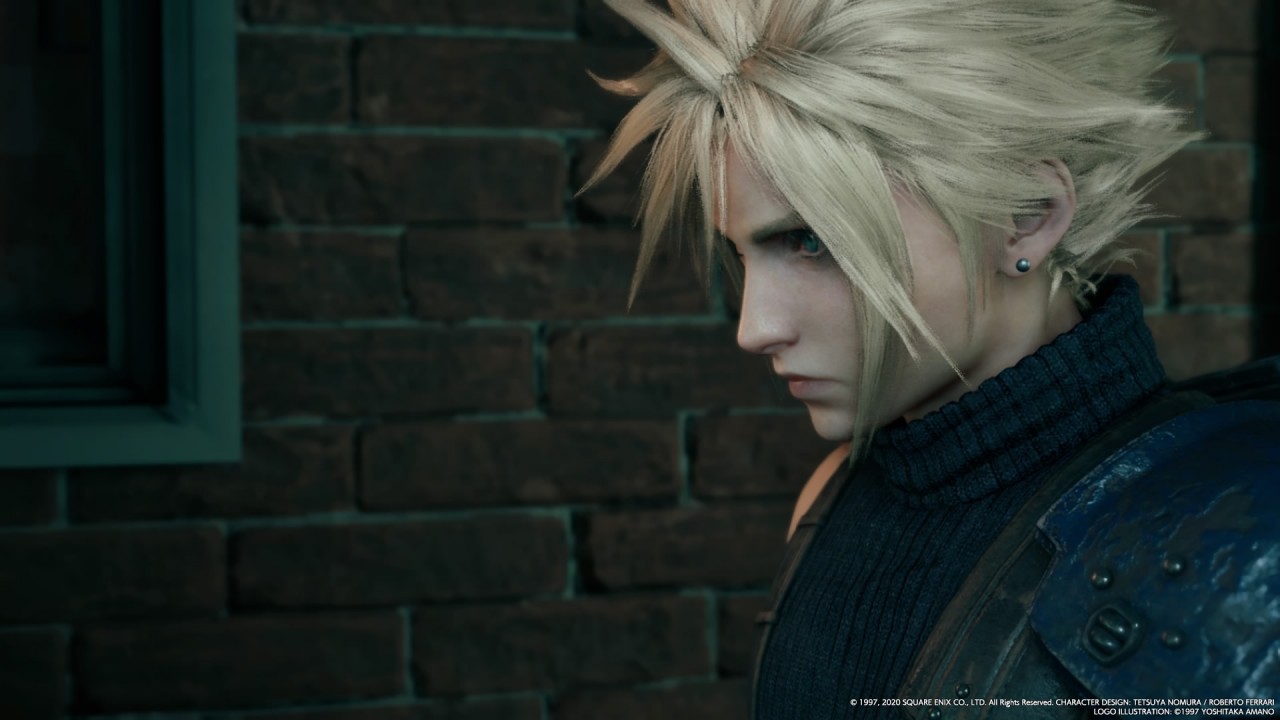
LADIES’ MAN. Cloud is pretty popular with the ladies. A true visual 😉
It starts with the little things. The way the game treats light when you go indoors or outdoors is reminiscent of how your eyes would behave when doing the same. It takes a second before your eyes fully adjust to your surroundings. And this treatment of light is consistent throughout the game.
The cinematography is also a masterclass in visual storytelling. There’s a sequence during the beginning of the game where Cloud Strife and Tifa Lockhart (two of the main characters) were interacting and the way they were positioned in relation to each other and to the environment tells you a lot about the current standing of their relationship.

SOCIAL DISTANCING? Cloud and Tifa meet again after 5 years
It’s a classic show-don’t-tell technique and it works wonders. It’s also pretty consistent throughout the game. The shots used for each scene were carefully and meticulously thought out. It adds not only to the cinematic flair, but also to the emotion of the game.
Midgar feels alive
This level of attention to detail is present all over Midgar — the place where most of the game will take place. The way the camera zooms in and out of the city during certain scenes gives you a good grasp of the life and status of Midgar and its people.
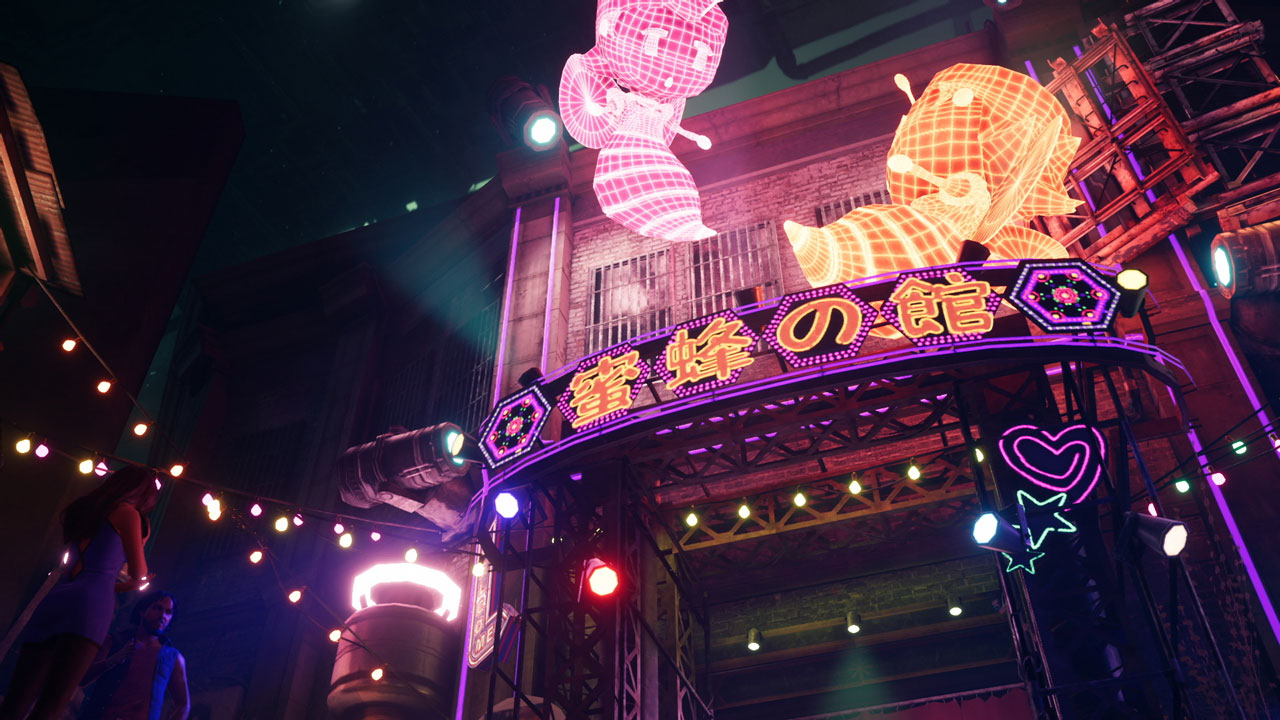
The class divide between those living in the upper levels versus those relegated to the slums is very evident in one of the earlier missions. Not just with how the levels are designed, but also with the dialogue of the NPCs (non-playable characters).
There’s a stark contrast between how people from the upper level reacted to the bombing of the first Mako reactor to how the people in the slums reacted. People in the upper levels mostly support the authoritarian Shinra — the city’s ruling organization. They also happen to be direct benefactors of Shinra’s exploits.
Meanwhile, the people in the slums are a mixed bag — some are indifferent, only caring about how they will get through the next day. Some are rightfully afraid of how they will be affected by the ensuing conflict.
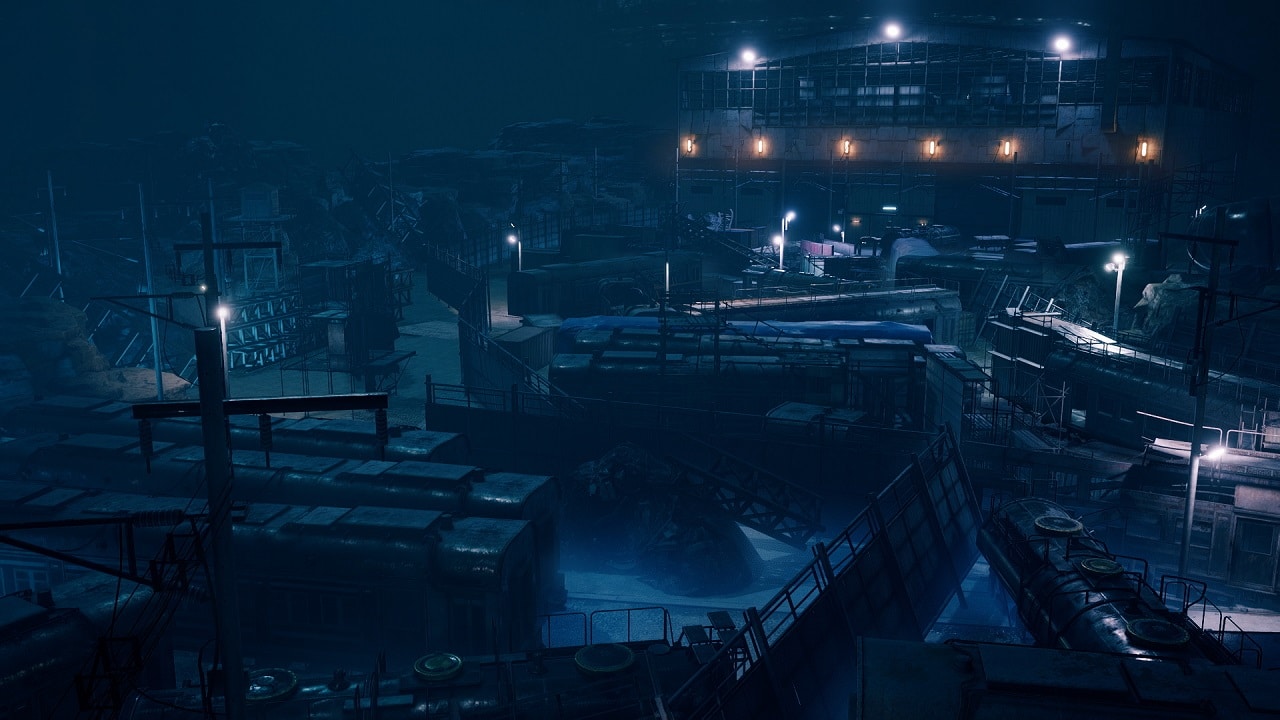
By the way, for the uninitiated, the story basically kicks-off with a radical group called Avalanche carrying out the first of a series of bombing missions. The group believes Shinra is syphonying off the planet’s life through the Mako reactors. Mako is the planet’s lifestream. If it runs out, the planet will most likely wither away.
Action-RPG combat with turn-based feel is extremely satisfying
One of the biggest points of discussion is how the Remake will handle combat. The original game — in true JRPG fashion — was turn-based. That was 23 years ago, and outside of Persona 5, the turn-based style hasn’t really attracted plenty of gamers.
What Final Fantasy VII Remake did is fuse that turn-base feel to the more popular Action-RPG type. Something that a lot of gamers today prefer. I wouldn’t say it’s perfect, but it’s pretty darn close.
Here’s how it works: When you go into battle, you have direct control over moving around as well as the character’s physical attacks. Dealing physical damage raises your ATB meter. Your ATB meter then gives you access to using Abilities, Spells, Items, and whenever they become available — Summons and Limit Breaks.

When you trigger the use of your ATB meter the game goes into this slo-mo mode. It sort of reminds me of “bullet time” from Max Payne or that brief slo-mo in Marvel’s Spider-Man that gives you enough time to plan your next move. Except in Final Fantasy VII Remake, that slo-mo is longer, giving you ample time to issue commands for every character in your party.
The whole combat system might also remind you of Kingdom Hearts III, but unlike that game, there’s no way you can just charge in and button mash to win fights. Each enemy has to be dealt with differently and you’ll have to be very careful and tactical in your approach to win battles.
A great way to jump into Final Fantasy
Another thing that Final Fantasy VII Remake masterfully does is not overwhelm you with all the Final Fantasy things you need to know. It slowly introduces you to the story and the franchise’s concepts throughout the game.
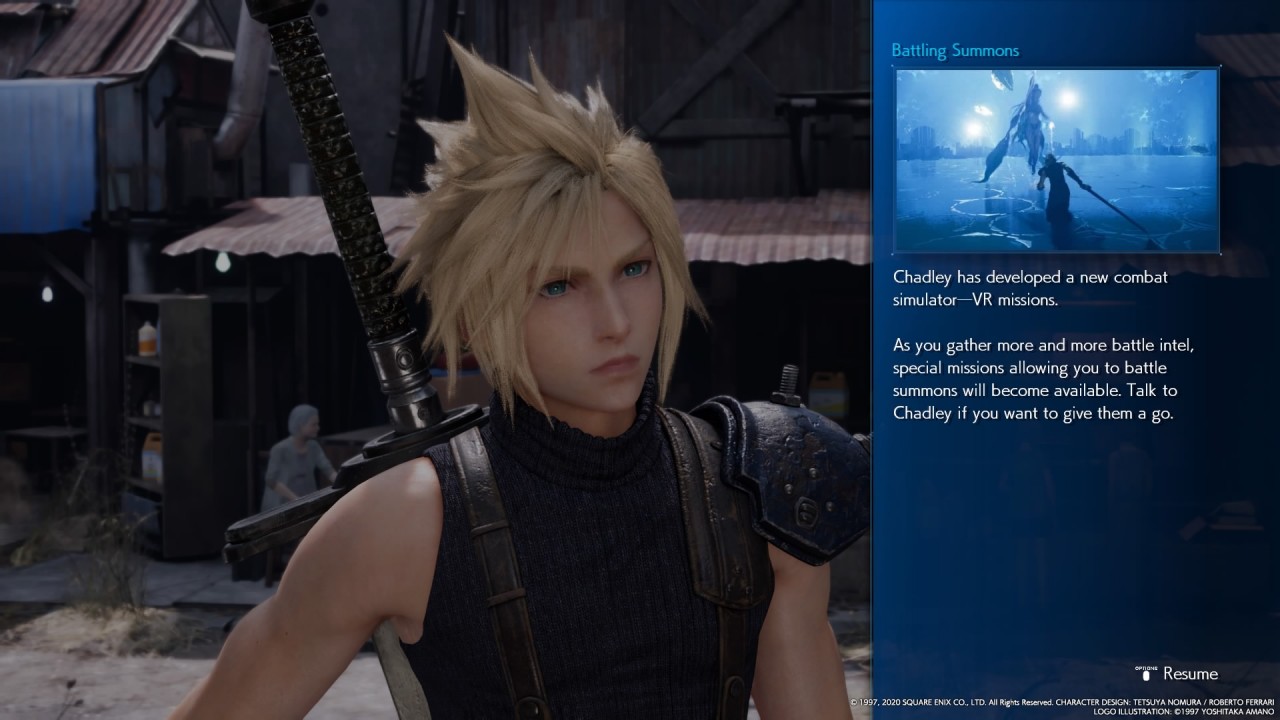
VR MISSIONS. New summon materia can be acquired through this method
The Final Fantasy franchise is full of lore. While each game is a stand alone story, some items, summons, skills, and magic are consistent across all the games.
If you have zero knowledge going in, you’ll feel right at home. The franchise’s lore is carefully integrated into the main story. If you’re a Final Fantasy veteran, the introduction of these concepts flow well enough that they’re not at all boring.

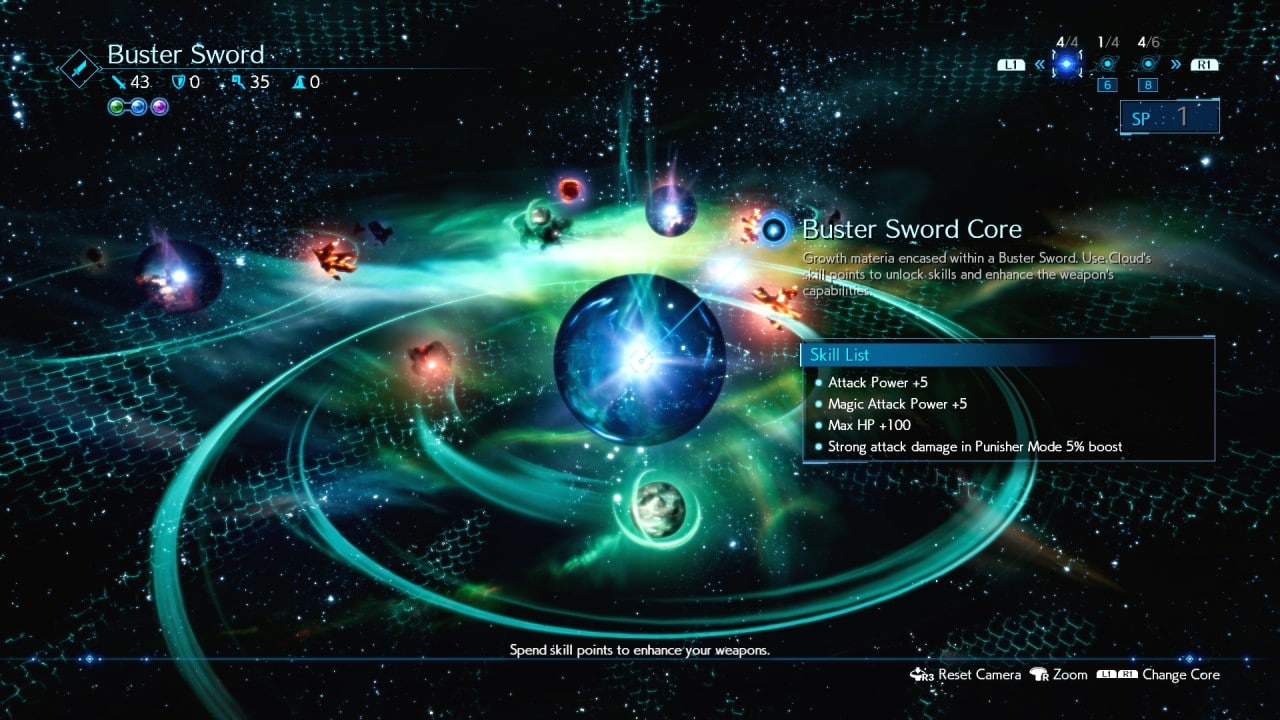
It perfectly walks the tightrope of keeping franchise fans happy without alienating any potential newcomers.
A fantastic remake
It was the Final Fantasy franchise that first had me dreaming what it would be like when in-game graphics would finally match cutscenes. Final Fantasy VII: Advent Children — the computer-animated film that served as the follow-up to FF7’s story — sparked that dream further.
Final Fantasy VII Remake made that dream come true. The way it transitions from free-roaming to battle to cutscene is seamless. It literally feels like you’re playing a computer-animated film.

While we’ve seen this play out in other games, just the fact that it’s an iconic game with iconic characters given new life by modern technology makes it extra special. Playing it made me feel like a kid again. It’s exactly the jolt that my jaded adult version needed more than anything.
There’s a lot more to this game that can be discussed. So much more can be dissected. Everything from how each character is treated, how the story almost feels like a reflection of society today, the intricacies of its battle system, and many more. I’m excited to have these conversations with fellow gamers.
If you came here looking to find out if you should pick this game up, the answer is a resounding YES. If you pre-ordered (and have already preloaded) the game, let this be a primer for what you’re about to step into — a game that’s carefully crafted to give you a fresh experience of a timeless tale.





Gaming
Marvel Wolverine Limited Edition PS5 bundle SEA pricing
Available in Battle Yellow and Adamantium Limited Editions

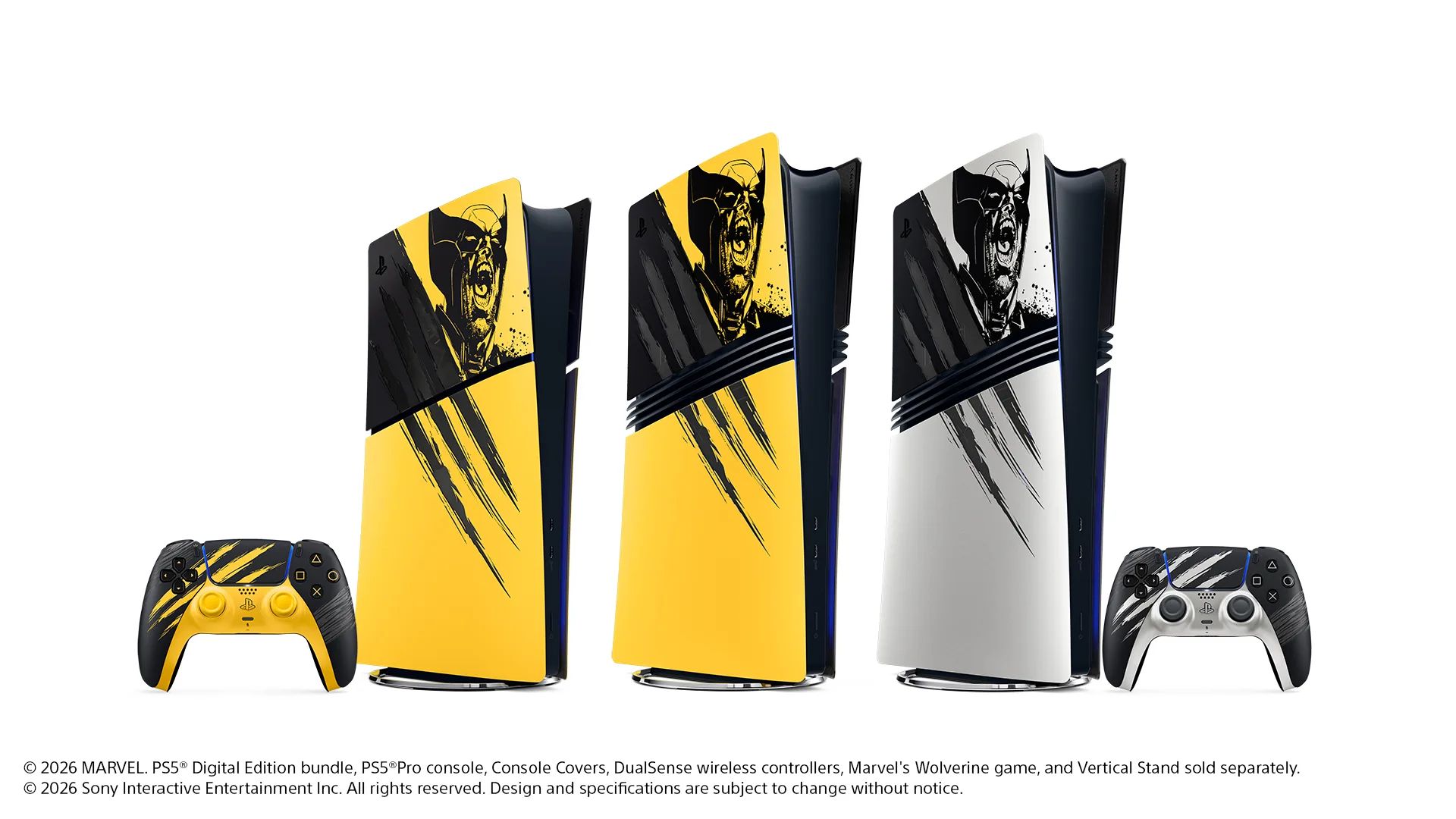
The first look for the Marvel Wolverine Limited Edition PlayStation 5 Console bundle and accessories have just released.
The console inspired by the raw power of Wolverine and Insomniac’s Battle Reborn suit (Battle Yellow) and claws (Adamantium).
Along with its preview, here are the suggested retail price (SRP) details for markets in Southeast Asia:
PlayStation 5 Digital Edition – Marvel’s Wolverine Battle Yellow Limited Edition Bundle
- SG$ 849
- MYR 2,799
- IDR 11,399,000
- THB 20,990
DualSense Wireless Controller – Marvel’s Wolverine Battle Yellow Limited Edition and Adamantium Limited Edition
- SG$ 115
- MYR 419
- IDR 1,549,000
- THB 2,890
- PhP 5,411
- VND 2,399,000
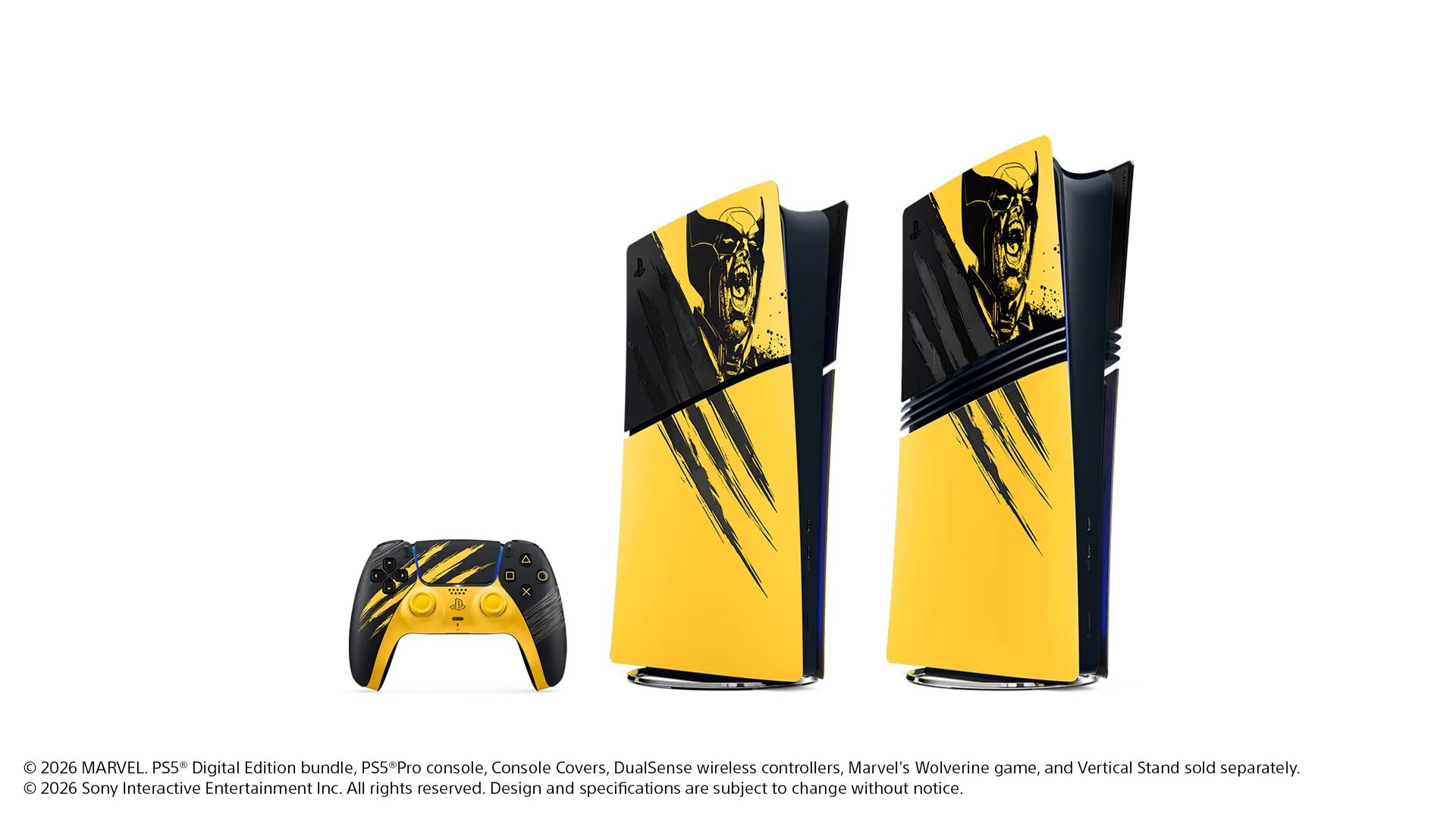
PlayStation 5 and PlayStation 5 Pro Console Covers – Battle Yellow Limited Edition and Adamantium Limited Edition
- SG$ 101
- MYR 369
- IDR 1,359,000
- THB 2,590
- PhP 4,767 (Battle Yellow only)
- VND 2,099,000 (Battle Yellow only)
The bundle and accessories will be available beginning September 15 in limited quantities. Pre-order will start from August 19 in local retailers, save for the PS5 and PS5 Pro console covers.
In Singapore, DualSense Wireless Controller – Marvel’s Wolverine Adamantium Limited Edition will be available exclusively through select retailer channels in limited quantity.
Marvel’s Wolverine releases on September 15 for PlayStation 5 consoles.
Gaming
Ghost Recon 25th anniversary: Free major Wildlands update, Predator returns, more
Wildlands: Last Rites introduces new mission; Predator update gets 4K/60 FPS support
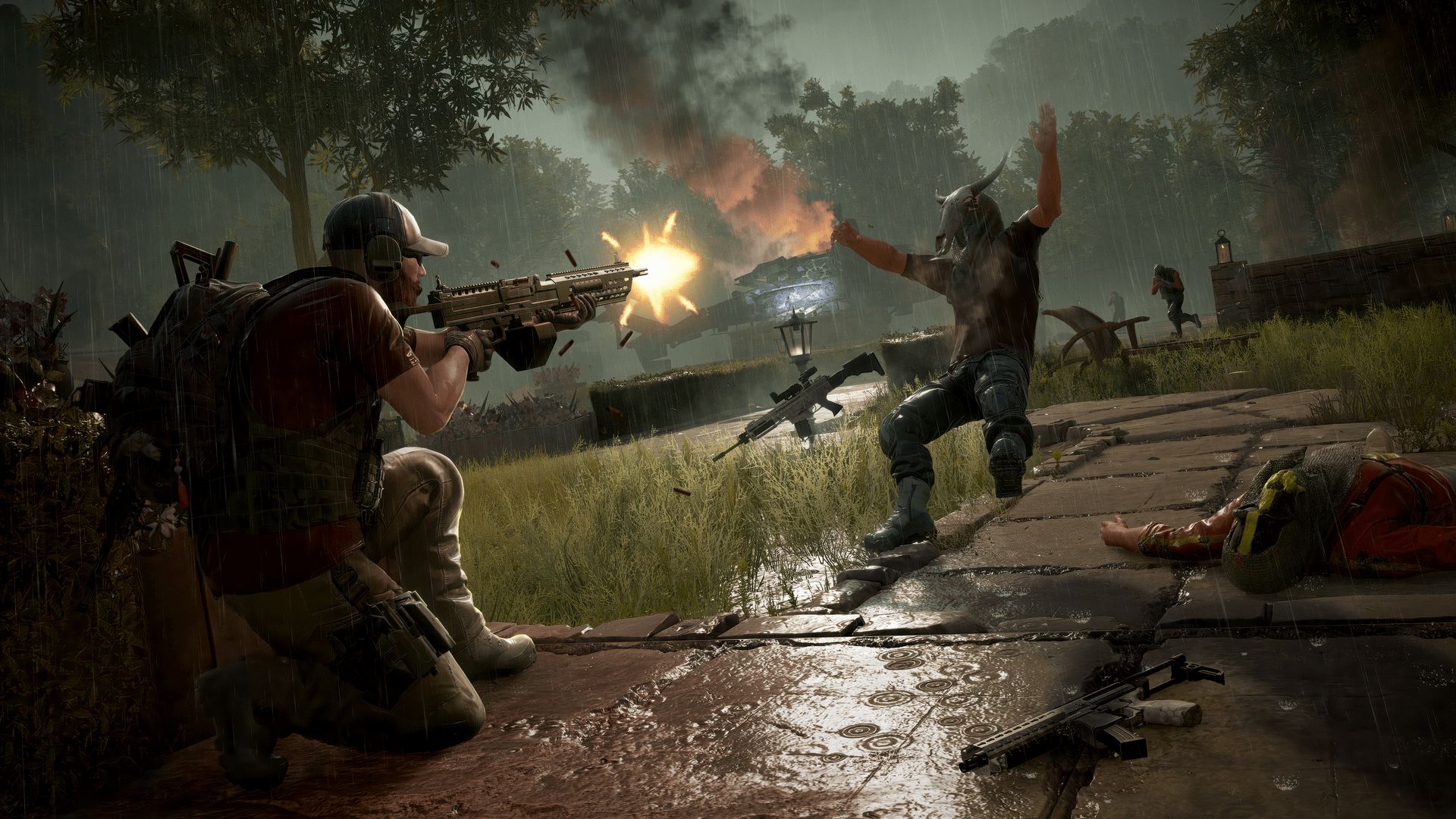
Ubisoft is celebrating the 25th anniversary of Tom Clancy’s Ghost Recon franchise with a free title update to Ghost Recon Wildlands, as well as a return of the fan-favorite Predator event and more.
The major free update, Ghost Recon Wildlands: Last Rites, is now available for free on the following platforms:
- Ubisoft+
- PlayStation 5
- PlayStation 4
- Xbox Series X|S
- Xbox One
- Windows PC (Ubisoft, Epic Games, Steam)
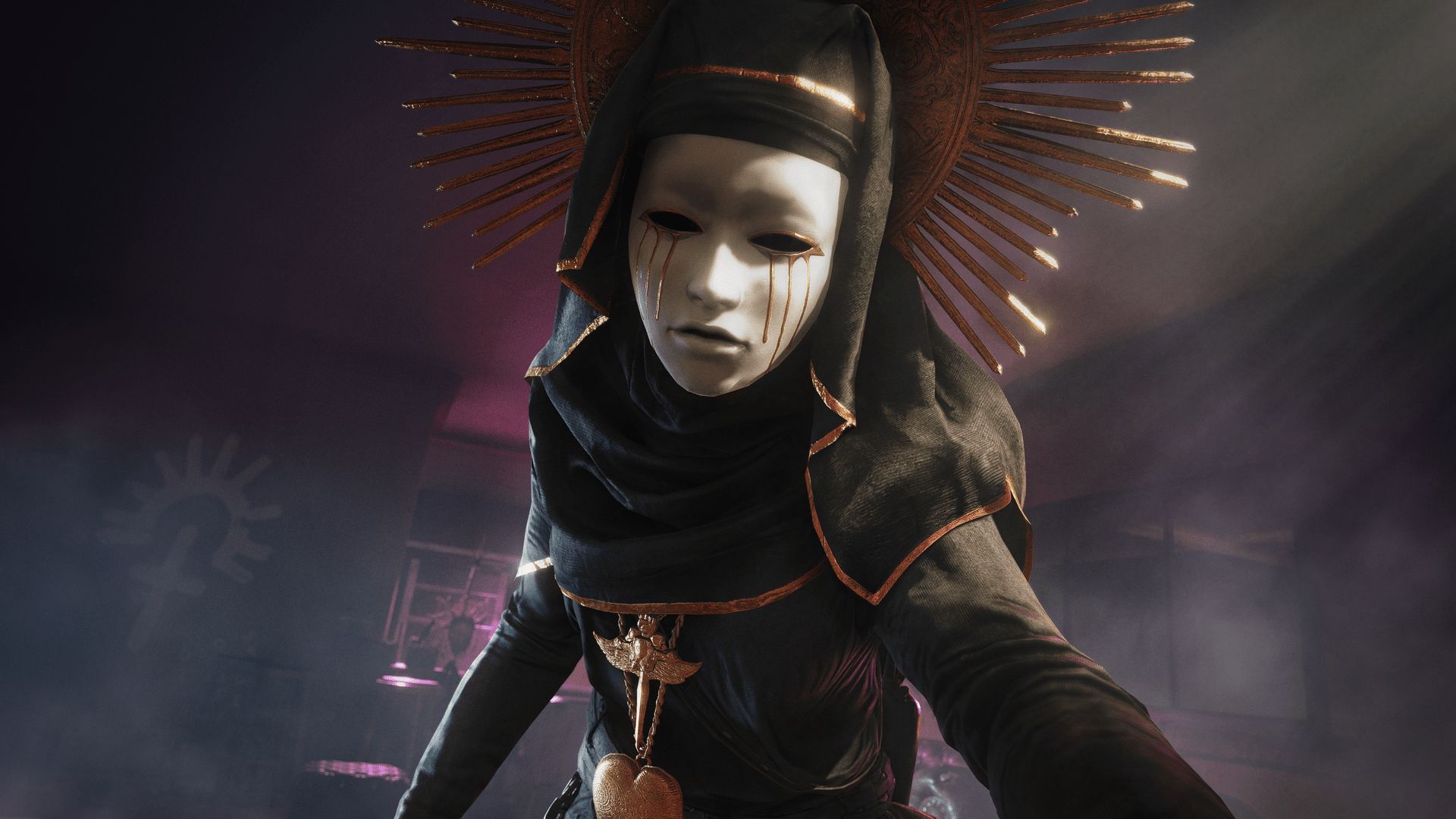
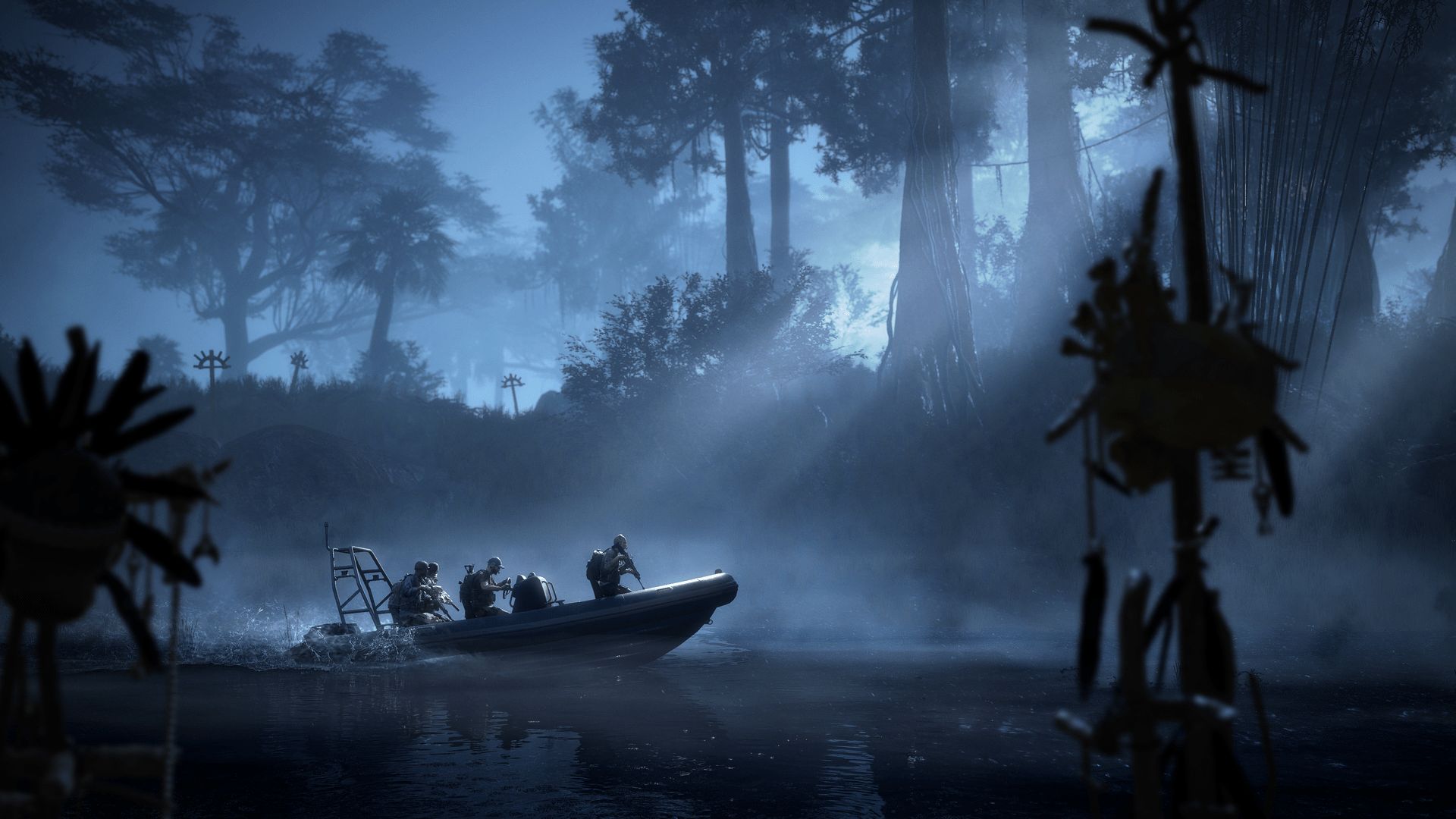
Last Rites features a brand-new standalone mission set in a darker, more oppressive Bolivia. The Ghosts enter a region controlled by Los Penitentes, a fanatical cult united by faith, sacrifice, and violent justice.
Players must hunt down La Llorona, the cult leader, by navigating dangerous swamps and dense forests where visibility is low and danger is lurking.
In addition, the Predator Mission update modernizes the Wildlands experience by adding 60 FPS gameplay and visual upgrades to current-gen consoles and PC.
Players can enjoy smoother combat, improved distance rendering, enhanced lighting and shadows, and a sharper image targeting 4K resolution.
Moreover, players can deeply customize and define their own Ghost Recon experience using extensive gameplay, difficulty, environment, and UI parameters.
They can also adjust enemy behavior, damage values, weapon restrictions, friendly fire, weather, and HUD elements to tailor realism, challenge, and immersion.
Lastly, they can relive the iconic Predator event and take on a deadly extraterrestrial threat, now back once again.
Play Ghost Recon’s iconic titles for free for a limited time
To celebrate the anniversary, players can also jump into three of the franchise’s most iconic titles at no cost.
From August 6 to 10, players can try Ghost Recon Wildlands and Ghost Recon Breakpoint for them to experience the ultimate tactical military shooter.
Meanwhile, Ghost Recon: Future Soldier will be free to redeem on PC via Ubisoft Connect until August 13.
This lets players step into the role of Kozak and Team Hunter in a vision of the future of war.
In September, the Ghost Recon Breakpoint 25th Anniversary Bundle will also be available. This shall include free items such as the M4A1 Tactical Brown, Wolf Enhanced Helmet, and Opheis Mk.II Hunter.

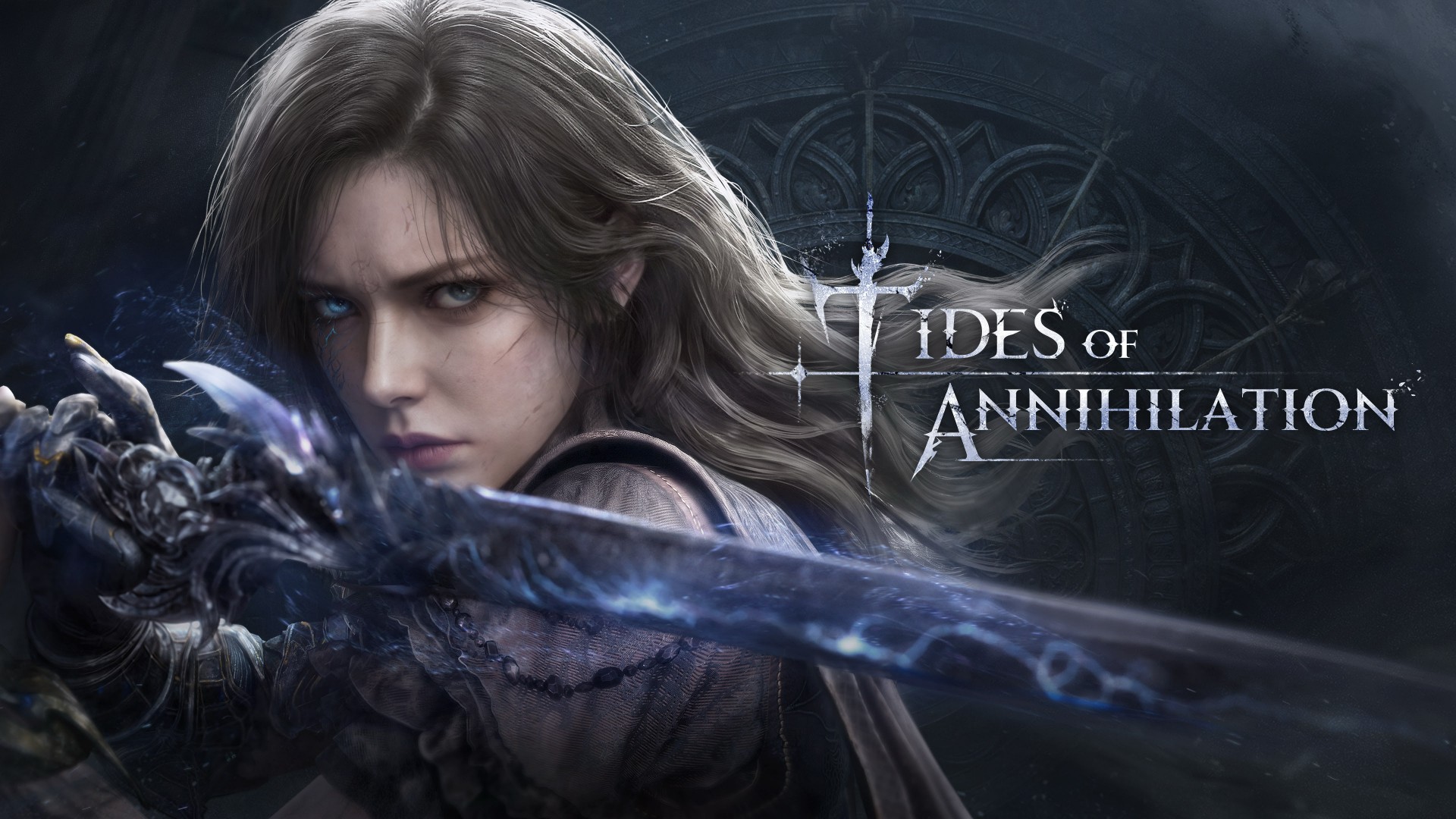
Tides of Annihilation will make its public playable debut at Gamescom 2026.
Developer Eclipse Glow Games announced that attendees can try an extended demo of the upcoming action-adventure game during the event in Cologne, Germany. Players can find the demo at Hall 6, Booth B-050 inside Koelnmesse.
The studio will also reveal a new trailer during Gamescom Opening Night Live on August 25, before the show floor opens.
Demo offers more exploration and combat
The Gamescom demo gives players a longer look at Tides of Annihilation. It features branching paths that lead to different exploration routes and combat encounters. Players can also explore key locations and experience several of the game’s biggest set pieces.
“Gamescom will be an incredibly important moment for our team since this will be our first global playtest and we’re excited to see how first-time players experience our game,” said Ary Chen, Game Director and Co-CEO of Eclipse Glow Games.
“The team has poured heart, soul, and maybe even a few tears into developing the game over the last few years, and it’s finally our opportunity to share it with players. We’re looking forward to seeing their reaction.”
Members of the press and content creators can also schedule private hands-on sessions with the development team during the event.
Arthurian-inspired adventure
Tides of Annihilation blends fast-paced action with a Neo-Medieval vision of modern London. The story follows Gwendolyn after an Outworld invasion leaves the city in ruins.
Driven by a mission to save her sister, she travels between a shattered London and the mythical realm of Avalon. Along the way, she uncovers the mystery behind her newfound powers. She must also decide the fate of reality itself.
Eclipse Glow Games is developing Tides of Annihilation for PC via Steam and the Epic Games Store, Xbox Series X|S, and PlayStation 5.


30 days later with the ASUS ExpertBook Ultra: Like seeing an ex
Felt exactly as I remembered.

ROG STRIX G16 Review: Building for the moment
Setting it up however you want to make the most out of it


realme C100: Enduring and durable in spite of entry-level realities
Enough power but needs more agility

HONOR Robot Phone’s camera can move on its own

HONOR Robot Phone officially launches after its MWC debut

Marvel Wolverine Limited Edition PS5 bundle SEA pricing

Galaxy Z8 series drives record-high foldable pre-orders in SEA, Oceania

England, Wales start banning Meta Glasses

Hands-on: Samsung Galaxy Z Fold8, Flip8, Ultra

Garmin launches its first screenless fitness band

VinFast debuts two-wheeler models, opens 21 e-motorcycle showrooms

Samsung releases teaser with Spider-Man: Brand New Day Easter eggs

Most of the world’s PlayStations will be officially useless by 2028


-
 Automotive1 week ago
VinFast debuts two-wheeler models, opens 21 e-motorcycle showrooms
-

 Automotive2 weeks ago
Xiaomi debuts SkyNomad Series featuring new Kunlun platform
-
 Computers2 weeks ago
AMD launches Radeon RX 9050 graphics card
-

 News1 week ago
OnePlus officially leaves the United States and Canada
-

 Gaming2 weeks ago
Call of Duty: Modern Warfare 4 clip shows Losing Ground 1st look
-

 Automotive2 weeks ago
GAC launches new trio of MPVs
-

 News2 weeks ago
TECNO unveils the world’s first 0mm bezel-less phone
-

 Gaming1 week ago
Genshin Impact opens Snezhnaya in Version 7.0 this August 12