
Enterprise
Huawei’s phones can’t use microSD cards anymore
Another casualty of the ban


Everyone knows what happened to Huawei. As the week winds down, the Trump ban is dismantling the Chinese company piece by piece. Most notably, Google has stopped its business dealings with Huawei. Soon after, hardware company ARM ceased support for future Huawei chips. Huawei has lost considerable support on both hardware and software sides.
Now, the company has lost another major backer. Reported by Nikkei Asian Review, the SD Association has revoked Huawei’s membership status. As the name suggests, the trade group dictates the SD and microSD standards of the industry. The Chinese company cannot use the standard for future devices anymore. Fortunately, Huawei can still use the memory cards for existing phones.
However, the latest bridge-burning has drastically changed the company’s future. Given everything, Huawei’s future does not include Google, ARM, and microSD extensions, among others. All three components are major parts of today’s phones.
Fortunately, the loss of microSD support isn’t a deadly deal. Huawei can still use other standards for memory card extension. The company also has its own proprietary standard called the Nano Memory Card. Of course, proprietary hardware is almost always a turn-off. Despite cushioning the SD Association loss, the Nano Memory Card isn’t as appealing as the universally available microSD card.
In other news, Huawei has also “temporarily” lost access to the Wi-Fi Alliance. Much like the SD Association, the Wi-Fi Alliance dictates the connectivity standards of devices. Thankfully, Huawei can still use Wi-Fi in its devices. However, the company cannot participate in any discussions to shape Wi-Fi’s future.
Likewise, Huawei has voluntarily withdrawn from JEDEC, a trade group that defines semiconductor standards. As with the Wi-Fi Alliance, the company cannot contribute to any future discussions.
Fortunately, both restrictions don’t impact the company’s future as much. However, Huawei’s future is slowly moving away from industry standards. If the company hopes to survive, Huawei must develop its own proprietary hardware or find replacements elsewhere.
SEE ALSO: Philippines: Huawei ban ‘will have a little impact’ on the country




Enterprise
OnePlus has reportedly merged with realme
Both brands were previously rumored for restructuring early this year.
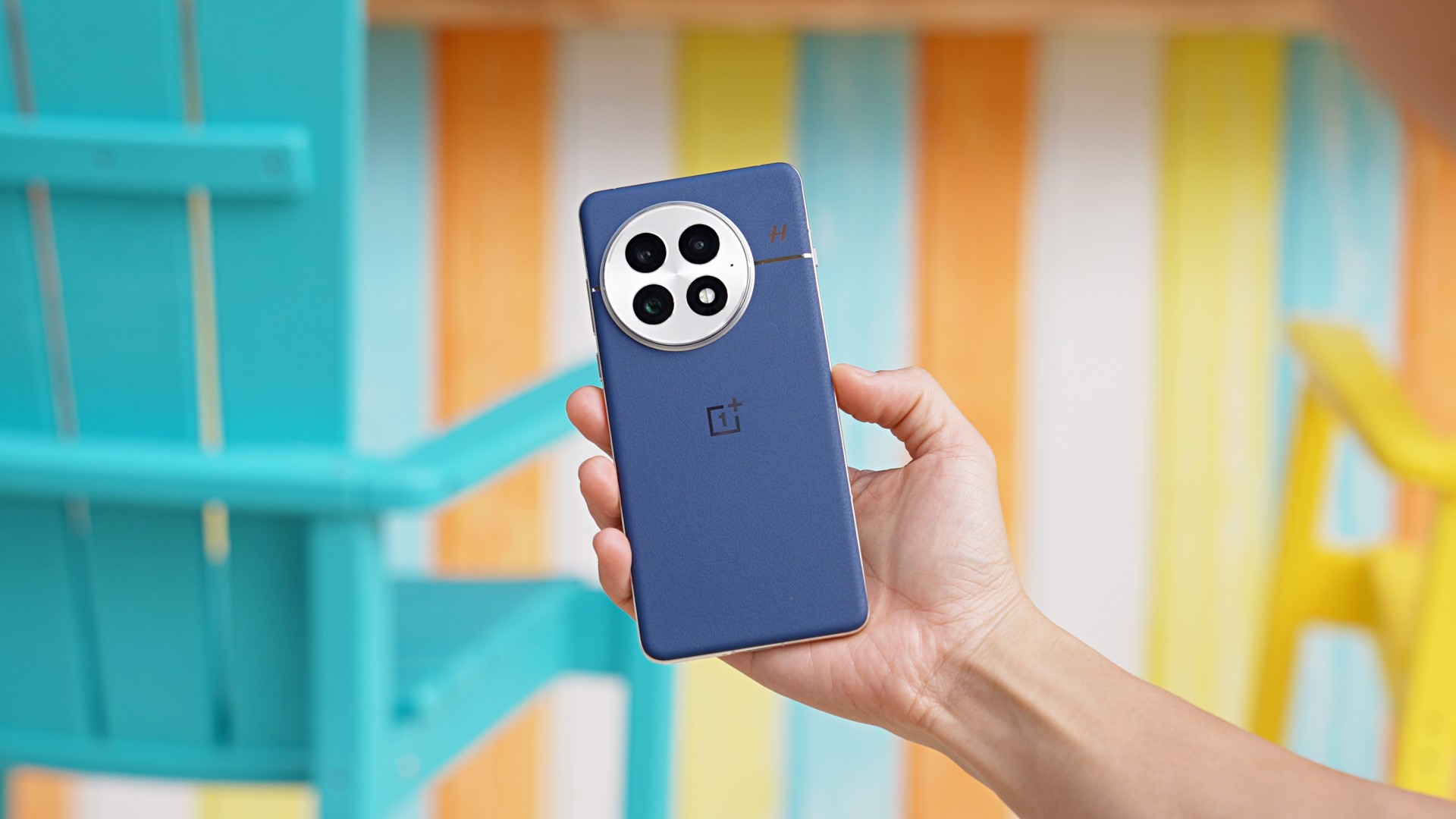
OnePlus has a problem. For a while now, rumors have swirled about the company’s dissolution. For their part, the company has continued to deny the reports, citing business as usual. Likely to their dismay, the reports just keep coming. Today, sources have hinted that OnePlus has merged with realme.
Back in January, it was rumored that OnePlus would be closing up shop this year. Since the company very quickly denied the rumors, the report hardly made waves. However, a suspected merger with realme is more difficult to debunk.
For one, realme is itself in a very interesting position. Also back in January, realme was reportedly moving back into being a sub-brand of OPPO. Coupled together with the OnePlus debacle, all this internal restructuring seems par for the course.
According to Digital Chat Station on Weibo, OnePlus and realme have already concluded the merger. The two brands have reportedly united their Chinese and international operations under one roof. Likewise, their marketing will be the same. Pete Lau will still be the main head for this new division.
As with anything of this nature, take this with a grain of salt. OPPO, OnePlus, and realme have not issued any official statements concerning a merger or a shutdown for any brand.
SEE ALSO: realme is reportedly going back to being an OPPO sub-brand
Enterprise
AGIBOT is turning robots into companions for our everyday routines
The era of robots performing cool tricks is over!

The era of robots performing “cool tricks” is over.
At its 2026 Partner Conference, AGIBOT moved embodied AI out of the lab and into the real world.
y using a “One Robotic Body, Three Intelligences” architecture, the company launched five new robot platforms and eight AI models to make physical AI a normal part of how we live and work.
Engineering for human environments
AGIBOT believes that for a robot to be a good partner, it first needs a body you can actually rely on.
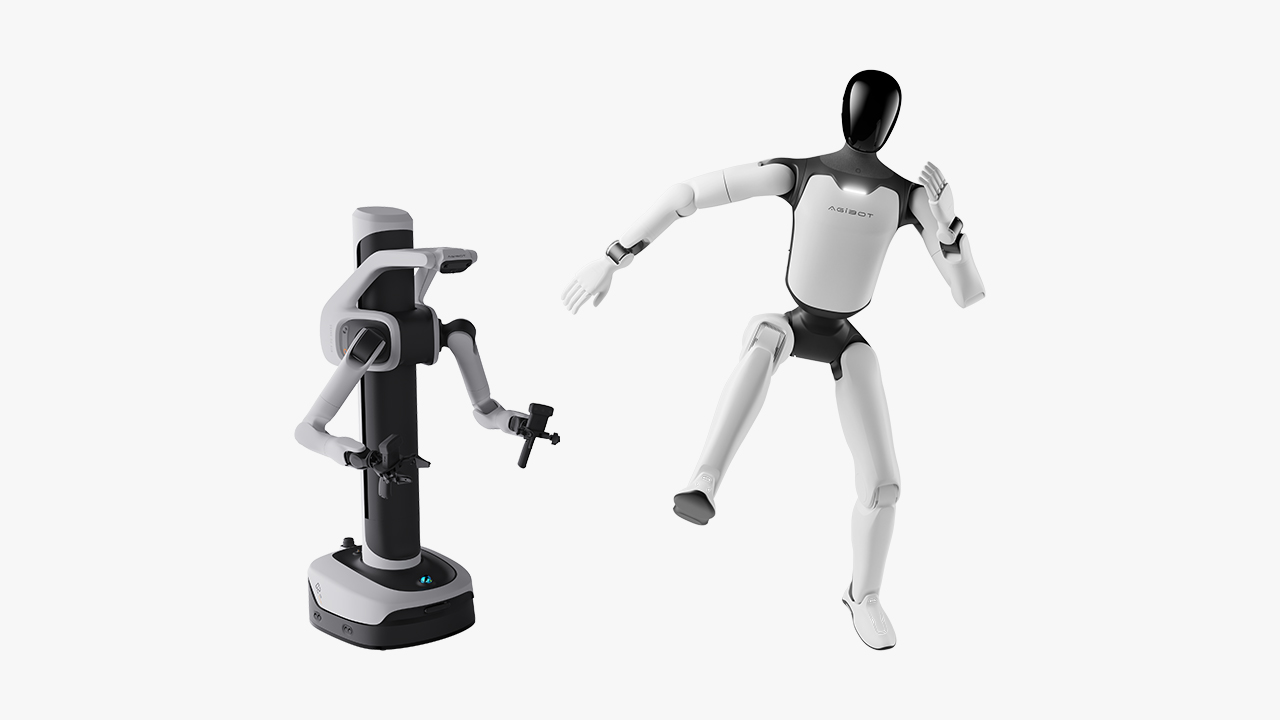
Take the AGIBOT A3, for example. This 173 cm tall humanoid weighs 55 kg, about the same as a teenager. It uses a magnesium and titanium build to stay strong yet light.
It moves smoothly for 10 hours straight, and if the battery runs low, you can swap it out in just 10 seconds to keep the momentum of your day going.
In the workplace, the AGIBOT G2 Air acts as a single-arm helper that works right alongside people. It navigates narrow doorways and tight office spaces with ease.
This robot actually learns while it works; it records its environment and actions in real-time to help its AI get smarter every single day.
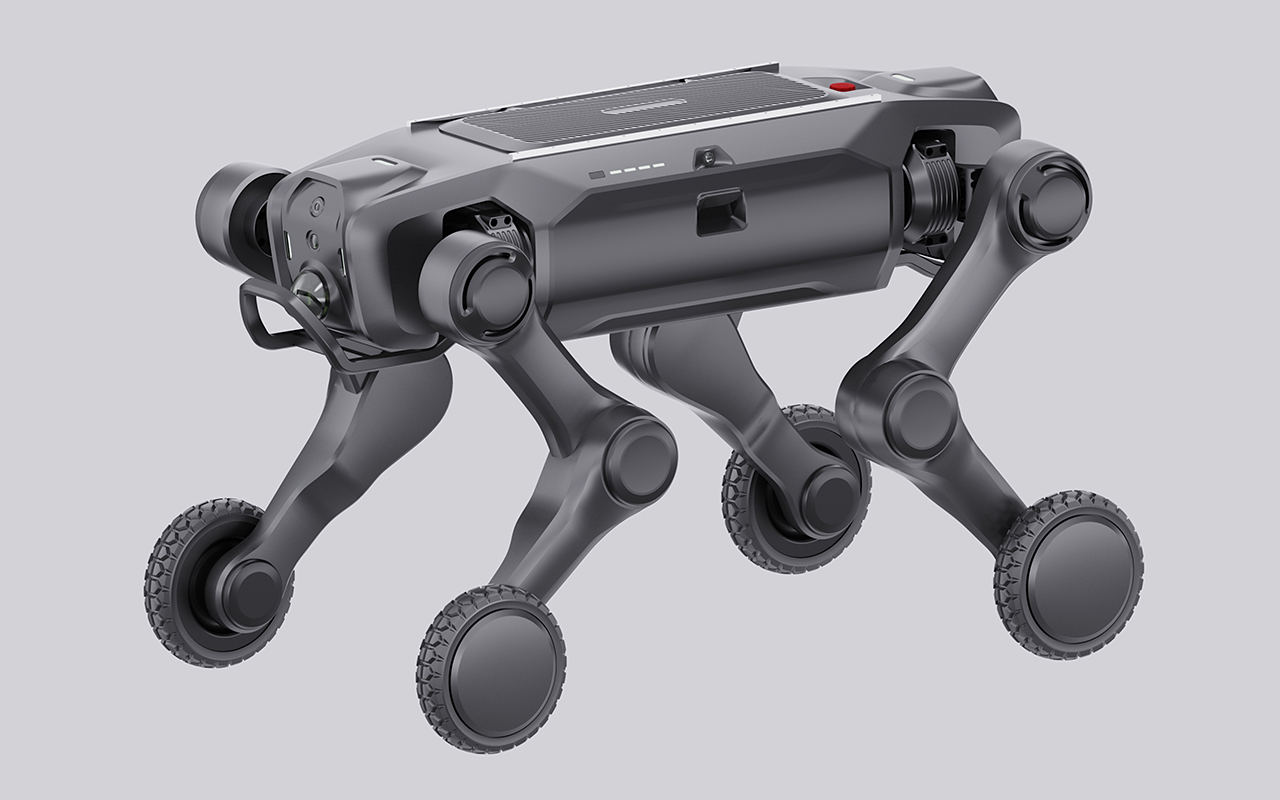
Then there is the D2 Max, the world’s first Level 3 autonomous four-legged robot. It isn’t a toy you control with a remote; it is a partner that explores tough terrain and handles security patrols entirely on its own.
Finally, the OmniHand 3 series brings a human-like touch to these machines. The flagship Ultra-T model mimics almost any hand movement, while the OmniPicker 3 and OmniHand 3 Lite handle the heavy-duty, high-impact jobs that require extra muscle.

8 models driving autonomy
The “brain” of these machines is a closed-loop system that helps them move, think, and talk.
To master movement, the Behavioral Foundation Model (BFM) allows a robot to copy human actions just by watching a short video.
Another model, the GCFM, lets the robot react to your voice or actions in real-time, which makes its movements feel natural instead of stiff.
To tackle complex tasks, AGIBOT uses a massive dataset called AGIBOT WORLD 2026, a library of real-life situations from homes and factories.
This library helps robots plan out long lists of chores without getting confused. They even use a “digital twin” system called Genie Sim 3.0, where robots practice new skills in a virtual world before trying them in the real one.
On top of that, the WITA Omni model helps the robot understand your feelings, allowing it to talk and move like it’s having a true conversation
Scalable deployment
The robots are becoming a part of our daily lives. By using the MEgo system to collect data easily, AGIBOT is making it simpler for these machines to learn how to help us in shops, warehouses, and our own homes.
As these robots start showing up in our lives, the technology feels less like a complicated machine and more like a companion that helps us grow.

Allbirds is an odd shoe company. Though it already enjoyed a cult following in some circles around the world, the brand suddenly expanded its reach everywhere, offering a lighter and more environment-friendly alternative to the usual suspects of the shoe world. Now, getting even odder, Allbirds is ditching the shoes and going barefoot into the world of AI.
It’s one of the oddest transitions in the corporate world. In an official statement, Allbirds has confirmed that it will pivot fully into a “fully integrated GPU-as-a-Service and AI-native cloud solutions provider.” From Allbirds, it will be known as NewBird AI.
It’s not an incredibly abrupt change, though. The shoe brand and its stores won’t disappear overnight. The company will still hold a shareholder vote on May 18. If approved, they will transition into the new brand gradually.
The transition to AI, itself a gremlin of a keyword in today’s financial world, has resulted in the company’s stock value rising up. However, its long-term viability is in question, especially for a company with no experience in a world already drowning in AI.
From last year to today, AI has been the darling child of investors and a plague to consumers. While the former salivates over the short-term gain of AI adoption, the latter ruminates on the technology’s projected effects on the world.
SEE ALSO: Lenovo accelerates production-ready enterprise AI with NVIDIA
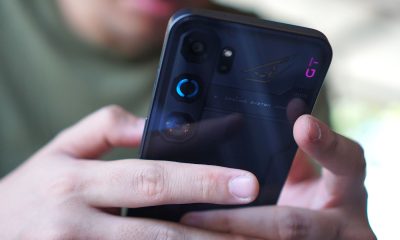

5 games with the nubia Neo 5 GT 5G
Niche device, but is worth the price?
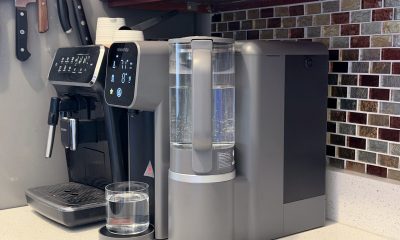

Giving up counter space for reverse osmosis: Living with Waterdrop M6H in NYC
A 7-stage filtration system


Saros review: Returnal’s difficulty is back and better than ever
Although, it loses the memorable storywriting.

Motorola updates the razr family with its first book-style phone

A Galaxy summer to remember

The VinFast VF6 is perfect for urban travelers

Apple reportedly gives up on the Vision Pro

YouTube makes picture-in-picture mode free for everyone globally


-

 Reviews1 week ago
HONOR 600 review: A taste of more
-

 Laptops1 week ago
ASUS Zenbook S14 (2026) review: The perfect portable buddy
-
 News1 week ago
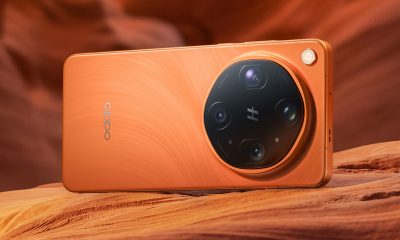
OPPO Find X9 Ultra lands in PH: Price, availability, pre-order perks
-

 Malaysia2 weeks ago
The OPPO Find X9 Ultra is Galaxy S26 Ultra’s biggest enemy
-
 News2 weeks ago
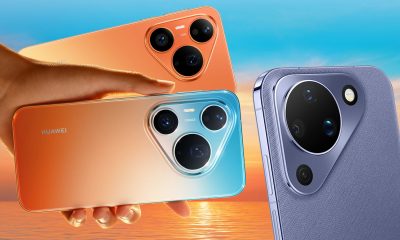
Forget the Pro+ and Ultra! HUAWEI unveils the Pura 90 Pro Max
-
 News1 week ago
OPPO Find X9s now official in PH: Price, availability, pre-order info
-

 Luxury Smart Home2 weeks ago
Spotlight: Amazon Ember Artline TV + New Fire TV Stick HD
-
Gaming1 week ago
Saros review: Returnal’s difficulty is back and better than ever