


I have a confession to make: I’m not really into smartwatches. As much as I enjoy taking the hottest phones and laptops with me everywhere I go, I prefer wearing a traditional watch around my wrist, or at most, a hybrid smartwatch.
Full-fledged smartwatches are more cumbersome than convenient for me. Not only would I have to charge it daily, but I’d also need to set it up like an actual smartphone. I already have multiple devices to take care of at any given time.
That’s where Huawei’s latest smartwatch comes in. While it isn’t the usual hybrid I’d gladly pair with my phone, it does offer some compromise — ones that make me forget I’m even wearing a smarter-than-average watch.
Honestly, the main reason I even considered accepting the Huawei Watch GT and reviewing it is because of its battery life. With a promise of two-week endurance on a single charge and greater focus on daily health, I took the plunge.

Yes, the battery endurance is legit. Charging it to full, which takes a little over one and a half hours using its portable dock, is enough to make it last for 15 whole days, and that’s with the heart rate sensor always on!
This has to be the Watch GT’s greatest strength; it’ll tell you your heart rate any time you look at its face, and the simple interface is easier to understand than your typical Android. Huawei has done a good job of optimizing its proprietary operating system for common folk’s use.
And yet, that’s also one of the device’s initial weaknesses. You have to learn something new all over again. It’s not like jumping from one Wear OS to another or an older Apple Watch to a newer one. The interface is simple, but totally different.
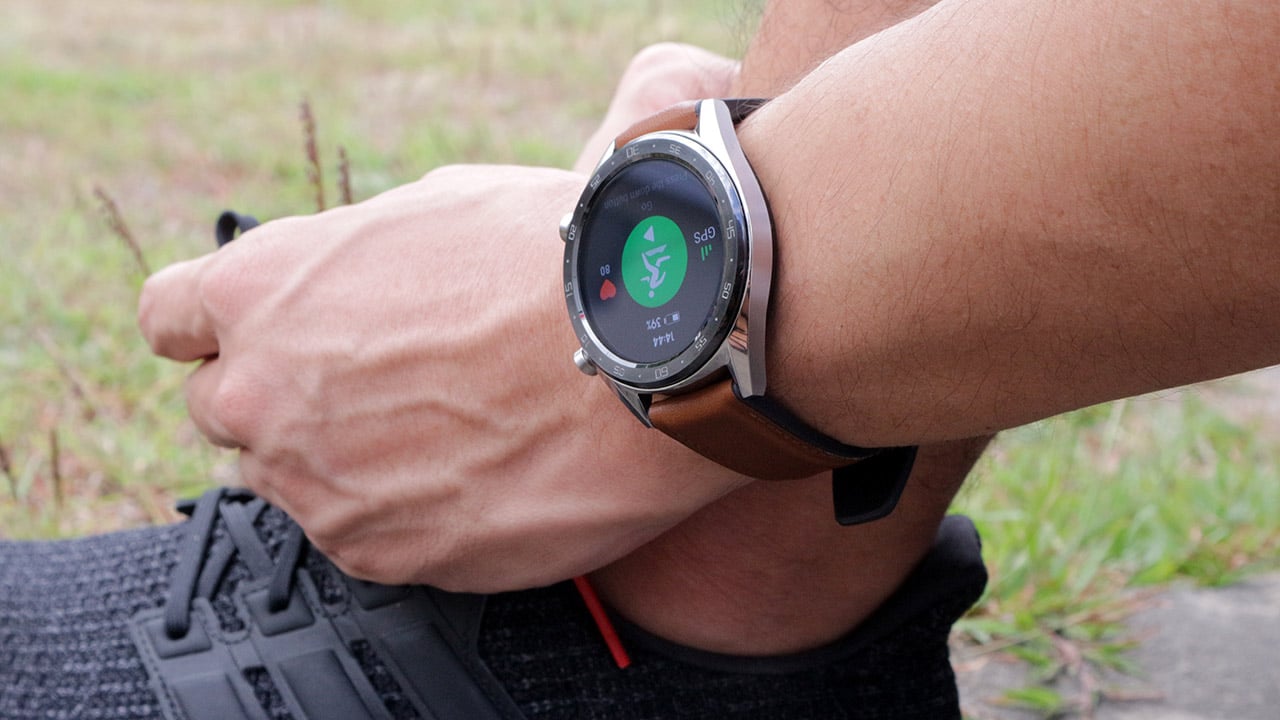
Fortunately, there are only two physical buttons to worry about: The top enters the options menu and acts as an alternate back/wake-up switch, while the other offers the selection of available exercises.
We have modes for running, climbing, hiking, cycling, and swimming. Some of these require the watch’s GPS to be turned on, which consumes more battery power. If none of these fit the workout you’re about to embark on, there’s an option for “Other.” I used this while playing basketball and lifting weights at the gym.
Aside from those two, I tried outdoor running and open swimming, both of which needed GPS. Once I start the workout, the watch provides vital info such as pace and distance, on top of the usual heart rate and total time. Once you check your connected phone, it’ll show a more comprehensive summary complete with the mapping of your every location.
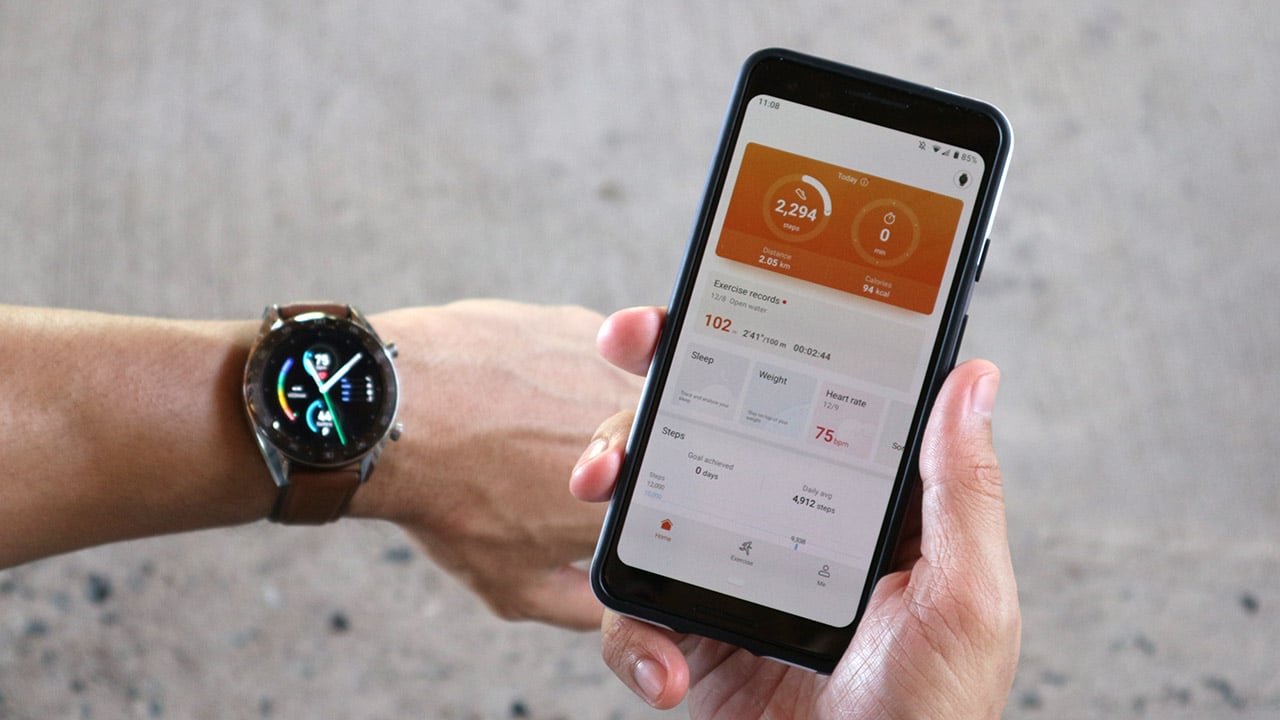
I must say, the tracking is quite accurate. I get a graph of my heart rate and speed for every minute of the routine, plus a precise map of what I covered. The Huawei Health app is what keeps all the records, and divides the intensities into warm-up, fat-burning, aerobic, anaerobic, and extreme.
All this data gets synced with every pairing between the Watch GT and Health app. Unfortunately, there doesn’t seem to be a way to save the data online and view it on other devices. I managed to integrate Google Fit with Huawei Health, but could never transfer any fitness info.
I doubt this would be a problem for most users, but for techies like myself who go from one device to another, it would be perfect to have cloud access. The watch does hold some data so I can at least look back at some previous workouts after moving to another phone.



While on the topic of downsides, I also experienced several annoyances like sudden disconnections to my phone and the raise-to-wake function not always working, but a couple of software patches solved these issues to an extent. I also don’t like how notifications show up twice or not at all; this prevents the Watch GT from being a reliable assistant.
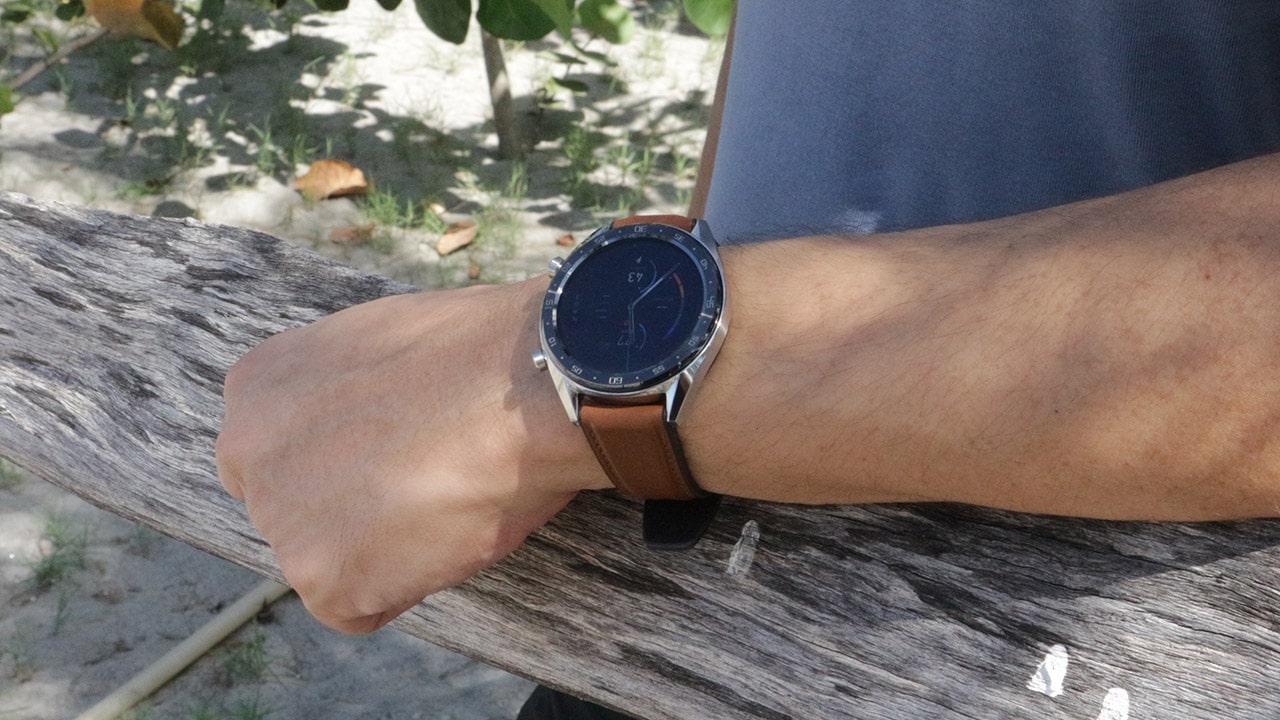
But, in essence, it seems to serve a different purpose altogether — not simply as a virtual companion. Because it’s so light, it acts like a fitness band while working out. And when you’re done exercising and need to head to a meeting or night out, it remains classy enough to pair with any casual or even semi-formal attire.
Like other smartwatches, you may change the watch face any time to match your outfit. Same applies to the watchband — no proprietary standards here, so swap to your heart’s content. This flexibility may be the primary reason why anyone would consider the Huawei Watch GT in the first place.
At the same time, it’s not that intelligent, feeling more like a fitness watch than a smartwatch most of the time. I was thoroughly impressed by the feature set when I first wore it, and yet, it left me wanting more as time went on.
For one, I’d love to be able to install more apps. Customization would make it, well, smarter. In addition, this wearable would benefit greatly from Qi wireless charging. Imagine charging on any compatible charger at home or in a cafe, or better yet, on your Mate 20 Pro’s back! Huawei missed a golden opportunity here.
These setbacks keep a good smartwatch from being great, especially when the market has reached a point wherein there are so many awesome choices now.

An alternative would be the Galaxy Watch of Samsung. It also has its own interface and focuses more on being a business-fitness watch. The differences are in the shorter battery life — limited to a couple of days depending on use — and ability to install additional apps from Samsung’s own app store.
Of course, you could also consider the Apple Watch Series 4. However, even though it targets health tracking and looks way better than previous generations, it’s really best for those who already use an iPhone. That Apple ecosystem in unmatched in the tech realm.
If you’ve made it this far and are still interested, the Huawei Watch GT starts at EUR 199 for the Sport version and costs EUR 249 for the Classic, which is the model you see here. In this case, style definitely comes at a price.




Automotive
The Kia EV3 brings gallery-worthy design in a compact electric form
The 2025 World Car of the Year turns daily driving into functional art.

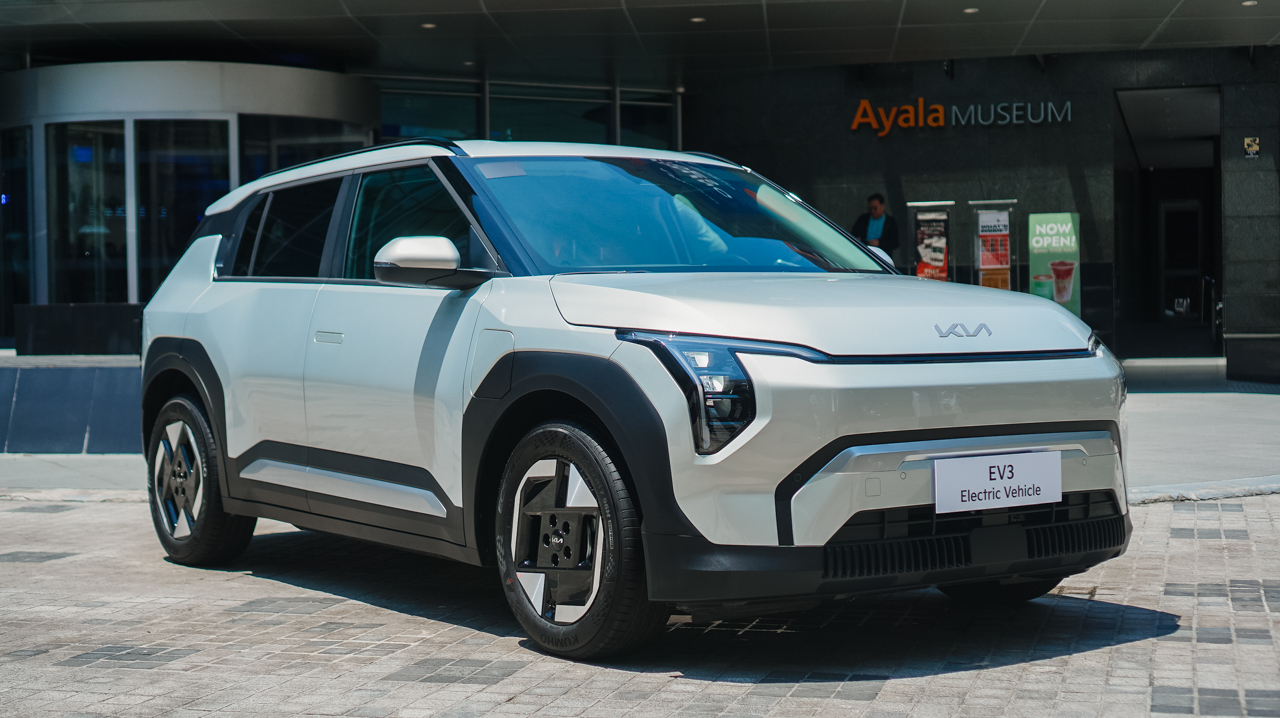
The all-new Kia EV3 officially debuted against the architectural backdrop of the Ayala Museum.
Named the 2025 World Car of the Year, the compact electric SUV redefines daily driving as functional art. It also holds prestigious Red Dot “Best of the Best” and iF Design awards.
Sculpted like a modern piece of design
The EV3 shares the forward-thinking design philosophy of the acclaimed EV5 and EV9.
Its exterior features an evolved Digital Tiger Face paired with signature LED lighting. Sculpted geometric surfaces and flush door handles maintain a smooth silhouette.
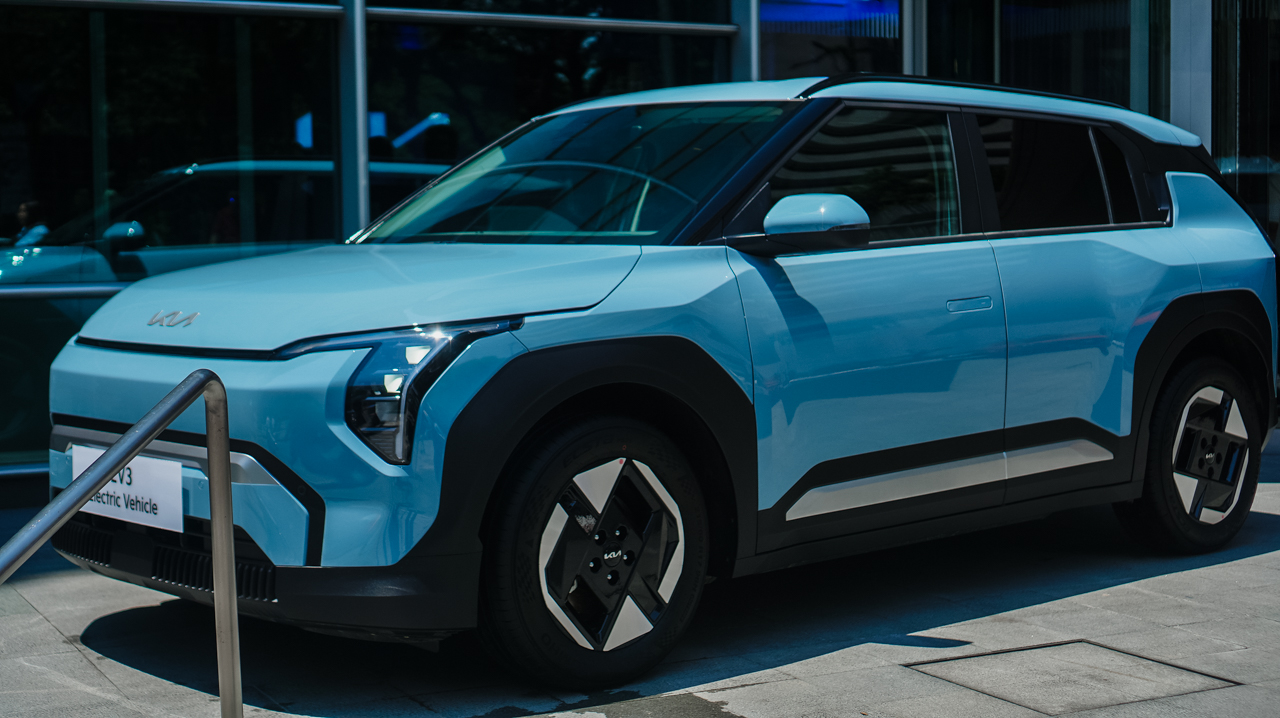
A tailored rear spoiler, roof rails, and 17-inch alloy wheels complete the profile. The result looks composed and elegant, especially when parked outside a contemporary gallery.
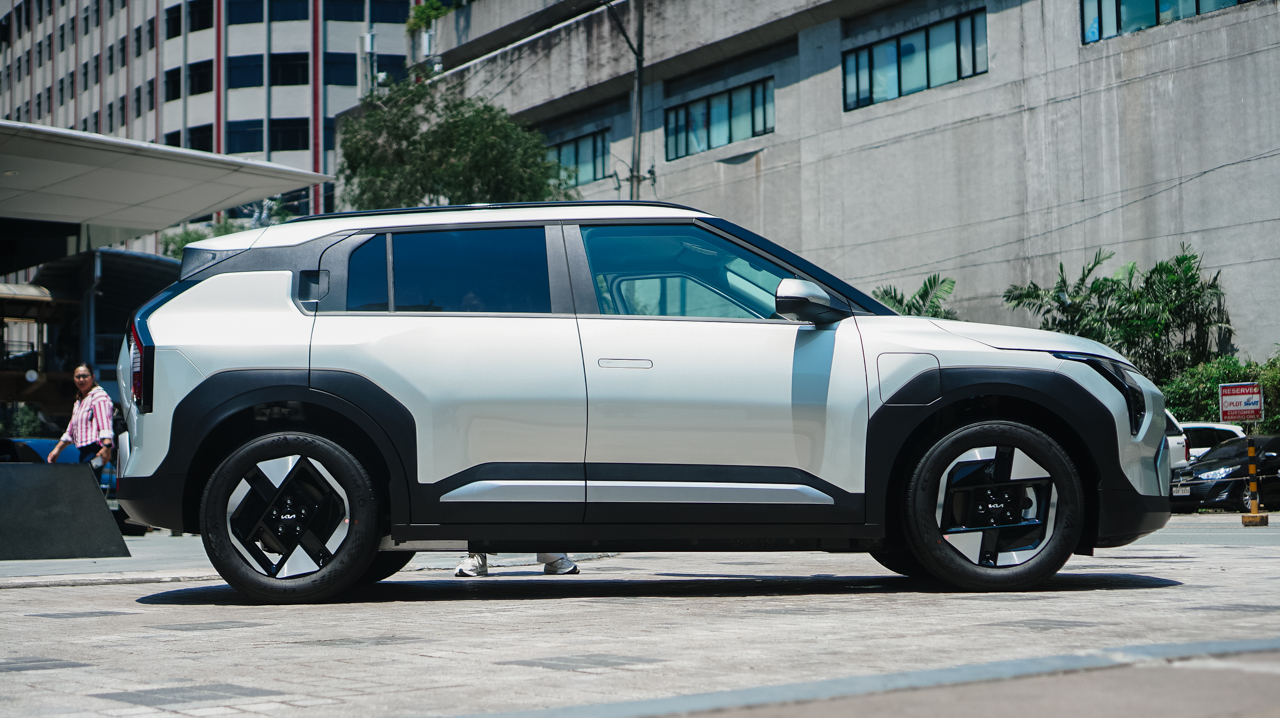
Beneath its sculpted skin lies instant, whisper-quiet electric power. A front-mounted motor generates 204 PS and 283 Nm of torque.
A 58.3 kWh battery delivers up to 511 kilometers of range on a single charge (NEDC). Replenishing energy fits seamlessly into a busy lifestyle.
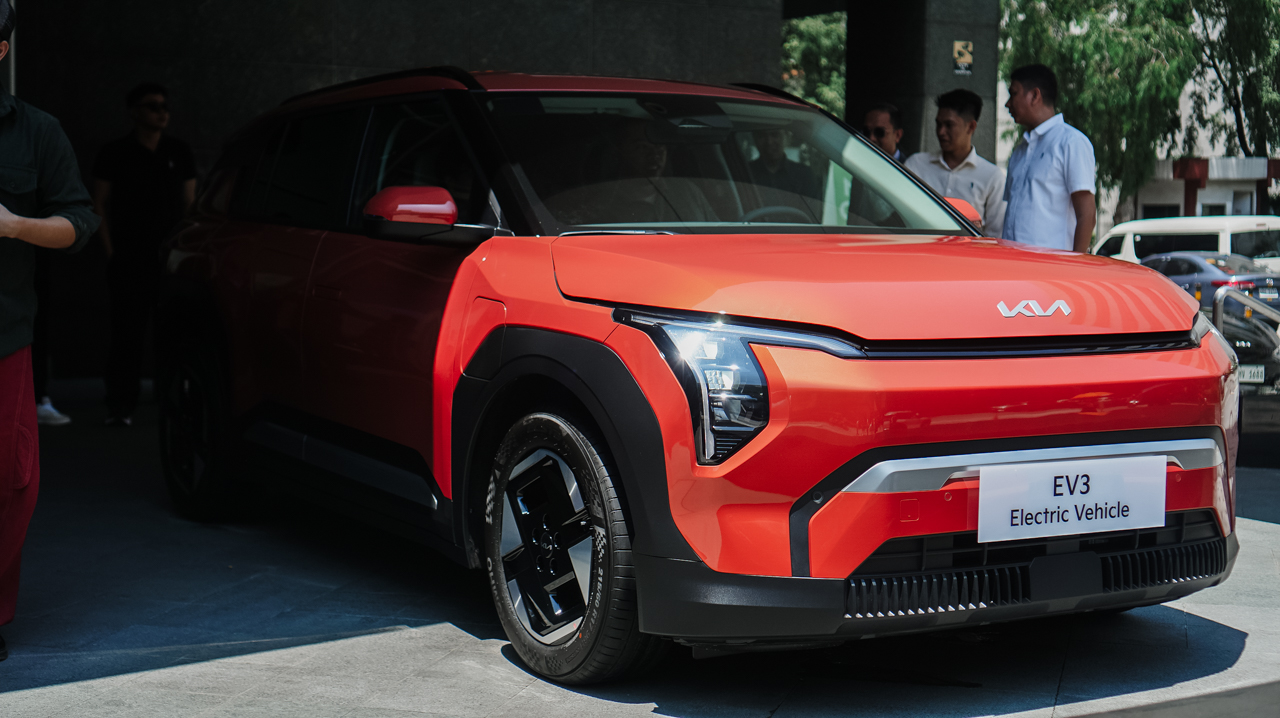
Standard 11 kW AC charging goes from 10 to 80 percent in roughly 5 hours and 20 minutes. Meanwhile, 350 kW DC Fast Charging restores the same charge in just 29 minutes.
A digital sanctuary, literally
Inside, the cabin opens into a clean, modern sanctuary.
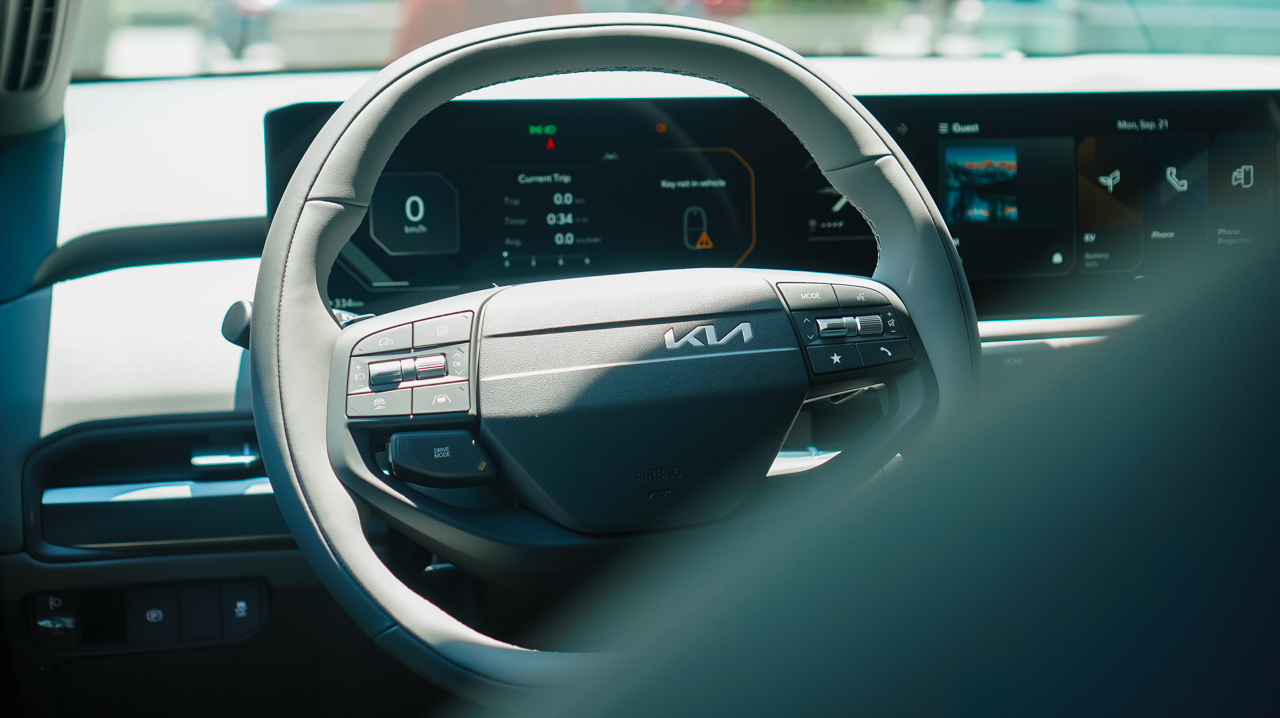
A striking 30-inch Triple Panoramic Display centers the dashboard. It unifies the instrument cluster, climate settings, and infotainment beneath one sweeping glass surface.
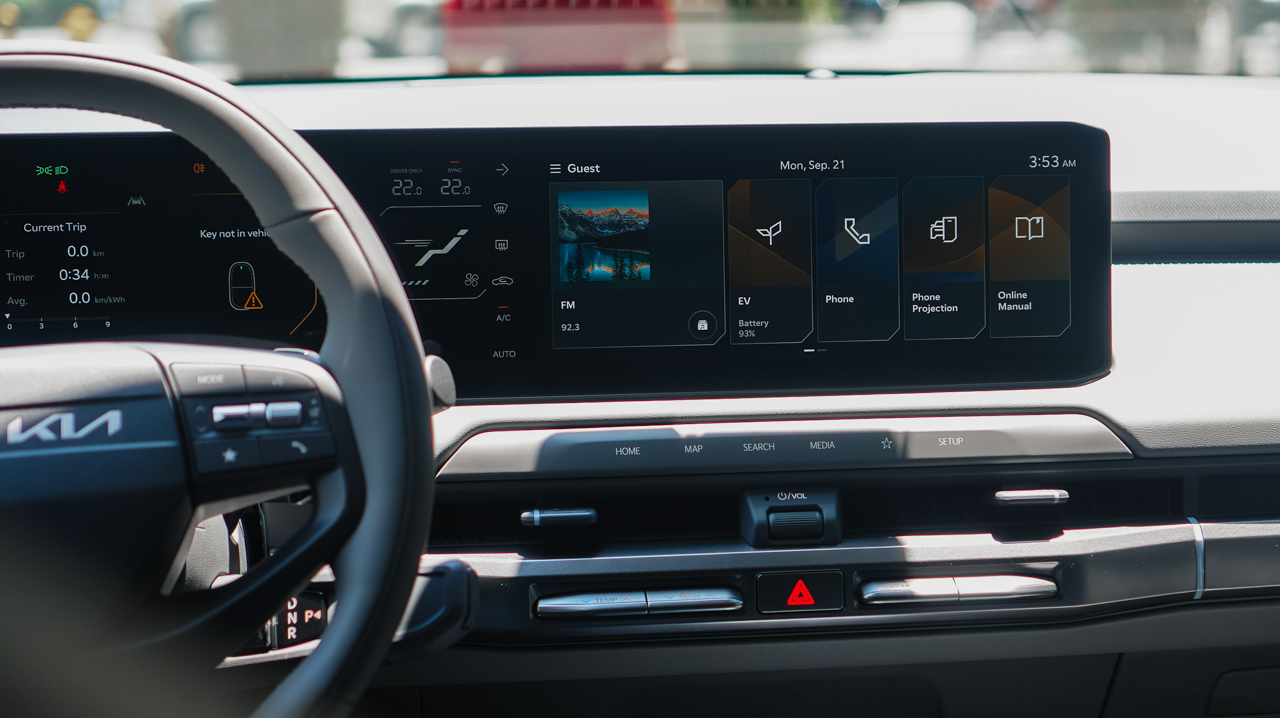
Leather upholstery and an eight-way power driver’s seat prioritize comfort, and the power lumbar support ensures relaxed driving on longer journeys.
There’s also a sliding central console tray that creates an adaptable workspace on the go. On another note, connectivity remains effortless throughout the interior space. The system supports wireless Apple CarPlay and Android Auto.
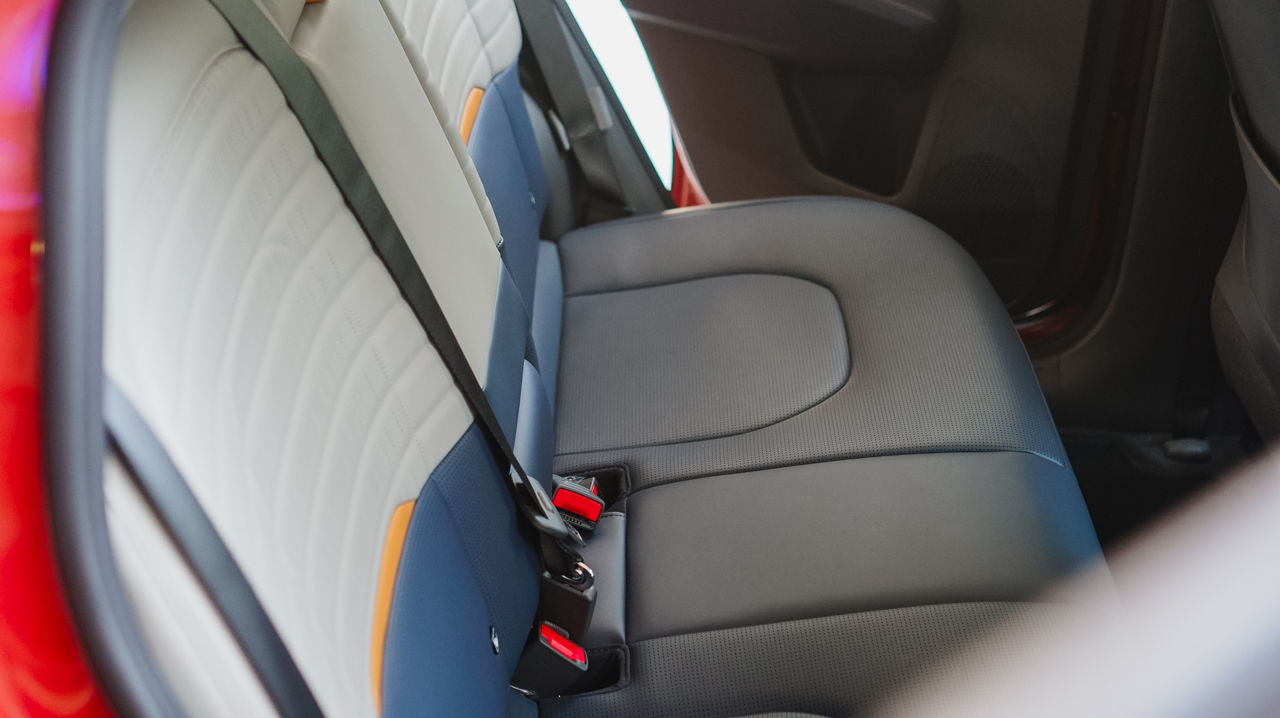
Additionally, dual wireless charging pads, five USB-C ports, and six speakers keep devices powered and entertained. For weekend getaways, 60:40 split-folding rear seats easily expand cargo capacity.
Intuitive safety
Intelligent peace of mind comes standard through the Kia DriveWise suite.
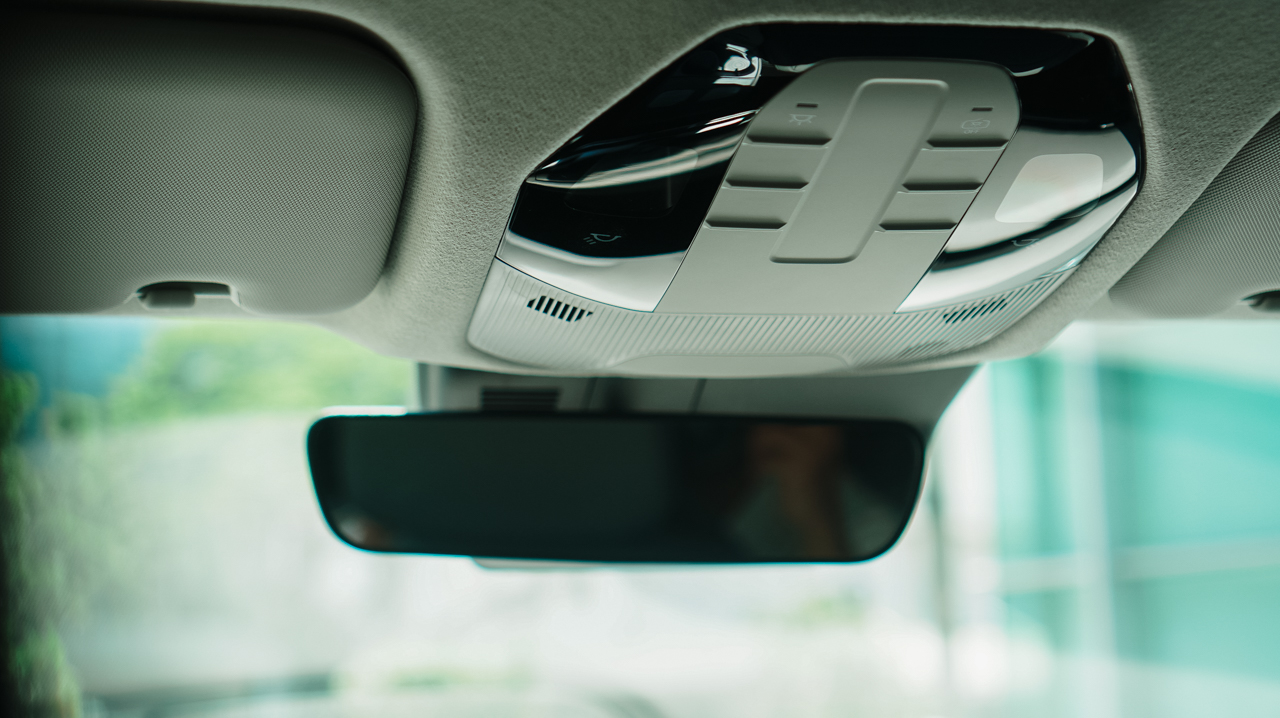
Active features include Advanced Smart Cruise Control and Forward Collision Avoidance with Autonomous Emergency Braking.
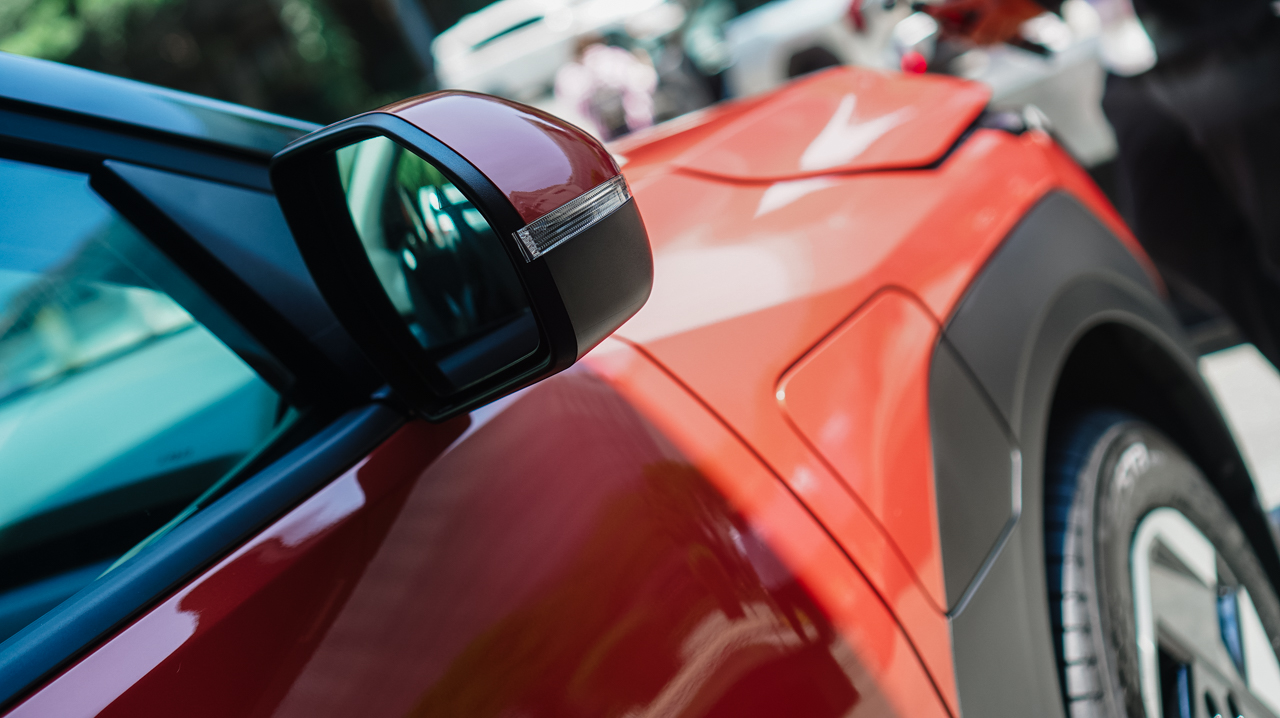
Lane Keeping Assist, Lane Following Assist, Blindspot Safety Warning, and Rear Cross Traffic Safety assist at every turn.
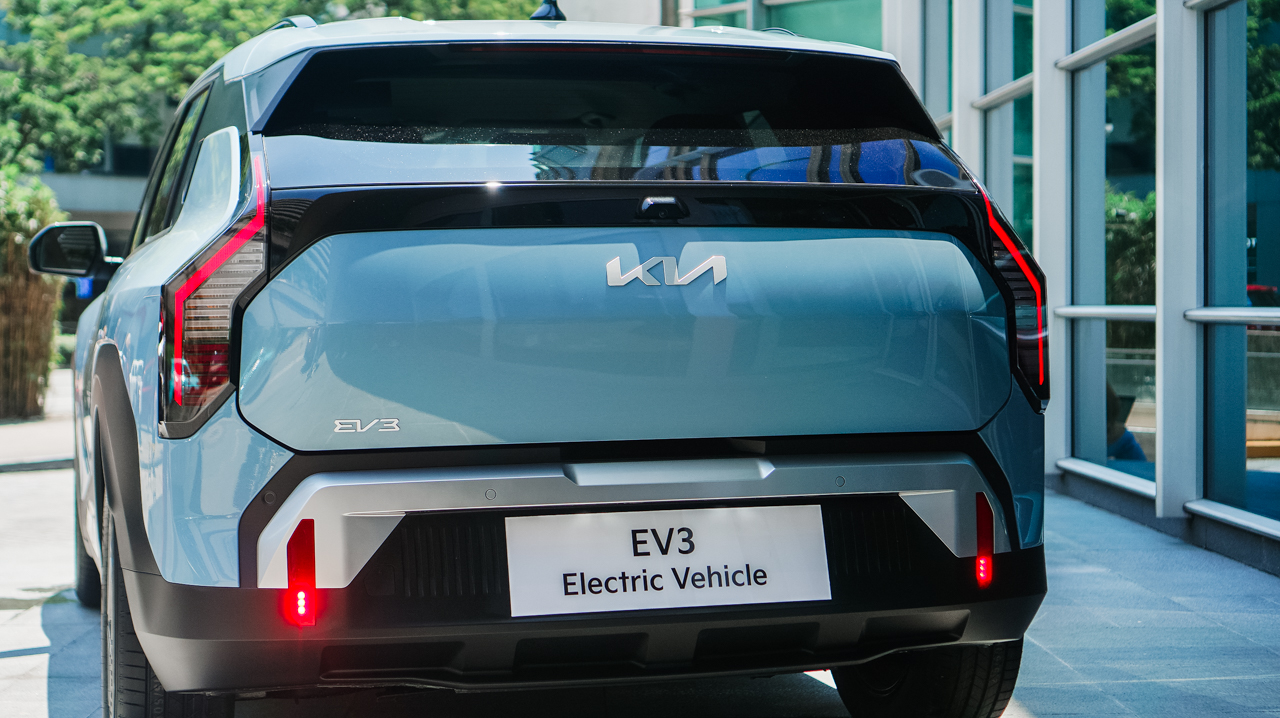
Seven airbags protect the front, side, and curtain areas. Electronic Stability Control, Hill-Start Assist, parking sensors, and a rear-view camera complete the protective core.
Price, availability
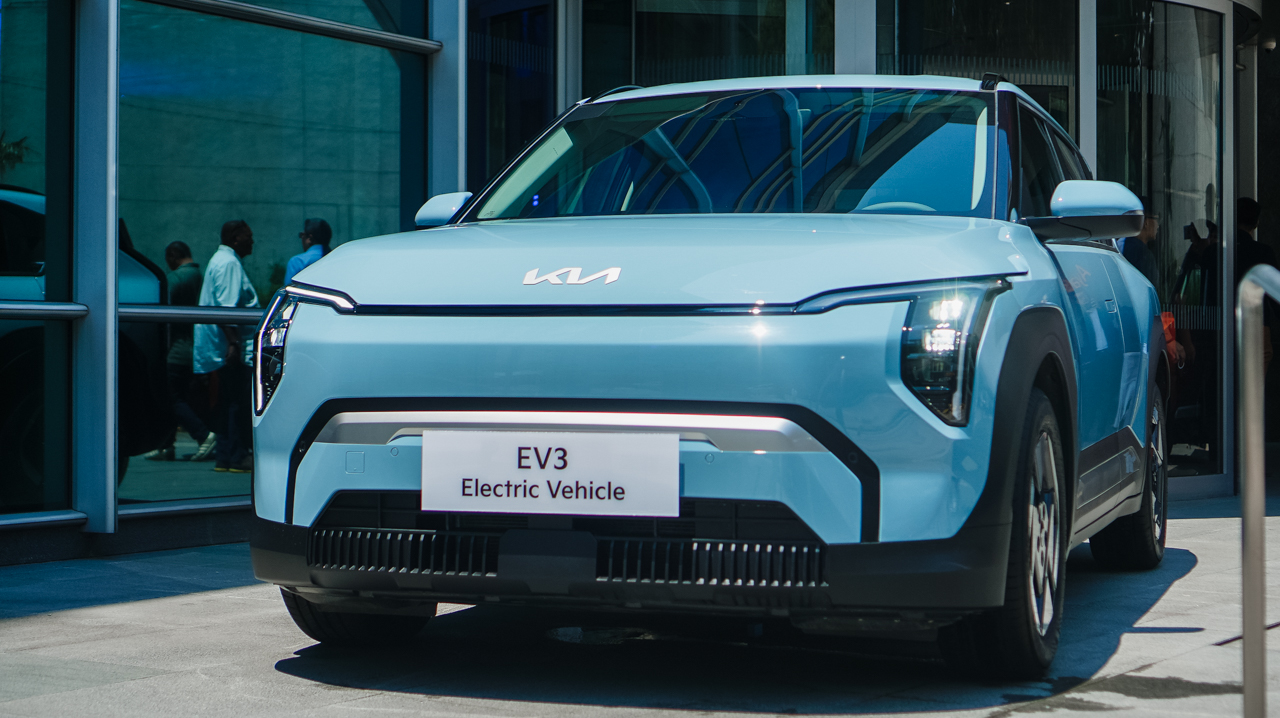
The Kia EV3 starts at PhP 1,898,000, inclusive of a home wall charger. An introductory offer reduces the price to PhP 1,868,000, saving early buyers PhP 30,000. Reservations also include five years of free Preventive Maintenance Service.
Kia provides a five-year or 160,000-kilometer vehicle warranty. The high-voltage battery carries an eight-year or 160,000-kilometer warranty.
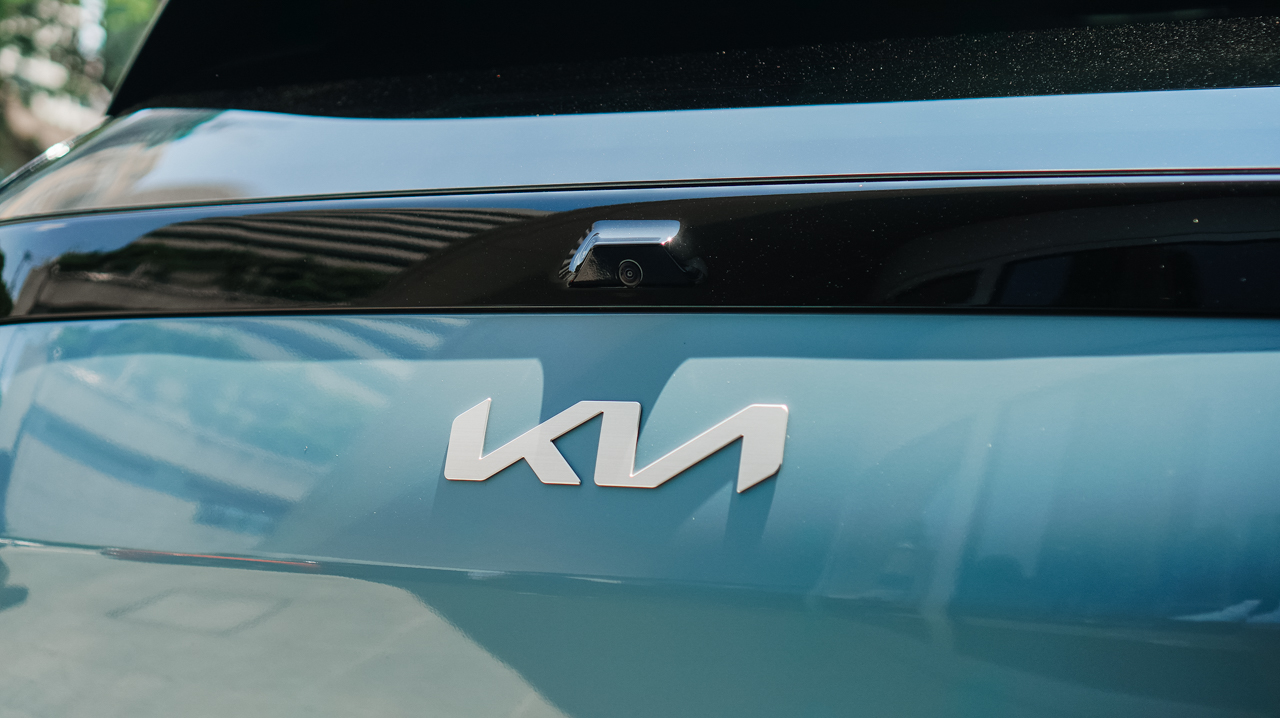
The EV3 comes in seven curated exterior colors. Options include Aventurine Green, Snow White Pearl, Aurora Black, Terra Cotta, Frost Blue, Shale Grey, and Ivory Silver.
Accessories
Manila turns up the volume at COVE
Sony Philippines launched its ULT TOWER lineup at Beyond the Beat, with SB19 joining the ULT Squad.
Sound and style shared the floor at COVE Manila in Okada Manila. Sony Philippines opened its doors for Beyond the Beat: The Next-Level ULT POWER SOUND Experience.
The event marked the company’s biggest ULT POWER SOUND launch in the country, and Sony paced the program like an exclusive night out.
Stacked ULT Towers filled the space. Guests styled themselves with designer pieces from Alser Lumawag, and SB19 closed the evening as the newest Sony ULT Squad members.

MySony members from every tier joined industry guests while the new ULT TOWER lineup set the tempo.
The towers take center stage
Shuhei Sugihara, Sony Philippines’ President and Managing Director, opened the program.

Product Marketing Specialist Keira Ambubuyog then introduced the newest additions to the lineup.

Arbie Bandiling of Personal Audio Systems unveiled the latest ULT Squad video. The clip introduced the artists and personalities fronting the campaign.
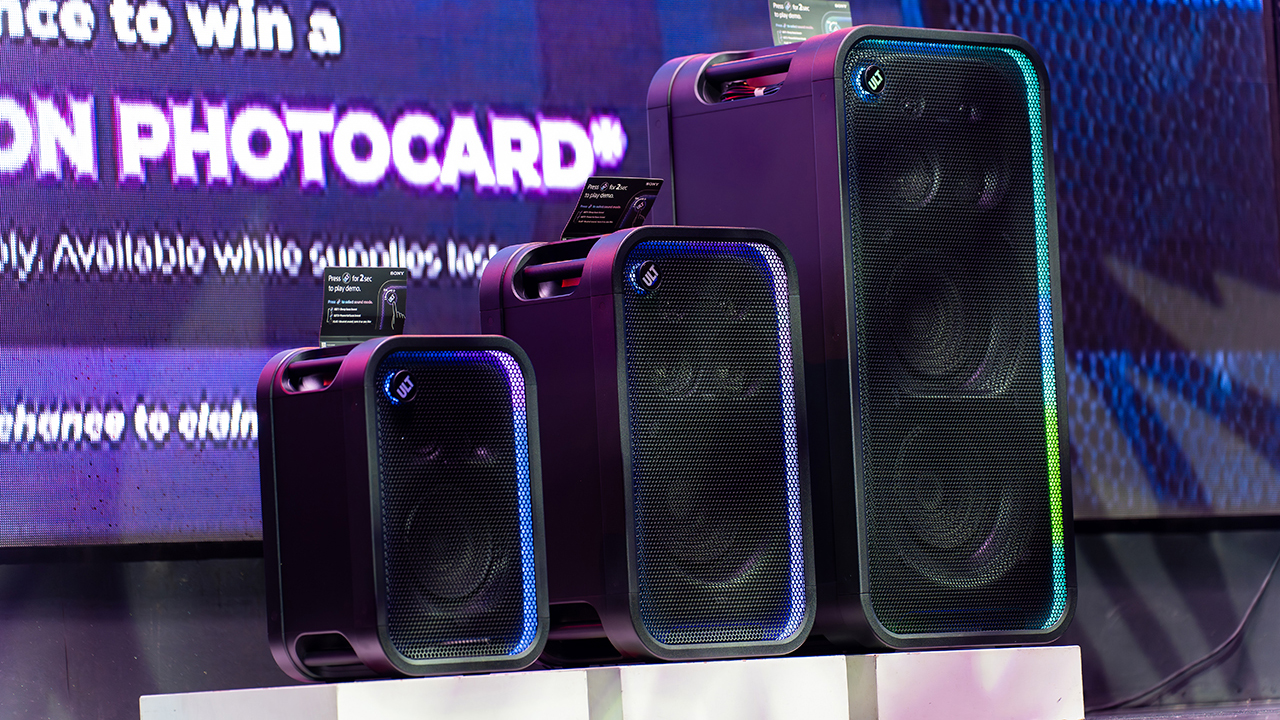
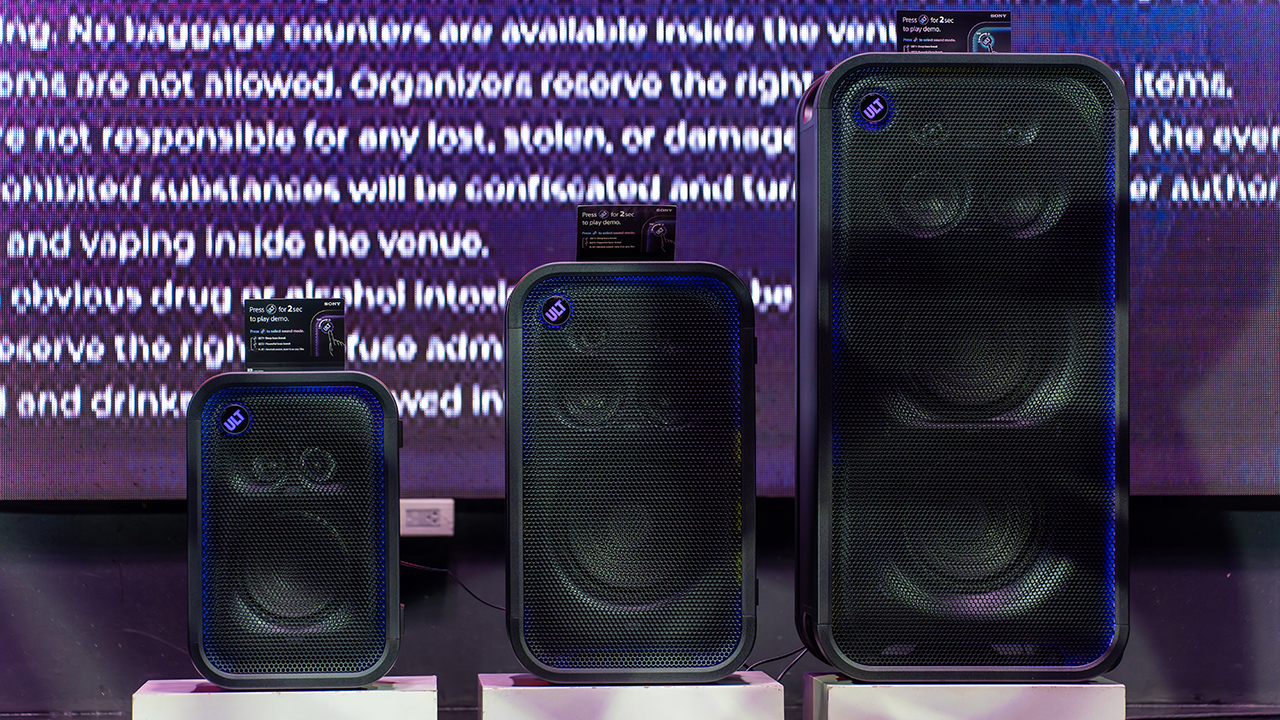
The lineup features the ULT TOWER 5, ULT TOWER 7, and ULT TOWER MAX. The new series pairs large circular woofers and high-capacity cabinets with ULT DUCT technology.
This design delivers stronger low-frequency bass than earlier models. The ULT TOWER MAX leads the series, described as Sony’s most powerful bass speaker yet.
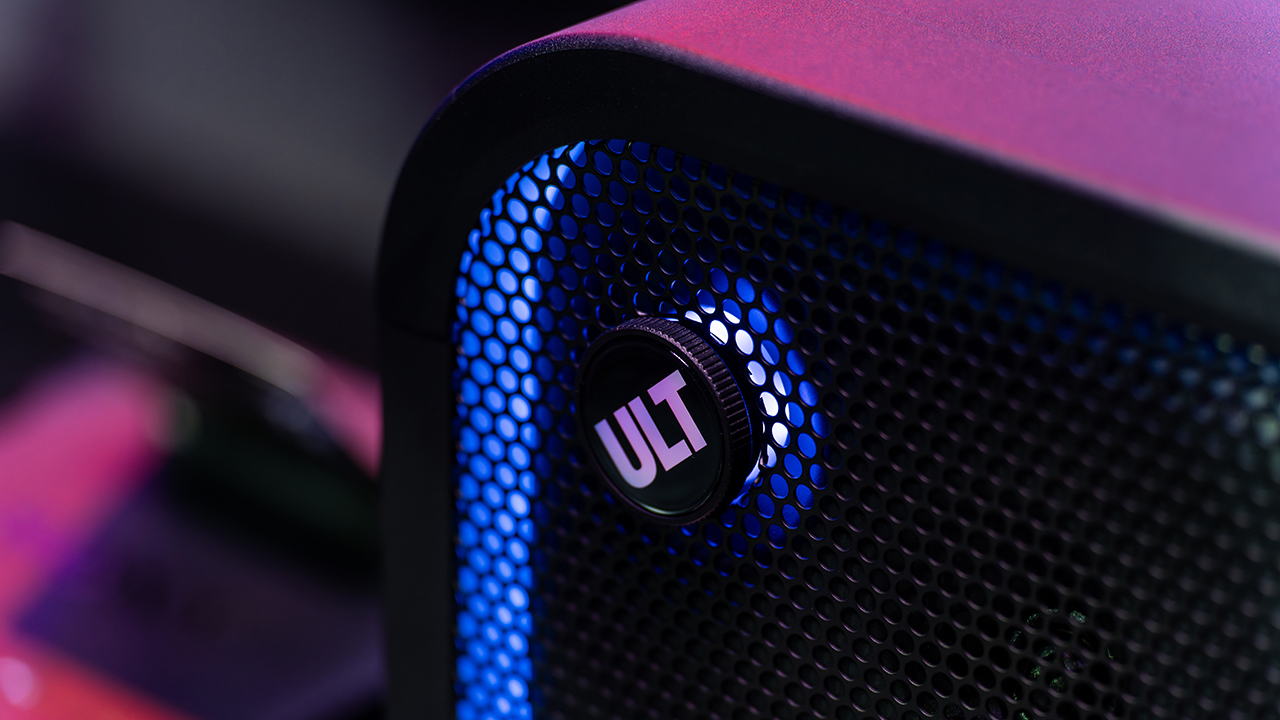
On another note, Sony pitches the ULT TOWER 7 as stage-worthy sound in a portable frame. Meanwhile, the compact ULT TOWER 5 targets smaller gatherings and features karaoke and DJ capabilities.
Experiential zones bring the sound to life
Guests explored the lineup across several interactive event zones. Step into the Beat paired an arcade-inspired setup with stacked ULT Towers and a dance pad. ULT Selfie Club handled photo ops.
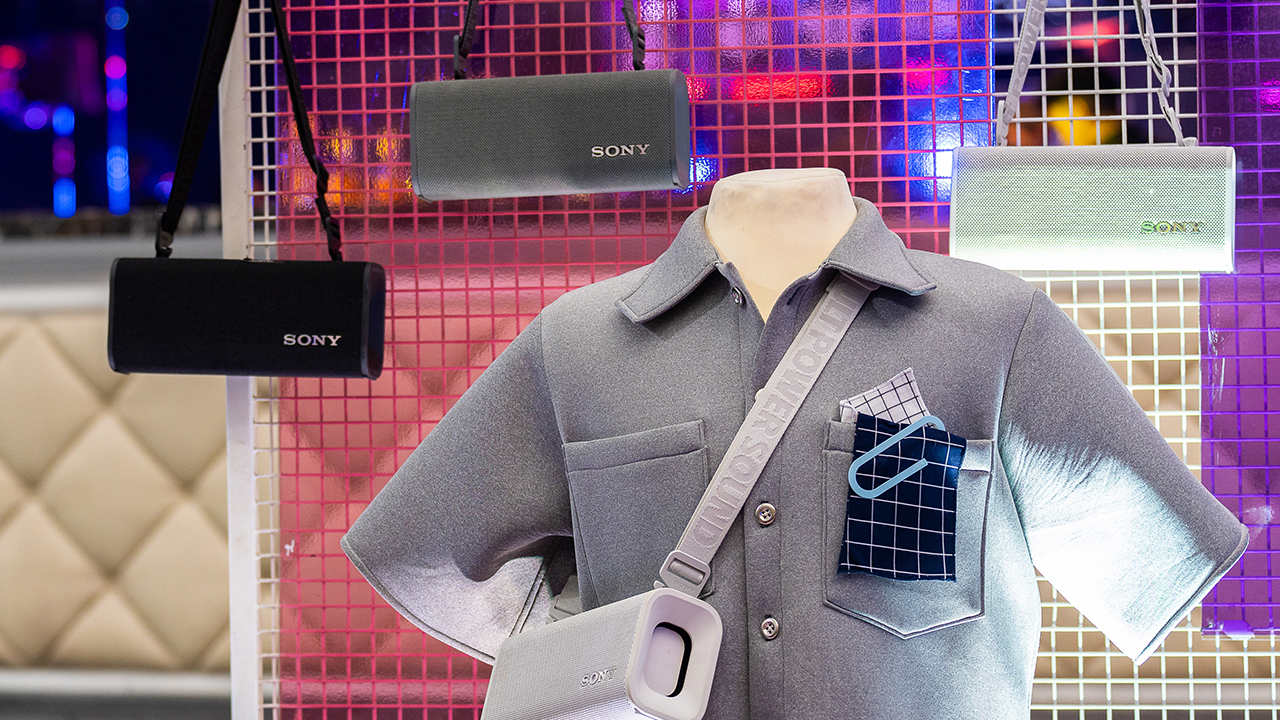
Nearby, ULT Cover Star let guests style ULT Field speakers alongside designer pieces from Alser Lumawag. Here, the speakers served as chic fashion accessories.
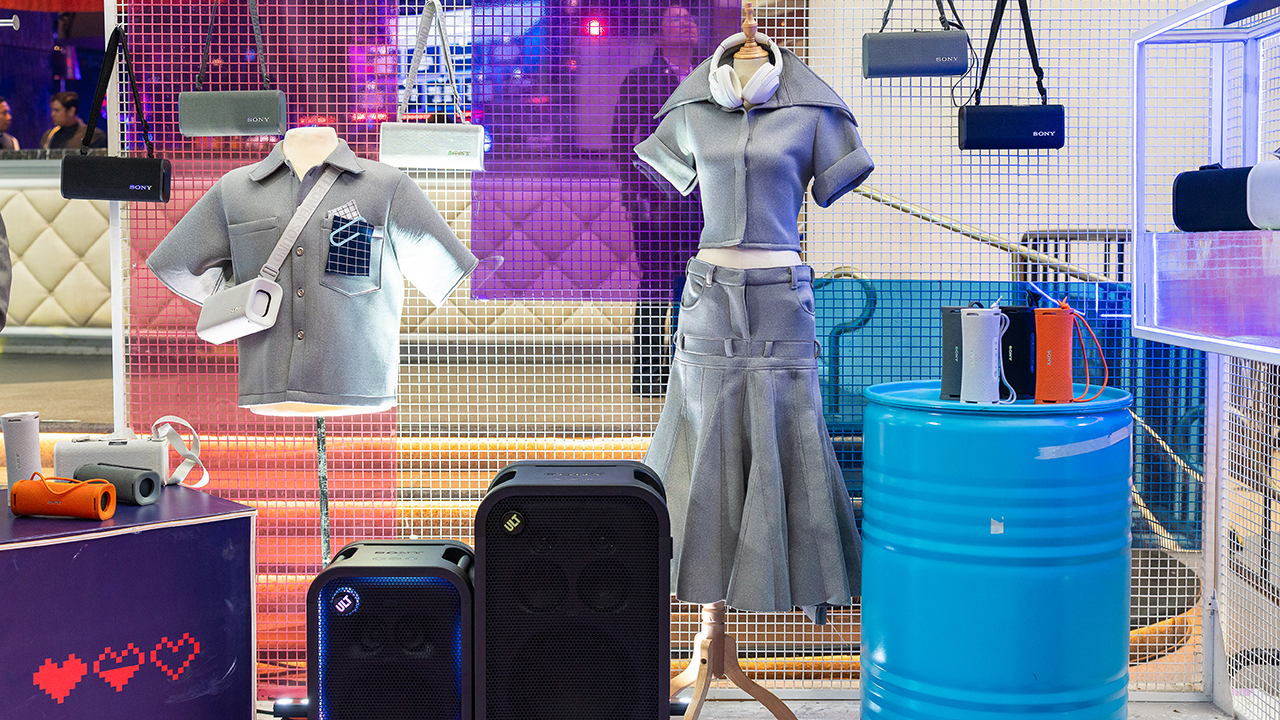
The Bass District gave VIPs and influencers a private, nightlife-inspired lounge. Karaoke Lounges invited everyone else to grab a mic and test the party-ready towers firsthand.
The ULT Squad shows up

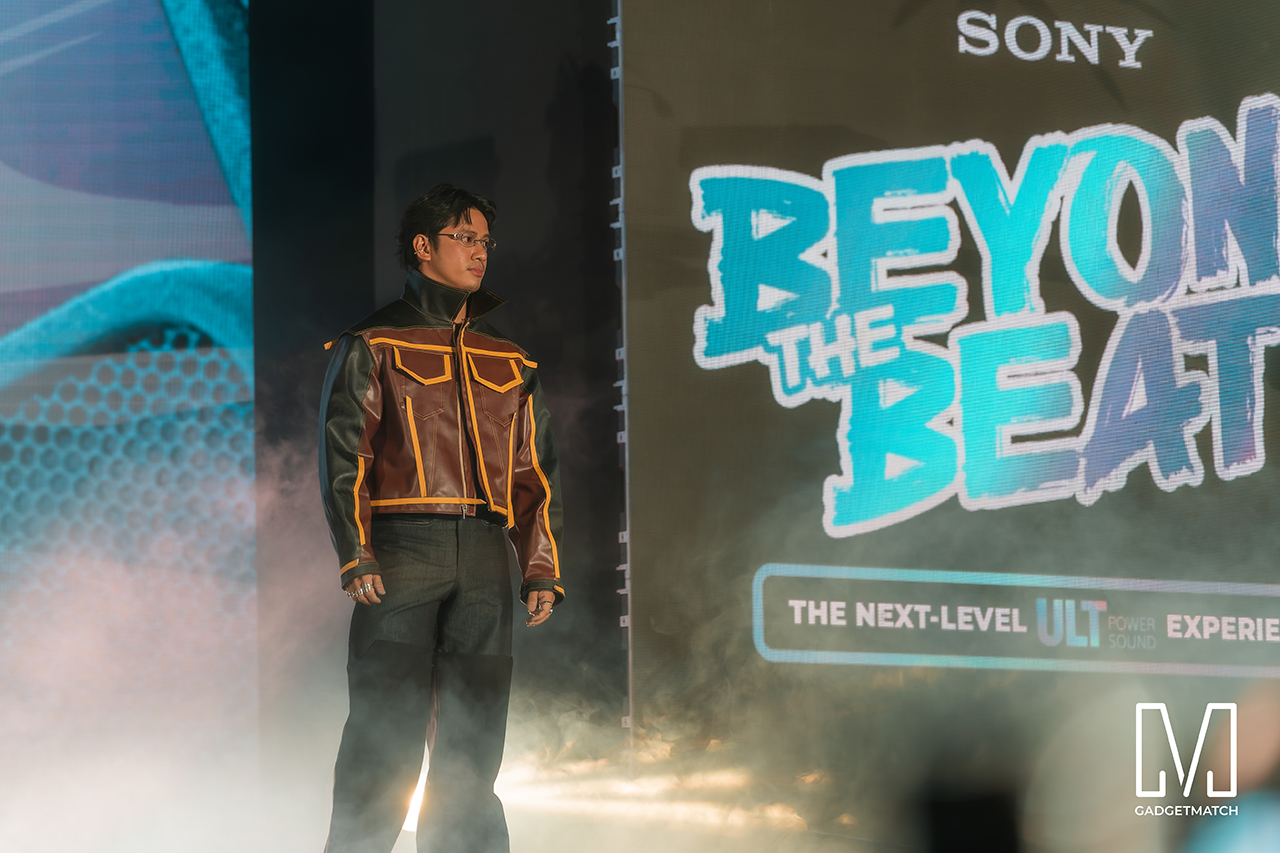
Fashion influencer and ULT Squad member Angelique Manto-Guison hosted the night.
A-Team opened the show with a high-energy routine before Carlos Serrano III took the stage. David Guison and Jacqueline Jala walked the stage with ULT Models in elevated fashion, and Jeremy G followed with a dynamic musical performance.


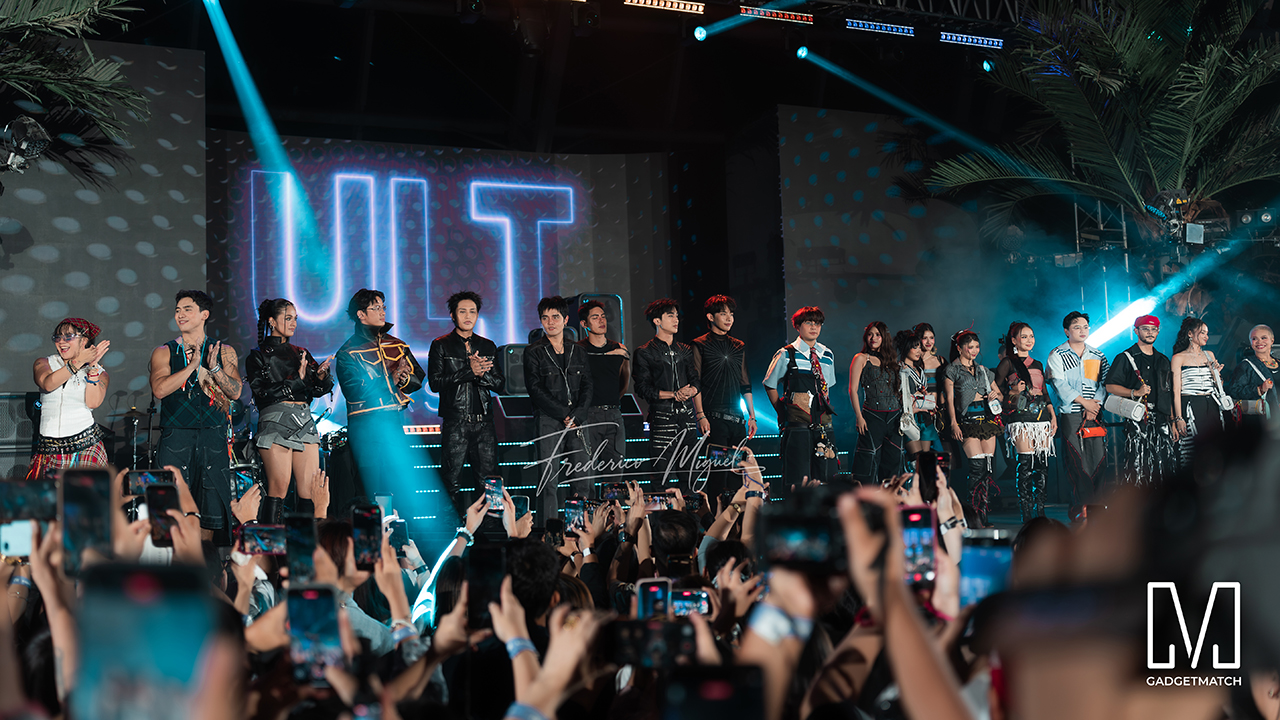
KAIA brought a youthful pop sound, while Maki delivered a set in his signature style.
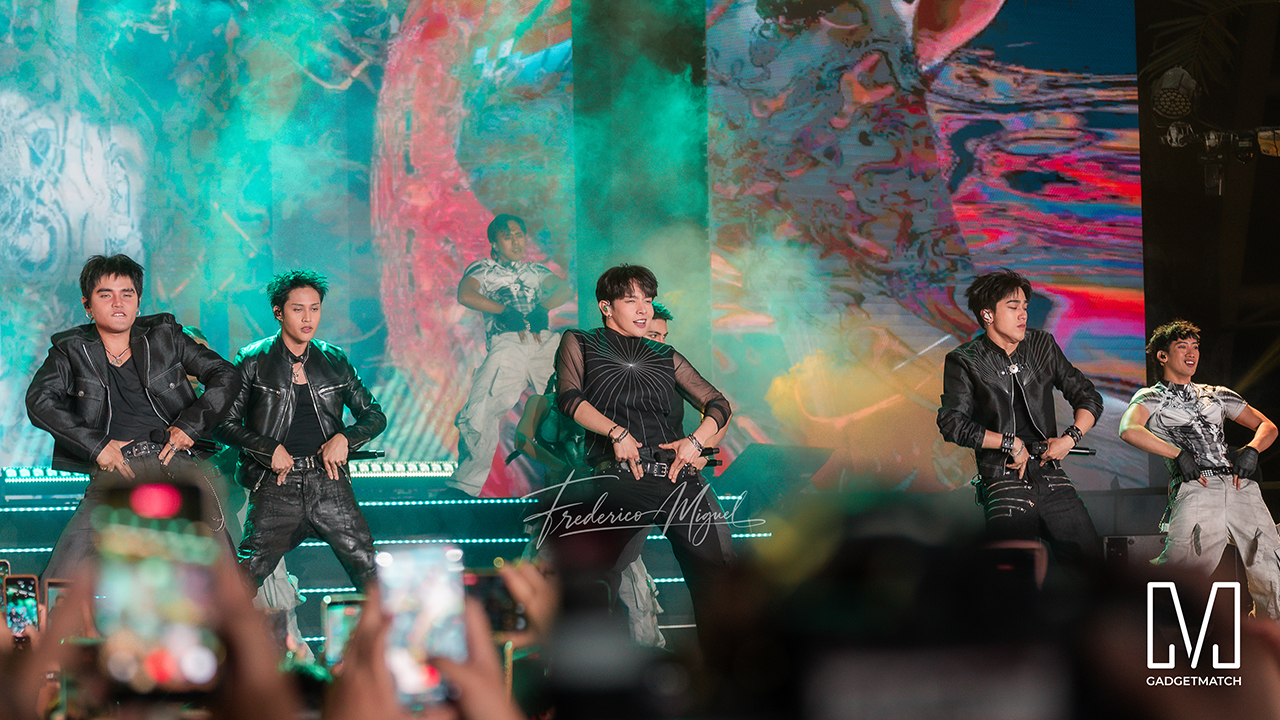
SB19 closed the night, making their debut as the newest Sony ULT Squad members. Sony pairs its sound technology with the group’s influence in Filipino music. This collaboration positions the Squad as a platform for artists shaping contemporary music culture.
The ULT TOWER MAX, ULT TOWER 7, and ULT TOWER 5 are now available at Sony Centres and authorized dealers nationwide.
Lifestyle
Nike’s Alphafly 4 is built for the part of the marathon ~that actually hurts~
Made to protect your stride when fatigue sets in.
Every marathoner knows the exact moment the race truly begins.
It’s not at the starting line amidst the early morning excitement, but around the 32-kilometer mark, when your legs begin to feel heavy and your form starts to fall apart.
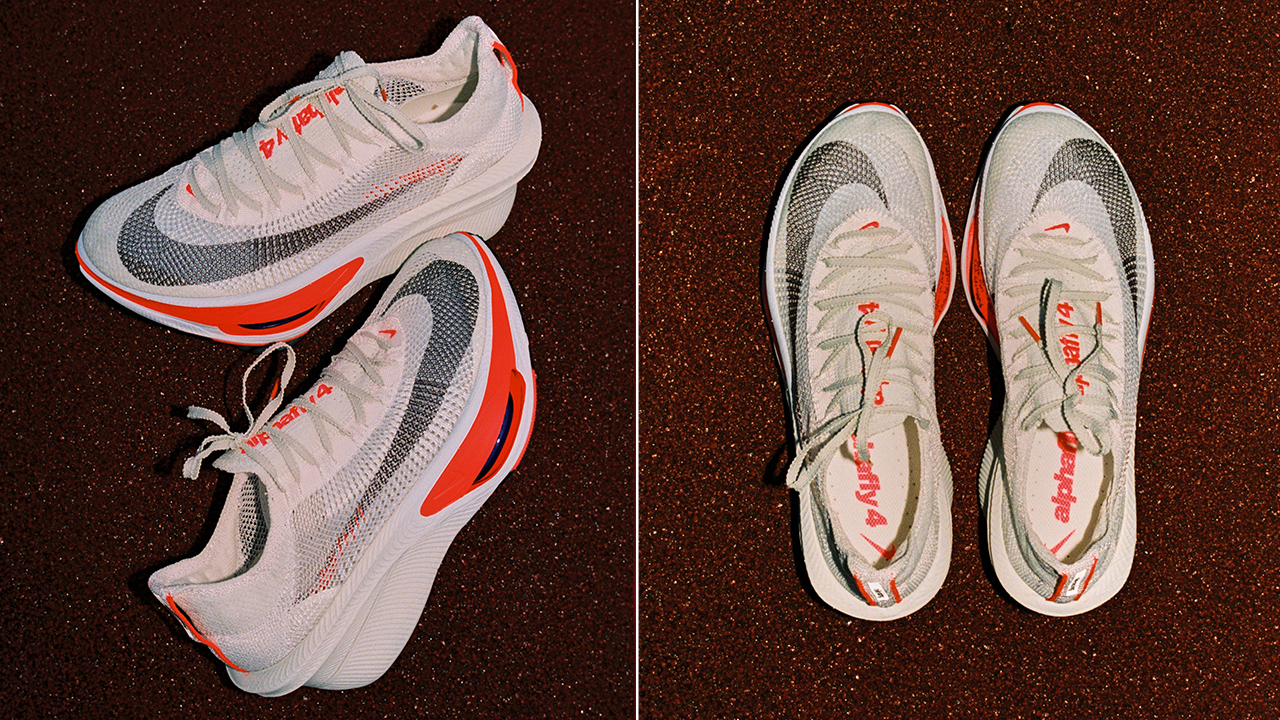
Nike designed its latest marathon racer specifically for that critical window. The Alphafly 4 shifts the focus away from chasing sheer top-end speed, targeting instead the physical breakdown that happens late in a long run.
By studying how fatigue alters a runner’s mechanics over time, Nike rebuilt its flagship distance shoe to help athletes maintain their stride when energy starts to dip.
Holding the line when fatigue sets in
On the road, the shoe operates as a complete, unified system designed to protect your stride.
A redesigned Atomknit upper wraps the foot with breathable support, using targeted midfoot cables and an integrated heel unit to keep your fit secure without adding unnecessary weight or friction over long distances.
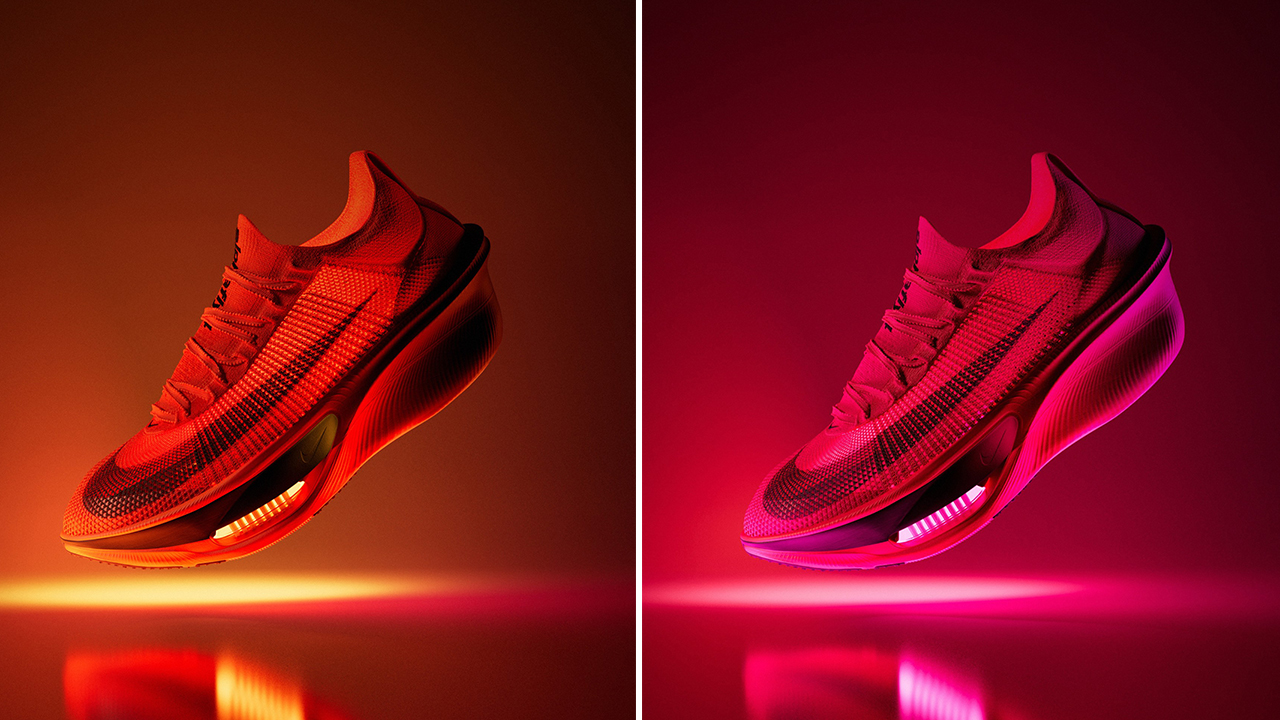
Underfoot, the new ZoomX LT foam layer works alongside Nike’s contoured carbon-fiber Flyplate. The lighter foam returns maximum energy with every footfall, while the plate smooths out your rolling motion.
Together with dual forefoot Air Zoom units and a durable Fast Shot outsole, the setup keeps your cadence consistent and your legs feeling fresh well into the back half of the race.
As Emily Farina from the Nike Sport Research Lab notes, their goal was to help runners stay confident, balanced, and capable from the start line all the way to the finish.
Built on the miles that came before
That focus on real-world endurance stems directly from athlete testing.
Nike developed the shoe using feedback from its Project Dreamweaver initiative and extensive trials with women distance runners, prioritizing stability and comfort alongside high performance.
The lineage carries significant weight. The Alphafly family has grounded some of distance running’s greatest moments, from historic sub-two-hour efforts to major course records.
With the Alphafly 4, that legacy translates directly into everyday marathon training, helping athletes hold their target pace just a little bit longer. Marathoners won’t have to wait long to feel the difference on race day.
The Nike Alphafly 4 drops in an early, limited release on September 17 at nike.com, followed by a wider global release on October 29 online and at select retail stores.


DJI Lito X1 review: Is this the best lightweight drone for creators?
Making a strong case as a travel companion and a capable B-cam!


REDMI Note 17 Pro Max review: A new breed born from AI greed
Welcome to the new normal


Marvel’s Wolverine review: When the claws come out
A brutal, cinematic superhero adventure

CRISIS CORE -FINAL FANTASY VII- REUNION physical edition now available for Switch 2

Smart launches AI.Smart, an affordable AI workspace

A Discord ban won’t save your kids

When your body talks, the Galaxy ecosystem listens

Power Mac Center SM Aura is now an Apple Premium Partner store

realme 16T 5G with 8000mAh battery, IP69 Pro rating launches in PH

HUAWEI Pura X View is 2026’s first WIDE slab-type smartphone

REDMI reveals the refreshed Note 17 and Note 17 Pro series

REDMI Note 17 Series: Price, availability in Singapore

The CAMON Slim 5G is TECNO’s latest ultra-slim smartphone


-
 News3 days ago
vivo X500 Series launches with major imaging upgrades
-
 Hands-On2 weeks ago
Apple iPhone 18 Pro Series Hands-on
-

 Gaming2 weeks ago
BlizzCon 2026 announces World of Warcraft: Forever and Diablo V
-

 Singapore5 days ago
Epson Lifestudio Grand Plus EH-LS970B with 4K projection, more launches
-
Reviews1 week ago
REDMI Note 17 Pro Max review: A new breed born from AI greed
-

 First Look2 weeks ago
First Look: Apple iPhone Duo
-

 News2 days ago
OPPO Find X10 Pro Max is the first phone with a triple 200MP camera system
-
 Gaming1 week ago
Valve unveils price of the Steam Frame