
Her GadgetMatch
Peloton: A cult I want to join
Cult or not, both Peloton and traditional spin classes are great workouts if you’re already into fitness

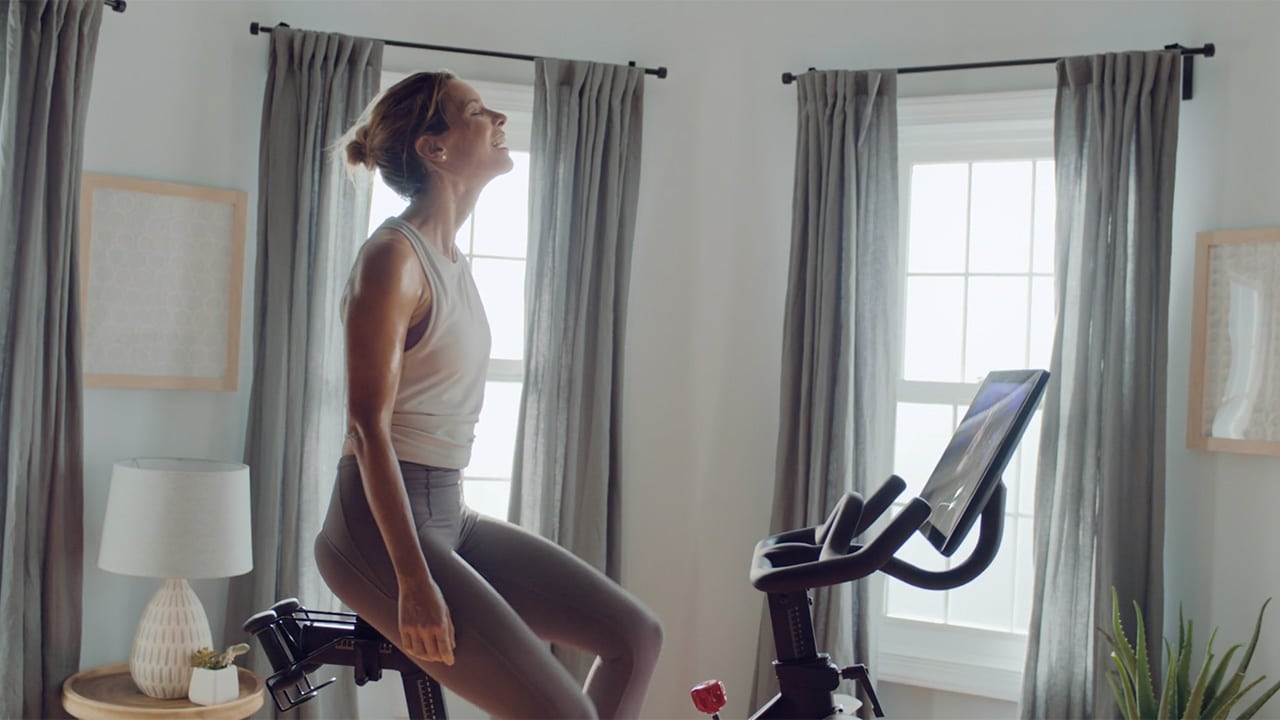
I’ve heard and read about Peloton mostly from the hype in tech news and commercials on TV. When people talk about it, I hear them refer to it as the cult of Peloton. As someone who recently fell in love with spin class, my curiosity is peaked. If you’re a Peloton customer, you don’t just like it — you love it! It’s not a piece of exercise equipment; it’s a lifestyle.
On a recent trip to New York, I noticed my hotel was close to a Peloton studio. My hotel also had a Peloton bike in the gym. As I roll towards 40, I’ve accepted that my body needs me to pay attention to it. So I fed my Peloton curiosity and went to the studio to take a class. I also took a virtual one in my hotel — more on that later.
Peloton studio experience

If you’ve ever been to a high end spin studio you’ll be familiar with the set up at Peloton. For those who haven’t done a modern spin class, you basically get shoes, locker rooms that have many products, and someone to help you set up your bike. The experience screams premium and makes dropping US$ 35 seem justified.
Like most workout studios, the room is very cold when you walk in. Today’s spin classes are done in the dark with very loud music — almost like going to parties. At the Peloton studio, the bikes are set up around a stage on three sides. As we waited to get started, Jenn, the instructor, was already interacting with everyone online. I’ve heard and read of Peloton before, but I didn’t realize that the class I was attending was being live streamed to hundreds, maybe thousands of people.
“RoadCruiser, it’s your 400th ride! Congratulations and thanks for being part of the Peloton nation,” screamed Jenn. “RidnMama happy 100th ride, Pelotooooon!”
Hearing the word Peloton happened consistently throughout the ride. Like being in actual cults, being in a Peloton class felt a bit like being indoctrinated. The same way cults repeat ideologies and phrases, Jenn would randomly scream Peloton for all of 30 minutes. When I started counting midway, I heard her say it 11 more times.
What caught me off guard was the fact that Jenn essentially ignored the class and was in constant eye contact with the cameras around the room. One camera would slowly go from the left side of the room to the right, and her gaze would follow it. It was distracting and felt like I was watching something I wasn’t supposed to.
Having done no actual research on Peloton before going, I left the class confused. Being the journalist that I am, I asked the sales girl at the front desk a ton of questions. I found out that there are only two Peloton studios in the whole world: one in New York, and the other in London.
Suddenly I felt very lucky to have taken a class in one of the two studios. Then almost immediately I realized that I was doing things completely wrong. Most Peloton customers will never step foot into a physical Peloton studio, and they probably will never want to. Peloton’s main focus is giving virtual classes, and that’s what they’re good at.
Peloton only set up studios to livestream the instructor for the virtual classes. The London studio starts putting classes online in the morning and the New York studio has classes until late at night, covering all of Europe and US timezones. Unlike other spin studios, real world classes at Peloton are only a byproduct of content creation for their virtual community.
Virtual Peloton class experience

The next day I went to my hotel’s gym to take my first virtual class. When I logged on, there were no live classes about to start, so I took one of the many pre-recorded ones. The bike lets you choose by class type, instructor, genre of music, and style of ride — I chose a 90s hiphop class.
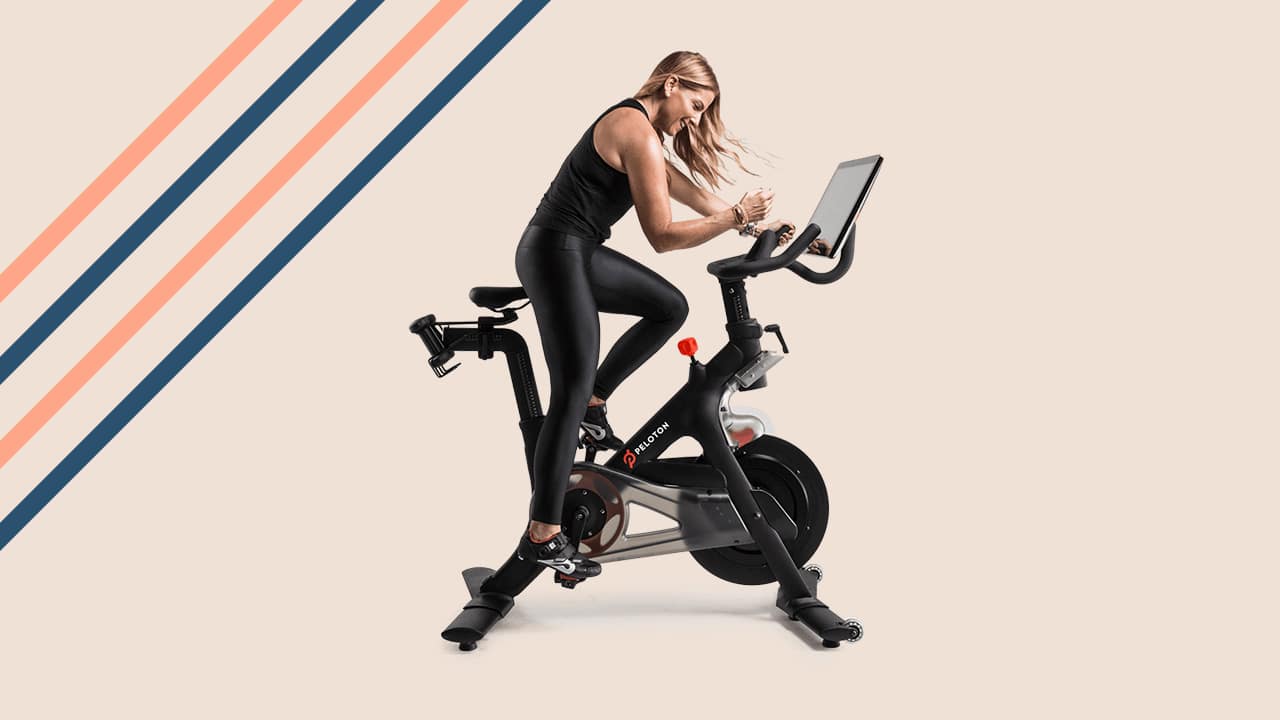
When the class started, I found Jess, the instructor, looking at me straight in the eye from the 21.5” HD display of the bike. Suddenly the thing I found the creepiest from the live class was the thing I loved most of the virtual class. The connection I felt with Jess was far stronger than the one in the studio — even stronger than I’ve ever felt at a traditional spin class at SoulCycle or ride.bln.

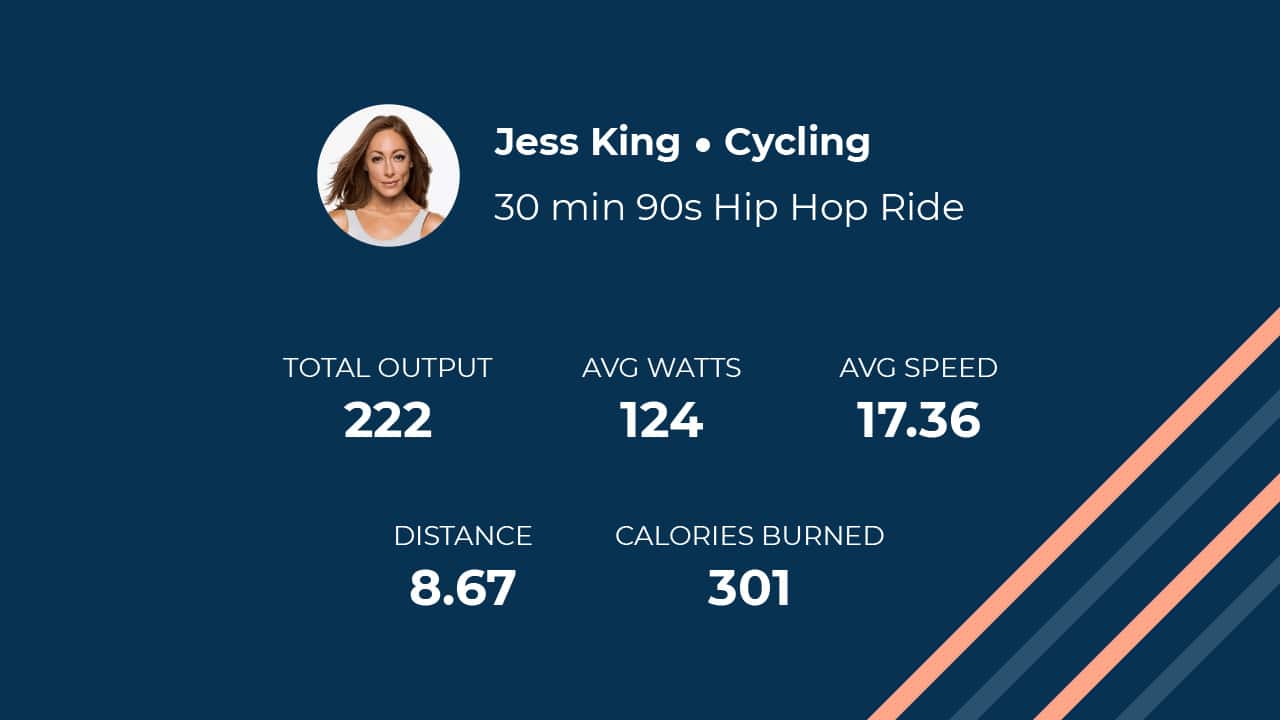
Being more engaged resulted in a much better work out compared to the one I did in the studio. Admittedly, I’ve only taken a single virtual class, but I’m already convinced Peloton can bring the same high end spin class I take in studios into my own home.
The traditional spin class experience
In Berlin, I take spin classes at ride.bln. They have beautiful locker rooms and attentive staff. The environment is pretty much identical to Peloton’s NYC studio, except smaller. That’s pretty much where the similarities end.
My favorite instructor at ride.bln is Malin. Her style of dancing around the studio, correcting people’s postures, and reading the room so that we’re getting the best workout we can are the little things that make going to a real world spin class great — things you won’t ever get from a virtual class. Seeing my instructor pushing through with her eyes closed honors my struggle. Her energy makes me want to give her spin class everything I’ve got.

Photo from ride.bln
I am genuinely curious what her take would be if she tried to adapt her style to Peloton. Closing her eyes through a tough segment is not something she would be able to do as a Peloton instructor. Her style would have to completely change and having gone to her classes, I fear they would become soulless. Can she bring the same engagement to a class while staring into a camera? I’m afraid not.
Is this your GadgetMatch?
If you were to get a Peloton bike and join the cult, you can probably replicate the dark room with the same loud music at home, but I’m not sure it would really be the same as going to a good spin studio. What Peloton is is not exactly a replacement, but an alternative for people like me who don’t have a 9-to-5 routine.

What the cult of Peloton has done is remove several barriers of having to go to spin class. Spin classes may only last 30-60 minutes, but you also have to factor in the time to go to the studio, get ready, and everything that comes after. Peloton also made it easy for its customers to start and do spin classes more consistently. You can be a newbie and not get intimidated by the people around you and just spin at your own pace. You can even do the same classes when you’re traveling, no matter which timezone you’re in.
The best part of being part of the Peloton cult is not the high end equipment nor the classes; it’s the strong virtual connections it’s been able to create to motivate you to achieve your own fitness goals — whether you’re on your bike at home or some other place in the world.
Cult or not, both Peloton and traditional spin classes are great workouts if you’re already into fitness. If not, hearing people talk about it all the time can be annoying and does you no good. All of these classes are just tools to achieve our goals, and no amount of tech is good enough a motivation as the one that comes from within.
SEE ALSO: Confessions of a non-runner
Editor’s note: This is a slightly modified excerpt of an article written by the same author published on MobileGeeks.com.


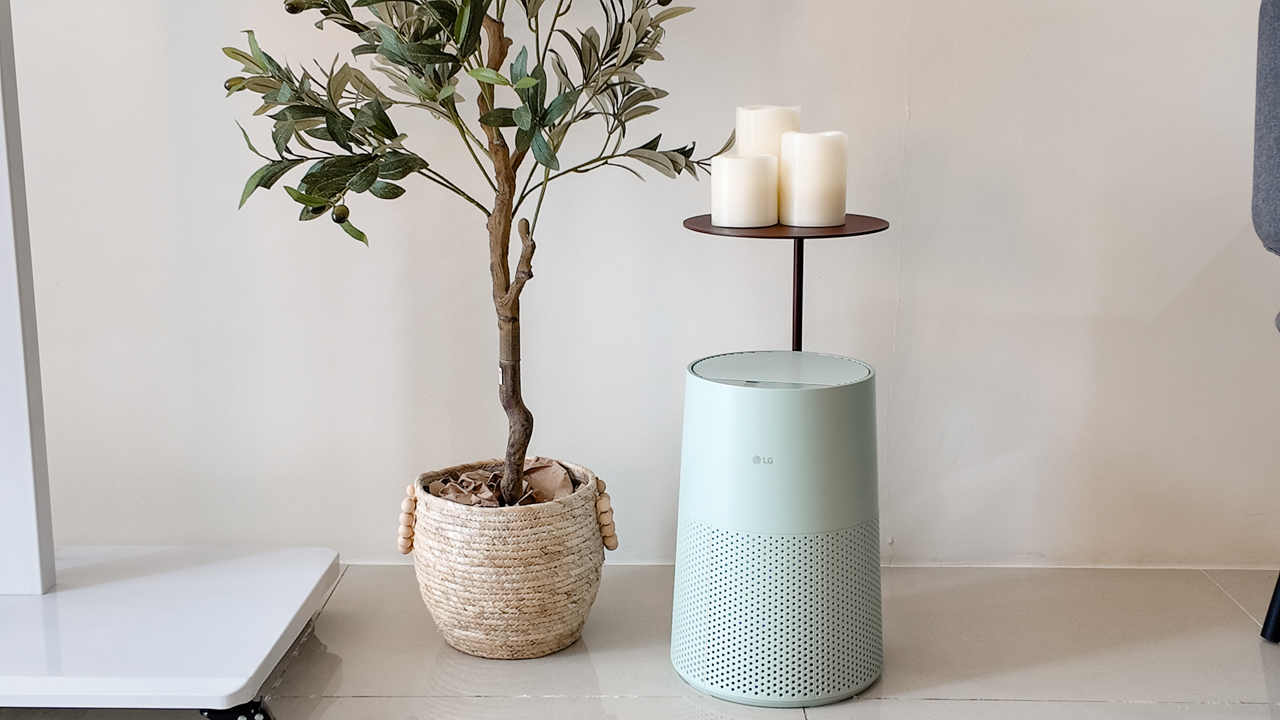
Moving into a new space comes with a long list of things to figure out, and lately, I’ve been paying more attention to something that’s easy to overlook: air quality.
After using the LG AeroMini for about a month, it has become a subtle but welcome addition to my space. It helps make the room feel fresher, while its compact and stylish design fits naturally into my setup. Here are the things that stood out to me most after living with it for a month.
360° purification for a fresher space
One of the things I appreciate about the AeroMini is its 360° air purification, designed to bring purified air in every direction.
For me, this is particularly useful in a new space where I’m spending a lot of time working, relaxing, and just settling in.
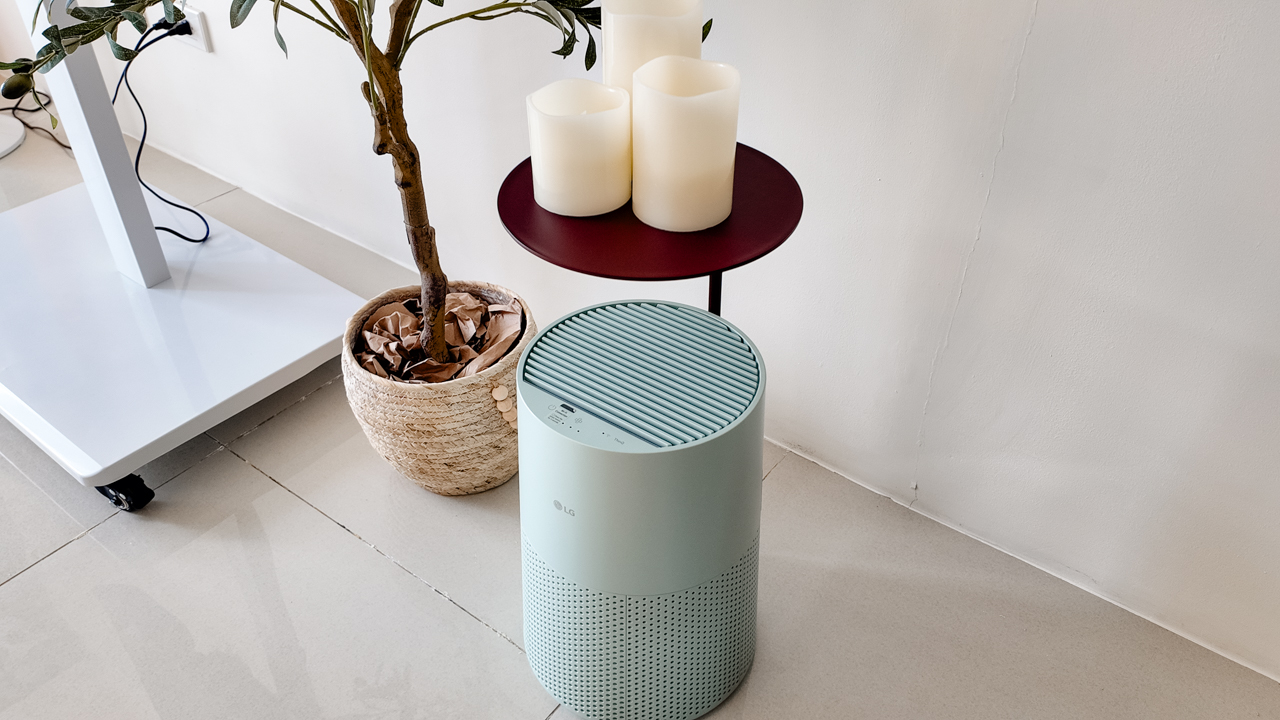
Combined with its True HEPA filter, which is designed to remove 99.999% of 0.01μm fine dust and allergens, it gives me added peace of mind about the air I’m breathing every day.
After a month, I can genuinely say that the space feels fresher with it running.
Surprisingly quiet
This is probably my favorite feature.
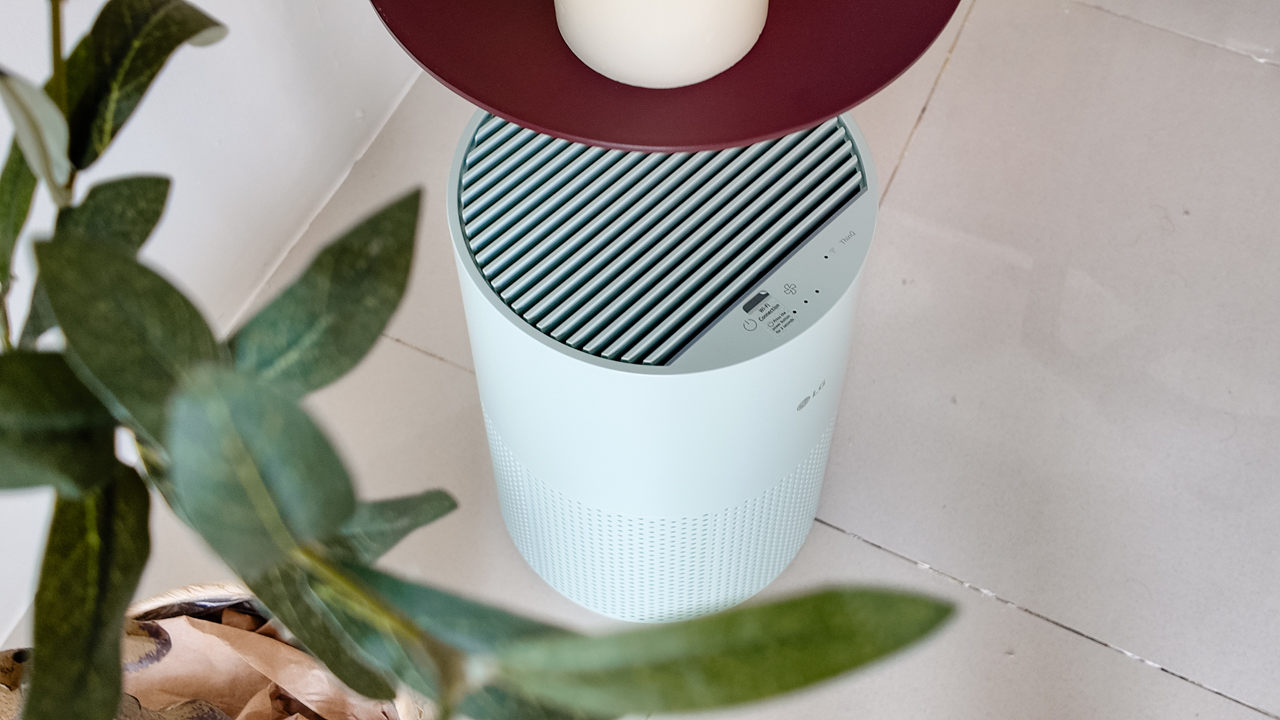
The LG AeroMini operates at just 26dB, and after using it for a month, what stands out is how easy it is to forget that it’s even running.

I can have it running while I’m working or sleeping without the noise becoming a distraction. For an appliance that’s designed to continuously improve the air around you, I think that’s a big deal.
Sometimes, the best feature is the one you barely notice.
Design that fits my space
Since I recently moved, I’ve been pretty conscious about what I bring into the space. I want things to be functional, but I also don’t want appliances that feel like they’re taking over the room.
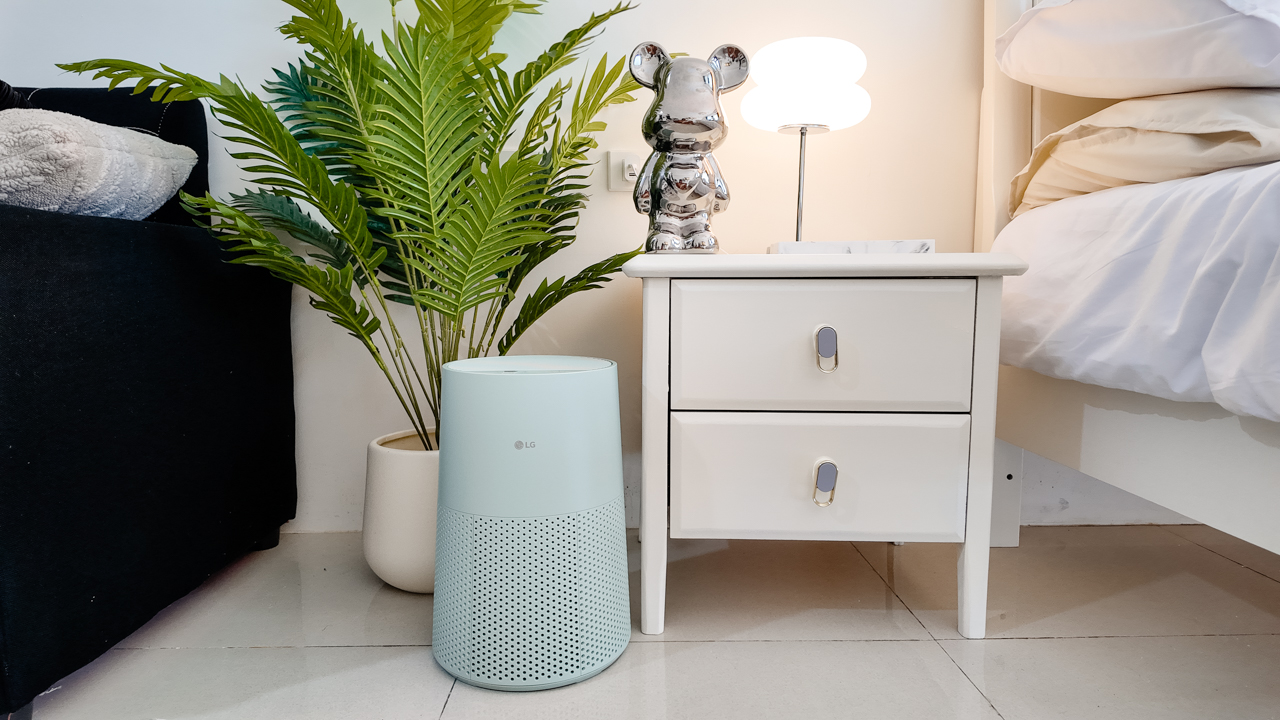
The AeroMini’s slim and compact design makes it easy to incorporate into my setup. It doesn’t feel bulky or industrial, and I like that I can leave it out without feeling like I need to hide it away.
For me, that balance between functionality and aesthetics makes it feel more like part of the space rather than just another appliance.
Air quality at a glance
Another feature I’ve found convenient is its Smart Control. Through the app, I can monitor and control the AeroMini while getting real-time updates on the indoor air quality.
It’s a small convenience, but being able to check the air quality without having to interact with the purifier directly makes it easier to keep track of what’s happening in the room.

Easy to maintain
I also appreciate that the AeroMini is designed with an all-in-one dust and deodorization filter that makes replacement and maintenance easier.
That matters to me because the best home gadgets are the ones that don’t create another complicated chore. I want something I can set up, use regularly, and maintain without too much fuss.

After a month, would I keep it?
Yes, and mainly because it quietly fits into my everyday routine.
The LG AeroMini has helped make my new space feel fresher and more comfortable, while its compact design means it doesn’t compromise the look of the room. But if I had to pick just one thing I appreciate most, it’s still how incredibly quiet it is.

It’s one of those upgrades that doesn’t demand your attention. It simply works in the background.
If you’re also looking to make your home a fresher and more comfortable space for yourself and your family, visit https://www.lg.com/ph/ to learn more about the LG AeroMini and how it can fit into your everyday life.
Her GadgetMatch
TECNO and Angélica Dass visit the Philippines next for its grand portrait project
100 Faces, 100 Stories


A portrait can show what someone looks like, but what about the story behind the face?
TECNO and visual artist Angélica Dass are exploring that question through “100 Portraits of Becoming,” a two-year global portrait project featuring 100 people across Kenya, the Philippines, Saudi Arabia, Türkiye, and Brazil.
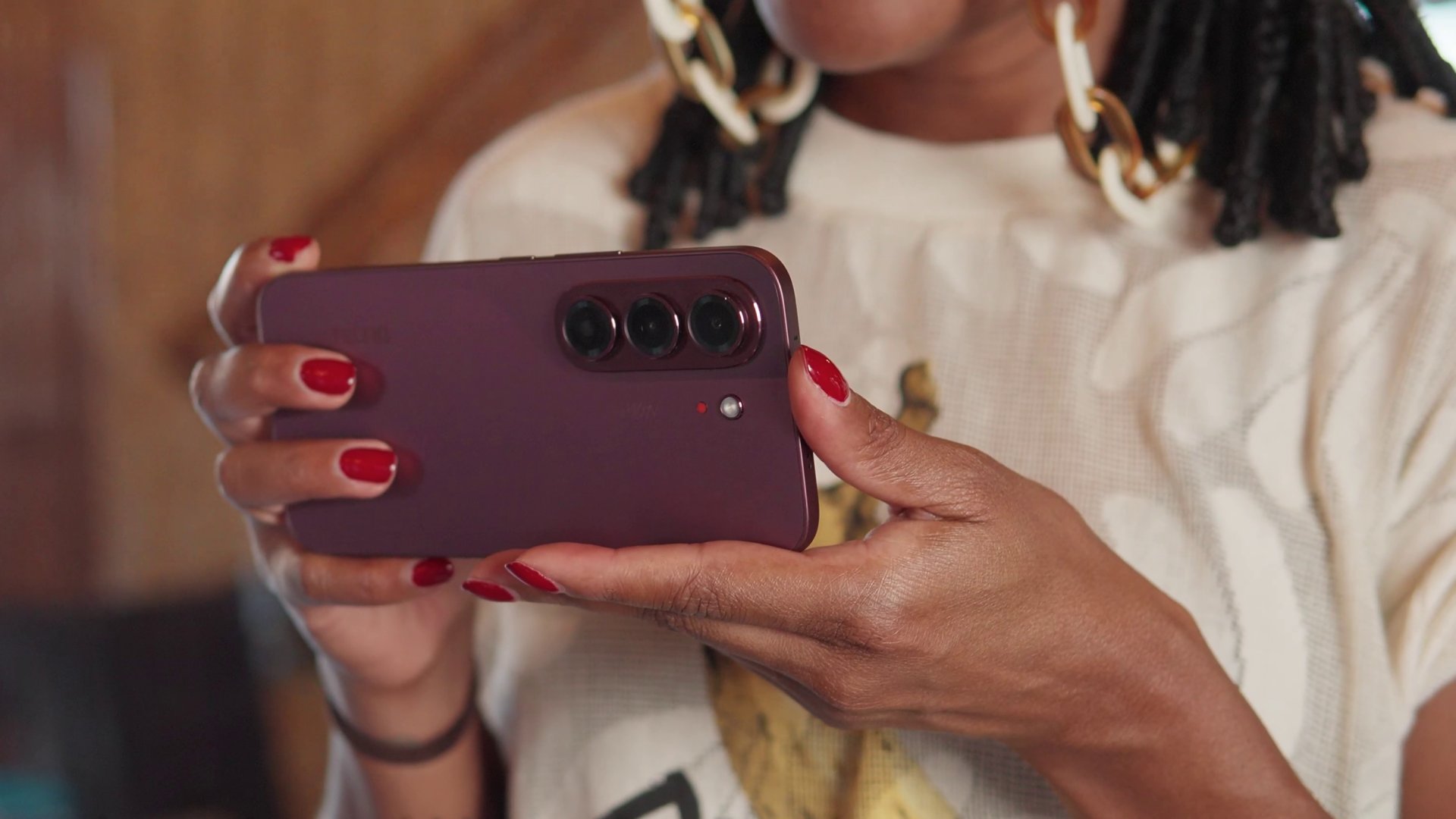
The project begins with 20 portraits from Kenya, each paired with a personal story about identity, choices, change, and growth. Rather than having participants represent an entire culture or generation, the project focuses on their individual experiences.
Beyond inclusive imaging
The project builds on TECNO’s work with Universal Tone, its imaging technology designed to represent diverse skin tones more naturally and accurately.

But “100 Portraits of Becoming” takes that idea further. With AI increasingly involved in capturing, recognizing, and generating images of people, TECNO and Dass want to explore how technology can better represent the individual behind the image.
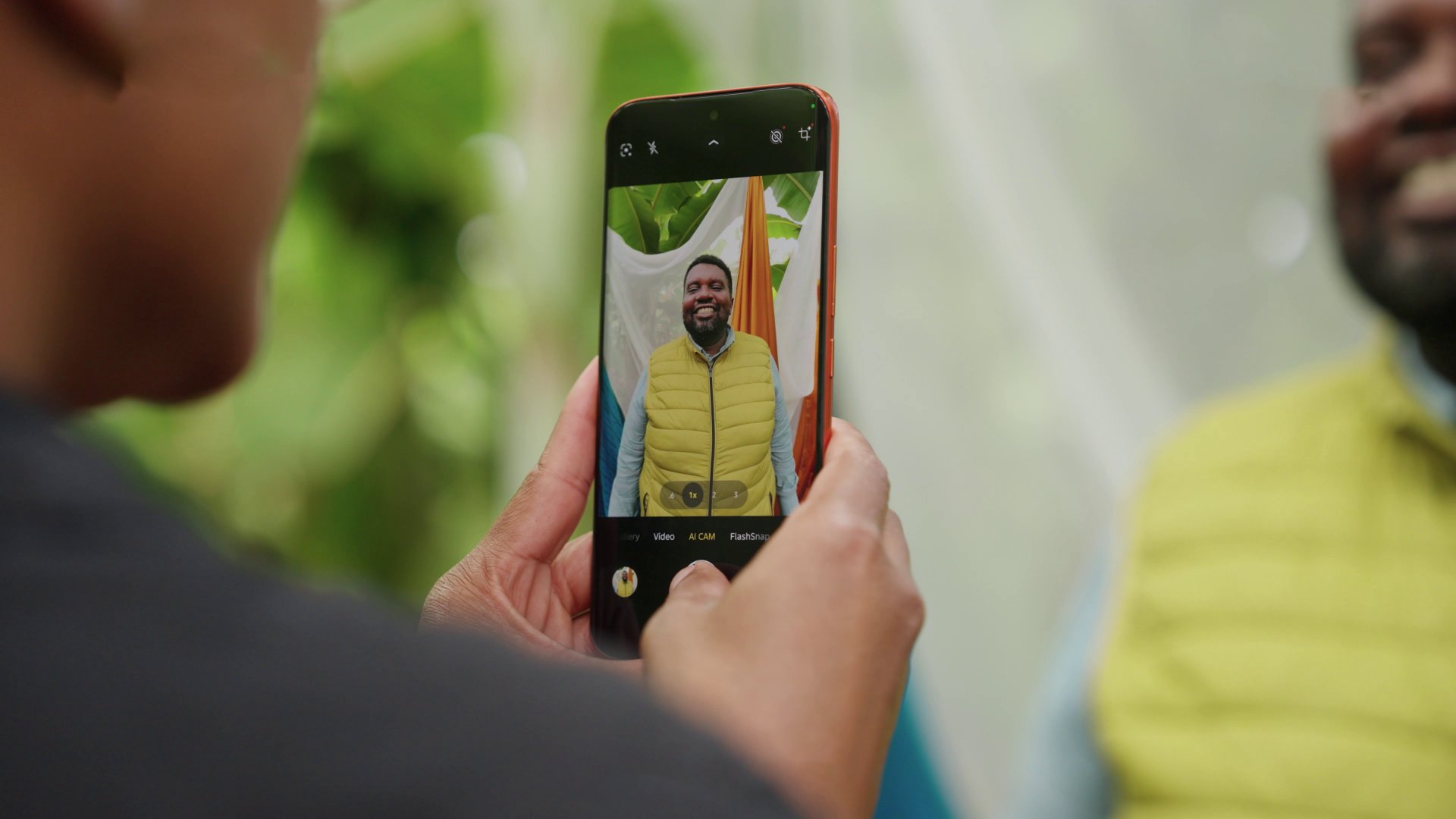
For Dass, meaningful portraiture starts with human connection.
“Meaningful portraits are never created by technology alone.”
She says her experience in Kenya reinforced the importance of trust, listening, and the willingness of people to share their stories.
The Philippines is next
Following Kenya, the project heads to the Philippines for a chapter called “Beyond Many Labels.”
It will feature 20 individuals, including working solo mothers and people whose lives are closely connected to solo parenthood.

Their stories will look beyond labels such as “single mother,” “breadwinner,” and “strong woman,” while exploring their ambitions, relationships, and personal growth.
The chapter will also explore “diskarte” — the ways Filipinos adapt, make choices, and find practical ways forward in everyday life.
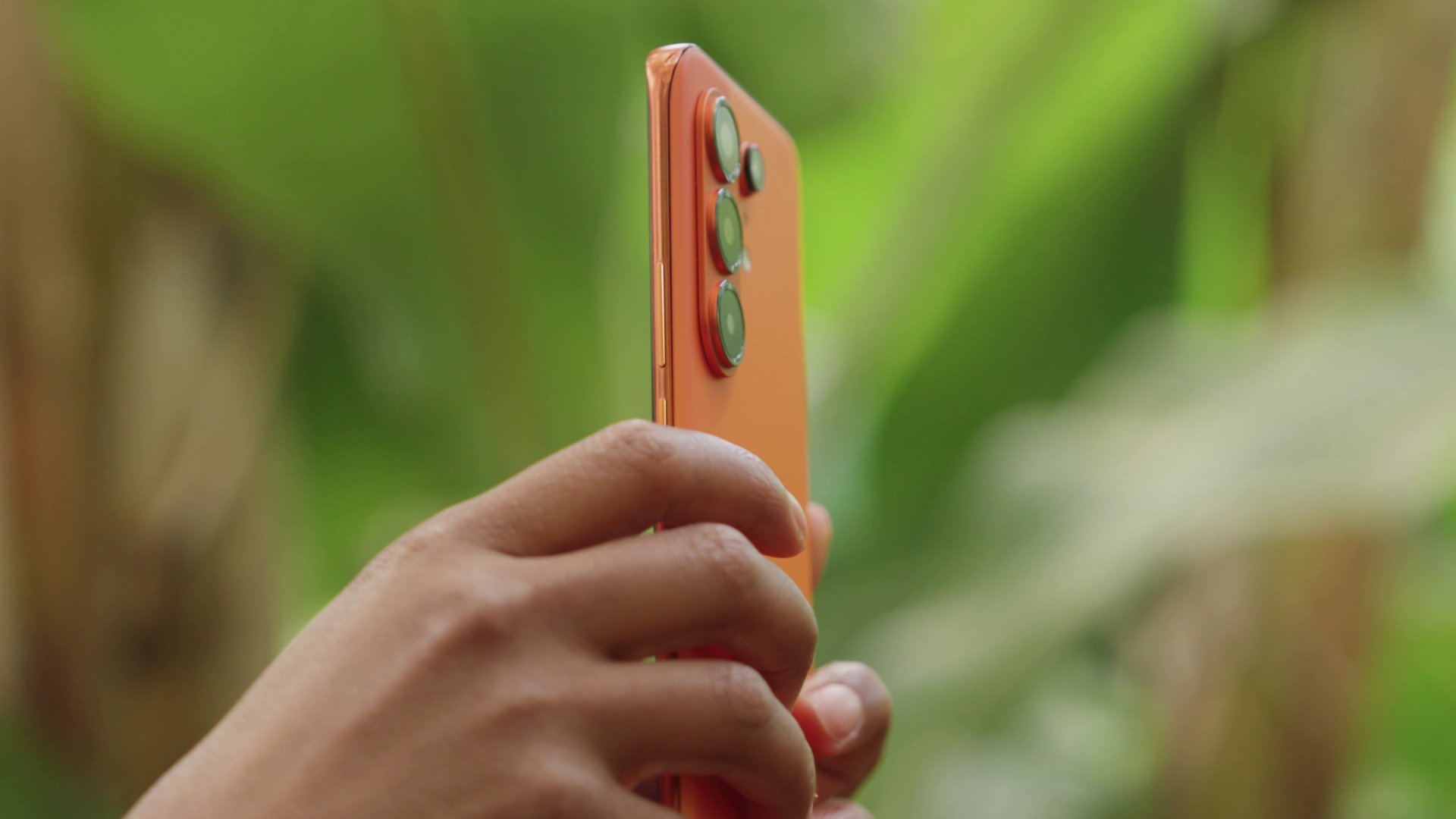
After the Philippines, “100 Portraits of Becoming” will continue to Saudi Arabia, Türkiye, and Brazil.
By the end of the project, TECNO and Dass hope the 100 portraits will offer exactly what the title suggests: 100 different ways of seeing humanity.
Her GadgetMatch
What your smartphone color choice reveals about you
Eight colors, eight personalities. Here’s how to pick.


Your phone color says more than you think. With the Pixel 11 series, Google’s giving you eight ways to make that statement, and there’s genuinely one for every kind of person.
Hibiscus
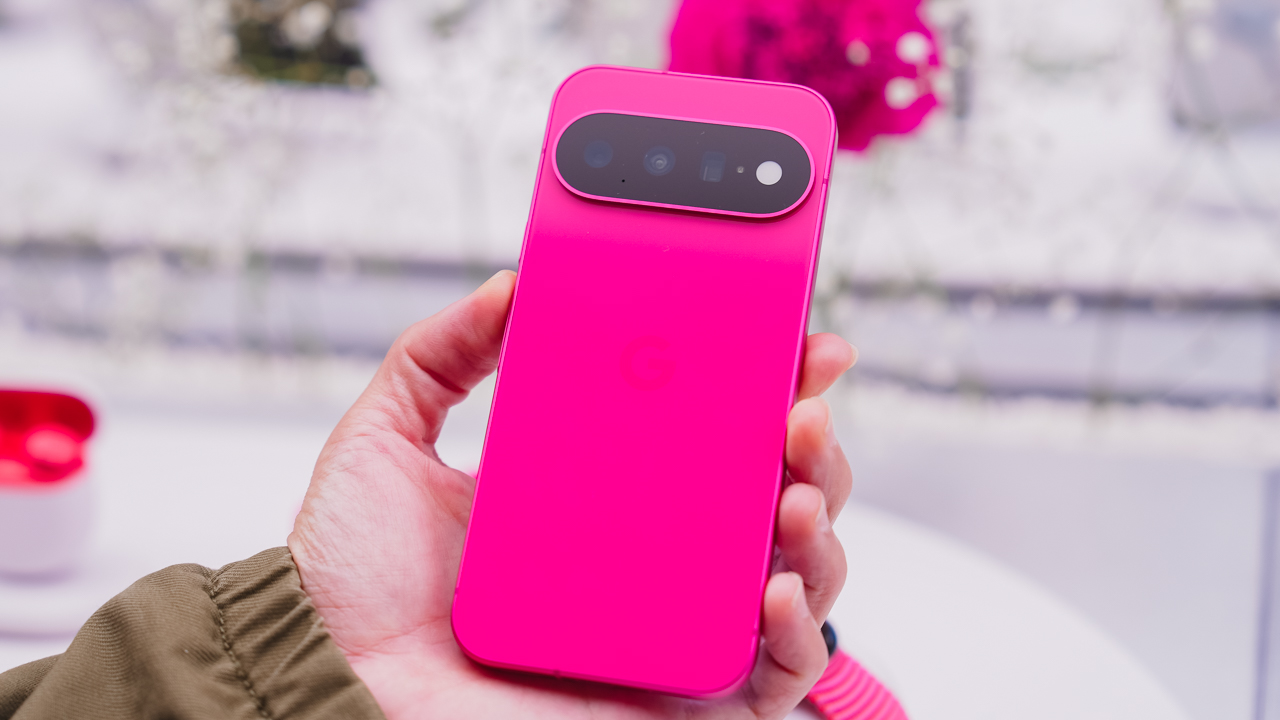
You’re never the quiet one in the room. Hibiscus doesn’t ask for attention; it just takes it, and if that sounds like you, you’re probably not planning to start hiding now. This is the pick for anyone who’d rather stand out than blend in.
Pistachio
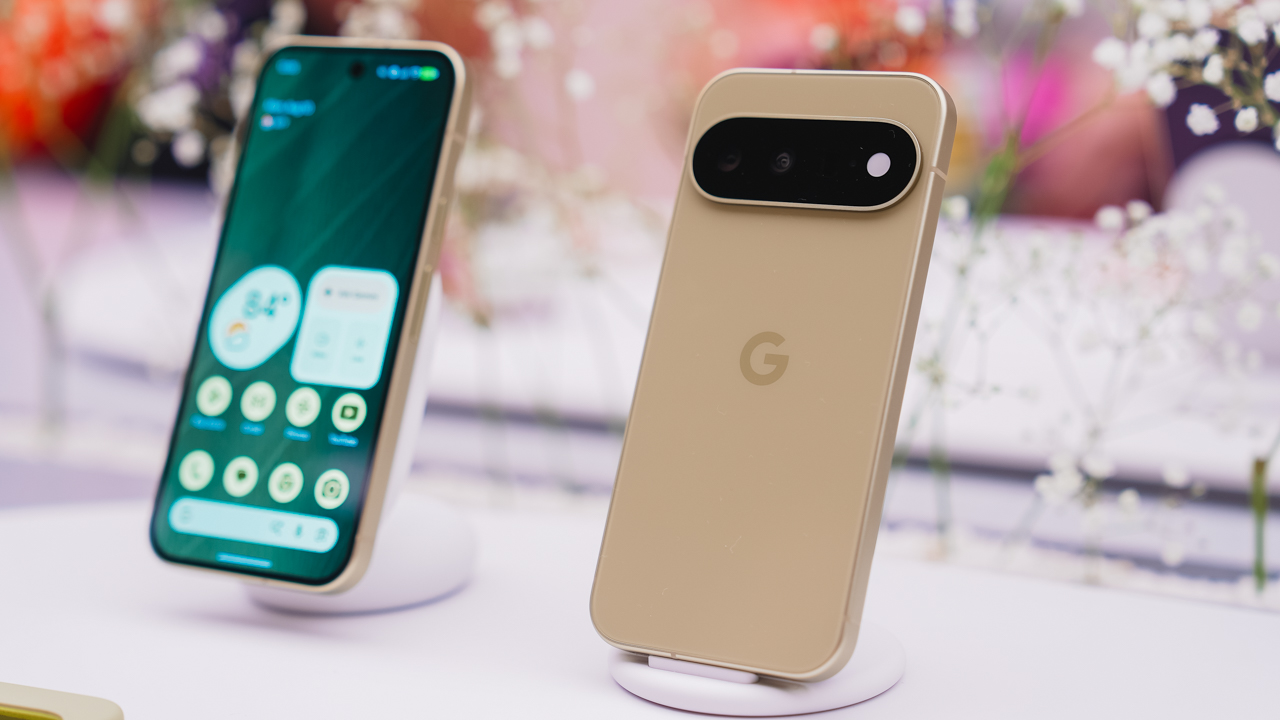
You’re the one who remembers everyone’s coffee order. Pistachio is soft and easy; the one whom people gravitate toward without quite knowing why. It doesn’t try hard to be liked. It just is.
Frost

You like things a little too organized. Frost means clean lines and a clear head, the color equivalent of a camera roll with zero mess in it. If your notes app has color-coded folders, this one’s calling your name.
Obsidian
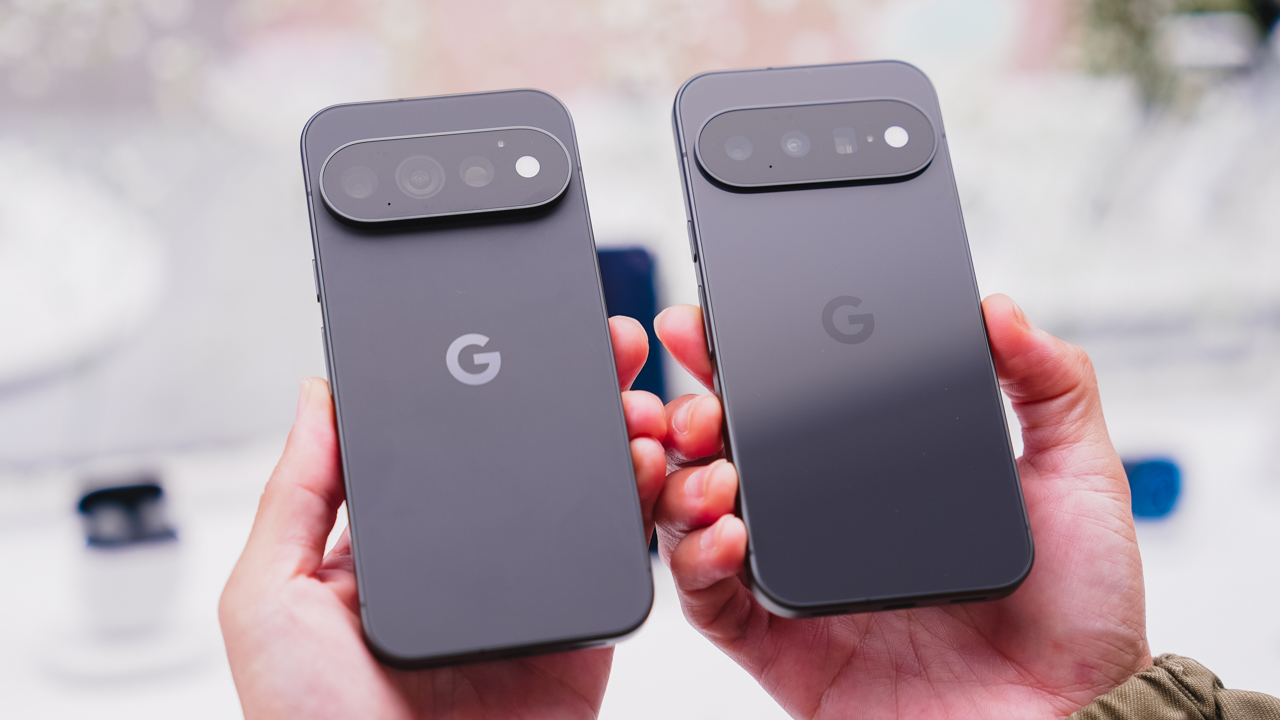
You let the work speak for itself. No flash needed, because when you show up, the room adjusts anyway. Obsidian is the classic choice, the one that’s never trying too hard because it doesn’t have to.
Canyon
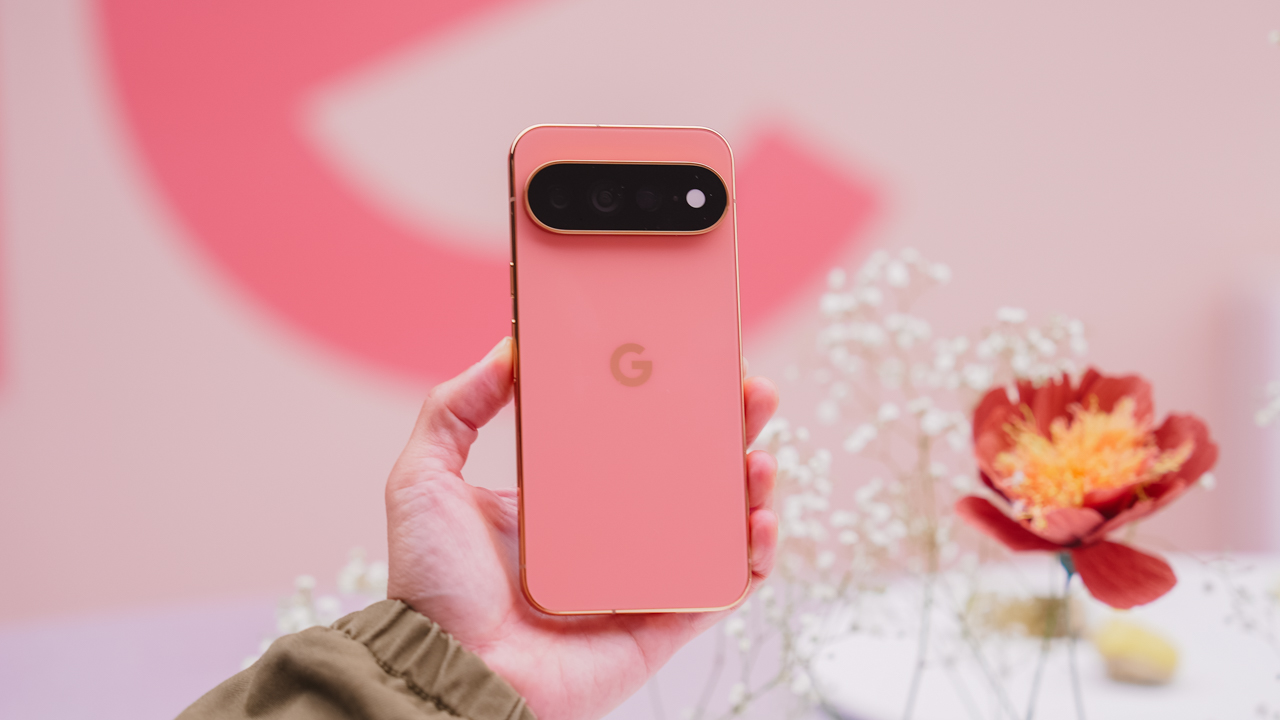
You’re the one who suggests the sunset drive. Canyon is warm and a little restless, always chasing golden hour whether or not anyone else is up for it. Available on the Pro and Pro XL, it’s built for people who treat every evening like it might be a good one.
Olive
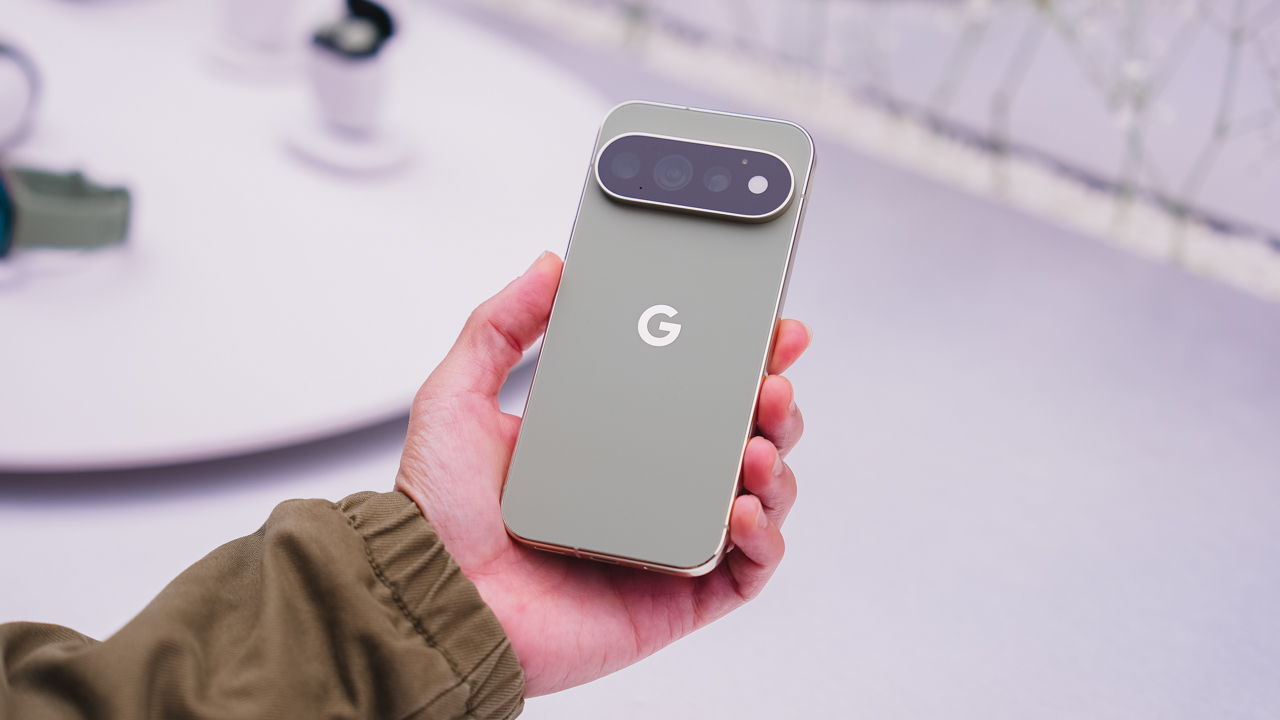
You’re outdoorsy, but you’ll still show up looking put together. Olive is low-key and grounded, the one who doesn’t try too hard because it’s already comfortable in its own skin. Another Pro and Pro XL exclusive.
Fog

You’re hard to read, and you like it that way. Fog is understated on purpose, a Pro and Pro XL colorway for anyone who’d rather keep people guessing.
So, which one’s you?

Eight colors, three phones, one very personal decision. Pixel 11, Pixel 11 Pro, and Pixel 11 Pro XL goes on sale starting August 20 — with Pistachio, Hibiscus, Frost, and Obsidian on the base model; and Canyon, Fog, Olive, and Obsidian on the Pro line.
Which one’s calling your name?





Garmin Approach S72 brings swing metrics, green reading to your wrist

Garmin Enduro 4 promises up to 320 hours of battery life

Spotlight: Marshall Heston 60

Apple sets home-themed event on October 13

ASUS Zenbook 14 lineup expands with new colors and processors

vivo X500 Series launches with major imaging upgrades

OPPO Find X10 Pro Max is the first phone with a triple 200MP camera system

BYD says that way better EV batteries are coming next year

TECNO CAMON Slim 5G: Price, availability in the Philippines

HONOR Magic9 Pro Max launches in China with ARRI-powered imaging


-
 Automotive2 weeks ago
BYD says that way better EV batteries are coming next year
-
 Philippines1 week ago
TECNO CAMON Slim 5G: Price, availability in the Philippines
-
 News2 weeks ago
HONOR Magic9 Pro Max launches in China with ARRI-powered imaging
-
 Reviews1 week ago
TECNO CAMON Slim 5G review: Slim on size, big on surprise
-

 Smartphones2 weeks ago
TECNO CAMON Slim 5G teases an ultra-slim design ahead of launch
-

 News1 week ago
Apple wants to release new iPhones more regularly
-

 Computers2 weeks ago
ROG brings out the ultra-stylish G1000 gaming desktop
-
 News1 week ago
vivo X Fold6 makes global debut with 200MP camera and 6900mAh battery